Introduction to Design Systems with Figma
A course by Javier CuelloUX Designer
A course by Javier Cuello, UX Designer

Learn how to create design systems that answer your users' needs
Behind every interface, there are a number of seemingly invisible details that can dictate your brand, company, or product's direction. By incorporating Design Systems' tools into your project, you can ensure that your interface works intuitively for all members of your team, regardless of the particularities of their workflow.
In this course, UX designer Javier "Simón" Cuello helps you build an interface for a website in an organized, coherent, and consistent way that satisfies your users’ and clients' real needs.
It is recommended that you also take Javier's other courses on Domestika: Interface Design with Sketch and Design a Delicious App.
What will you learn in this online course?
24 lessons & 39 downloads
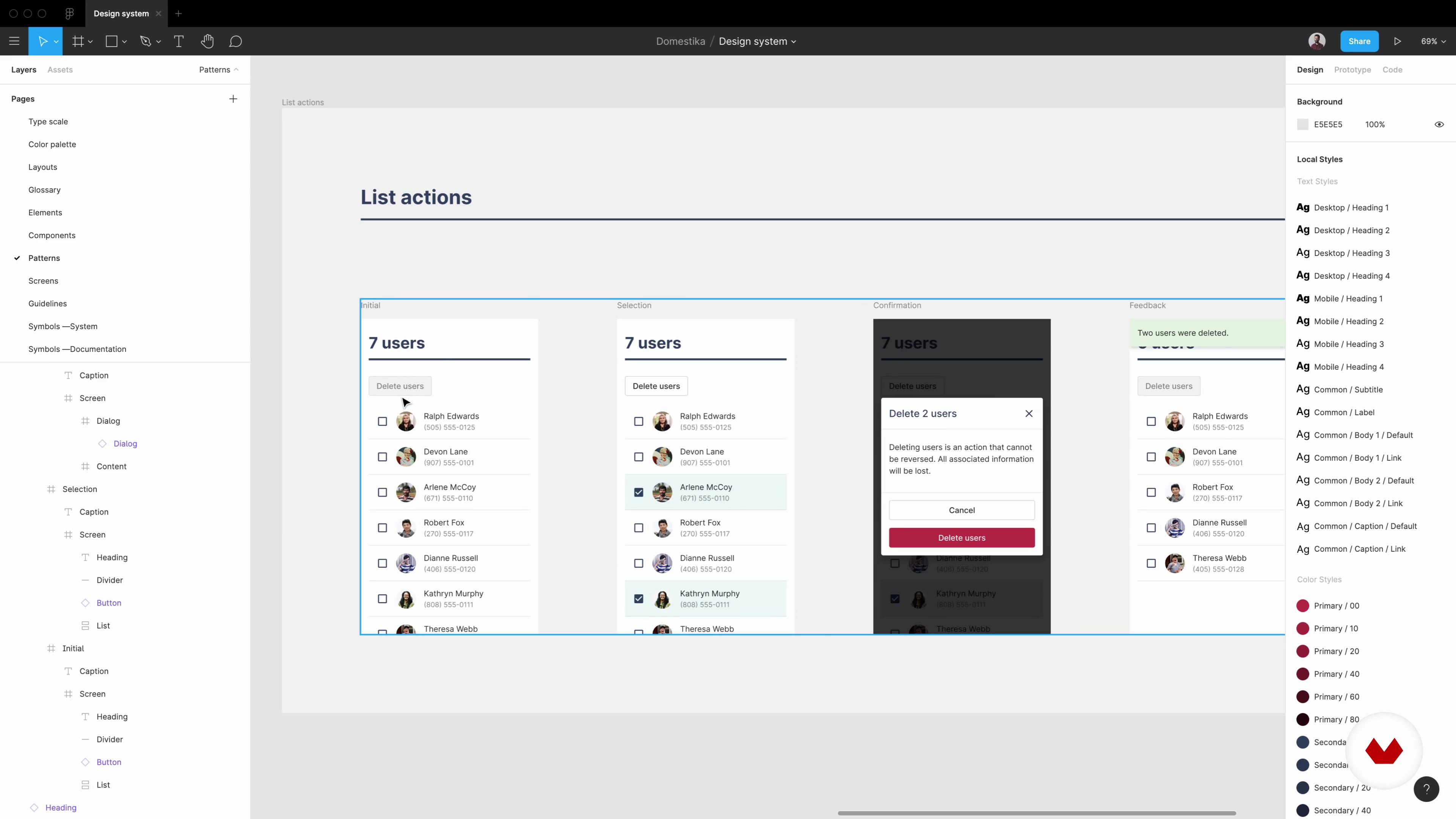
What will we do in the course?
4 minutes, 34 seconds
Benefits for you and your work team
7 minutes, 48 seconds
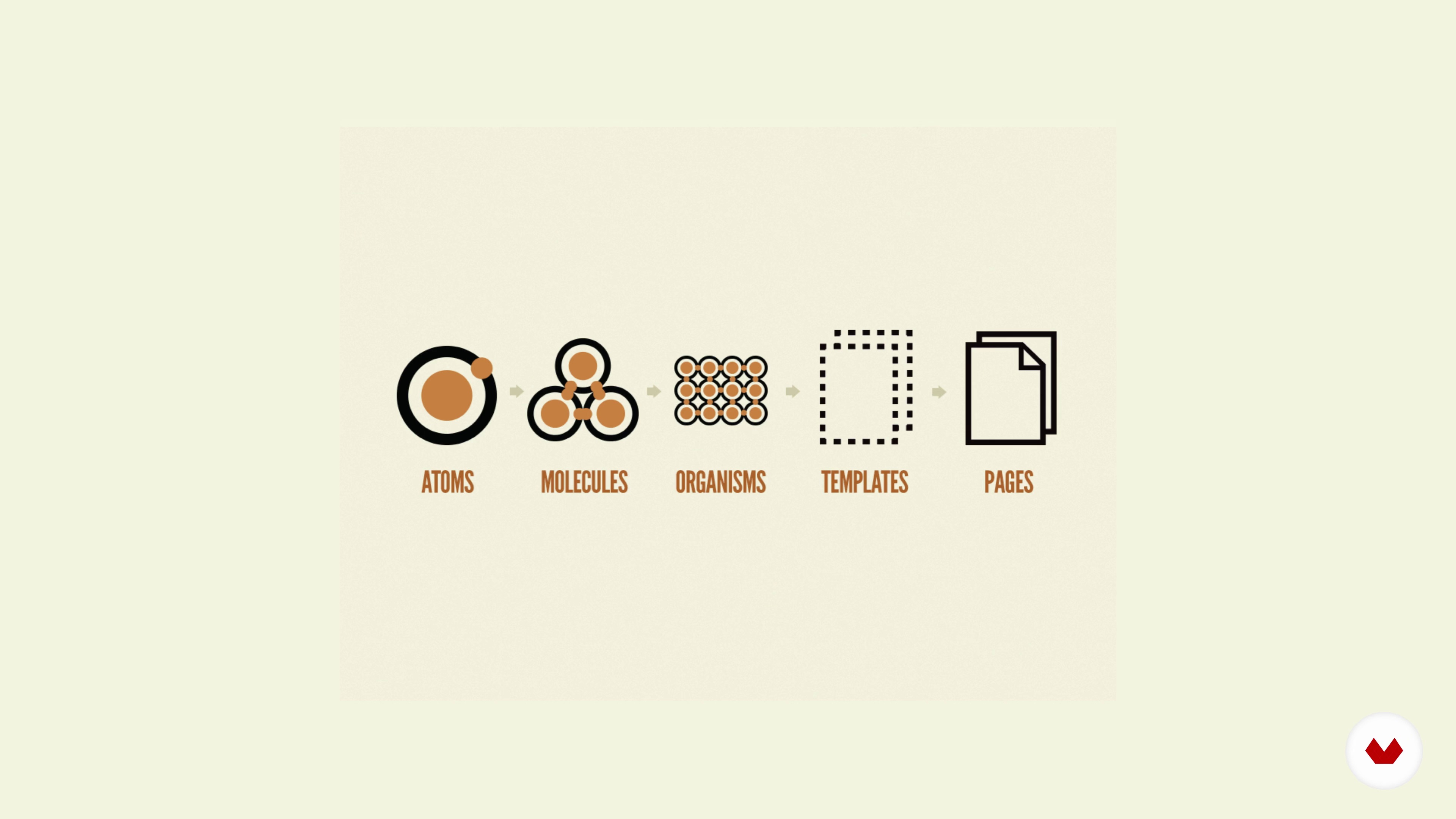
Parts of a system
6 minutes, 24 seconds
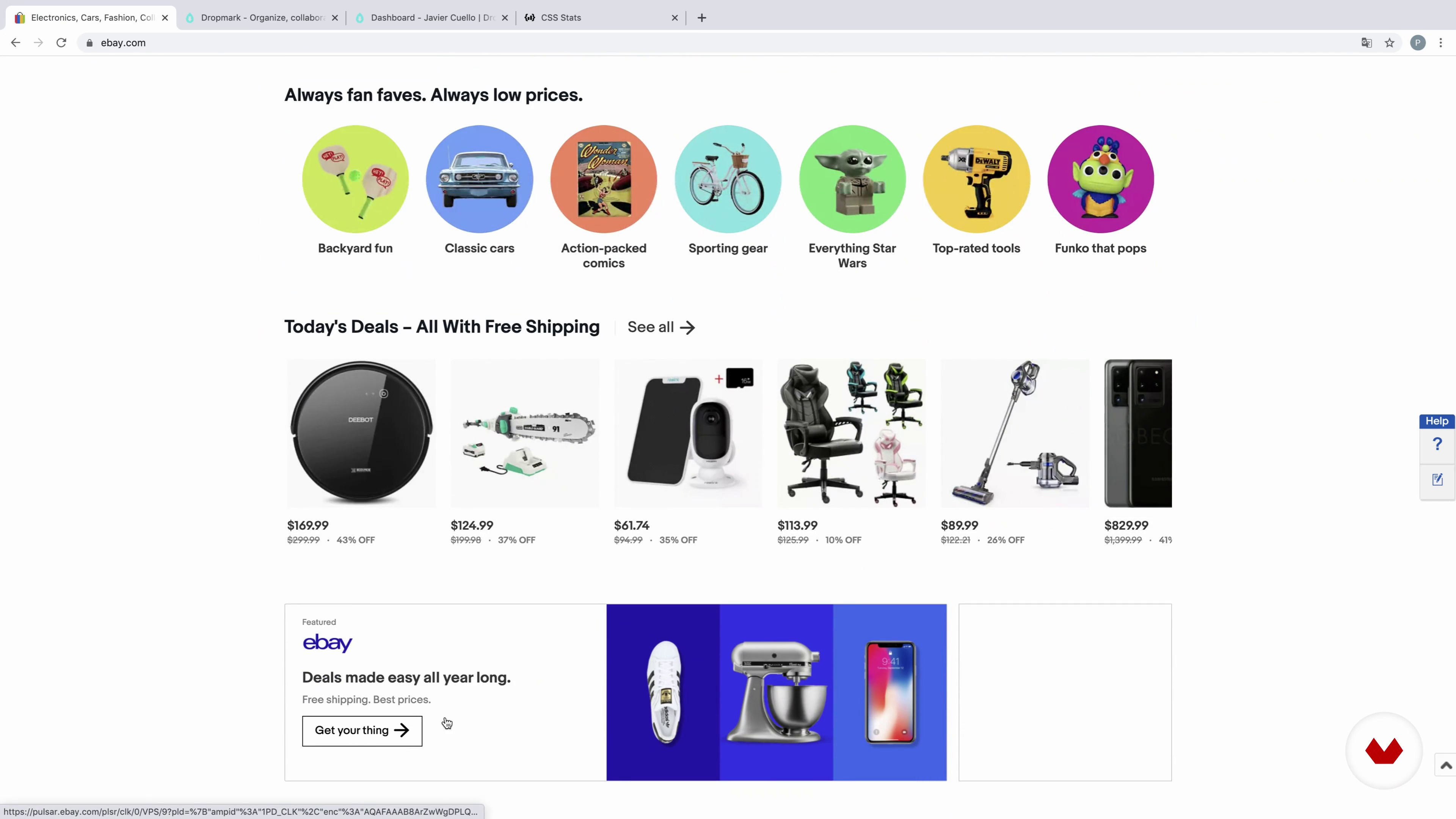
Identify the context
7 minutes, 1 second
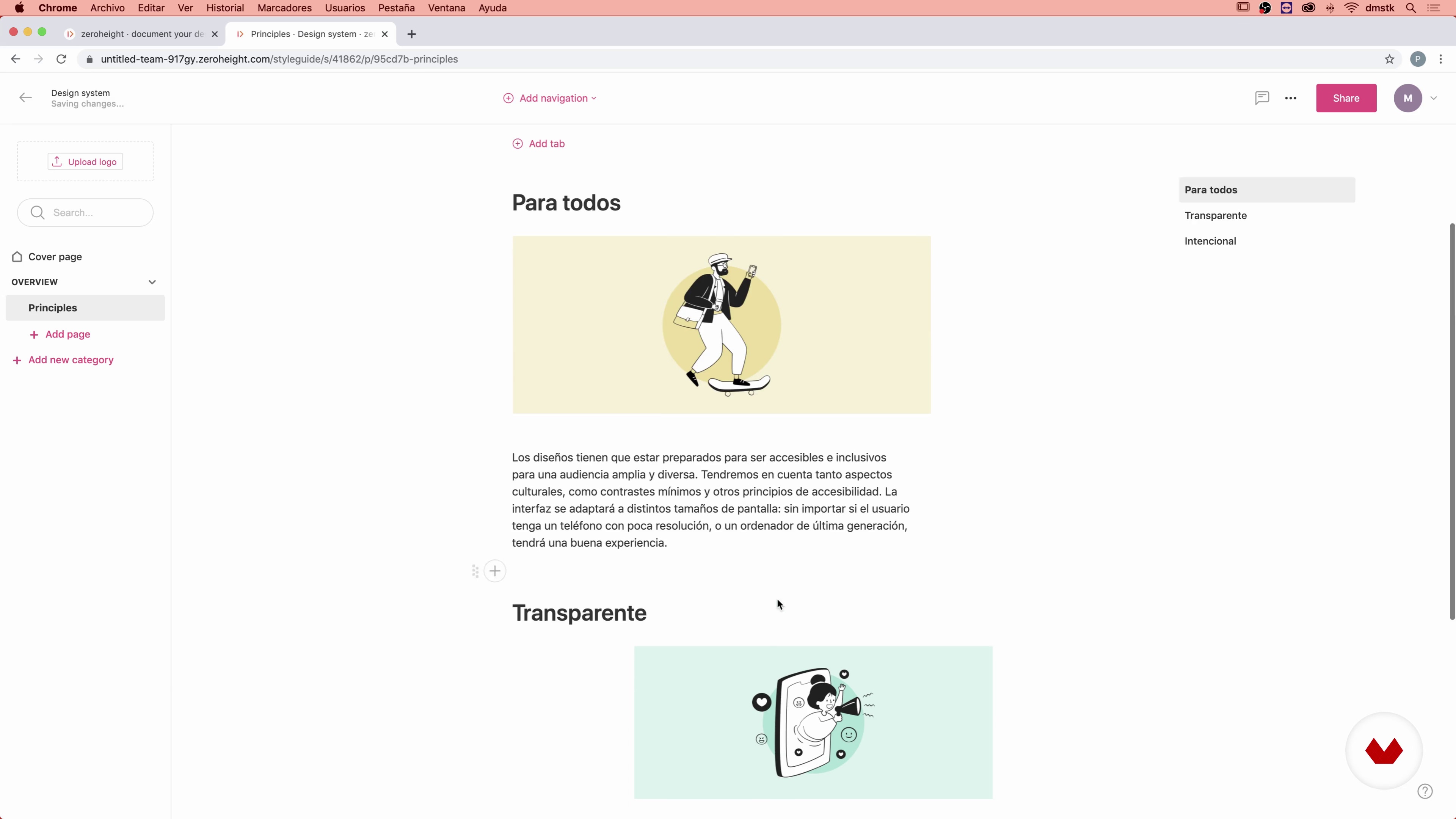
Thinking the design principles
7 minutes, 45 seconds
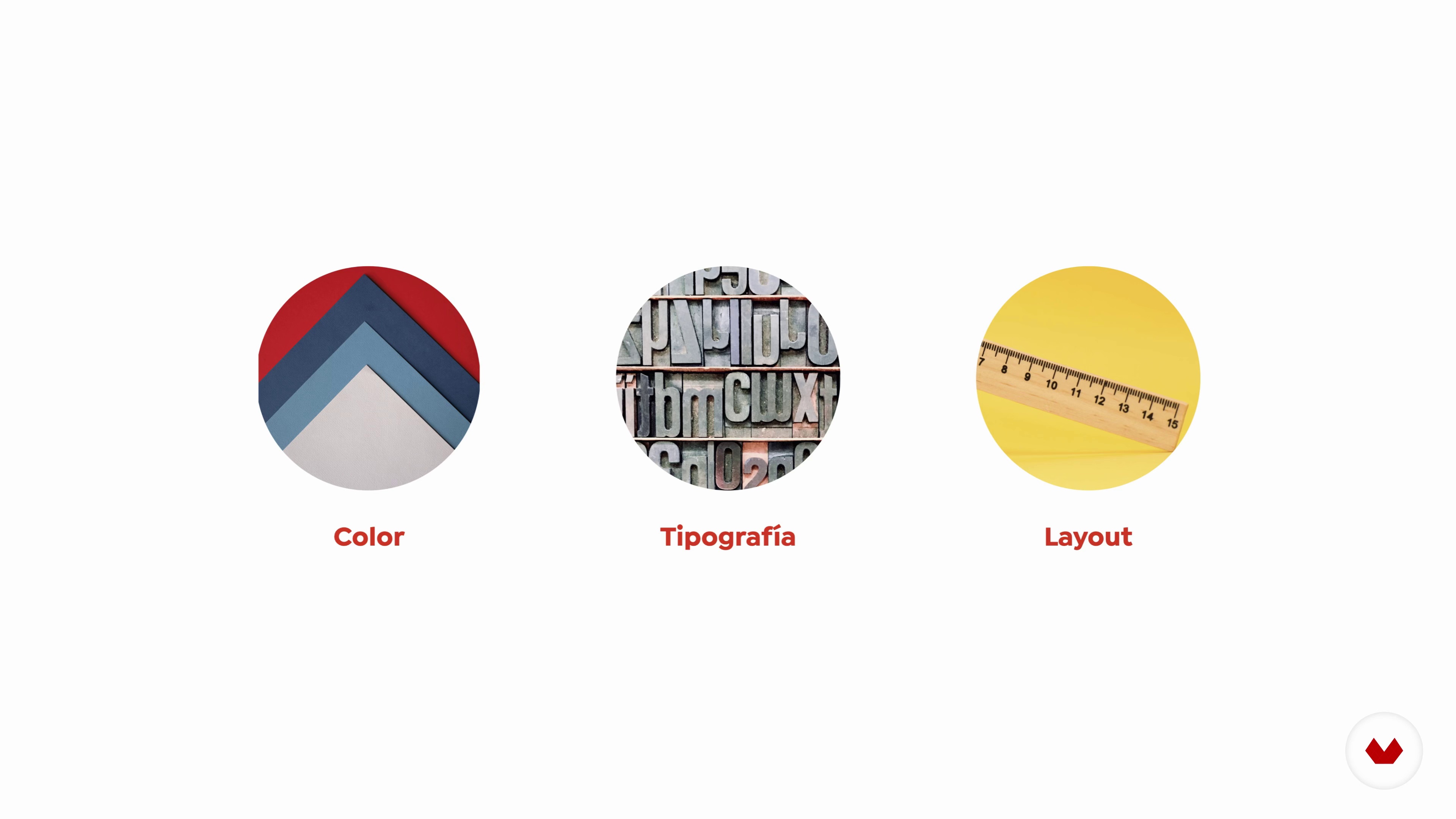
Style guide 1
13 minutes, 49 seconds
What's included in this course?
Start this course by getting to know Javier, his projects and influences throughout his career, as well as an introduction to the main concepts of Design Systems.
Then, discover the benefits that Design Systems can offer you and your team, and see all the parts that make up a system, including your design principles, the style guide, the individual elements and components of the interface, the code repository, and the documentation.
Javier teaches you how to identify the purpose of your system, according to the context of the product, and shows you how to establish the criteria to guide your design and strategy. Javier also helps you create a definitive style guide for your interface.
Time to get to work! Using Figma, design the individual elements, components, patterns, and prototypes for the main screen in different formats.
To finish, work with the communication and collaboration elements so that your design system has a controlled evolution that is backed by all the members of the team.
Javier teaches you about the importance of Design Tokens and how to document the evolution of your system. He then shows you how to differentiate a work in progress from an already completed one and advises you on how to work with the different members within a team.
Recommended software & tools for this course
What is this course's project?
Design the homepage for a travel website, in three different sizes.
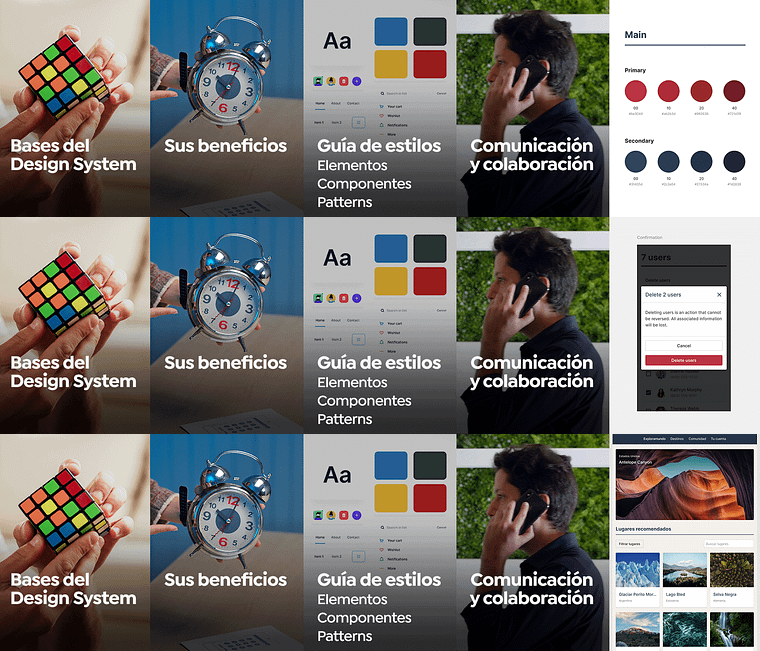
Projects by course students

Who is this online course for?
For interface designers who want to build an organized, coherent, and consistent design for websites and applications.
Requirements and materials
You will need to have basic knowledge of Figma, including how to create styles, components, and Auto Layout functions, as well as familiarity with interface design.
As for materials, you will need a computer with Figma installed. This course was created with Figma 116.3.6. If you have a more recent version, you'll be able to follow the content without any issues.

Reviews
- 26 days ago
very nice overview and introduction to design systems. so far so good.
- 2 months ago
Até o momento, muito interessante. Vários insights interessantes e pontos de atencao negligenciados muitas vezes.
- 3 months ago
Il corso offre una panoramica abbastanza completa. Purtroppo però la traduzione audio in italiano (e di conseguenza i sottotitoli, che corrispondono perfettamente alla traduzione audio) è davvero pessima. Ci sono troncamenti di frasi e parole/traduzioni insensate che rendono dei passaggi pressoché incomprensibili. Questo compromette notevolmente la qualità del corso per chi ne usufruisce in altra lingua.
- 5 months ago
Very insightful!
- 8 months ago
Un curso bastante completo, me sirvió para reafirmar mis conocimientos en DS. Lo recomiendo mucho si estas empezando en el mundo de los sistemas de diseño.

Something that is always reflected in his work is the constant strive for improvement in seemingly invisible details, which makes a digital project shine in the concept of user experience.
Content
- U1
Introduction
- Presentation
- Influences
- What will we do in the course?
- U2
Design Systems
- Benefits for you and your work team
- Parts of a system
- U3
The bases of your design system
- Identify the context
- Thinking the design principles
- Style guide 1
- Style guide 2
- U4
Designing the system
- Elements 1
- Elements 2
- Elements 3
- Component Design 1
- Component Design 2
- Component Design 3
- Component Design 4
- Additional components
- Patterns
- Screens 1
- Screens 2
- U5
Communication and collaboration
- Design tokens
- How to document the system
- Changes and updates
- Work teams
- FP
Final project
- Introduction to Design Systems with Figma
What to expect from a Domestika course
Learn at your own pace
Enjoy learning from home without a set schedule and with an easy-to-follow method. You set your own pace.
Learn from the best professionals
Learn valuable methods and techniques explained by top experts in the creative sector.
Meet expert teachers
Each expert teaches what they do best, with clear guidelines, true passion, and professional insight in every lesson.
Certificates
PLUSIf you're a Plus member, get a custom certificate signed by your teacher for every course. Share it on your portfolio, social media, or wherever you like.
Get front-row seats
Videos of the highest quality, so you don't miss a single detail. With unlimited access, you can watch them as many times as you need to perfect your technique.
Share knowledge and ideas
Ask questions, request feedback, or offer solutions. Share your learning experience with other students in the community who are as passionate about creativity as you are.
Connect with a global creative community
The community is home to millions of people from around the world who are curious and passionate about exploring and expressing their creativity.
Watch professionally produced courses
Domestika curates its teacher roster and produces every course in-house to ensure a high-quality online learning experience.
FAQs
A design system is a collection of components, guidelines, and patterns that ensure consistency and efficiency in digital products. It streamlines collaboration, reduces errors, and speeds up development—making it essential for teams aiming for visual and functional harmony.
Yes, this course is designed for people with prior design experience, ideally at an intermediate level, who want to deepen their skills in creating and managing design systems for digital products.
It’s recommended to have basic experience in digital design and familiarity with tools like Figma. Understanding components, interfaces, and design principles will help you get the most out of the course.
You’ll learn how to create and manage design systems, define reusable components, document design principles, optimize workflows, and maintain visual consistency across teams and digital products.
The course teaches how to apply Dieter Rams’ principles to create functional, timeless, and minimalist interfaces, focusing on solving problems through simplicity and a balanced blend of form and function.
The primary tools used are Figma for design and component creation, and ZeroHeight for documenting style guides and principles, making collaboration and access to system information easy.
Yes, you’ll learn how to structure and document components, principles, and style guides using collaborative tools to ensure the system is properly adopted and maintained by the whole team.