Compositional Techniques for Graphic Design
A course by Javier AlcarazEditorial and Typeface Designer
A course by Javier Alcaraz, Editorial and Typeface Designer

Learn how to use key elements to create clear and attractive graphic structures
A composition is made up of key elements like color, shape, space, balance, asymmetry. In graphic design, it’s essential to master these concepts and apply them to create communication that is impactful, relevant, and connects with your audience.
In this course, graphic designer Javier Alcaraz teaches you how to create an efficient graphic structure for your next project. As a specialist in editorial, branding, and typography projects, Javier explains the key components of creating a visual language and how to articulate ideas through design.
Javier uses Adobe InDesign in this course. If you need to add InDesign to your skillset, you can check out Javier’s 5-course Introduction to Adobe InDesign from our Basics series, or dive deeper into editorial projects with Automated Editorial Design with Adobe InDesign.
What will you learn in this online course?
23 lessons & 28 downloads
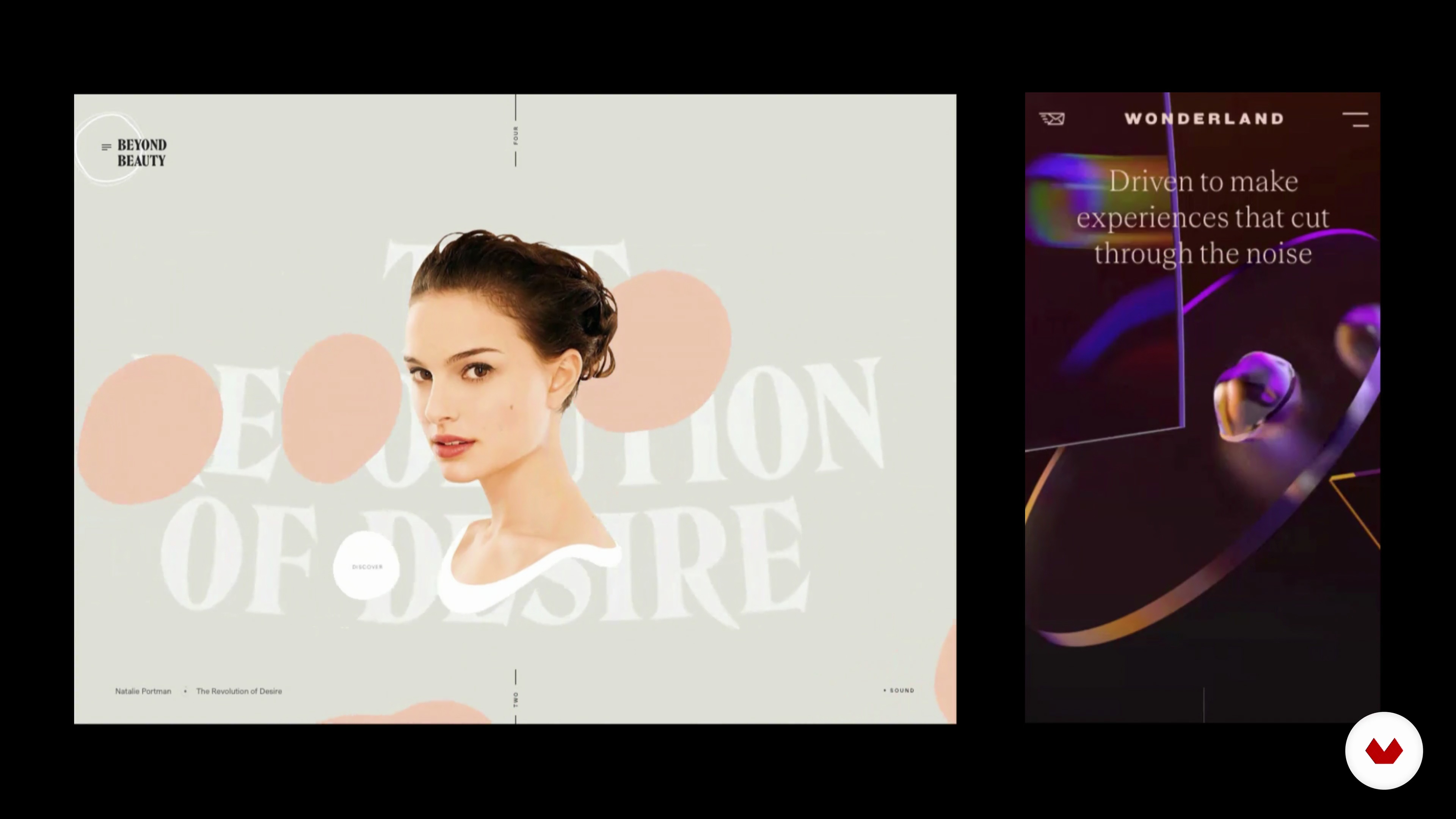
What will we do in this course?
2 minutes, 57 seconds
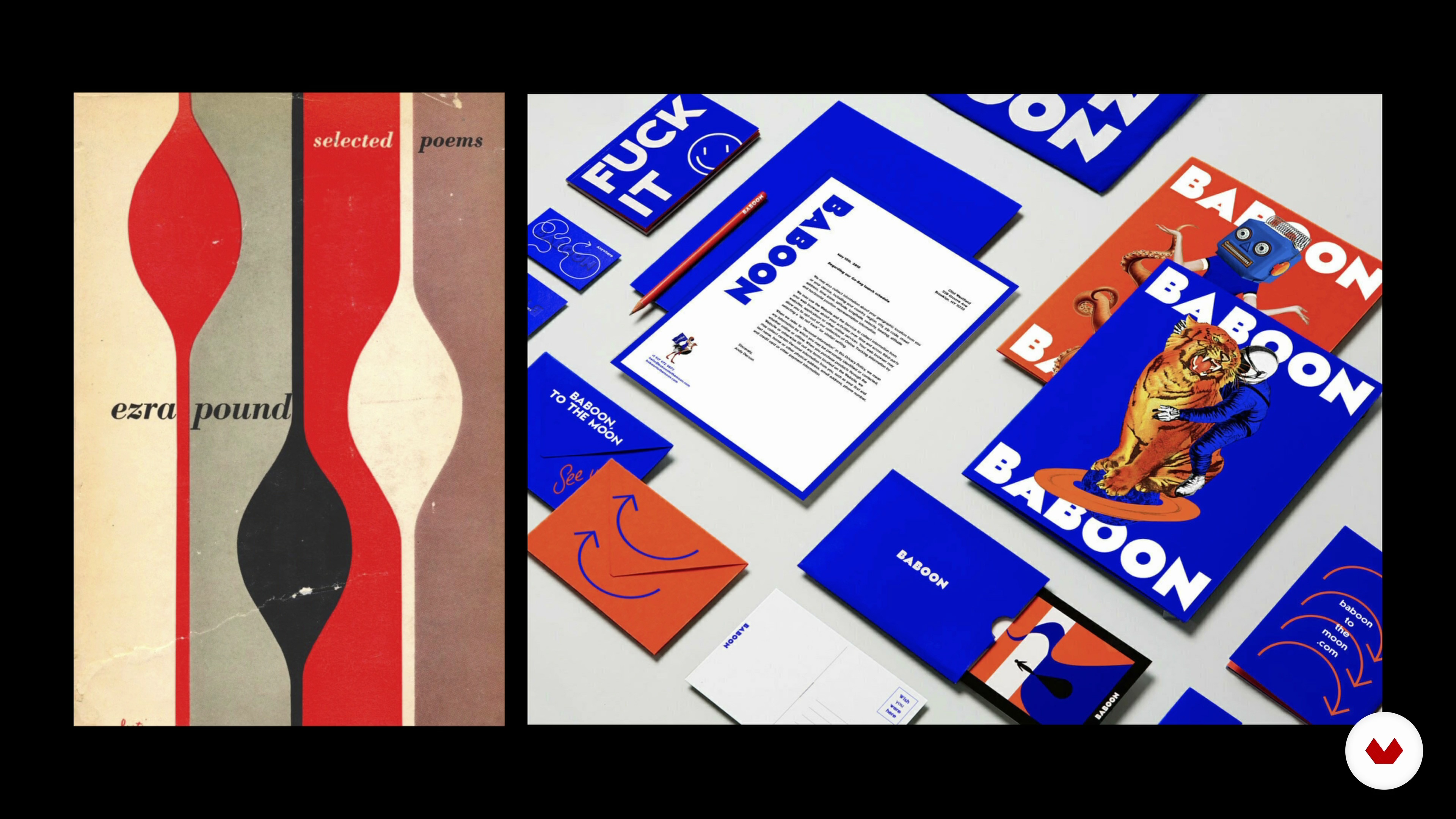
What is composition?
6 minutes, 14 seconds
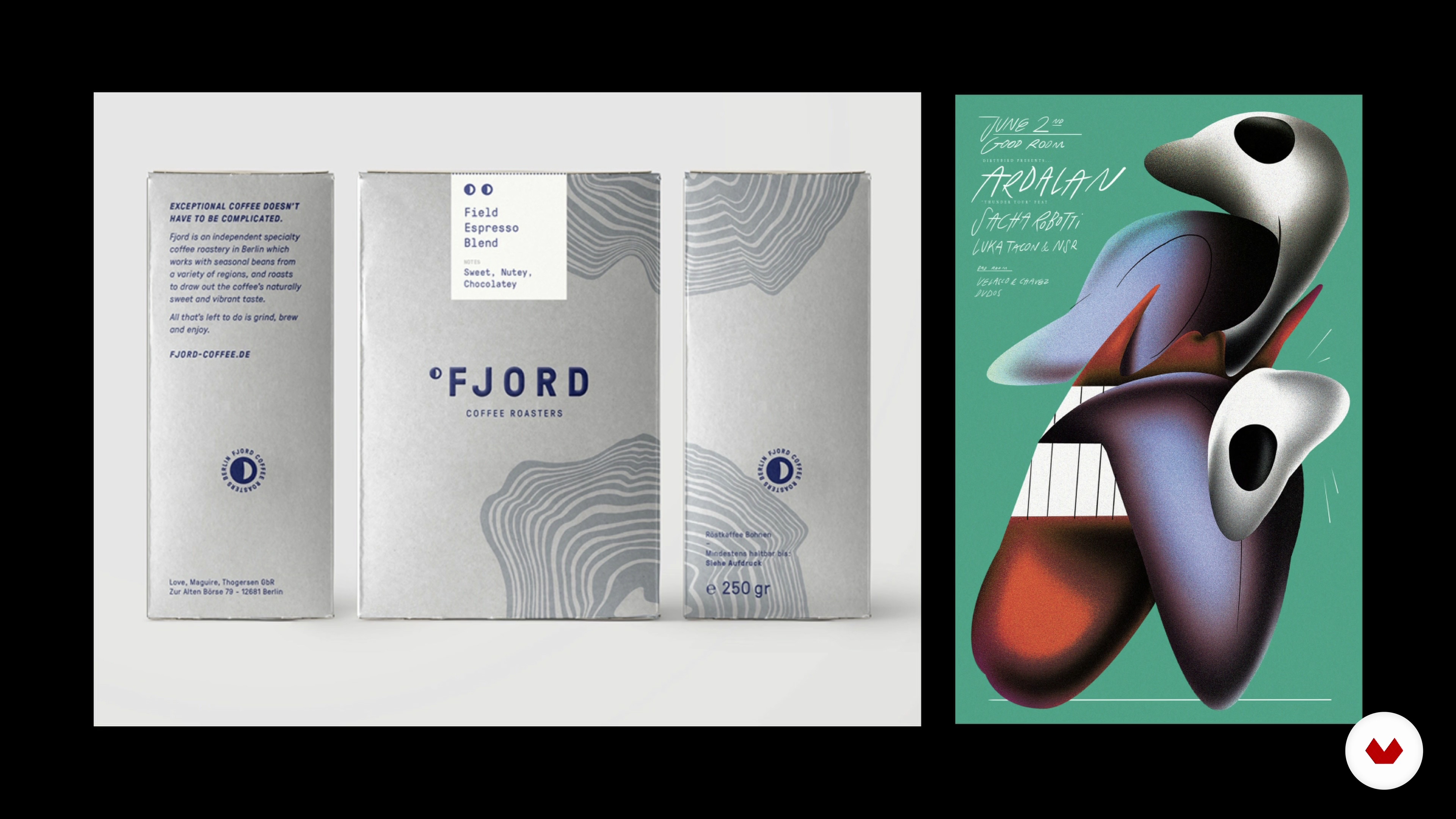
The effective composition
8 minutes, 48 seconds
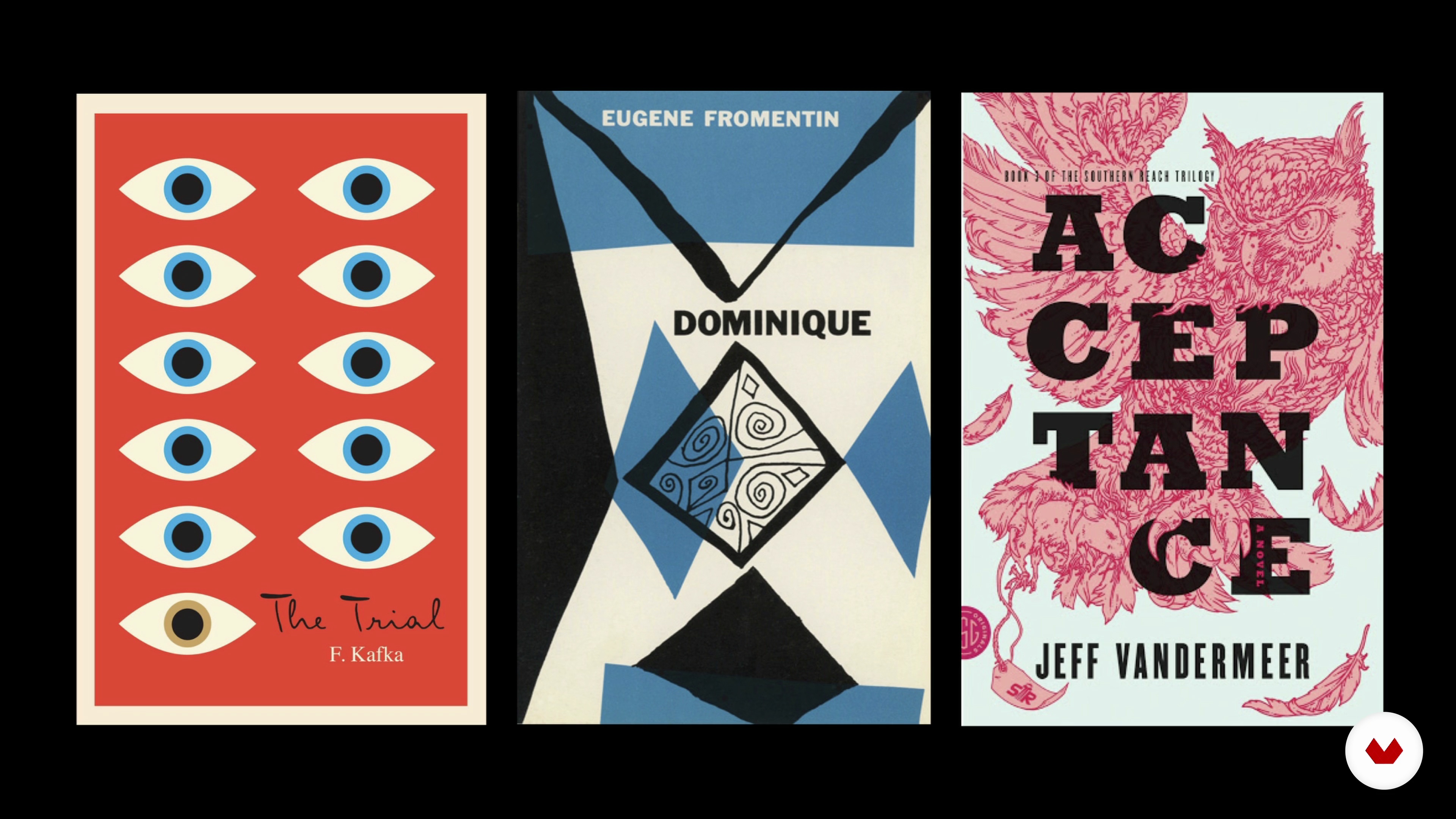
Particular considerations
8 minutes, 48 seconds
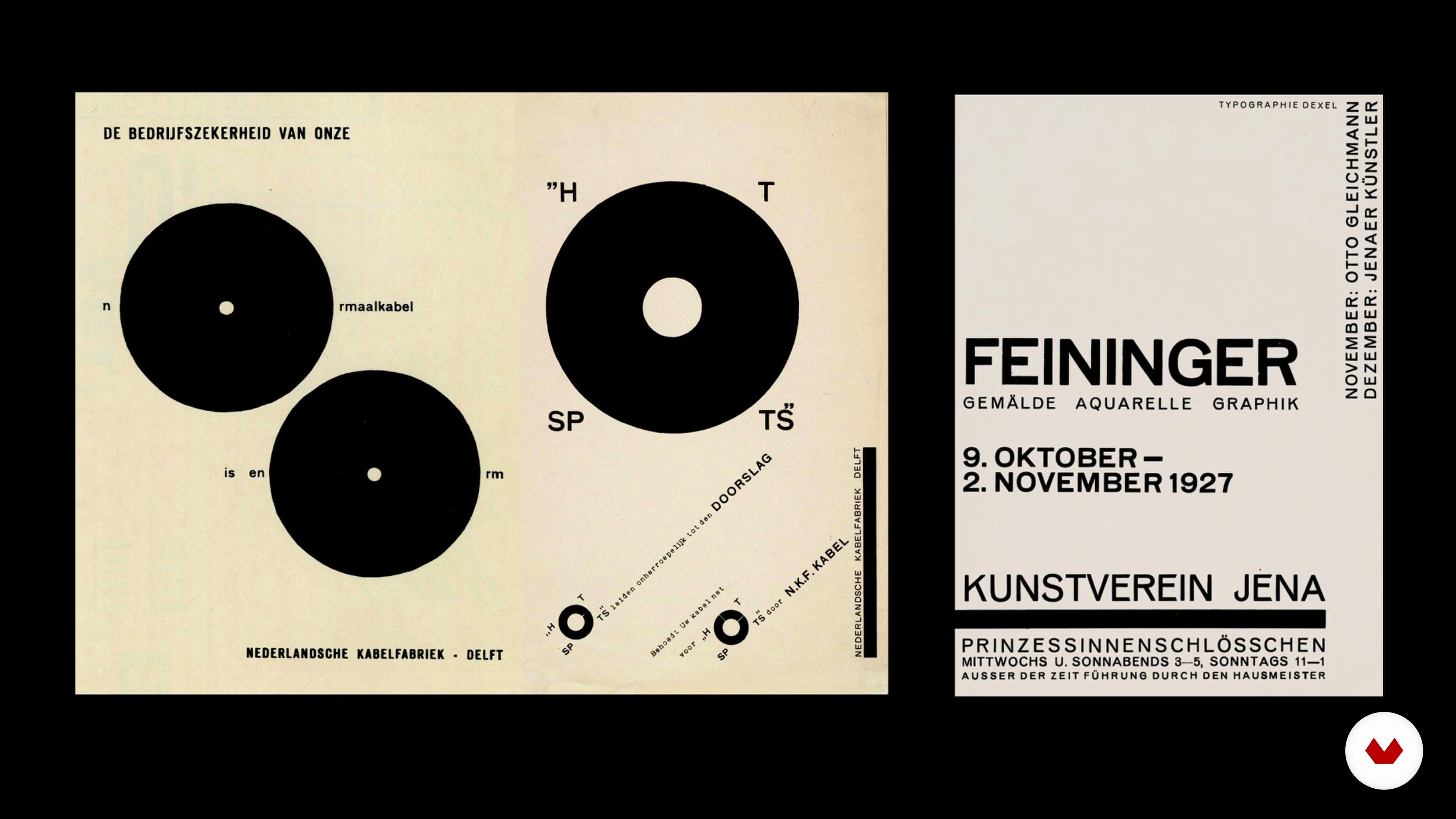
Form
12 minutes, 12 seconds
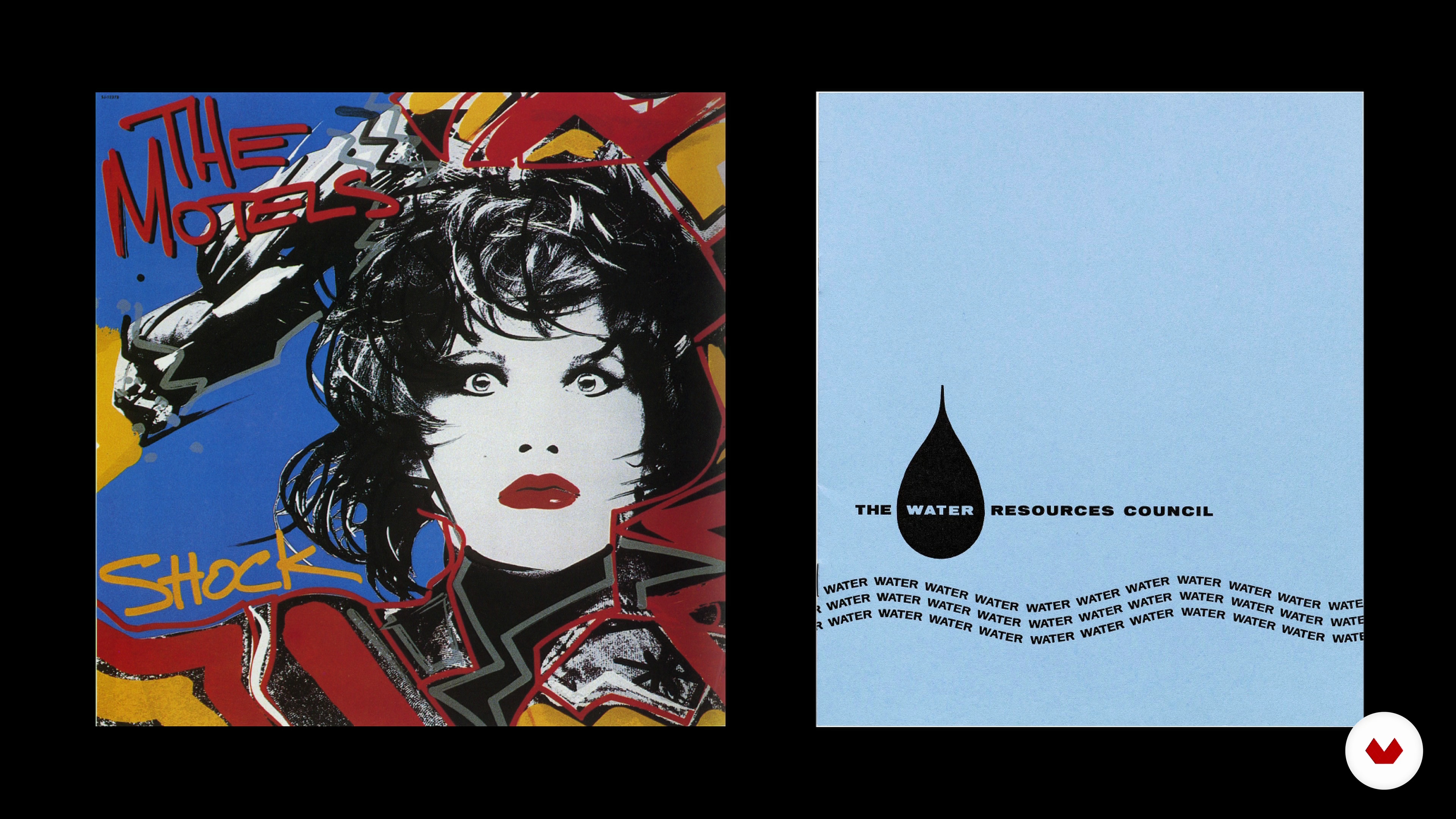
Negative space
10 minutes, 8 seconds
What's included in this course?
First, get to know Javier Alcaraz. Learn about his main influences and how he created elcerezo, his studio specializing in editorial design, branding projects, and typeface design.
Next, Javier gives you the tools you need to be able to determine whether a composition is effective or not. With the techniques shown, learn Javier’s methods for understanding the particularities within each composition.
Then, take a look at the key elements that compose a graphic project: shape, negative space, use of color, typography, and iconography.
After understanding the graphic components, dive into the strategy behind concepts like balance, contrast, and center of visual interest. Finally, learn the rule of thirds, the golden ratio, how to apply them, and how to use compositional grids.
Recommended software & tools for this course
What is this course's project?
Create an effective graphic composition for a poster, an album cover, a website, or a double-page for a print magazine. You can design from scratch or redesign a piece that you already have created.
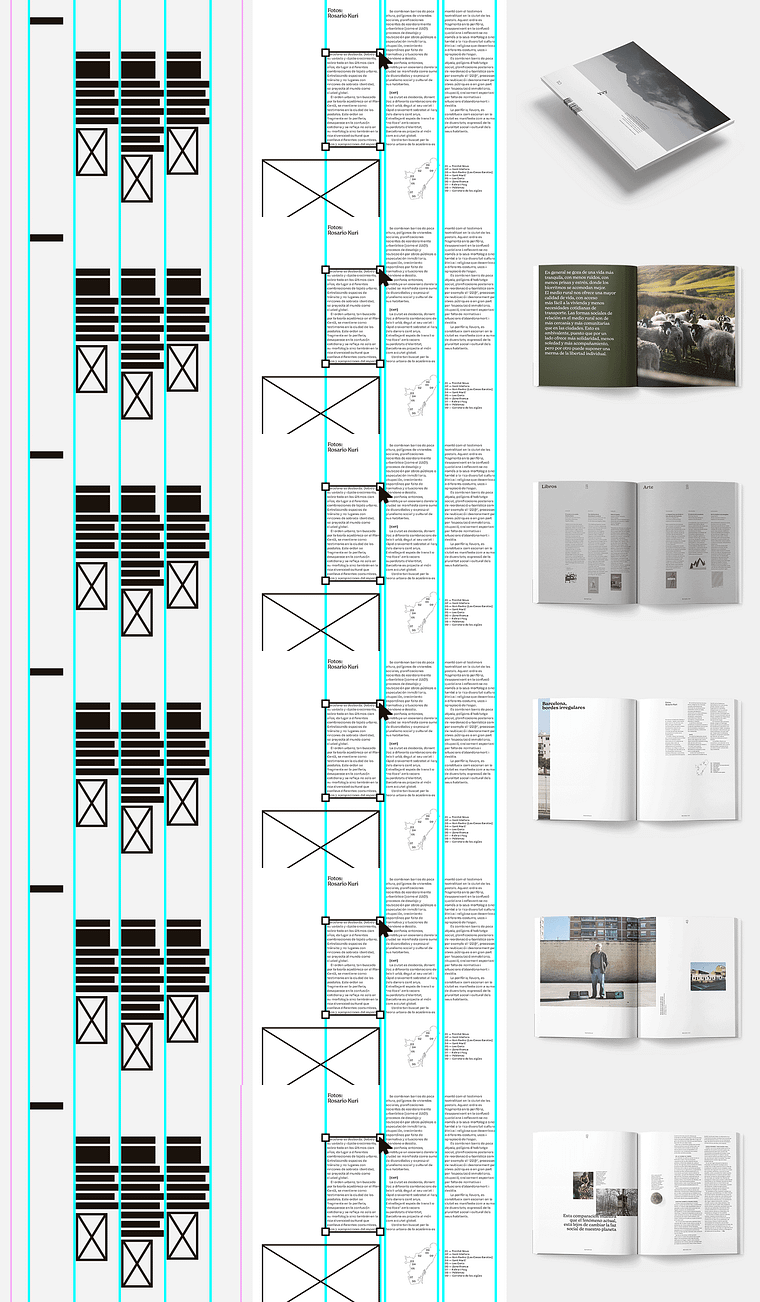
Projects by course students
Who is this online course for?
This course is for graphic, editorial, and digital designers. Also, for visual artists, publicists, or anyone with an interest in visual composition.
Requirements and materials
No previous knowledge is needed, but some basic notions of design will be helpful.
Regarding materials, you will need black paper, white paper, a pencil, and a computer with your preferred design software. Javier will be using Adobe Indesign.

Reviews
- 29 days ago
Este curso me ha ayudado muchísimo con los pilares del diseño gráfico. Conceptos complejos explicados a la perfección por el profesor de manera que se comprenden y se aplican a nuestro trabajo del día a día. Sin duda el mejor curso de Doméstika para empezar a familiarizarse con el diseño gráfico.
- 29 days ago
Me gustó un montón! El lenguaje y la precisión con la que describe conceptos abstractos hacen que el curso sea digerible y amigable.
- 1 month ago
Excelente curso para entender los fundamentos del diseño. Está muy bien explicado y se entiende todo fácil, paso a paso. Lo recomiendo totalmente para quien quiera empezar con buenas bases en diseño.
- 1 month ago
Es un buen curso para empezar a comprender qué es la composición visual, para ir entrenando el ojo y empezar a ver los trabajos de diseño y fotografía desde otra perspectiva
- 2 months ago
Muy buen curso sobre la composición en diseño gráfico

Javier Alcaraz is a graphic designer specializing in Typographic Design and Art Direction for Editorial Design. He began his design career for Argentina newspapers and worked on developing publications and institutional communication in Ecuador. In 2004, he left Argentina for Mexico, where he worked for important publishing houses like Grupo Media and Expansión.
In 2011, he founded elcerezo, a studio that works on editorial design, branding, and typeface design for clients in Latin America and Europe, including Google, the Mexican Ministry of Culture, TetraPack, and Forbes. He currently resides in Spain.
Content
- U1
Introduction
- Presentation
- Influences
- What will we do in this course?
- U2
Composition basics
- What is composition?
- The effective composition
- Particular considerations
- U3
Composition elements
- Form
- Negative space
- Color
- Typography
- Iconography
- U4
Principles of visual composition
- Keep it simple
- Balance and movement
- Define a center of interest
- Contrast to organize
- Repetition unifies
- U5
Proportions and other joints
- Symmetry and asymmetry
- The rule of thirds
- The golden ratio
- The proportional scales 1
- Proportional scales 2
- Grids: concept
- Grids: application
- FP
Final project
- Compositional Techniques for Graphic Design
What to expect from a Domestika course
Learn at your own pace
Enjoy learning from home without a set schedule and with an easy-to-follow method. You set your own pace.
Learn from the best professionals
Learn valuable methods and techniques explained by top experts in the creative sector.
Meet expert teachers
Each expert teaches what they do best, with clear guidelines, true passion, and professional insight in every lesson.
Certificates
PLUSIf you're a Plus member, get a custom certificate signed by your teacher for every course. Share it on your portfolio, social media, or wherever you like.
Get front-row seats
Videos of the highest quality, so you don't miss a single detail. With unlimited access, you can watch them as many times as you need to perfect your technique.
Share knowledge and ideas
Ask questions, request feedback, or offer solutions. Share your learning experience with other students in the community who are as passionate about creativity as you are.
Connect with a global creative community
The community is home to millions of people from around the world who are curious and passionate about exploring and expressing their creativity.
Watch professionally produced courses
Domestika curates its teacher roster and produces every course in-house to ensure a high-quality online learning experience.
FAQs
You’ll master key principles of composition, typography, editorial design, color use, visual organization, grid creation, and techniques to craft clear, cohesive, and effective graphic pieces across formats like posters, covers, publications, and branding.
Yes, this course is designed for those with some graphic design background who want to deepen their understanding of composition, typography, and advanced techniques to create more effective and professional visual projects.
It’s recommended to have basic graphic design knowledge and familiarity with digital tools to get the most out of the course content and practical exercises.
You’ll need a computer with internet access and basic graphic design software like Adobe Illustrator, Photoshop, or similar, plus accounts on platforms like Pinterest and Google Fonts to explore references.
The course covers composition rules, balance, contrast, visual hierarchy, rhythm, symmetry, use of the golden ratio, editorial grids, figure-ground relationships, negative space, and Gestalt principles applied to design.
Yes, the course includes practical work and analysis focused on designing creative book covers, modular urban posters, and advertising flyers using advanced composition and typography strategies.
You’ll learn to apply Gestalt perceptual principles like grouping, similarity, figure-ground, and pragnanz to organize and prioritize visual elements, enhancing clarity and impact in your designs.