Cyanotype: Printing with Light
A course by Fábrica de TexturasDesign Workshop
A course by Fábrica de Texturas, Design Workshop

Learn how to print any type of image from scratch using light
Known as a photographic printing technique, cyanotype is a unique and easy manual process used to create print patterns, used by artists, botanists, and architects for almost 200 years. Through a photosensitive solution that dyes surfaces blue when in direct contact with light, it reveals original prints, with good definition and an intense, unique shade of blue. Xavier and Gabriela, professionals from the Fábrica de Texturas workshop, will guide you through a cobalt-colored journey through the cyanotype universe.
In this course, you’ll learn all the steps required to create your cyanotype prints with ease; from the preparation of the solution, to the creation of images on transparent media or photolith film, to exposing light and fixating color. Discover how to apply your prints onto different surfaces such as paper, fabric, wood, and ceramic, with the use of photos, plants, flowers, and even objects.
What will you learn in this online course?
12 lessons & 12 downloads
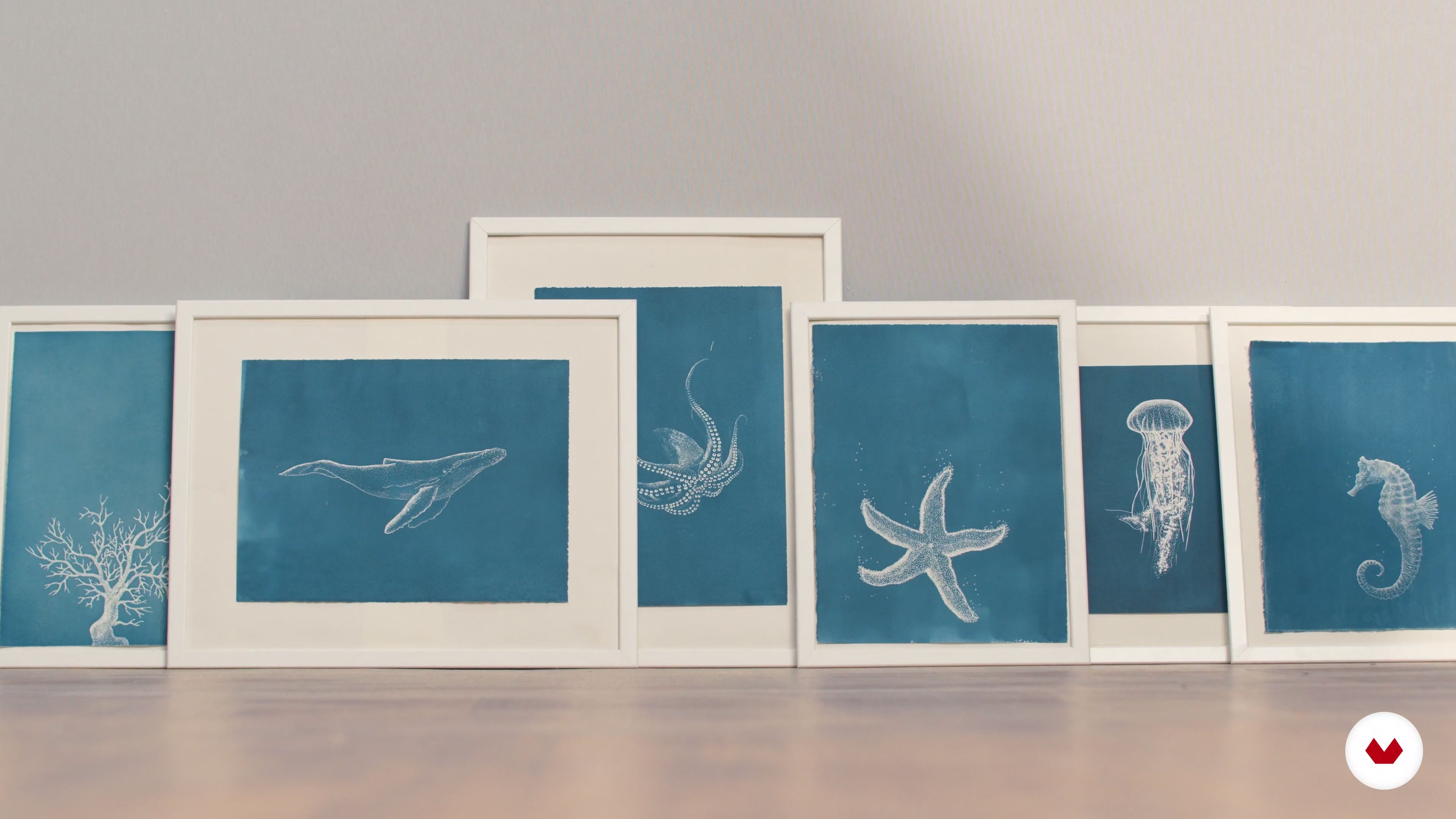
What will we do in the course?
1 minute, 49 seconds
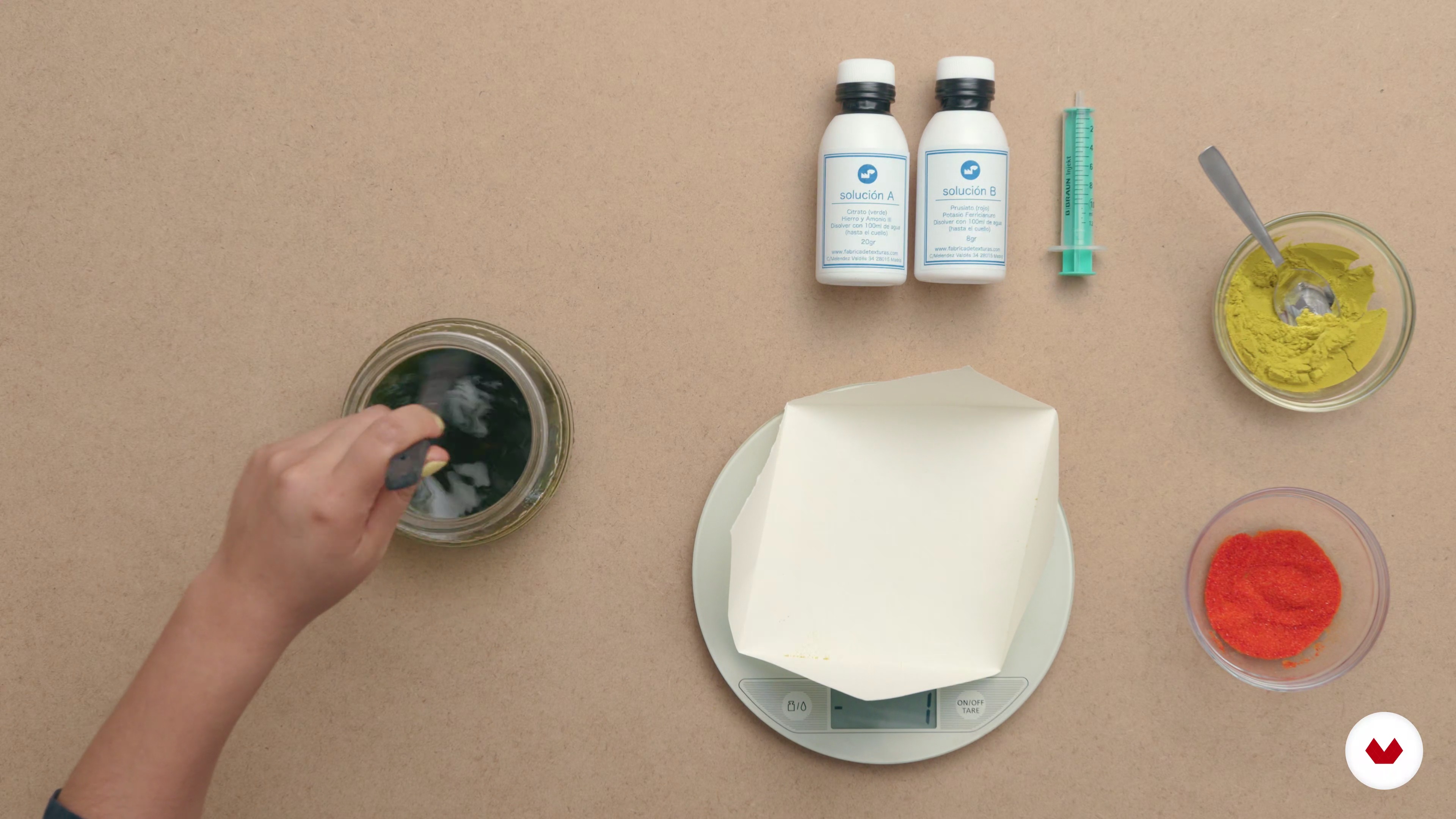
Preparation of solutions and application
11 minutes, 41 seconds
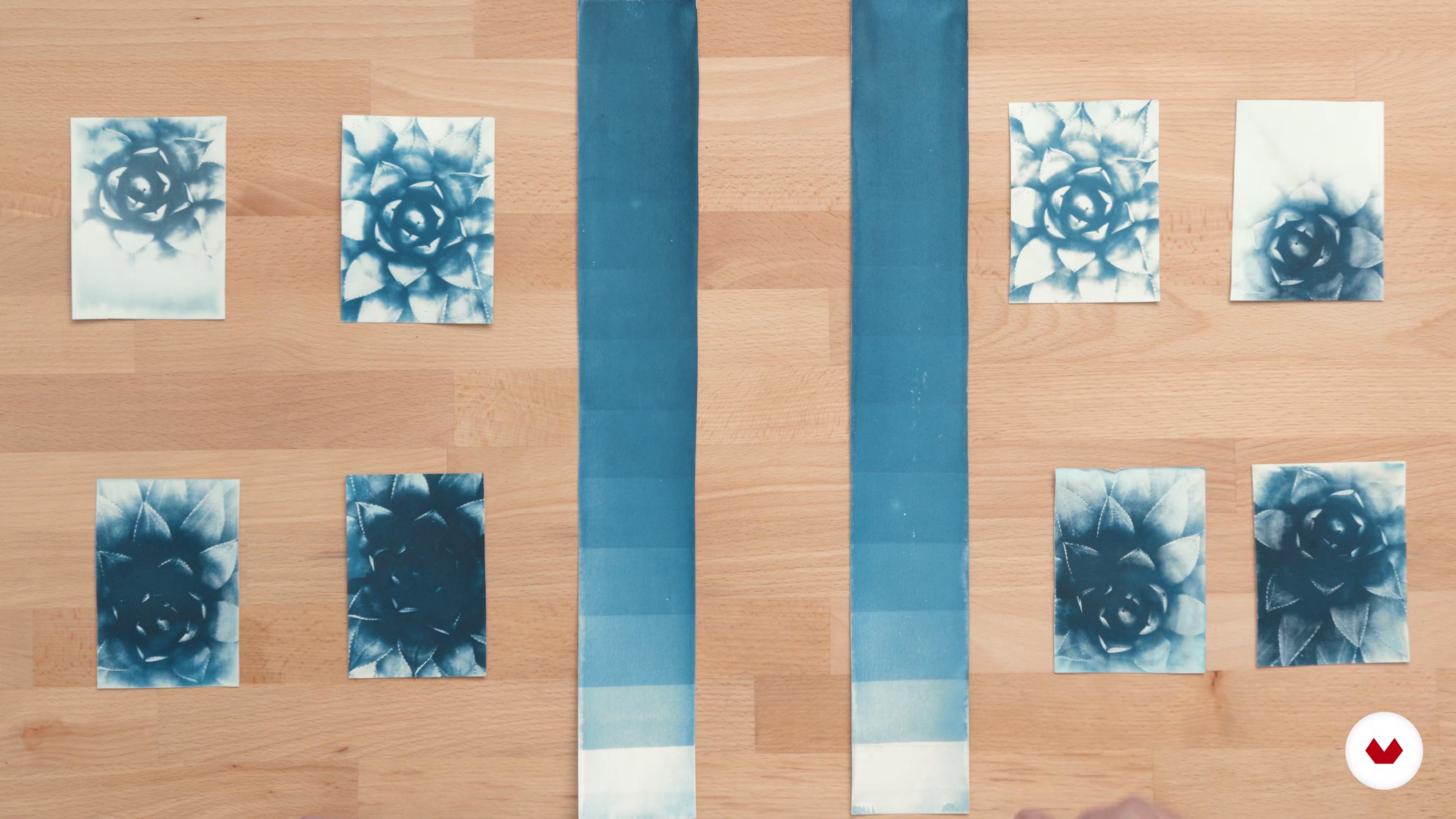
Heatstroke tests
4 minutes, 47 seconds

Preparation of digital and manual negatives
8 minutes, 24 seconds
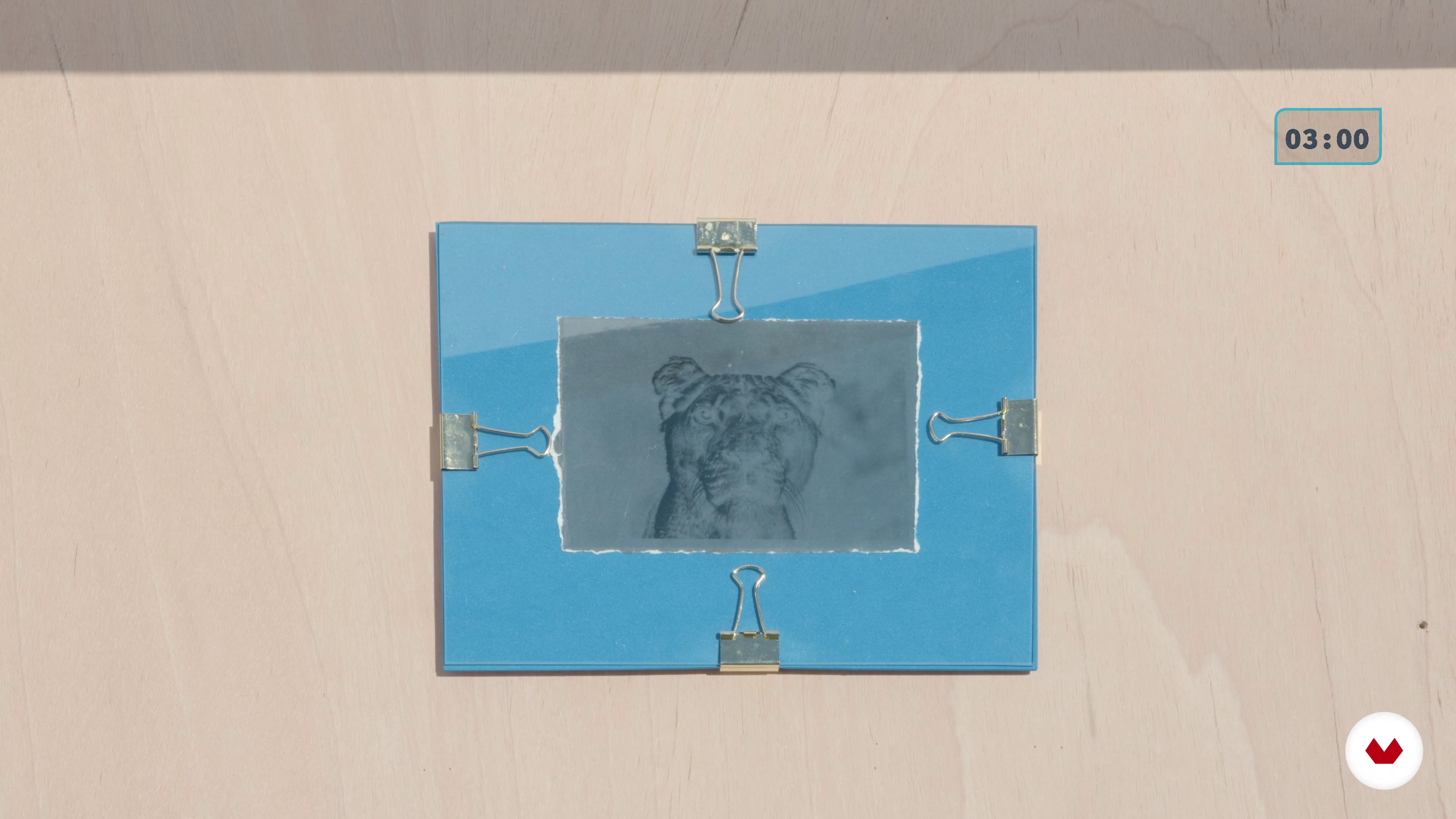
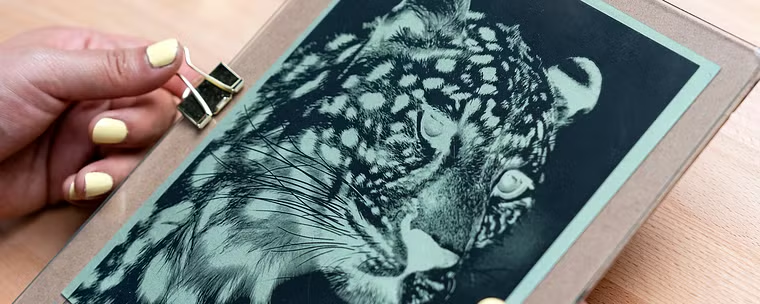
Insoled and developed photos and illustrations
7 minutes, 54 seconds
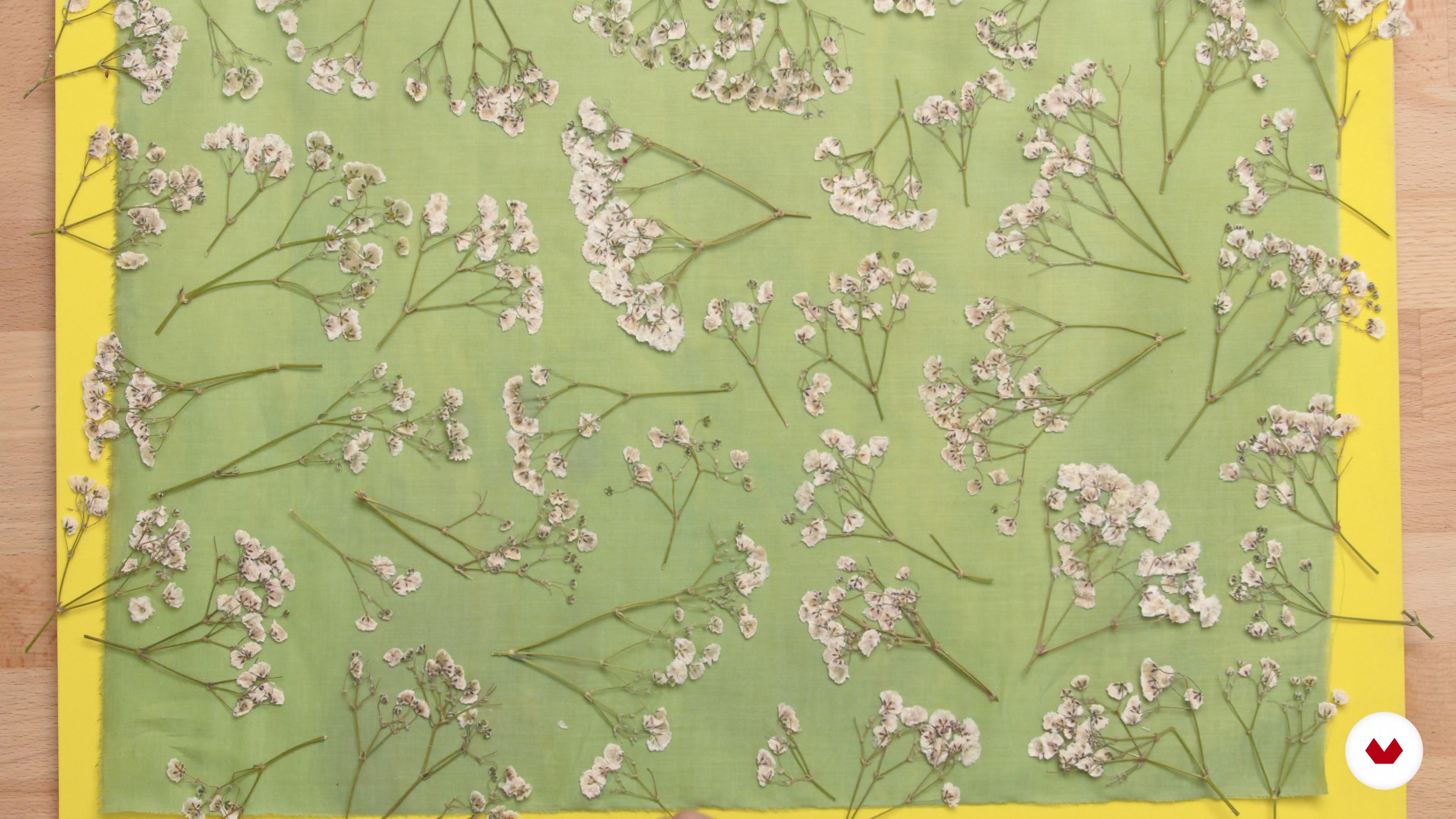
Botany and physiograms
19 minutes, 22 seconds
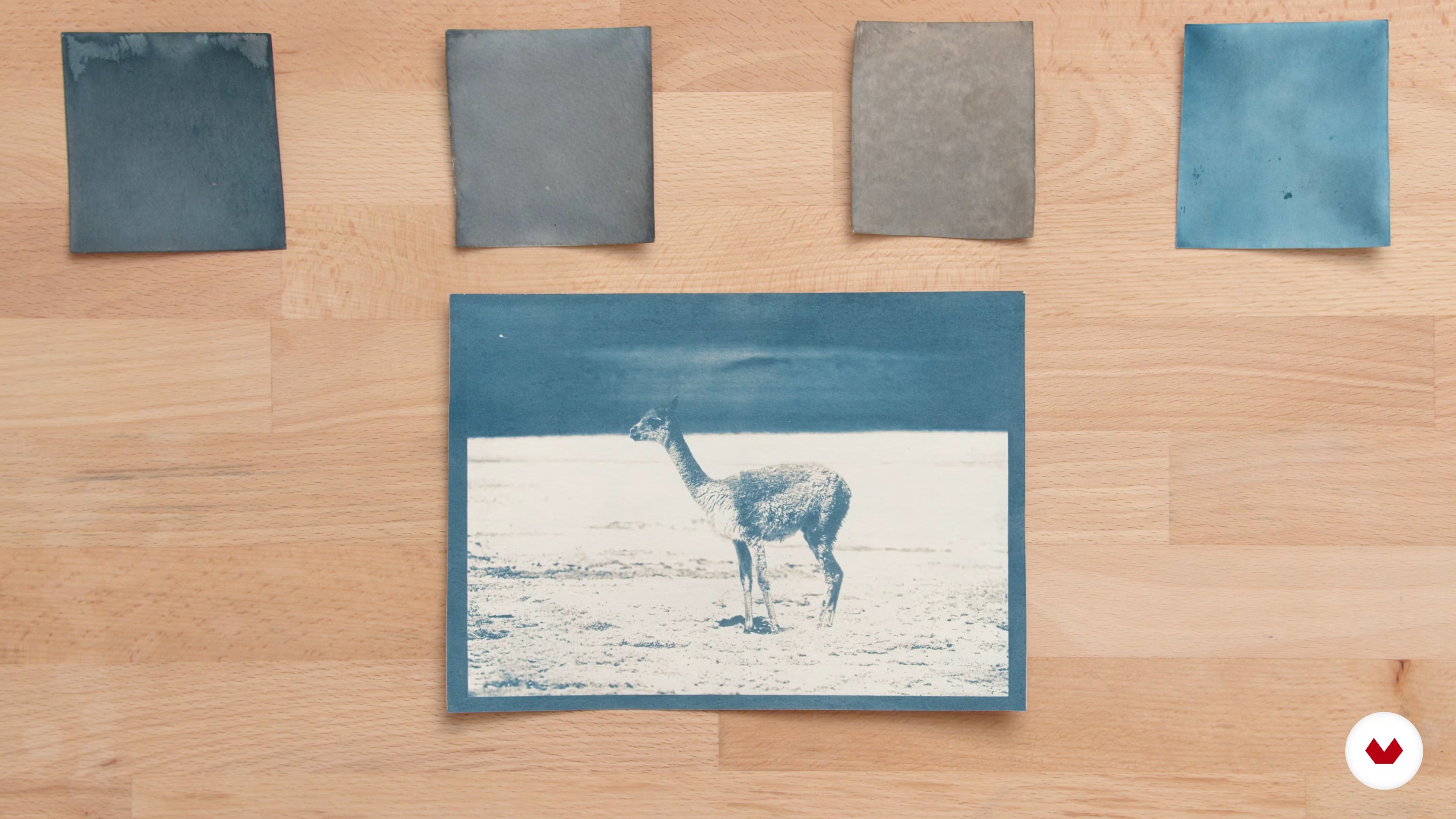
Whitening and turning
9 minutes, 45 seconds
What's included in this course?
Start the course by getting to know Xavier and Gabriela and how they craft their work at Fábrica de Texturas. Then, discover the origins of cyanotype and its evolution throughout history, seeing the different artists that have applied this technique in their illustrations, architecture, and other areas.
See all the necessary tools needed to create your own cyanotype prints at home, and how to prepare the solutions. Learn how to apply them, using fabric and paper surfaces, as well as other methods to obtain uniform or textured results.
Learn about the sunlight process and how to use natural sunlight or alternative sources of UV light to achieve the right intensity and sharp results.
Xavier and Gabriela teach you how to apply the cyanotype technique in three areas: photography, illustration, and botany. First you’ll learn how to prepare digital photographic negatives using Adobe Photoshop, then you’ll do the same process using hand-drawn negatives, to then create your prints using plants, leaves, and objects, known as physiograms.
In the final stage, once you’ve explored the use of paper and fabric surfaces, learn how to use other porous surfaces such as wood or ceramic to create your cyanotypes. You’ll also learn how to modify your final result to change the tonality using natural and chemical elements.
What is this course's project?
Select a type of application (photography, illustration, or botanic) and media (fabric, paper, wood, or ceramic) to print your pattern using cyanotype technique.
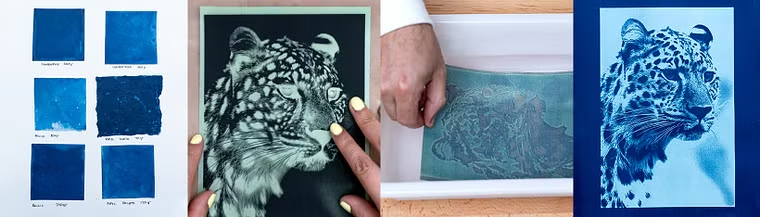
Projects by course students


Who is this online course for?
For all those interested in learning about this manual photographic printing technique. Illustrators seeking new formats and ways to apply their work, as well as those interested in handicrafts will also enjoy this course.
Requirements and materials
Previous knowledge is not required, however if you have basic knowledge of how to use Adobe Photoshop and photo editing, this will help you in the third unit of the course.
As for materials, you will need: brushes, trays or rectangular containers, a syringe, gloves or tongs, paper and fabric, and it is essential to to course that you have A and B solution: ferric ammonium citrate and Potassium ferricyanide, which you can find in any specialized store.
Reviews
- 1 month ago
Il corso è impostato bene, ho scoperto una tecnica nuova che posso applicare anche su superfici che non pensavo. Non vedo l’ora di provare tutti i suggerimenti!
- 2 months ago
Really cool course. I bought all the things! Super excited to get into this art and see all the amazing things I can create. Thank you!
- 2 months ago
Este curso foi muito bom. Já há muito tempo que queria aprender esta tecnica e com este curso consegui aprender de forma fácil e prática. Obrigada
- 3 months ago
el curso es excelente, los profes son muy didácticos, los materiales son fáciles de conseguir, ya estoy preparando mis proyectos
- 4 months ago
Thank you "Fábrica de Texturas" for doing this course, It is something unique i have been waiting for! 2 thumbs-up!

Their DIY kits and workshops have become so famous that brands such as Tommy Hilfiger, Ikea, Mahou, Fnac, and DaWanda call on them for all kinds of collaborations and events.
Content
- U1
Introduction
- Presentation
- Influences
- What will we do in the course?
- U2
Materials and tools
- Materials and tools
- Preparation of solutions and application
- Heatstroke tests
- U3
Cyanotype application: photography, botany and illustration
- Preparation of digital and manual negatives
- Insoled and developed photos and illustrations
- Botany and physiograms
- U4
Surfaces, turns, and error resolution
- Other porous surfaces
- Whitening and turning
- Frequent questions
- FP
Final project
- Cyanotype: Printing with Light
What to expect from a Domestika course
Learn at your own pace
Enjoy learning from home without a set schedule and with an easy-to-follow method. You set your own pace.
Learn from the best professionals
Learn valuable methods and techniques explained by top experts in the creative sector.
Meet expert teachers
Each expert teaches what they do best, with clear guidelines, true passion, and professional insight in every lesson.
Certificates
PLUSIf you're a Plus member, get a custom certificate signed by your teacher for every course. Share it on your portfolio, social media, or wherever you like.
Get front-row seats
Videos of the highest quality, so you don't miss a single detail. With unlimited access, you can watch them as many times as you need to perfect your technique.
Share knowledge and ideas
Ask questions, request feedback, or offer solutions. Share your learning experience with other students in the community who are as passionate about creativity as you are.
Connect with a global creative community
The community is home to millions of people from around the world who are curious and passionate about exploring and expressing their creativity.
Watch professionally produced courses
Domestika curates its teacher roster and produces every course in-house to ensure a high-quality online learning experience.
FAQs
Cyanotype is a handcrafted photographic process that creates blue-toned images on paper or fabric, perfect for artistic prints, textiles, and personalized DIY projects.
The course is designed for people with intermediate artistic skills but includes clear explanations to help curious beginners with basic abilities learn easily.
You’ll need paper or fabric, cyanotype chemical solutions, a brush or sponge, gloves, a printer for negatives, objects or plants, sunlight or a UV lamp, and containers for developing.
You’ll learn how to prepare chemical solutions, create digital and manual negatives, apply cyanotype on paper and textiles, adjust exposure times, develop prints, and use creative customization techniques.
Textile cyanotype involves soaking fabric in a photosensitive solution, placing objects or negatives on it, and exposing it to UV light. You’ll get unique blue prints on t-shirts, bags, or clothing.
Yes, the course teaches you how to personalize t-shirts and textiles with cyanotype, covering everything from material prep to applying unique, creative designs on various surfaces.
Textile hot stamping uses heat and pressure to transfer metallic or pigmented designs onto fabric, while cyanotype uses light and chemicals to create blue images. The course covers both techniques.