Applying Creativity to Architectural Projects
A course by PLUTARCO.Architecture and design studio
A course by PLUTARCO., Architecture and design studio

Learn how to generate a concept from references and create added value by incorporating storytelling
Each space has a story and how to tell it is a mission that Ana Arana and Enrique Ventosa—founders of the architecture and design studio Plutarco—are passionate about. Through the study and search for references, they develop a unique concept for each of their projects, which helps them stand out from the competition and win new clients.
In this course, learn the appropriate references for each type of architectural project and how, through research and documentation, you can find those that interest you most to carry out your project introducing an added value.
What will you learn in this online course?
19 lessons & 12 downloads
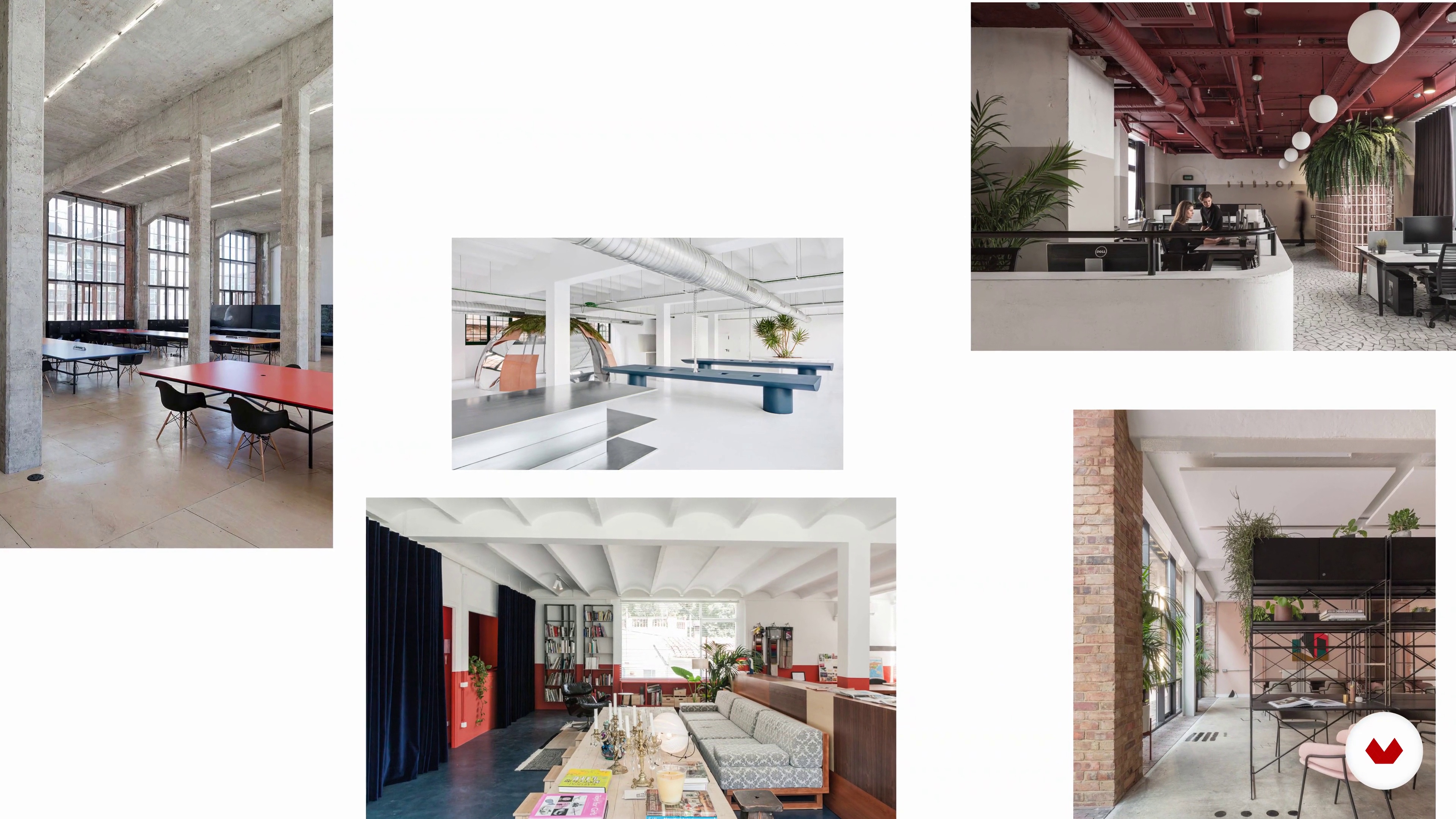
What will we do in the course?
2 minutes, 34 seconds

The importance of having references
7 minutes, 18 seconds

How to know which references are suitable for each type of project
8 minutes, 52 seconds

Active research
2 minutes, 32 seconds

Passive research
2 minutes, 7 seconds
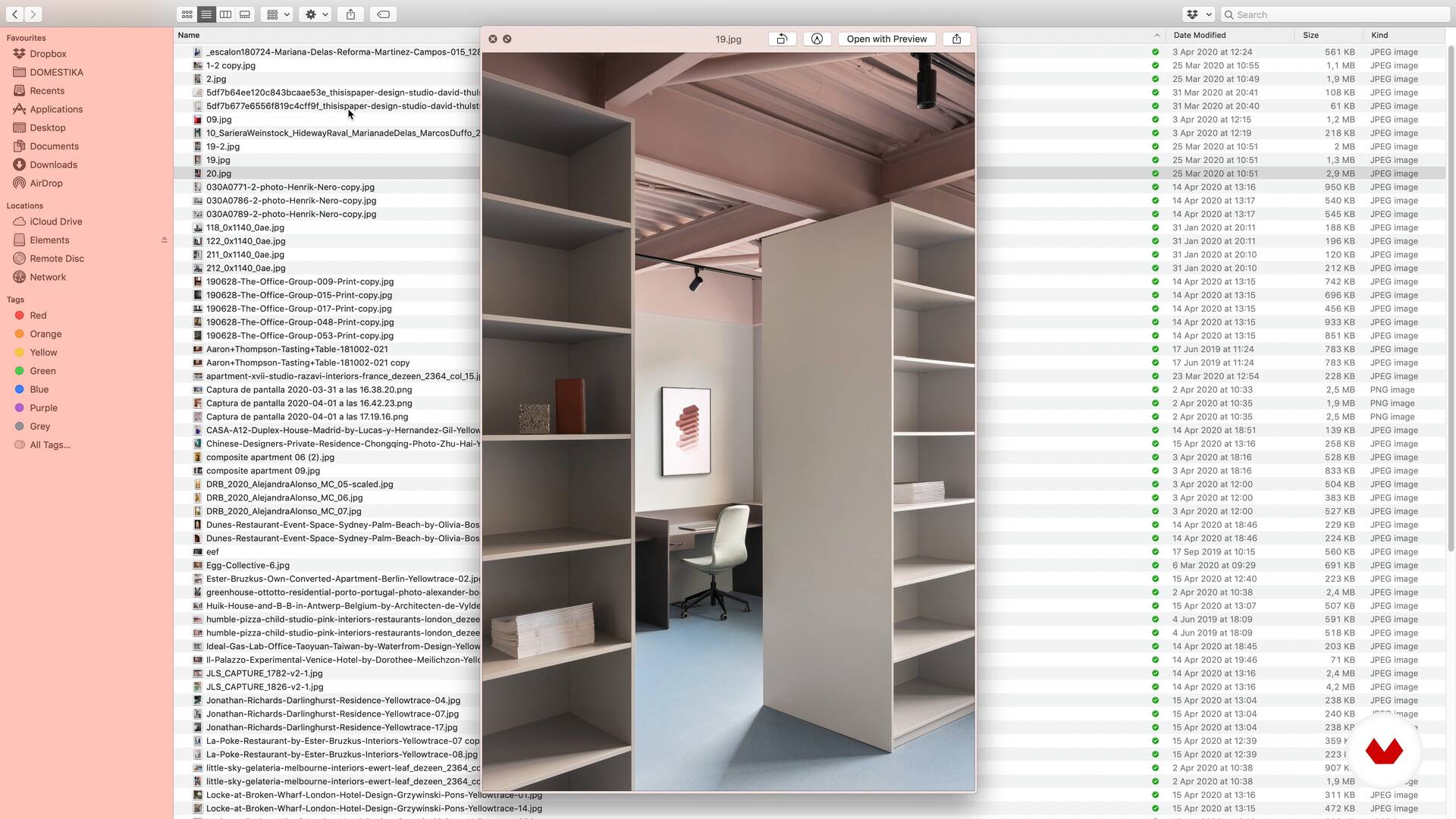
How to document the information
10 minutes, 38 seconds
What's included in this course?
Start by getting to know Ana and Enrique, their careers, and some of the projects they have worked on so far.
They explain the importance of having references so that the concept of your project is completely justified and you can better transmit it to the client. Learn which are the appropriate references for each type of project and how, through active and passive research, you can store and document your references to have them ready at any time.
The first thing is to get to know the assignment, the space, and the materialization of a first concept that will give you a clear path to start the search for references for this project.
At the end of this first part, create a mood board to bring together your references with the concept to emphasize its strength and intention.
The next phase is to select and download the references and to apply them to specific spaces in the proposal before presenting it to the client.
Afterward, learn how to execute the ideas by applying them to the project and see the final result.
Finally, they explain how to react quickly with the client. See existing examples that can support your idea and some quick examples that you can always use as a resource.
What is this course's project?
Learn what Ana and Enrique's references were and how they applied them to EXPERIMENTO Madrid, a creative lab that combines an emerging art and design gallery, a coworking space for creative people, a design studio, and event rooms for rent.
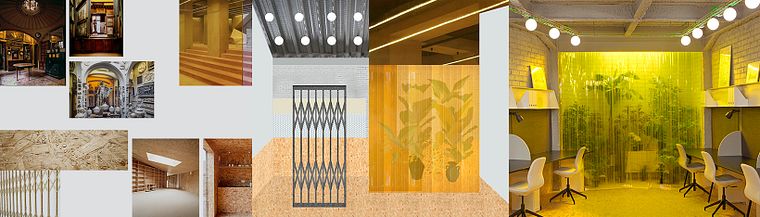
Projects by course students


Who is this online course for?
The course is aimed at architects, interior designers, designers, and any creative person who wants to add value to their projects by incorporating references.
Requirements and materials
You do not need previous knowledge of architecture, although some basic notions of AutoCAD or Adobe Illustrator can be useful. The important thing is to have a proactive and restless attitude to be open to search and research.

Reviews
- marcellafafariasPLUS1 month ago
Eu sempre volto aqui quando sinto que estou perdendo a energia da criatividade. Ótimo curso e ótimos profissionais!
- 2 years ago
Muy interesante! me gustaron mucho las referencias.
- 2 years ago
Se trata de un curso interesante para aprender recursos y referencias.
- 2 years ago
Eu gostei bastante! Sempre temos algo novo a aprender!
- 3 years ago
Excelente, practico y realista, profundo en lo necesario y muy profesional, quizás una lección de muestra realista como lo es el curso de la interacción con cliente seria fenomenal.

They began in 2015 doing product design, which they have exhibited at the Salone del Mobile, in its 2015, 2016, and 2017 editions, ICFF in New York in 2016, and at the Madrid Design Festival 2018, 2019, and 2020.
Since 2017, they have also been working in architecture and have mainly refurbished homes, restaurants, offices, and cultural and exhibition centers.
Content
- U1
Introduction
- About us: PLUTARCO
- Influences
- What will we do in the course?
- U2
The referents
- The importance of having references
- How to know which references are suitable for each type of project
- Active research
- Passive research
- How to document the information
- U3
The project: the conceptual part
- The order and the client
- Know the space
- The concept
- The search for your theoretical references for this project
- U4
The project: the practical part
- Download and choice of referents
- Creating a mood board
- Presentation of the idea to the client
- Application to our project
- Execution and final result
- U5
Other useful resources
- How to react quickly with the customer
- Different scales and degrees of complexity
- FP
Final project
- Applying Creativity to Architectural Projects
What to expect from a Domestika course
Learn at your own pace
Enjoy learning from home without a set schedule and with an easy-to-follow method. You set your own pace.
Learn from the best professionals
Learn valuable methods and techniques explained by top experts in the creative sector.
Meet expert teachers
Each expert teaches what they do best, with clear guidelines, true passion, and professional insight in every lesson.
Certificates
PLUSIf you're a Plus member, get a custom certificate signed by your teacher for every course. Share it on your portfolio, social media, or wherever you like.
Get front-row seats
Videos of the highest quality, so you don't miss a single detail. With unlimited access, you can watch them as many times as you need to perfect your technique.
Share knowledge and ideas
Ask questions, request feedback, or offer solutions. Share your learning experience with other students in the community who are as passionate about creativity as you are.
Connect with a global creative community
The community is home to millions of people from around the world who are curious and passionate about exploring and expressing their creativity.
Watch professionally produced courses
Domestika curates its teacher roster and produces every course in-house to ensure a high-quality online learning experience.
FAQs
The course explores how to apply multidisciplinary influences, organize visual references, analyze the use of color, light, and materials, and techniques to document and communicate innovative concepts in architecture and interior design.
Yes, the course is designed for people with an intermediate level who want to deepen their use of influences and creative techniques applied to architectural and design projects.
You will learn to analyze influences, organize visual materials, apply principles of color and light, integrate cultural influences, and communicate strong concepts to clients in spatial and interior design projects.
Basic knowledge of architecture, design, or related fields is recommended. Advanced tool mastery isn’t required, but familiarity with digital resources and visual presentation helps.
The course teaches how to analyze practical cases and adapt artistic and fashion influences to conceptualize and realize spaces, combining color, shapes, and materials in innovative ways.
Yes, practical methods are shown for creating organizational systems—from digital folders, mood boards, and movable panels to artist notebooks and material libraries.
You’ll be able to tackle architecture, interior design, furniture design, and multifunctional space projects, integrating conceptual, historical, and cultural influences to create innovative and coherent proposals.