Digital Product Design with Lean and UX
A course by Óscar SP (Elastic Heads)UX and Product Designer
A course by Óscar SP (Elastic Heads), UX and Product Designer

Learn the key steps to creating and validating real-world products through user-focused design
When creating a digital project, such as a website or an app, design isn’t the only thing that must be considered. It’s also essential that the real needs of the user and the business are being met. That is the job of Óscar SP, a UX and product designer who has worked to design and improve products for clients like Iberia, Randstad, Kymco, Universidad Europea, Ecoalf, and Metrovacesa.
In this course, Óscar teaches you the most effective concepts and techniques for designing digital products that adapt to the real-world needs of users and businesses. Learn to research your users and clients quickly and efficiently in order to discover their needs or problems. The solution lies in creating designs that eliminate unnecessary elements which distract from the project’s goal.
What will you learn in this online course?
32 lessons & 53 downloads

Introduction to digital product design with Lean UX
10 minutes, 21 seconds
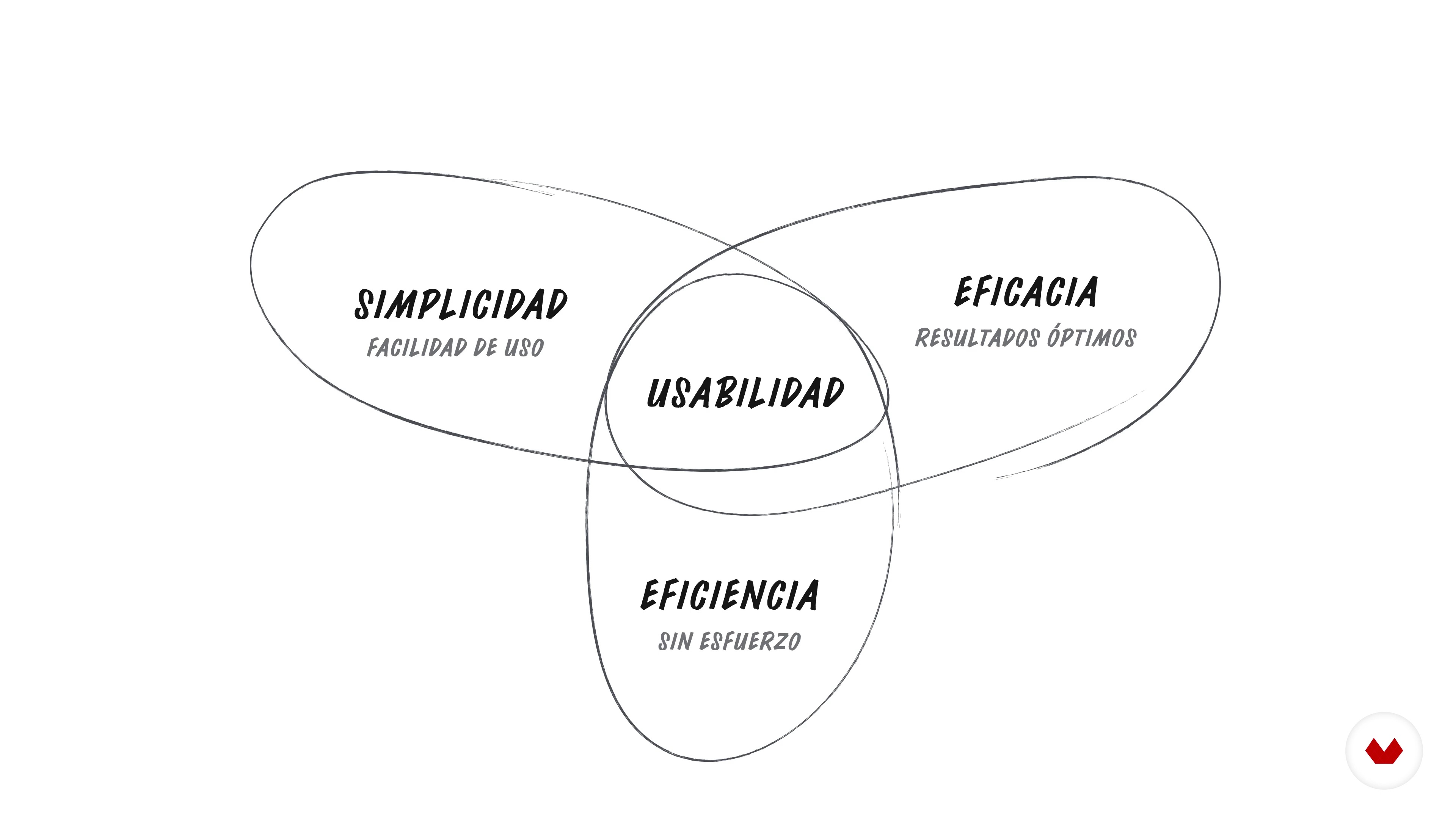
Usability vs. user experience vs. interaction design
4 minutes, 18 seconds
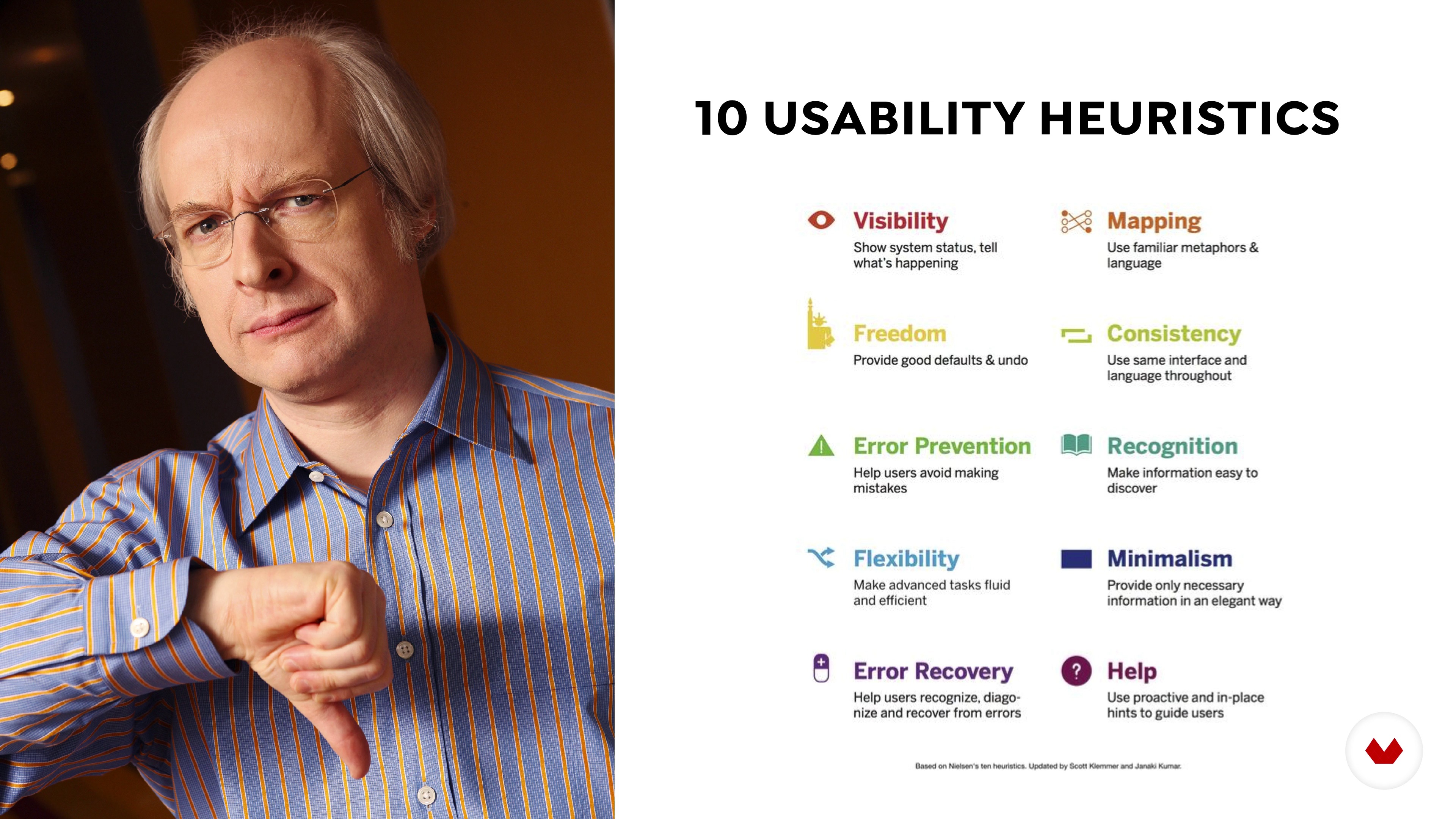
10 principles of usability and Heuristic Evaluation
10 minutes, 9 seconds
Introduction (Research)
4 minutes, 33 seconds
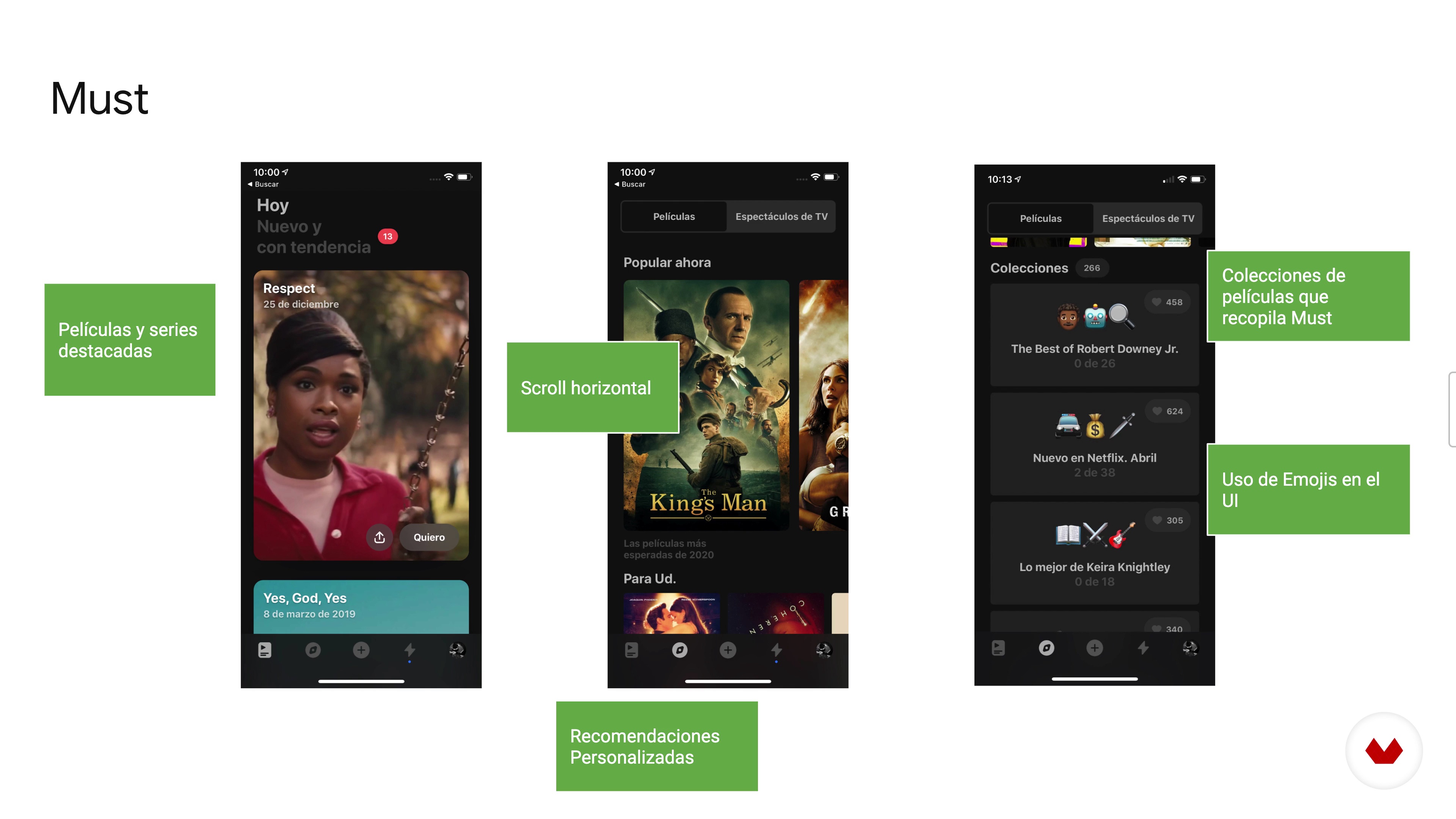
Desk Research
12 minutes, 11 seconds
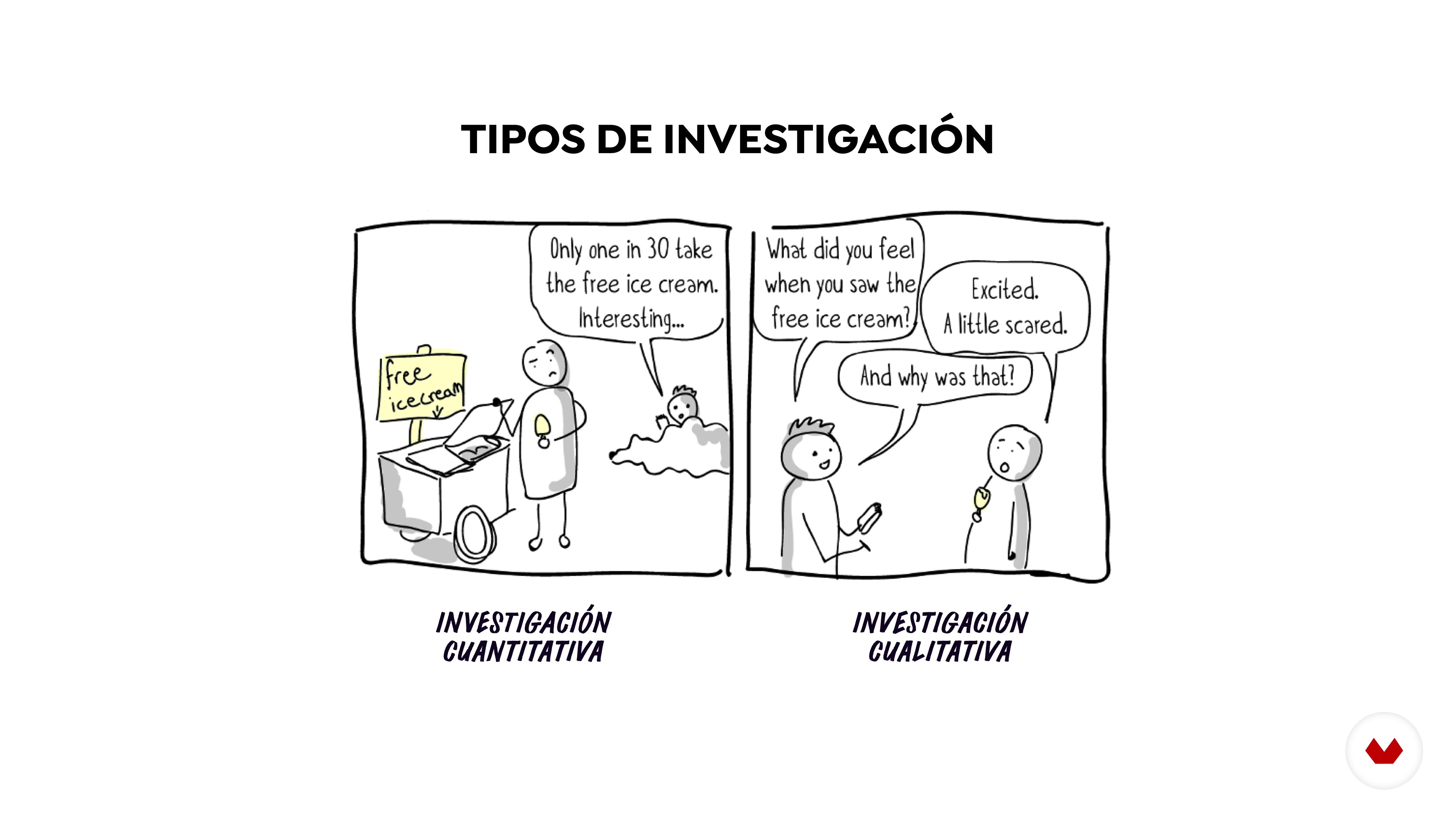
Surveys: quantitative research
8 minutes, 25 seconds
What's included in this course?
Start by meeting Óscar SP, your teacher for this course, and learn about his career, his influences, and the importance of agile work processes in digital product design. Discover the power of Lean UX thanks to its foundation: Lean + Agile + Design Thinking.
Create a workflow that will help you direct any project and learn to evaluate the usability of a digital product by using the 10 principles of usability. Get to know the differences between Usability, User Experience, and Interaction Design.
Learn the importance of researching before designing and when to utilize different methods like desk research, reference documents, interviews, and surveys. Discover why you should rarely create focus groups and see how to organize and present the information you collect with a poster.
With this information, use Design Thinking to empathize with your users, helping you generate ideas that provide solutions to the business and users’ needs.
Get to know the techniques that help define the minimum viable product of each project and define its structure using sitemaps and user flows.
Start designing the wireframes, learning about the different types and when to use each of them. Look for the best design patterns to base your wireframes on and begin sketching prototypes with some basic tools.
Finish the course by learning the best ways to showcase your projects’ successful case studies, including recommendations and other resources and tools that can be employed in future design projects.
What is this course's project?
Conceptualize and validate a digital product of your choice based on the needs of real users. Design an interactive prototype of an app or website based on an idea or a market need that can be taught and tested with potential users.
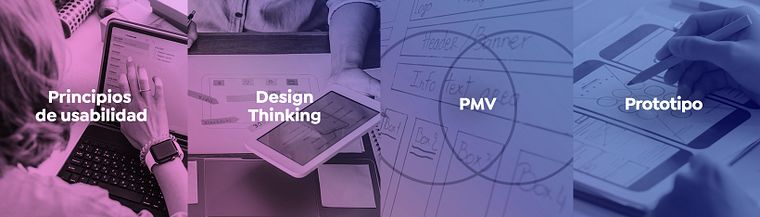
Projects by course students

Who is this online course for?
To UX designers who want to refresh their knowledge, UI designers who don’t know UX, designers and creatives who would like to improve and optimize their workflow, entrepreneurs, and different stakeholders (product owners, marketers, etc.).
Requirements and materials
No previous knowledge is needed to take this course, just curiosity and a desire to learn.
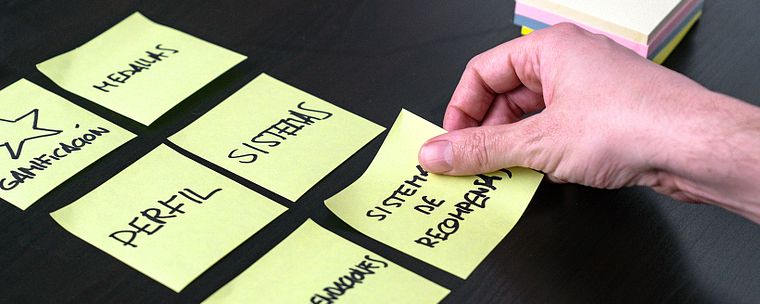
For materials, you will need some paper, colored Post-its, markers (Edding or Sharpies, for example), and a computer with internet access.
Reviews
- 6 months ago
Este curso me sirvió muchisimo, muy bueno
- 7 months ago
No funcionan algunos links de contenidos como el glosario de UX
- 8 months ago
Uno de los mejores curso que he tomado, paso a paso, conciso y bien detallado Óscar Santos es un Máster.
- 9 months ago
Me está gustando muchísimo este curso. Desde cuestiones muy básicas, hasta otras más complejas. mucha información extra, en adicionales. Gracias!
- 9 months ago
Excelente! de los mejores cursos que he visto

Before opening his own studio and dedicating himself to user experience, he worked as an art director and designer in advertising and design studios like Neolabels, Keaton, or SrBurns.
He has designed and improved digital products for clients like Iberia, Randstad, Kymco, Universidad Europea, Ecoalf, and Metrovacesa.
Content
- U1
Introduction
- Presentation
- Influences
- What will we do in the course?
- U2
Digital Product Design for Humans: Lean UX
- Introduction to digital product design with Lean UX
- Usability vs. user experience vs. interaction design
- 10 principles of usability and Heuristic Evaluation
- U3
Investigate: Agile Research Methods
- Introduction (Research)
- Desk Research
- Surveys: quantitative research
- Interviews: qualitative research
- Other qualitative techniques: contextual research and testing
- Organizing all the research information
- U4
Empathize: User-Centered Design
- Introduction (Design Thinking)
- User person
- Empathy Map
- Journey
- U5
The scope of the project
- Introduction and PMV
- Value Proposition Canvas
- User Stories and Jobs To Be Done
- Task prioritization with MoSCoW
- U6
Introduction to Lean Information Architecture (AI)
- Introduction (AI)
- Sitemap
- User flow
- U7
Wireframes Sketching and Rapid Prototyping
- Crazy 8's Introduction
- Types of wireframes and prototypes 1
- Types of wireframes and prototypes 2
- Design patterns
- Designing a wireframe by hand
- Prototyping and testing 1
- Prototyping and testing 2
- U8
Success stories and final tips
- Success stories
- Recapping: what have you learned and final tips
- FP
Final project
- Digital Product Design with Lean and UX
What to expect from a Domestika course
Learn at your own pace
Enjoy learning from home without a set schedule and with an easy-to-follow method. You set your own pace.
Learn from the best professionals
Learn valuable methods and techniques explained by top experts in the creative sector.
Meet expert teachers
Each expert teaches what they do best, with clear guidelines, true passion, and professional insight in every lesson.
Certificates
PLUSIf you're a Plus member, get a custom certificate signed by your teacher for every course. Share it on your portfolio, social media, or wherever you like.
Get front-row seats
Videos of the highest quality, so you don't miss a single detail. With unlimited access, you can watch them as many times as you need to perfect your technique.
Share knowledge and ideas
Ask questions, request feedback, or offer solutions. Share your learning experience with other students in the community who are as passionate about creativity as you are.
Connect with a global creative community
The community is home to millions of people from around the world who are curious and passionate about exploring and expressing their creativity.
Watch professionally produced courses
Domestika curates its teacher roster and produces every course in-house to ensure a high-quality online learning experience.
FAQs
You’ll learn how to apply Lean and agile methodologies, conduct user research, rapidly prototype, focus on user-centered design, and use techniques to enhance experience and usability in digital products.
This is an intermediate-level course, perfect for those with basic digital design or UX knowledge who want to deepen their understanding of agile methodologies, Lean UX, and user-centered processes.
It’s recommended to have basic knowledge of digital design, user experience, or to have completed an introductory UX course to get the most out of the content.
You’ll need internet access, Google Slides, Notion, and basic skills with digital prototyping tools. Having an interest in user research and agile methods is also helpful.
The course covers Lean UX, Design Thinking, Kanban, Scrum, and techniques to eliminate waste in design processes, prioritize features, and continuously validate with users.
This course blends agile methodologies, Lean UX, and a focus on democratizing design, encouraging cross-disciplinary collaboration and ongoing idea validation with real users.
You’ll be able to conduct user research, build prototypes, apply usability heuristics, streamline workflows with Kanban boards, and use simplicity and user-centered design principles in digital projects.