Stop Motion: Frame by Frame Animation
A course by Coke Riobóo y Lourdes VillagómezEntertainers
A course by Coke Riobóo y Lourdes Villagómez, Entertainers

Create your own animated film with modeling clay, sand, or cutouts
Together, Goya award-winning musician, composer, and animator Coke Riobóo and Lourdes Villagómez, animation director and producer who has worked for Fundación Telefónica and the Reina Sofía Museum, teach you different stop motion techniques so you can make your own films at home, with homemade materials and without the need for a large budget.
What will you learn in this online course?
19 lessons & 14 downloads
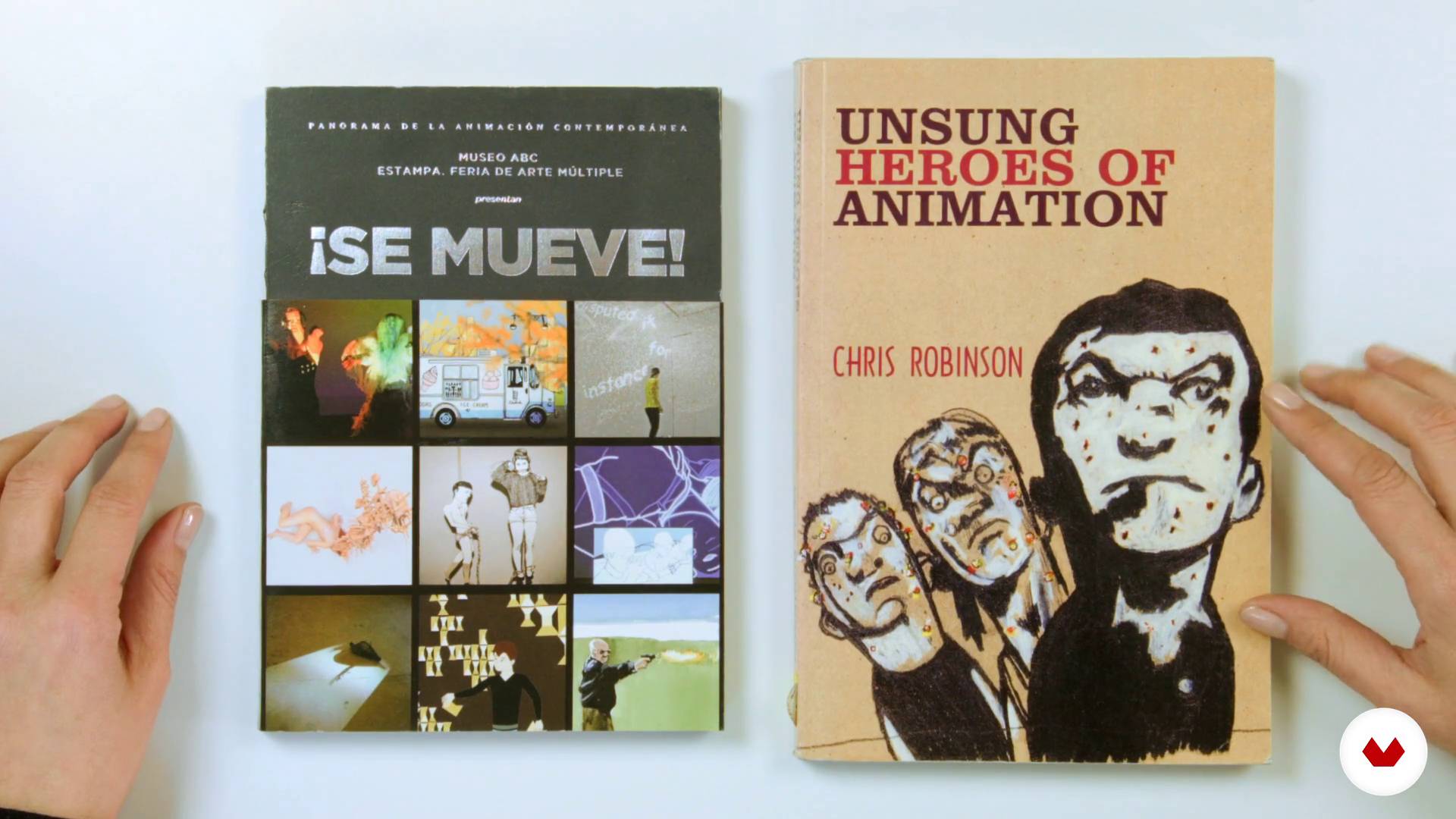
Lourdes & influences
8 minutes, 28 seconds
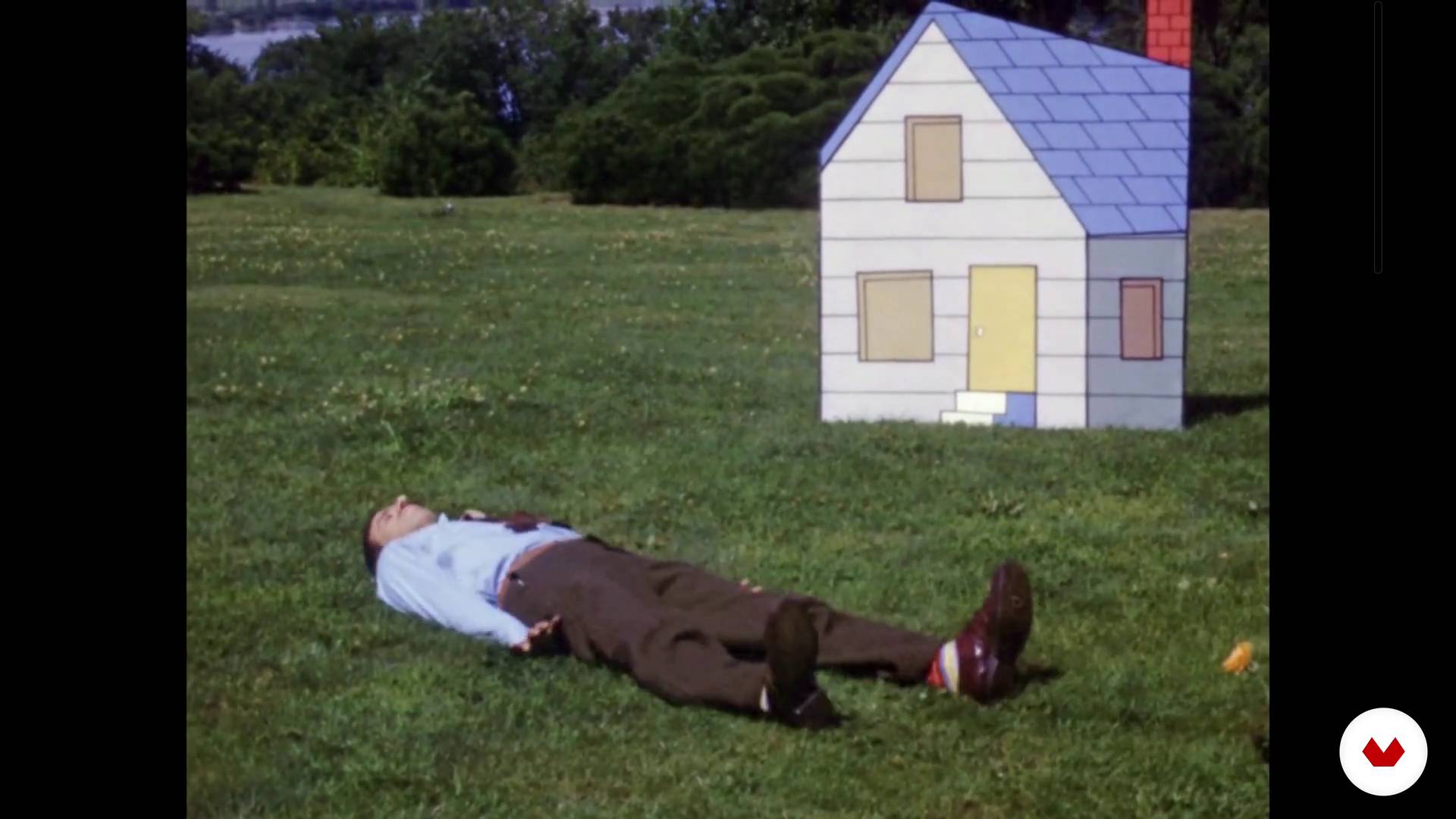
Brief personal history of stop motion
11 minutes, 38 seconds
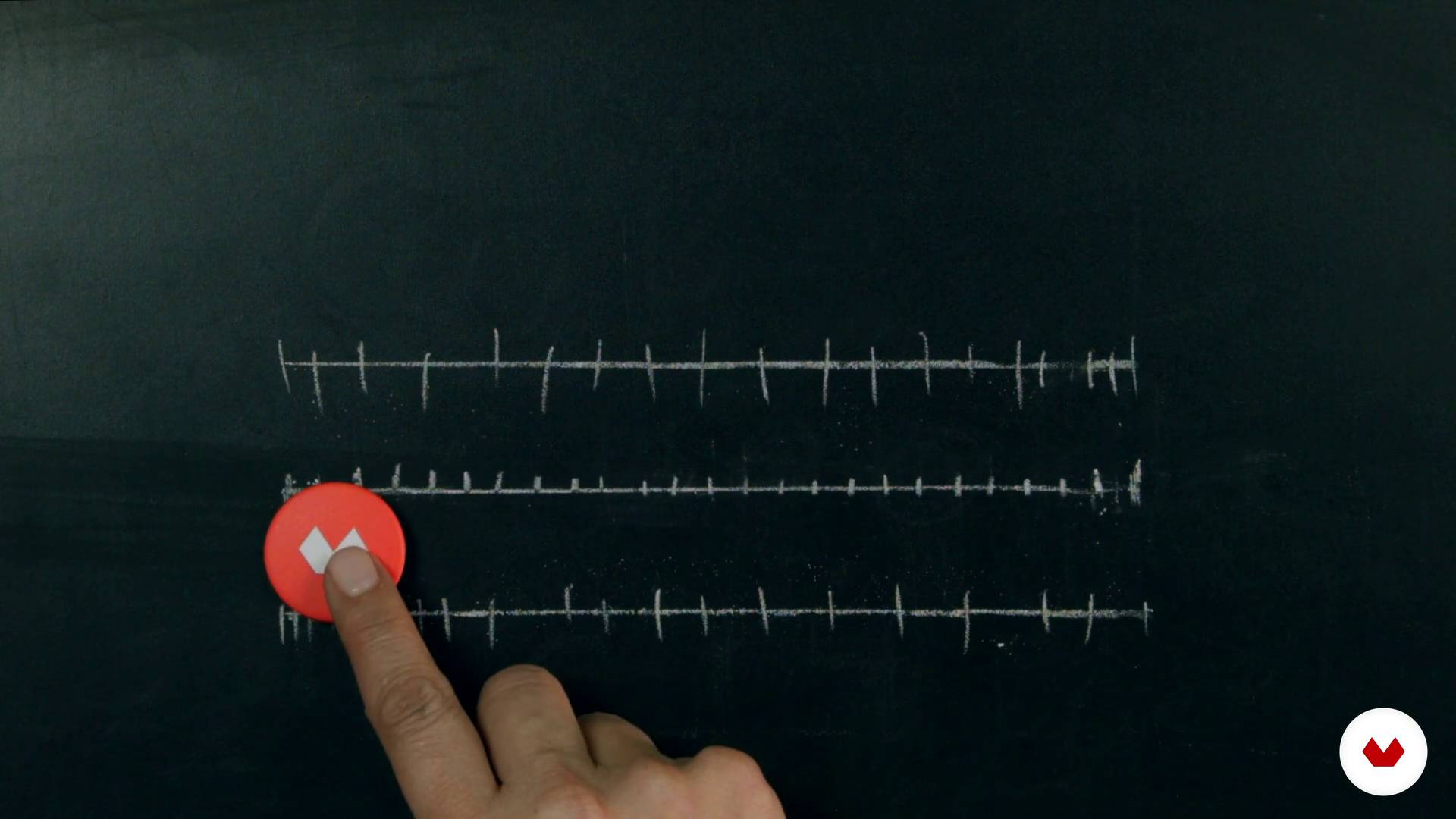
Basic concepts of animation
7 minutes, 55 seconds
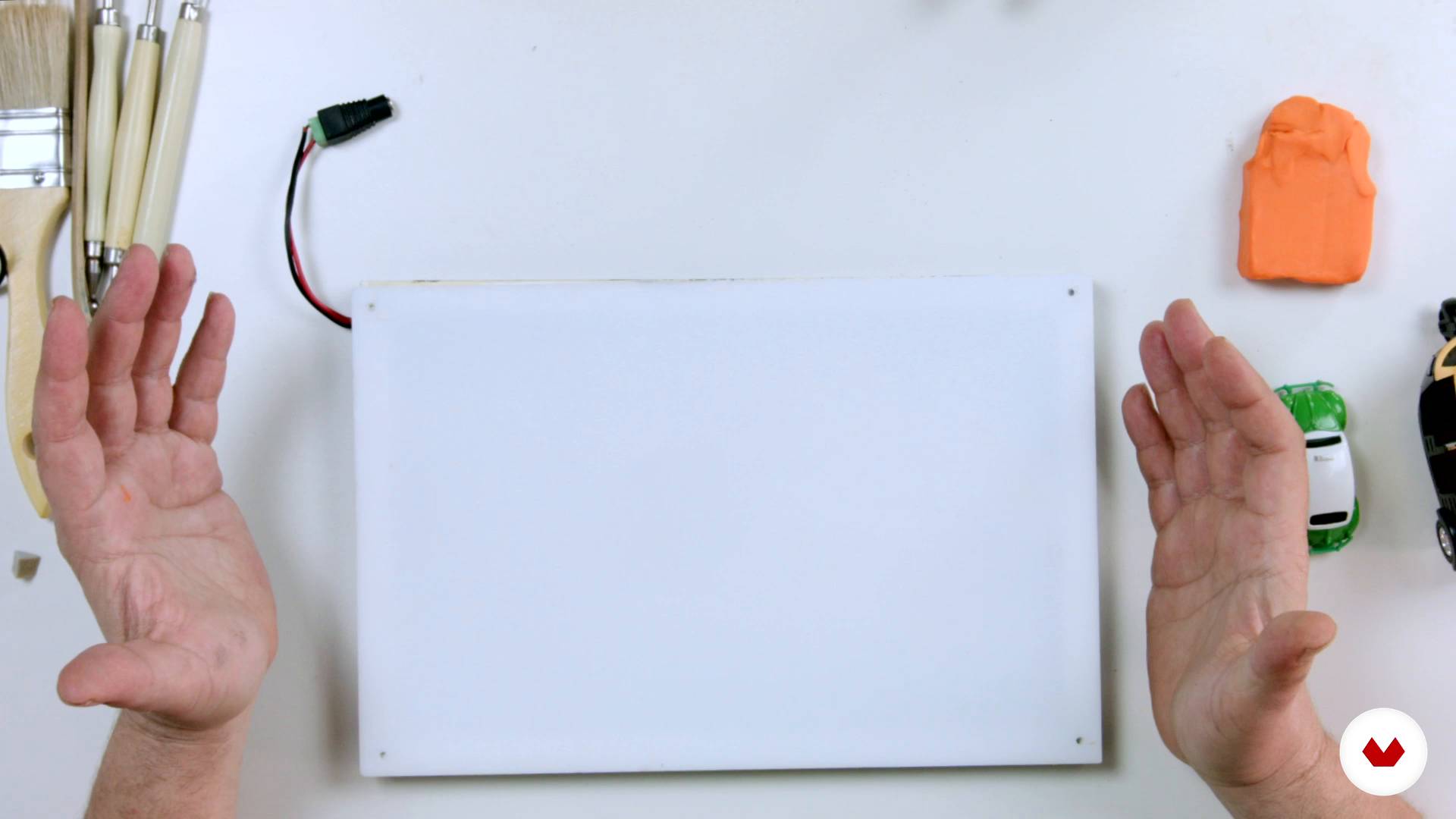
Materials and tools
9 minutes, 42 seconds
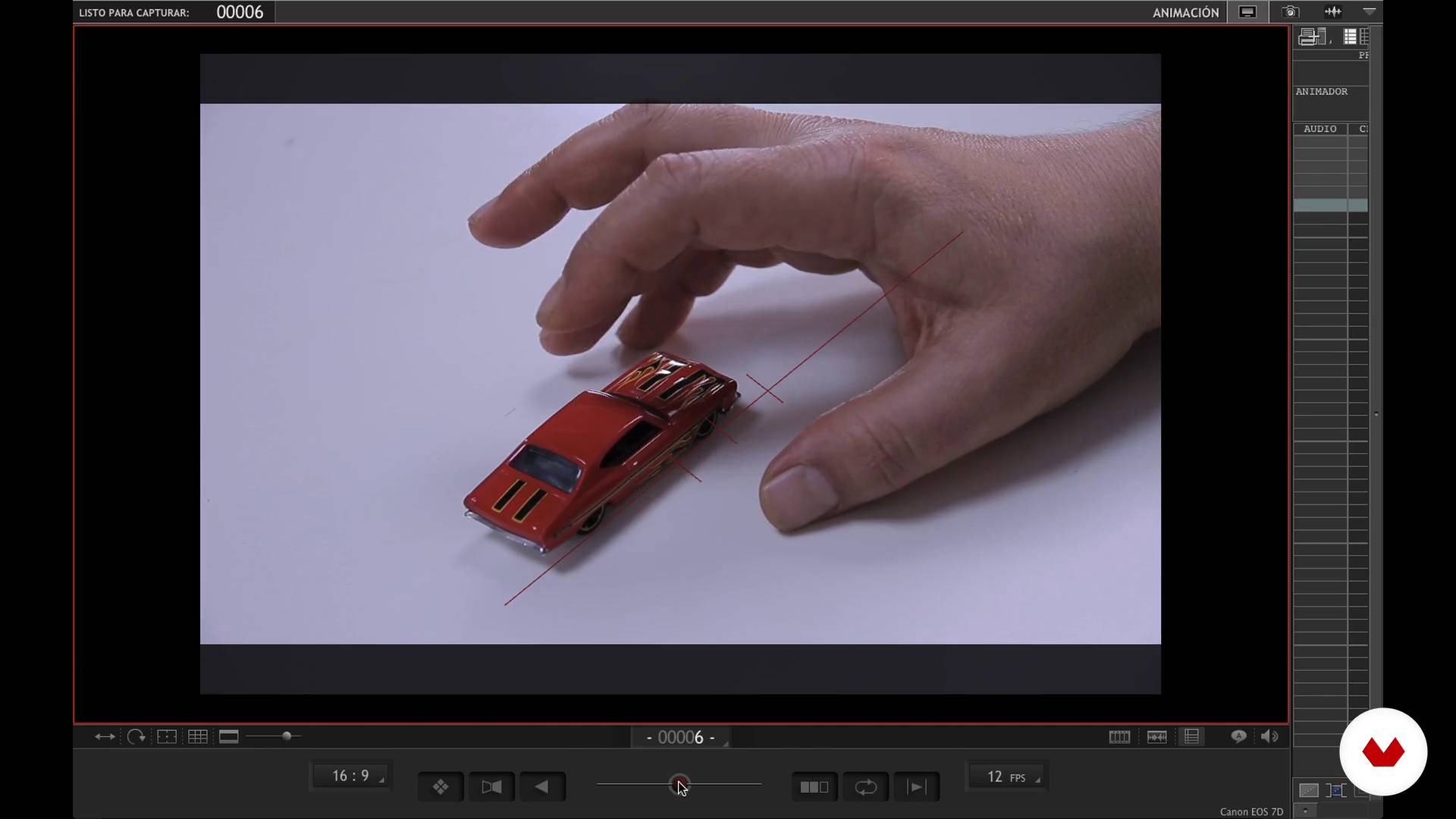
Animation software
18 minutes, 36 seconds
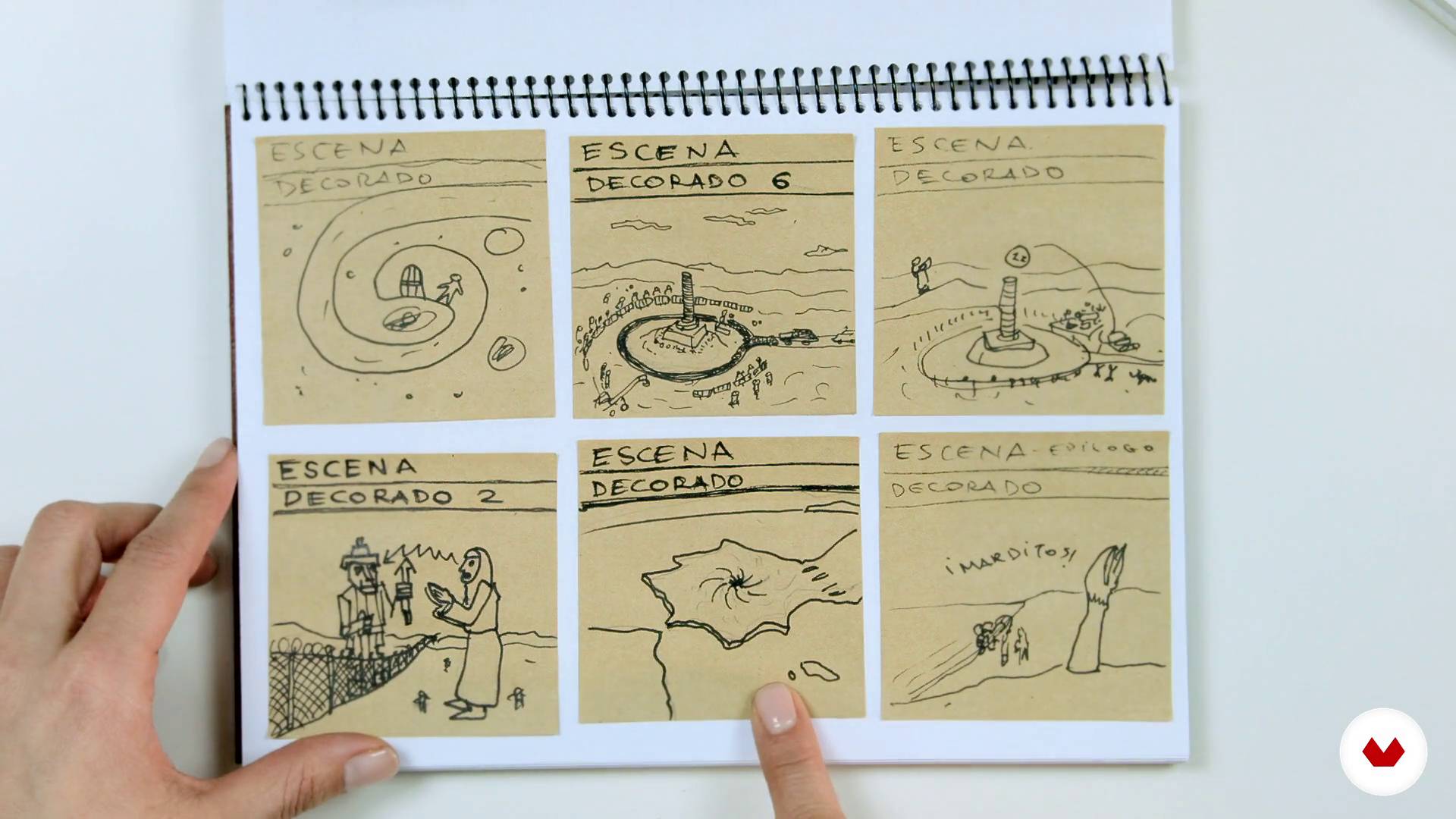
Create a story concept and storyboard
5 minutes, 32 seconds
What's included in this course?
Begin by learning more about the work and influences of Coke and Lourdes and get a brief introduction to the history of stop motion and its different techniques.
Discover some basic animation concepts like how to create movement through variations in size, color, shape, and position, what frame rate, continuous movement, acceleration, and deceleration are, as well as the materials and tools necessary to make your first animated piece and the essential software.
Now it's time to get to work! Start by defining the concept and putting together a storyboard. Then learn to make basic animations with different mediums: objects, cutouts, sand, and modeling clay on a light table, and how to use them to bring your stories to life.
To wrap up the course, your teachers give some final tips on how to apply for grants and the process for participating in festivals.
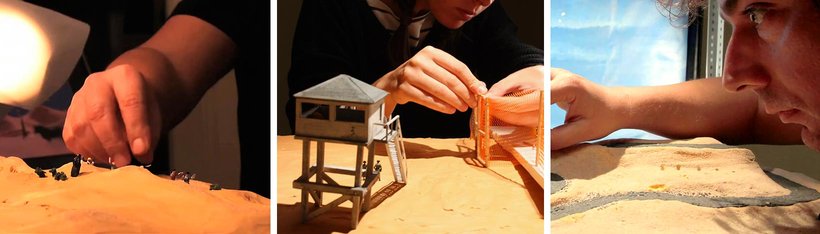
Recommended software & tools for this course
What is this course's project?
Create a bumper or short animation (10-20 seconds long) using the technique and theme of your choice. It could be an animated note, an event announcement, a piece of microfiction—the choice is yours!
Projects by course students


Who is this online course for?
Artists, illustrators, students, and creatives in general, who want to set their ideas in motion and create their own films without a large budget or expensive production equipment.
Requirements and materials
No previous experience with drawing, modeling, or sculpture is necessary to take the course, although basic notions of photography, digital retouching, and video and audio editing would make for more professional results. In terms of materials, you need a series of household objects. You also need aluminum wire, but you can also substitute for some common materials you already have on hand. As for equipment, it's essential to have a worktable, a computer, a camera (web or any digital camera), a tripod, and a couple of homemade lights. During the course, you work with the Dragonframe program, but your teachers also give several different software options for capturing the frames, editing them, and adding audio.

Reviews
- 3 months ago
Curso extraordinario y divertido. Desarrolla tu cretividad de forma ludica.
- mip65PLUS5 months ago
El curso es ¡¡¡EXCELENTE!!! Muy bien explicado. Gracias
- 8 months ago
Es un curso muy entretenido, con herramientas muy útiles para iniciar en la animación.
- 9 months ago
muy buen curso para iniciar en el stop motion
- 1 year ago
Interesting course.

He has composed the soundtracks to numerous shorts and three feature films. In 2007, he won the Goya Award for El Viaje de Saïd (2007), and in 2017 he was once again nominated for the award for the film Made in Spain (2016).
Lourdes Villagómez is an independent animation director and producer. She studied Experimental Animation at CalArts in LA and her work has been showcased at various festivals, and in museums and galleries around the world.
She has worked on projects for clients like Fundación Telefónica and the Reina Sofía museum, and was nominated for the 2008 Ariel award for her short Síndrome de Línea Blanca (2003).
In 2008, Lourdes Villagómez and Coke Riobóo founded the L.I.A (Laboratorio de Imagen Animada), a touring workshop teaching animation around the world.
Content
- U1
Introduction
- Presentation
- Coke & influences
- Lourdes & influences
- Brief personal history of stop motion
- U2
Beginning lesson
- Basic concepts of animation
- Materials and tools
- Animation software
- U3
Let's do it
- Create a story concept and storyboard
- Characters and sets
- Animation of objects I
- Animation of objects II
- Animation of cut-outs I
- Animation of cutouts II
- Animation with cutouts III
- Animation of sand and plasticine on glass I / I
- Animation of sand and plasticine on glass I / II
- Animation of sand and plasticine on glass II / I
- Animation of sand and plasticine on glass II / II
- U4
Final recommendations
- How to look for grants and festivals
- FP
Final project
- Stop Motion: frame by frame animation
What to expect from a Domestika course
Learn at your own pace
Enjoy learning from home without a set schedule and with an easy-to-follow method. You set your own pace.
Learn from the best professionals
Learn valuable methods and techniques explained by top experts in the creative sector.
Meet expert teachers
Each expert teaches what they do best, with clear guidelines, true passion, and professional insight in every lesson.
Certificates
PLUSIf you're a Plus member, get a custom certificate signed by your teacher for every course. Share it on your portfolio, social media, or wherever you like.
Get front-row seats
Videos of the highest quality, so you don't miss a single detail. With unlimited access, you can watch them as many times as you need to perfect your technique.
Share knowledge and ideas
Ask questions, request feedback, or offer solutions. Share your learning experience with other students in the community who are as passionate about creativity as you are.
Connect with a global creative community
The community is home to millions of people from around the world who are curious and passionate about exploring and expressing their creativity.
Watch professionally produced courses
Domestika curates its teacher roster and produces every course in-house to ensure a high-quality online learning experience.
FAQs
Experimental animation uses innovative techniques like collage, object manipulation, and stop motion, focusing on creativity and visual exploration rather than traditional hand-drawn or digital methods.
This is an intermediate-level course, perfect for those with basic animation or visual arts knowledge who want to explore experimental and stop motion techniques.
You’ll need accessible materials like clay, cardboard, everyday objects, a camera or phone, a lightbox (optional), LED strips, and software like Dragonframe or mobile stop motion apps.
You’ll learn to create animated shorts, manipulate objects and clay, plan projects, design characters, build sets, use lightboxes, sync audio, and apply visual storytelling and timing techniques.
You can use your phone for stop motion animation; the course shows you how to make the most of apps and accessible techniques without professional gear.
The course explores influences like Jan Švankmajer and techniques such as collage, object manipulation, and experimental animation to help you develop personal, surreal visual stories.
Internal consistency ensures all visual and narrative elements work together smoothly, making your short film easier to understand and more impactful, even if it’s abstract or surreal.