Introduction to Ecological Packaging
A course by Tati GuimarãesSustainable Packaging and Product Designer
A course by Tati Guimarães, Sustainable Packaging and Product Designer

Learn the processes, strategies, and materials for creating creative and sustainable packaging
Established packaging and product designer Tati Guimarães is an expert at finding the perfect balance between designs that are attractive and sustainable. Some of her projects have been recognized worldwide, including the BAKUS trivet which was selected by MoMA. Her other clients include Organic Cotton Colors, Heineken, Benetton, and Fundació Joan Miró.
In this course, learn how to merge creativity and sustainability to create attractive, ecological packaging. Get introduced to ecodesign, its materials, and discover Tati's creative process, from idea, to development, to production of a completed piece. Finally, learn how to validate each step of your project with your end consumers for guaranteed success.
What will you learn in this online course?
13 lessons & 33 downloads
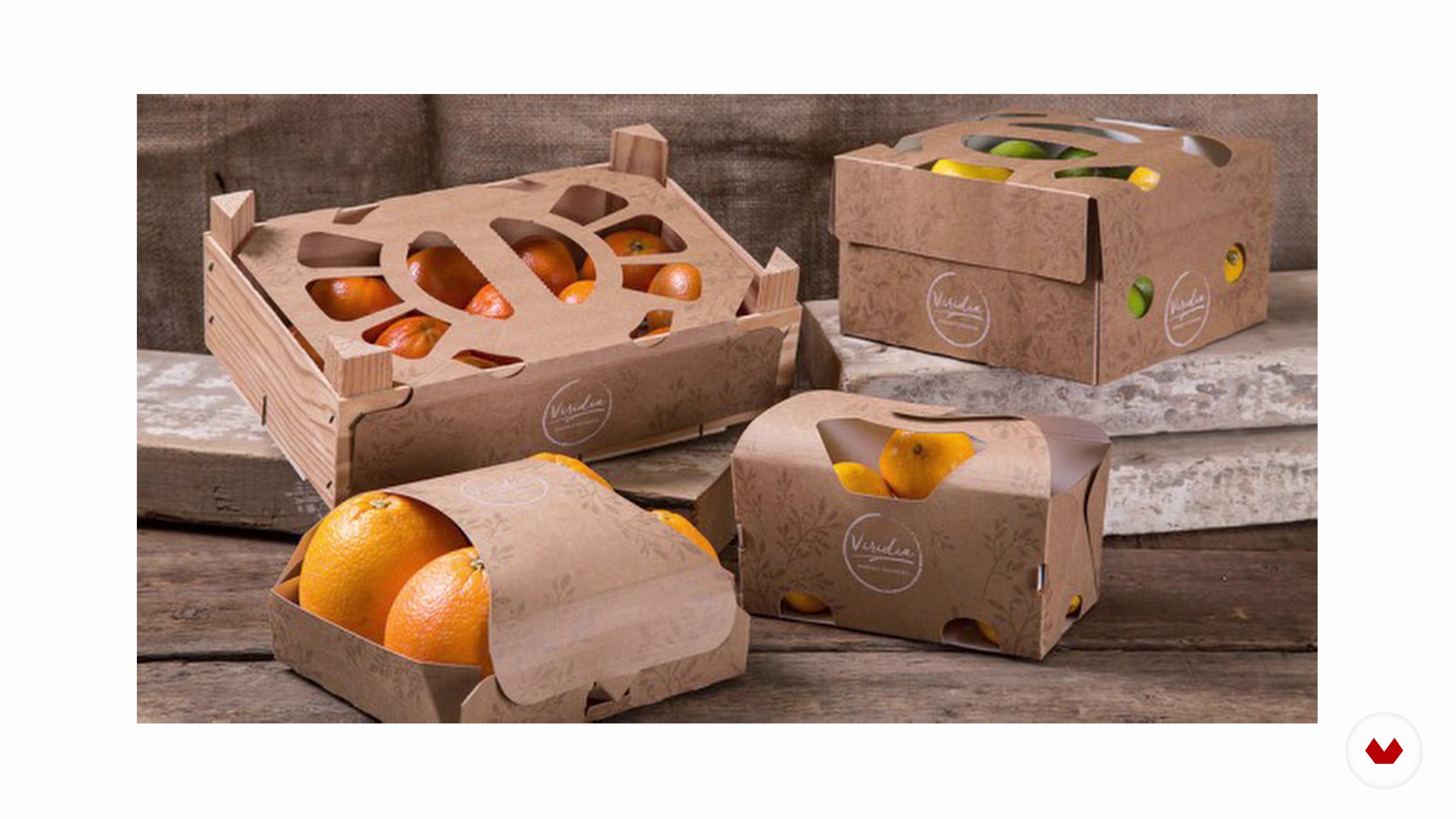
What will we do in the course?
2 minutes, 37 seconds
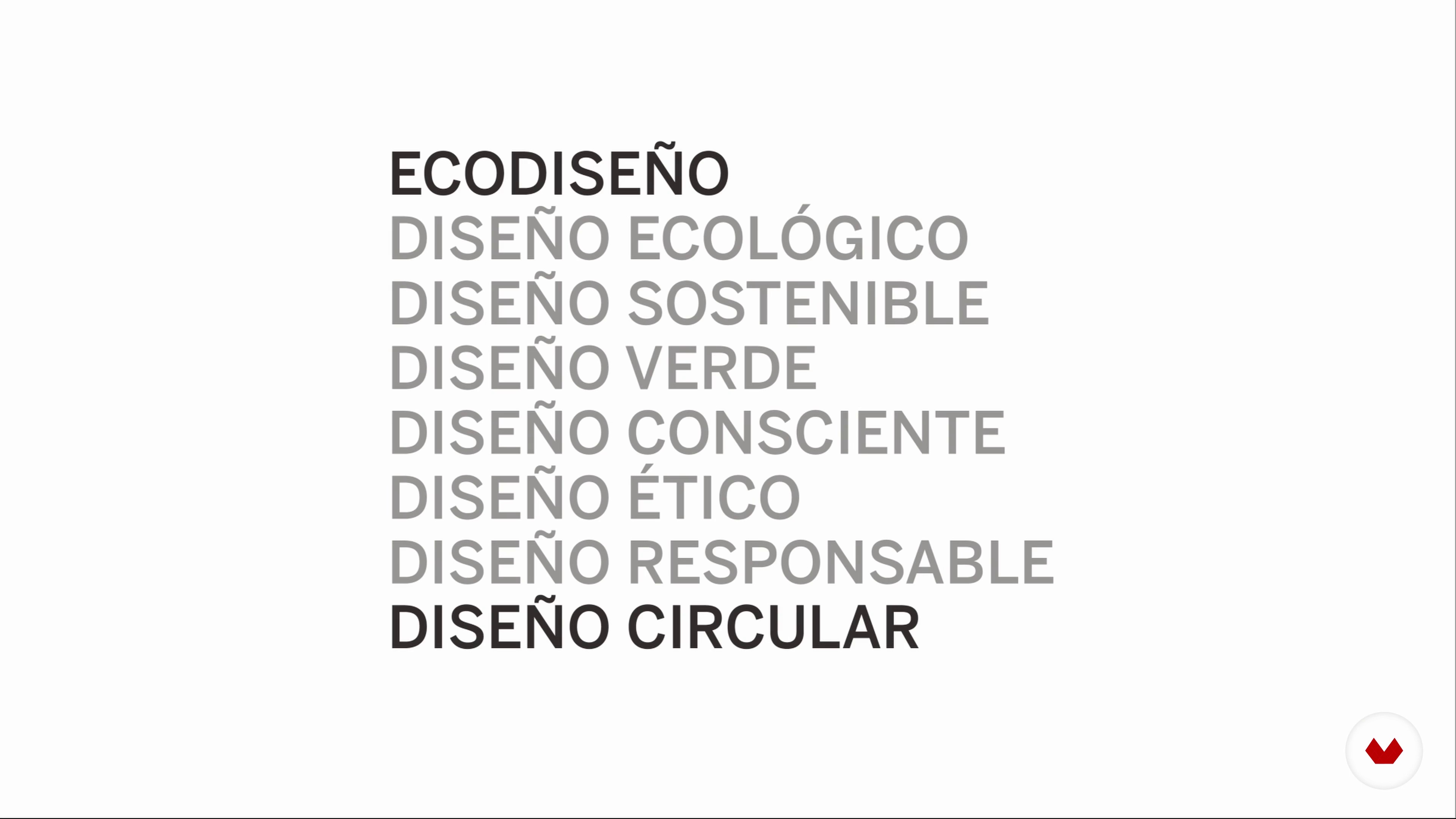
What is ecodesign?
10 minutes, 35 seconds
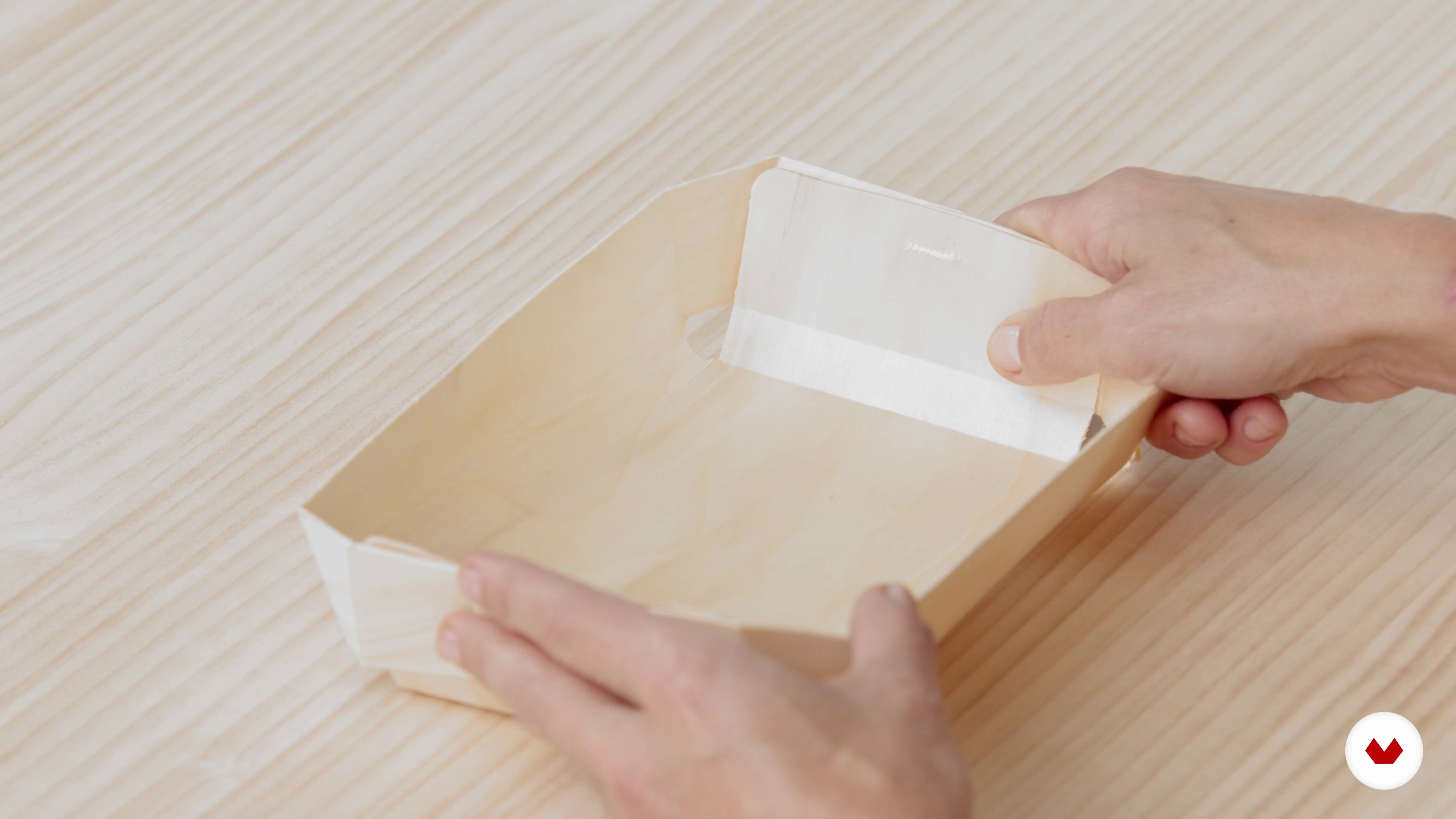
What are sustainable materials?
12 minutes, 53 seconds
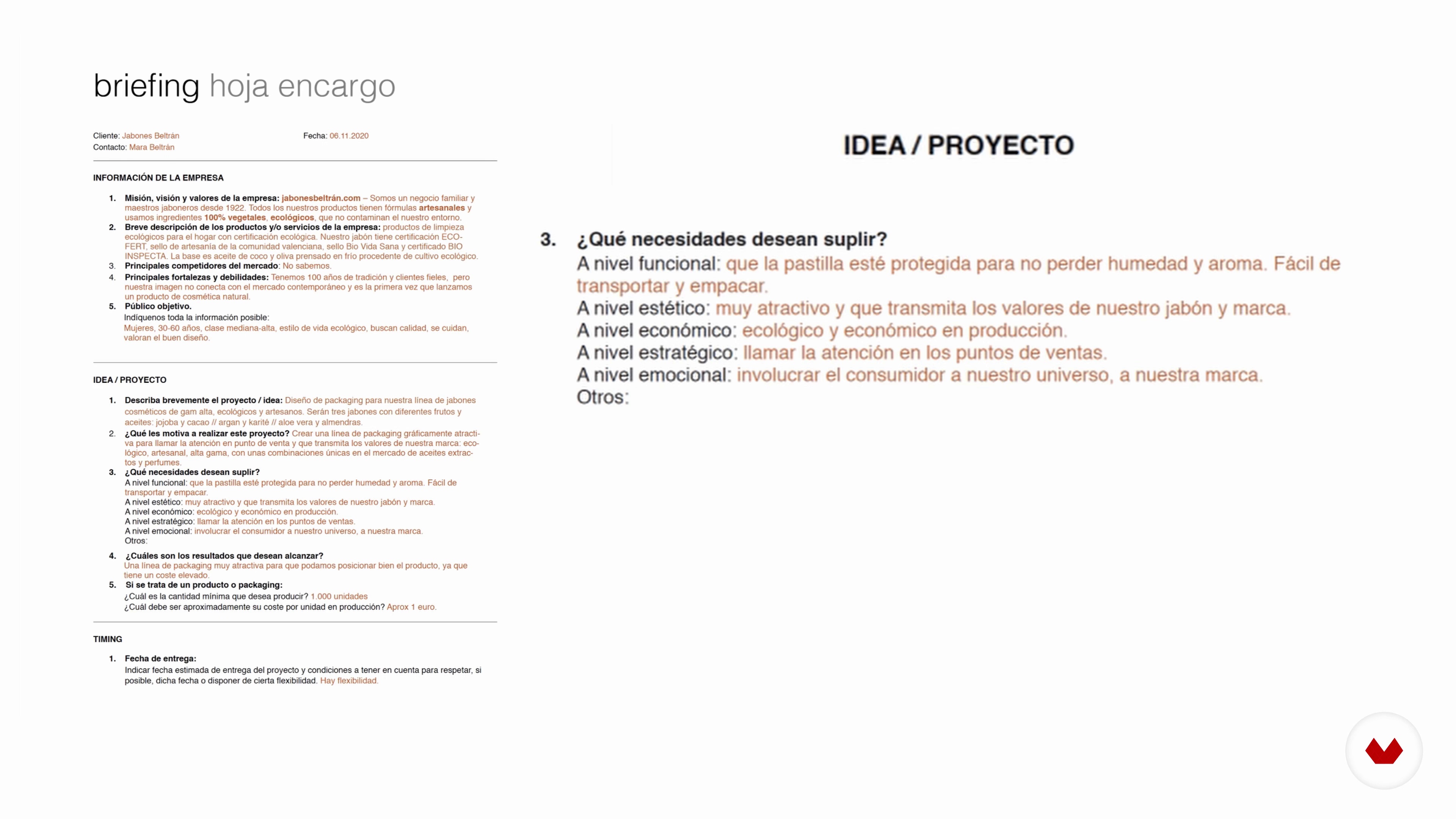
Commission and investigations
13 minutes, 42 seconds
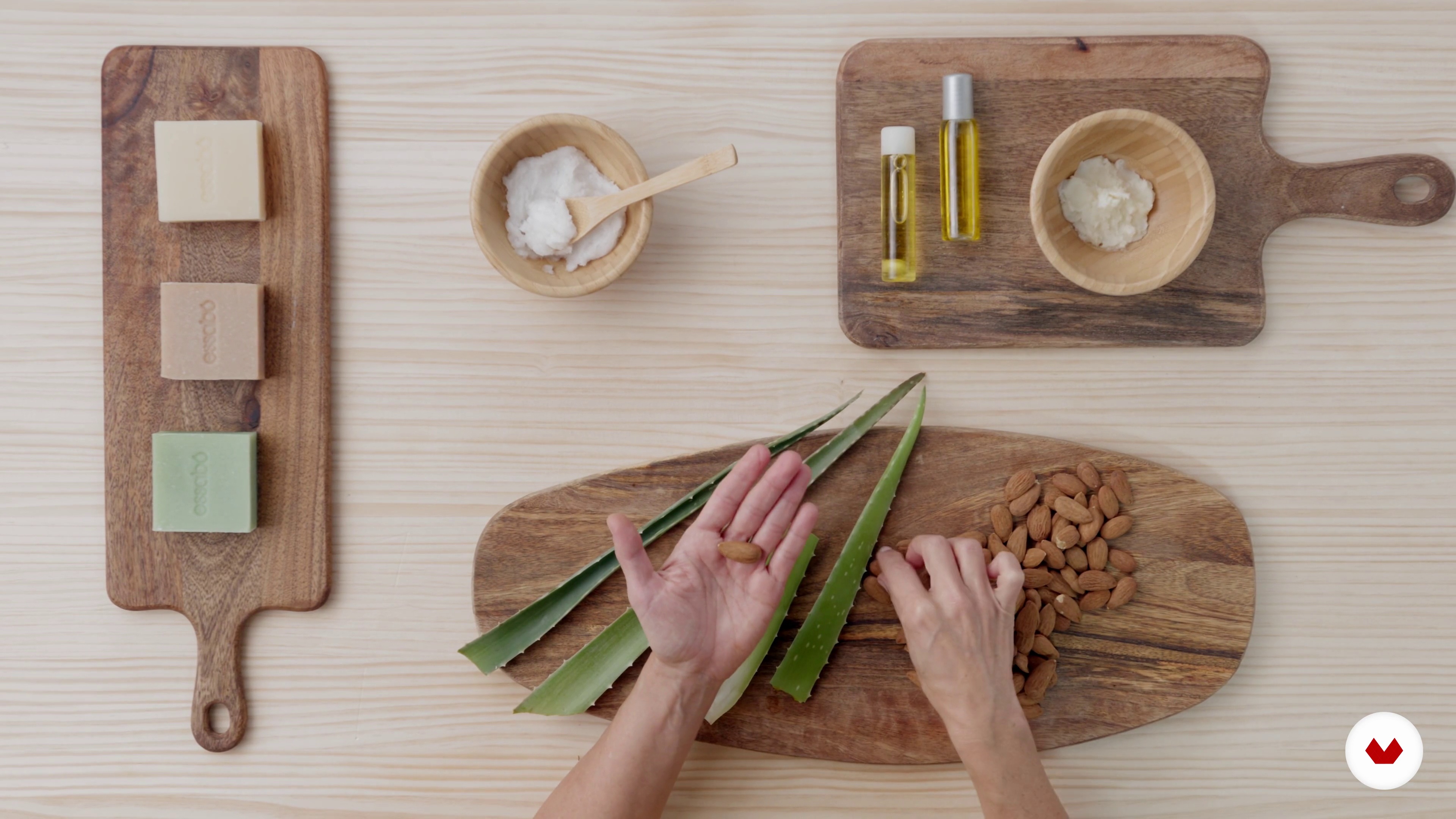
Sensory concept
5 minutes, 36 seconds
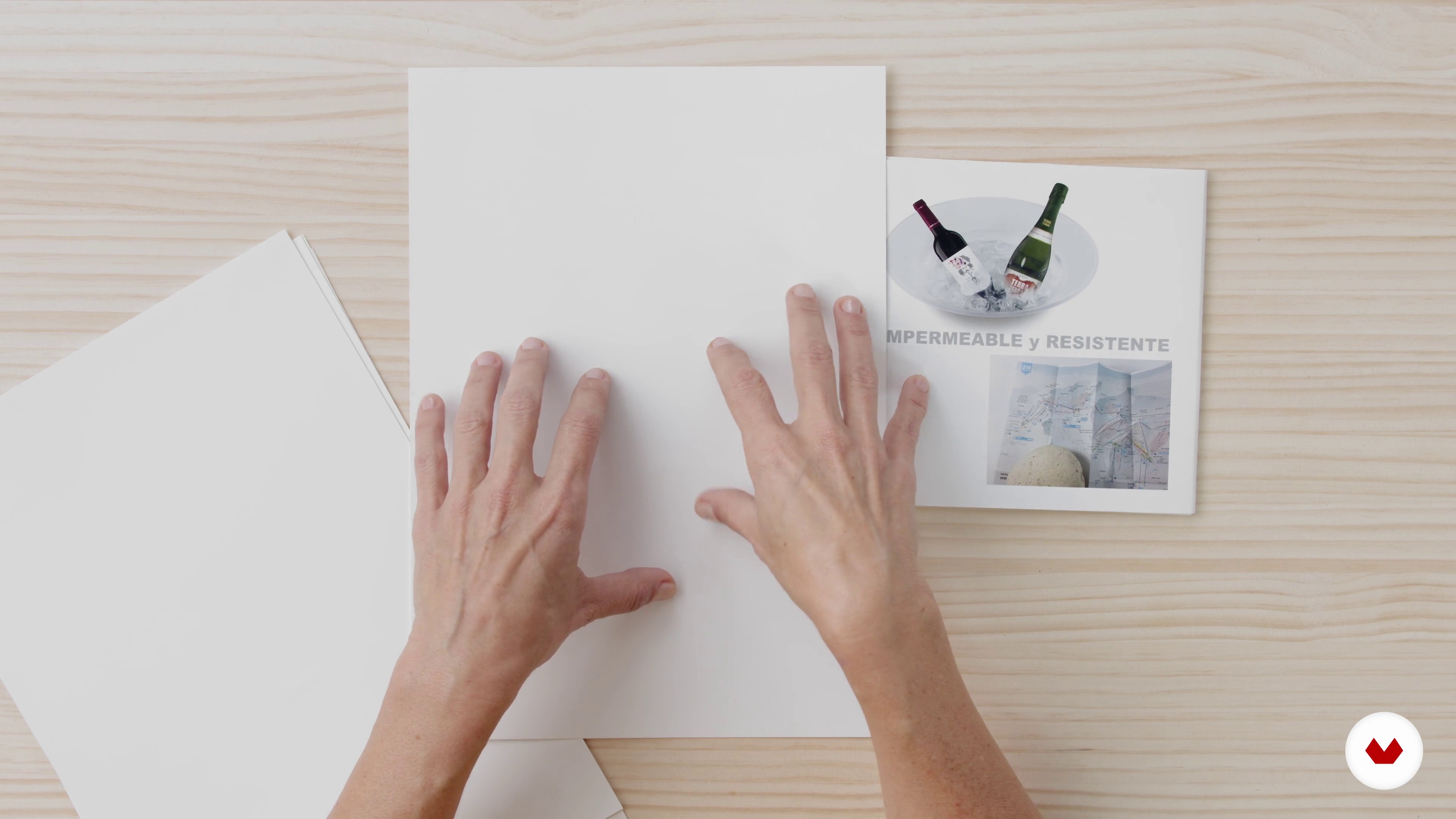
Analysis and choice of materials
9 minutes, 35 seconds
What's included in this course?
Start the course by meeting Tati and see how she began designing sustainable packaging. Get to know some of her influences and see what will be covered in the course.
Learn the concepts of ecodesign, the sustainable materials available, and the importance of understanding a client brief. Get inspired and create a mood board that will help guide you toward developing the functional, emotional, and strategic needs of your packaging and identify the target customer.
Start working on the design, analyze and select materials, and begin sketching your ideas on paper. See how to define the production process according to its scalability by taking into account its environmental impact. At the same time, begin developing a range of prototypes to validate your idea, including the shape, functionality, and visual appearance.
Finalize the design for production, considering the transport within the premises of eco-design. See how to educate consumers to properly manage the disposal of the packaging so that it can be reused for something new.
What is this course's project?
Create an attractive and ecological packaging, from the creative process to its development and production.
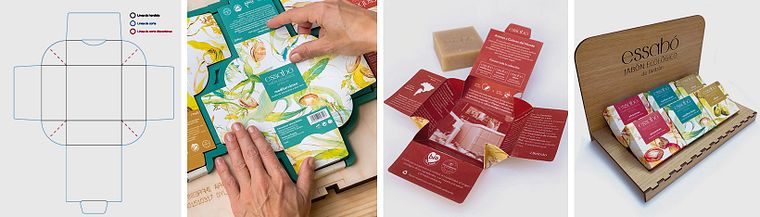
Projects by course students


Who is this online course for?
This course is for designers and other creatives, but also for anyone interested in understanding how sustainable thinking can be applied to design projects.
Requirements and materials
To take this course, you need creativity, curiosity, and a desire to help create a more sustainable world.
Regarding materials, you should have a large notebook, a pencil or pen to write down and sketch your ideas, and paper or cardboard to experiment with the ideas through physical prototypes.
To create a mood board, you will need magazines, scissors, and glue. A computer is helpful for those who have previous design knowledge and would like to draw the packaging plan and graphics.
Reviews
- 5 months ago
Incrivel, me ajudou muito com a minha embalagem de velas!
- 7 months ago
J'ai beaucoup aimé ce cours. Il m'a donné envie de poursuivre mes investigations dans ce domaine. Tati Guimarães sait transmettre sa passion du packaging écologique et de l'innovation.
- 11 months ago
Muito interessante, ela compartilha informações precisas sobre recursos sustentáveis que contribuem para pensar um design mais sustentável.
- 1 year ago
¡Es todo un mundo lo que se aprende aquí! Excelente profesora y excelente (y útil) contenido!
- 1 year ago
Muy interesante, te aporta muchas ideas sencillas que puedes poner en práctica sin demasiados recursos. Explicaciones cercanas muy claras.

Her designs have been recognized worldwide, including her BAKUS trivet selected by MoMA, and her CAVALLUM lamp case, chosen by the Global Innovation Report as one of the most innovative products in the world. Her clients include Organic Cotton Colors, Heineken, Benetton, Fundació Joan Miró, and the Generalitat de Catalunya.
Content
- U1
Introduction
- Presentation
- Influences
- What will we do in the course?
- U2
Creative process
- What is ecodesign?
- What are sustainable materials?
- Commission and investigations
- Sensory concept
- U3
Choice of materials, prototypes and graphic decisions
- Analysis and choice of materials
- Prototypes and experimentations
- Graphic decisions
- U4
Finalization of packaging: manufacturing, transport and end of life
- Finalization of packaging
- Distribution and transportation: how to reduce CO2
- Consumption, end of life: eco-strategies
- FP
Final project
- Introduction to Ecological Packaging
What to expect from a Domestika course
Learn at your own pace
Enjoy learning from home without a set schedule and with an easy-to-follow method. You set your own pace.
Learn from the best professionals
Learn valuable methods and techniques explained by top experts in the creative sector.
Meet expert teachers
Each expert teaches what they do best, with clear guidelines, true passion, and professional insight in every lesson.
Certificates
PLUSIf you're a Plus member, get a custom certificate signed by your teacher for every course. Share it on your portfolio, social media, or wherever you like.
Get front-row seats
Videos of the highest quality, so you don't miss a single detail. With unlimited access, you can watch them as many times as you need to perfect your technique.
Share knowledge and ideas
Ask questions, request feedback, or offer solutions. Share your learning experience with other students in the community who are as passionate about creativity as you are.
Connect with a global creative community
The community is home to millions of people from around the world who are curious and passionate about exploring and expressing their creativity.
Watch professionally produced courses
Domestika curates its teacher roster and produces every course in-house to ensure a high-quality online learning experience.
FAQs
Eco-design is an approach that integrates environmental criteria at every stage of design, from material selection to production and recycling. In packaging, it means creating functional, attractive, and sustainable containers that minimize environmental impact.
This isn’t a beginner-level course but rather intermediate, perfect for those with some design background looking to specialize in sustainability and eco-design for packaging.
You’ll need recycled or reusable materials like magazines, newspapers, boxes, cork stoppers, plus basic design tools, a computer, and graphic design software to create layouts and mood boards.
You’ll learn to apply eco-design principles, select sustainable materials, create prototypes, research trends, design functional and appealing packaging, and communicate sustainability in your projects.
The course teaches how to pick eco-friendly materials and creative techniques to craft packaging that’s both sustainable and visually striking, incorporating natural textures, ingredient-based colors, and innovative graphics.
Yes, the course includes hands-on projects like making lamps from cava boxes, newspaper baskets, cork placemats, and sensory mood boards, letting you apply your skills to real-world examples.
Recycled materials come from processed waste; recyclable ones can re-enter the recycling loop; biodegradable materials break down naturally. The course helps you identify and choose the right type for your project.