Introduction to Storyboarding
A course by Laura Ewing FerrerCharacter Designer and Storyboarder
A course by Laura Ewing Ferrer, Character Designer and Storyboarder

Learn how to translate a script into creative illustrations that tell a story
Discover how to tell your stories with creative and professional storyboarding by learning the fundamentals of visual storytelling. Award-winning storyboard artist and character designer Laura Ewing teaches her step-by-step method for creating a storyboard that captures the essence of a script with mood and power.
In Laura’s first course, she teaches her students how to create a character design for animation in Photoshop. In this course, learn to tell your story through a lens, using cinematographic techniques and professional storyboarding methods. Are you ready to dive into storyboarding?
What will you learn in this online course?
18 lessons & 29 downloads
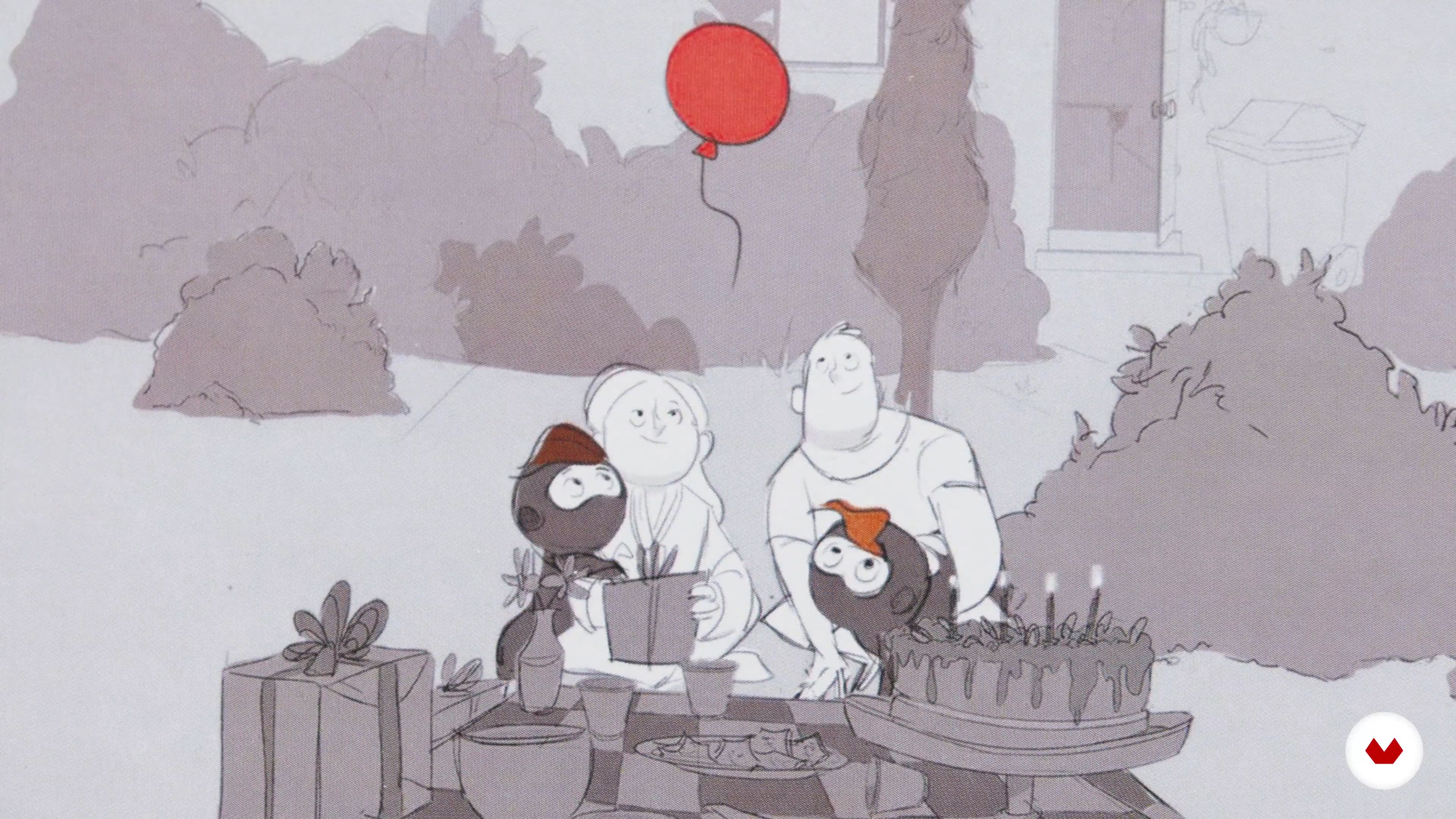
What We Will Do in This Course?
2 minutes, 0 seconds
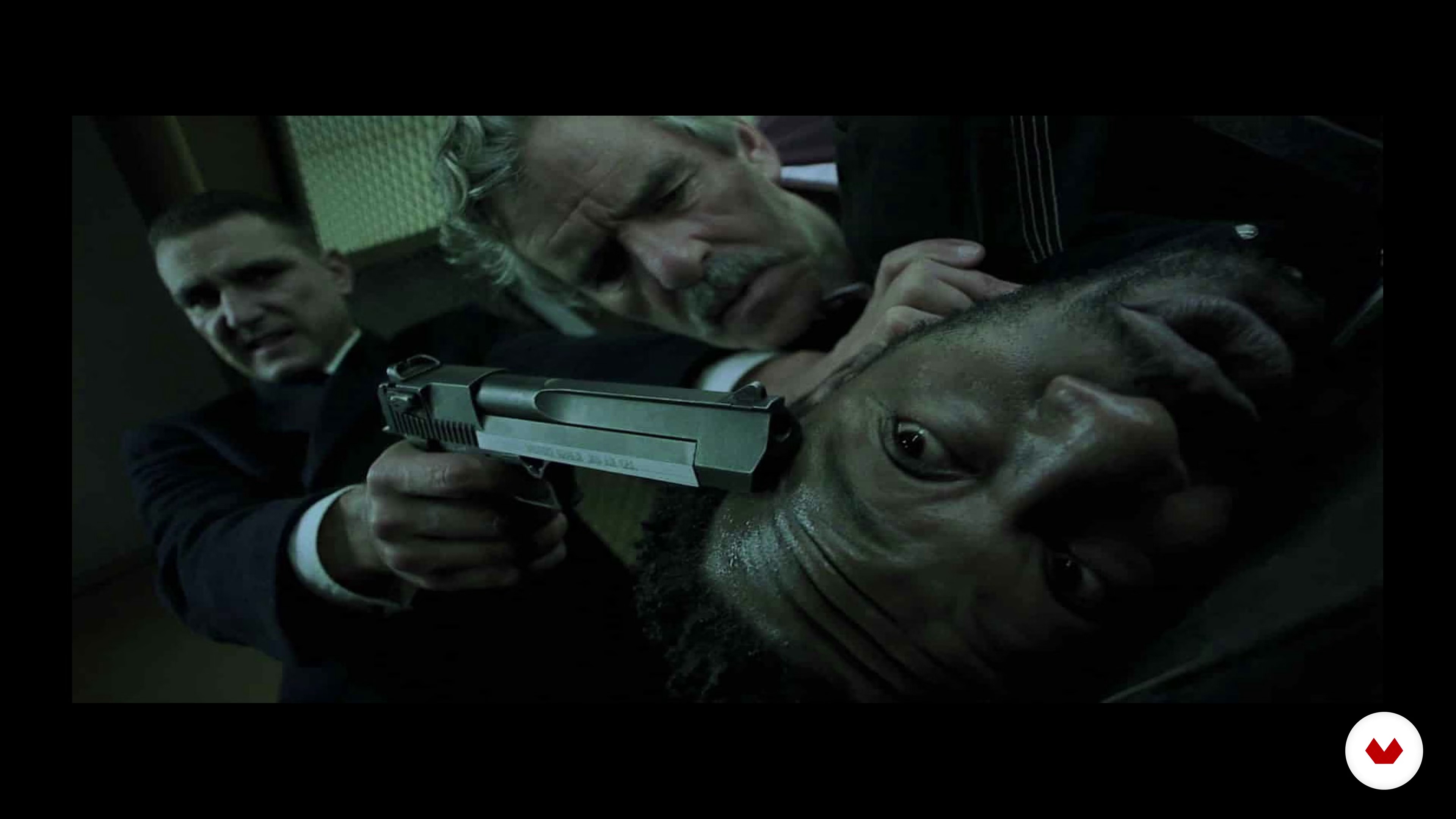
Types of Shot Sizes and Why We Use Them
4 minutes, 21 seconds
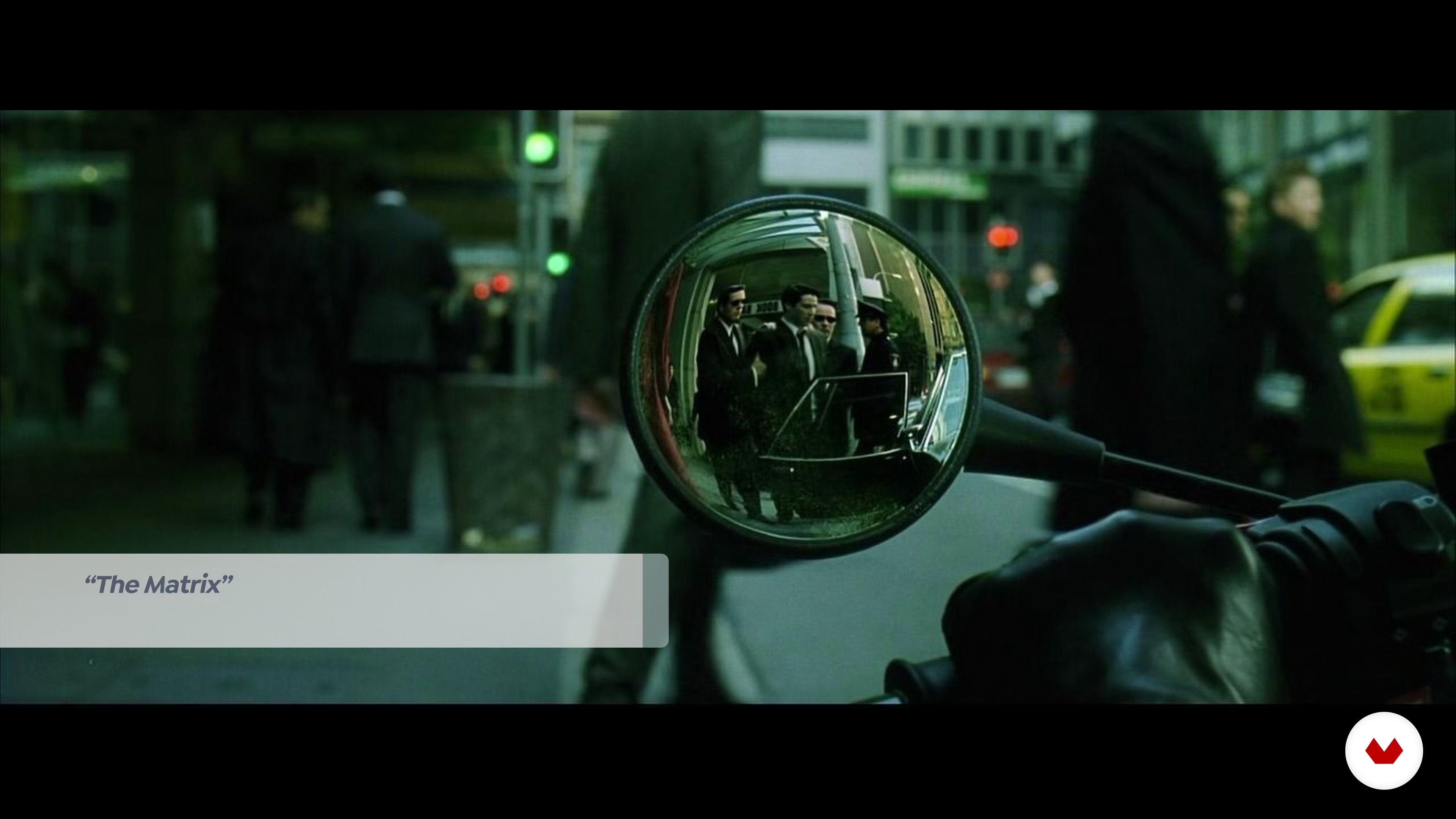
Framing and Composition
3 minutes, 20 seconds
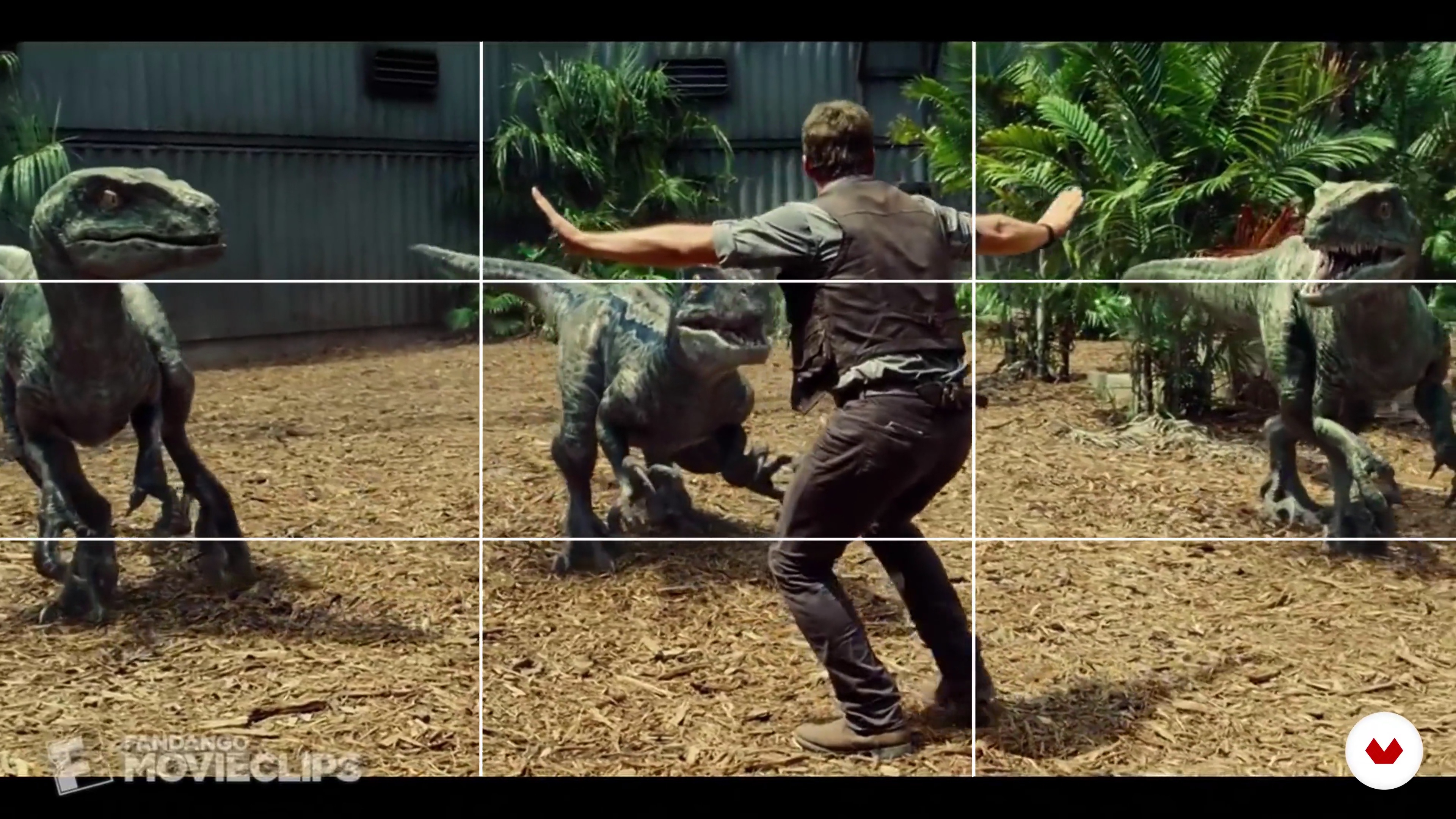
Rule of Thirds
9 minutes, 37 seconds
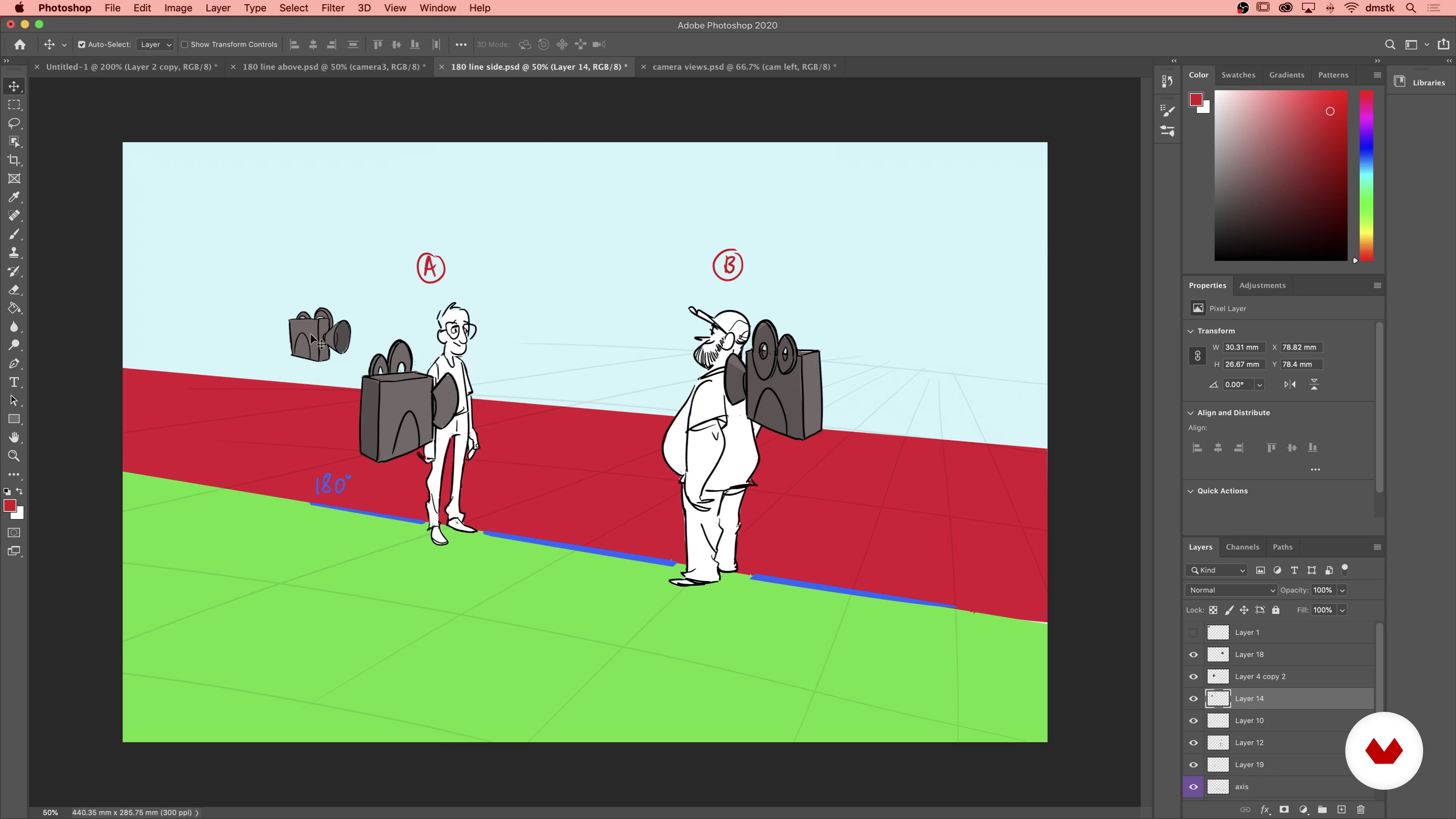
Crossing the Axis 180º
5 minutes, 15 seconds
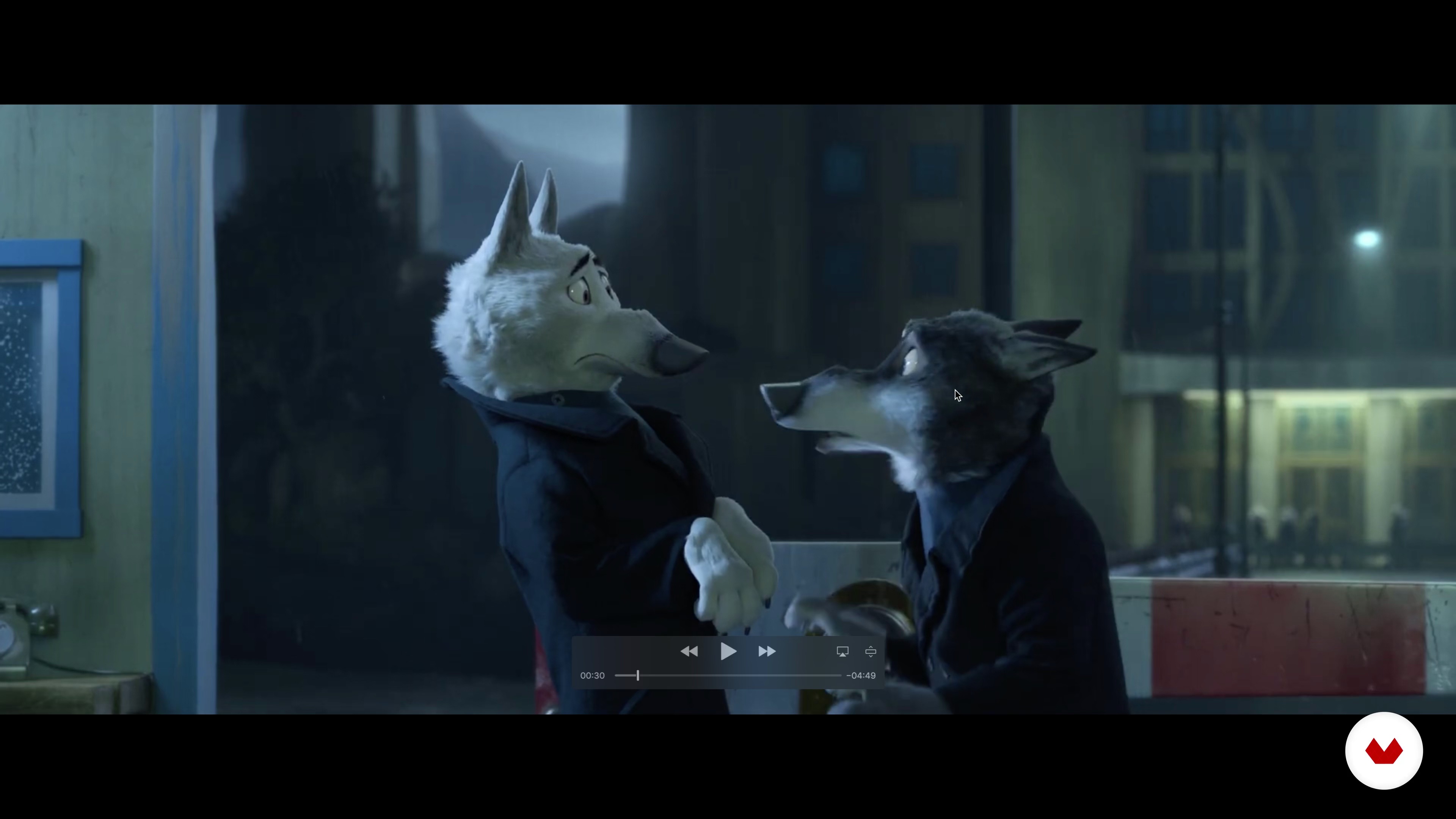
Looking at Others Do What They Do
20 minutes, 45 seconds
What's included in this course?
Meet Laura, who tells you about her professional journey and the decisions she made to get to where she is today. Discover the artists that have influenced her style and inspire her every day, before finding out what Laura will cover in the course.
Delve into the world of storyboarding by understanding why there is a need for storyboards. Discover the different types of camera shots and learn about framing and composition.
Learn about the rule of thirds for storyboards, see how to work with an axis line, and analyze the clip of an animated movie to understand how it was constructed. Learn how to create depth by going through perspective theory applied to storyboarding.
See Laura’s process for storyboarding in the fourth unit, starting with how she builds ideas while reading and analyzing a scene. Create your thumbnails and story sketches with Laura’s guidelines and examples. Tackle your final panels by tieing up all your preparation and research together.
Learn how to present your work in the final unit of the course. Start by seeing the best way to communicate your storyboard to others. Laura then shares her insights and experience in dealing with clients and tells you which questions to ask for effective results. Finally, see Laura’s portfolio and get expert tips on how to present your work professionally.
Recommended software & tools for this course
What is this course's project?
Create a storyboard based on your own script or favorite scene in a book or play.
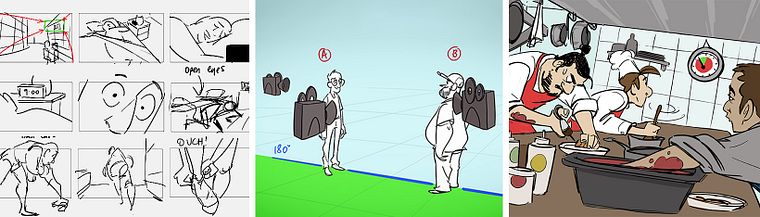
Projects by course students

Who is this online course for?
For illustrators and future storyboarders who want to learn about the language of cinema to add more narrative to their work while also discovering the mechanics of the industry. Cinema enthusiasts who want to learn basic tools to create storyboards for live-action movies, advertising, or animation will also enjoy the course.
Requirements and materials
To take this course, basic drawing skills will be helpful but not essential.
You will need a computer and digital software with a layer function. Laura will use Adobe Photoshop, but you can use whichever you prefer. If you don’t have experience in perspective drawing, you can use software like Autodesk, Krita, or Photoshop that have built-in perspective functions. You can also use a pencil and paper if you feel more comfortable.
Reviews
- probotvalleyPLUS20 days ago
This course is an actual way of learning foundational concepts of storyboarding.
- 24 days ago
Amazing Course!
- 2 months ago
Molto bello
- 2 months ago
Banyak insight yang saya dapatkan untuk diterapkan ke karya sebagai ilustrator biasa (bukan animator).
- 4 months ago
Excelente curso de storyboard.

She went on to study Graphic Design, with a specialization in illustration, to then study Fine Art at The Florence Academy of Art in Italy, and obtained her Master’s degree in storyboarding at Lightbox Academy.
Her diverse experience in the industry includes working in-house at Smile and Learn, as well as working as a freelance artist for documentaries, pilot series, and publishing houses. She most recently worked on a storyboarding project for a live-action movie, which will be released in 2021 and for Madrid 2120 as a storyboard artist, which received this year’s Goya award for best short animation.
Content
- U1
Introduction
- Introduction
- Influences
- What We Will Do in This Course?
- U2
Learning the Language of Cinema
- Why Do We Need Storyboarding?
- Types of Shot Sizes and Why We Use Them
- Framing and Composition
- U3
Rules of Thumb
- Rule of Thirds
- Crossing the Axis 180º
- Looking at Others Do What They Do
- Perspective
- How to Represent Camera Movements
- U4
My Process
- Getting Technical Notes
- Thumbnails Testing Framing and Composition
- Story Sketch
- Final Panels
- U5
How to Present Your Work
- How to Name Your Scenes and Present Your Work
- Dealing with Clients
- Portfolio and Website Tips
- FP
Final project
- Introduction to Storyboarding
What to expect from a Domestika course
Learn at your own pace
Enjoy learning from home without a set schedule and with an easy-to-follow method. You set your own pace.
Learn from the best professionals
Learn valuable methods and techniques explained by top experts in the creative sector.
Meet expert teachers
Each expert teaches what they do best, with clear guidelines, true passion, and professional insight in every lesson.
Certificates
PLUSIf you're a Plus member, get a custom certificate signed by your teacher for every course. Share it on your portfolio, social media, or wherever you like.
Get front-row seats
Videos of the highest quality, so you don't miss a single detail. With unlimited access, you can watch them as many times as you need to perfect your technique.
Share knowledge and ideas
Ask questions, request feedback, or offer solutions. Share your learning experience with other students in the community who are as passionate about creativity as you are.
Connect with a global creative community
The community is home to millions of people from around the world who are curious and passionate about exploring and expressing their creativity.
Watch professionally produced courses
Domestika curates its teacher roster and produces every course in-house to ensure a high-quality online learning experience.
FAQs
Yes, this course is designed for beginners and covers foundational principles, making it accessible for those with little or no prior experience in storyboarding or visual storytelling.
You’ll need basic drawing tools, such as pencils, paper, or a digital tablet and drawing software. No advanced equipment is required—just something to sketch storyboards and practice composition.
You’ll learn how to create storyboards, design characters, use camera angles, understand cinematic composition, apply perspective, and tell stories visually for animation, comics, and film.
Yes, the course explores storyboarding techniques for animation, live action, and advertising, highlighting their differences and practical applications.
Yes, you’ll practice drawing dynamic poses, designing expressive characters, and introducing them effectively in your storyboards.
The course teaches cinematography techniques, including camera angles, camera movement, shot composition, and the use of the 180-degree rule to enhance your visual storytelling.
You’ll learn principles of perspective, balance, depth, and background-detail placement to create visually engaging and coherent scenes in your storyboards.