Manga Comics for Beginners: From Concept to Creation
A course by Natalia Batista, Manga Artist and illustrator

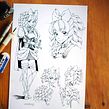
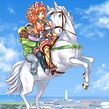


Learn how to write and create a manga comic from scratch using professional techniques used by Japanese artists for storytelling and character design

The increasing popularity of manga means that anyone can enjoy, produce, and add their own culture to the art form, meeting amazing characters and visiting magical places along the way. Manga artist Natalia Batista has published comics across Europe and the US, and she owns her own publishing company that has received international recognition.
In this course, she teaches you the whole manga writing process, from the initial concept to the finished comic. Create your own manga page from scratch, discovering the tools and techniques used by Japanese manga artists to make your work look professional.
Interested in developing your manga character design skills? In her first course, The Art of Manga: Drawing Unique Characters, Natalia takes you through the process of drawing fictional manga characters from start to finish.
What will you learn in this online course?
21 lessons & 27 downloads
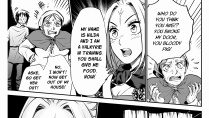
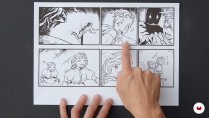
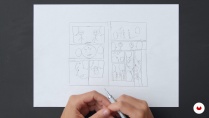

What's included in this course?
Begin the course by getting to know manga artist and illustrator Natalia Batista. She talks through how she turned her love of manga into a career that led her to open her own publishing studio, along with the influences that inspire the work she creates.
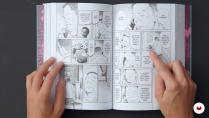
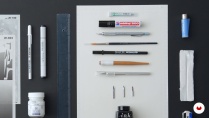
Explore the history of manga and how it has evolved since its origins in the 13th century. Discover the characteristics of the art form, before taking a look at the tools and materials needed, from sketching pens to ink. Natalia shows you how to create your manga concept and character lineup before diving into the writing process. Learn how to write dialogue, craft a script, and divide it into panels.
Time to start drawing your manga. First, delve into visual storytelling, taking into consideration composition, reading direction, and more. Natalia guides you through how to create a concise storyboard. Once you’re happy with it, get feedback from test readers and make any adjustments to perfect your storyboard. Then sketch your manga page or spread with margins and layout in mind. Learn to draw manga backgrounds from photos based on the mood and flow of your work.
Practice working with different inking tools and techniques, from drawing speed lines and cross-hatching to sound effects. Apply these ink techniques on your manga pages for a professional end result.
Scan your manga in the correct format and use Clip Studio Paint to prepare and letter your pages. Learn what screen tones are and how to incorporate them into your manga to add depth, light, and shadows. To finish the course, Natalia guides you through how to export your manga and share it with the world via publishers, contests, and more
- 99% positive reviews (172)
- 11,214 students
- 21 lessons (4h 54m)
- 27 additional resources (16 files)
- Online and at your own pace
- Available on the app
- Audio: English, Spanish (Latam), French, Italian, Portuguese, Turkish
- English · Spanish · Portuguese · German · French · Italian · Polish · Dutch · Turkish
- Level: Beginner
- Unlimited access forever
Recommended software & tools for this course
 Clip Studio Paint
What is this course's project?
Create your own manga page, or spread, from scratch using traditional techniques

Projects by course students


Who is this online course for?
This course is aimed at anyone with an interest in learning to create a Japanese-inspired manga comic.
Requirements and materials
Some drawing experience would be helpful, but not necessary.
In terms of materials, you will need steel nibs and dip ink, paper, a sketching pen, an eraser, and other materials specified by the teacher in the course. If you wish to digitize your manga, you will also need a computer with Clip Studio Paint or a similar program installed.

Reviews

Natalia Batista
A course by Natalia Batista
Natalia Batista is a Swedish manga artist and illustrator with over 15 years of experience. Her passion for the Japanese art started as a child watching Sailor Moon with her sister. Soon, she joined a local manga club, and after graduating from high school, she attended a comic art school. While working for a Swedish magazine as a comic artist, she illustrated the comic Lova, about a young girl who wanted to be a singer in a band.
Since then, she has illustrated and published a number of manga pieces that are centered on female characters who are fighting for their rights. She is the artist and storyteller behind Sword Princess Amaltea and Mjau!, which have been published and printed throughout Europe and the United States. Natalia has also been featured in the German magazine Tokyopop for her comic Ein Lied für Elise.
Content
-
U1
Introduction
-
About Me
-
Influences
-
-
U2
Creating a Manga Story
-
An Introduction to Manga
-
Tools and Materials
-
Creating Your Concept and Characters
-
Writing Your Script 1
-
Writing Your Script 2
-
-
U3
Drawing Your Manga
-
Basic Visual Narration
-
Storyboarding Your Story
-
Sketching a Page or Spread 1
-
Sketching a Page or Spread 2
-
Drawing Backgrounds 1
-
Drawing Backgrounds 2
-
-
U4
Inking Your Manga
-
Steel Nib Inking, Speed Lines, and Sound Effects
-
Inking Your Page 1
-
Inking Your Page 2
-
Inking Your Page 3
-
-
U5
Digitizing Your Manga
-
Digitizing and Lettering
-
Using Screentones 1
-
Using Screentones 2
-
Sharing Your Manga with the World
-
-
FP
Final project
-
Manga Comics for Beginners: From Concept to Creation
-
What to expect from a Domestika course
-
Learn at your own pace
Enjoy learning from home without a set schedule and with an easy-to-follow method. You set your own pace.
-
Learn from the best professionals
Learn valuable methods and techniques explained by top experts in the creative sector.
-
Meet expert teachers
Each expert teaches what they do best, with clear guidelines, true passion, and professional insight in every lesson.
-
Certificates
PlusIf you're a Plus member, get a custom certificate signed by your teacher for every course. Share it on your portfolio, social media, or wherever you like.
-
Get front-row seats
Videos of the highest quality, so you don't miss a single detail. With unlimited access, you can watch them as many times as you need to perfect your technique.
-
Share knowledge and ideas
Ask questions, request feedback, or offer solutions. Share your learning experience with other students in the community who are as passionate about creativity as you are.
-
Connect with a global creative community
The community is home to millions of people from around the world who are curious and passionate about exploring and expressing their creativity.
-
Watch professionally produced courses
Domestika curates its teacher roster and produces every course in-house to ensure a high-quality online learning experience.
FAQs
Yes, this course is designed for beginners and covers the basics of manga storytelling, character design, tools, and production. No prior experience is required.
You'll need basic drawing tools such as pencils, manga paper, G-pens or steel nibs, ink, and access to digital art software like Clip Studio Paint. Specific recommendations are provided in the course.
You'll learn how to design characters, create engaging manga stories, storyboard, ink, use screen tones, and prepare manga for print and digital publication. The course also covers pitching, competitions, and adapting manga to other media.
Yes, the course covers traditional inking and paper-based methods as well as digital workflows using software like Clip Studio Paint.
The course includes step-by-step guidance on preparing, pitching, and self-publishing manga for international audiences in both print and webcomic formats.
Yes, the course addresses designing age-appropriate stories and characters, including topics specific to manga for children and teen girls.
The course covers strategies for entering competitions, building a professional portfolio, and collaborating in manga studio environments.
 Clip Studio Paint
intersting course.
it gave some nice tips, truly for beginners.
now I am looking for something more advanced.
pity there is no interaction with the teacher, you only get some AI suggestions
What an amazing tutor and great course ,thank you so much for sharing your knowledge experience,the course was clear and very very very useful and i enjoyed every lesson of it,i hope to see you in other courses,thank you so much!!!!
La verdad es que explico muy bien todas las herremientas y el proceso tecnico y vreativo me gusto bastente
This is such a great and well structured course, explaining how to make a manga in easy and actionable steps. I really enjoyed it. Furthermore Natalia Batista is inspiring and motivating both as a teacher and artist. Would highly recommend!
OMG This course is AWESOME absolutely love how it has been put together filming content lighting etc very professional and shows each artist in a fantastic light.
This course is brilliant very personal and honest, great to see the artist and what drives them.
Natalia is so interesting listening to her Art Manga Journey and accomplishments is definitely inspiring,
Thanks Natalia and Domestika please do more courses for Manga :)