Nonfiction Script Writing for Narrative Podcasts
A course by Chico FelittiReporter, Writer, and Podcaster
A course by Chico Felitti, Reporter, Writer, and Podcaster

Learn to tell real and relatable stories that attract attention and engage your listeners
Podcasts are a versatile and accessible means of communication that are well-suited to many forms and styles of storytelling. Reporter, writer, and podcaster Chico Felitti, creator of one of the top fifteen most-listened-to podcasts in Brazil–Além do Meme–travels the world in search of biographies, reports, and stories that, without him, would perhaps never be told.
In this course, learn how to identify an interesting topic and explore different ways to present it by writing and recording a nonfiction script. Discover how to tell real stories that engage your audience in the podcast format.
What will you learn in this online course?
14 lessons & 14 downloads
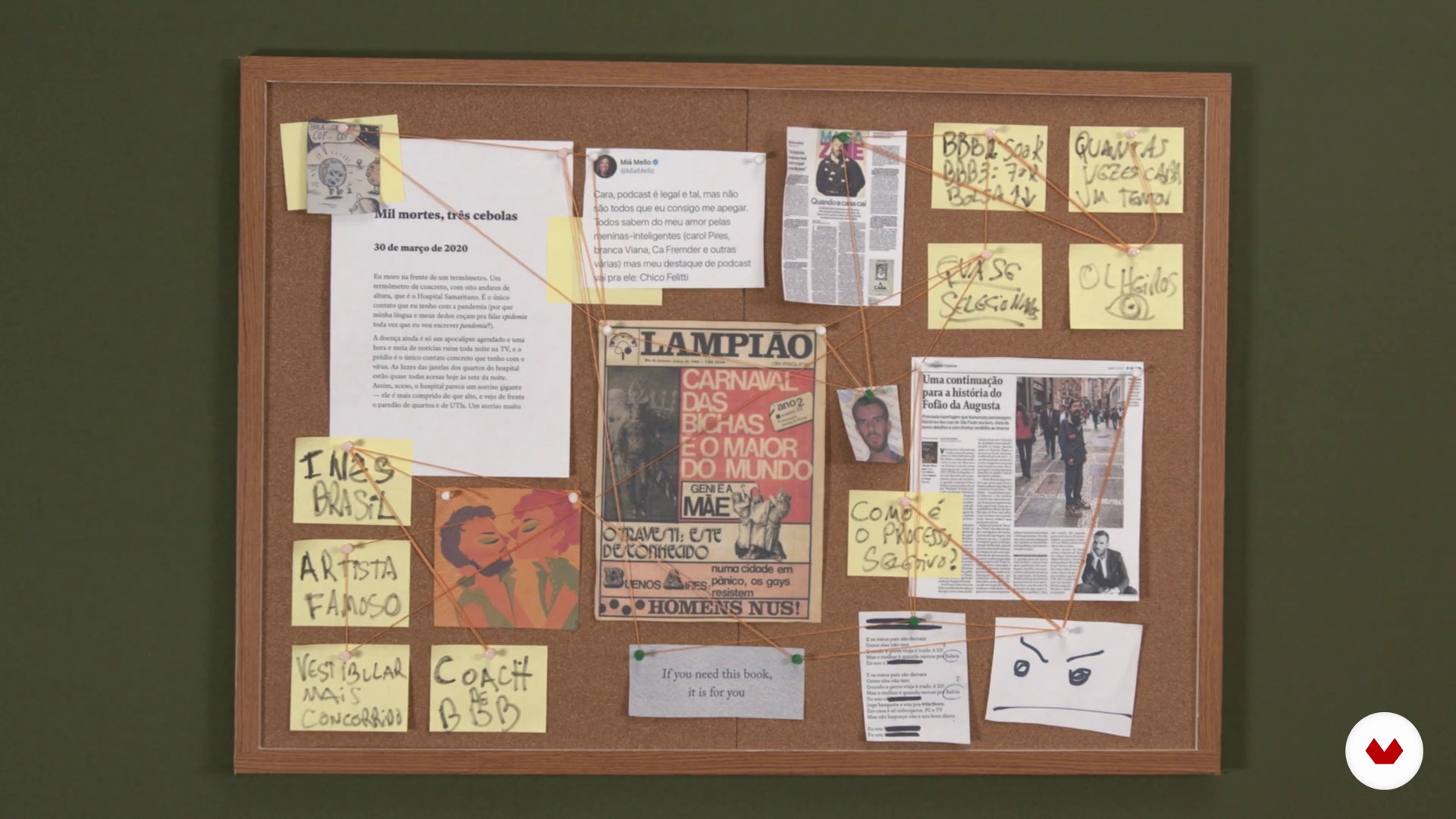
How will I tell my story?
13 minutes, 14 seconds
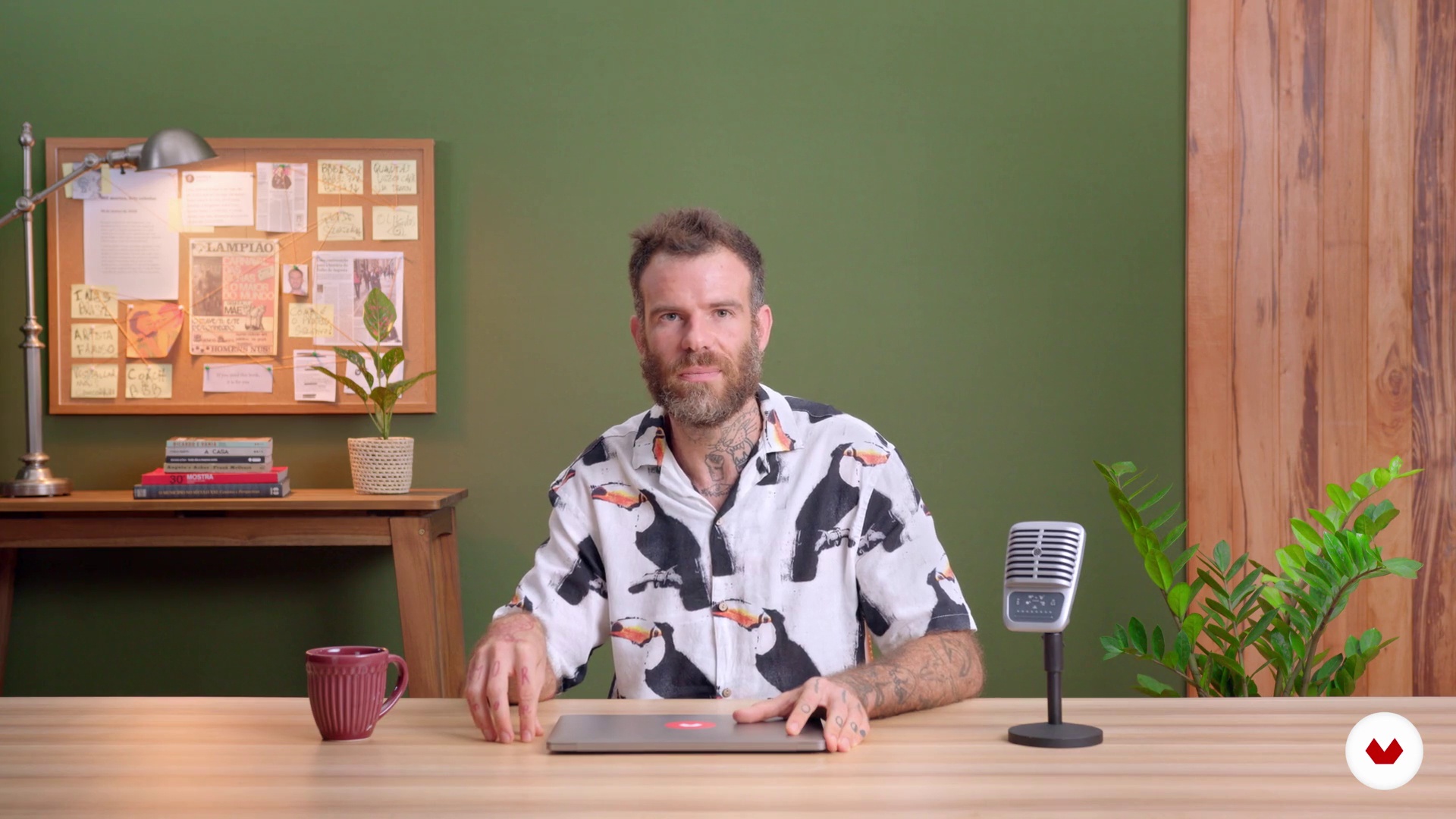
What already exists in my story?
6 minutes, 6 seconds
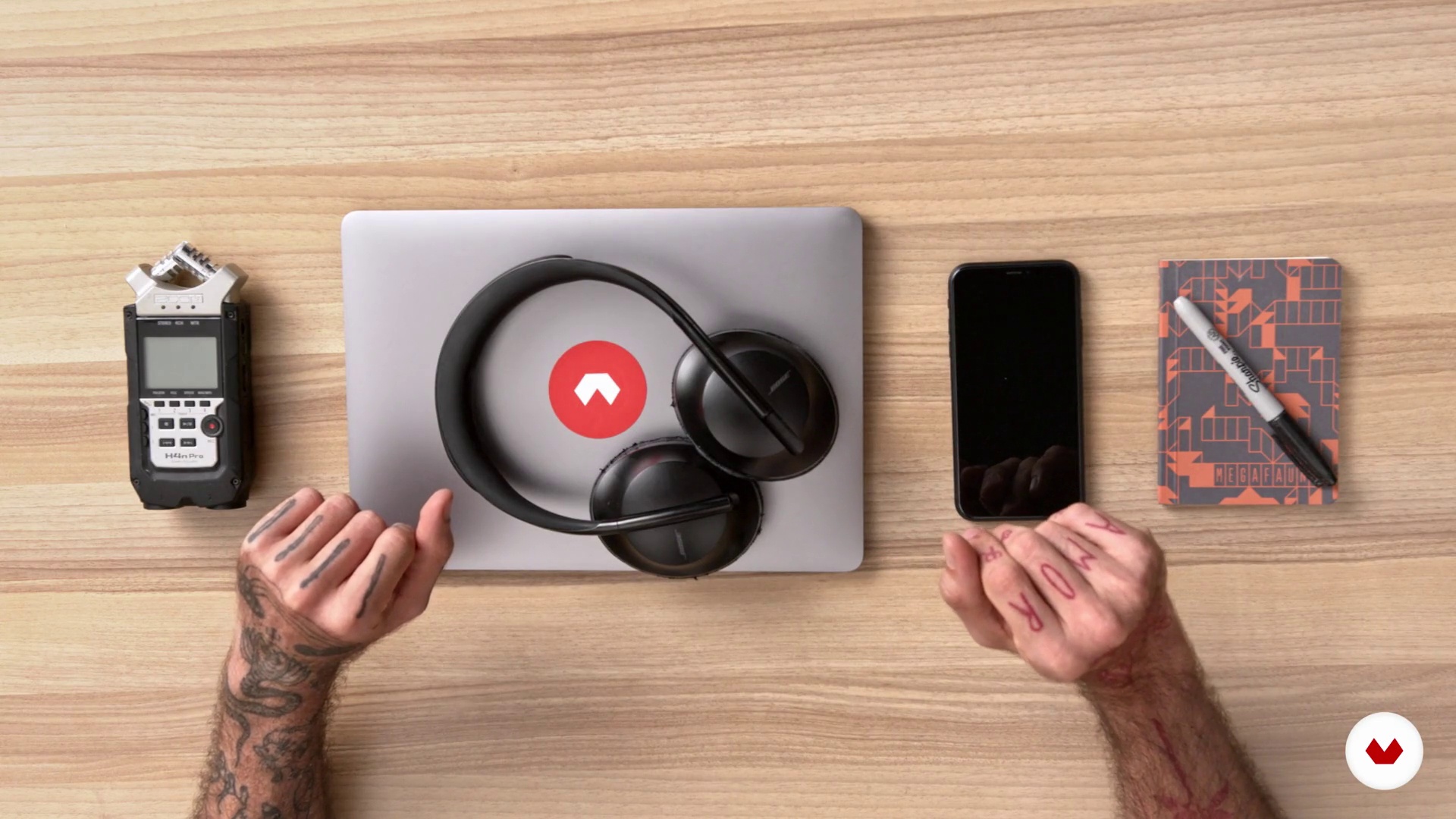
Before going to the street: equipment
5 minutes, 37 seconds
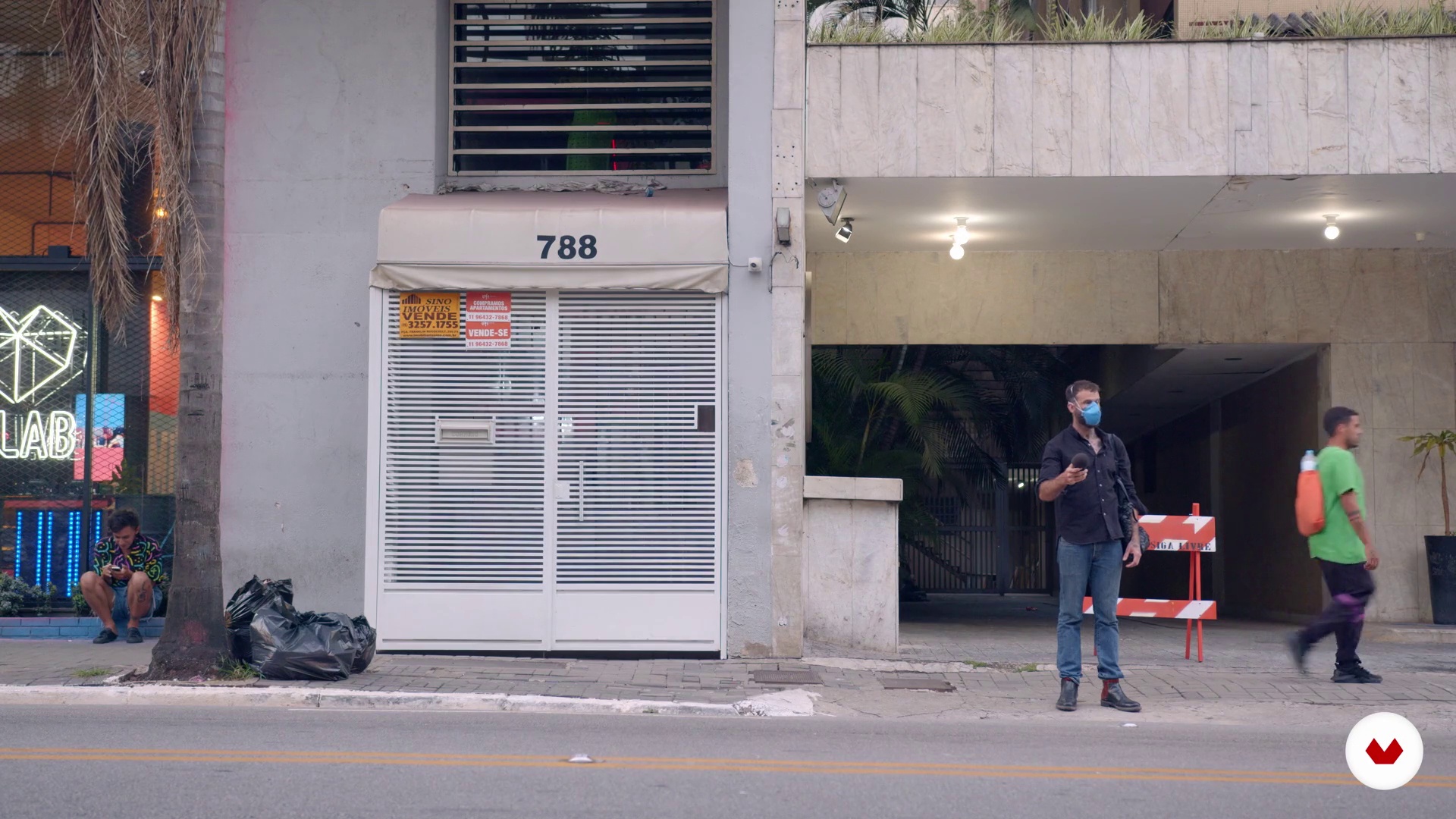
on the street (outside)
12 minutes, 8 seconds
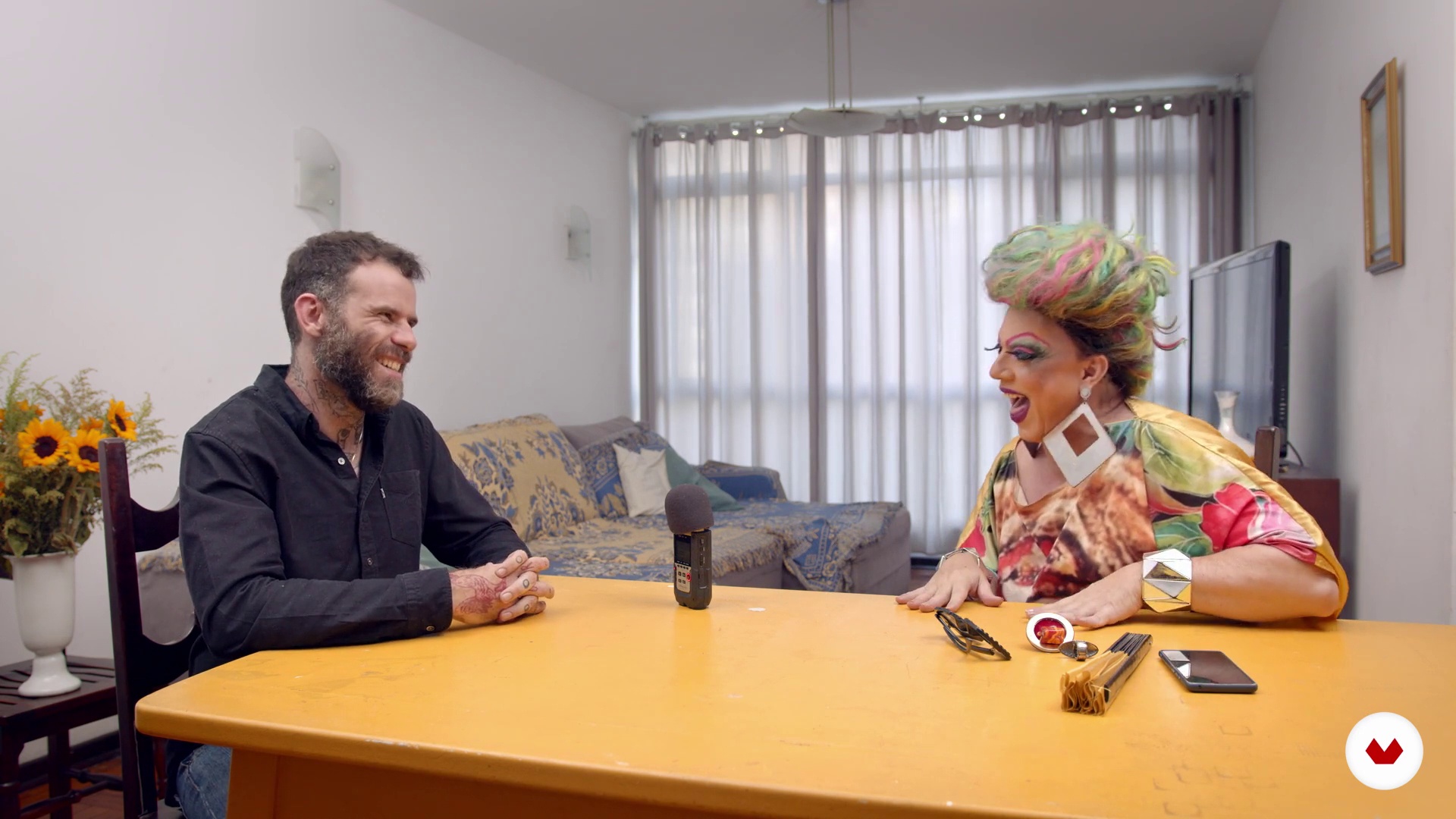
How to order an interview
17 minutes, 40 seconds
Putting reality on paper 1
13 minutes, 32 seconds
What's included in this course?
Meet your teacher Chico Felitti and hear about his professional career as a writer and reporter. Discover how he began producing podcasts and the set of values that dictates his research and investigative work.
Learn how to recognize a good topic that has potential for a podcast and how to dig deeper into it. Decide on the length of your story and how you want to tell it to match your voice and the chosen format.
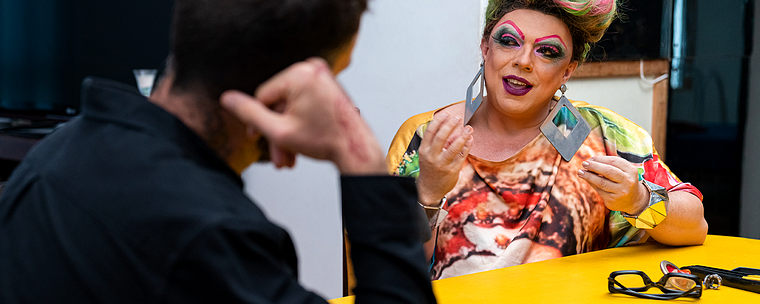
Next, Chico shows you all the equipment you need for your interviews. Explore different approaches to conducting them and discover how to capture the world of your interviewee through sound. Once you've done the interviews, transcribe your recordings highlighting the most notable fragments as you go and start working on your script.
Learn how to determine whether your podcast meets the criteria to be turned into a series and see how to post it on different digital platforms. Your teacher then gives you some tips on how to create a visual identity for your program and promote it online.
By the end of the course, you'll know how to pluck stories out of the world around you and transform them into captivating podcasts that keep your listeners engaged.
What is this course's project?
Write a nonfiction script for a narrative podcast based on interviews and prepare it for editing.
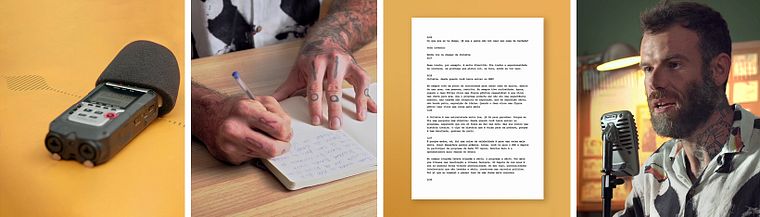
Projects by course students

Who is this online course for?
Anyone who likes to write or listen to good stories in podcast format, regardless of whether they have experience or professional audio recording and editing equipment.
Requirements and materials
No previous script writing or audio recording and editing experience is needed for this course.
The only materials you need are a cell phone and a computer.
Reviews
- 6 days ago
Muy interesante
- 8 months ago
Excelente conteúdo, didática e produção!
- 8 months ago
Achei um otimo curso para um noção ampla a iniciantes. Gostei bastante.
- 9 months ago
It explains very well how to create a story and the process of publishing it for those who are new to podcasting.
- 10 months ago
Genial como introducción, recomendado.

He is also the creator of two podcasts: Muitas Vidas and Além do Meme. The second of the two, which is ranked among the top fifteen most-listened-to podcasts in Brazil, examines the lives of people who have reached fame through the internet. Chico has been recognized for his work with the Comunique-se Award and the Petrobras Journalism Award and has published several nonfiction books including Ricardo & Vânia, Mulher Maravilha, and A Casa.
Content
- U1
Introduction
- Presentation
- Influences
- U2
An idea on paper
- What is my story?
- How will I tell my story?
- What already exists in my story?
- U3
The script on the street
- Before going to the street: equipment
- on the street (outside)
- How to order an interview
- Putting reality on paper 1
- Putting reality on paper 2
- Recording!
- U4
time to go on air
- Is this story an only child?
- A podcast is a product
- putting on the air
- FP
Final project
- Podcast script
What to expect from a Domestika course
Learn at your own pace
Enjoy learning from home without a set schedule and with an easy-to-follow method. You set your own pace.
Learn from the best professionals
Learn valuable methods and techniques explained by top experts in the creative sector.
Meet expert teachers
Each expert teaches what they do best, with clear guidelines, true passion, and professional insight in every lesson.
Certificates
PLUSIf you're a Plus member, get a custom certificate signed by your teacher for every course. Share it on your portfolio, social media, or wherever you like.
Get front-row seats
Videos of the highest quality, so you don't miss a single detail. With unlimited access, you can watch them as many times as you need to perfect your technique.
Share knowledge and ideas
Ask questions, request feedback, or offer solutions. Share your learning experience with other students in the community who are as passionate about creativity as you are.
Connect with a global creative community
The community is home to millions of people from around the world who are curious and passionate about exploring and expressing their creativity.
Watch professionally produced courses
Domestika curates its teacher roster and produces every course in-house to ensure a high-quality online learning experience.
FAQs
The course is recommended for those with some background in journalism, content creation, or podcasts, but beginners interested in nonfiction storytelling can also follow along.
You can start with a smartphone, portable recorder, and headphones. For better quality, a microphone, computer, and free audio editing software are recommended.
You’ll learn how to identify real stories, research characters, write scripts, record interviews, capture ambient sounds, edit audio, and publish podcasts on digital platforms.
Prior journalism experience isn’t required, but the course covers essential journalistic concepts for those wanting to deepen their skills in investigation and audio storytelling.
The course covers investigative journalism, audio biographies, profiles, interview ethics, scriptwriting, editing, sound recording, and strategies for publishing and promotion.
Yes, the course teaches both in-person and remote interview techniques, from preparing the script to capturing ambient sound and conducting conversations ethically.
Yes, one focus of the course is giving voice to characters and stories often overlooked by mainstream media, promoting diversity and empathy in audio storytelling.