Introduction to Visual Journalism
A course by Gladys SerranoDocumentary Photographer and Videographer
A course by Gladys Serrano, Documentary Photographer and Videographer

Learn to tell real stories and report everyday events through images, audio, and journalism techniques
Keen to create compelling pieces of journalism on important topics? According to audiovisual journalist Gladys Serrano, who's covered stories in countries like Mexico, the US, and Honduras for EL PAÍS and Expansión, journalism is not only a form of expression but also an instrument for upholding freedoms and driving change.
In this course, Gladys teaches you to communicate real stories through images from a journalistic perspective. Explore a range of audiovisual tools to enrich your reporting and discover the importance of telling certain stories to shine a light on regional issues. Also go through some basic ethical and safety concepts that are invaluable in this line of work.
What will you learn in this online course?
13 lessons & 27 downloads
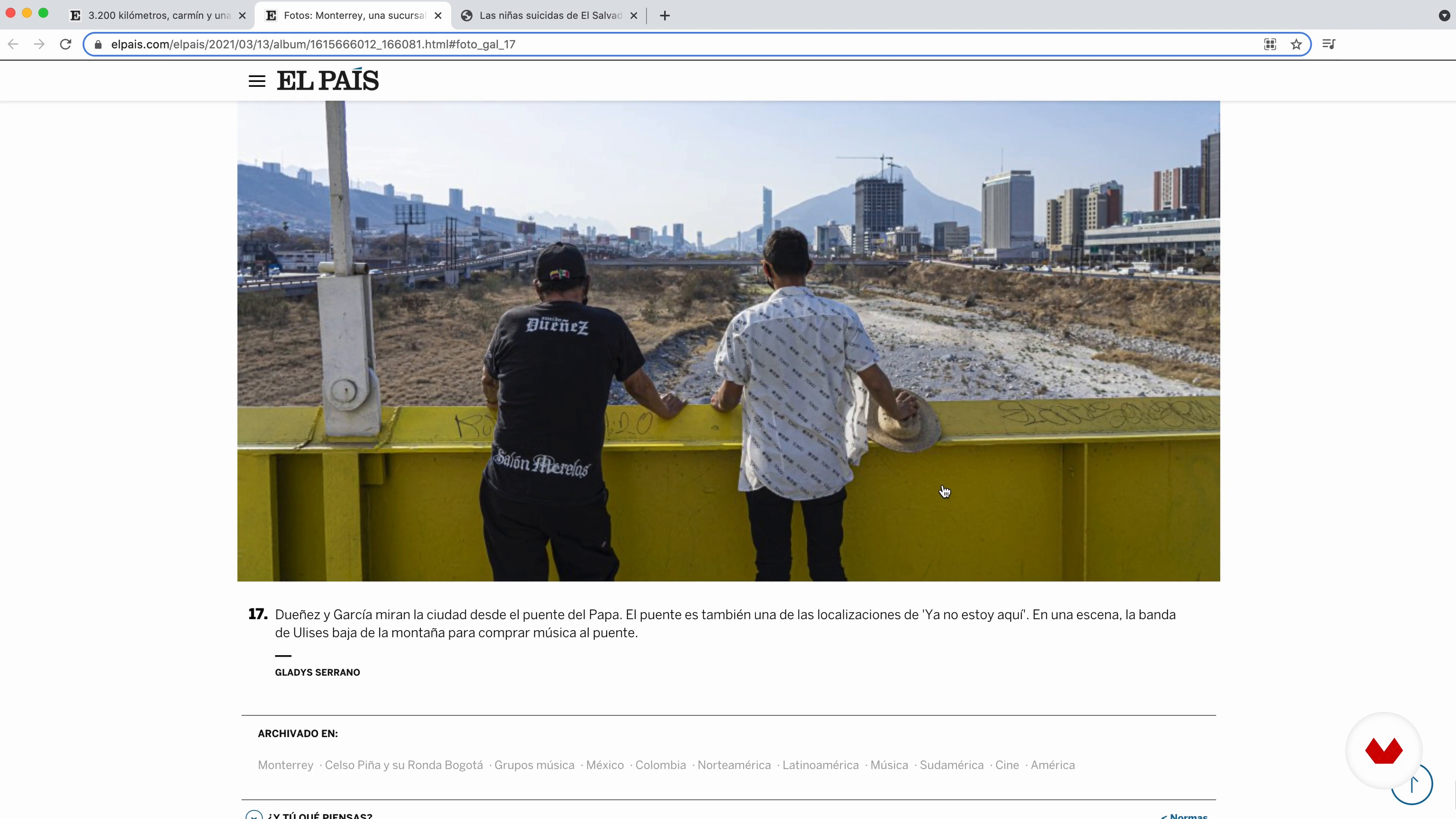
The importance of telling journalistic stories
13 minutes, 33 seconds
Genres in journalism
11 minutes, 1 second
The steps to tell a visual journalistic story
3 minutes, 46 seconds
How to select a story
4 minutes, 32 seconds
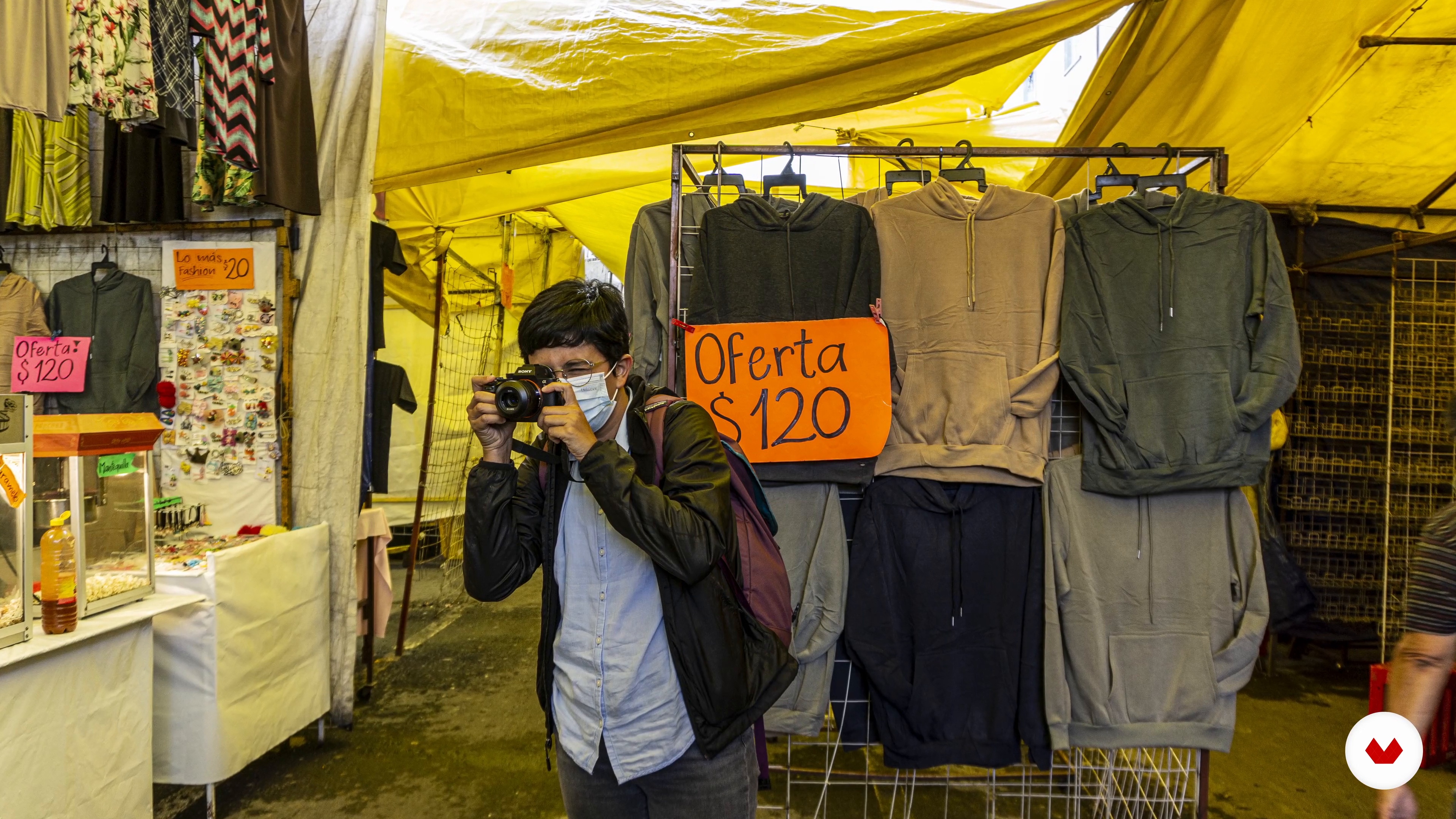
How to approach history
9 minutes, 17 seconds
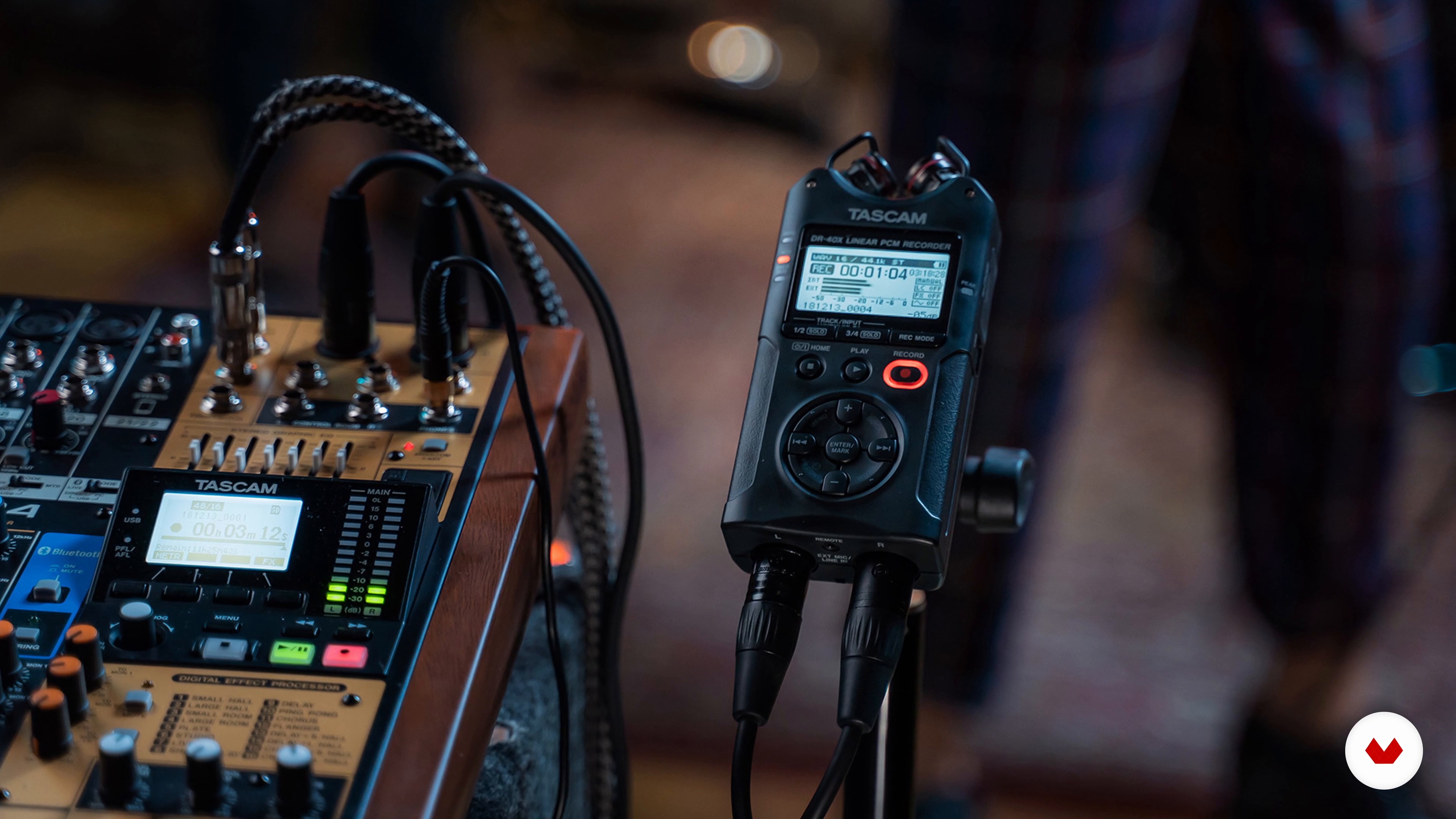
Technical tips for making your story
6 minutes, 35 seconds
What's included in this course?
Start the course by getting to know a little about Gladys Serrano, her career as a journalist so far, and her beginnings as a photographer. She discusses some of the technical and professional difficulties she's encountered and how she overcame them, as well as shares her biggest influences and some of the projects that have most inspired her.
Gladys introduces the different journalistic genres and the hugely important role of journalism today. Hear a brief overview of how to maintain a steady pace when covering a story using audiovisual media, before beginning to prepare your final project.
Time to get to work! Decide what you want to report on by assessing relevance, choosing the characters, and the best way to approach them. Revisit the necessary technical aspects and tools taking into account where you'll be working from.
Next, edit your multimedia project to create a clear narrative sequence before adding the final touches and making sure both image and audio quality are up to standard. Wrap things up exploring some options for uploading your work on various free platforms.
What is this course's project?
Put together a piece of visual journalism to cover a story close to home using a combination of photography, audio, and video depending on what suits each story best.
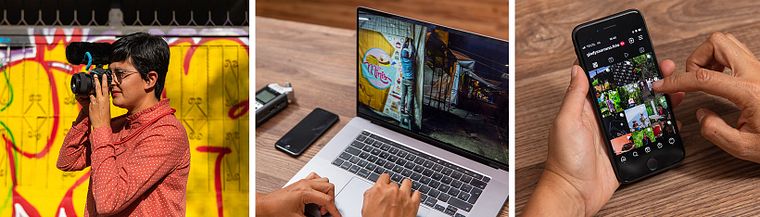
Projects by course students


Who is this online course for?
Anyone interested in starting to cover stories using visual tools, those interested in journalism, and communications (or similar) students.
Requirements and materials
No prior knowledge is needed to take this course.
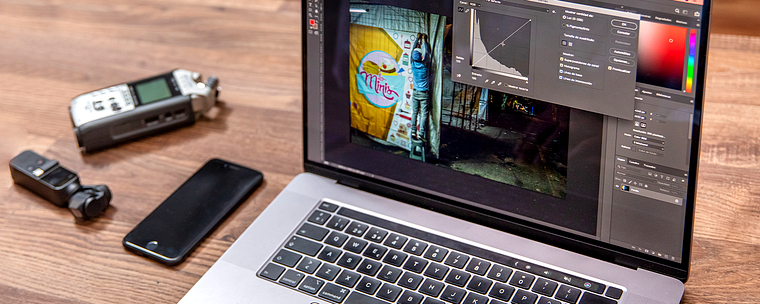
For materials, you need a camera phone able to record video and audio and/or a digital camera as well as computer with enough memory to save all your files. Adobe Camera Raw and Adobe Premiere would also be useful additions but are not essential as Gladys introduces you to some free alternatives.
Reviews
- 5 months ago
Curso muito bom gostei imenso
- 5 months ago
Excelente curso, gostei e foi muito positivo fazer esse curso.
- 6 months ago
Excelente para iniciar en este mundo hermoso que es la producción en contar historias
- 7 months ago
Es muy completo, sentido y práctico.
- 11 months ago
Gladys comparte su experiencia con mucha sencillez y claridad, a pesar de ser una gran profesional. Le agradezco mucho todo, sobre todo, el tono y la forma en que nos compartió sus enseñanzas. Muy valiente su reportaje en Tepito.
SUGERENCIA: Así como Gladys usó Adobe Bridge para las fotos, puede hacer para los audios, me parece que ahí es mejor que el Finder y también puede agregar metadatos y "calificar" los audios.

She currently works for the Latin American edition of EL PAÍS producing multimedia coverage on a range of topics including violence, migration, the environment, politics, and culture.
Content
- U1
Introduction
- About Me
- Inspiration
- U2
The importance of journalistic stories
- The importance of telling journalistic stories
- Genres in journalism
- The steps to tell a visual journalistic story
- U3
Field work
- How to select a story
- How to approach history
- Technical tips for making your story
- Basic safety tips
- U4
Giving shape to our project
- Selecting the images
- Selecting and editing the audios
- Shaping history
- How to share your work
- FP
Final project
- Introduction to Visual Reporting
What to expect from a Domestika course
Learn at your own pace
Enjoy learning from home without a set schedule and with an easy-to-follow method. You set your own pace.
Learn from the best professionals
Learn valuable methods and techniques explained by top experts in the creative sector.
Meet expert teachers
Each expert teaches what they do best, with clear guidelines, true passion, and professional insight in every lesson.
Certificates
PLUSIf you're a Plus member, get a custom certificate signed by your teacher for every course. Share it on your portfolio, social media, or wherever you like.
Get front-row seats
Videos of the highest quality, so you don't miss a single detail. With unlimited access, you can watch them as many times as you need to perfect your technique.
Share knowledge and ideas
Ask questions, request feedback, or offer solutions. Share your learning experience with other students in the community who are as passionate about creativity as you are.
Connect with a global creative community
The community is home to millions of people from around the world who are curious and passionate about exploring and expressing their creativity.
Watch professionally produced courses
Domestika curates its teacher roster and produces every course in-house to ensure a high-quality online learning experience.
FAQs
The multimedia photojournalism course teaches you how to combine photography, audio, and video to tell powerful journalistic stories, covering lighting techniques, visual storytelling, and ethical principles for reporting on social issues.
The course is designed for people with intermediate knowledge of photography or journalism but is accessible to those with a basic foundation who want to deepen their skills in multimedia techniques and journalistic storytelling.
You’ll need a digital camera (or a smartphone with a good camera), an audio recorder or smartphone, a computer for basic editing, and access to software like Adobe Bridge or audio and photo editors.
You’ll learn photographic lighting techniques for editorial portraits and studio product photography, as well as methods to create striking, professional images in journalistic contexts.
The course guides you through recording, editing, and combining audio and video with images to create multimedia reports that enrich the story with testimonials and sound context.
By the end, you’ll be able to plan and produce multimedia reports, apply ethical standards, select relevant stories, interview sources, and use digital tools to manage and share your work.
Yes, it includes modules on ethics, protecting identities, consent, and sensitivity when documenting social issues, ensuring respect for the people portrayed and their contexts.