Dyed Ceramics: Coloring Ceramic Paste
A course by Paula Casella BiaseCeramic Artist
A course by Paula Casella Biase, Ceramic Artist

Learn to create unique colors for your pieces by dyeing ceramic pastes and engobes using oxides and pigments
Step up your ceramic work by getting innovative with original, personalized color mixes to experiment with in your designs. Discover how to dye ceramic pastes with artist Paula Casella, who also teaches Ceramics at Home for Beginners, Ceramic Glazing for Beginners, and Ceramics: Modeling and Decoration.
In this course, learn to dye ceramic pastes and engobes, working off white extruded pastes and powders, as well as white engobes. Take a look at various techniques for using the pastes to produce amazing signature pieces.
What will you learn in this online course?
19 lessons & 19 downloads
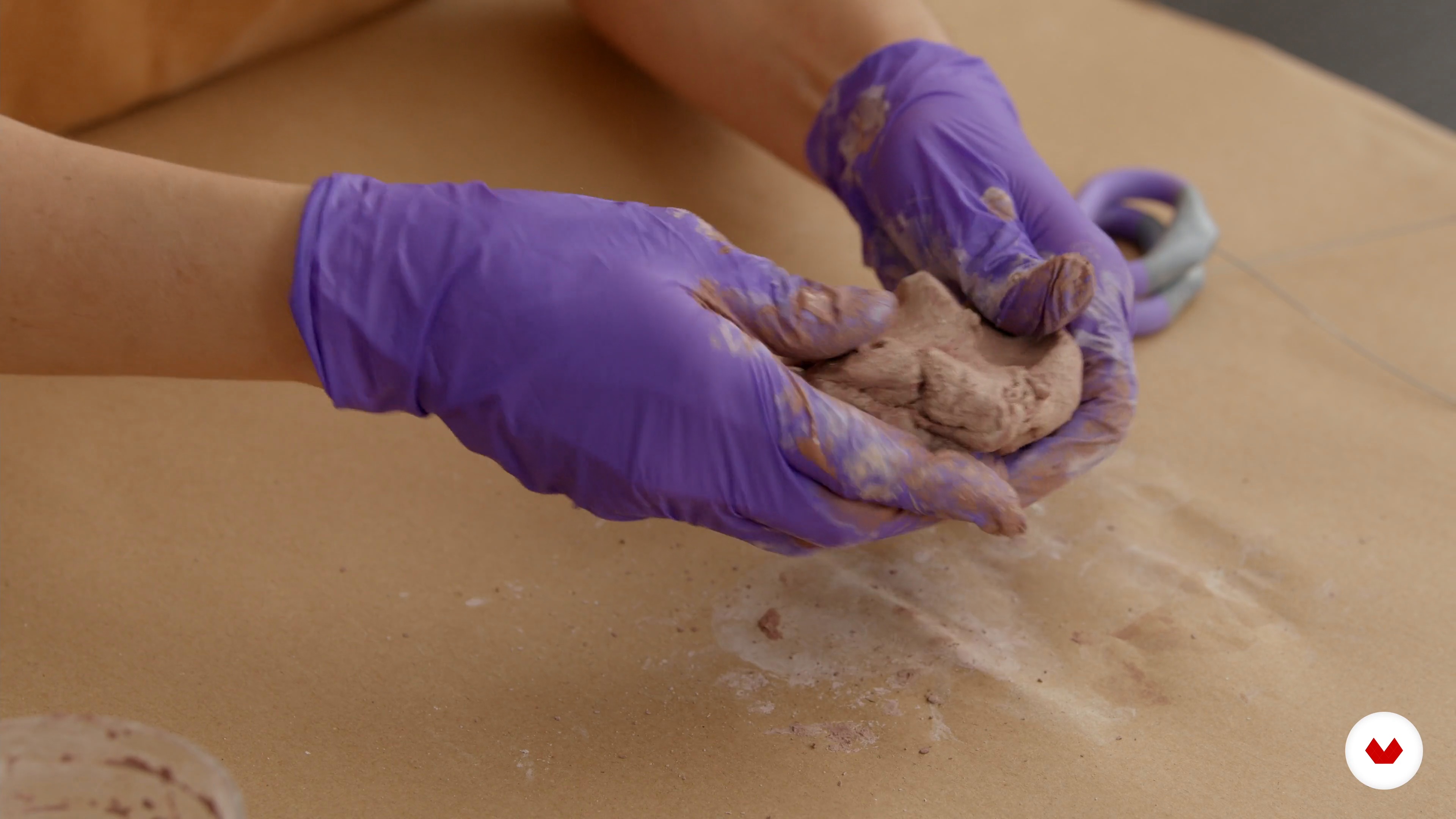
Dyed Extruded Clay 1
15 minutes, 47 seconds
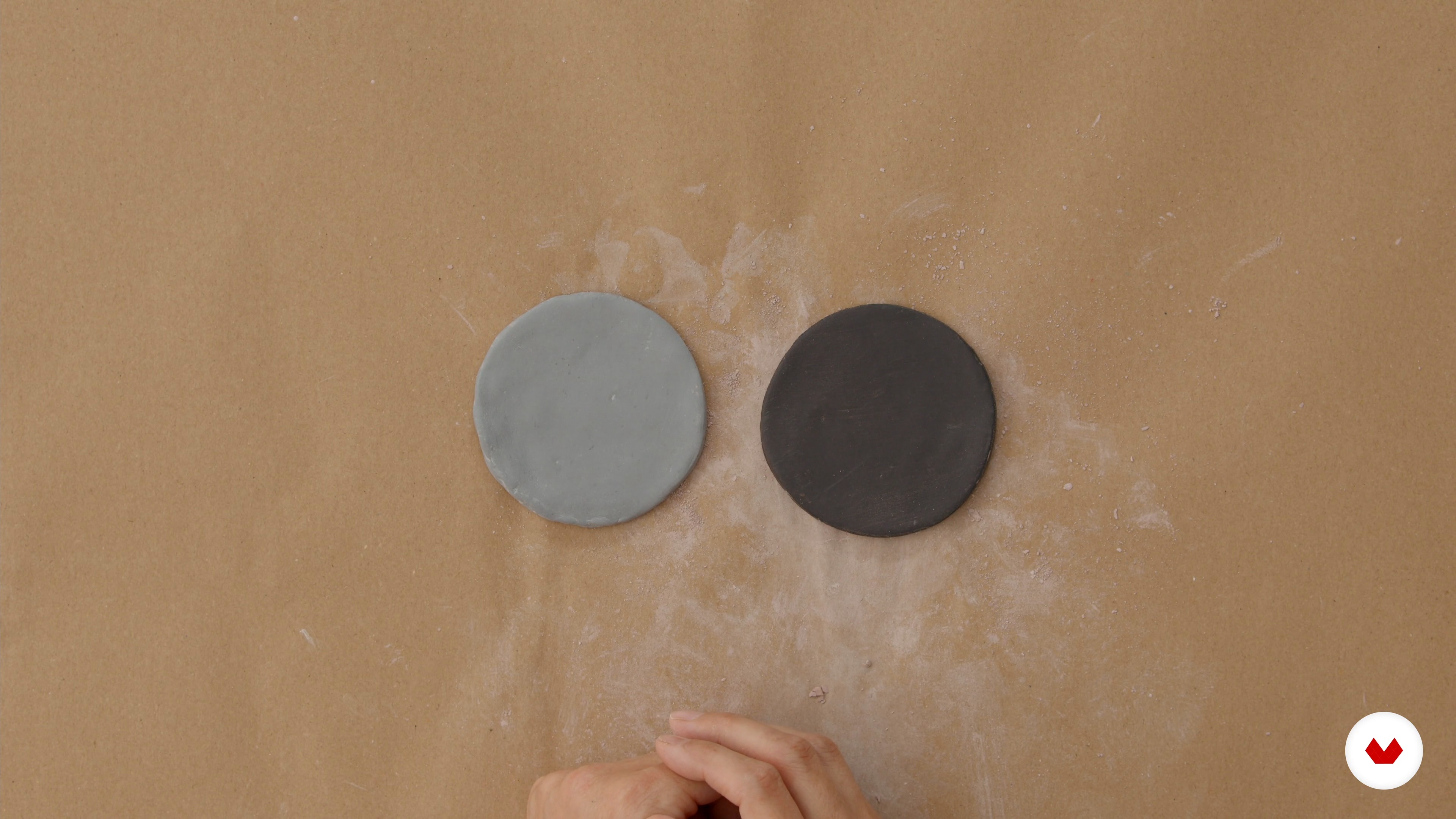
Dyed Extruded Clay 2
14 minutes, 0 seconds
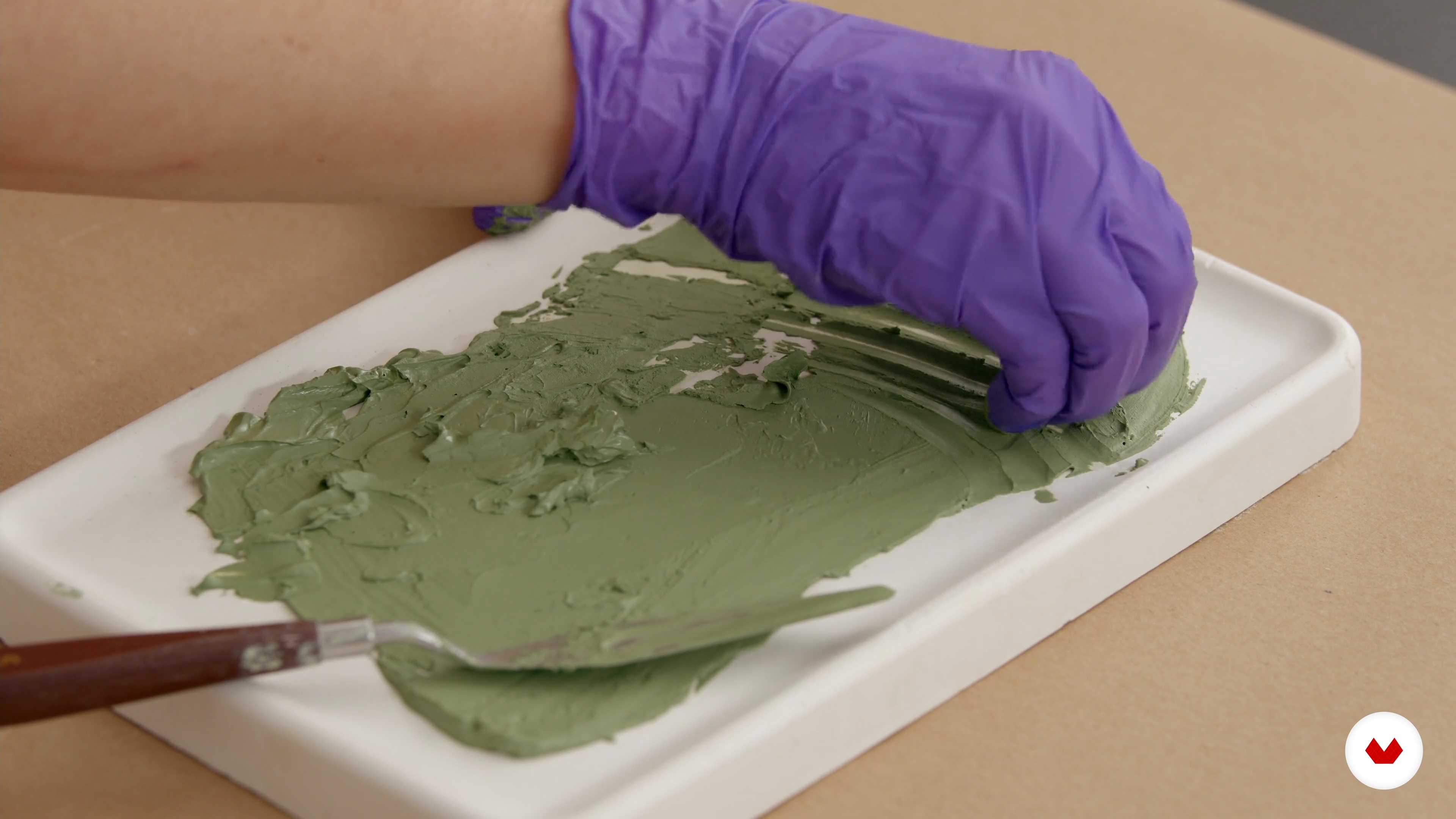
Dyeing Wet Clay
16 minutes, 23 seconds
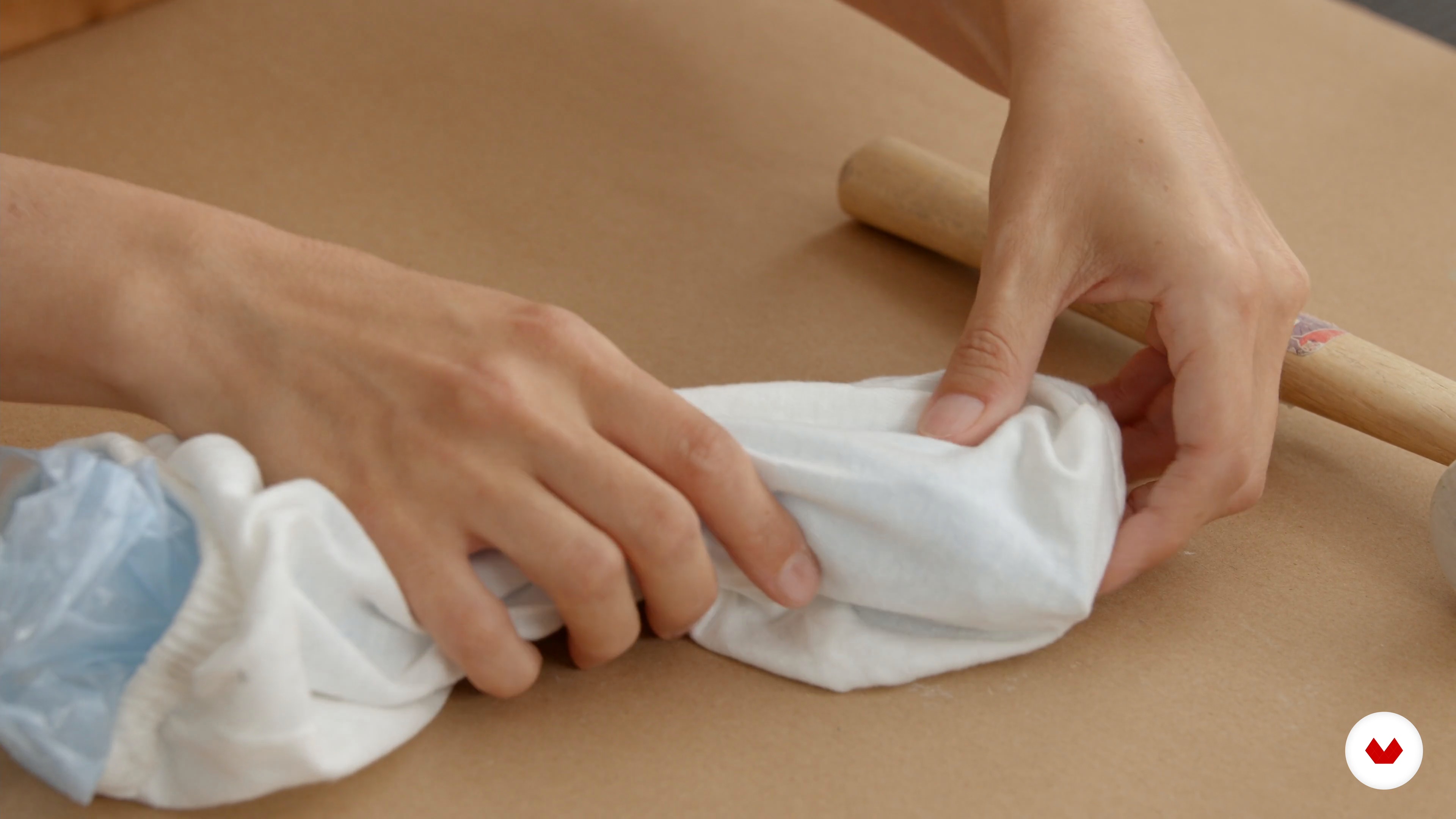
Dyeing Dry Clay
12 minutes, 33 seconds
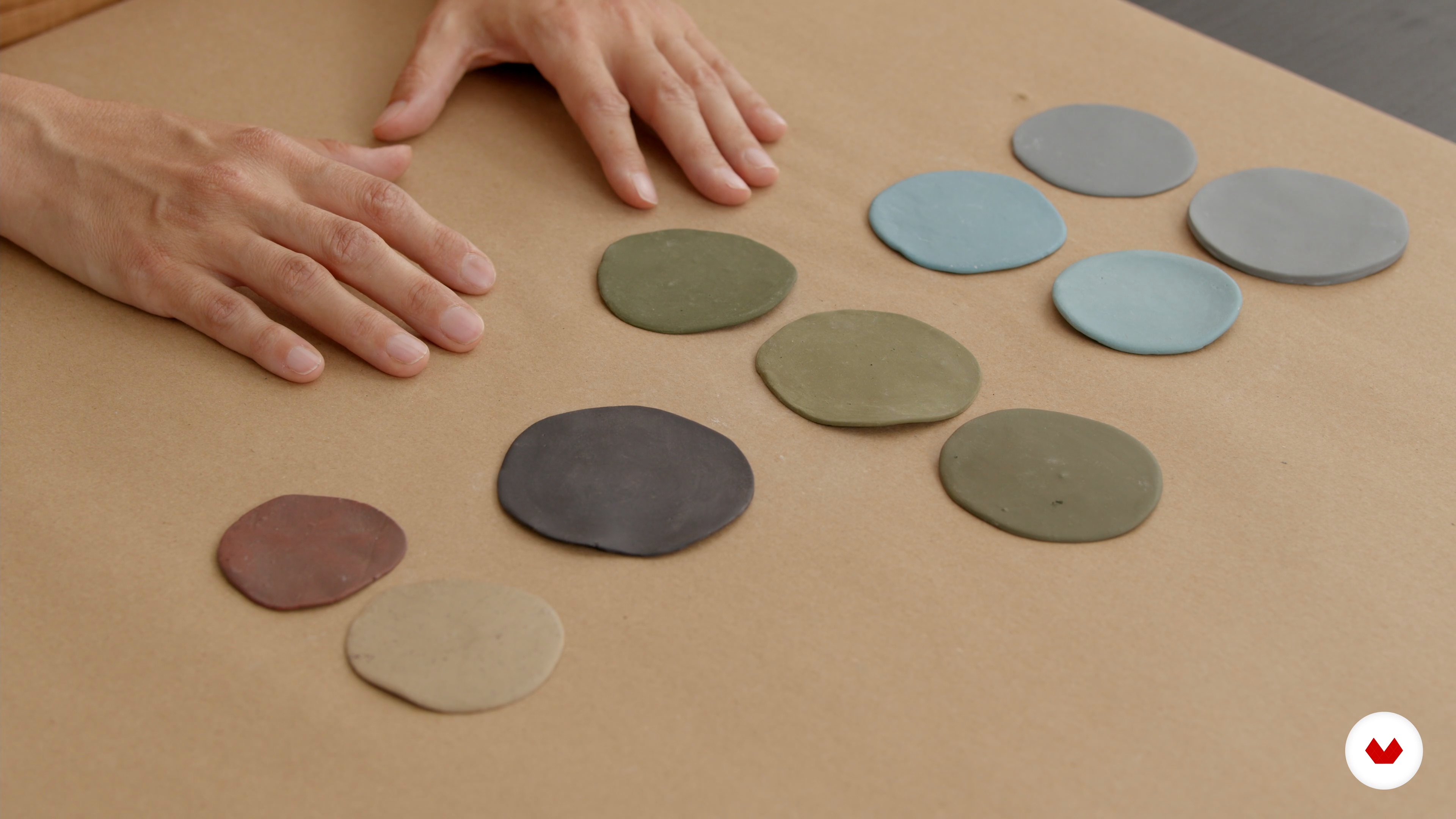
Barbotine dyeing
16 minutes, 16 seconds
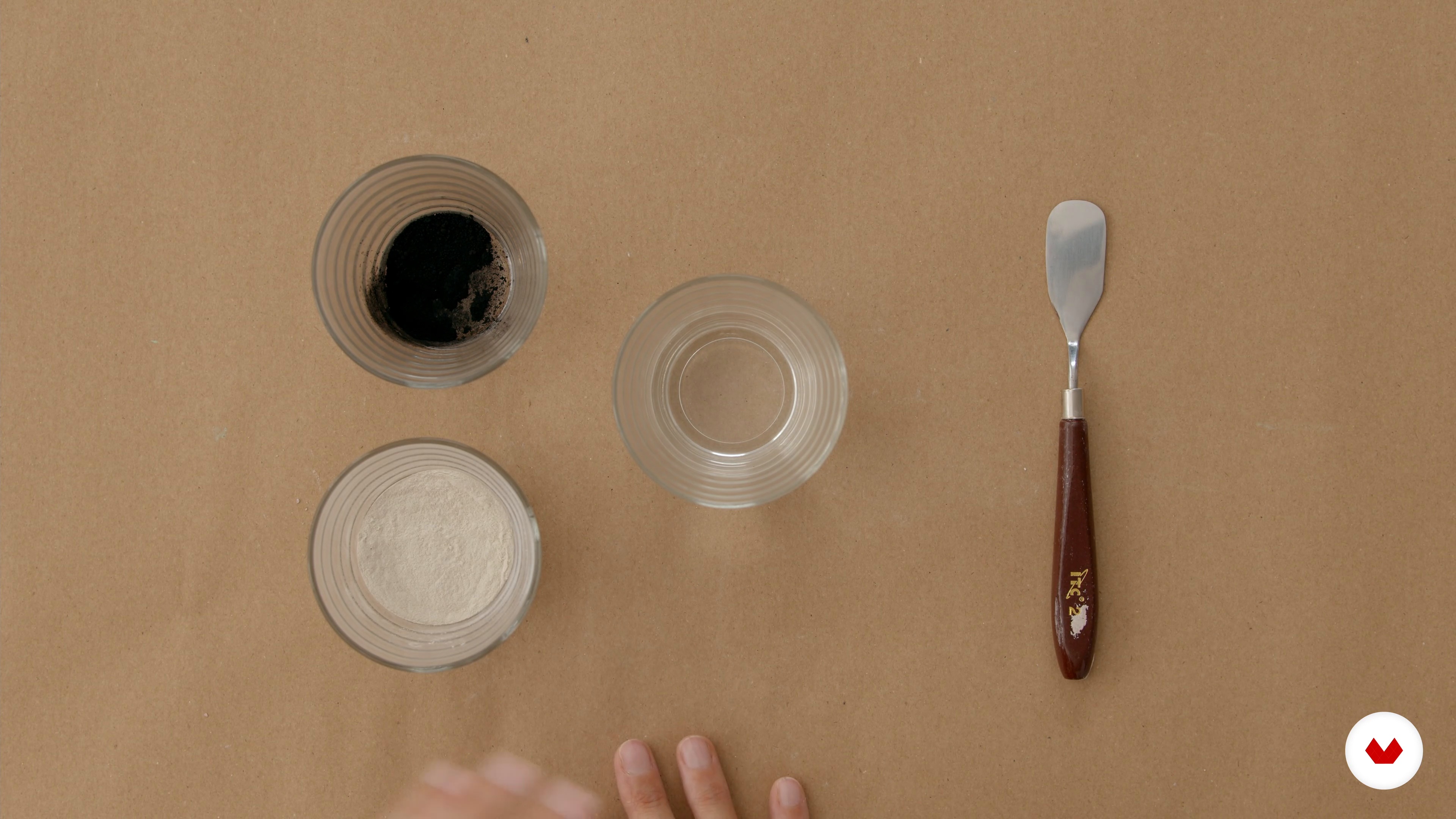
Slip dyeing
11 minutes, 43 seconds
What's included in this course?
Start the course by getting to know Paula Casella and hearing all about her professional background. She shows you some inspirational references that helped her grow and nurture her own ceramic vision, then she briefly outlines what the course entails.
Find out how to color ceramic pastes in different formats such as wet and powder, then engobes and grog. Next, try out different blends of oxides and pigments and see the great variety of results you can get.
Paula then moves on to teach you techniques for experimenting with colored pastes. Discover how easy it is to create unique pieces with just a few tools, among them a kitchen grater, clips, dry glaze, copper wire, a roller, and stencils for shaping your pieces.
Delve deeper and explore a great paste technique using a carving tool, a brush, a cutter, and sandpaper to create a delicate Nordic piece. Paula explains some important points relating to classifying your samples and shows you some examples to get you inspired and creating.
What is this course's project?
Create a large ceramic piece on which to apply the carving technique, mixing colorful pastes to add a simple and delicate design.
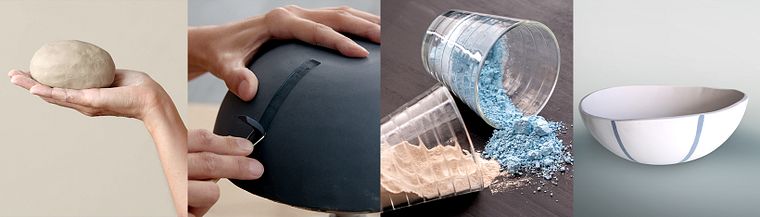
Projects by course students


Who is this online course for?
Anyone interested in crafts relating to ceramics. You don't have to be highly skilled as the course is all about experimenting!
Requirements and materials
No prior knowledge is necessary to take this course, but it helps if you have a basic idea of ceramics and some modeling techniques.
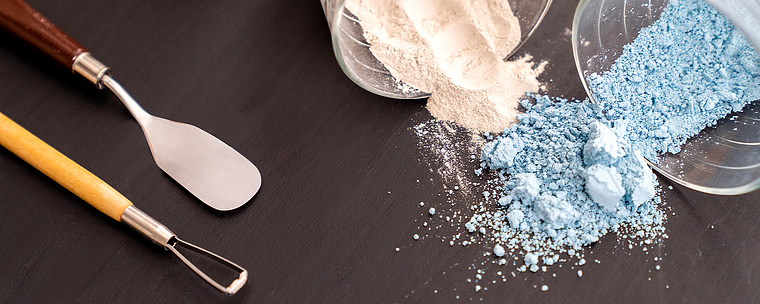
In terms of materials, you need white ceramic paste, paste in powder form for the slip casting technique, white engobes, grog, natural oxides, and pigments. You do need access to a ceramic kiln (Paula provides you with a list of stores and ceramics workshops around the world).
Reviews
- 4 months ago
Muchas Gracias Paulita! Estoy casi abonada a todos tus cursos. Super interesante! Este curso hara parte de mis proximos projectos. Merci Ana de Québec xx
- janewaleePLUS6 months ago
Happy with purchase. Easy to learn. Thank you.
- 9 months ago
AI translated?
- 10 months ago
A Paula Casella é extremamente generosa compartilhando suas experiencias ...amo todas as aulas dela.
- 11 months ago
Hola ! Me llamo Alejandra, y la cerámica es mi pasión ! Las tecnicas de mezclar y colorear pastas en particular me gustan mucho. El curso me ha parecido muy bueno , las explicaciones de cada técnica realmente han sido muy claras y la profe una divina total y muy generosa! Muchisimas gracias!

She is a lover of nature and cooking, and combines these two passions in her Bambucito ceramics workshop, where you can enjoy a delicious meal on her handmade crockery.
Content
- U1
Introduction
- Presentation
- Influences
- U2
Coloring process
- Dyed Extruded Clay 1
- Dyed Extruded Clay 2
- Dyeing Wet Clay
- Dyeing Dry Clay
- Barbotine dyeing
- Slip dyeing
- Chamotte dyed
- U3
Ideas for using our materials
- Marble effect
- Zest on plate
- Dry enamel
- Using dyed chamotte
- Colored engobes
- Use of copper wire
- U4
My final piece and tips to get yours
- My final piece 1
- My final piece 2
- Sample of tests
- Inspirational pieces
- FP
Final project
- Stained ceramic: staining of ceramic pastes
What to expect from a Domestika course
Learn at your own pace
Enjoy learning from home without a set schedule and with an easy-to-follow method. You set your own pace.
Learn from the best professionals
Learn valuable methods and techniques explained by top experts in the creative sector.
Meet expert teachers
Each expert teaches what they do best, with clear guidelines, true passion, and professional insight in every lesson.
Certificates
PLUSIf you're a Plus member, get a custom certificate signed by your teacher for every course. Share it on your portfolio, social media, or wherever you like.
Get front-row seats
Videos of the highest quality, so you don't miss a single detail. With unlimited access, you can watch them as many times as you need to perfect your technique.
Share knowledge and ideas
Ask questions, request feedback, or offer solutions. Share your learning experience with other students in the community who are as passionate about creativity as you are.
Connect with a global creative community
The community is home to millions of people from around the world who are curious and passionate about exploring and expressing their creativity.
Watch professionally produced courses
Domestika curates its teacher roster and produces every course in-house to ensure a high-quality online learning experience.
FAQs
You’ll master hand-building techniques, coloring ceramic clays, using pigments and oxides, creating marbled and Nerikomi effects, decorating with slips and barbotina, preventing defects, and applying all this to craft unique, functional pieces.
This course is designed for those with intermediate ceramics skills, so basic experience in clay modeling and handling is recommended.
You’ll need white clay, ceramic pigments, oxides, a scale, gloves, a mixer, a sieve, a plaster bat, modeling tools, and materials for slips and barbotina. Having a workspace and access to a ceramic kiln is also recommended.
You’ll learn how to color clays and slips with pigments and oxides, create marble, speckled, and gradient effects, as well as Nerikomi, carving, and pattern transfer techniques for one-of-a-kind pieces.
We’ll teach you how to mix and knead pigments and oxides into wet or dry clay, slip, and engobe, adjusting proportions to achieve rich, even colors.
Yes, the course covers how to spot, prevent, and fix defects like bubbles, warping, cracking, and drying or firing issues.
Yes, you’ll learn to create unglazed ceramic pieces perfect for food photography, highlighting the natural textures and colors of the clay.