Experimental Embroidery Techniques on Paper
A course by Gimena RomeroArtist and Researcher
A course by Gimena Romero, Artist and Researcher

Apply new stitches, textures, and mediums to your artistic projects
Gimena Romero has been researching and producing noteworthy embroidery for over a decade. Her pieces can be seen in collections at New York's MoMA and the Banco de México. She has also published five literary works including poetry, prose, and her embroidery research findings.
In this course, she guides you through the techniques for embroidering on paper with the necessary finesse to experiment with texture, imagery, threads, and stitches.
If you don't already know Gimena, take a look at her other courses: Painting with Thread: Textile Illustration Techniques, where you learn to use texture and color to bring your embroidery to life; Introduction to Blackwork Embroidery, to learn traditional English embroidery for creating unique pieces from historic patterns; and Embroidery Technique with the Back Stitch, to create one-of-a-kind images using just one embroidery stitch.
What will you learn in this online course?
20 lessons & 11 downloads
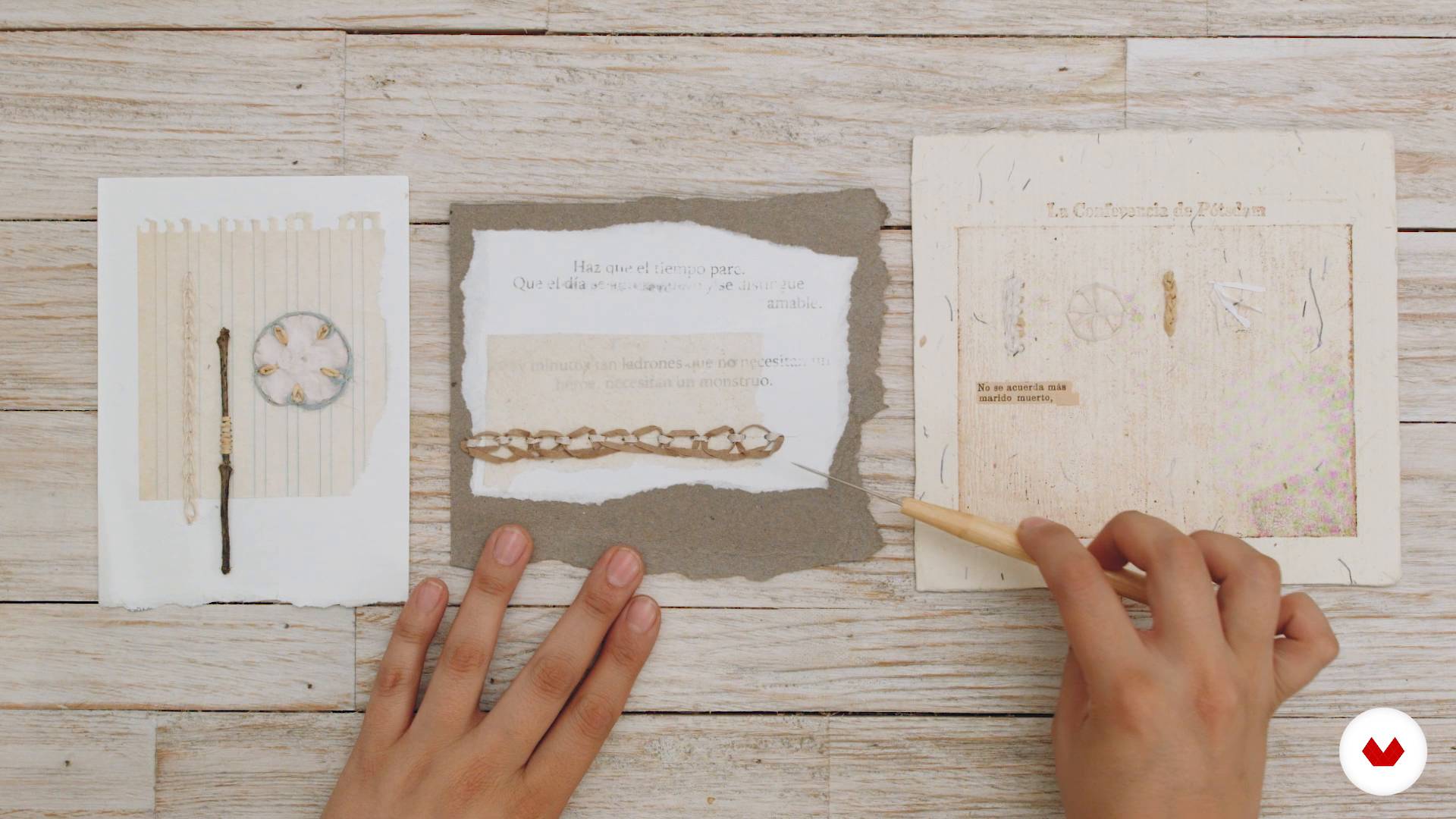
Sample of pieces in embroidery on paper
17 minutes, 33 seconds
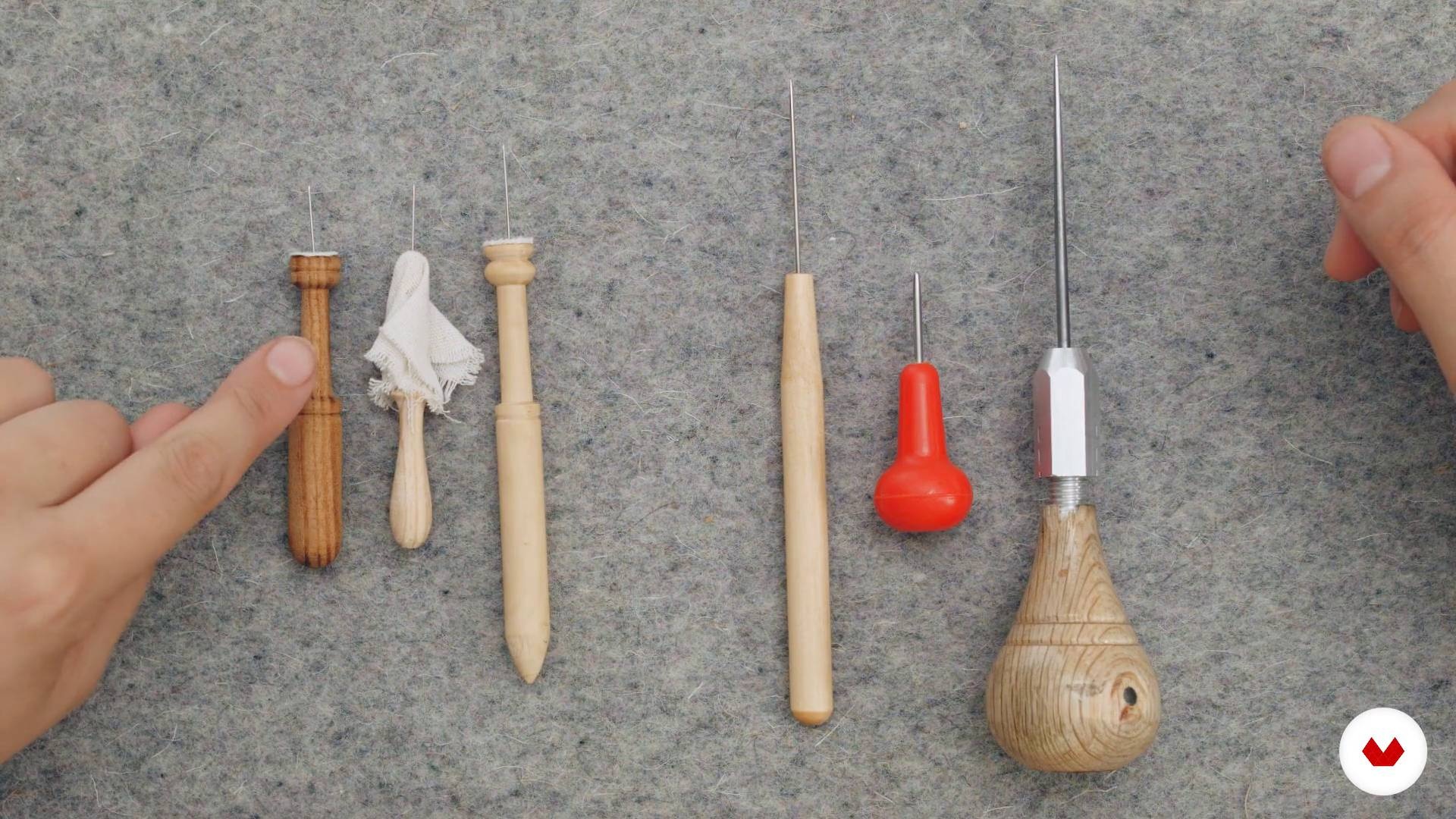
How to make a punch?
4 minutes, 9 seconds
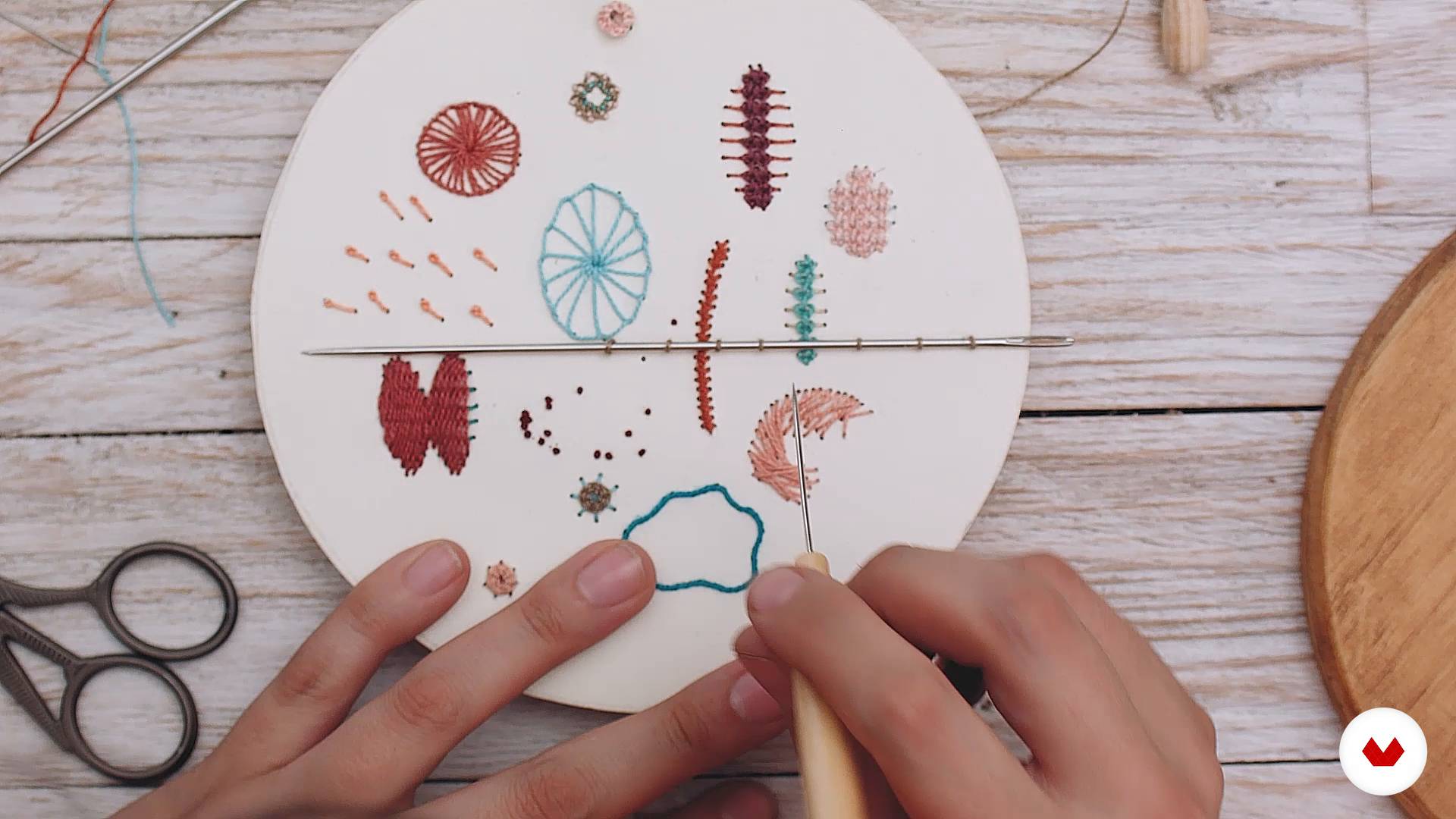
Open stuffing (morse point)
6 minutes, 17 seconds
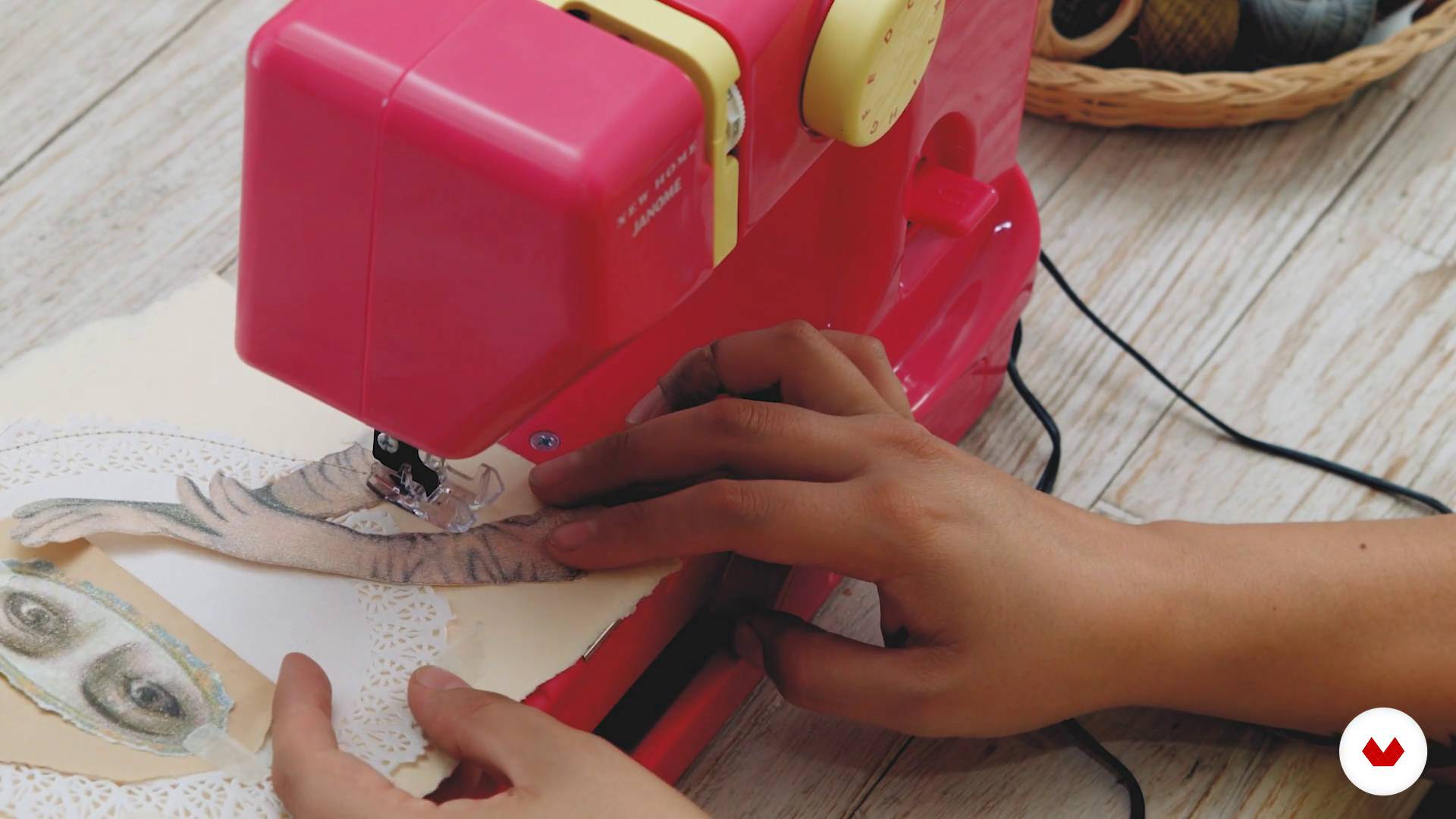
Using the sewing machine
6 minutes, 44 seconds

Embroidering the piece
13 minutes, 18 seconds
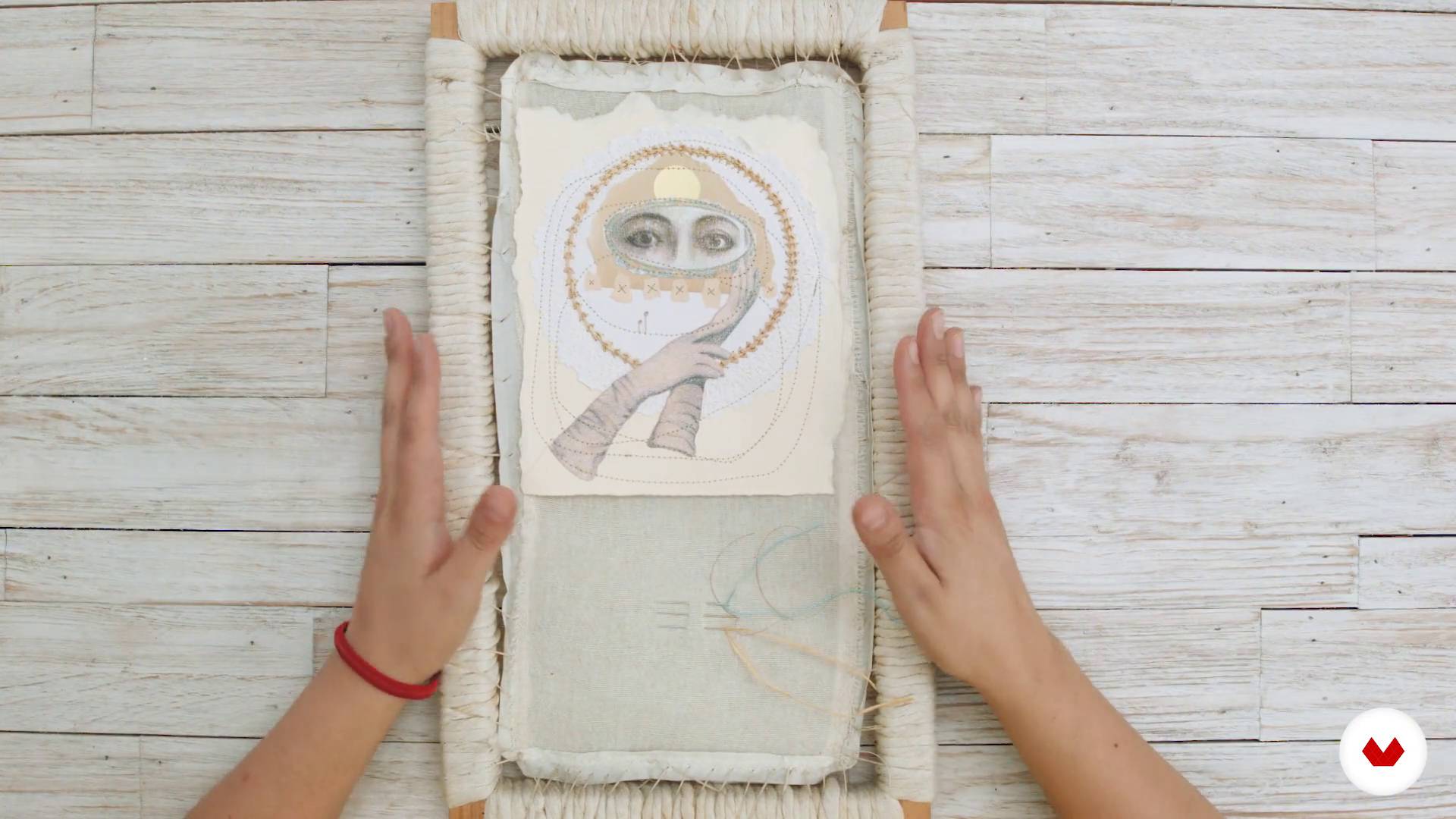
Assembly and presentation of finished parts
8 minutes, 14 seconds
What's included in this course?
Begin by immersing yourself in Gimena's world by exploring some of the pieces and projects that inspired her to pick up her needle and thread and start embroidering.
Next, take a look at some pieces made with paper embroidery and your teacher's collection of awls. She shows you what each one is for and how to make your own.
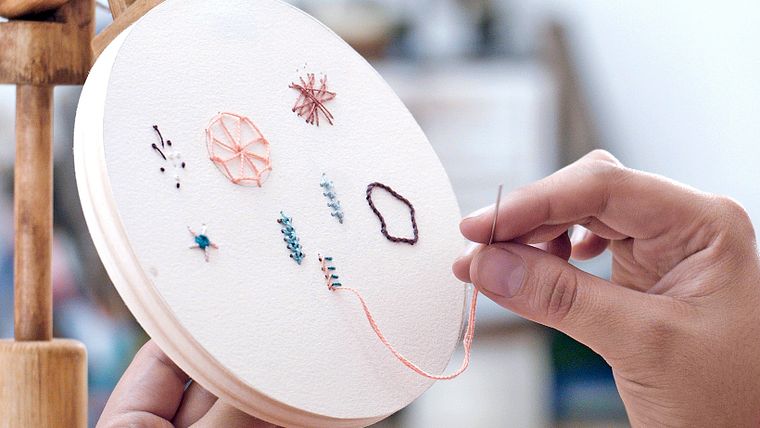
Now discover a multitude of different stitches and create a gorgeous stitch sampler. Gimena shows you how to do each stitch step by step, from the basics like wheel stitches and the Palestrina stitch, to some of the more complicated ones, such as French knots, the raised chain stitch, the bullion rosebud stitch, and the Morse stitch.
Learn how to choose the best paper for this technique, which to avoid, and tips for combining different types.
Round off the course with some ideas for displaying your piece.
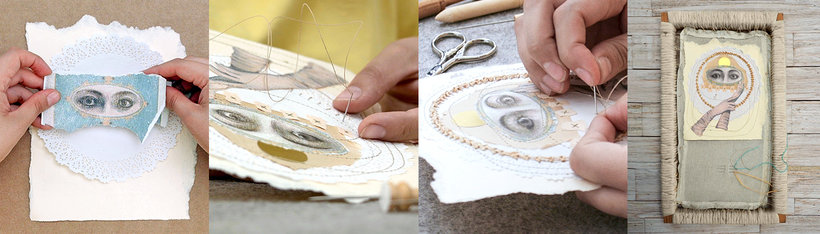
What is this course's project?
Create a composition combining the textures of different papers, threads, and stitches to turn your embroidery into an illustration or a stunning decorative piece.

Projects by course students


Who is this online course for?
Illustrators, designers, artists, and anyone interested in the decorative arts.
Requirements and materials
No previous knowledge is necessary as Gimena walks you through the whole process step by step.
For materials, you need pearl cotton, both a sharp and a blunt embroidery or crewel needle, embroidery and paper scissors, paper in a range of colors and thicknesses, a round wooden stick, and masking tape.
Reviews
- 2 months ago
Es un curso interesante. Explica puntos de bordado que embellecen las obras. Buena forma de explicar de maneaa progresiva. Se aprende mucho y la maestra tiene carisma.
- 2 months ago
muy bueno
- 4 months ago
Curso rico em informações, perfeito para quem já tem alguma prática em bordado e deseja expandir a técnica e a mente!
- 4 months ago
muy lindo curso
- 4 months ago
Excelente curso, me gustó mucho.

Her work has been displayed in various exhibitions in countries like Mexico, Brazil, Argentina, France, Portugal, Ukraine, and Spain. She has several publications under her belt in the areas of narrative, poetry, and textile research with Thule Ediciones and Editorial Gustavo Gili. Her book Hebra de Agua was awarded Book of the Year at the 2016 Teixim la Ciutat festival in Catalonia.
She has also conducted research into embroidery and the body with Lausín embroidery at the UNAM Faculty of Arts and Design in Mexico. She loves life, dogs, and biscuits.
Content
- U1
Introduction
- Presentation
- Influences
- U2
Embroidery on paper
- Sample of pieces in embroidery on paper
- Papers, needles and threads
- How to make a punch?
- U3
Sample of foundation points I
- What is a foundation point?
- Stem Stitch
- Palestrina
- Rehiletes
- Mills
- U4
Sample of foundation points II
- Free stitch
- French point
- Bowtie
- Climbing plant
- Cup of rose
- Open stuffing (morse point)
- U5
Assembly and assembly of the final piece
- Assembly of piece
- Using the sewing machine
- Embroidering the piece
- Assembly and presentation of finished parts
- FP
Final project
- Techniques of experimental embroidery on paper
What to expect from a Domestika course
Learn at your own pace
Enjoy learning from home without a set schedule and with an easy-to-follow method. You set your own pace.
Learn from the best professionals
Learn valuable methods and techniques explained by top experts in the creative sector.
Meet expert teachers
Each expert teaches what they do best, with clear guidelines, true passion, and professional insight in every lesson.
Certificates
PLUSIf you're a Plus member, get a custom certificate signed by your teacher for every course. Share it on your portfolio, social media, or wherever you like.
Get front-row seats
Videos of the highest quality, so you don't miss a single detail. With unlimited access, you can watch them as many times as you need to perfect your technique.
Share knowledge and ideas
Ask questions, request feedback, or offer solutions. Share your learning experience with other students in the community who are as passionate about creativity as you are.
Connect with a global creative community
The community is home to millions of people from around the world who are curious and passionate about exploring and expressing their creativity.
Watch professionally produced courses
Domestika curates its teacher roster and produces every course in-house to ensure a high-quality online learning experience.
FAQs
Paper embroidery is an artistic technique that involves stitching designs onto various types of paper, using stitches and materials similar to textile embroidery but adapted to the unique visual and tactile qualities of paper.
This is an intermediate-level course, perfect for those with basic embroidery or craft skills, but also accessible to motivated beginners eager to learn through hands-on practice.
You’ll need papers of different weights and textures, perle thread, a long eye needle without a sharp tip, an awl, scissors, masking tape, and an embroidery hoop. Translucent papers like vellum and recycled materials are also recommended for experimentation.
You’ll learn how to select materials, make paper thread, apply artistic embroidery techniques, create textures and reliefs, work with glazes and collage, and mount your pieces for display or artist books.
Techniques covered include backstitch, pinwheel, windmills, French knots, vine stitch, Morse code stitch, as well as papercutting, collage, glazing, and handmade paper thread creation.
Choose medium-weight papers—not too thick or thin—and experiment with different textures to achieve contrast without compromising the paper’s strength during stitching.
Not all papers are suitable. Ideally, use sturdy, medium-weight papers and avoid very thick cardstock or very thin papers that might tear easily when pierced.