Automated Editorial Design with Adobe InDesign
A course by Javier AlcarazEditorial and Typeface Designer
A course by Javier Alcaraz, Editorial and Typeface Designer

Learn advanced techniques for creating professional literary layouts
Looking to automate the formatting process for books and vastly reduce the time required to create quality designs? Join editorial designer Javier Alcaraz and discover how Adobe InDesign's broad range of tools can help you do just that. With more than 20 years’ experience working with clients like Google, Forbes, and Mexico's Secretariat of Culture, Javier has amassed a host of tips and tricks for automating text formatting and optimizing workflows to get the most out of the editing tool par excellence.
This course is complementary to Introduction to Adobe InDesign, where Javier guides you through the intricacies of the leading software for print and digital editorial design.
What will you learn in this online course?
26 lessons & 43 downloads
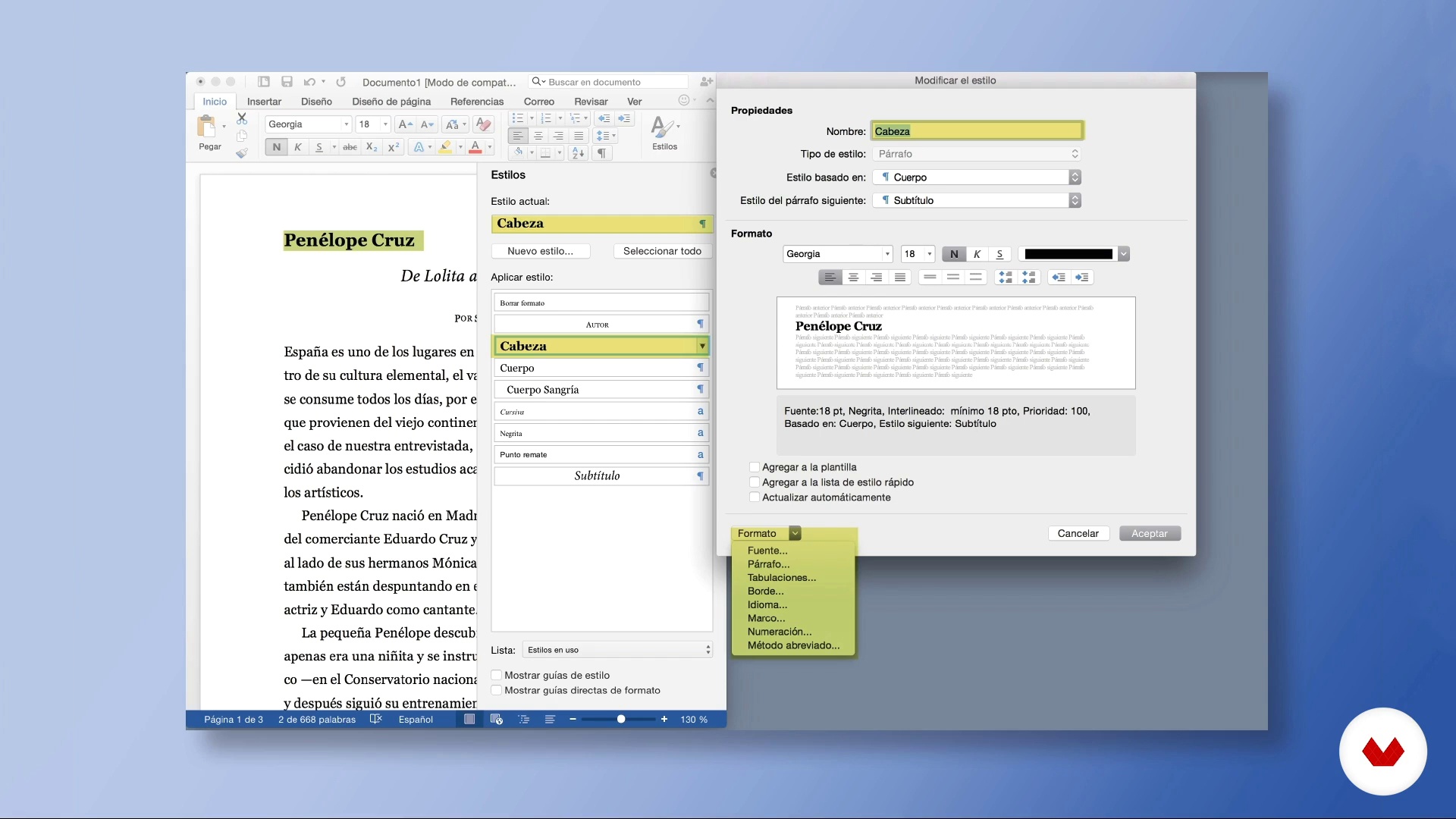
Styles: definitions and uses
8 minutes, 14 seconds
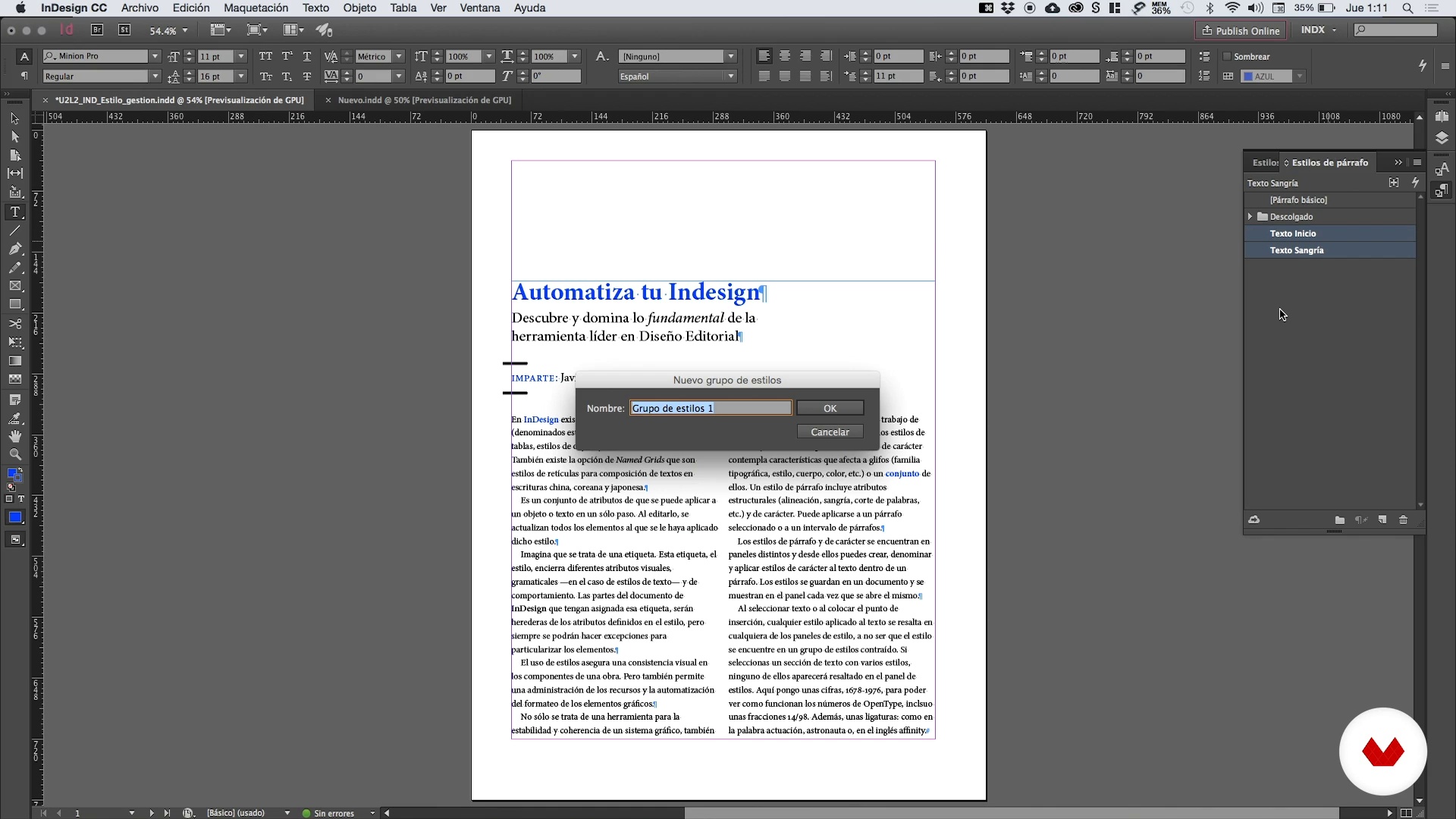
Text styles: management
17 minutes, 52 seconds
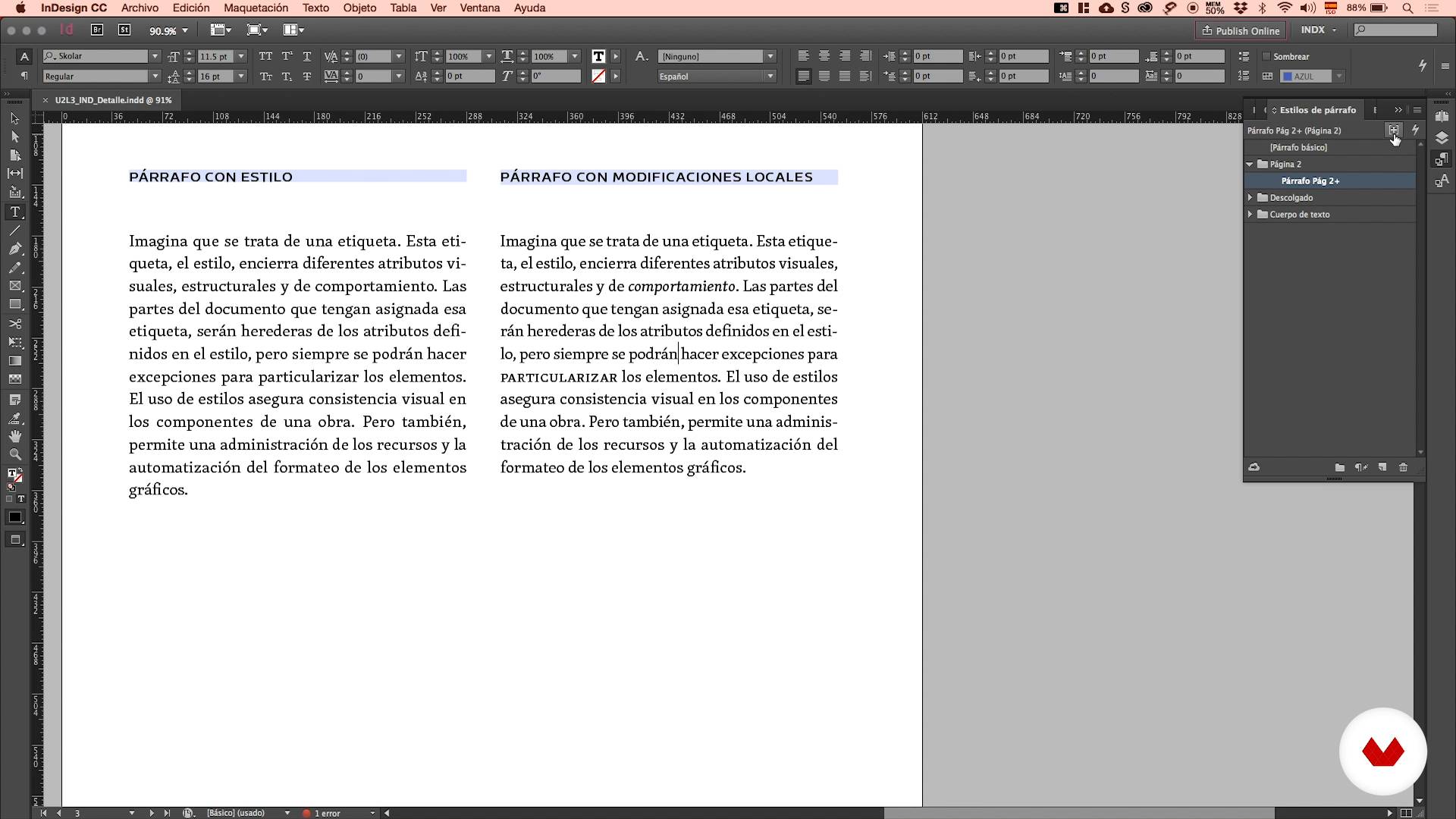
Text styles to detail - Part 1
9 minutes, 34 seconds
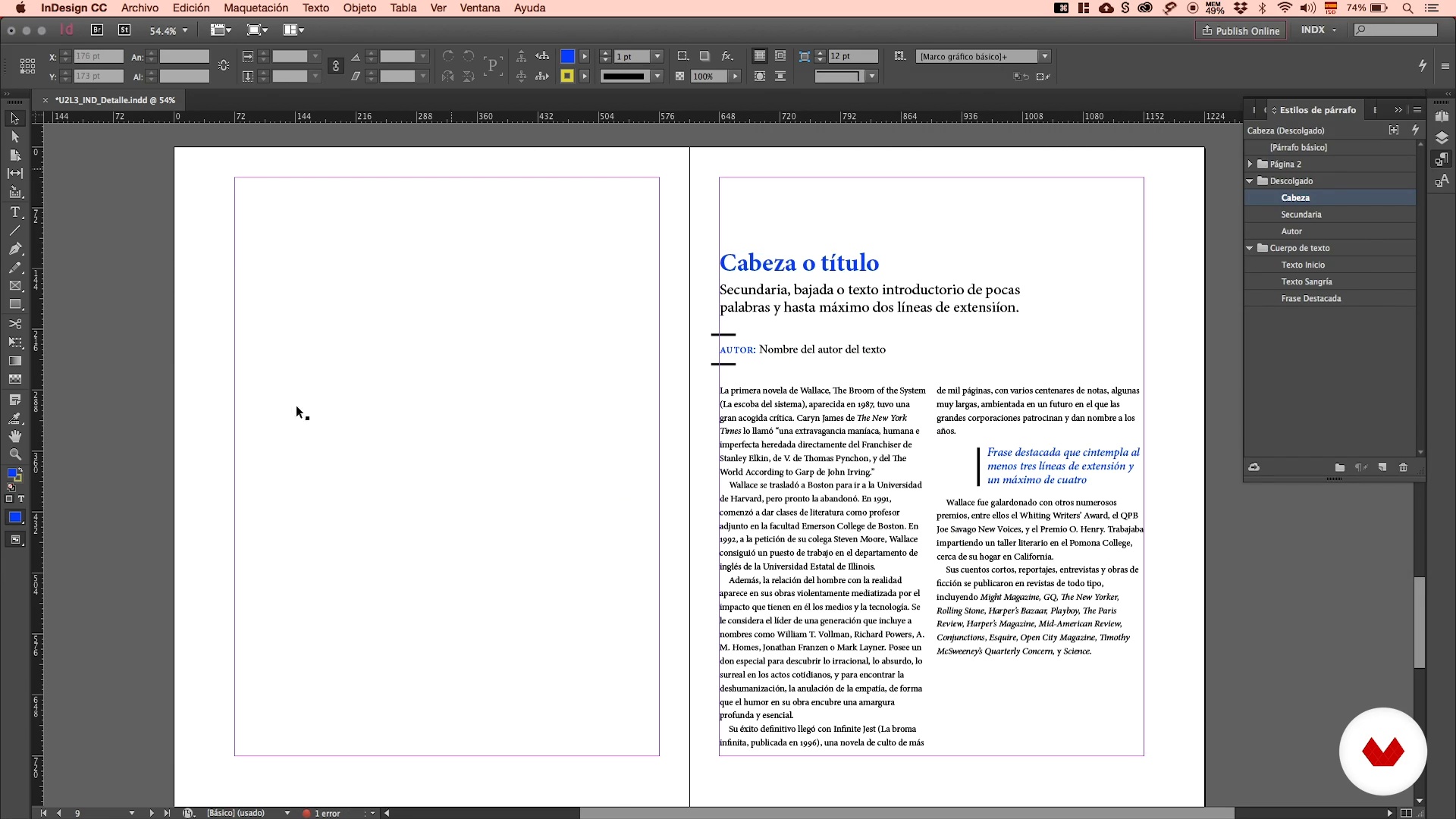
Text styles to detail - Part 2
12 minutes, 25 seconds
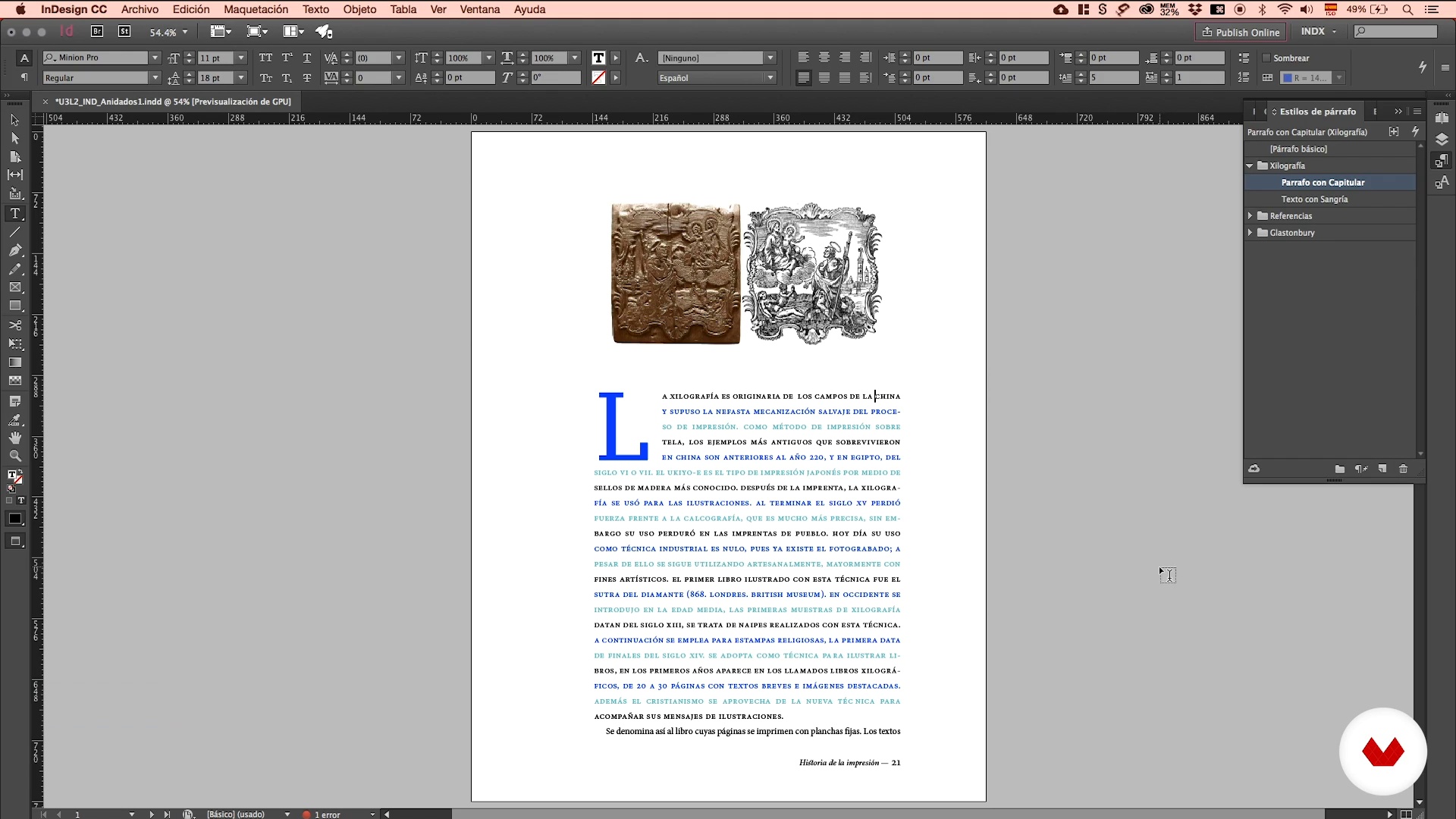
Nested styles I: capitulate and line
7 minutes, 19 seconds
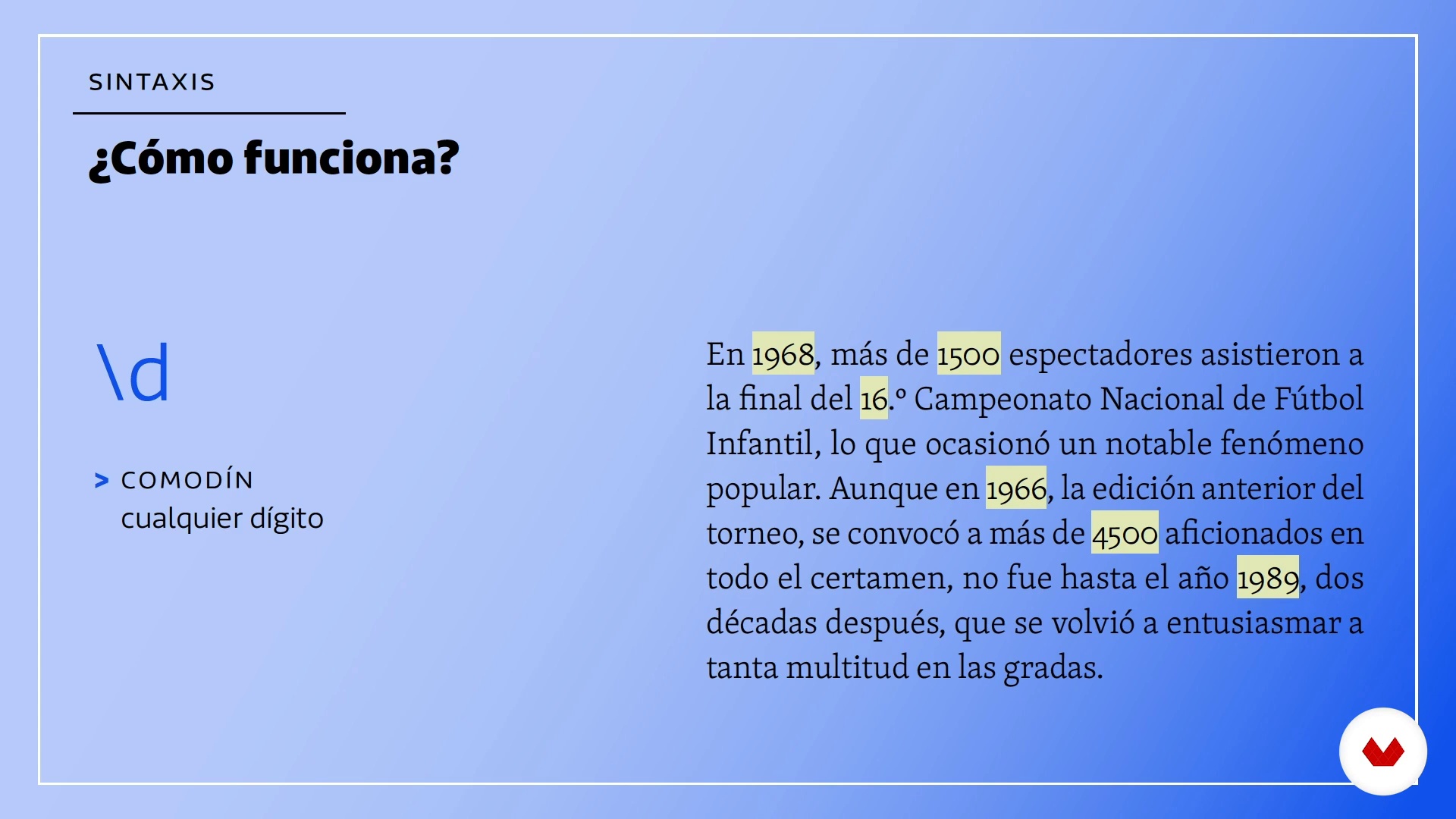
GREP I Styles: Fundamentals and syntax
14 minutes, 56 seconds
What's included in this course?
Start by learning more about Javier, his career, and his influences and see how process automation allows him to focus on the most important aspects of his work.
Next, get an overview of the functions of text styles in InDesign before creating, organizing, grouping, and working with your own.
Javier then teaches you how to prepare manuscripts and manage character and paragraph styles in Microsoft Word. After that, discover the best way to export your texts and their corresponding styles for use in InDesign.
Then, Javier explains the ins and outs of InDesign's editing and export tools, which you can work with manually or by using simple scripts that he shows you how to program.
To wrap things up, your teacher reviews the ideal workflow for automating book layouts using free scripts and lines of JavaScript code.
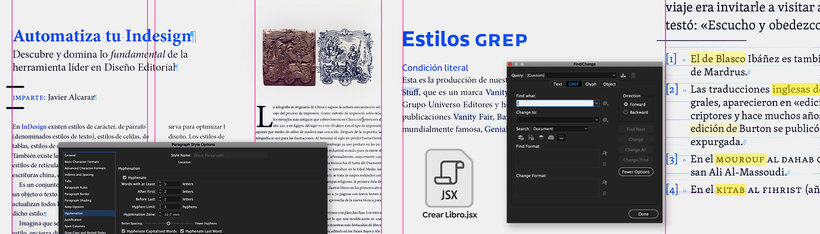
Recommended software & tools for this course
What is this course's project?
Automate the layout for a fictional book of 150 pages minimum or a collection of essays.
Projects by course students


Who is this online course for?
Editorial designers, editors, proofreaders, and other designers or creatives who want to delve deeper into publishing products.
Requirements and materials
Basic knowledge of editorial design and Adobe InDesign is required.
In terms of materials, you need a computer with Adobe InDesign CS6 or higher and Microsoft Word (version 2011 or higher).
Reviews
- 8 days ago
Desactualizado y poco valioso, la verdad
- 2 months ago
Las explicaciones son sencillas y claras, considero que es una excelente manera de aprender, ademas los ejercicios y el apoyo en el foro de la comunidad son muy buenos.
- 2 months ago
Está muy bien explicado y aporta buenos recursos. Curso recomendable.
- 2 months ago
Me surpreendeu bastante. Consegue sair do básico e explicar passo-a-passo muitas ferramentas complexas, recomendo!
- 4 months ago
Muy valioso todo lo aprendido, herramientas fundamentales para optimizar el tiempo a la hora de diagramar.

Javier Alcaraz is a graphic designer specializing in Typographic Design and Art Direction for Editorial Design. He began his design career for Argentina newspapers and worked on developing publications and institutional communication in Ecuador. In 2004, he left Argentina for Mexico, where he worked for important publishing houses like Grupo Media and Expansión.
In 2011, he founded elcerezo, a studio that works on editorial design, branding, and typeface design for clients in Latin America and Europe, including Google, the Mexican Ministry of Culture, TetraPack, and Forbes. He currently resides in Spain.
Content
- U1
Introduction
- Presentation
- Influences
- U2
Text styles, fundamentals and basic use
- Styles: definitions and uses
- Text styles: management
- Text styles to detail - Part 1
- Text styles to detail - Part 2
- U3
Advanced text styles
- Primary styles and styles in sequence
- Nested styles I: capitulate and line
- Nested Styles II: paragraphs
- GREP I Styles: Fundamentals and syntax
- GREP II Styles: Style editing
- U4
Preparation of manuscripts in Word
- Styles and local modifications in Word
- Editing manuscripts in Word
- Mapping styles
- Text templates from InDesign
- U5
Editing texts in InDesign
- Text editing with Search / Change
- Editing texts with scripts I: Find & ChangebyList
- Editing texts with scripts II: other resources
- U6
Other valuable tools
- Text variables
- Footnotes page
- Files «book» (.indb)
- U7
Automated training
- Automated editorial design I: training - Part 1
- Automated editorial design I: training - Part 2
- Automated editorial design II: structural adjustments - Part 1
- Automated editorial design II: structural adjustments - Part 2
- Automated editorial design III: batch and sequence
- FP
Final project
- Automated editorial design with Adobe InDesign
What to expect from a Domestika course
Learn at your own pace
Enjoy learning from home without a set schedule and with an easy-to-follow method. You set your own pace.
Learn from the best professionals
Learn valuable methods and techniques explained by top experts in the creative sector.
Meet expert teachers
Each expert teaches what they do best, with clear guidelines, true passion, and professional insight in every lesson.
Certificates
PLUSIf you're a Plus member, get a custom certificate signed by your teacher for every course. Share it on your portfolio, social media, or wherever you like.
Get front-row seats
Videos of the highest quality, so you don't miss a single detail. With unlimited access, you can watch them as many times as you need to perfect your technique.
Share knowledge and ideas
Ask questions, request feedback, or offer solutions. Share your learning experience with other students in the community who are as passionate about creativity as you are.
Connect with a global creative community
The community is home to millions of people from around the world who are curious and passionate about exploring and expressing their creativity.
Watch professionally produced courses
Domestika curates its teacher roster and produces every course in-house to ensure a high-quality online learning experience.
FAQs
You’ll learn how to streamline and automate editorial workflows in Adobe InDesign by managing text styles, using GREP and scripts for formatting and corrections, and boosting efficiency on complex editorial projects.
Yes, this course is designed for users with basic InDesign experience who want to deepen their skills in automation and advanced style and editorial process management.
It’s recommended to have basic knowledge of Adobe InDesign and prior experience with text editing or editorial design to get the most out of the course content.
You’ll need Adobe InDesign installed (preferably a recent version) and access to Microsoft Word. Having sample manuscripts and editorial documents to practice with is also helpful.
The course teaches you how to properly structure and tag styles in Word so that when you import text into InDesign, styles map automatically and maintain typographic consistency.
GREP is an InDesign feature based on regular expressions that lets you search, select, and format text patterns automatically, speeding up corrections and formatting in large documents.
You’ll learn to distinguish and set up paragraph and character styles, apply naming conventions, and organize them hierarchically to keep consistency and make global changes easier in your publications.