Oral Storytelling for Beginners
A course by Andrés Montero , Writer and Storyteller



Discover the art of storytelling and learn techniques to adapt stories to spoken word, translate them to stage, and build a connection with any audience


Stories are as old as humanity itself. For centuries, they have entertained us, taught us valuable lessons, and brought us closer to others. The forte of writer and storyteller Andrés Montero is telling stories that resonate with both children and adult audiences alike. In this online course, he teaches you the art of public storytelling.
Learn how to adapt texts to spoken word and to your own language, as well as tricks and tips for staging them. Throughout the course, find out how to identify the most relevant points of an oral story and [b]practice different rehearsal methods that will allow you to captivate any audience.
What will you learn in this online course?
15 lessons & 20 downloads
- 98% positive reviews (64)
- 2,145 students
- 15 lessons (2h 23m)
- 20 additional resources (5 files)
- Online and at your own pace
- Available on the app
- Audio: Spanish, English, French, Indonesian, Italian, Portuguese, Romanian, Turkish
- Spanish · English · Portuguese · German · French · Italian · Polish · Dutch · Turkish · Romanian · Indonesian
- Level: Beginner
- Unlimited access forever
What is this course's project?
Prepare the oral narration of a story and perform it, capturing it on video.

Projects by course students


Who is this online course for?
Anyone interested in the art of storytelling, from writers to educators, librarians, or communicators.
Requirements and materials
No prior knowledge is necessary to take this course.

Reviews

Andrés Montero
A course by Andrés Montero
Andrés Montero is a writer and storyteller from Santiago de Chile. In 2012, he cofounded the company La Matrioska, with which he has put on performances, workshops, and lectures on oral storytelling throughout Chile and in more than ten countries across America and Europe. Every year La Matrioska hosts the International Festival of Oral Narration, ChileCuentos, and in 2022 premiered the television program Los Cuenteros.
As a writer, he has published the novels La muerte viene estilando, Taguada, and Tony Ninguno, which was awarded the Premio Iberoamericano de Novela Elena Poniatowska. He has also published children's books such as Alguien toca la puerta: Leyendas chilenas and an essay entitled Por qué contar cuentos en el siglo XXI. In general, all his projects aim to explore the relationship between literature and orality.
Content
-
U1
Introduction
-
About Me
-
Influences
-
-
U2
What am I counting on?
-
What to tell?
-
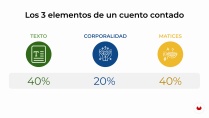
The elements of a story told
-
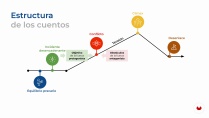
Text and structure
-
Corporality and nuances
-
-
U3
How to adapt a story to orality?
-
First step, choose the story
-
Project the story
-
Adapt the story
-
Identify nuclei and develop catalysis
-
-
U4
Tell the tale
-
About the essay
-
Fairytale spaces and audiences 1
-
Fairytale spaces and audiences 2
-
What we are looking for when telling a story
-
Tell our tale
-
-
FP
Final project
-
Oral Storytelling for Beginners
-
What to expect from a Domestika course
-
Learn at your own pace
Enjoy learning from home without a set schedule and with an easy-to-follow method. You set your own pace.
-
Learn from the best professionals
Learn valuable methods and techniques explained by top experts in the creative sector.
-
Meet expert teachers
Each expert teaches what they do best, with clear guidelines, true passion, and professional insight in every lesson.
-
Certificates
PlusIf you're a Plus member, get a custom certificate signed by your teacher for every course. Share it on your portfolio, social media, or wherever you like.
-
Get front-row seats
Videos of the highest quality, so you don't miss a single detail. With unlimited access, you can watch them as many times as you need to perfect your technique.
-
Share knowledge and ideas
Ask questions, request feedback, or offer solutions. Share your learning experience with other students in the community who are as passionate about creativity as you are.
-
Connect with a global creative community
The community is home to millions of people from around the world who are curious and passionate about exploring and expressing their creativity.
-
Watch professionally produced courses
Domestika curates its teacher roster and produces every course in-house to ensure a high-quality online learning experience.
FAQs
In this course, you'll learn techniques for telling stories, adapting written tales for oral delivery, selecting stories based on your audience, using gestures, voice, and rhythm, and building your own repertoire to narrate effectively and authentically.
The course is designed for intermediate learners, so having some basic storytelling experience or prior interest is helpful but not required.
All you need is an interest in oral storytelling, internet access, and a willingness to practice the techniques. No special materials or advanced knowledge are necessary.
Yes, the course will teach you how to select and adapt stories for both children and adults, taking into account the unique needs of each audience.
You’ll learn to use your voice, pacing, pauses, gestures, eye contact, and body language, along with storytelling tools like repetition, audience participation, and adapting written stories for oral performance.
The course covers both: how to create your own stories and how to adapt existing ones, including personal memories and folk tales.
It includes exercises and techniques to enhance your gestures, vocal nuances, and projection, helping you communicate non-verbally and expressively when you tell stories.

Buen curso! El profe da muy buenos tips para poder trabajar la narración oral
Me llamo Suri, tengo 10 años y me encantó el curso y lo recomiendo. El profe es re bueno.
Muy interesante y didáctico!
Ce cours est vraiment formidable ! la réflexion est simple à comprendre, mais suffisamment poussée pour que nous évaluons les enjeux du conte oral. Le professeur est très intéressant malgré la traduction audio un peu difficile.
excelente contenido, la organización del material es clara y concisa. Me aportó muchas herramientas para utilizar a la hora de narrar y especialmente me ayudó a sistematizar estrategias para adaptar y preparar la narración.