Modeling Torsos with Clay
A course by José Manuel Martínez Pérez Sculptor and Illustrator
A course by José Manuel Martínez Pérez , Sculptor and Illustrator

Dive into figurative sculpture and learn to model an expressive male torso, focusing on human musculature and bone structure
Due to its anatomy, its movement and the emotions it transmits, the human figure is exciting. To represent it as faithfully as possible, the sculptor and draftsman José Manuel Martínez uses clay, a material with a large amount of water, like the human body. In this online course he will teach you how to model a fresh and expressive torso.
Throughout the units you will discover how infinitely versatile clay is and how it admits error, something that will work in your favor in modeling. Thus, you will learn to deform the pieces at will and to express everything you can imagine through human anatomy and clay.
What will you learn in this online course?
21 lessons & 16 downloads
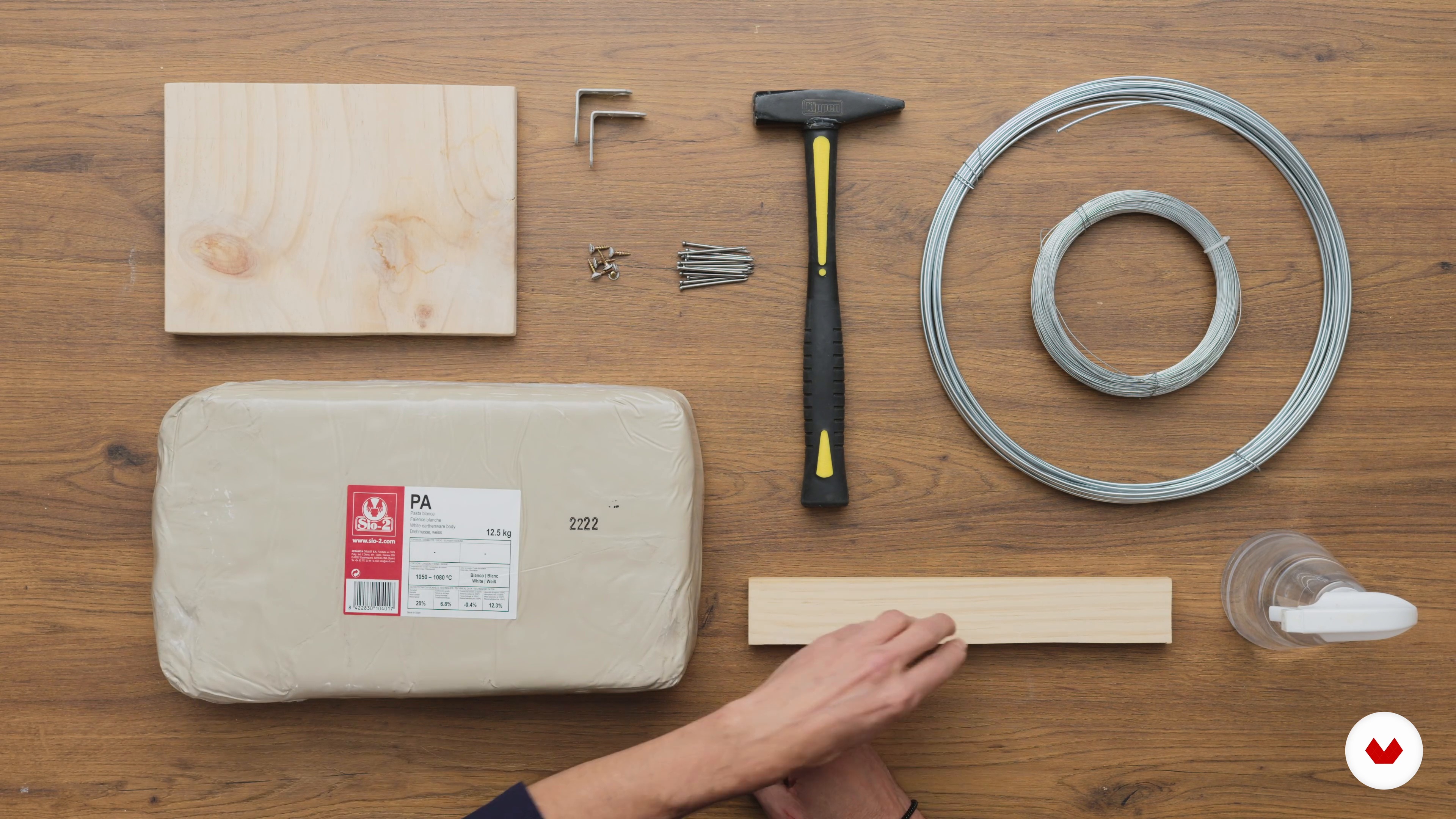
Materials, tools and support
6 minutes, 5 seconds
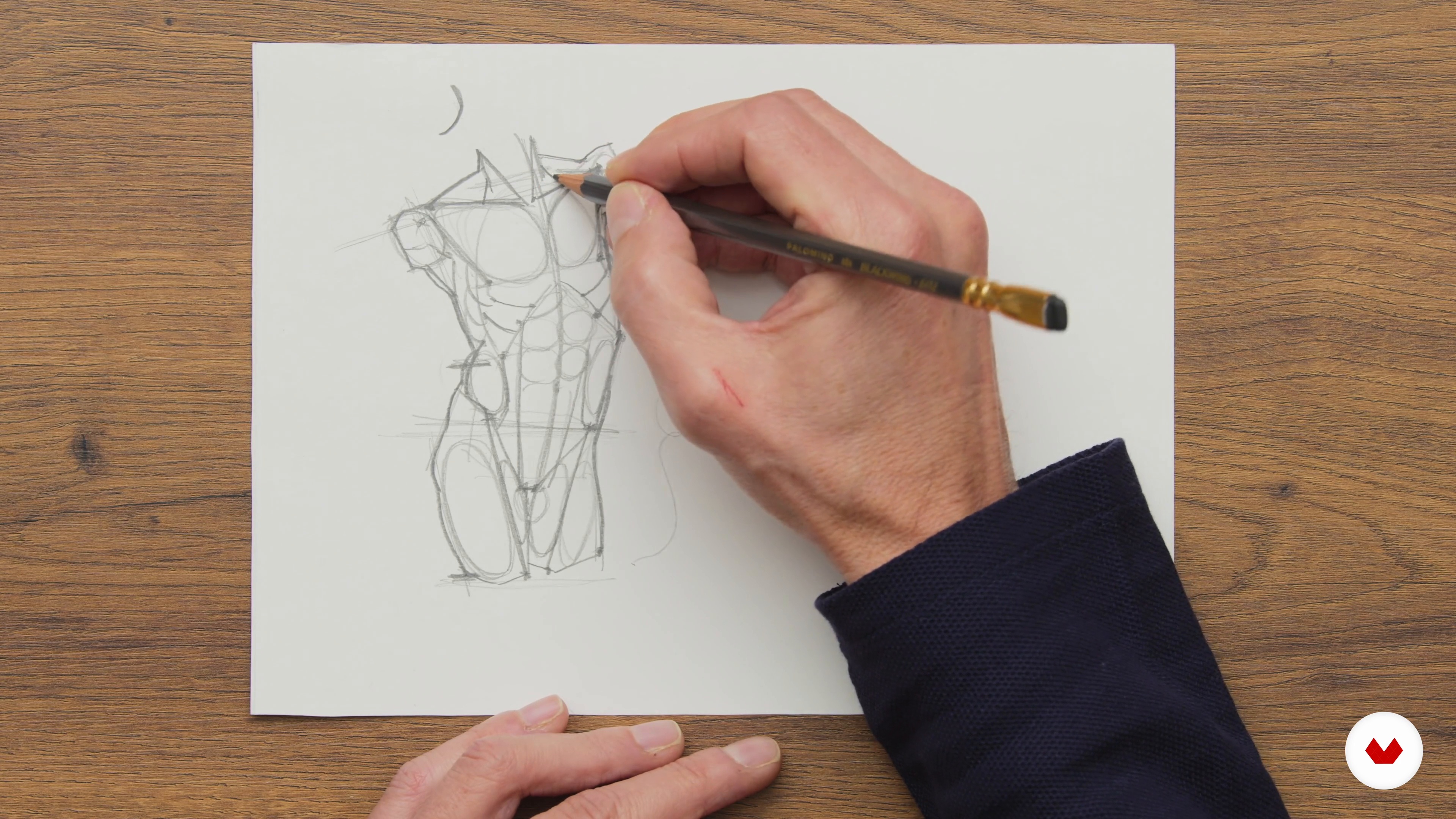
Search for references and sketching 1
11 minutes, 20 seconds
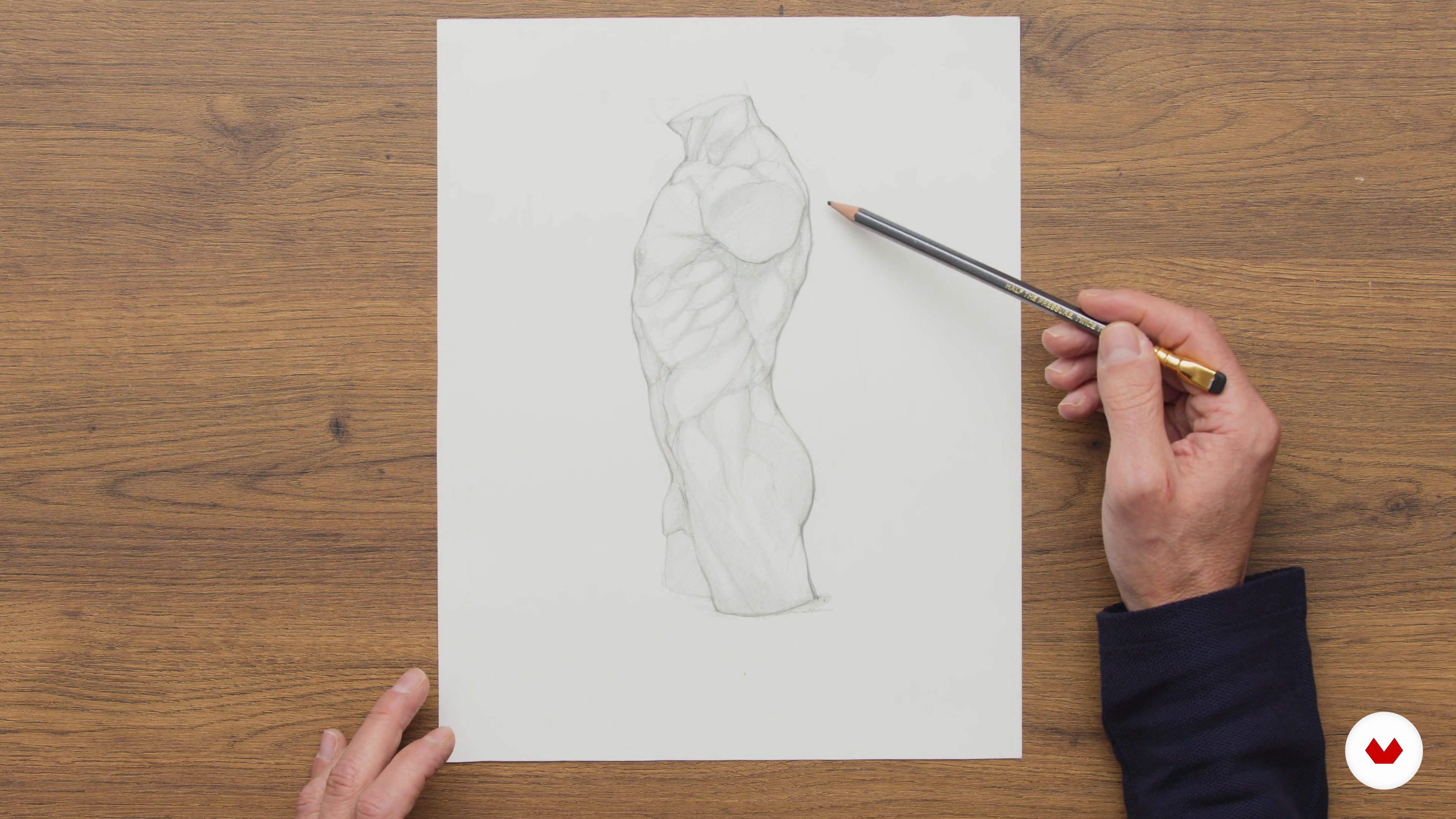
Search for references and sketching 2
14 minutes, 20 seconds
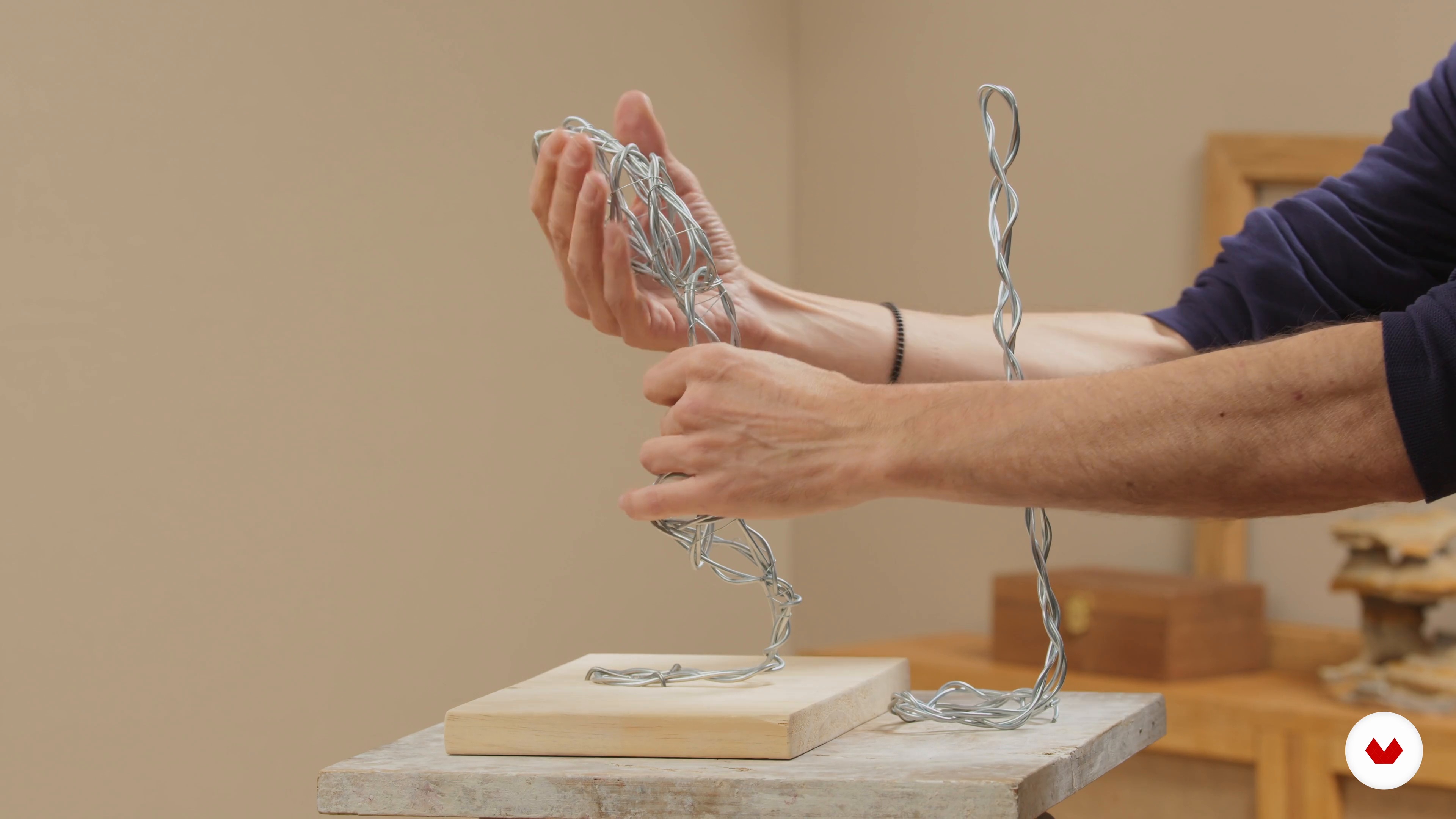
Adaptation of the metallic structure
10 minutes, 27 seconds
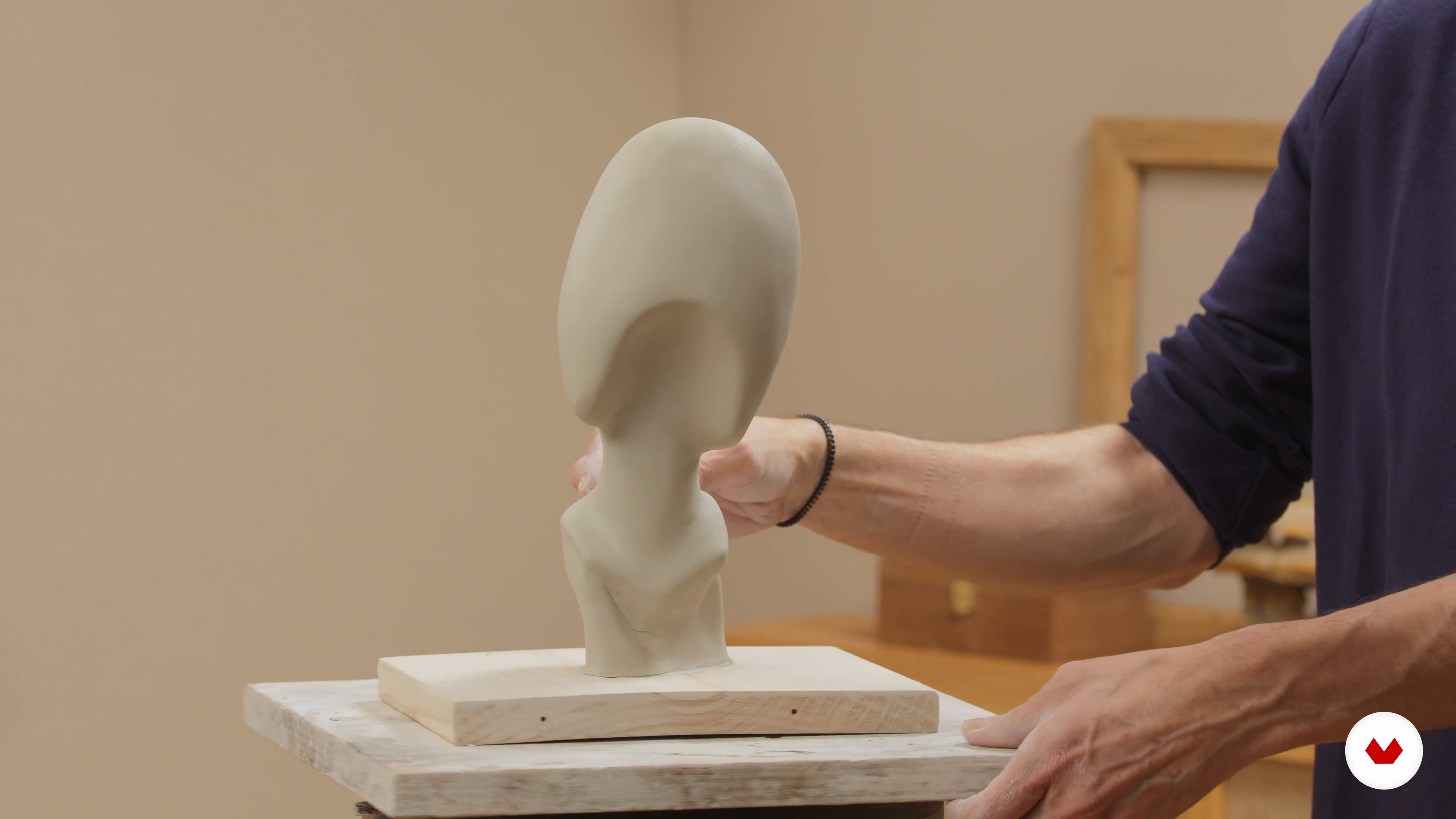
First volumes
11 minutes, 43 seconds
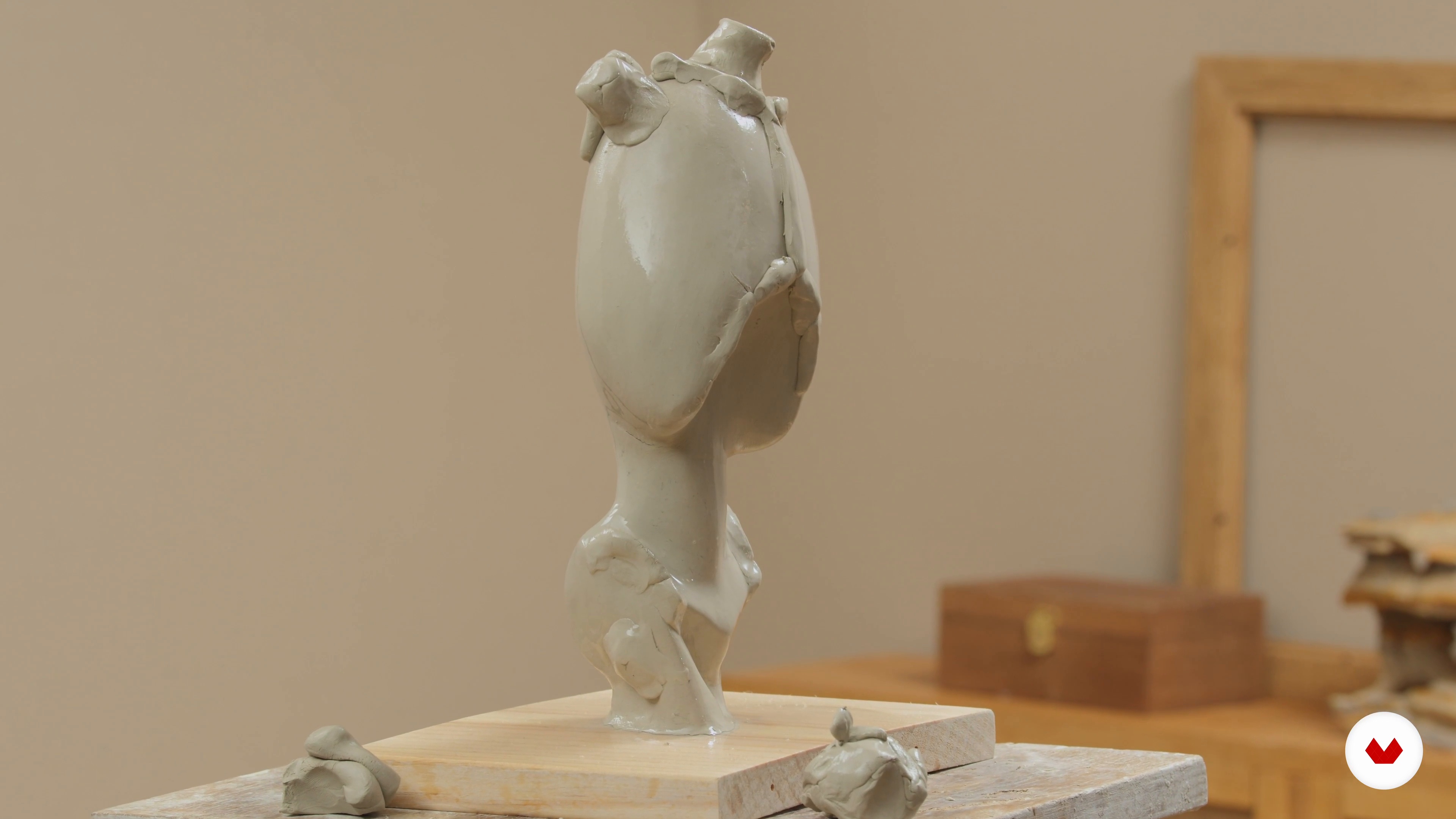
Location of essential bone structures: subcutaneous references
20 minutes, 39 seconds
What's included in this course?
To begin with, José Manuel Martínez will talk to you about his professional career, his influences and his concerns as a sculptor, as well as volume and space as an inexhaustible source for creation and communication.
Next, you will meet the great masters of sculpture and the materials you will need. Then, you will look for references to make your sketch and you will create the metallic structure that will serve as the basis for your modeling.
You will continue building the first volumes. You will check that everything is in order to continue with the essential bone structures. Next, you will locate the anterior and posterior muscles and identify their relationships to the bones.
During the modeling process, you will work on the axes of action, balance and anatomical details of the piece, as well as its final finish. Finally, José Manuel will advise you on the casting of the work in silicone to be able to reproduce it in other materials.
What is this course's project?
You will model a medium format male torso taking into account the proportion, dynamics and the most important anatomical references.

Projects by course students

Who is this online course for?
For people who want to start in volume and figurative modeling.
Requirements and materials
It will not be necessary to have previous knowledge of sculpture, since the course will start from introductory concepts.
The essential tools will be modeling clay and sticks, and of course your own hands.

Reviews
- 5 months ago
très didactique, agréable et progressif. cela m'a fait faire un grand pas en avant, tant techniquement, qu'artistiquement en me rendant plus sûr de mes choix artistiques, et avec, on le sent bien, l'héritage de rodin, qui plane dans l'ombre.... un grand merci
- 7 months ago
Je réalise que dans la Sculpture du réalisme on ne cour pas , lorsque l'on veut faire quelque chose de vraiment impactant . chaque éléments et étape demande la même force d'attention égale pour une coordination harmonieuse . je vais me lancé le défît et je reviendrait assurément avec ma réalisation
mes grands remerciement PROF
- 9 months ago
excelente curso. muy bueno.
- mesaetiquetaPLUS10 months ago
muito bom, Martinez , é fantástico.
- 11 months ago
excelente curso, el profe es excelente y muy didactico pronto subire mi proyecto final

He has materialized public commissions such as the tribute bust to Don José Folgado Blanco (2021), the monument to Alonso Barba (2019), the monument to the Elderly and to the Virgin Bella (2007), among others. His work can be seen at the European Museum of Modern Art in Barcelona (MEAM) or at the Museum of Contemporary Art of Sicily in Catania (MACS). In addition, he combines his work as a sculptor with that of a professor of anatomy and natural drawing at the Escuela Superior de Dibujo Profesional (ESDIP) in Madrid.
Content
- U1
Introduction
- About Me
- Influences
- U2
First steps
- Introduction to figurative or realistic sculpture
- Materials, tools and support
- Search for references and sketching 1
- Search for references and sketching 2
- Adaptation of the metallic structure
- U3
Modeling
- First volumes
- Analysis of the main profiles of sculpture
- Location of essential bone structures: subcutaneous references
- First muscle masses of the anterior part
- First muscle masses of the posterior part 1
- First muscle masses of the posterior part 2
- Relationship between bones and muscles
- U4
Finishing the Piece
- Definition of shapes 1
- Definition of shapes 2
- Definition of shapes 3
- Analysis of anatomical detail: skin and superficial elements 1
- Analysis of anatomical detail: skin and superficial elements 2
- Expressive analysis of the finish
- The emptying
- FP
Final project
- Modeling Torsos with Clay
What to expect from a Domestika course
Learn at your own pace
Enjoy learning from home without a set schedule and with an easy-to-follow method. You set your own pace.
Learn from the best professionals
Learn valuable methods and techniques explained by top experts in the creative sector.
Meet expert teachers
Each expert teaches what they do best, with clear guidelines, true passion, and professional insight in every lesson.
Certificates
PLUSIf you're a Plus member, get a custom certificate signed by your teacher for every course. Share it on your portfolio, social media, or wherever you like.
Get front-row seats
Videos of the highest quality, so you don't miss a single detail. With unlimited access, you can watch them as many times as you need to perfect your technique.
Share knowledge and ideas
Ask questions, request feedback, or offer solutions. Share your learning experience with other students in the community who are as passionate about creativity as you are.
Connect with a global creative community
The community is home to millions of people from around the world who are curious and passionate about exploring and expressing their creativity.
Watch professionally produced courses
Domestika curates its teacher roster and produces every course in-house to ensure a high-quality online learning experience.
FAQs
You’ll learn to sculpt a human torso in clay—from building the internal armature to expressive finishing—applying anatomical techniques, proportions, sketching, and casting to create a realistic and personal sculpture.
Prior experience isn’t required, but having basic modeling or drawing skills will help you get the most out of the intermediate techniques covered in the course.
You’ll need clay, a wooden base, wire, modeling tools, a sponge, water, and screws. Optionally, resin and silicone can be used for casting and reproducing the piece.
Yes, the course includes studying proportions, anatomical axes, and muscle volumes to accurately and realistically represent the human torso.
Yes, you’ll learn how to build and secure a metal armature on a wooden base to keep the figure stable during clay modeling.
Absolutely, it’s perfect for those wanting to deepen their contemporary figurative sculpture skills and improve anatomical and expressive body representation.
The course teaches techniques to keep clay moist and prevent cracking, ensuring optimal handling throughout the process.