Narrative Techniques for Children’s Books
A course by Natalia MéndezEditor and teacher
A course by Natalia Méndez, Editor and teacher

Learn the basic components of a story to create tales for children
They say that to write children's books you have to channel your inner child, free your imagination, look at the world in wonder, and, above all, play with the story. Natalia Méndez, editor, author, and teacher at the University of Buenos Aires (UBA), has many years' experience in turning ideas into children's books and knows exactly how to create and edit great stories by playing with them, from the very first idea to final publication.
In this course, get an overview of the children's publishing world and learn all the components and narrative structures to transform your ideas into children's stories.
What will you learn in this online course?
16 lessons & 14 downloads
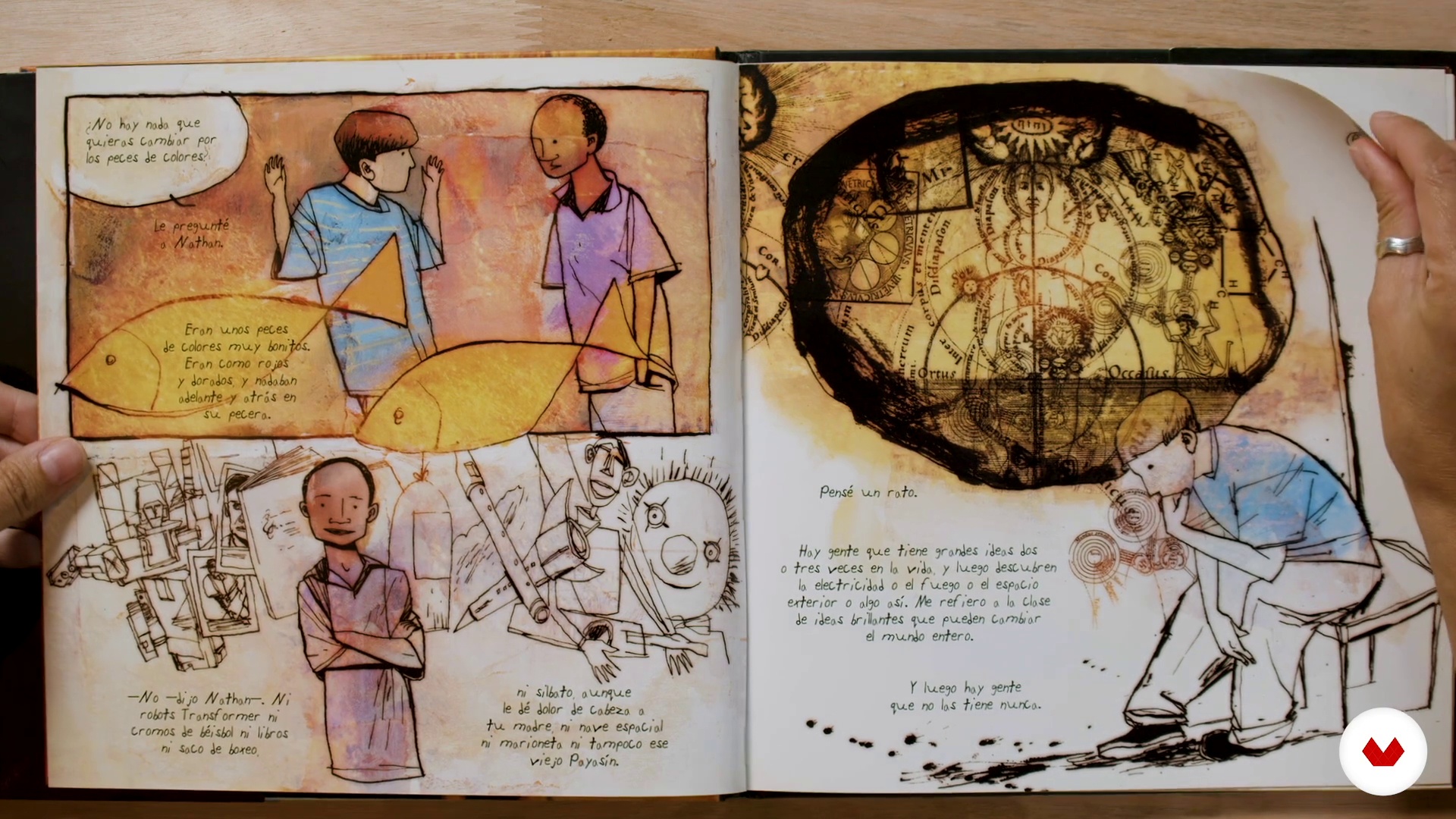
Influences
12 minutes, 18 seconds

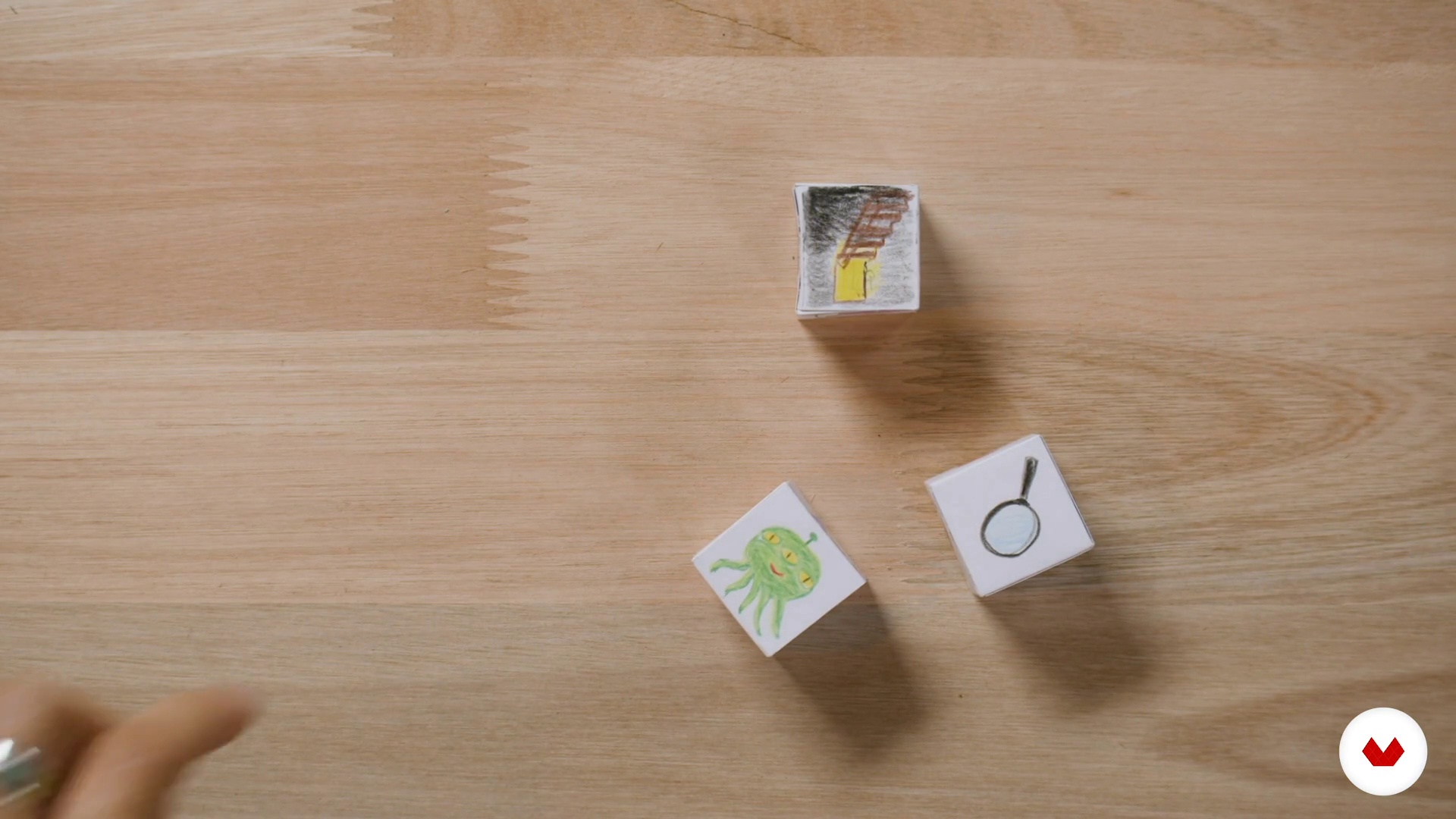
Create a Dice to Generate a Story
7 minutes, 50 seconds
The basics of a story: world, characters and structure
3 minutes, 20 seconds
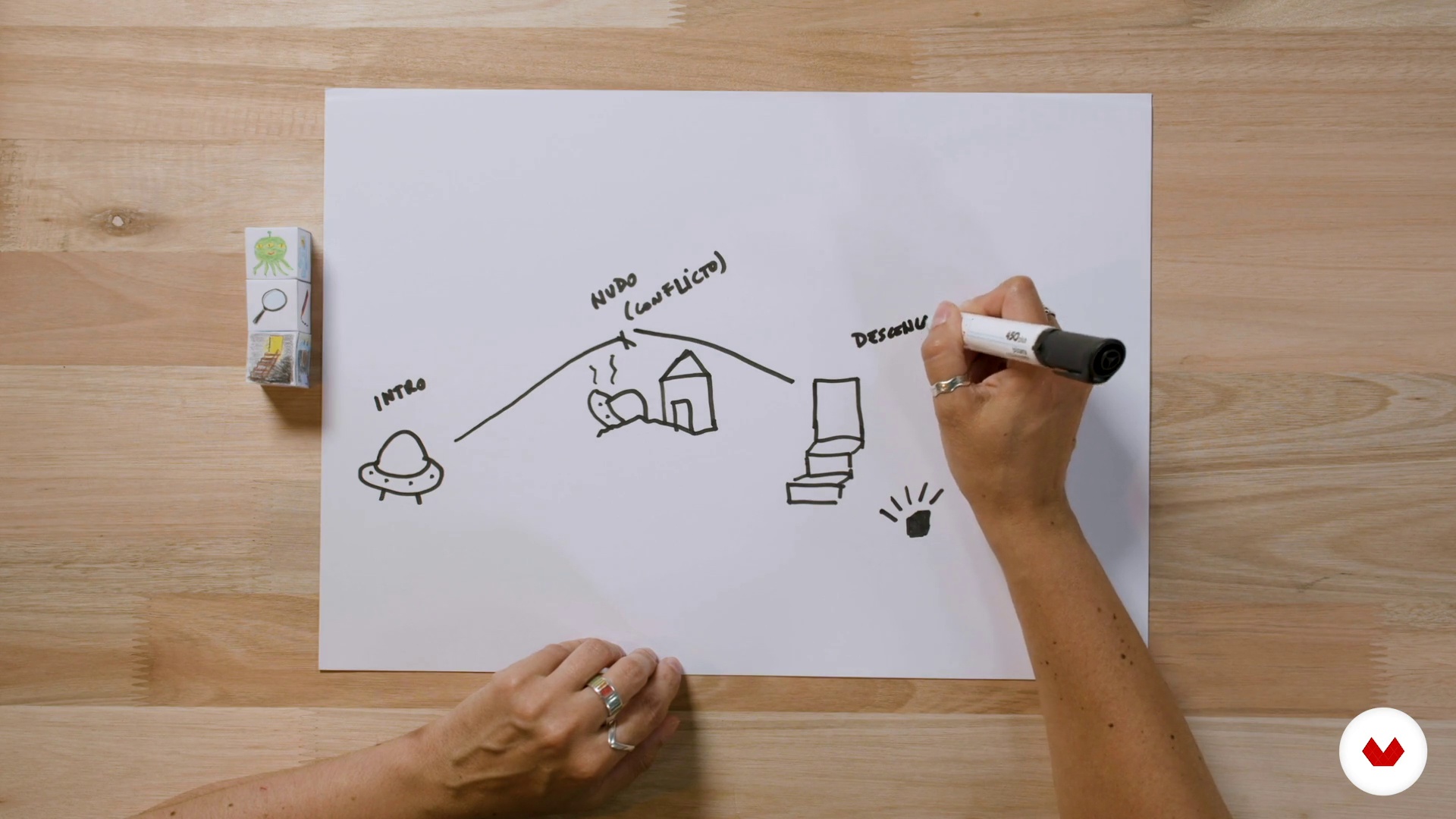
The traditional structure
3 minutes, 20 seconds
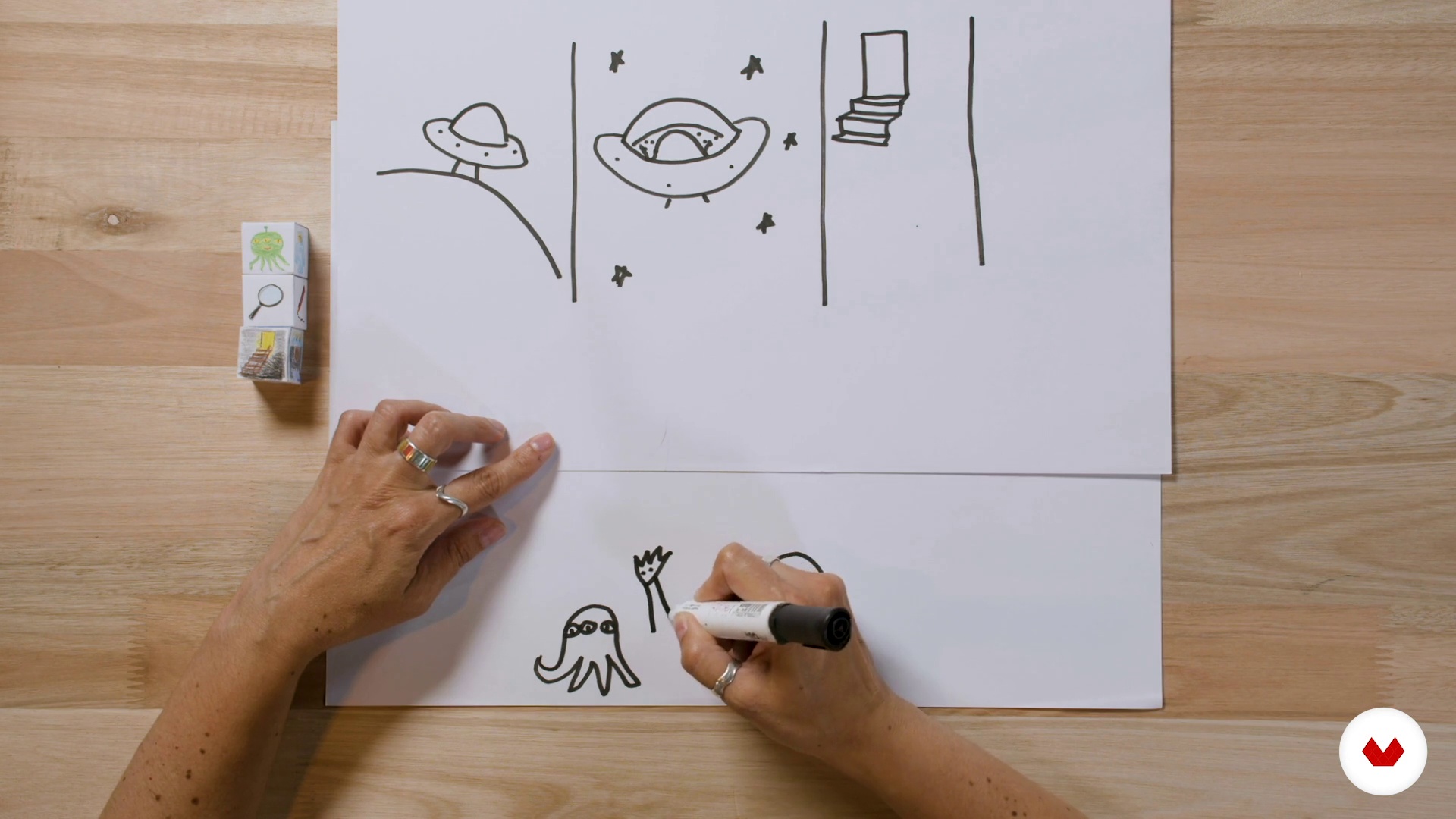
Another model of structure: the structure in four parts or "without conflict"
5 minutes, 58 seconds
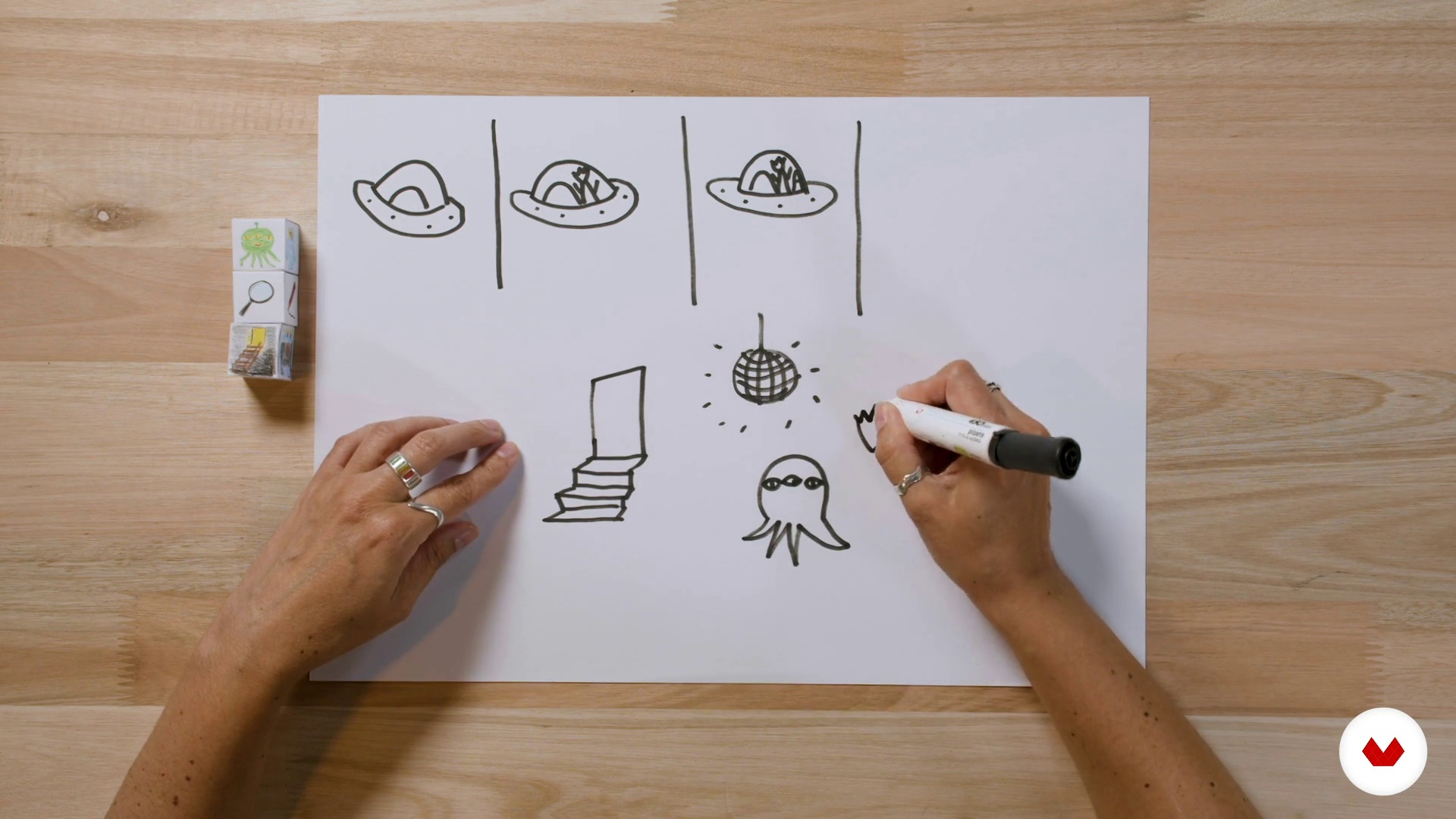
Another model of structure: the list or chained structure
5 minutes, 39 seconds
What's included in this course?
Start the course by meeting Natalia Méndez, who shares her passion for reading, her professional background in children's literature, and her main influences.
Go through a brief history of children's books from their origin to the present day.
Get an introduction to literary genres, discover their role in good storytelling, and look at the editing process of a children's book, from the moment an author's original work arrives until the book finally goes to print.
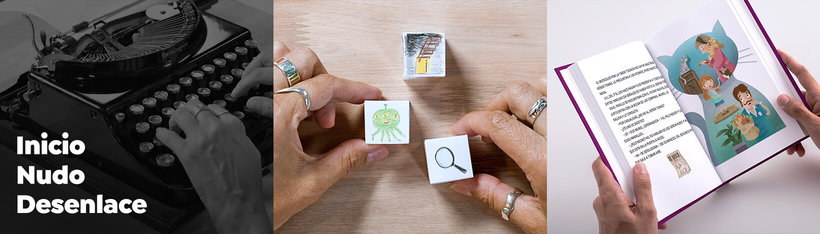
Next, Natalia teaches you how to write a story step by step with the help of a fun game. Use some dice with different images on their sides as idea generators, to progress your story without any restrictions. Learn the basic elements of a story and the different types of narrators to lay down the foundations of your written or graphic project.
Continue by analyzing the different types of narrative structures. Natalia thoroughly explains the traditional structure, the four-part or non-conflict structure, and the chain or list structure. Choose the one you like best to develop your story.
To finish, apply her handy tips to edit your project, choose a publisher to present it to and, also, discover some different self-publishing options.
What is this course's project?
Write a short story using a game as an idea generator.
Projects by course students


Who is this online course for?
Anyone interested in writing a children's story and anybody who wants to discover the world of children's literature in general.
Requirements and materials
No previous experience is required.
As for materials, you need a pen or pencil, colored pencils, blank sheets of paper, and glue.

Reviews
- 2 months ago
excelente muy claro
- 3 months ago
Muy clara y muy completo . Ahora a escribir!
- 4 months ago
Thanks for the lessons. I appreciate the in-depth exploration of the history of children’s literature. What gleaned the most from this course is the dice story idea that I incorporated in my own Creative Writing for young children.
- 5 months ago
I found this course by Natalia Méndez really insightful and inspiring. She brings a wealth of experience from the children’s publishing world and explains both storytelling and editing in a clear, structured way.
What I especially appreciated was how she breaks down the components of a children’s book, from initial idea and narrative structure to the practical side of preparing a story for publication. It gave me a better understanding of how stories are shaped and refined behind the scenes.
- 6 months ago
Wonderful course! "Narrative Techniques for Children’s Books" by Natalia Méndez introduced me to learn about the components and narrative structures to transform ideas into children's stories and gain more understanding about the publishing world. I highly recommend this course! Thank you, Natalia! Thank you, Domestika!

It has its own artisan publishing label, called "Dábale arroz", together with Eduardo Abel Giménez and a very small ceramic and mini-book business "A la zorra".
She obtained a scholarship as a researcher from the Internationale Jugendbibliothek in Munich and, in 2012, participated in the Frankfurt Fellowship program at the Frankfurt Book Fair. And in addition, he gives classes in the Publishing and Literature career (UBA), training for writers (Casa de Letras) and training for children's book publishers.
Content
- U1
Introduction
- Presentation
- Influences
- U2
The huge world of books for children
- The specificity of children's and youth books
- What are literary genres and why are they used to tell stories
- The publishing genres and some surprises
- How is the process of editing a children's book
- Decalogue of yes and no if you want to write books for children
- U3
A story step by step
- Create a Dice to Generate a Story
- The basics of a story: world, characters and structure
- Types of narrators, point of view. The time of the story and the time of the narration.
- U4
The structure of the stories
- The traditional structure
- Another model of structure: the structure in four parts or "without conflict"
- Another model of structure: the list or chained structure
- U5
The dessert cherry
- The proper voice in the stories. The tool box I.
- The proper voice in the stories. The tool box II.
- Publication of a text
- FP
Final project
- Narrative techniques for children's books
What to expect from a Domestika course
Learn at your own pace
Enjoy learning from home without a set schedule and with an easy-to-follow method. You set your own pace.
Learn from the best professionals
Learn valuable methods and techniques explained by top experts in the creative sector.
Meet expert teachers
Each expert teaches what they do best, with clear guidelines, true passion, and professional insight in every lesson.
Certificates
PLUSIf you're a Plus member, get a custom certificate signed by your teacher for every course. Share it on your portfolio, social media, or wherever you like.
Get front-row seats
Videos of the highest quality, so you don't miss a single detail. With unlimited access, you can watch them as many times as you need to perfect your technique.
Share knowledge and ideas
Ask questions, request feedback, or offer solutions. Share your learning experience with other students in the community who are as passionate about creativity as you are.
Connect with a global creative community
The community is home to millions of people from around the world who are curious and passionate about exploring and expressing their creativity.
Watch professionally produced courses
Domestika curates its teacher roster and produces every course in-house to ensure a high-quality online learning experience.
FAQs
You'll learn how to analyze genres, create characters, structure stories, select age-appropriate books, apply editing techniques, and explore formats like picture books and pop-ups. Plus, you'll get to know the publishing process and marketing strategies.
This course is designed for intermediate learners—perfect if you already have some background in children's literature or publishing and want to deepen and professionalize your skills.
No specific degrees are required, but having an interest in children's literature, creativity, and a willingness to read and write is recommended. Access to a computer and internet is suggested for materials and practical activities.
The course covers the history of children's literature, genre analysis, narrative structures, character creation techniques, stylistic resources, manuscript editing, illustrator selection, publishing, and editorial networks.
You'll learn how to classify books by age, identify genres, and recognize editorial features to select illustrated books, picture books, and interactive formats suitable for each childhood stage.
The course studies fables, fairy tales, realistic novels, picture books, nonfiction, graphic narratives, and other subgenres, analyzing their traits, purposes, and notable examples.
Yes, by the end of the course, you'll be able to create original children's stories, apply editing techniques, structure narratives, develop characters, and prepare texts for publication or editorial submission.