




Master sustainable textile art with natural dyeing techniques using botanical pigments for eco-friendly creations
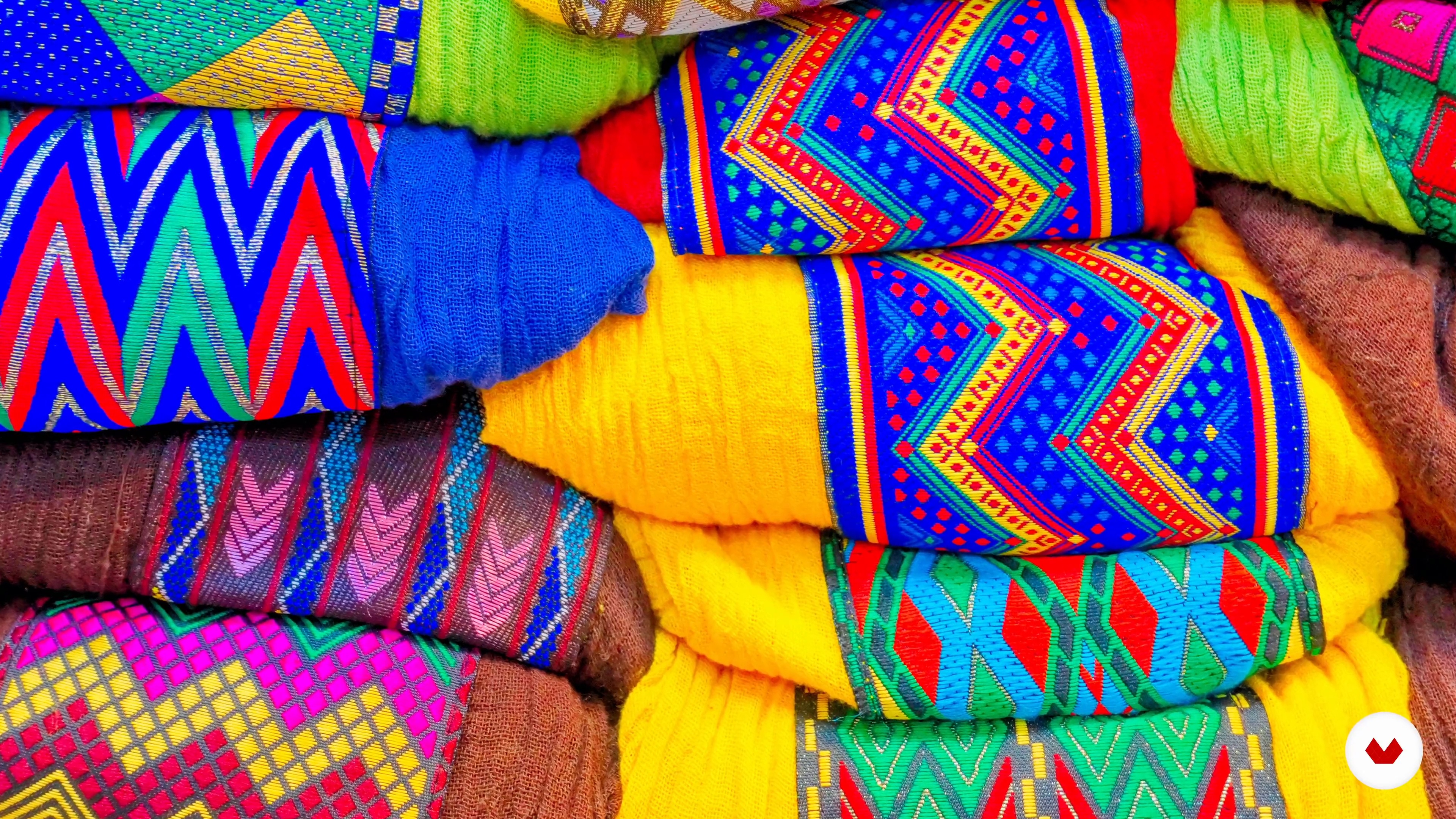
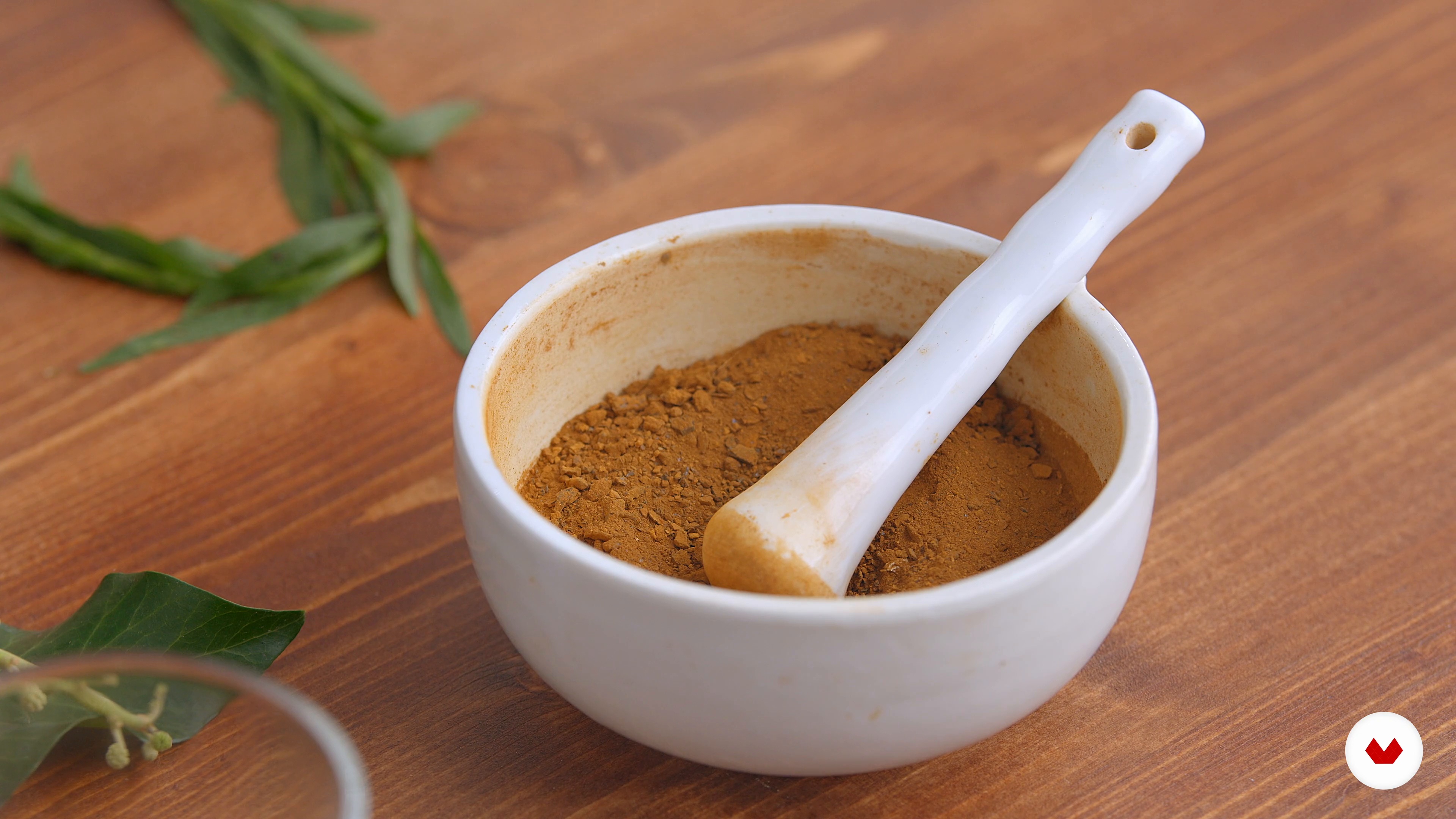
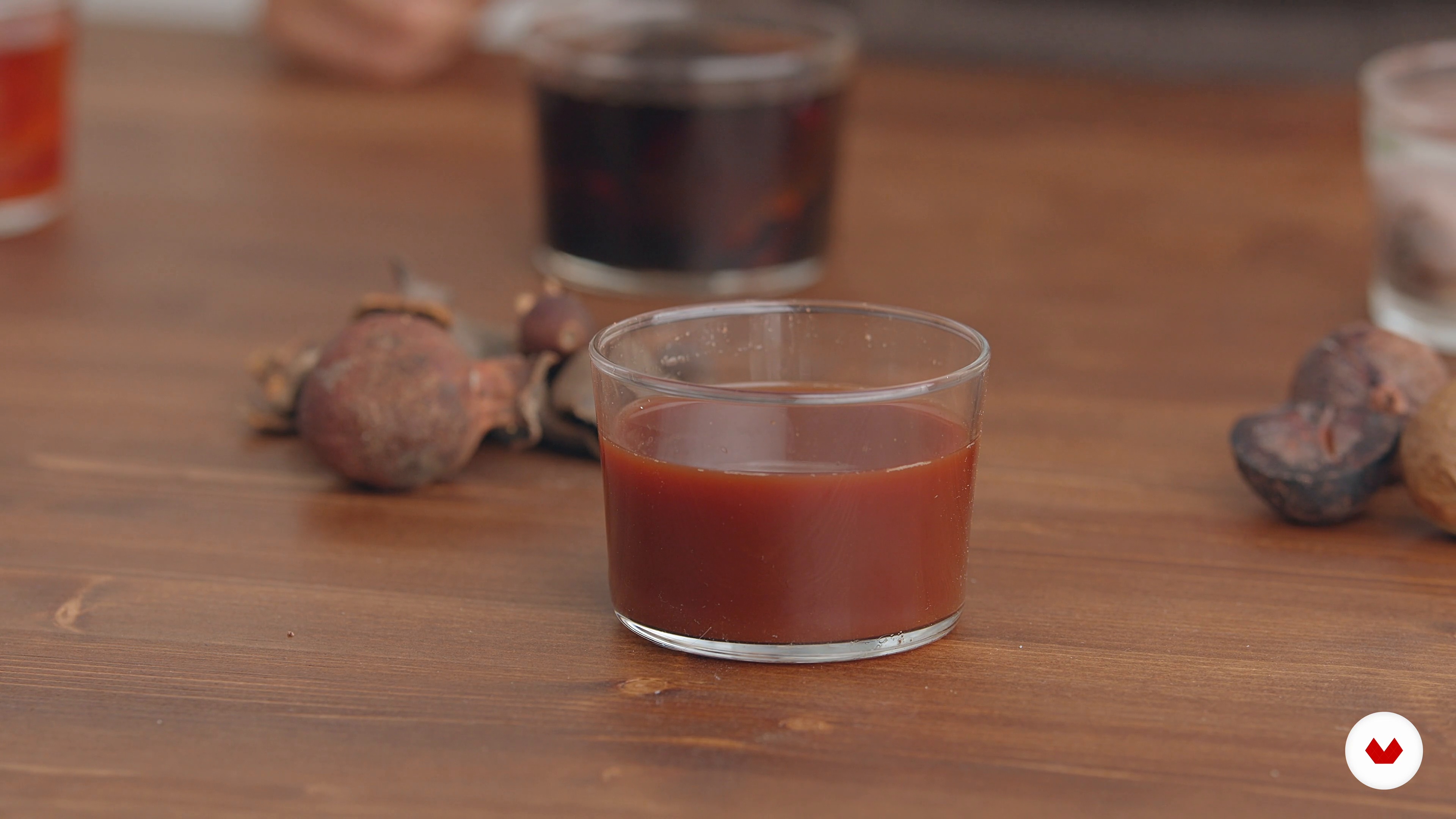
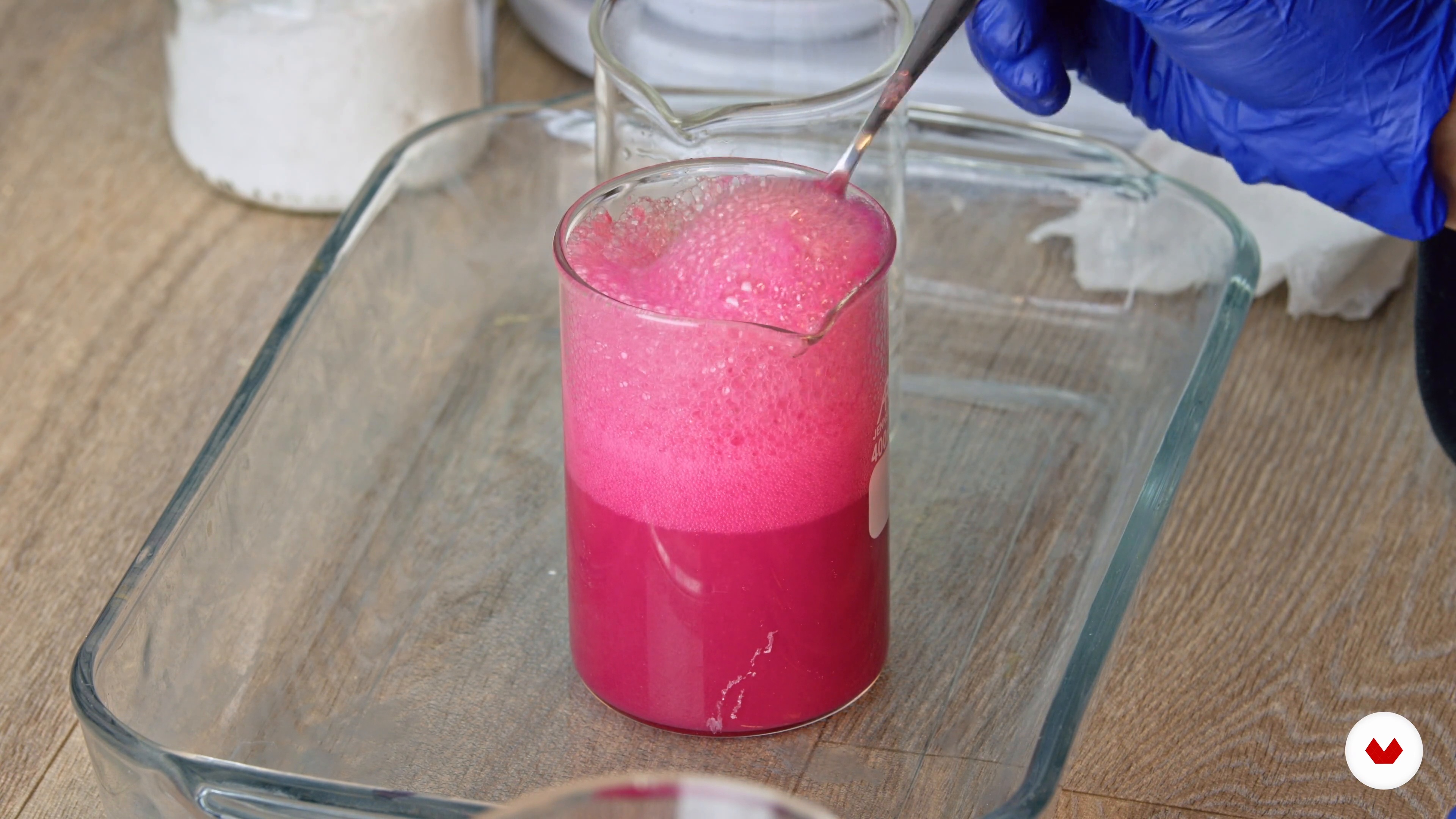
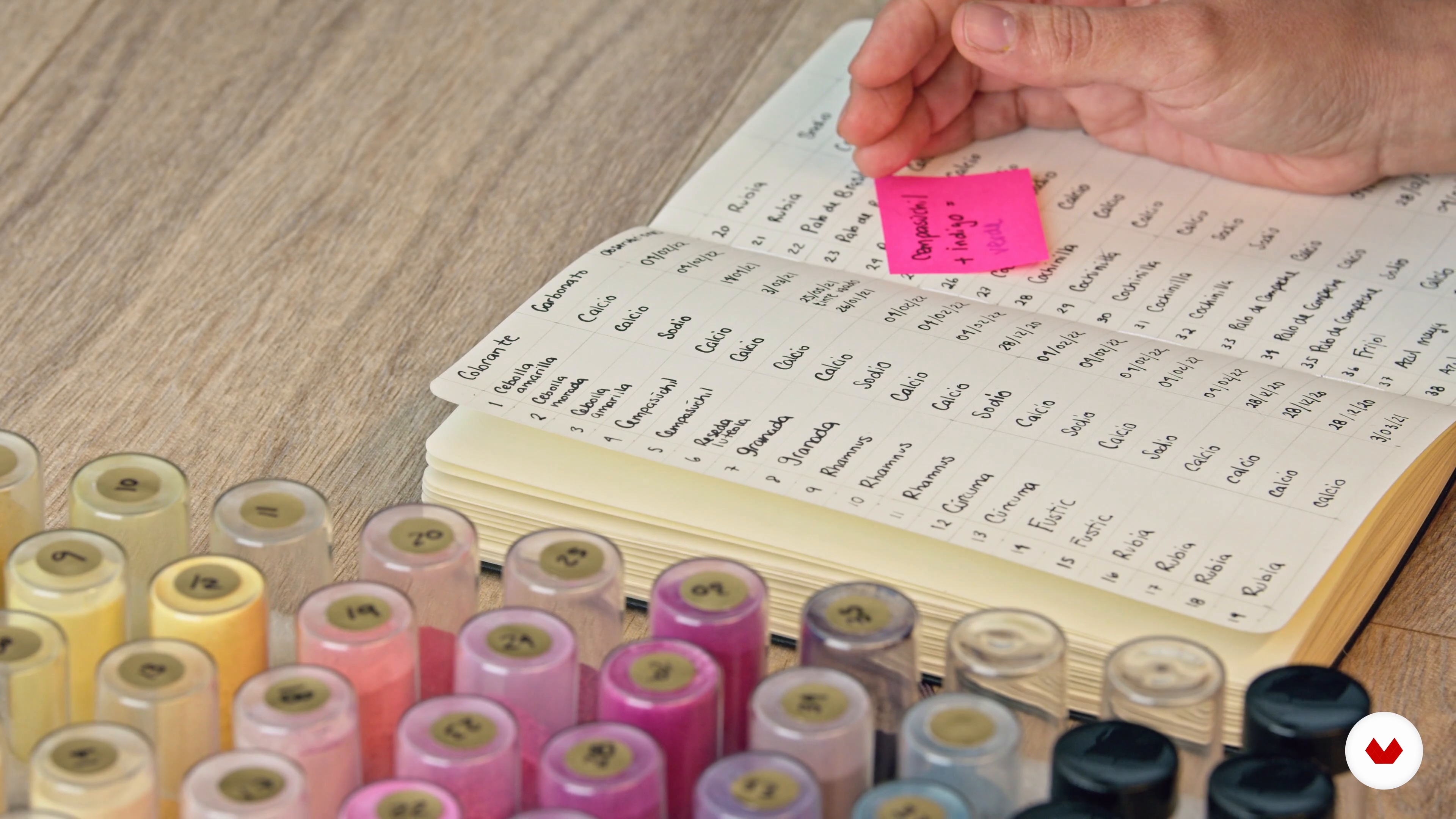
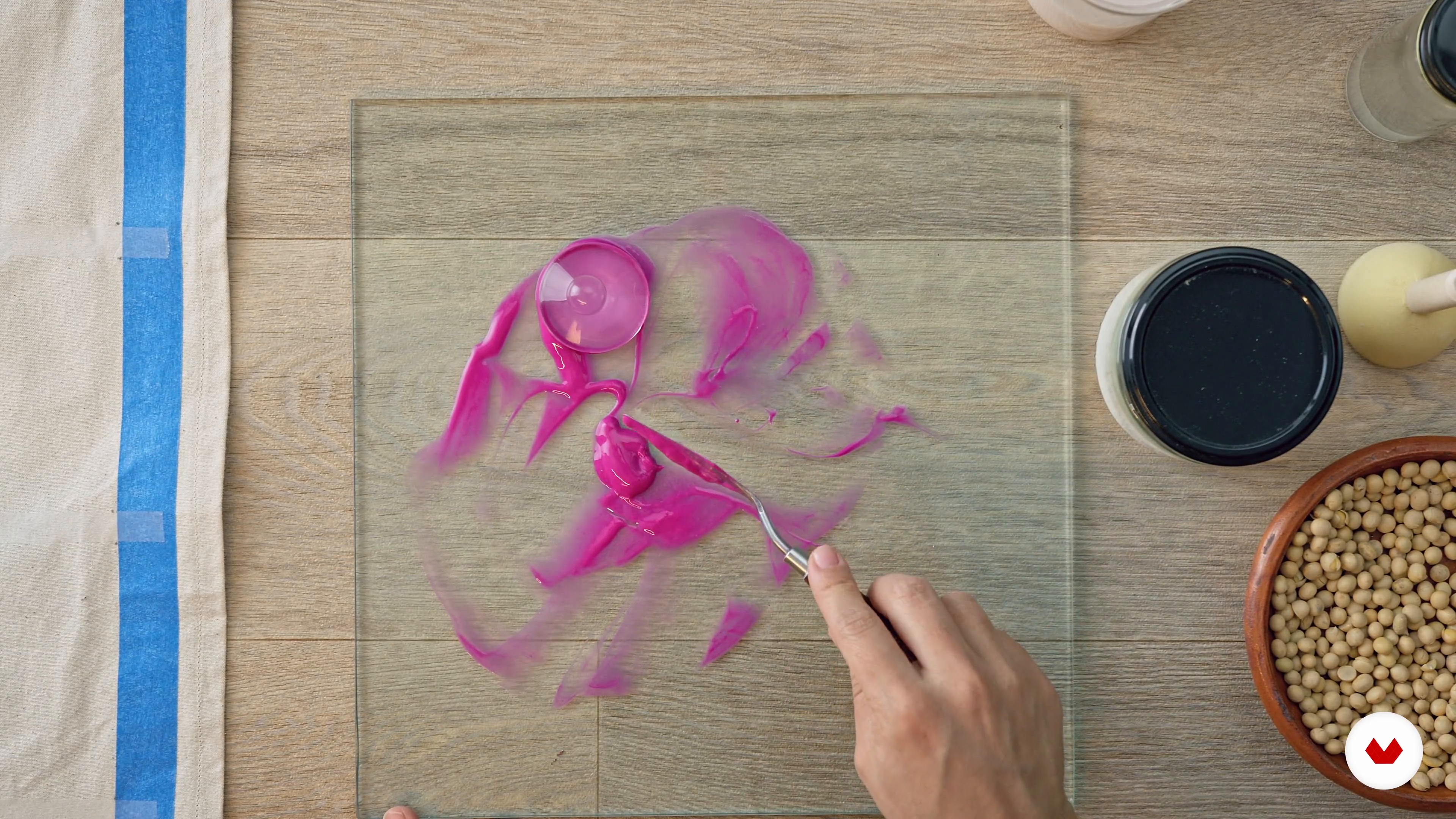
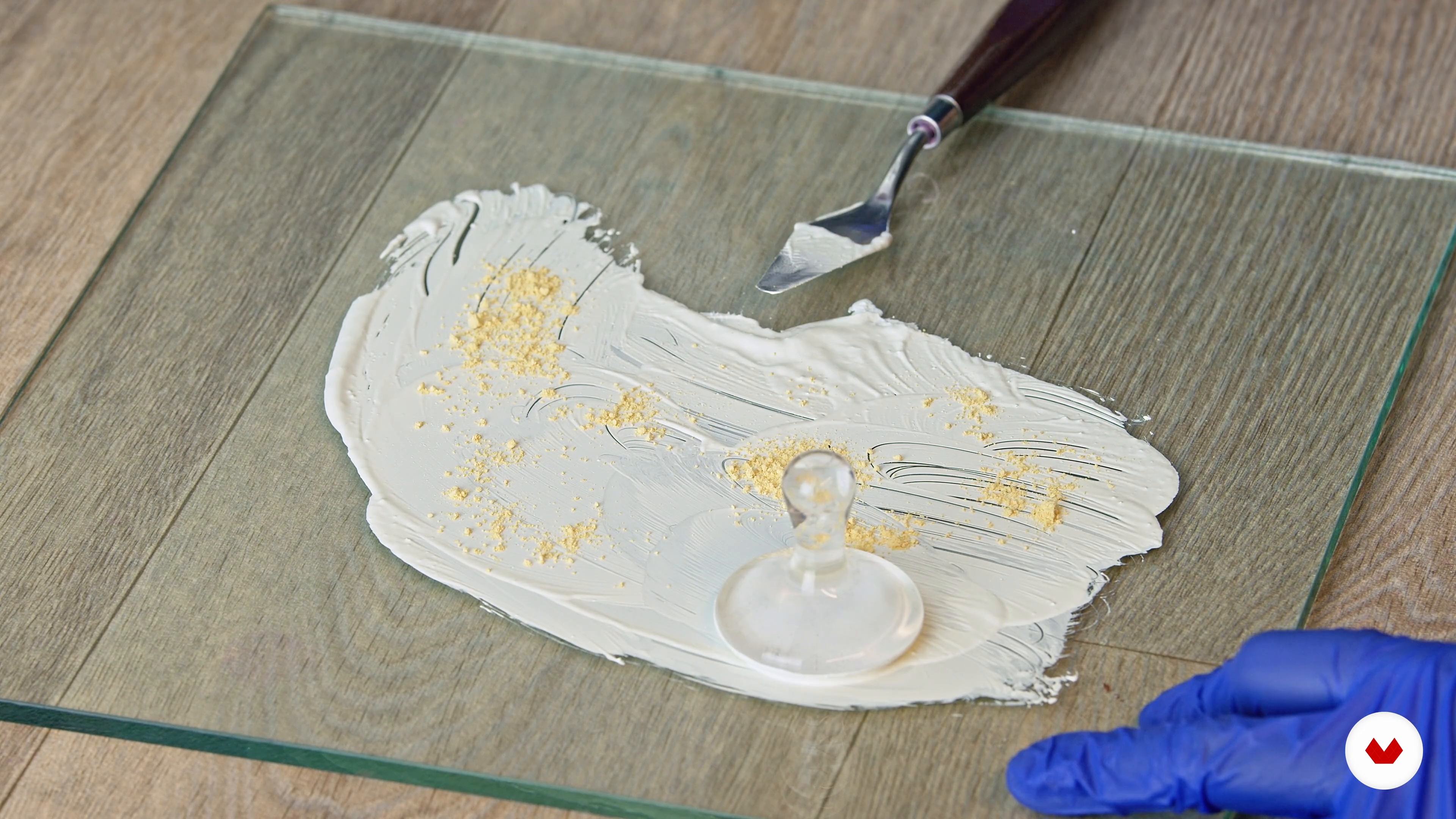
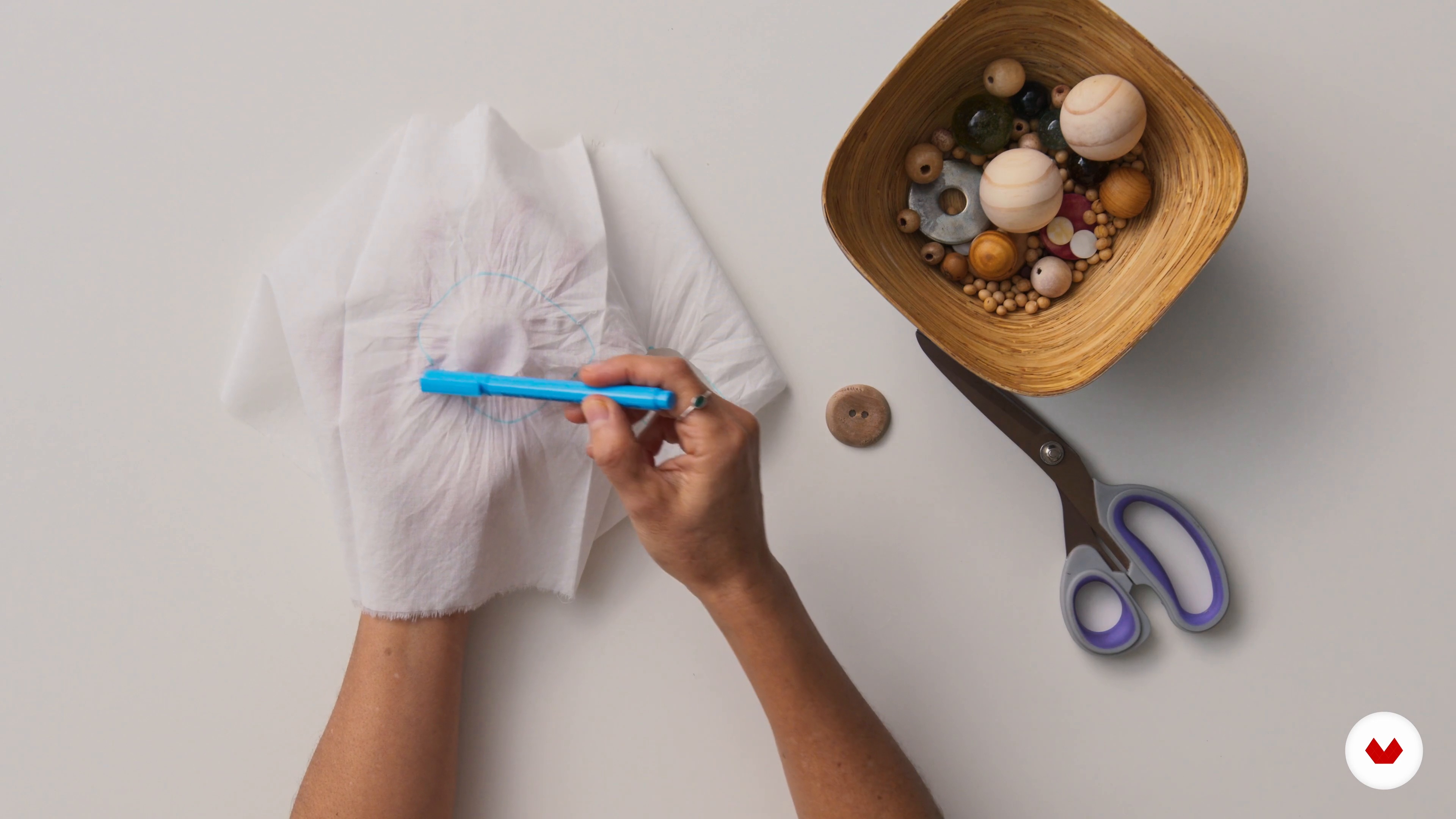
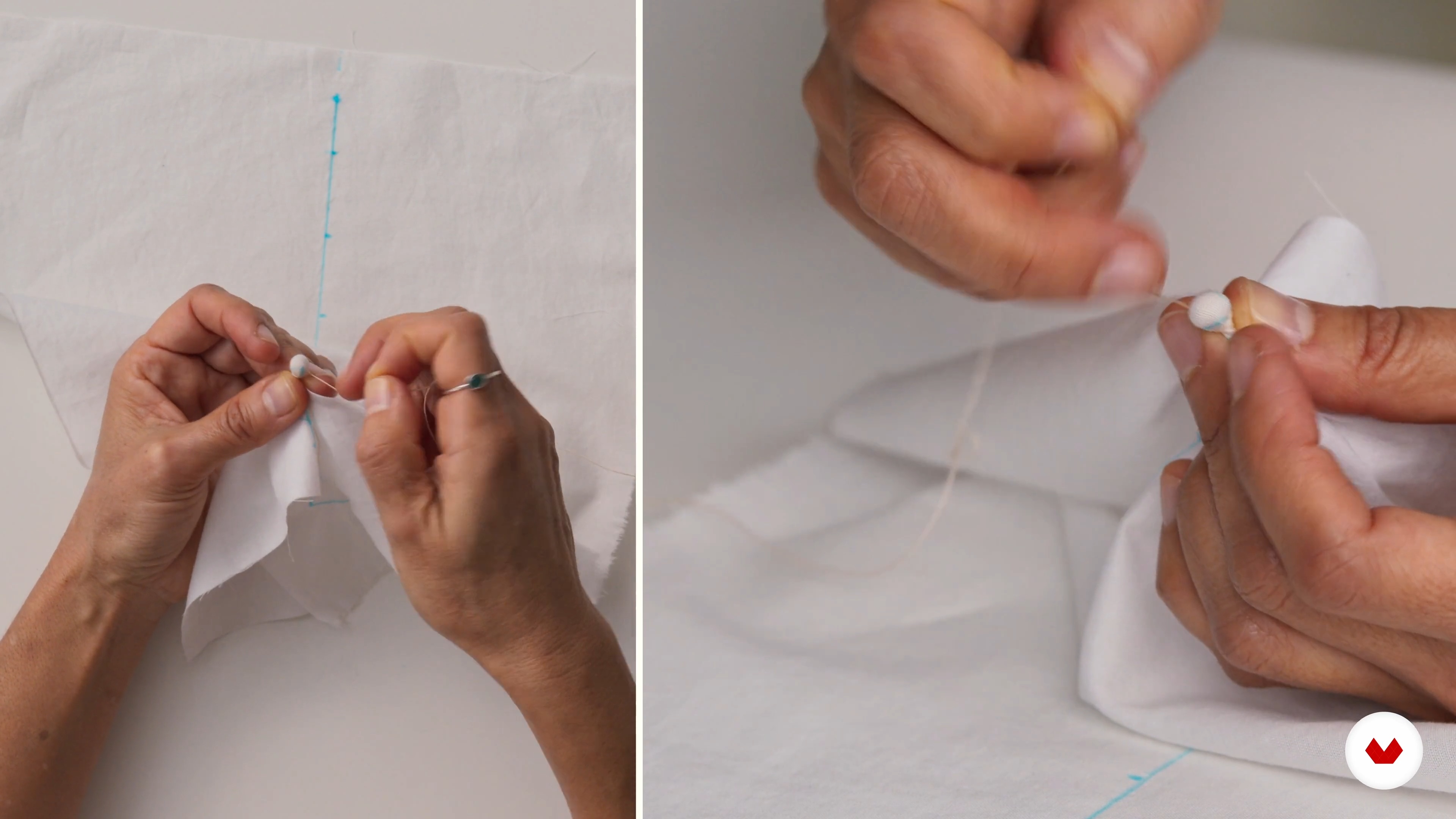
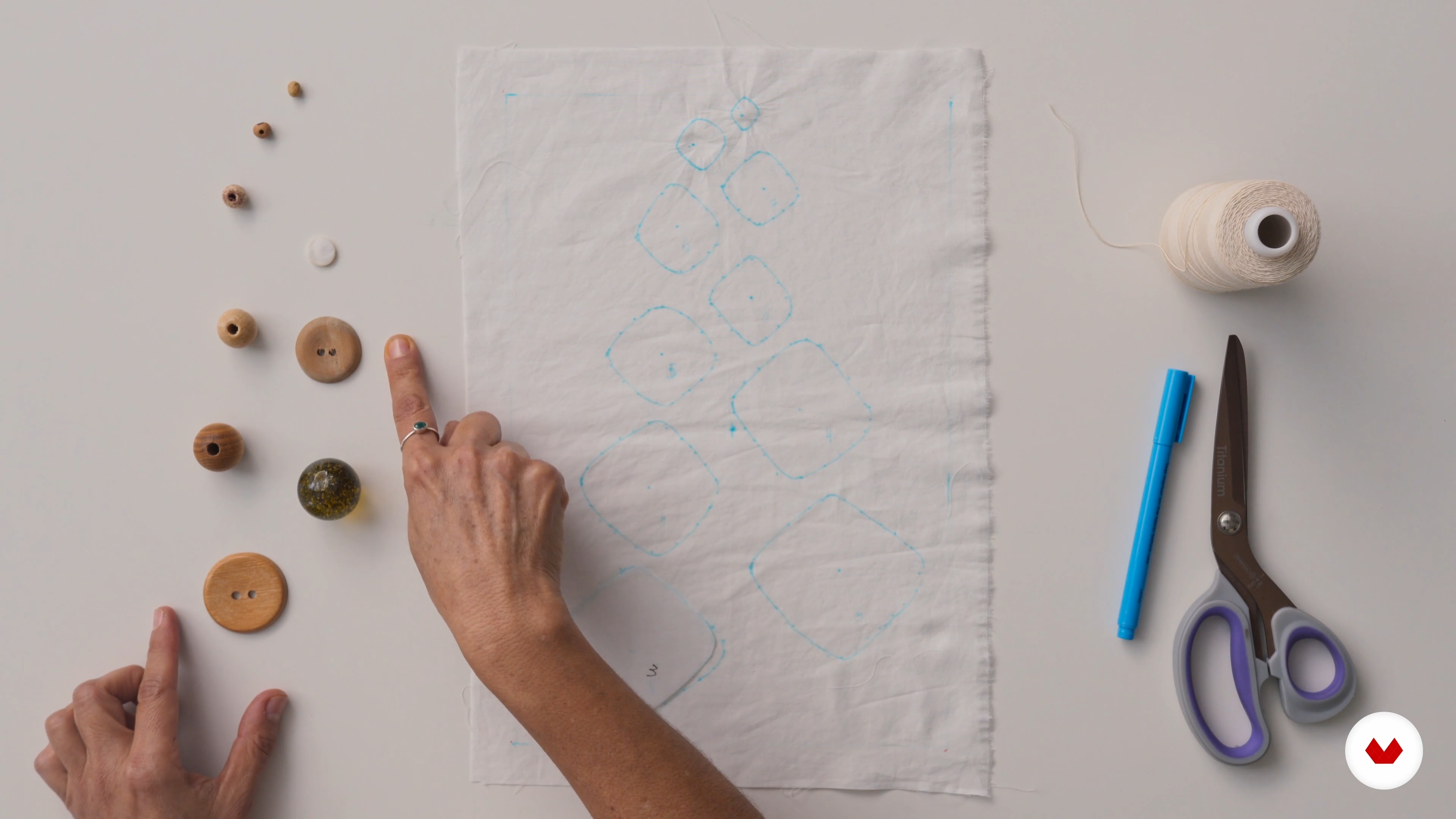
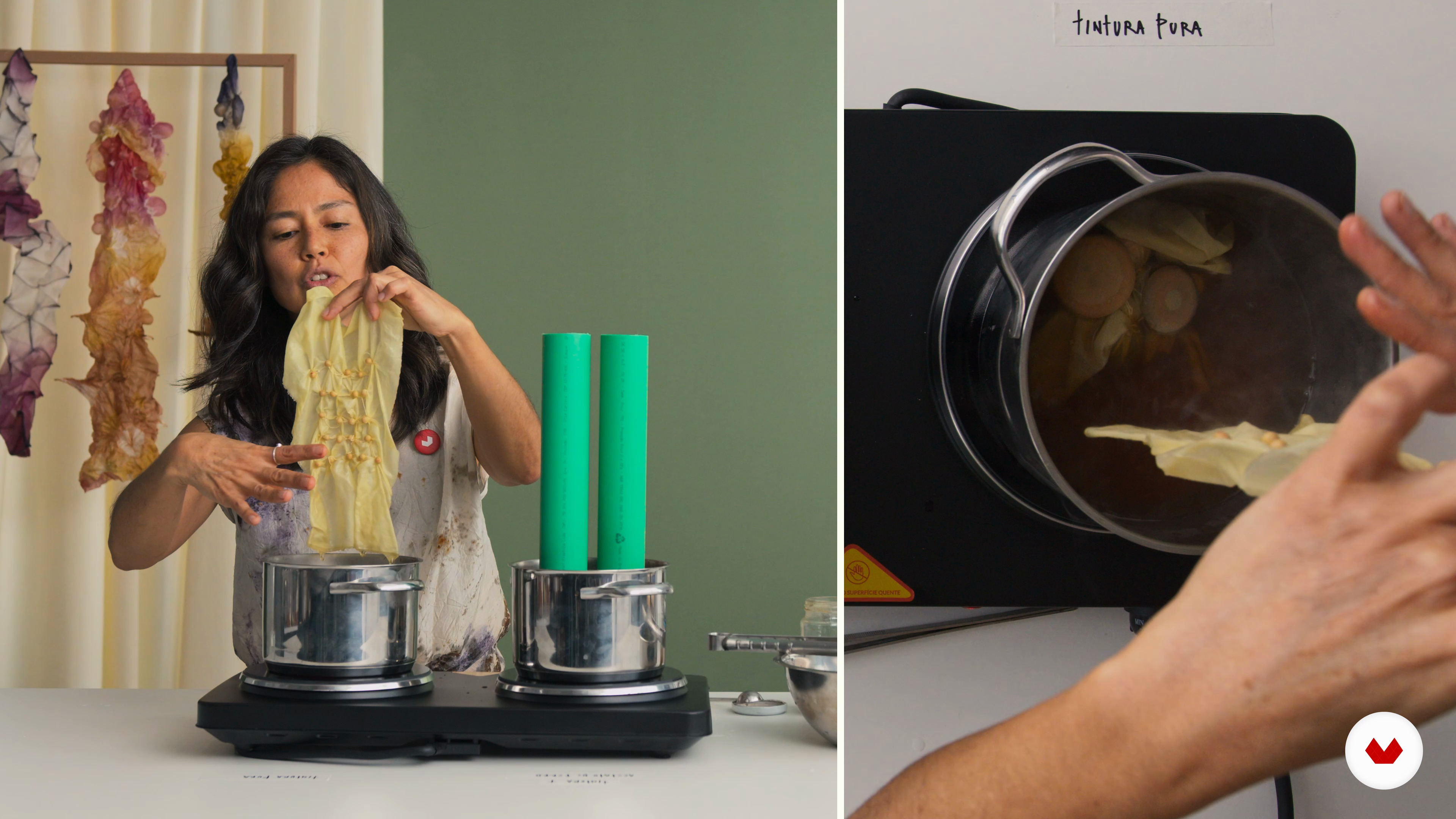
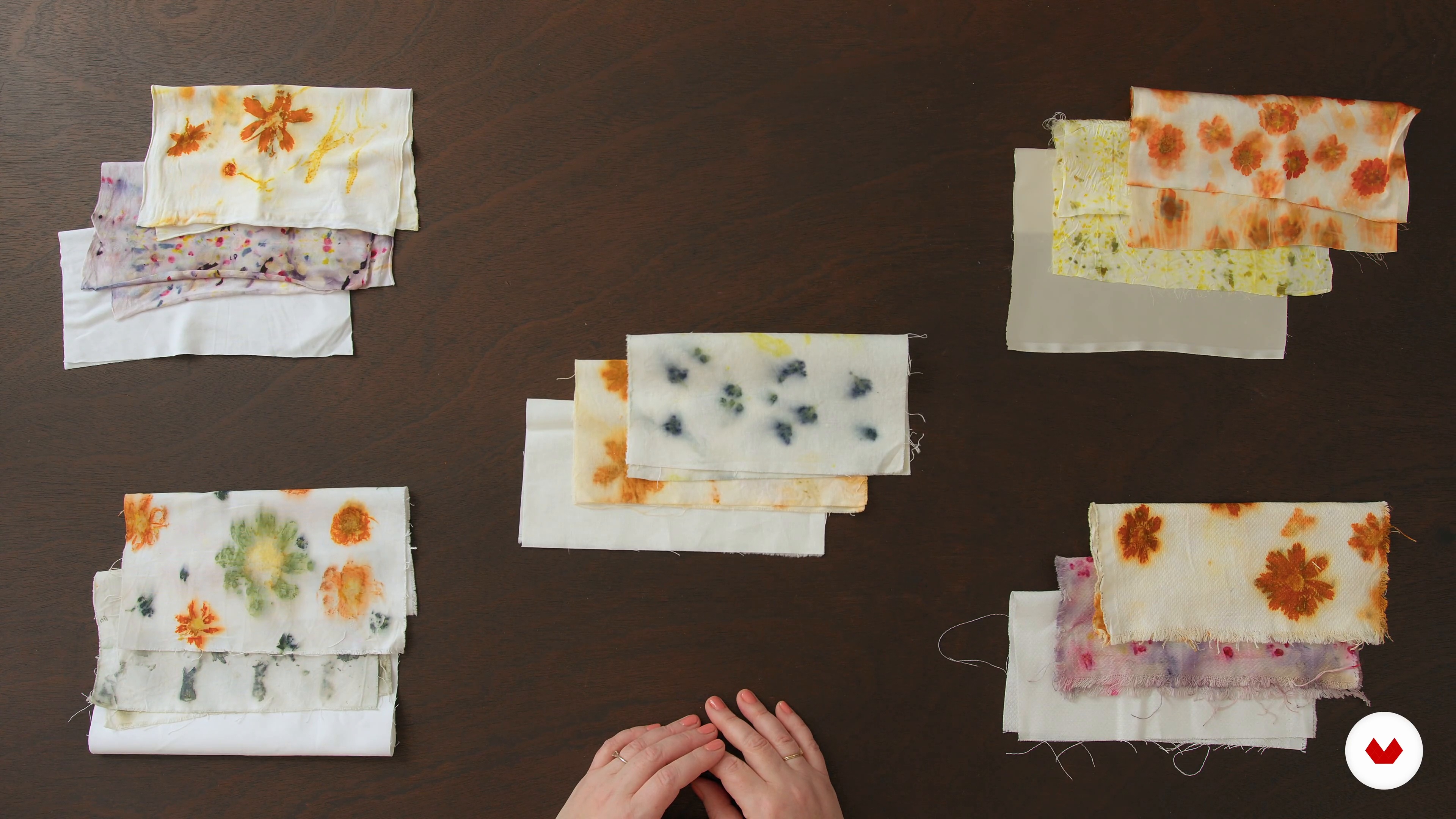
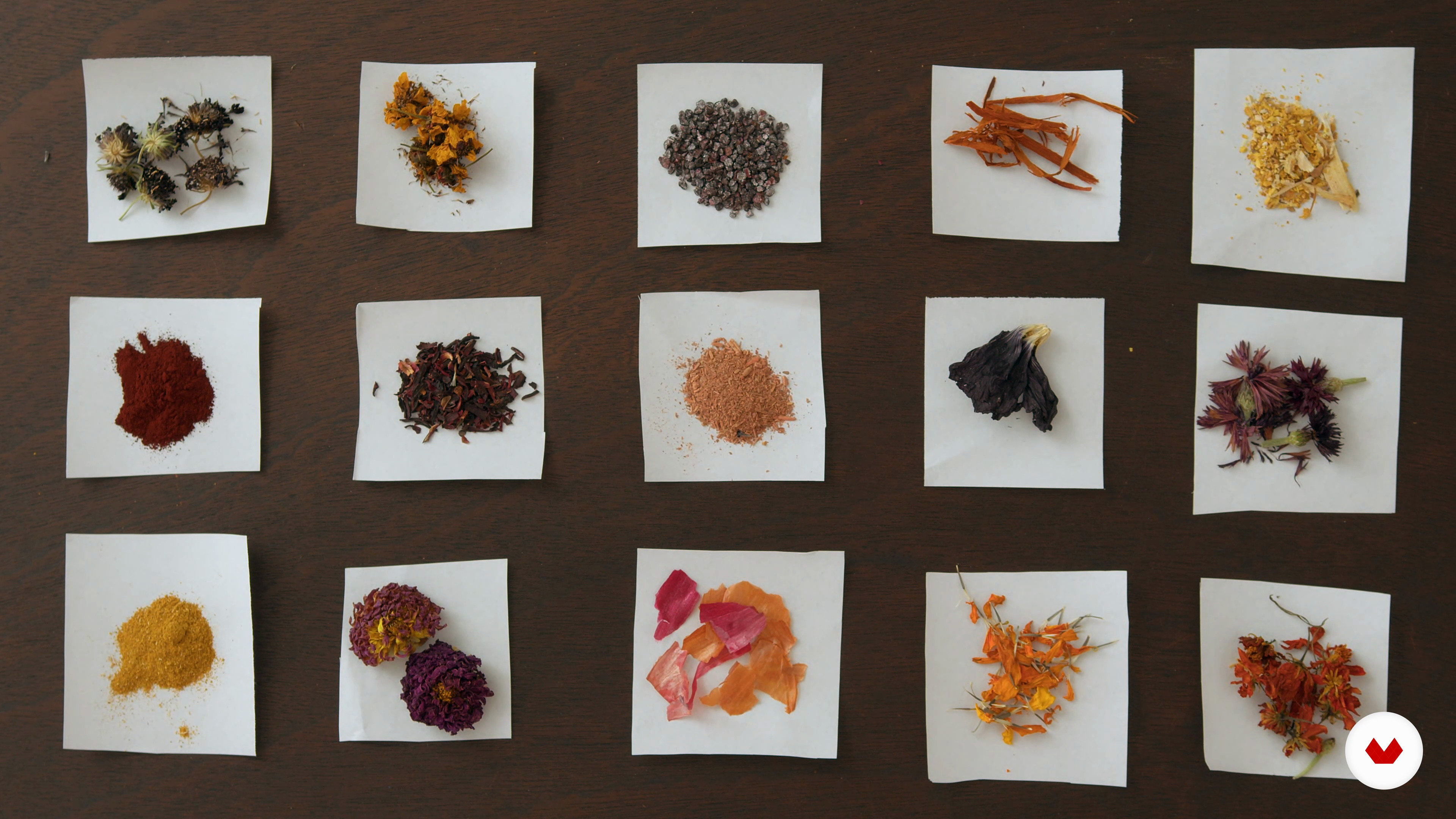
Immerse yourself in the vibrant world of natural dyeing, a craft that marries tradition with sustainability. This specialization is perfect for eco-conscious creators, textile artists, and fashion designers eager to explore the art of botanical alchemy. Guided by experts Lucrezia Moro, Anabel Torres, Amanda de Beaufort, and Tatiana Polo, you will embark on a transformative journey. From extracting plant-based dyes and mastering pigment creation to exploring three-dimensional shibori techniques, this program offers a comprehensive exploration of natural dyeing processes.
Each course builds upon the previous, ensuring a deep understanding of sustainable textile practices. Discover how to harness local botanicals for eco-printing, develop a library of lasting pigments, and create stunning textile paintings. This learning path emphasizes ecological responsibility, focusing on zero-waste techniques, local sourcing, and water conservation. By the end, you'll have the skills to produce radiant, eco-friendly textiles that honor both traditional methods and contemporary environmental consciousness. Embrace the beauty of nature's palette and let it inspire your creative vision.
What will you learn in this specialization?








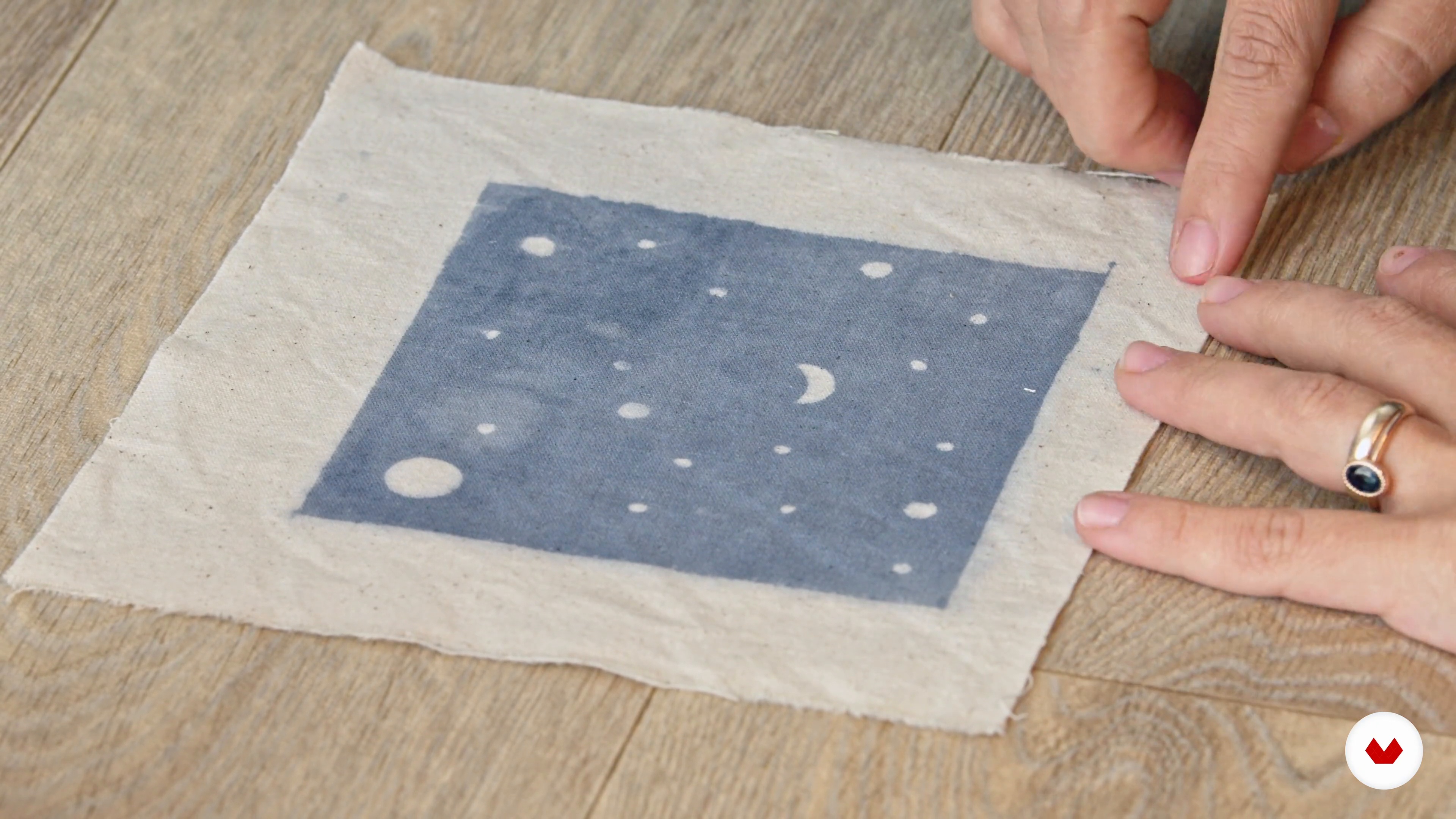
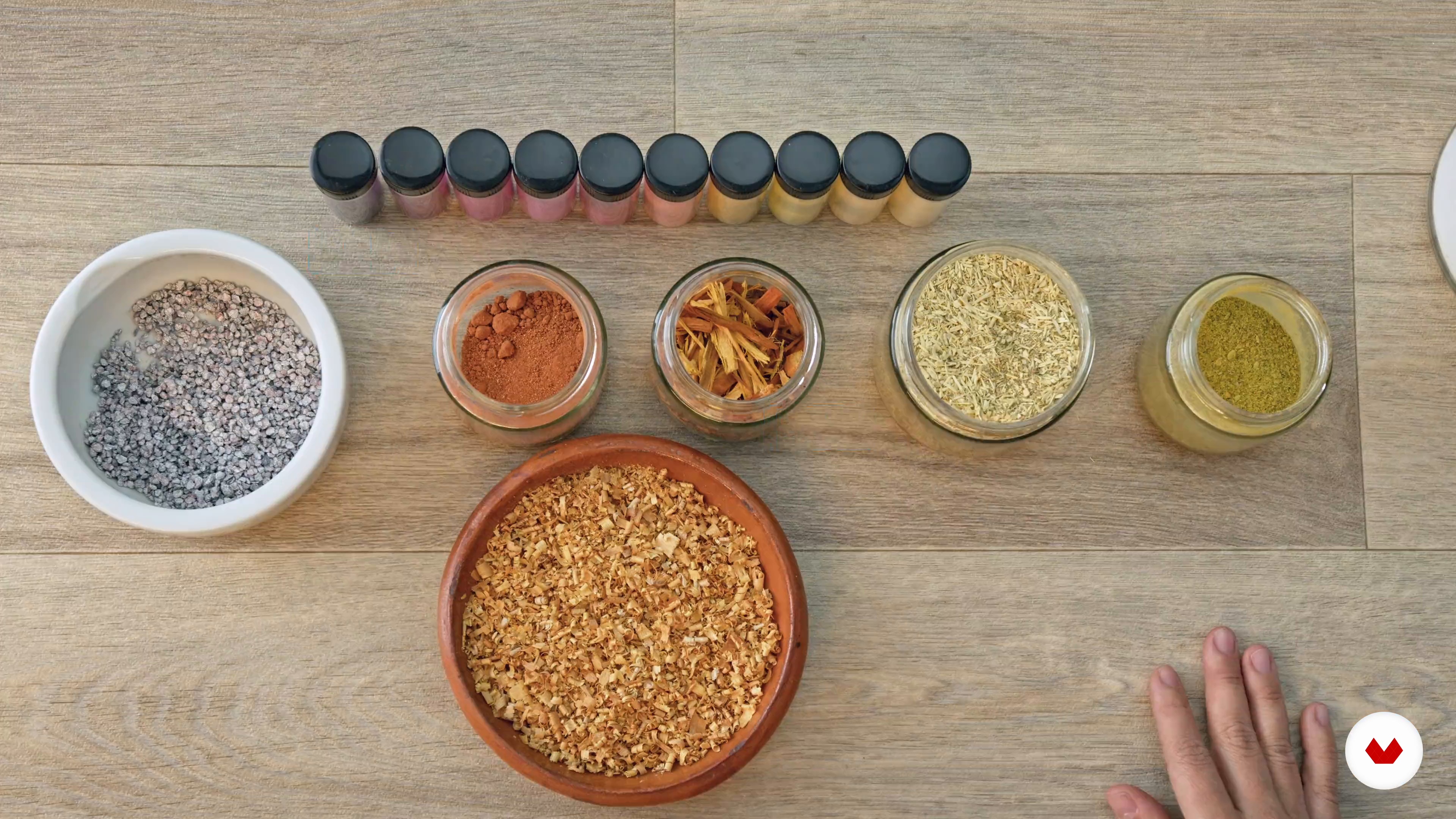

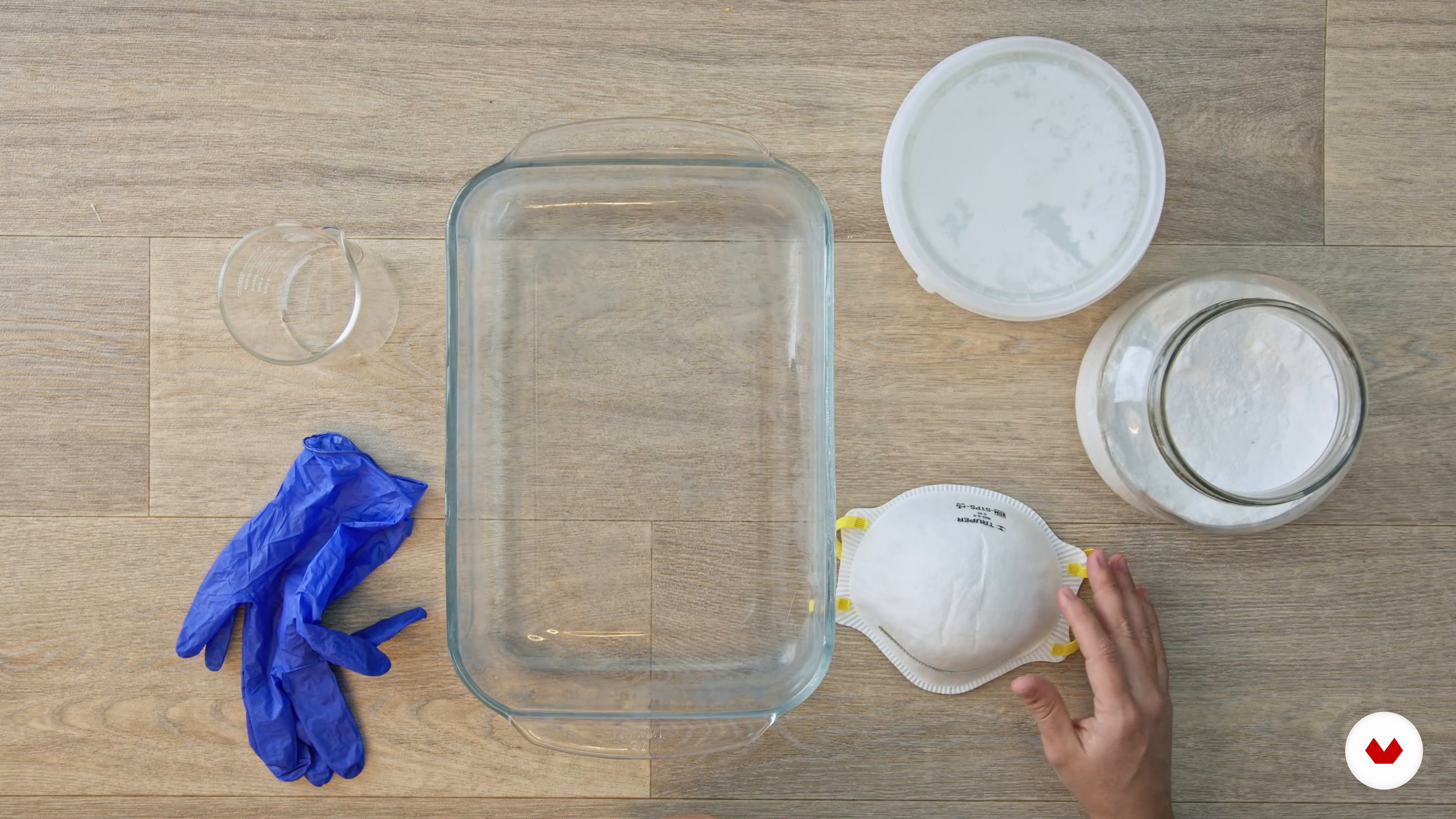
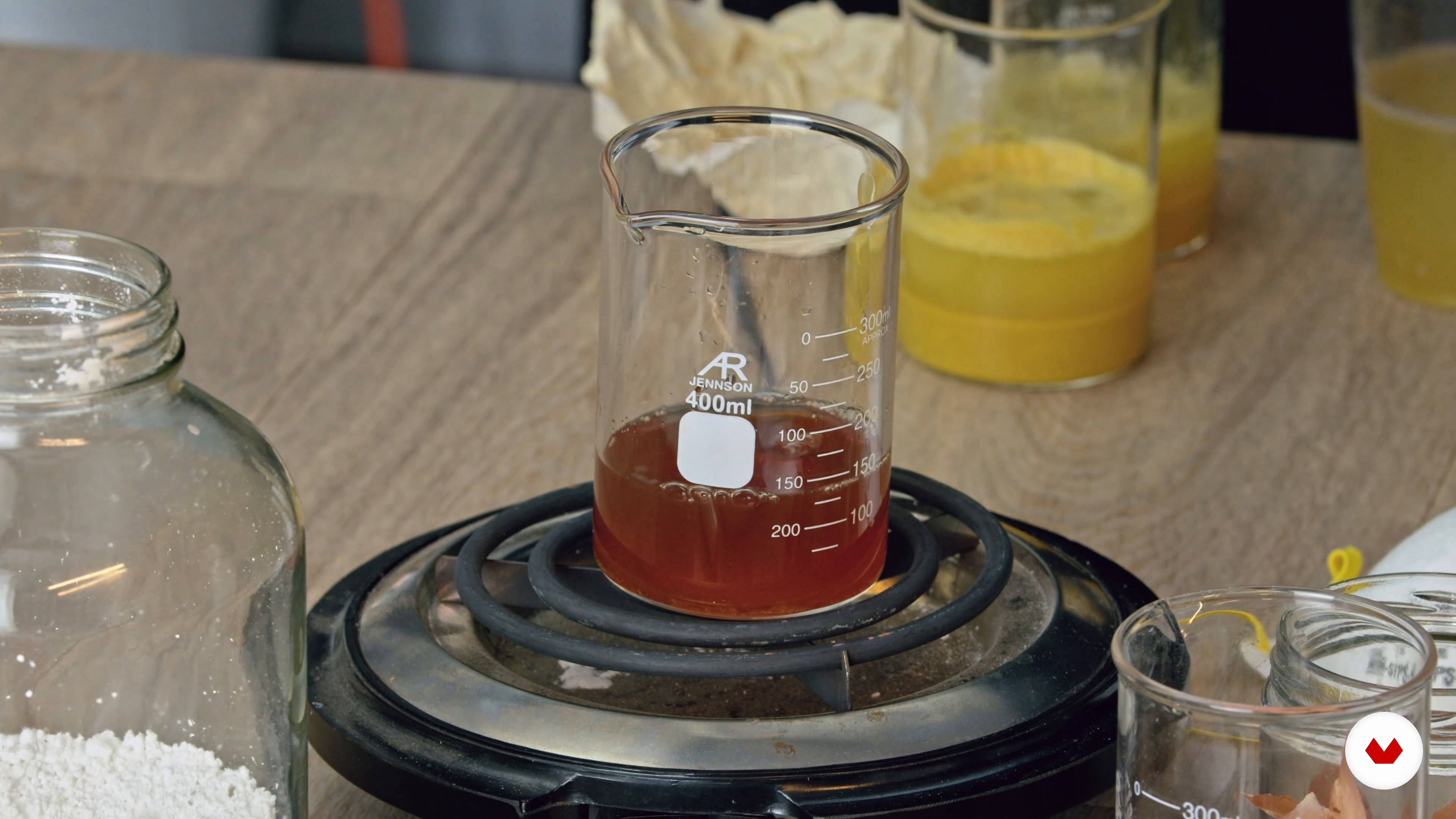
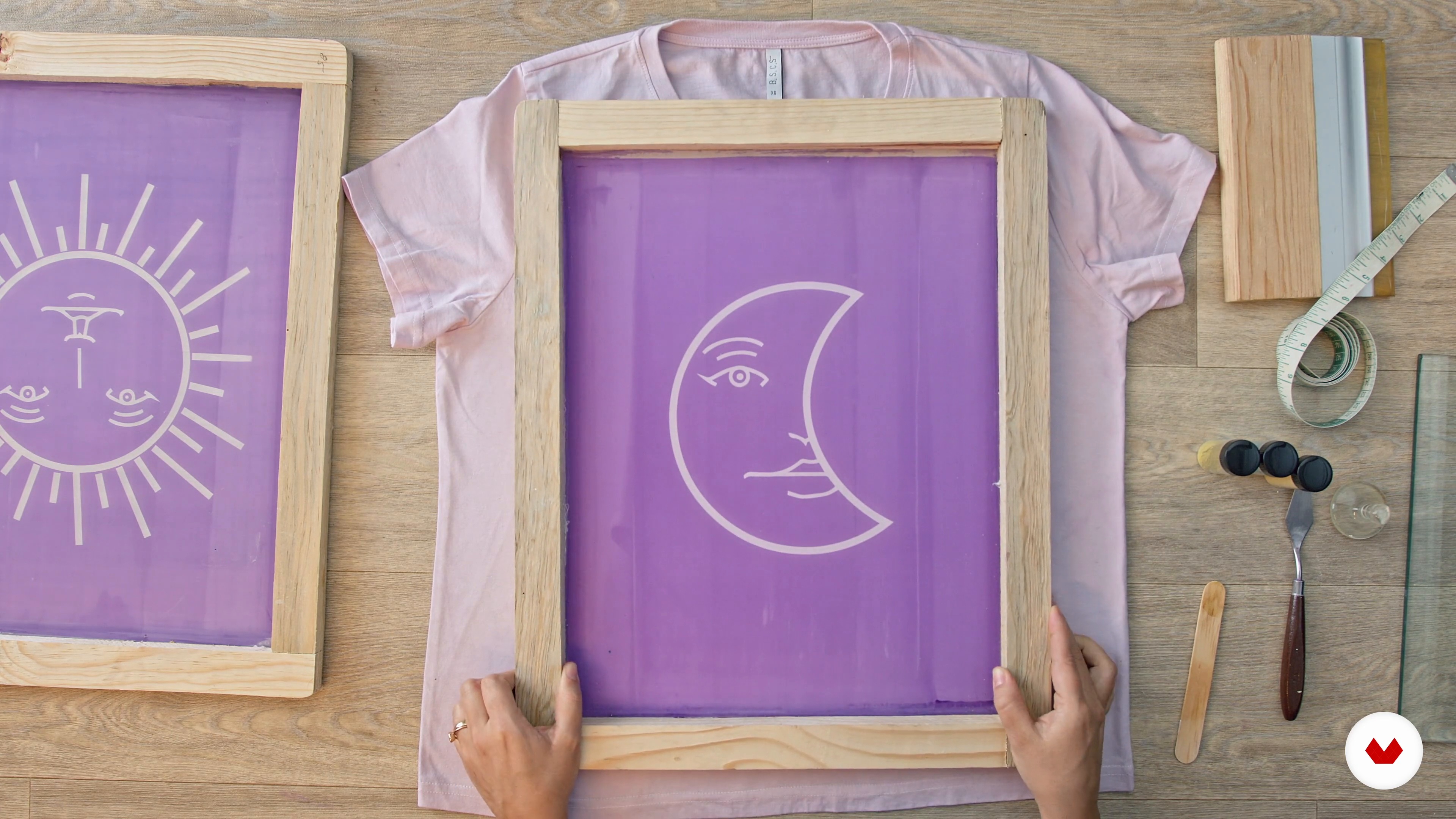
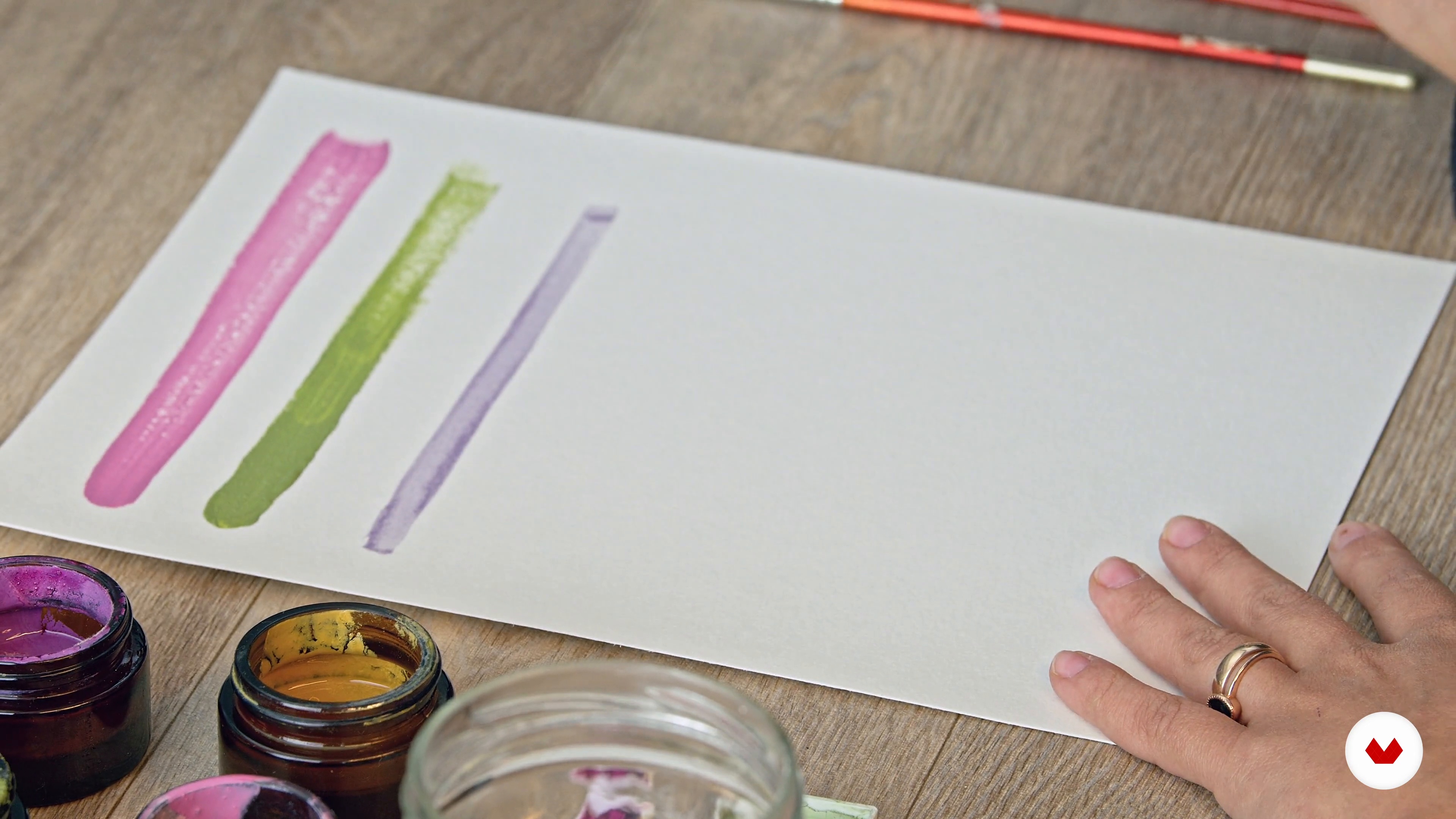

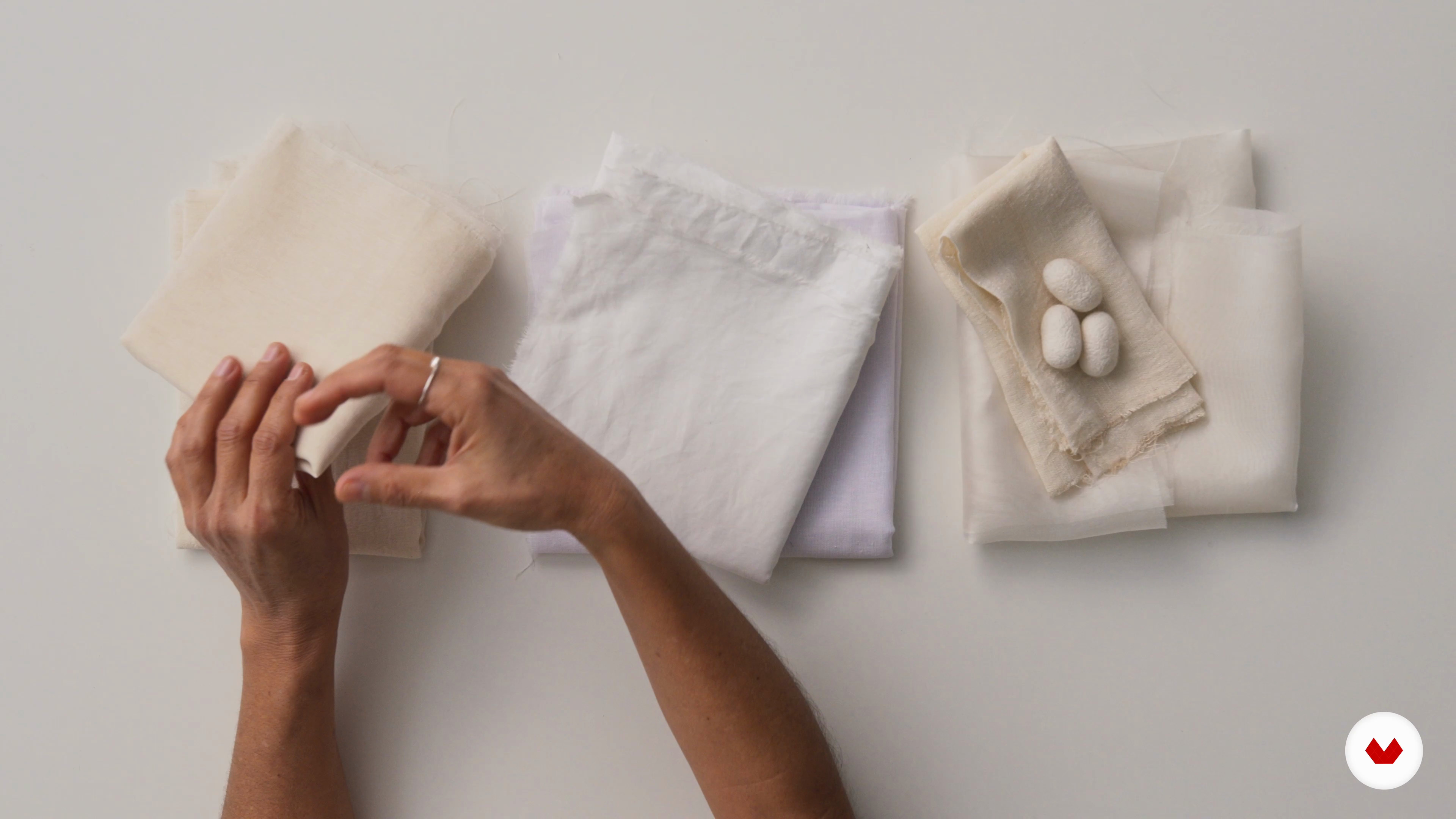
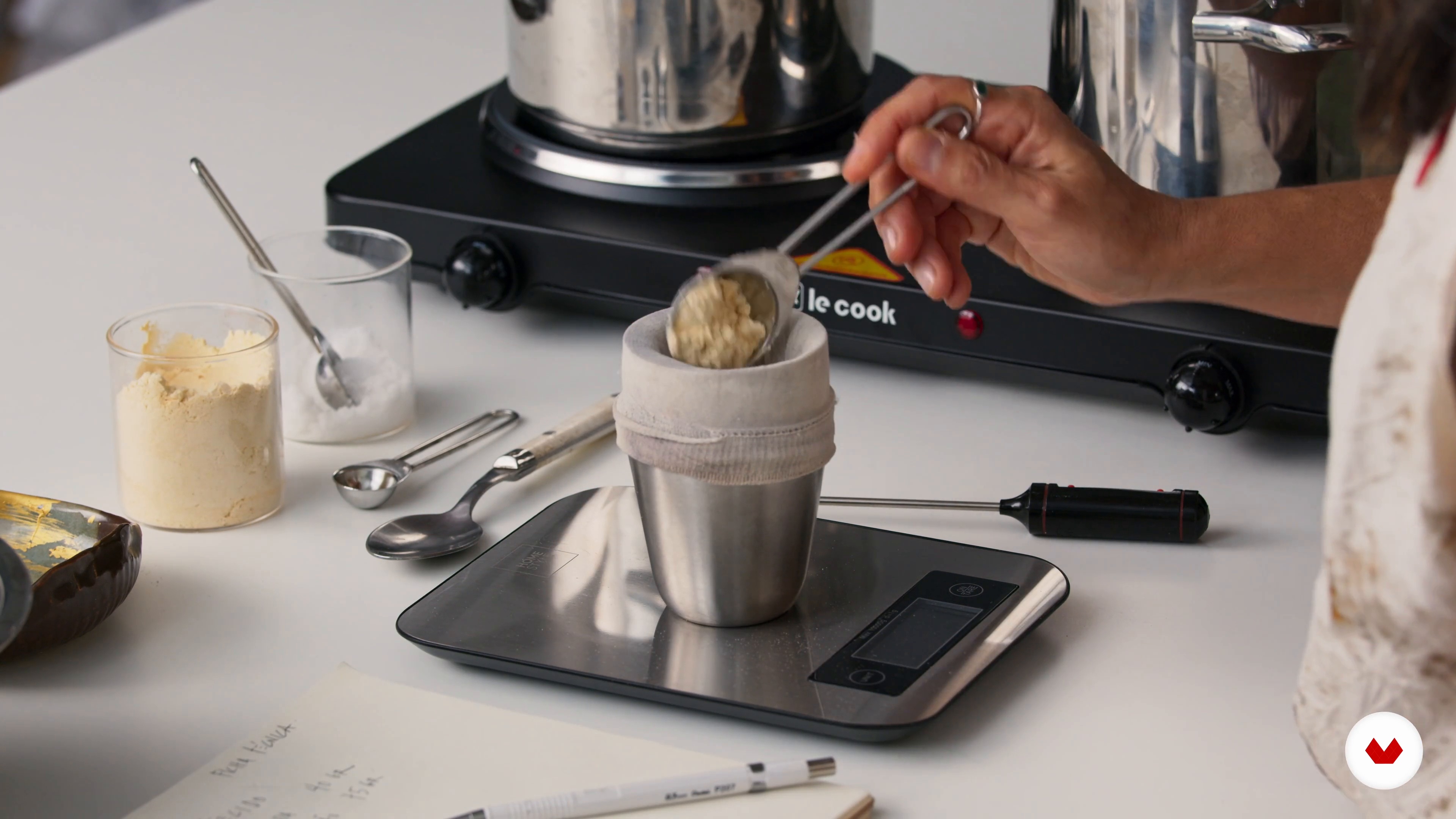




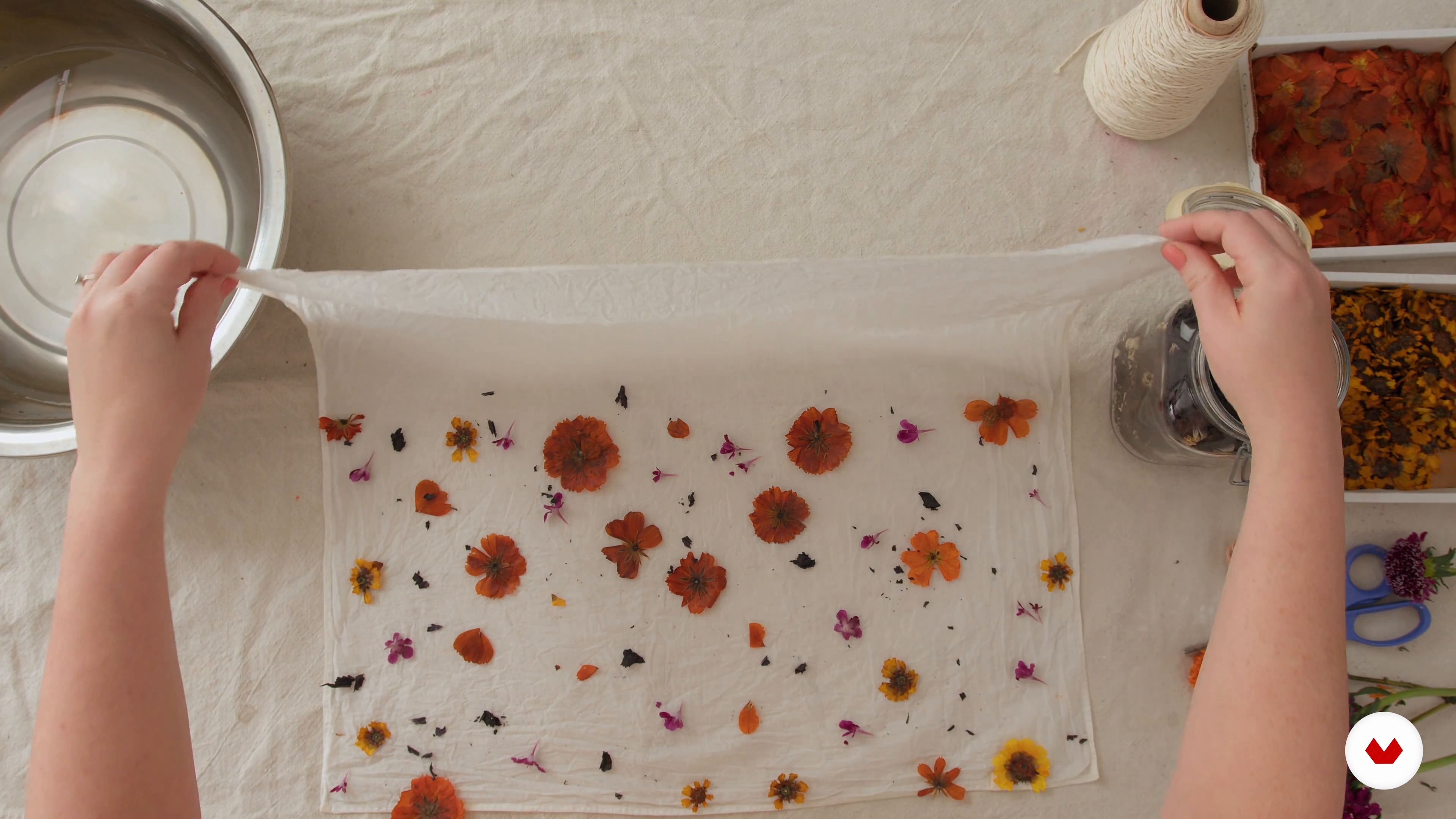
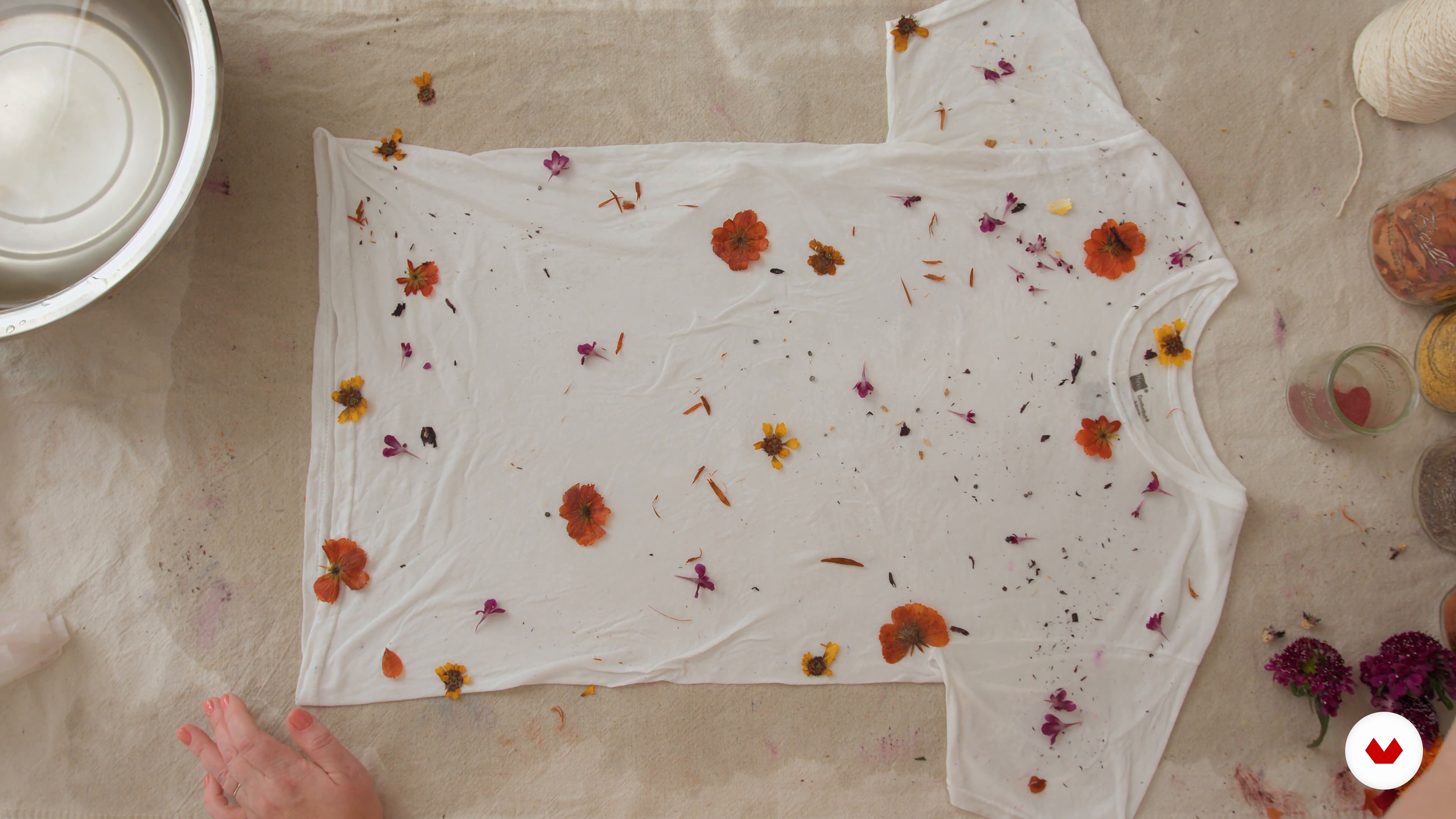
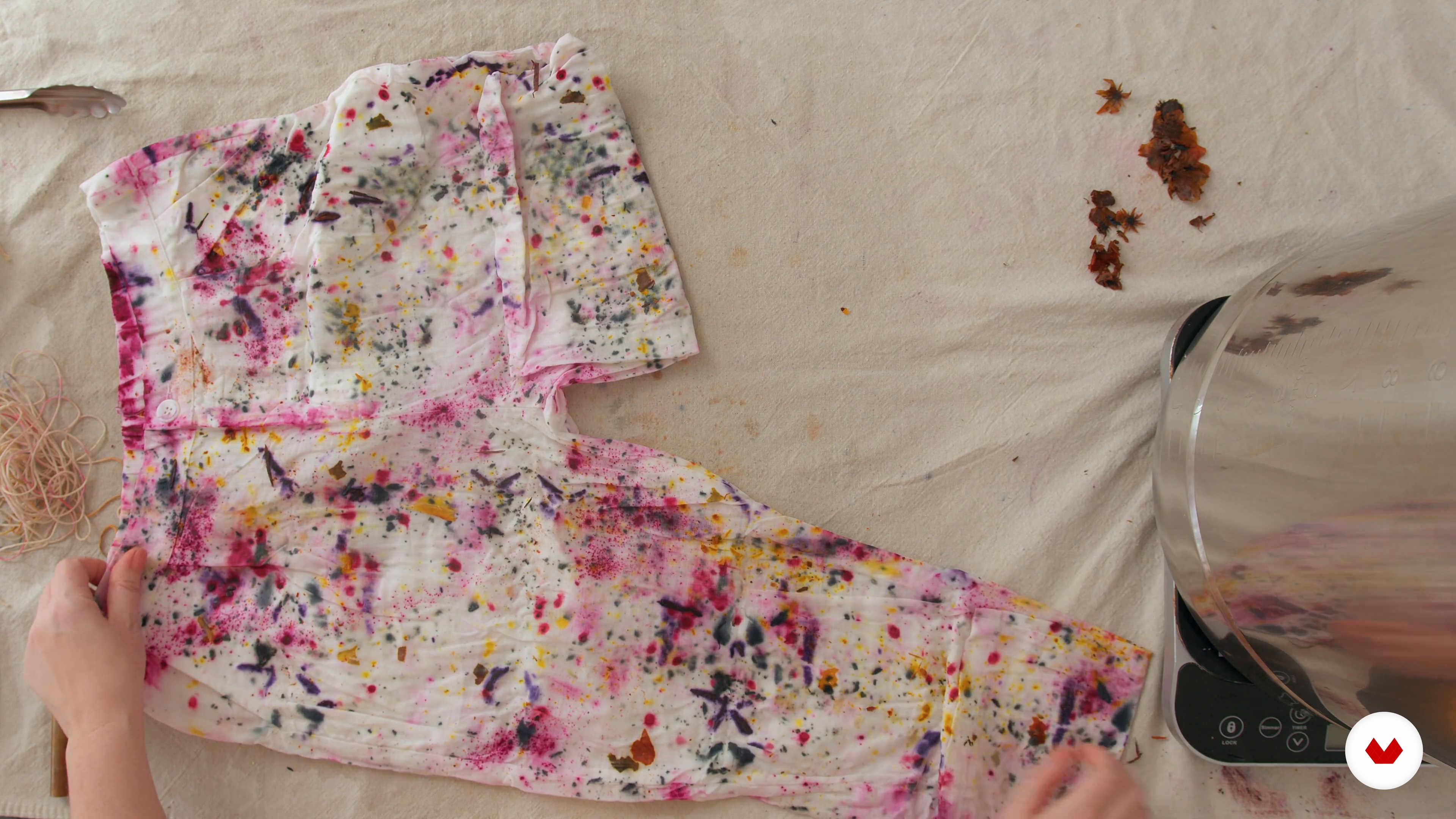
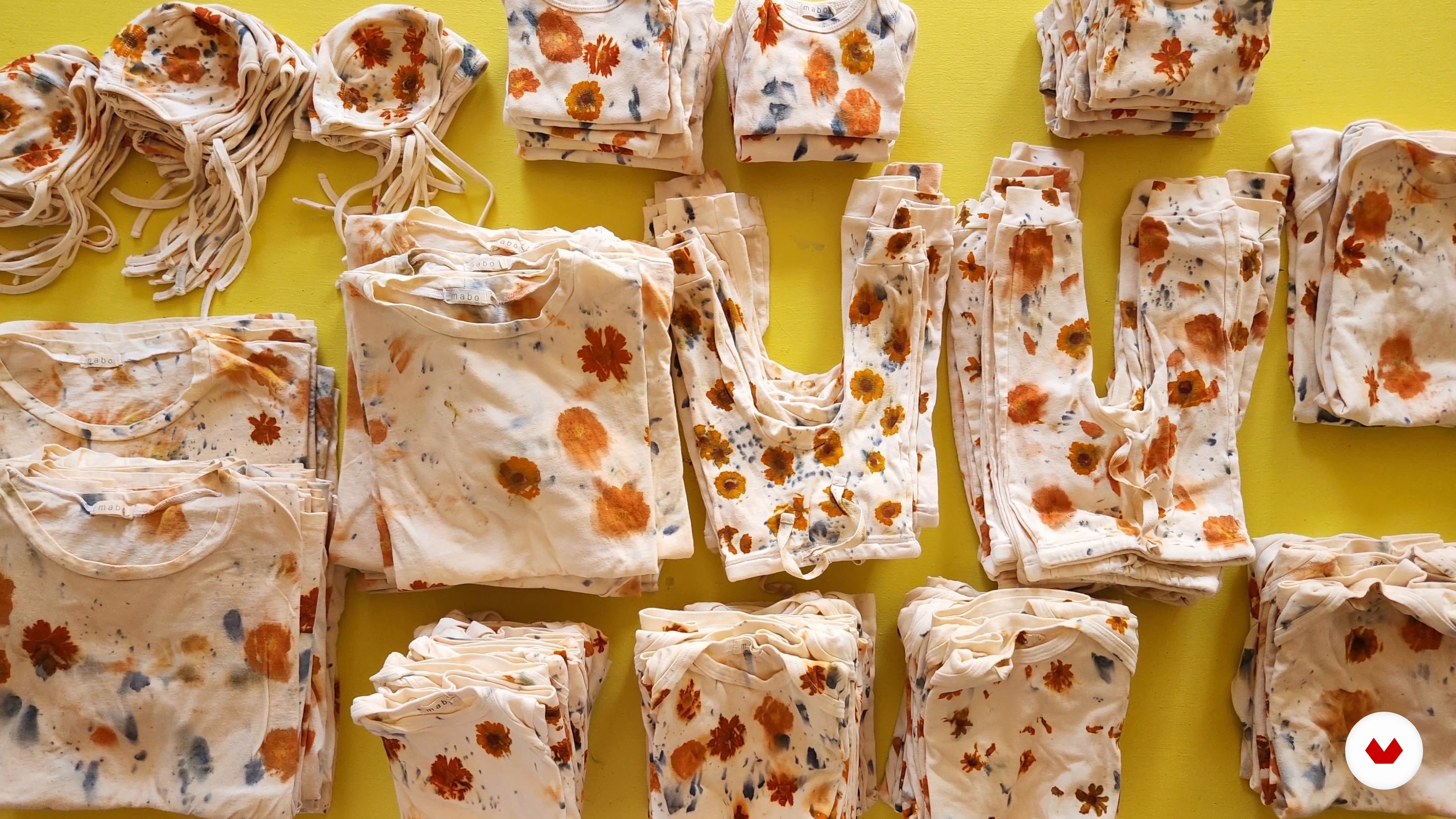
- 100% positive reviews (1)
- 248 students
- 67 lessons (10h 10m)
- 91 additional resources (38 files)
- Online and at your own pace
- Audio: English, German, Spanish, Spanish (Latam), French, Indonesian, Italian, Dutch, Polish, Portuguese, Romanian, Turkish
- French · Turkish · English · Spanish · Portuguese · German · Italian · Polish · Dutch · Romanian · Indonesian
- Level: Beginner
- Unlimited access forever
What is this course's project?
Students will create a comprehensive sustainable textile collection, showcasing mastery in natural dyeing techniques. They will document their process from botanical sourcing to finished pieces, focusing on technical skills, environmental stewardship, and innovation in sustainable practices.
Who is this specialization for?
Textile artists, sustainable fashion designers, and eco-conscious creators eager to master natural dyeing techniques. Ideal for environmental educators in visual arts, artisans developing sustainable businesses, craft entrepreneurs focused on eco-friendly products, and traditional craft preservationists.
Requirements and materials
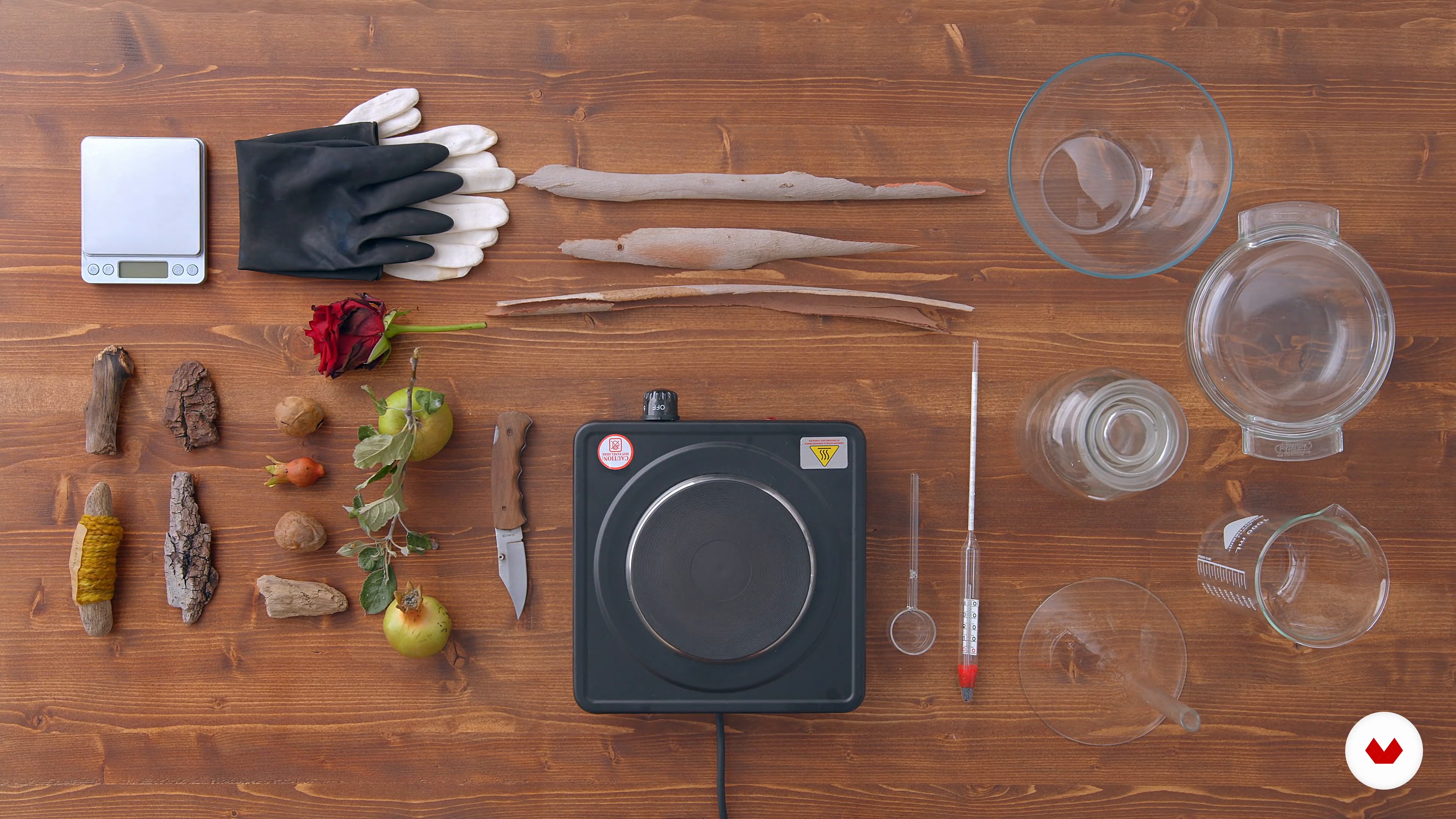
No extensive prior knowledge is needed. Gather plant materials, lightweight fabrics, basic sewing tools, and dye supplies. A stove and pots are essential. Curiosity and willingness to explore natural dyeing processes will enhance your experience as you create unique textiles.
Reviews
What to expect from this specialization course
-
Learn at your own pace
Enjoy learning from home without a set schedule and with an easy-to-follow method. You set your own pace.
-
Learn from the best professionals
Learn valuable methods and techniques explained by top experts in the creative sector.
-
Meet expert teachers
Each expert teaches what they do best, with clear guidelines, true passion, and professional insight in every lesson.
-
Certificates
PlusIf you're a Plus member, get a custom certificate for every specialization course. Share it on your portfolio, social media, or wherever you like.
-
Get front-row seats
Videos of the highest quality, so you don't miss a single detail. With unlimited access, you can watch them as many times as you need to perfect your technique.
-
Share knowledge and ideas
Ask questions, request feedback, or offer solutions. Share your learning experience with other students in the community who are as passionate about creativity as you are.
-
Connect with a global creative community
The community is home to millions of people from around the world who are curious and passionate about exploring and expressing their creativity.
-
Watch professionally produced courses
Domestika curates its teacher roster and produces every course in-house to ensure a high-quality online learning experience.
FAQs
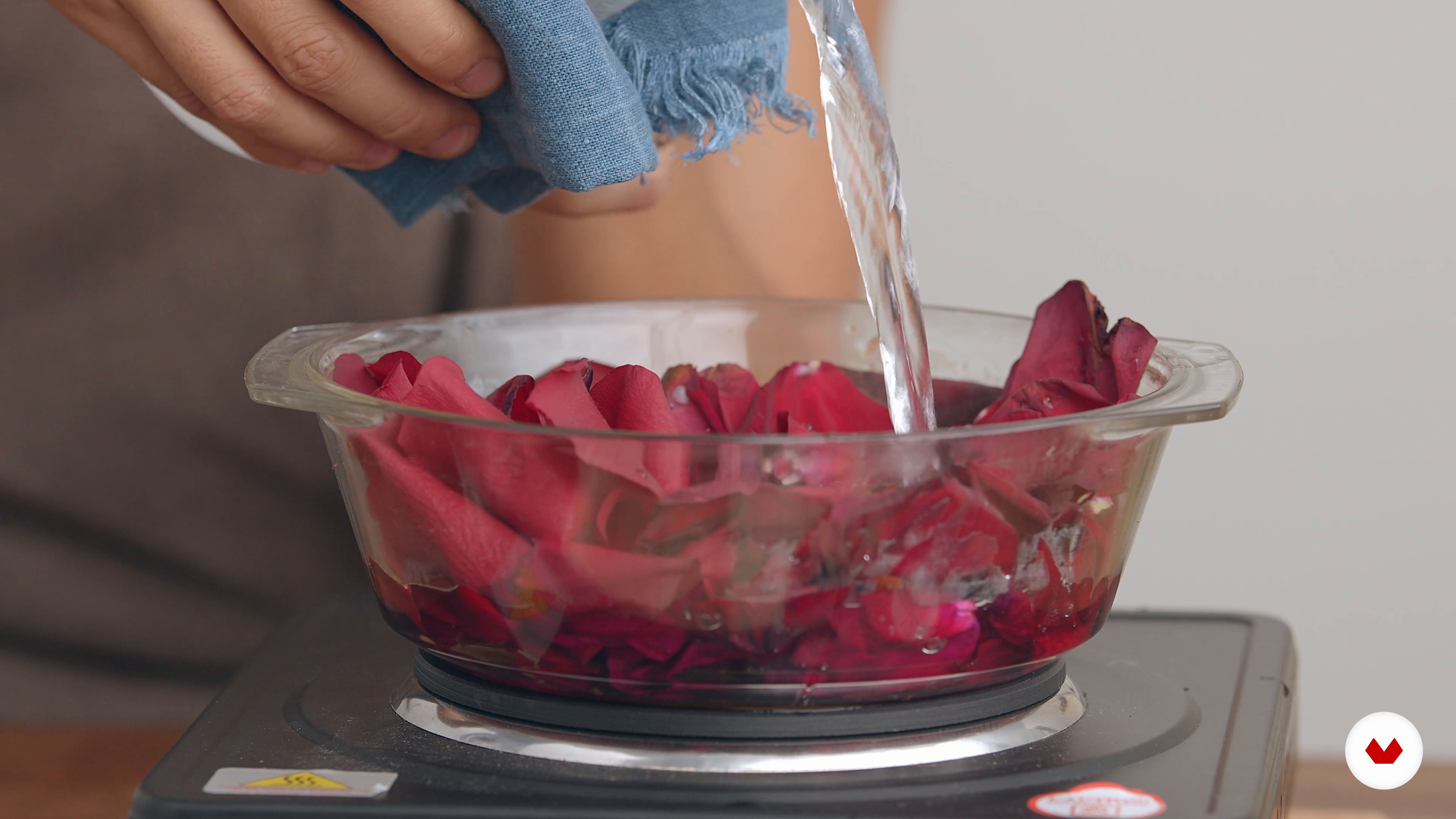
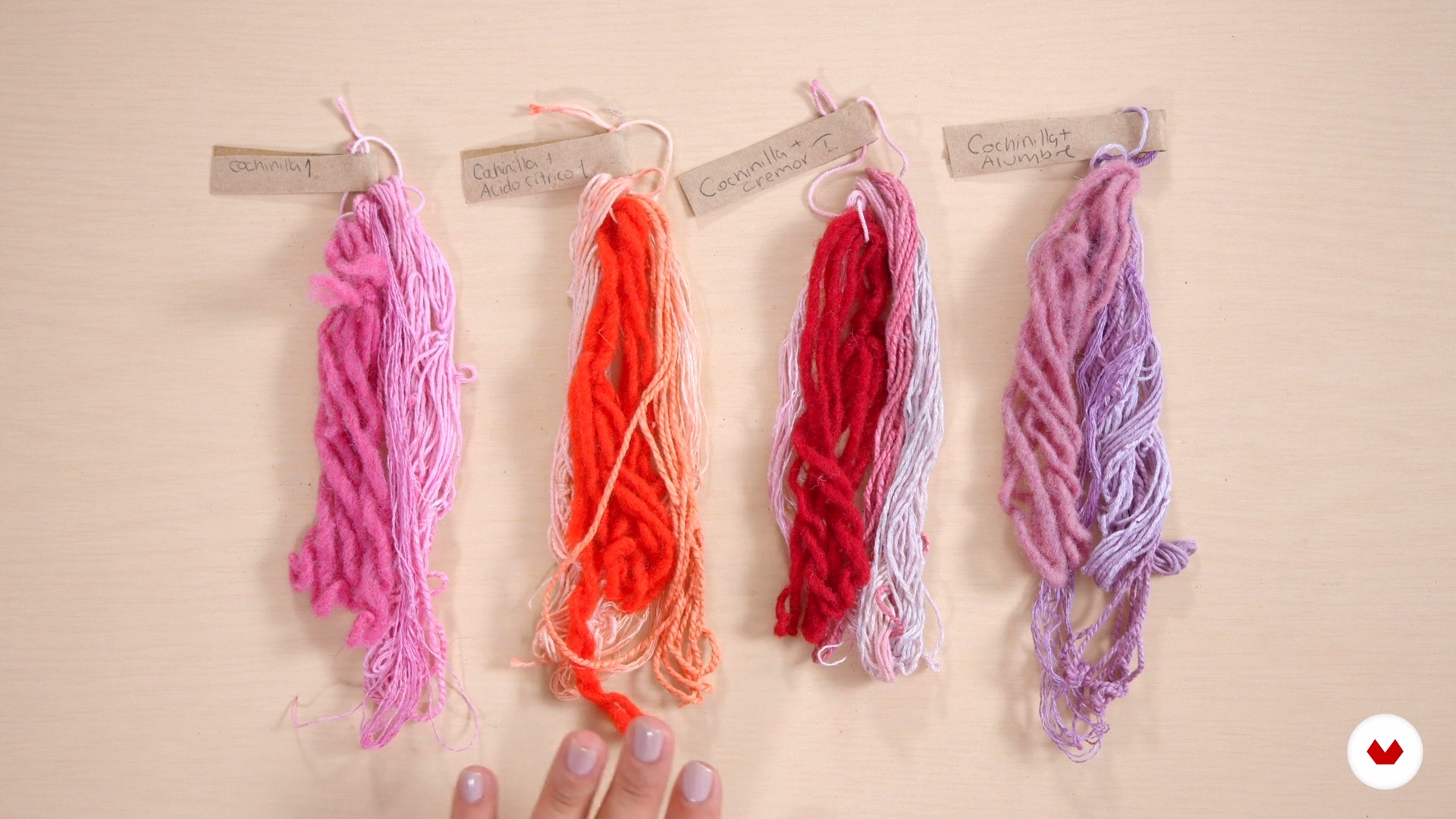
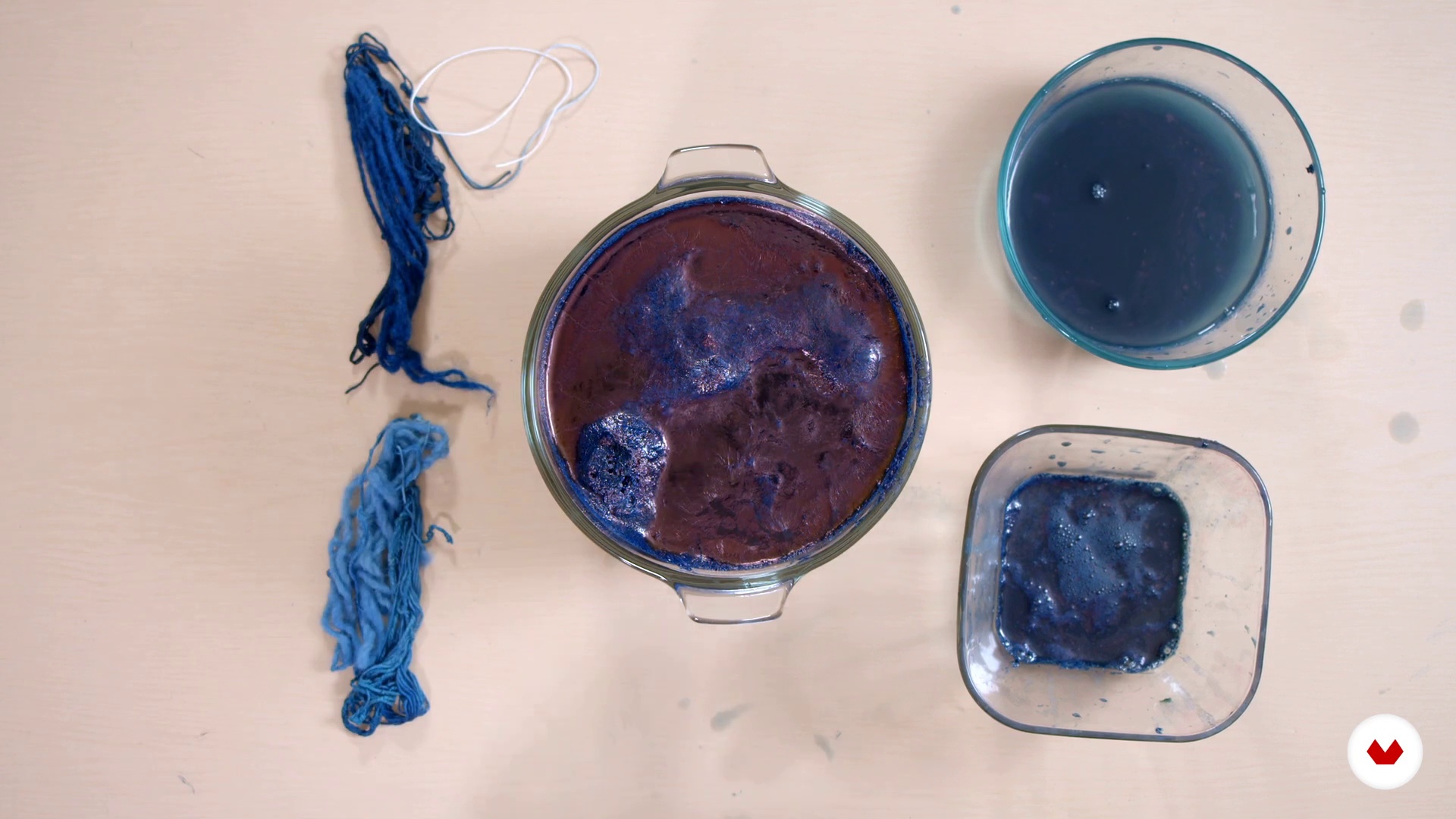
Botanical dyeing is a method of coloring textiles using pigments extracted from plants, flowers, and natural materials. It involves preparing fabric, applying plant-based dyes, and using techniques like steaming or immersion to transfer color and create unique patterns.
Yes, this course is designed for beginners. It covers the basics of natural dyeing, fiber preparation, and botanical printing, making it accessible for those with no prior experience.
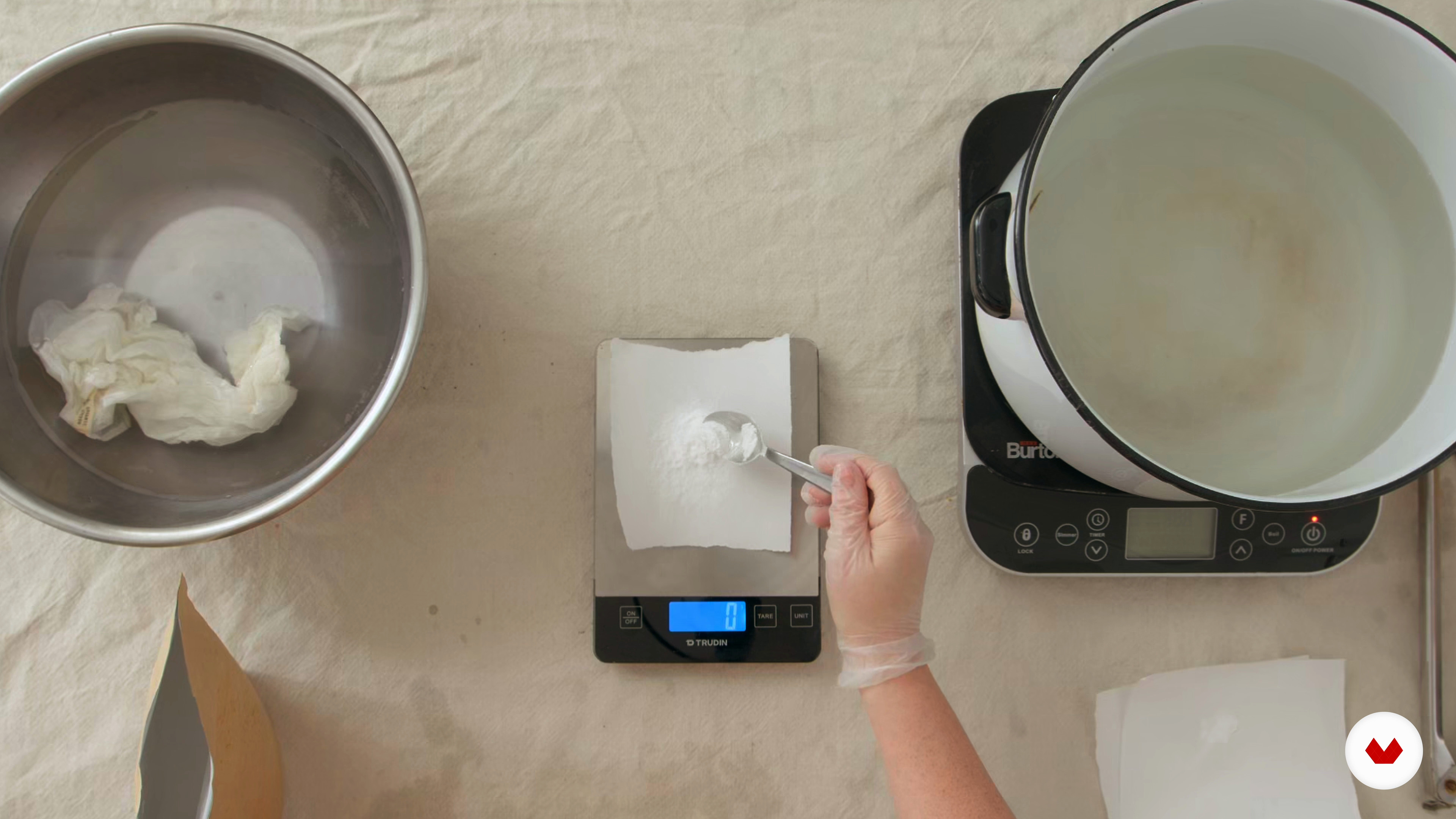
You’ll need natural fabrics (like cotton or linen), plant materials (flowers, onion skins, etc.), basic kitchen tools (pots, tongs, measuring cups), mordants like aluminum acetate, and safety gear such as gloves. The course provides a full materials list.
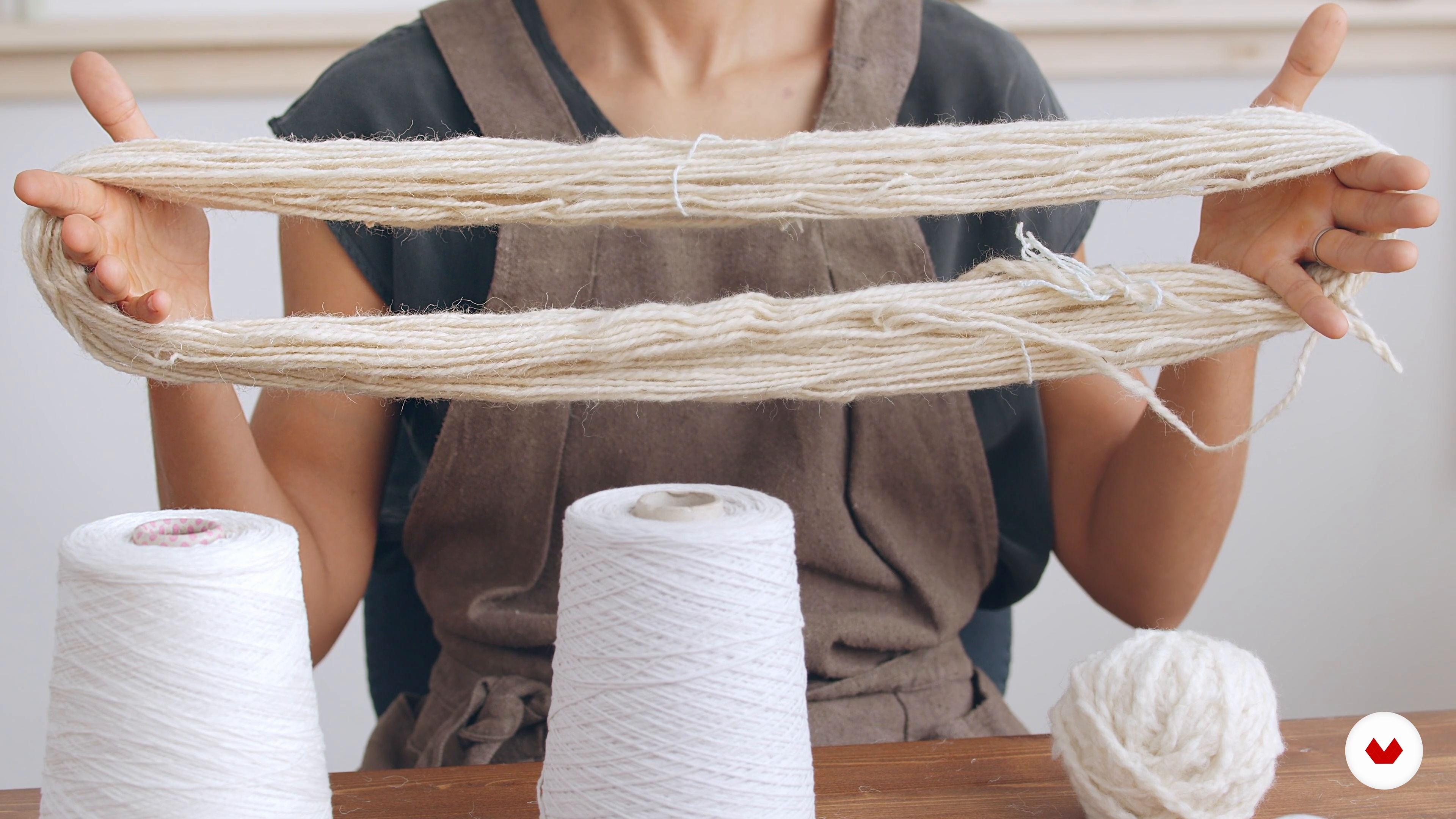
You’ll learn how to identify and prepare natural fibers, extract dyes from plants, use scouring and mordanting, create patterns with folding and rolling, and apply botanical printing methods to produce custom textile designs.
To prepare cotton or linen, you need to scour the fabric with soda ash to remove impurities, then mordant it with aluminum acetate to help the dye bond and improve colorfastness. Step-by-step guidance is included in the course.
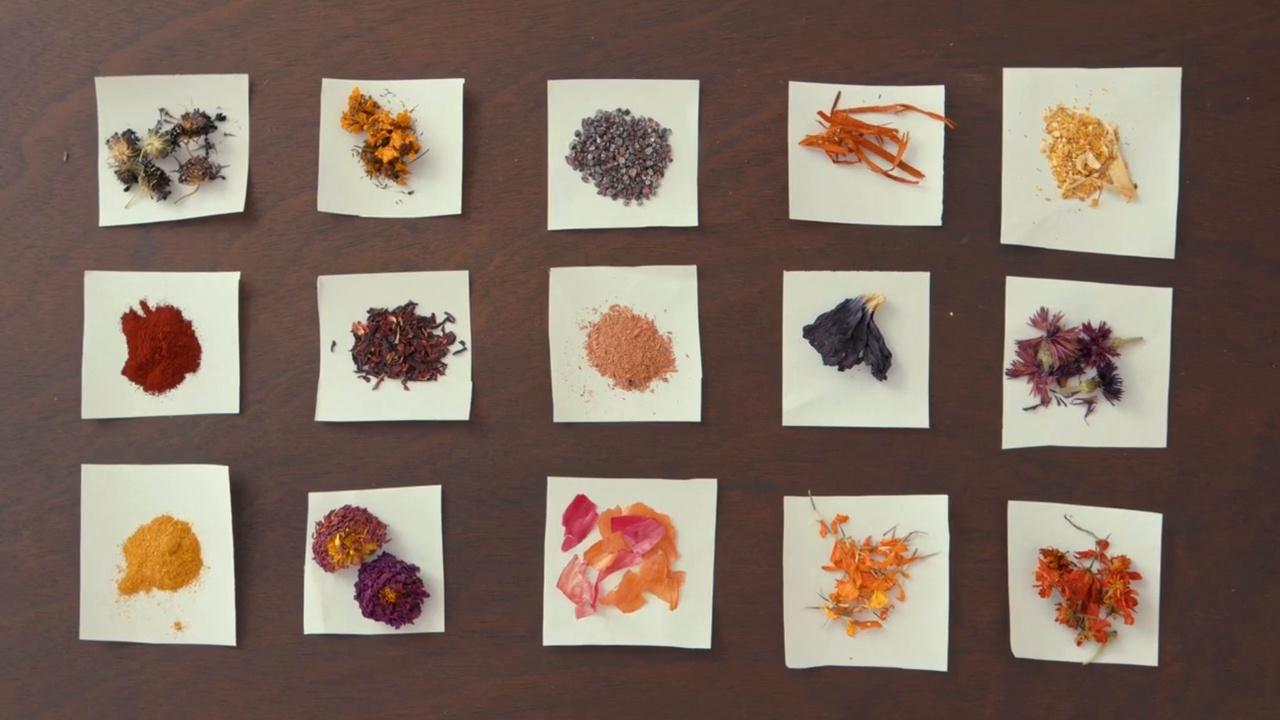
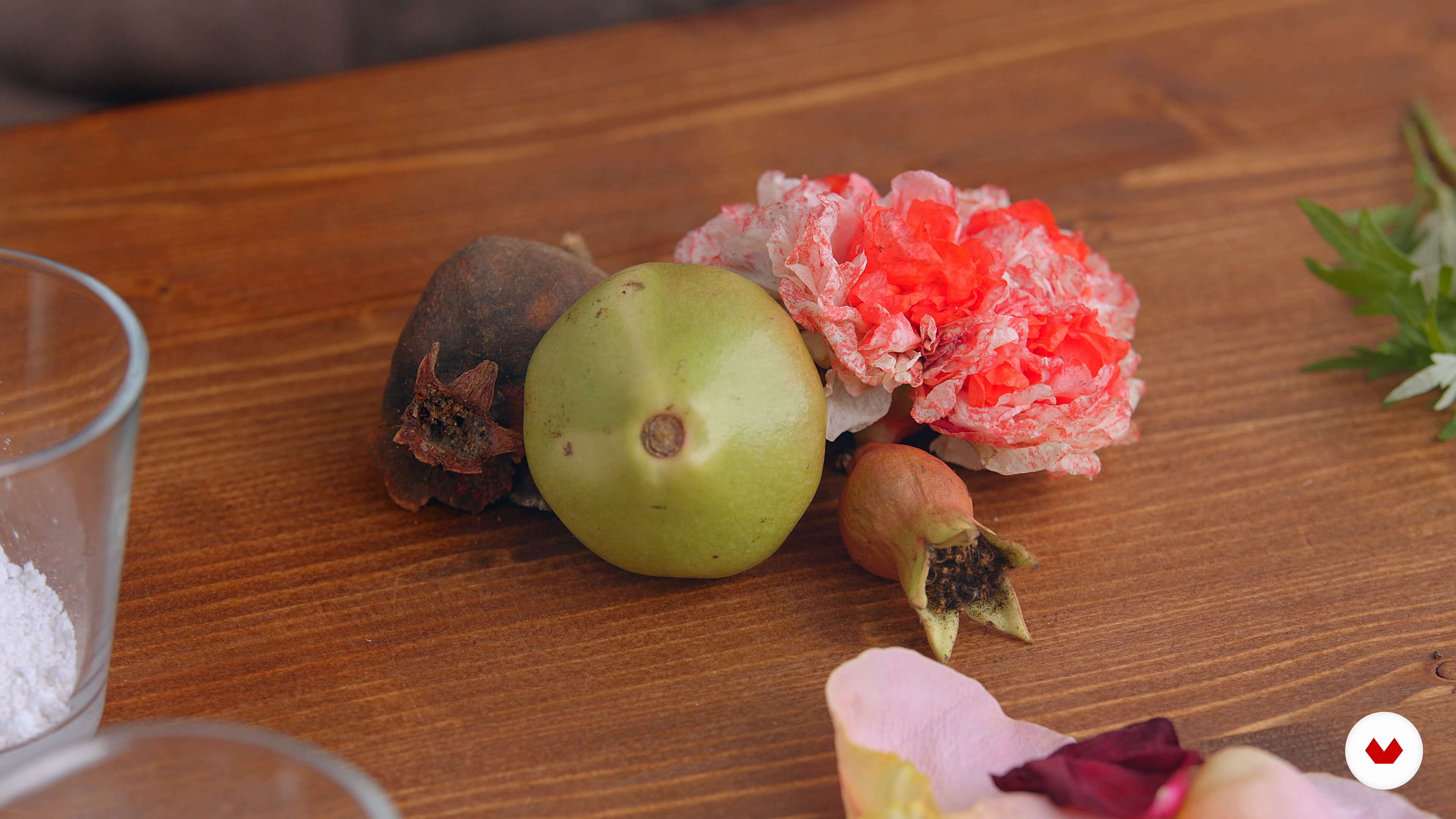
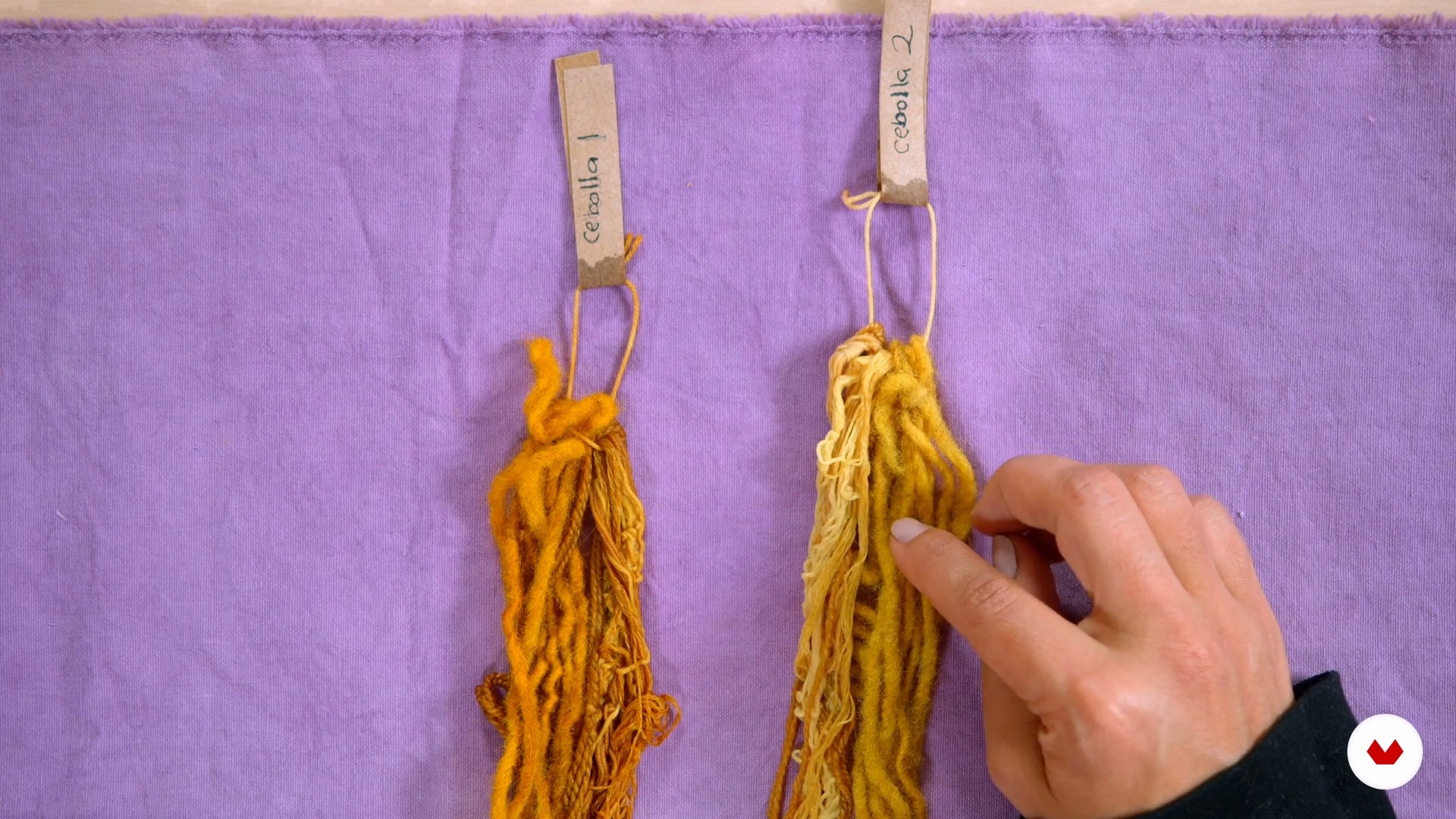
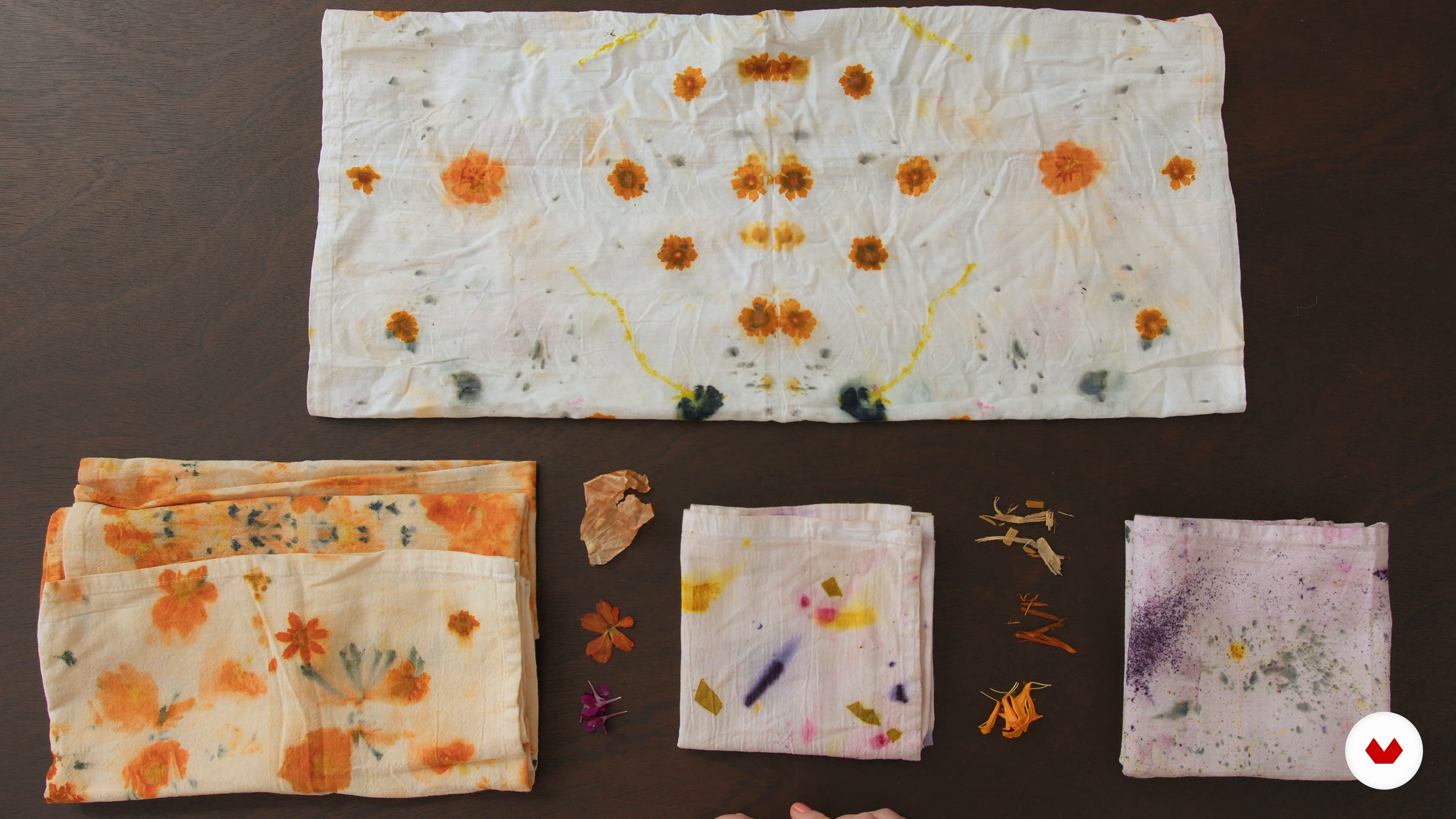
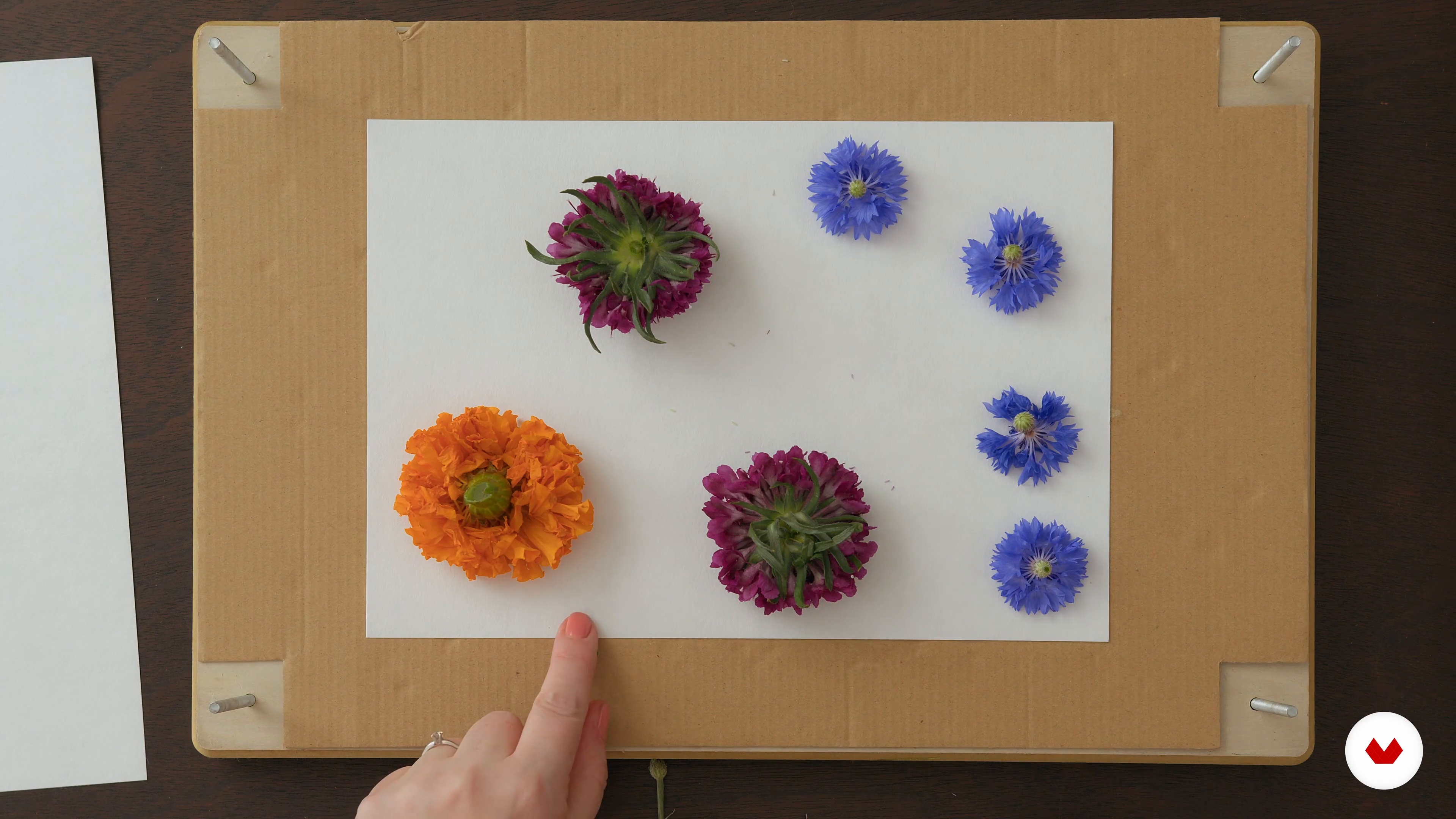
Yes, marigolds and onion skins are excellent natural dye sources. Marigolds yield yellow to orange hues, while onion skins produce earthy oranges and browns. The course shows you how to extract and apply these dyes.
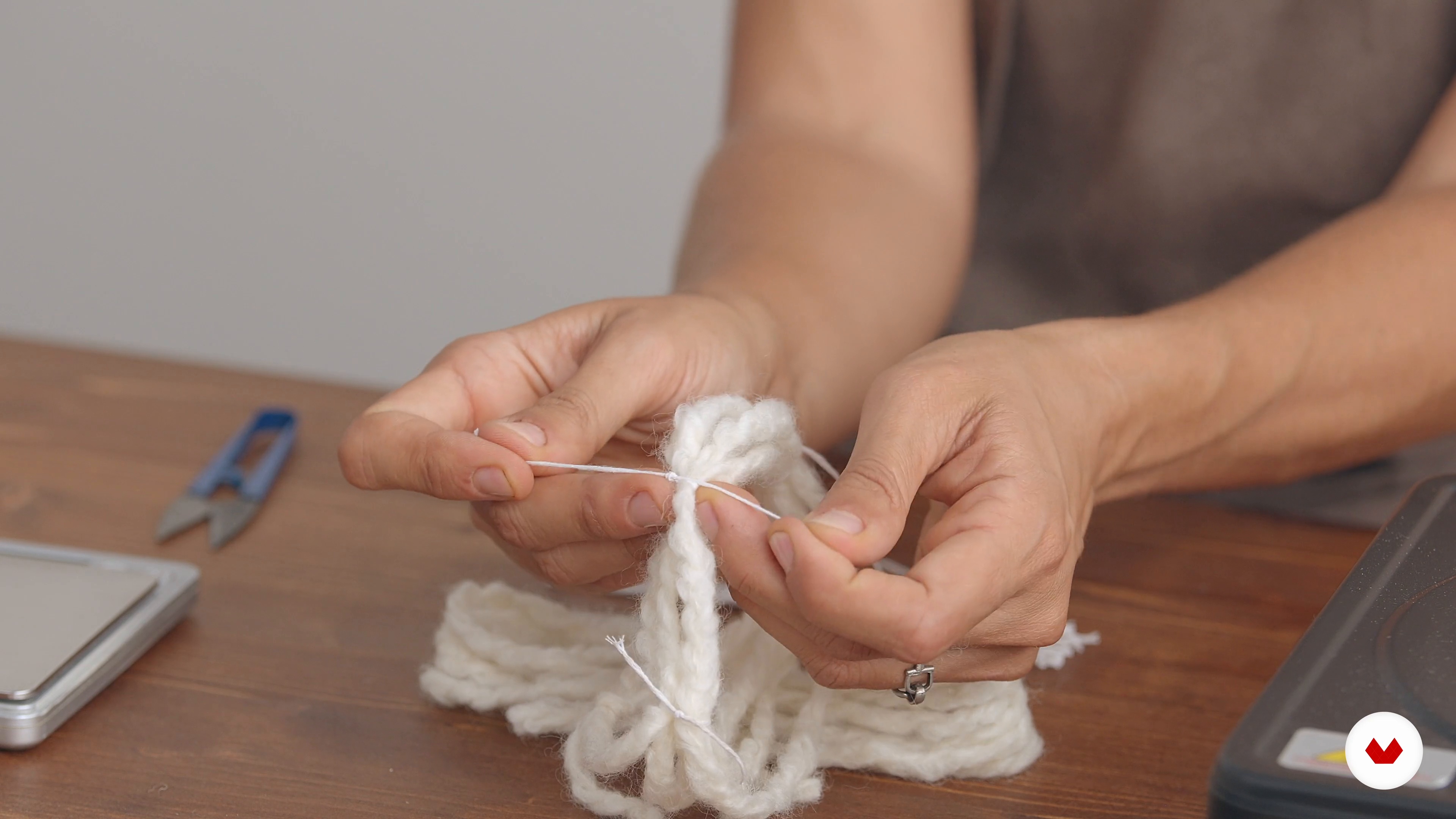
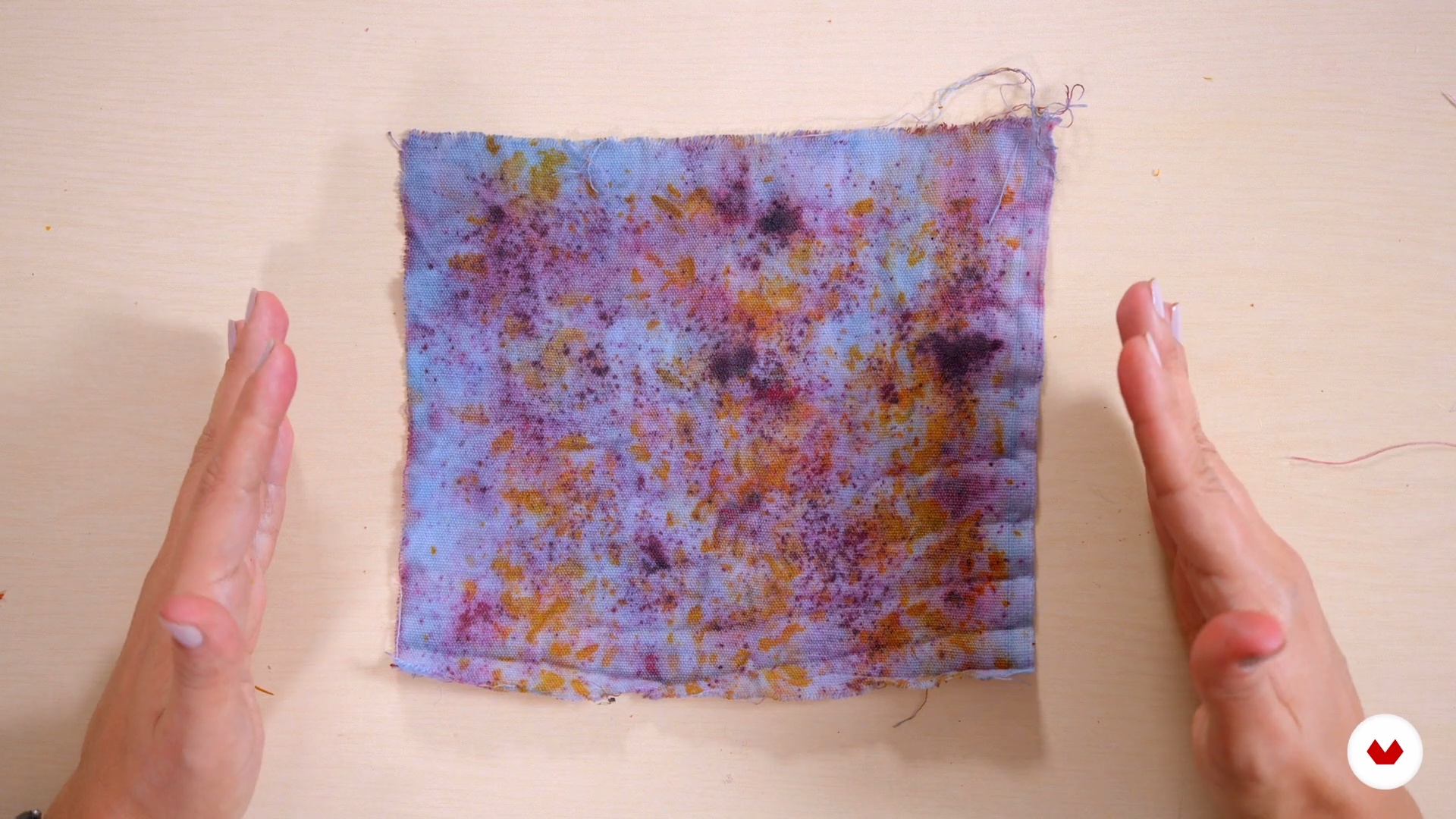
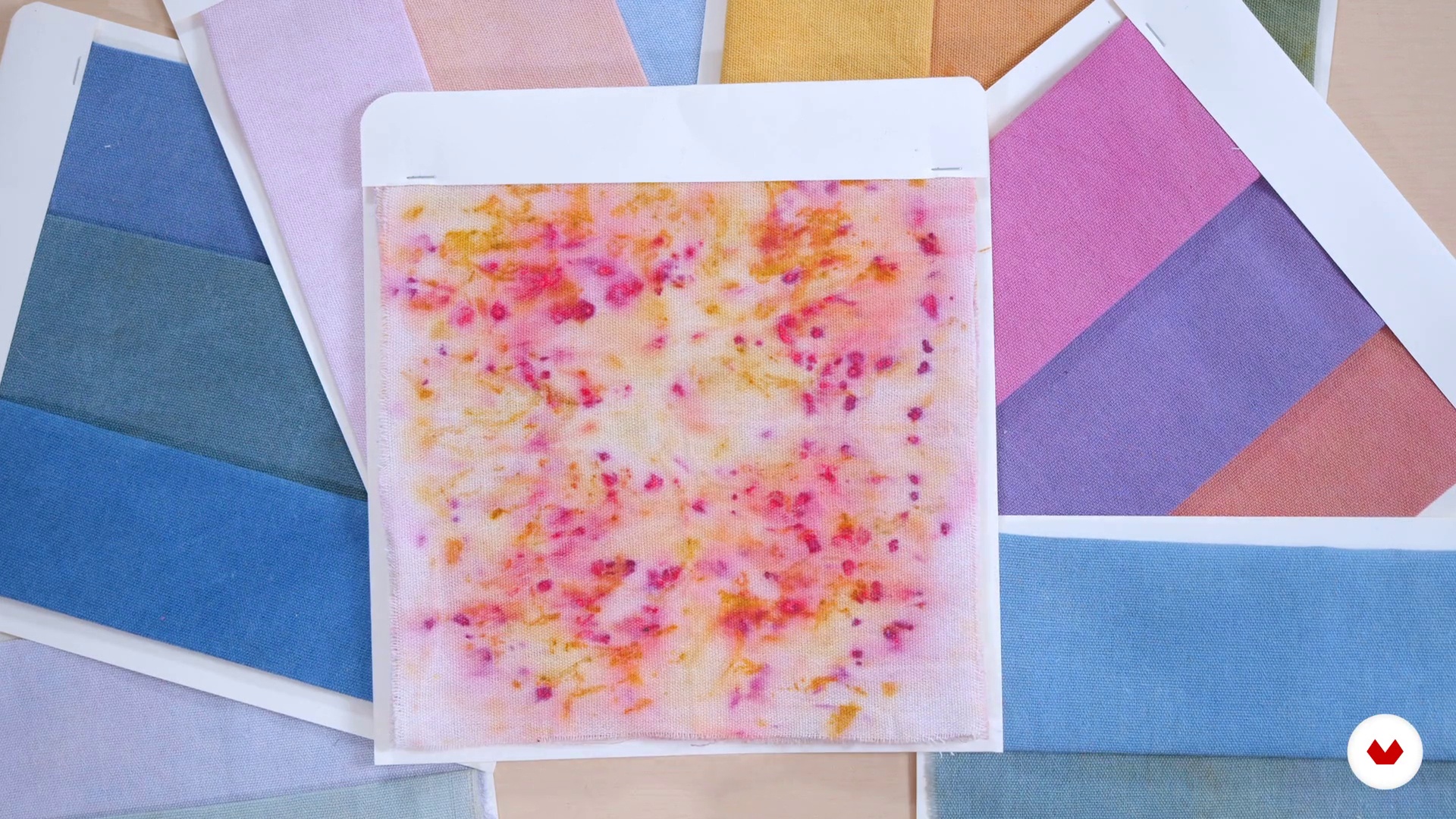
You can create mirror prints, geometric shapes, floral prints, and abstract watercolor textures using folding, rolling, binding, and resist techniques with fresh or dried botanicals.


Me encanta es muy divertido y amplio.