
Explore the art of lamp design using paper, macramé, resin, and ceramics to create unique, sustainable lighting pieces
Discover the art of lamp design and craftsmanship with a specialization that blends tradition and innovation. Delve into the world of lighting, exploring diverse materials including paper, macramé, resin, and ceramics. Learn to create unique pieces that merge functionality with aesthetic appeal. From the fundamentals of professional lighting design to specialized artisanal techniques, each course in this program offers a new perspective on how to illuminate spaces creatively.
Guided by expert artisans from Vida Útil, Kate Colin, Daniela Navas, Studio Nucleo - Piergiorgio Robino, and Marre Moerel, you'll master the craft of lamp making. Develop skills in structural design, color theory, and material manipulation while embracing sustainability and storytelling. By the end, you'll have a cohesive collection of handcrafted lamps that showcase your versatility and creativity. Transform your approach to lighting design by merging traditional techniques with contemporary styles, ready to captivate in exhibitions or commercial ventures.
What will you learn in this specialization?
 1
1Introduction
Light has shaped the way we feel, see, and inhabit spaces since the dawn of civilization. This journey into handcrafted lighting reveals how materials, textures, and shadows come together to create atmosphere and meaning. You'll explore how design, emotion, and sustainability intertwine to bring unique, expressive lamps to life.
1m
 2
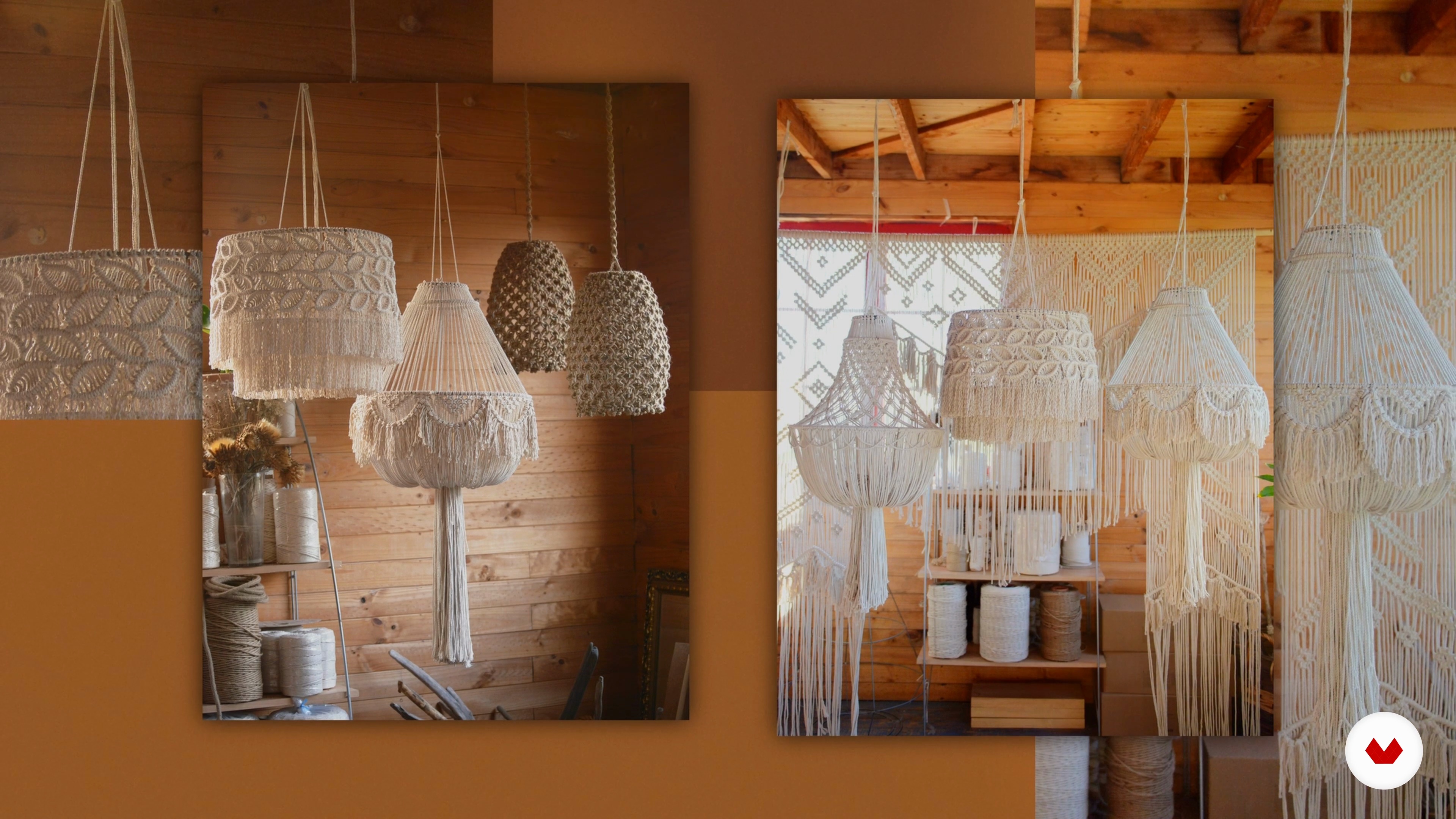
2Influences | Vida Útil
Now I will tell you about my great passions and who have been my mentors in the world of design. I will tell you about some design movements, books, documentaries, series and trips that have influenced my personal and professional life.
15m
 3
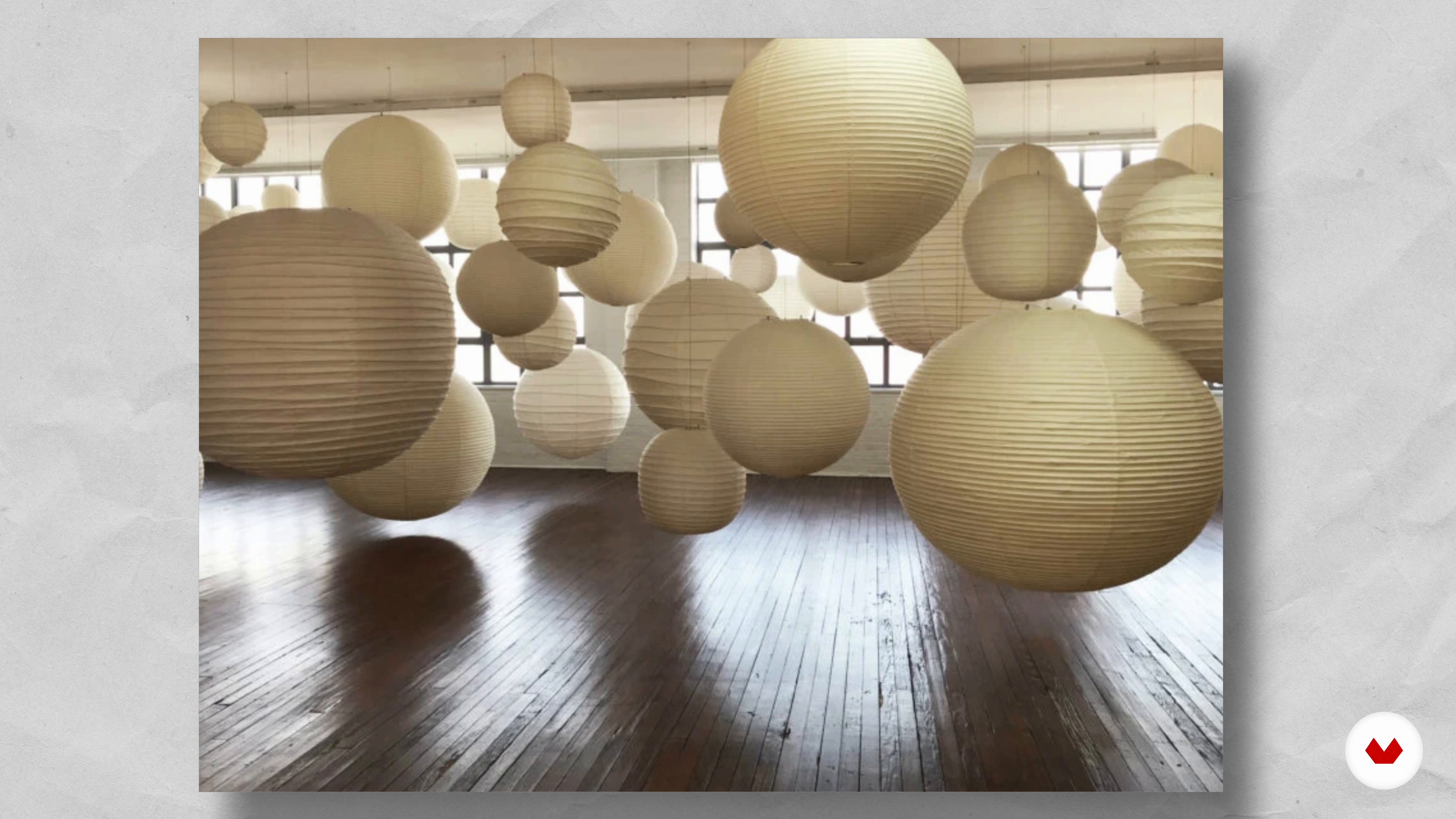
3Influences | Kate Colin
In this lesson I will tell you about some of the artists past and present whose work inspires me.
5m
 4
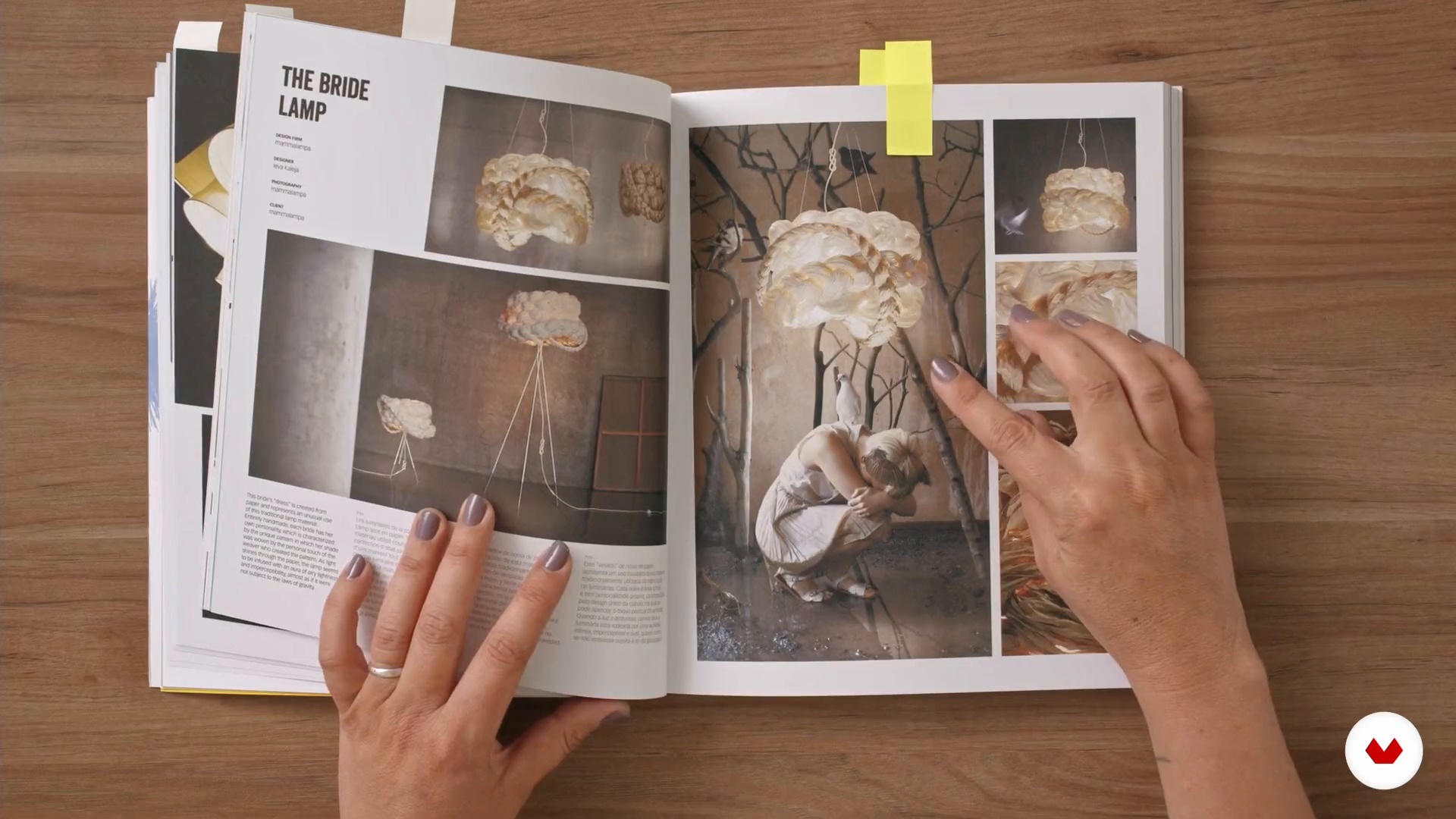
4Influences | Daniela Navas
Nature has always been one of my main sources of inspiration. Now I am going to tell you why and I will tell you about artists who have influenced my work.
4m
 5
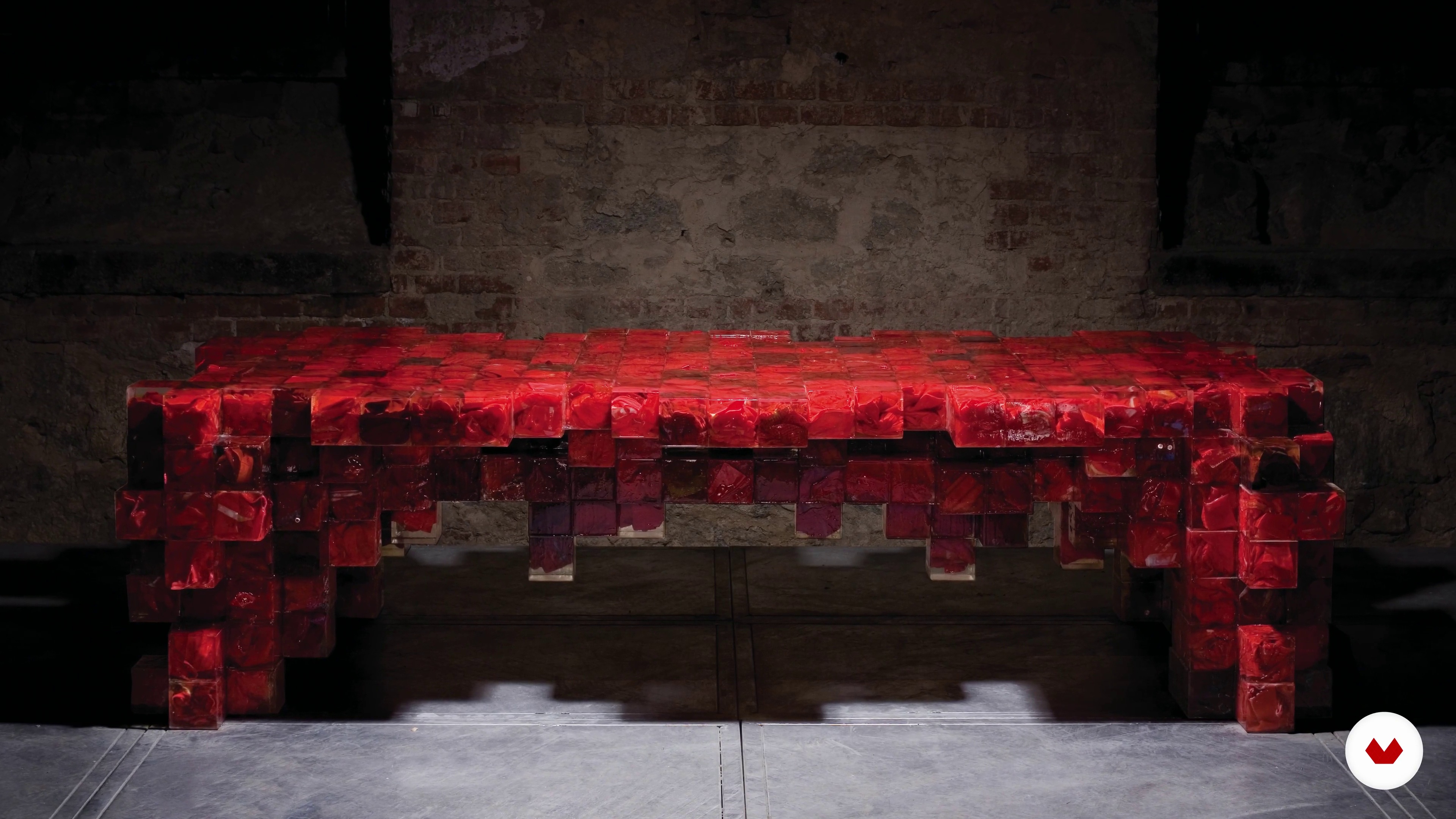
5Influences | Studio Nucleo - Piergiorgio Robino
In this lesson, I will share with you some of the people who have influenced my work, from architects like Frank Ghery to one of the most inspiring and controversial people in the world: Carlo Molino.
13m
 6
6Influences | Marre Moerel
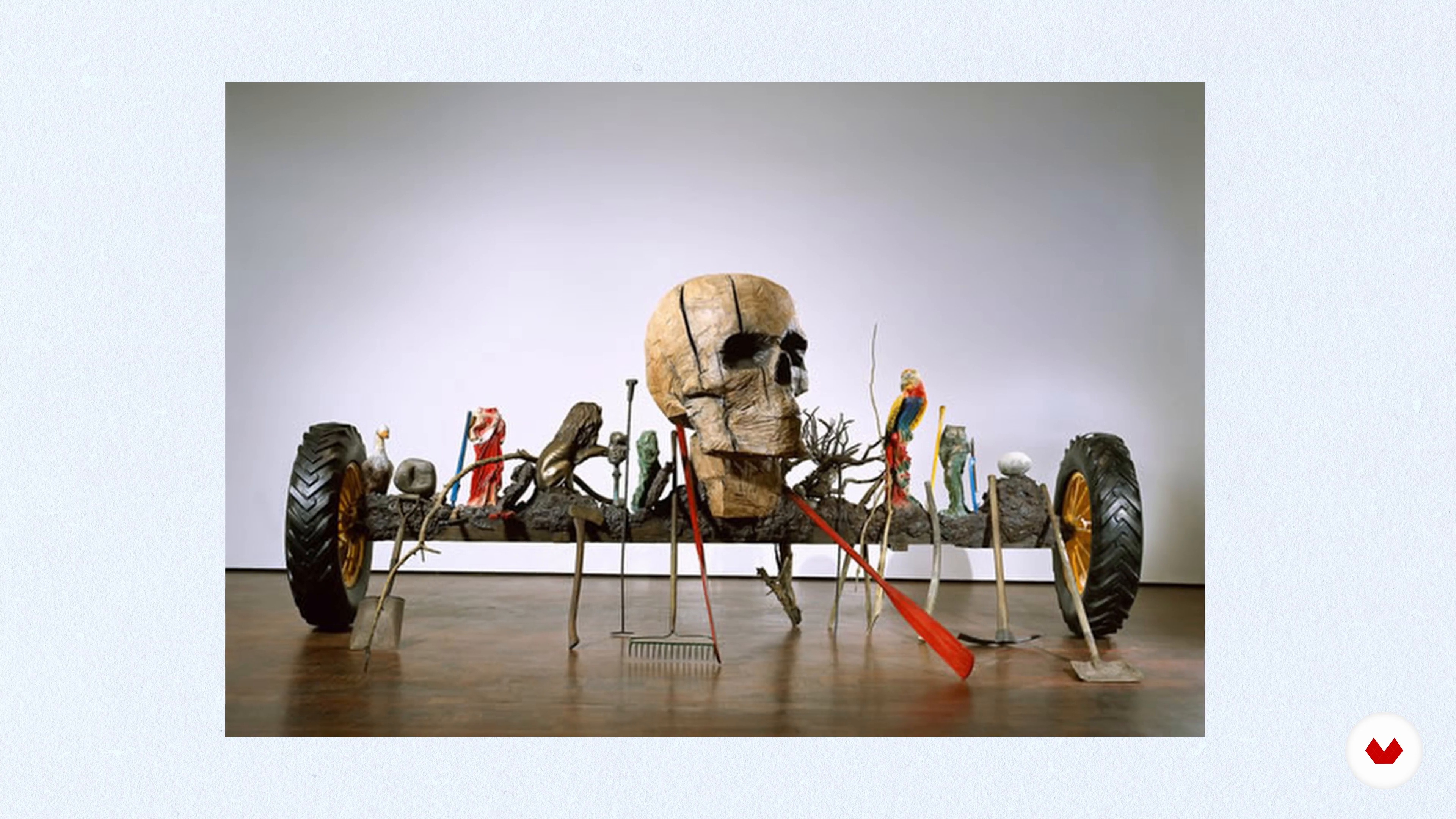
In this lesson I will share some artists that influenced my work and my career.
8m
 3
3Lighting types
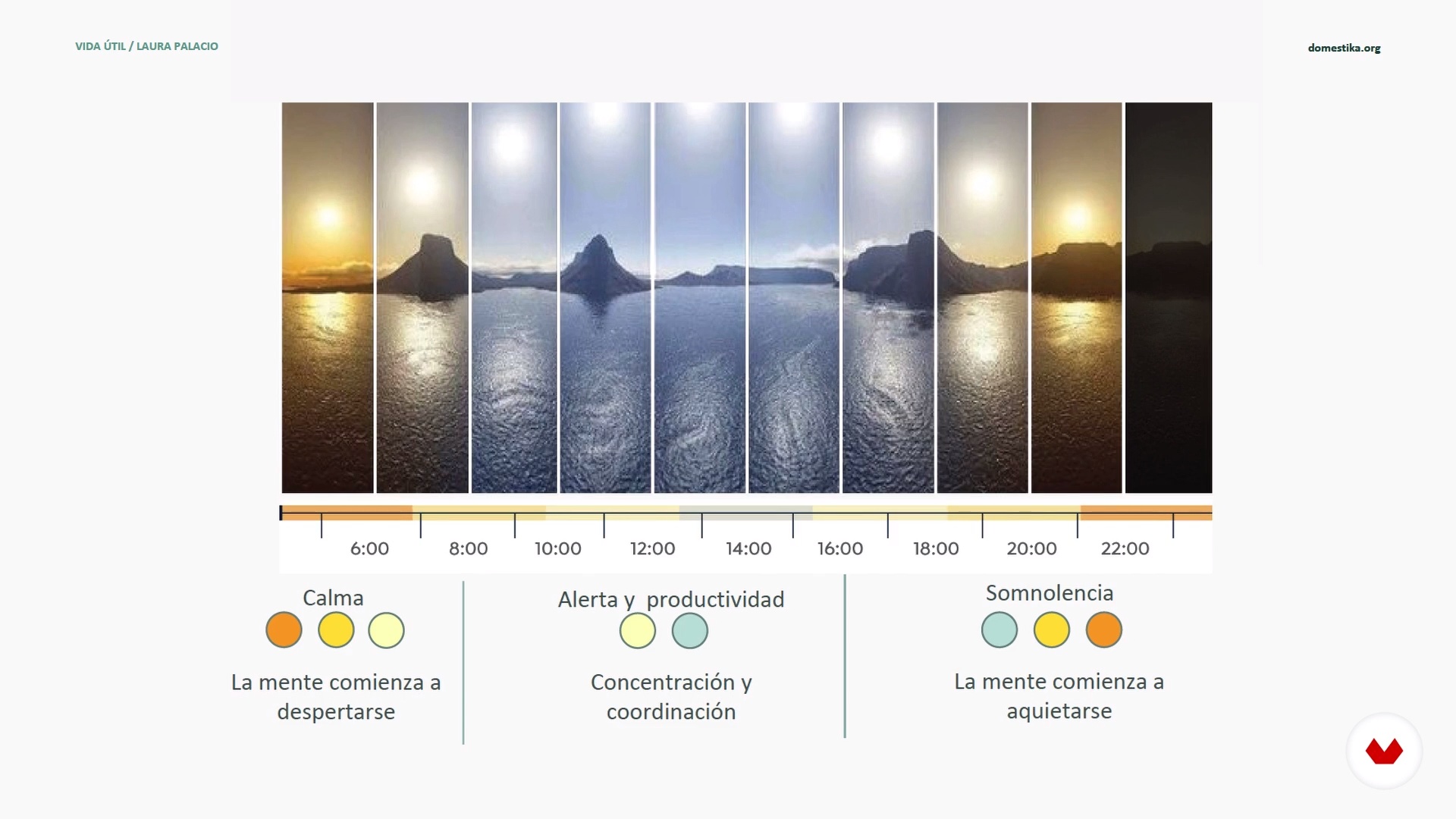
Did you know that we spend more than 70% of our lives indoors? Light plays a fundamental role in the harmony of spaces. I invite you to know how to balance the use of natural light and artificial light and the benefits of each type of lighting. How the biological clock influences the need for lighting in interior spaces.
20m
 4
4The color of light and types of bulbs
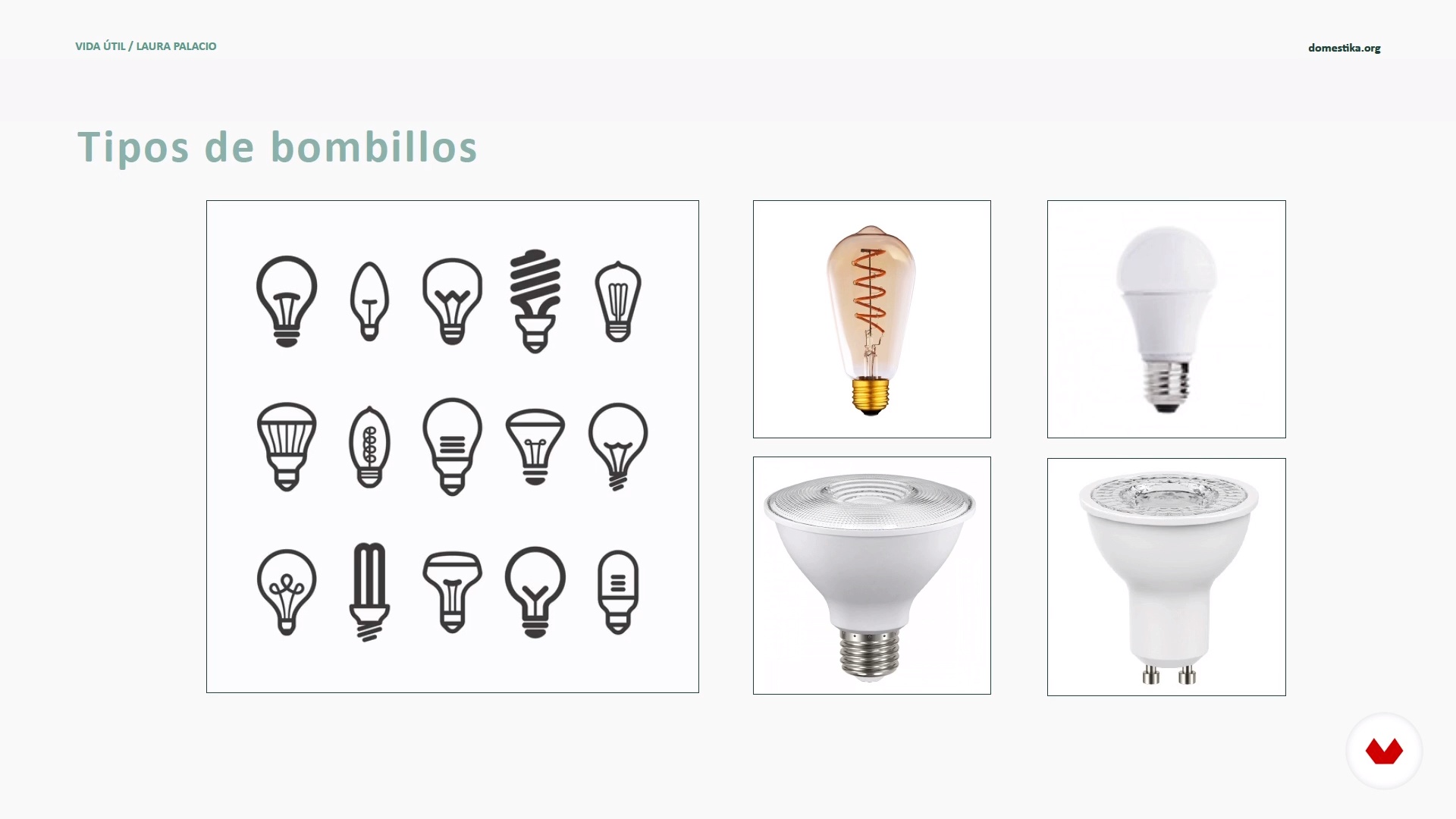
The color of artificial light is born from the intention of the human being to replicate natural light at different times of the day. The color of light directly affects our emotions and our senses. Each activity requires a different lighting color. In this lesson you will learn to identify the ideal tone for the transformation of the space you want to redesign or change, depending on the use you are going to give it and the time of day you use it.
20m
 5
5Mood board and inspiration 1
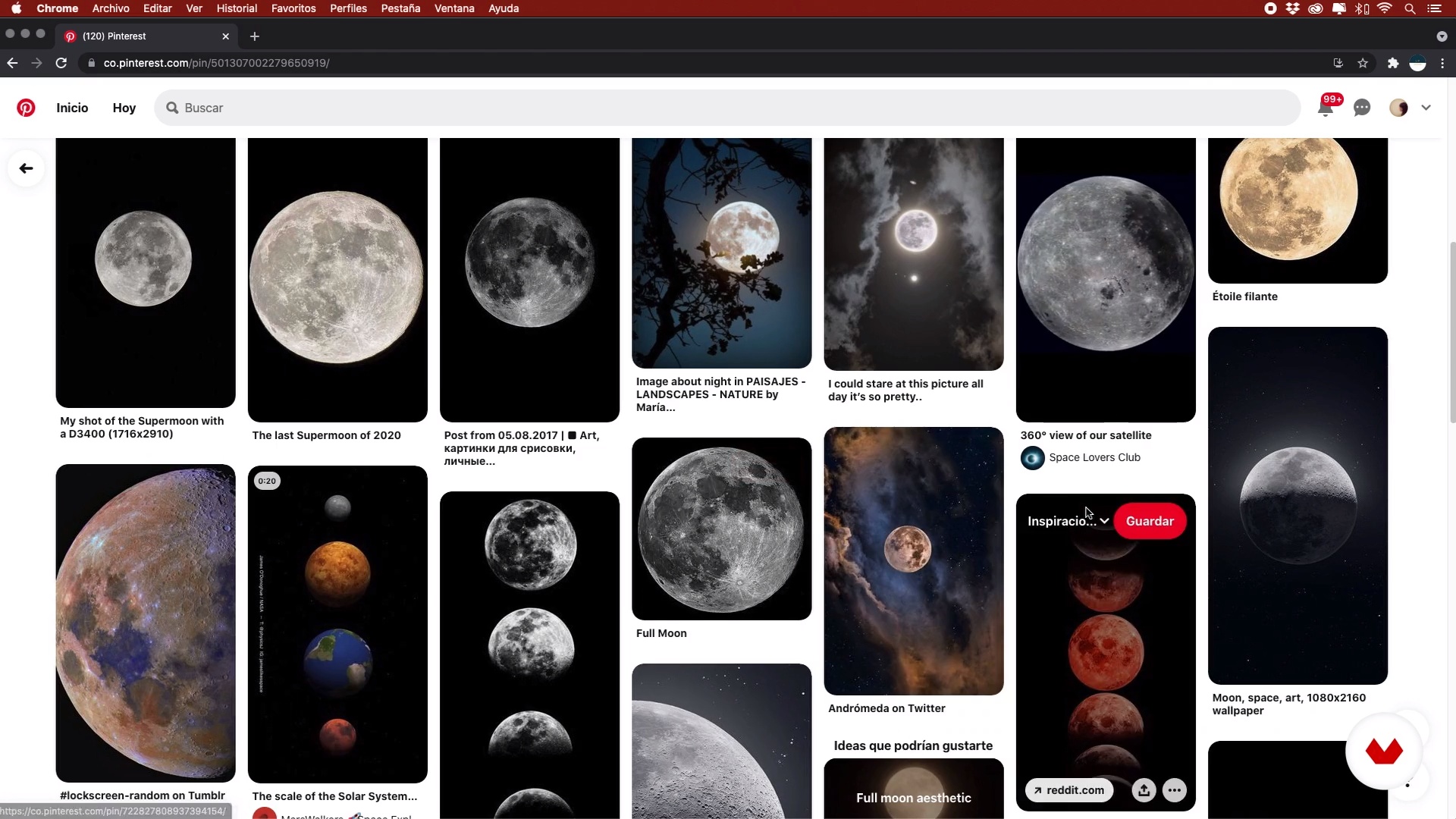
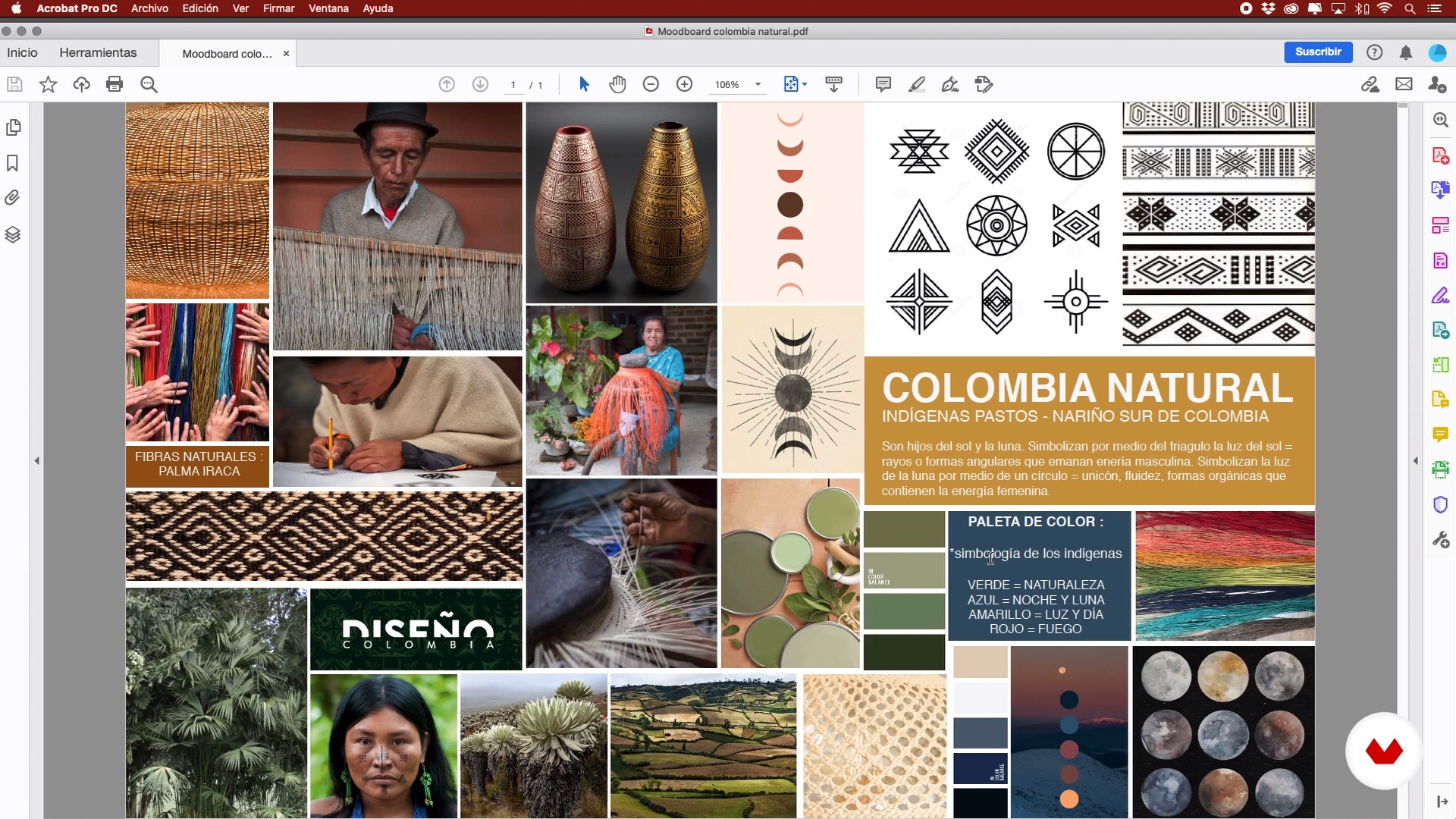
You will learn to make mood boards that will start the creative process. To begin, answer these questions focused on the space that we will transform: What inspires you? What moves your heart, what do you want to explore? What do you want to evoke? Is there a theme or concept that you want to highlight? It is important to have the concept of your project very clear before searching for images infinitely, because the search for references can be as long and as deep as you want, the important thing is to have a keyword to start and stay on track.
19m
 6
6Mood board and inspiration 2
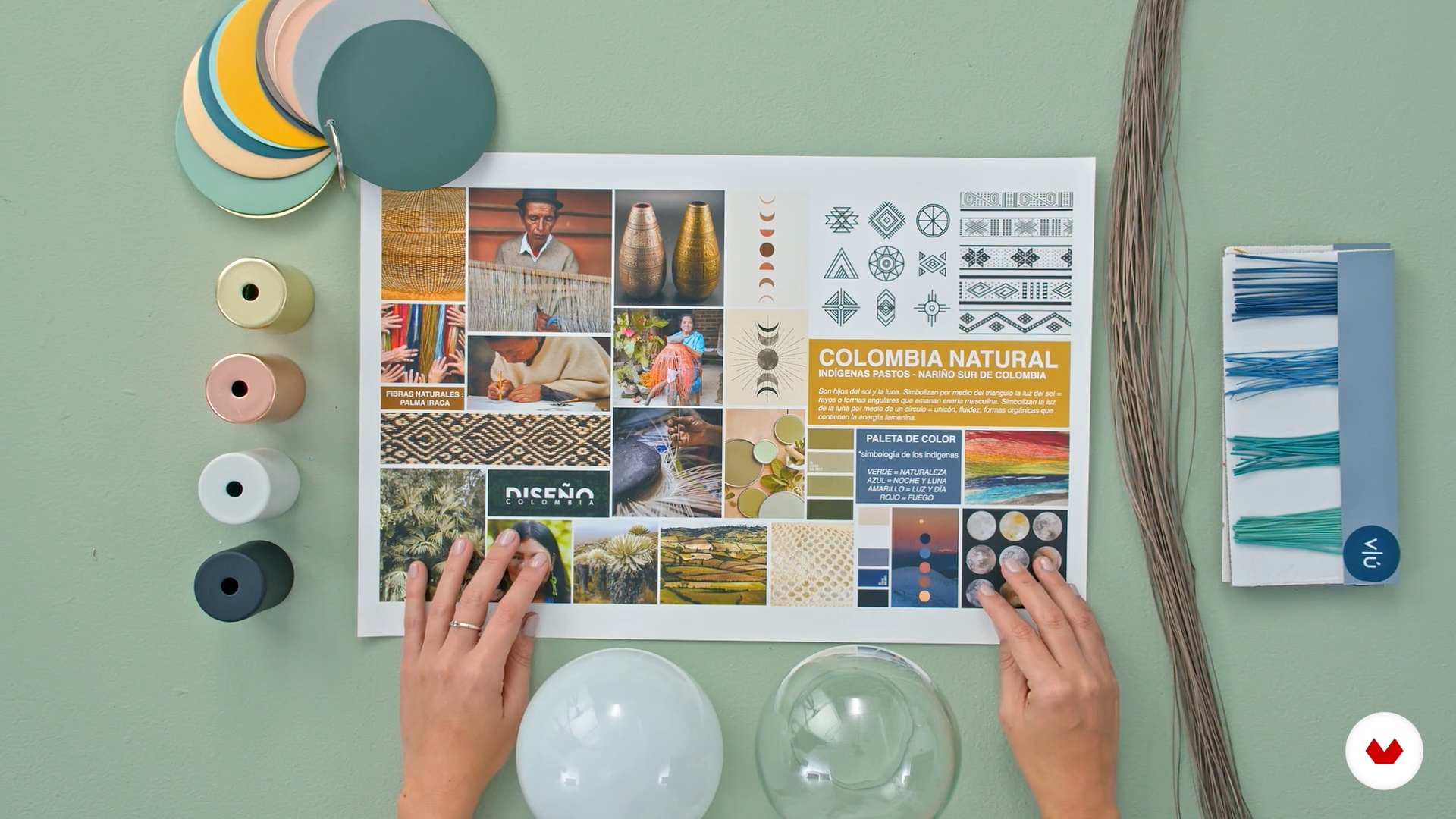
During this second part of the lesson, I will show you some tools that you can use to make your mood boards. They are very easy to use and will help you get it done faster.
13m
 7
7Selection of materials and finishes
I will show you an easy way to choose materials from the hand of your mood board and I will also give you some guidelines on how to choose the finishes for your lamp.
13m
 8
8Design sketches 1
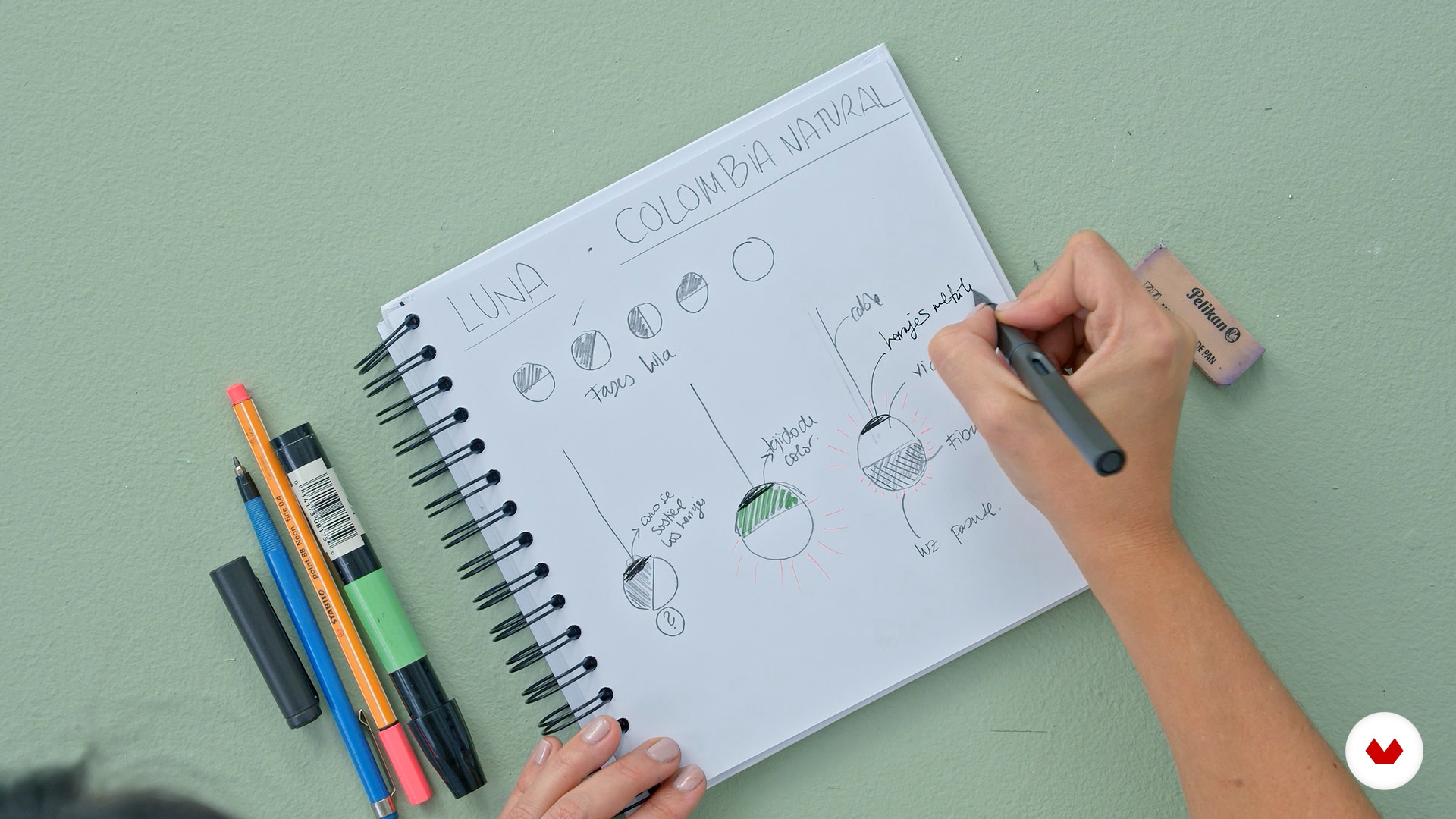
There are different ways to make agile sketches that will help you define the details of your design. To bring your ideas to life, I will show you in detail how to make your sketch by hand. You will learn to play with shapes, materials and colors in order to explore different presentation ideas for your sketches.
18m
 9
9Design sketches 2
If you are more into working digitally, then you are going to love this lesson. I will show you how to sketch digitally with the help of Illustrator.
18m
 10
10Modeling in SketchUp and rendering
In this lesson you will see the benefits of 3D modeling and rendering to simulate materials.
10m
 11
11Initial plan and estimated costs
You will learn how to make technical plans in an easy and agile way. You don't have to know how to use complex programs.
18m
 12
12Model, mockup and prototype
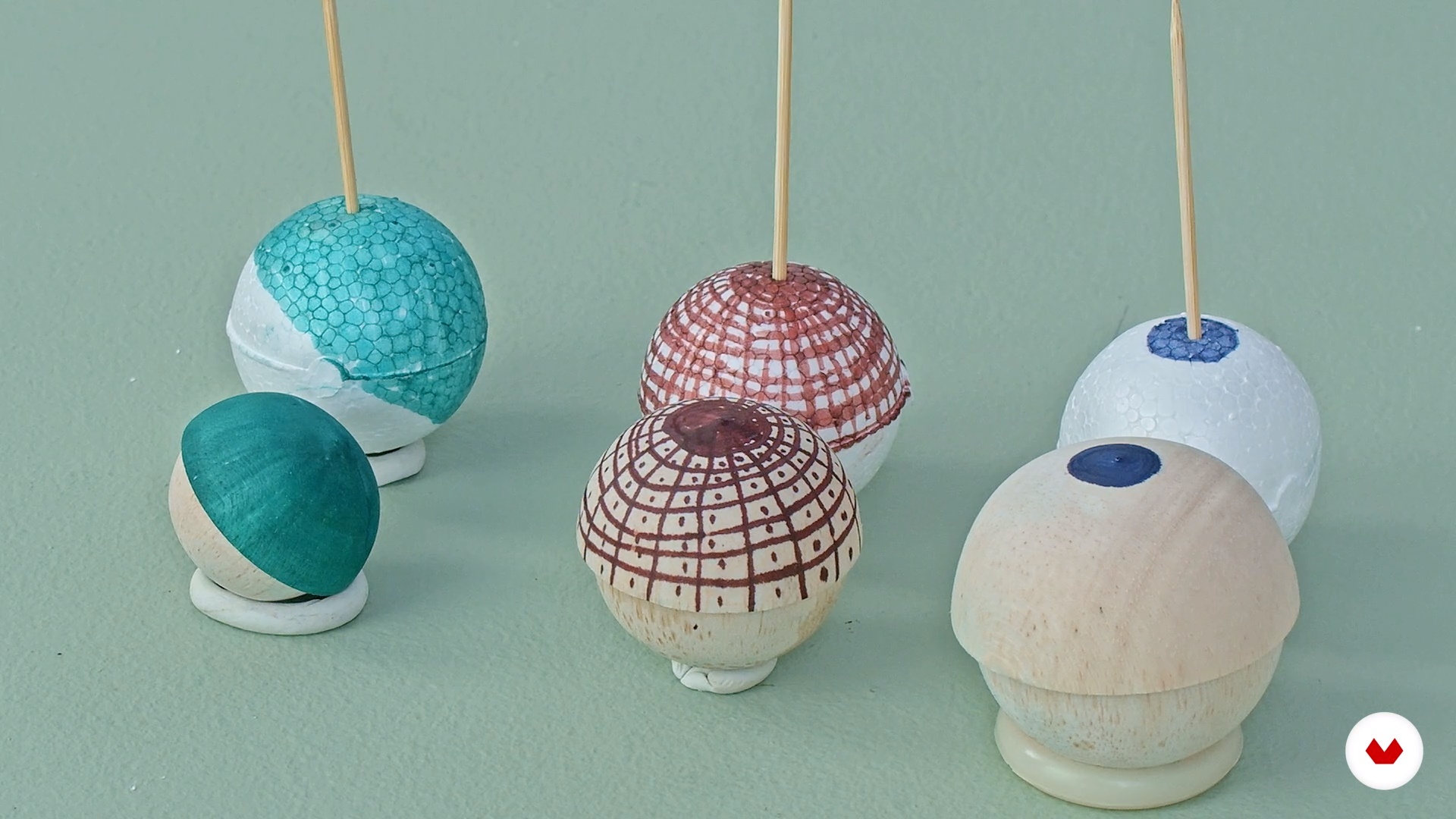
Now I will explain the difference between model, mockup and prototype. I will teach you to determine which one is more convenient to use depending on the design you are working on.
16m
 13
13Final design, technical sheet and planning of series production 1
You will see how to define the final design and how to plan production with your allies, whether they are artisans or mass production workshops.
14m
 14
14Final design, technical sheet and planning of series production 2
Finally, you will learn how to finish the design of your technical sheet.
20m
 15
15How your lamp will look in your space
I will teach you easy tools to simulate your new design in your space, that of your clients or your dream space
18m
 16
16How far can your design go
You will learn how to take your design to another level and how to expand your design for different uses and audiences.
4m
 3
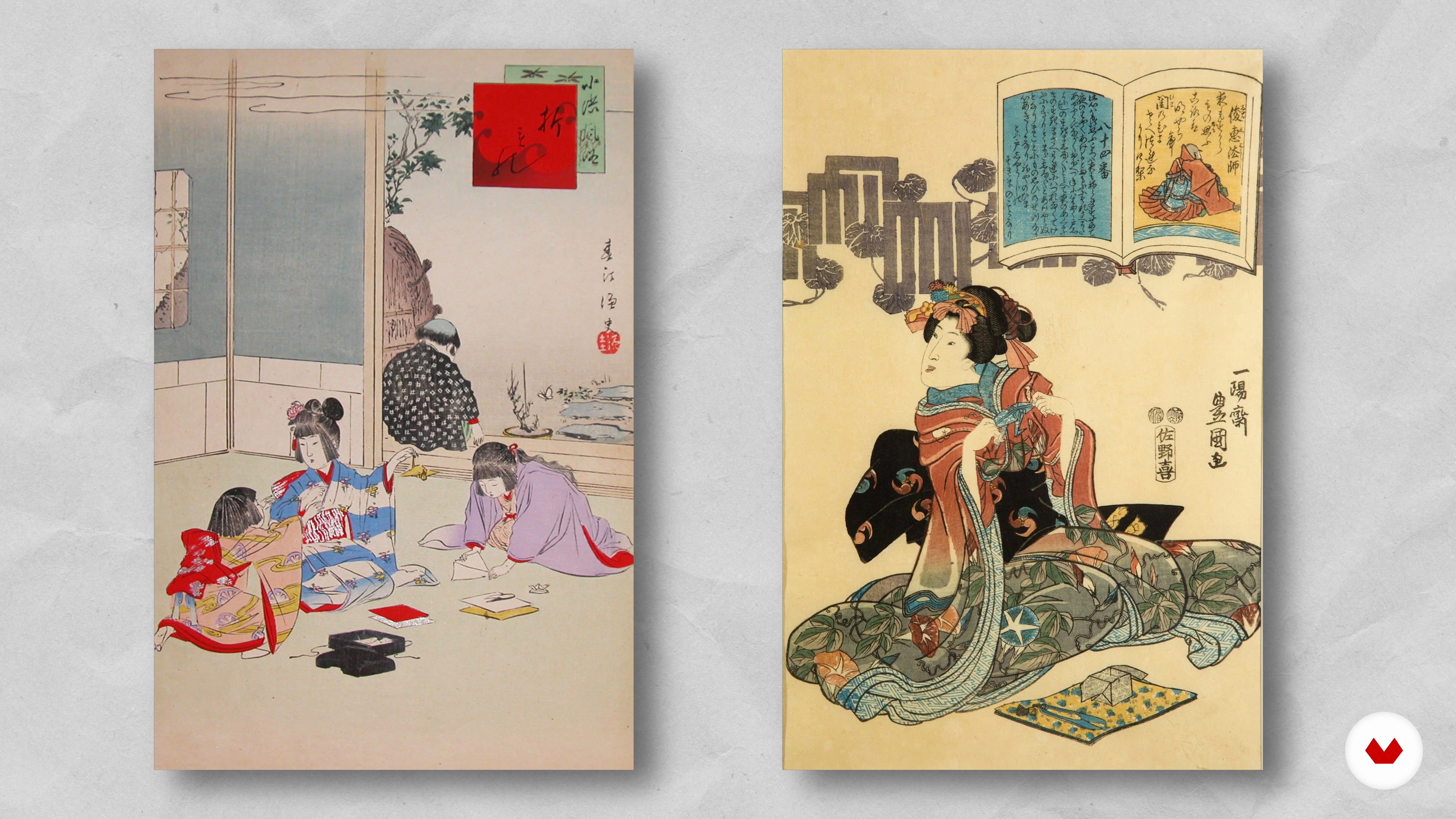
3A Brief Introduction to Paper Folding
To start, I will give you a brief introduction to paper folding, origami and its origins.
3m
 4
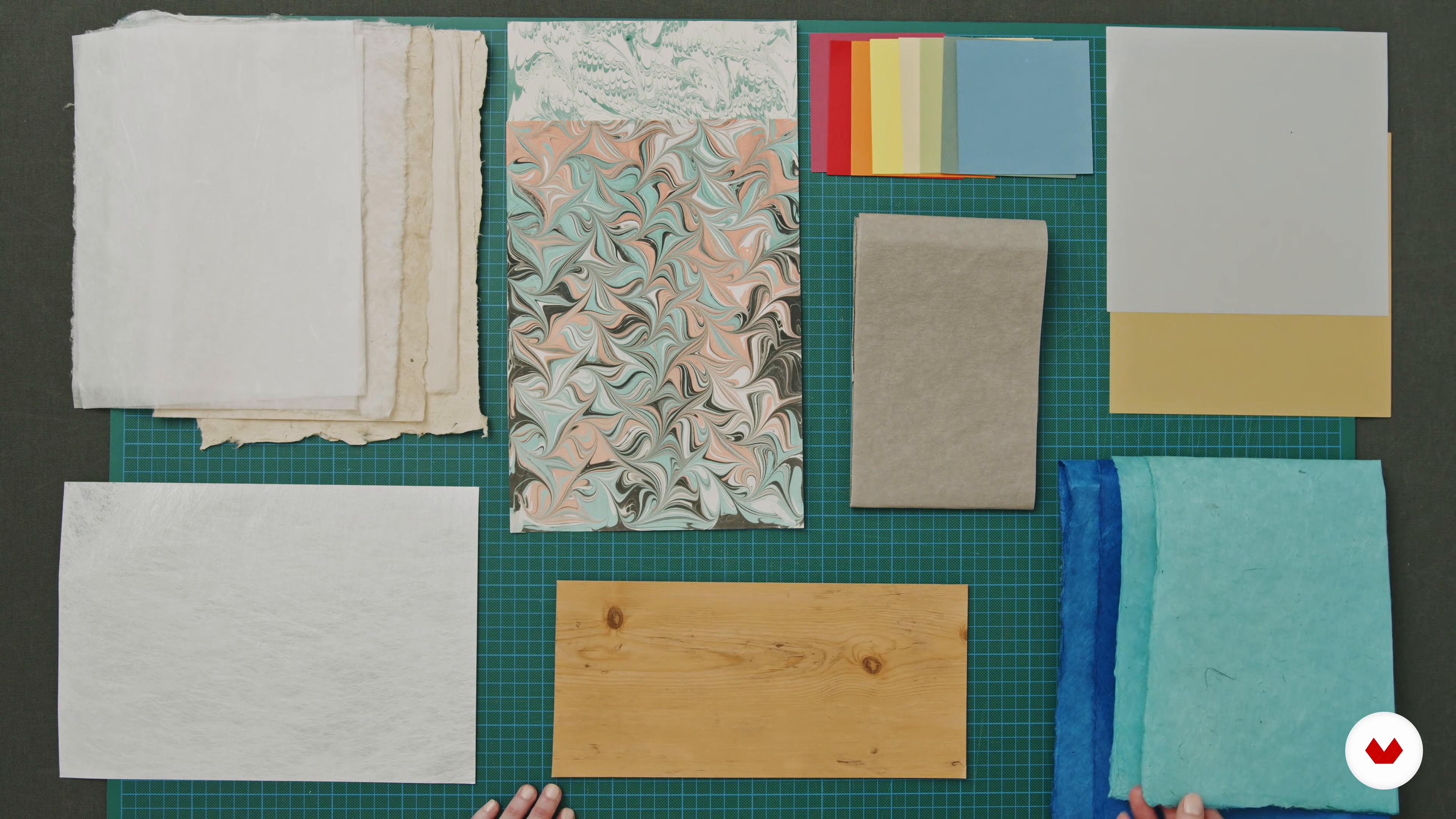
4Materials and Tools
In this lesson I will give you an overview of paper as a material. I will discuss the main elements that should be taken into account when working with paper, show you a variety of papers of different weights and demonstrate how they fold differently. We’ll then have a look at some tools and materials we’ll be using during the course which I’ll look at individually and explain how and when each one is used.
9m
 5
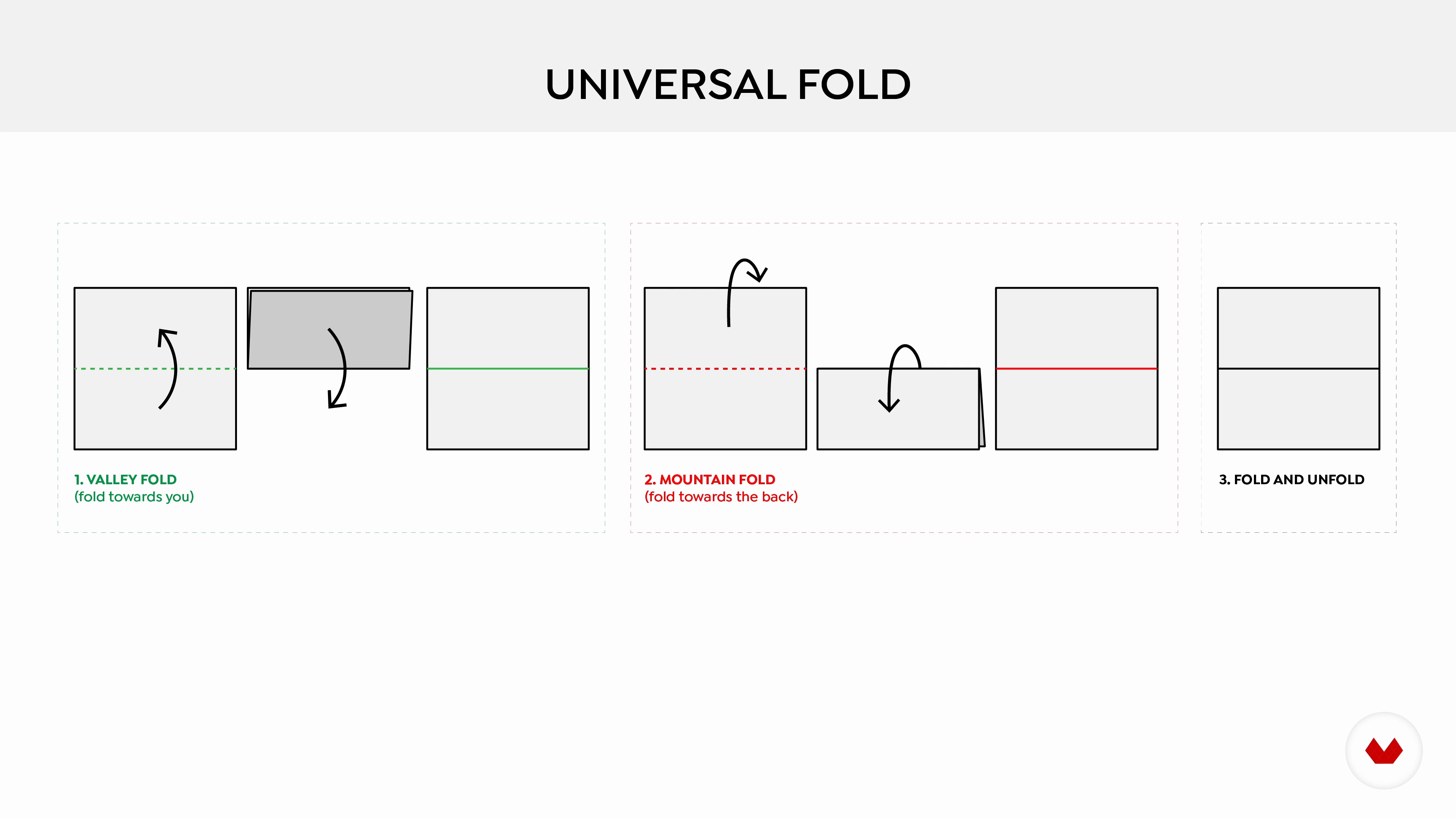
5Basic Folding Techniques
Let’s start folding! This lesson will introduce you to some basic folding terminology and concepts of mountain, valley and universal folds.
13m
 6
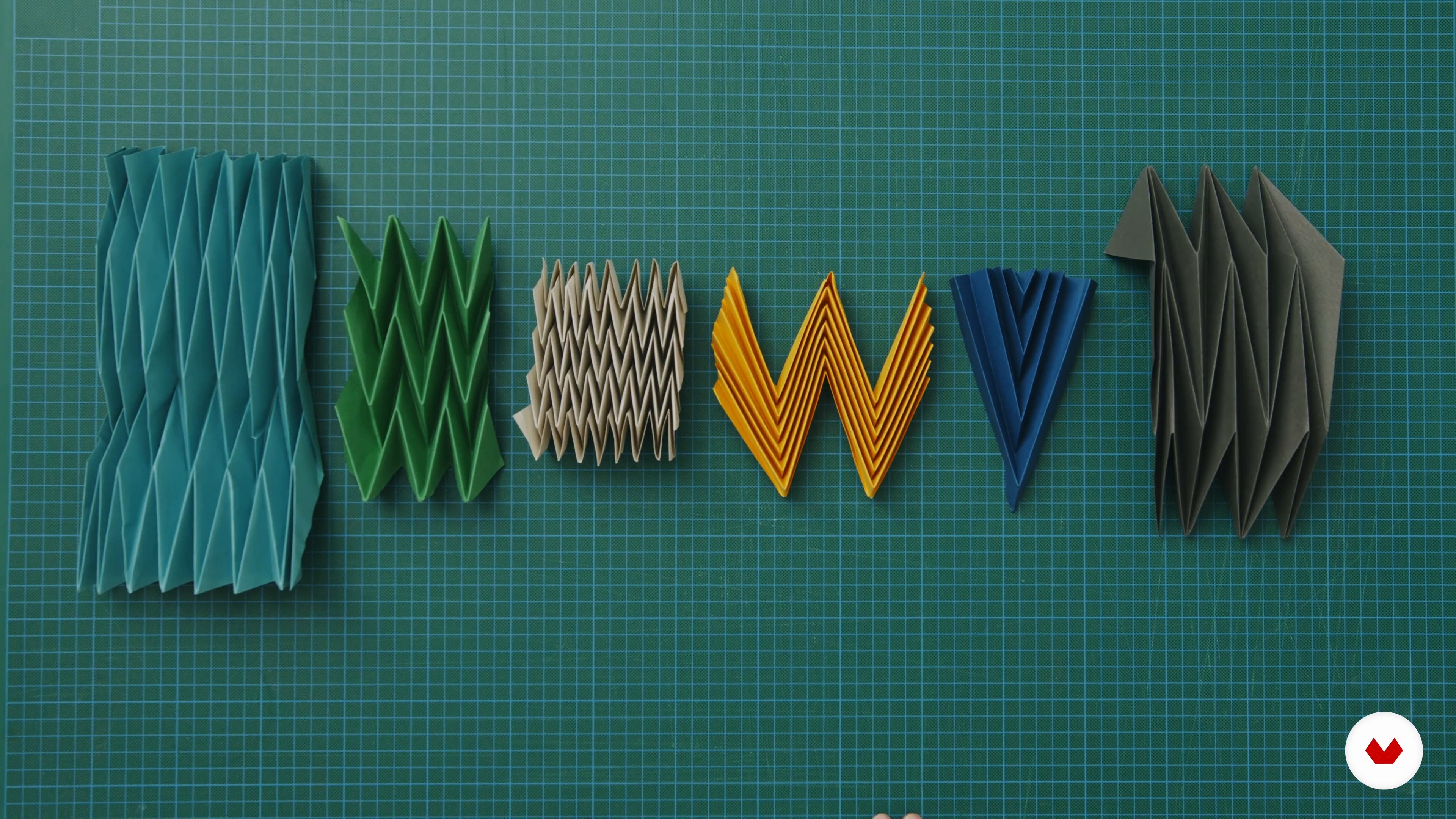
6V Folds
Here, you will learn about V folds and practice folding a number of variations. I will show you some samples big and small so you can see how versatile they are. Once you master the basic technique, you will see the variation, flexibility and beauty of them and you can use them in an infinite number of ways to create your own designs.
16m
 7
7Double V Folds
In this lesson we are going to continue working with V folds and start to see the many shapes and designs we can create from this one simple fold. Once you have mastered it and understood how it works, you will be able to create a great number of patterns and designs.
14m
 8
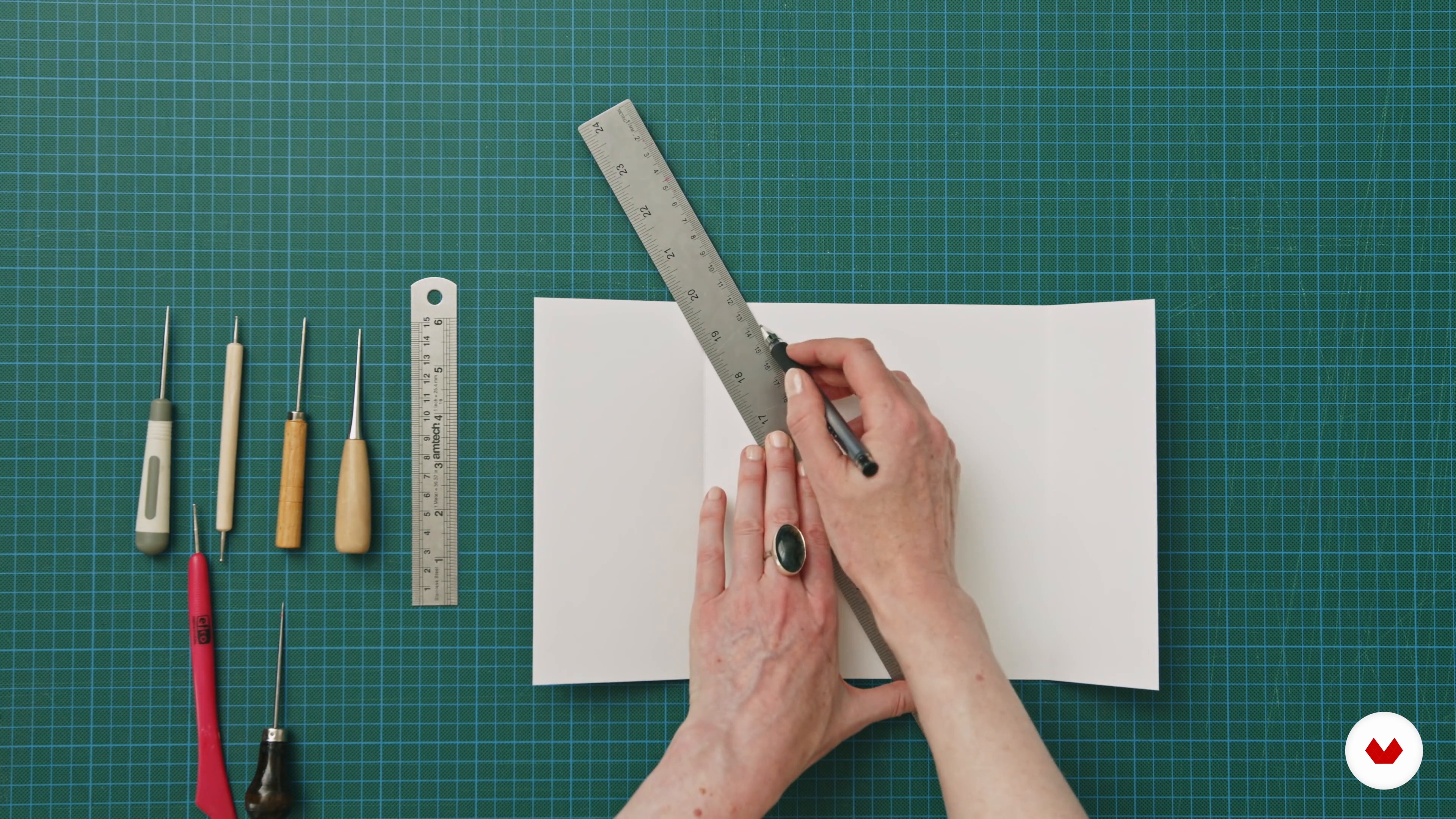
8Scoring and Creasing Practice
In this lesson you will be introduced to the scoring tool and practise using it on a heavier weight of paper.
4m
 9
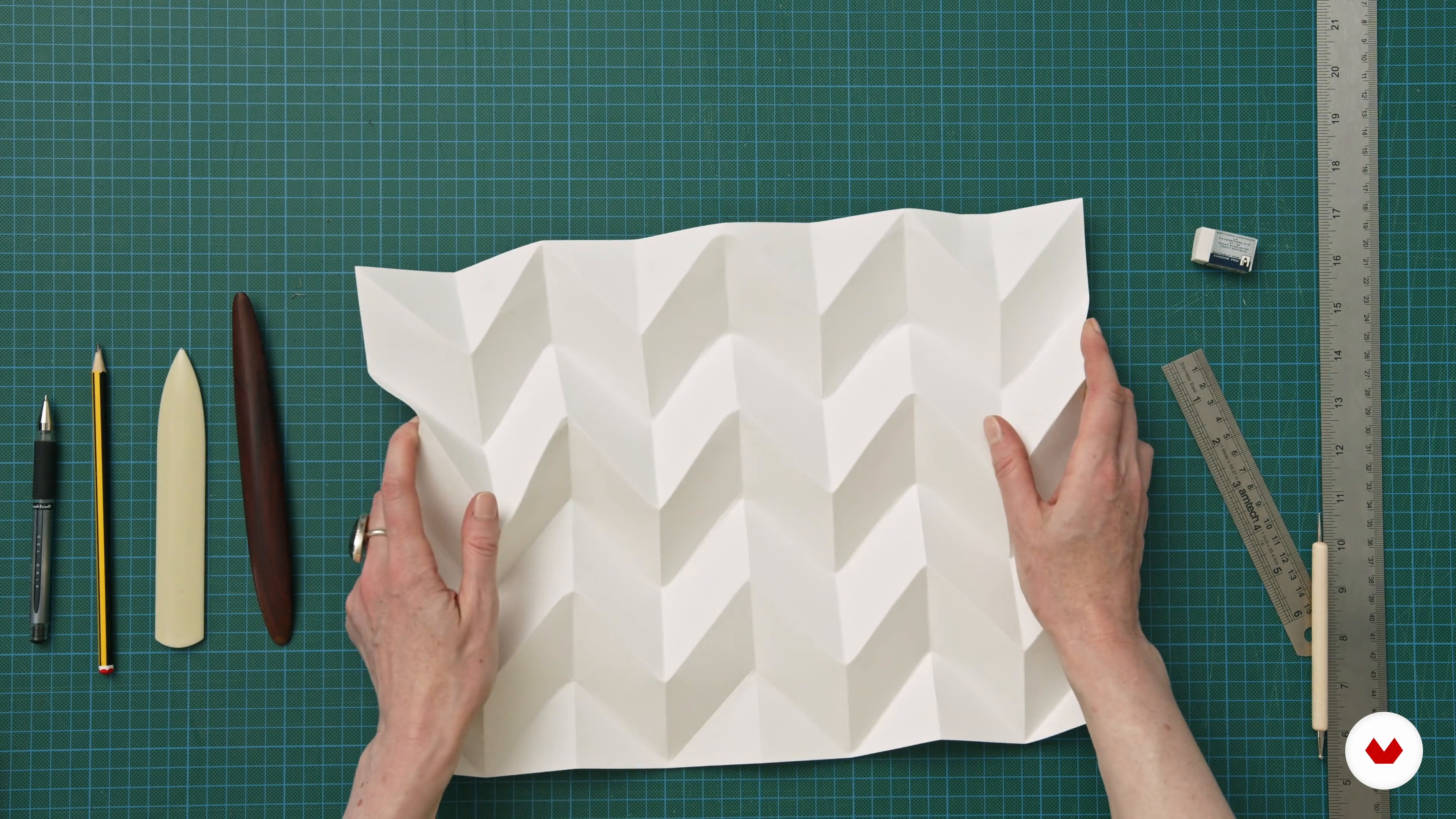
9Complex Folding Techniques: Multiple V Folds
In this lesson, we will practise using a scoring tool technique to create multiple V folds, also known as a herringbone or chevron pattern. We’re going to practise working in a heavier paper with which we will create V folds using a scoring tool. For our final project (the lotus lamp), we will be folding on a larger scale, using division and V folds.
20m
 10
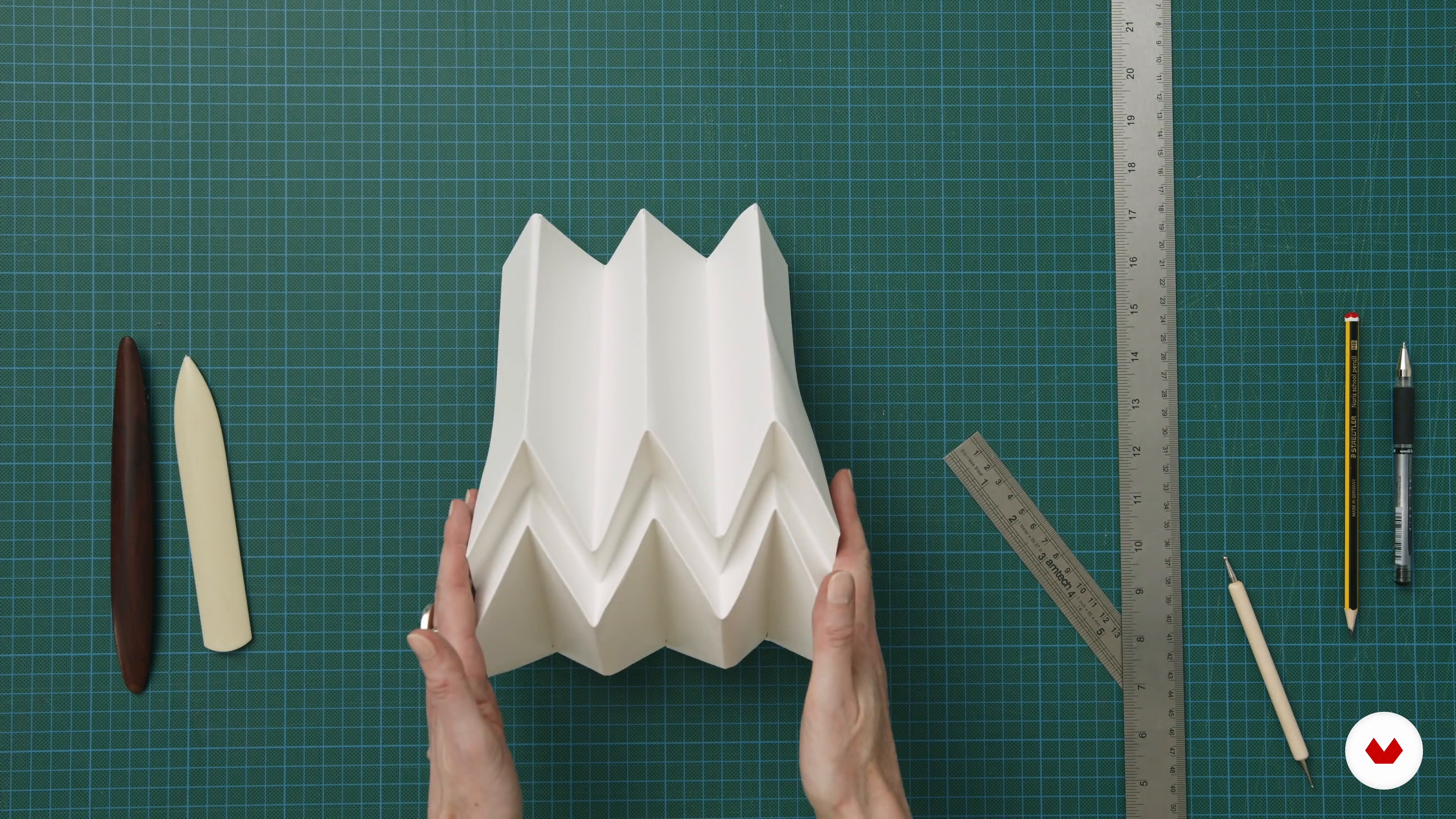
10Complex Folding Techniques: Scoring the Lotus Shade Pattern
In this lesson we will continue to use scoring tools, pencils and rulers to create new designs. We will start to combine double V folds to create a variety of diamond shapes and structure with the V fold as a basic technique. This is good practice as the final shade will be in this design.
15m
 11
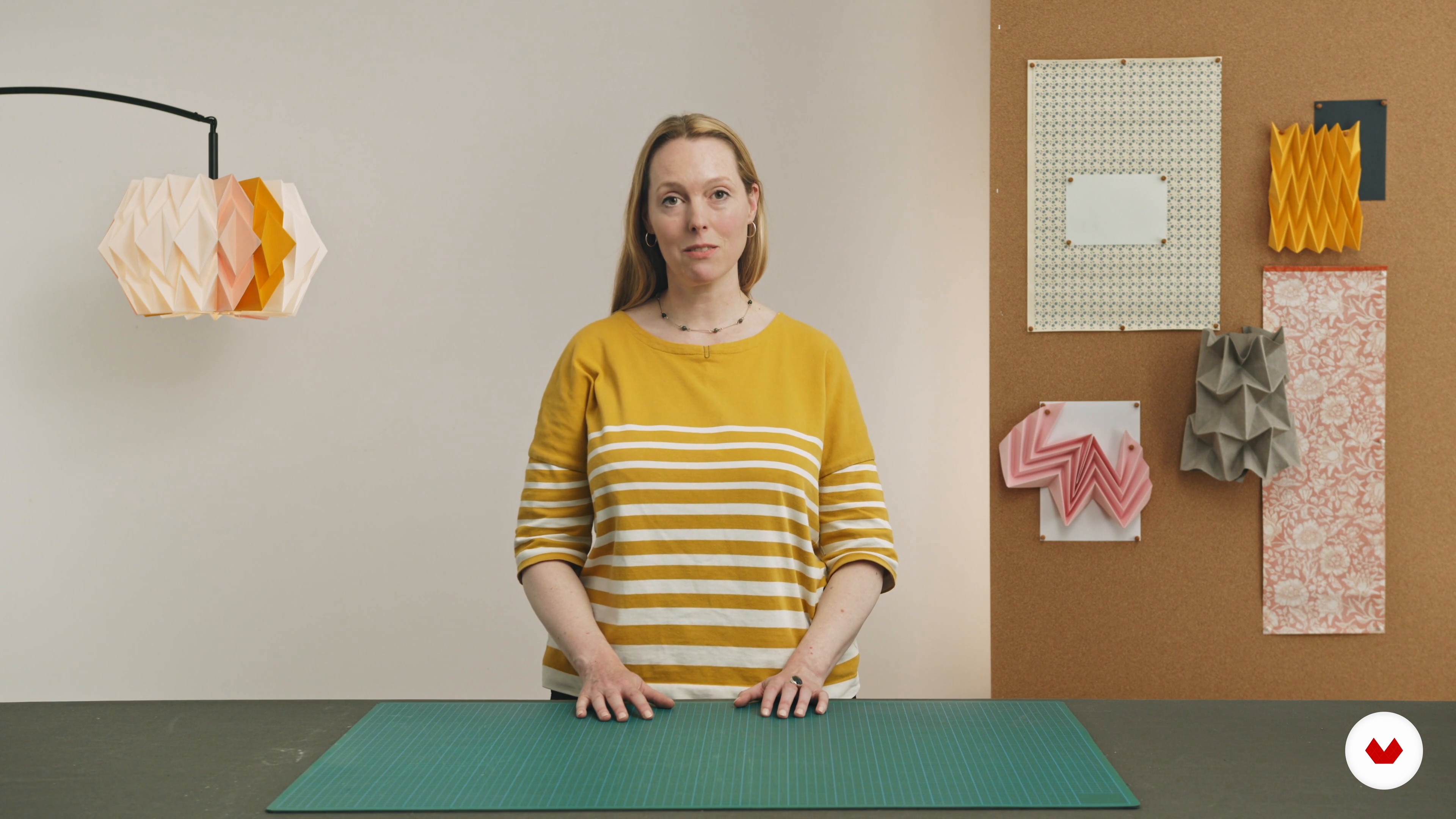
11Variations of Shades
In this lesson, we will make your unique lampshade. You now have all the skills and expertise to make it. All you have to do is make some choices in how to make it unique to you.
1m
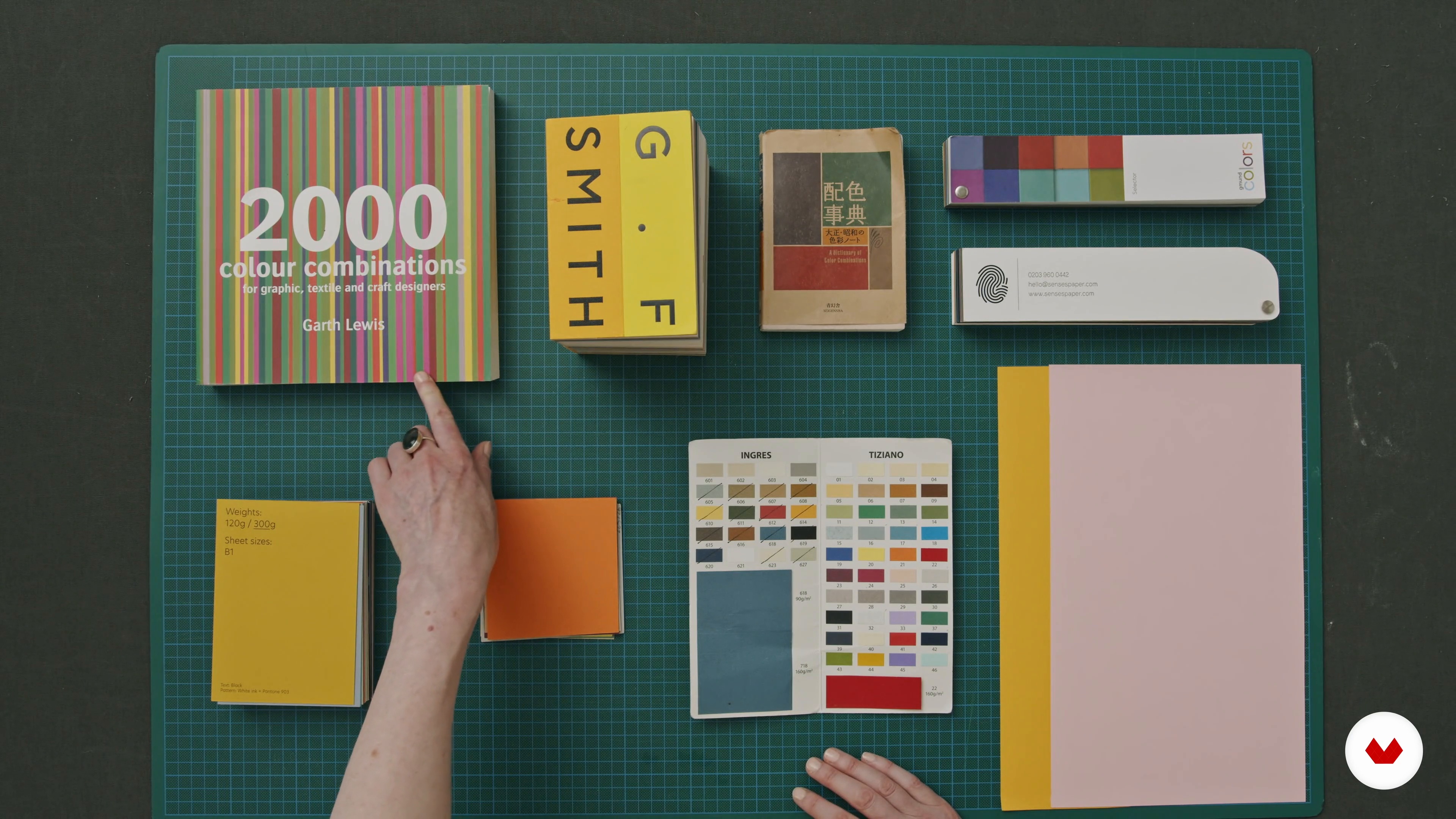 12
12Colour Palette
We will start to think about colours we will be using for our lamp and how to go about choosing them
4m
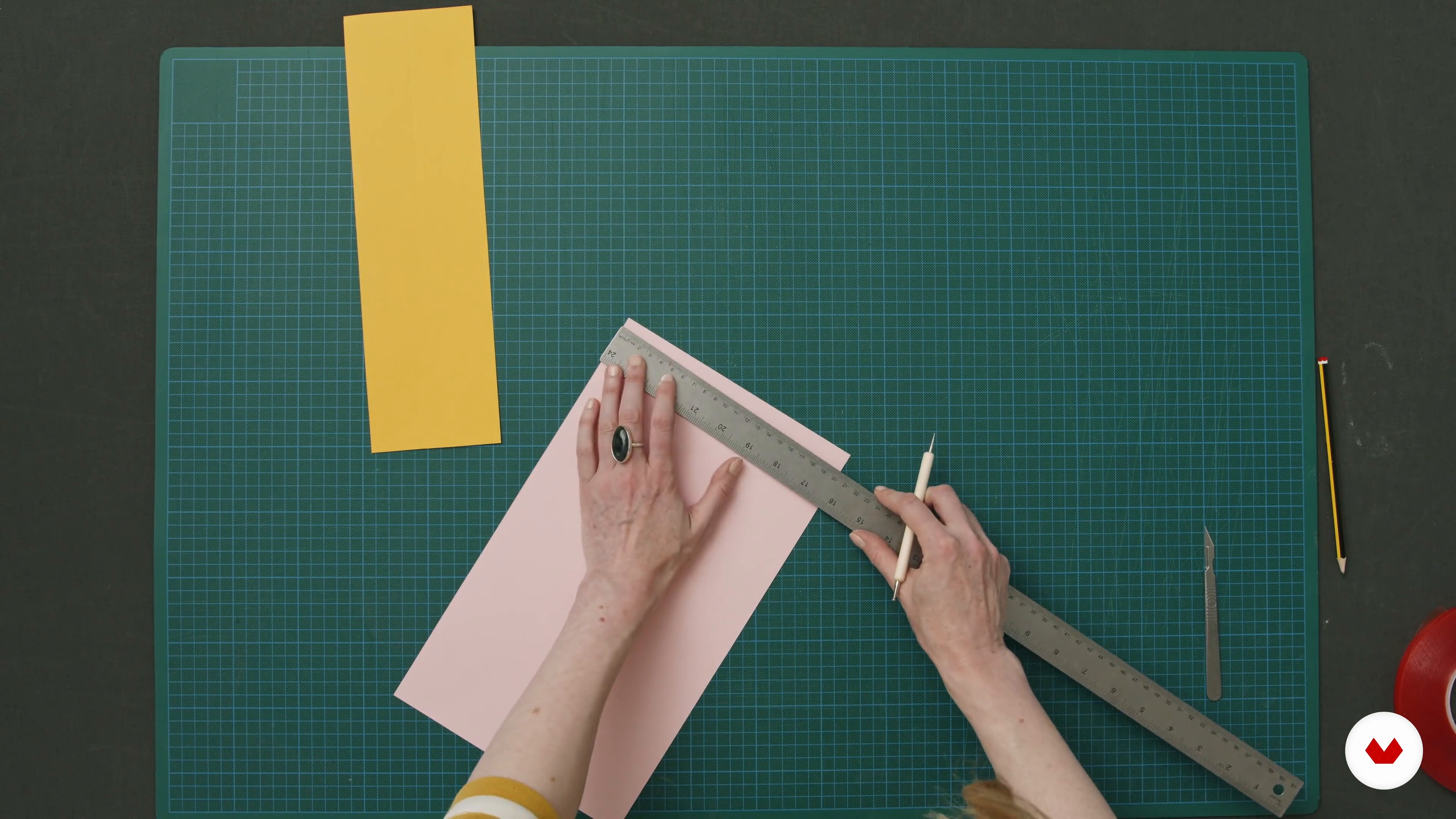 13
13Making the Lamp: Preparing and Scoring Your Paper
In this lesson we’re going to start making the lotus lamp. This will be on a bigger scale than anything you’ve folded before, so make sure you have plenty of space and a clear, clean table. It might take a bit of practice but above all, take your time and have lots of patience. Folding takes time and patience.
9m
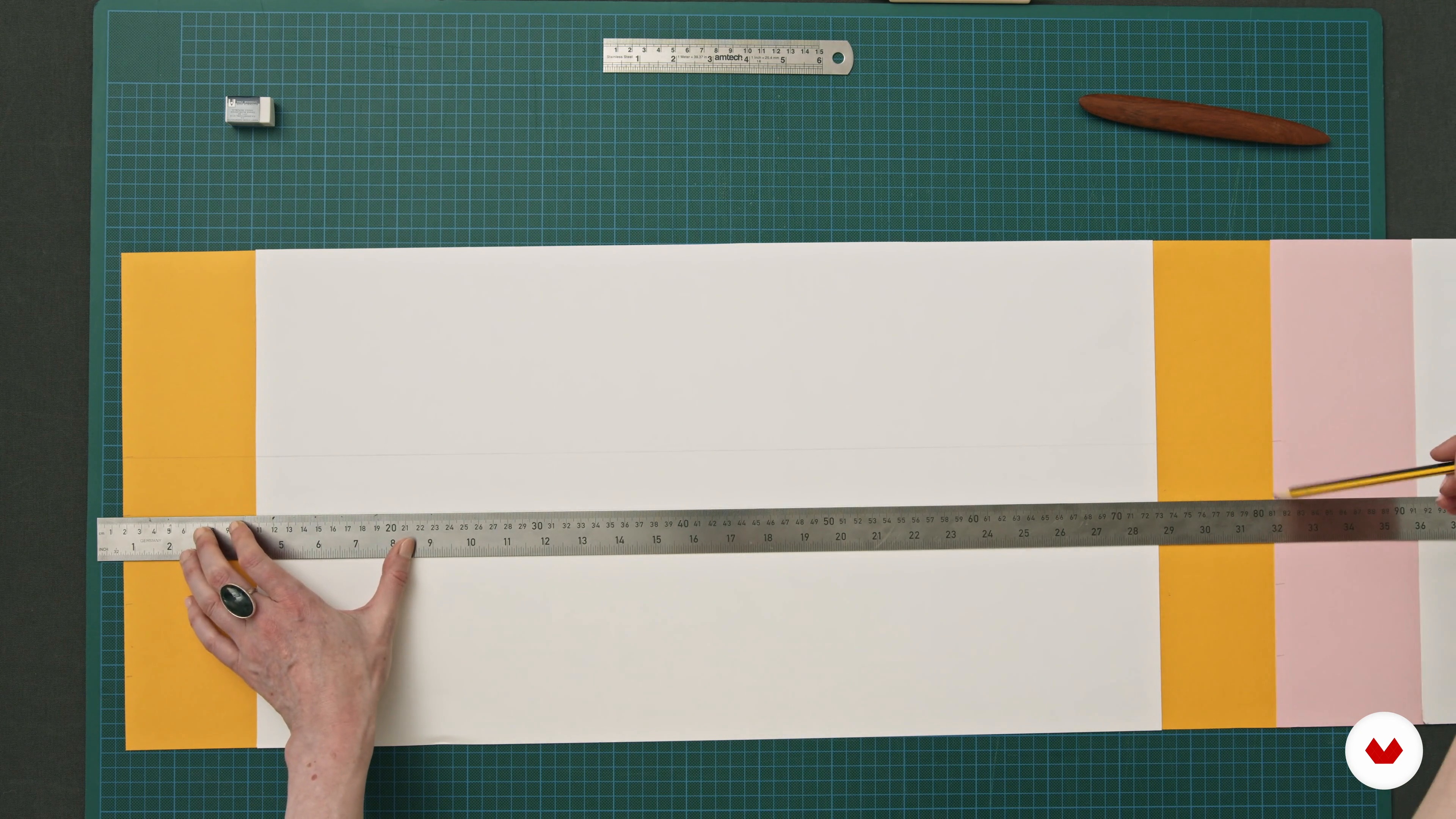 14
14Making the Lamp: Folding the Paper 1
Now we will do the actual folding and construction of the lamp. It is a gradual process and will take quite a while. Watch me folding and learn how to do it yourself.
11m
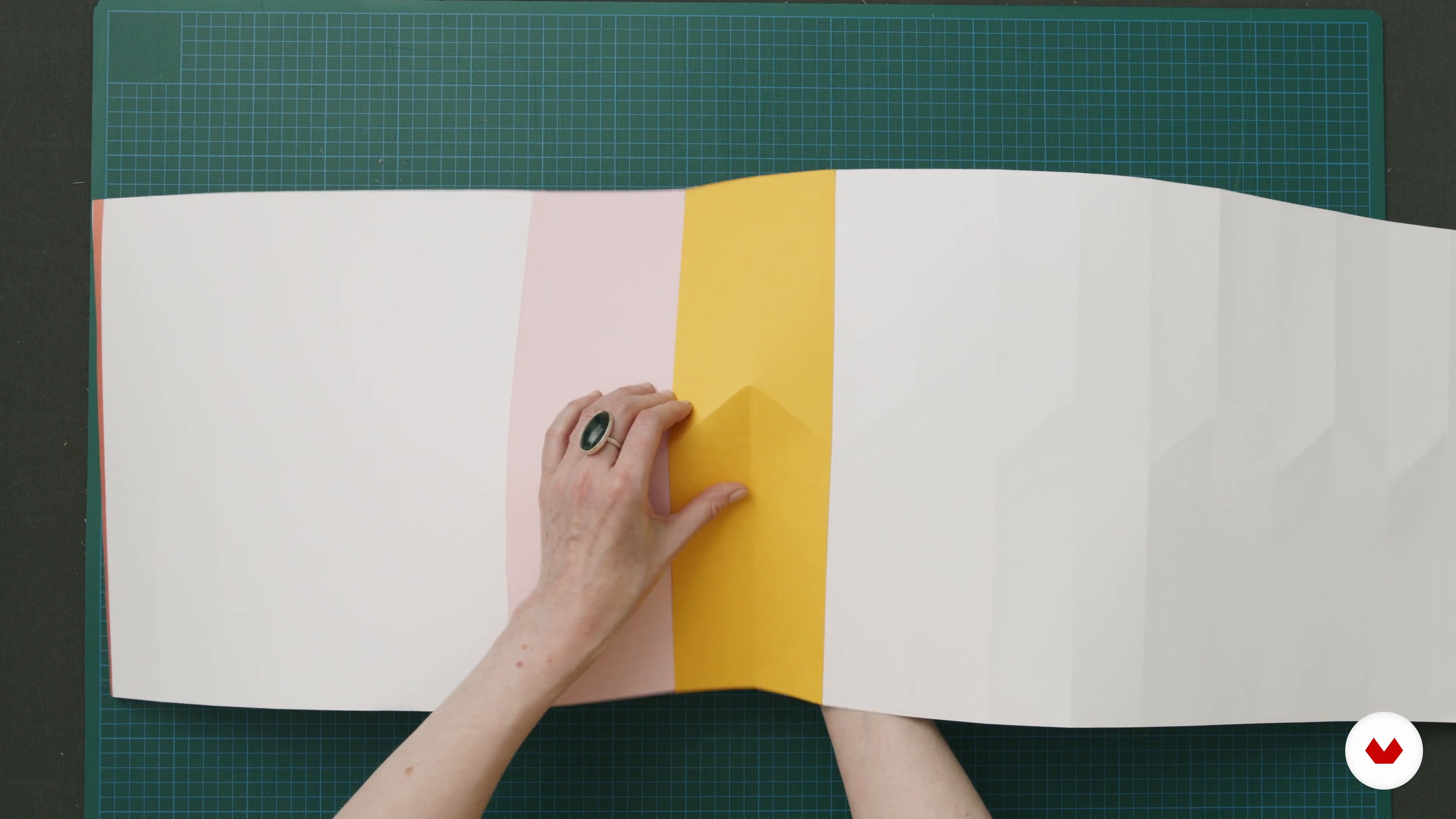 15
15Making the Lamp: Folding the Paper 2
Now we're going to start folding the V folds in order to re-score them later on.
16m
 16
16Making the Lamp: Folding the Paper 3
In this part of the lesson, I will finish folding the shade. Make sure your folds look nice and clean. Then I will punch holes in the lamp and attach both ends.
16m
 17
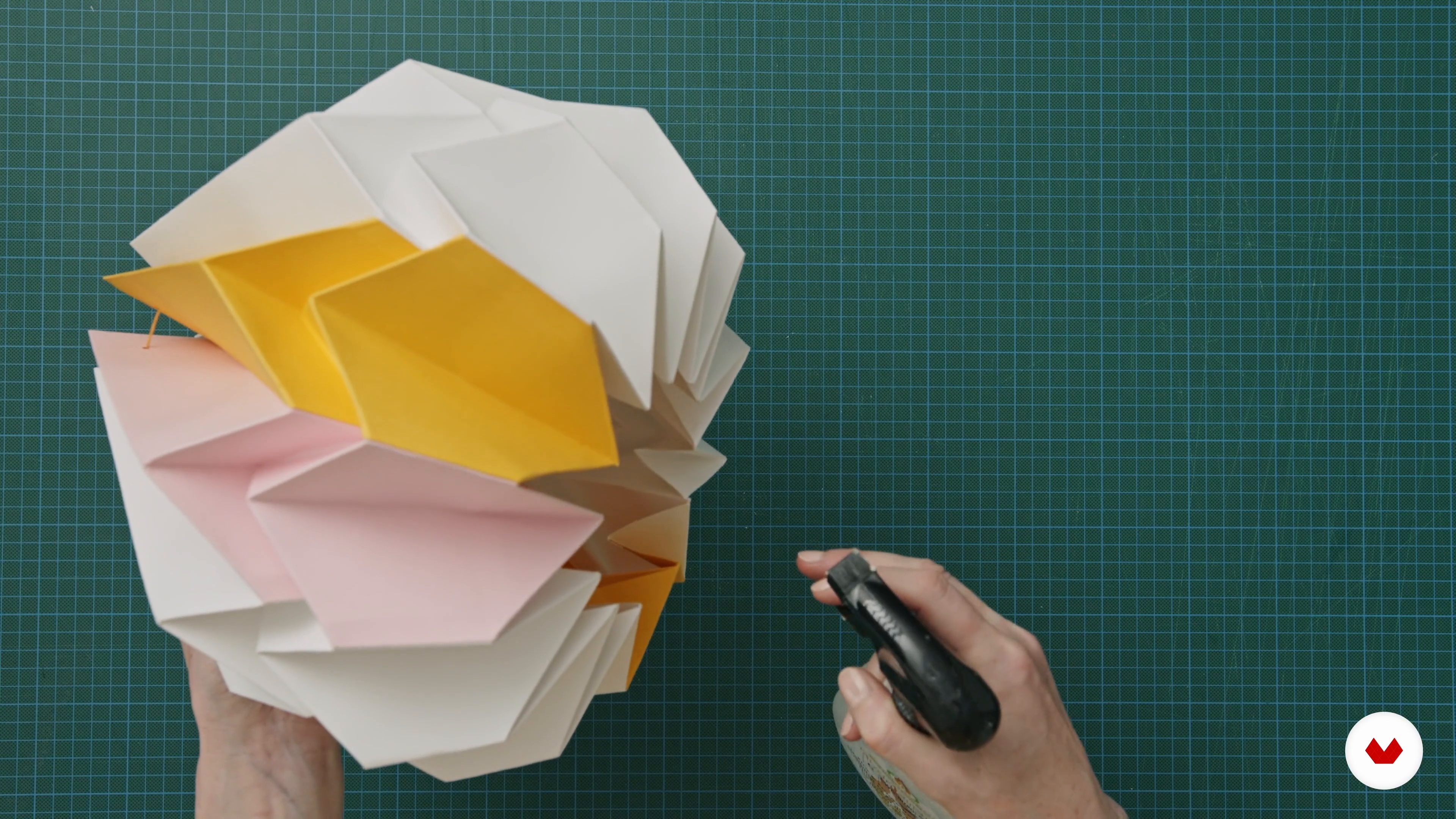
17Caring for Your Lotus Lampshade
Here are some useful recommendations for your lampshade care.
2m
 18
18Final Touches
In this lesson you will learn how to install your lamp —my favourite part!
2m
 3
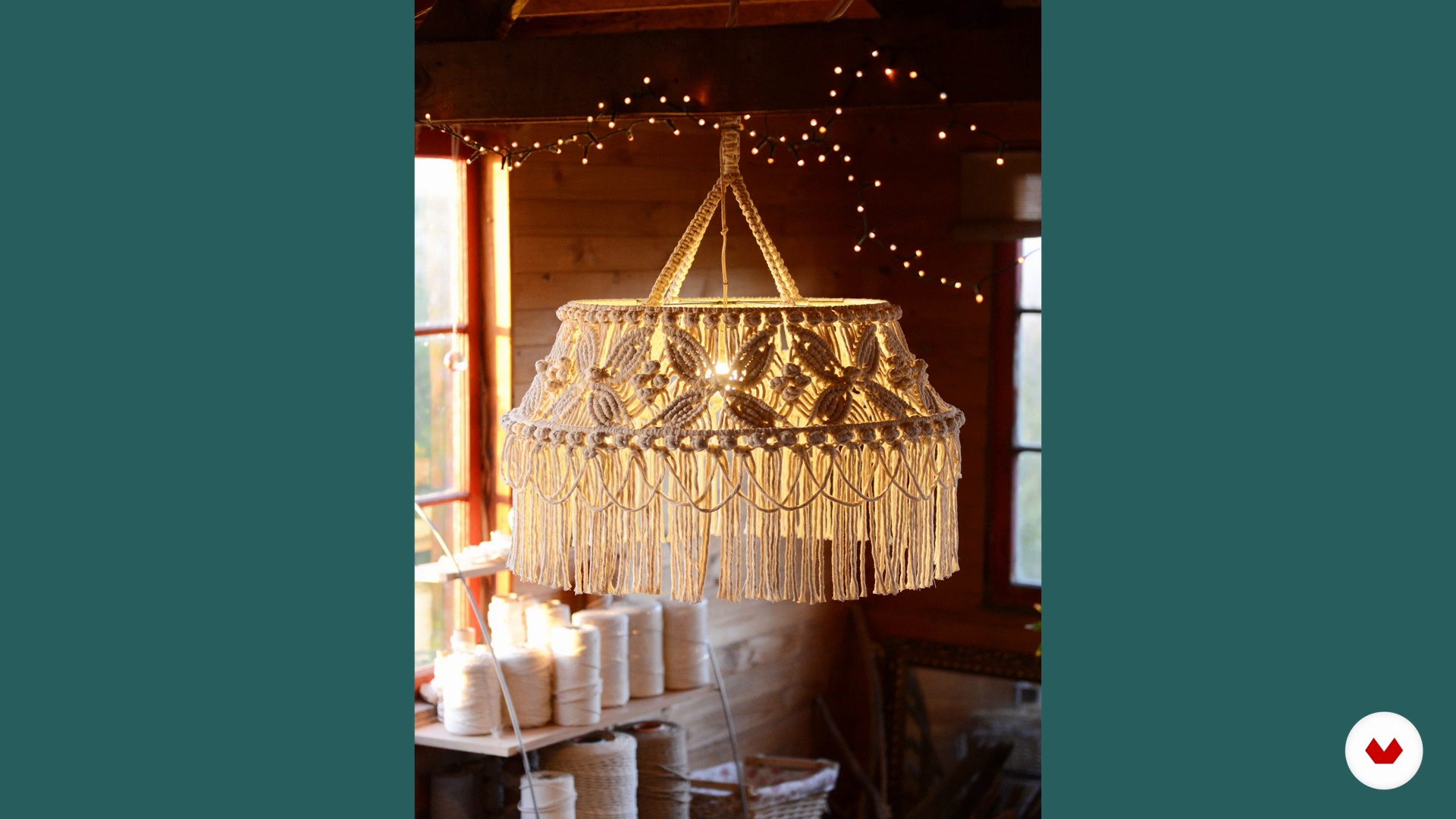
3Functionality of the technique
I want to start this unit by telling you what we are going to do during the course. Afterwards, we will begin to delve into the world of lighting and its options and functionalities.
3m
 4
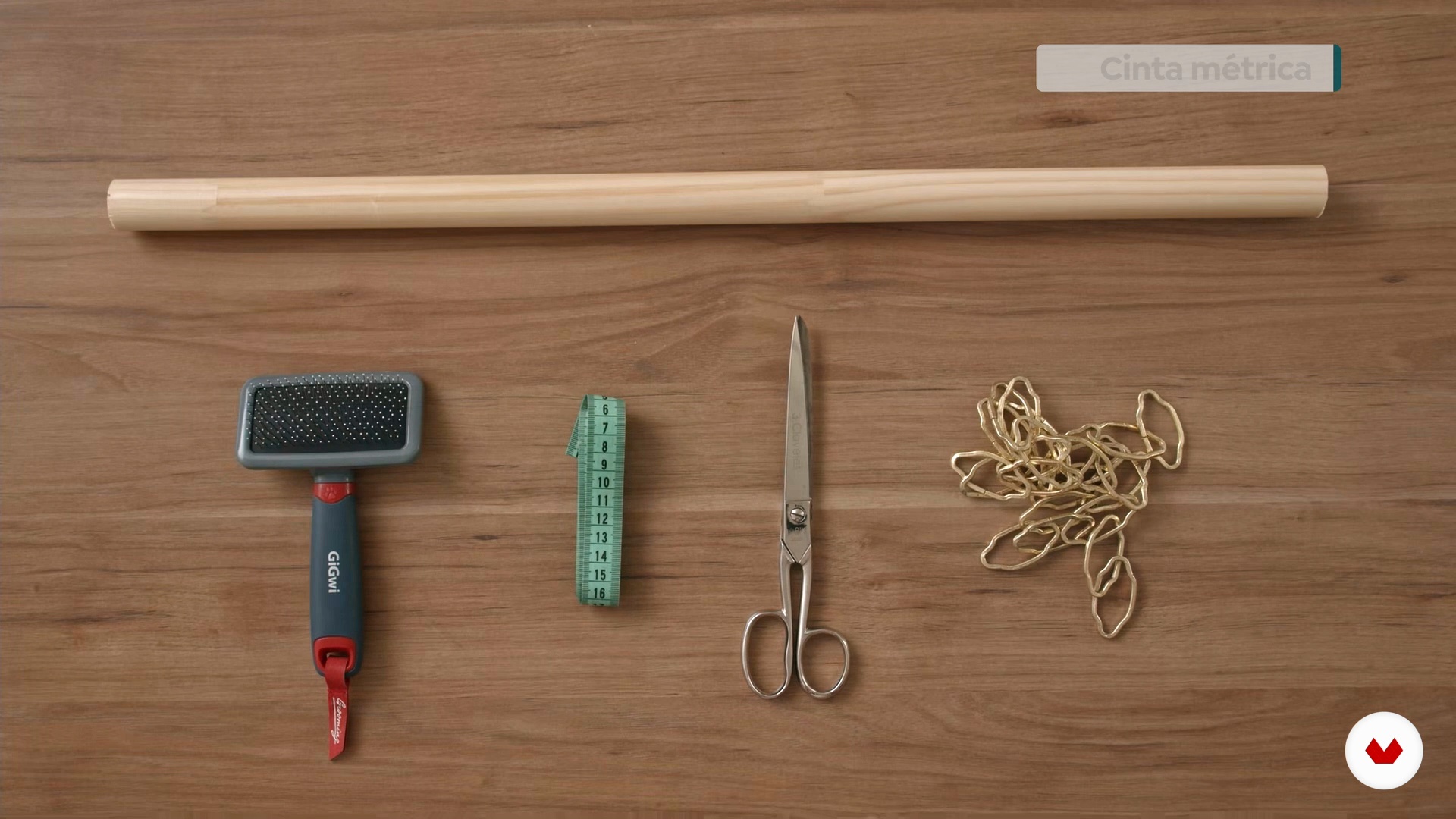
4Materials and structures
It is always useful to know the materials with which we are going to work. I am going to explain to you the different types of ropes and structures that we can use to shape our lamps.
6m
 5
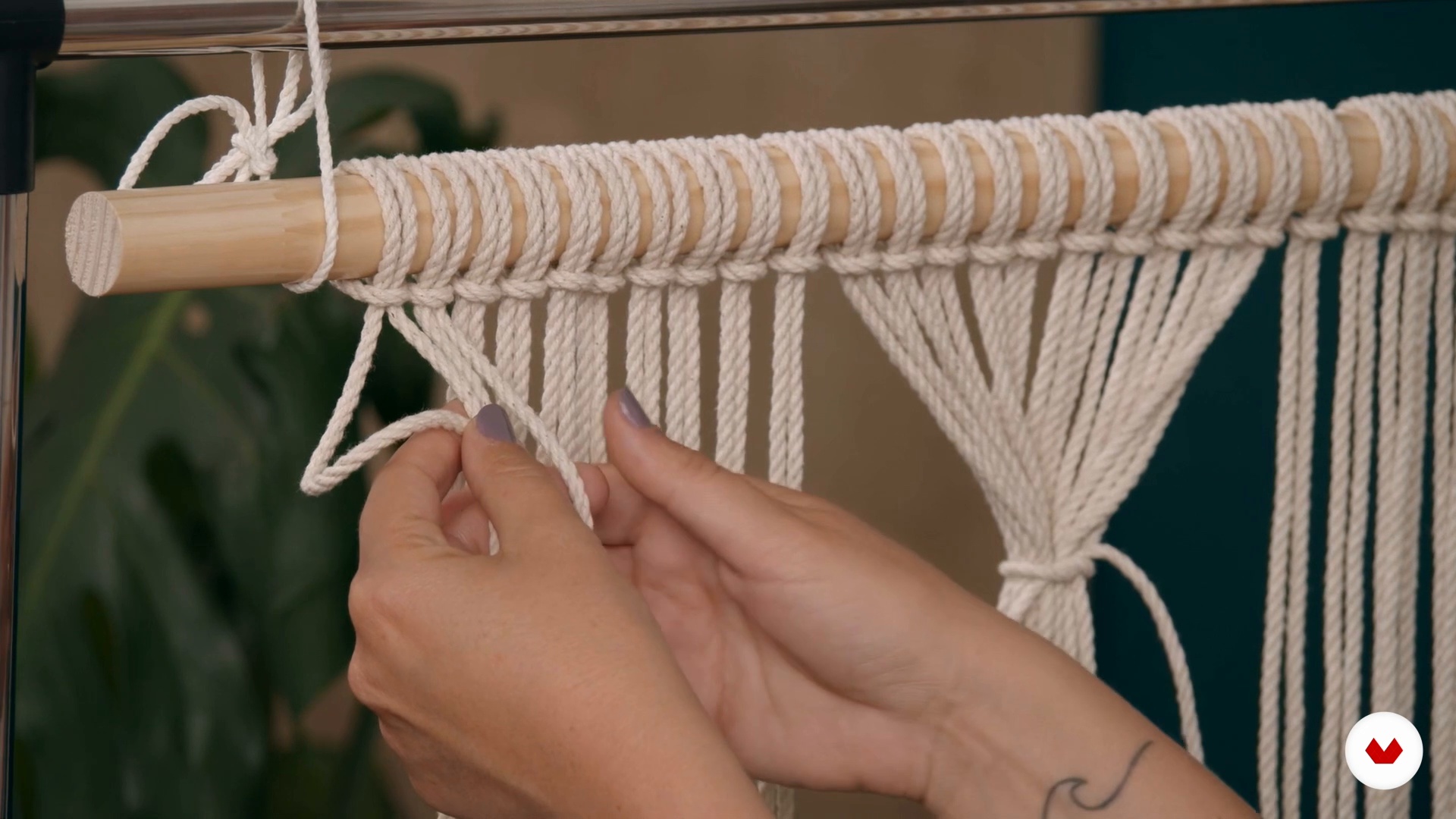
5Create a swatch wall 1
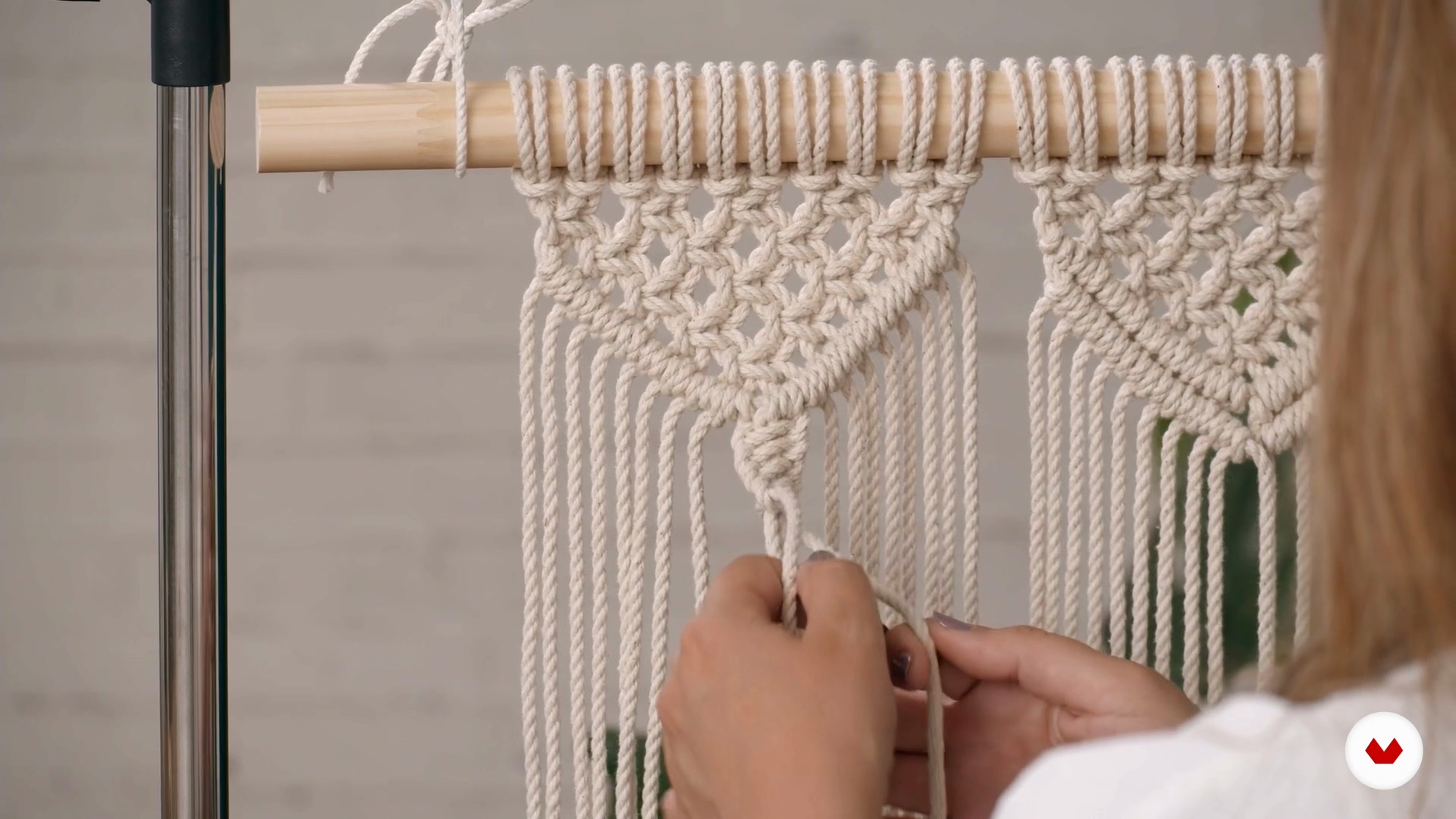
In this lesson I will teach you how to create a mural by reviewing the different types of knots that we will use for the different projects. We start with the lark knot.
14m
 6
6Create a swatch wall 2
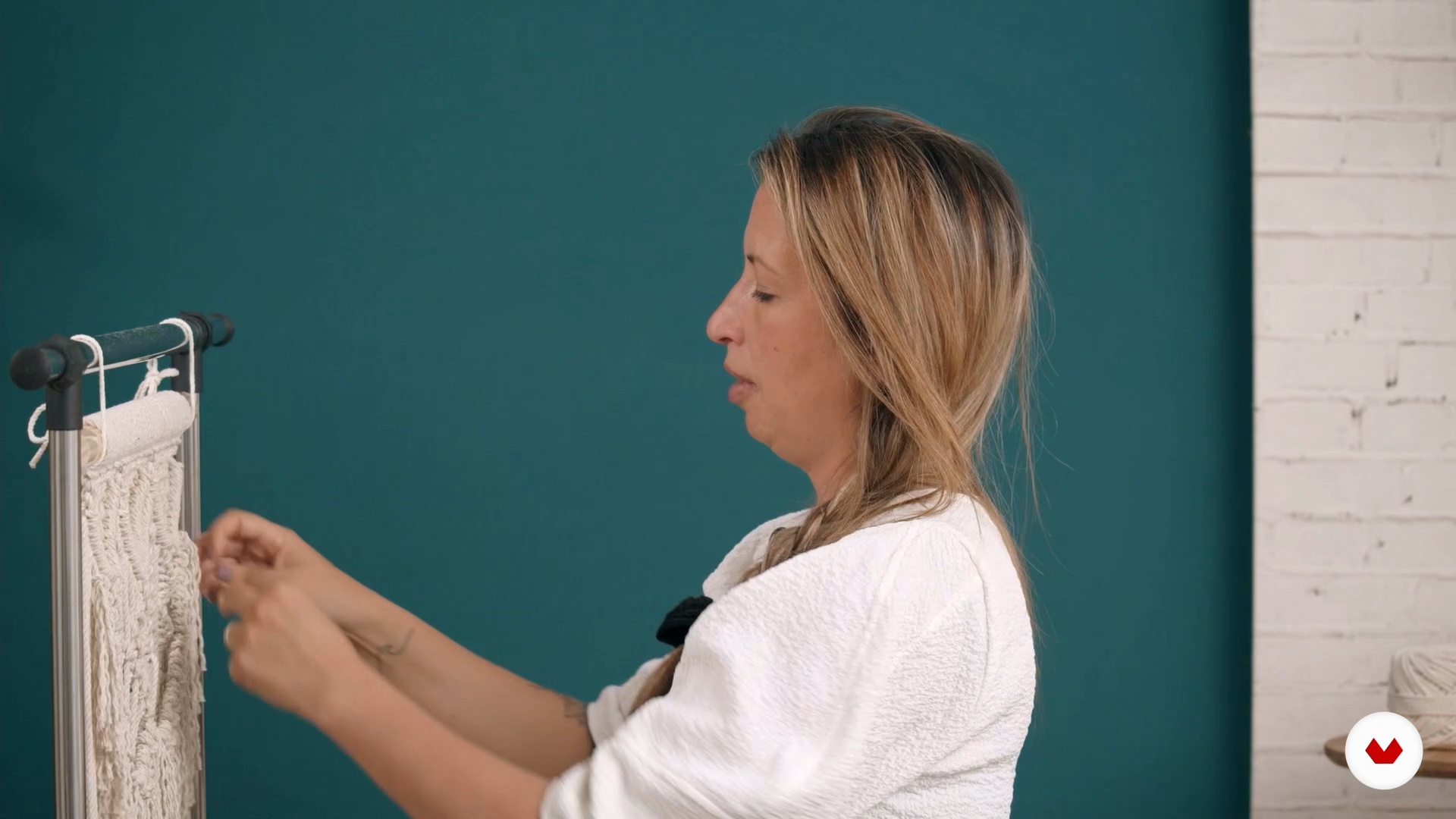
I continue explaining the different types of knots. In this case I will start by showing you how to make the festoon knot. Let's go little by little!
15m
 7
7Create a swatch wall 3
Since we have already made different types of knots, now it's time to go one step further: I'm going to show you how to add textures and layers.
9m
 8
8Sketches of our projects
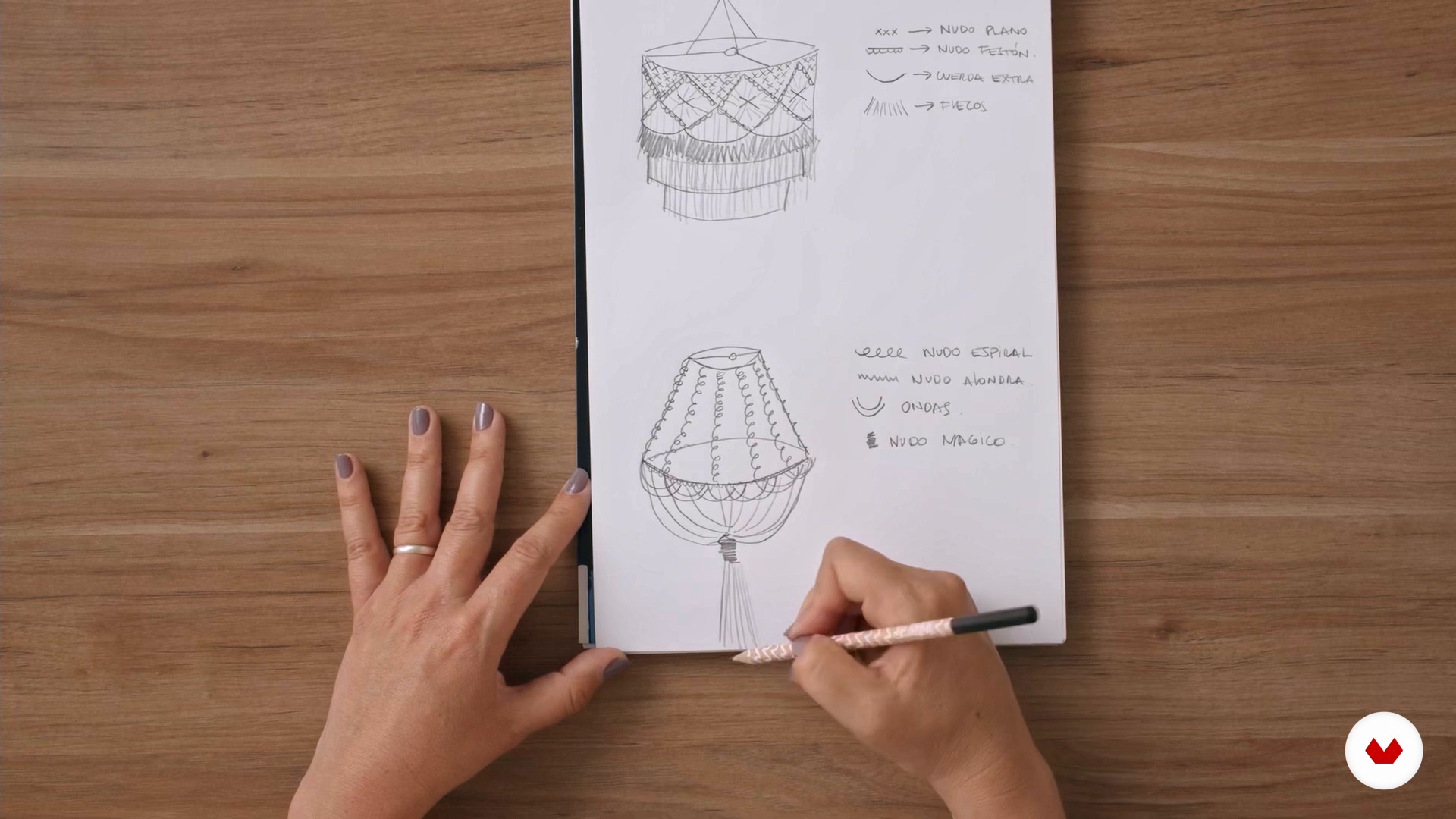
The first step in starting your lamp is to sketch your design. In this lesson we will see how to do it step by step.
9m
 9
9Prepare your layer lamp
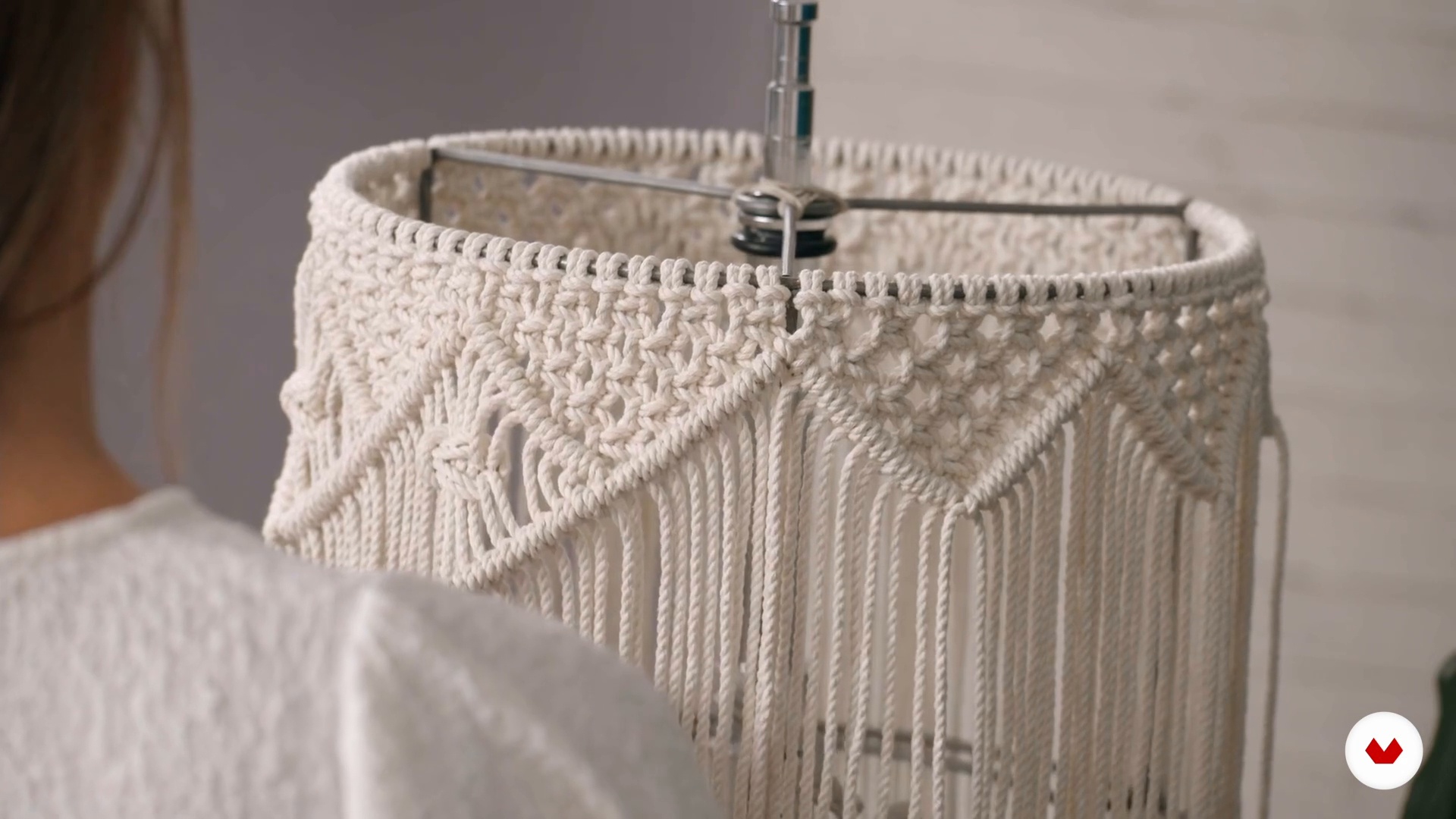
We start this unit by preparing the layer lamp. In this lesson I will teach you how to knot the pattern, which will be the basis for adding layers and textures later.
17m
 10
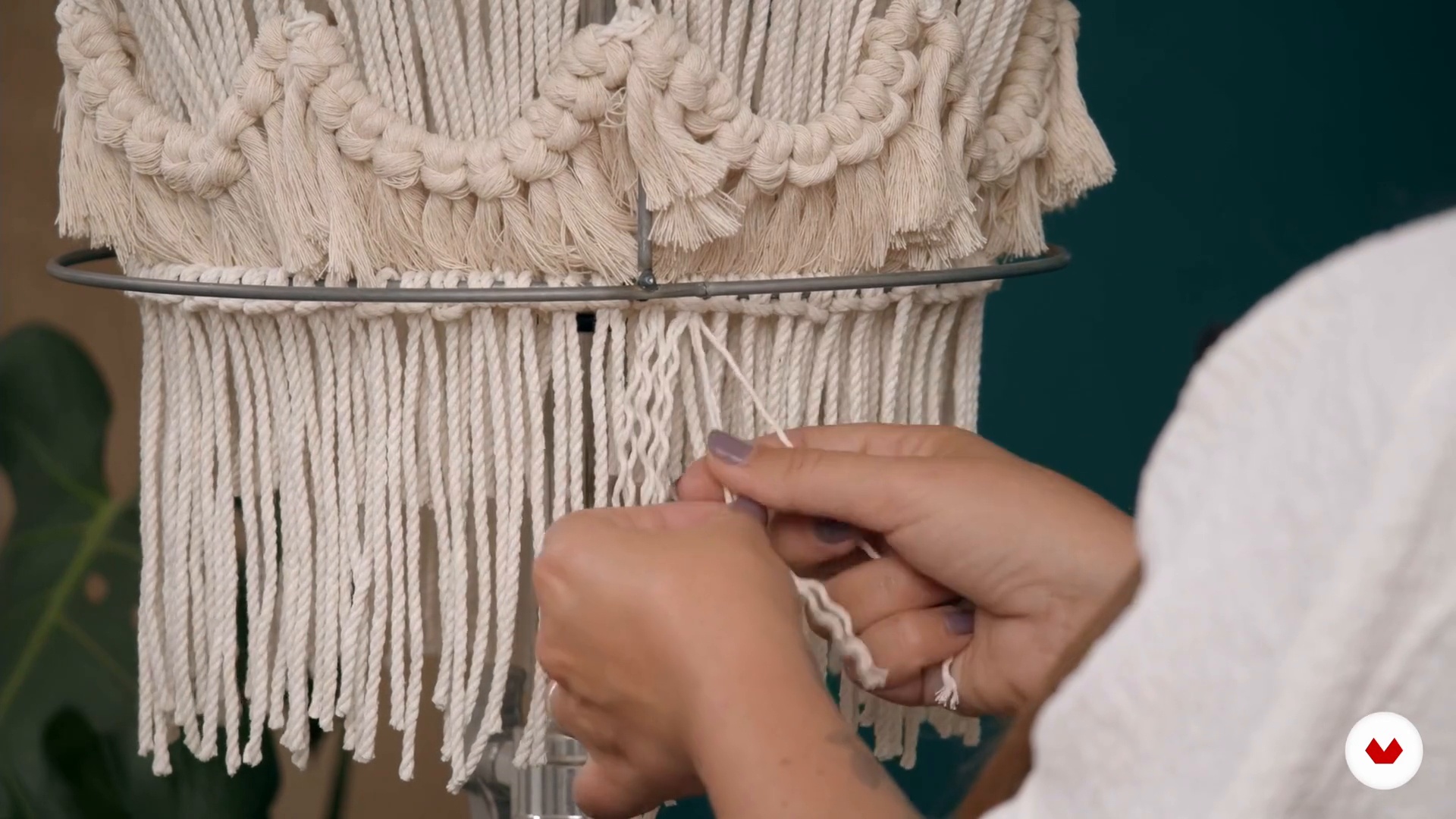
10Layers lamp: layers and textures
Now I am going to explain how to insert rope into your pattern, so you can add layers and textures that will give your lamp a unique touch.
11m
 11
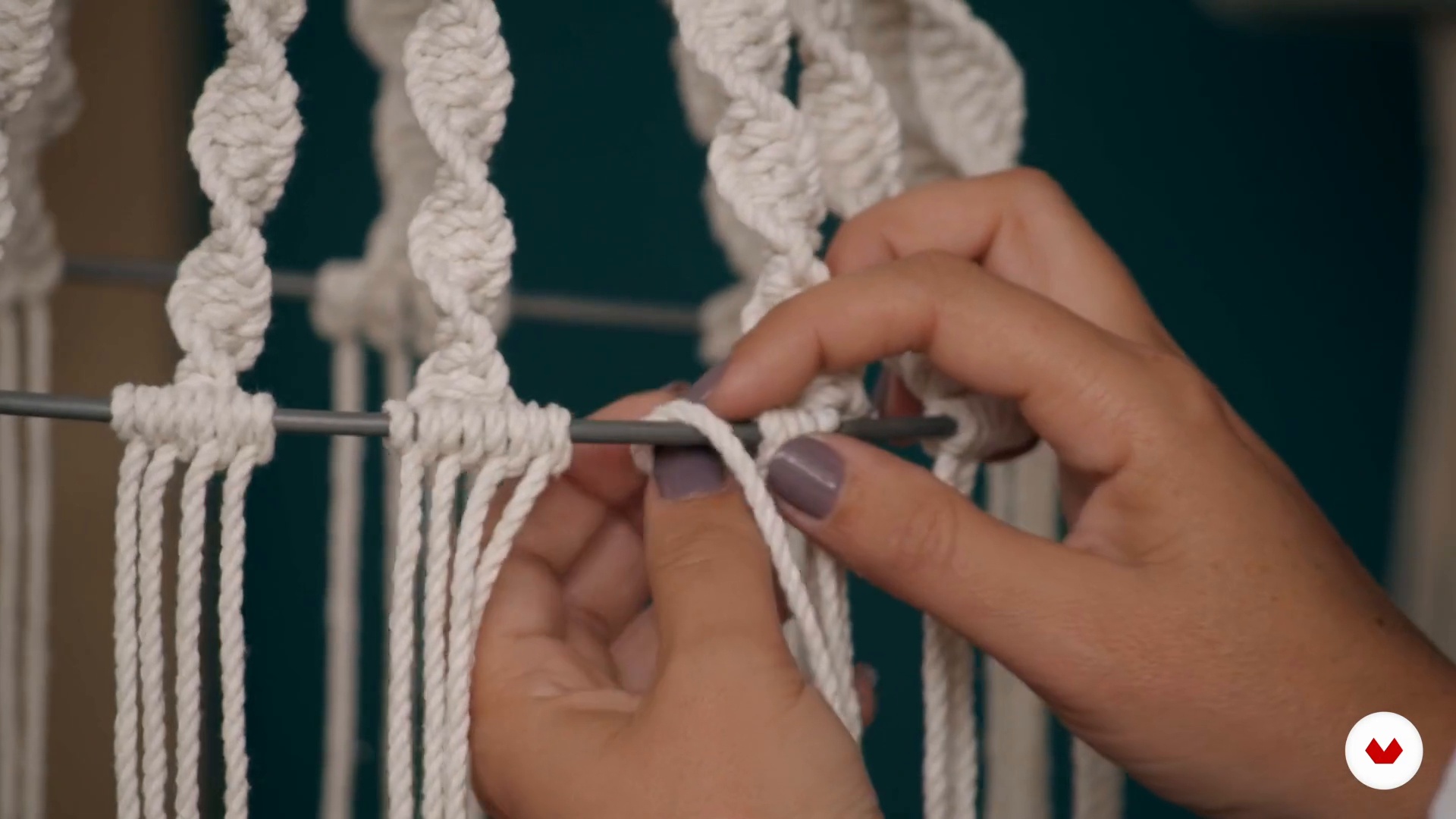
11Prepare your globe lamp
Since we have already finished the first lamp, now it is time to learn how to make the second type. I will start by explaining the knotting of the first stage of the globe lamp.
11m
 12
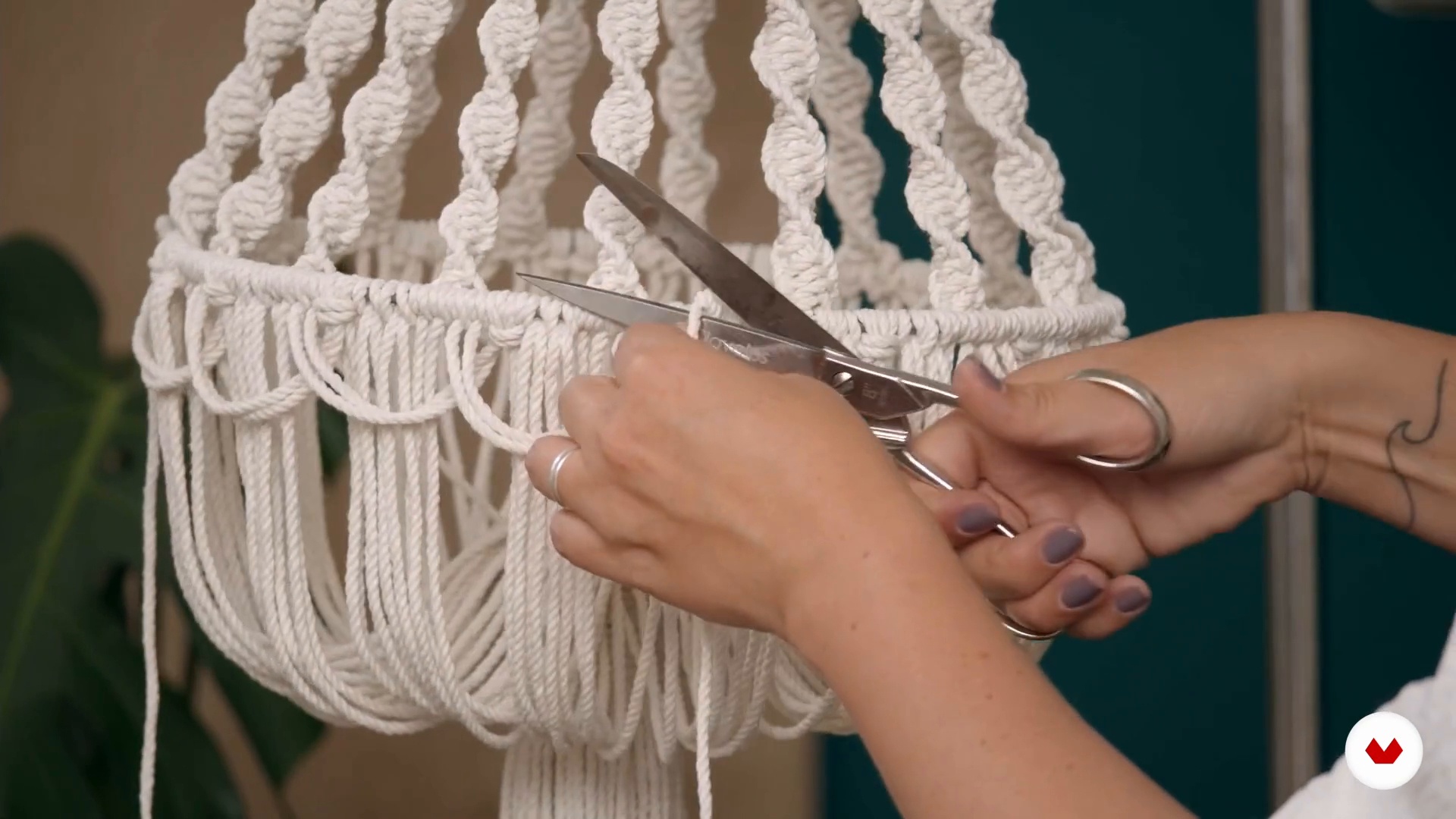
12Globe lamp: chandelier effect
After having prepared the base of the lamp, I am now going to teach you how to carry out the chandelier effect, so called because it simulates a chandelier.
11m
 13
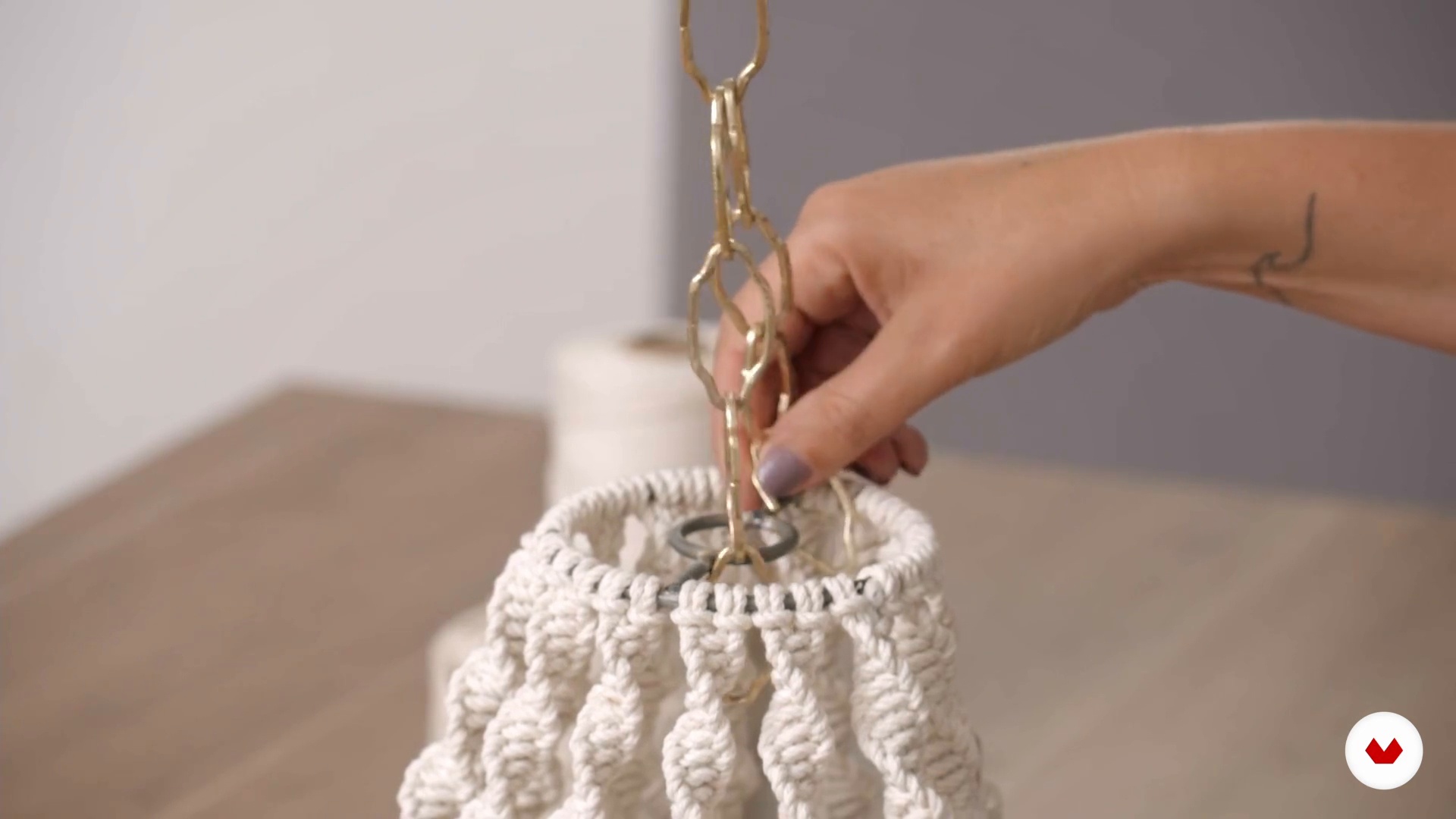
13Finishes and installation
In this lesson I am going to explain some options for hanging and installing the lamps. We are going to see several examples so that you can decide which alternative you prefer.
6m
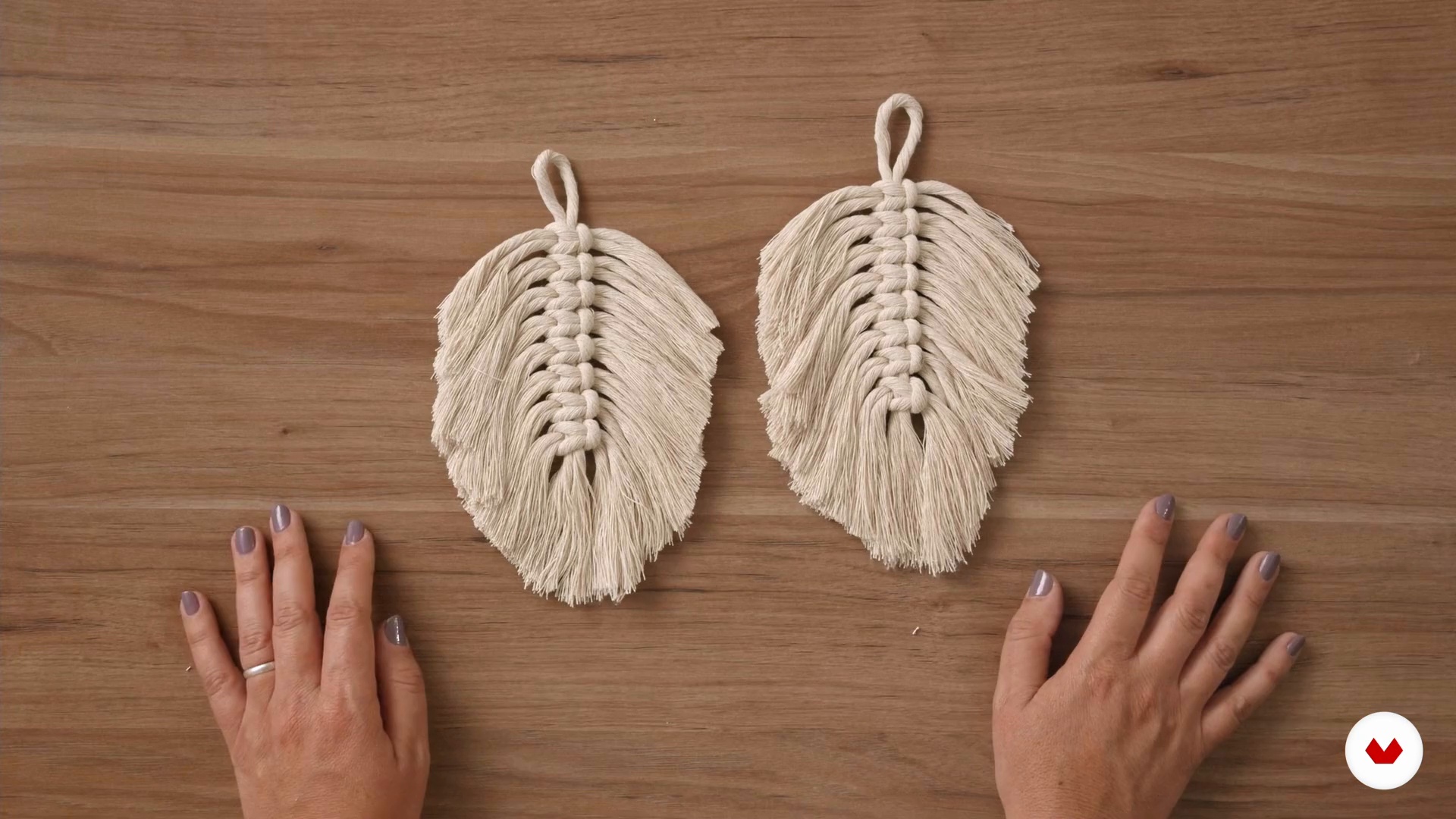 14
14Other apps
Finally, I am going to show you ideas that can help you to give a special and distinctive touch to your projects.
3m
 3
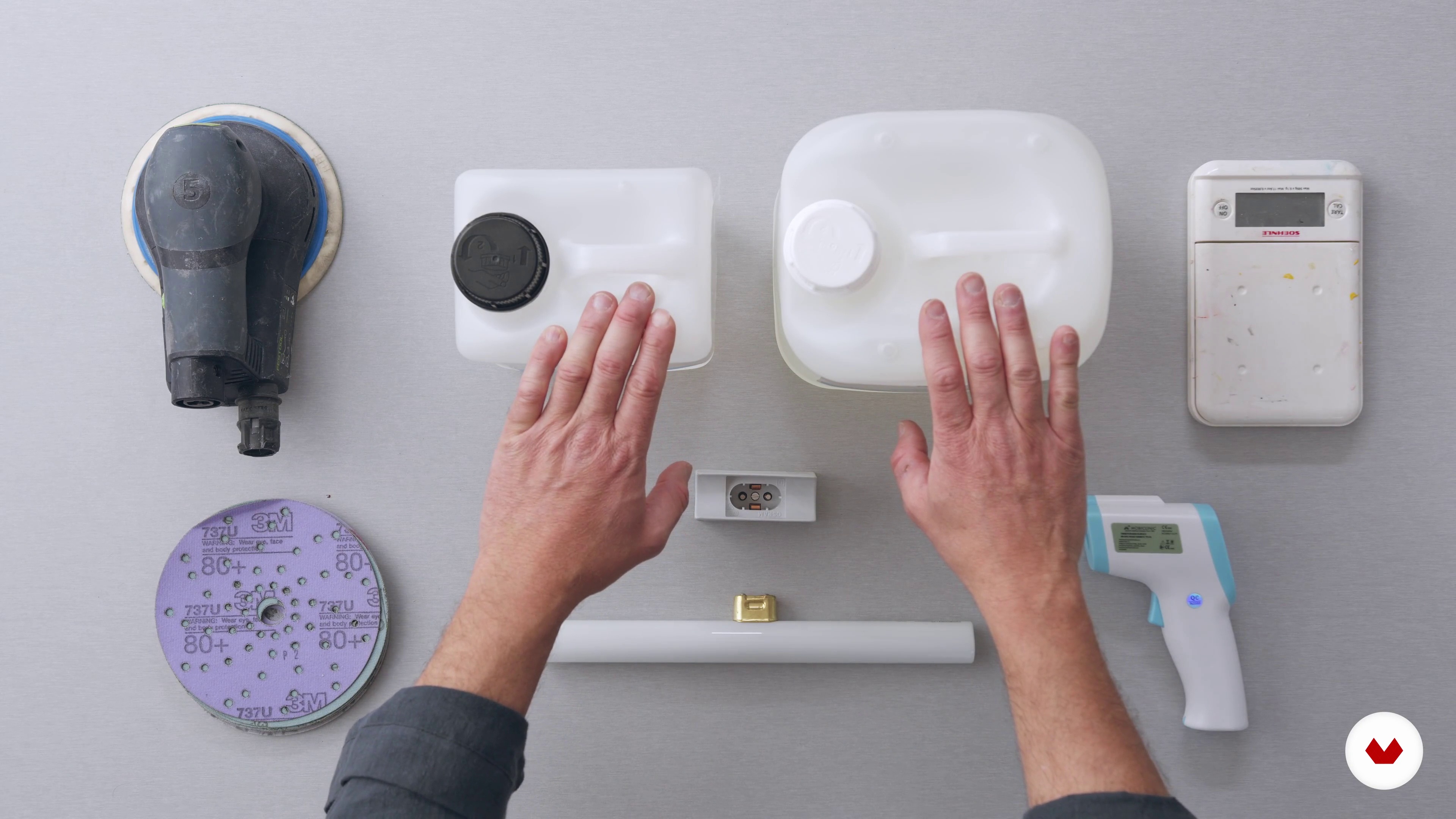
3Introducing the Materials
In this lesson, you will get to know the materials you will use to create your resin pieces. Also, I'll tell you about the tools you need.
5m
 4
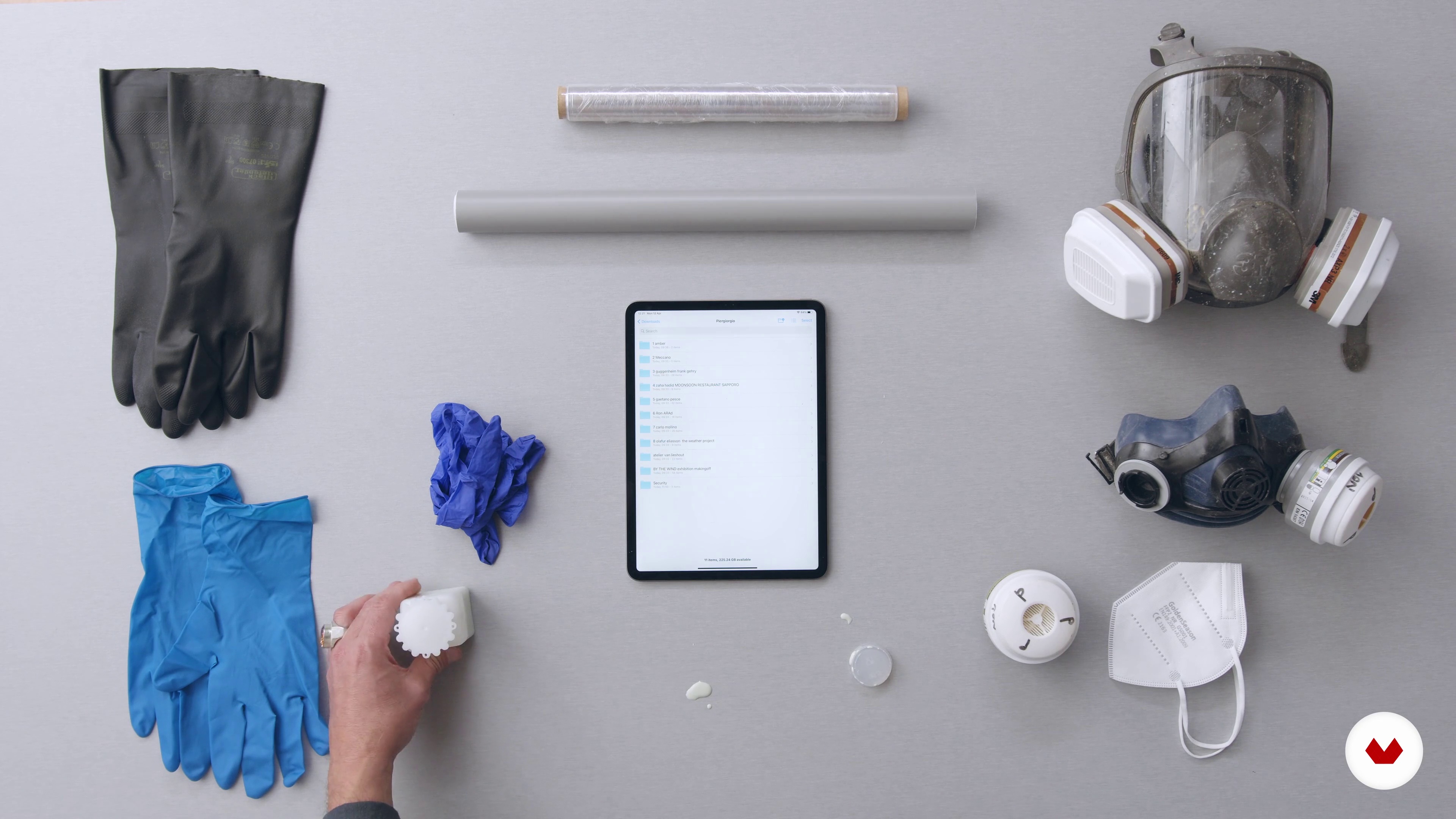
4Safety Measures
I am going to assess all the safety measures you need to be mindful of when creating your pieces. To protect yourself is as important as protecting the environment and your workspace.
12m
 5
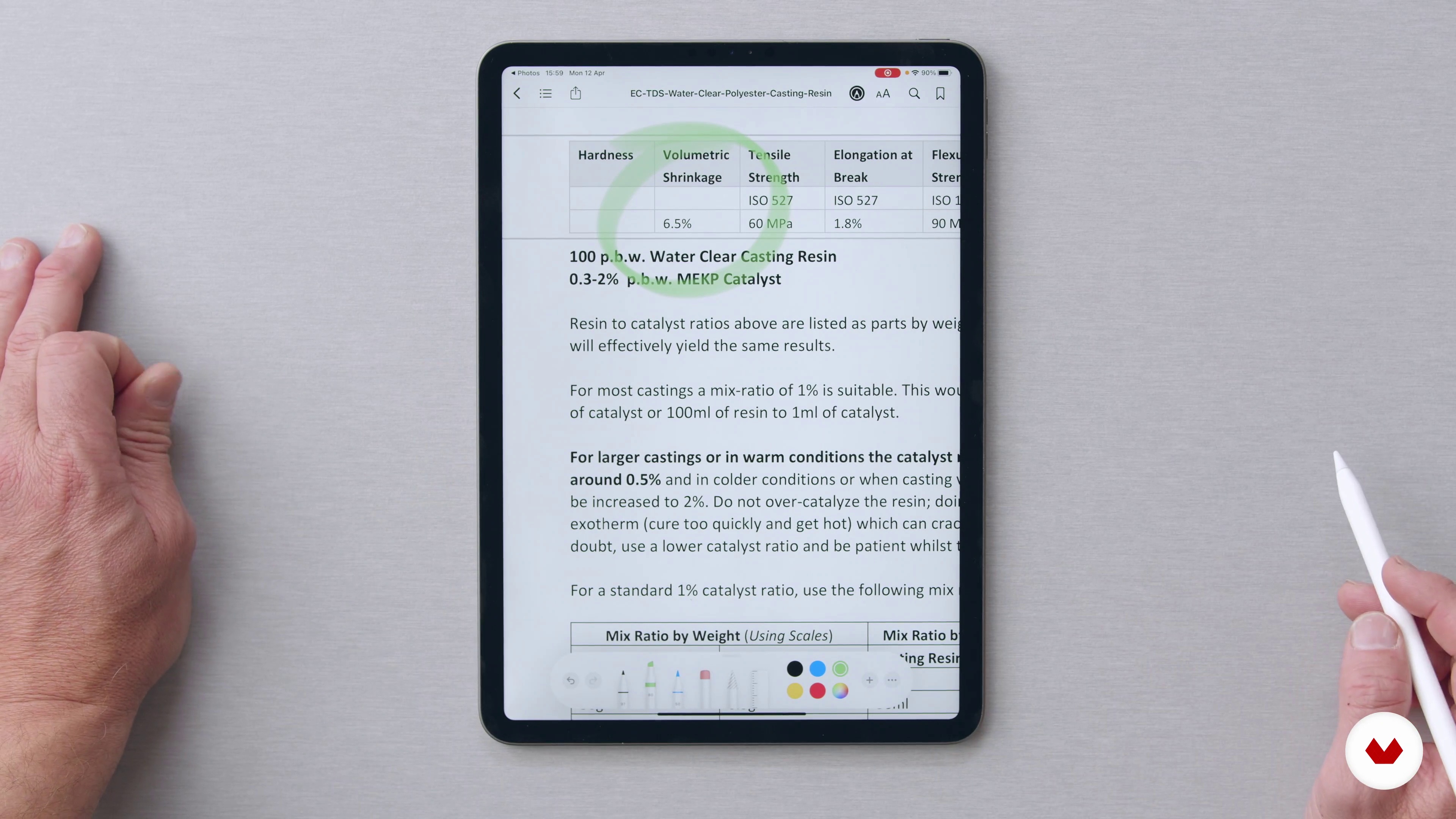
5Data Sheet Reading and Types of Resin
Many times, misuse of resin comes from the wrong choice of resin. In this lesson, you are going to learn about the importance of getting and reading the datasheet from the company to learn about the post-production storage density pot life and not secondary aspects, such as safety rules and toxicity.
9m
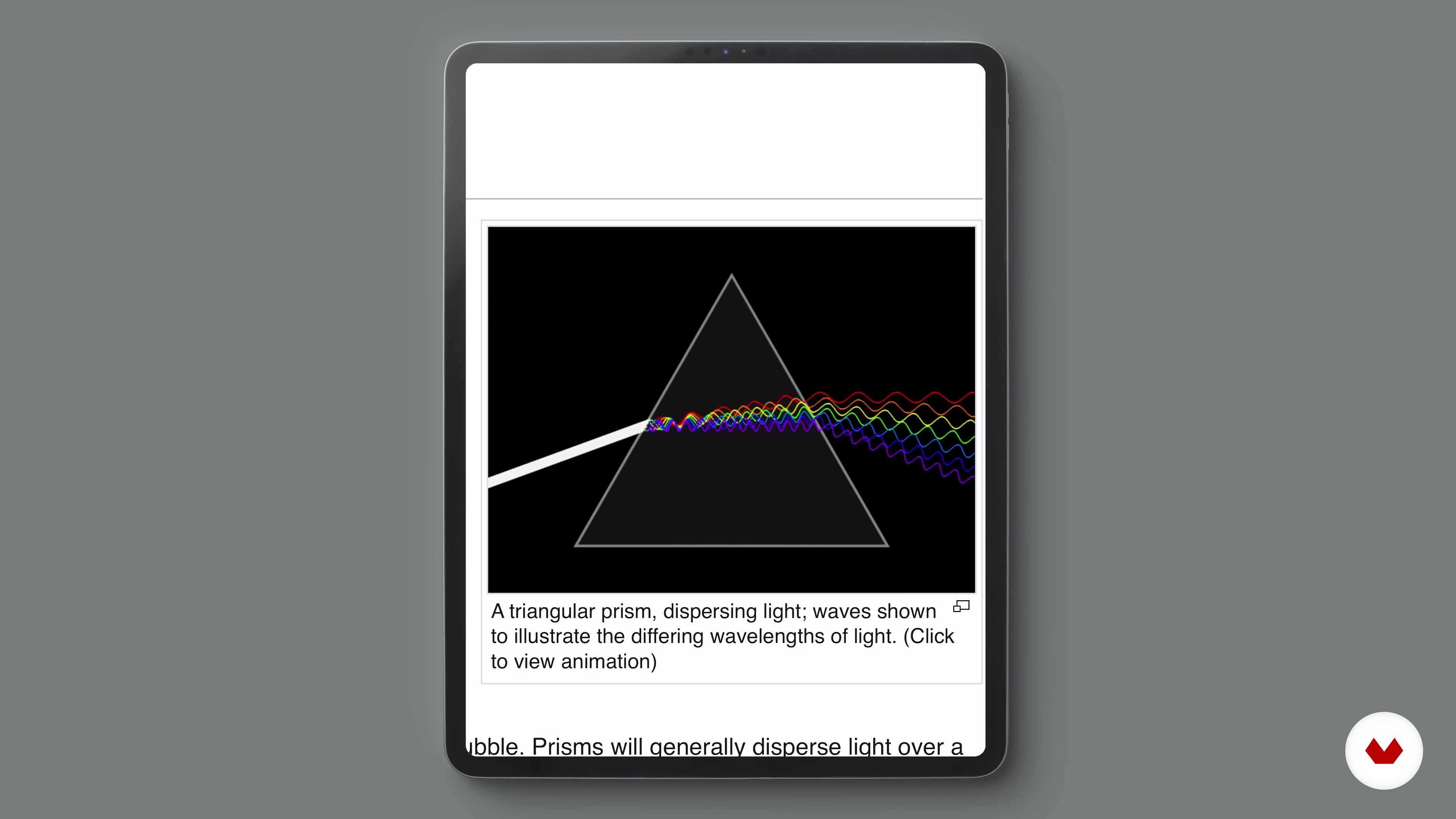 6
6Finding Inspiration and the Creative Process
We will talk about how to find inspirations and the importance of having fun. Everyday life is what inspires me. Let me show you how I go about it.
7m
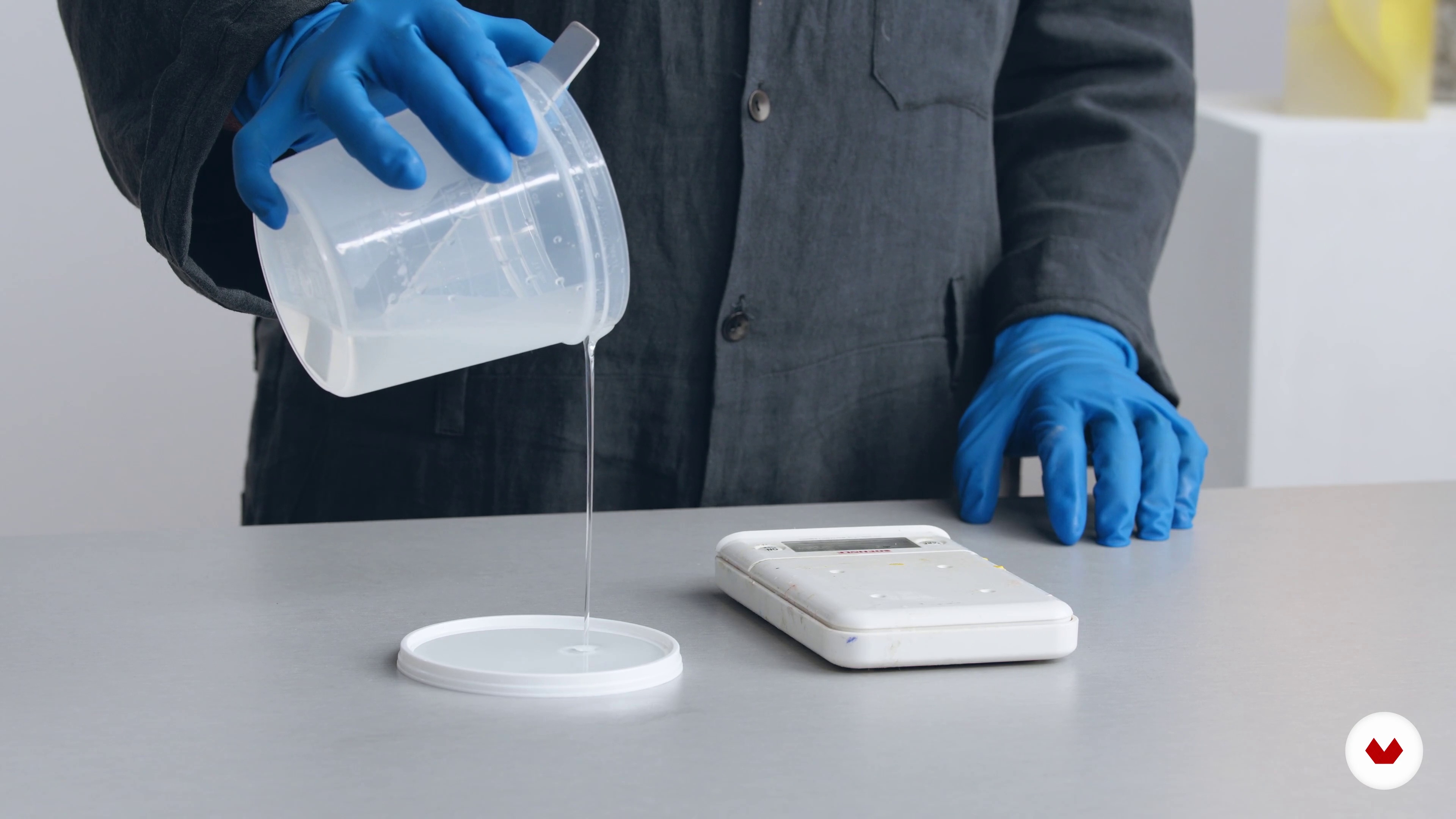 7
7Mixing and Pouring
To start off, I will provide you with some tips about mixing and pouring resin. There are two factors we need to control and monitor at all times: temperature and humidity.
8m
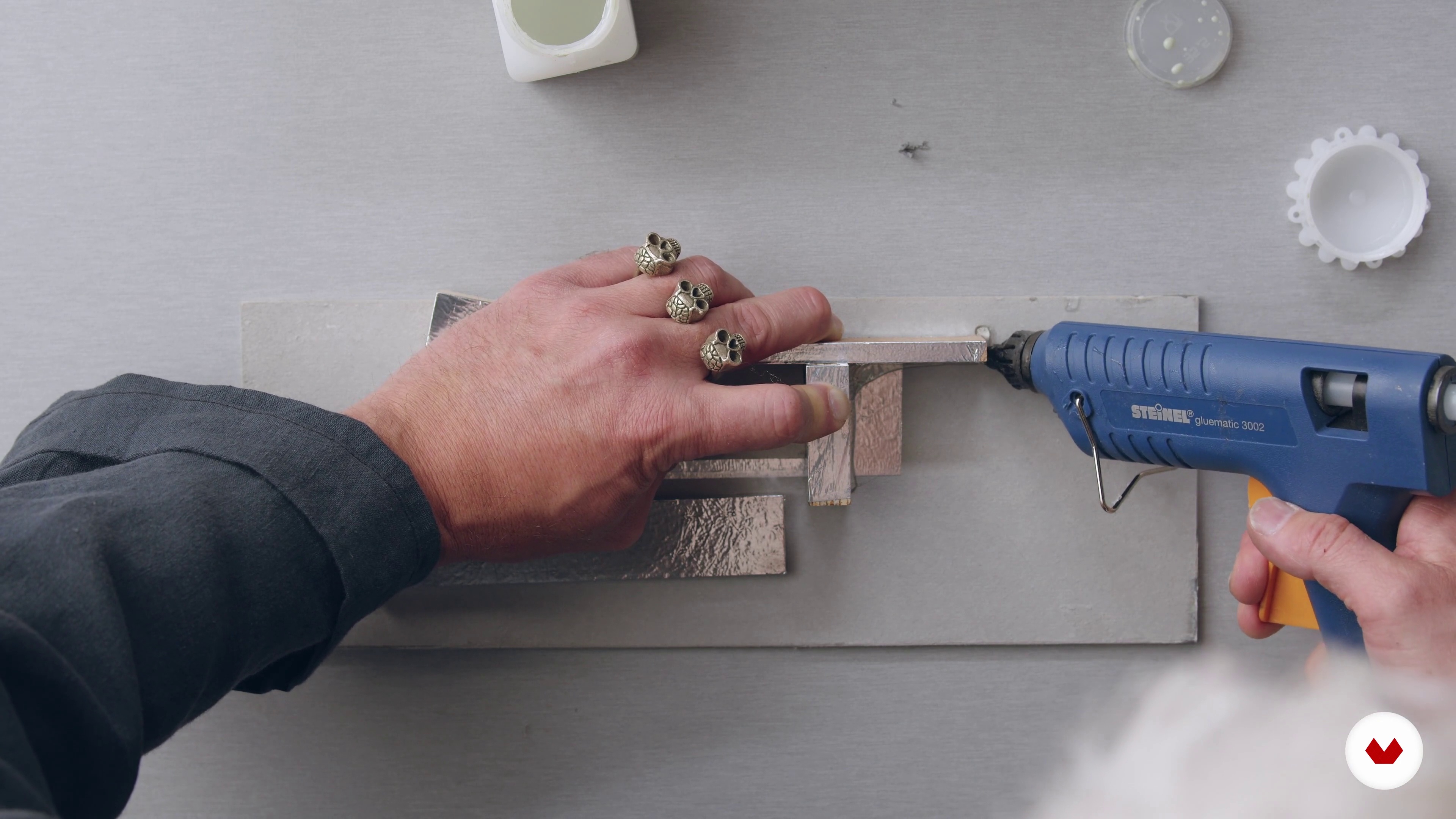 8
8Moulds
You can make a mould out of everything: aluminium, wood, silicone, cardboard... The point here is to know when to choose one over another and how to preserve your moulds.
9m
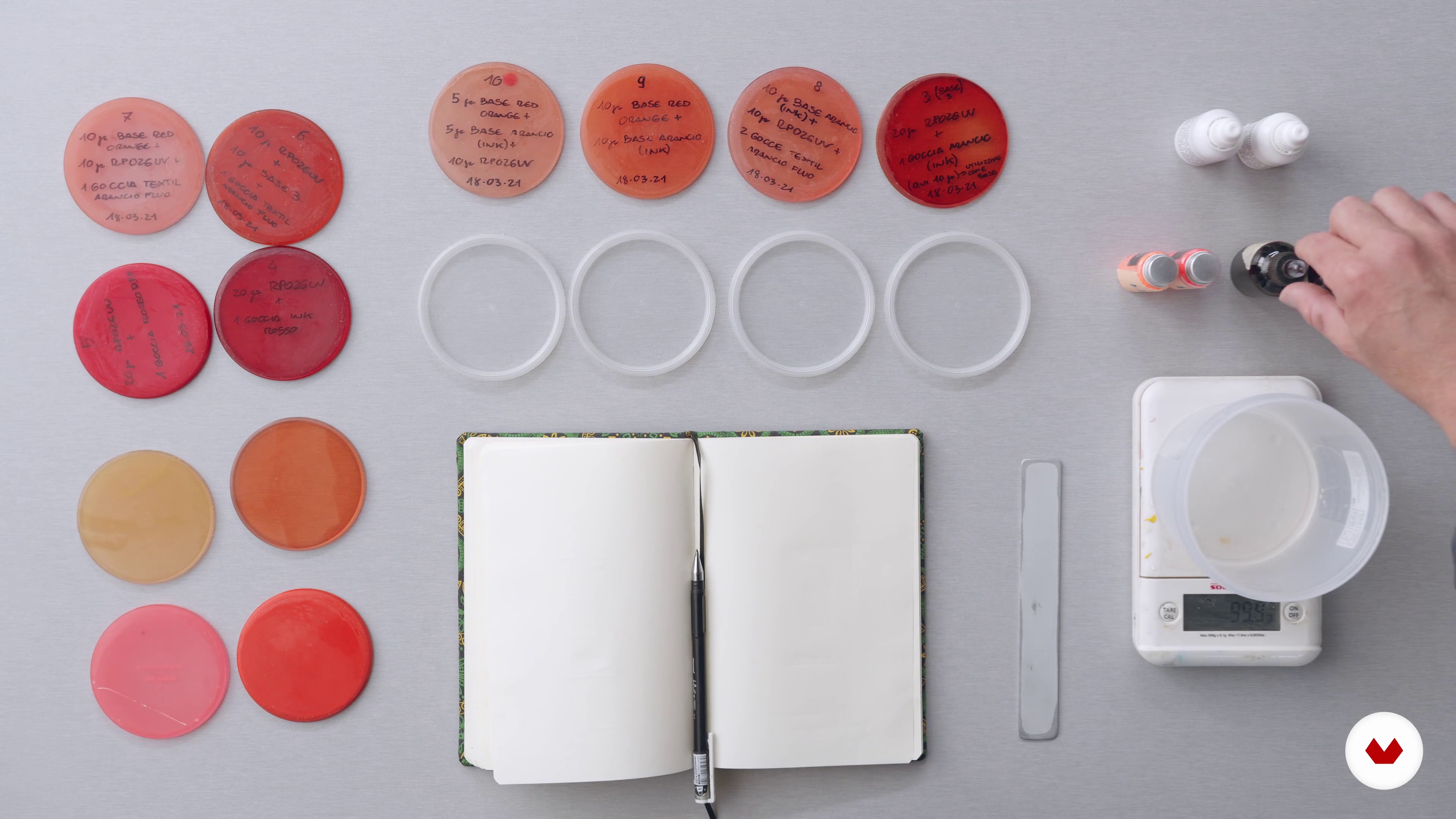 9
9Resin and Colour
What I want to teach in this lesson is the importance of pigment dilution. I will show you how to properly dilute your pigments. I will also like to dedicate some time to teach you how to create a colour palette.
10m
 10
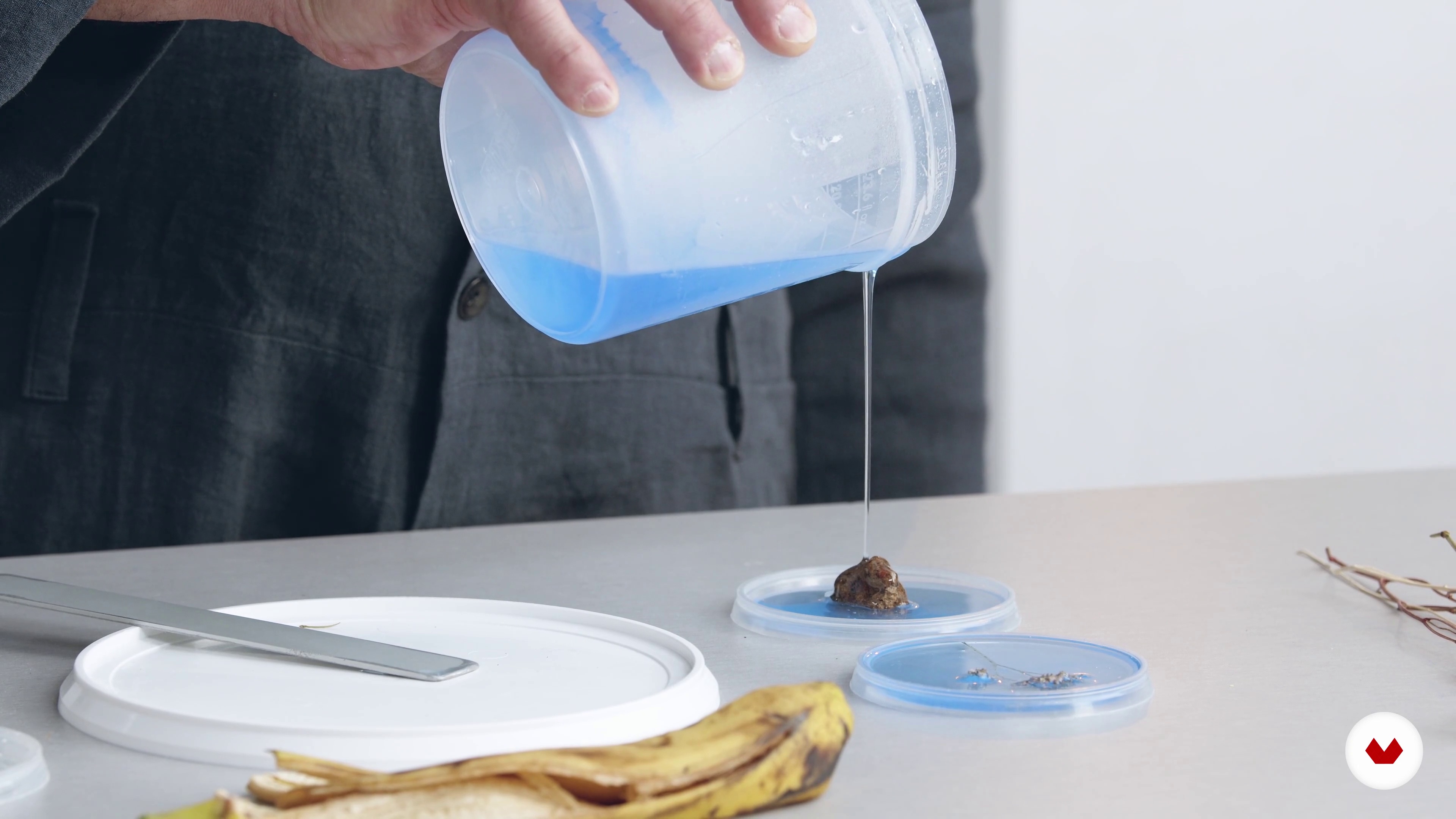
10Adding Elements to Resin
What are the things that you can fit inside of a resin casting? Let's find out.
9m
 11
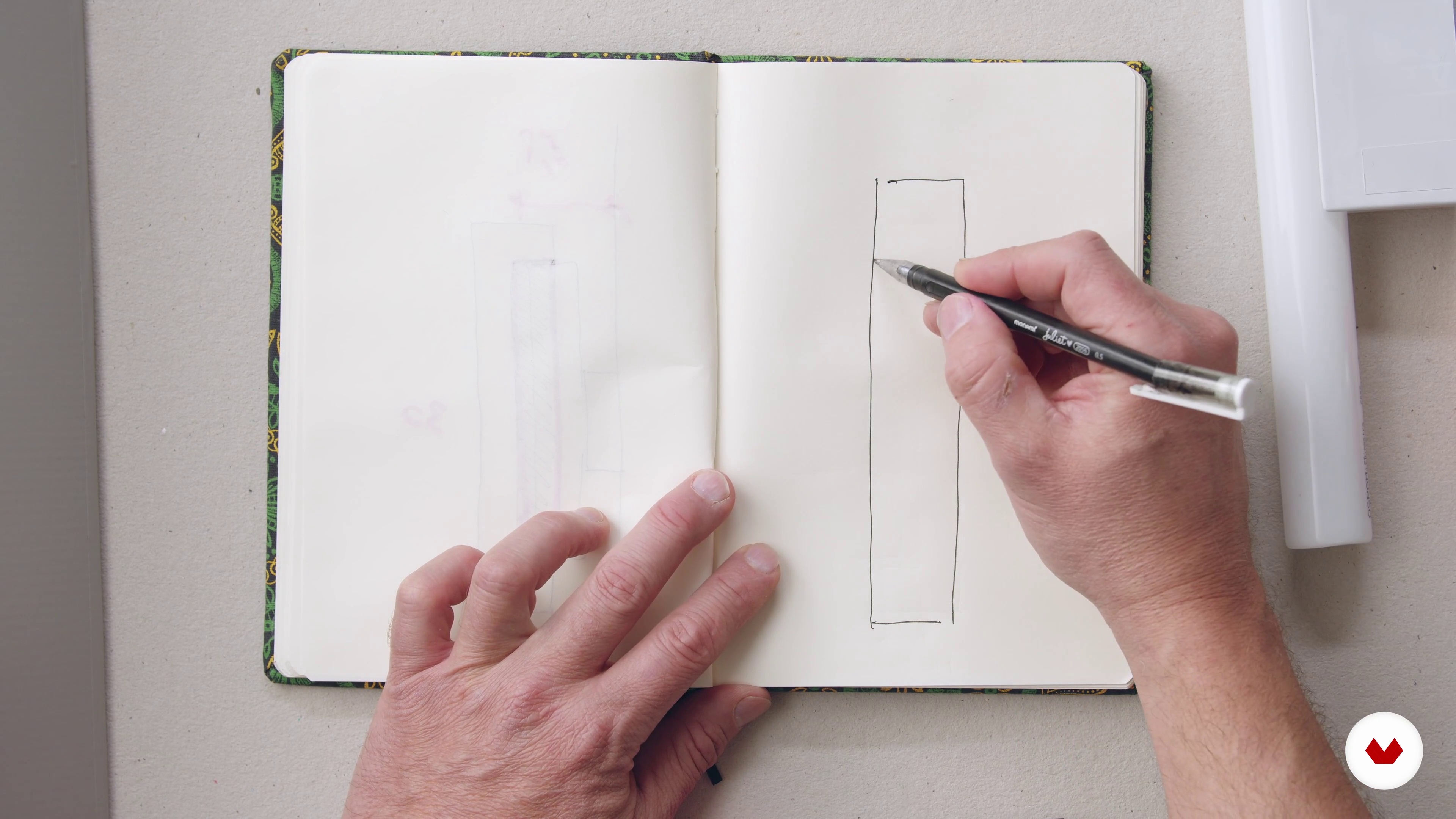
11Dimensioning Your Object and Creating a Model
I always start with a sketch. What we are going to do in this lesson is to get the dimensions of our object. Once we have the drawing ready, we will transfer it to E flute corrugated cardboard, to have a 3D model of it. Then, we will use adhesive vinyl to tie everything up.
15m
 12
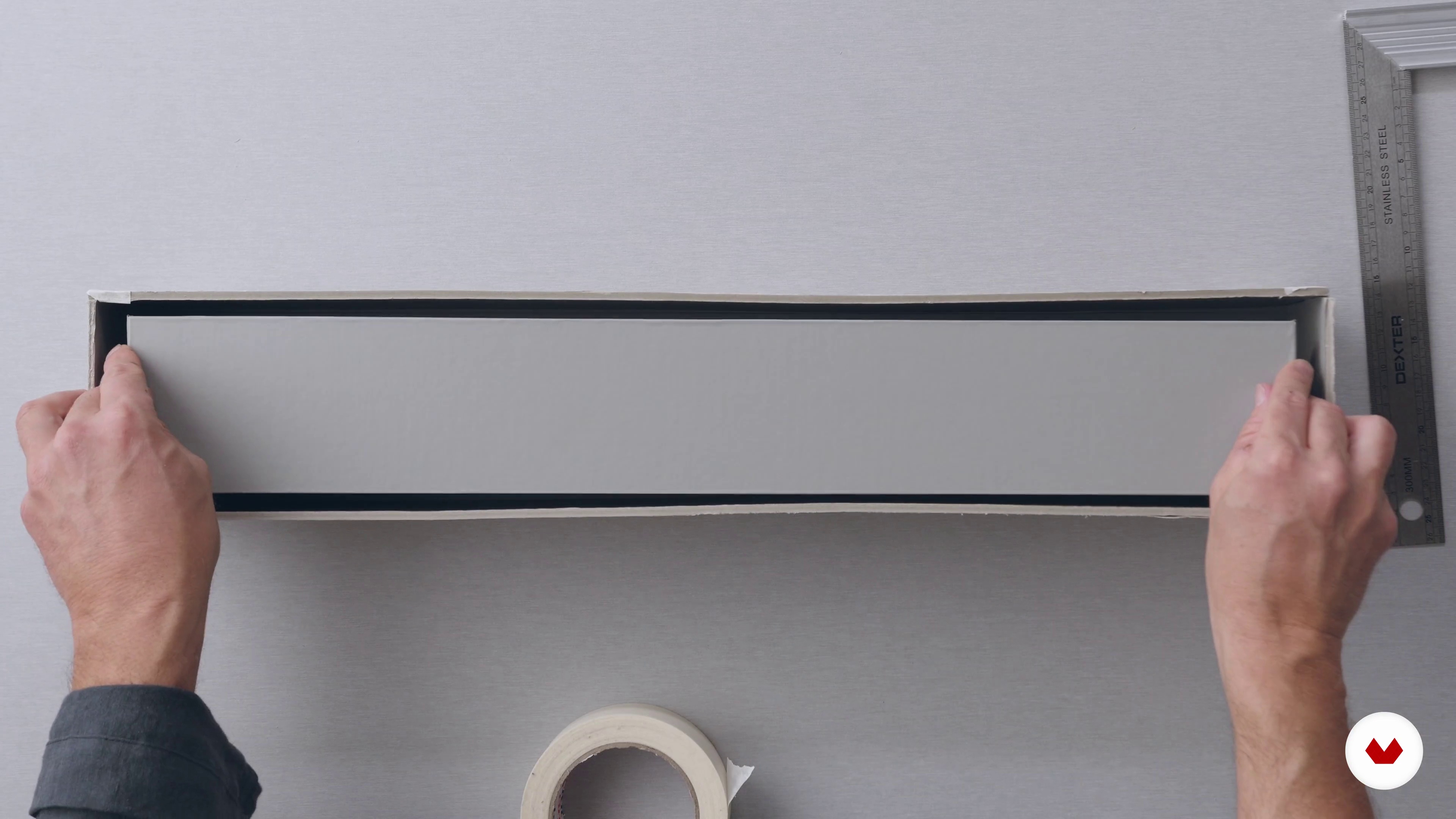
12Refining the Design with the Resin Type, Colors and Electrical Components
The foundation is ready. Now it is time to select what resin to work with. You will see that I went for polyester, but you can choose whichever suits your needs. Also, we will start to create the colour palette for our piece. There are some things to consider, though, like the effect of light, the very shape of the object, and the density of the resin, among others.
10m
 13
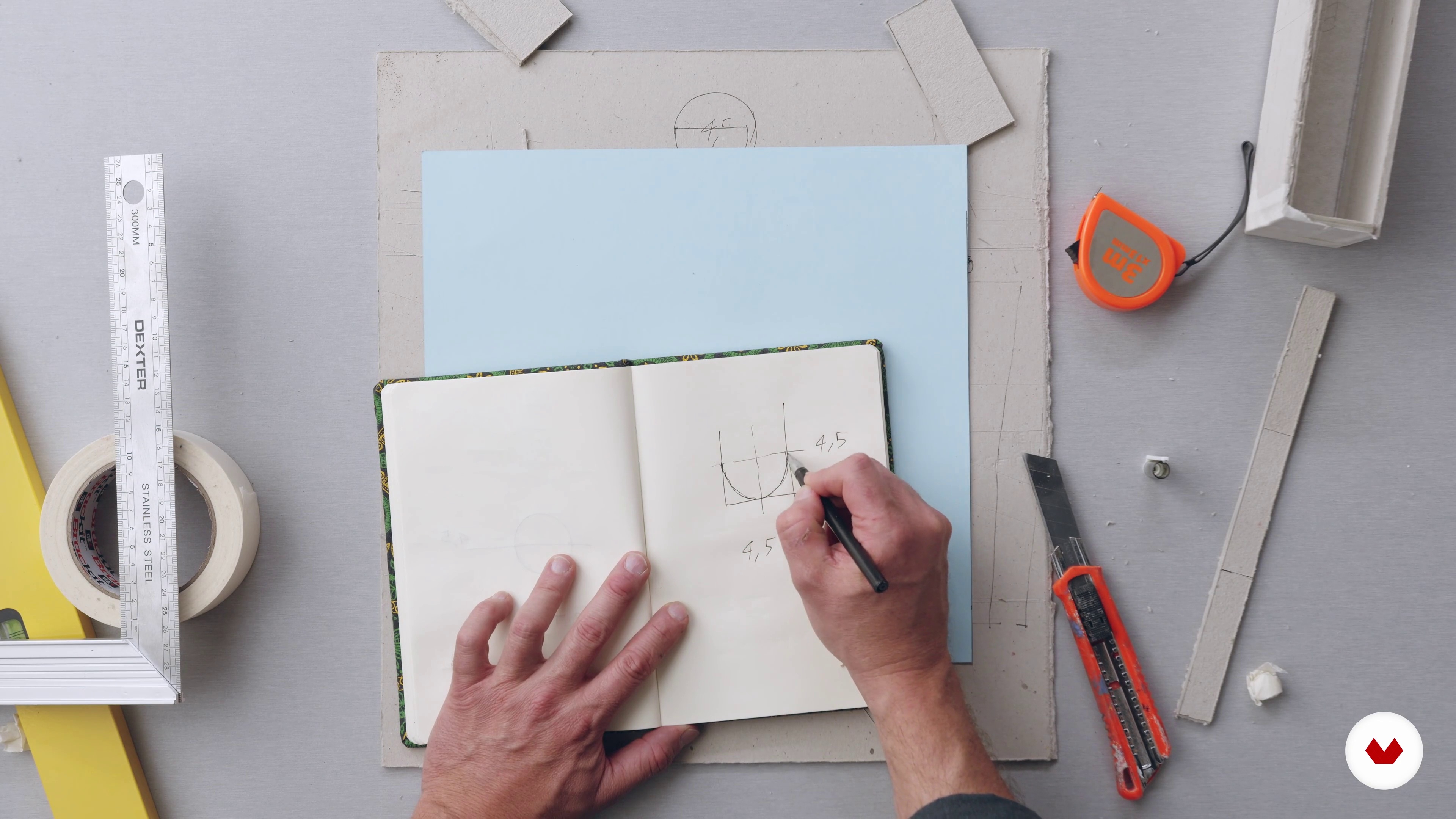
13Creating Your First Mould, Casting and Unmoulding 1
Now that we have the design and the resin type it is time to go forward and start building the pieces of our lamp. In this lesson, we create the mould for the main piece using our corrugated cardboard model and silicone. We will then cast the resin and learn how to unmold and preserve the mould to create the rest of the pieces.
13m
 14
14Creating Your First Mould, Casting and Unmoulding 2
Let's build the second mould.
13m
 15
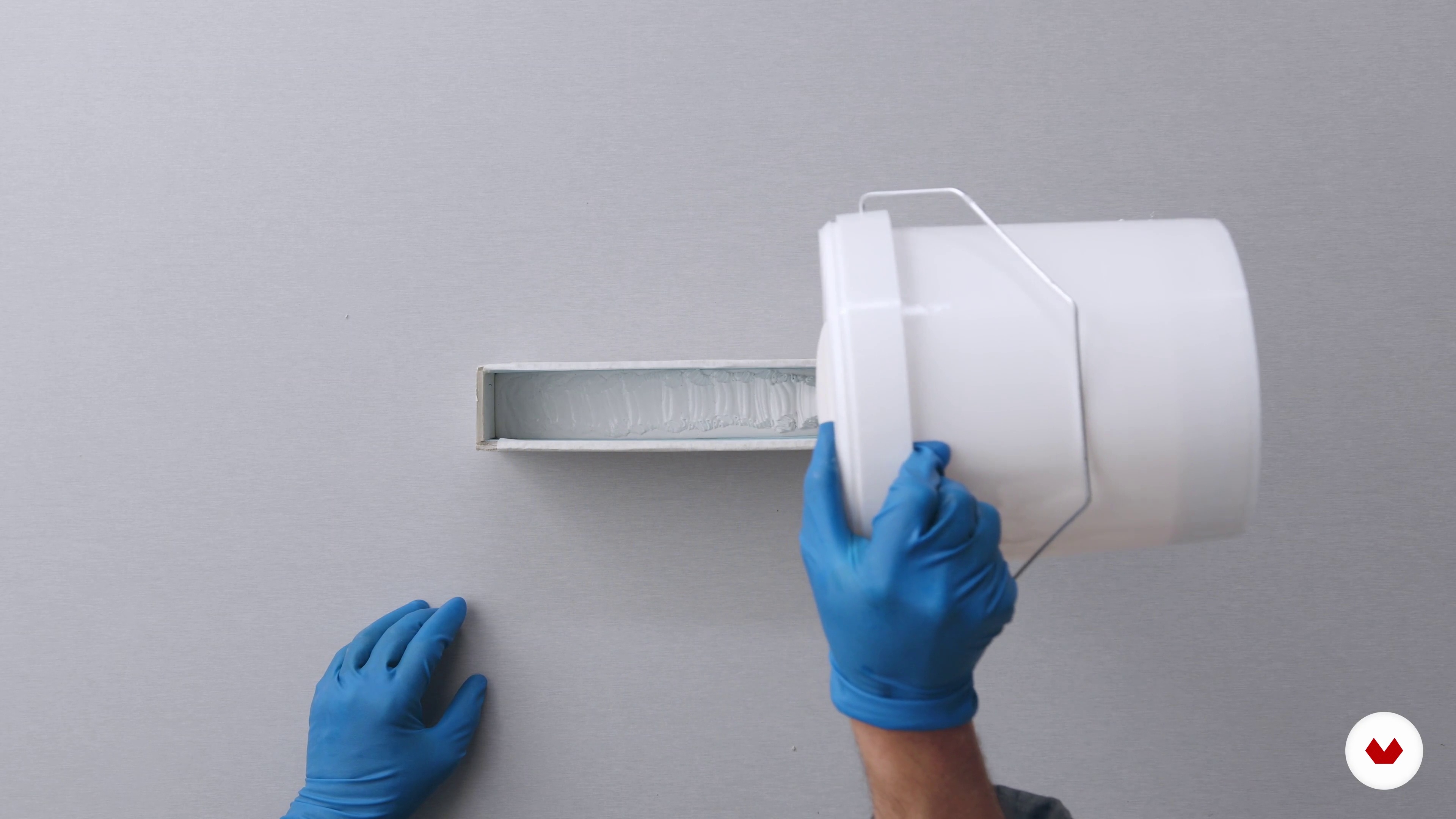
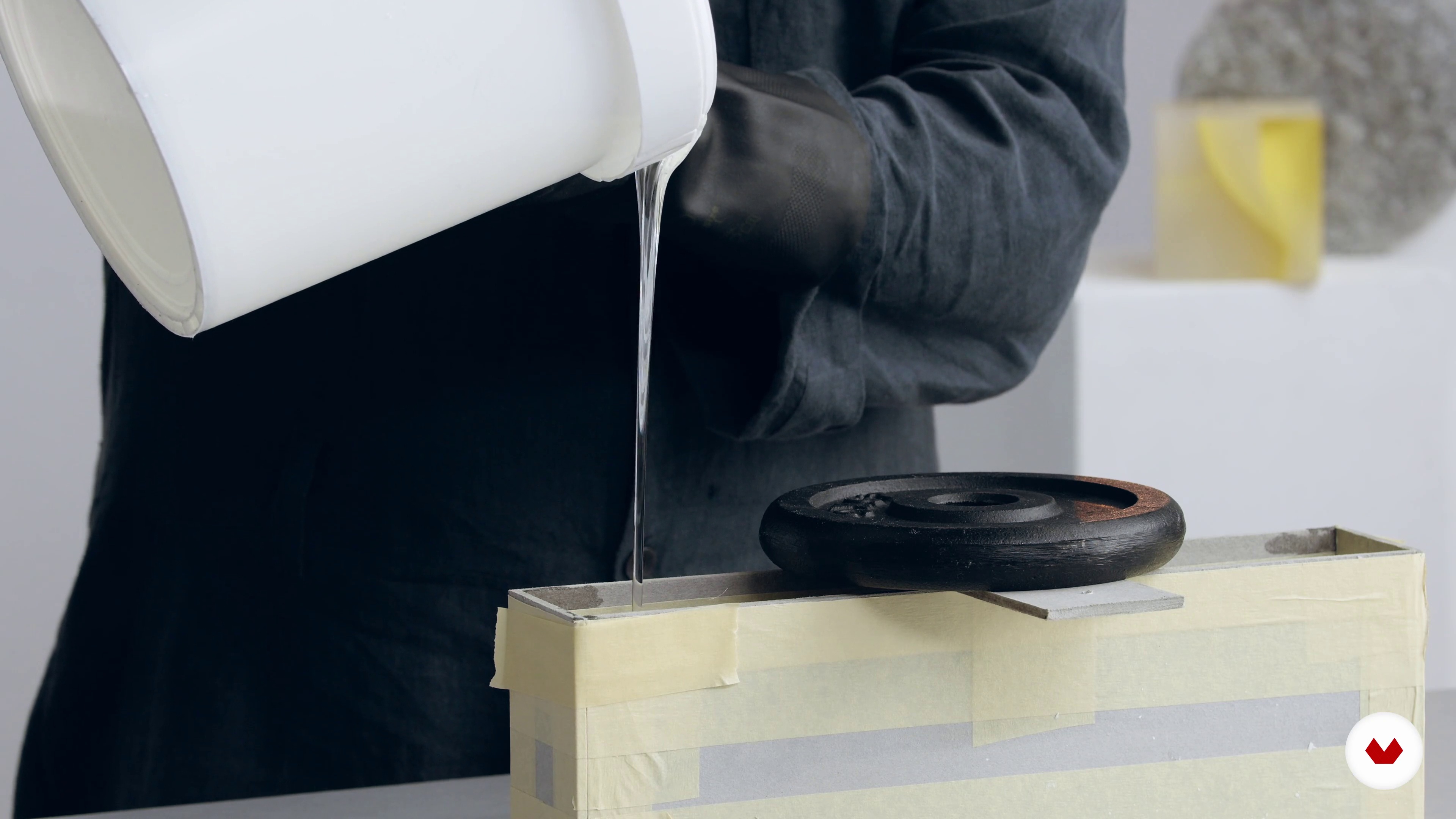
15Creating Your First Mould, Casting and Unmoulding 3
Now I am going to show you how to fill the mould with silicone. The most important thing at this stage is getting the amount of silicone right. I calculate the volume of my moulds to know how much silicone is needed.
9m
 16
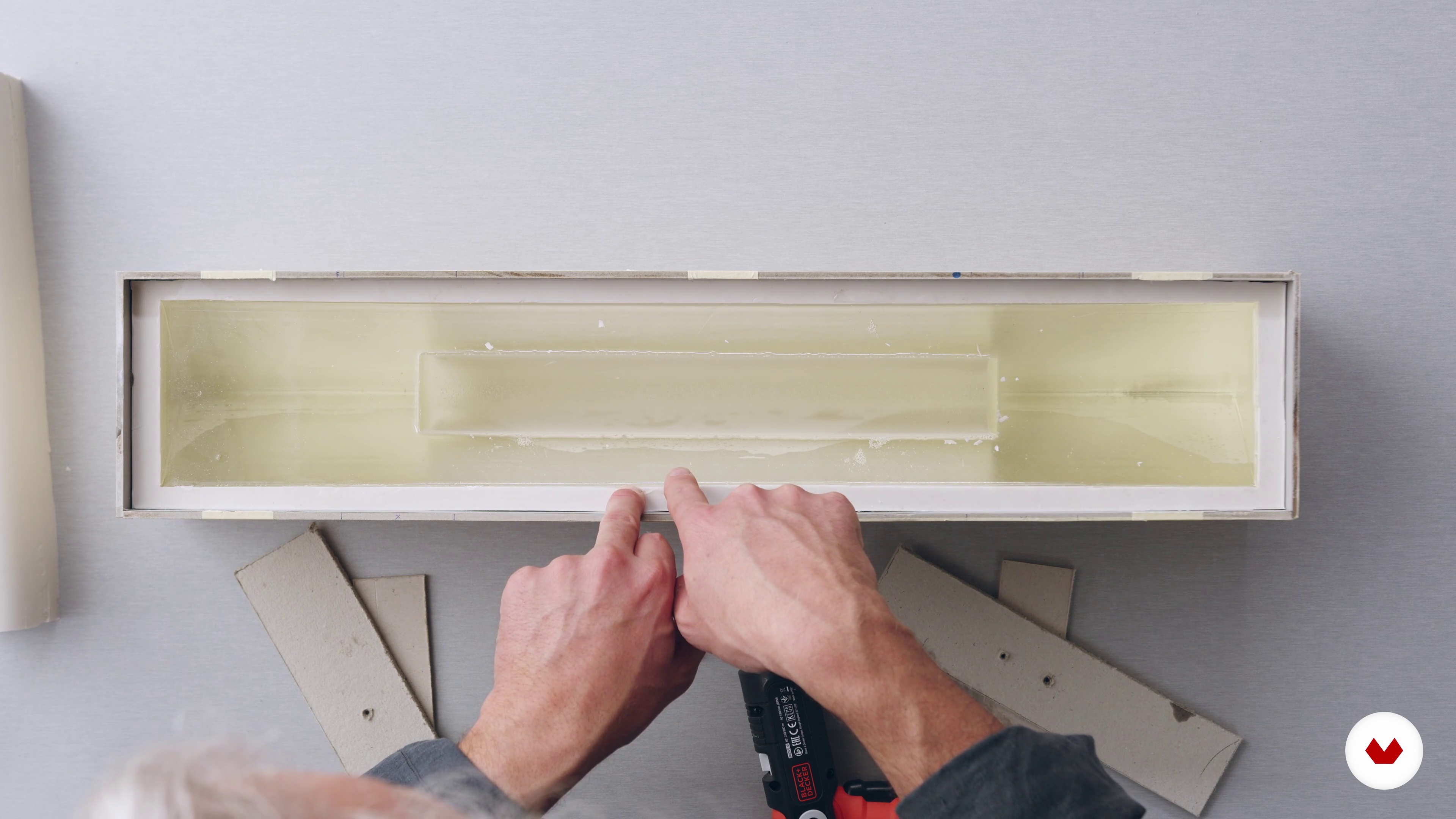
16Creating Your First Mould, Casting and Unmoulding 4
I poured the silicone and I let it settle for a day. Now that is hardened, I will teach you how I unmould my models.
13m
 17
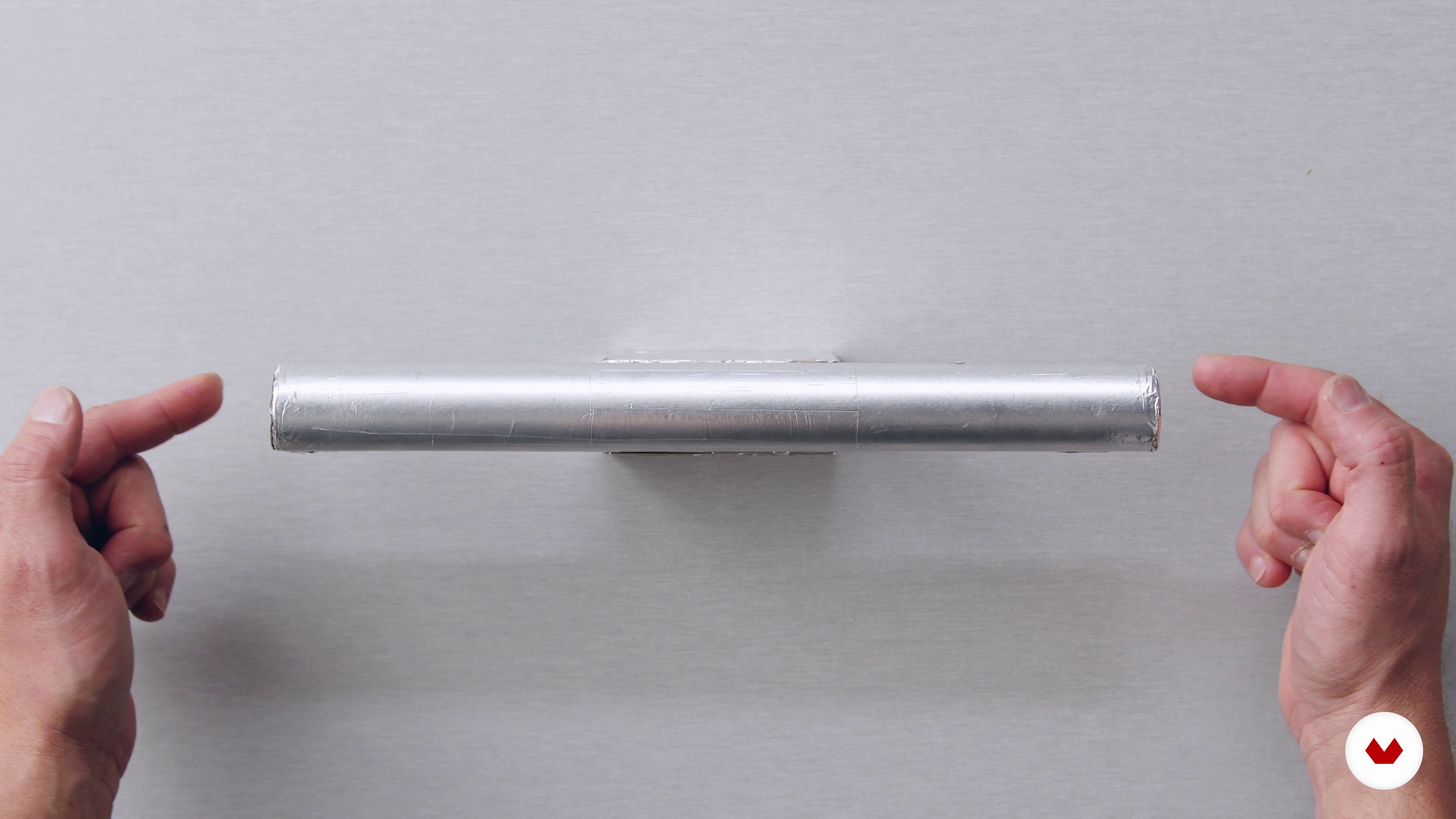
17Creating a Second Mould for Our Lamp
In this lesson, we create our second mould using our light bulb as the model, so it fits perfectly in the base piece of our lamp. I will teach you how to protect the light lamp and adjust the dimensions. Again, silicone will be our main resource.
16m
 18
18Silicone on Silicone: Creating Your Final Mould 1
Finally, I will show you how to make the final mould using the silicone on silicone technique. With this last mould, we will cast resin to create our final piece.
11m
 19
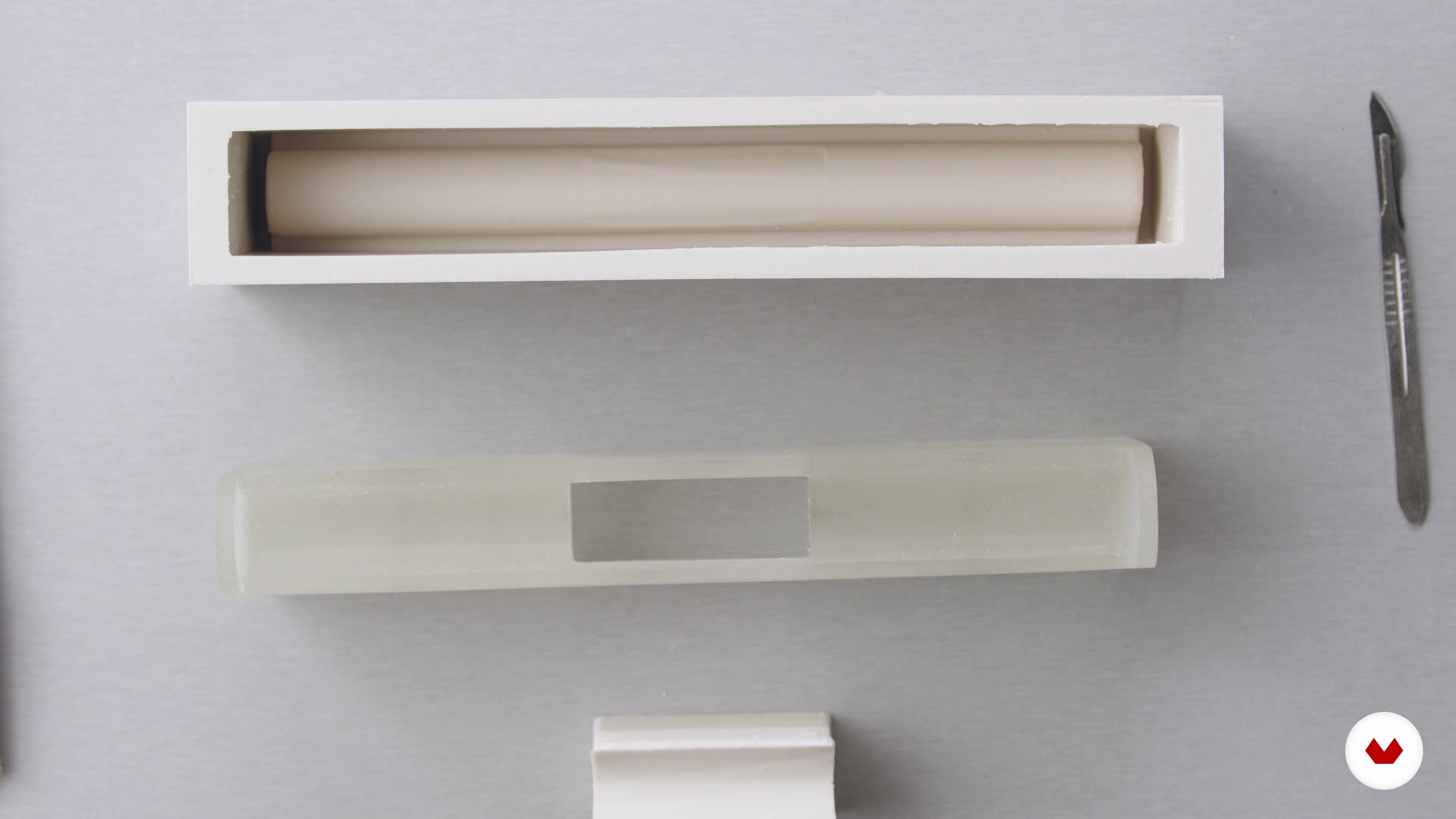
19Silicone on Silicone: Creating Your Final Mould 2
In order to replicate the model, I am going to prepare the one that is built already with silicone to place it inside the casting box, which I will then fill with silicone.
10m
 20
20Finishing and Polishing
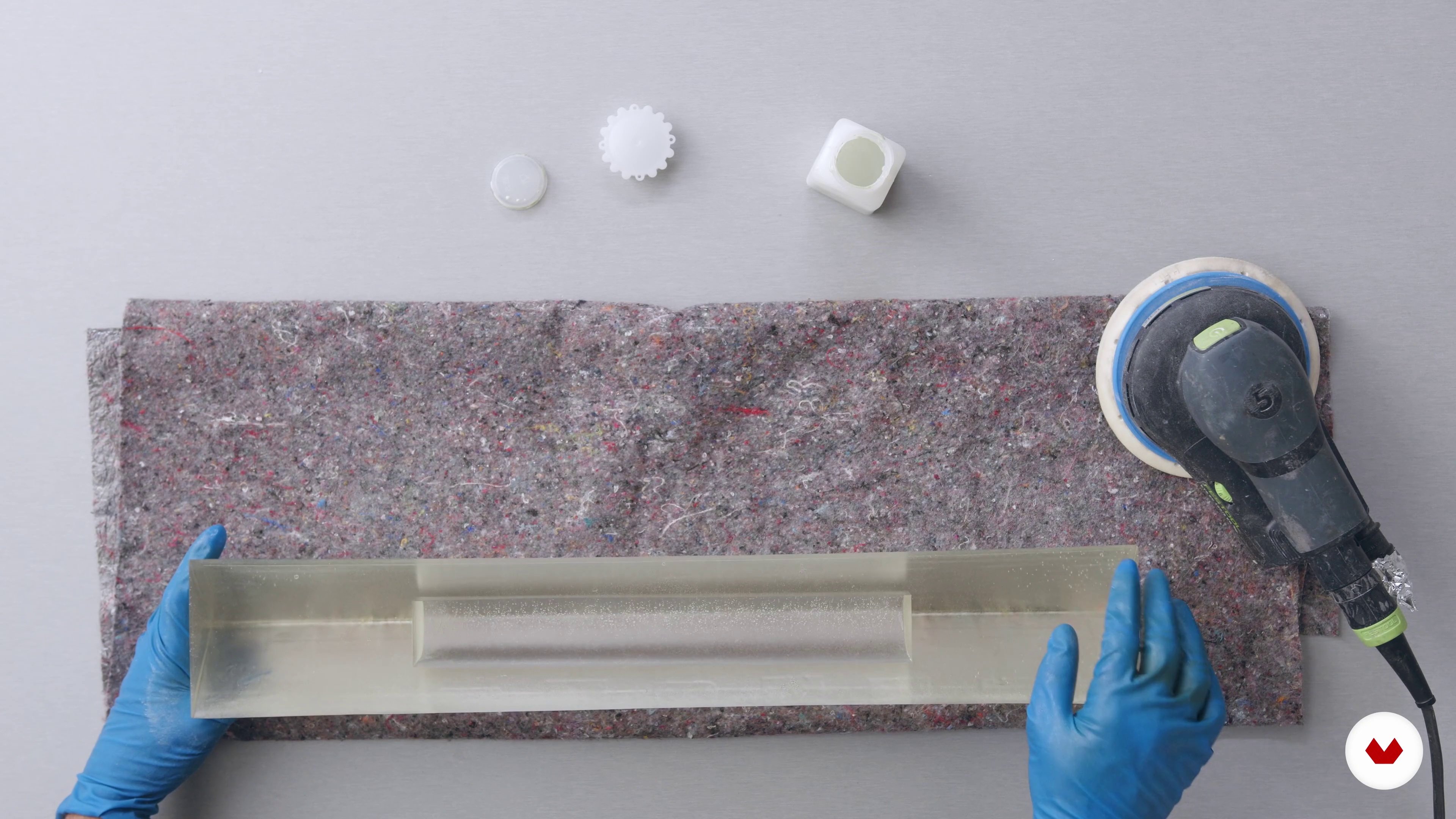
In this lesson, we will polish our pieces of resin to match our design. Do we want them to be matty or very glossy? Or rather a mixture of both?
12m
 21
21Assembling
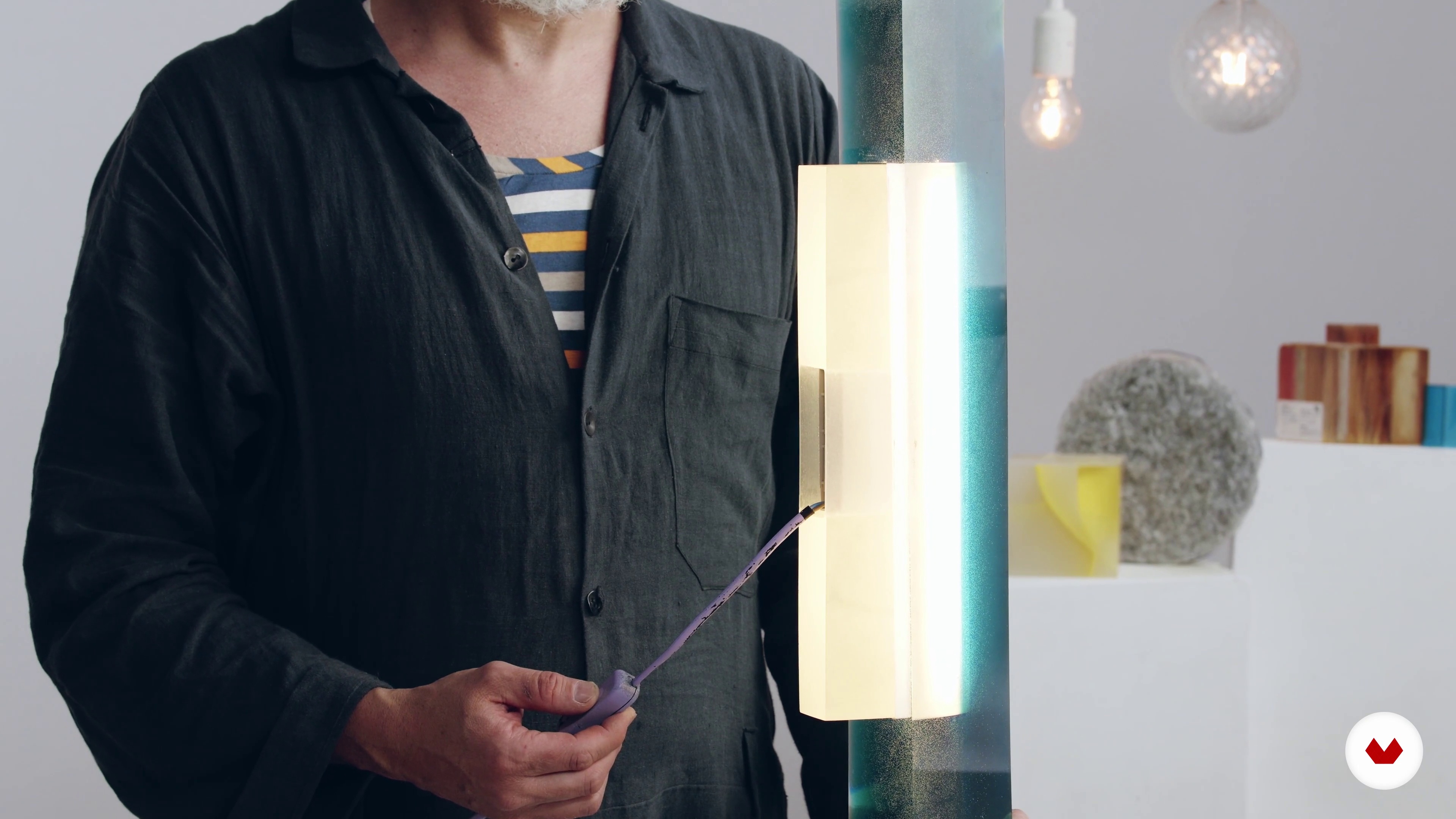
Finally, in this lesson, you will assemble all the parts of your unique resin lamp, including the electrical components.
5m
 3
3Concept Development and Technical Considerations 1
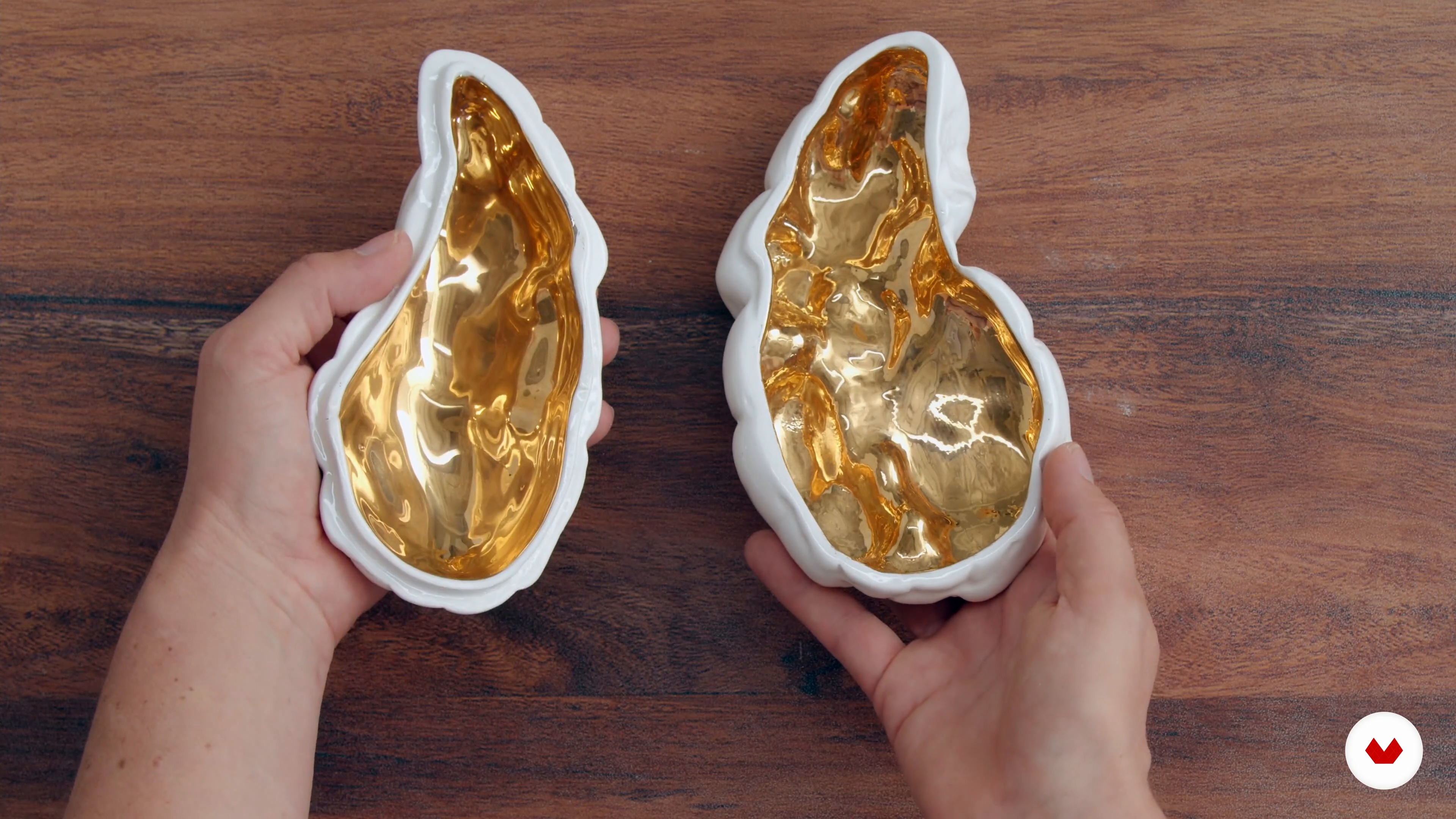
We will begin by taking a look at how to come up with ideas to create a design based on found objects.
14m
 4
4Concept Development and Technical Considerations 2
In this second part of the lesson, I will show your more examples of concept development.
9m
 5
5Materials 1
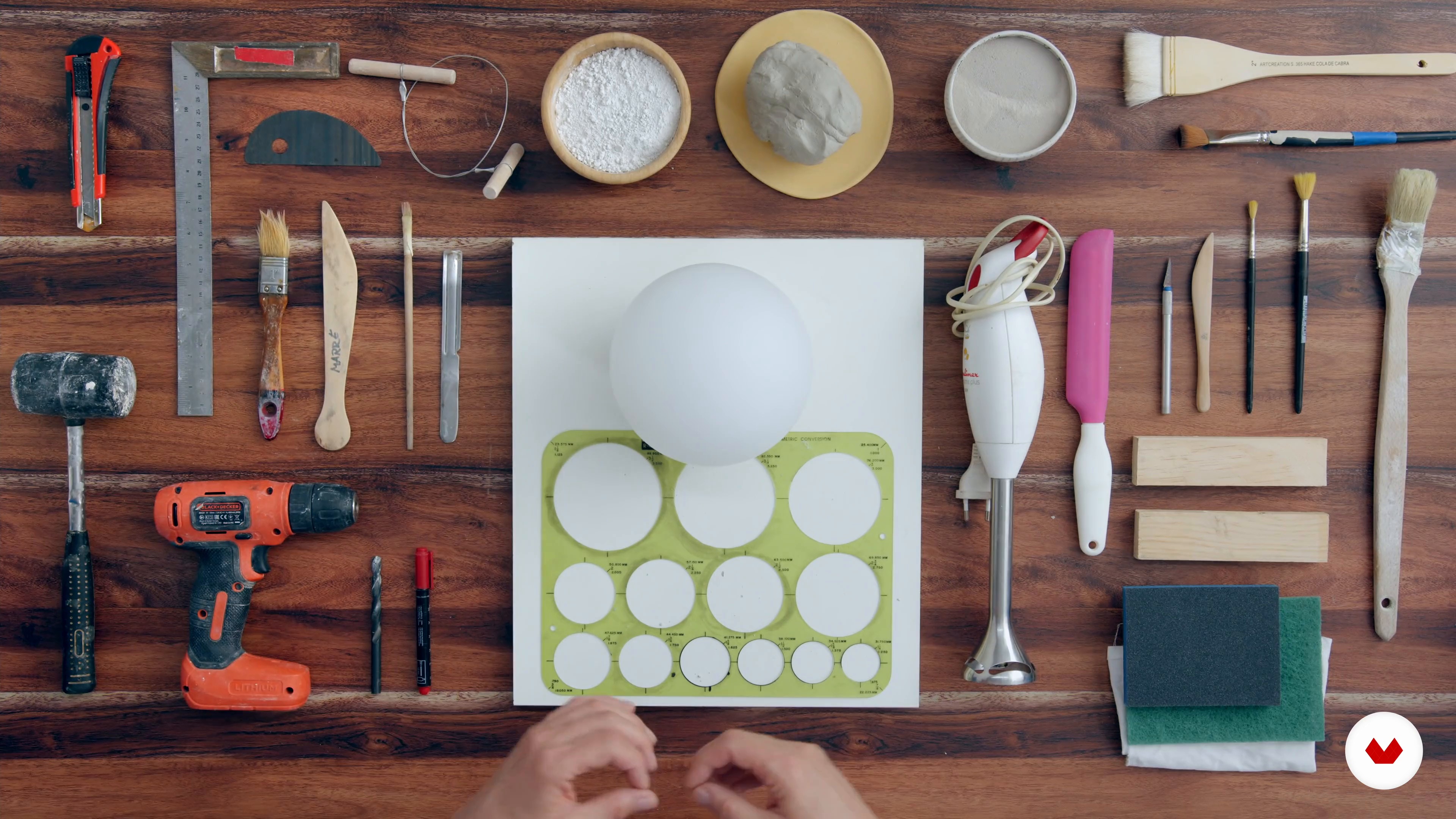
In this lesson we will review all the materials we need for mold making, ceramic casting and wiring for your final project.
20m
 6
6Materials 2
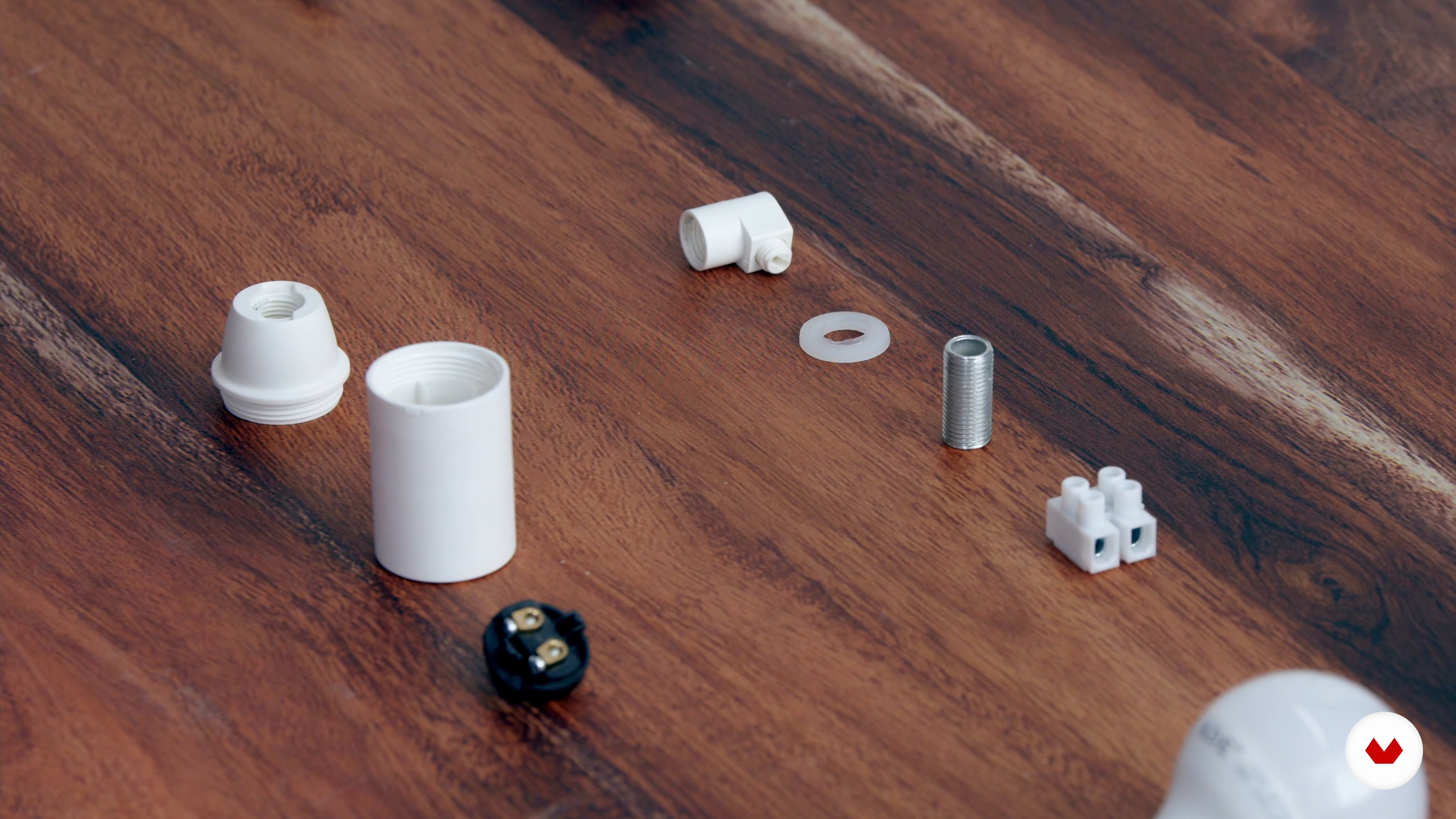
Let's now take a look at the materials we will need for the wiring.
10m
 7
7Setting up Your Workspace and Prep Mold
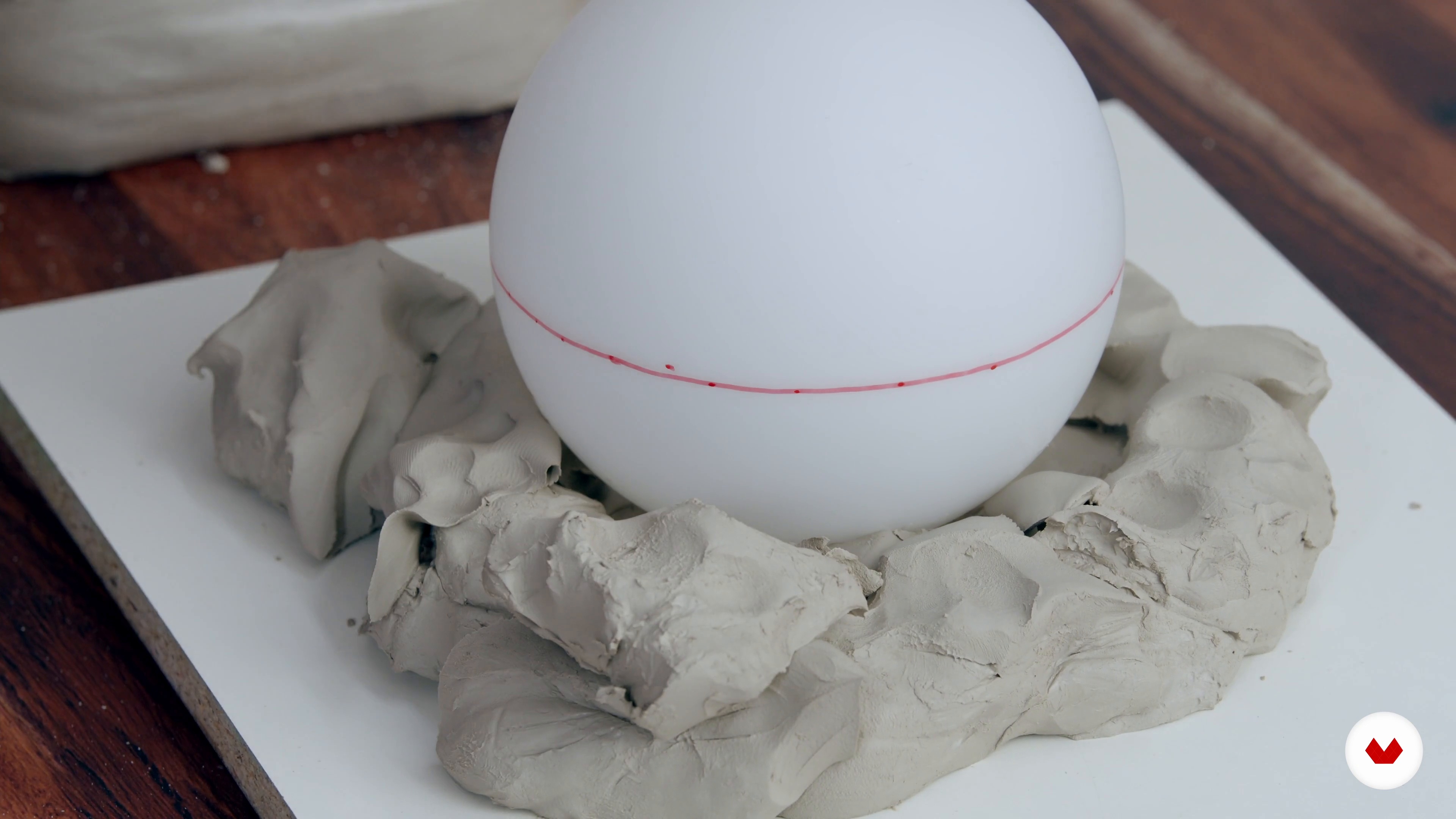
In this lesson I will show you how to prepare the first part of your mold and how to set up your work environment. It's important that you have a big sturdy table and organization for your workspace. We will work with big bulks of material and space to move and create.
15m
 8
8Making the Mold 1
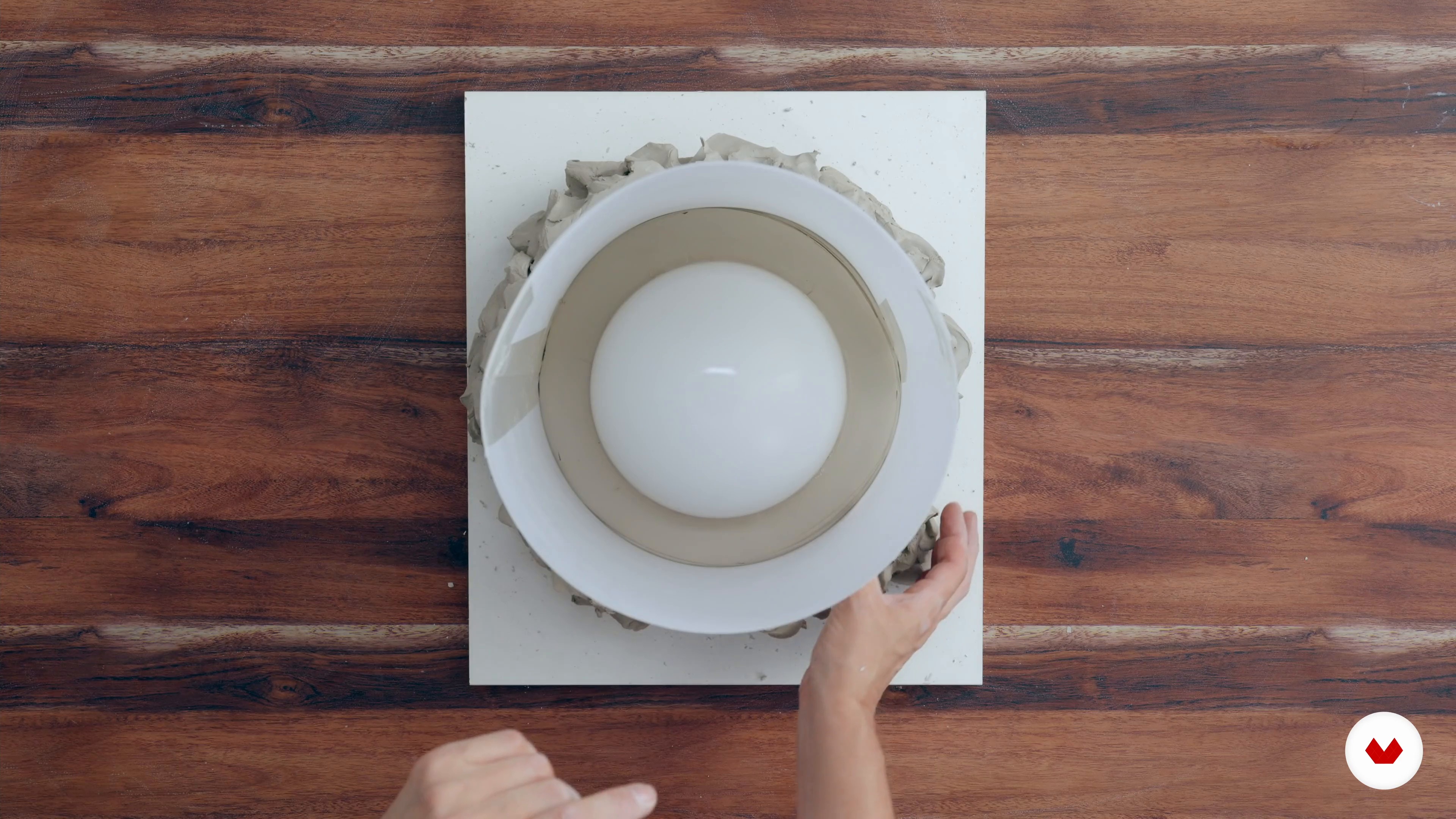
In this lesson we’ll make the two parts of the plaster mold. You’ll learn how to create the walls, mix and pour the plaster.
18m
 9
9Making the Mold 2
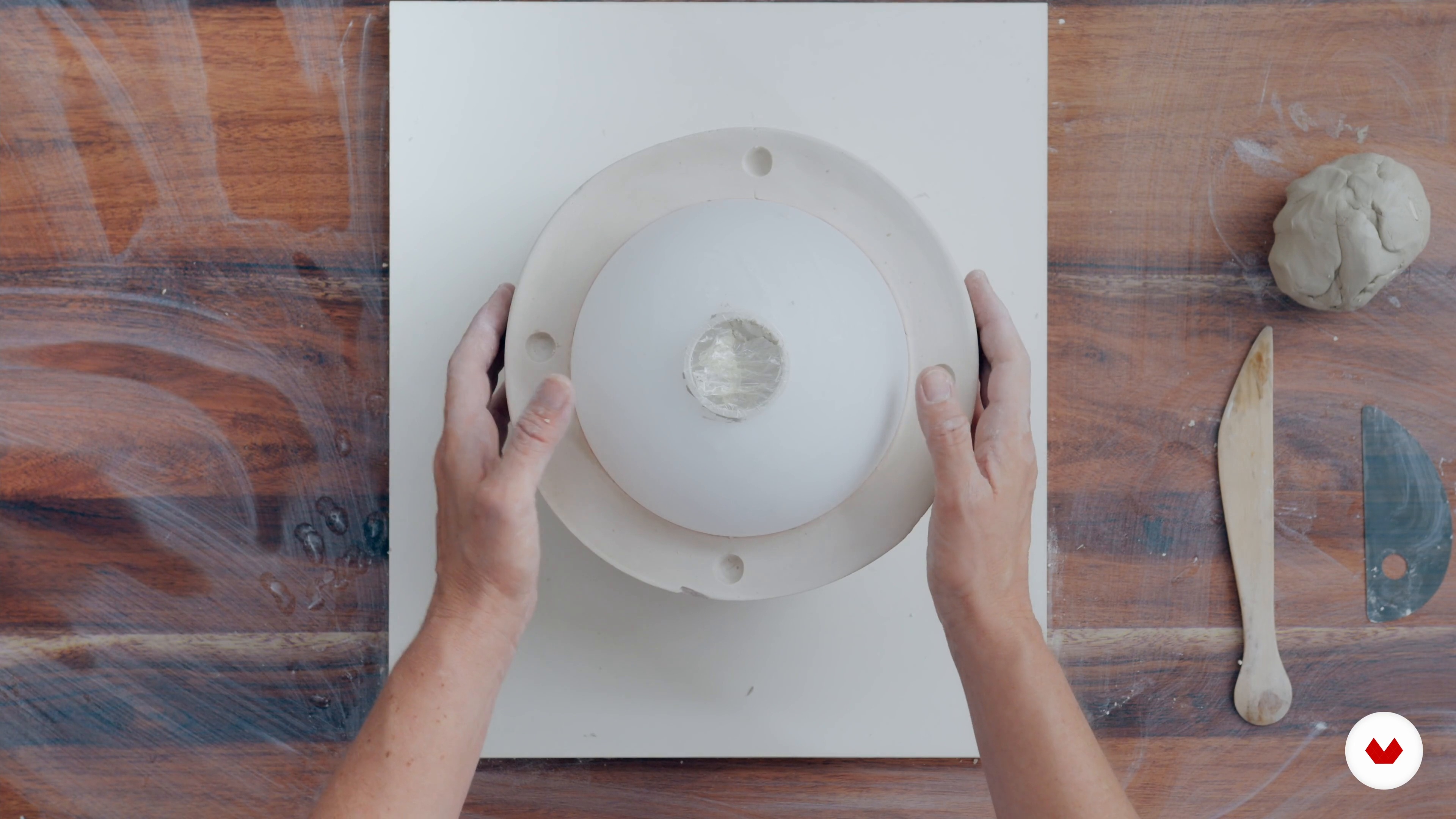
Second part of the mold-making process, where we remove the clay from the mold.
20m
 10
10Opening and Drying the Mold
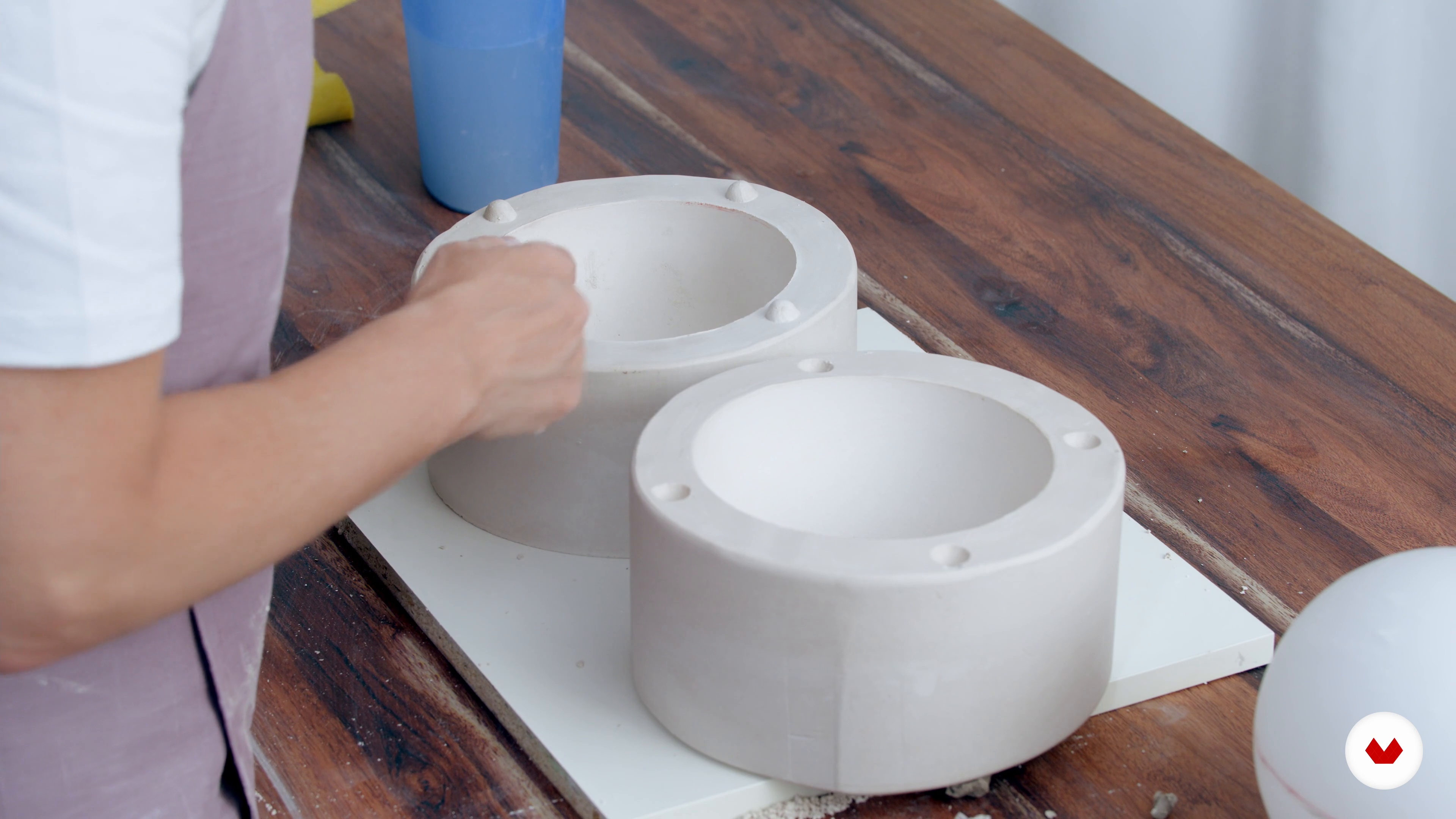
In this lesson we will prepare the mold for use; this entails opening the mold and removing the object inside -ie the sphere. Then we’ll show how to clean and finish the mold, including edge treatments, and finally the correct way of drying.
17m
 11
11Casting the Object with Ceramic Slip 1
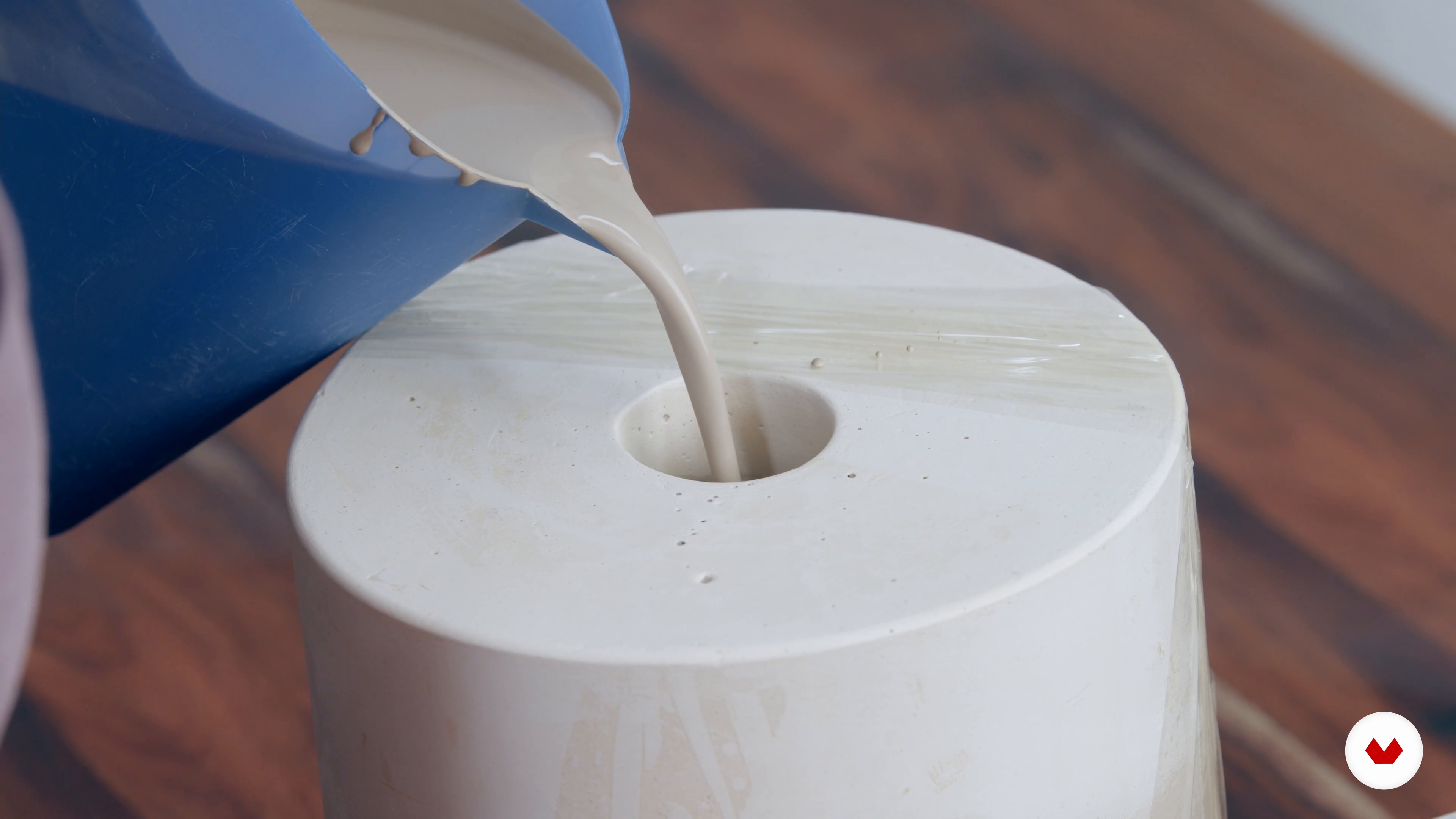
In this lesson, we’ll prepare the liquid clay also known as slip. We’ll then go through the steps of how to cast the first sphere, which include pouring and emptying of the mold, timing, removing the cast and finally how to prepare it for joining.
19m
 12
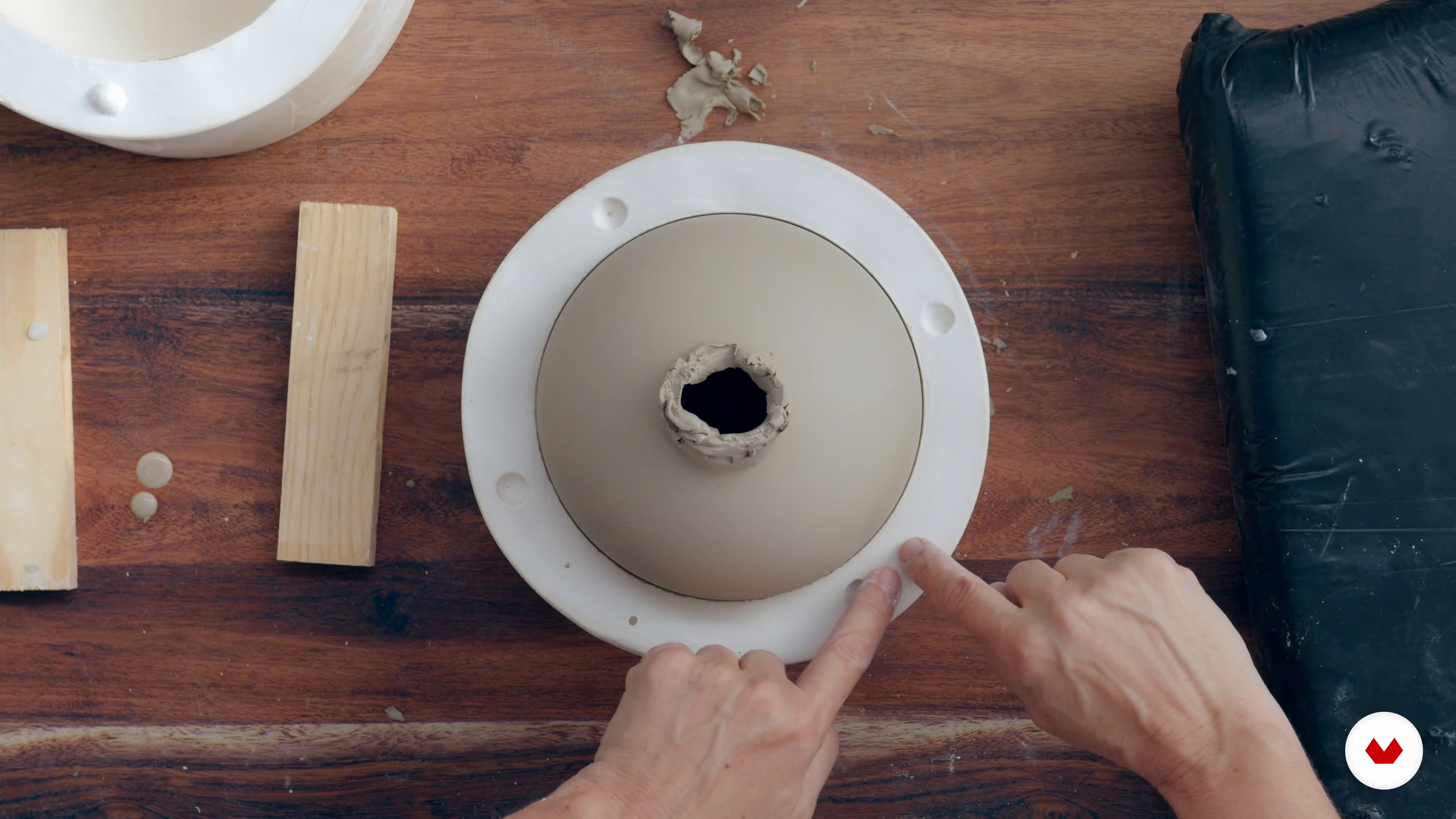
12Casting the Object with Ceramic Slip 2
It's time to open the mold. Remember to be very careful and make sure your piece is not stuck to the pouring hole.
10m
 13
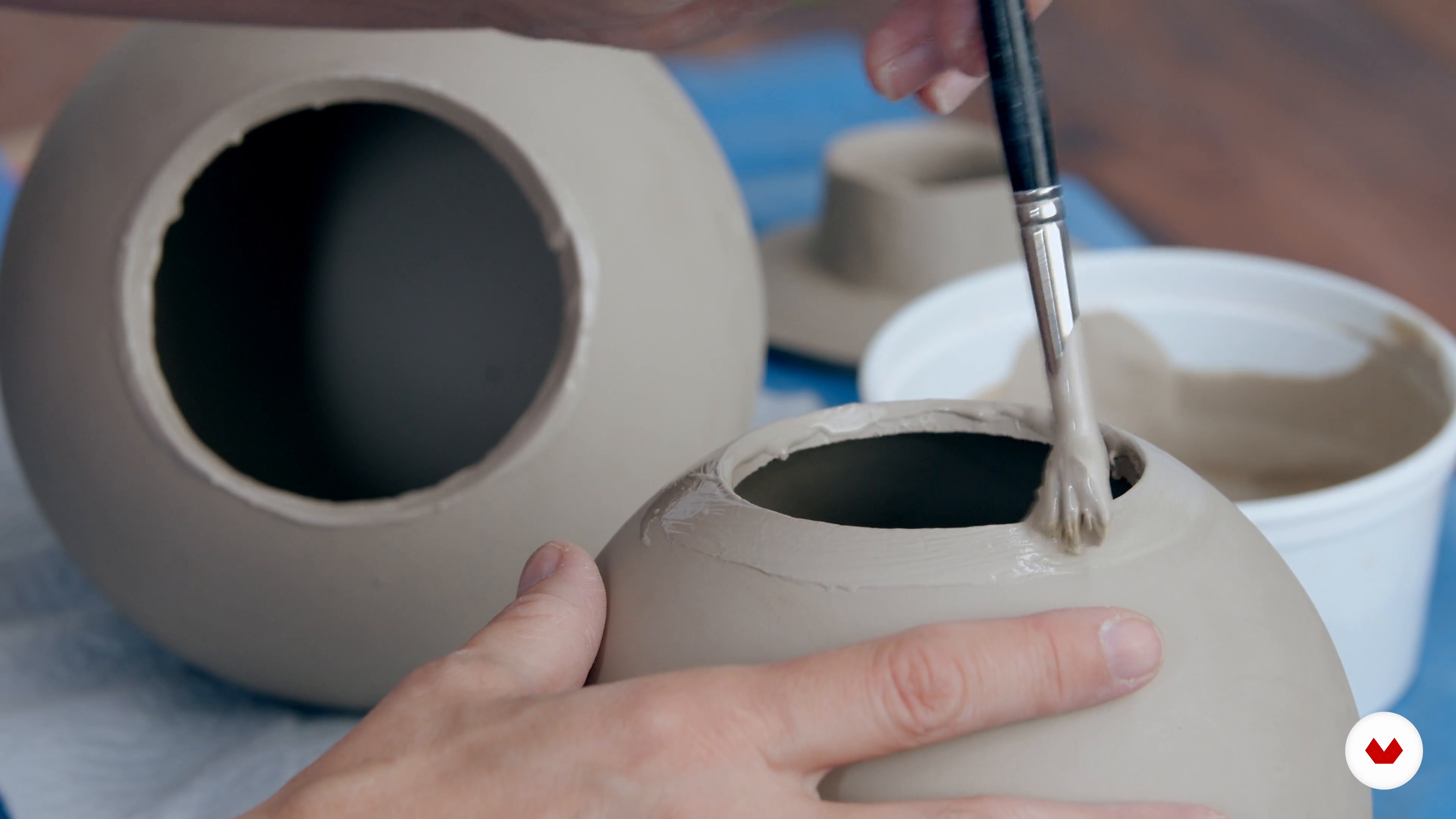
13Joining and Building 1
In this lesson, you’ll first learn how to join the cast ceramic elements to create a new shape. Then, we will decide the final design; taking technical aspects into consideration and creating openings for lighting. Finally you’ll learn how to finish and fire your ceramic shape.
19m
 14
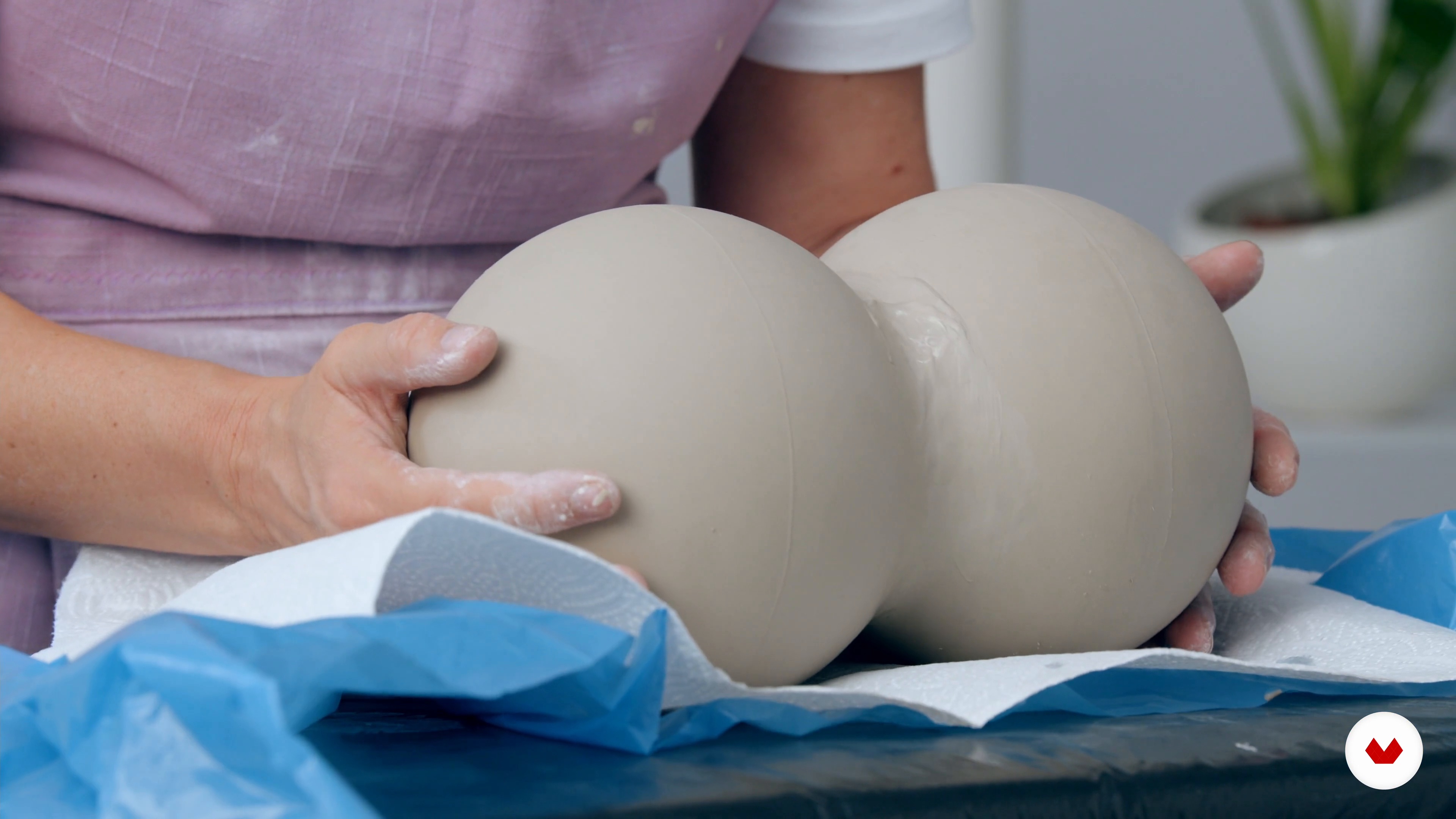
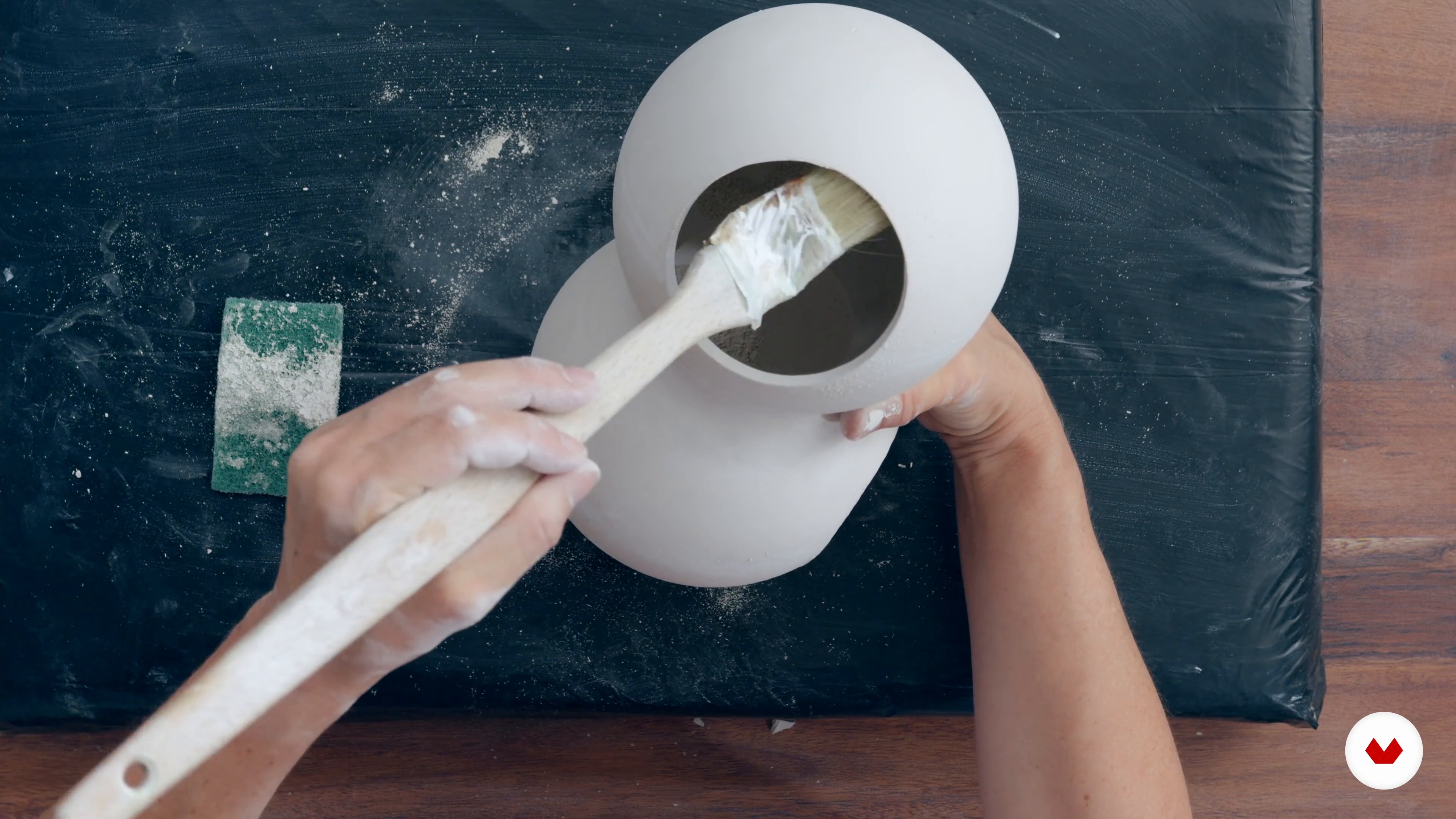
14Joining and Building 2
I will continue with the process of joining the two parts of the lamp and making the holes for the lightbulbs.
20m
 15
15Sanding, Firing, and Glazing 1
In this lesson we will go over ceramic finishing techniques, which includes sanding, glazing and firing.
15m
 16
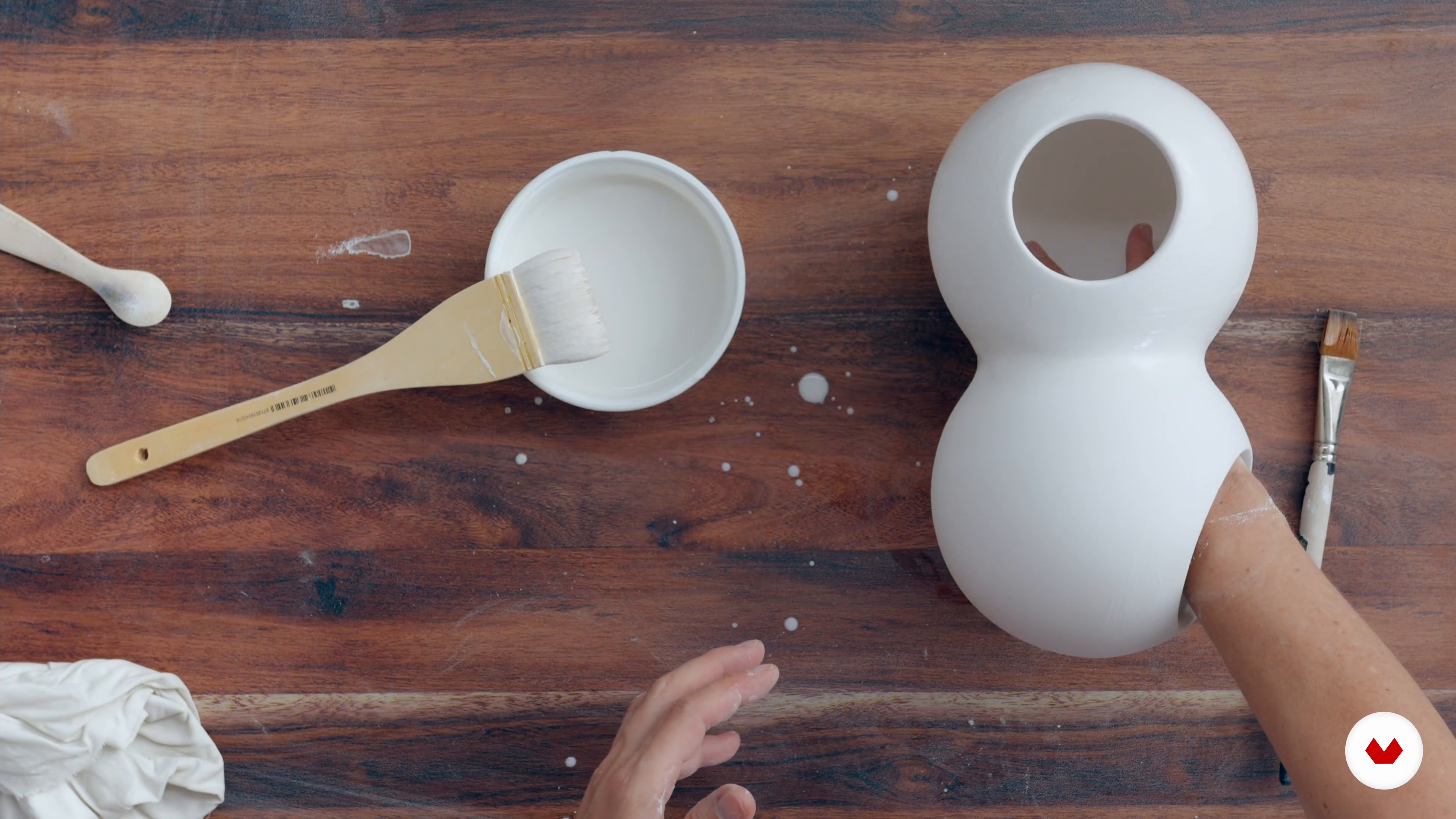
16Sanding, Firing, and Glazing 2
Now that the piece is fired, here I will proceed with the actual glazing. There are several glazing techniques. I will show you a way to do it which is more suitable for this kind of piece.
20m
 17
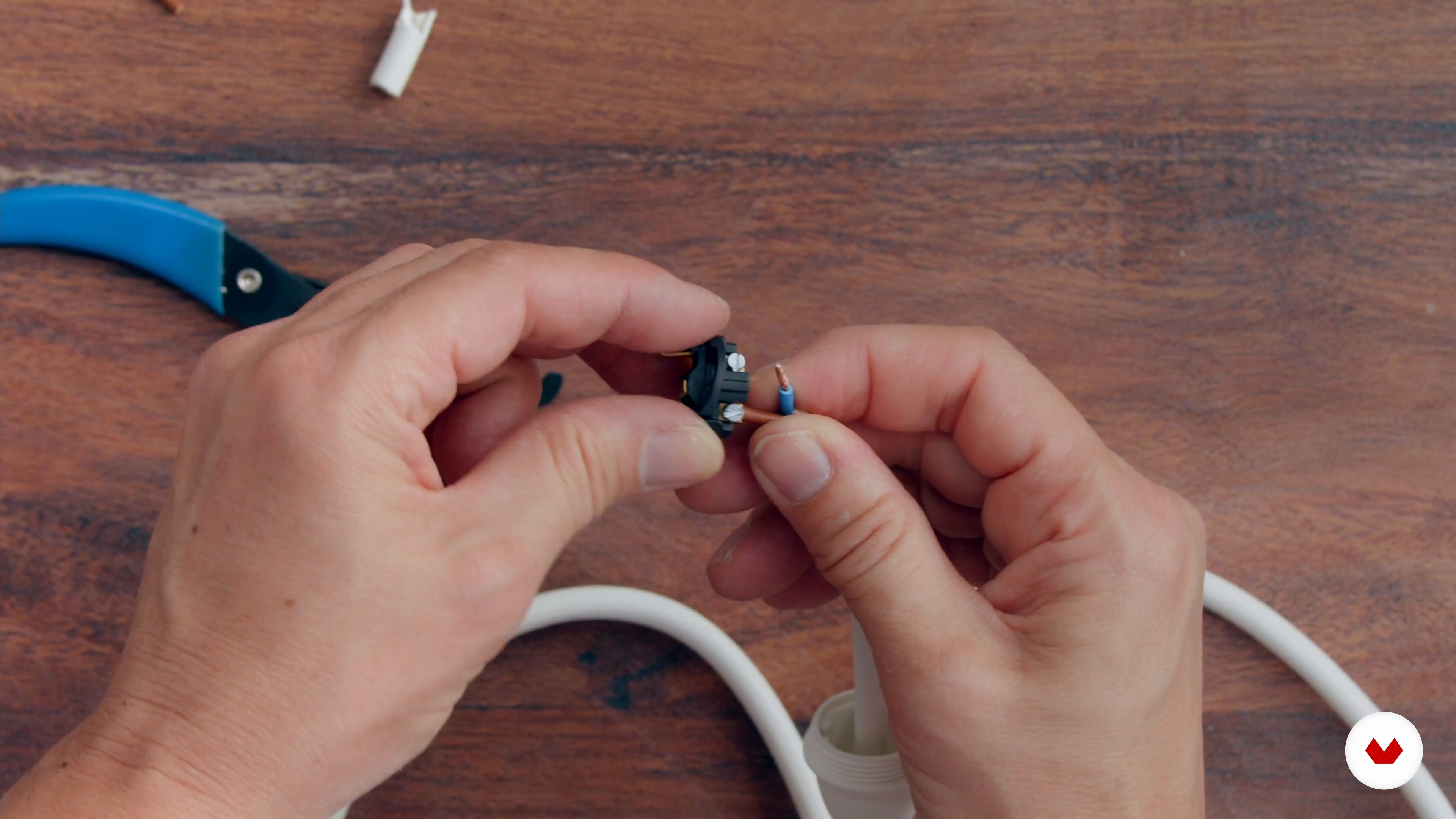
17Wiring
Here we’ll show the materials and tools needed for wiring the final pendant lamp.
16m
 18
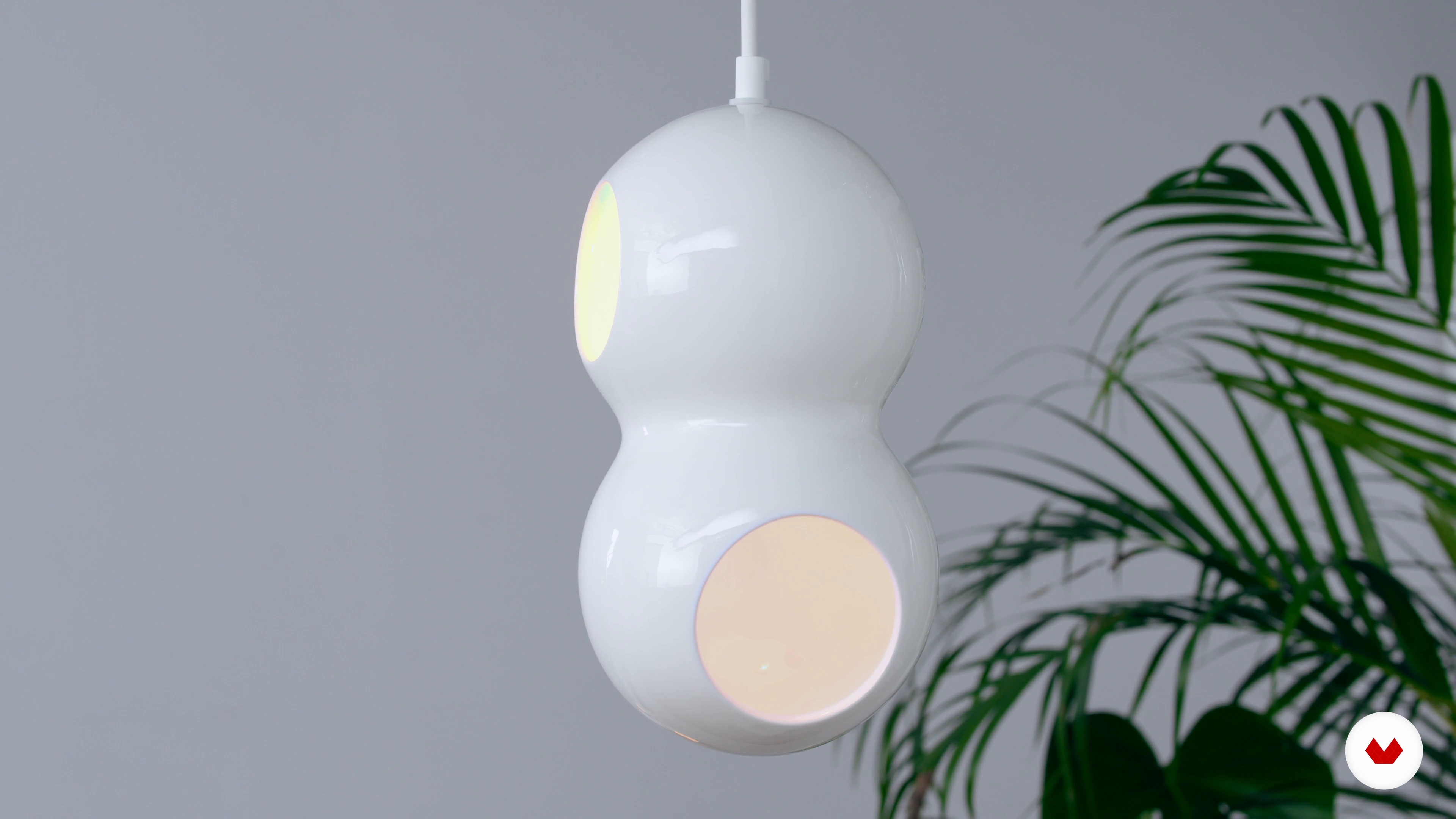
18Final Piece and Other Shapes
In this lesson I will show you how our lamp works and other design examples you can create with your molds.
11m
What is this course's project?
Create a professional lamp concept and prototype considering technical, aesthetic, and functional aspects for a specific space. Craft a unique paper lamp using origami and structural design techniques, balancing aesthetics and lighting functionality.
Who is this specialization for?
Creative individuals eager to master lighting design will find this course ideal. It's perfect for those passionate about crafting unique, sustainable lamps using paper, macramé, resin, and ceramics. Develop functional, aesthetic, and environmentally conscious design skills through hands-on projects.
Requirements and materials
No extensive prior knowledge is needed. Basic necessities include paper, rope, resin, and clay, alongside tools like scissors, a power drill, and protective gear. A creative spirit and willingness to experiment with materials and techniques are essential.
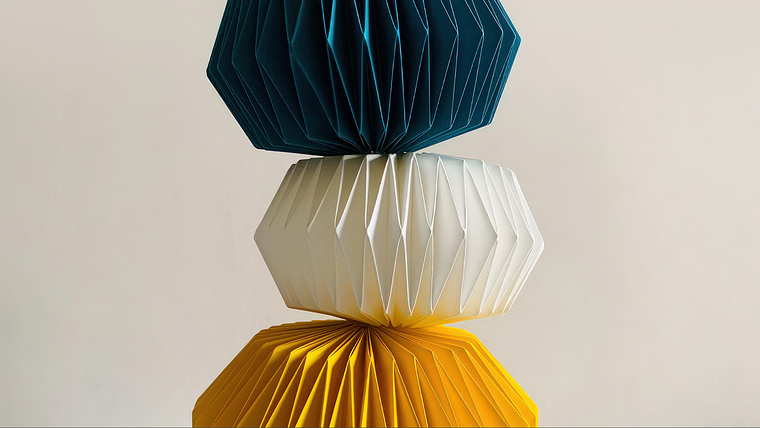
Select to get to know your teachers in this specialization course


What to expect from this specialization course
Learn at your own pace
Enjoy learning from home without a set schedule and with an easy-to-follow method. You set your own pace.
Learn from the best professionals
Learn valuable methods and techniques explained by top experts in the creative sector.
Meet expert teachers
Each expert teaches what they do best, with clear guidelines, true passion, and professional insight in every lesson.
Certificates
PLUSIf you're a Plus member, get a custom certificate for every specialization course. Share it on your portfolio, social media, or wherever you like.
Get front-row seats
Videos of the highest quality, so you don't miss a single detail. With unlimited access, you can watch them as many times as you need to perfect your technique.
Share knowledge and ideas
Ask questions, request feedback, or offer solutions. Share your learning experience with other students in the community who are as passionate about creativity as you are.
Connect with a global creative community
The community is home to millions of people from around the world who are curious and passionate about exploring and expressing their creativity.
Watch professionally produced courses
Domestika curates its teacher roster and produces every course in-house to ensure a high-quality online learning experience.
FAQs
This course is best for those with some prior experience in design or making, as it covers intermediate concepts in resin casting, computer-aided design, and model making for architecture and furniture.
You’ll need resin, silicone, pigments, basic PPE (gloves, mask, filters), measuring tools, molds, plywood, and finishing supplies. A workspace with good ventilation and a laser thermometer for temperature checks are recommended.
You’ll learn resin selection, mold making, safe handling, furniture and lamp design, finishing techniques, pigment use, and integrating inclusions. The course also covers inspiration sources and advanced design workflows.
Yes, the course teaches fire safety, proper PPE, safe disposal methods, and protocols for resin-related emergencies to ensure a safe working environment.
Yes, you’ll follow step-by-step instructions to design, model, mold, cast, finish, and assemble a custom resin wall lamp, including tips for integrating electrical components.
You’ll learn techniques for filtering, pouring, measuring temperature, and using graded abrasives to minimize bubbles and achieve a smooth, polished resin surface.
Yes, the course introduces CAD tools and workflows to help you design and prototype resin furniture and architectural models.