Introduction to Astrophotography
A course by Jheison HuertaPhotographer Specialized in Astrophotography
A course by Jheison Huerta, Photographer Specialized in Astrophotography

Learn photography and developing techniques to capture the lights and colors of space
The observable universe is made up of ten billion galaxies, each with more than one hundred billion stars. Have you ever wished you could capture these celestial bodies and more in your photos? Astrophotography is a limitless discipline that teaches us something new and exciting every day.
In this online course, learn techniques to photograph the cosmos with Jheison Huerta, a Peruvian photographer awarded by NASA whose work has been used by international media outlets such as the BBC, National Geographic, The Mirror, Telemundo, and more.
What will you learn in this online course?
19 lessons & 5 downloads
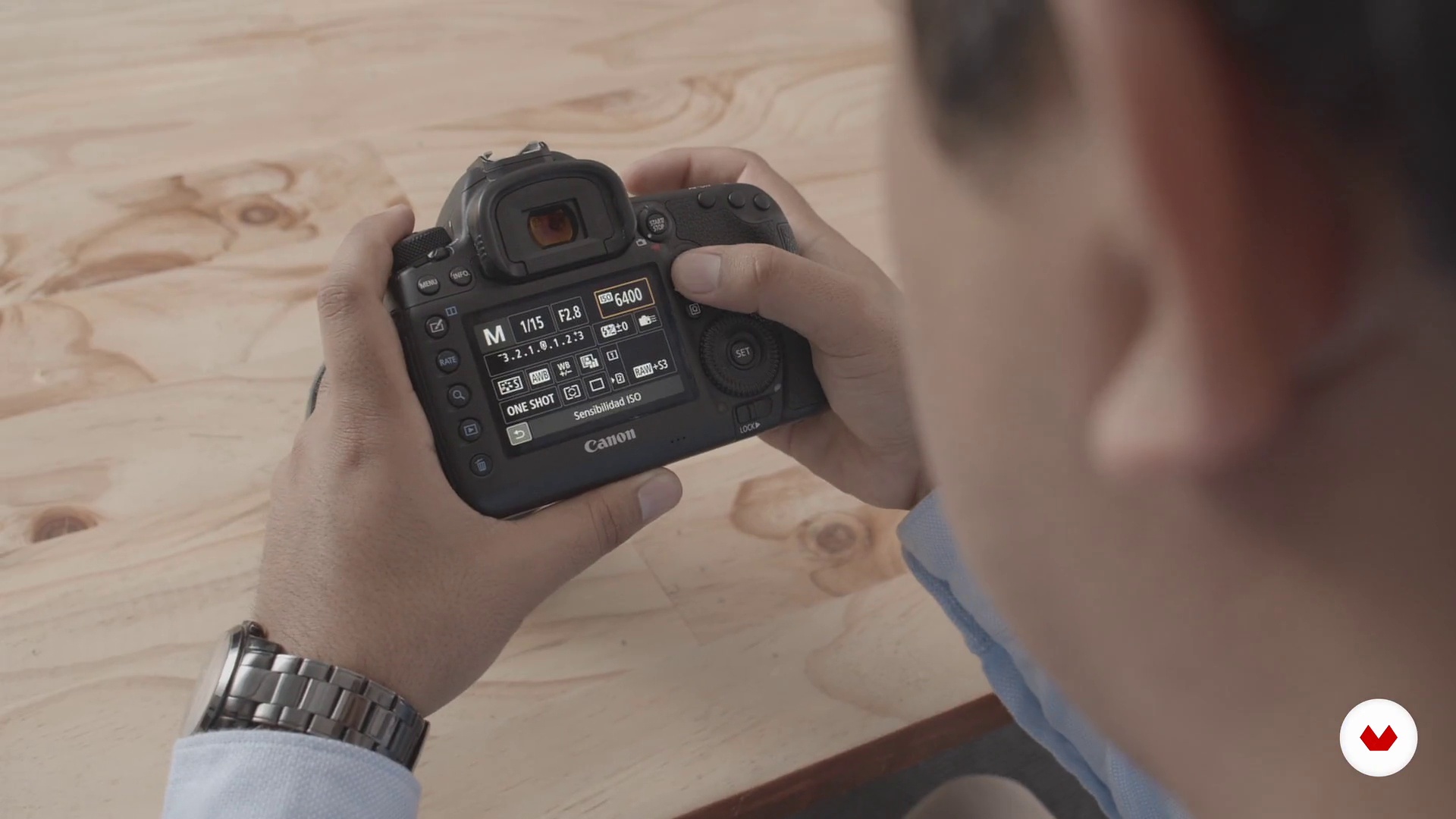
What will we do during the course?
1 minute, 25 seconds
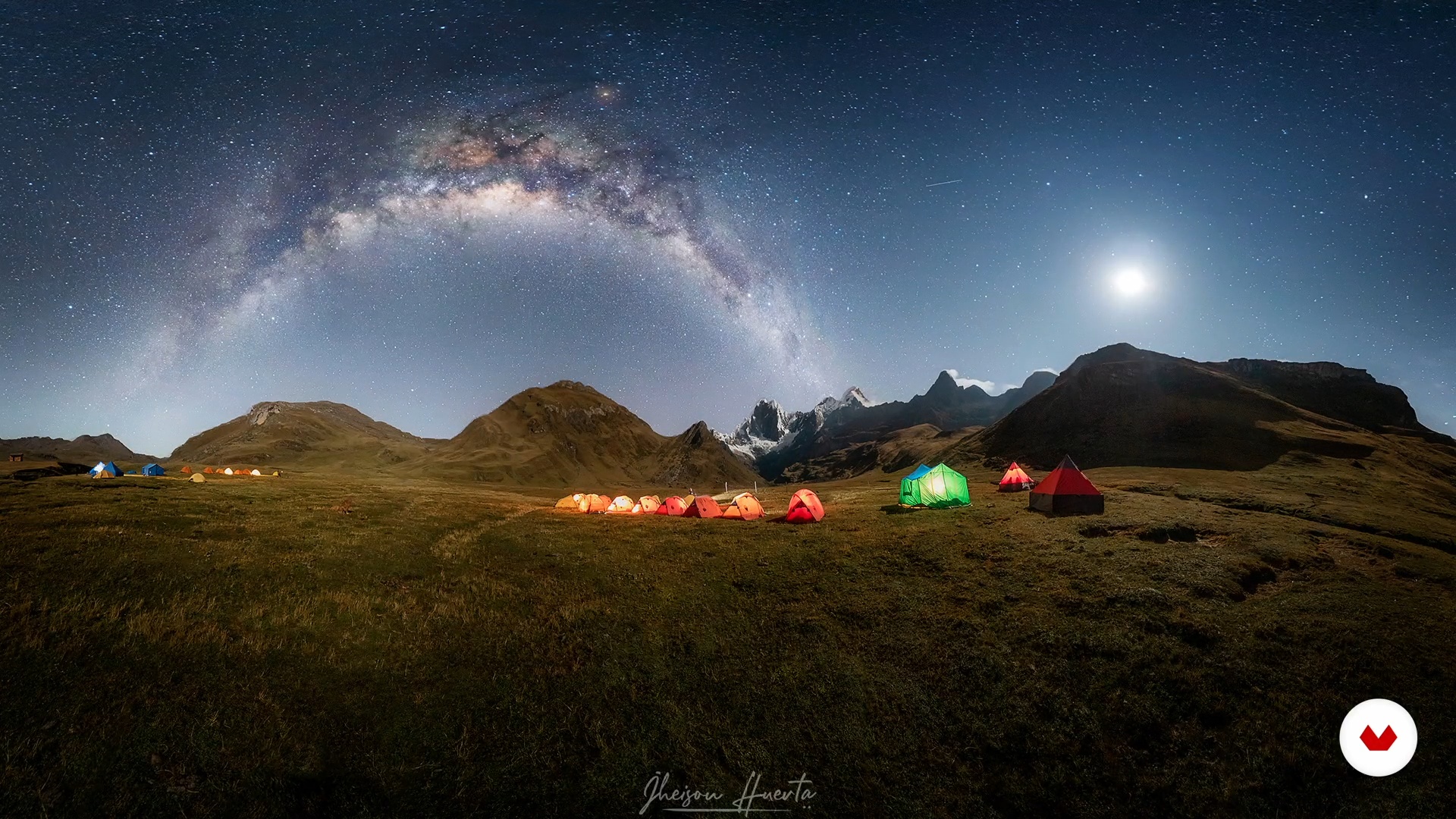
The different types of astrophotography
4 minutes, 2 seconds
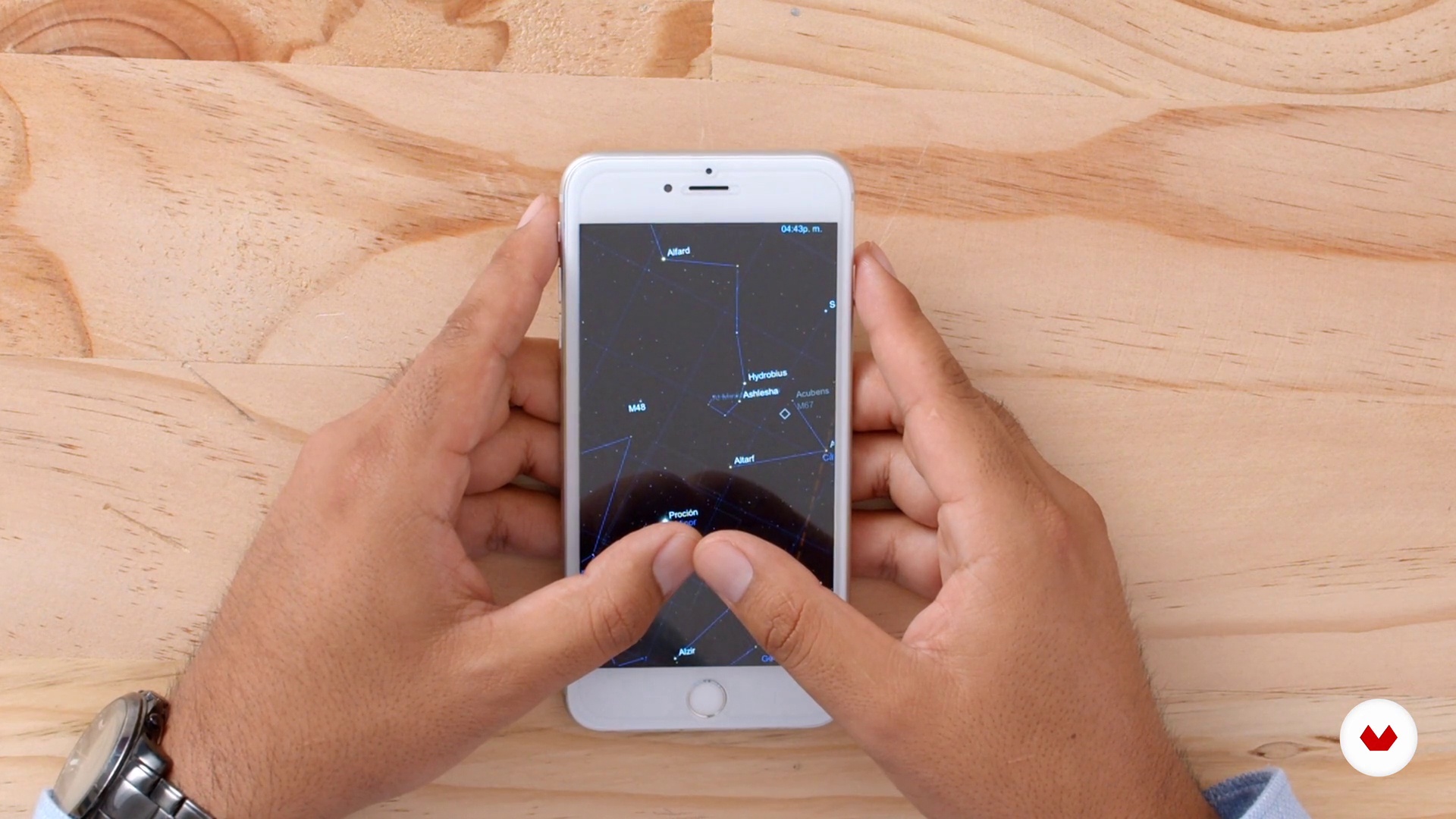
Photo planning
2 minutes, 14 seconds
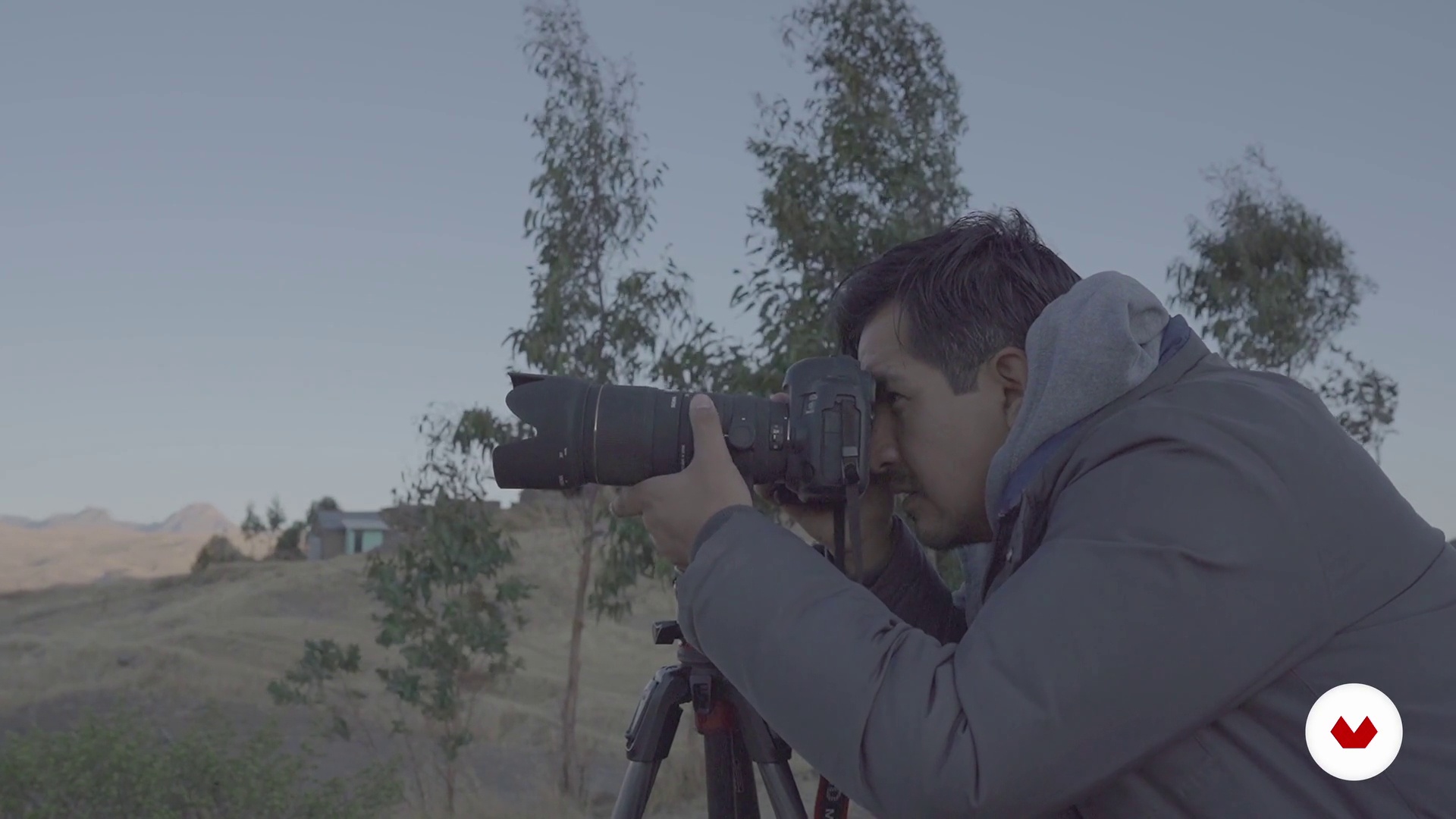
Required equipment
3 minutes, 37 seconds
To the court
2 minutes, 49 seconds
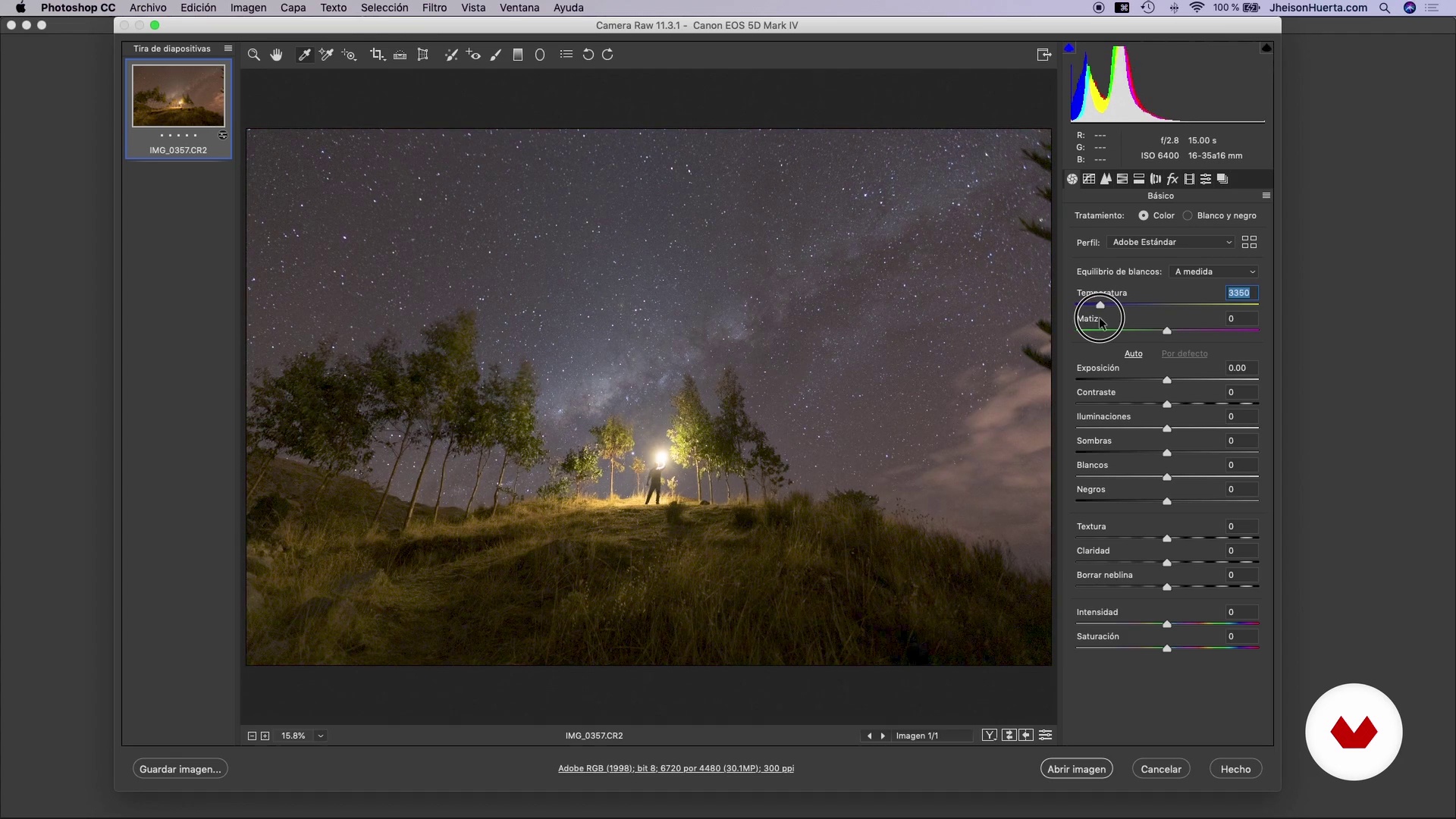
Revealed in Camera Raw
23 minutes, 8 seconds
What's included in this course?
Start by getting to know your teacher, Jheison Huerta. He explains how he came to specialize in astrophotography, thanks in large part to his prime location in the Andes, and tells you about some of the photographers he considers his greatest inspiration.
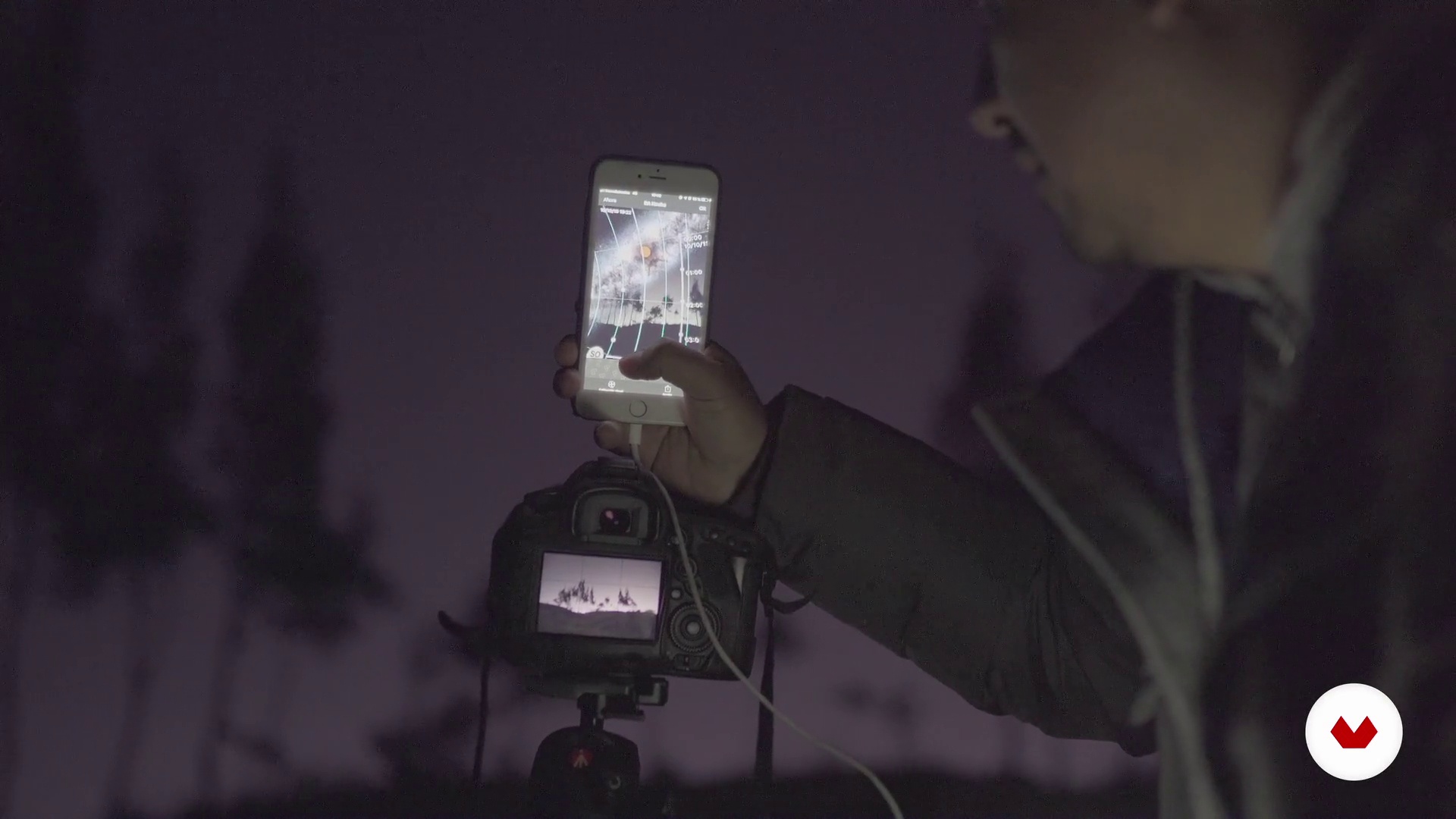
Continue with an overview of the tools required for landscape astrophotography and the equipment you need, from flashlights and tripods to the camera itself. Then learn how to configure your camera to get the most out of it.
Jheison shows you some apps to help plan your photo outings before talking about the importance of being up to speed with the lunar calendar to get optimal results.
Discover two methods for focusing at night: infinity focus and hyperfocal distance, which you learn to calculate and transfer to your camera lens. After your shoot, find out how to develop a RAW file using Adobe Camera Raw, Adobe Photoshop, and the Nik Collection plugins. Your teacher gives you some tips to reduce photographic noise and to fix color casts, as well as some specific adjustments to give your photographs a personal and artistic touch.
Now you've got all the skills to do a landscape astrophotography shoot, from the planning to the final edits.
Recommended software & tools for this course
What is this course's project?
Plan and shoot a wide-field astrophotography project, integrating the landscape with the celestial bodies of the sky such as the Milky Way, the Magellanic clouds, the stars, the moon, etc.
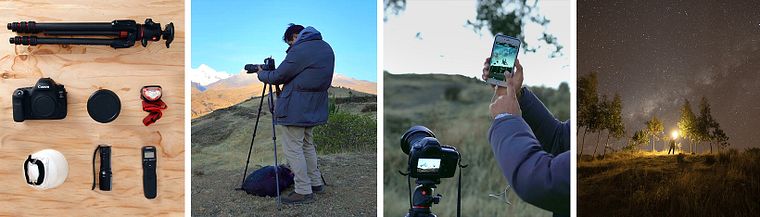
Projects by course students


Who is this online course for?
Amateur photographers interested in the world of astrophotography and professional photographers who want to expand their knowledge.
Requirements and materials
A basic understanding of photography, especially the relationship between exposure, ISO, and aperture, are necessary for this course.
As for materials, you need a camera with manual controls, a tripod, a headlamp, and, optionally, a remote shutter release.
For the post-production of your images, you need a computer with Adobe Photoshop and Nik Software installed.
Reviews
- 21 days ago
muy buen curso., explicado a detalle y buenas fotografias
- 2 months ago
O curso é incrível e o professor explica muito bem.
- 4 months ago
Todo el contenido es genial, aprendes muchisimo.
- 1 year ago
Jheison es un crack, explica claramente y paso a paso lo que se necesita para sacar una buena fotografía de la vía lactea. Me encantó este curso.
- 1 year ago
Me ha resultado muy útil. No me metía a fondo en el campo de la astrofotografía, por temor a no tener el nivel suficiente para hacer algo interesante. Estoy ansioso a que llegue el verano (acá en invierno no apetece sacar la cámara), tomar algunas imágenes y poner en práctica los consejos aquí expuestos. Muy amena la exposición de Jheison Huerta. Un saludo.

With the Astrofoto Andes group, he runs workshops and conferences in countries such as Colombia, Bolivia, Italy, and his native Peru.
The aim of Jheison's work is to make it feel like space is closer than we think, incorporating features of the Milky Way with other earthly elements and people, like in his mesmerizing photos of the Salar de Uyuni, in Bolivia.
Content
- U1
Introduction
- Presentation
- Influences
- What will we do during the course?
- U2
Landscape Astrophotography
- The different types of astrophotography
- Photo planning
- Required equipment
- U3
Equipment configuration
- Manipulating the camera
- The two types of approach
- Composition techniques
- To the court
- U4
Development and edition
- Image analysis and choice
- Revealed in Camera Raw
- Photoshop part 1
- Photoshop part 2
- Use of pluging
- Color Dominant Correction
- Sharpness for export
- File Export
- Final comparison and analysis
- FP
Final project
- Introduction to astrophotography
What to expect from a Domestika course
Learn at your own pace
Enjoy learning from home without a set schedule and with an easy-to-follow method. You set your own pace.
Learn from the best professionals
Learn valuable methods and techniques explained by top experts in the creative sector.
Meet expert teachers
Each expert teaches what they do best, with clear guidelines, true passion, and professional insight in every lesson.
Certificates
PLUSIf you're a Plus member, get a custom certificate signed by your teacher for every course. Share it on your portfolio, social media, or wherever you like.
Get front-row seats
Videos of the highest quality, so you don't miss a single detail. With unlimited access, you can watch them as many times as you need to perfect your technique.
Share knowledge and ideas
Ask questions, request feedback, or offer solutions. Share your learning experience with other students in the community who are as passionate about creativity as you are.
Connect with a global creative community
The community is home to millions of people from around the world who are curious and passionate about exploring and expressing their creativity.
Watch professionally produced courses
Domestika curates its teacher roster and produces every course in-house to ensure a high-quality online learning experience.
FAQs
Astrophotography is the art of capturing images of celestial bodies and nighttime landscapes. In this course, you’ll learn how to plan, shoot, and edit photos of the night sky, the Milky Way, and astronomical scenes using professional techniques and advanced tools.
This course is aimed at those with intermediate photography skills but starts from the basics of astrophotography. It’s recommended that you know how to operate a camera in manual mode and have a basic understanding of digital photography.
You’ll need a camera with manual controls, a sturdy tripod, a wide-angle lens, a remote shutter release or timer, and a flashlight. For editing, a computer with Photoshop is required, and optionally, specialized plugins.
The course teaches you how to use apps like PhotoPills and star maps to pick the best dates, locations, and conditions. You’ll learn to calculate hyperfocal distance and anticipate light pollution to get the best results.
You’ll master manual focusing, infinity focus, hyperfocal distance calculation, the 500 rule, and how to adjust ISO, aperture, and exposure to capture sharp images of the night sky and the Milky Way.
The course explains how to choose spots far from artificial light sources, use the right filters, and tweak your camera settings to minimize light pollution and enhance image quality.
You’ll learn how to process RAW files, reduce noise, correct colors, and use plugins like Nik Collection and Camera Raw. You’ll also explore effects like Orton and how to optimize images for social media.