Introduction to Interior Photography
A course by James Rajotte Photographer
A course by James Rajotte , Photographer

Create beautiful images of indoor spaces and learn the essentials of planning, shooting, and post-production
Interior spaces can express mood, tell stories, and create aspiration—even simultaneously within a single image. Whether it’s white walls and clean lines or colorful furniture and eccentric details, interior photography is about capturing that emotion by balancing light, composition, and depth to make viewers feel like they’re actually there.
In this course, join photographer James Rajotte and learn how to capture the beauty of interior spaces through the lens of your camera. From preparation to post-production, discover how James practices experimentation and patience to produce professional architectural images that highlight the uniqueness of any indoor space.
What will you learn in this online course?
16 lessons & 25 downloads
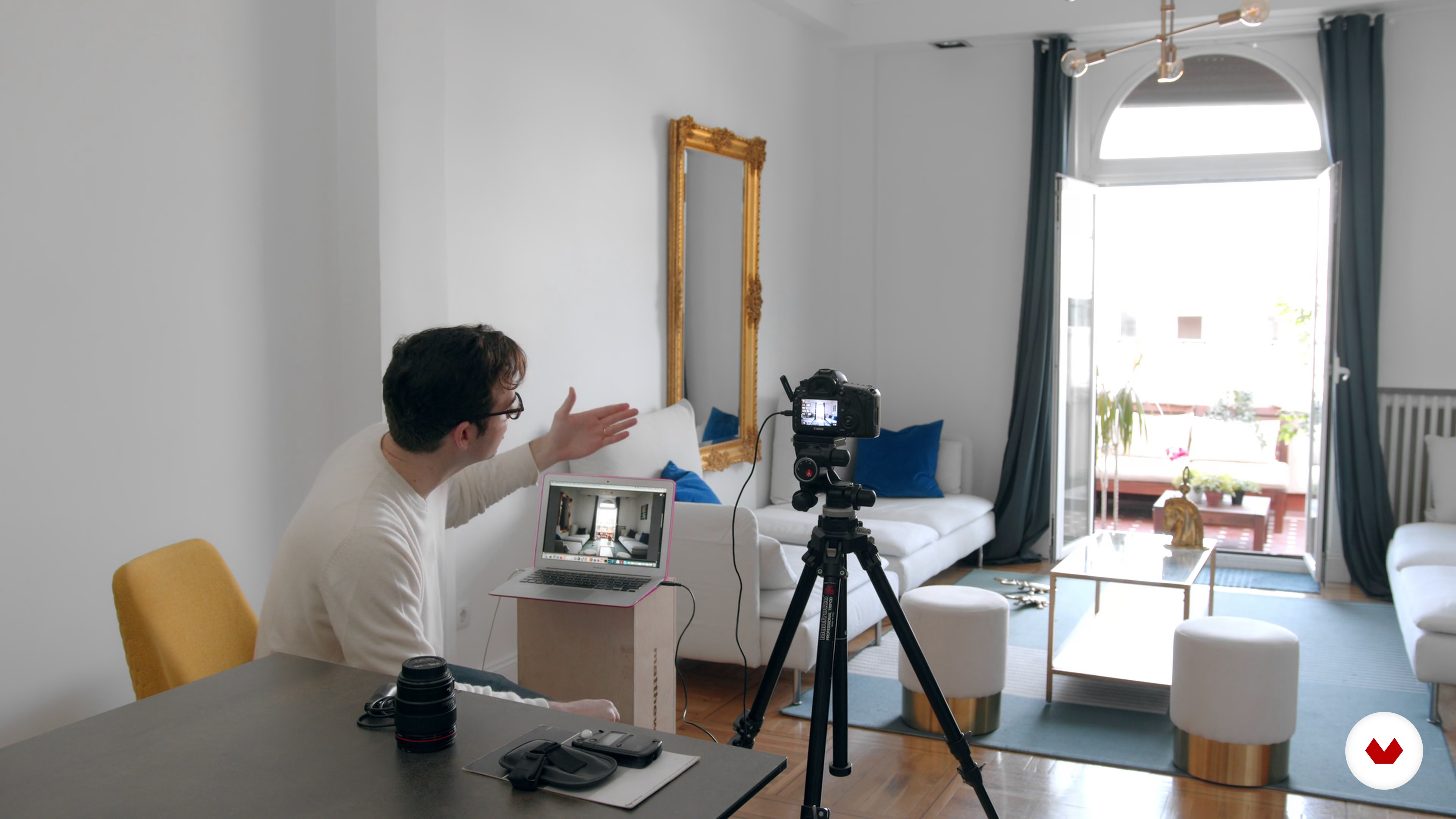
What Will We Do in this Course?
3 minutes, 24 seconds
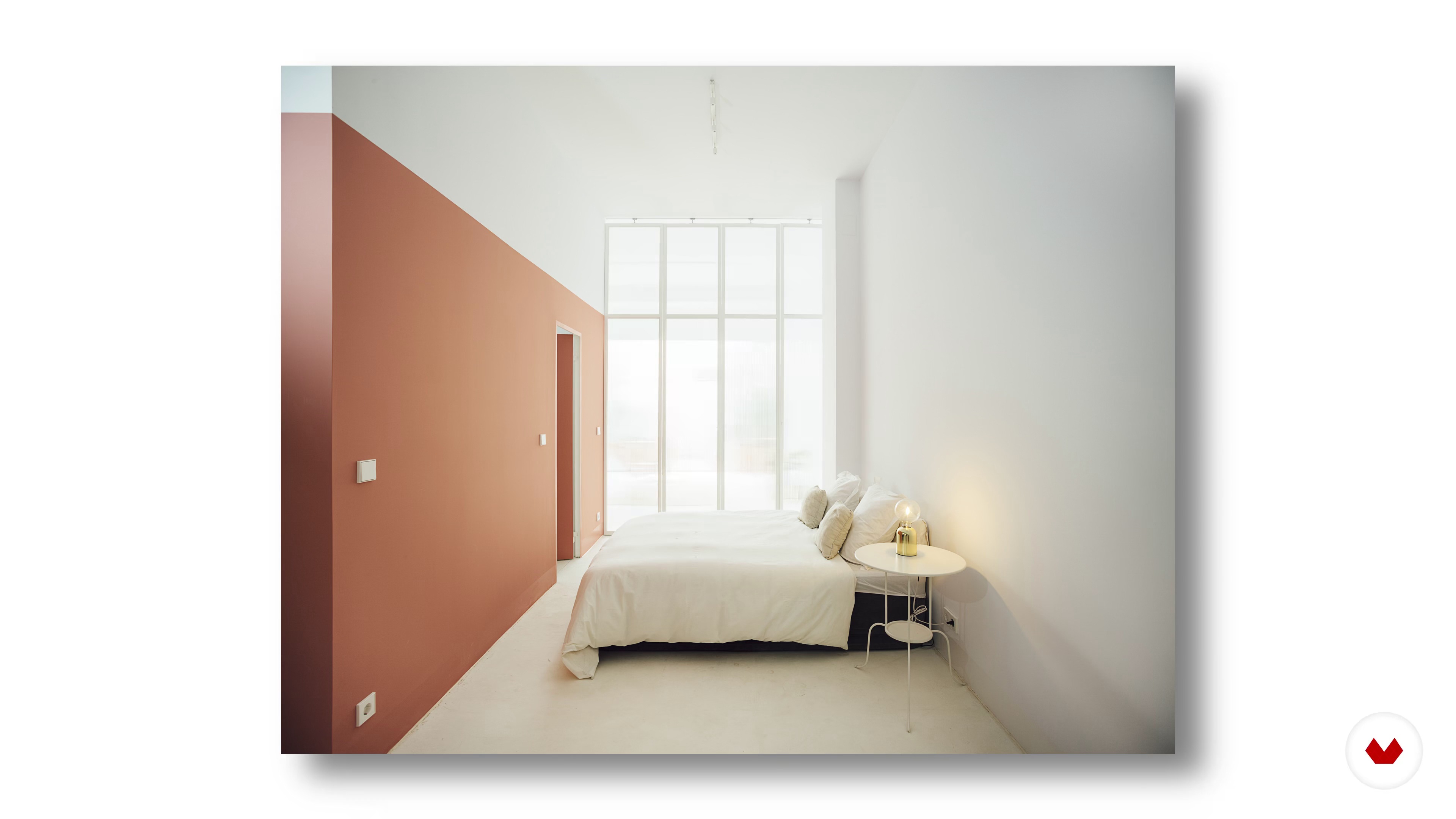
Interior Photography Styles and Categories
5 minutes, 18 seconds
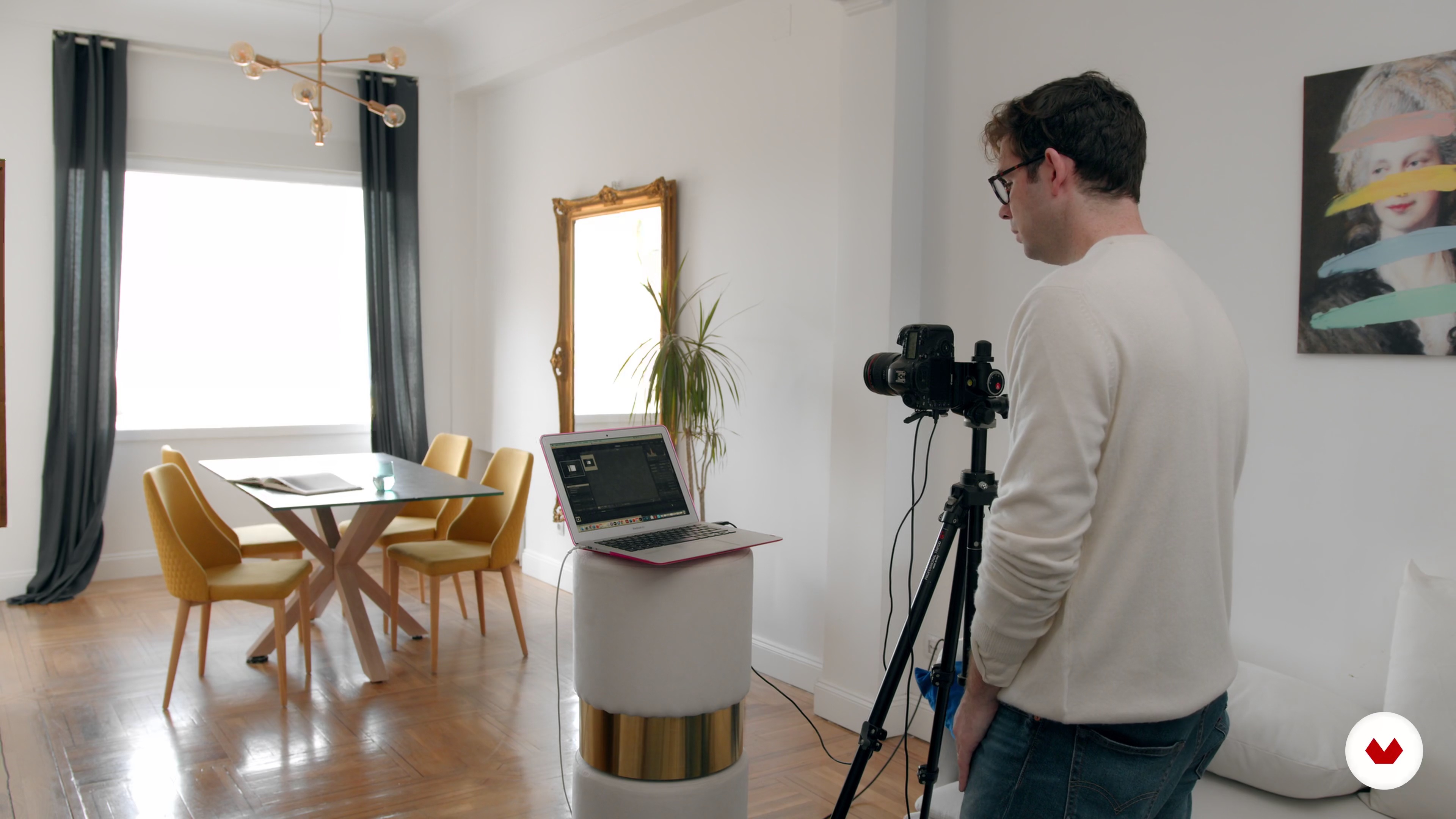
Composition and Art Direction
8 minutes, 10 seconds
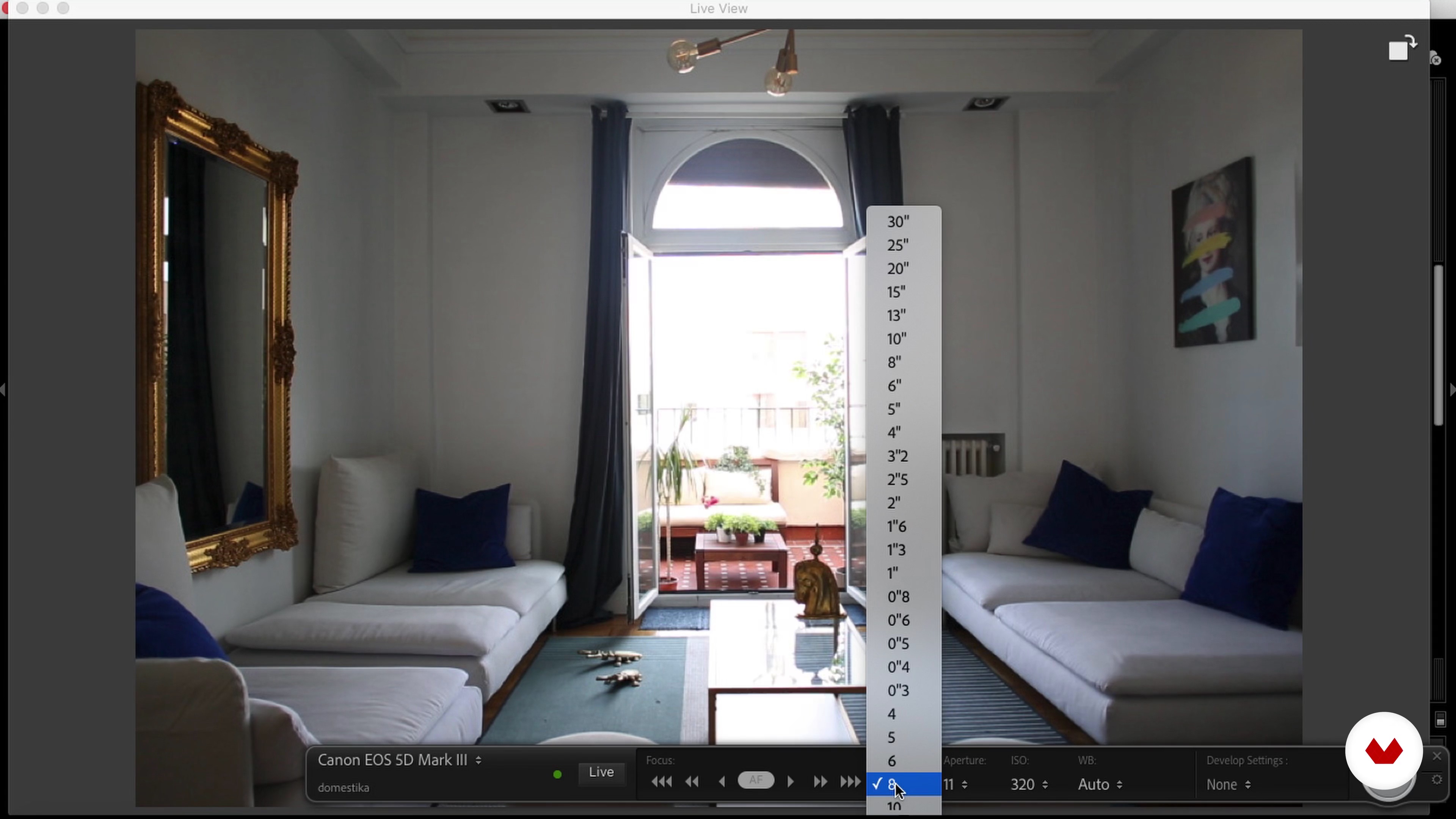
Photographic Shooting
17 minutes, 31 seconds
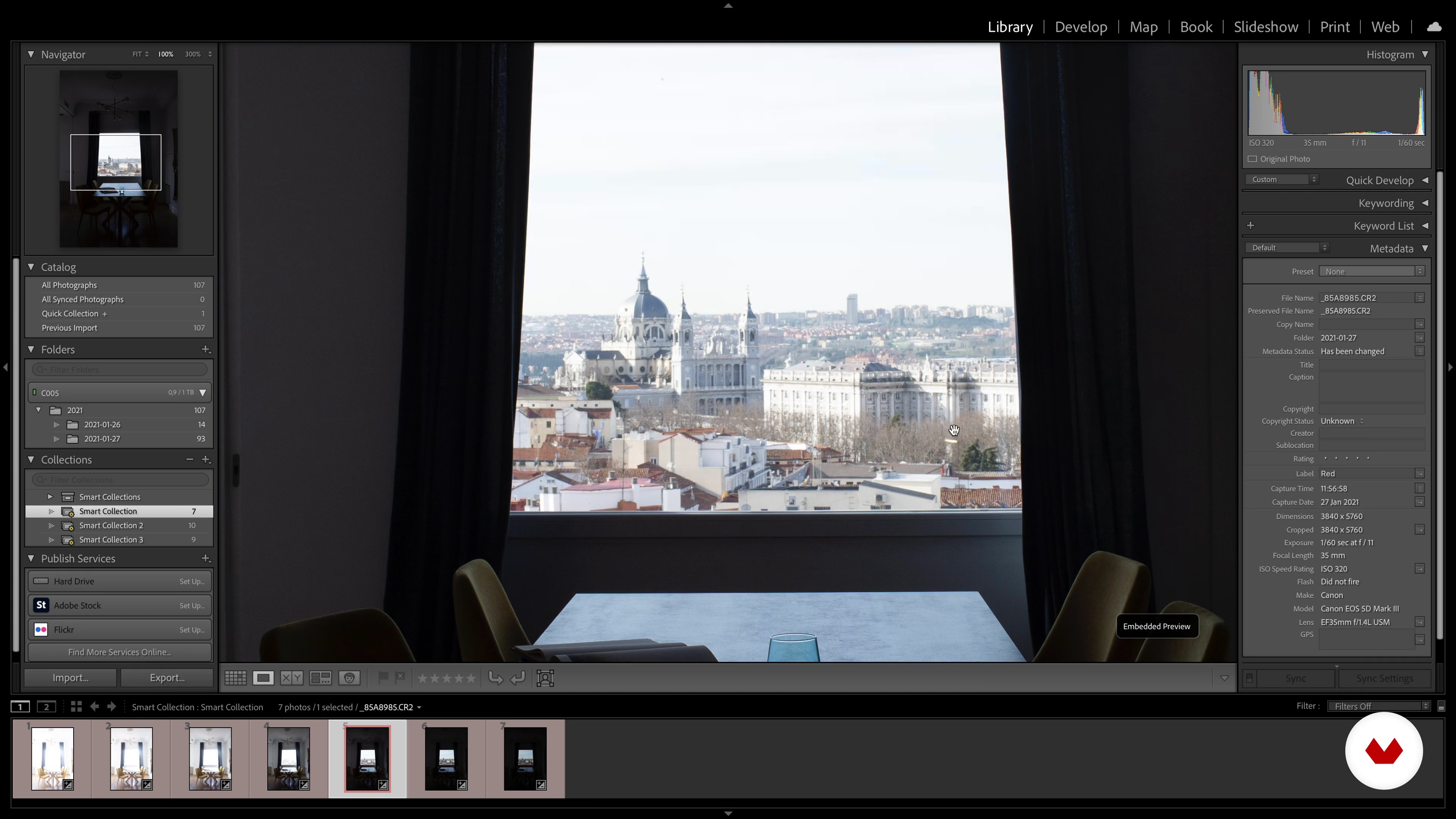
Image Selection and Editing
14 minutes, 7 seconds
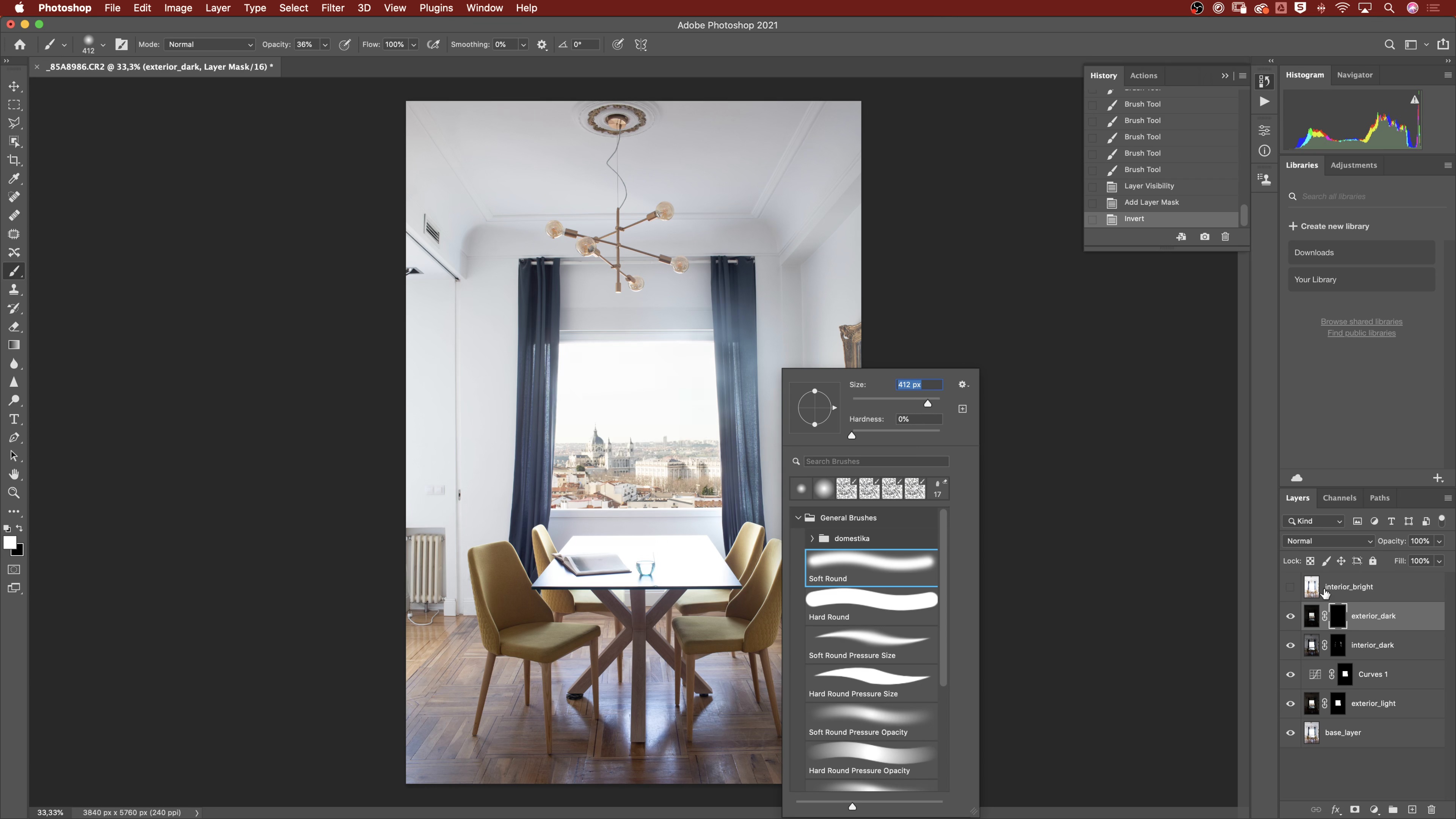
Working With the Files 1
20 minutes, 16 seconds
What's included in this course?
Start your course by getting to know James and his style of photography. Take a look at some inspiring people and publications that influence his work, and go through the general layout of the course before finding your camera and getting started.
Discover how to use a shot list to organize your ideas visually and get some tips on how to compose images for interiors. Learn about scouting locations and what you should consider when lighting a space. Then review your camera settings and take a look at the other essential equipment you’ll need for your shoot.
Join James on location and discover his creative process for breaking down and analyzing a new space. Revisit perspective, depth of field, focal length, and other basic photography concepts before setting up your lighting and camera. Learn about camera placement, how to visualize your images on an external monitor, and why it’s best to use bracketing when shooting interiors.
Finally, open Lightroom and see how James imports, organizes, and prepares his images for retouching. Transfer your final selection to Photoshop. Then use layers and masks to adjust light, shadows, color, and more before generating some final images for print or sharing online.
Recommended software & tools for this course
What is this course's project?
Create 3 to 5 images of an interior space and highlight the unique qualities of its architecture and design
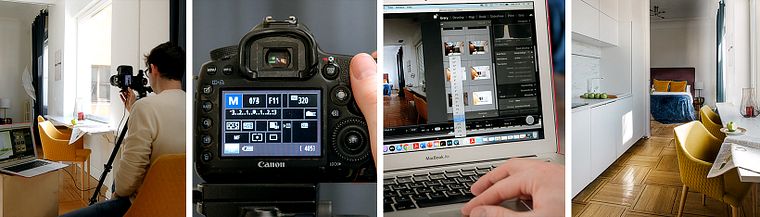
Projects by course students

Who is this online course for?
This course is for photographers of any skill level who want to learn the creative process behind interior photography.
Requirements and materials
Basic knowledge of digital photography and access to Adobe Lightroom and Photoshop is necessary to fully benefit from this course.
To take the course, you should have a digital camera, a wide angle lens with manual focus, and a tripod. Additional equipment will be mentioned in the course, but is optional.
You will also need a space to photograph. This can be your own home, a public space, or another inspiring location where you can have undisturbed access for a few hours.
Reviews
- timzpinzPLUS16 days ago
Its in english which is really helpful. Well organised to
- saa_tianaitPLUS2 months ago
it's quick and useful! Great for beginners. As someone with experience, amazing to see how others do it. Definitely adding a couple tips into my workflow.
- 3 months ago
Entrega herramientas de gran valor, explica al detalle cómo manejar bien la técnica del bracketing. Siento que revelé un misterio. Recomiendo.
- 4 months ago
El curso ha superado ampliamente mis expectativas. La estructura y los contenidos están muy bien organizados, facilita el aprendizaje progresivo. Se nota la profesionalidad de James, es un fuera de serie.
- caro_reschkePLUS7 months ago
good course! well explained and probably a very useful one for absolute beginners. although I've been photographing a few interiors already, I could still find some nice tips and gain confidence in the workflow I already have. the postproduction techniques with manual masking and refining every mask by hand seem a little bit overcomplicated to me - still it's all well explained.

His personal work showcases his curiosity for people and is often inspired by his own life. He is a regular contributor to publications like El País Semanal, and has photographed notable figures such as Viggo Mortensen, Pedro Almodóvar, and Iker Casillas.
Content
- U1
Introduction
- Introduction
- Influences
- What Will We Do in this Course?
- U2
Preparation for Your Shoot
- Interior Photography Styles and Categories
- Lighting in Interior Photography
- Equipment
- U3
Shoot Day
- Composition and Art Direction
- Camera Setting and Lighting
- Photographic Shooting
- U4
Post-Production
- Image Selection and Editing
- Working With the Files 1
- Working With the Files 2
- Working With the Files 3
- Working With the Files 4
- Working With the Files 5
- Save Your Project and Share Your Work
- FP
Final project
- Introduction to Interior Photography
What to expect from a Domestika course
Learn at your own pace
Enjoy learning from home without a set schedule and with an easy-to-follow method. You set your own pace.
Learn from the best professionals
Learn valuable methods and techniques explained by top experts in the creative sector.
Meet expert teachers
Each expert teaches what they do best, with clear guidelines, true passion, and professional insight in every lesson.
Certificates
PLUSIf you're a Plus member, get a custom certificate signed by your teacher for every course. Share it on your portfolio, social media, or wherever you like.
Get front-row seats
Videos of the highest quality, so you don't miss a single detail. With unlimited access, you can watch them as many times as you need to perfect your technique.
Share knowledge and ideas
Ask questions, request feedback, or offer solutions. Share your learning experience with other students in the community who are as passionate about creativity as you are.
Connect with a global creative community
The community is home to millions of people from around the world who are curious and passionate about exploring and expressing their creativity.
Watch professionally produced courses
Domestika curates its teacher roster and produces every course in-house to ensure a high-quality online learning experience.
FAQs
Yes, this course is designed for intermediate photographers who want to advance their skills in interior and architectural photography, with a focus on narrative and professional workflows.
You’ll need a camera (DSLR or mirrorless), a tripod, wide-angle or shift lenses, a flash, a laptop for tethering, and Adobe Lightroom and Photoshop. Optional tools include a polarizing filter, light meter, Wacom tablet, and gray card.
Yes, the course teaches how to infuse storytelling and narrative techniques into interior photos, combining composition, props, art direction, and photojournalism principles for compelling image series.
Topics include slow photography, equipment selection, symmetry, lighting, bracketing, exposure blending, post-production, composition, collaborating with designers, narrative development, and advanced retouching techniques.
Some basic experience with Lightroom and Photoshop is recommended, as the course involves advanced post-production workflows, including exposure blending and layered editing.
The course covers both architectural precision and editorial narrative, guiding you through scouting, shot lists, magazine-style workflows, and collaborating with architects to create visually impactful images.
Yes, you’ll learn to work with natural and artificial light, control color temperature, use flash techniques, and blend exposures for high dynamic range scenes.