Narrative Techniques for Illustrated Stories
A course by Paula BossioDesigner, Illustrator, Author, and Teacher
A course by Paula Bossio, Designer, Illustrator, Author, and Teacher

Learn the basic resources to narrate and illustrate your own stories
Illustration can be a determining tool in the narration of a story since it can reinforce it and offer specific nuances. But in addition, there are other narrative resources that the author and illustrator of children's stories Paula Bossio explains in this course, which you can apply to your own stories and exercise your creative abilities when narrating them.
Learn to be more aware of the importance of each of the elements that make up an illustrated image. Through exercises, you will see how to be more proactive and creative in illustrating your stories and you will exercise your ability to narrate visually, going beyond the creation of purely decorative illustrations.
What will you learn in this online course?
20 lessons & 29 downloads
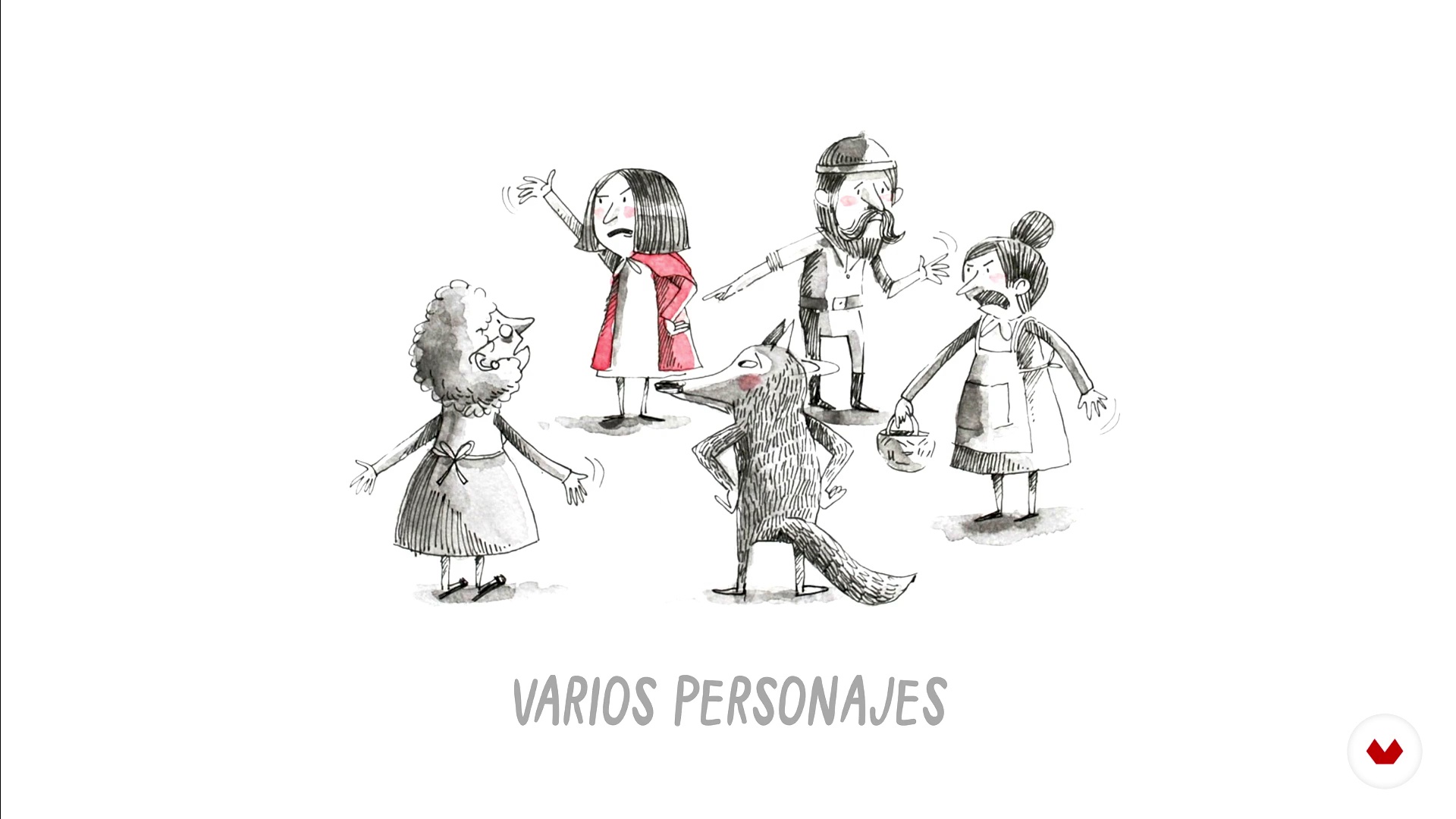
The Story and its Components
16 minutes, 46 seconds
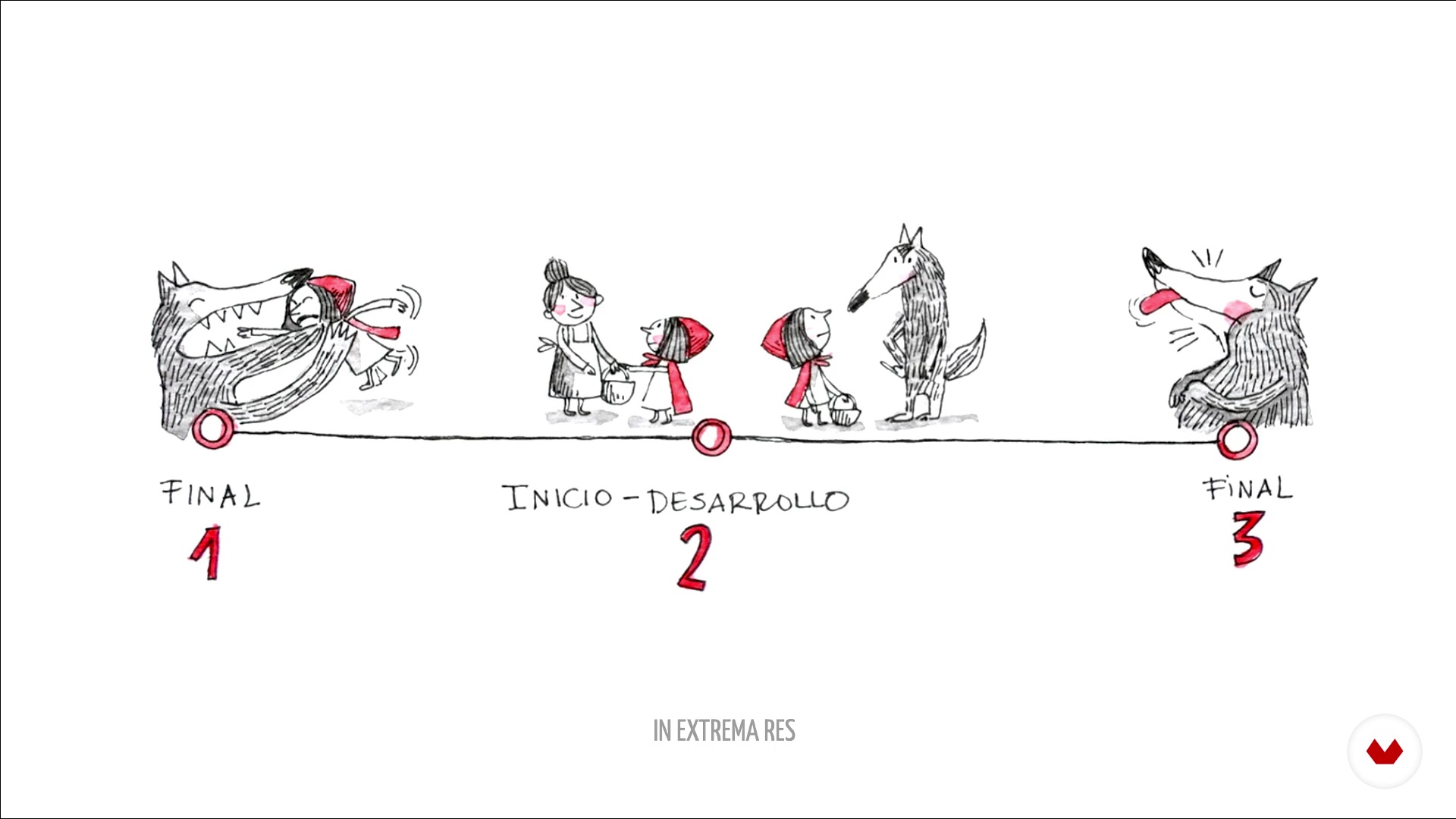
Counting through the nonlinear
16 minutes, 49 seconds
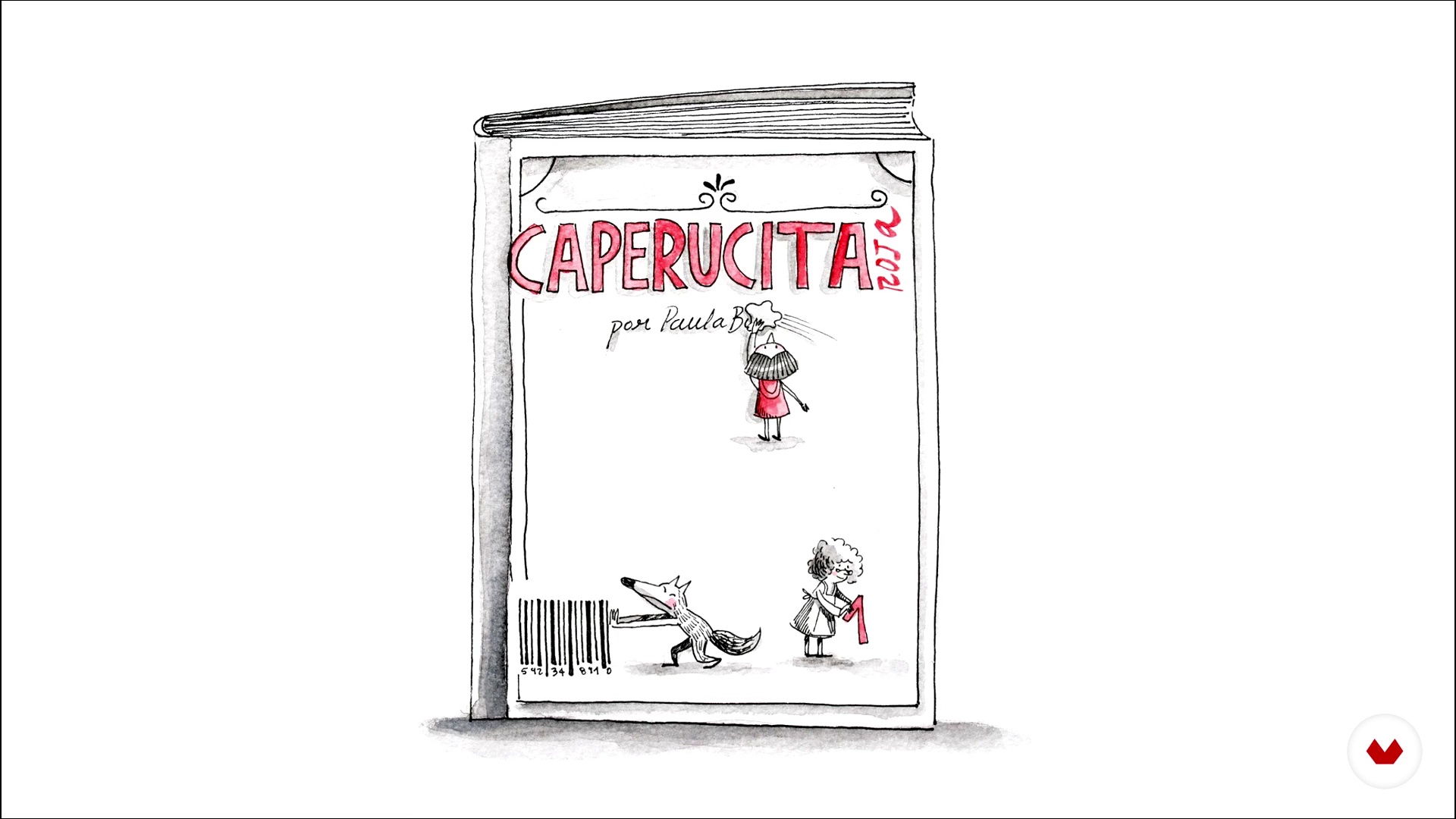
Telling the story through the object
15 minutes, 45 seconds
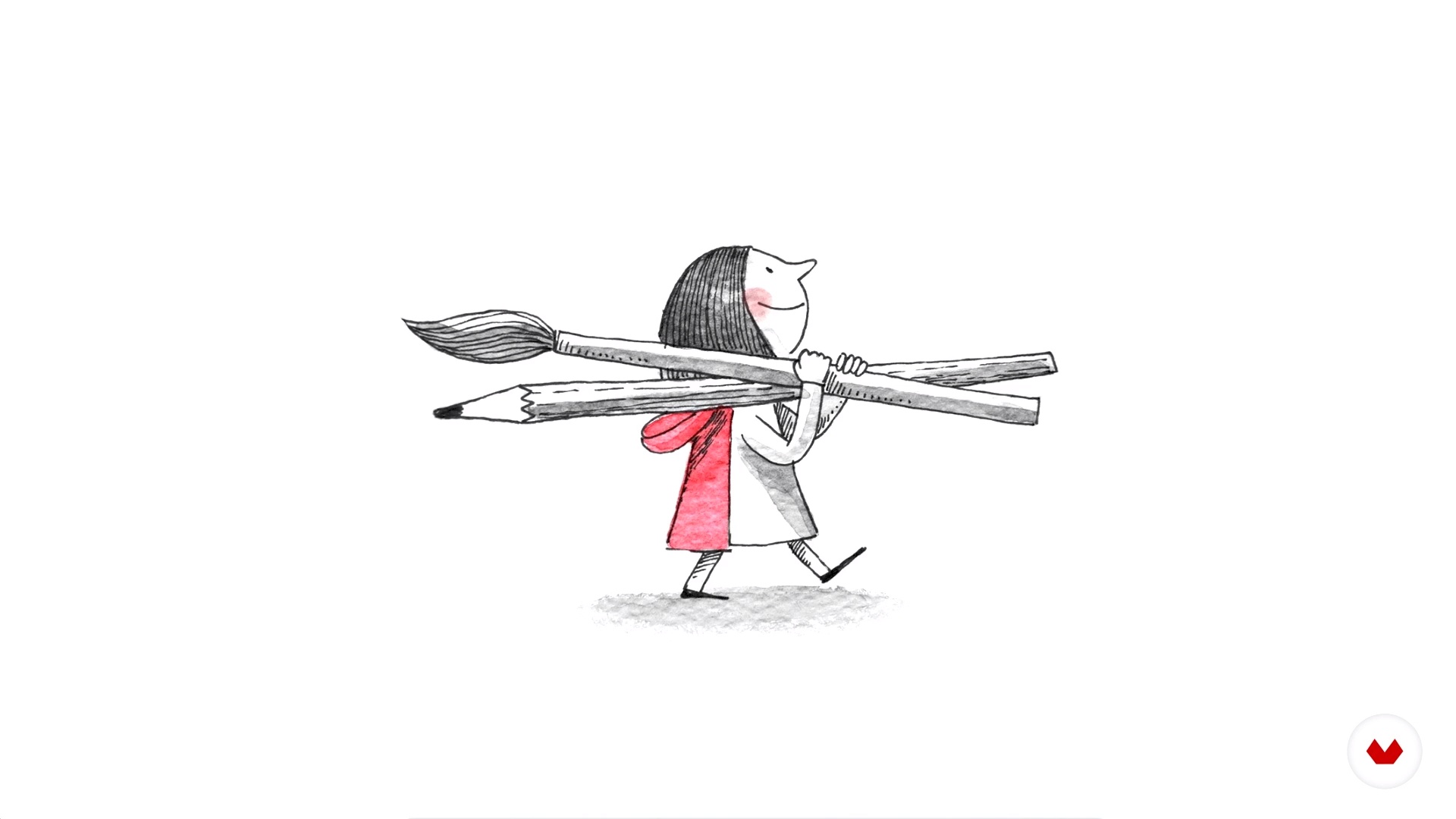
Telling stories through the visual
9 minutes, 56 seconds
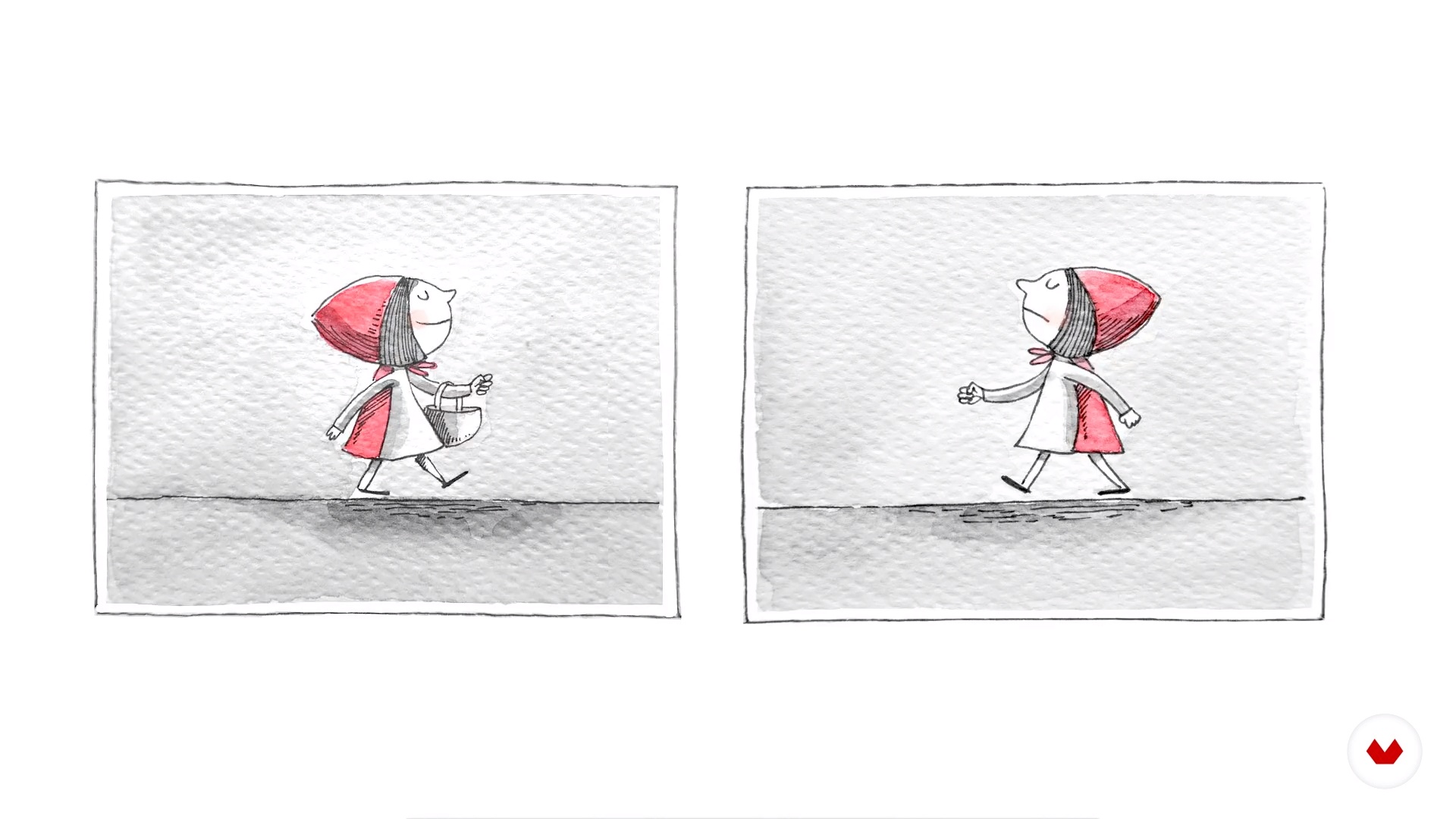
Telling stories through composition
11 minutes, 58 seconds
Telling stories through sequence
12 minutes, 37 seconds
What's included in this course?
To start, Paula introduces herself and explains how her professional career has been, her interests, influences, and the power that stories have not only as a source of inspiration but also as a creative engine.
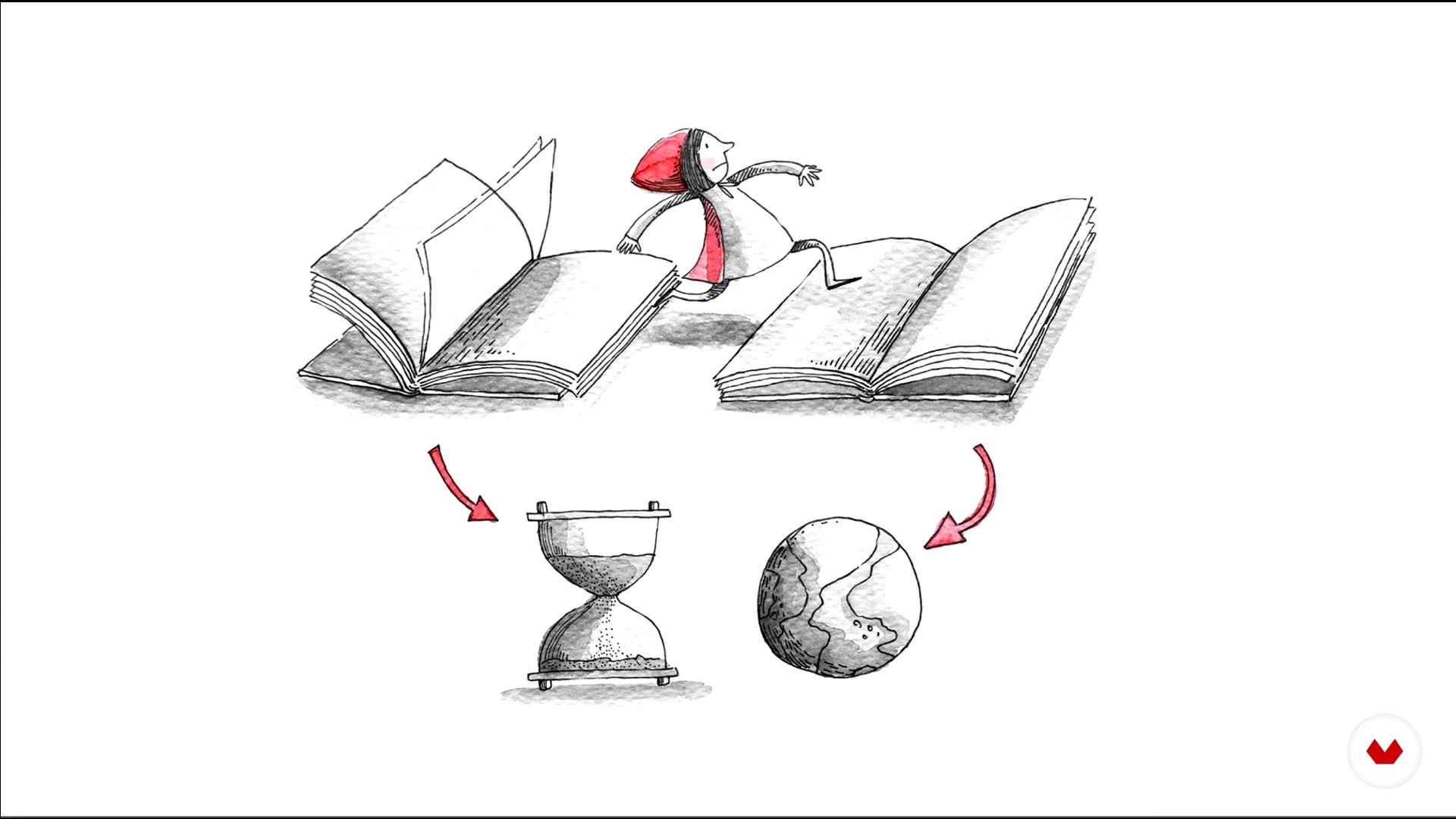
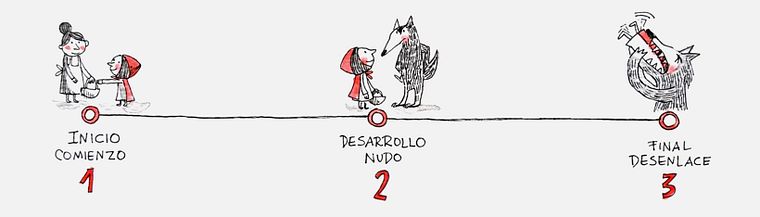
Any illustrated book contains a series of elements to take into account, such as the story, a narrative structure, the dimensions and characteristics of the publication, and of course, the image. Paula explains three of these elements and how they relate to the image: the parts of a story, the changes in time, and the possibilities of the book as a physical object.
Next, delve into the components of the image, from its composition to its relation with the text. See how the images that belong to a narrative system are sequential, they depend on each other; and how each element of an image can have a second reading that adds to the narration.
Select some elements to narrate the chosen story in a different way, playing with it and transforming it. Learn various sketching techniques such as the storyboard, how to apply color in watercolor and create mini-books to understand the sequences. Paula shows you examples so that later, you can start to make a story.
After working your creative muscle on various exercises and having experimented a little, carry out your final project: a short story in book form. Paula gives you the guidelines to create it, make the colorization and to carry out the finalized model’s assembly.
What is this course's project?
Create a short and illustrated 8-page narration, inspired by a classic story but containing a narrative twist. You must include a time alteration, a sequential resource, and propose a format modification.
Projects by course students


Who is this online course for?
All those who like picture books and everyone who is passionate about telling stories through drawing and wants to experiment and be creative.
Of course, also to artists, illustrators, reading enthusiasts, teachers, writers, students, designers, animators, and visual artists.
Requirements and materials
Basic drawing skills are required. You don't need to be able to draw professionally, but you do need to be able to clearly express an idea.
You need a comfortable workspace, mixed media papers, brushes, colors, watercolors, pencils, markers, a notebook, scissors, a cutter, and a stapler.
Reviews
- miriamarte06PLUS8 days ago
Me encanta el curso, con muchos mas datos que lo que esperaba, mucha informacion tanto en las clases super claras , los pdf que acompañan, y los datos para seguir investigando.mucho para aprender y practicar.
- 28 days ago
Bardzo przydatne i rzetelne
- 1 month ago
Excelente!
- 2 months ago
Es un curso muy completo, de mis cursos favoritos. Increíble conocimiento, talento y forma de explicar de la profesora. ¡100% recomendable!
- 3 months ago
Curso nota 10, professora nota 1000! Recomendo qualquer curso da professora Paula. Pena que só tem dois aqui.

She has worked as an author and illustrator for publishers such as Penguin Random House, PigeonHole Books, Fondo de Cultura Económica, Alfaguara, GatoMalo, Usborne Books, and more, and has also worked as an illustration teacher in the Graphic Design Faculty of Universidad Jorge Tadeo Lozano, Universidad Areandina, and Universidad Santo Tomás in Bogotá.
Content
- U1
Introduction
- Presentation
- Influences
- What will we do in the course?
- U2
First narrative resources
- The Story and its Components
- Counting through the nonlinear
- Telling the story through the object
- U3
Language of the images
- Telling stories through the visual
- Telling stories through composition
- Telling stories through sequence
- Telling stories through the functional. Part 1
- Telling stories through the functional. Part 2
- U4
Experimenting with the story
- Preparation to narrate in sequence and quick sketching techniques
- Fast colorization techniques. Part 1
- Fast colorization techniques. Part 2
- Experimenting with the plot and the relationship between characters
- Experimenting with the nonlinear and with the object
- Experimenting with plastic and compositional elements
- Experimenting with sequential and functional elements
- U5
Assembling the final model
- In search of the story and the images
- The colorization and final assembly of the model
- FP
Final project
- Narrative techniques for illustrated stories
What to expect from a Domestika course
Learn at your own pace
Enjoy learning from home without a set schedule and with an easy-to-follow method. You set your own pace.
Learn from the best professionals
Learn valuable methods and techniques explained by top experts in the creative sector.
Meet expert teachers
Each expert teaches what they do best, with clear guidelines, true passion, and professional insight in every lesson.
Certificates
PLUSIf you're a Plus member, get a custom certificate signed by your teacher for every course. Share it on your portfolio, social media, or wherever you like.
Get front-row seats
Videos of the highest quality, so you don't miss a single detail. With unlimited access, you can watch them as many times as you need to perfect your technique.
Share knowledge and ideas
Ask questions, request feedback, or offer solutions. Share your learning experience with other students in the community who are as passionate about creativity as you are.
Connect with a global creative community
The community is home to millions of people from around the world who are curious and passionate about exploring and expressing their creativity.
Watch professionally produced courses
Domestika curates its teacher roster and produces every course in-house to ensure a high-quality online learning experience.
FAQs
You’ll learn to analyze and apply artistic elements like color, lighting, composition, and sequencing to create and transform illustrated stories, developing coherent and expressive visual narratives.
This course is aimed at intermediate learners—perfect for those with basic knowledge of illustration or visual storytelling who want to deepen their skills in building and analyzing illustrated narratives.
You’ll need basic drawing supplies like pencils, paper, watercolors, markers, plus access to digital or manual tools for sketching and composing illustrated mini books.
The course includes exercises to create visual sequences, use thumbnails, and vary shot types, exploring rhythm, narrative tension, and spatial and temporal transitions in illustrated stories.
You’ll learn quick coloring techniques using watercolor and markers, color mixing for skin tones and atmospheric effects, and how paper and materials affect the final result.
Yes, the course explores devices like visual metaphor, intertextuality, hypertext visuals, and the functional integration of text and image to enrich graphic and literary storytelling.
Yes, the course prepares you to plan, illustrate, and structure picture books, applying narrative, visual, and editorial techniques for children’s and young adult literature projects.