Art Toy Creation
A course by Luaiso LopezGraphic Designer
A course by Luaiso Lopez, Graphic Designer

Learn how to design, build and model a unique and collectible 3D character
Halfway between artistic sculpture and toys, Art Toys are collectible figurative characters for exhibitions, events, or private collectors, according to graphic designer and illustrator Luaiso López. The playful and creative aesthetics of Luaiso's works bring together his two passions: animation and video games.
Learn how to make an Art Toy, beginning from the concept creation stage to the final presentation, with the help of Luaiso. By the end you will create a unique three-dimensional figure, adding your own style to it.
What will you learn in this online course?
20 lessons & 16 downloads
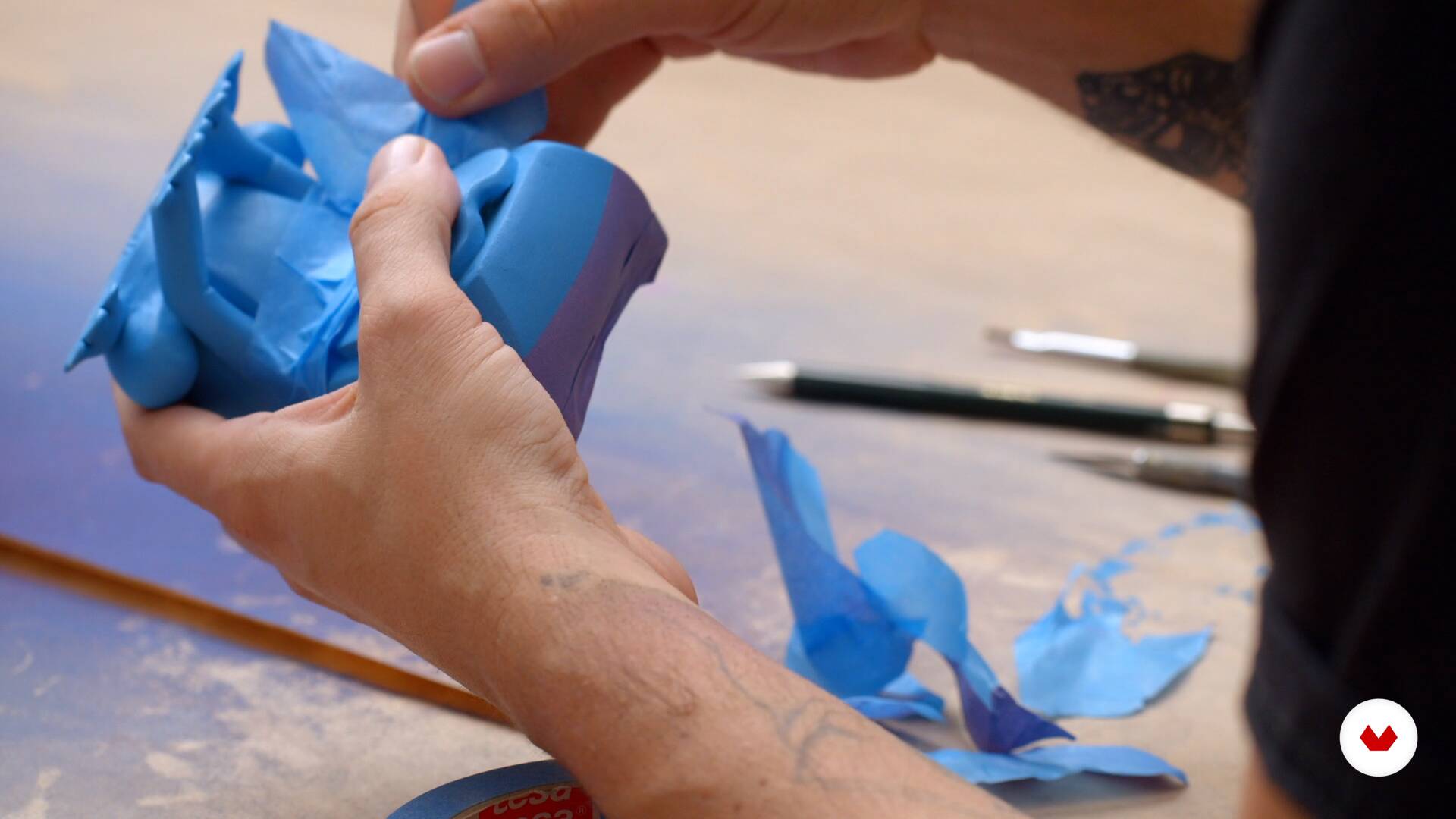
What will we do in the course
2 minutes, 26 seconds
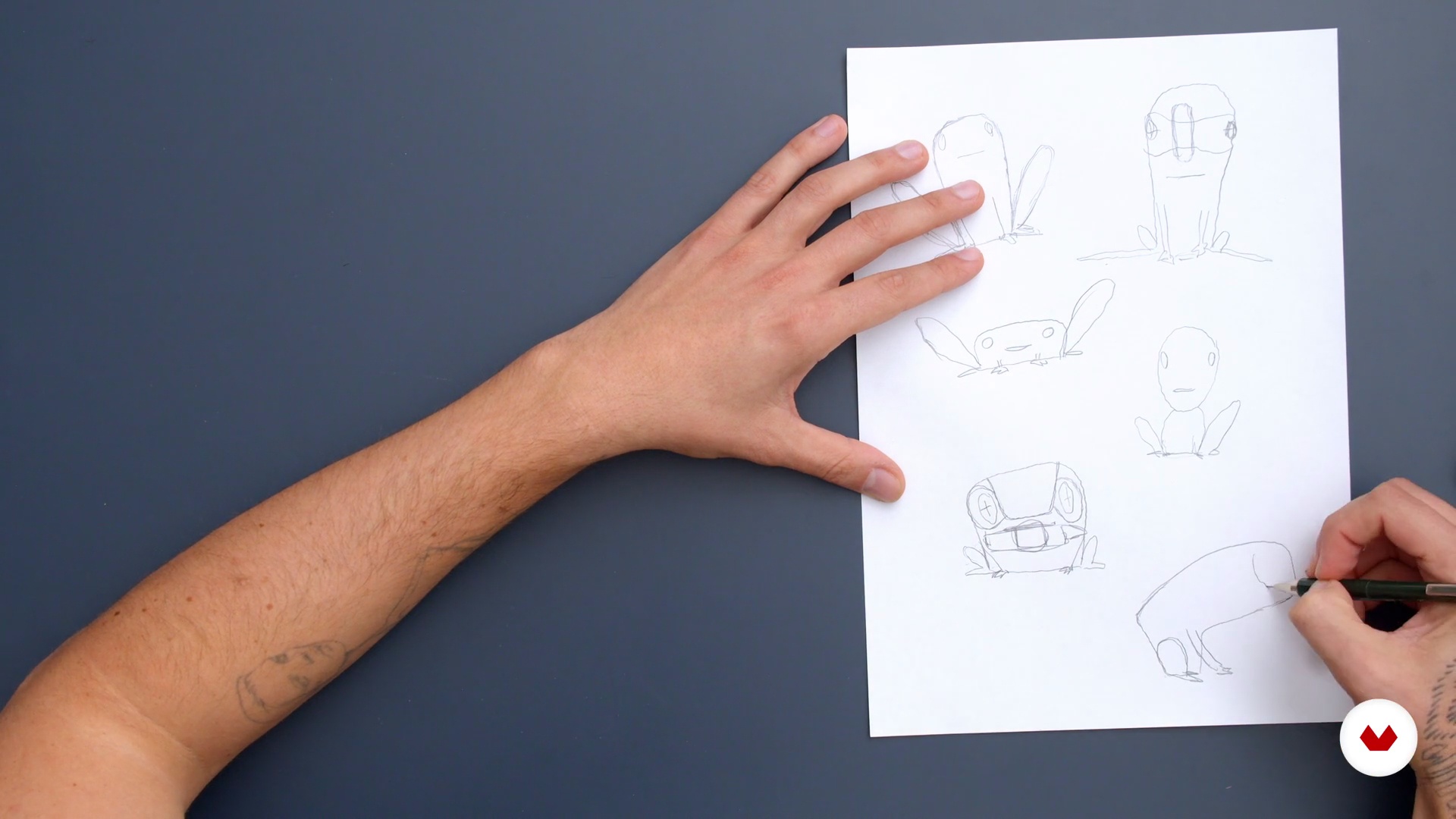
Design and sketch
7 minutes, 54 seconds
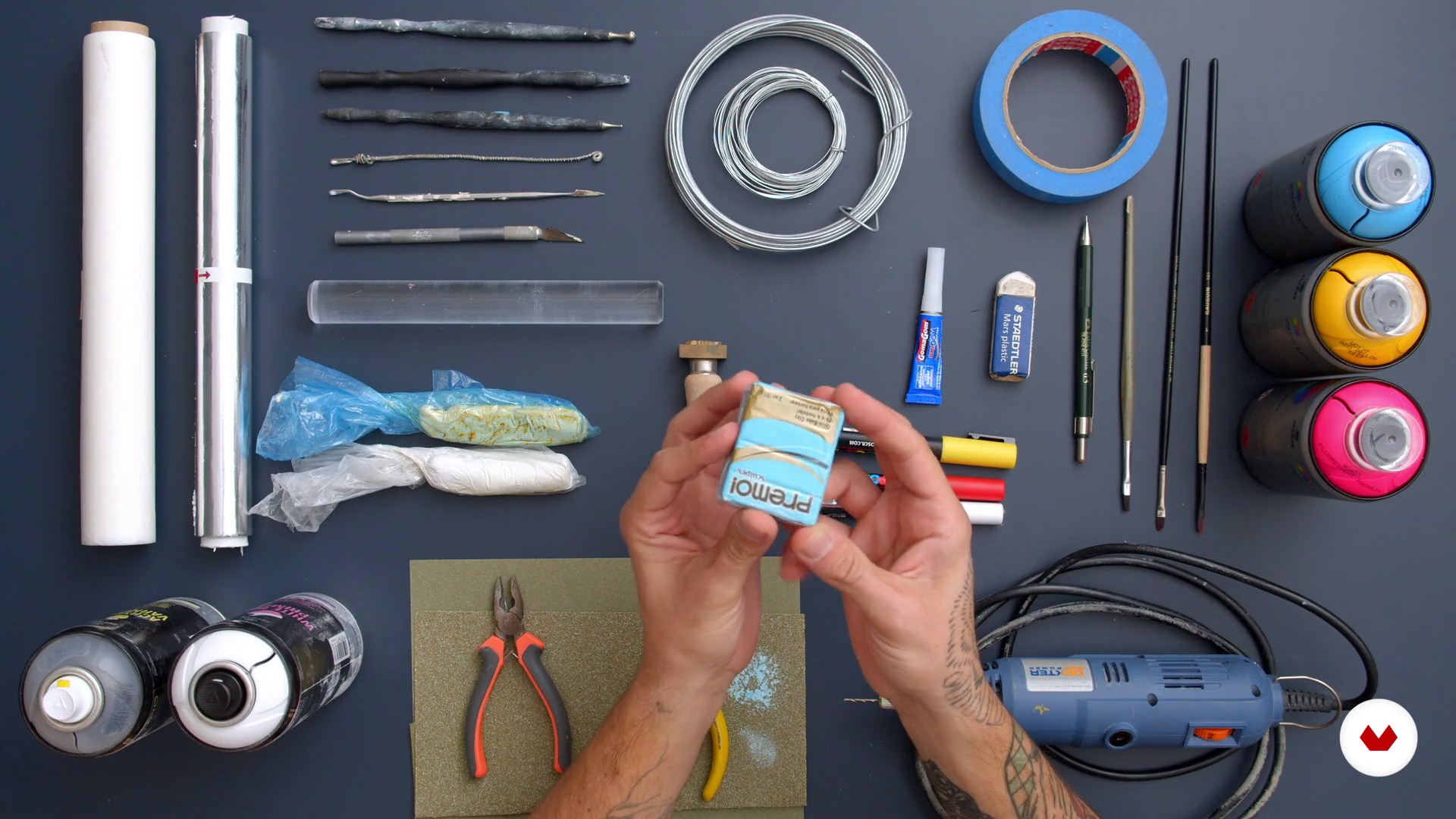
Materials and tools
3 minutes, 26 seconds
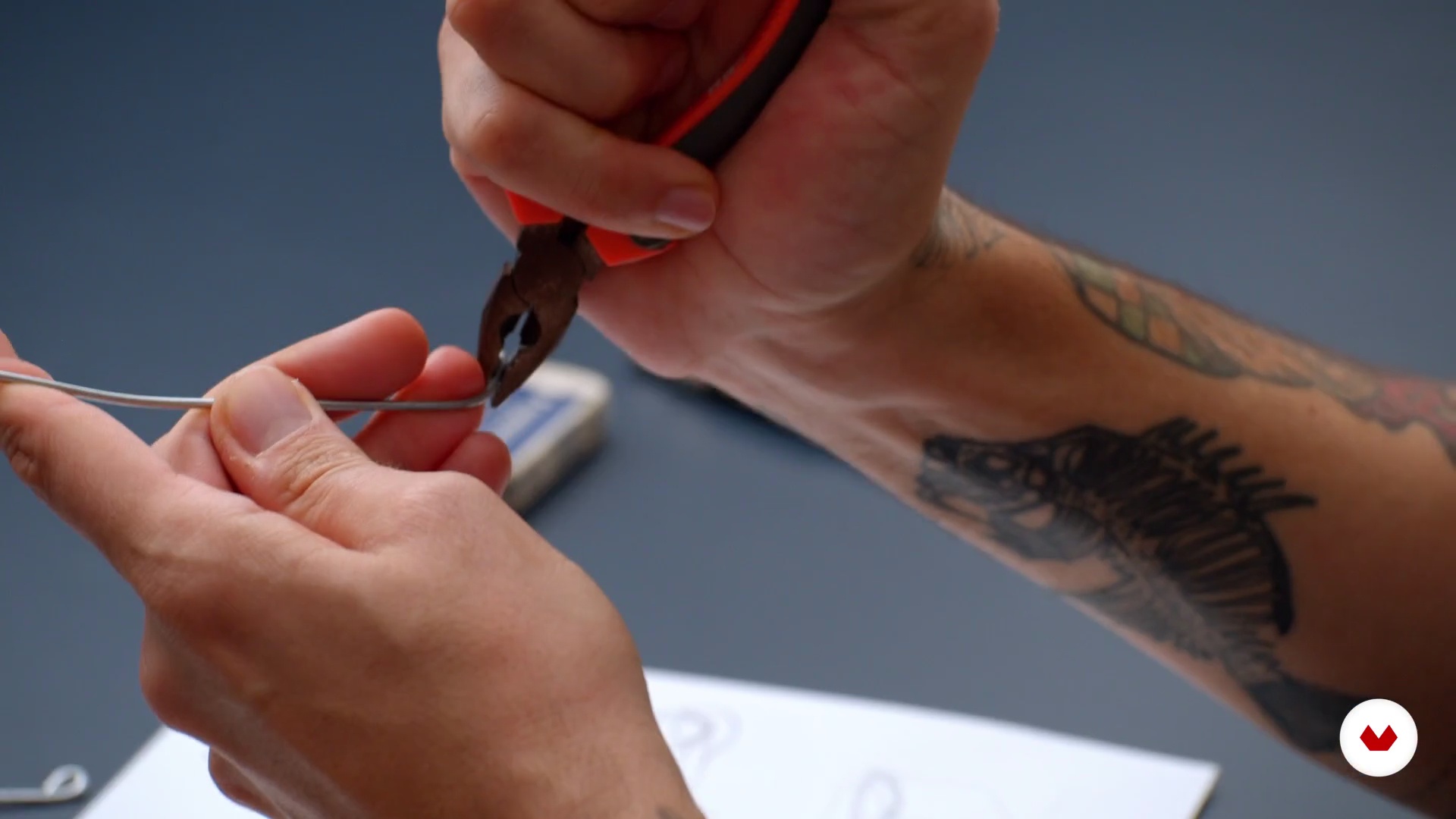
Move the skeleton
10 minutes, 41 seconds
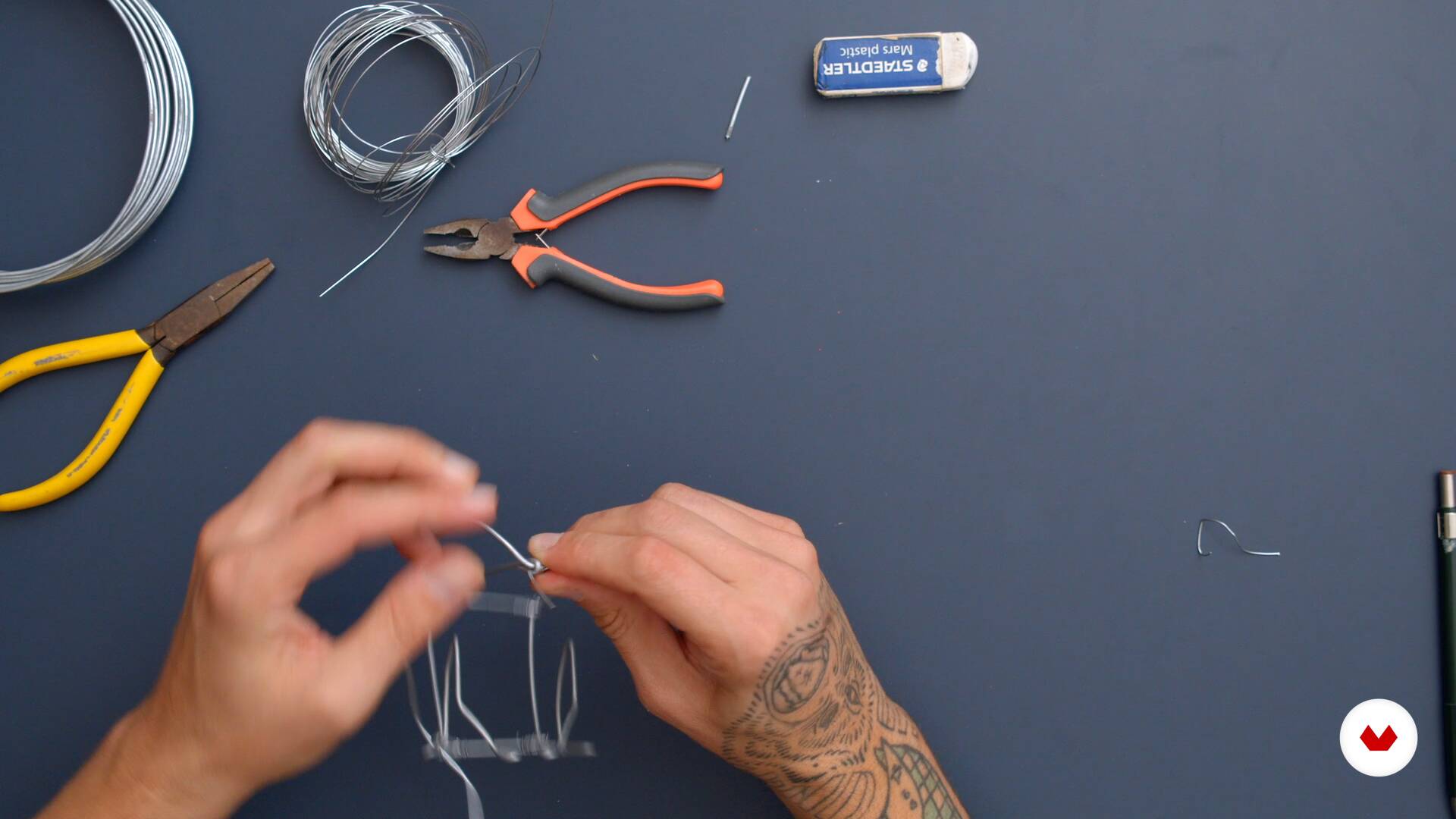
Move the skeleton II
13 minutes, 28 seconds
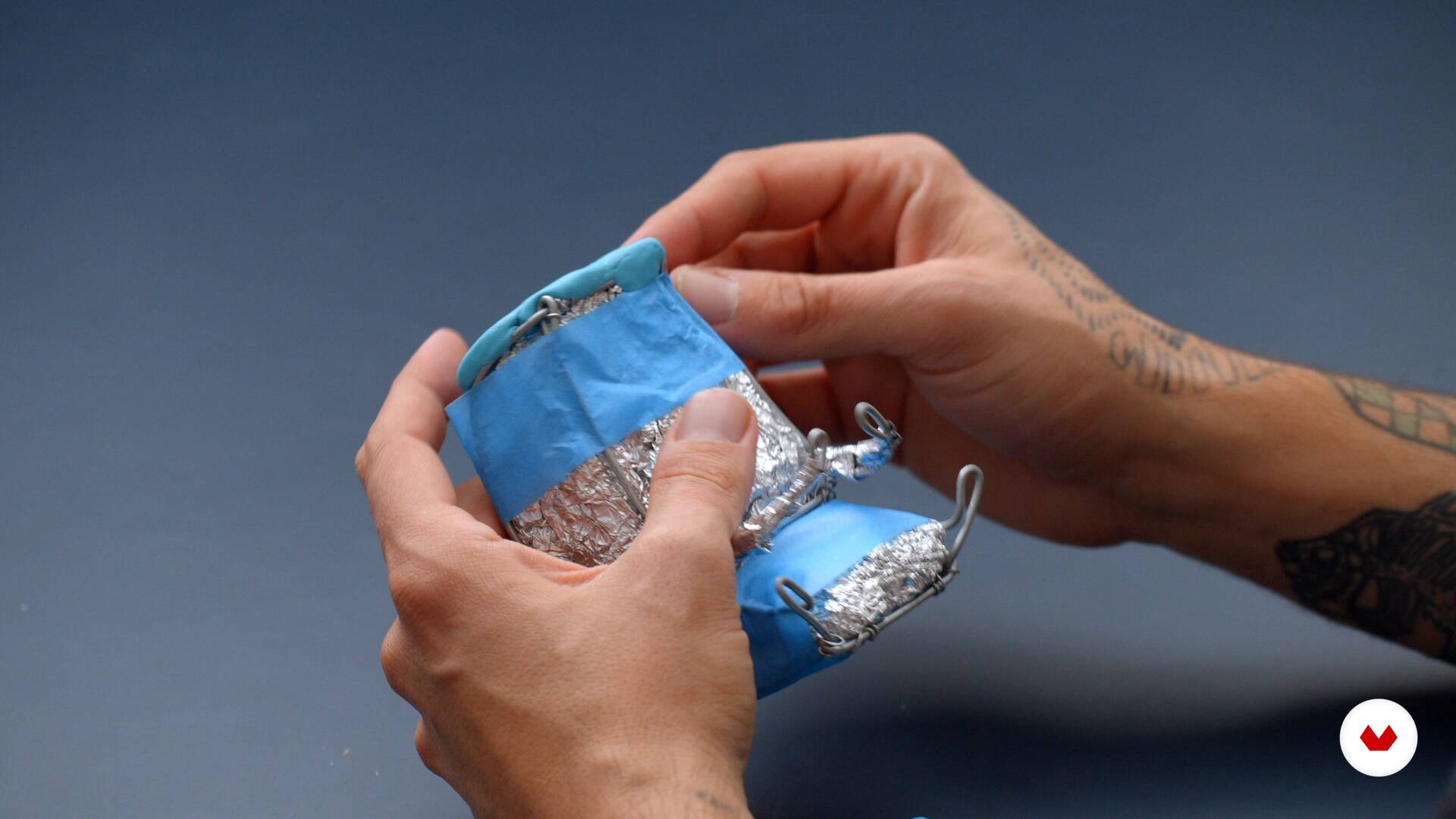
Turn up the volume
10 minutes, 24 seconds
What's included in this course?
You'll begin this trip exploring Luaiso's professional career and seeing how he got started in the world of creating Art Toys, before getting to know his artistic influences.
Stimulate your creativity in the second unit by generating a series of ideas from which you can base your Art Toy. Then you'll draw and make the first sketches of your piece, expressing your own style and using references that have caught your attention.
In the next unit, you'll get your hands dirty and start building your toy from the sketch. Learn how to assemble the skeleton, add volume and finish the structure to take the piece to the oven. Then, you'll see how to introduce the colors and last touches.
Finally, the time will come for you to show your work. In the fourth unit, Luaiso will give you some final recommendations so you can transport your piece, and he’ll share the tricks he uses to show his work.
What is this course's project?
You'll create an Art Toy true to your style and your initial idea or concept.
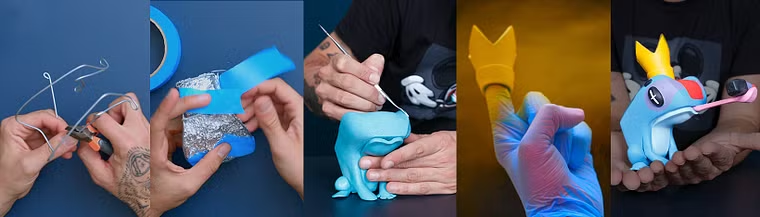
Projects by course students


Who is this online course for?
To anyone who wants to learn how to model an Art Toy, either as a hobby or for commercial purposes.
Requirements and materials
No previous toy design knowledge necessary, although basic design knowledge and manual skills are required.
As for the materials, you'll need paper, pencil, wire, small pliers, aluminum foil, polymer clay, a conventional oven and spray paint.
Reviews
- 23 days ago
Exelente curso, aprendi muito a como usar as polymerclay e pensar em estrutura.
- 2 months ago
excellent introduction. Thank you for this easy-to-follow course, Luaiso.
- 2 months ago
Exelente te va llevando paso a paso y muy fluido por todo el proceso
- 6 months ago
A great introduction that makes the whole course easy to follow. Thanks for putting this together, Luaiso!
- 6 months ago
good course

His first limited edition Zombie Mario sold out a few weeks after it was released in Singapore with Pobber Toys. He has participated in various exhibitions and has created Art Toy work for Museo TOPIC in Guipúzcoa, in collaboration with Kram. He designed a Zombie Popeye for Medialink for the character’s 90th anniversary. He was awarded the Contemporary Art Prize “Propuestas” in 2011 for his work as a photographer and illustrator.
Content
- U1
Introduction
- Presentation
- Influences
- What will we do in the course
- U2
Art toys, concept and design
- Search for ideas
- Design and sketch
- Materials and tools
- U3
Giving life to your art toy
- Move the skeleton
- Move the skeleton II
- Turn up the volume
- Baked and sanding
- To model
- To model II
- To model III
- To model IV
- Color
- Color II
- Color III
- Finishing touches
- U4
Show your work
- Transportation and shipping
- How and where to show your work
- FP
Final project
- Creation of an Art Toy
What to expect from a Domestika course
Learn at your own pace
Enjoy learning from home without a set schedule and with an easy-to-follow method. You set your own pace.
Learn from the best professionals
Learn valuable methods and techniques explained by top experts in the creative sector.
Meet expert teachers
Each expert teaches what they do best, with clear guidelines, true passion, and professional insight in every lesson.
Certificates
PLUSIf you're a Plus member, get a custom certificate signed by your teacher for every course. Share it on your portfolio, social media, or wherever you like.
Get front-row seats
Videos of the highest quality, so you don't miss a single detail. With unlimited access, you can watch them as many times as you need to perfect your technique.
Share knowledge and ideas
Ask questions, request feedback, or offer solutions. Share your learning experience with other students in the community who are as passionate about creativity as you are.
Connect with a global creative community
The community is home to millions of people from around the world who are curious and passionate about exploring and expressing their creativity.
Watch professionally produced courses
Domestika curates its teacher roster and produces every course in-house to ensure a high-quality online learning experience.
FAQs
You’ll learn how to conceptualize, design, and sculpt art toys using polymer clay—from sketching to finishing and presentation—including painting techniques, packaging, and social media promotion.
Yes, this course is designed for people with intermediate skills in art, illustration, or modeling who want to deepen their knowledge in creating custom art toys and professional techniques.
You’ll need polymer clay, wire, aluminum foil, sculpting tools, brushes, acrylic or spray paints, Posca markers, sandpaper, epoxy, and packaging materials.
Basic modeling or illustration knowledge is recommended, but the course covers fundamental techniques to work with polymer clay from scratch.
You’ll learn how to generate ideas through creative lists, conceptualize characters, design sketches, and bring your ideas to life as meaningful 3D sculptures.
You’ll explore spray painting, acrylics, Posca markers, masking, and varnishing techniques to achieve professional, personalized finishes on your figures.
Yes, you’ll learn sanding, crack repair with epoxy, surface smoothing, and final touch-up techniques to enhance the quality and durability of your pieces.