Brand Strategy for Online Platforms
A course by James EcclestonBrand and UX Specialist
A course by James Eccleston, Brand and UX Specialist

Learn how to develop a professional brand concept and effectively apply it to a website
In a constantly evolving digital ecosystem, adapting to new digital platforms and formats is commonplace for designers. And in the rush to stay up to date, they risk becoming a visual “doer” rather than a conceptual thinker. Adaptability is key, however, the true purpose of a designer is to interpret a brand’s vision through shape and color to best connect them with their audience.
With this course, strategic designer James Eccleston guides designers through his clear and methodical approach for thinking conceptually about digital branding strategy, demonstrating how this approach creates more powerful and cohesive brands.
What will you learn in this online course?
14 lessons & 19 downloads
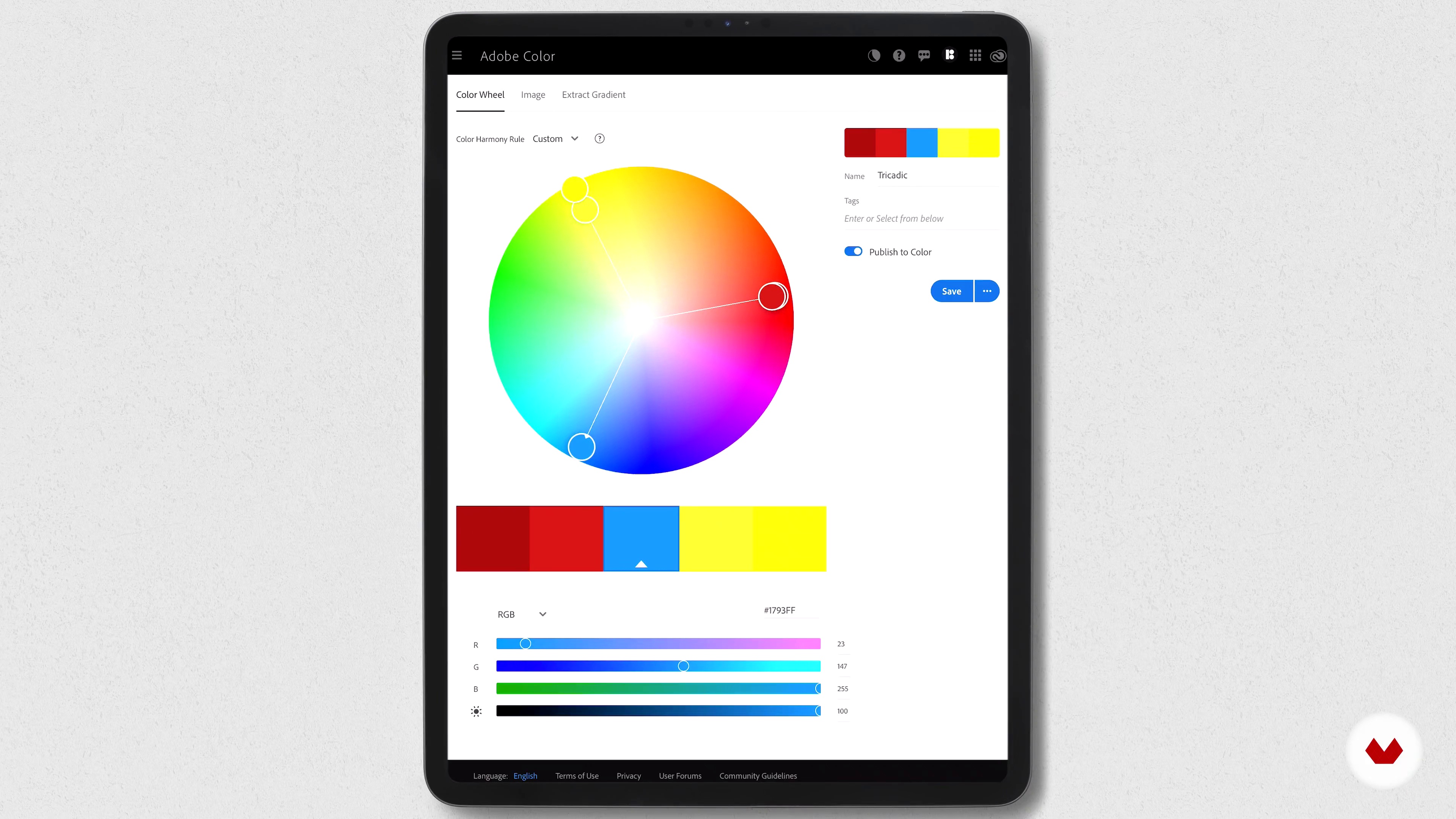
What We Will Do In This Course
3 minutes, 30 seconds

What Is a brand?
7 minutes, 41 seconds
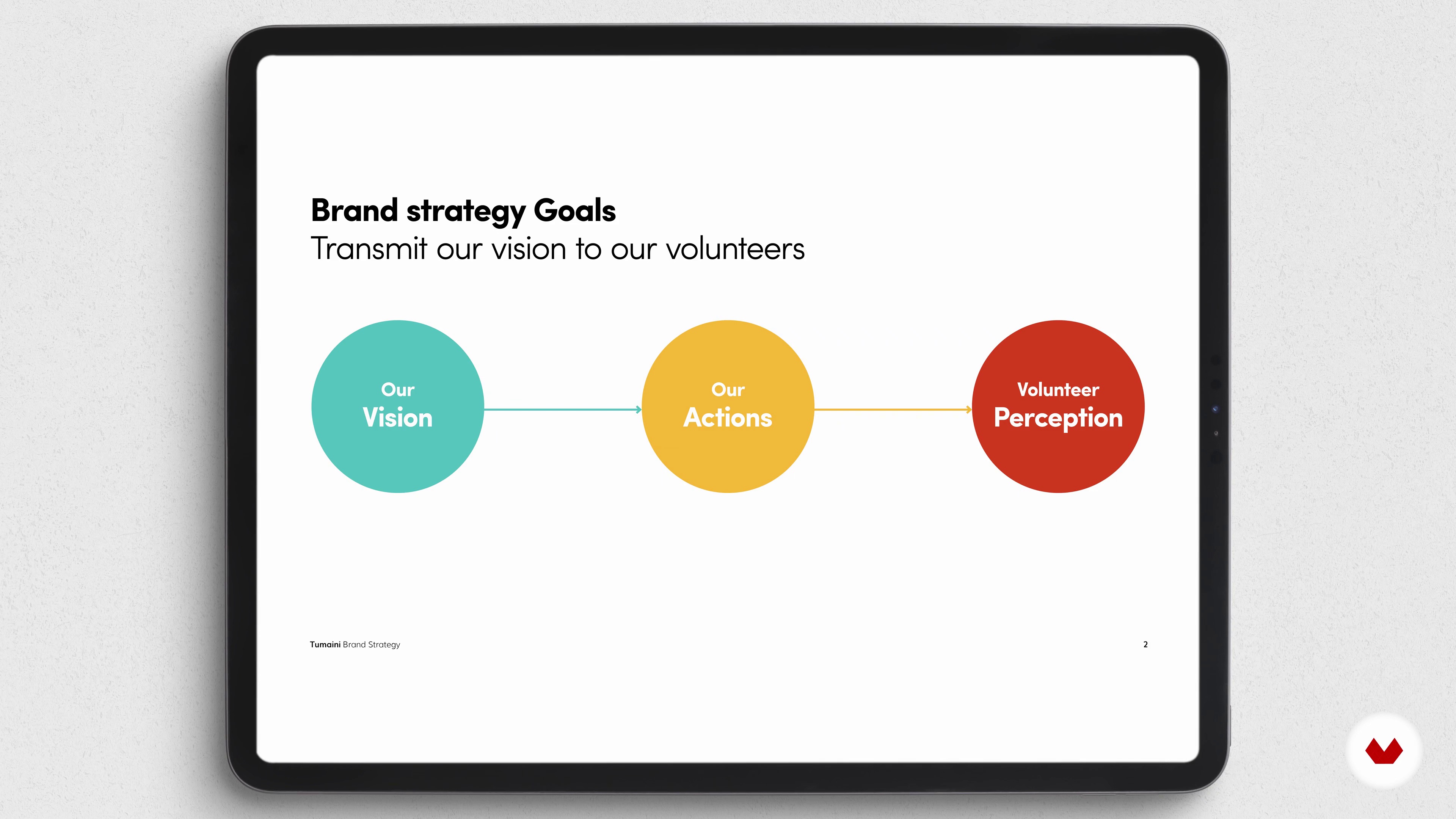
Brand Elements
8 minutes, 21 seconds

Visual Differences Between Online and Offline
11 minutes, 17 seconds
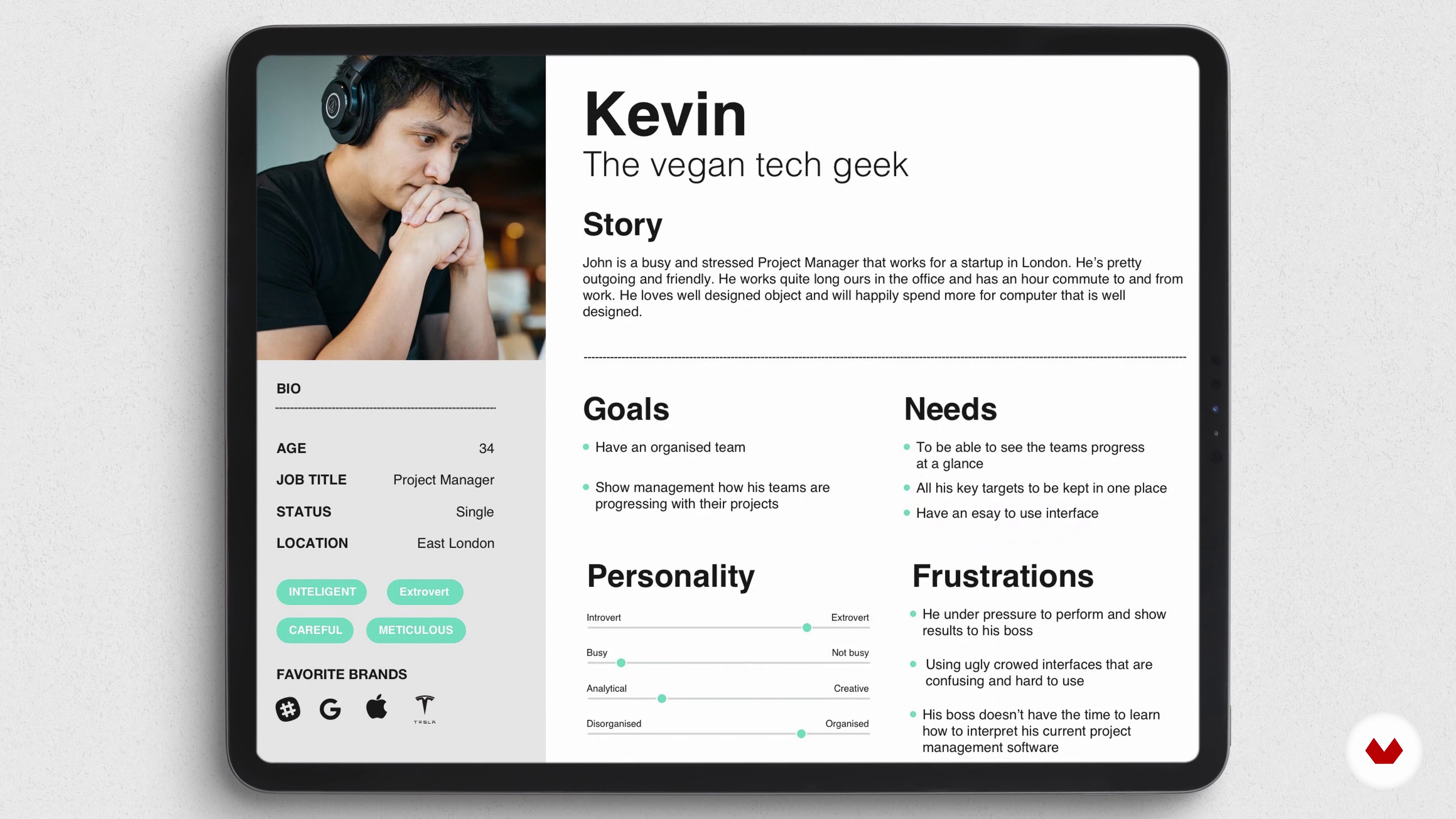
Creating Your Core Values For Your Brand
11 minutes, 56 seconds

Interpreting Your Brand Online
16 minutes, 45 seconds
What's included in this course?
James starts the course by telling you about his professional journey that involved traveling to different continents, and how this influenced his design perspective. He talks about the designers that inspire him, dividing them between “design sinners” and “design angels”, as well as mentioning some books which have shaped his vision of design, branding, and UX.
In the second unit, go through some essential branding theory, discovering how a brand is similar to a person to help you conceptualize your brand. See the visual differences between offline and online branding and how a communication strategy differs for each.
Once you have done the groundwork for your branding concept, move on to interpreting it in the context of typography, color, tone of voice, and more. Create a digital mood board of the visual elements, filling it with as much information as you can to tie in with your concept.
Start building your webpage by creating a wireframe to locate how and where your elements will fit on the page. Experiment with all the elements in your mood board to find the ideal composition for your visual style.
Next, create your style guide to ensure consistency throughout your interface. Define all the specifics of what James calls “the single source of truth” for your digital product—your style guide—using his easy step-by-step methodology.
In the final unit, focus on the written elements of your webpage, seeing how a text works online to optimize how readers engage with your page. With the focus on your brand’s values, define the tone of voice and personality that is most suited to your brand using James’ key tips, leading you to the final touches of your project to conclude the course.
What is this course's project?
Create a professional online brand concept and apply it to a webpage design using James’ methodology.
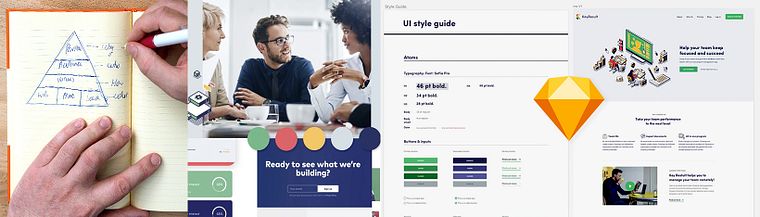
Projects by course students


Who is this online course for?
This course is for designers and design students who want to perfect their online branding design skills with an easy-to-follow methodology.
Requirements and materials
Basic knowledge in graphic design and branding theory, as well as knowing how to use design software such as Sketch, Adobe Illustrator, Photoshop, or similar is necessary to carry out this course.
As for materials, you will need a computer, an internet connection, and the design software you feel most comfortable using.

Reviews
- 6 months ago
This course provide detailed information about branding, tailor to online audience. And not just visually but also in writing (brand tone). Worth it.
- 10 months ago
Detailed information about what a brand is (not a logo!) and great delivery of material. This course is well done and worth taking.
- 1 year ago
Estoy viendo varios cursos sobre Estrategia de Marca pero me interesaba ver este porque espero que me ayude con la estrategia de mi marca online. Lo recomendaría.
- 2 years ago
me gusta cuando las cosas están bien hechas y me gusta escuchar a alguien que sabe de lo que habla y lo hace sencillo para la comprensión de todos sin necesidad de hablar haciéndote sentir fuera de su rango. este profesor logró eso. excelente curso; completo y directo al hueso. muy recomendable.
- 2 years ago
The teacher gives easy to understand design principles and how to apply them through a practical example that can be easily adapted to other projects. Good design starts with a solid strategy.

After spending four years working with tech startups in Buenos Aires, Argentina, his perspective on design evolved, seeing the need to elevate the power of design and turn it into a more collaborative environment. James founded his design studio in Madrid, after a 6-month backpacking trip from Buenos Aires to New York, where he created whatmadeyouhappy.com, interviewing the people he met along the way. This experience laid the groundwork for his philosophy at Bridge: “life and business are all about making genuine connections and helping people.” Their most notable clients include Virgin, McCann, Sociably, IED Madrid, and more.
Content
- U1
Introduction
- About Me
- Influences
- What We Will Do In This Course
- U2
Intro to Branding
- What Is a brand?
- Brand Elements
- Visual Differences Between Online and Offline
- Creating Your Core Values For Your Brand
- U3
Interpreting and Applying Your Brand Online
- Interpreting Your Brand Online
- Creating the Mood Board
- Creating a Wireframe
- Applying a Mood Board to a Wireframe
- Creating an Online Style Guide
- U4
Writing for Online Content
- Writing Tips
- Brand Tone of Voice
- FP
Final project
- Brand Strategy for Online Platforms
What to expect from a Domestika course
Learn at your own pace
Enjoy learning from home without a set schedule and with an easy-to-follow method. You set your own pace.
Learn from the best professionals
Learn valuable methods and techniques explained by top experts in the creative sector.
Meet expert teachers
Each expert teaches what they do best, with clear guidelines, true passion, and professional insight in every lesson.
Certificates
PLUSIf you're a Plus member, get a custom certificate signed by your teacher for every course. Share it on your portfolio, social media, or wherever you like.
Get front-row seats
Videos of the highest quality, so you don't miss a single detail. With unlimited access, you can watch them as many times as you need to perfect your technique.
Share knowledge and ideas
Ask questions, request feedback, or offer solutions. Share your learning experience with other students in the community who are as passionate about creativity as you are.
Connect with a global creative community
The community is home to millions of people from around the world who are curious and passionate about exploring and expressing their creativity.
Watch professionally produced courses
Domestika curates its teacher roster and produces every course in-house to ensure a high-quality online learning experience.
FAQs
Yes, this course is designed for intermediate designers who want to deepen their understanding of digital branding, visual identity, and UX collaboration.
You should have basic design knowledge and familiarity with design tools like Sketch or Figma. Experience with branding concepts and web layouts is helpful but not mandatory.
You'll learn to define brand values, create mood boards, build wireframes, and develop style guides to ensure visual and messaging consistency across digital platforms.
Yes, the course teaches you how to create and curate mood boards that visually interpret brand concepts for digital projects.
The course guides you through applying defined brand values to website layouts, wireframes, and visual elements for cohesive digital branding.
Yes, you’ll learn to develop and document a style guide, covering typography, color palettes, iconography, and tone of voice for consistent branding.
Yes, the course includes writing tips, tone of voice guidelines, and strategies for clear and consistent digital brand communication.