Introduction to Film Direction
A course by César PesqueraDirector and Visual Artist
A course by César Pesquera, Director and Visual Artist

Learn how to translate your vision into audiovisuals for the big screen and direct your own scenes
Film direction combines the musical, the visual, and the narrative. Director César Pesquera starts the process with a written text which he then translates into images. To do this, he considers the narrative, the actors' interpretation, the shots, the sound and music, as well as the color palette.
In this course, step into the world of directing and learn how to bring a movie to life step by step, from how to approach the script for a scene, assemble a team, and plan a shoot, to translating your ideas into a visual language. Lights, camera, action!
What will you learn in this online course?
21 lessons & 58 downloads
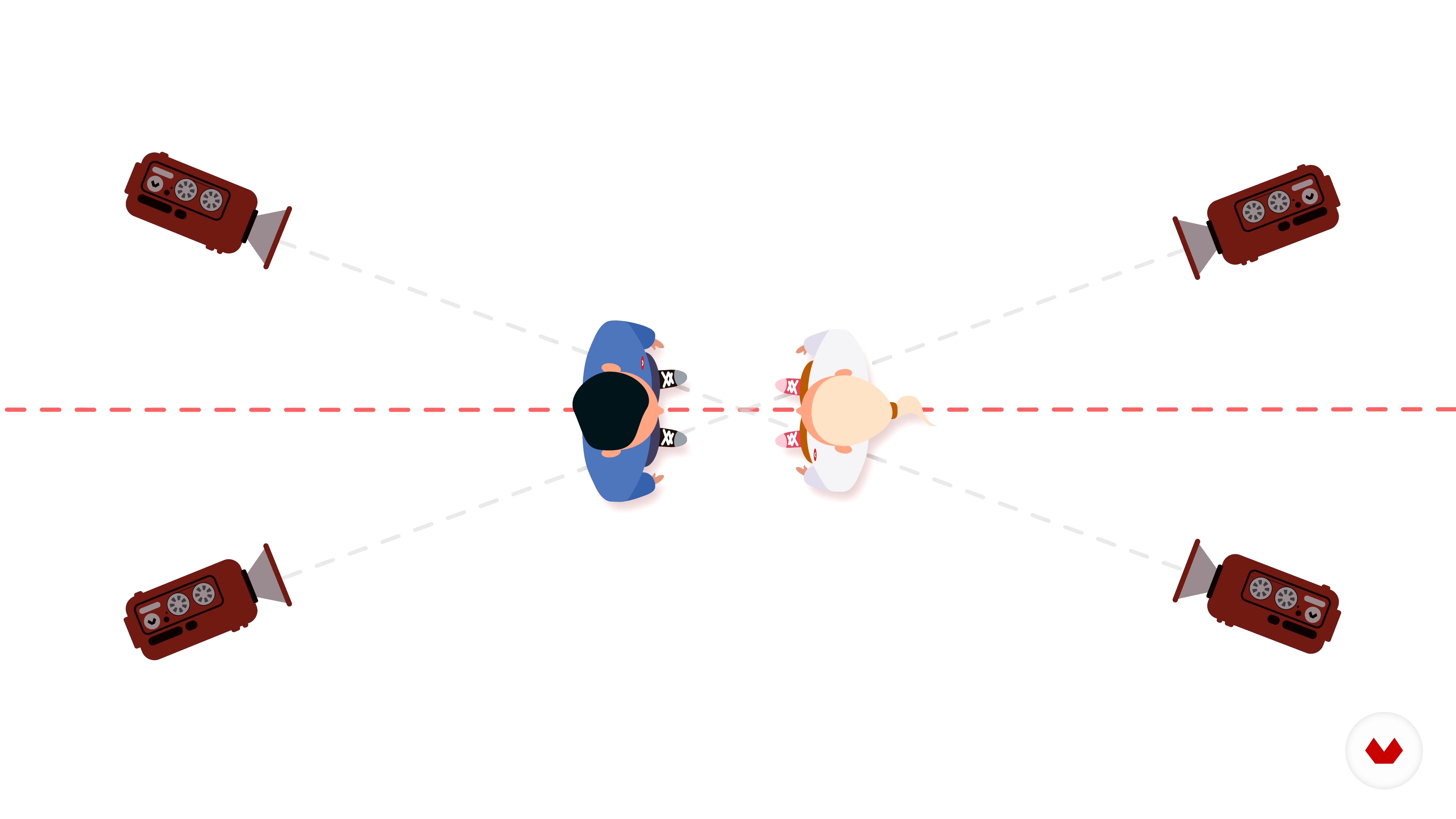
Cinematographic syntax: a director's abc
15 minutes, 31 seconds
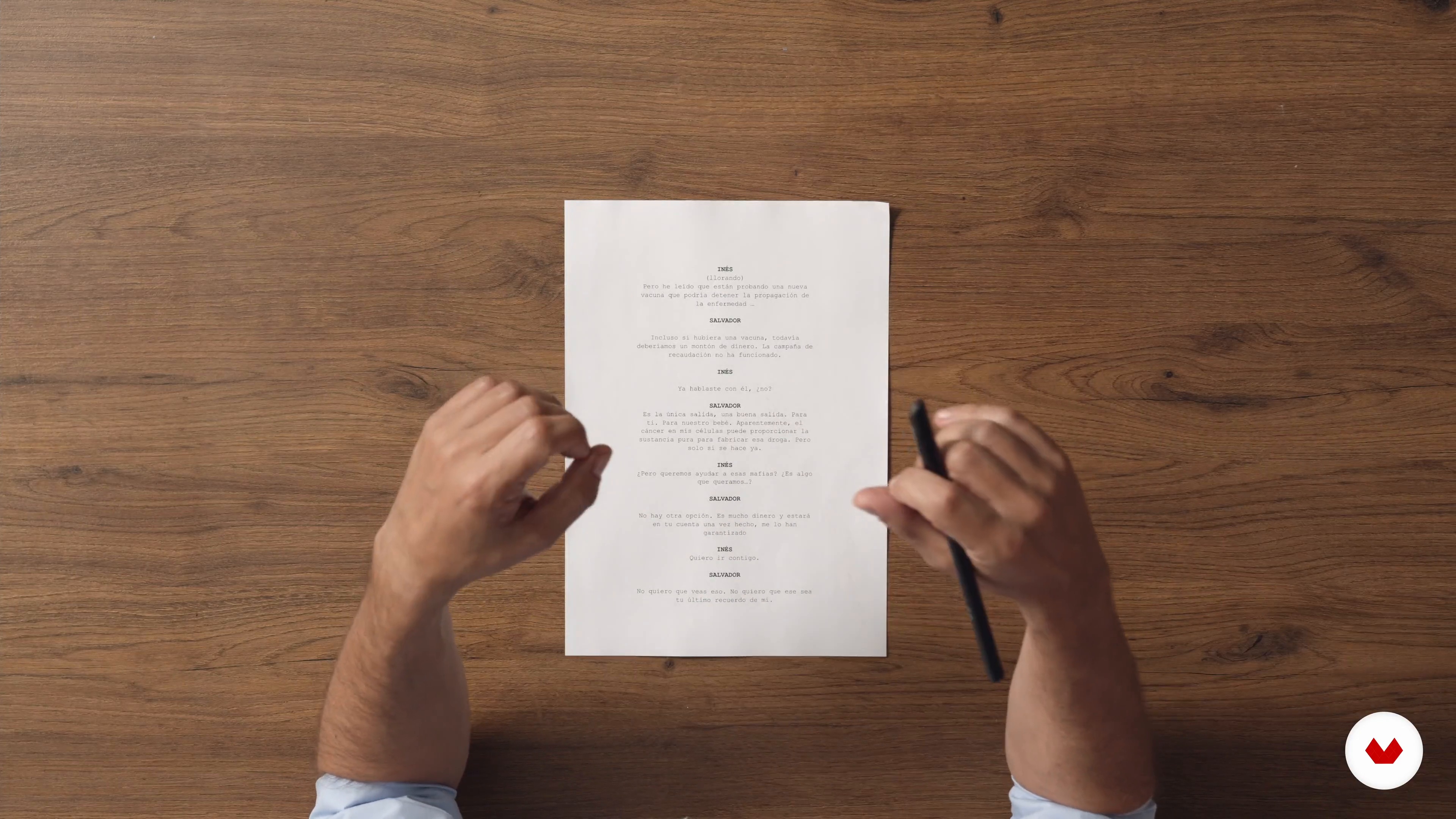
The script: the germ of your film 1
8 minutes, 40 seconds
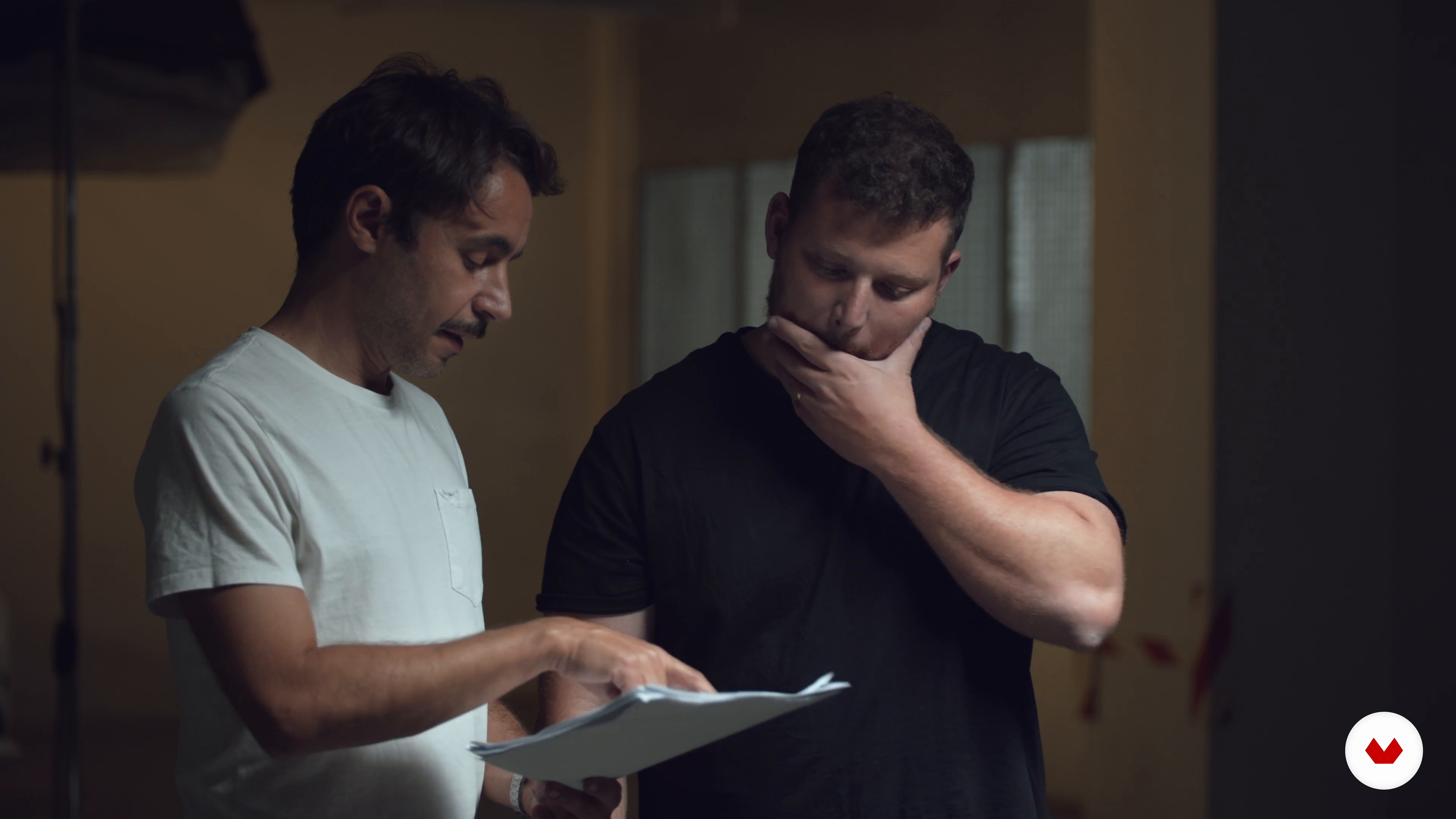
Production gets underway
20 minutes, 58 seconds
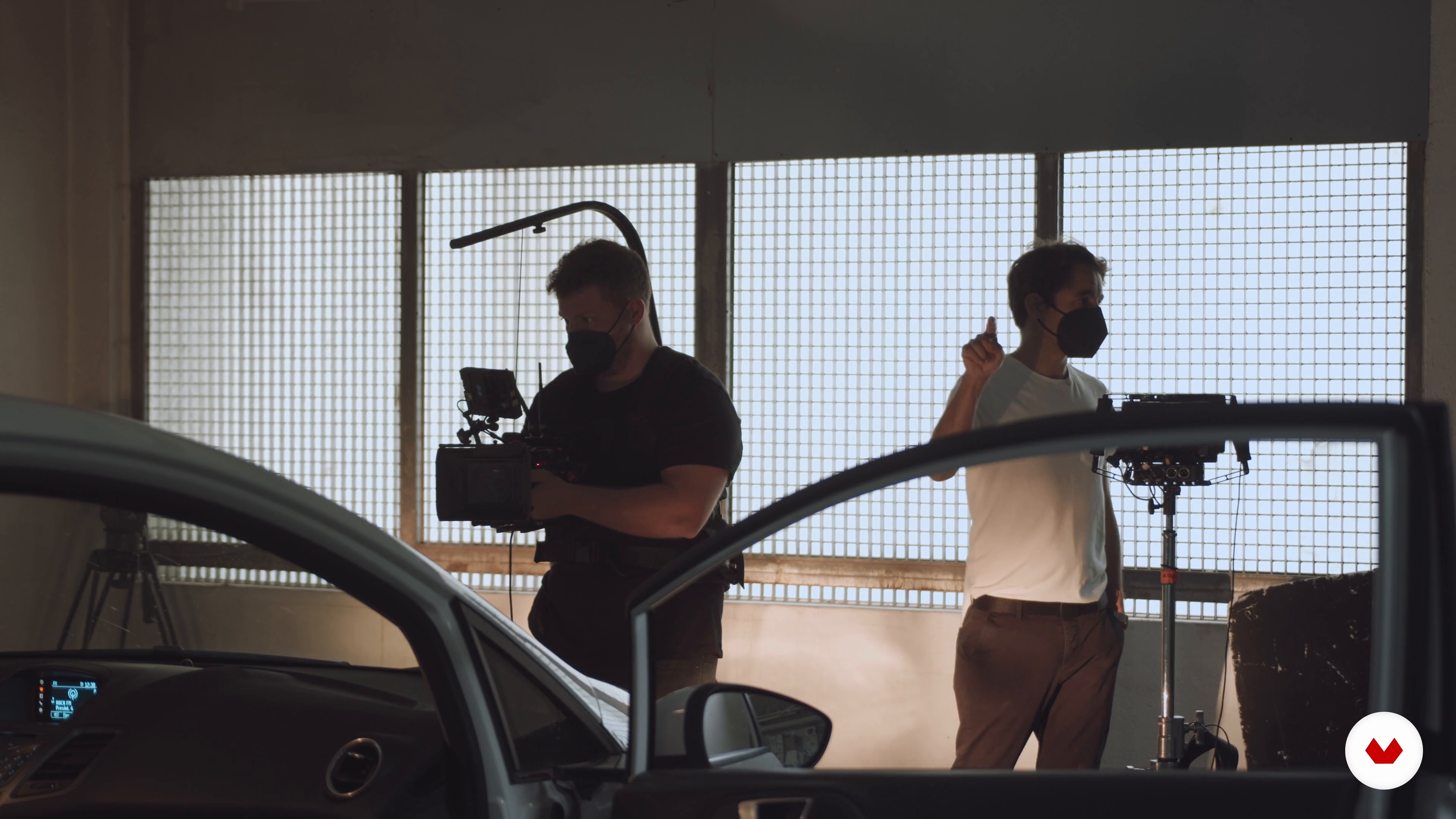
We got to the set: tips, experiences and materials
4 minutes, 37 seconds
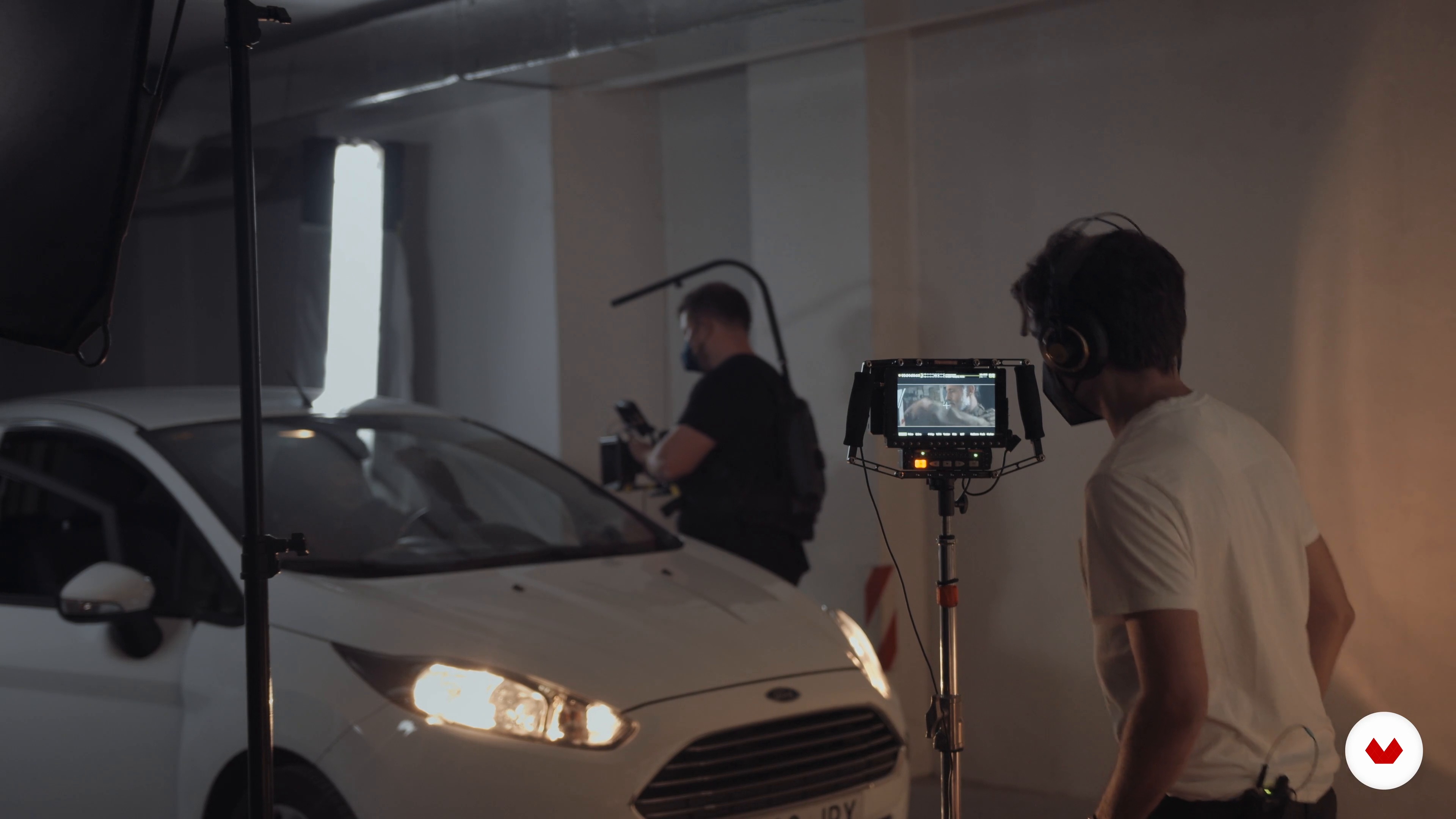
The shoot: directing the crew and actors 1
16 minutes, 33 seconds
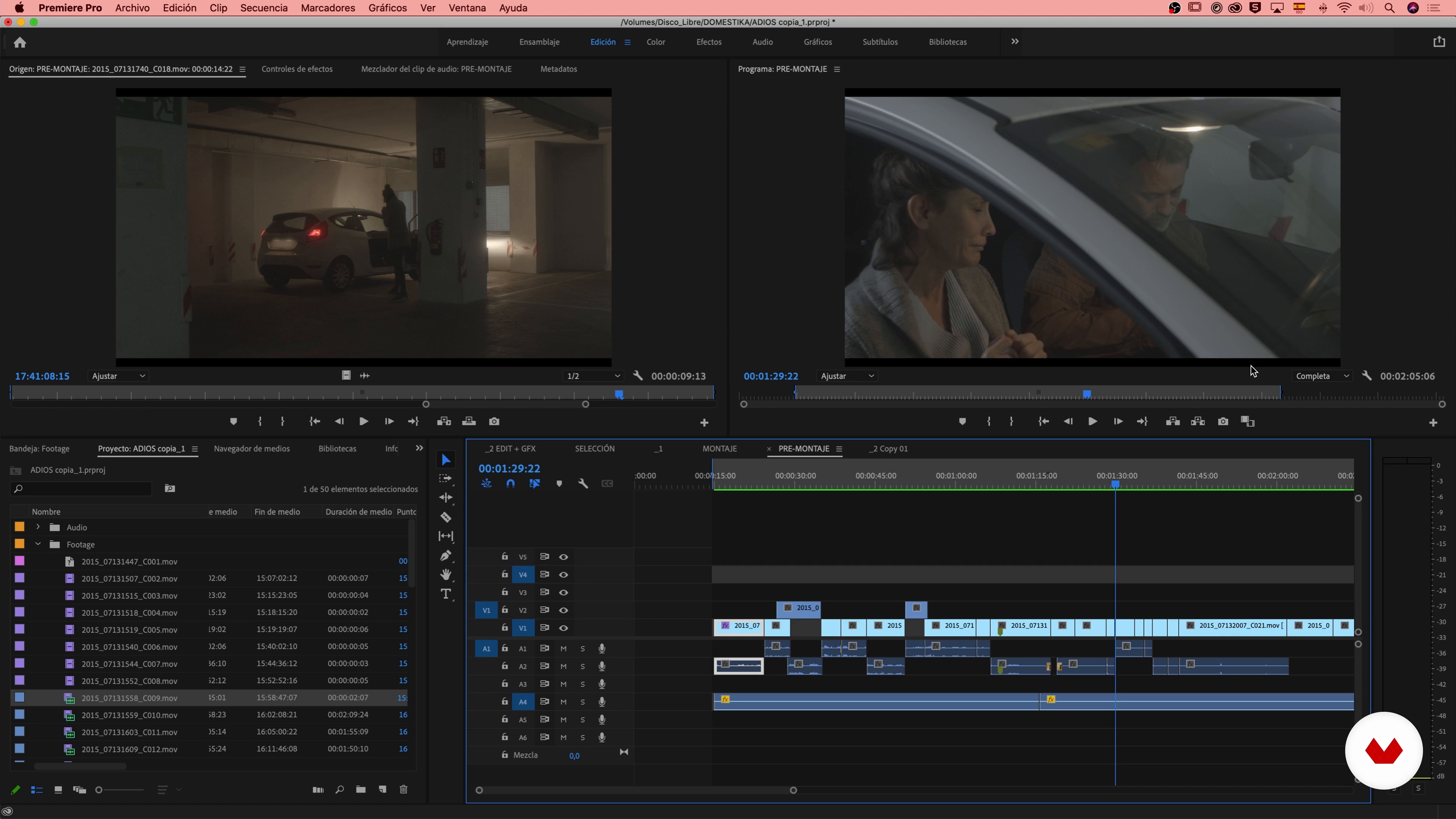
How to structure your post production 1
19 minutes, 43 seconds
What's included in this course?
To start, César Pesquera tells you a little bit about himself, where he comes from, and how a Fine Arts student who dreamed of being a painter went on to become a director. He also talks about his influences from fields other than cinema such as visual artists and architecture.
Then discover the foundational tools of a director and the basic elements for making a film including types of shots and their characteristics, camera angles and movements, lighting, and more. Also explore how to approach a script for the first time, look for references, and learn what a film treatment is.
Now get ready to follow the steps and make your vision a reality! Your teacher explains how to communicate with your team, find the ideal shoot location, and select the best possible cast for your project. Create a storyboard and gather any information related to production.
Next, following César's advice, design a shoot plan to optimize time on set and ensure you get all the material needed. See how to direct both the actors and the director of photography to help them reach their full potential.
Finally, organize the editing and postproduction as simply and efficiently as possible and give a more cinematic look to your movie. Once you've finished, review the final result and hear César talk about the importance of learning from experience, until one day you look in the mirror and see the great director you always wanted to be.
What is this course's project?
Learn what it is to be a film director; tackle a scene script, put together a team, plan a shoot, and translate your ideas into images.
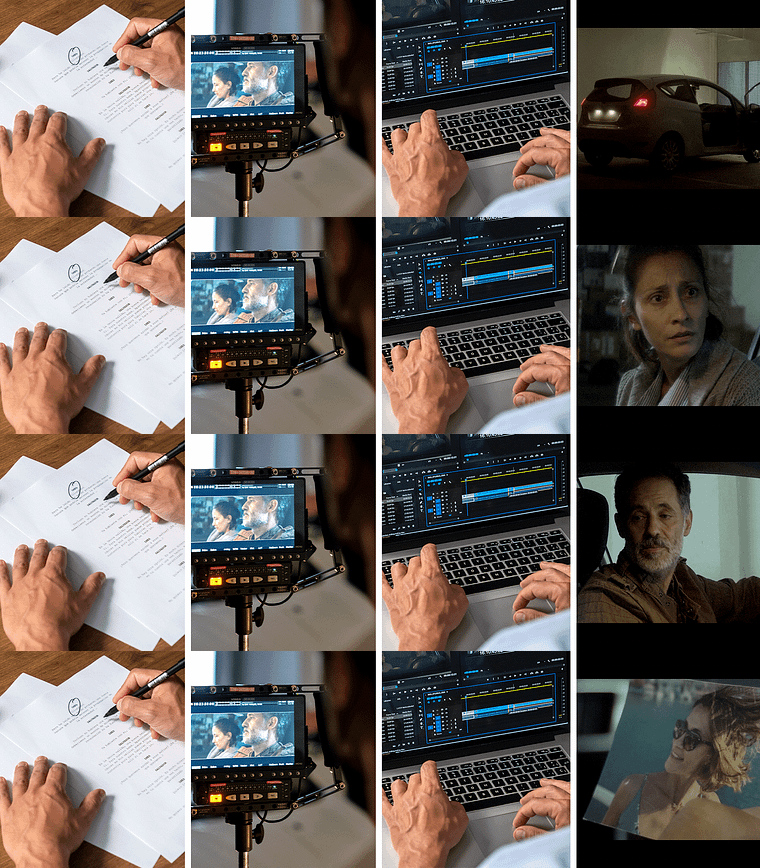
Projects by course students
Who is this online course for?
Anyone wanting to tell stories on the big screen.
Requirements and materials
All you need to take this course is a camera or smartphone and the editing software of your choice.
Reviews
- domingopisonPLUS11 days ago
buen curso, básico y muy claro para los principiantes.
- 17 days ago
amazing. Explica todo a la perfección.
- 2 months ago
buen curso
- 3 months ago
Best course on film direction!
- 3 months ago
excelente manera de abordar temas tan complejos

In his most recent personal projects Tramuntana and Santa Ana, he explores the crossover between visual experimentation and documentary. Both pieces were selected at festivals such as Cíclope, SXSW, Sitges, Cannes, Slamdance, and BFI London Film Festival, among others. In addition, his work has been recognized with several Laus awards, a Gold at ADC*E, and second prize at YDA Cannes. In 2018, Santa Ana received an Honorable Mention for Best Documentary at Salute Your Shorts festival in Los Angeles.
Content
- U1
Introduction
- Presentation
- Influences
- U2
A Director's Job: Having a Vision
- Cinematographic syntax: a director's abc
- The script: the germ of your film 1
- The script: the germ of your film 2
- Influences and references: visualize learning from others 1
- Influences and references: visualize learning from others 2
- Treatment: the cornerstone of your vision
- U3
From vision to the real world
- Production gets underway
- The storyboard: your vision translated into film language 1
- The storyboard: your vision translated into cinematographic language 2
- The pre-production dossier: your vision lowered into the real world
- To learn more: Script reading and rehearsal with actors 1
- To learn more: Script reading and rehearsal with actors 2
- U4
Action!
- The shooting plan
- We got to the set: tips, experiences and materials
- The shoot: directing the crew and actors 1
- Filming: Managing the Crew and Actors 2
- U5
The vision comes true
- How to structure your post production 1
- How to structure your post production 2
- Your vision before you
- FP
Final project
- Introduction to film directing
What to expect from a Domestika course
Learn at your own pace
Enjoy learning from home without a set schedule and with an easy-to-follow method. You set your own pace.
Learn from the best professionals
Learn valuable methods and techniques explained by top experts in the creative sector.
Meet expert teachers
Each expert teaches what they do best, with clear guidelines, true passion, and professional insight in every lesson.
Certificates
PLUSIf you're a Plus member, get a custom certificate signed by your teacher for every course. Share it on your portfolio, social media, or wherever you like.
Get front-row seats
Videos of the highest quality, so you don't miss a single detail. With unlimited access, you can watch them as many times as you need to perfect your technique.
Share knowledge and ideas
Ask questions, request feedback, or offer solutions. Share your learning experience with other students in the community who are as passionate about creativity as you are.
Connect with a global creative community
The community is home to millions of people from around the world who are curious and passionate about exploring and expressing their creativity.
Watch professionally produced courses
Domestika curates its teacher roster and produces every course in-house to ensure a high-quality online learning experience.
FAQs
You’ll learn how to turn a script into a finished audiovisual piece, plan shoots, direct actors, create storyboards, organize teams, and master editing, visual storytelling, and montage techniques—drawing on artistic, musical, and architectural references.
This is an intermediate-level course. Basic knowledge of audiovisual language or some creative project experience is recommended, but formal film studies are not required.
All you need is access to a camera or smartphone with recording capability, a basic computer with editing software, and a strong passion for learning and telling audiovisual stories.
You’ll be able to create your own audiovisual projects, lead production teams, develop scripts and treatments, plan productions, edit footage, and apply directing and visual storytelling techniques in film, advertising, or video art.
Yes, you’ll learn to create storyboards, plan sequences, organize shooting schedules, and use visual tools for pre-production and team communication.
The course includes actor directing, techniques for emotional nuance, character development, and strategies to achieve believable, consistent performances.
You’ll study shot selection and editing, use of music, narrative continuity, color correction, titles, credits, and how to review and refine final cuts.