Lighting Design for Interior Spaces
A course by Mónica VegaDesigner
A course by Mónica Vega, Designer

Learn how to trigger emotions and communicate ideas through the conceptualization of light
Is it possible to generate emotions and communicate ideas with light alone? The answer from Mónica Vega, architectural lighting designer and founder of LumLum studio, is a resounding yes. Together with her, make light your main working tool and be able to create a memorable language.
In this course, learn to use light as a design medium with basic techniques to illuminate interior spaces. When you finish, you will know how to conceptualize and design light atmospheres to generate user experiences, as well as the best way to present your projects to your team or clients.
What will you learn in this online course?
14 lessons & 25 downloads

What will we do on the course?
2 minutes, 34 seconds
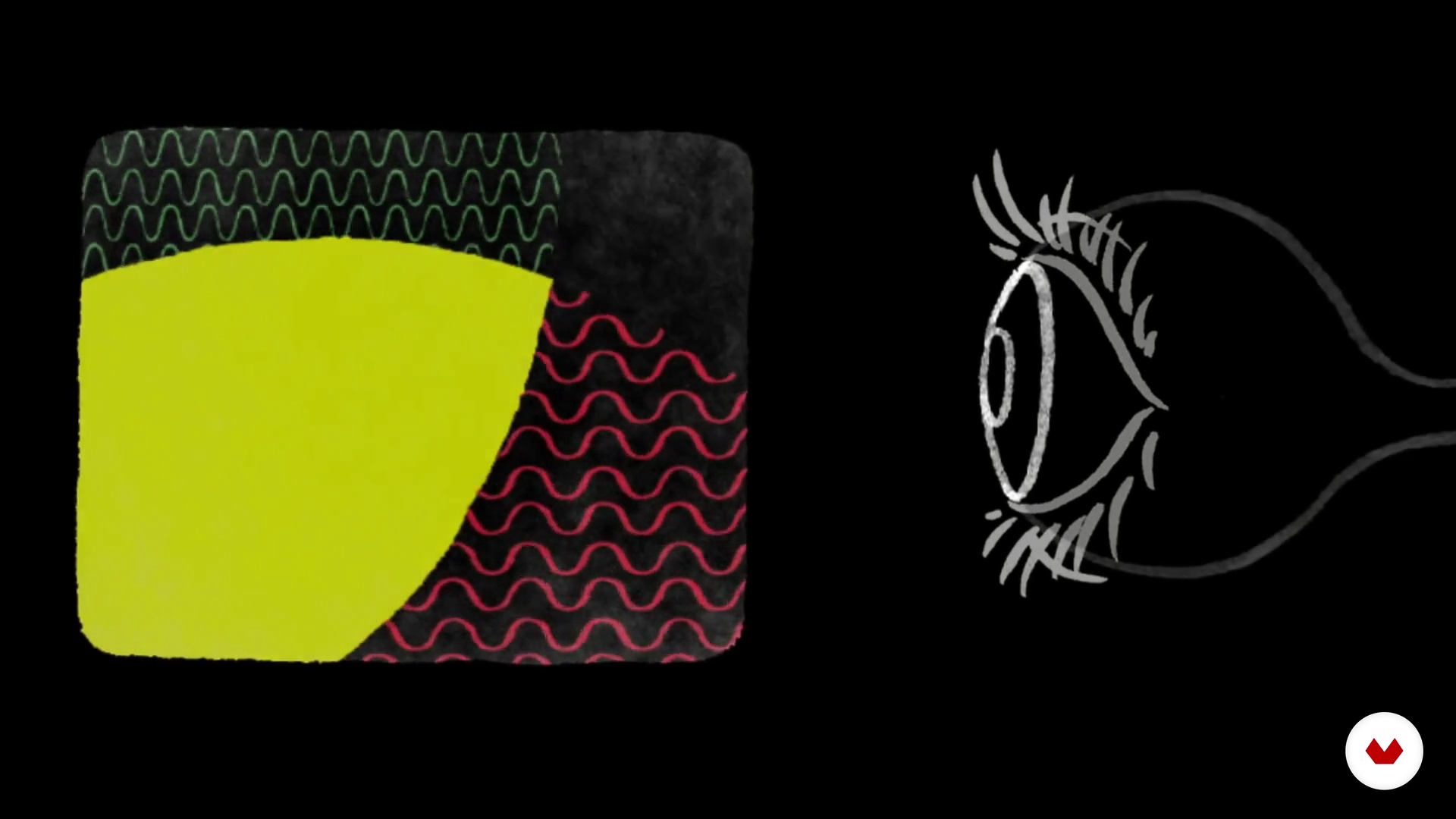
What is light
11 minutes, 20 seconds
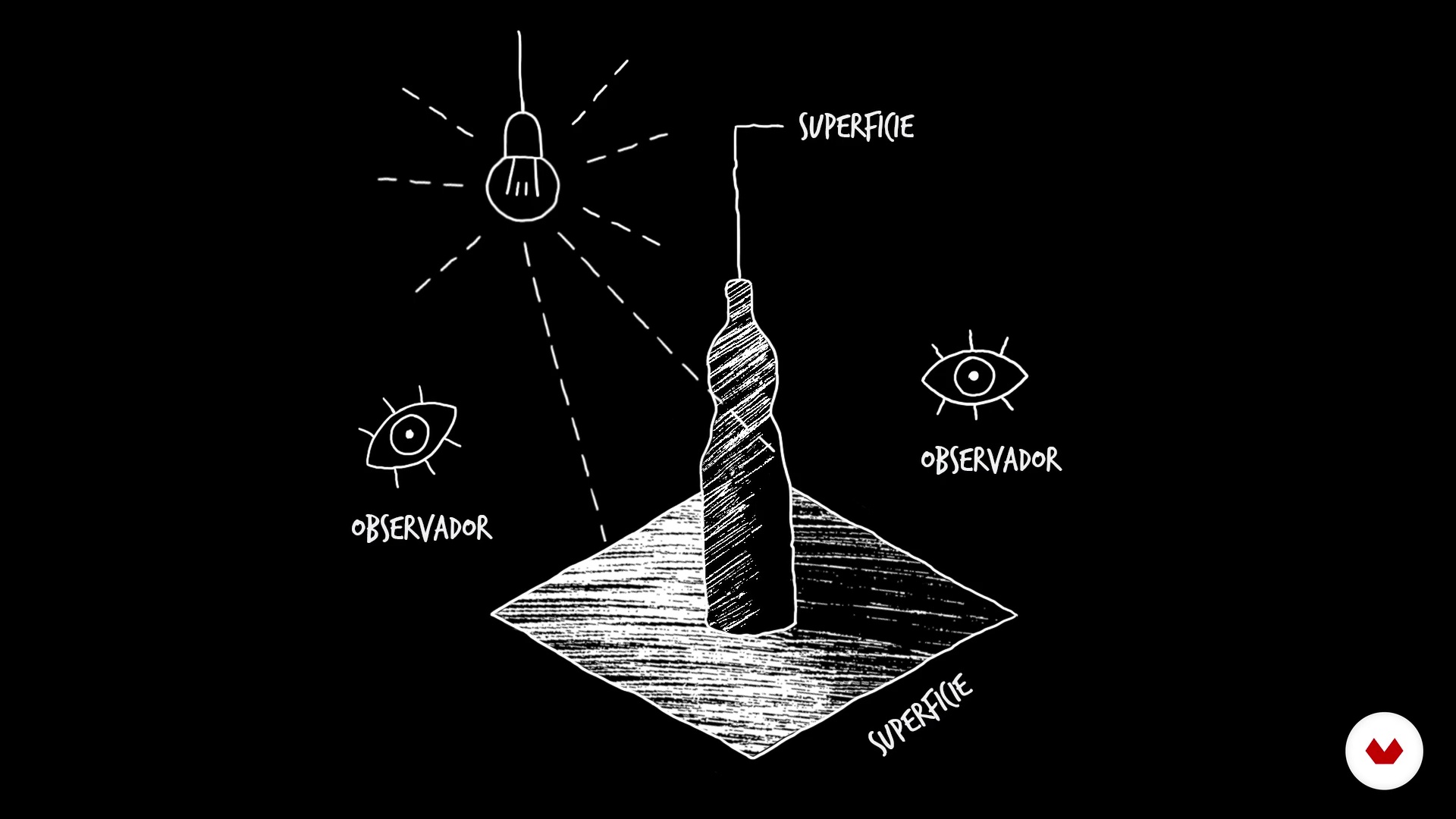
The subject, observer
8 minutes, 21 seconds

Light, materials, objects
11 minutes, 19 seconds
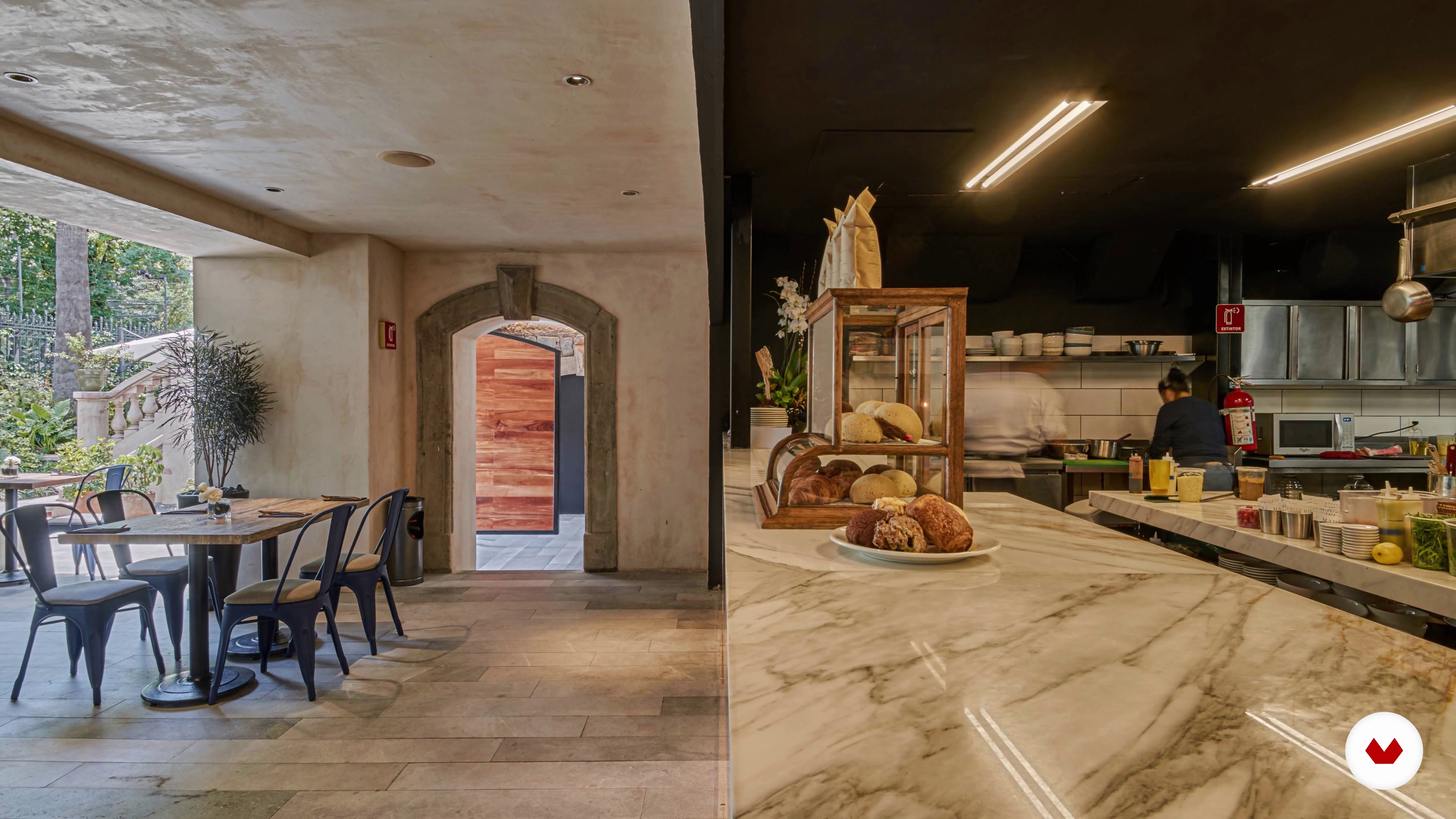
The concept
11 minutes, 8 seconds
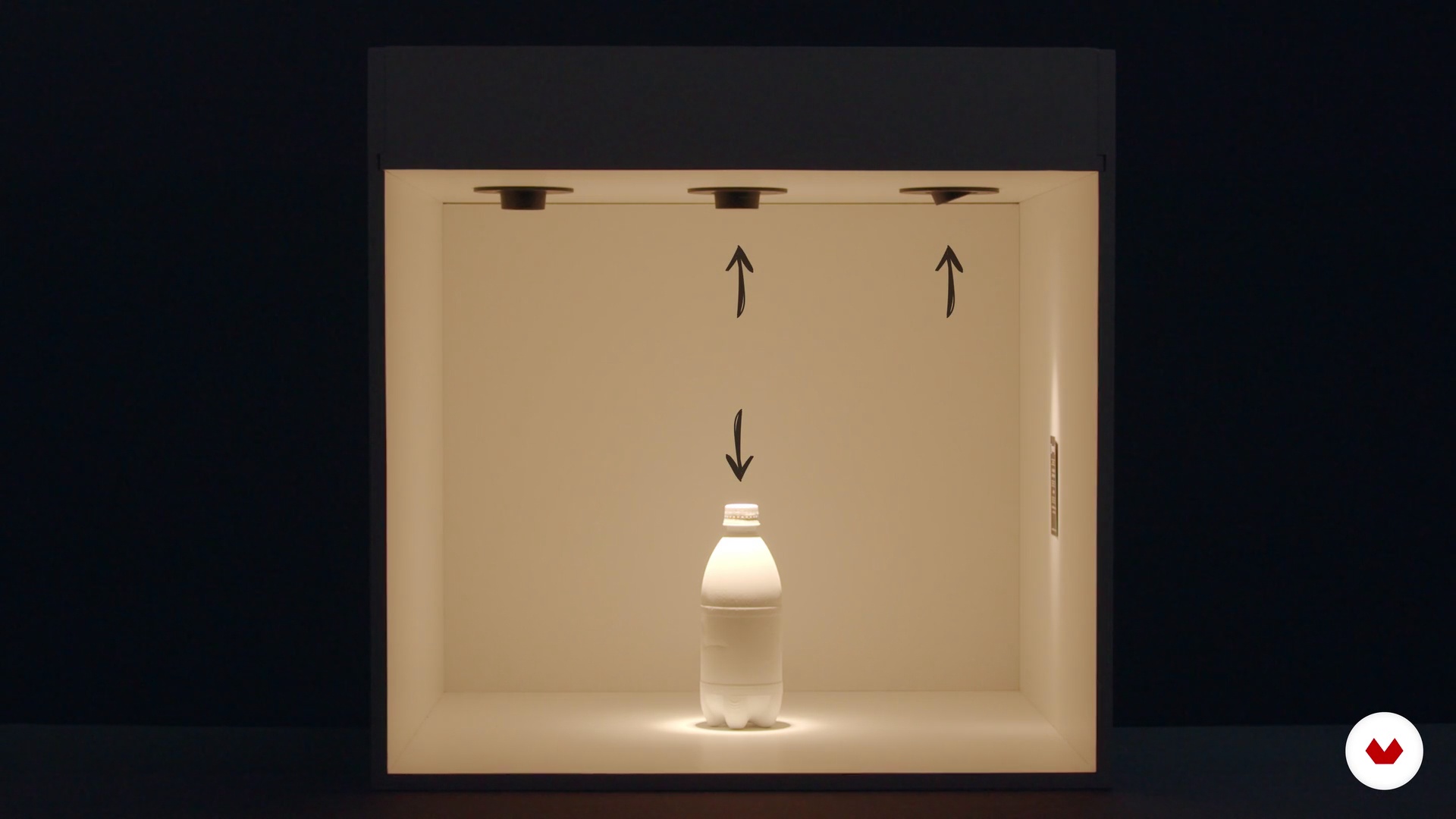
Composition
9 minutes, 26 seconds
What's included in this course?
Start by getting to know Mónica Vega better, how she discovered architectural lighting design as a profession, when she founded LumLum, and what her job entails as a lighting designer.
Discover the main subject of the course, light! In this unit, lay the groundwork by understanding what is light, how does it work, what are its physical characteristics, and how does it interact with materials. This way, you’ll achieve better results in your future projects.
Then, learn the basics of composing with light: general light, focal glow, brightness, hierarchies, and layers. Mónica shows you how to use them and how to combine them to achieve a central lighting concept or idea to make decisions about your project.
Move on to the more technical phase. First, review the sources of natural and artificial light. Then, learn what a lamp and a luminaire are and how to choose the right light for each part of your project.
Finally, represent the light sources on an architectural plane to communicate their position, direction, color temperature, and shape. Make a conceptual presentation of your design, in order to convey it to your team or clients.
What is this course's project?
Develop a lighting project for an interior space using LumLum’s 3-stage method: concept, technique, and documentation.

Projects by course students


Who is this online course for?
Architects, interior designers, design lovers, and anyone curious about light who wants to learn how to use it as a building material.
Requirements and materials
To take this course, you will need to have basic knowledge of architectural design.
As for materials, you will need a sketchbook, black paper, and blue, yellow, white, and orange pencils.

Reviews
- 19 days ago
Es un buen curso y te ayuda a entender muchos conceptos. Es un tema que siempre me ha interesado.
- bryan19972PLUS3 months ago
Monica Vega me ha acercado el mundo de la iluminación de una manera muy sencilla y con un lenguaje simple. Gracias por este curso.
- 4 months ago
Me gusto mucho para iniciar en iluminación.
- 4 months ago
Corso ben fatto! Fornisce i concetti base dell'illuminotecnica
- 4 months ago
Me ha gustado mucho. Dinámico y preciso, explicaciones claras. Ahora,a por el proyecto final. Gracias Monica

Through extensive research and documentation, LumLum seeks to convey emotion using light as a medium. Most of her projects are located in the capital, but she also works all over the country, providing tailored solutions to each client and building.
Content
- U1
Introduction
- Presentation
- Influences
- What will we do on the course?
- U2
The light
- What is light
- The subject, observer
- Light, materials, objects
- U3
Conceptualization
- The concept
- Composition
- Layers and hierarchies
- U4
Technique and documentation
- Light sources
- How to choose a light source? 1
- How to choose a light source? 2
- Representation of light sources
- Drawing the light
- FP
Final project
- Lighting design for interior spaces
What to expect from a Domestika course
Learn at your own pace
Enjoy learning from home without a set schedule and with an easy-to-follow method. You set your own pace.
Learn from the best professionals
Learn valuable methods and techniques explained by top experts in the creative sector.
Meet expert teachers
Each expert teaches what they do best, with clear guidelines, true passion, and professional insight in every lesson.
Certificates
PLUSIf you're a Plus member, get a custom certificate signed by your teacher for every course. Share it on your portfolio, social media, or wherever you like.
Get front-row seats
Videos of the highest quality, so you don't miss a single detail. With unlimited access, you can watch them as many times as you need to perfect your technique.
Share knowledge and ideas
Ask questions, request feedback, or offer solutions. Share your learning experience with other students in the community who are as passionate about creativity as you are.
Connect with a global creative community
The community is home to millions of people from around the world who are curious and passionate about exploring and expressing their creativity.
Watch professionally produced courses
Domestika curates its teacher roster and produces every course in-house to ensure a high-quality online learning experience.
FAQs
Architectural lighting design involves planning and applying both natural and artificial light to highlight, transform, and make spaces functional, enhancing users’ perception, comfort, and overall experience.
This course is aimed at people with intermediate knowledge in architecture, interior design, or related fields, though you don’t need to be a lighting expert to get the most out of it.
You’ll learn both technical and creative concepts about natural and artificial light, fixture selection, regulations, visual perception, project documentation, and techniques to highlight spaces and materials with lighting.
You’ll need basic architecture or design knowledge, access to a computer for digital exercises, and materials for sketching or drawing lighting plans.
The course teaches how to analyze, utilize, and redirect natural light within interior spaces, considering its interaction with materials and the importance of balancing it with artificial light.
Yes, the course guides you in choosing fixtures and lamps based on technical specs, space type, function, efficiency, and aesthetics.
Yes, you’ll do practical activities like drawing fixtures on plans, documenting lighting solutions, and analyzing on-site results.