Introduction to Autobiographical Writing
A course by César TejedaStoryteller, Editor, and Scriptwriter
A course by César Tejeda, Storyteller, Editor, and Scriptwriter

Learn to reconstruct your memories using narrative tools and create autobiographical stories
Draw on your memory and life experiences to craft a literary project. Autobiographical writing requires a continuous analysis of memories to reconstruct your past and develop a narrative based on it.
In this course, learn how to write autobiographical stories. Storyteller, editor, and scriptwriter César Tejeda teaches you how to combine narrative techniques with your memory to tell stories that can only be found in your mind.
What will you learn in this online course?
14 lessons & 16 downloads
What will we do in the course?
4 minutes, 51 seconds
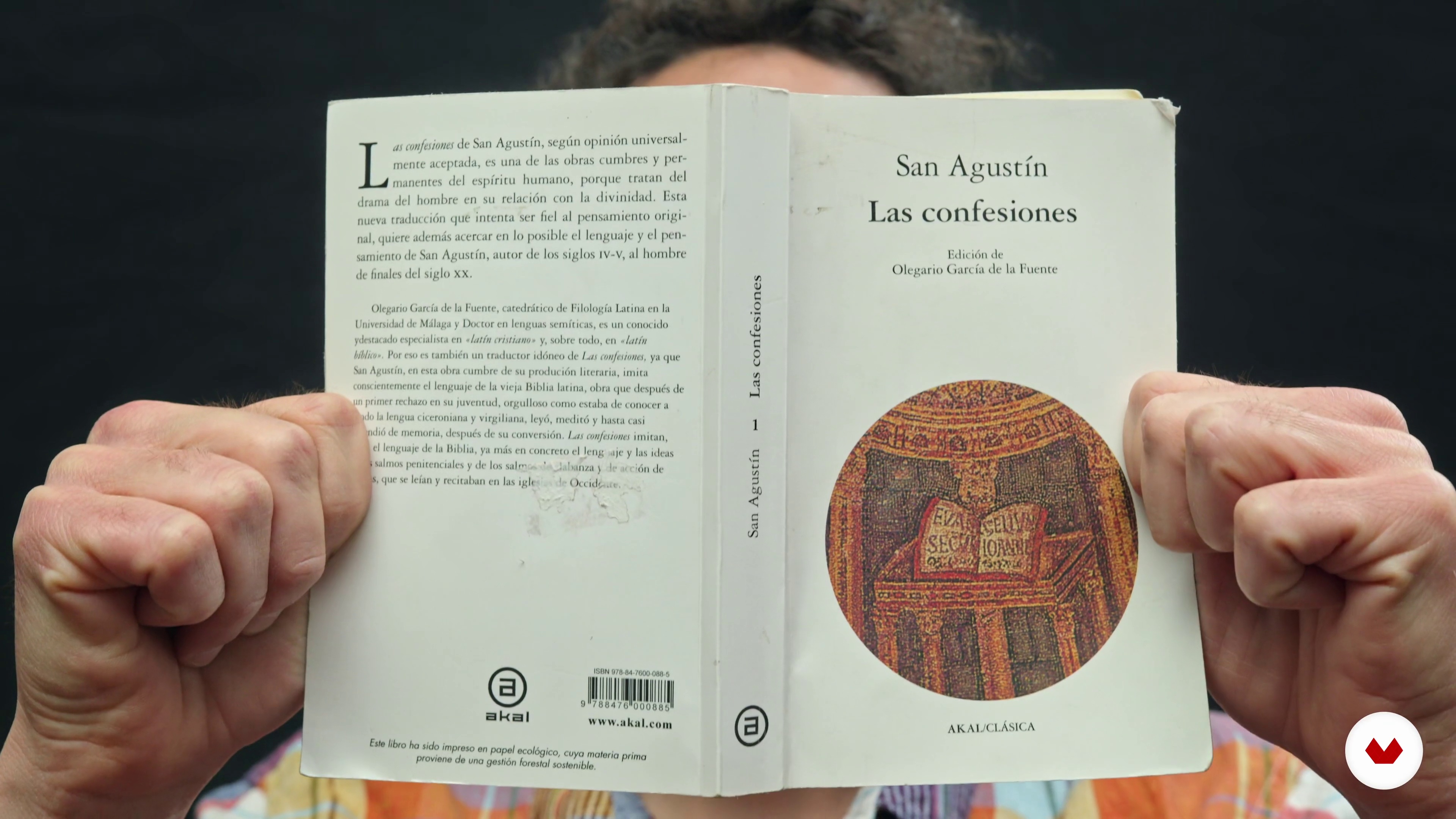
Discussions around autobiographical writing
10 minutes, 41 seconds
Center of gravity
9 minutes, 33 seconds
Autobiographical genres
10 minutes, 42 seconds
Narrative tools
6 minutes, 59 seconds
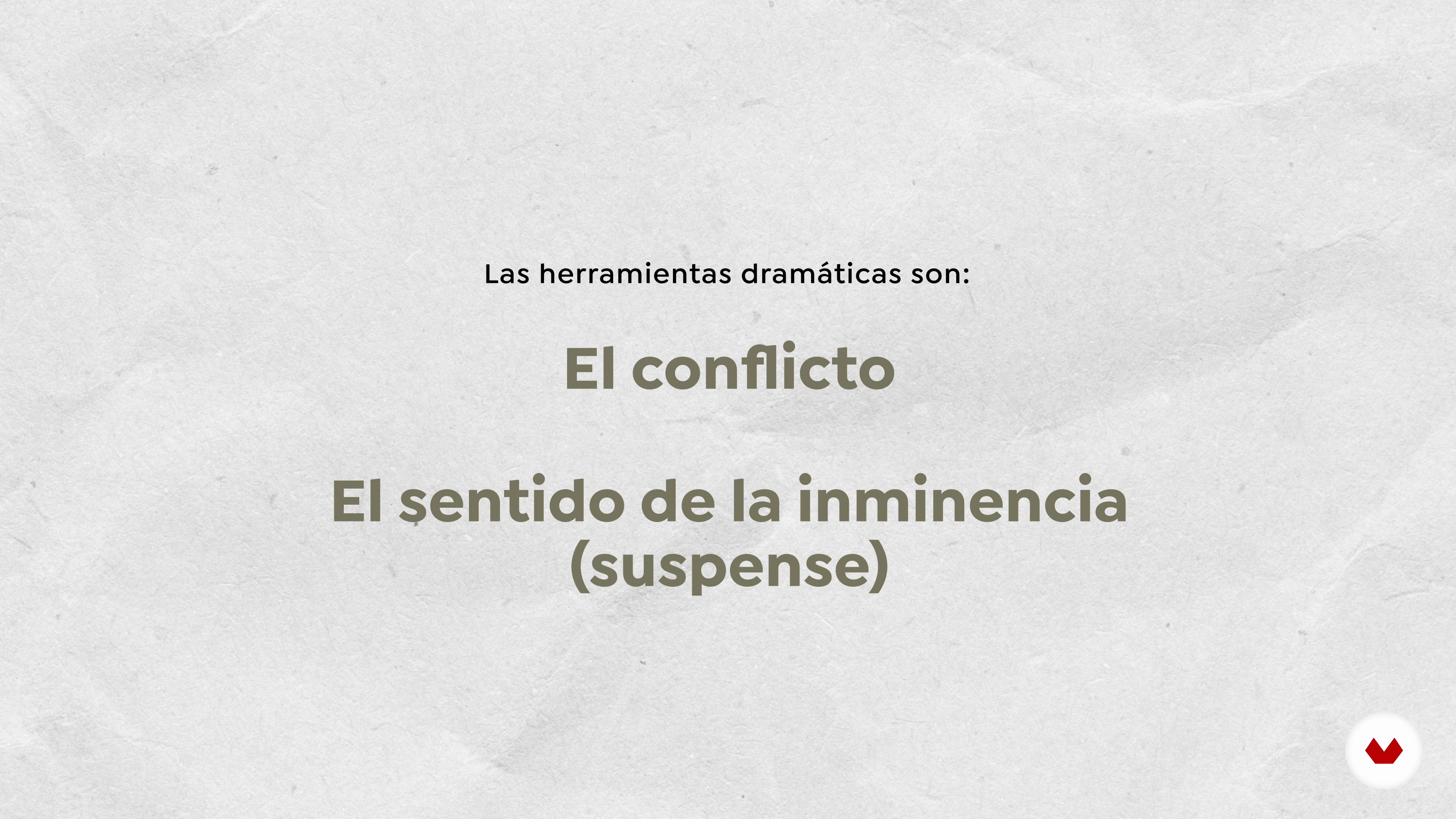
Dramatic tools
7 minutes, 25 seconds
What's included in this course?
Meet your teacher César Tejeda, who tells you about who he is and how he began his career as a book editor and autobiographical writer. During his introduction, César also asks you some thought-provoking questions to get you into the right frame of mind.
Dive into the theory by analyzing the art of autobiographical writing and the debates surrounding it to get a more complete picture of this literary genre as a whole. Then, discover the tools and devices you can use to recreate the passage of time and capture the reader’s attention.
Now it's time to put the theory into practice by writing–the only way to improve according to César. He shares some of the techniques he discovered throughout his own learning process and that he was only able to master through hours upon hours of writing.
Finally, learn some tips and tricks to give you the confidence to tackle bigger projects and move on from short stories to a novel. Wrap up the course by mapping out the next steps in your journey as an author.
What is this course's project?
Write a short story based on your experiences that takes place over the course of a single day.
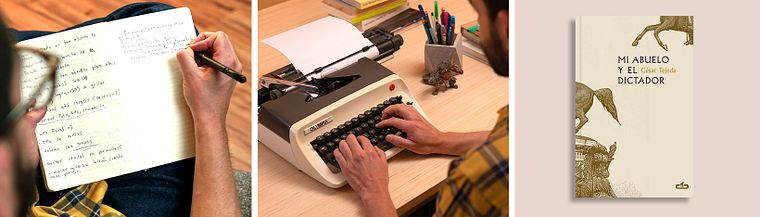
Projects by course students


Who is this online course for?
Anyone interested in telling stories about their personal experiences using creative writing.
Requirements and materials
Basic writing and composition skills are needed for this course.

Reviews
- 14 days ago
Maravilloso, recomiendo 100%, ya me dieron ganas de escribir.
- 18 days ago
I found this course incredibly inspiring and informative. The resources and exercises opened up a whole new world for me and I know I will continue to use what I've learned in both my writing and filmmaking.
- 2 months ago
I can't say enough good things about this course. The teacher is excellent, professional, and provides an amazing amount of detail. I kept my finger on the pause button to copy the numerous suggestions. Some of the resources weren't translated into Spanish but the quality of the course made this easy to overlook. Even though the speaker does not speak English, the translation was printed with no lag. I would take more courses by this teacher.
- 3 months ago
Me gustó mucho el puente entre escribir y explorar la memoria personal. La bibliografía sugerida y los ejercicios me generaron una buena conexión conmigo misma. Me encantó.
- 4 months ago
Es un curso muy interesante y la forma de explicar del docente es muy buena

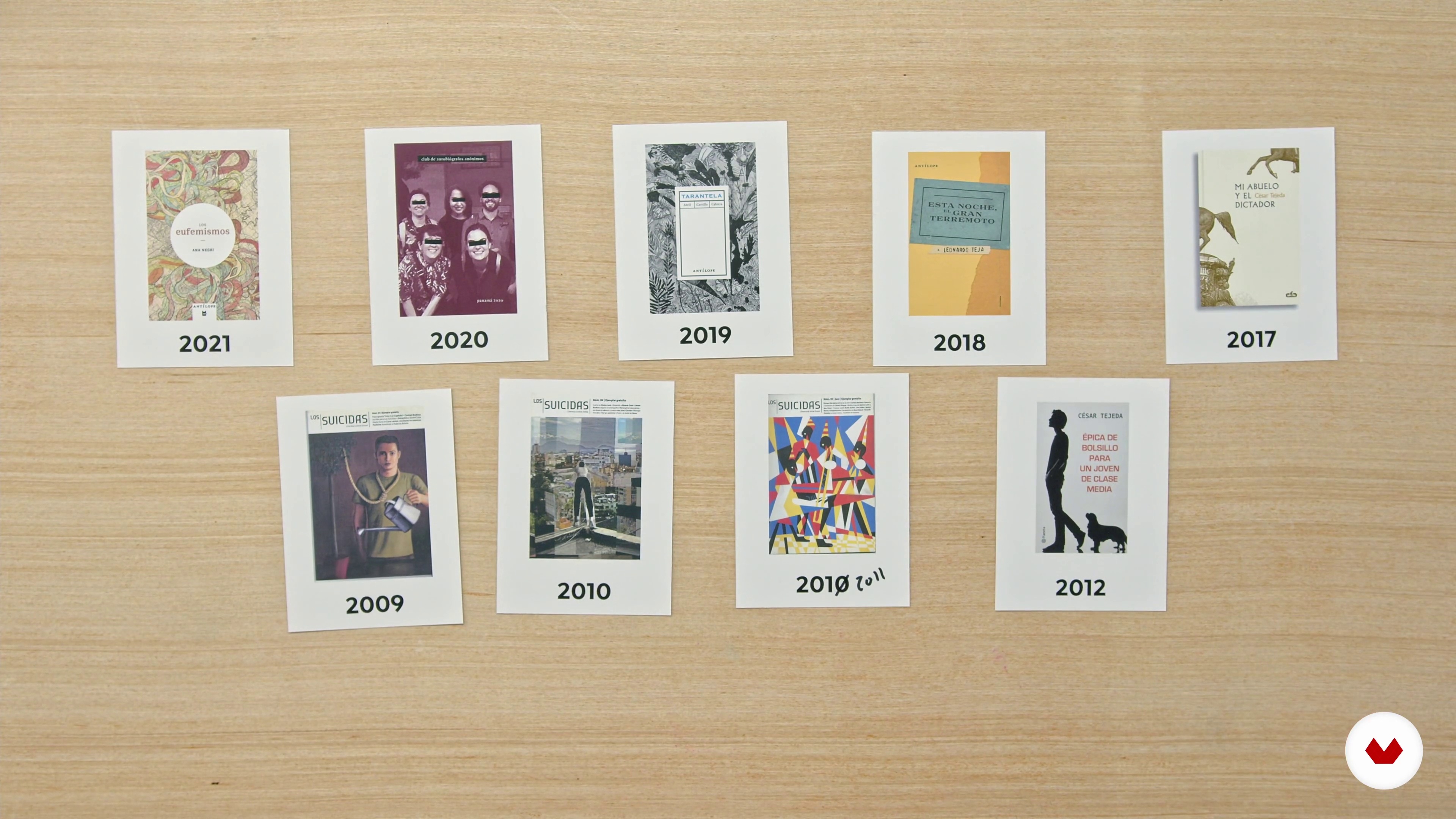
As a scriptwriter, he has collaborated with Canal 11 and Canal 22, from Mexican cultural television, and written for documentaries and feature-length fiction films. As an editor, he has worked with Penguin Random House, the UNAM Literature Department, and the magazines Este País and Los Suicidas, where he also served as director. He is currently the editor at Ediciones Antílope as well as one of its founding members. On top of it all, César shares his knowledge as a teacher at different schools and academies.
Content
- U1
Introduction
- Presentation
- Influences
- What will we do in the course?
- U2
Theoretical tools
- Discussions around autobiographical writing
- Center of gravity
- Autobiographical genres
- Narrative tools
- Dramatic tools
- U3
Practical tools
- Betrayals of memory
- Documentary writings and intertextual writings
- Open structures
- U4
Conclusions
- Tips for carrying out the writing
- From the short story to the autobiographical novel
- And after writing, what do I do with my work?
- FP
Final project
- Write autobiography
What to expect from a Domestika course
Learn at your own pace
Enjoy learning from home without a set schedule and with an easy-to-follow method. You set your own pace.
Learn from the best professionals
Learn valuable methods and techniques explained by top experts in the creative sector.
Meet expert teachers
Each expert teaches what they do best, with clear guidelines, true passion, and professional insight in every lesson.
Certificates
PLUSIf you're a Plus member, get a custom certificate signed by your teacher for every course. Share it on your portfolio, social media, or wherever you like.
Get front-row seats
Videos of the highest quality, so you don't miss a single detail. With unlimited access, you can watch them as many times as you need to perfect your technique.
Share knowledge and ideas
Ask questions, request feedback, or offer solutions. Share your learning experience with other students in the community who are as passionate about creativity as you are.
Connect with a global creative community
The community is home to millions of people from around the world who are curious and passionate about exploring and expressing their creativity.
Watch professionally produced courses
Domestika curates its teacher roster and produces every course in-house to ensure a high-quality online learning experience.
FAQs
Autobiographical writing is a literary genre that lets you tell and organize personal experiences, exploring memory and identity. It helps transform memories into meaningful stories and gain a deeper understanding of your own life.
The course is aimed at people with intermediate literary knowledge, but no prior experience in autobiography is needed. An interest in writing and a willingness to explore your personal story are recommended.
You’ll learn how to structure personal stories, analyze the role of memory, apply narrative techniques, document meaningful objects, work on editing and revising texts, and receive feedback in collaborative workshops.
All you need is a notebook or computer for writing, internet access, and a readiness to share personal texts. No specialized software or advanced technical skills are required.
You’ll learn how to select, organize, and transform memories into literary stories using narrative techniques, flexible structures, and creative tools like fragmentation, time manipulation, and object description.
The course covers tools such as thematic focus, fragmentation, time manipulation, building dramatic tension, selecting scenes and ellipses, as well as strategies from Robert McKee and autofiction.
Autobiography tells true events from the author’s life; autofiction blends reality and fiction; and the autobiographical novel uses novelistic narrative structures to share personal experiences.