Introduction to Mosaic Artwork
A course by Gary DrostleMosaic Artist
A course by Gary Drostle, Mosaic Artist

Learn how to create a timeless mosaic from its design to the final polished piece, using the traditional paper-face technique
Mosaic artwork is one of the oldest art forms in history. Dating back to several thousands of years ago, the mosaics have been built throughout Ancient Rome and Ancient Greece. This intricate artwork continues to be popular today, and renowned mosaic artist, Gary Dostle is here to teach you how to create this traditional piece of artwork.
In this Domestika course, discover how to bring to life a colorful mosaic of a koi pond—with the option to transform it into a table-top if you choose. Gary guides you step-by-step through the detailed, yet fascinating process.
What will you learn in this online course?
19 lessons & 8 downloads
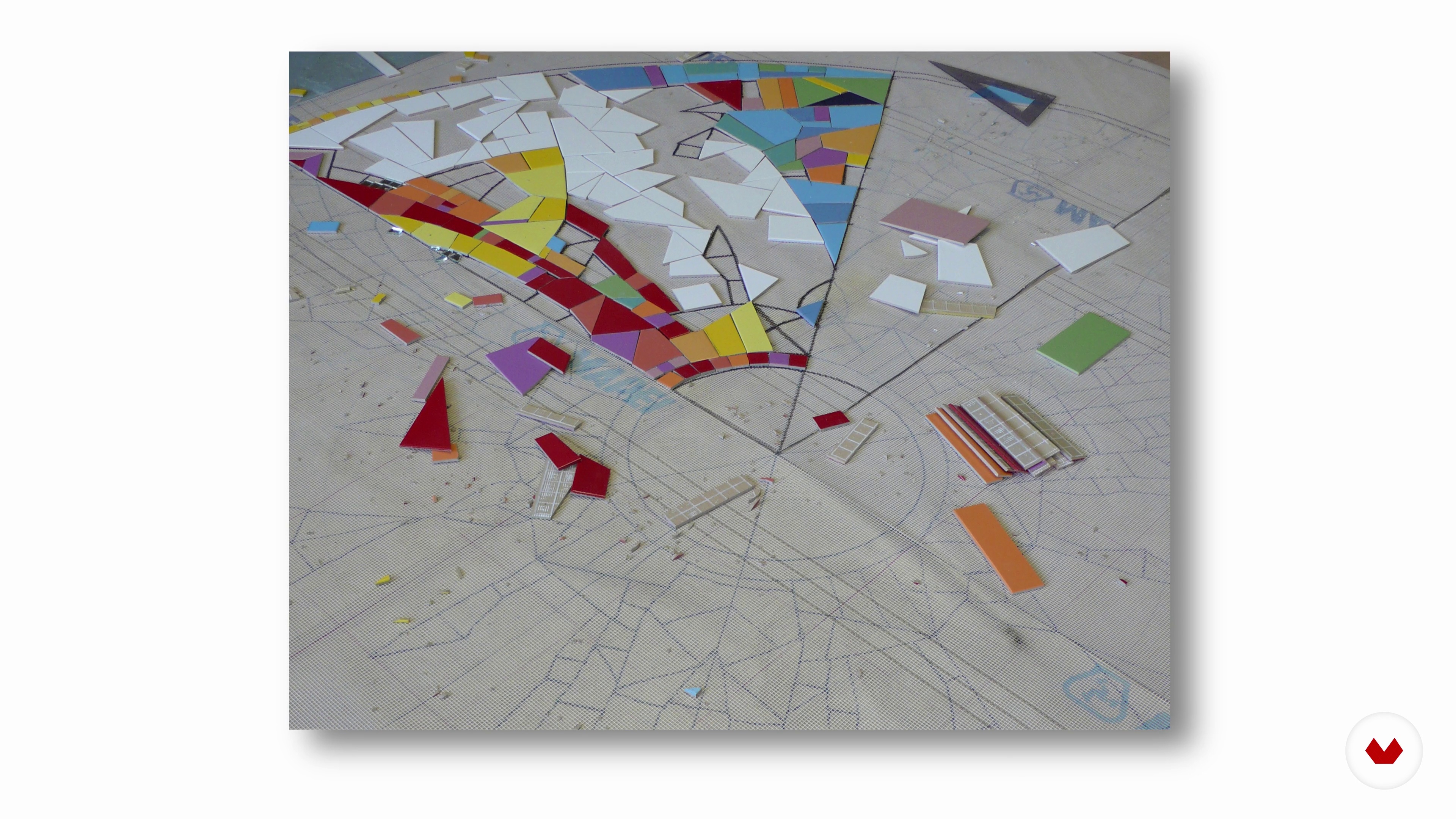
The Techniques of Mosaic Making
8 minutes, 32 seconds
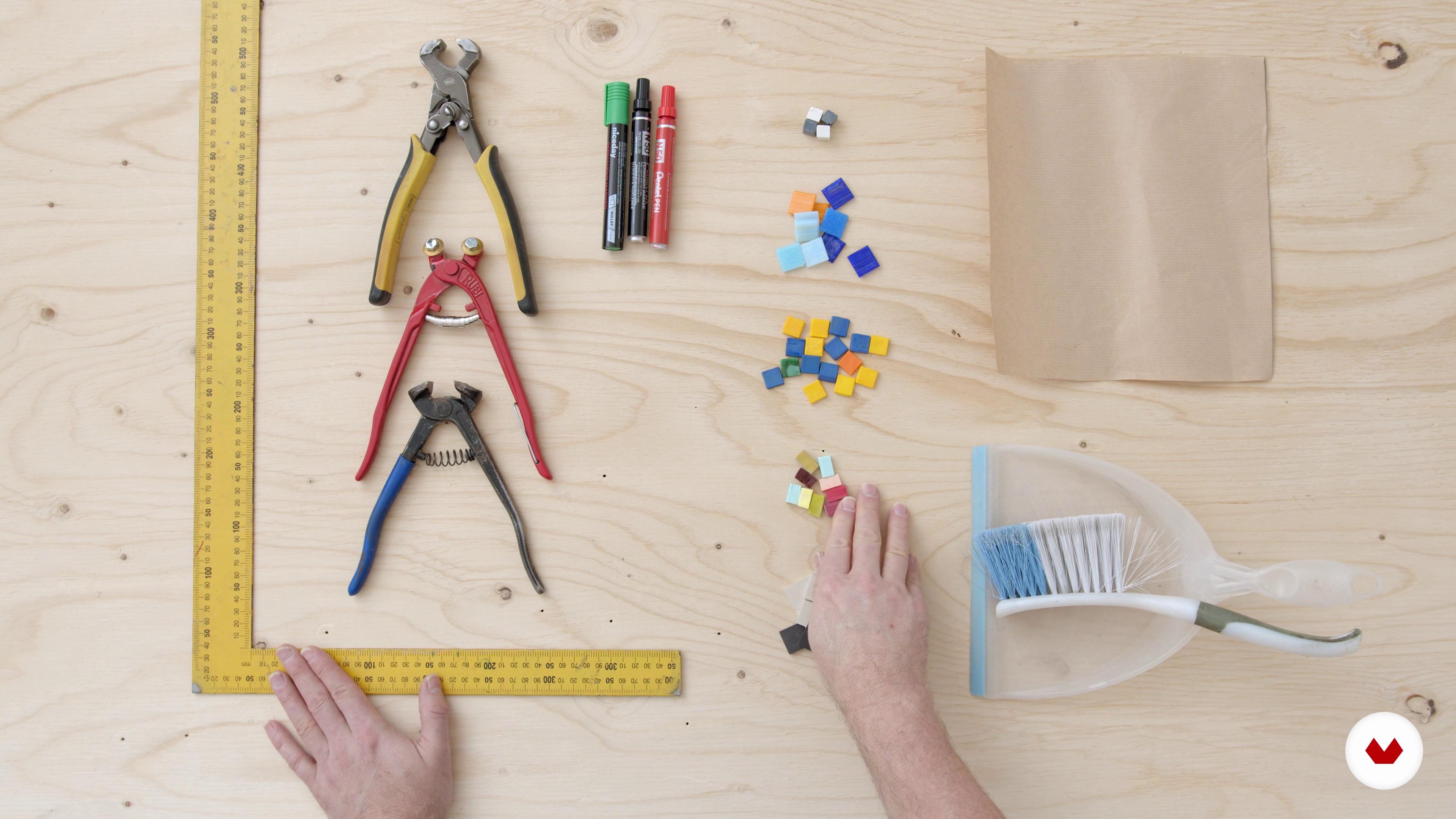
Tools and Materials of Mosaic Making for This Course
8 minutes, 54 seconds
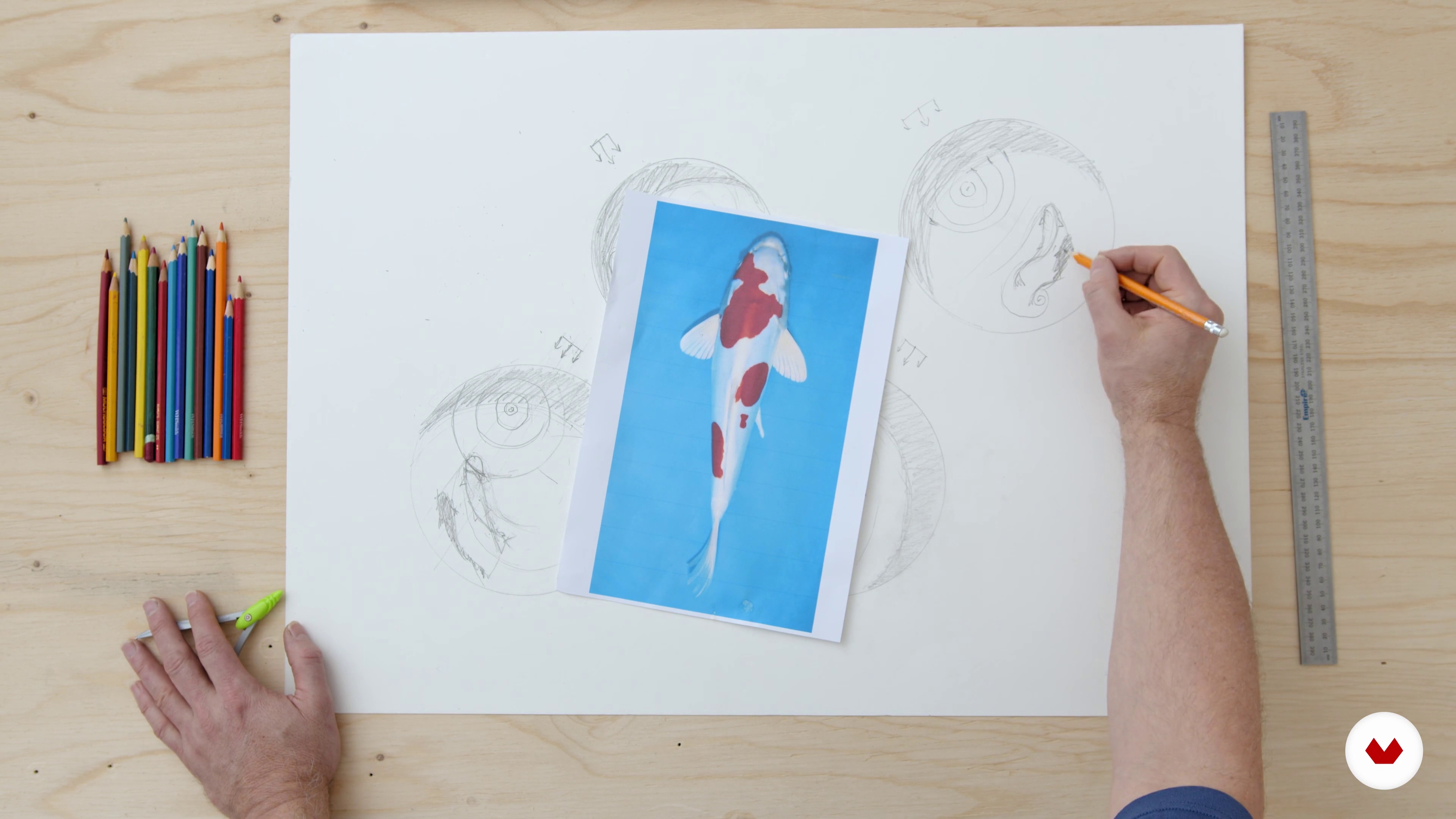
Design Ideas, Inspiration and Materials, and Checking the Dimensions
11 minutes, 22 seconds
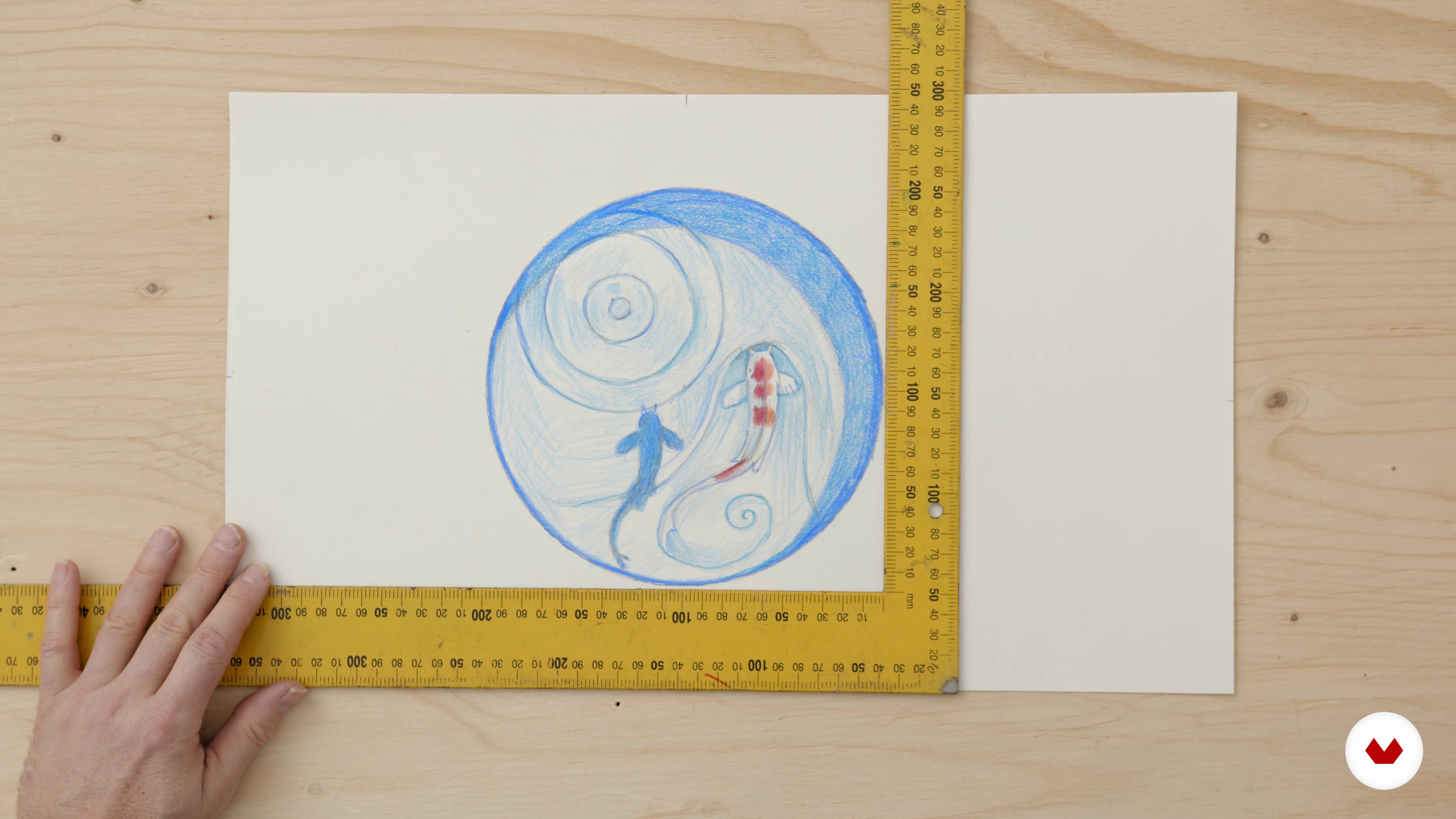
Creating the Small-Scale Design: Using Light and Shadow to Add Depth and Reality
11 minutes, 47 seconds
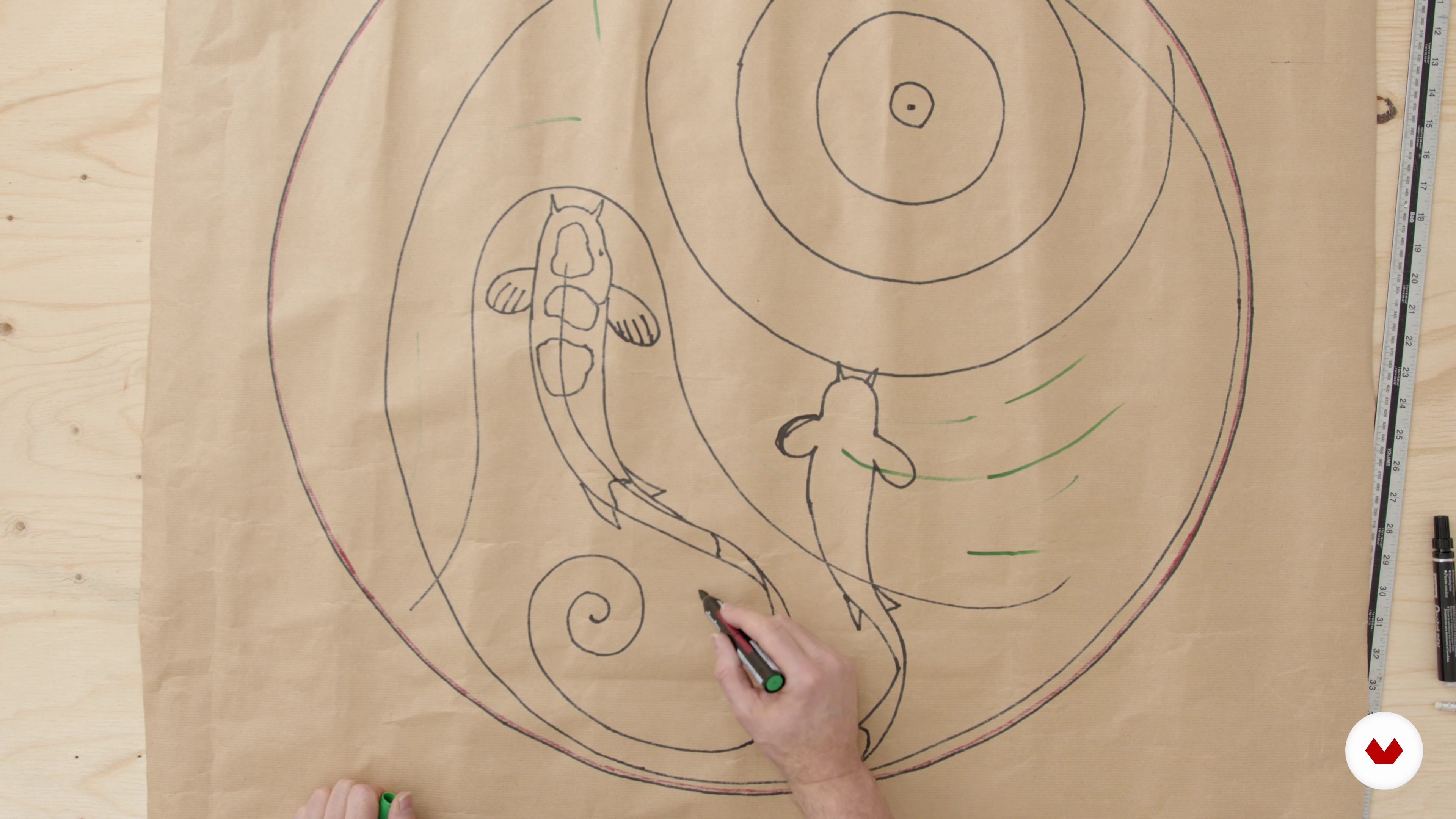
Creating the Full-Scale Cartoon
19 minutes, 56 seconds
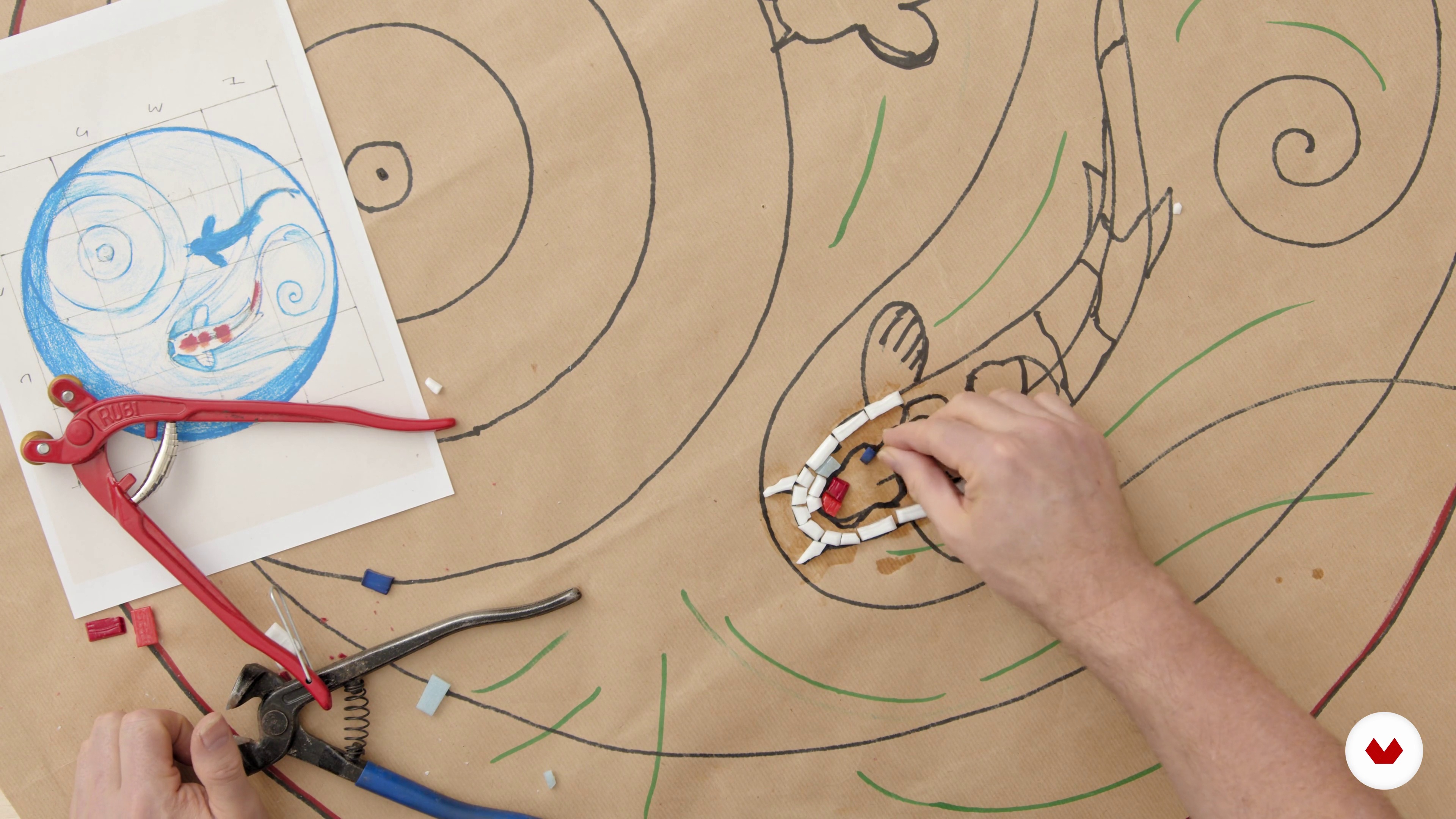
Building Your Mosaic 1
16 minutes, 36 seconds
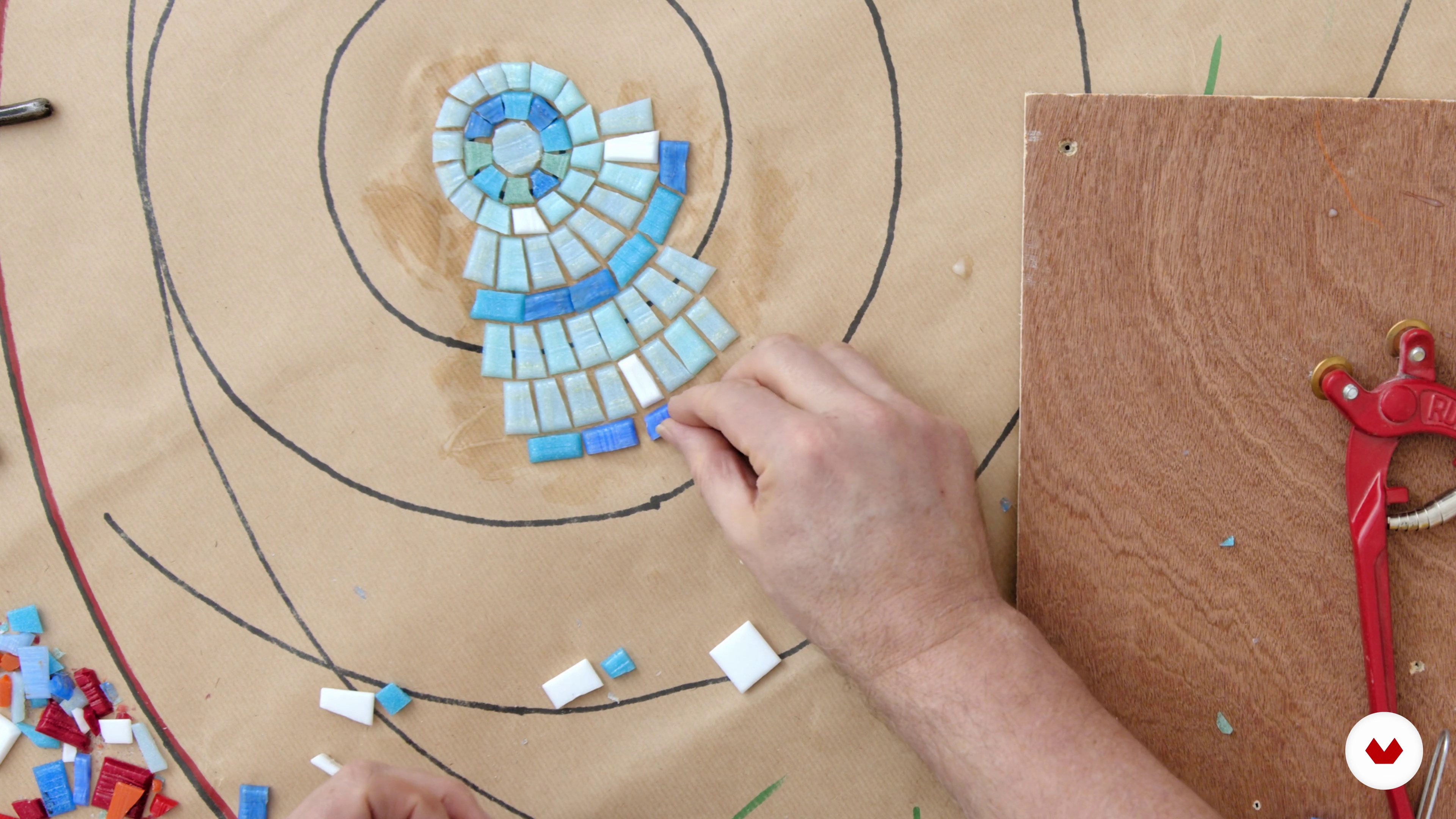
Building Your Mosaic 2
19 minutes, 41 seconds
What's included in this course?
Begin by getting to know Gary. He shares his artistic journey and shows you some of his remarkable commissioned work. Hear about the artists and artwork that have inspired him and have shaped his work.
Dive into mosaic-making by learning a bit of history and exploring different techniques. For your course project, the reverse onto paper technique, also known as the paper-face technique, will be used. Gary covers the safety rules to follow when making your mosaic before going over how to work with cement and setting up your workspace.
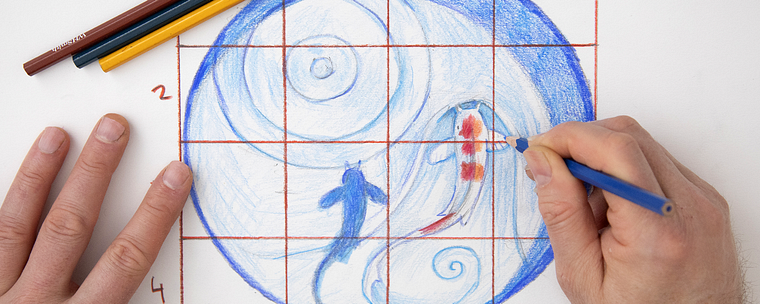
Design your mosaic by looking at koi pond image references, and choose the one that inspires you most. Gary guides you through the process of making a rough sketch of your design, and shares tips on drawing water effects and creating depth with shadow and perspective. Then, learn how to finalize your design by drawing it in full scale and in color.
Start making your mosaic by selecting your tesserae (mosaic pieces) and cutting them correctly. Explore how to lay your tesserae uniformly and harmoniously using the andamento technique. Learn how to make a basic yet effective glue before applying the tesserae onto your paper design. Next, see how to carefully cut the different sections of the mosaic into manageable pieces.
Discover how to safely make cement before mounting your mosaic pieces together. Gary guides you step-by-step on how to carefully assemble and mount your pieces on a board or table-top with cement. Add the final touches to your mosaic by learning how to grout and clean your piece. Wrap up the course by seeing how to transform your mosaic into a table-top, if you choose this option.
What is this course's project?
Create a koi pond mosaic from scratch, with the option to transform it into a table-top.
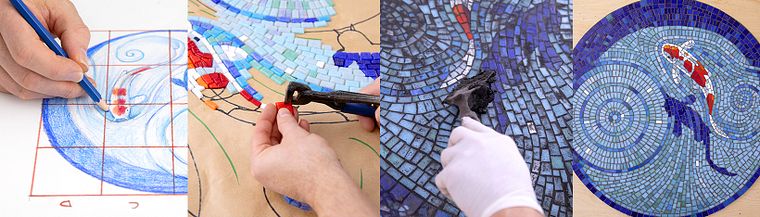
Projects by course students

Who is this online course for?
Anyone interested in learning how to create mosaic artwork.
Requirements and materials
No previous experience is necessary.
To take this course, you need a variety of materials. For the design stage, you need paper, drawing and color pencils, a marker, and a ruler. For the mosaic, you need mosaic pieces, materials to make glue (salt, flour, water, sauce pan and access to a cooker). For the table, you need a backer board, a trowel, cement, grout, a sponge, a bucket, and a cotton rag. Garry explains in-detail each item in the second unit, and gives recommendations on what to get.
Reviews
- 18 days ago
Absolutely amazing, now I know the secrests, but question is if I will manage to master them. I really really recommend this course and the teacher.
- 19 days ago
Дякую. Це дуже цікаво, детально, зрозуміло, і доступно. Я взахваті від вашого уроку. Багато нового для себе дізналась.
- 1 month ago
J'ai déjà écrit un avis mais je souhaite le faire une deuxième fois parce que le temps est passé . . . . . . J'écoute, je fais et je réécoute Monsieur Drostle. Ce cours est fantastique et son enseignement tellement généreux, avec une motivation d'enseigner vraiment et d'enseigner avec tellement de simplicité . MERCI beaucoup Monsieur ! Zoé
- 3 months ago
J'apprécie beaucoup le travail de Gary et sa pédagogie qui m'a inspiré pour la création de l'atelier de mosaïque et céramique à Malakoff 92340 France
- 5 months ago
polecam

Since then, he has completed many large scale mosaic commissions around the world. His work has received recognition from organizations like The National Terrazzo & Mosaic Association of America, The Society of American Mosaic Artists, The Prix Picassiette in Chartres, France, and The Worshipful Company of Tylers and Bricklayers in the UK.
Content
- U1
Introduction
- About Me
- Influences
- U2
Preparing to Make Mosaics
- The Techniques of Mosaic Making
- Health and Safety in Mosaic Making
- Tools and Materials of Mosaic Making for This Course
- U3
Designing Your Mosaic
- Design Ideas, Inspiration and Materials, and Checking the Dimensions
- Creating the Small-Scale Design: Using Light and Shadow to Add Depth and Reality
- Creating the Full-Scale Cartoon
- U4
Making the Mosaic
- Selecting Mosaic Tesserae
- Tesserae Cutting
- Andamento
- Making the Pasta Amido Glue
- Building Your Mosaic 1
- Building Your Mosaic 2
- Building Your Mosaic 3
- Dividing the Mosaic
- U5
Fixing and Grouting the Mosaic
- Preparing to Fix Your Mosaic and Mixing Cements
- Fixing the Mosaic
- Grouting Your Mosaic
- FP
Final project
- Introduction to Mosaic Artwork
What to expect from a Domestika course
Learn at your own pace
Enjoy learning from home without a set schedule and with an easy-to-follow method. You set your own pace.
Learn from the best professionals
Learn valuable methods and techniques explained by top experts in the creative sector.
Meet expert teachers
Each expert teaches what they do best, with clear guidelines, true passion, and professional insight in every lesson.
Certificates
PLUSIf you're a Plus member, get a custom certificate signed by your teacher for every course. Share it on your portfolio, social media, or wherever you like.
Get front-row seats
Videos of the highest quality, so you don't miss a single detail. With unlimited access, you can watch them as many times as you need to perfect your technique.
Share knowledge and ideas
Ask questions, request feedback, or offer solutions. Share your learning experience with other students in the community who are as passionate about creativity as you are.
Connect with a global creative community
The community is home to millions of people from around the world who are curious and passionate about exploring and expressing their creativity.
Watch professionally produced courses
Domestika curates its teacher roster and produces every course in-house to ensure a high-quality online learning experience.
FAQs
This mosaic course is designed for intermediate artists who already have some basic experience with mosaics and want to learn advanced techniques, including paper face methods, indirect installation, and detailed design strategies.
You'll need basic mosaic tools like nippers, wheeled nippers, goggles, adhesives, grouting materials, glass or ceramic tiles, and safety equipment such as gloves and barrier cream. A full supply list is provided at the start of the course.
You will learn advanced mosaic techniques such as the paper face and indirect methods, cutting and shaping tesserae, creating water effects, designing intricate patterns, and safely handling materials and adhesives.
Yes, the course includes step-by-step instructions on installing mosaics on various surfaces, including tables and floors, ensuring durability and professional results.
The course teaches techniques for designing and assembling tesserae to mimic water movement, depth, and light reflections, enhancing the realism of your mosaic artworks.
The paper face technique involves temporarily adhering tesserae face-down onto paper to maintain design accuracy during installation, especially for complex or large-scale mosaics.
Yes, the course covers essential safety practices such as using personal protective equipment, safe cutting techniques, debris management, and proper ventilation when working with adhesives and cement.