Animated Typography: Motion Design for Dynamic Compositions
A course by Christophe Zidler Freelance Motion Designer
A course by Christophe Zidler, Freelance Motion Designer

Create engaging animated typography compositions with Cinema 4D, Photoshop, and After Effects
By combining illustration with animation, motion design opens a new world of possibilities for creatives of all disciplines. Freelance motion designer Christophe Zidler uses it to bring dynamic typographic compositions to life for clients including Microsoft, Glamour, Vogue, and Toyota.
In this course, he shows you how to create engaging loop video animations in which the typeface is the protagonist. Use Photoshop, After Effects, and Cinema 4D to spark your ideas and create playful loops. Are you ready to get the most out of your imagination?
What will you learn in this online course?
19 lessons & 15 downloads
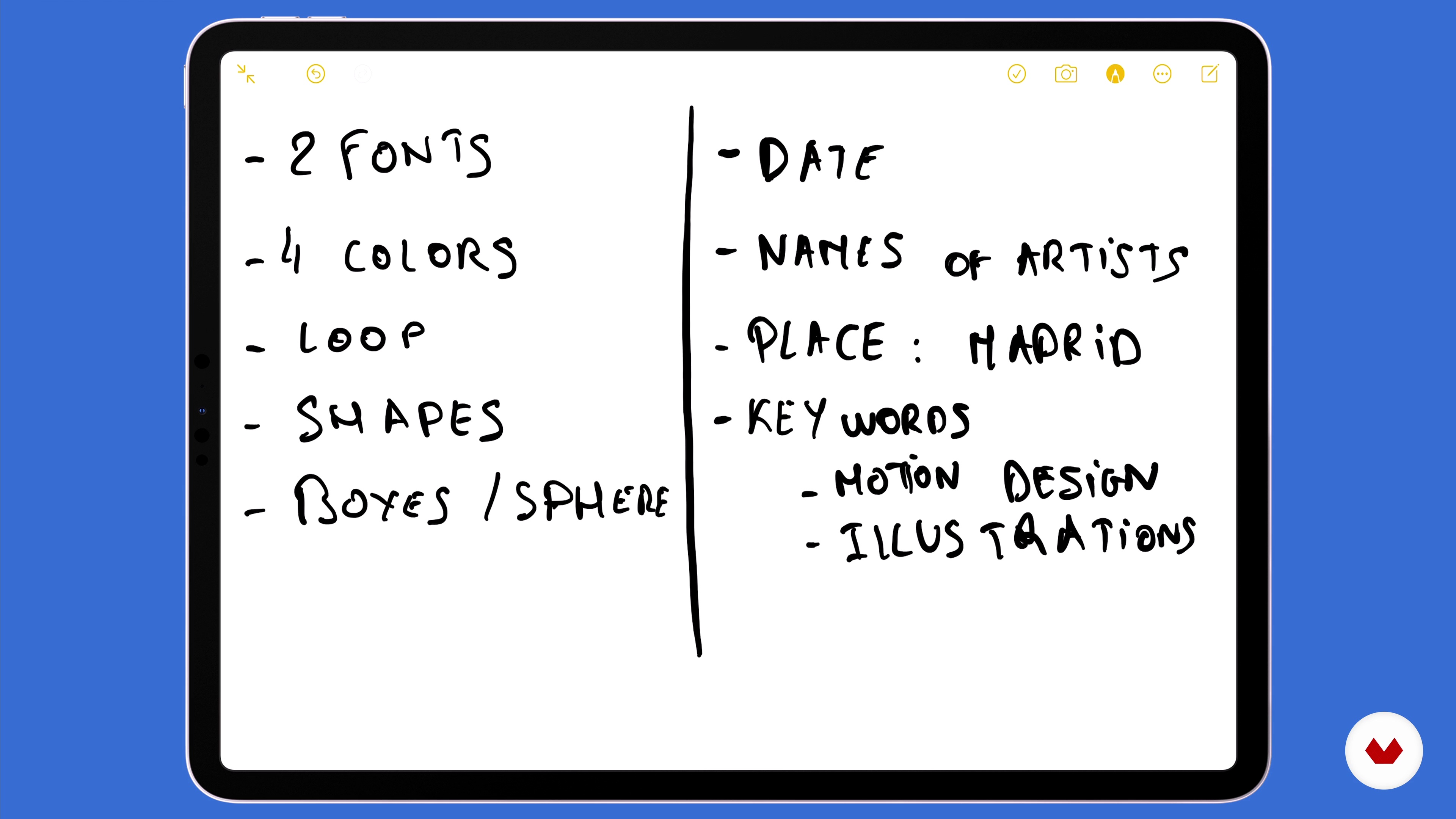
Coming Up With Your Idea and Defining a Brief
3 minutes, 48 seconds
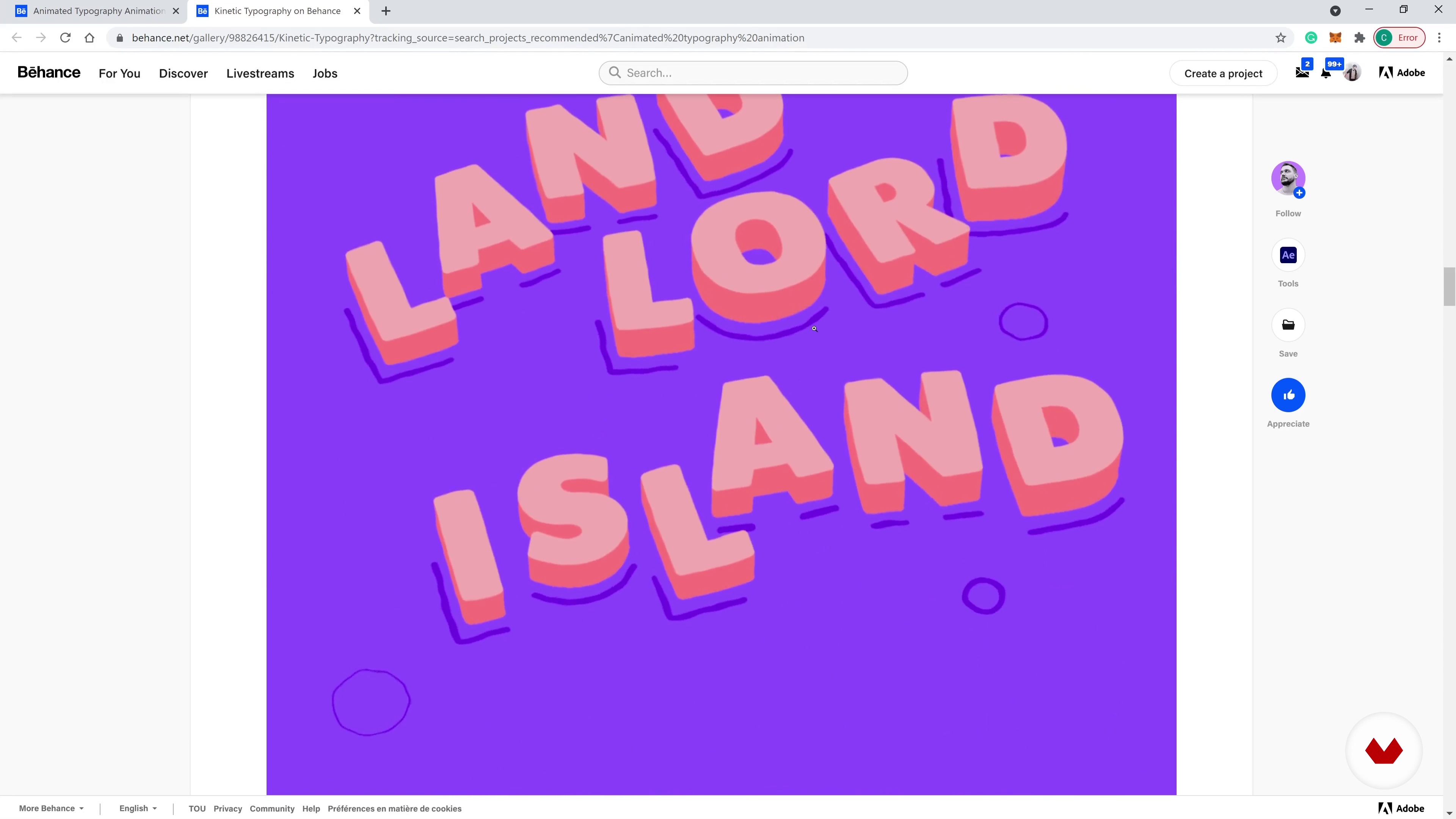
Finding Inspiration and Creating a Mood Board
12 minutes, 27 seconds
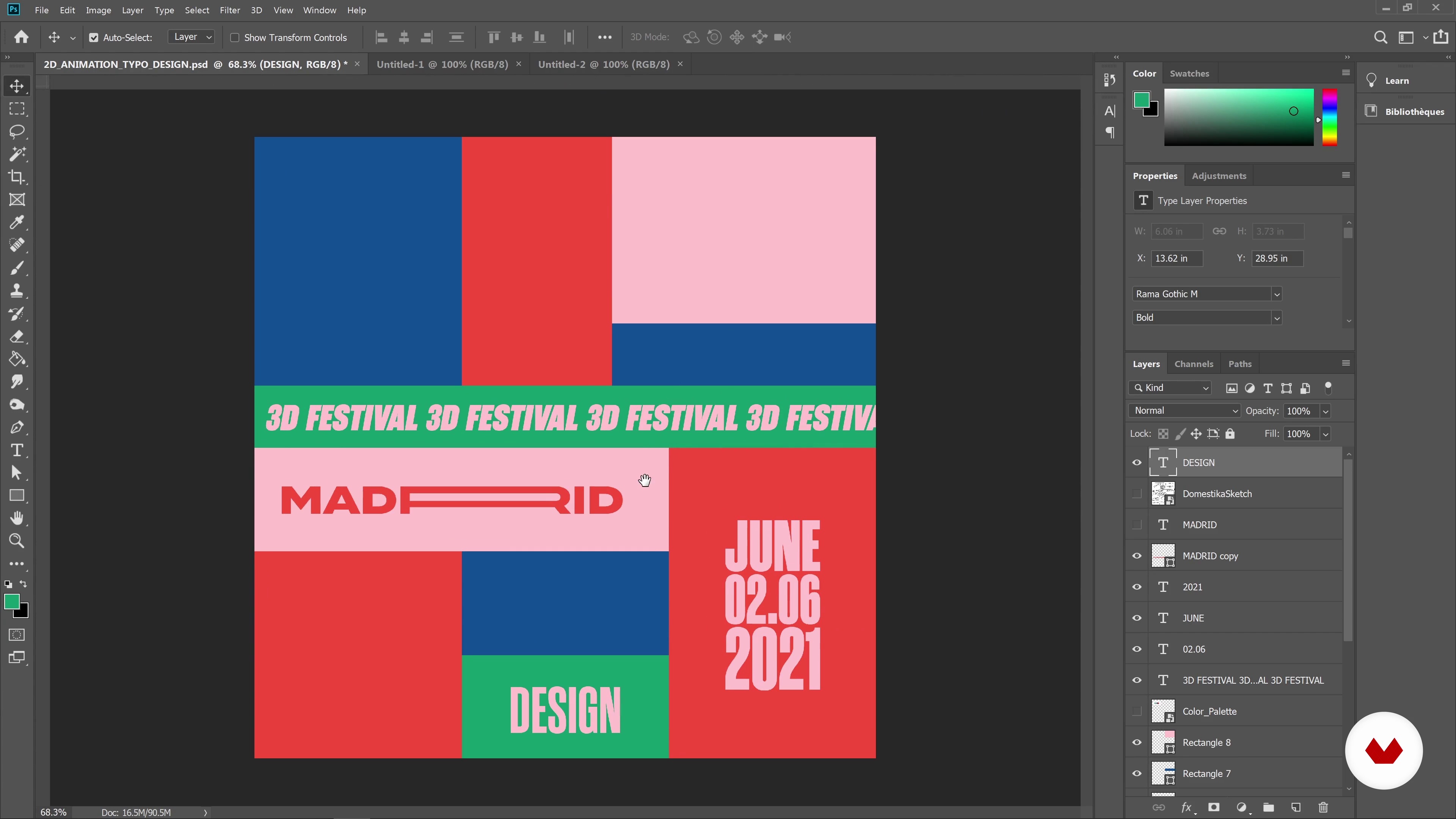
2D Design Photoshop 1
18 minutes, 40 seconds
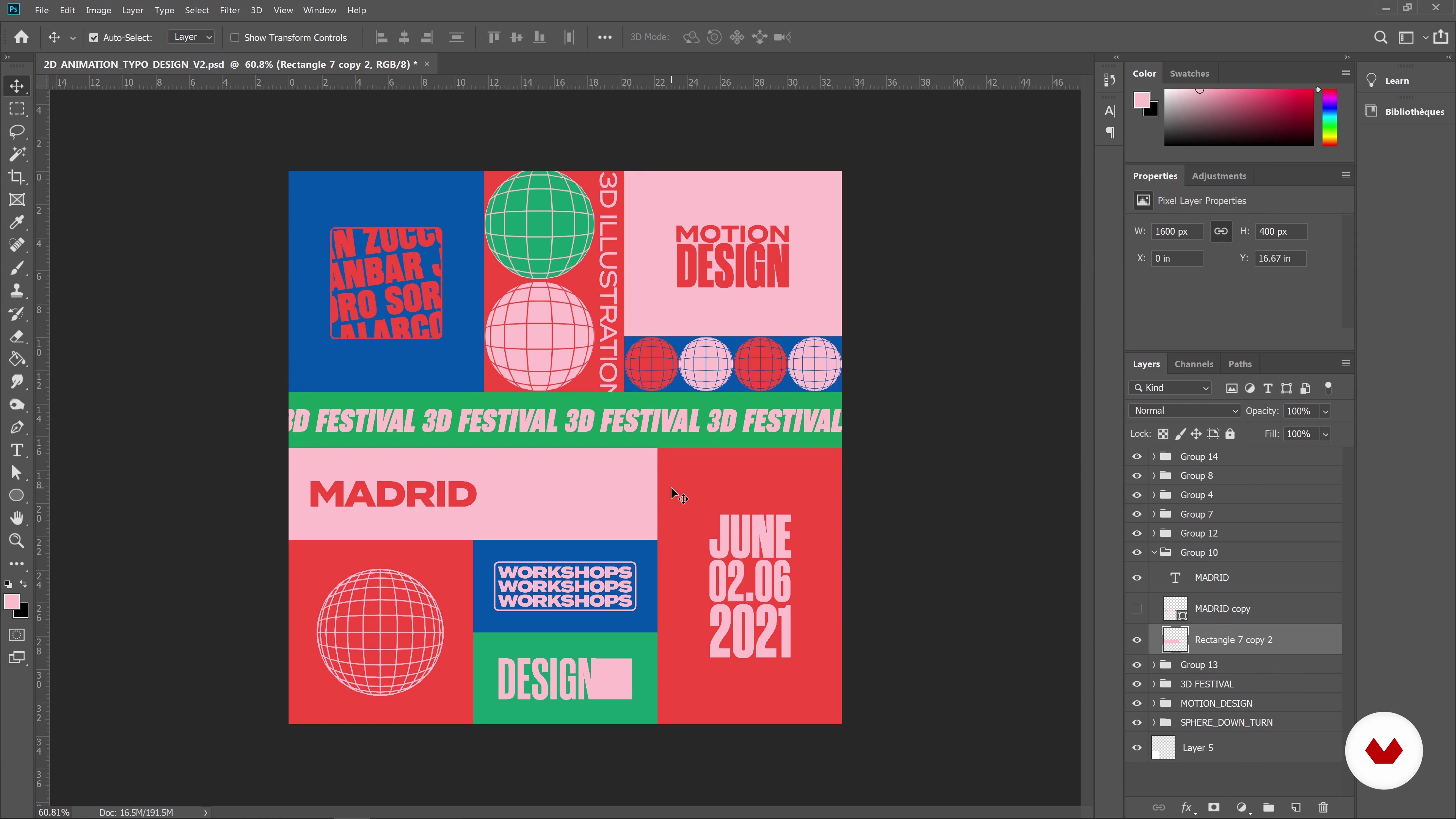
2D Design Photoshop 2
13 minutes, 46 seconds
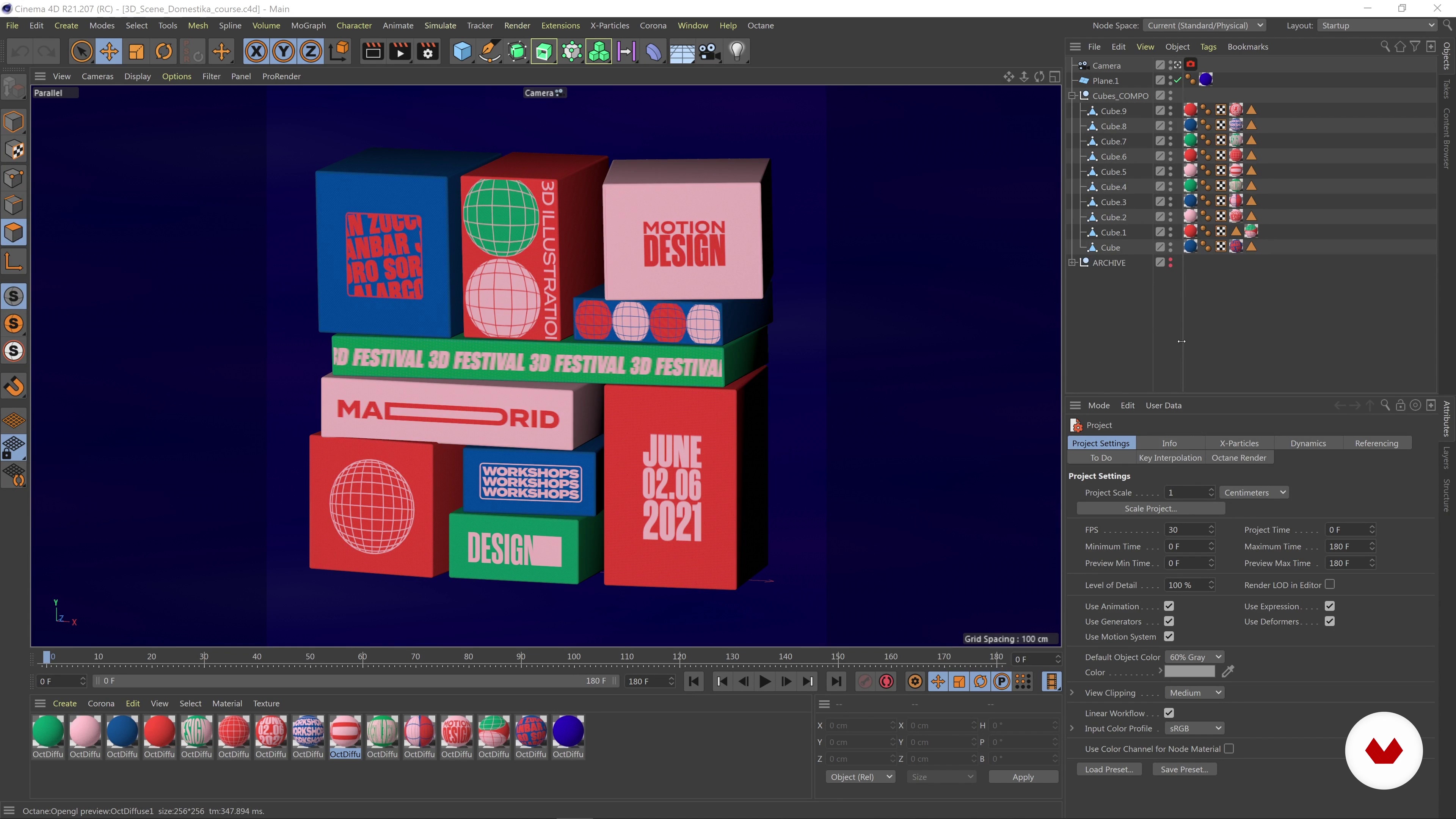
3D Design Cinema 4D 1
18 minutes, 4 seconds
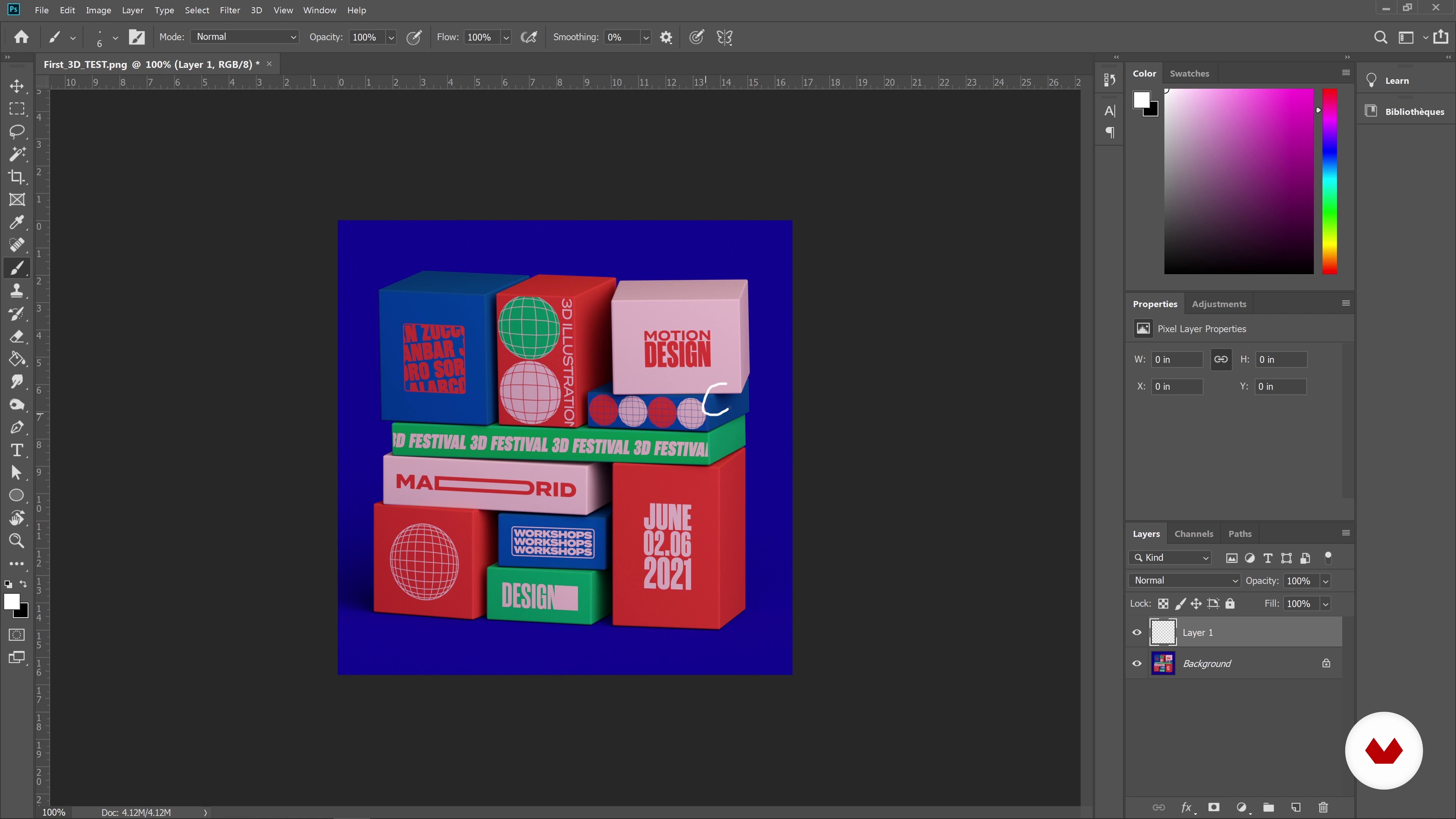
3D Design Cinema 4D 2
7 minutes, 43 seconds
What's included in this course?
Begin by getting to know motion designer Christophe Zidler. He takes you through his journey to becoming a freelancer and shares the artists and influences that have inspired his career.

Discover how to define a brief for your project and where to find inspiration for a mood board. Then begin designing in Photoshop and laying the foundations for your poster, experimenting with things like colors and shapes. Once your 2D design is finalized, learn how to transfer it into a 3D composition in Cinema 4D.
Christophe guides you through setting up your project in After Effects. Begin animating your design, starting with the simple elements before moving on to the more complex parts of your artwork, combining masks, position, stretch, and timing. Then, focus on shapes and learn to rotate spheres in Cinema 4D.
Make the finishing touches to your animation from movement to color correction, then learn how to export it in different formats. To finish the course, Christophe shares his tips for posting your work on social media and building your portfolio as a creative.
Recommended software & tools for this course
What is this course's project?
Design and animate a typographic poster and transpose it into a 3D animated composition.
Projects by course students


Who is this online course for?
This course is for anyone with an interest in graphic design, motion design, or typography who wants to improve their composition skills.
Requirements and materials
Previous knowledge of Photoshop and After Effects is required for this course, and experience with Cinema 4D is recommended.
You will need a computer with access to Photoshop, After Effects, Cinema 4D, and the Octane plugin for rendering.
Reviews
- isat_booPLUS3 months ago
Buen Curso
- 1 year ago
Me gustó muy completo
- 2 years ago
sehr gut
- 2 years ago
Inspiring
- 2 years ago
Good that it is in english

Christophe then moved to Budapest, where he kick-started his career as a freelancer. Since then, he has worked with clients including Renault, Sisley, Glamour, Vogue, Toyota, and Microsoft as well as creative agencies and start-ups. He also shares his work with almost 10K followers on Instagram.
Content
- U1
Introduction
- About Me
- Influences
- U2
Finding Inspiration and Designing
- Coming Up With Your Idea and Defining a Brief
- Finding Inspiration and Creating a Mood Board
- 2D Design Photoshop 1
- 2D Design Photoshop 2
- 3D Design Cinema 4D 1
- 3D Design Cinema 4D 2
- U3
Animating in After Effects and Cinema 4D
- Creating the Project in After Effects
- Starting With Simple Animations 1
- Starting With Simple Animations 2
- Moving Into Intermediate Animations 1
- Moving Into Intermediate Animations 2
- Combining Everything
- Animating Shapes 1
- Animating Shapes 2
- U4
Final Touches and 3D
- Making Everything 3D
- Adding Movement and Rendering
- Adjusting Colour and Exporting in Different Formats
- FP
Final project
- Animation for Typographic Composition
What to expect from a Domestika course
Learn at your own pace
Enjoy learning from home without a set schedule and with an easy-to-follow method. You set your own pace.
Learn from the best professionals
Learn valuable methods and techniques explained by top experts in the creative sector.
Meet expert teachers
Each expert teaches what they do best, with clear guidelines, true passion, and professional insight in every lesson.
Certificates
PLUSIf you're a Plus member, get a custom certificate signed by your teacher for every course. Share it on your portfolio, social media, or wherever you like.
Get front-row seats
Videos of the highest quality, so you don't miss a single detail. With unlimited access, you can watch them as many times as you need to perfect your technique.
Share knowledge and ideas
Ask questions, request feedback, or offer solutions. Share your learning experience with other students in the community who are as passionate about creativity as you are.
Connect with a global creative community
The community is home to millions of people from around the world who are curious and passionate about exploring and expressing their creativity.
Watch professionally produced courses
Domestika curates its teacher roster and produces every course in-house to ensure a high-quality online learning experience.
FAQs
This course is best for those with some basic design knowledge or experience in motion graphics. It's considered intermediate level and covers advanced workflows in After Effects, Cinema 4D, and Photoshop.
You'll need access to Adobe After Effects, Photoshop, and Cinema 4D. Familiarity with these tools will help you get the most out of the lessons.
You’ll learn motion graphics workflows, 3D and 2D animation, kinetic and typography animation, project asset management, concept development, mood boards, and showreel creation.
Yes, the course includes detailed lessons on animating typography, stretching text, converting text to shapes, and using masks for advanced typographic motion.
Yes, you'll explore workflows for mixing 2D flat design with 3D elements using Photoshop, Cinema 4D, and After Effects to create dynamic compositions.
The course covers green screen techniques and how to integrate them into motion design projects for compositing and visual effects.
You’ll work on explainer animations, animated app ads, typographic posters, kinetic text, looping 3D animations, and motion graphics showreels.