Introduction to Rigging for Animation
A course by Lead Character TD and Rigger
A course by , Lead Character TD and Rigger

Learn to create the basic controls of a human character
Jose Antonio Martín - technical director of characters and rigger - has worked in major productions such as Gravity , Terminator Genesis , Suicide Squad or Ghost in the shell , specializing in the creation of assets. As rigger is responsible for the creation of the control structure of 3D models that allows animators to give life and move easily and naturally all kinds of characters, vehicles, objects, accessories ...
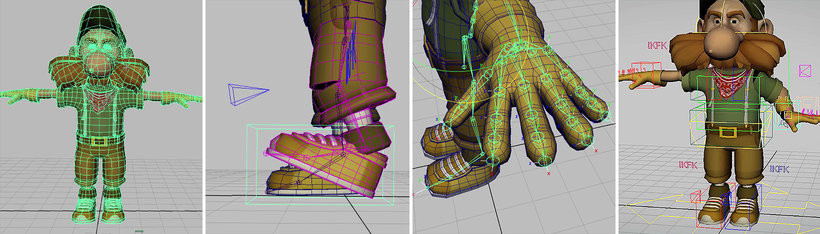
In this course, he will teach you how to create a skeleton and a control structure based on the 3D model of a character, which is usually called a "puppet". You will learn the bases for the creation of a complete rig for a human character: rig of legs, arms, torso, hands and head; and you'll see, too, how to make it work together.
What will you learn in this online course?
37 lessons & 11 downloads

What is a rigger
4 minutes, 28 seconds
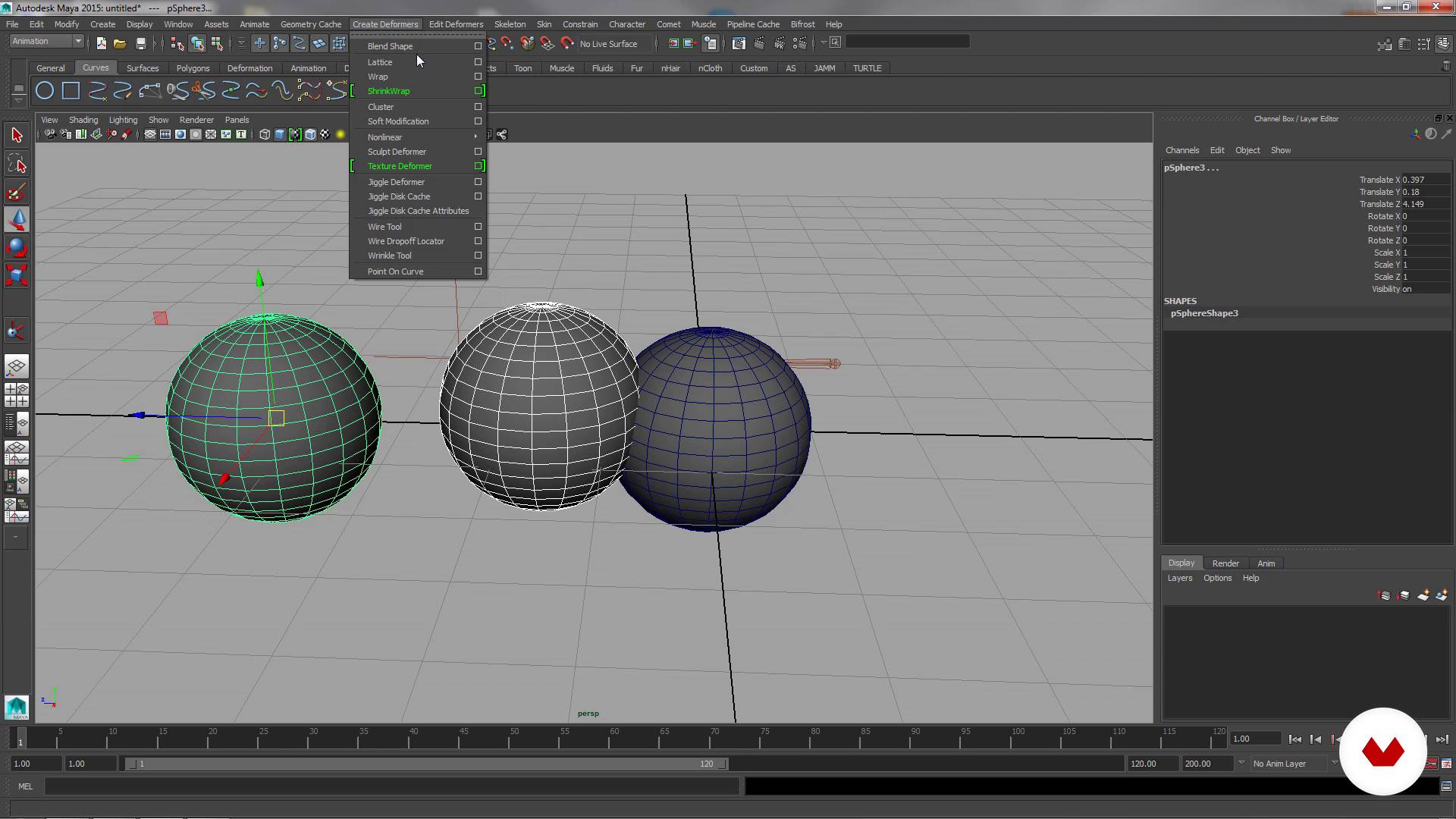
Joints, controls, constraints and other basic elements 1
18 minutes, 38 seconds
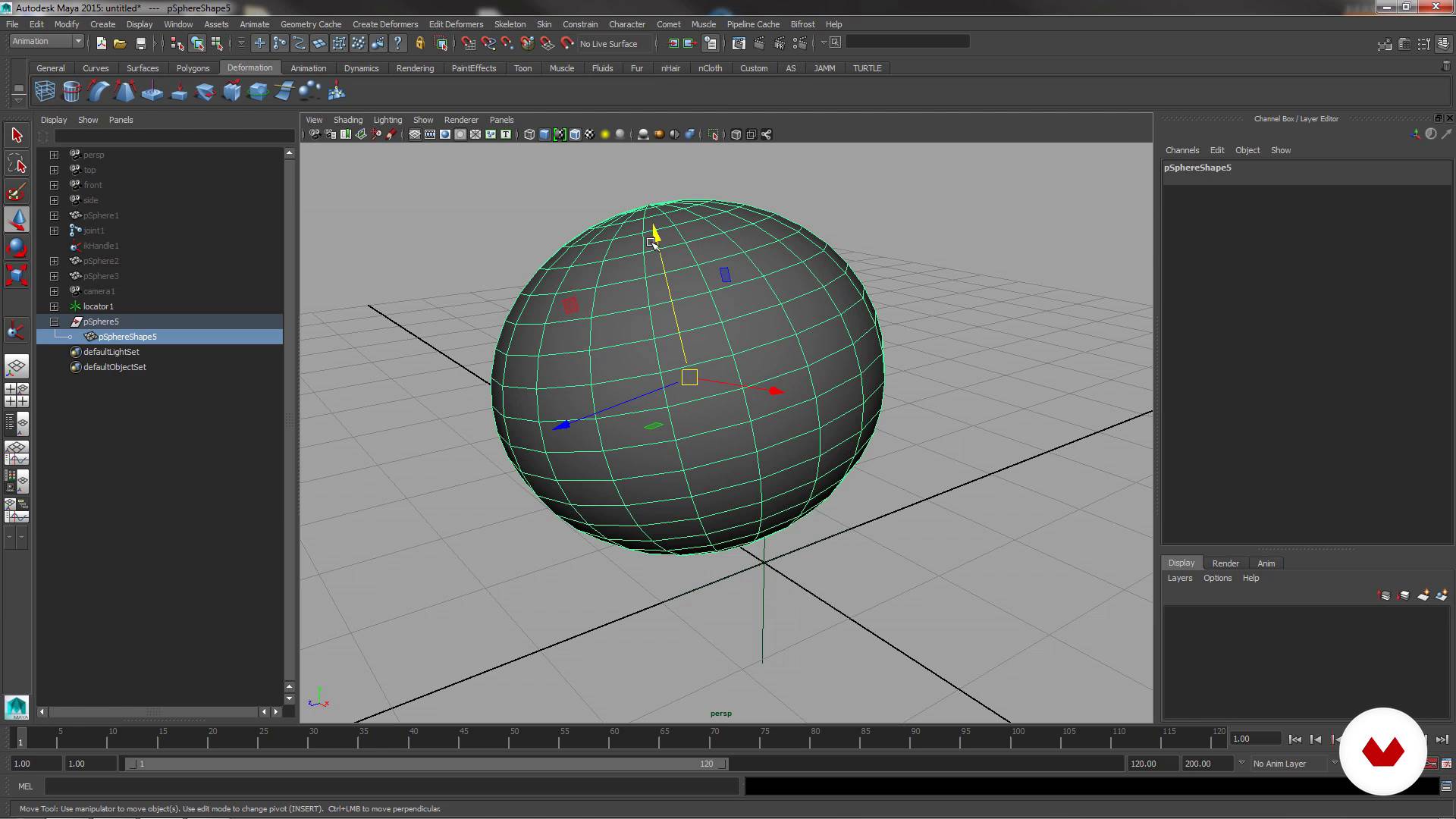
Joints, controls, constraints and other basic elements 2
11 minutes, 46 seconds
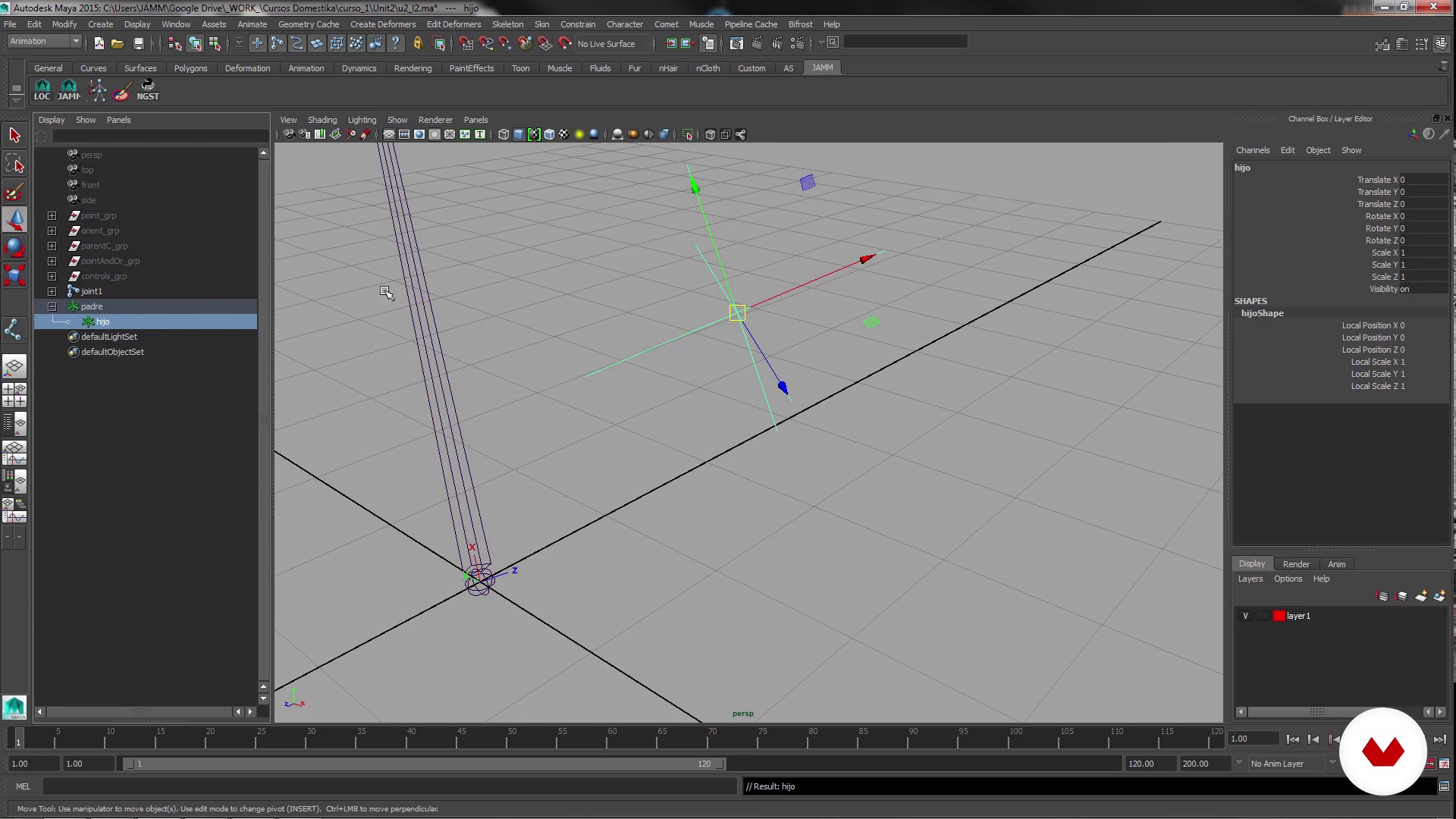
Joints, controls, constraints and other basic elements 3
9 minutes, 49 seconds
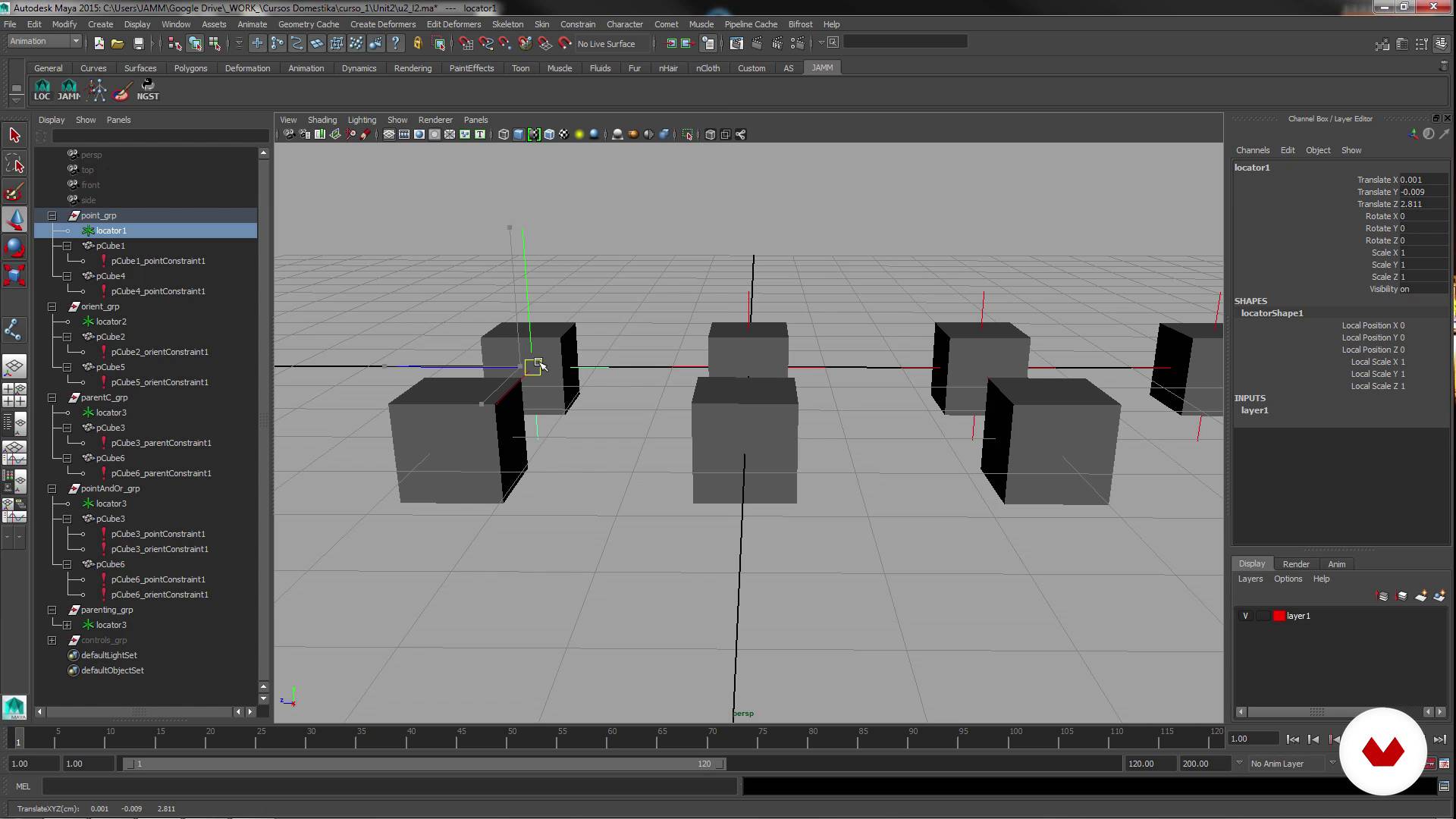
Joints, controls, constraints and other basic elements 4
8 minutes, 44 seconds
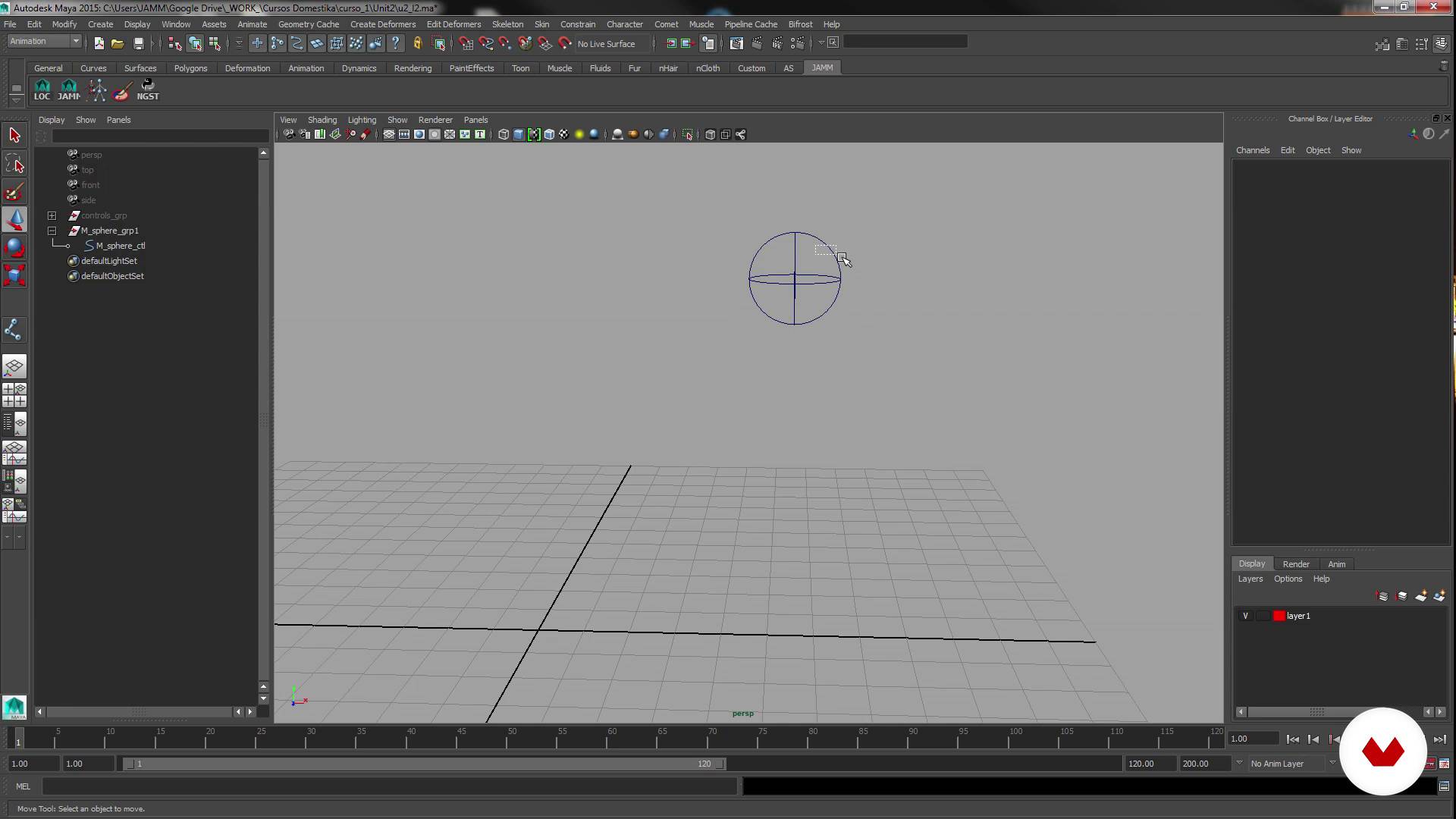
Joints, controls, constraints and other basic elements 5
3 minutes, 55 seconds
What's included in this course?
You will start knowing the work of Jose Antonio, who will tell you about his influences and what inspires him most. In addition, it will explain what is the work of a rigger.
You will discover basic concepts such as joints, controls, constraints and other fundamental elements. And you will learn what an FK chain and an IK chain are and the differences between them.
With the theory learned, you will go to work on your rig. First you will work the skeleton: you will create the chain of joints and implement the chain of control so that each part moves in the right direction.
Jose Antonio will explain how to carry out this process in arms, legs and torso so that your character, once animated, moves naturally.
Once the rigging process is finished, you will order the scene, review the scale and add space switches.
Recommended software & tools for this course
What is this course's project?
You will make a small animation in which the rigging of your character will be shown.
Projects by course students


Who is this online course for?
Animators, riggers, 3D designers and anyone with an interest in the world of animation who wants to learn to perform the rigidity of a biped character.
Requirements and materials
No previous knowledge of 3D, animation or rigging is necessary, since Jose Antonio will explain all the concepts from the most basic, however, it is advisable to have previously used Autodesk Maya.
With respect to materials, you will need a computer in which you must have installed Autodesk Maya (although the concepts that will be explained during the course may be applicable to other 3D software).

Reviews
- 8 months ago
no pude finalizar el curso ya que esta muy desactualizado. no lo recomiendo para las ultimas versiones . deberían aclarar cuanto tiempo tienen los videos por que si sabia antes no lo compraba directamente
- 8 months ago
Buen curso! Me sirivó para pasar Animación
- 9 months ago
El curso esta bastante desactualizado. No lo recomiendo si están usando cualquier versión de maya actualizado. Es mas. No deberia estar este curso en Domestika por esa razón. Estoy en la unidad 3 y no se que hacer porque la herramienta que utiliza no funciona en mi version actual de Maya. Pare eso mejor me veo un video en youtube..
- 11 months ago
muy bueno practico
- 1 year ago
The course is not bad however, can't recommend it as of April 2025, the course includes custom tools in which the videos rely heavily to go through, thing is those tools are not functional in newer versions of maya, and there is not information on how to do what the instructor is doing without the custom tools, may need to update those files to make them functional.

Content
- U1
Introduction
- Presentation
- Influences
- U2
Basic notions
- What is a rigger
- Joints, controls, constraints and other basic elements 1
- Joints, controls, constraints and other basic elements 2
- Joints, controls, constraints and other basic elements 3
- Joints, controls, constraints and other basic elements 4
- Joints, controls, constraints and other basic elements 5
- IK and FK
- U3
Creation of the skeleton
- Placement of the joints 1
- Placement of the joints 2
- Placement of the joints 3
- Placement of joints 4
- Check the orientation of the joints
- U4
Rig of the legs
- Preparation
- Leg creation FK
- Leg creation IK 1
- Leg creation IK 2
- IK 3 leg creation
- Creation IK / FK Switch
- Final details
- U5
Rig of the arms
- Preparation
- Arm creation FK
- IK arm creation
- Creation IK / FK Switch
- Rig creation of hand and fingers
- Final details
- U6
Rig of the torso
- Preparation
- Spine Creation FK
- Spine Creation IK
- Creation IK / FK Switch
- Creation of neck and head rig
- Creation of the control of the hip
- U7
Completion of the rig
- Cleaning the scene
- Connect the model to the rig
- Review scale of the rig
- Space Switches
- FP
Final project
- Introduction to rigging for animation
What to expect from a Domestika course
Learn at your own pace
Enjoy learning from home without a set schedule and with an easy-to-follow method. You set your own pace.
Learn from the best professionals
Learn valuable methods and techniques explained by top experts in the creative sector.
Meet expert teachers
Each expert teaches what they do best, with clear guidelines, true passion, and professional insight in every lesson.
Certificates
PLUSIf you're a Plus member, get a custom certificate signed by your teacher for every course. Share it on your portfolio, social media, or wherever you like.
Get front-row seats
Videos of the highest quality, so you don't miss a single detail. With unlimited access, you can watch them as many times as you need to perfect your technique.
Share knowledge and ideas
Ask questions, request feedback, or offer solutions. Share your learning experience with other students in the community who are as passionate about creativity as you are.
Connect with a global creative community
The community is home to millions of people from around the world who are curious and passionate about exploring and expressing their creativity.
Watch professionally produced courses
Domestika curates its teacher roster and produces every course in-house to ensure a high-quality online learning experience.
FAQs
Rigging in Maya is the process of building an internal control structure (a skeleton) for 3D models, enabling realistic animation of characters and objects in animation and video games.
The course is designed for students with intermediate knowledge of Maya and 3D animation; it’s not for complete beginners.
You should have basic knowledge of Maya, 3D modeling, and interface navigation to get the most out of this course.
You’ll learn how to create body, facial, and mechanical rigs, build skeletons, use joints, constraints, IK/FK controls, and advanced deformation and organization techniques in Maya.
Yes, the course covers creating facial and body rigs, focusing on anatomy, topology, and realistic deformation for 3D characters.
Yes, it includes techniques for deforming clothing and costumes, as well as basic simulations within the Maya rigging workflow.
Yes, the course teaches how to apply point, orient, and parent constraints to control the relationships and movement of objects and joints in a rig.