Discharge Printing Techniques for Textiles
A course by Agave (Micaela Suide)Specialized Textile Design Studio
A course by Agave (Micaela Suide), Specialized Textile Design Studio

Learn different methods for customizing colorful textile pieces using natural fibers like linen and cotton, and let the fabric speak for itself
Want to create your own handcrafted prints inspired by some of the biggest names in art? In this online course, designer Micaela Suide—founder of the brand AGAVE—shows you how to experiment with textiles using discharge printing techniques.
Micaela teaches you a range of different methods for painting designs on fabric and giving your garments that extra special touch. Channeling inspiration from the work of great artists like Rothko, Matisse, Max Ernst, and Pollock, create your own sampler of textile techniques and see the array of media to which they can be applied for outstanding results.
What will you learn in this online course?
12 lessons & 22 downloads
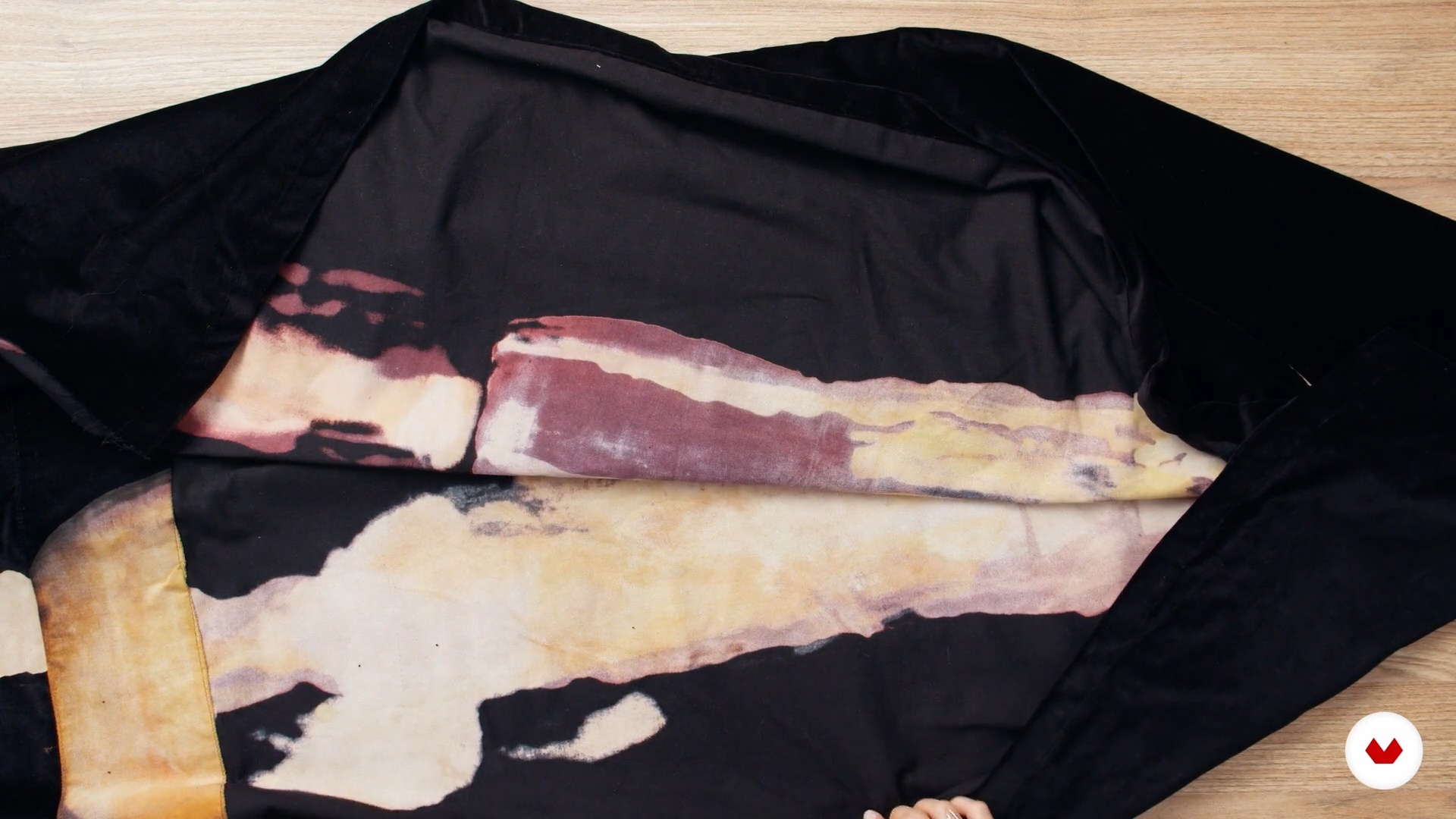
What Is Corrosion
2 minutes, 48 seconds
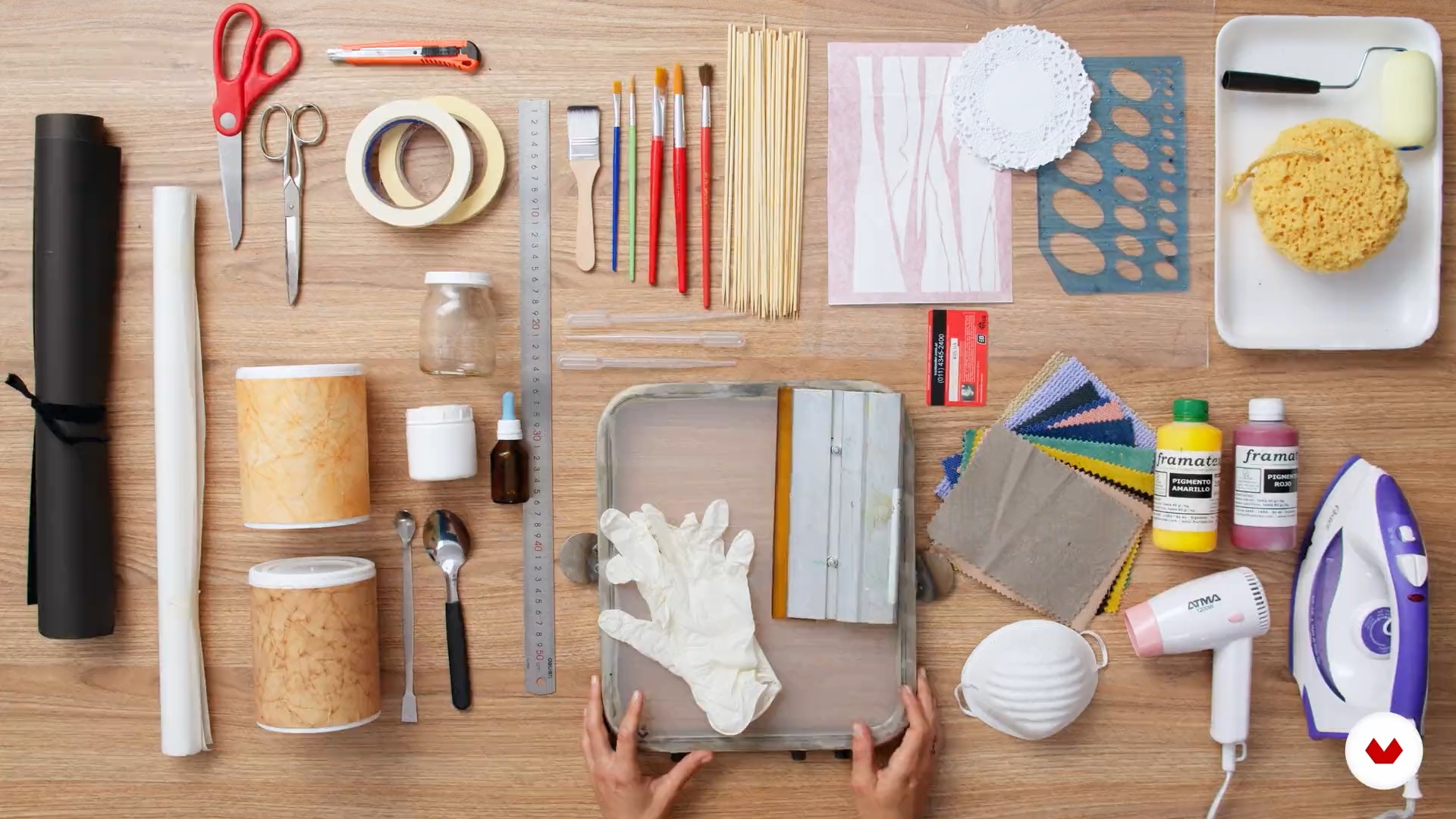
Materials
4 minutes, 33 seconds
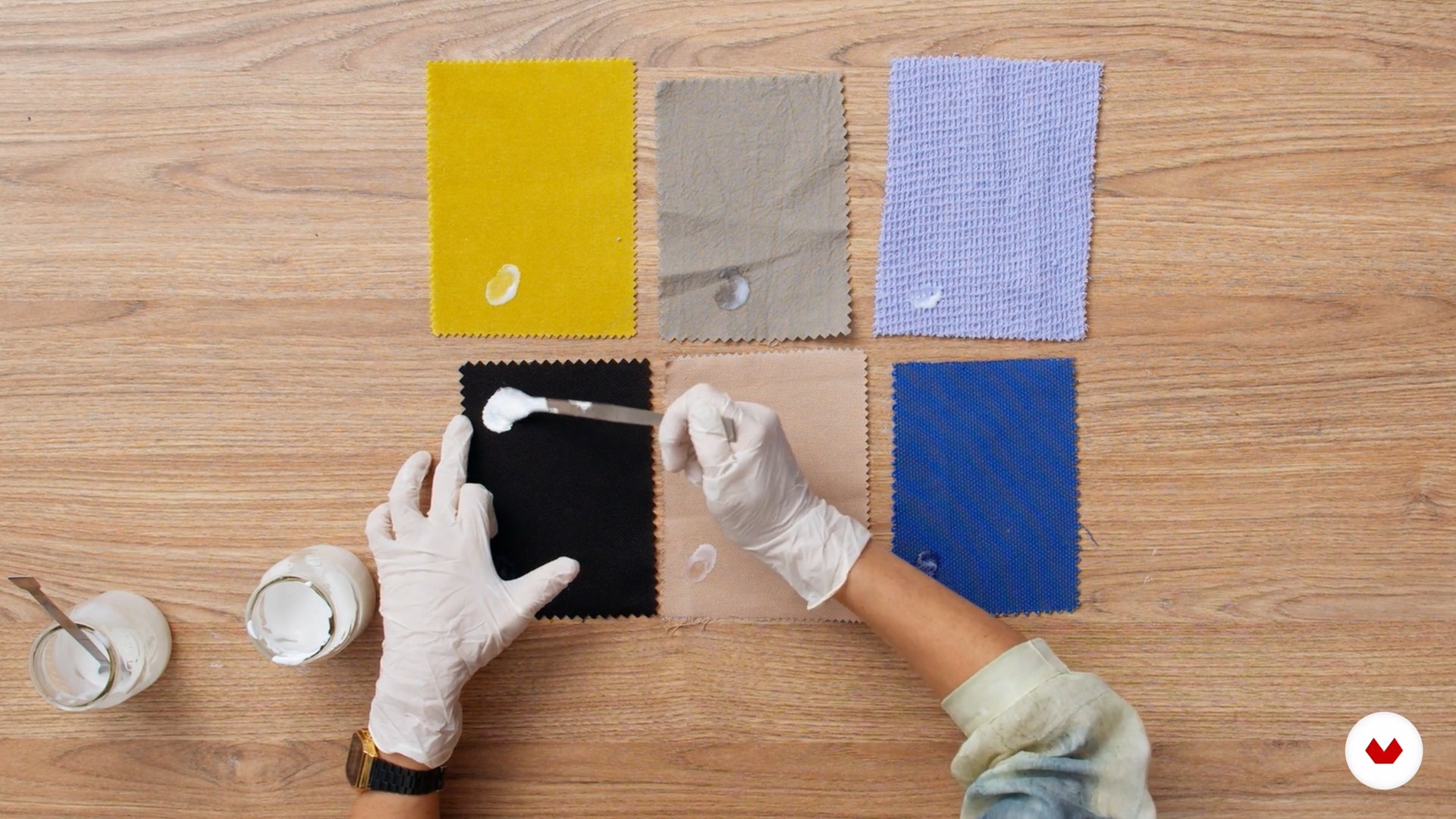
Fabrics
15 minutes, 8 seconds
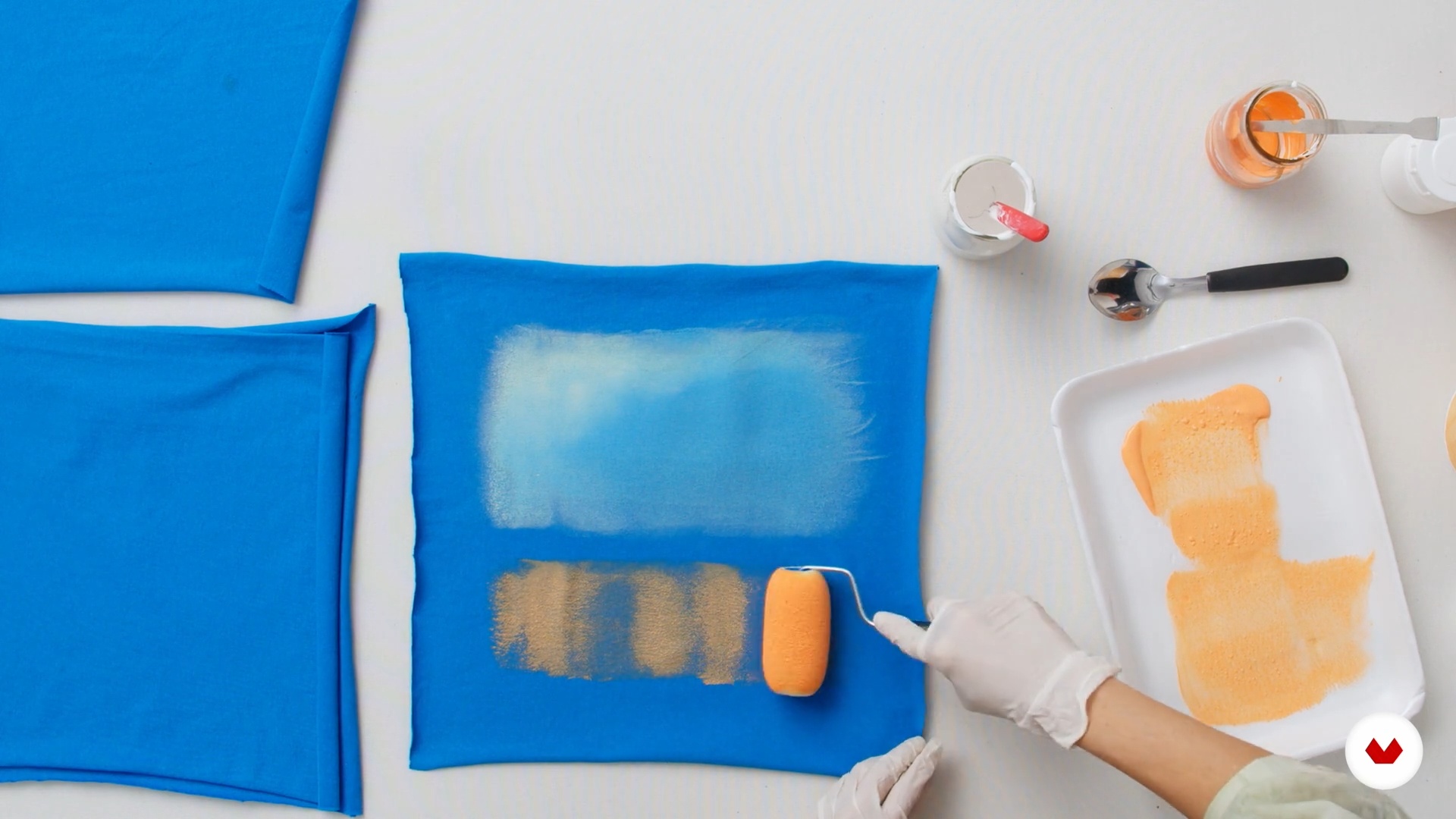
Roller Expressionism
14 minutes, 10 seconds
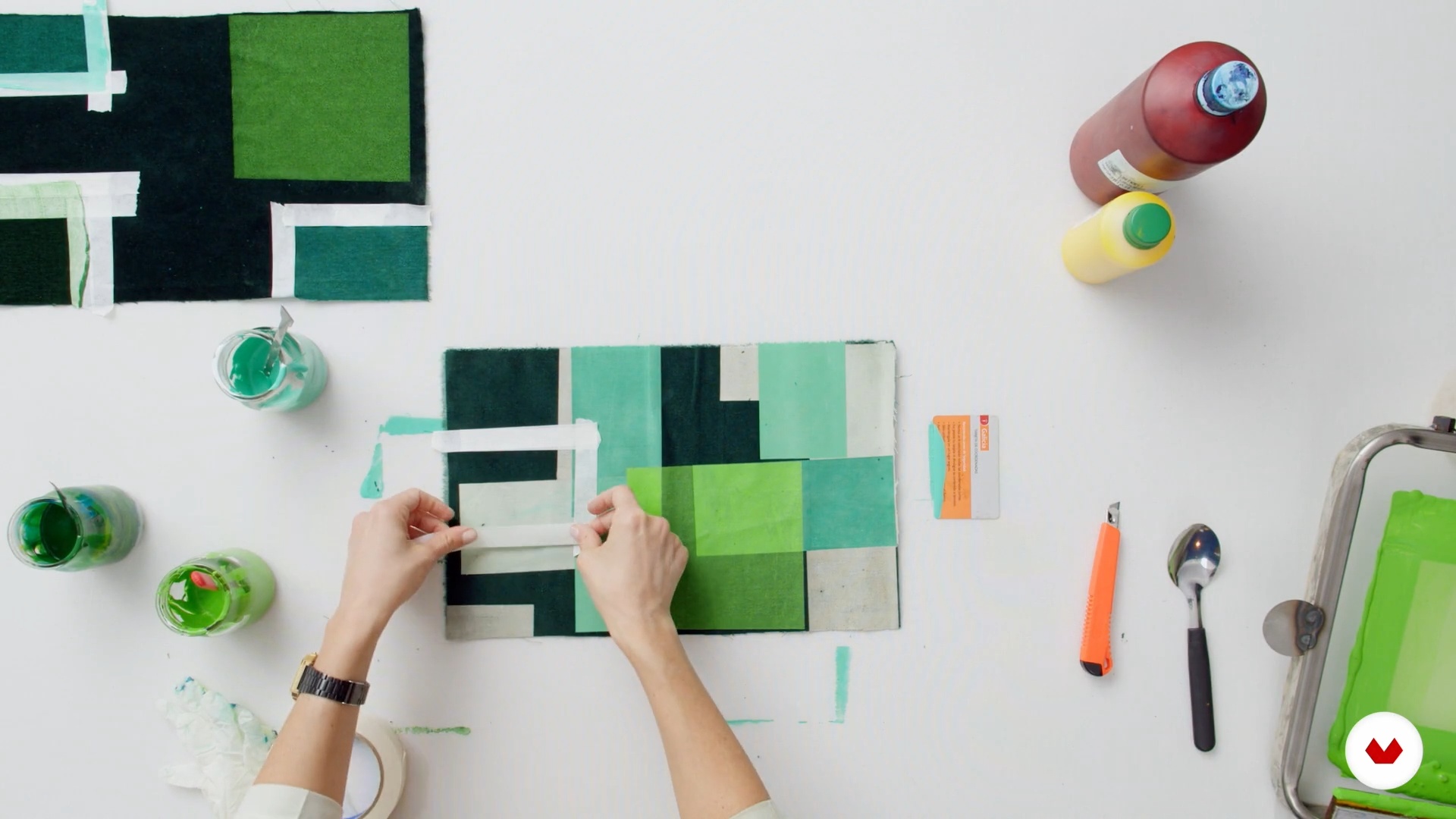
Soft Geometries with the Use of Paper Tapes
18 minutes, 55 seconds
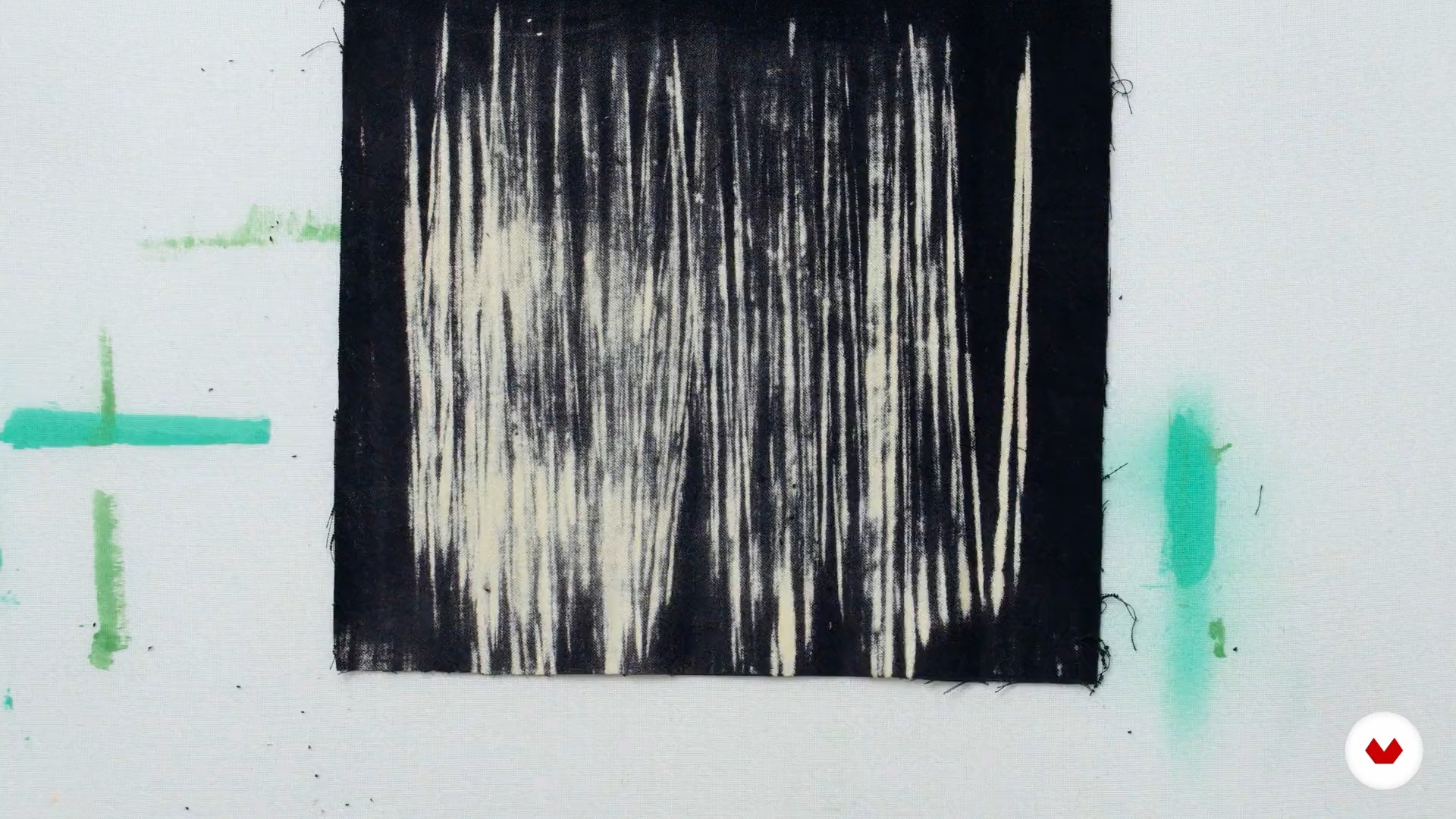
Frottage
7 minutes, 58 seconds
What's included in this course?
To start the course, Micaela Suide shares a little more about her professional background and the journey that eventually led to her founding her own brand, AGAVE. She also talks about what inspires her and some of her influences based on travel and culture from around the world.
Next, learn about the discharge printing technique, how to make up the base, and create a pattern using this exciting method. Have a look at the materials needed and the importance of choosing fabrics made from natural fibers such as cotton or linen.
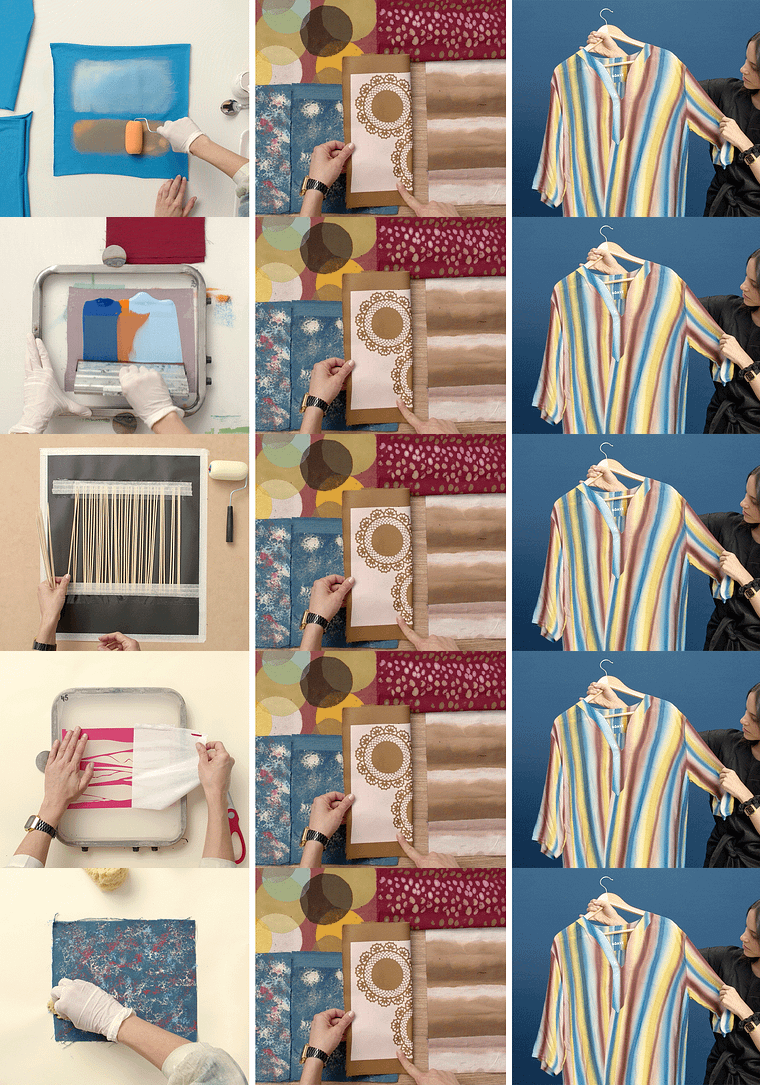
Get stuck into various discharge printing exercises emulating techniques developed by different artists like Rothko, Sonia Delaunay, and Max Ernst. Using this process as your guide, start to gradually generate your own sampler.
Continue exploring some discharge printing inspired by the work of Lee Ufan, Matisse, and Pollock. Lastly, Micaela teaches you how to apply the techniques on different garments and explains how to take proper care of your creation.
What is this course's project?
Create a textile print sampler using the discharge printing technique.
Who is this online course for?
Anyone who wants to explore the world of textile printing.
Requirements and materials
No prior knowledge is needed to take this course.
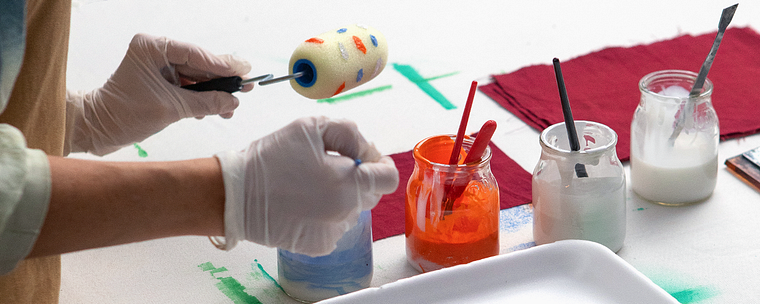
As for materials, you need fabrics made from natural fibers with discharge color, base, and powder, pigments, a heat gun (dryer or iron), silicone transfer paper, a mask, and gloves.
Reviews
- 2 months ago
me gusta el empezar del curso, porque ya solo con sus influencias te inspiran a viajar, a probar, a querer saber y hacer. me gusta mucho el curso
- 9 months ago
Explica muy bien y es una técnica original
- 1 year ago
Un curso muy bello ,explicaciones súper claras ..Y lo mejor es que es posible de realizar ,ya que todos los materiales se consiguen ,no son tan honerosos y te abre puertas a la investigación y el entretenimiento para pensar un vestuario agradable
- anadon_veaPLUS1 year ago
Muy interesante, muy bien explicado
- 1 year ago
Me encantó el curso; Mica explica muy bien, muy generosa con todo lo que comparte!! Lo super recomiendo

They currently collaborate with publishers, furniture designers, architects, and local fashion stores. They sell their products in countries throughout Latin America, the United States, Denmark, and Australia. AGAVE has a strong social commitment through their teaching work and environmentally responsible approach.
Content
- U1
Introduction
- Presentation
- Influences
- U2
First Steps
- What Is Corrosion
- Materials
- Fabrics
- U3
The Basics of the Sample
- Roller Expressionism
- Soft Geometries with the Use of Paper Tapes
- Frottage
- U4
The Sample Book: Three Techniques
- Degradés or Broken Inkwell
- Stencils with Figures
- Fluff Up
- Final Sample and Applications
- FP
Final project
- Discharge Printing Techniques for Textiles
What to expect from a Domestika course
Learn at your own pace
Enjoy learning from home without a set schedule and with an easy-to-follow method. You set your own pace.
Learn from the best professionals
Learn valuable methods and techniques explained by top experts in the creative sector.
Meet expert teachers
Each expert teaches what they do best, with clear guidelines, true passion, and professional insight in every lesson.
Certificates
PLUSIf you're a Plus member, get a custom certificate signed by your teacher for every course. Share it on your portfolio, social media, or wherever you like.
Get front-row seats
Videos of the highest quality, so you don't miss a single detail. With unlimited access, you can watch them as many times as you need to perfect your technique.
Share knowledge and ideas
Ask questions, request feedback, or offer solutions. Share your learning experience with other students in the community who are as passionate about creativity as you are.
Connect with a global creative community
The community is home to millions of people from around the world who are curious and passionate about exploring and expressing their creativity.
Watch professionally produced courses
Domestika curates its teacher roster and produces every course in-house to ensure a high-quality online learning experience.
FAQs
Textile corrosion is a technique that uses chemicals to selectively remove color from dyed fabrics, creating unique patterns and textures. It’s perfect for anyone looking to innovate in both traditional and contemporary textile design.
The course is aimed at people with basic textile knowledge, ideal for intermediate level or those who have already experimented with printing or dyeing techniques.
You’ll need dyed natural fabrics (preferably cotton), chemical corrosion bases, pigments, silicone paper, a mask, gloves, and tools like rollers, brushes, or stencils.
You’ll learn how to prepare chemical bases, choose fabrics, apply corrosion techniques, experiment with textures and colors, and create a sample book documenting your process and results.
Corrosion is applied to dyed cotton using chemical bases and tools like rollers or brushes to remove color in specific areas, creating custom designs.
The course covers techniques such as block printing, shibori, frottage, stencil use, and mixing soft and white bases to produce varied textile effects.
Yes, as long as you wear gloves, a mask, and work in a well-ventilated space. Safe handling of chemicals is taught throughout the process.