Introduction to Visual Anthropology
A course by Franklin LopesVisual Anthropologist
A course by Franklin Lopes, Visual Anthropologist

Learn to use field work and images to interpret behaviors, understand others, and get a better sense of the world
¨Visual anthropology analyzes what the way of dressing or decorating the house communicates who a person is or what a culture is like.¨, says visual anthropologist Franklin Lopes. For him, this discipline not only helps companies understand consumption patterns, but also takes a new look at already known subjects, awakening our creativity and giving new meaning to what we see. Franklin has already carried out research using visual anthropology methods for clients such as Itaú Cultural, Natura, Unilever and UNICEF.
In this online course, Franklin will teach the basic concepts and tools of visual anthropology, such as fieldwork, observation, photography, video, text, and audio. These are ways of interpreting and representing codes and symbols that govern everyday life. Explore the images as documents and discover a different way of understanding and being in the world!
What will you learn in this online course?
15 lessons & 7 downloads

What is visual anthropology?
7 minutes, 57 seconds
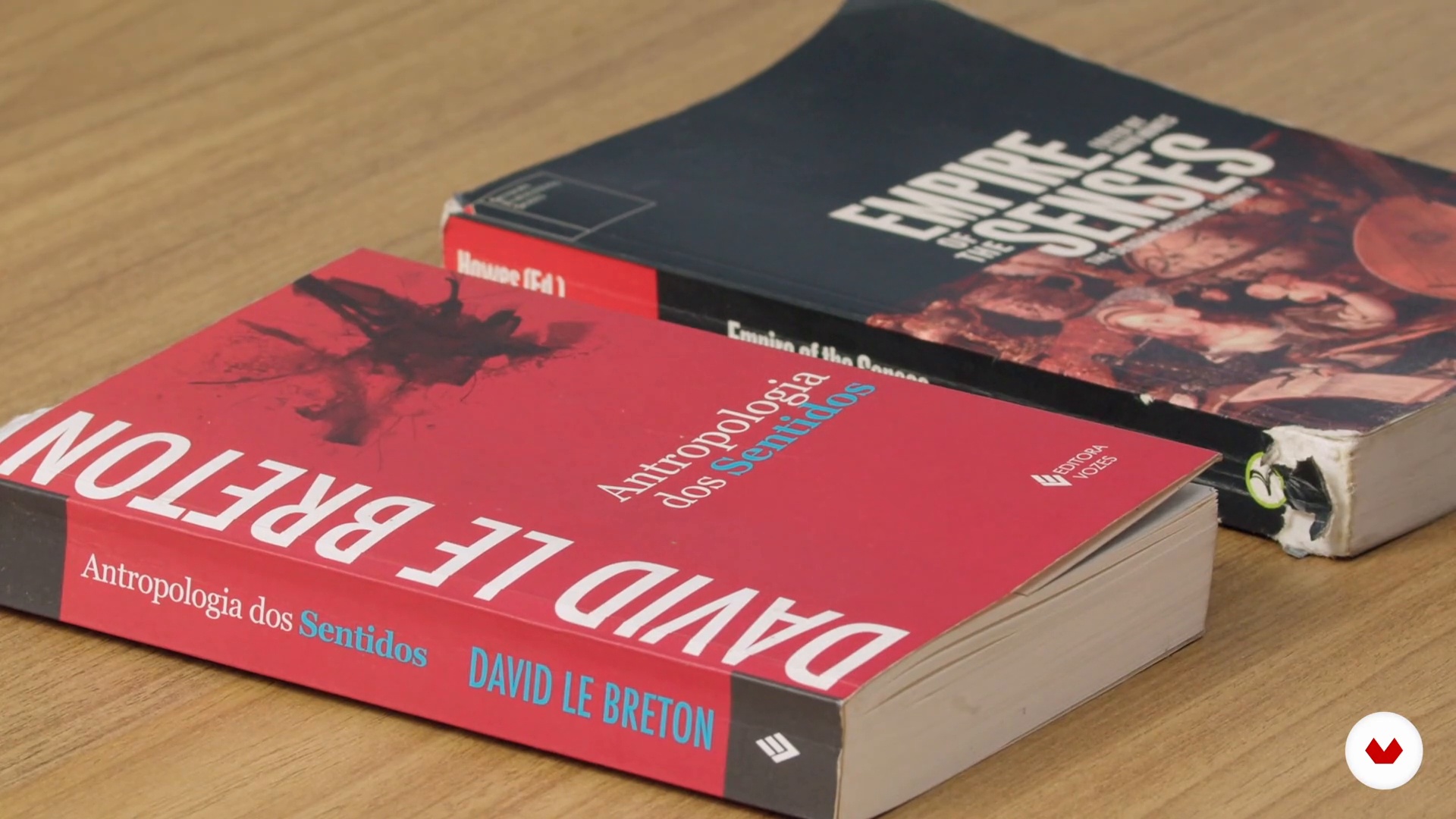
Visual anthropology as a sensory experience
12 minutes, 6 seconds
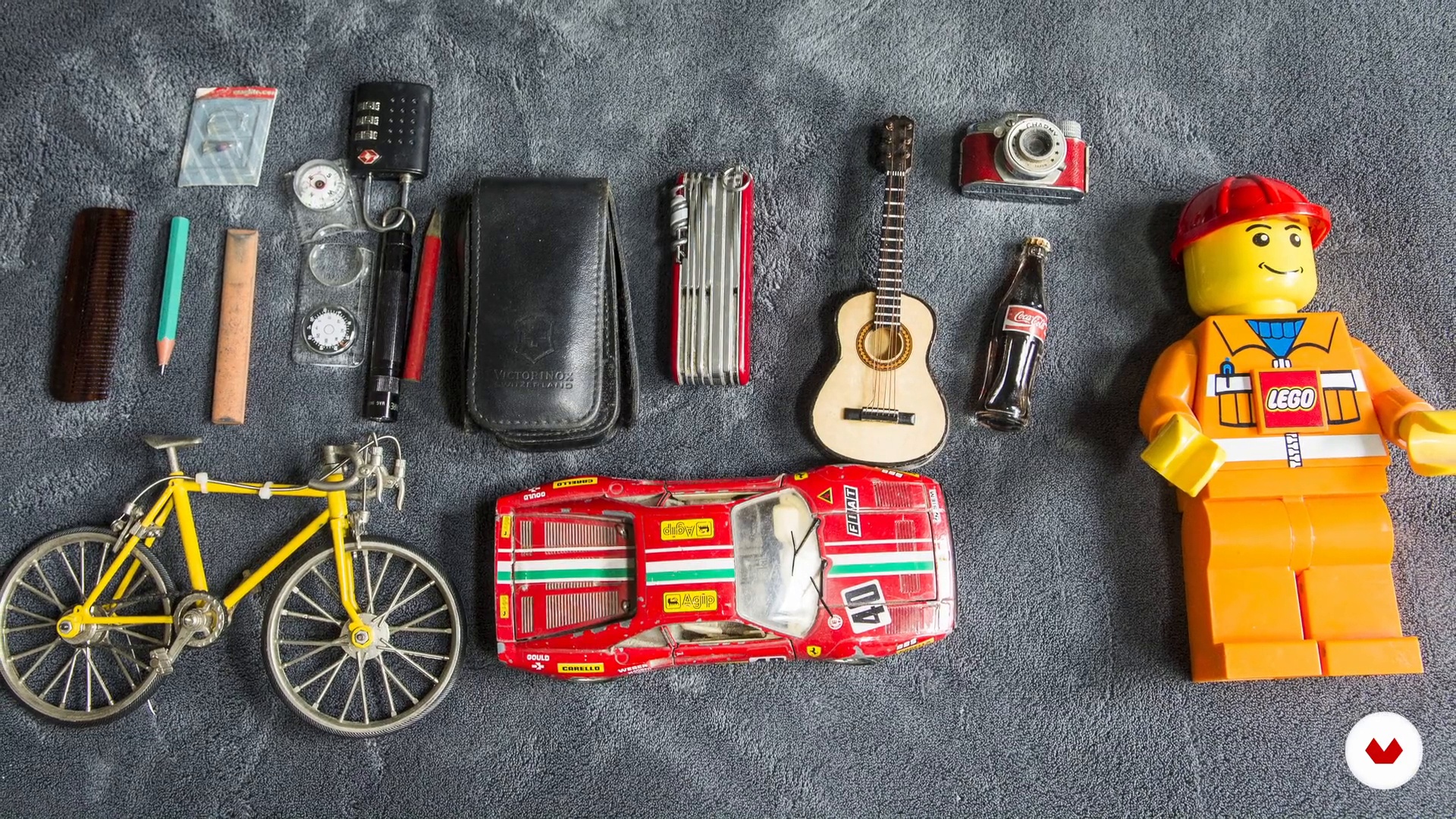
Material Culture
13 minutes, 44 seconds
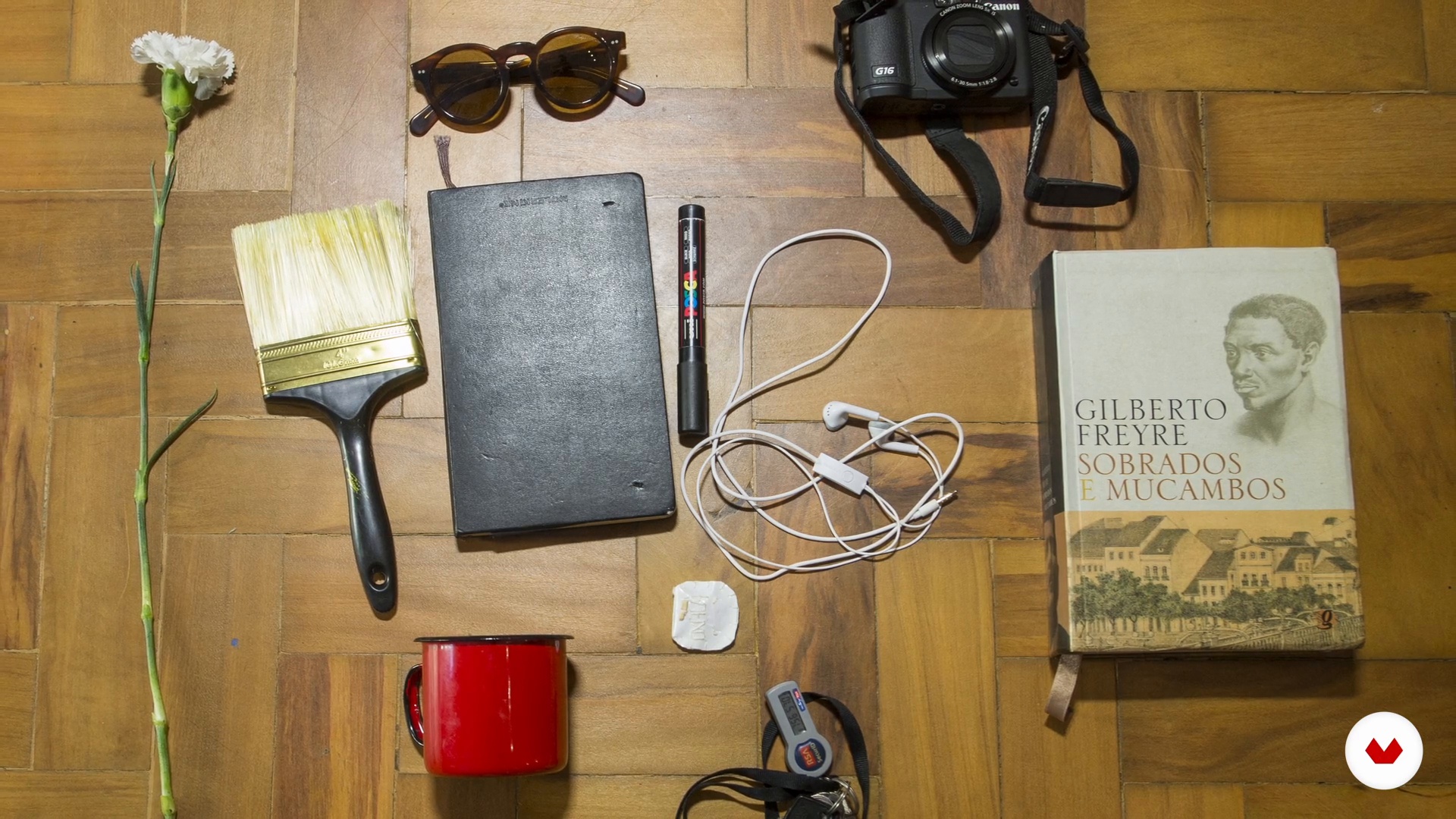
The Role of the Image
14 minutes, 14 seconds
Research Planning 1
12 minutes, 9 seconds
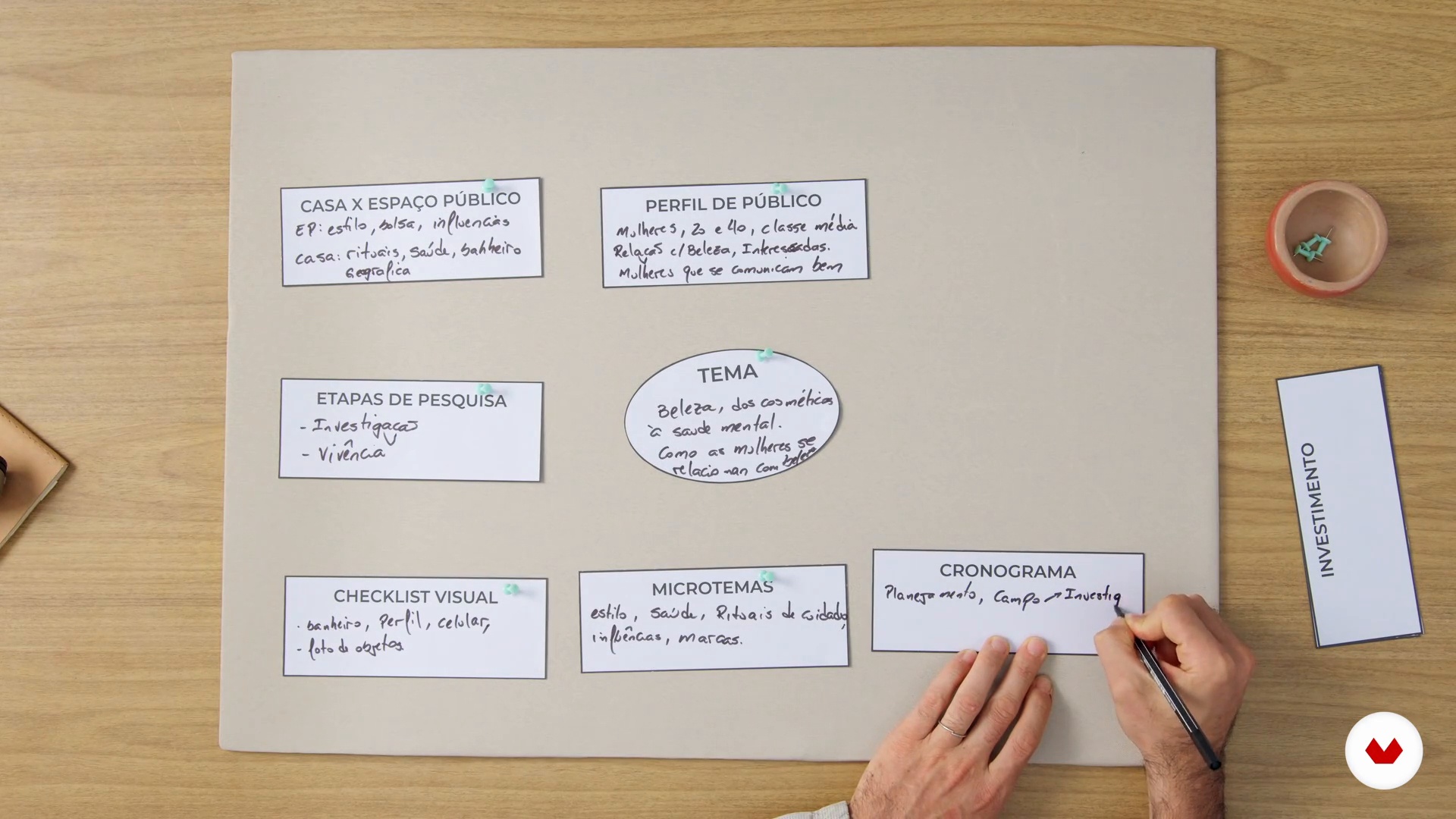
Research Planning 2
20 minutes, 59 seconds
What's included in this course?
To begin with, Franklin Lopes will talk about his education, professional career and the autobiographical nature of his research. He will also talk about his great inspiration: everyday life, the most ordinary and commonplace. In addition, he will present his references, ranging from sociologists to film directors and photographers.
Later, the teacher will explain what it is, what it is for and what are the main applications of visual anthropology. It will also show the importance and limitations of the sense of sight for this discipline and will address ways to decondition your gaze.
From there, you will understand the role of objects in the construction of identity and the difference between materiality and materialism. In addition, Franklin will teach you how to understand and use images as documents.
It's time to start your project! The first step will be to choose a theme, define objectives and develop a planning for the research. Franklin will explain how to perform these processes and discuss some essential precautions.
With all this in mind, you'll learn how to go out into the field and insert your camera into every conversation and situation. After this outing, Franklin will show you how to analyze all the collected material to extract good stories and build a powerful and engaging report.
Finally, Franklin will talk about choosing a camera for the investigation and offer tips and suggestions for approaching people.
What is this course's project?
You will carry out a visual anthropology research, from the definition of the theme to the final report.

Projects by course students


Who is this online course for?
To anyone who wants to learn another way of understanding the world around them.
Requirements and materials
No prior knowledge is required. You will only need a notepad, an audio recorder and a camera, which can be your cell phone.

Reviews
- 5 months ago
Eccellenteeee
- 6 months ago
Usei o curso para me preparar para o TCC de uma especialização. Muito bom, certamente vou revisitar com frequência.
- mopereiraPLUS6 months ago
AMEI O CURSO!
- 8 months ago
Curso incrível, me fez repensar o uso da imagem no cotidiano e como ferramenta de pesquisa e criatividade. Aprendi mais sobre o fascinante mundo da antropologia visual: "ler o mundo sem palavras". Recomendo!
- 10 months ago
I purchased this course to learn about aspects to consider in storytelling. I am yet to properly dig into it, but could see potential for cross inspiration.

His investigations help from companies to understand consumption patterns to professionals to leverage their creativity. He has worked with clients such as Itaú Cultural, Natura, Unilever, Coty, UNICEF, Reserva, among others. Additionally, Franklin is a founding partner and director of research at Zodíaco Cultural Strategy.
Content
- U1
Systematizing a Way of Looking
- About Me
- Influences, References, and Inspirations
- U2
Basic Concepts of Visual Anthropology
- What is visual anthropology?
- Visual anthropology as a sensory experience
- Material Culture
- The Role of the Image
- U3
How to Do Visual Anthropology?
- The Choice of Theme
- Research Planning 1
- Research Planning 2
- Field Work 1
- Field Work 2
- Analysis of Results
- Development of a Report
- U4
How to Be a Distinguished Researcher?
- How to Choose the Ideal Camera?
- How to Strike up a Conversation with Strangers?
- FP
Final project
- Introduction to Visual Anthropology
What to expect from a Domestika course
Learn at your own pace
Enjoy learning from home without a set schedule and with an easy-to-follow method. You set your own pace.
Learn from the best professionals
Learn valuable methods and techniques explained by top experts in the creative sector.
Meet expert teachers
Each expert teaches what they do best, with clear guidelines, true passion, and professional insight in every lesson.
Certificates
PLUSIf you're a Plus member, get a custom certificate signed by your teacher for every course. Share it on your portfolio, social media, or wherever you like.
Get front-row seats
Videos of the highest quality, so you don't miss a single detail. With unlimited access, you can watch them as many times as you need to perfect your technique.
Share knowledge and ideas
Ask questions, request feedback, or offer solutions. Share your learning experience with other students in the community who are as passionate about creativity as you are.
Connect with a global creative community
The community is home to millions of people from around the world who are curious and passionate about exploring and expressing their creativity.
Watch professionally produced courses
Domestika curates its teacher roster and produces every course in-house to ensure a high-quality online learning experience.
FAQs
Visual anthropology studies cultures through images like photos and videos to understand behaviors, identities, and everyday experiences. It helps broaden our perspective of the world and interpret relationships between people, objects, and environments.
The course is intermediate level, perfect for those with some background in humanities, photography, or qualitative research who want to deepen their skills and methods in visual anthropology.
There are no strict prerequisites, but having an interest in culture, photography, fashion, or qualitative research is recommended. Basic knowledge of photography and cultural analysis can make following the lessons easier.
You’ll learn to analyze images, objects, and environments, apply multisensory methods, develop original projects, conduct visual interviews, organize creative materials, and interpret cultural behaviors in urban and home settings.
You don’t need a professional camera. The course covers techniques that work with digital, analog, or even phone cameras, focusing more on critical observation and visual recording strategies.
Photography is used as a tool to document and analyze interactions, environments, and objects, helping build visual stories and understand cultural and social aspects of daily life.
The course explores methods that engage multiple senses—sight, hearing, touch—to observe and analyze environments and behaviors, enriching the understanding of cultural experiences.