Professional Lighting for Studio Photography
A course by Scott McDermottPhotographer
A course by Scott McDermott, Photographer

Learn the fundamentals of lighting by exploring a variety of sources and set-ups to take your photo shoots to the next level
**Photography is a mix of art and science: the mechanics of how an image is made serves the creative concept. **
Light is a powerful narrative tool that allows photographers to capture the essence of their subjects. Mastering the technical aspects of light is what allows award-winning photographer Scott McDermott to take captivating portraits of acclaimed Hollywood celebrities and athletes, as well as collaborate with clients like AT&T, Starbucks, HBO, and Nike.
In this online course, deepen your understanding of the fundamentals of light in photography. Learn how to use the mechanics of light in a photo shoot, and bring out the strong points of your subjects to create striking images. By the end of this course, you’ll have a new, versatile tool to add to your photography skill set.
What will you learn in this online course?
14 lessons & 12 downloads
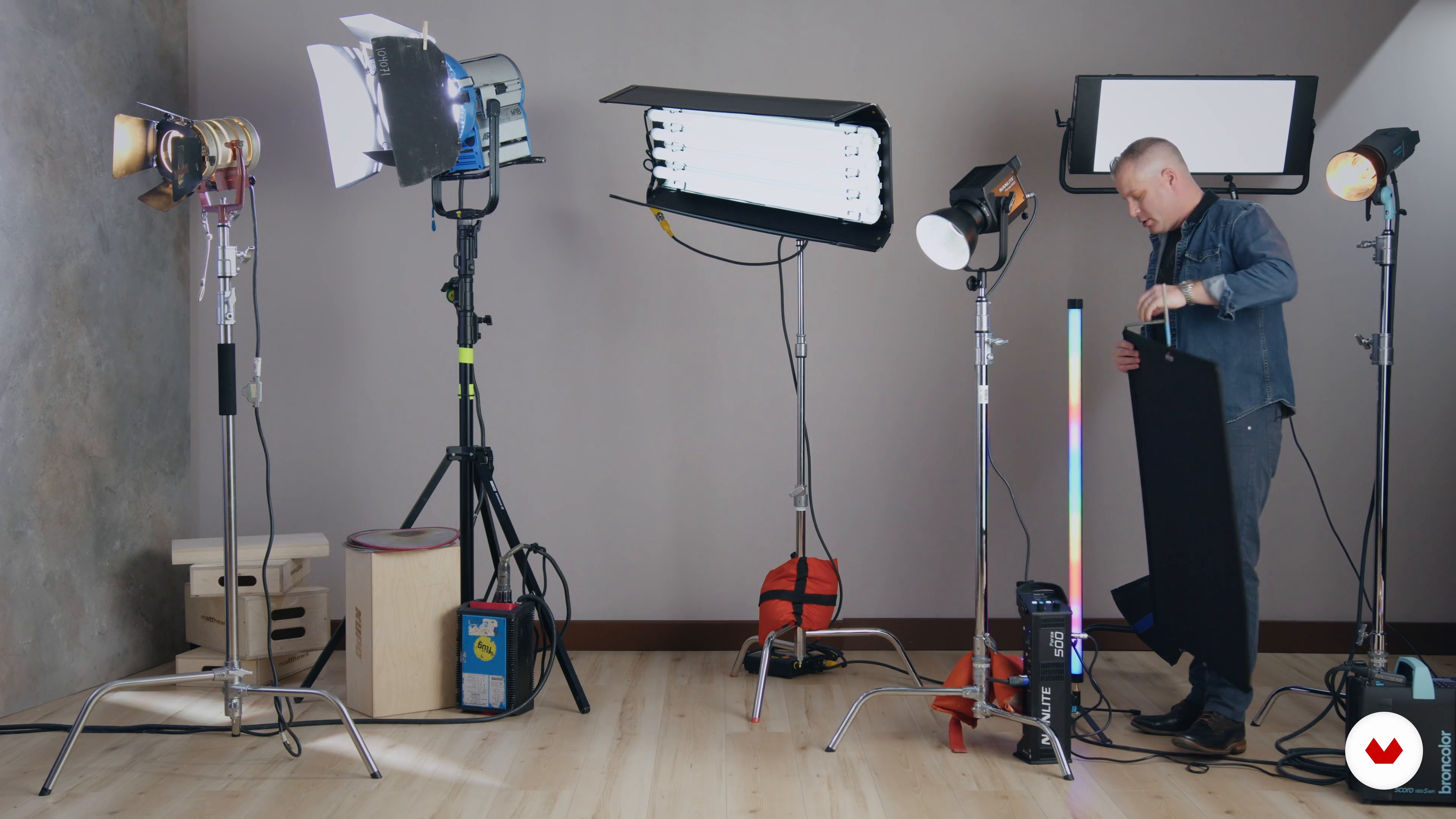
Types of Artificial Light
5 minutes, 21 seconds
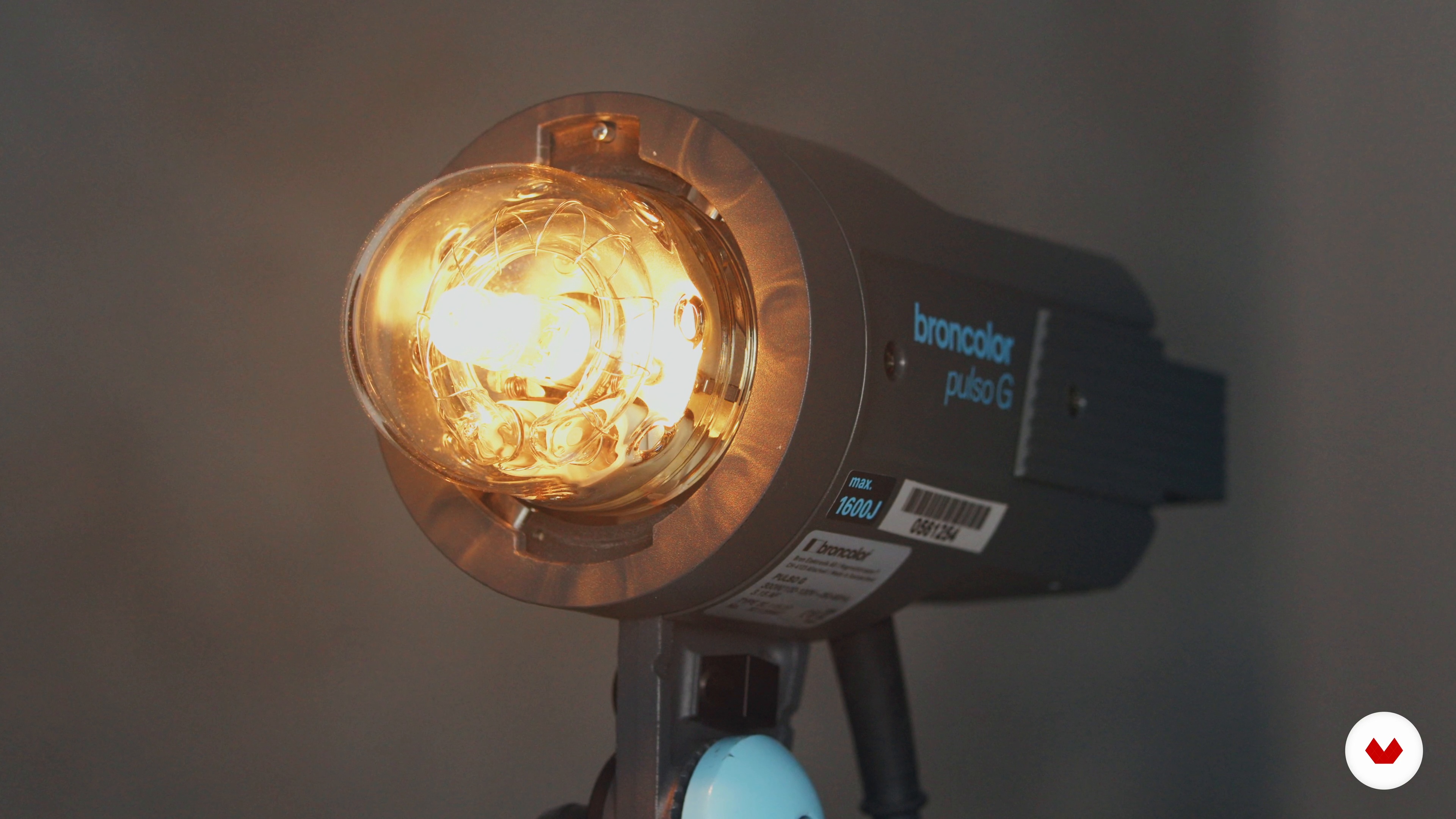
Working with Strobes
6 minutes, 4 seconds
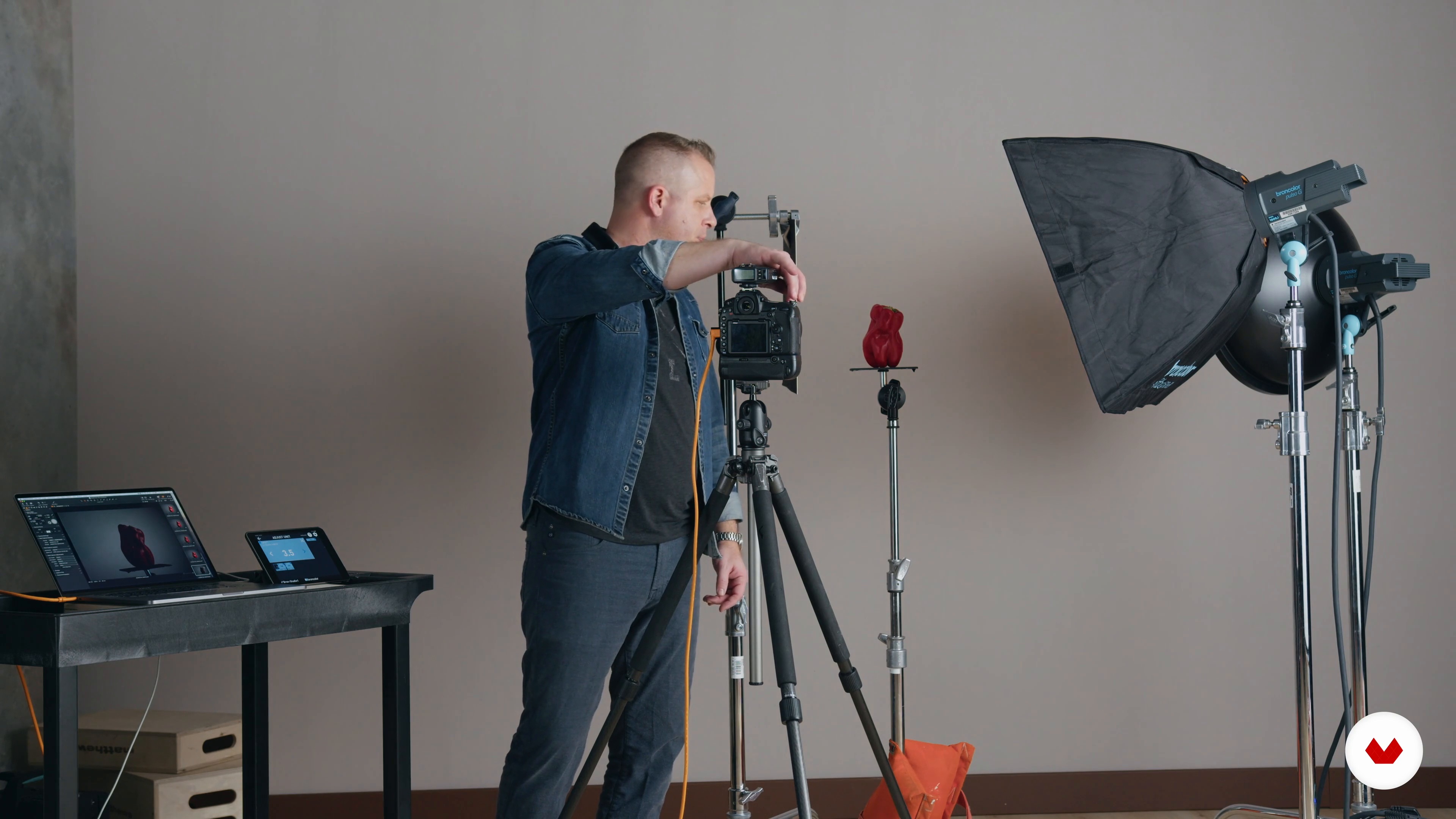
The Fundamentals in Action
8 minutes, 55 seconds
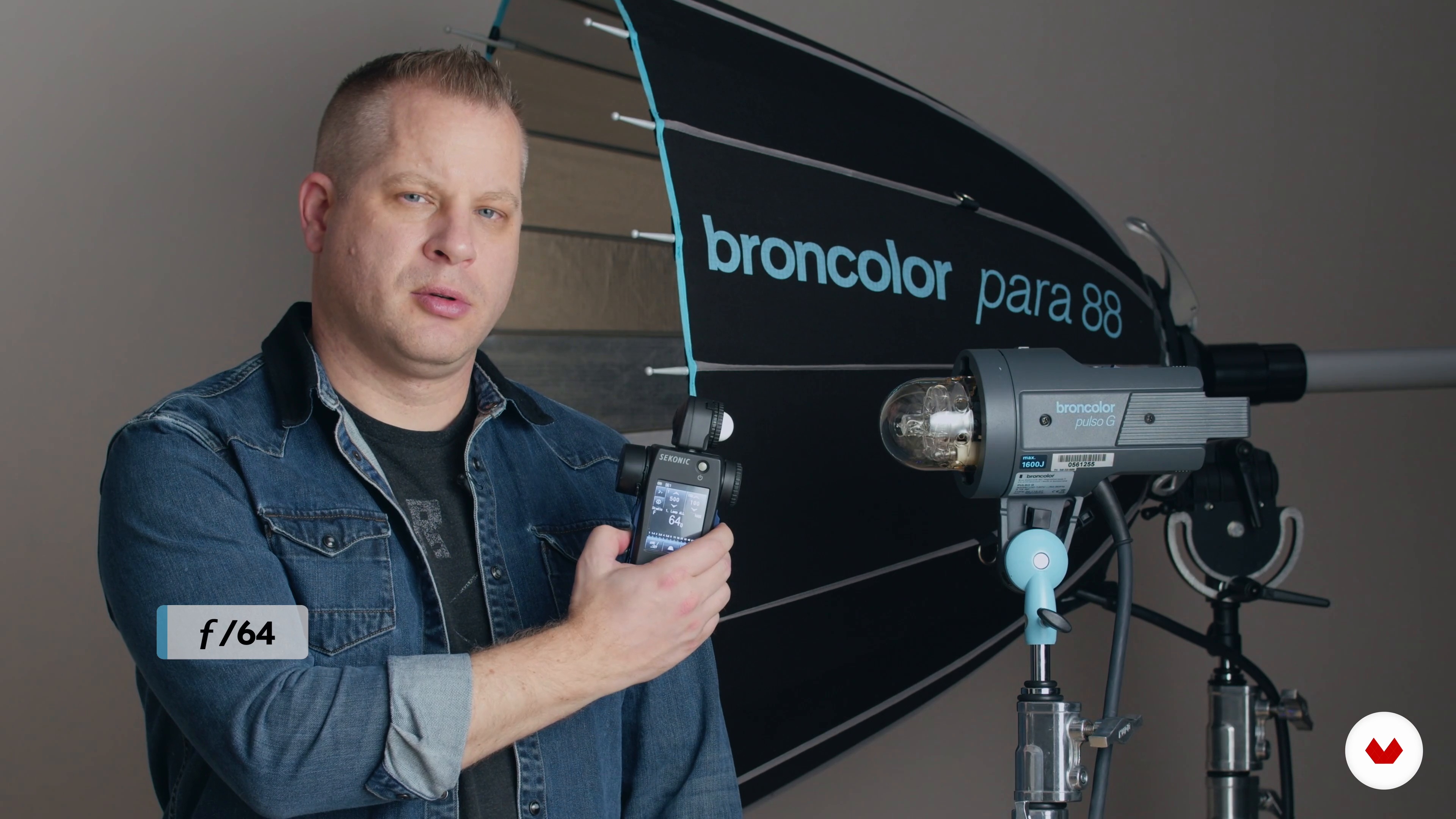
Exponential Fall Off from Omni Directional Transmitted Light
3 minutes, 37 seconds
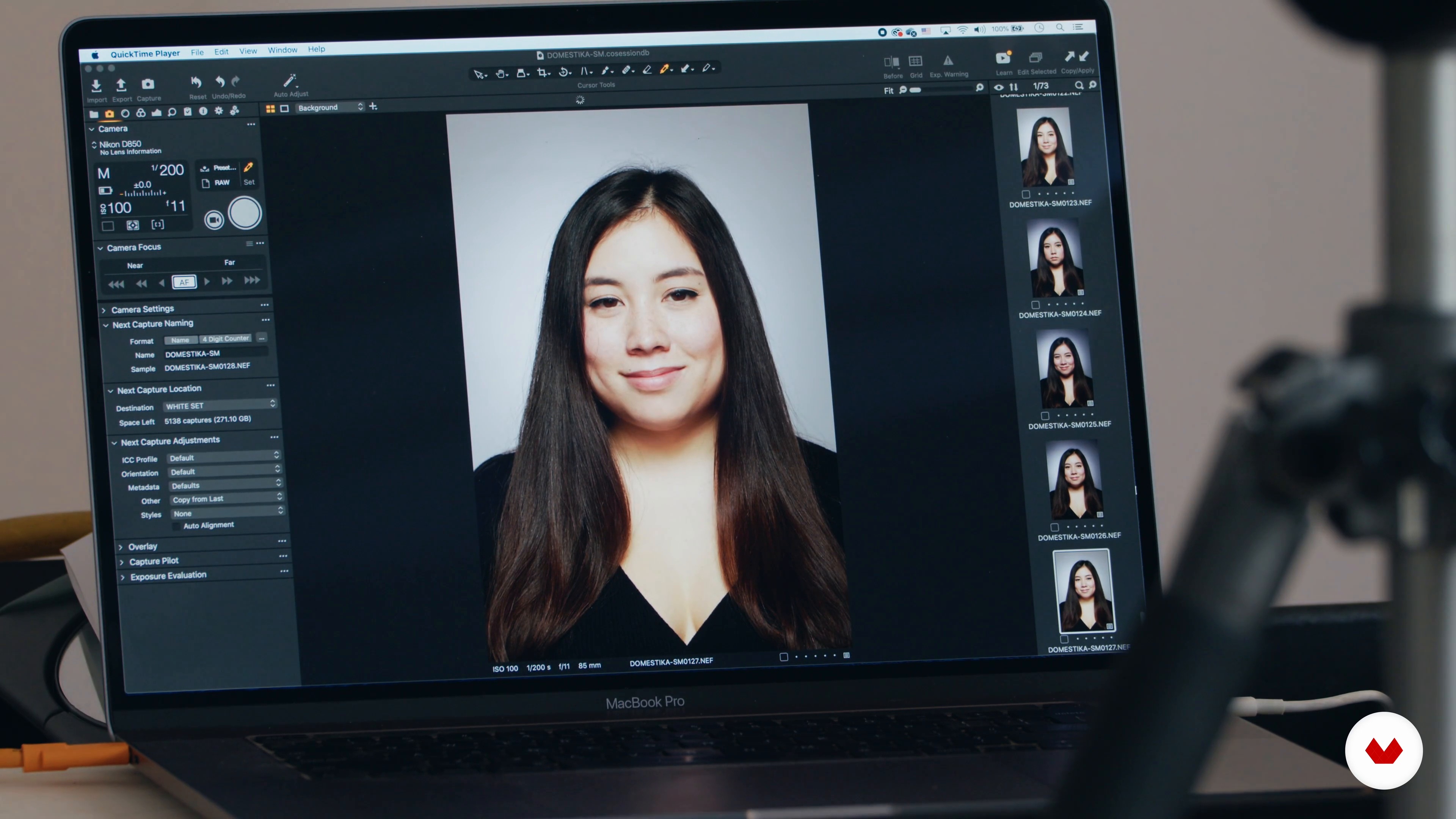
Common Lighting Setups for Portraits
8 minutes, 18 seconds
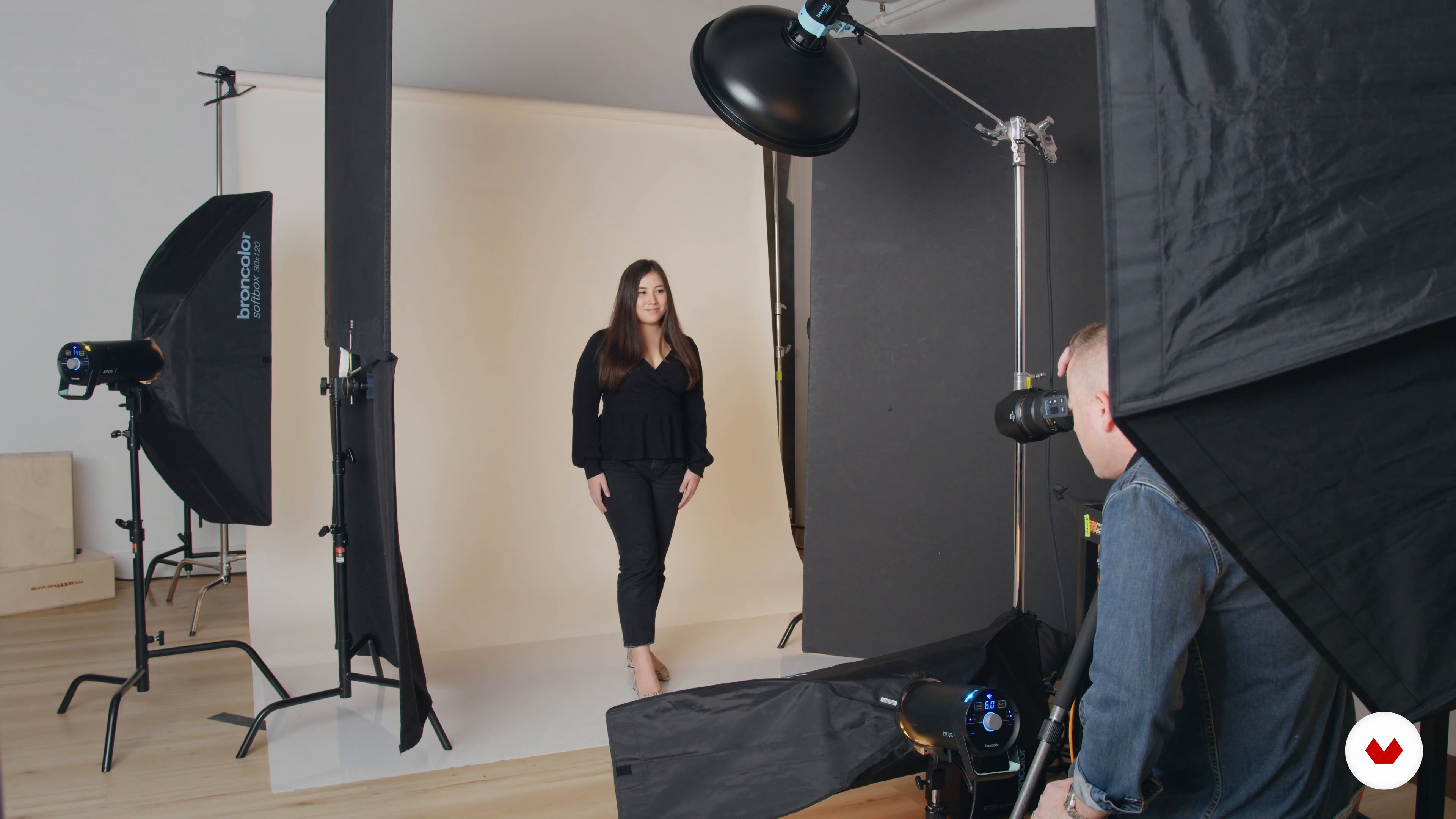
The White Background
4 minutes, 11 seconds
What's included in this course?
Meet Scott McDermott, an award-winning photographer, director, and your teacher for this course. He shares his creative journey, which first started as a nomadic traveler through the American West and Himalayas, which later inspired his now triumphant career in photography. Hear about his influences and sources of inspiration.
Get an overview of some basics, including the properties of light. Scott walks you through the most common lighting sources before concentrating on strobes, and some of the most used light modifiers.
Next, explore some practical exercises based on the principles covered throughout the course. Learn about** the inverse square law**, and explore the most common lighting setups for portraits. Then see how to set up a white background effectively.
Scott shares with you some of his own pictures as case studies to learn about specific techniques like** the ring flash, mixing strobe and continuous light, and shooting for composite. **To wrap up the course, Scott gives his advice on developing your personal artistic style.
Recommended software & tools for this course
What is this course's project?
Carry out a portrait photo shoot using a variety of professional lighting techniques used throughout the course.
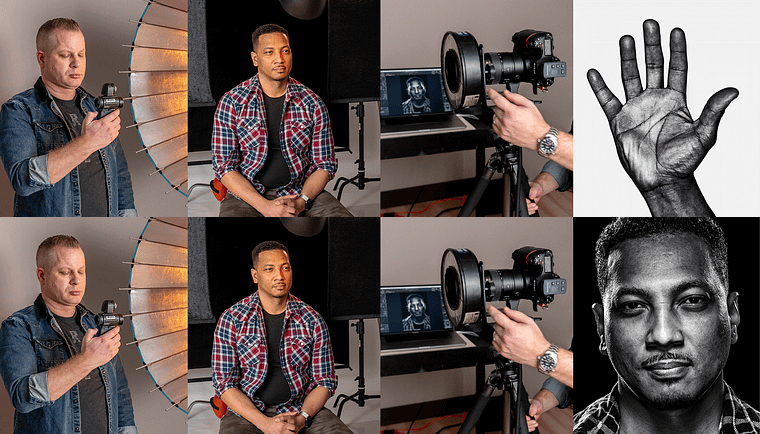
Projects by course students


Who is this online course for?
This course is for photographers of all levels who want to improve their abilities by controlling and manipulating light sources.
Requirements and materials
Basic understanding of photography is helpful.
To take this course, you need lighting equipment, ideally a strobe, and a camera with a manual mode.
Reviews
- 13 days ago
incrivel
- 3 months ago
increíble curso
- avinash081182PLUS3 months ago
Very nice explanation
- 3 months ago
Very helpful course and k love it
- 3 months ago
"¡Excelente curso! El contenido está muy bien estructurado y las explicaciones del profesor son súper claras. Me encantó la parte de la Sesion de Scott para la fundacion Nelson Mandela, son tan inspiradoras; El proyecto final es muy motivador. ¡Totalmente recomendado!"

Along with his advertising work for global brands and major magazines, Scott has created several personal projects including his “Scar Stories” portrait series, the highly acclaimed "Mandela Day” project (capturing the hands and faces of many of those who support Nelson Mandela's message) and a series of portraits accompanying the film "Pop Culture" about the experience of fatherhood. His work has been shown at solo and group exhibits and is held in many collections internationally.
Content
- U1
Introduction
- About Me
- Influences
- U2
The Fundamentals of Light
- The Light: Basic Properties
- Types of Artificial Light
- Working with Strobes
- Common Light Modifiers
- U3
Basic Lighting Exercises
- The Fundamentals in Action
- Exponential Fall Off from Omni Directional Transmitted Light
- Common Lighting Setups for Portraits
- The White Background
- U4
Theory in Practice
- Ring Flash and the Mandela Day Lighting
- Mixing Strobe and Continuous Light
- Shooting for Composite
- Taste Level
- FP
Final project
- Professional Lighting for Studio Photography
What to expect from a Domestika course
Learn at your own pace
Enjoy learning from home without a set schedule and with an easy-to-follow method. You set your own pace.
Learn from the best professionals
Learn valuable methods and techniques explained by top experts in the creative sector.
Meet expert teachers
Each expert teaches what they do best, with clear guidelines, true passion, and professional insight in every lesson.
Certificates
PLUSIf you're a Plus member, get a custom certificate signed by your teacher for every course. Share it on your portfolio, social media, or wherever you like.
Get front-row seats
Videos of the highest quality, so you don't miss a single detail. With unlimited access, you can watch them as many times as you need to perfect your technique.
Share knowledge and ideas
Ask questions, request feedback, or offer solutions. Share your learning experience with other students in the community who are as passionate about creativity as you are.
Connect with a global creative community
The community is home to millions of people from around the world who are curious and passionate about exploring and expressing their creativity.
Watch professionally produced courses
Domestika curates its teacher roster and produces every course in-house to ensure a high-quality online learning experience.
FAQs
Yes, this course is designed for intermediate photographers who want to deepen their understanding of studio and artificial lighting techniques for portraits, products, and composites.
You’ll need access to basic studio lights (tungsten, LED, fluorescent, or strobe), common modifiers like softboxes and grids, and simple materials such as foam core or bounce boards. A camera and willingness to experiment are also recommended.
You’ll learn techniques for combining tungsten, HMI, fluorescent, LED, and strobe lights, as well as balancing color temperatures and controlling light ratios for professional-quality images.
Yes, the course covers Rembrandt, butterfly, clamshell, and cove lighting, demonstrating how to set up and modify each for different portrait effects.
Yes, while strobe lighting techniques are included, the course also covers continuous light sources like tungsten, HMI, LED, and fluorescent lights, with alternatives for each setup.
You’ll learn to use diffuse sources and specific modifiers to control reflections, minimize glare, and enhance texture when photographing shiny or highly reflective subjects.
Yes, the course includes step-by-step guidance on evenly lighting white backgrounds, creating silhouettes, and preventing light spill for both white and black background photography.