Basic Lighting for Audiovisual Projects
A course by Enrique SilgueroDirector of Photography
A course by Enrique Silguero, Director of Photography

Learn to use light as an emotions generator in your cinematic pieces
Simply put, a cinematographer brings a director's vision to life using light. It's their job to give a piece its desired aesthetic by mastering lights, shadows, color, and composition to establish a narrative and generate the emotion that the director wants to awaken in the viewer.
In this online course, learn basic cinematic lighting techniques with Enrique Silguero, director of photography with extensive experience in TV and film, advertising, and music videos. By the end of the course, you'll understand the work of a cinematographer and be ready to start creating incredible visual components for your audiovisual projects.
What will you learn in this online course?
14 lessons & 13 downloads
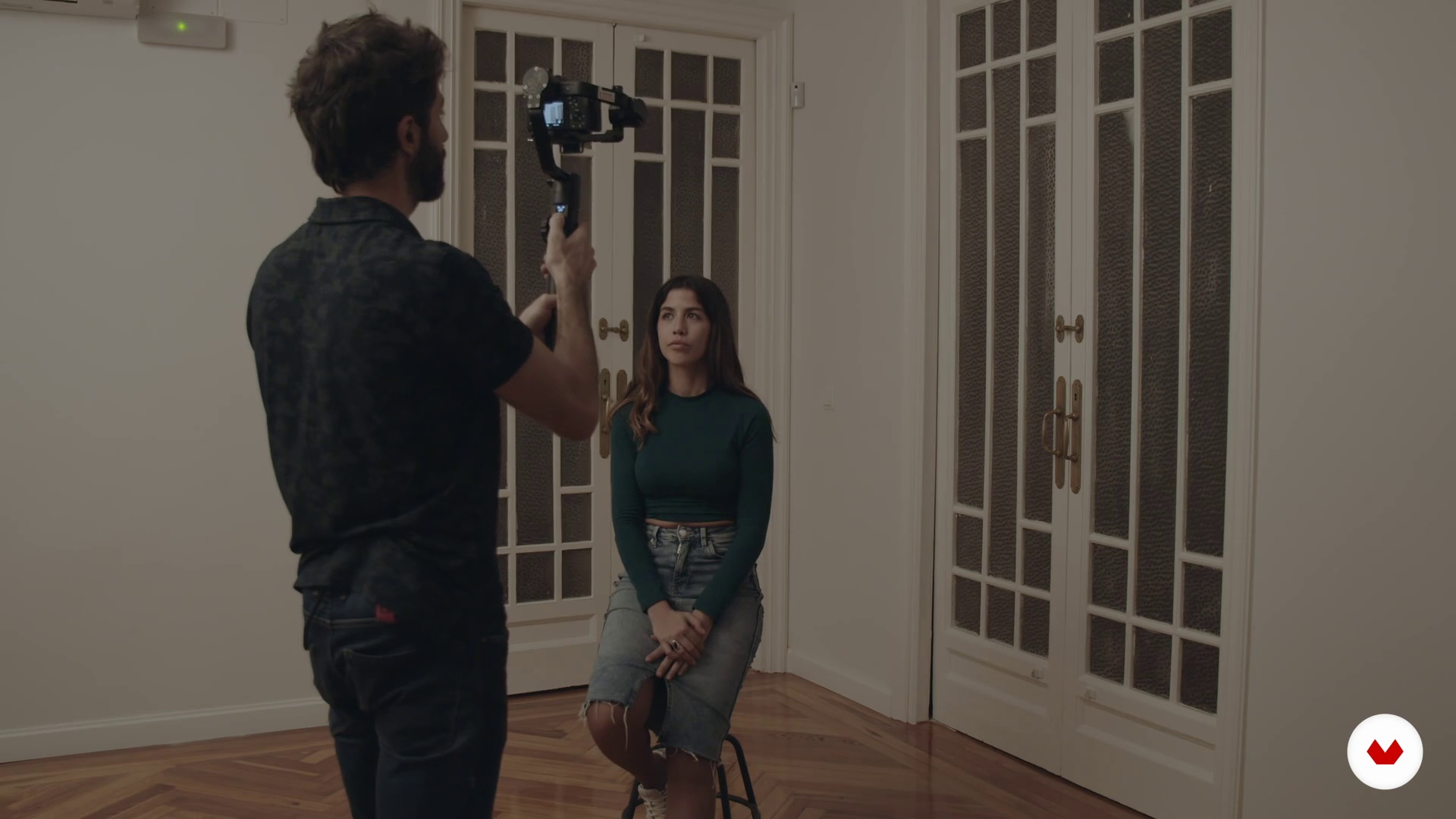
The narrative language of optics
17 minutes, 1 second
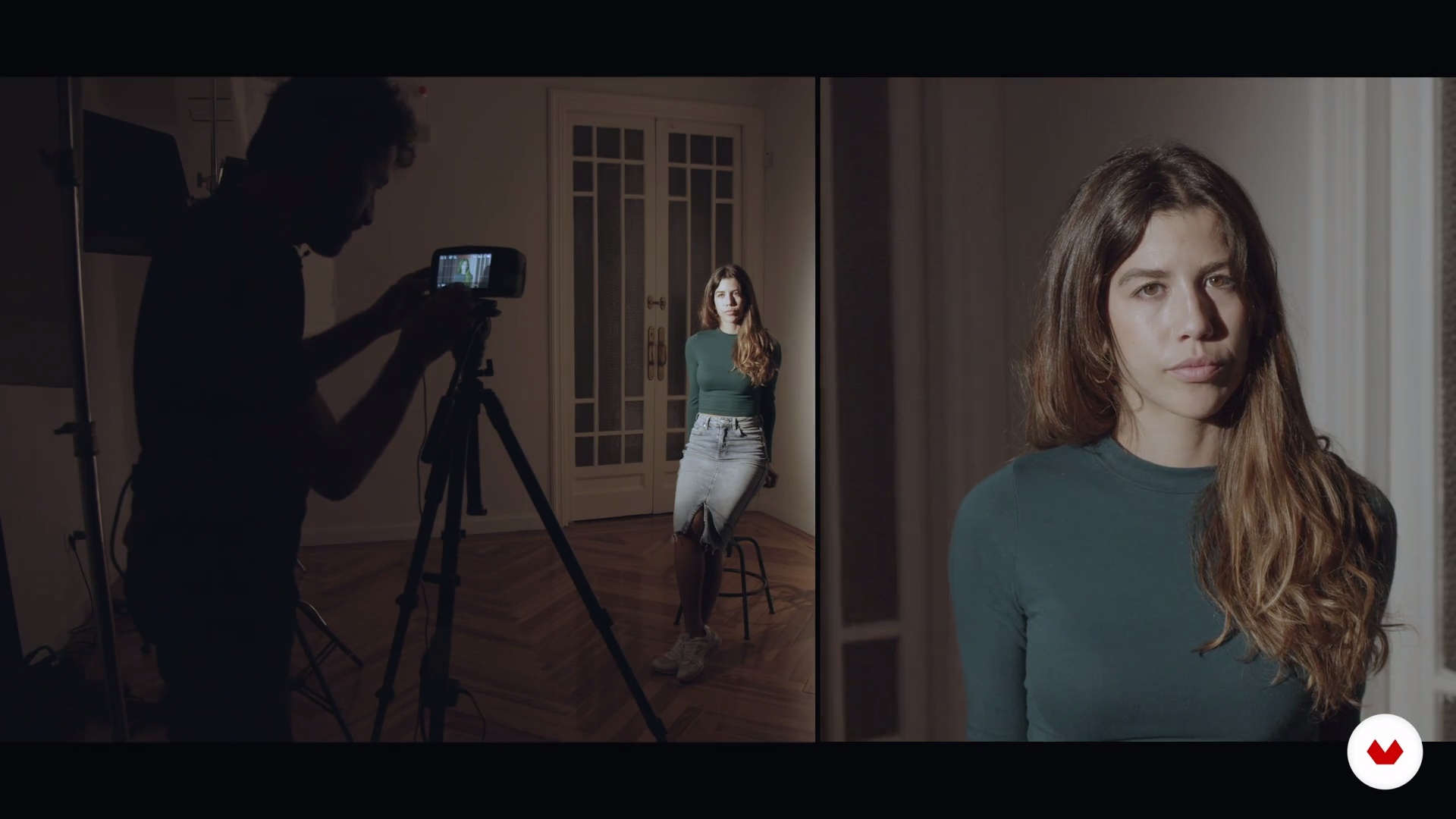
Light quality: Choosing the type of lights
17 minutes, 51 seconds
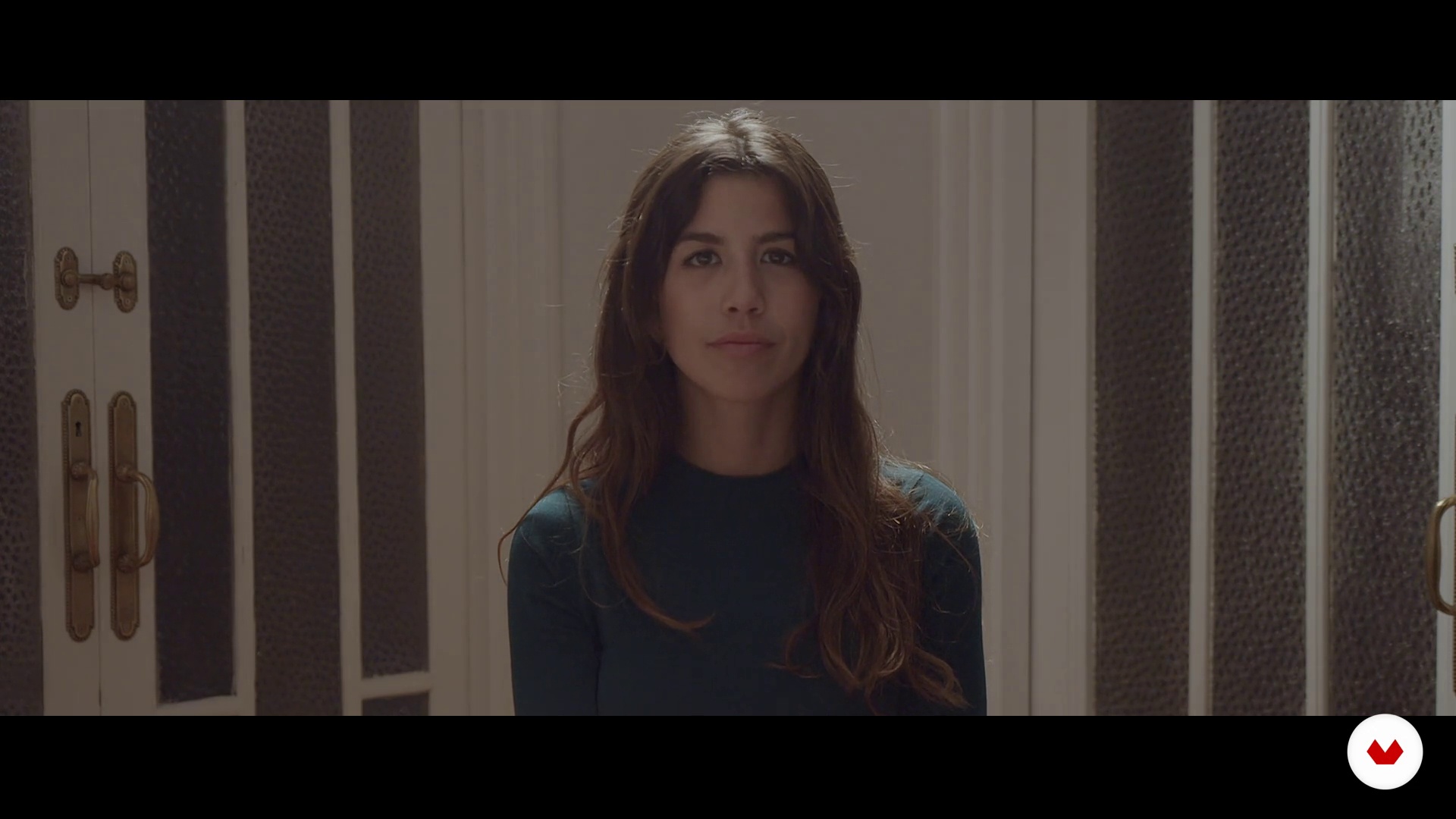
Direction of light: The expressive power of light.
14 minutes, 11 seconds
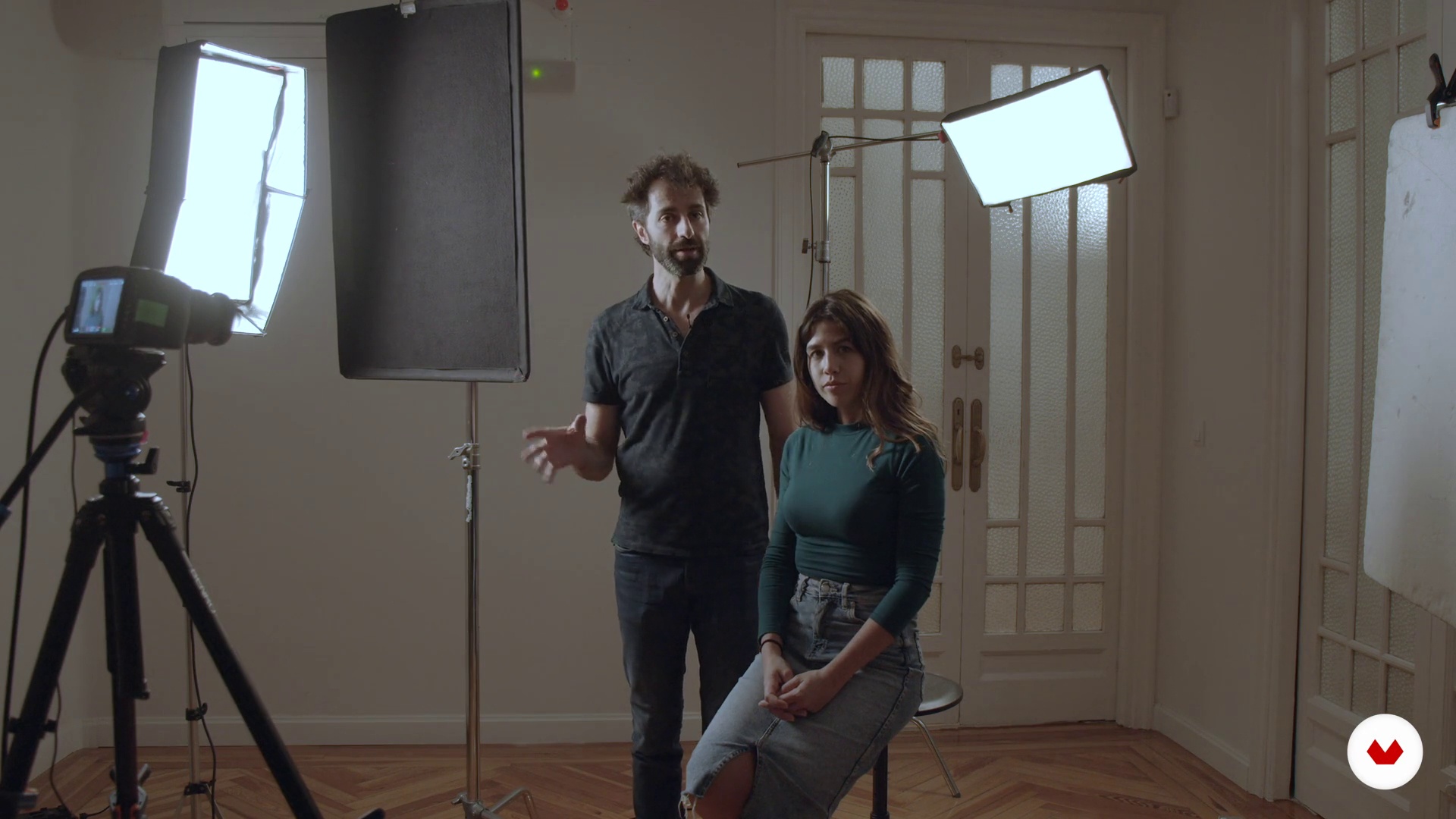
The classic lighting scheme with three lights and the use of color
10 minutes, 39 seconds
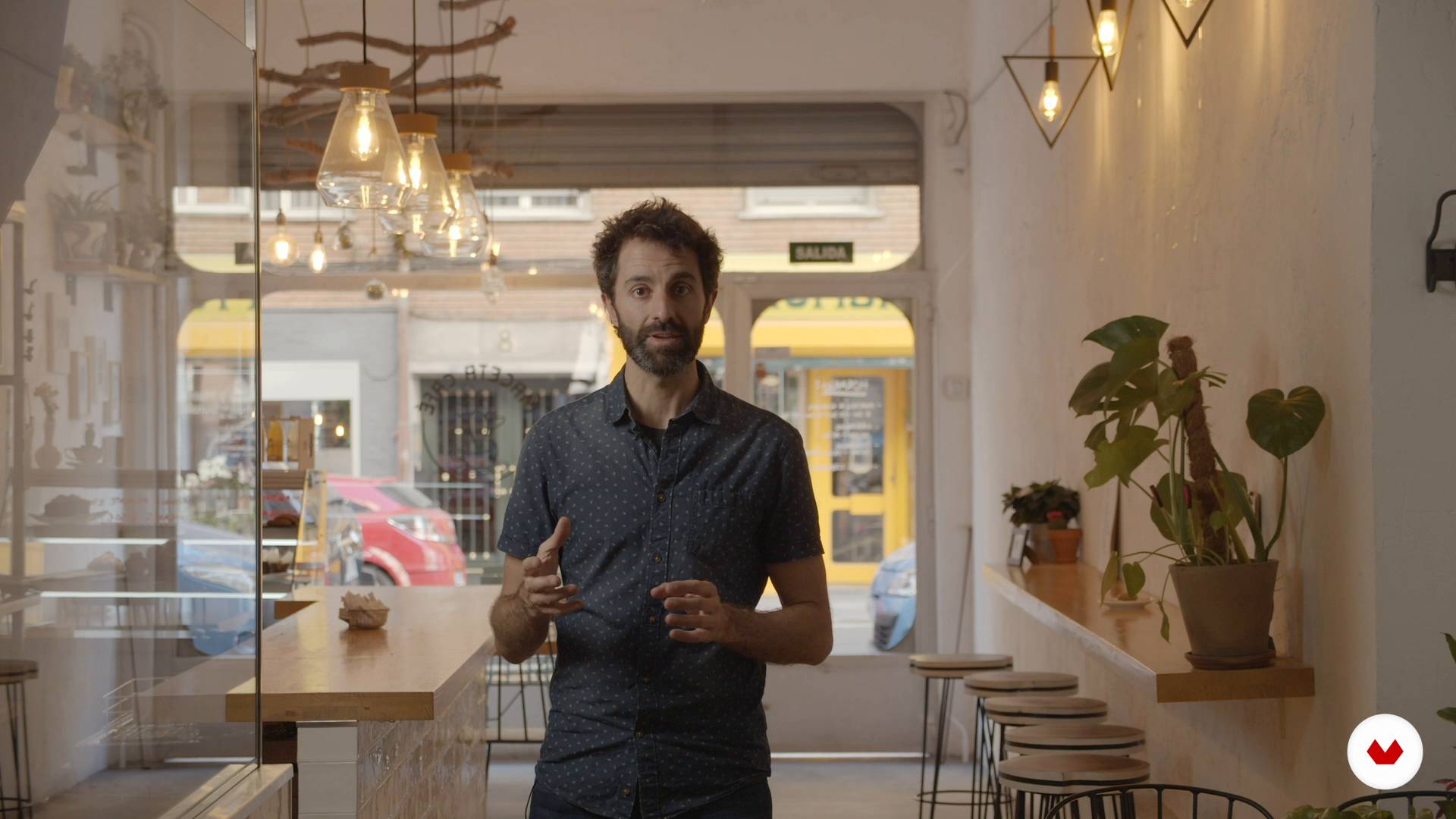
Lighting in a real setting
7 minutes, 16 seconds
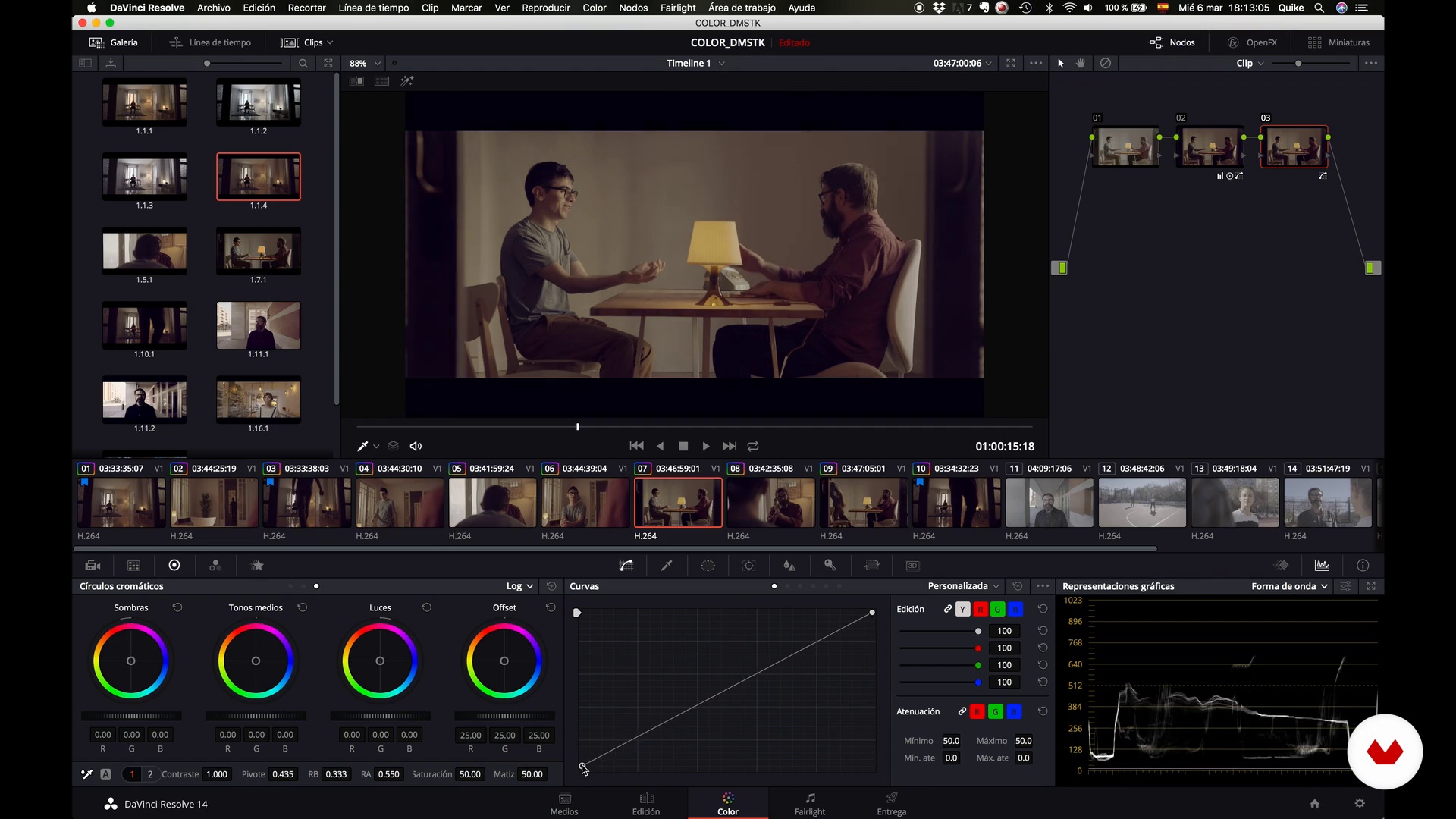
Keys to creative color grading
16 minutes, 23 seconds
What's included in this course?
Start by getting to know Enrique and taking a brief tour of his professional career. Meet the artists (painters, photographers, and directors of photography) and works that have been an influence and inspiration for Enrique.
Prepare your project, understanding the key aspects that must be taken into account regarding light, color, and space, then create a dossier or style book to define the look of the project.
Learn basic lighting concepts, starting with the choice of space and its attributes, and the narrative language of your camera lenses. Explore different types of light, its direction, the contrast between two lights, finishing up with the classic scheme of three lights for an interview.
Once you have learned the basic concepts, create your own style by experimenting with different shots, lights, and optics. Learn to work with light on an outdoor stage, and in a space that you previously did not have any reference to before tackling it.
Discover some tricks and post-production tips to achieve academically correct and expressive color grading.
What is this course's project?
Carry out three projects: adapt a space for an interview with artificial or natural light, create a small set for a fictional shoot, and do an outdoor shoot.
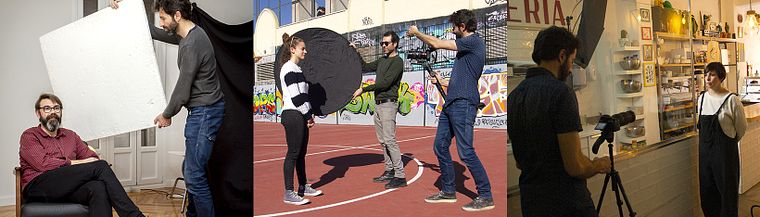
Projects by course students


Who is this online course for?
Anyone interested in learning how to light their audiovisual projects.
Requirements and materials
You'll need a camera that records video, a wide-angle lens, a normal lens and a telephoto lens, 3 LEDs and 2 reflectors, and a computer with DaVinci (free) installed.
If you don't have all this material, don't worry, you can also do it with your mobile and the lights in your house. You will be able to do most of the lessons, although there will be things that will be a little more difficult.
Reviews
- 6 months ago
There is a lot of great knowledge and industry insider information in this course!
- 8 months ago
excelente y muy detallista el profe
- 11 months ago
La lumière étant une clé indispensable dans une bonne narration, ce cours concentre beaucoup d'information utiles pour une meilleure compréhension. Clair, net et précis !
- 1 year ago
Aulas super práticas e dinâmicas de fácil aprendizagem, super combinou com o que estava procurando. só agradecer ao professor pela disponibilidade.
- 1 year ago
El compromiso del profesor durante todo el curso es para destacar. Se nota que trabaja con pasión y esmero y lo transmite a todos los que vemos las lecciones. Un 10. Una mención especial a todos los que actuaron de modelos con paciencia y buena voluntad!!

His work can be seen on the main Spanish television networks: Ministerio del Tiempo on TVE, Cuarto Milenio on Cuatro, el Capítulo 0 on #Cero on Movistar Plus. He has worked on music videos for La Oreja de Van Gogh, Miguel Bosé, and Malú. In advertising, his clients include Sony, Coca-Cola, Adidas, and Iberdrola.
Content
- U1
Introduction
- Presentation
- Influences
- U2
Preparing our project
- The keys of light
- The style book
- U3
Lighting basics
- The narrative language of optics
- Light quality: Choosing the type of lights
- Direction of light: The expressive power of light.
- The contrast and the zonal key
- The classic lighting scheme with three lights and the use of color
- U4
How to give a cinematographic look to your projects and to illuminate outdoors
- Creating your own style The expressive use of light and framing.
- Lighting in a real setting
- Illuminating for fiction: cinematographic aesthetics and the continuity of light.
- Outdoor lighting day
- U5
Color correction
- Keys to creative color grading
- FP
Final project
- X Introduction to photography direction for video
What to expect from a Domestika course
Learn at your own pace
Enjoy learning from home without a set schedule and with an easy-to-follow method. You set your own pace.
Learn from the best professionals
Learn valuable methods and techniques explained by top experts in the creative sector.
Meet expert teachers
Each expert teaches what they do best, with clear guidelines, true passion, and professional insight in every lesson.
Certificates
PLUSIf you're a Plus member, get a custom certificate signed by your teacher for every course. Share it on your portfolio, social media, or wherever you like.
Get front-row seats
Videos of the highest quality, so you don't miss a single detail. With unlimited access, you can watch them as many times as you need to perfect your technique.
Share knowledge and ideas
Ask questions, request feedback, or offer solutions. Share your learning experience with other students in the community who are as passionate about creativity as you are.
Connect with a global creative community
The community is home to millions of people from around the world who are curious and passionate about exploring and expressing their creativity.
Watch professionally produced courses
Domestika curates its teacher roster and produces every course in-house to ensure a high-quality online learning experience.
FAQs
You’ll master classic and creative lighting techniques, control hard and soft light, use professional lighting setups, and apply color grading and composition to craft your own unique visual style in film and video.
This course is designed for those with basic photography or video knowledge looking to deepen their skills in lighting and cinematography at an intermediate level.
All you need is basic photography or video experience and access to a camera. Professional gear isn’t required, as the course teaches techniques that work with simple, everyday equipment.
The course covers lighting setups, using natural and artificial light, contrast control, color grading, composition, creating a style guide, lens selection, and creative techniques for film and video.
Hard light creates sharp shadows and high contrast, while soft light produces gentle shadows and smooth transitions, helping shape the mood and visual expression of each scene.
Yes, the course includes techniques for lighting with accessible tools like household lamps or paper lanterns, making it adaptable to any budget or project.
It’s a classic technique that uses key, fill, and back lights to shape subjects and add depth, resulting in balanced, professional-looking images.