Cardboard Sculptures for Beginners
A course by Laurence VallièresSculptor
A course by Laurence Vallières, Sculptor

Learn to transform your favorite subjects into cardboard sculptures of any size, playing with shape, volume, and scale
From a tabletop cat to a life-size gorilla, with a little cardboard and your imagination you can build eye-catching statues in any size. Laurence Vallières is a visual artist who specializes in making sculptures with this material. She’s displayed her pieces in galleries and at events around the world, and has collaborated with brands like Carhartt WIP, Patrón Tequila, and TikTok.
In this online course, Laurence teaches you how to sculpt 3D creatures out of cardboard from start to finish. Explore shape, volume, and dimension to craft inspiring figures of your favorite subjects. Express your ideas using upcycled materials and create sustainable works of art.
What will you learn in this online course?
13 lessons & 9 downloads
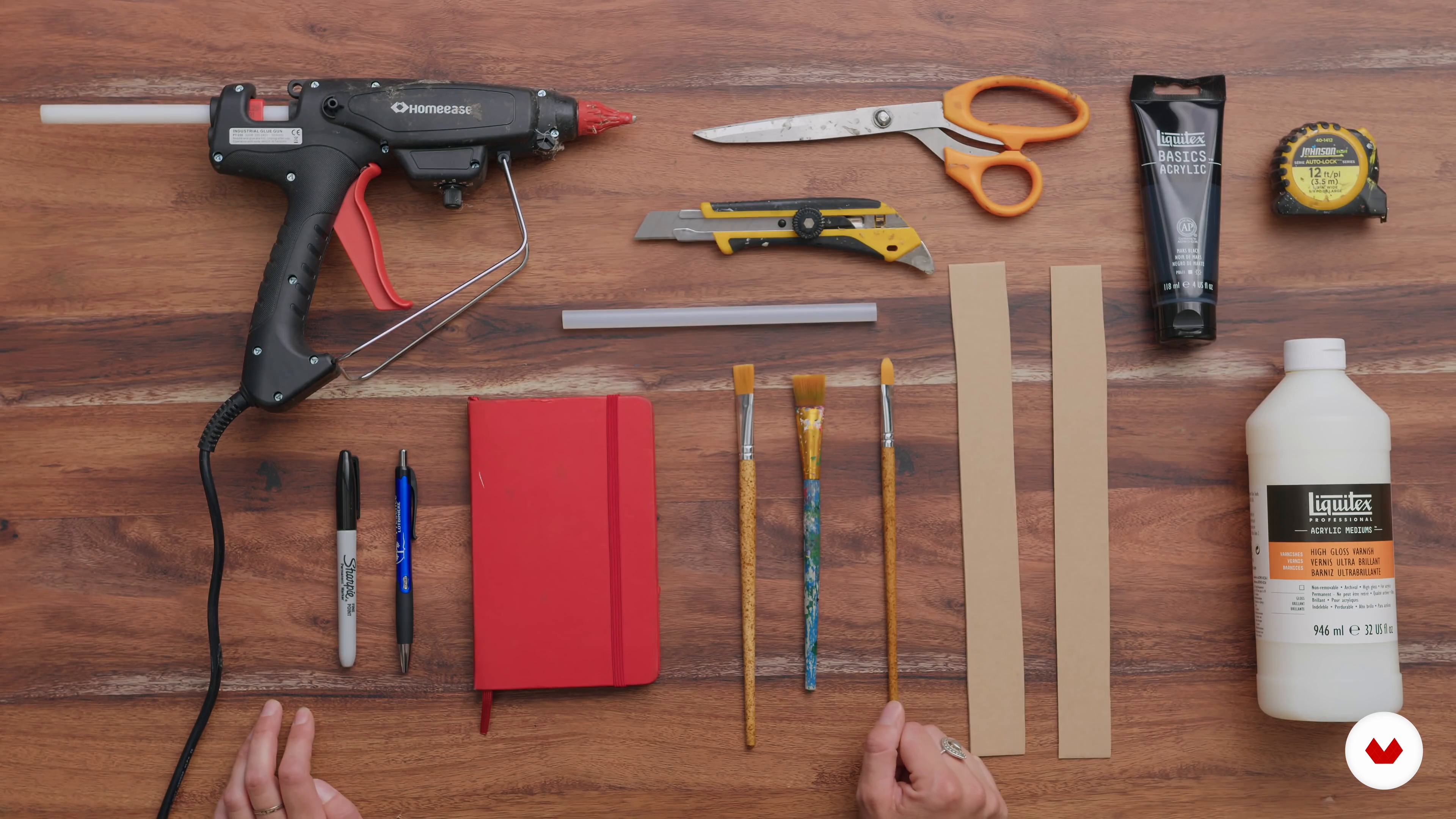
The Materials
2 minutes, 30 seconds
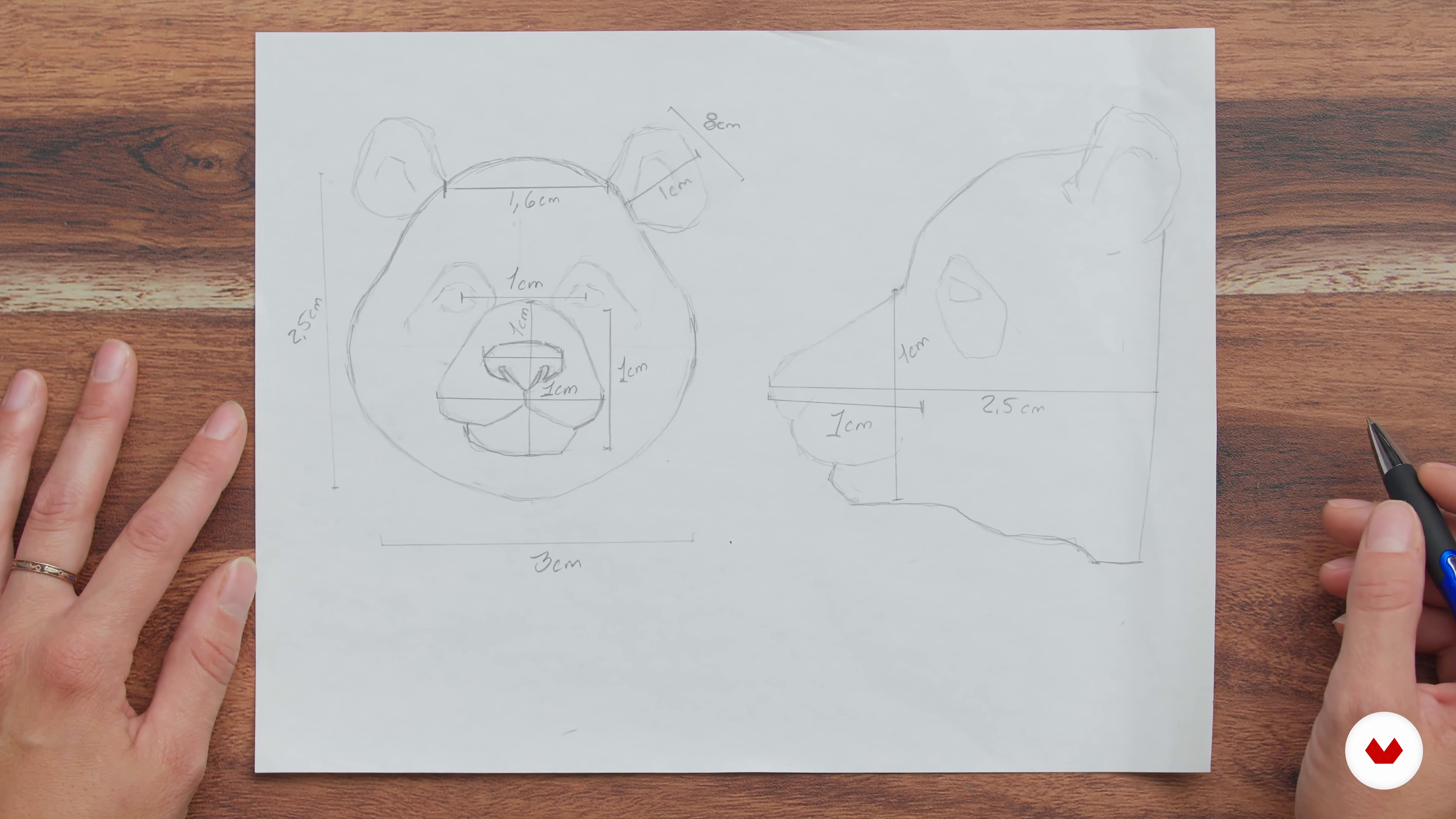
Scaling a Model to Fit a Specific Area
2 minutes, 25 seconds
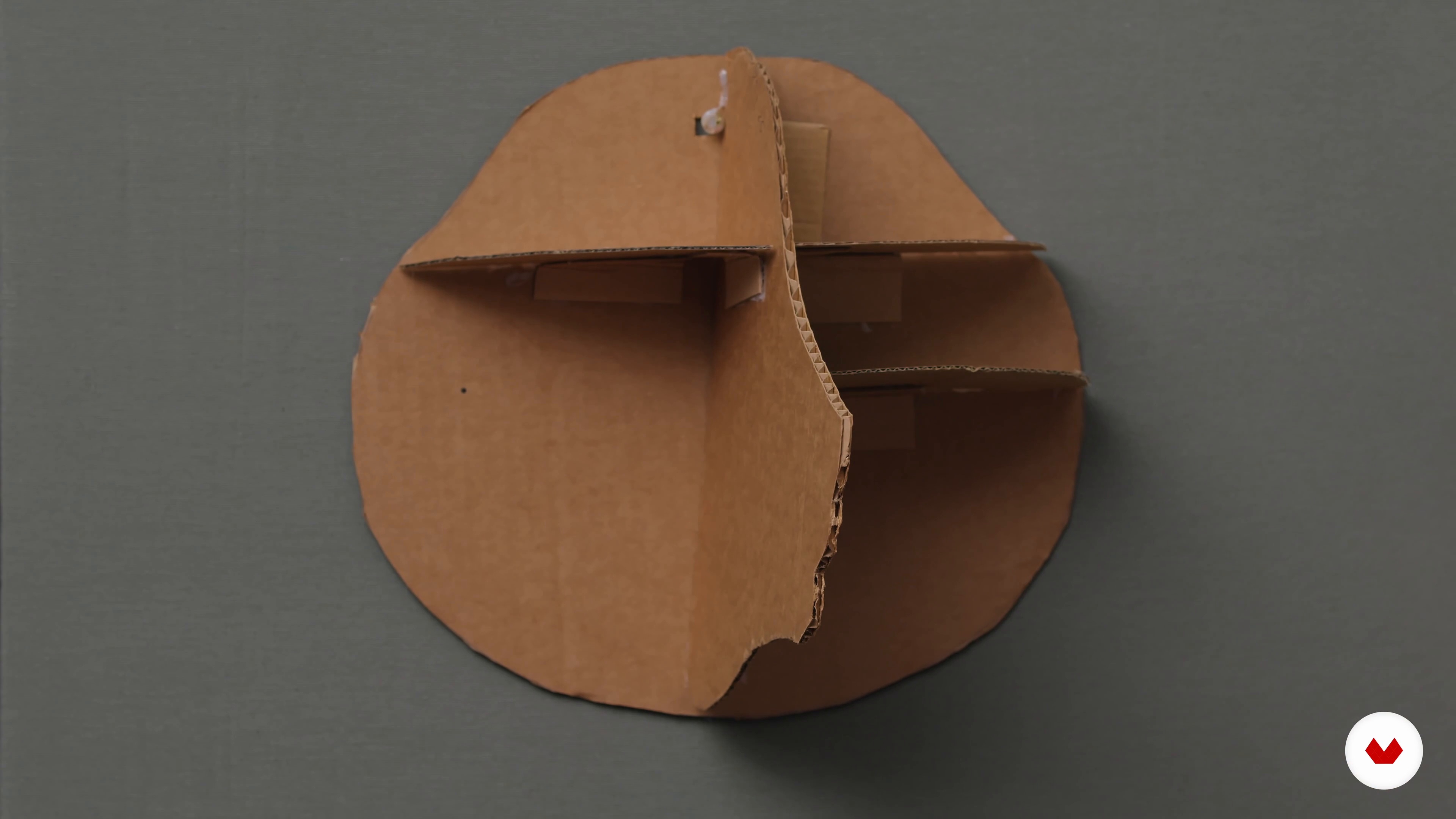
Creating the Structure of the Sculpture
13 minutes, 23 seconds
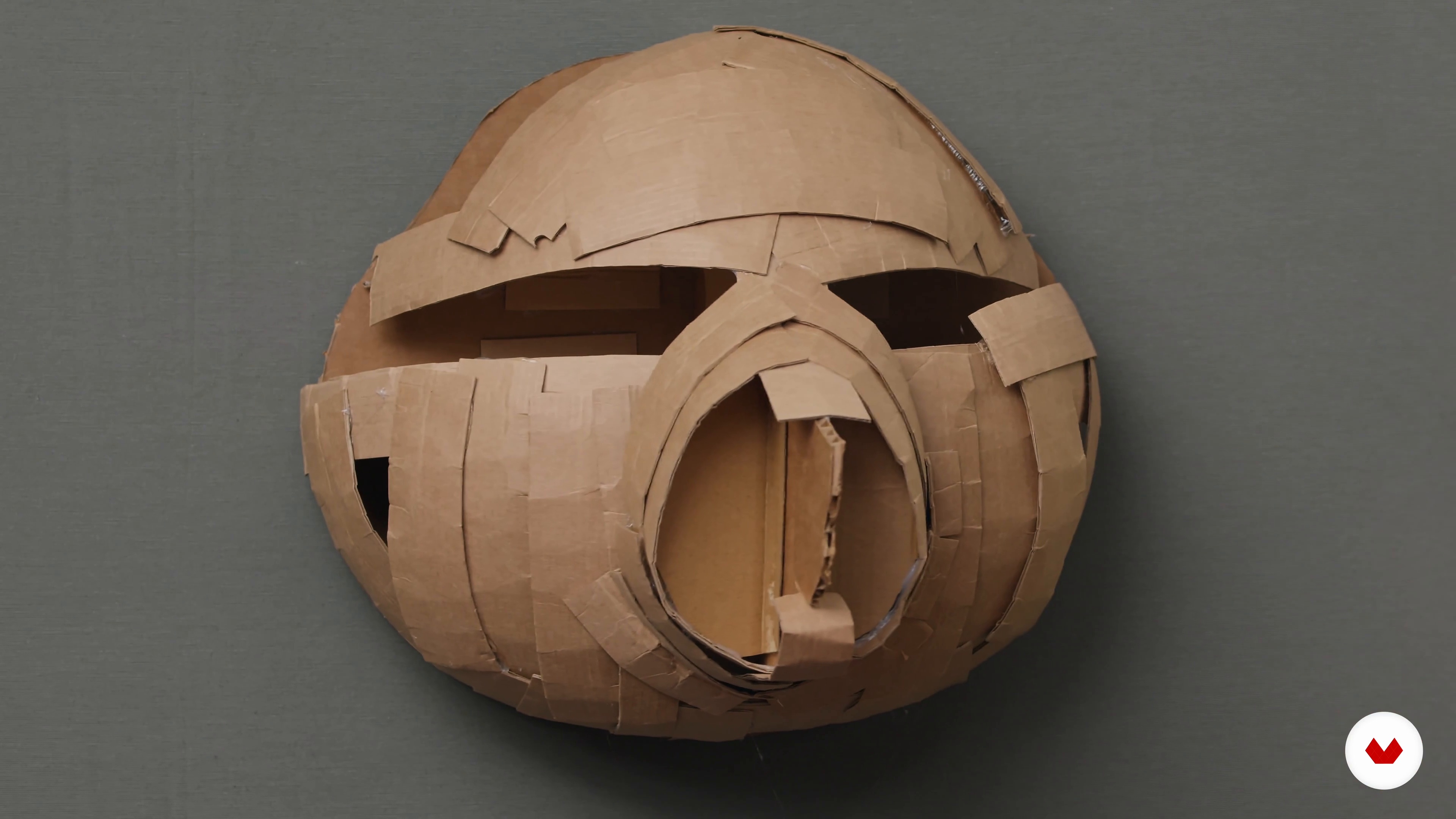
Making the Surface of the Sculpture
12 minutes, 7 seconds
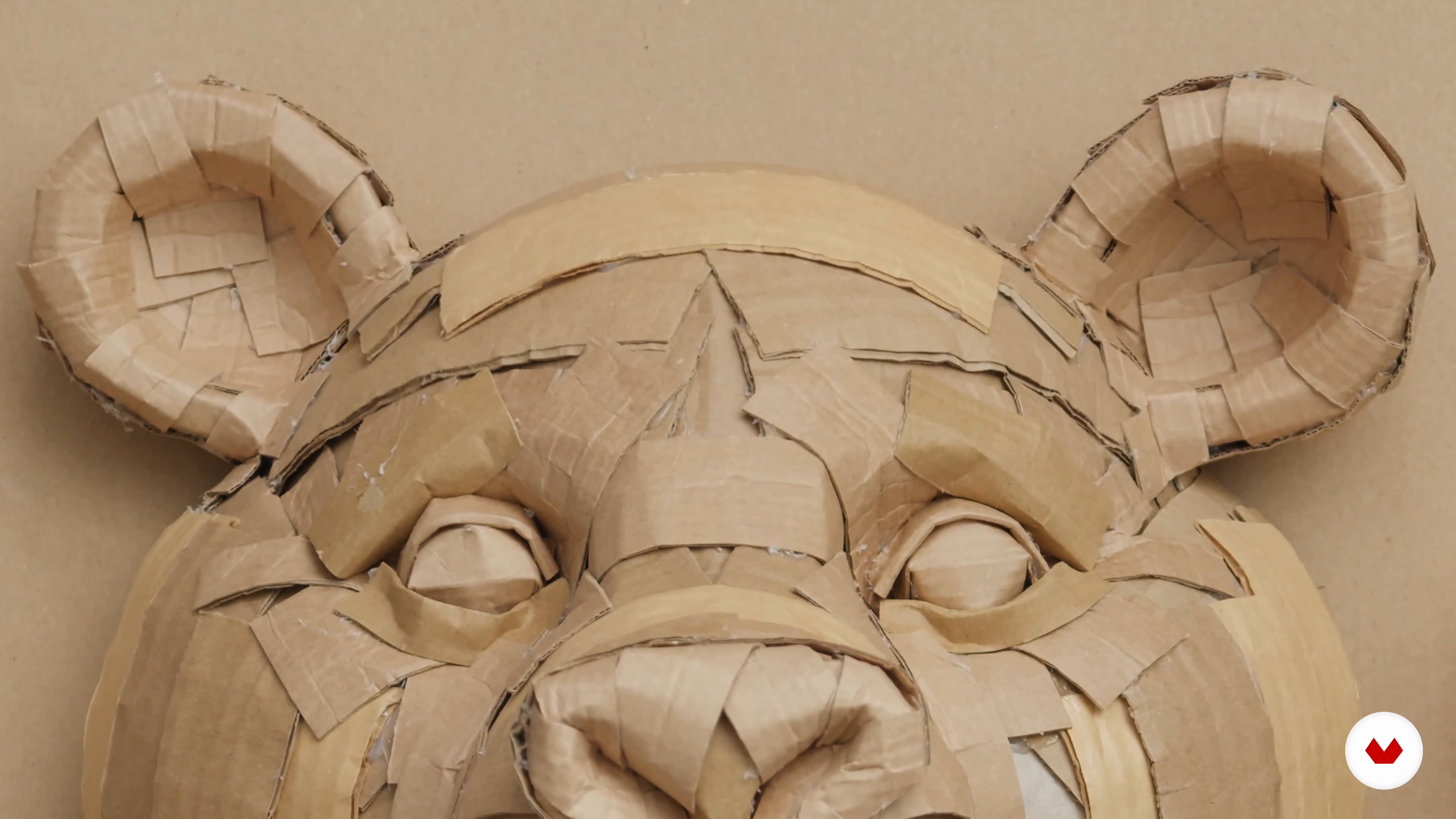
Making the Ears
19 minutes, 19 seconds
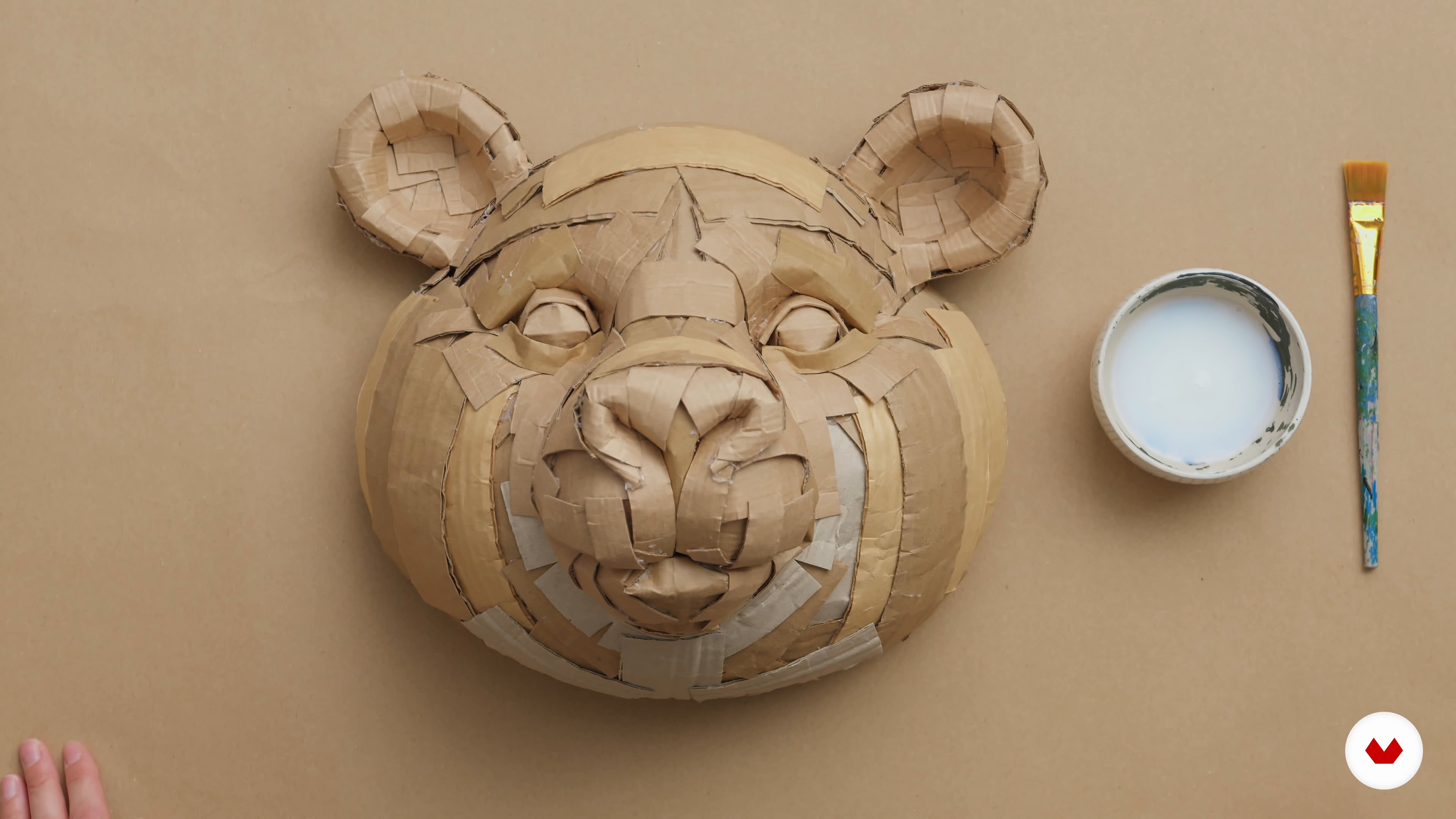
How to Varnish and Take Care of the Sculpture
5 minutes, 55 seconds
What's included in this course?
Laurence Vallières starts the course by introducing herself and her work. Discover the creative journey that led her from ceramics to cardboard sculpting, along with her artistic influences.
Get an overview of the material you need for the final project. Laurence shows you what type of cardboard she uses and how to prepare it. Then, pick a 3D model of your favorite animal and sketch it on paper with measurements for scale. Time to craft your sculpture! Start by building the inside frame, working from back to front. Cover it strip by strip to create the surface layer and define the overall shape.
Next, learn how to form facial features to give your piece personality. Make a pair of cavities and fill them with 3D eyes. Continue with the mouth, nose, and ears of your creature before adding the finishing touches.
Finally, see how to protect your artwork and make it shine with a glossy coat of varnish. Laurence also teaches you how to bring it to life with color.
What is this course's project?
Craft a wall-mounted sculpture of an animal’s head out of cardboard. Your teacher crafts a panda bear.

Projects by course students

Who is this online course for?
Anyone with an interest in sculpting and creating art using upcycled materials.
Requirements and materials
No previous knowledge is required.
As for materials, you need a glue gun, scissors, a utility knife, a tape measure, water-based varnish, cardboard, and acrylic paint (optional).

Reviews
- 14 days ago
I found the instruction incredibly vague and difficult to understand in certain parts. A lot more information was needed to discuss the framework or how to create an actual structure for the sculpture and how to go from flat pieces to the 3 dimensional. Very disappointing
- 20 days ago
Para ser para principiantes esta exelente , bien explicado y simple
- 1 month ago
Muy buen curso!
- 1 month ago
Interessante!
- 1 month ago
Really inspiring!

Laurence’s sculptures reflect her views on the environment and question humankind’s relationship with it. She has exhibited her work in galleries around the world as well as major festivals, including Burning Man in the US and the MURAL festival in Canada. She has also collaborated with brands like Carhartt WIP, Patrón Tequila, and TikTok.
Content
- U1
Introduction
- About Me
- Influences
- U2
Preparation
- The Materials
- Picking a Model and Sketching It
- Scaling a Model to Fit a Specific Area
- U3
Shaping the Sculpture
- Creating the Structure of the Sculpture
- Making the Surface of the Sculpture
- U4
Working on the Details
- Making the Eyes
- Making the Mouth and Nostrils 1
- Making the Mouth and Nostrils 2
- Making the Ears
- U5
Coloring and Varnishing
- How to Varnish and Take Care of the Sculpture
- How to Color the Sculpture
- FP
Final project
- Cardboard Sculptures for Beginners
What to expect from a Domestika course
Learn at your own pace
Enjoy learning from home without a set schedule and with an easy-to-follow method. You set your own pace.
Learn from the best professionals
Learn valuable methods and techniques explained by top experts in the creative sector.
Meet expert teachers
Each expert teaches what they do best, with clear guidelines, true passion, and professional insight in every lesson.
Certificates
PLUSIf you're a Plus member, get a custom certificate signed by your teacher for every course. Share it on your portfolio, social media, or wherever you like.
Get front-row seats
Videos of the highest quality, so you don't miss a single detail. With unlimited access, you can watch them as many times as you need to perfect your technique.
Share knowledge and ideas
Ask questions, request feedback, or offer solutions. Share your learning experience with other students in the community who are as passionate about creativity as you are.
Connect with a global creative community
The community is home to millions of people from around the world who are curious and passionate about exploring and expressing their creativity.
Watch professionally produced courses
Domestika curates its teacher roster and produces every course in-house to ensure a high-quality online learning experience.
FAQs
Yes, this course is designed for beginners and guides you step-by-step through materials, techniques, and processes for creating expressive cardboard and clay sculptures.
You’ll need basic materials like corrugated cardboard, a glue gun, water-based varnish, acrylic paints, and common tools for cutting and measuring cardboard.
You’ll learn how to plan, measure, and construct large sculptures from cardboard and clay, develop expressive features, apply finishing techniques, and exhibit your work in alternative spaces.
Yes, the course introduces casting and mold making techniques suitable for ceramics and sculpture, helping you expand your sculptural skillset.
The course teaches you how to analyze cardboard properties and select the best thickness and direction for structural support and surface details.
Yes, you’ll discover strategies for exhibiting your artwork at festivals and alternative venues, including tips for installation and maximizing impact.
You'll explore techniques for conveying emotion and human qualities in animal sculptures using anatomy, proportion, and facial expressions.