Introduction to AI with Python
A course by Rodrigo MontemayorProgrammer
A course by Rodrigo Montemayor, Programmer

Learn the basics of artificial intelligence and how to apply it in problem-solving
Thanks to machine learning, all industries are revolutionizing the way they work. In this online course, the expert programmer Rodrigo Montemayor will teach you the fundamentals of machine learning with Python from scratch.
Throughout the lessons, you will learn what it is and how it works, what types exist, and how machine learning can be applied to solve various problems. Get ready to be part of the future of artificial intelligence.
What will you learn in this online course?
29 lessons & 34 downloads
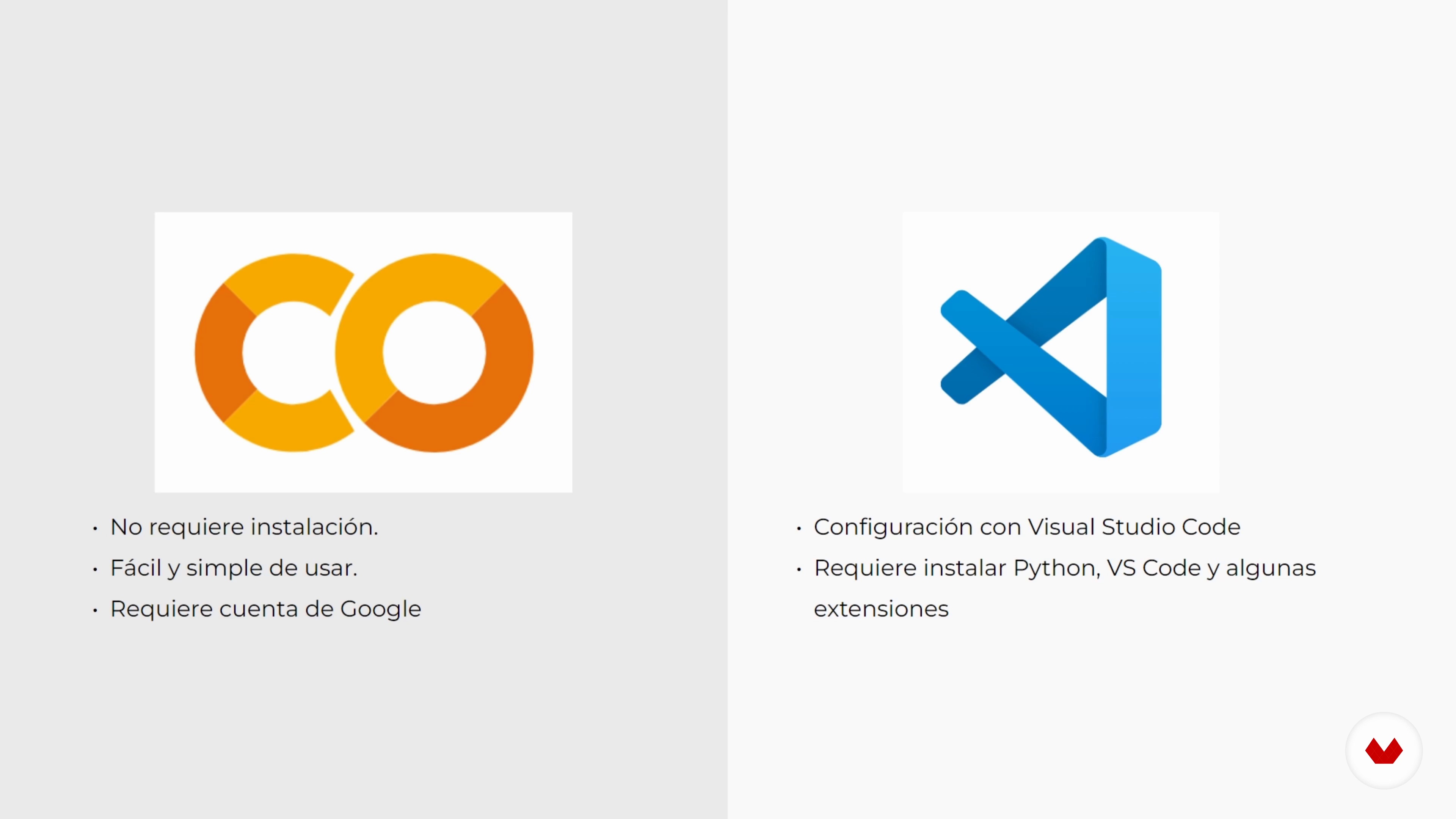
Configuration of the work environment
14 minutes, 25 seconds
Python libraries
2 minutes, 38 seconds
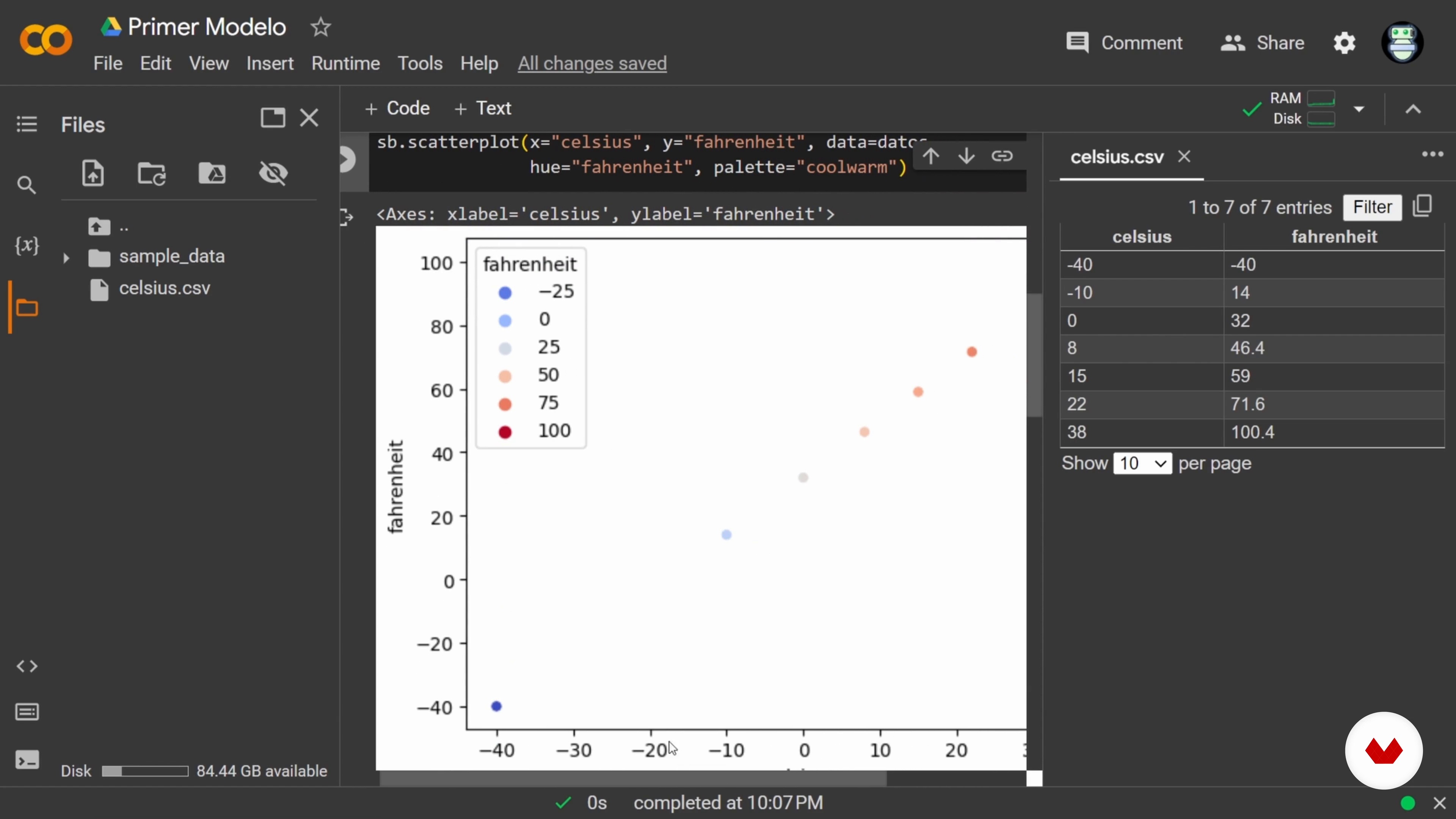
Your first model: linear regression
16 minutes, 38 seconds
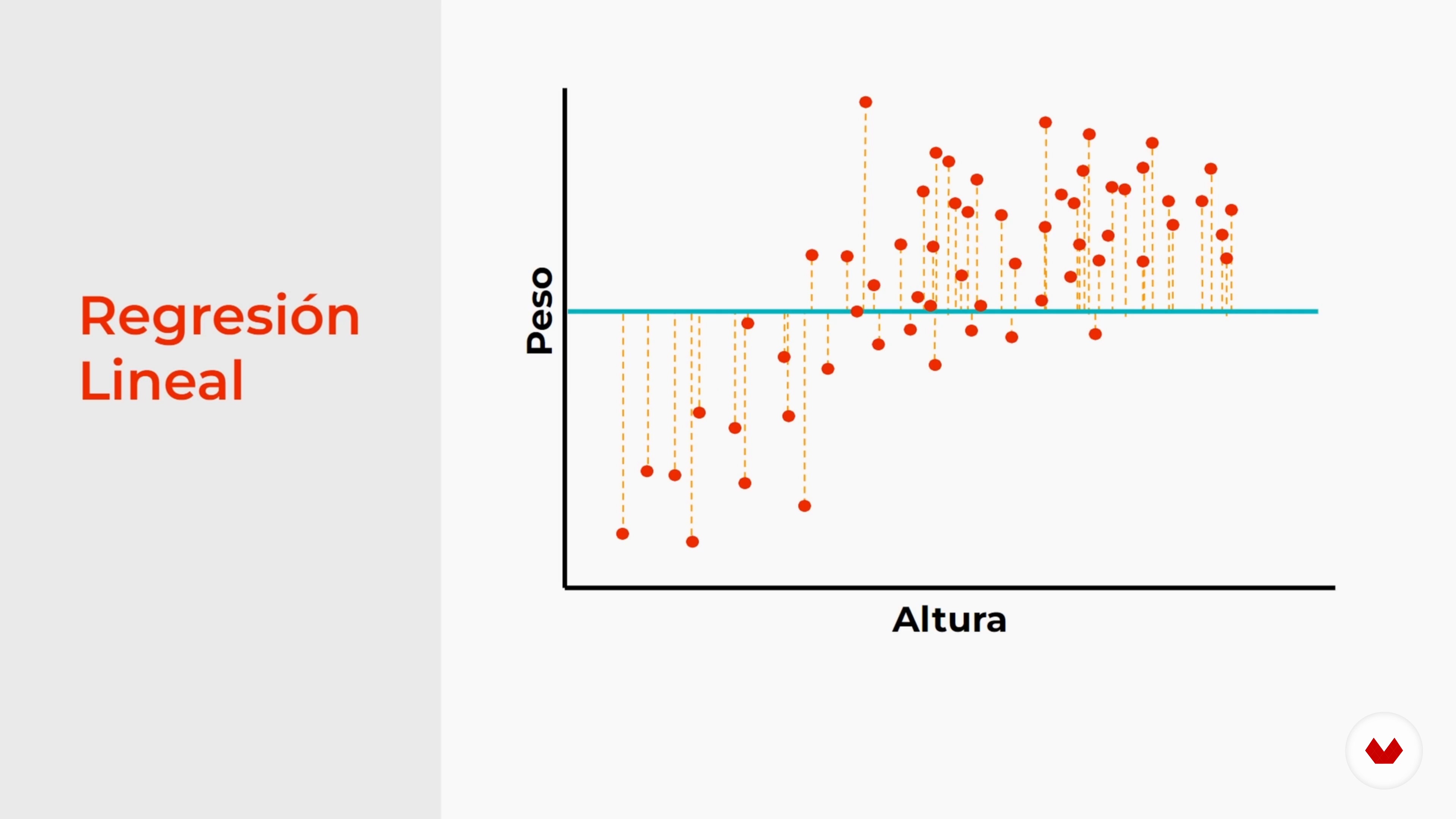
Linear regression in detail
4 minutes, 47 seconds
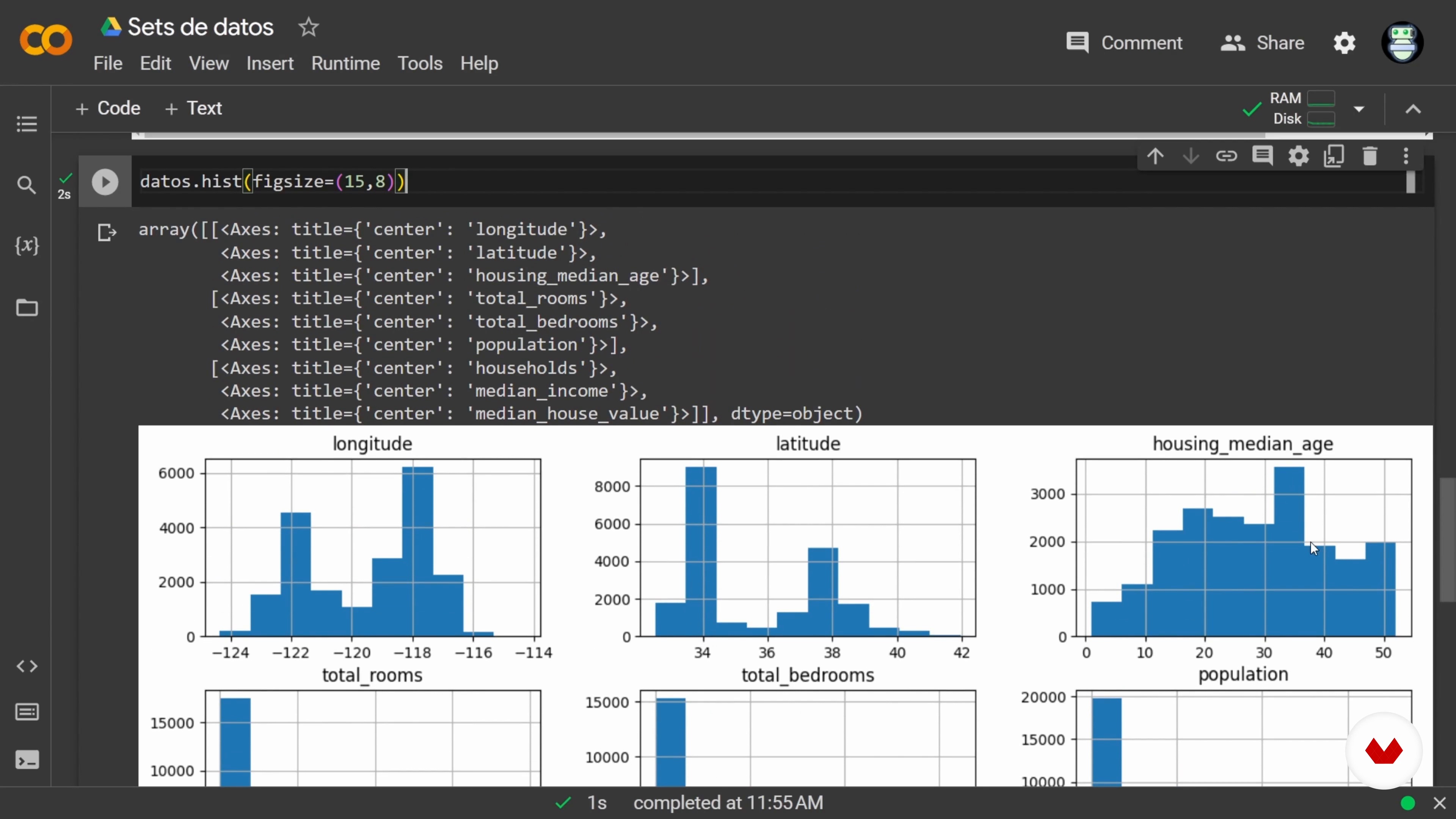
Sets and data analysis
20 minutes, 13 seconds
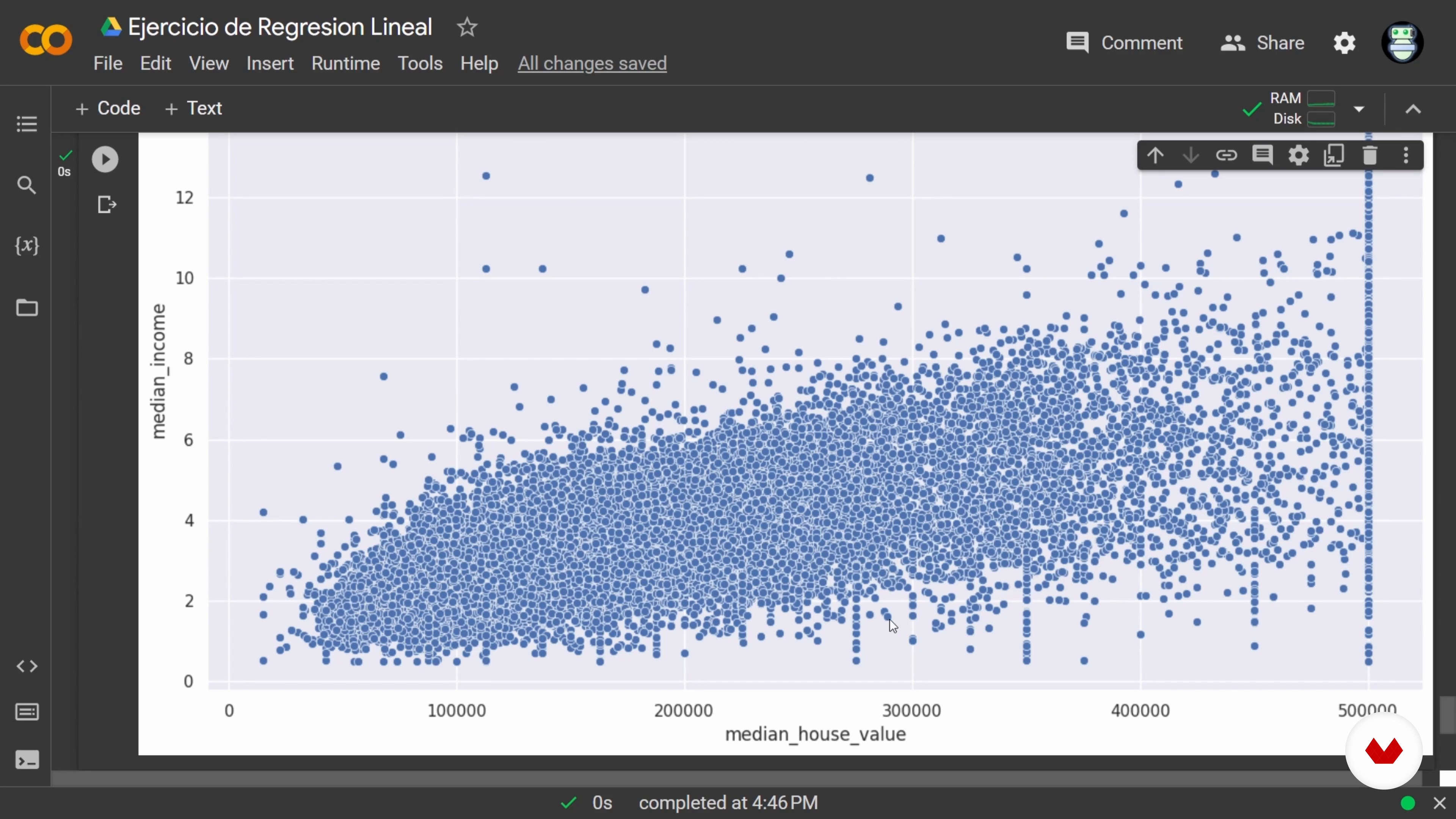
Linear regression exercise
15 minutes, 21 seconds
What's included in this course?
You will start the course by getting to know your teacher, Rodrigo Montemayor, better. He will talk to you about his career as a programmer and his greatest references.
Next, you will see what machine learning is and how it can be applied in different industries. Then, you will discover the types of machine learning that exist.
In the next unit, you will pose a problem in machine learning concepts and understand that data is essential to obtain results. Step by step, you will learn some terms like tags, features, or libraries. So, you will make your first model using linear regression. You will understand how the training process and loss calculation work to improve automatically, and you will discover the most common problems.
Later, Rodrigo will give you some tips on handling and representing the data. He will also talk about another type of model, logistic regression, in addition to neural networks. Finally, you will learn to take advantage of existing and previously trained models to solve problems.
What is this course's project?
You will make a machine learning model that serves to classify and detect your own images using neural networks.
Projects by course students
Who is this online course for?
Anyone interested in learning the basics of machine learning.
Requirements and materials
To carry out this course, you will need basic knowledge of Python.
Reviews
- andresarcilaPLUS9 days ago
Excelente para empezar con el panorama y fundamentos de ML asi como AI yendo al punto y dentro de lo posible creo que de un modo simple. Gracias
- 13 days ago
pues me esta gustando :D
- 15 days ago
hasta ahora todo bien
- 19 days ago
MUY BUENO
- gaspi17PLUS19 days ago
Explica bien y le presta atencion a las personas que programan en google colab o las que programan en visual studio code

On the other hand, he shares content on the RingaTech Youtube channel with the aim of teaching and informing about technology, cybersecurity, and artificial intelligence. As part of the channel, he has developed some projects and games whose code is available to the public.
Content
- U1
Introduction
- Presentation
- influences
- U2
The basics of machine learning
- What is machine learning?
- Machine learning possibilities
- Configuration of the work environment
- U3
your first models
- Types and examples of machine learning
- Data: the basis of any model
- Python libraries
- Your first model: linear regression
- Linear regression in detail
- U4
Machine learning algorithms
- Sets and data analysis
- Linear regression exercise
- Logistic regression
- Logistic regression exercise
- decision trees
- Decision trees exercise
- U5
More machine learning algorithms
- support vector machines
- Support vector machine exercise
- Clustering with K-means
- Clustering exercise with K-means
- U6
Neural networks and deep learning
- Intuition and how neural networks learn
- Regression neural network
- Classification 1 neural network
- Classification Neural Network 2
- Convolutions and filters
- Convolutional Neural Networks 1
- Convolutional Neural Networks 2
- Learning Transfer 1
- Learning transfer 2
- FP
Final project
- Introduction to AI with Python
What to expect from a Domestika course
Learn at your own pace
Enjoy learning from home without a set schedule and with an easy-to-follow method. You set your own pace.
Learn from the best professionals
Learn valuable methods and techniques explained by top experts in the creative sector.
Meet expert teachers
Each expert teaches what they do best, with clear guidelines, true passion, and professional insight in every lesson.
Certificates
PLUSIf you're a Plus member, get a custom certificate signed by your teacher for every course. Share it on your portfolio, social media, or wherever you like.
Get front-row seats
Videos of the highest quality, so you don't miss a single detail. With unlimited access, you can watch them as many times as you need to perfect your technique.
Share knowledge and ideas
Ask questions, request feedback, or offer solutions. Share your learning experience with other students in the community who are as passionate about creativity as you are.
Connect with a global creative community
The community is home to millions of people from around the world who are curious and passionate about exploring and expressing their creativity.
Watch professionally produced courses
Domestika curates its teacher roster and produces every course in-house to ensure a high-quality online learning experience.
FAQs
You’ll master key Machine Learning concepts, learn how to apply algorithms to real-world problems, work with computer vision, prepare and analyze data, and build practical projects using Python and popular libraries like pandas, scikit-learn, and TensorFlow.
This is an intermediate-level course. It’s best if you have basic Python programming skills and a general understanding of math to get the most out of the lessons and exercises.
You’ll need Python installed, access to Google Colab or Visual Studio Code, and basic programming knowledge. A stable internet connection and a computer capable of running notebooks and Machine Learning libraries are also recommended.
You’ll work on projects like image and text classification, anomaly detection, customer segmentation, regression and binary classification models, and computer vision applications using real datasets and Python libraries.
The course covers applications such as computer vision, pattern recognition, fraud detection, medical diagnosis, price prediction, customer segmentation, and personalized recommendation systems.
Unlike traditional programming, Machine Learning lets systems learn from data and improve automatically, rather than following explicitly coded rules.
You’ll use pandas for data analysis, scikit-learn for Machine Learning models, TensorFlow and Keras for neural networks, plus Google Colab and Visual Studio Code to code and run your projects.