Script Writing for Movies and Television
A course by Julio RojasScreenwriter and Author
A course by Julio Rojas, Screenwriter and Author

Discover a creative method to start telling your audiovisual stories
There are a million and one ways to tell a story and every scriptwriter has his or her own unique technique for doing so. Julio Rojas—the 2012 Goya Award-winning scriptwriter and author—has developed a method he calls the "Script Folder," designed to help you tell a story and tackle the seemingly complex and daunting world of scriptwriting.
Learn techniques, tools, and tricks to turn that story idea in your head into an organic and coherent narrative system, ready to progress to the writing phase.
What will you learn in this online course?
28 lessons & 34 downloads
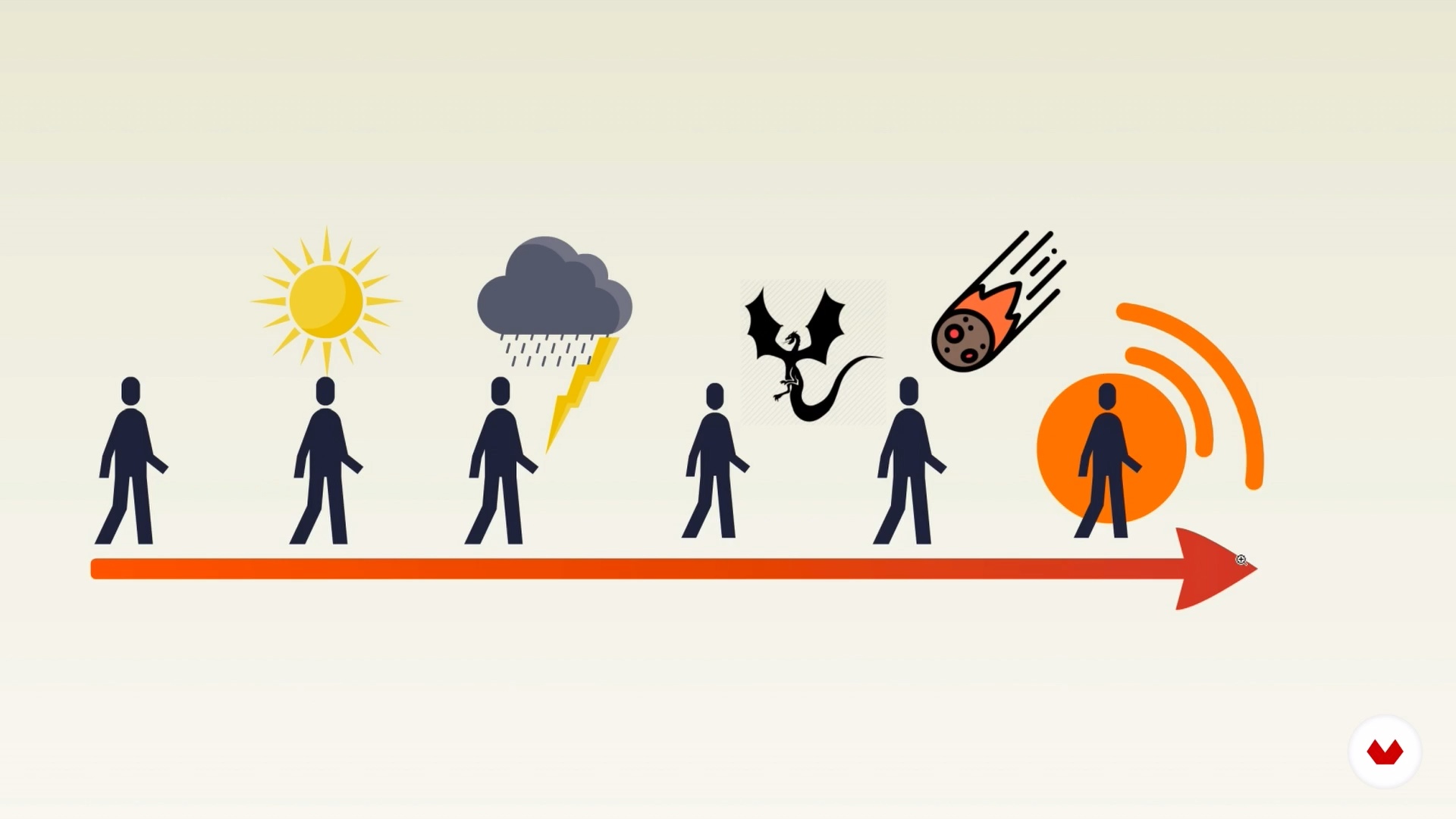
The types of stories
18 minutes, 55 seconds
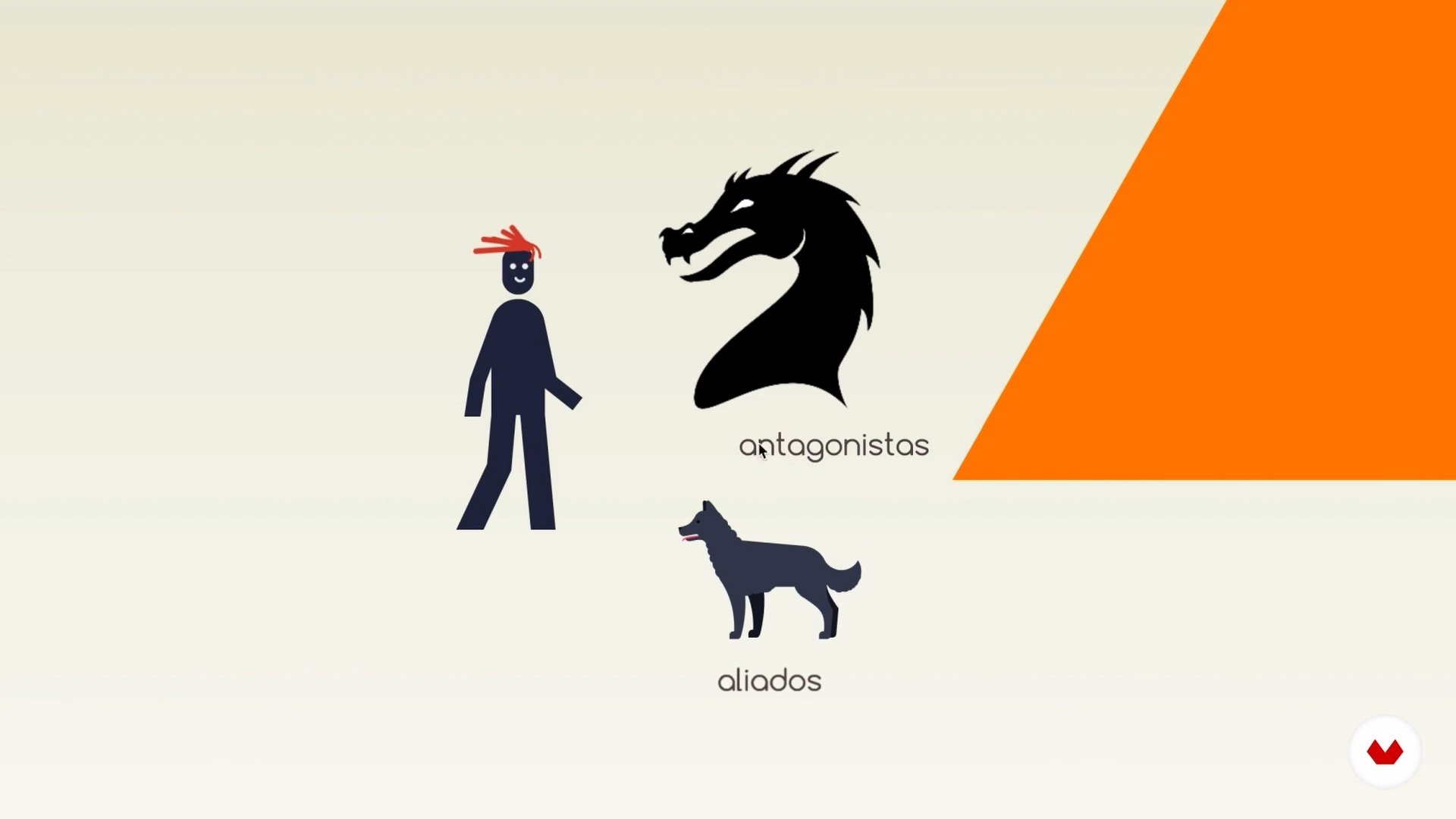
The base argument
11 minutes, 28 seconds
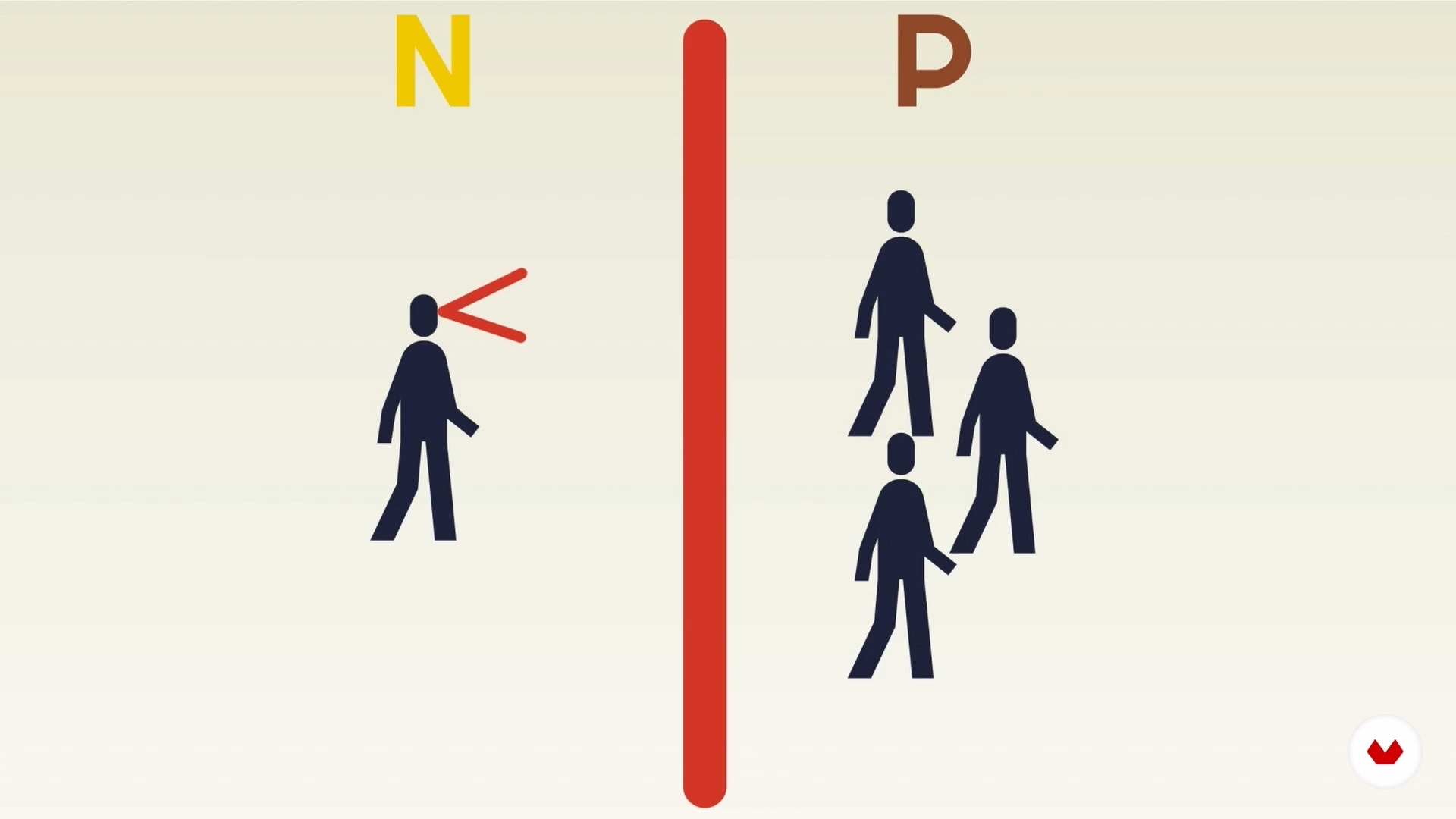
Narrator and point of view
10 minutes, 22 seconds
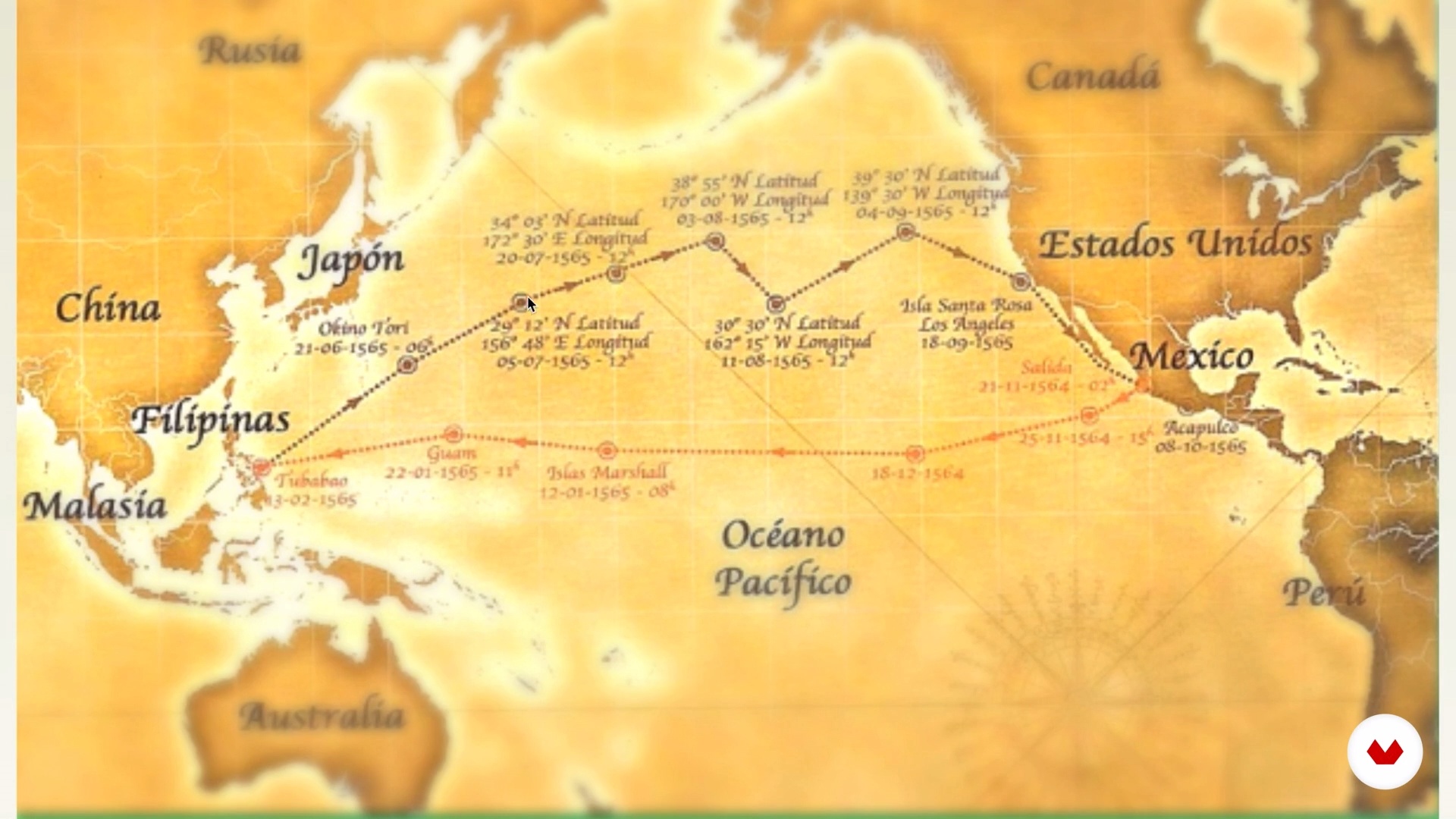
The great drawing
20 minutes, 48 seconds
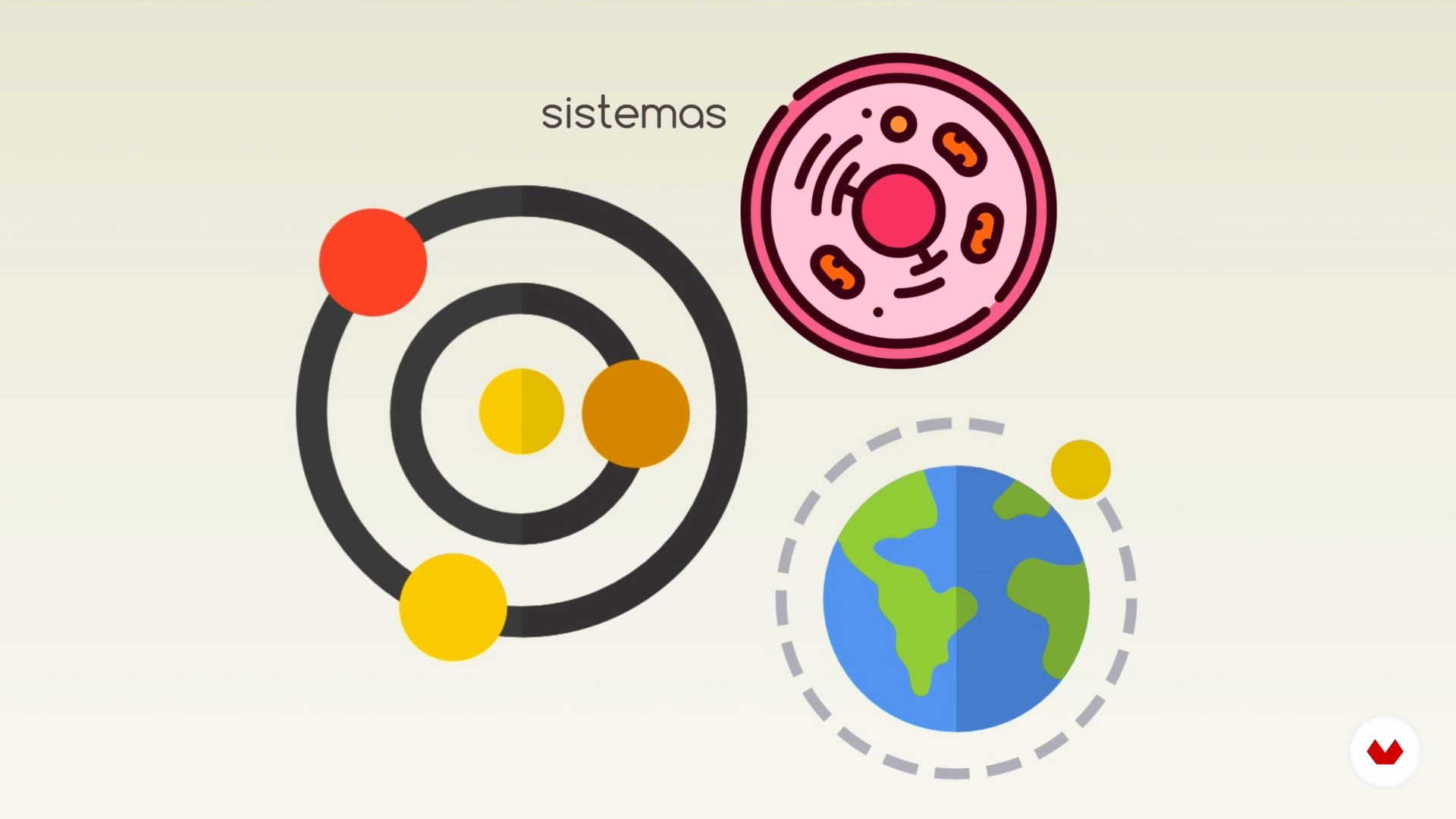
The script as a system
6 minutes, 56 seconds
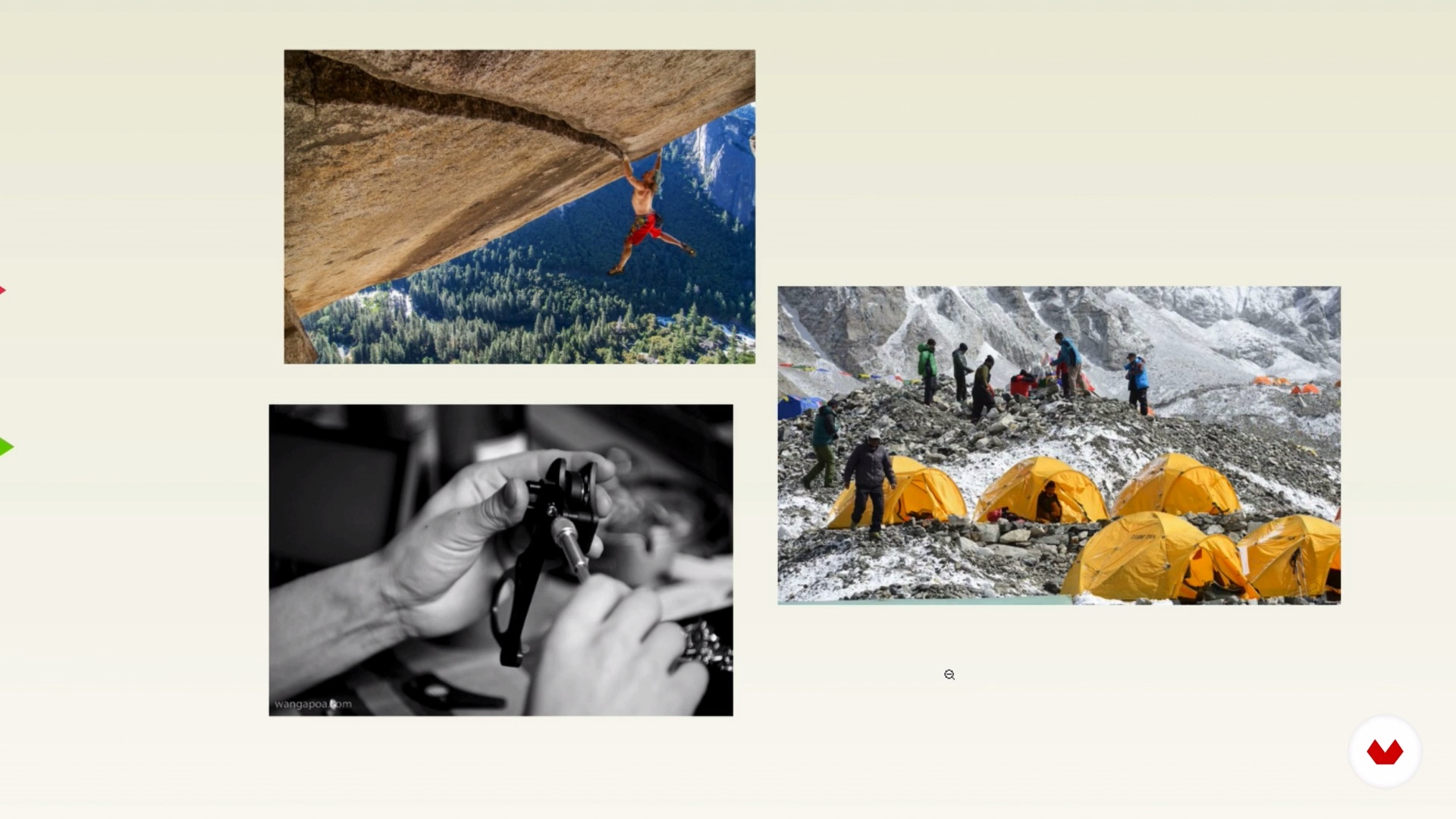
Physical universe
14 minutes, 27 seconds
What's included in this course?
Start by getting to know Julio, his professional background, and his unique creative process.
Learn about the types of stories and how they relate to and influence the unfolding of each of the story's component parts. Julio shows you how to differentiate a story that has potential from a simple anecdote.
Now it's time to start defining the main plot. Discover how to extract it from within a story and why it is so important for your script. Julio explains the necessity of having a clear narrator and point of view in developing your idea.
Discover the most common types of narrative structures so you can use them in your story. Then learn about the basic components of a script and the narrative triangle.
Once you've got your story defined, focus on one of the most important elements: the characters. Learn to construct them and establish their story arcs, interactions, antagonistic and agonistic dynamics, and conflicts.
Move on from the characters to build the physical universe they live in, as well as some almost invisible objects and implanted elements that act as important information carriers.
Discover some of the main narrative devices, such as temporal alterations, time warp, suspense, surprise, planting, and paradox. Julio also tells you about the concept of dissociation, as well as some hacks for combining components and creating memorable situations.
Learn what a narrative unit, a narrative sequence, and a scene are, as well as their possibilities, types, tips for writing them, and how to differentiate and combine them.
Julio tells you about fundamental script writing rules, then teaches you how to write a scene in a script writing software program.
Get familiar with the concepts of logline, synopsis, outline, and treatment, before applying each of them to your script.
Julio shows you what the first version of your finished script should look like, its format, length, rules, and check criteria before pressing the "Submit" button.
Finally, Julio teaches you how to effectively manage the script folder, so that you can use it as a creative reference tool during the writing process.
What is this course's project?
Create a script folder with all the necessary elements for writing a fiction audiovisual project.
Projects by course students


Who is this online course for?
Any storyteller who's not specialized in script writing, as well as creatives, video game designers, and anyone who wants to tell a story like a professional.
Requirements and materials
No previous experience is necessary, just a notebook, a computer with a word processor, and a free Workflowy account.

Reviews
- 2 days ago
Me parece que está muy bien. Valoro que pueda entrar siempre que quiera. Me gustaría que se pudiese descargar la info o parte de ella. Muy bueno
- flaviaheviaPLUS3 days ago
ES un curso extraordinario, da muy buenas herramientas, es claro y fluido. Es un profesor muy generoso. Lo recomiendo mucho.
- 24 days ago
Me está sorprendiendo gratamente el curso porque me está ofreciendo muchos materiales e información clave para aprender sobre cómo construir guiones. Los vídeos están muy bien explicados y la información es útil y no se queda en lo superficial. Las actividades son interesantes y complementan lo que se va aprendiendo. Estoy disfrutando con las lecciones y con lo que estoy aprendiendo. Es un curso muy recomendable.
- 2 months ago
El Curso es realmente excelente. Es muy completo y profundo. Me está ayudando muchísimo, espero seguir aprendiendo.
- 4 months ago
El taller es excelente, recien voy por la segunda unidad, cada vez mejor.

His most prominent work includes feature films like Sábado(Rainer Werner Fassbinder Award), La vida de los peces (2012 Goya winner), and La memoria del agua (selected for Venice Days at the 2016 Venice Film Festival). In addition to screenplays, Julio just published his first novel, a historical crime thriller titled El visitante extranjero (The Foreign Visitor), through Penguin Random House.
His Spotify podcast series CASO 32, listed by The New York Times as one of the best audio fictions of 2020, has been remade in various languages as well as categorized as the most-listened-to Spanish-language audio fiction in the world.
Content
- U1
Introduction
- Presentation
- Influences
- What we will do in this course: Script folder
- U2
Introduction to the stories
- Choosing what to tell
- The types of stories
- The base argument
- U3
Story design
- Narrator and point of view
- The great drawing
- U4
The elements of the script
- The script as a system
- Physical universe
- Narrative objects
- The Character I
- The Character II
- The broken arrow: Vectors
- U5
Most used narrative devices
- Narrative devices
- Time alteration
- Time trial and anecdote
- Harmonic dissociation
- U6
Telling your story
- Narrative units
- The scene and its structure
- The sequence and its structure
- Combining narrative units
- U7
Presenting your story
- Plot formats
- Logline, storyline and synopsis
- The scale and the treatment
- U8
Script writing
- The script format
- Writing tools
- Managing the script folder
- FP
Final project
- Script Writing for Movies and Television
What to expect from a Domestika course
Learn at your own pace
Enjoy learning from home without a set schedule and with an easy-to-follow method. You set your own pace.
Learn from the best professionals
Learn valuable methods and techniques explained by top experts in the creative sector.
Meet expert teachers
Each expert teaches what they do best, with clear guidelines, true passion, and professional insight in every lesson.
Certificates
PLUSIf you're a Plus member, get a custom certificate signed by your teacher for every course. Share it on your portfolio, social media, or wherever you like.
Get front-row seats
Videos of the highest quality, so you don't miss a single detail. With unlimited access, you can watch them as many times as you need to perfect your technique.
Share knowledge and ideas
Ask questions, request feedback, or offer solutions. Share your learning experience with other students in the community who are as passionate about creativity as you are.
Connect with a global creative community
The community is home to millions of people from around the world who are curious and passionate about exploring and expressing their creativity.
Watch professionally produced courses
Domestika curates its teacher roster and produces every course in-house to ensure a high-quality online learning experience.
FAQs
You’ll learn how to craft film scripts, build complex characters, structure original stories, and apply professional techniques to create strong, coherent narratives—exploring concepts like script bibles, character arcs, scene structure, and symbolic tools.
Yes, this course is designed for students who already have some basic knowledge or experience in audiovisual storytelling, screenwriting, or creative writing, aiming to deepen advanced techniques and professional methods.
It’s recommended to have a basic understanding of storytelling or prior writing experience, as the content targets an intermediate level and covers advanced screenwriting concepts.
All you need is a computer or notebook, internet access, and a willingness to work on texts and practical exercises. Familiarity with digital tools like Workflowy or word processors to organize your scripts is recommended.
The course uses structured methods such as the script bible, analysis of film references, observation exercises, and character development techniques, focusing on the systematic and creative construction of audiovisual stories.
You’ll learn to spot and fix common mistakes like lack of narrative coherence, flat characters, weak structures, issues with plausibility, and errors in organizing information within the script bible.
The course teaches you how to identify valuable stories through everyday observation, active listening, and analysis of films and literary texts, as well as how to turn anecdotes and personal experiences into original narratives.