
Learn creative drawing techniques, unlock your creativity, explore colors and textures, develop artistic confidence.
Dive into the world of drawing and creativity with this specialized program that will take you from the basic fundamentals to advanced artistic expression. Learn to develop your confidence in the art of drawing, starting with creating a sketchbook and moving on to creative techniques that will boost your imagination. Discover how to face the dreaded blank page with confidence, unlocking your creativity through innovative methods.
Explore the use of oil pastels to achieve unique effects in your illustrations. Participate in activities designed to train your creative skills, regardless of your age. Courses are taught by illustrators and educators such as Puño, Javirroyo, Gusti, and Fortuna Studio (Pierina Másquez and José María Denegri), who will share their knowledge and techniques to inspire you at every step of the process. From the beginning to the creation of complete works, this program will guide you on the fascinating journey of drawing and artistic expression, developing skills that you can apply to any creative project.
What will you learn in this specialization?
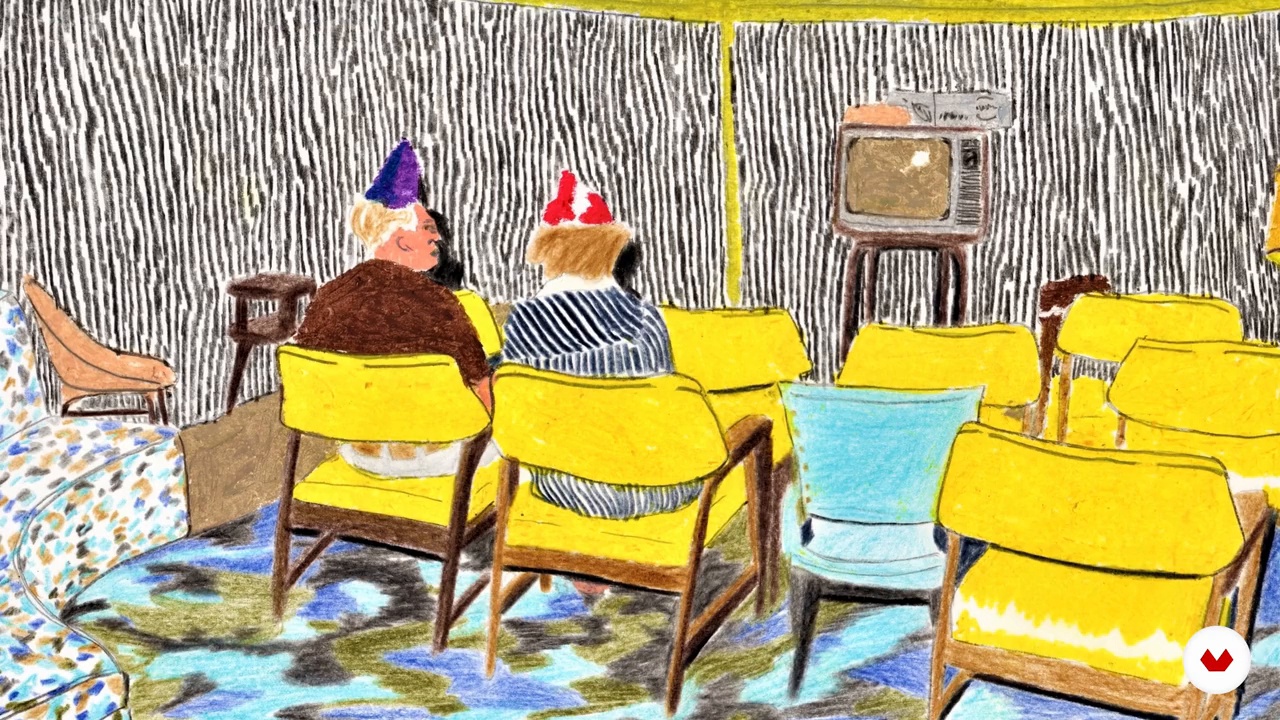 1
1Introduction
Drawing is humanity's oldest language, a timeless tool for telling stories and preserving ideas. From the caves of Altamira to digital tablets, it has marked history and continues to transcend borders, generations and cultures. In this course, you will explore drawing as a way of thinking, communicating and unlocking your creativity, because each stroke is a dialogue between your hands and your imagination.
1m
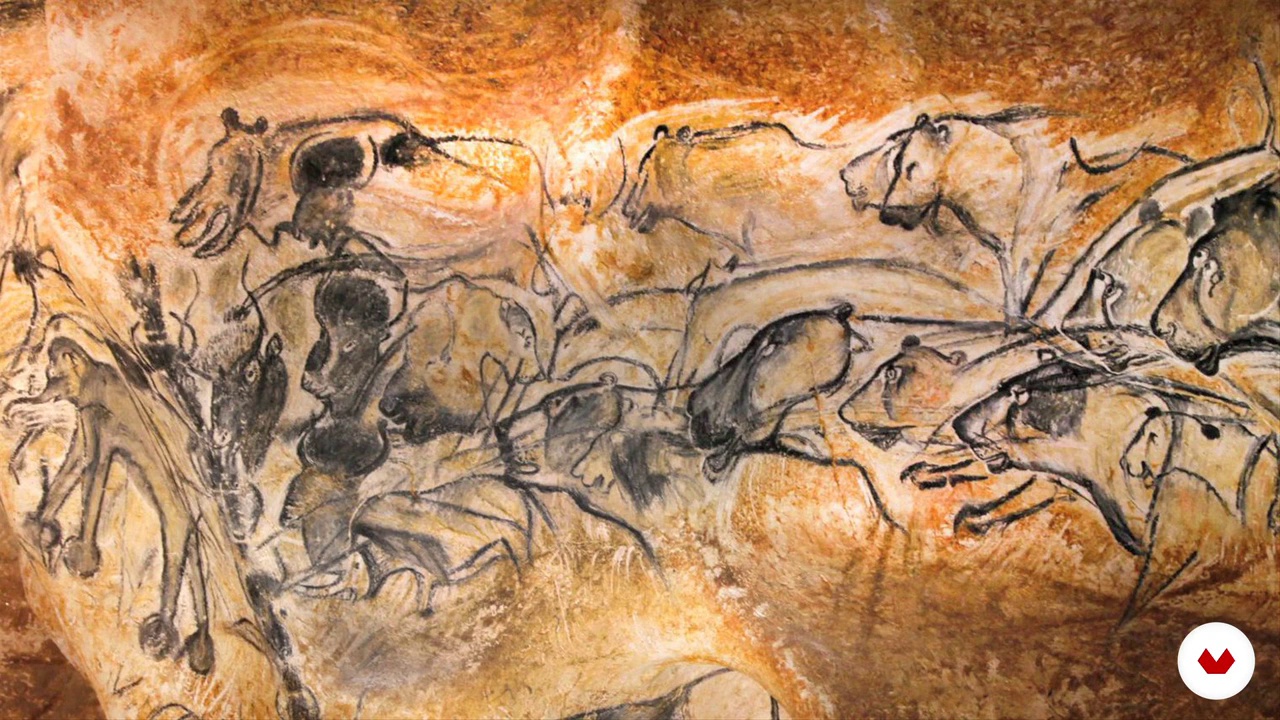 2
2Inspiration / Fist
A short talk about the benefits and uses of drawing, as well as some reflections on my experience as a drawing teacher over the last twenty years.
10m
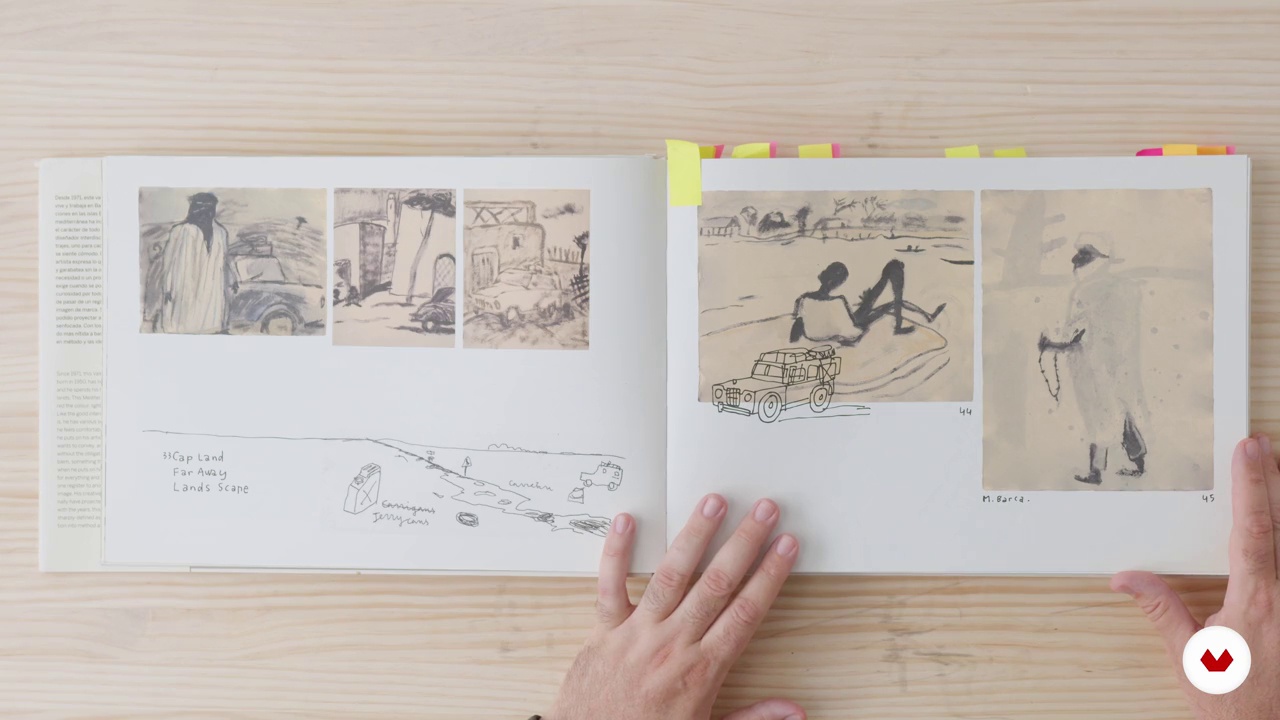 3
3Inspiration / Javirroyo
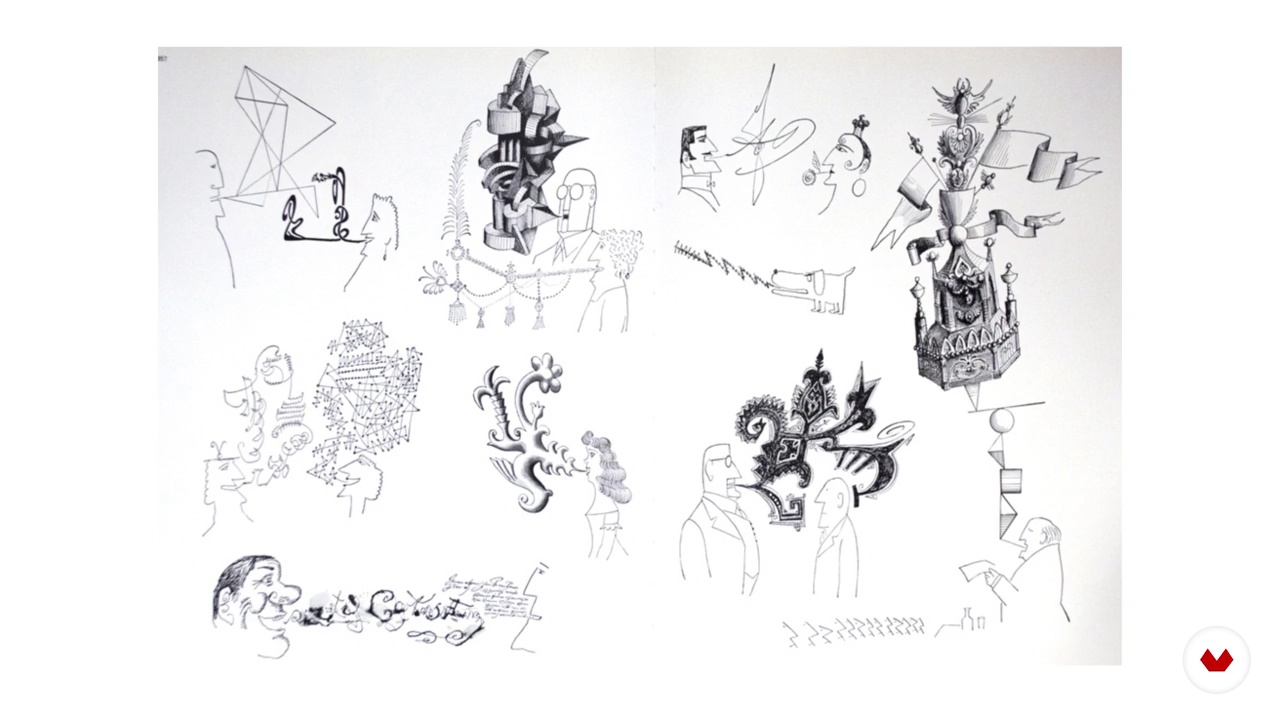
Meet some of the artists I admire and from whom I continue to learn about how they communicate using drawing as a graphic and textual language. Each one contributes different things, but something common to all of them is that, when I met them, each one of them opened up a unique and different world to me. All of them have used illustration and drawing not only as artistic expression, but as a language in itself to communicate things. And they all speak from humor, irony or a different and surprising perspective.
19m
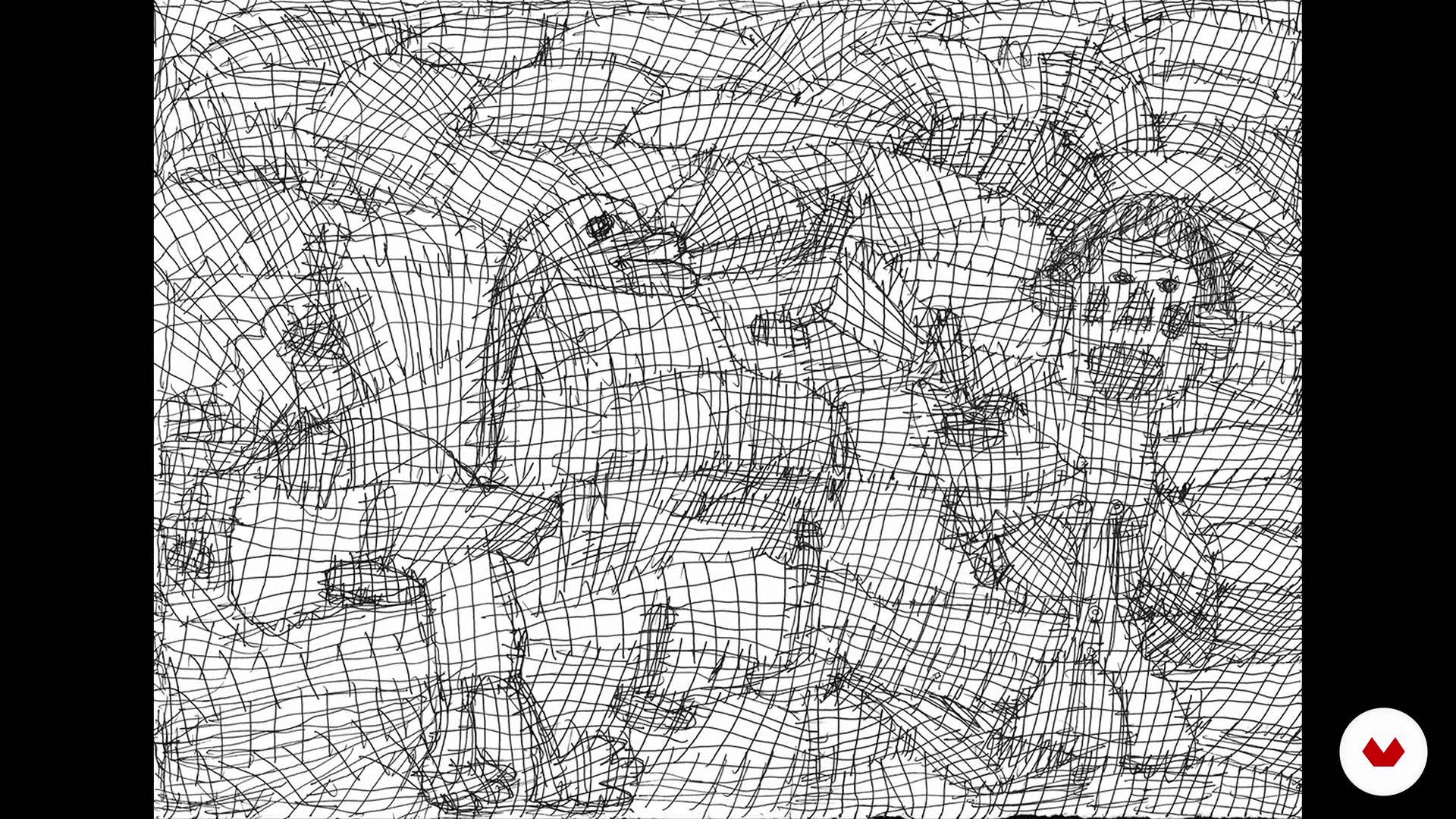 4
4Inspiration / Fist
Here we will reflect on the possibility of finding and generating new artistic learning methods that are alternatives to academic stereotypes, as well as the different phases of the teaching process.
9m
 5
5Inspiration / Gusti
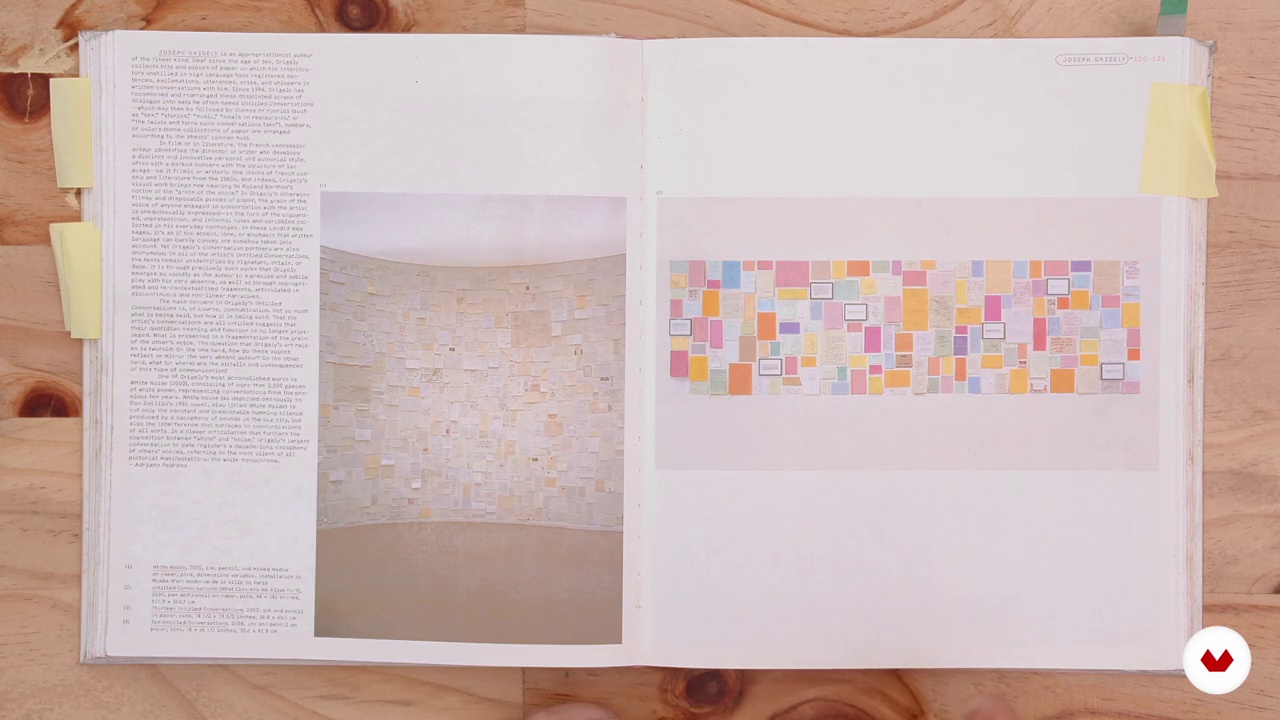
Gusti will talk to you about the artists and people who have influenced me throughout my professional career. I have been influenced by everything from cartoon characters to illustrators who relied on drawing, not only as a way of life, but also as a way out of the darkness they found themselves in at a certain point in their lives.
9m
 6
6Inspiration / Fortuna Studio
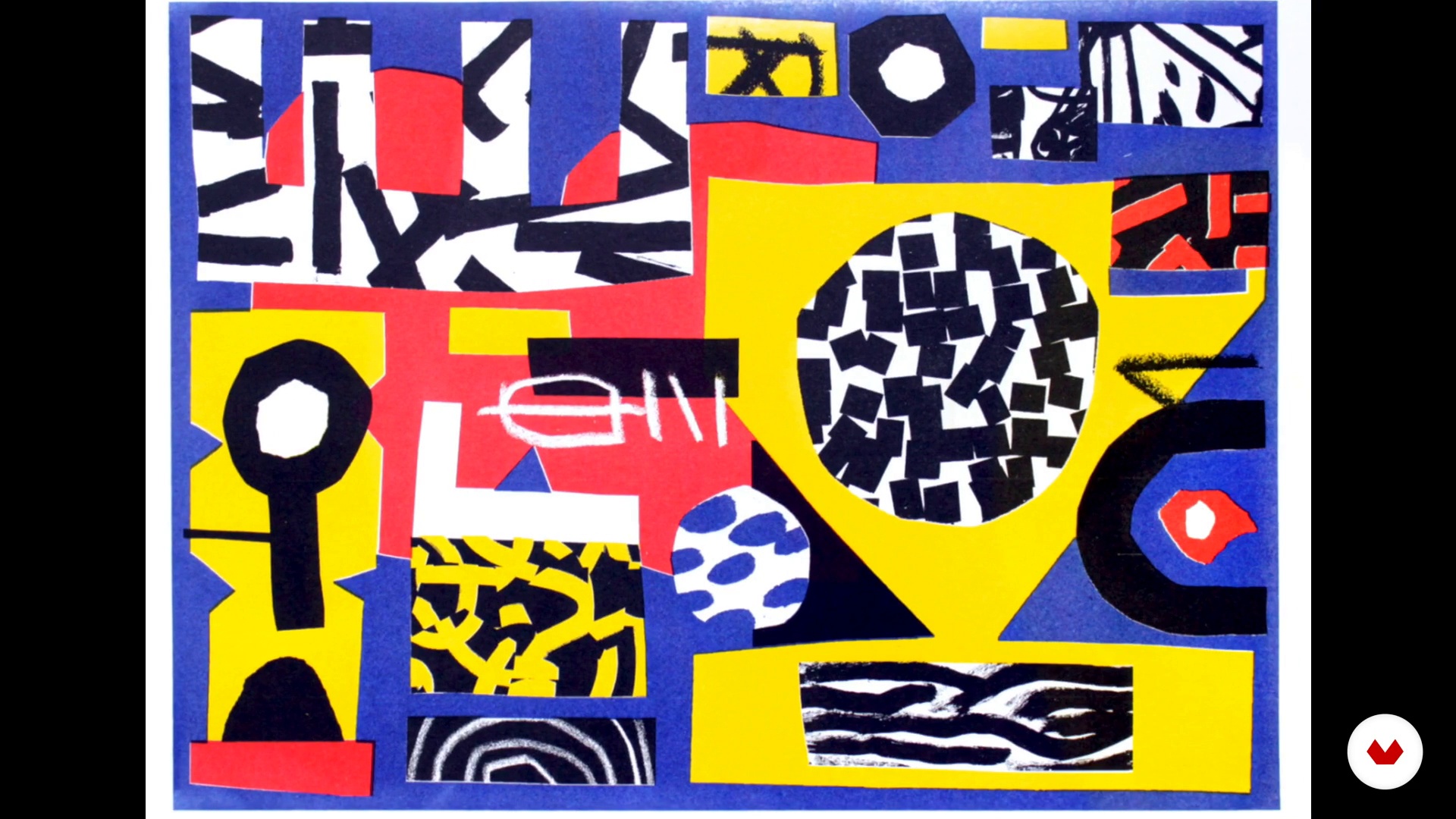
Inspiration can come from anywhere, from what we see every day, the music we listen to, the movies we watch to what we learn about history, art and literature. Now, we'll tell you where ours comes from.
8m
 7
7Inspiration / Fist
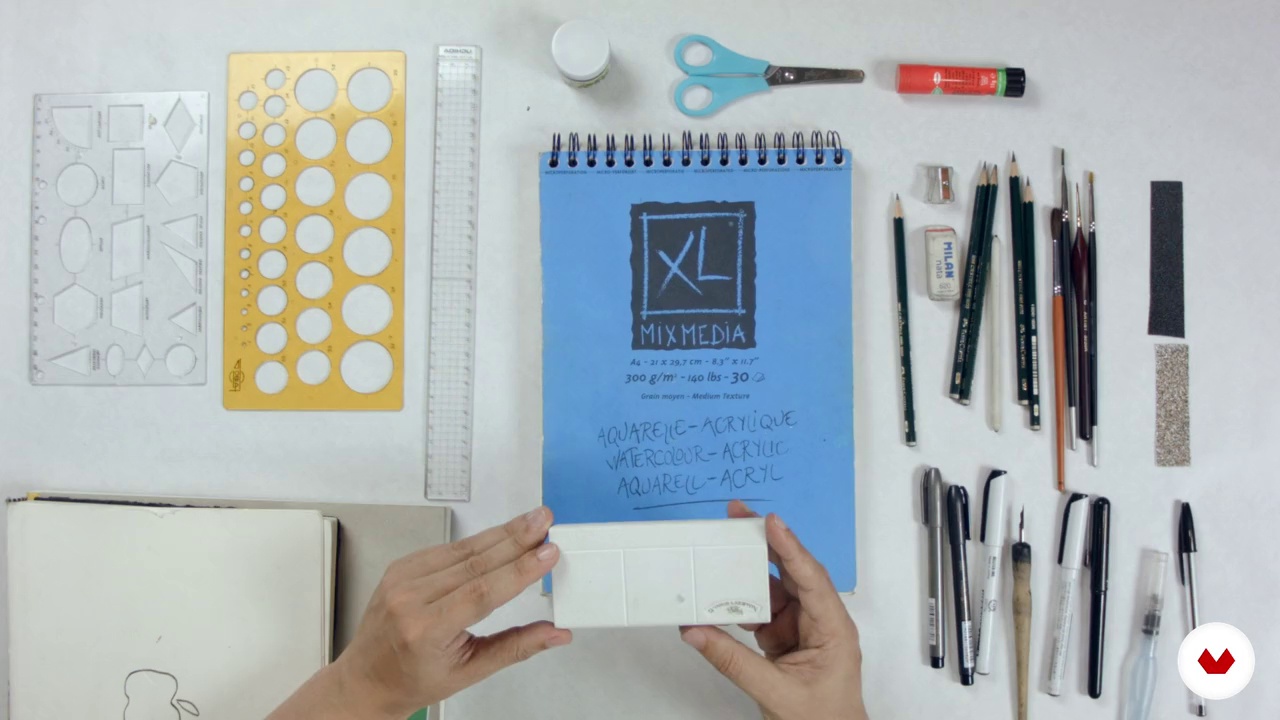
Finally, you will meet some artists that I like. You will see that their works are very simple, but they all have something special.
7m
 1
1The notebook is a garden of ideas and memories
To start, you'll learn why the sketchbook is a sketcher's best friend. I'll give you some tips on choosing the right sketchbook and drawing materials, as well as some tricks.
14m
 2
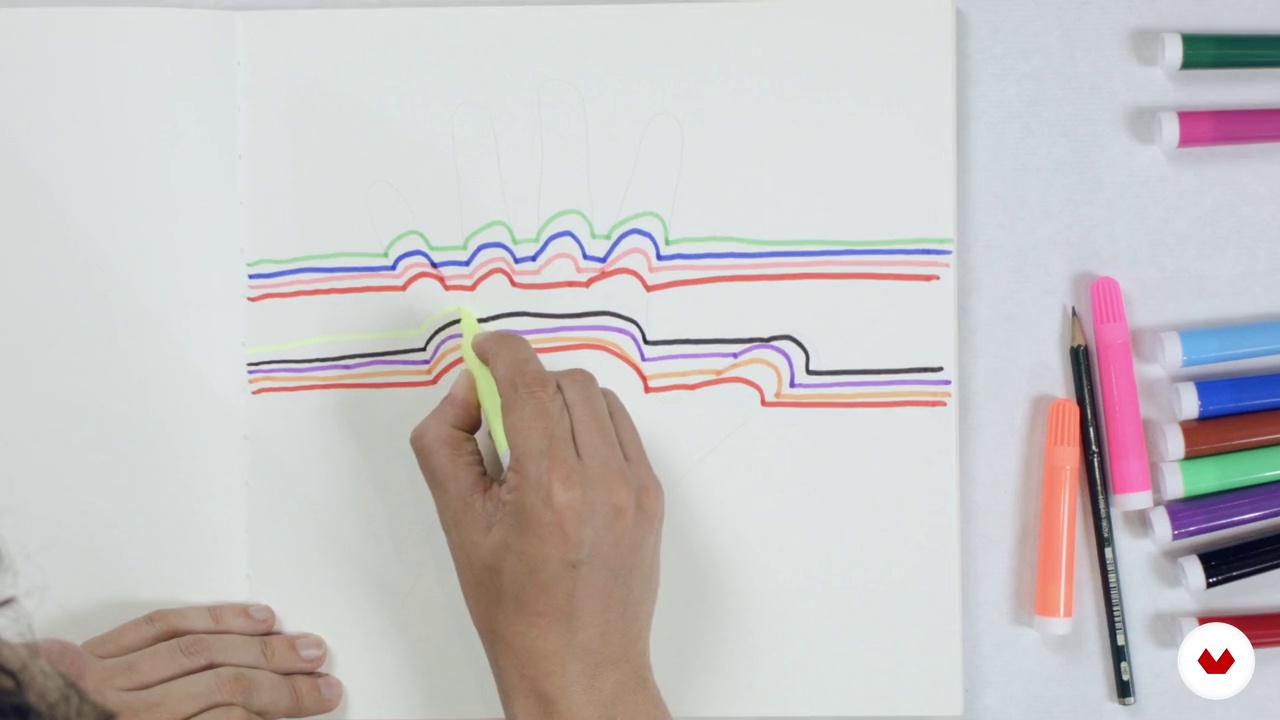
2The hand, eternal model
The hand of the cartoonist has been a faithful and close model since the beginning of time. Let's see how it can help us on our way to becoming cartoonists.
9m
 3
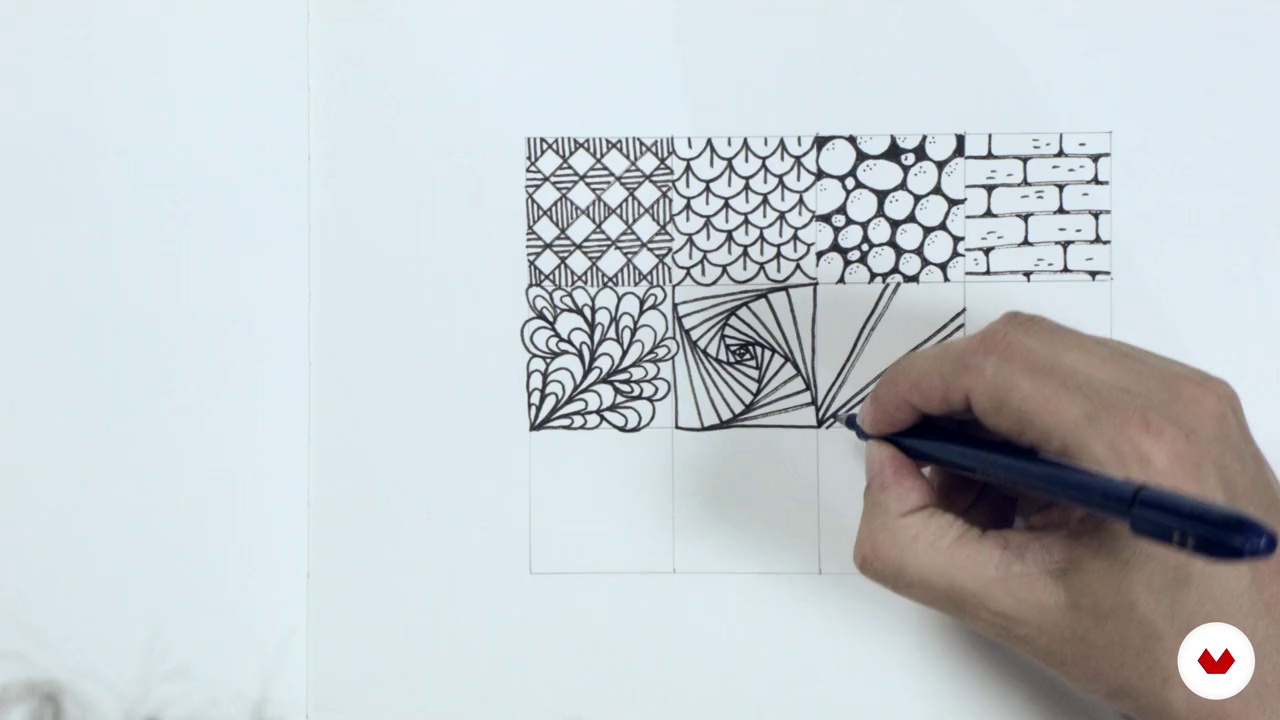
3Doodles 1
Before facing the representation of what surrounds us, abstract drawing will be very useful to learn some basic concepts of the act of drawing that can only be understood through practice.
15m
 4
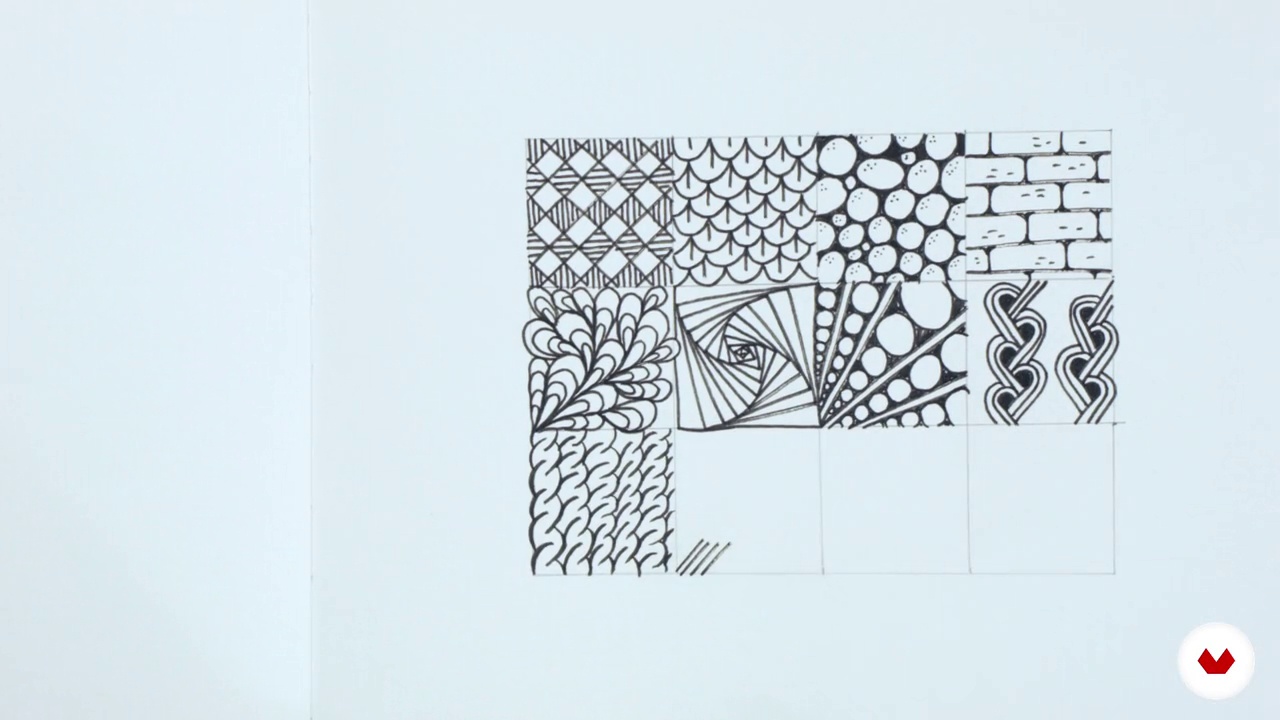
4Doodles 2
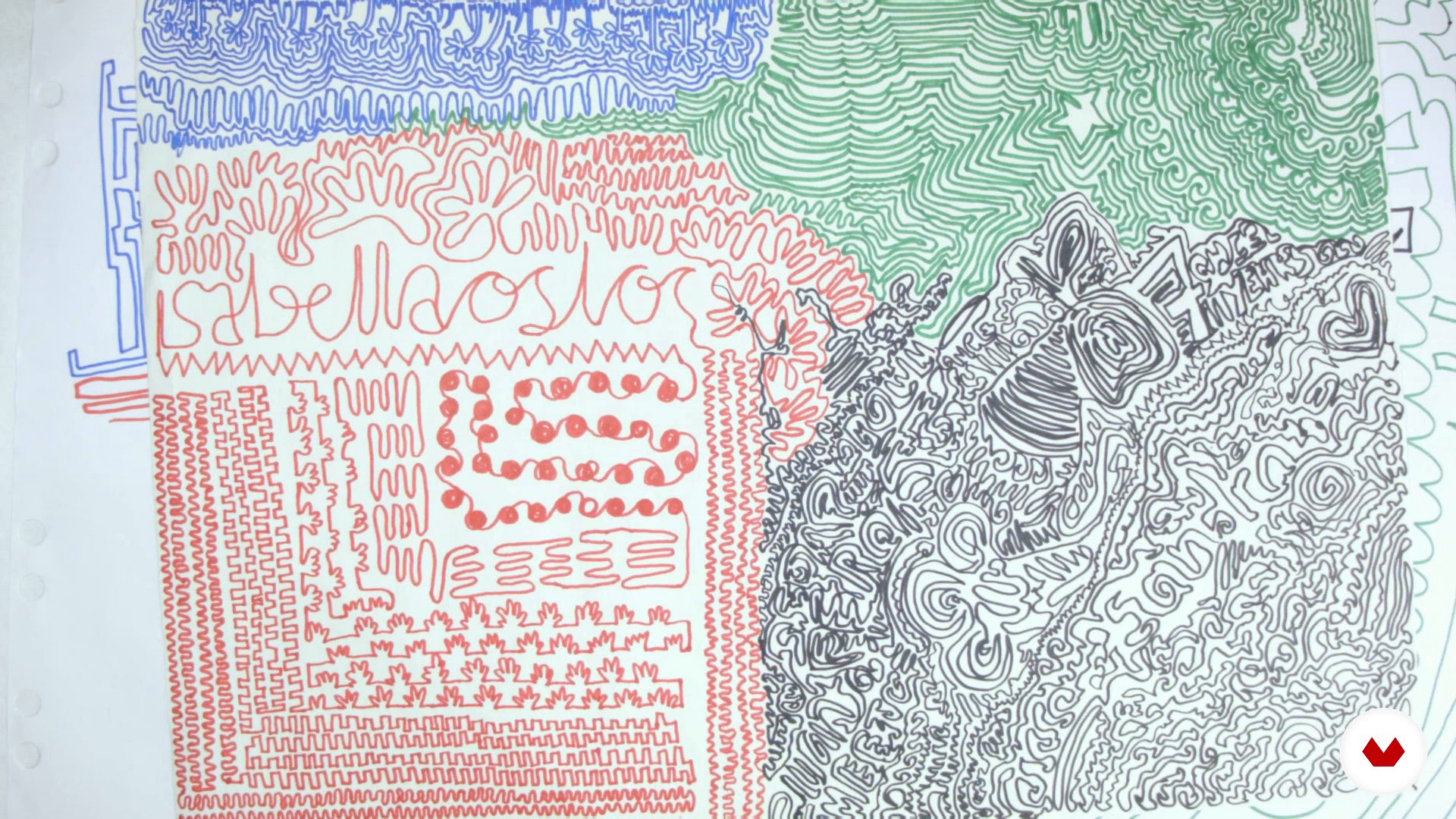
You'll see how to practice drawing patterns such as clouds, hatching, caves and interlaced paths. You'll explore their structure, variations and visual effects, developing precision and creativity. Finally, you'll reflect on your favourites and how to combine them into new compositions.
7m
 5
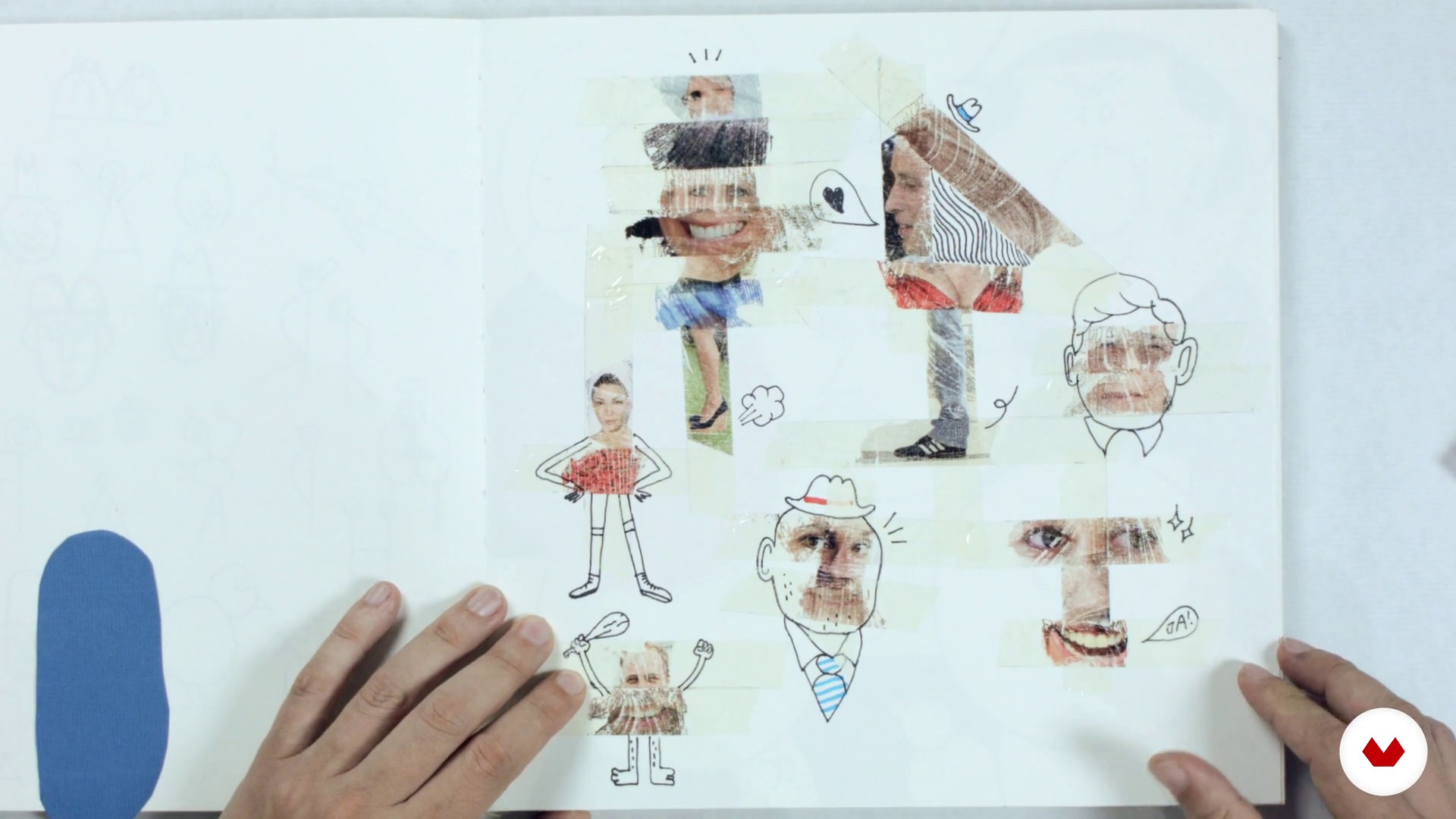
5Collage with cellophane
You will see a fun image transfer exercise based on the sample with which we will practice the composition of the portrait.
5m
 6
6Games for various proto-drawers
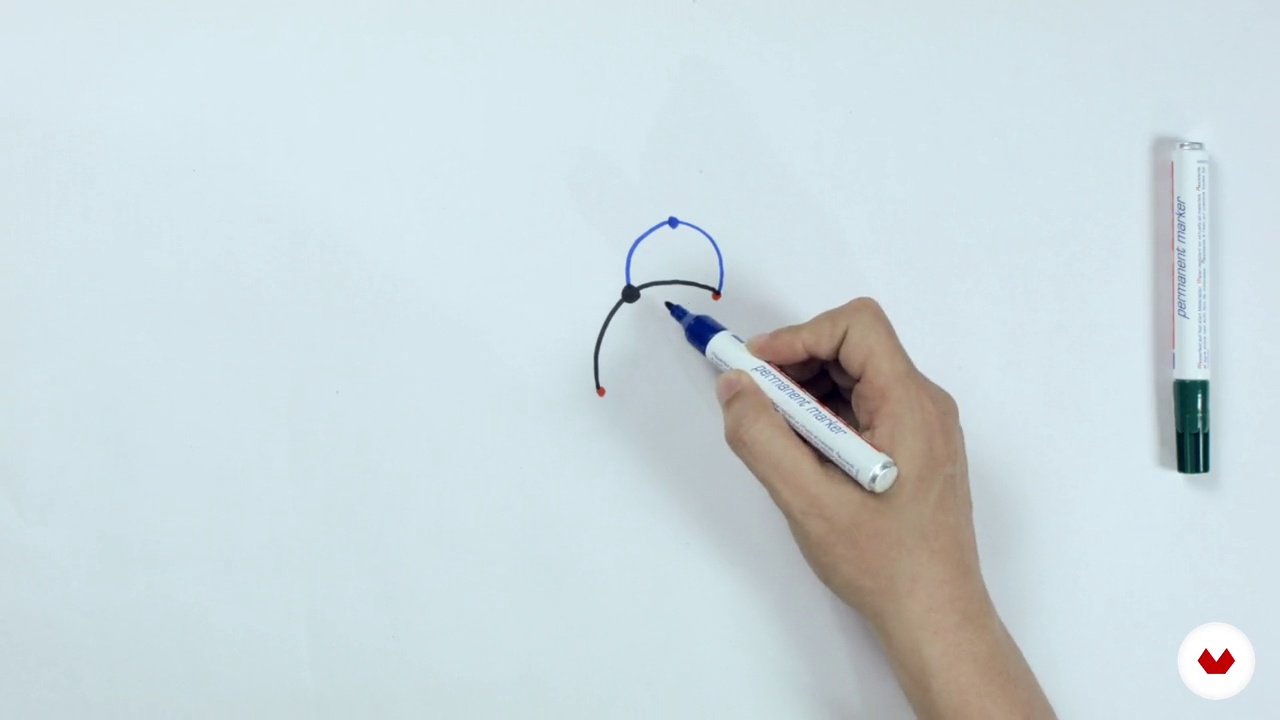
Drawing can be a very fun activity. Let's try some games to experiment with as a group.
7m
 7
7Geometric shapes, your new best friends 1
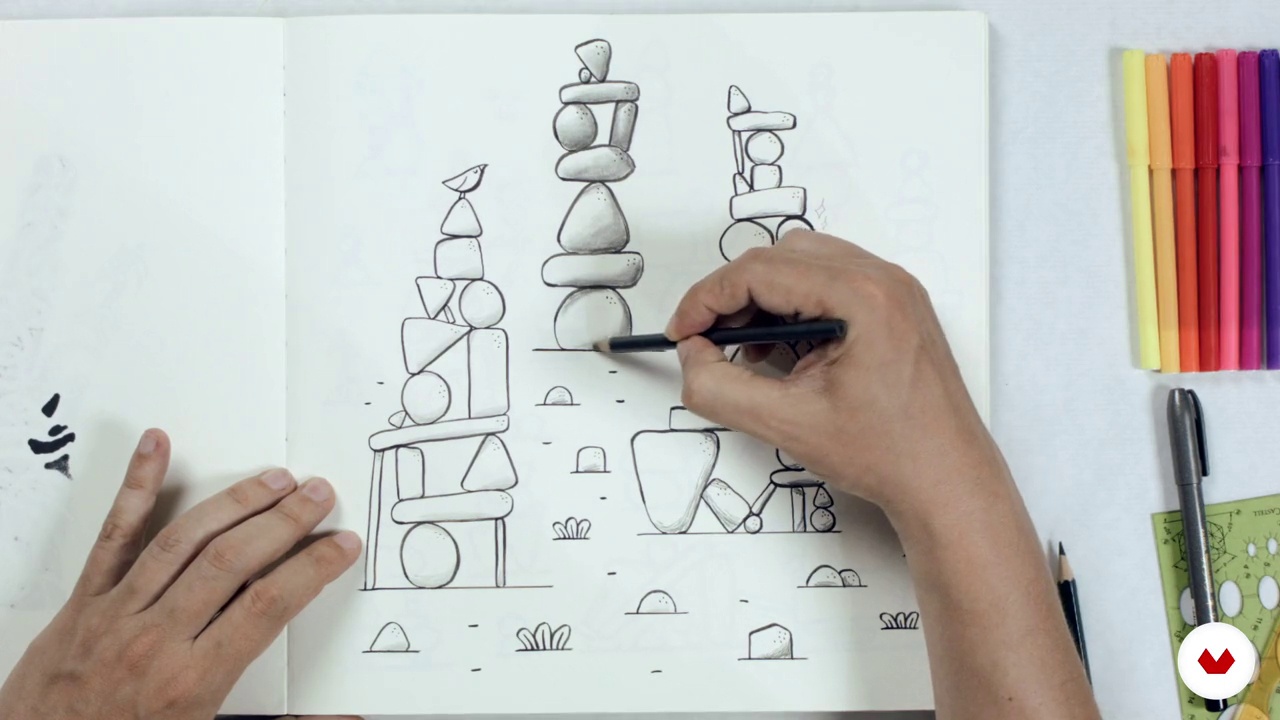
In this lesson we will work with what we already know how to draw: letters and basic geometric shapes. We will also practice some balancing on paper.
18m
 8
8Geometric shapes, your new best friends 2
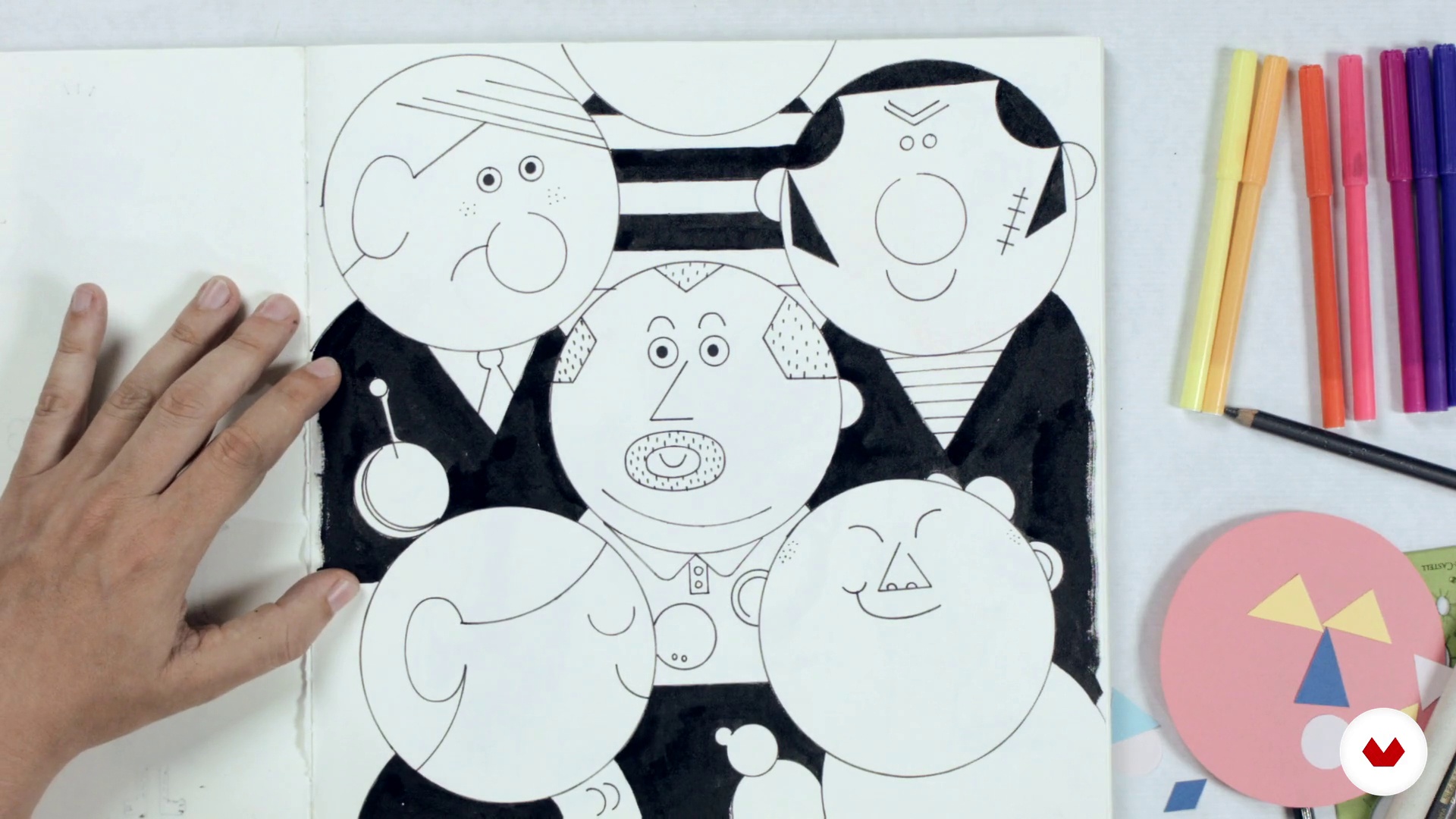
In this exercise you will create a portrait using a shape ruler and a circular base. You will explore facial proportions and symmetry, working with ink, brush or collage to experiment with precision and composition. By the end, you will be able to combine multiple faces into a more complex composition.
10m
 9
9What does a lemon feel?
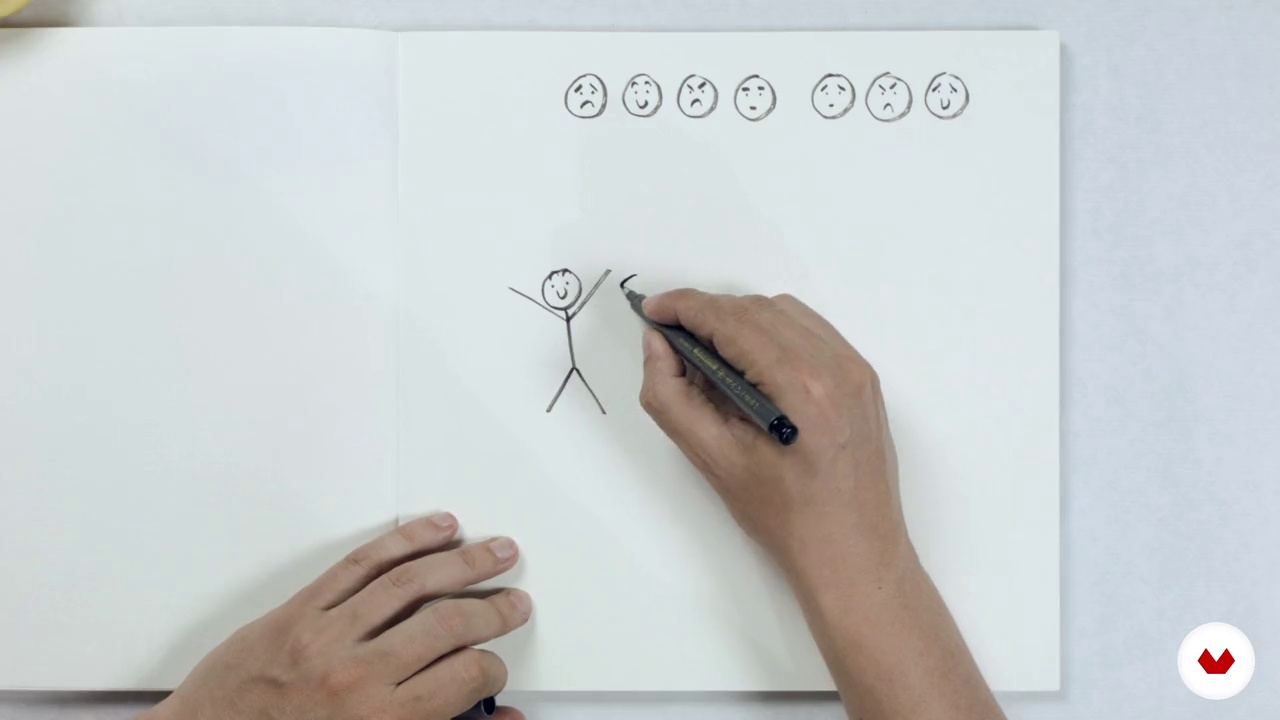
Through some basic formulas we will learn to provide gestural and corporal expression to anything, even a lemon, as you will see in this lesson.
14m
 10
10Prosopography and ethopoeia
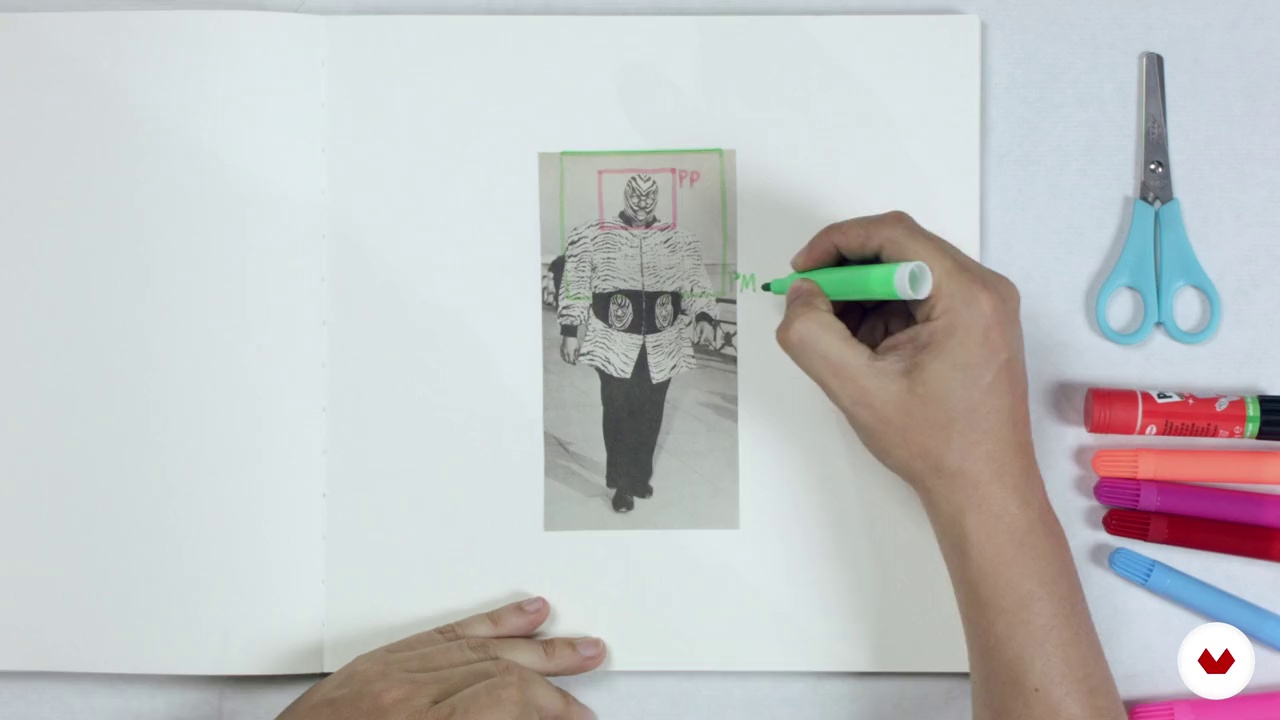
Many literary rhetorical figures have a visual translation, as we will see in this lesson. We will also see how the size of the human figure within the frame influences some of them, such as prosopography and ethopoeia.
12m
 11
11Games for two (or more) fearless cartoonists
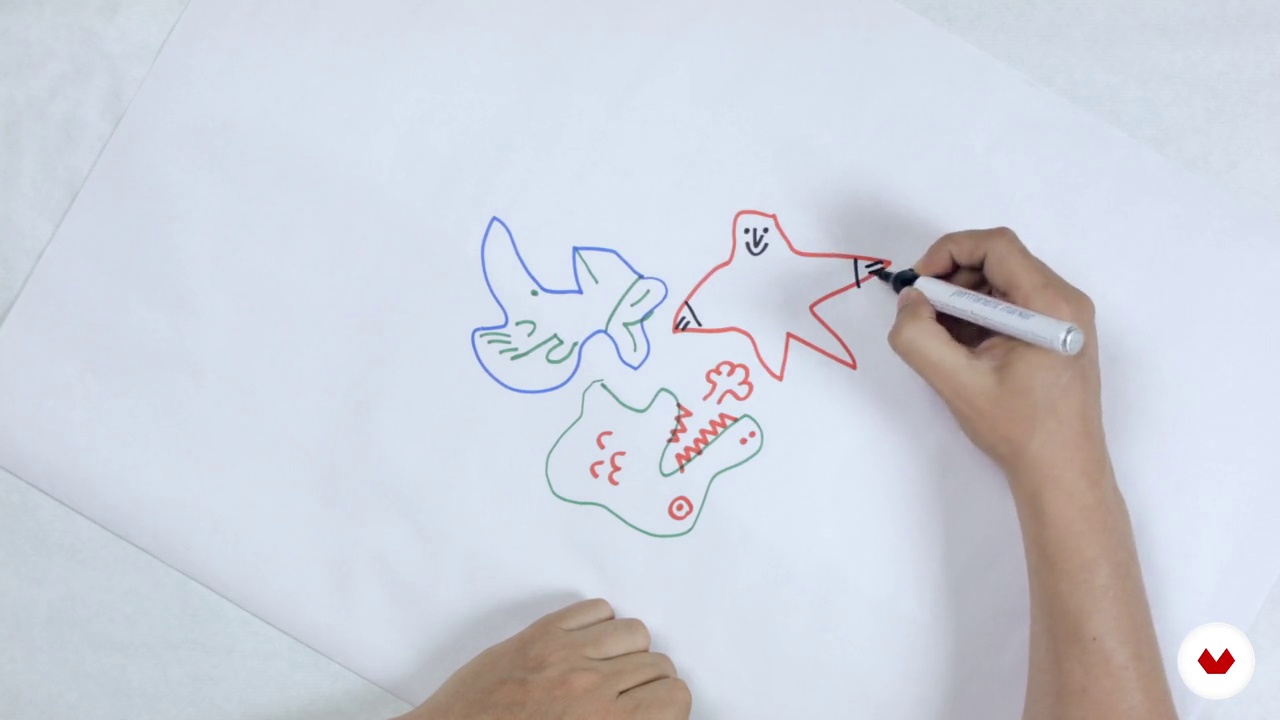
It's time to let go of your fears and start being more daring. To do this, I'll show you a new series of games that will help you enjoy the pencil and paper.
8m
 12
12Restrictions and challenges
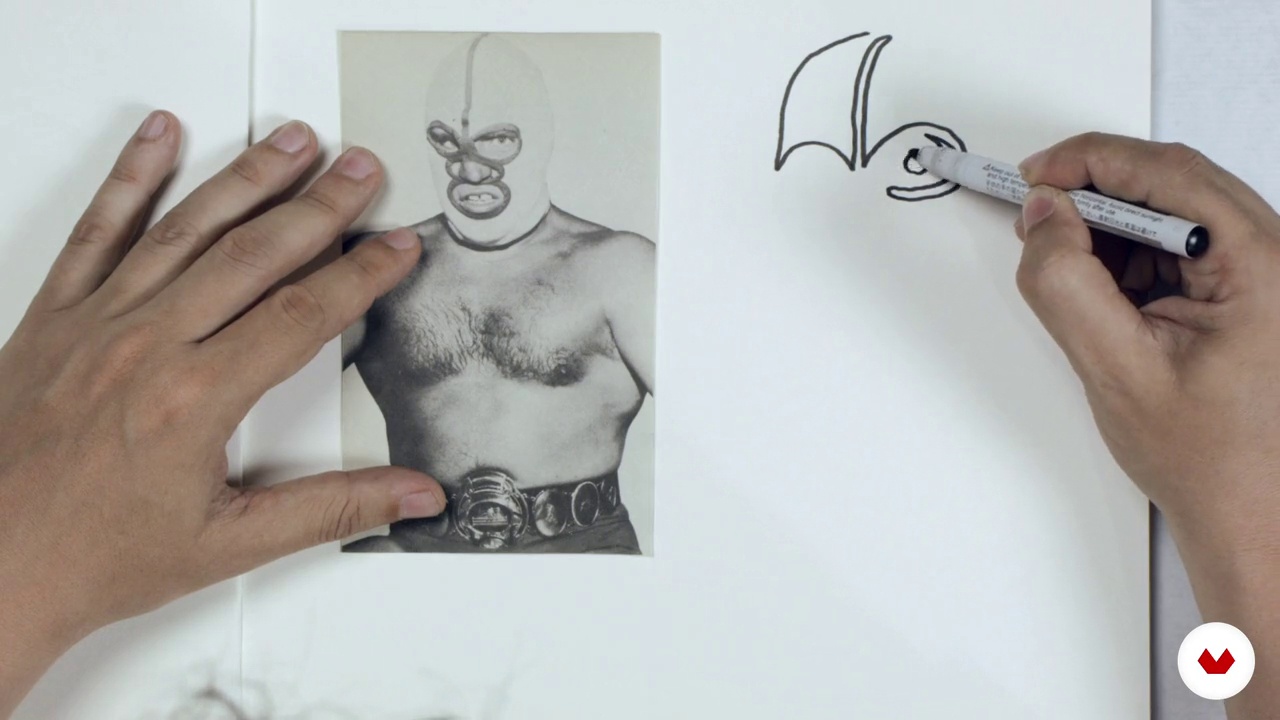
Do you remember how divergent and convergent processes affect our brain? Let's check out how we can use constraints in drawing to stimulate our creative muscle.
7m
 13
13Urban notebook 1
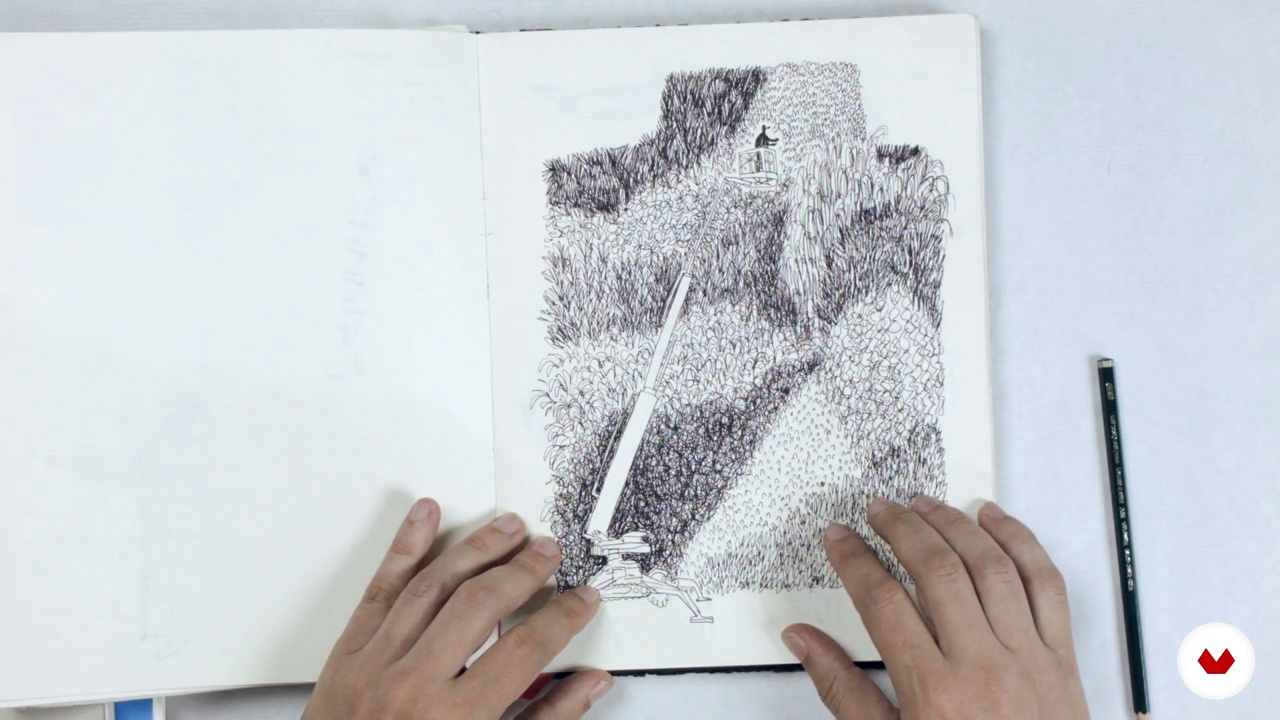
At this point, you're more than ready to hit the streets with your favorite supplies. In this lesson, I'll share some tips and tricks for drawing buildings, plants, and people. Plus, I'll tell you some ways you can get the most out of your sketchbook.
12m
 14
14Urban notebook 2
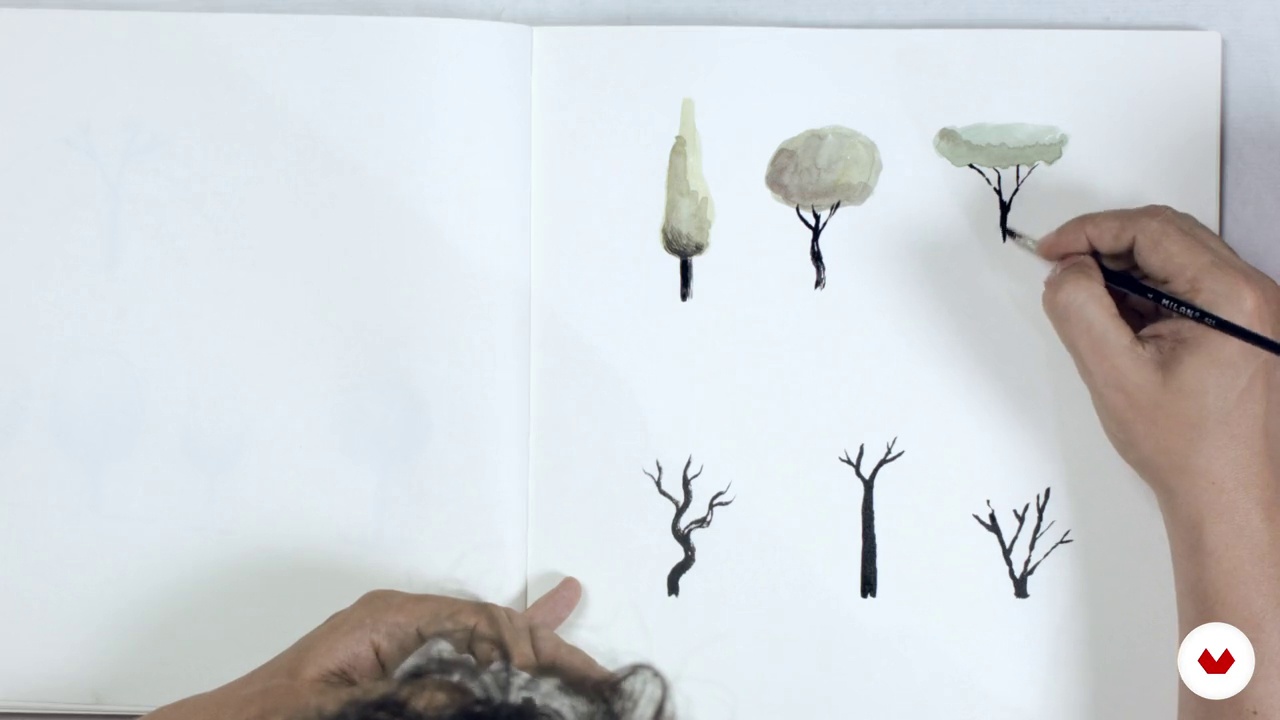
You will learn to draw plants and trees, exploring their structure, volume and textures. You will practice shading and watercolor techniques to represent crowns, trunks and shadows with realism. In addition, you will do exercises to understand the order of the elements in the drawing and improve your precision.
13m
 15
15Drawing people
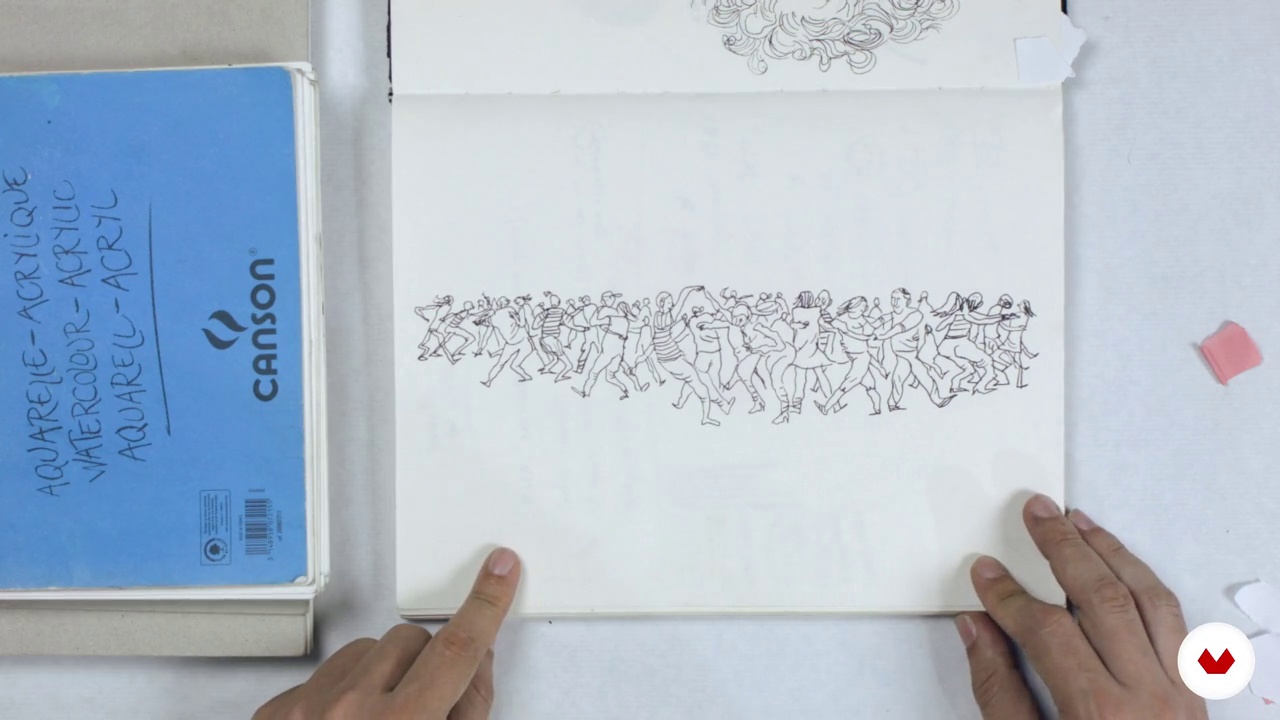
Have you ever drawn people? There are a huge number of people who don't do it because they are afraid. In this lesson, I will help you get rid of that fear and give you my best tips for drawing people in a practical and simple way.
6m
 16
16Games for packs of cartoonists
These games are suitable for large groups of artists. Ideal for the classroom or for evenings with friends!
3m
 1
1Creativity, communication and neurons
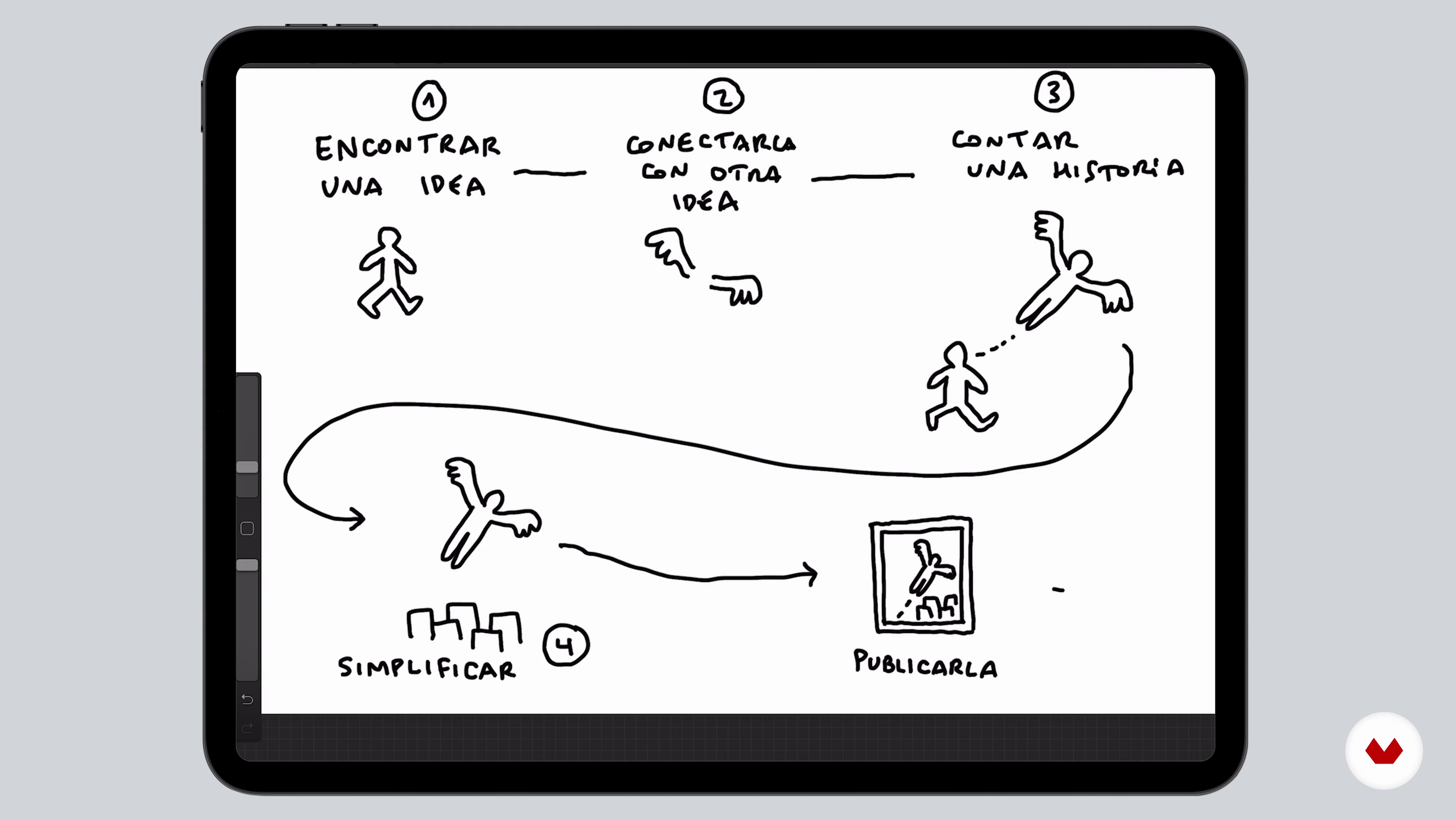
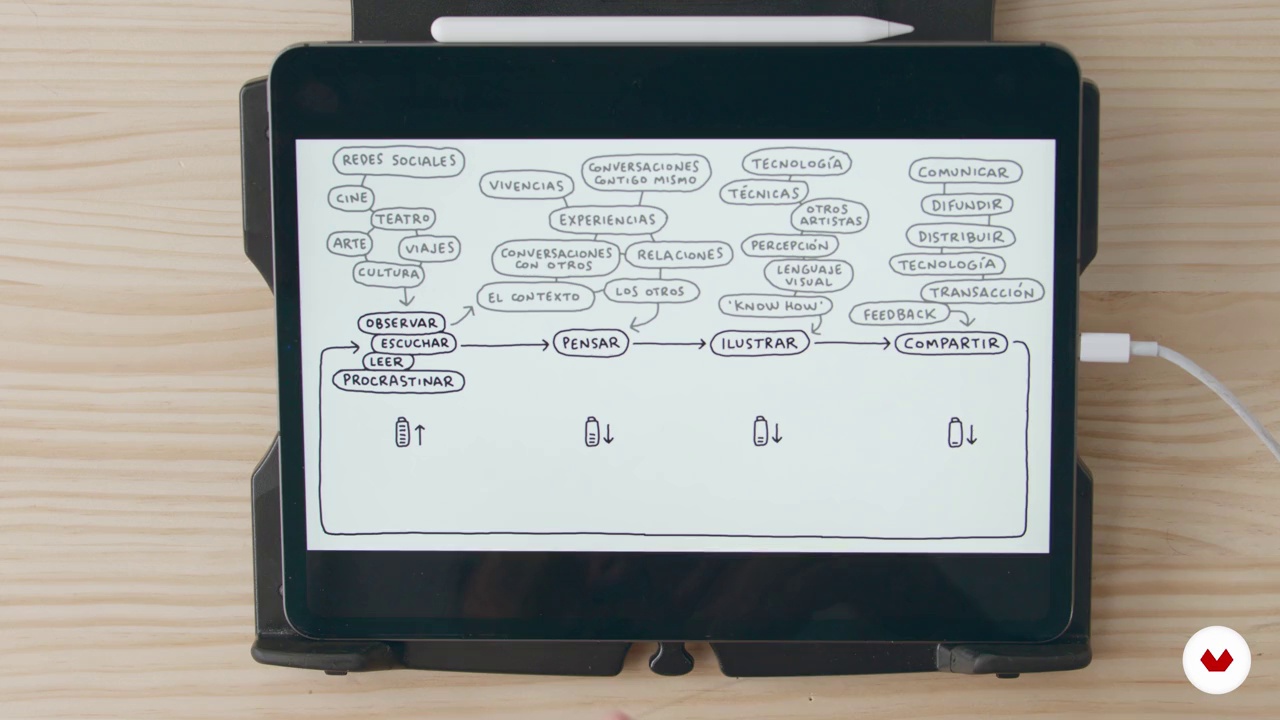
In this lesson I'm going to define what creativity is. We're going to find out why many of us stopped drawing as children and then I'll show you the process I follow from the moment I start looking for an idea until I publish it.
8m
 2
2Procrastinate, think, draw and share
Now let's see why procrastinating is an important phase within that creative process that follows thinking, illustrating (or doing any other activity) and sharing.
14m
 3
3Find your weirdness, find your motivation
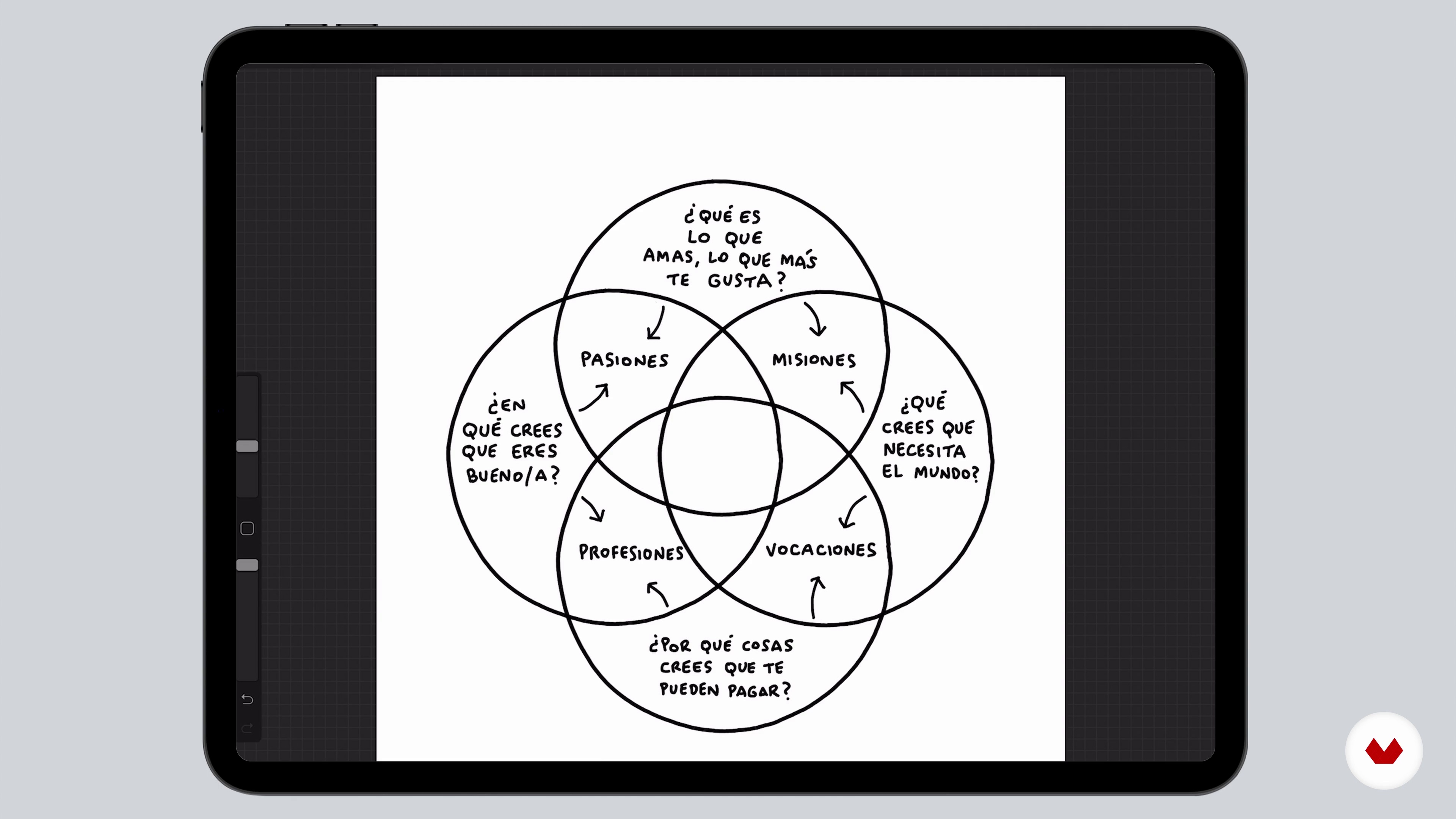
You will discover what your main motivation is, starting from the passion, mission, profession and vocation that you seek in life, to get closer to your Ikigai. Ultimately, it is about investigating the possibilities and your own talent or, in other words, we will answer the questions "What makes me strange? What makes me different?"
5m
 4
4Descriptive self-portrait
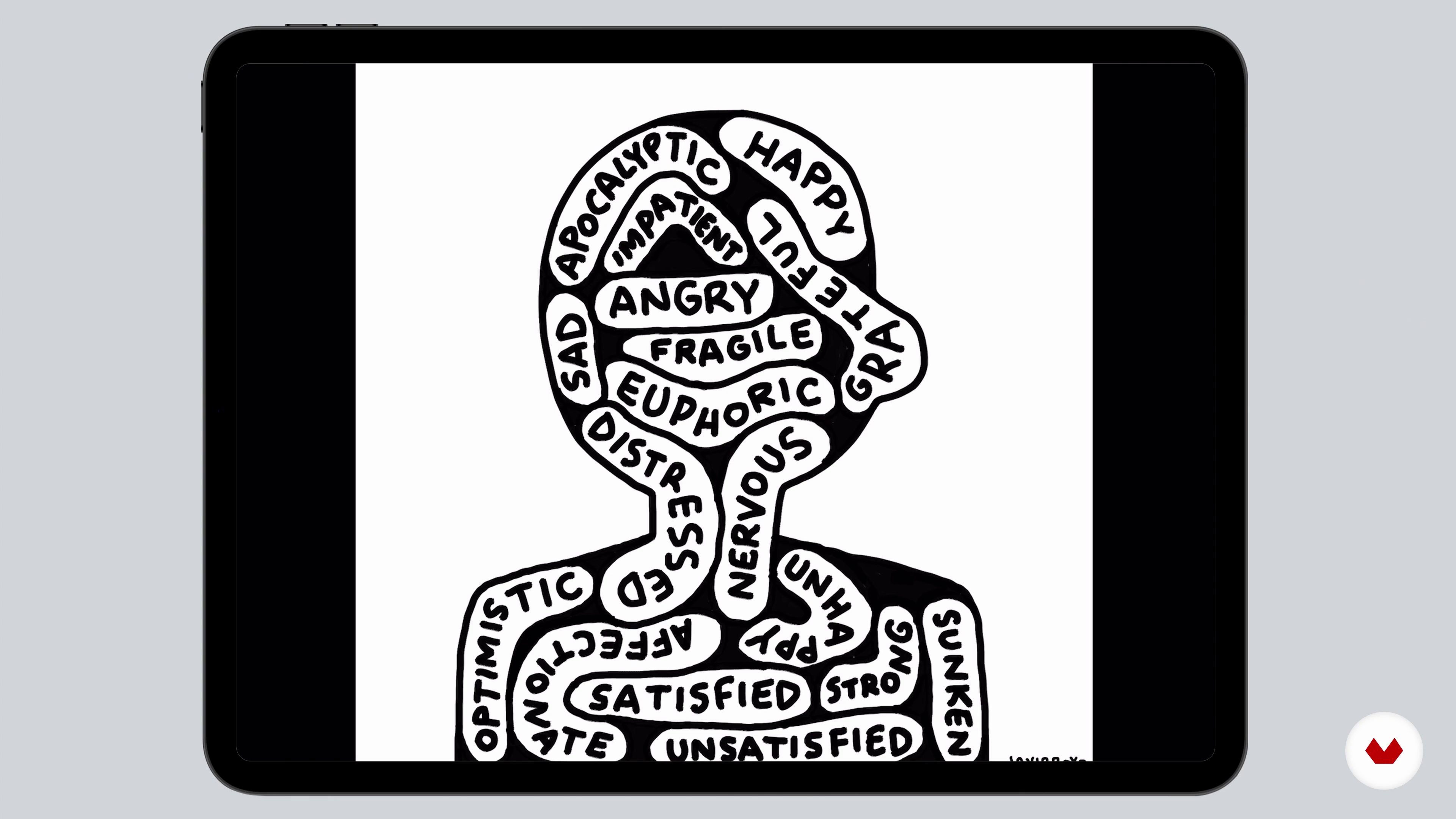
In the previous lesson we talked about how Ikigai can serve as a tool to help us know what we want to do in life, in order to establish motivational goals. Now we are going to discover what we are like in order to move towards that goal: we are going to do an introspection exercise through a self-portrait, using drawing and text.
4m
 5
5Analyze your capabilities and your limitations
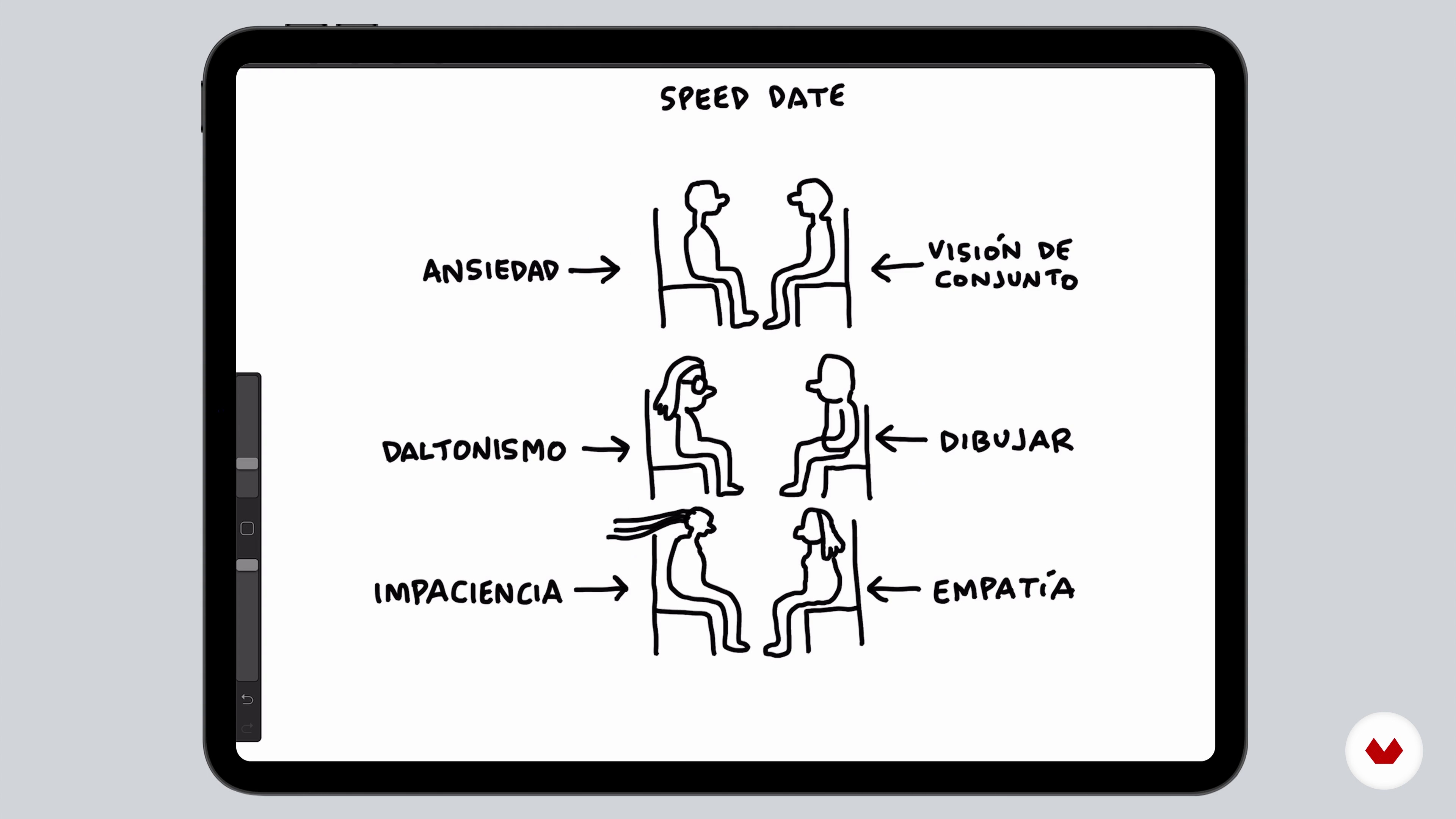
One of the most important steps in determining what path we should take in the future in relation to our activity is to recognize ourselves in what we are best at and what we are worst at. And to do this we must delve deeper into our capabilities and our limitations. In this lesson we will learn to discover them.
6m
 6
6Connecting concepts
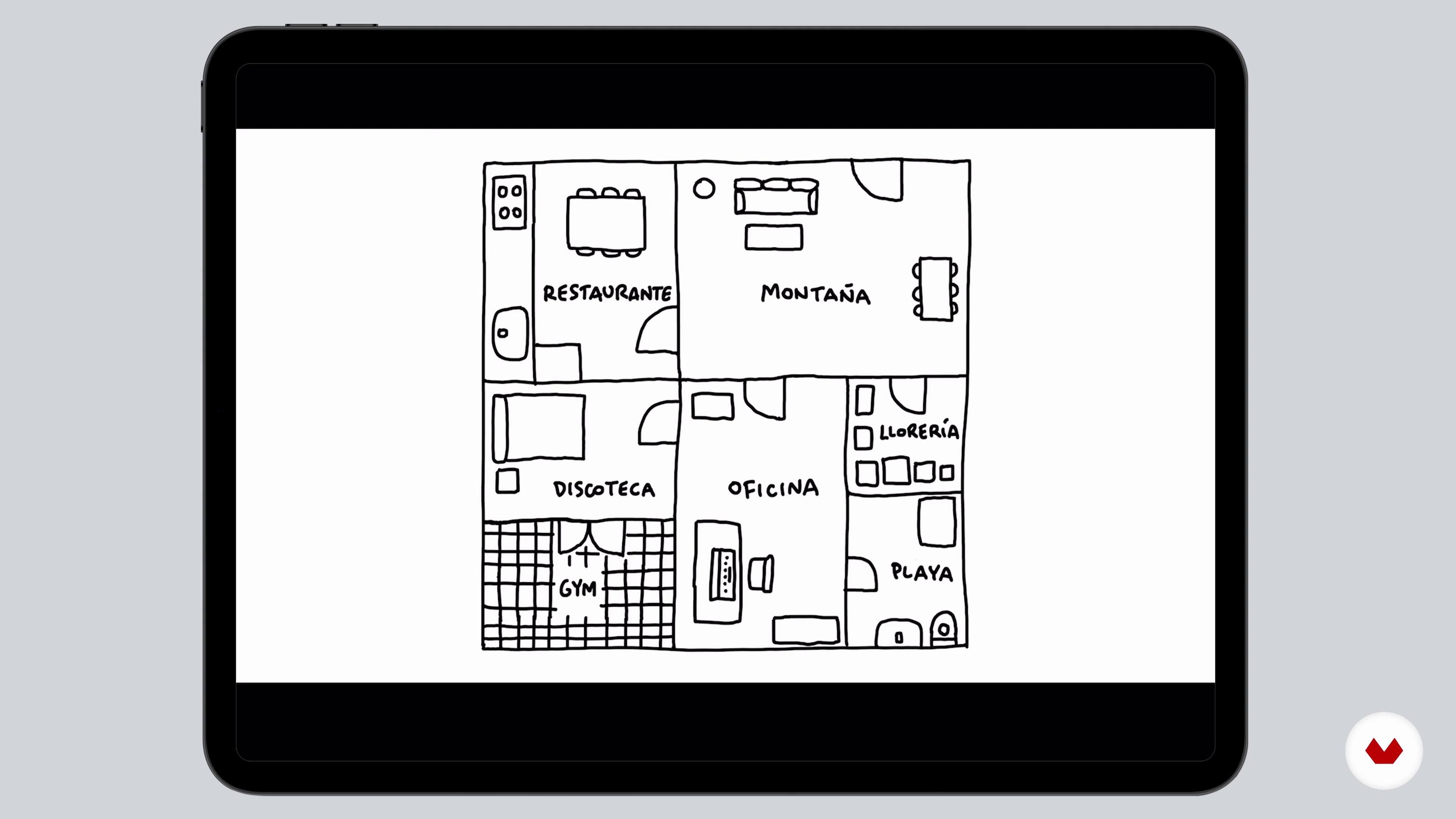
In this lesson you will learn how to connect ideas from a topic and a sketch or base drawing that I will propose to you. It will be like doing sit-ups in our creative gym with the muscle of the brain. Everything will be very fast and very automatic. Have your stopwatch at hand and try to do one every 4 minutes.
6m
 7
7The importance of conceptualizing and simplifying stories
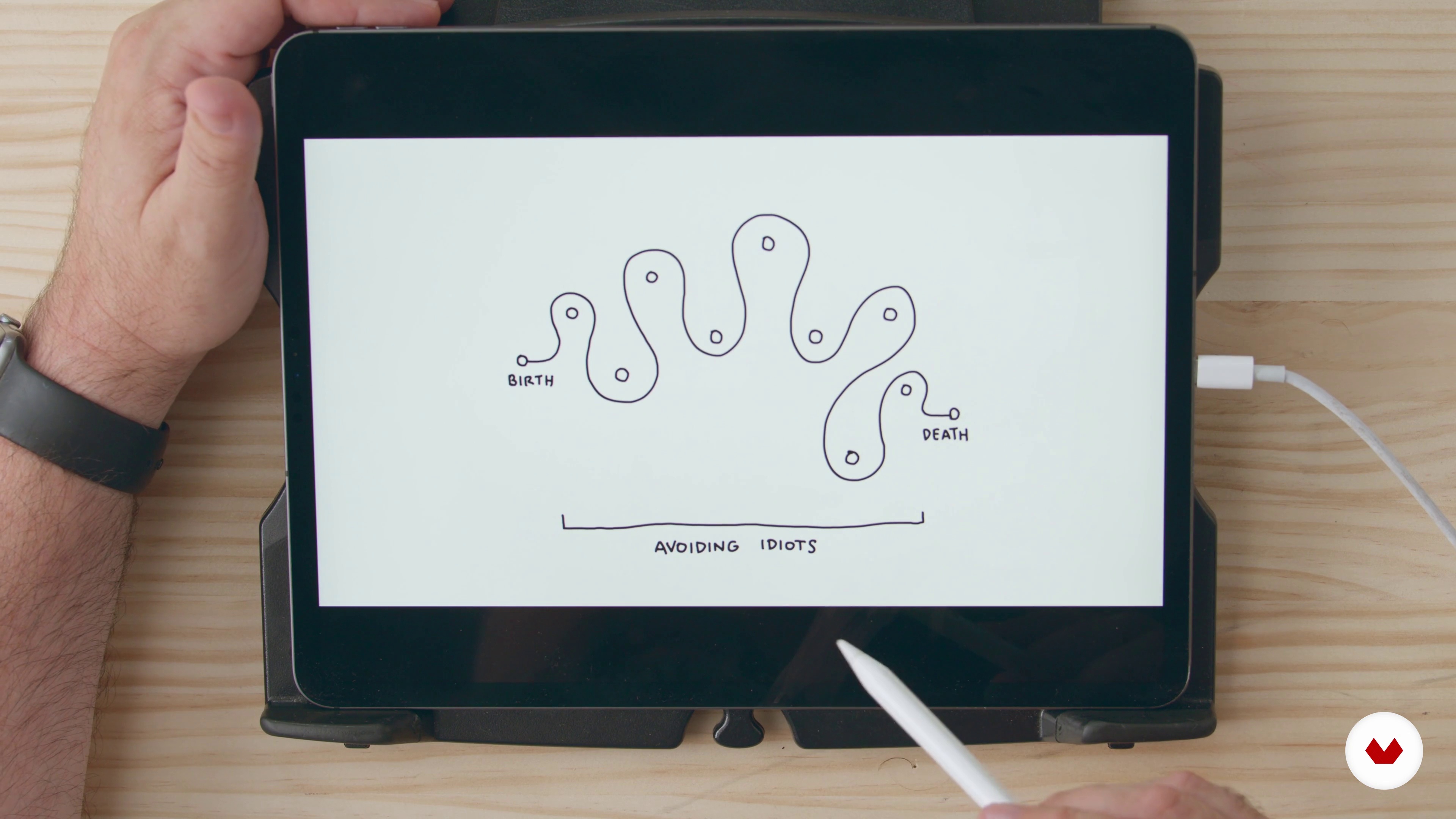
You will discover the importance of empathy in daily work. I will also show you how to think visually and we will see some graphical representation systems that work as tools in the form of graphs and diagrams, allegories, analogies and abstract analogies, analogies and allegories that will help you conceptualize.
8m
 8
8Concept map
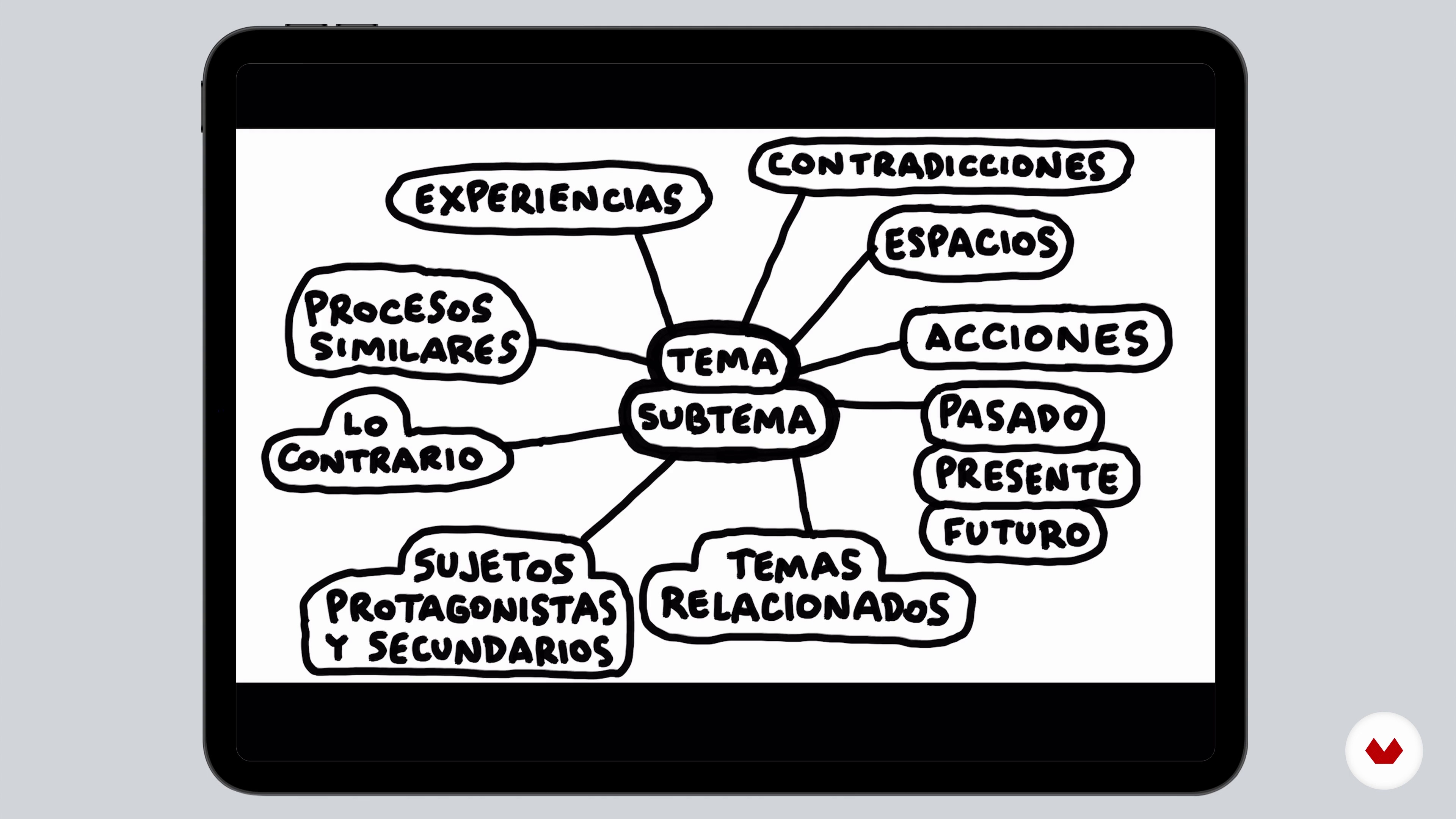
One way to find new concepts is to make a concept map. In this way, we can refine or discover ideas that were initially hidden, but which, thanks to the map, we can discover. In this lesson we are going to develop an illustrated concept map based on a topic.
8m
 9
9A mutant form
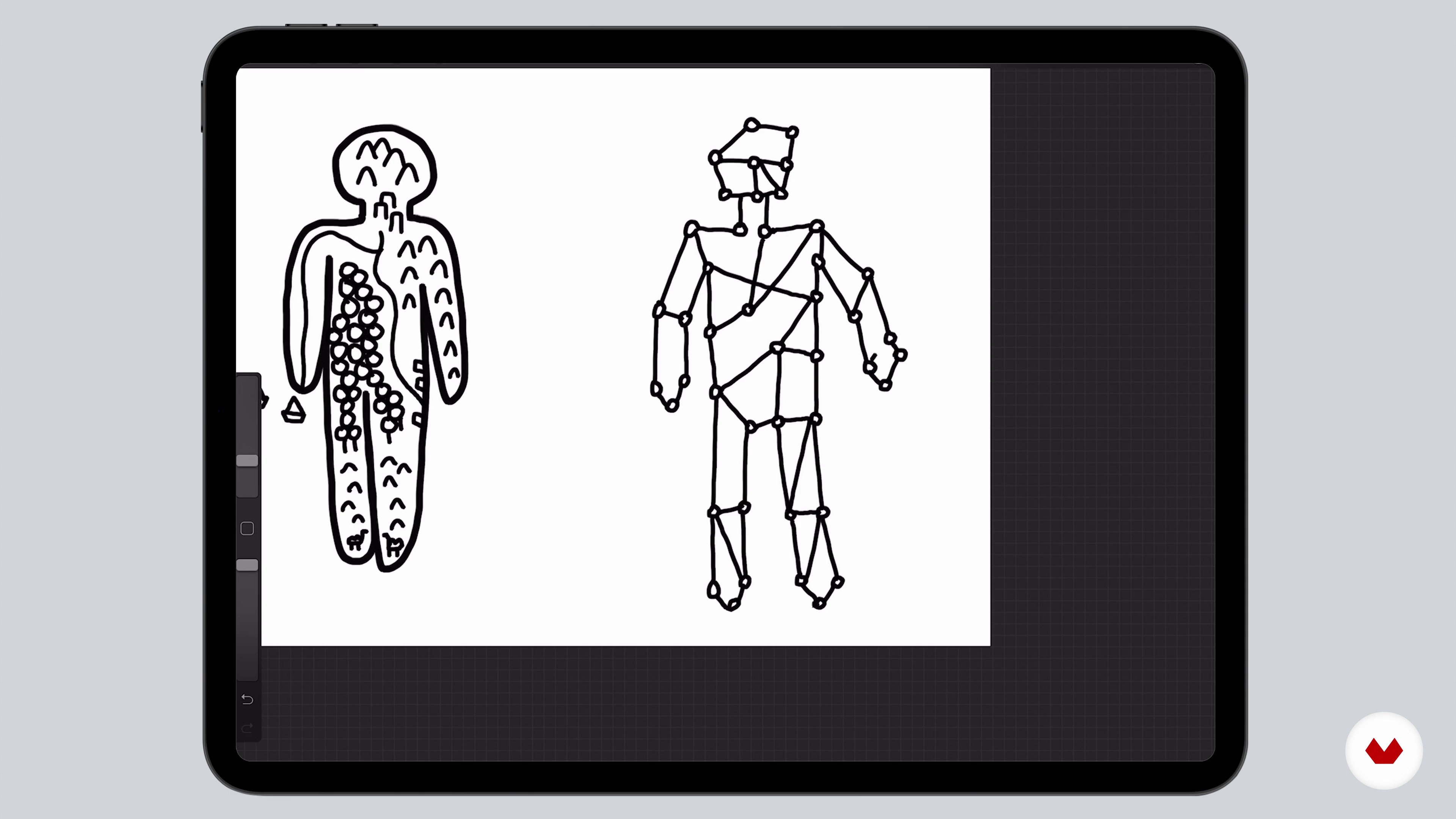
In this lesson we will start with an archetypal representation: starting from the figure of the human body we will represent seemingly distant ideas. We will also mix the representation of the body with different themes to obtain unexpected results. We will experiment, play with seemingly dissociated ideas and mix them through drawing.
5m
 10
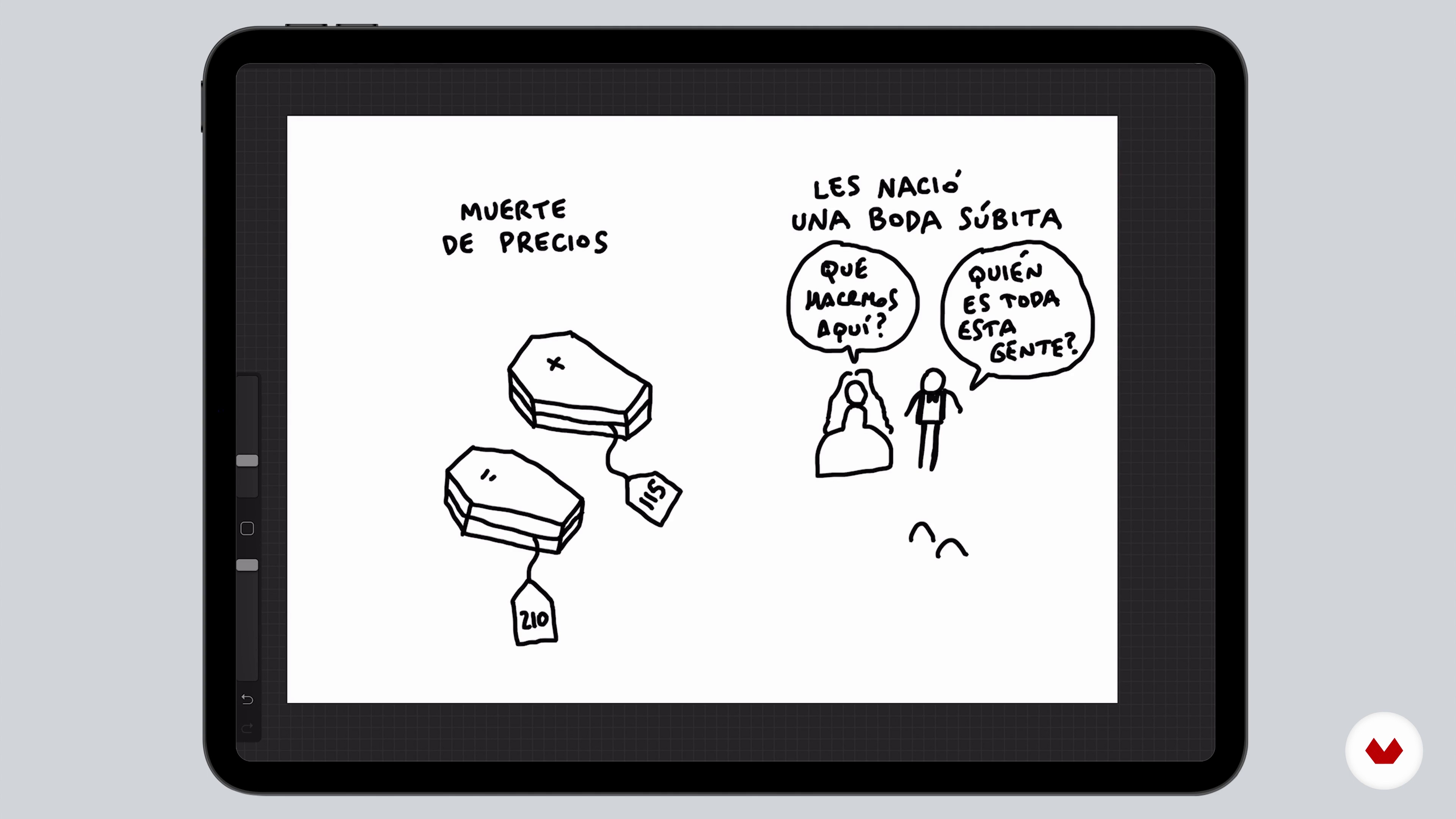
10Taming chance to get new ideas
Chance is a great generator of new ideas. In fact, there are great discoveries throughout history that were generated thanks to mistakes. In this lesson we will force chance. We will try to make things happen, to make ideas emerge by mixing other seemingly distant ones... We will associate ideas by chance; and the results will surprise you!
5m
 11
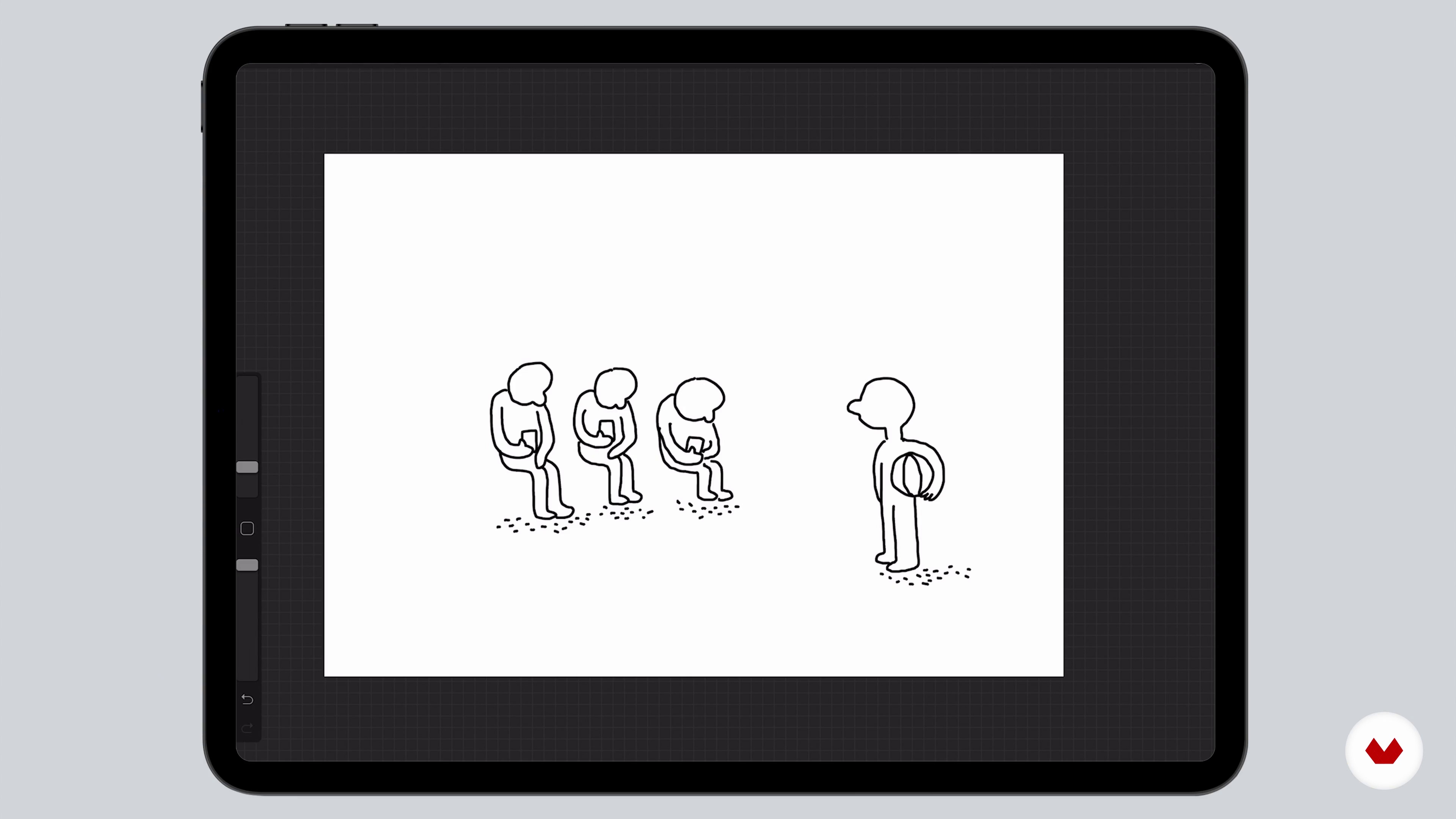
11Express ideas from different emotions
During the module we have seen how ideas are made up of, among other things, our beliefs, our desires, our expectations, our imagination and, above all, our emotions. Therefore, you will see how to represent situations through them.
3m
 12
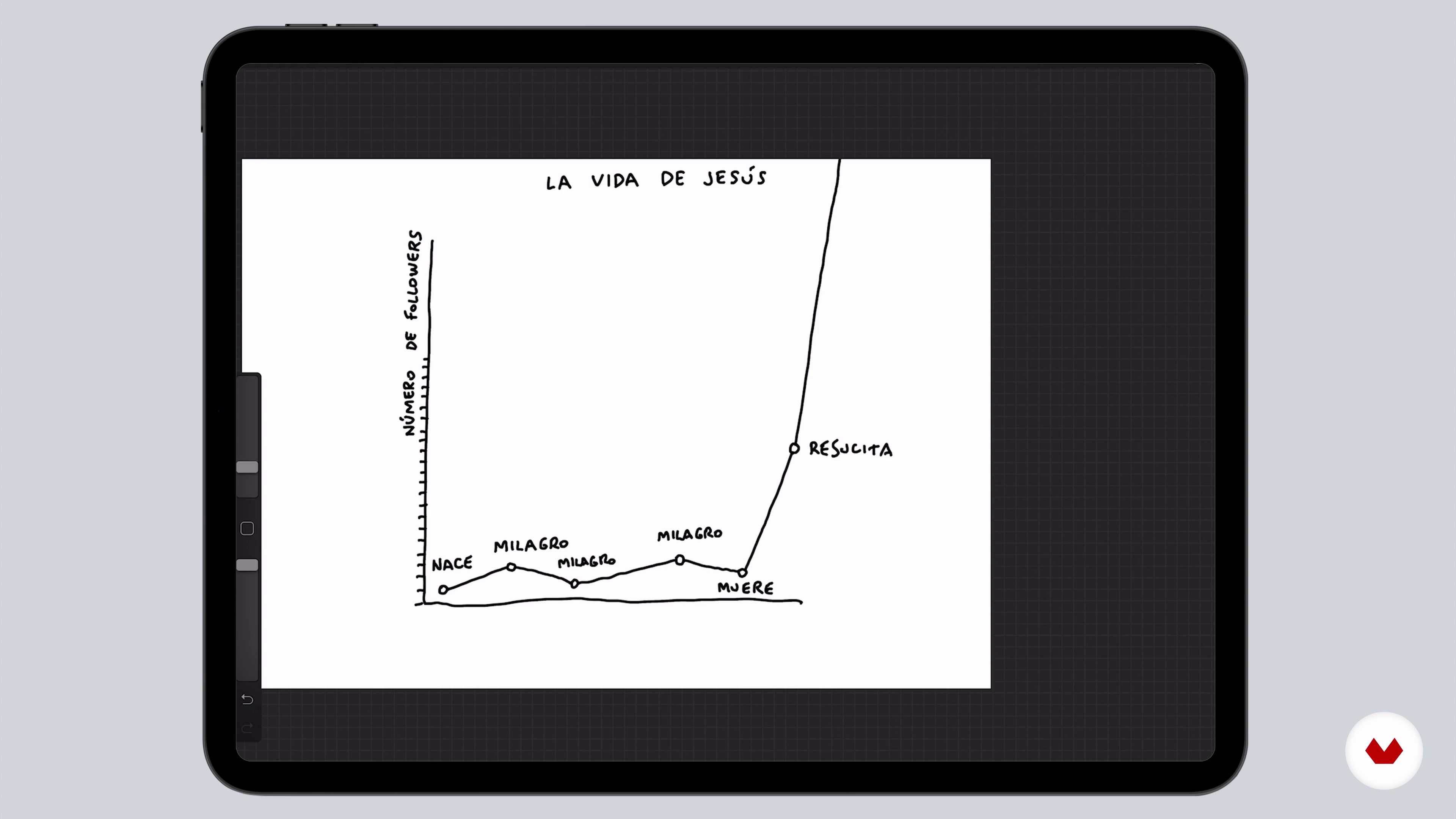
12Finding a story and simplifying it
To generate ideas that are understandable and reach more people, we need to simplify them, and make them understandable, connectable and empathetic. The same thing happens with stories, with storytelling: we need to build stories by removing what is superfluous or adding elements that facilitate their connection. Here I show you how to do it.
6m
 13
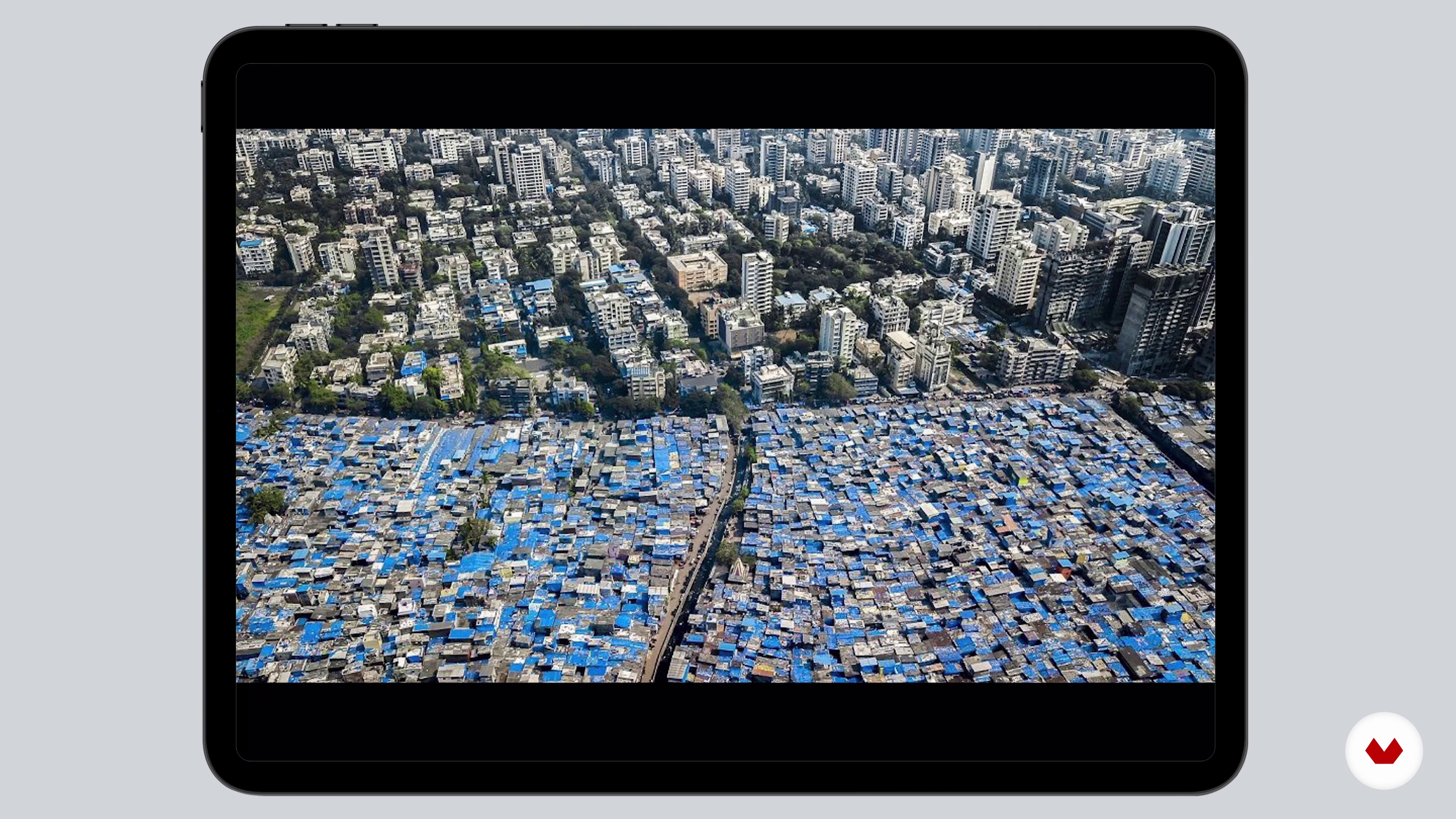
13Thinking outside the box as normal
We are going to ask ourselves what normality is and we are going to learn techniques to help break routines. My job when I publish cartoons on Instagram or work on a book is to ask the reader questions, to ask them the right questions that lead them to their own reflection. At no point do I intend or want to indoctrinate or speak of great truths. I believe that our job is to ask questions. Creative work connects directly with this continuous action of asking if everything we have learned and the world around us could really be different. Now I am going to teach you techniques that will help you ask yourself different questions.
7m
 14
14Turning an image into many graphic ideas
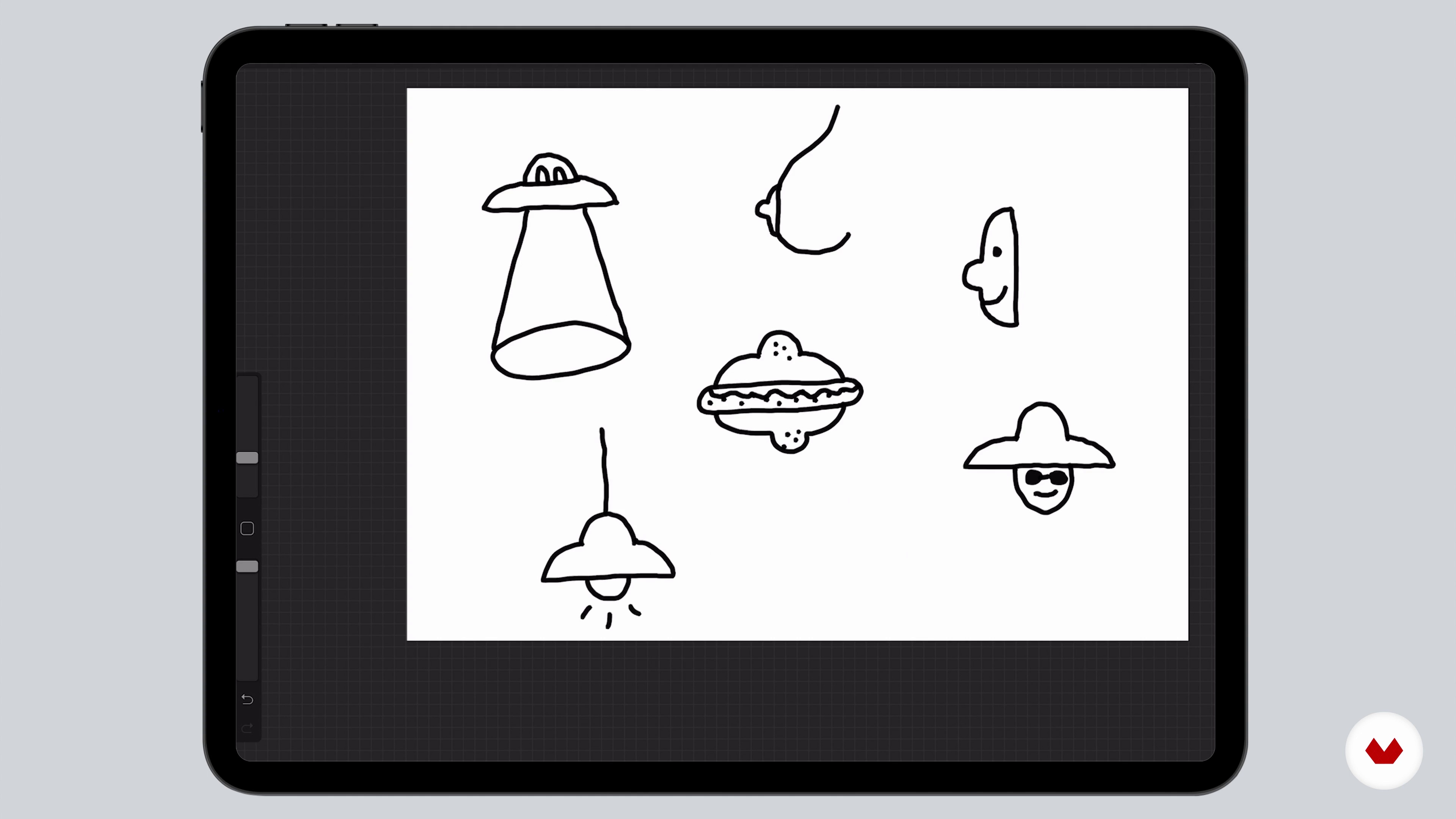
In this lesson we are going to do the opposite process that we saw in the previous lesson, where we asked many questions to an image. Here we will try to obtain graphical answers based on a single shape. In this way, we will explore all the possibilities it has.
5m
 15
15Playing a tennis match with concepts
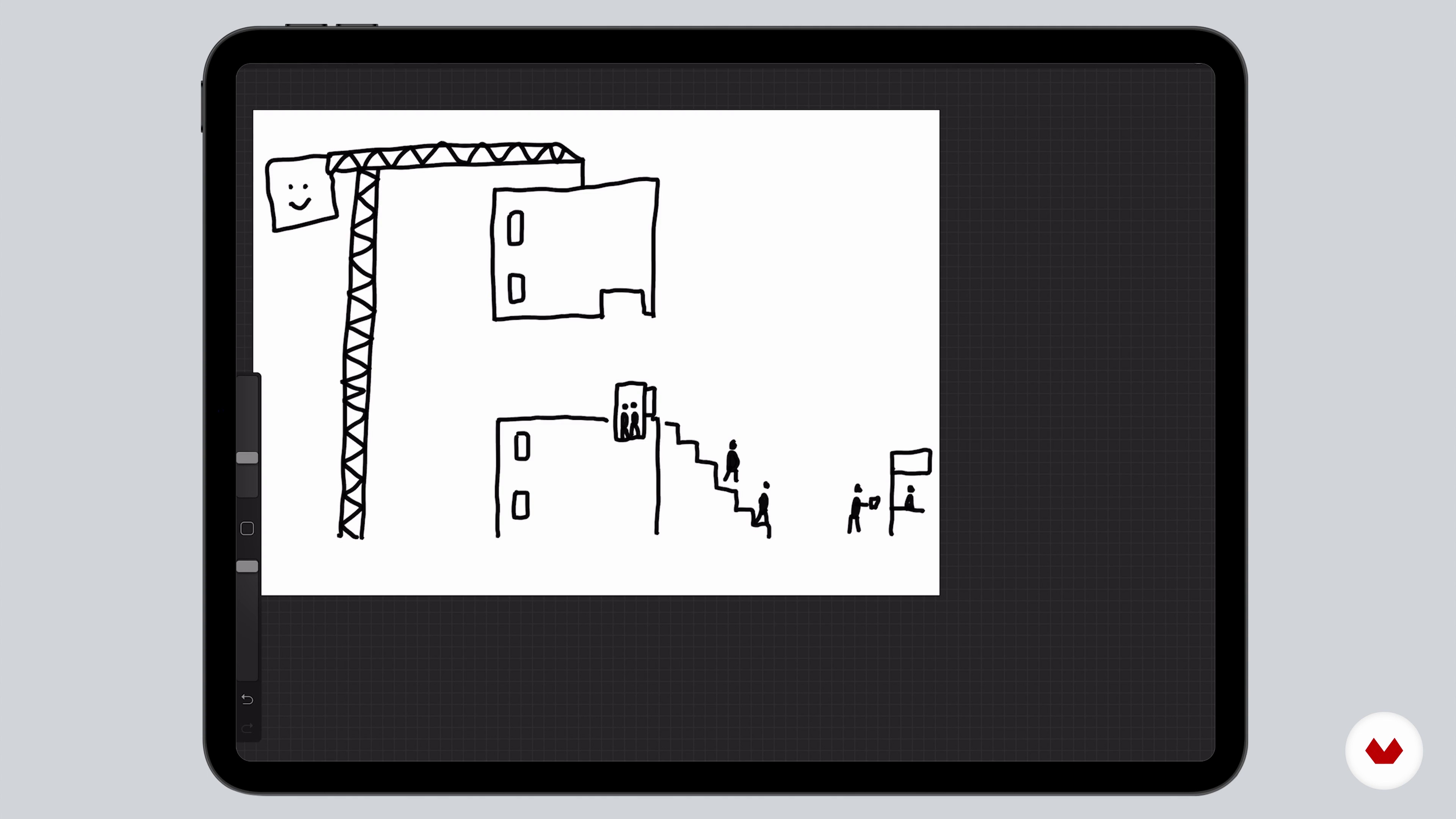
Another way to find creative solutions to problems is a kind of tennis match. Play action-reaction. That's what we're going to do in this lesson; play a tennis match with concepts, with questions that contain a problem and answers that bring us an unexpected solution.
10m
 16
16Breaking the rules
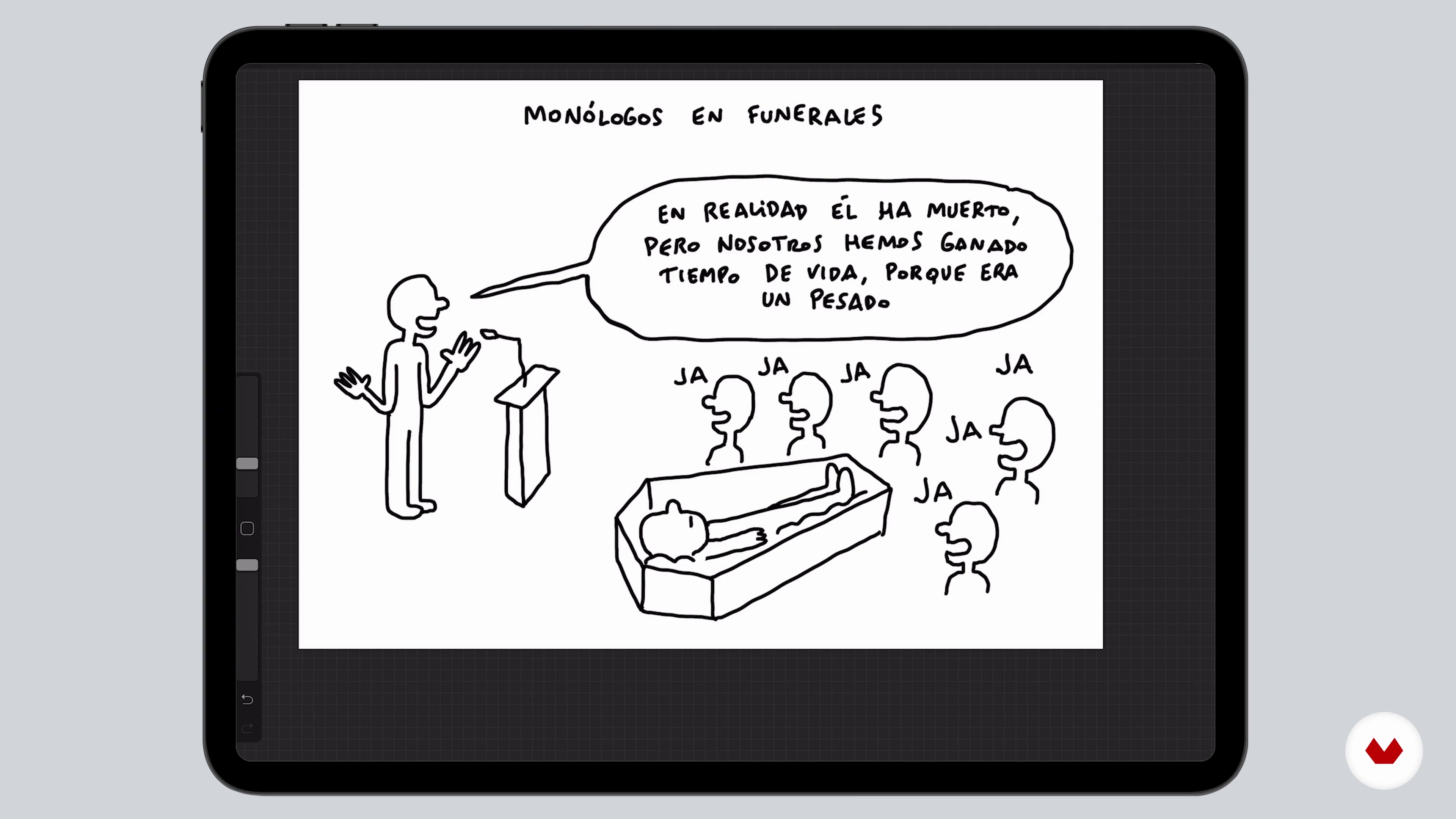
This lesson has a lot to do with the meaning of philosophy. Or, in other words, how to question absolutely everything; how to use the question "Why not?" as a battering ram in the face of structures that seem immovable at present. We are going to rethink the rules, to move things so that others emerge that remain hidden. We are going to "think outside the box."
6m
 17
17Communicating ideas through different media
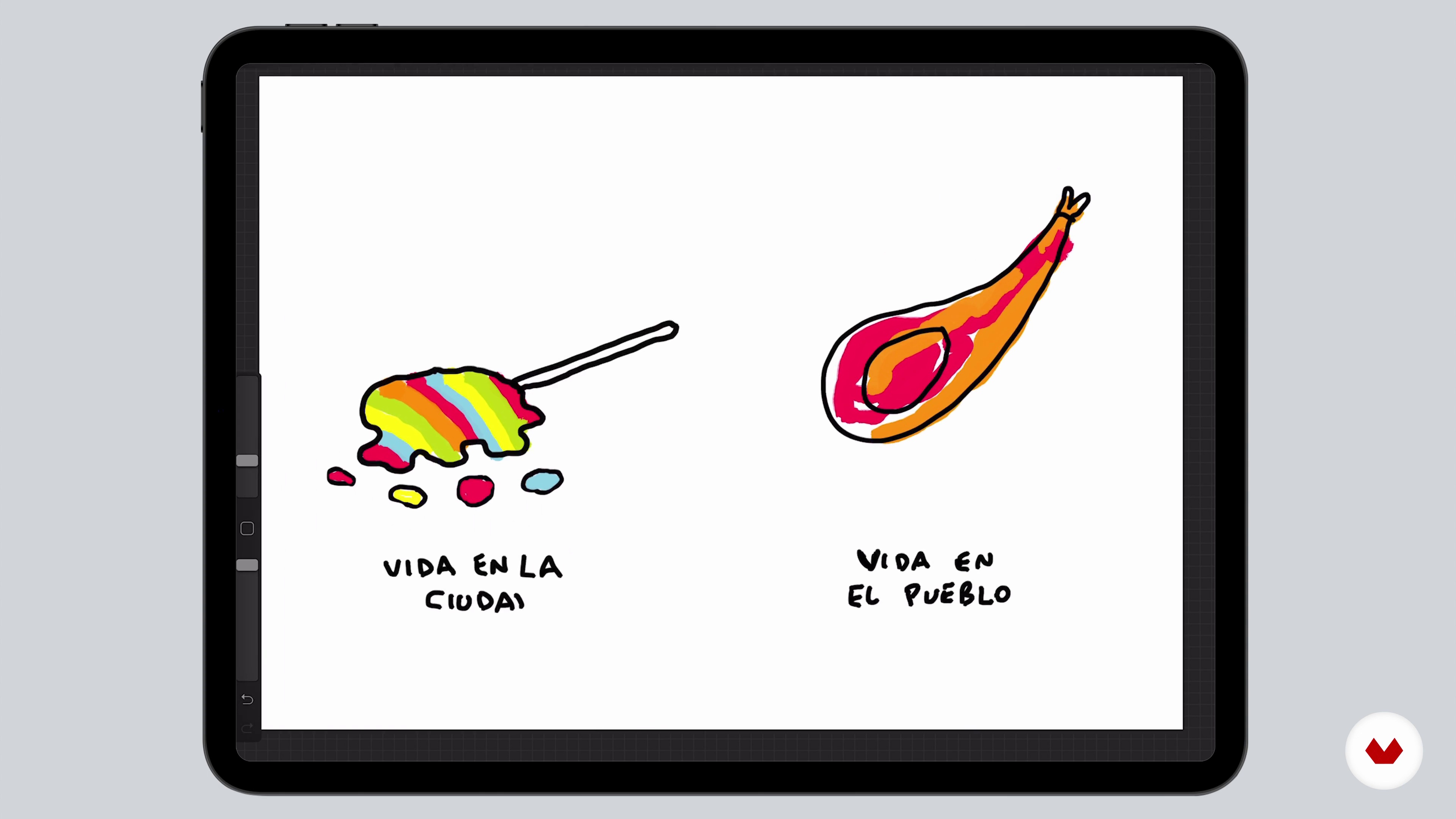
Now we will not only rethink the “normal” reality, but we will also apply different media to respond to problems. We will not only draw, but we will use written language, sound and a recipe to express ideas. Or, in other words, we will represent ideas by leaving our comfort zone.
10m
 18
18Humor is the king of creativity
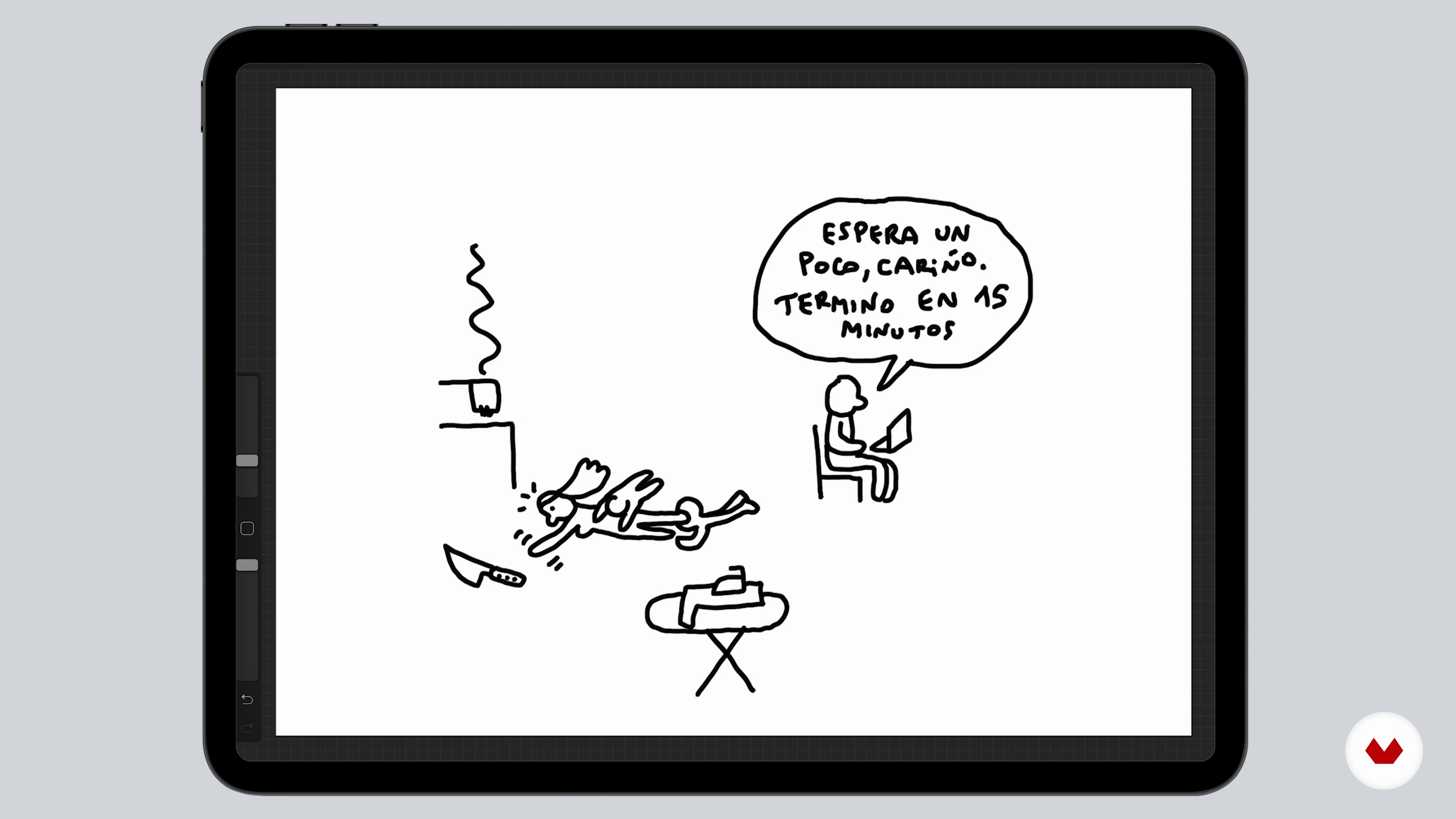
Finally, let's talk about humor and the limits of humor. And I won't draw, but I'll show you 4 examples where I've worked with the limits of humor and really sensitive topics. [textbox type=alert]I warn you that this last lesson may contain images that may hurt certain sensitivities.[/textbox]
18m
 1
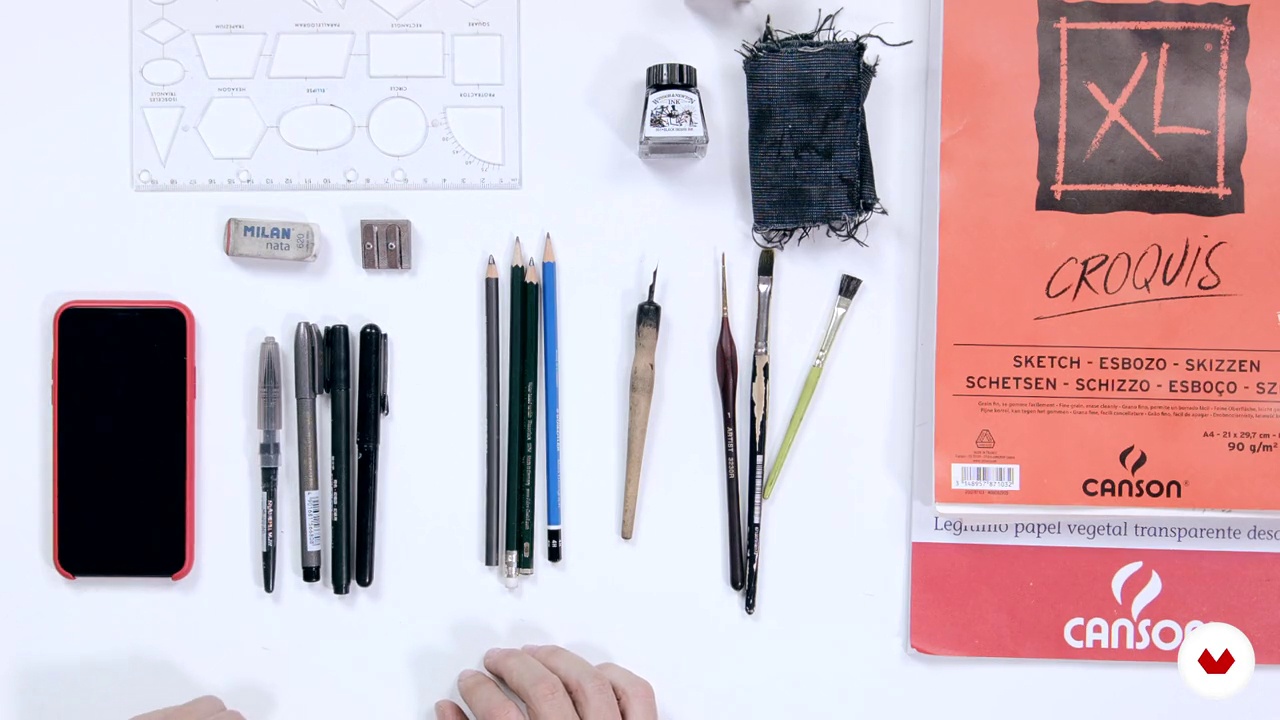
1The notebook, a faithful friend
To begin this module, you will see what materials we will need to carry out the course exercises.
7m
 2
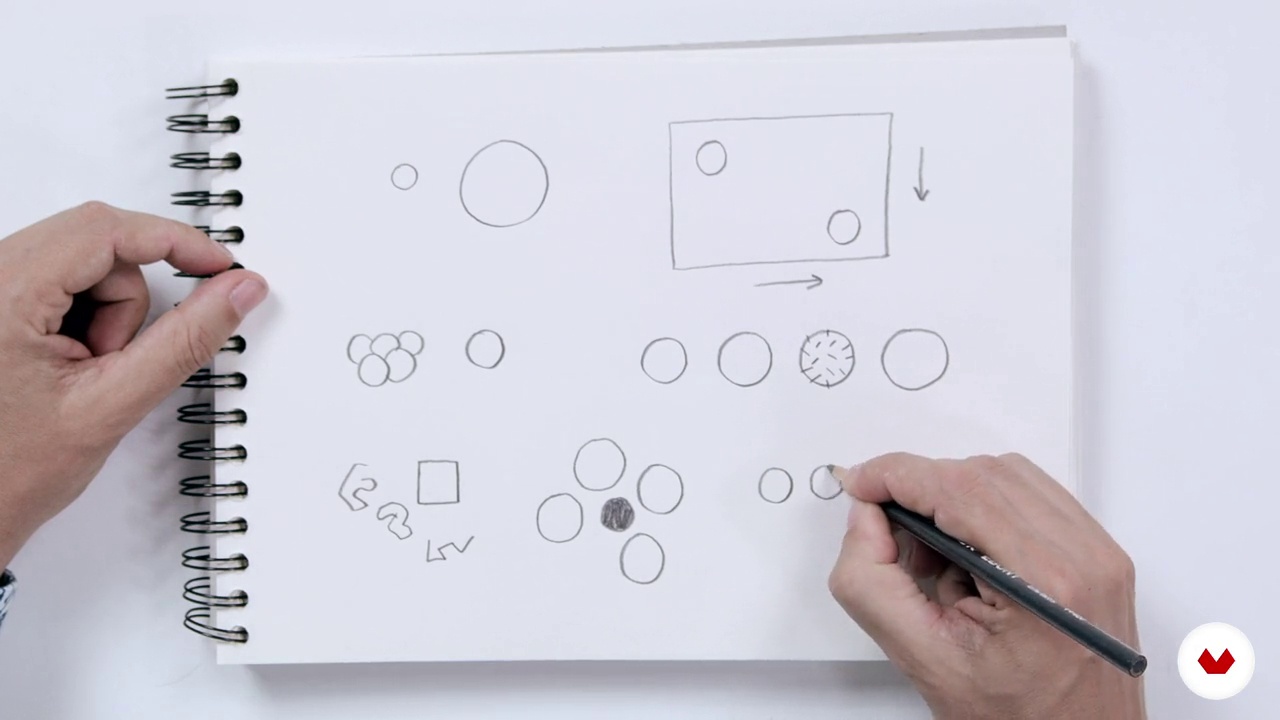
2Composition and visual weight
You will learn some basic notions that will allow us to better organize and place our drawings and make them more balanced, as well as to establish elements that attract the viewer's attention above others.
12m
 3
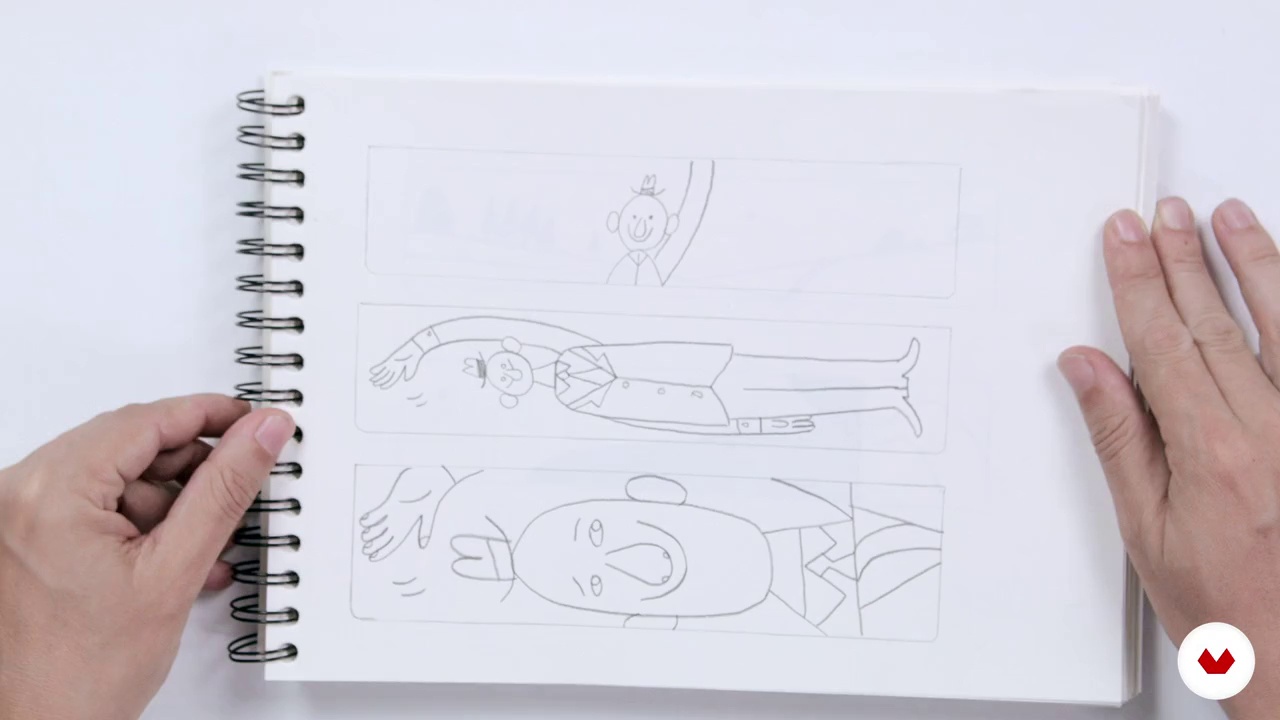
3Action of lines and geometric figures
There are some compositional rules inherent to the perception of the human brain, which we can use as a tool when drawing. In this lesson we will study their possibilities.
18m
 4
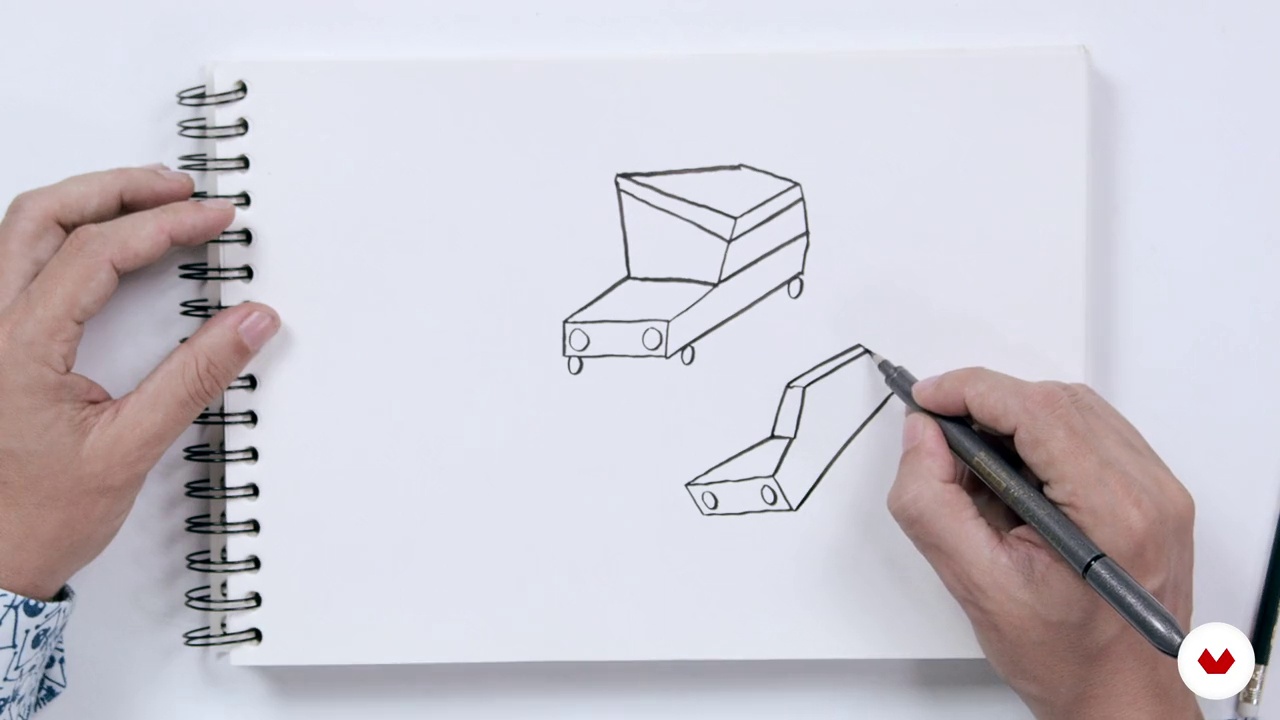
4Perspective in drawing: basic rules
We will take some first technical steps in the representation of three-dimensionality using the rules of perspective. It may be difficult at first, but with a little practice you will see that it is a piece of cake.
22m
 5
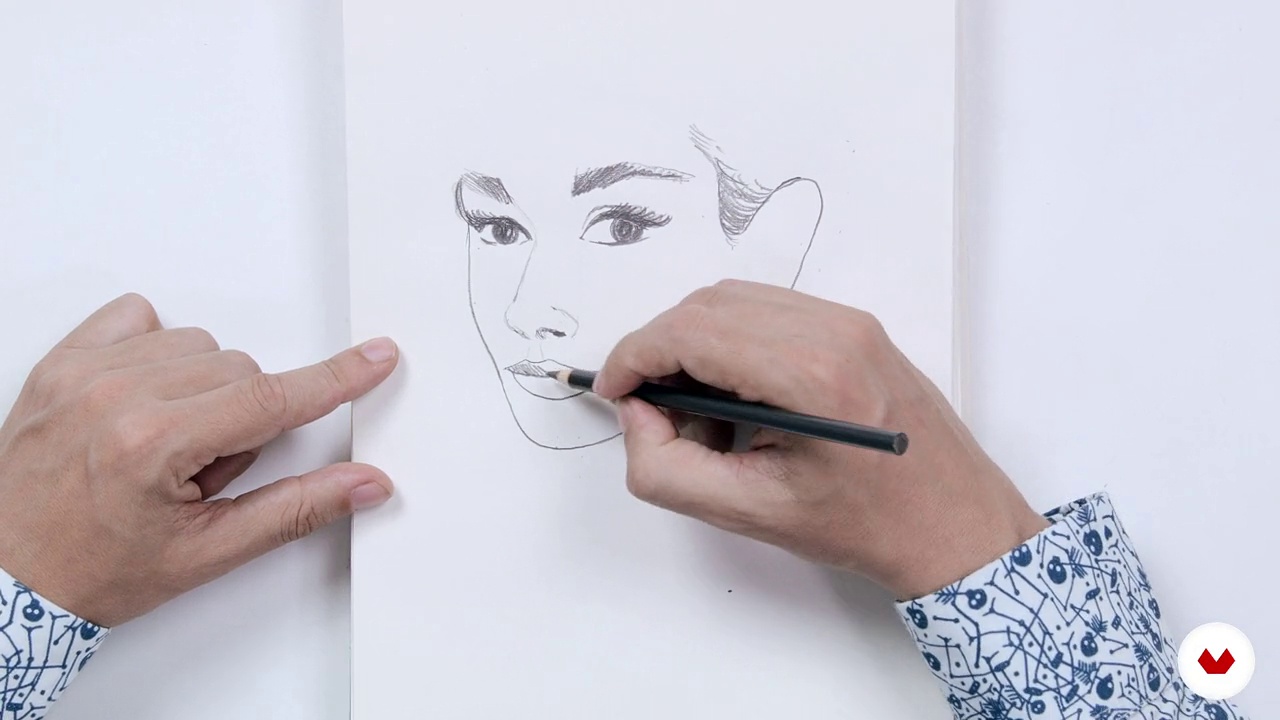
5Proportions
If we want to represent something faithfully, we must necessarily take measurements of all the elements that compose it and establish distance relationships between them, that is: more measurements. We can only improve through practice, but I will give you some keys that will make everything much easier and more fun. In additional resources you have the photo of Audrey Hepburn that I used as a model in this lesson. It is very good to have it on hand to see it while you draw.
21m
 6
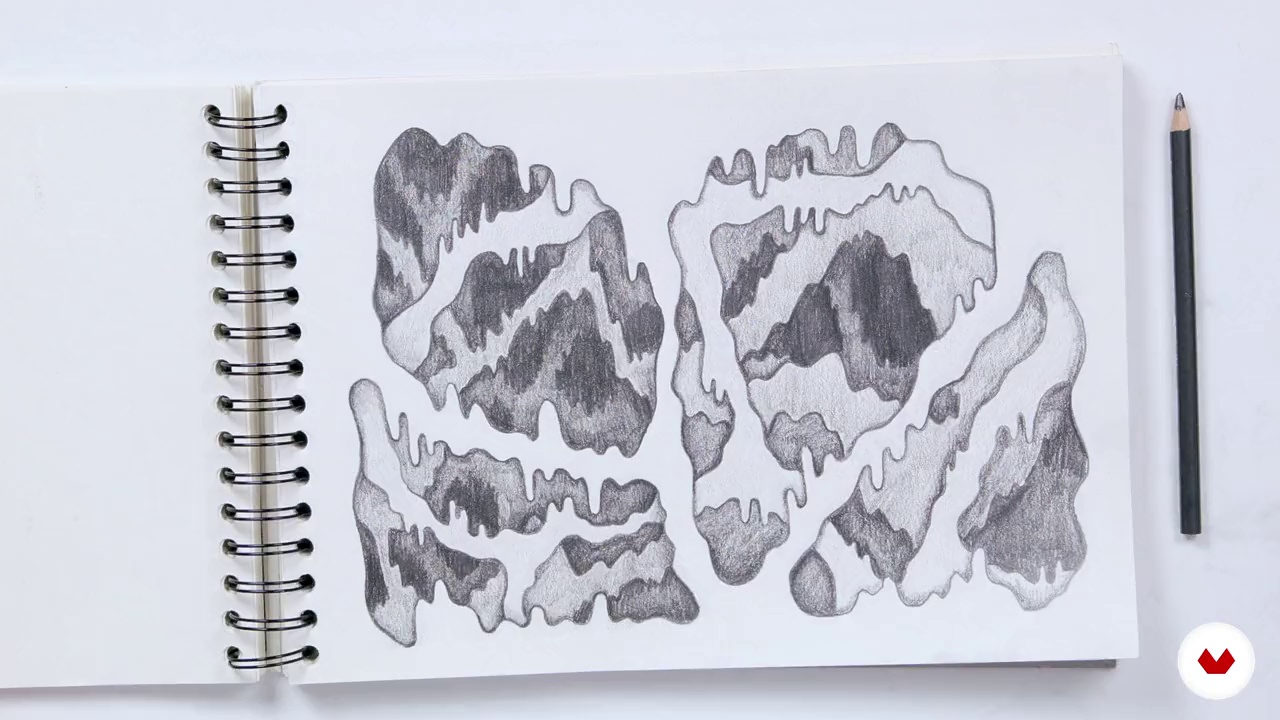
6Shadows and depth
In this lesson we are going to practice some simple dynamics to understand how the shading technique works to create the effect of depth and to gain enough confidence to gradually dare to add shadow to our drawings without fear of making mistakes.
17m
 7
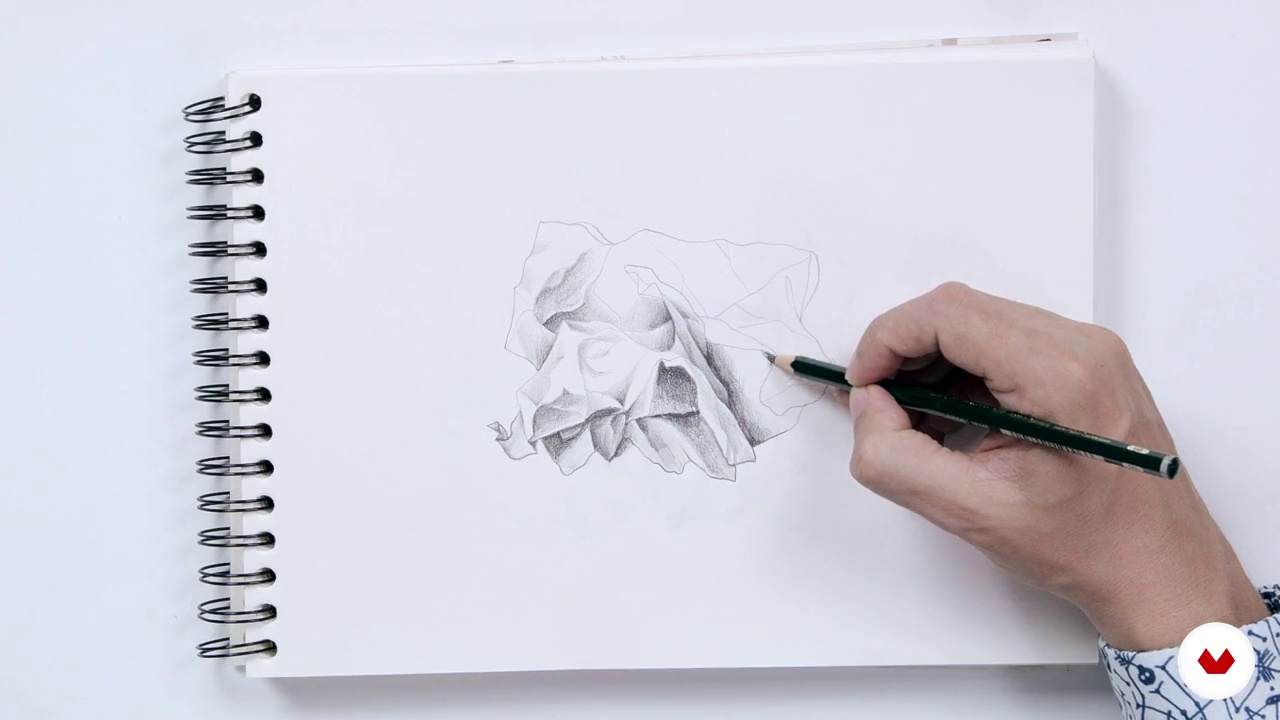
7Life drawing (more or less)
Now I will propose a dynamic to be able to copy an object from nature, instead of a photo, in the least painful and most satisfying way possible: drawing a ball of crumpled paper.
12m
 8
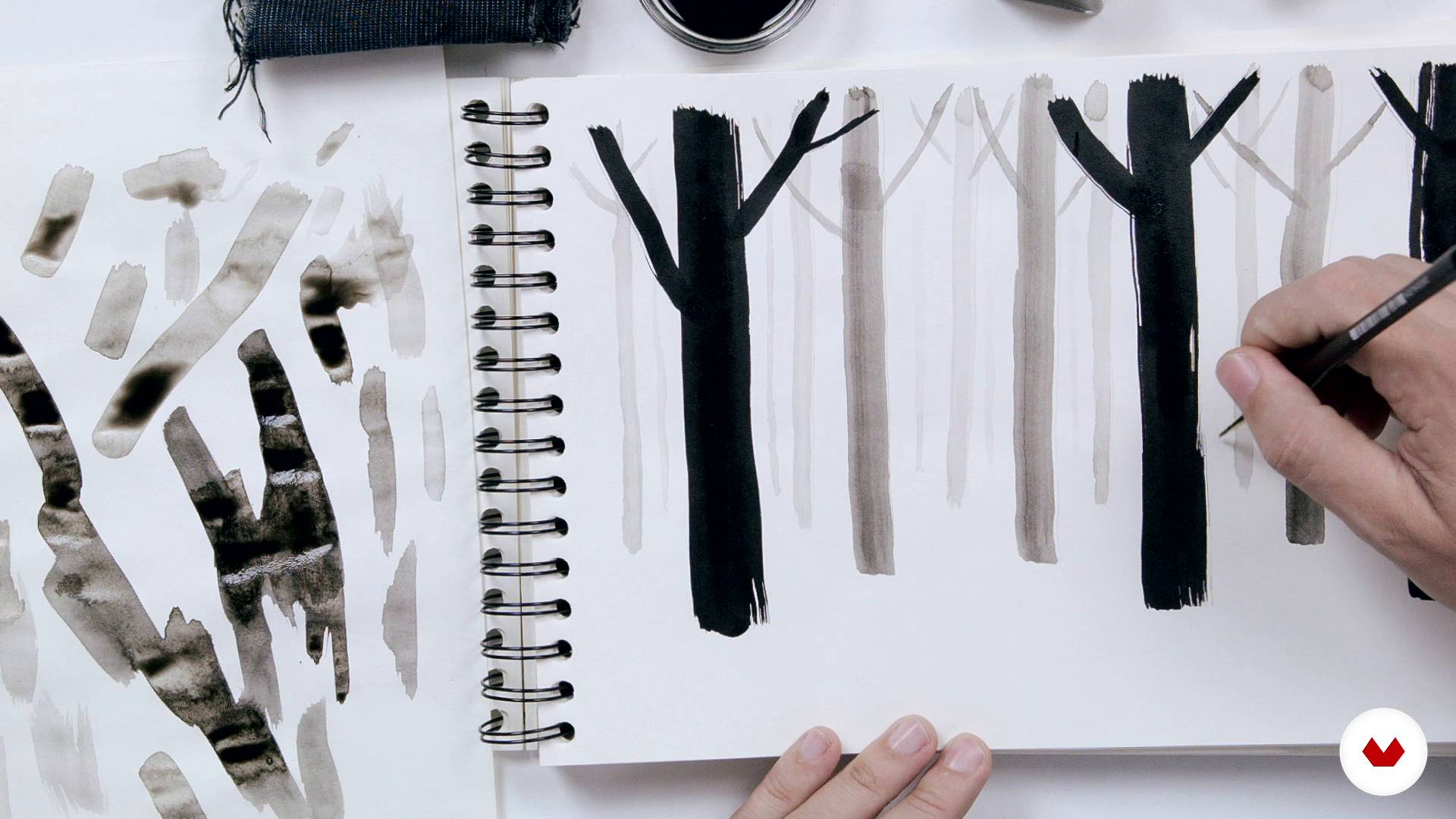
8Hand warmer
It is very important to warm up your hand before drawing, whether as an amateur or a professional. I will offer you some exercises that will help your brain get into the right zone for drawing, and help your hand and wrist visibly improve their psychomotor skills.
17m
 9
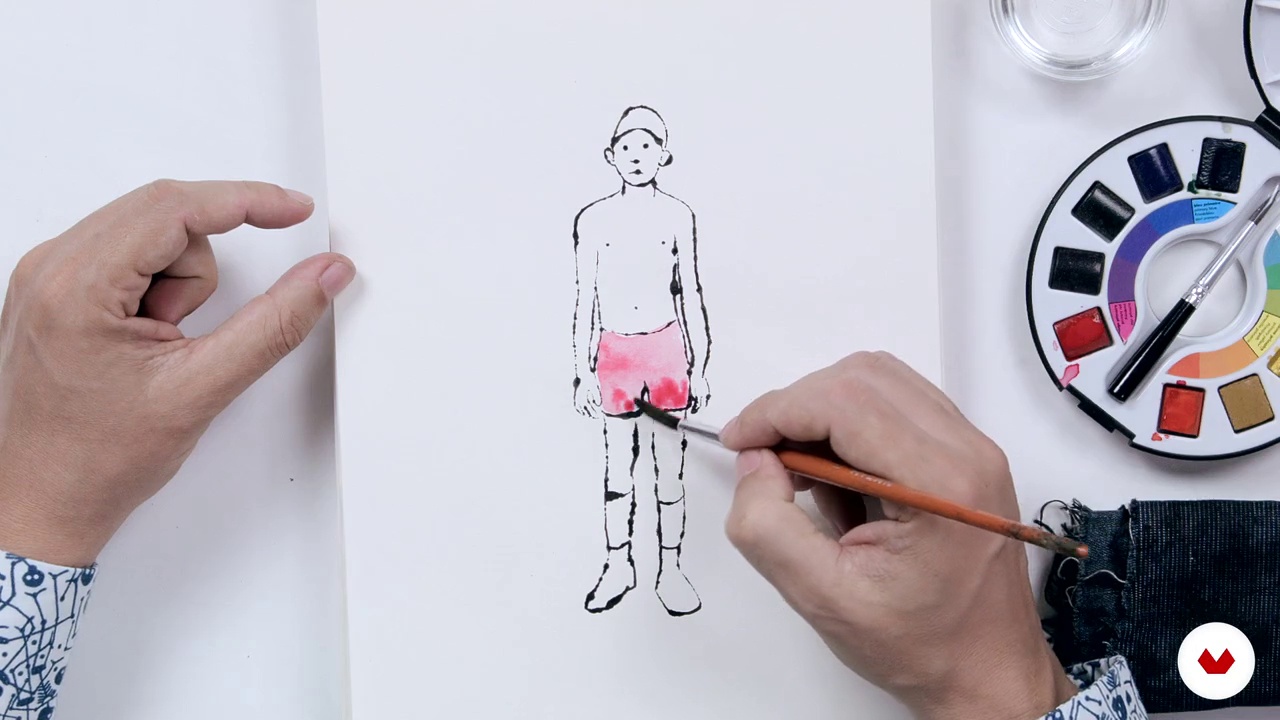
9Blotted line
The blotted line technique was used by Andy Warhol to create numerous drawings during his time as an advertising illustrator in New York in the 1950s and combines drawing and printing. Let's see how to reproduce it in a very simple way.
10m
 10
10Visual metaphors
Not everything in this module is going to be about training the eye and the hand: it is also necessary to enrich our ideas, because a skilled hand without a creative brain behind it rarely draws something interesting. We are going to use metaphors, a literary resource that also has its visual version.
6m
 11
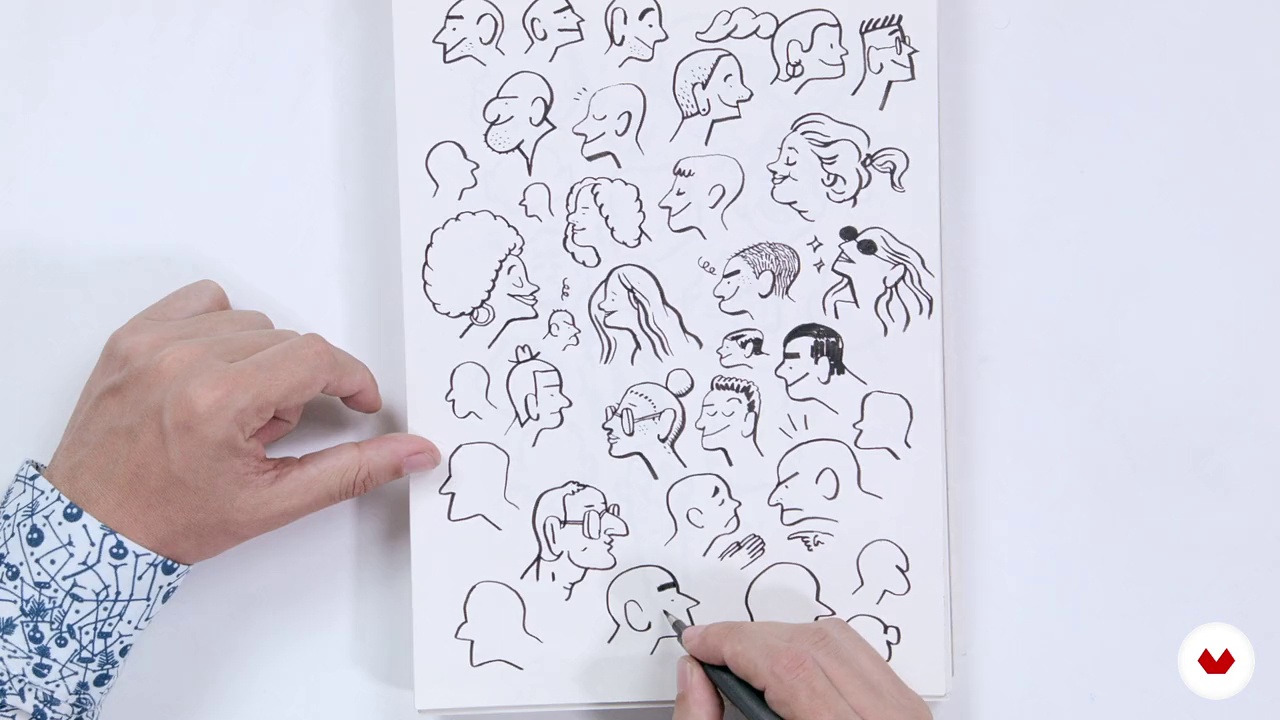
11Mini drawings: one day, one topic
In this lesson we will be able to express ourselves freely. We will experiment and apply what we have learned at our own pace, following a simple but compelling weekly challenge drawn. Each day we will complete one or more pages following a previously decided theme.
8m
 12
12Show yourself to the world
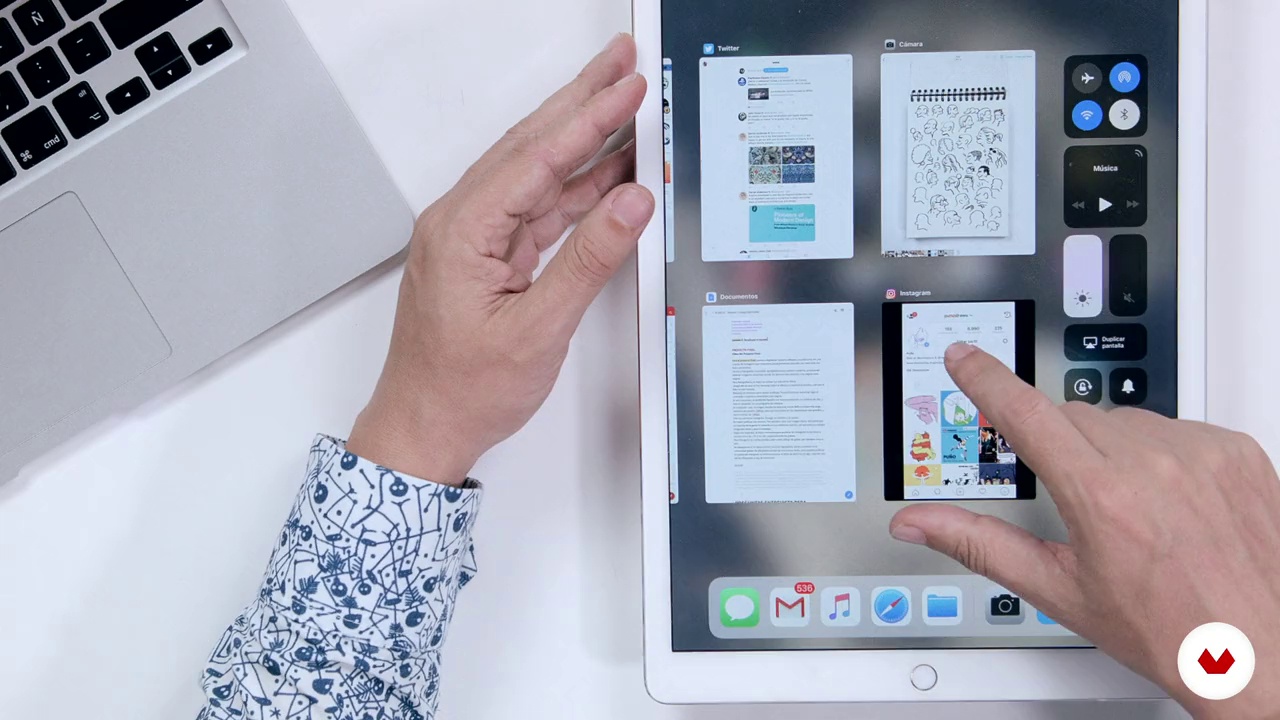
It's time to publish our drawings! We're going to create an Instagram account where we'll show our work and form an online network of artists.
6m
 1
1The notebook as a space of freedom
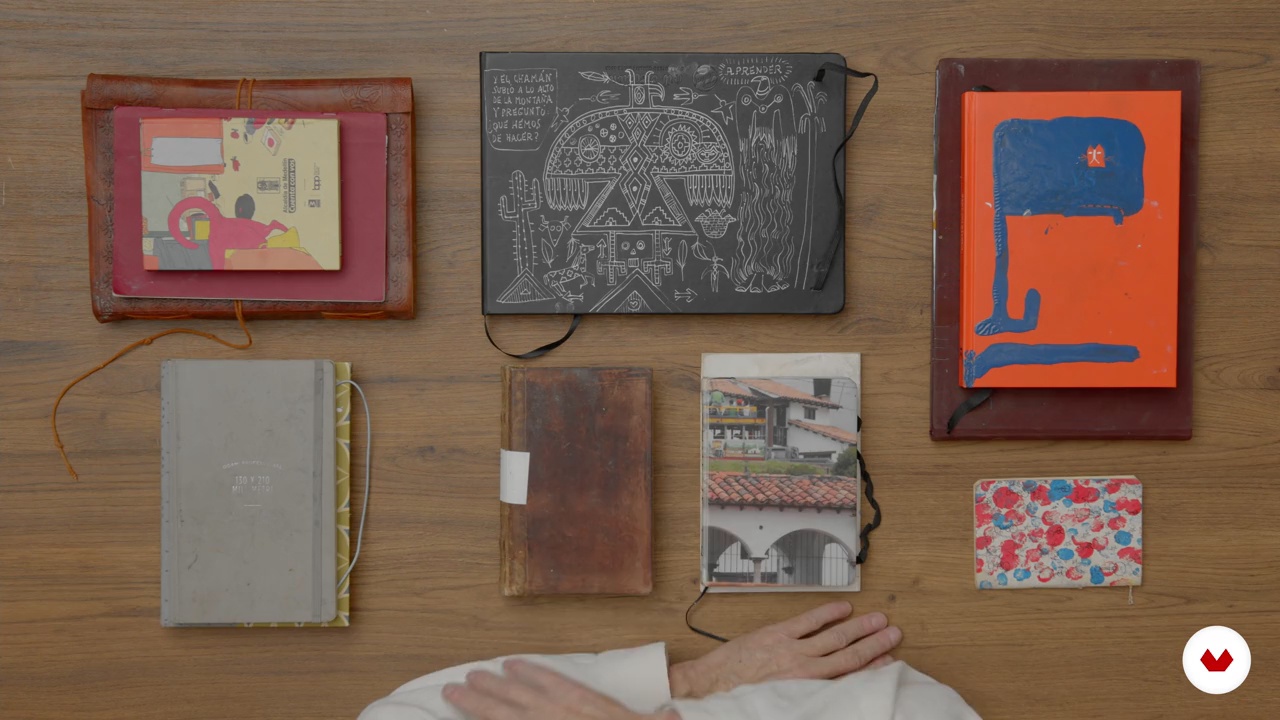
In this lesson I will review the different creative notebooks that I have created throughout my professional career. I will show you that there are different types of notebooks that can be adapted to your different styles and stories.
17m
 2
2Telling stories by drawing
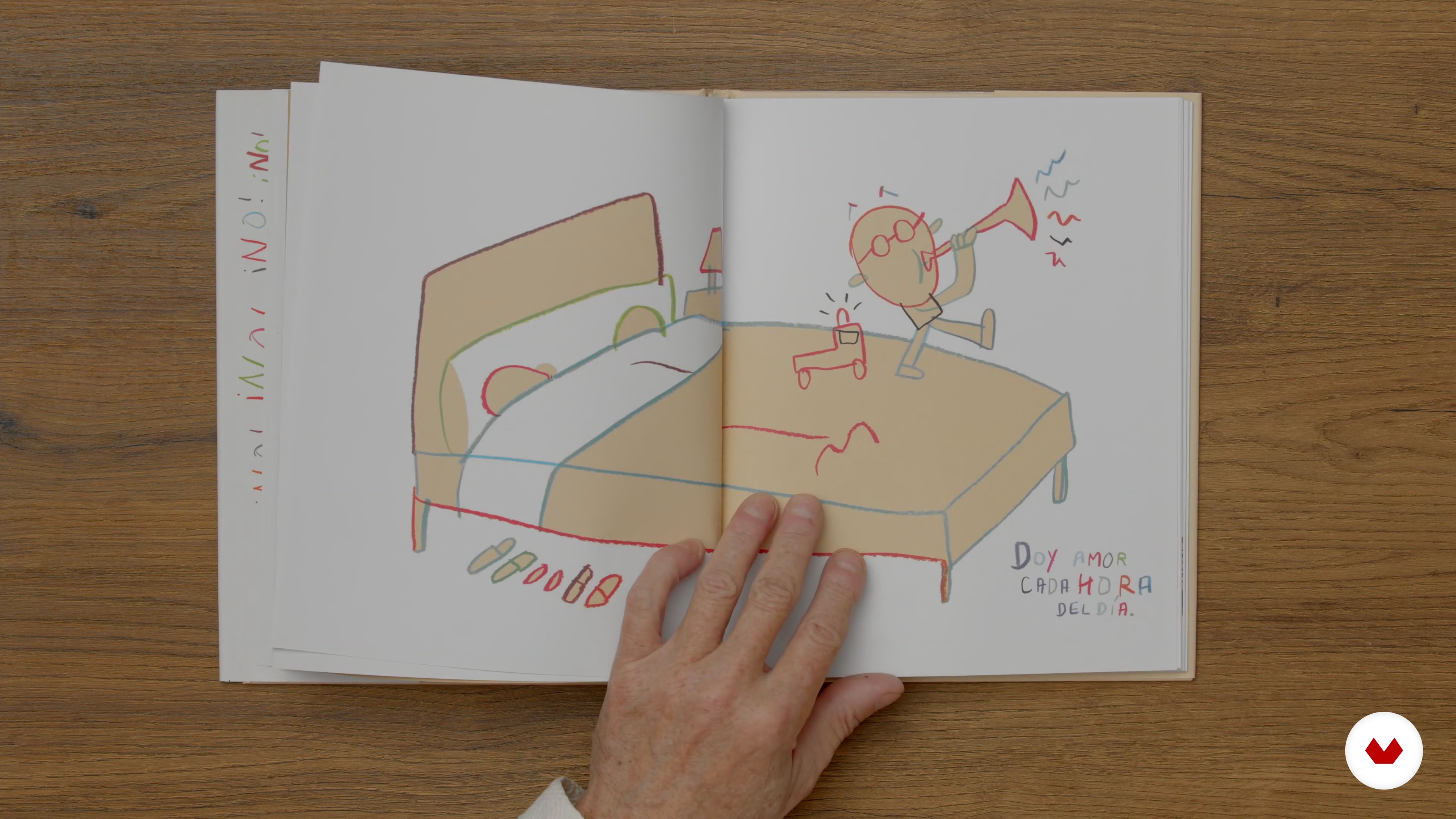
I will review some of the books I have illustrated throughout my professional career. I will explain where ideas for illustrating stories come from and how to start writing a story.
12m
 3
3The blockade: our great ally 1
I'm going to explain to you how we can generate ideas to overcome creative blocks in a simple and practical way. Remember that the most important thing is to stop thinking about what you can't do and enhance what you can do and give free rein to your spontaneity.
13m
 4
4The blockade: our great ally 2
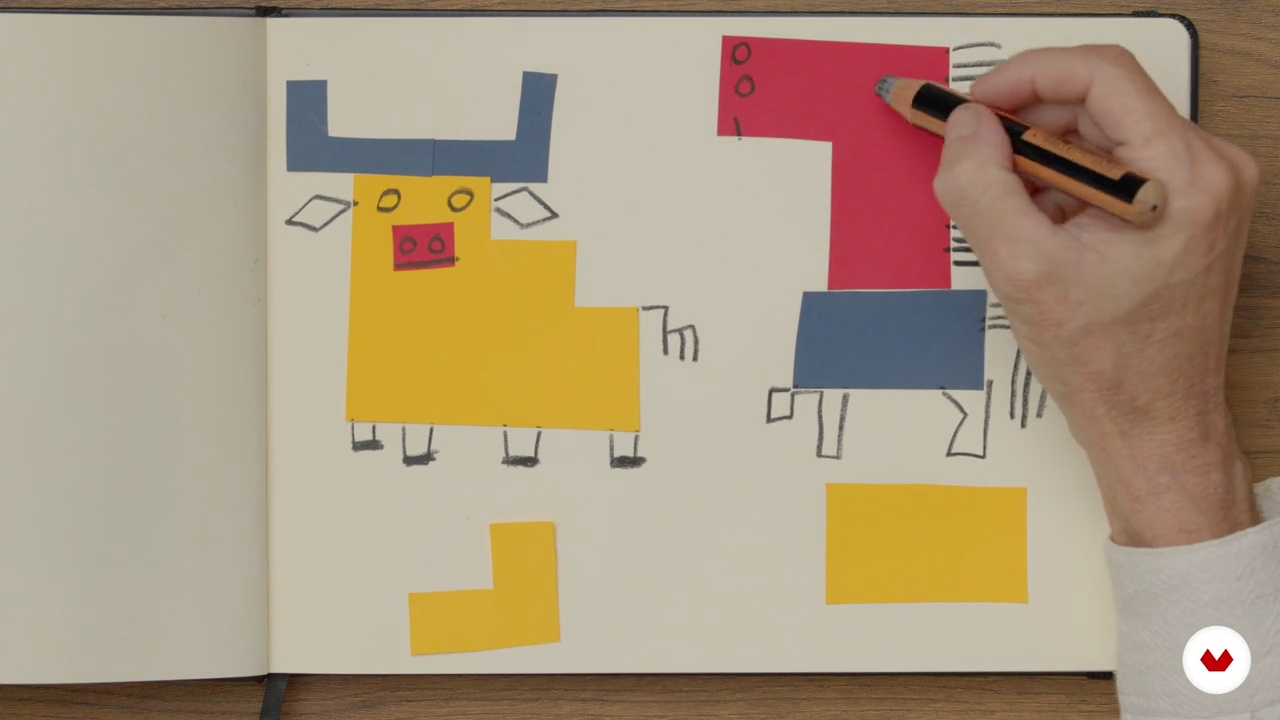
Let's continue imagining without limits. In this second part of the lesson, you will explore techniques to unlock creativity: drawing with the opposite hand, creating illustrations from random words, and designing characters with geometric shapes. These exercises will take you out of your comfort zone and stimulate your imagination in a free and spontaneous way.
15m
 5
5The Materials family
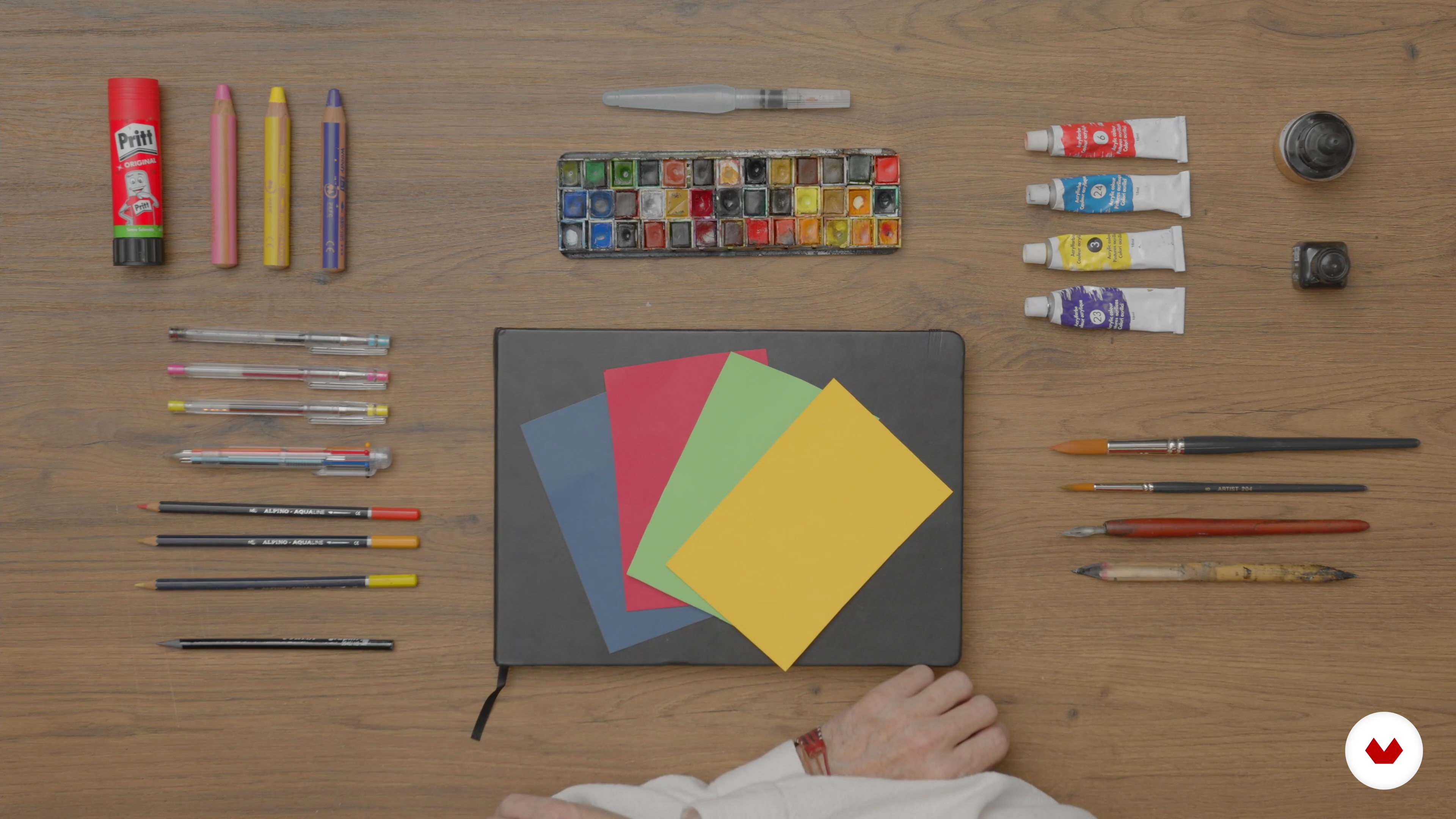
In this lesson I will go over all the materials you will be using during the course. I will also present alternative materials, in case you want to consider them.
4m
 6
6imperfect portraits
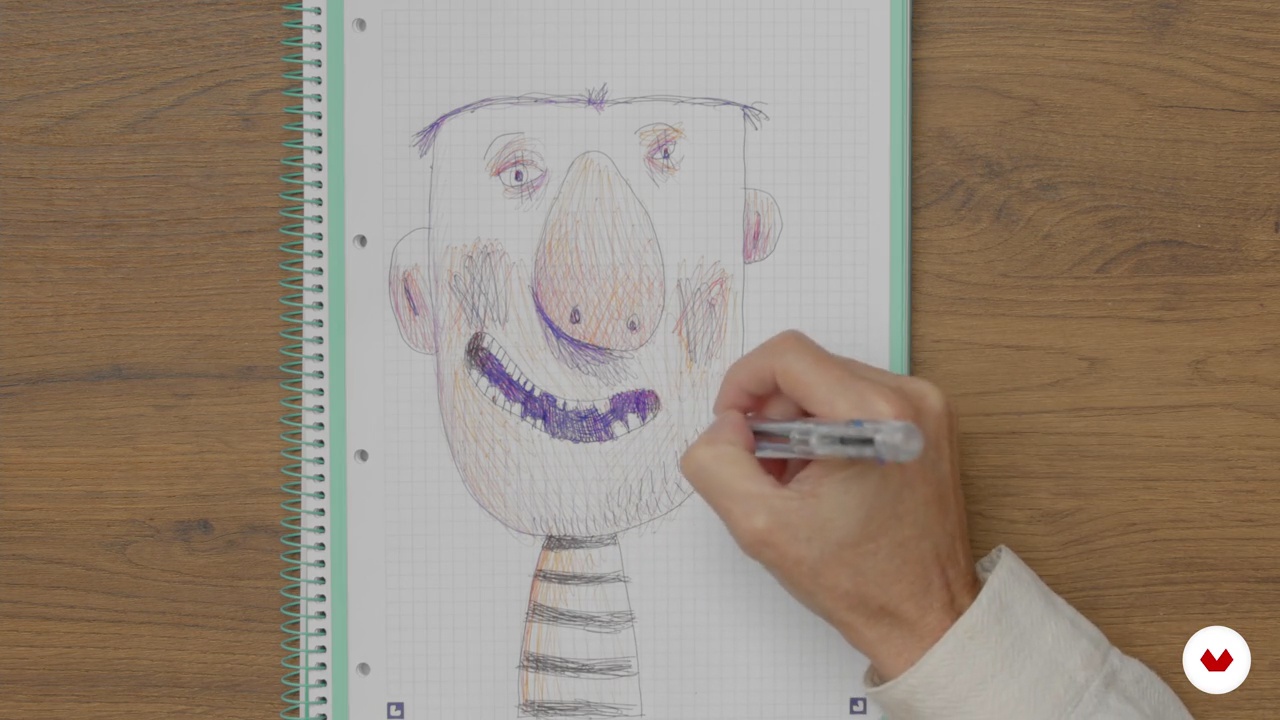
Now I'll tell you how to make imperfect portraits. To do this, we'll use a notebook and colored pens.
12m
 7
7Learn to count with your eyes
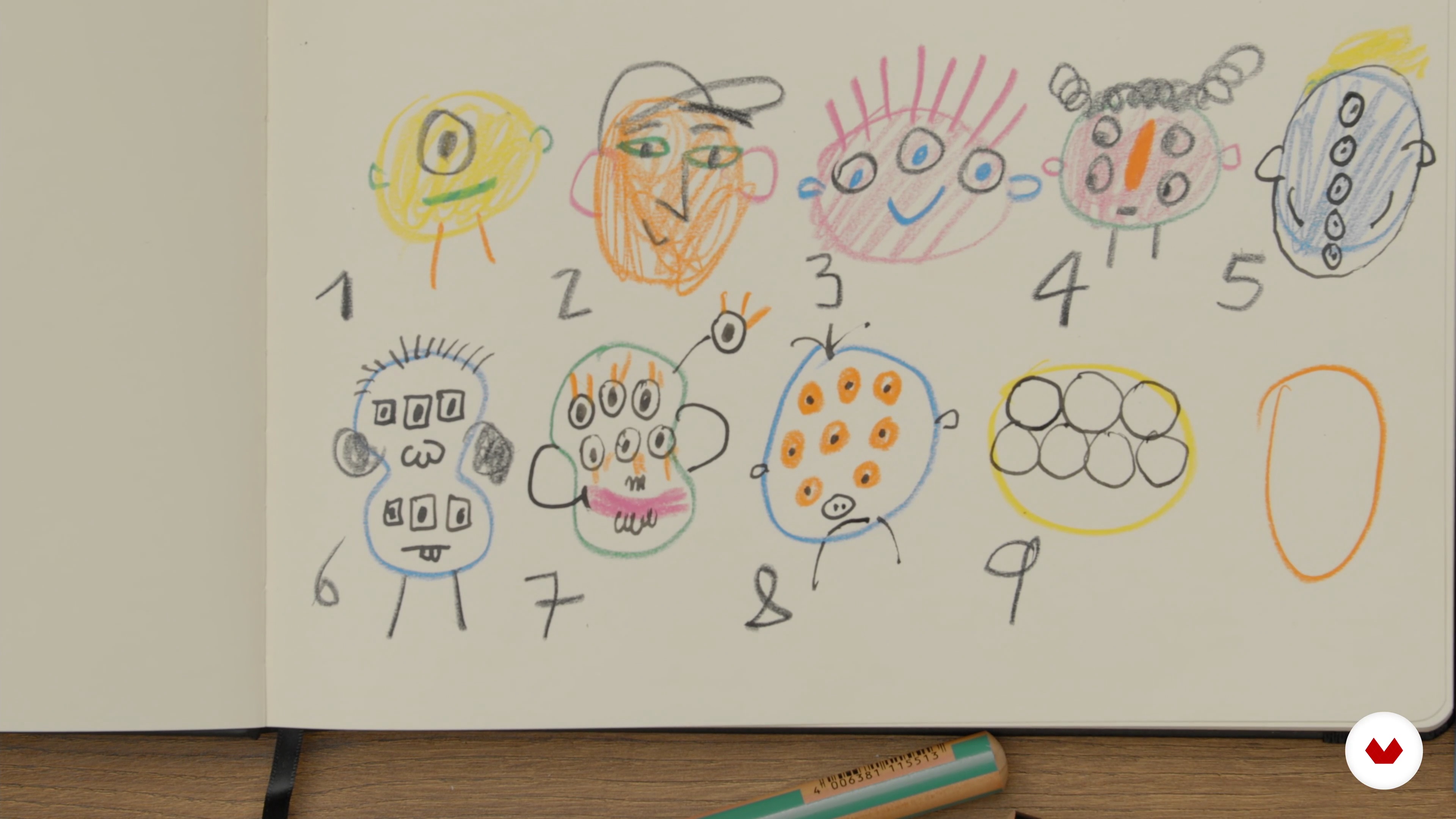
I'll tell you how to learn to count with your eyes. You'll need a good dose of humor to face this lesson, as well as having your crayons at hand. Let's have fun.
16m
 8
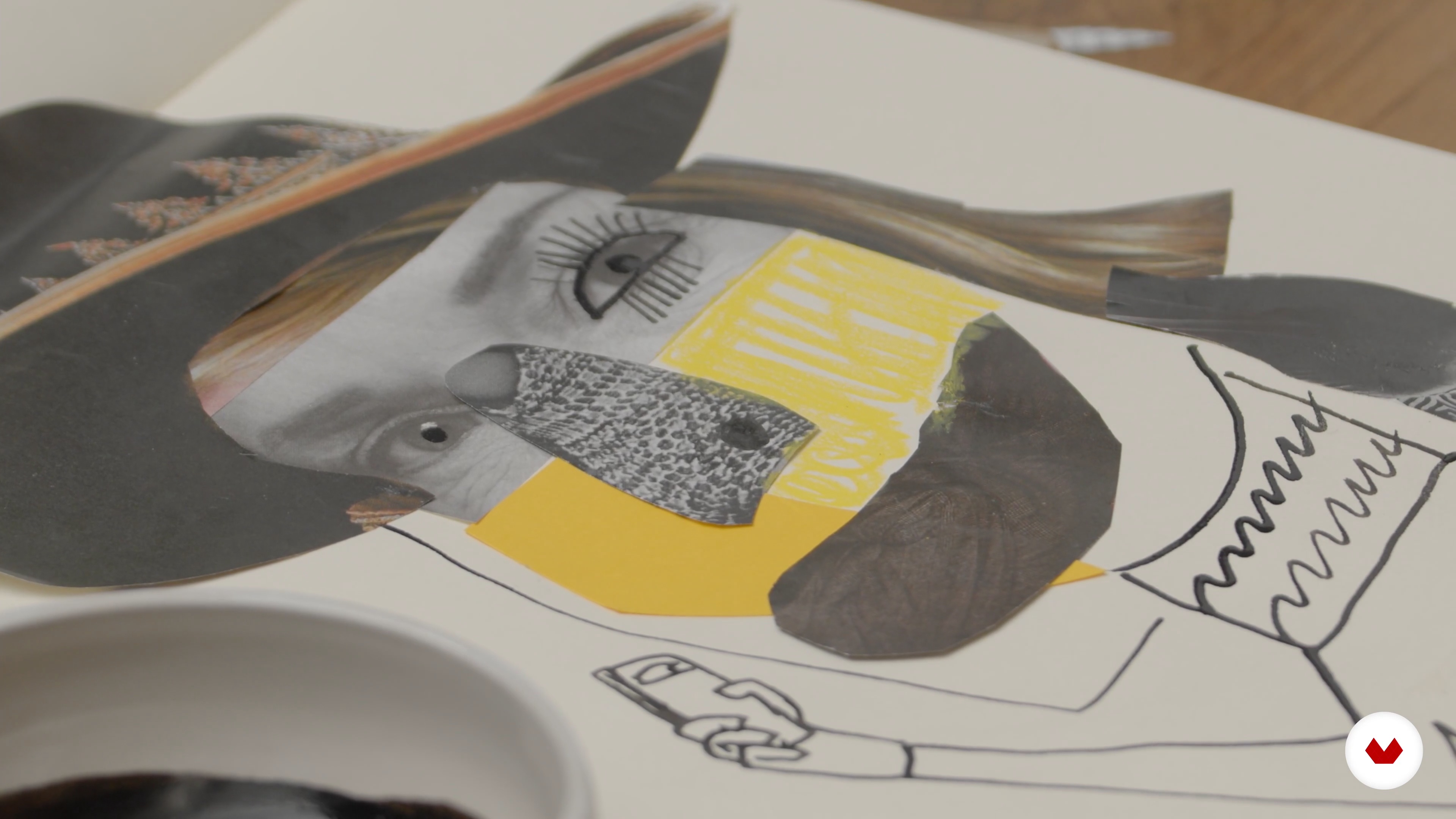
8Portraits with collage
In this lesson we are going to learn how to make portraits using the collage technique. You will need materials such as scissors, colored paper or glue. You can also use old magazines or whatever you have at hand.
10m
 9
9Animals with pen and ink
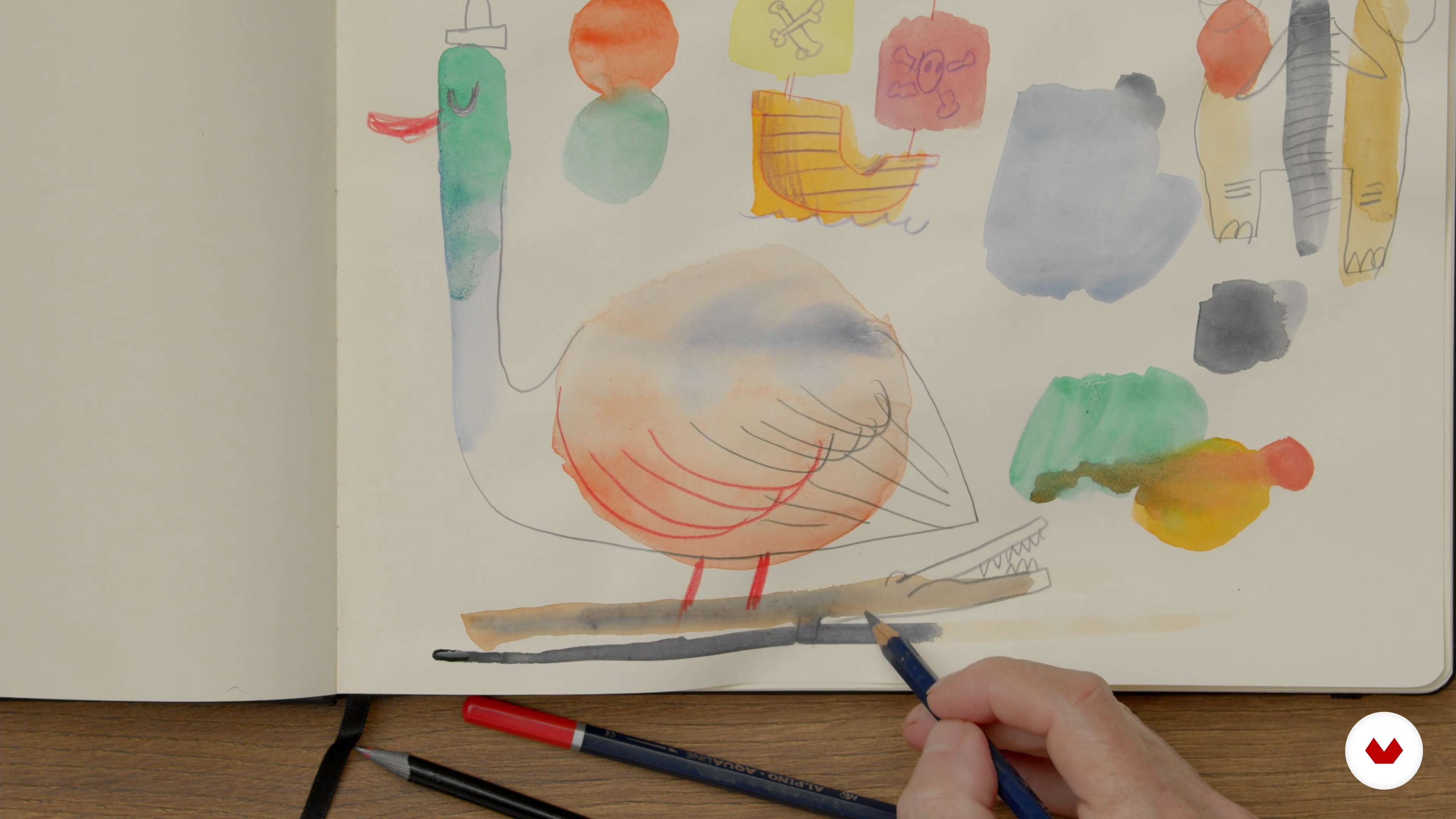
You will learn to draw animals using one of the techniques that I like the most: the pen. I will also tell you how you can get inspired to create these creatures.
18m
 10
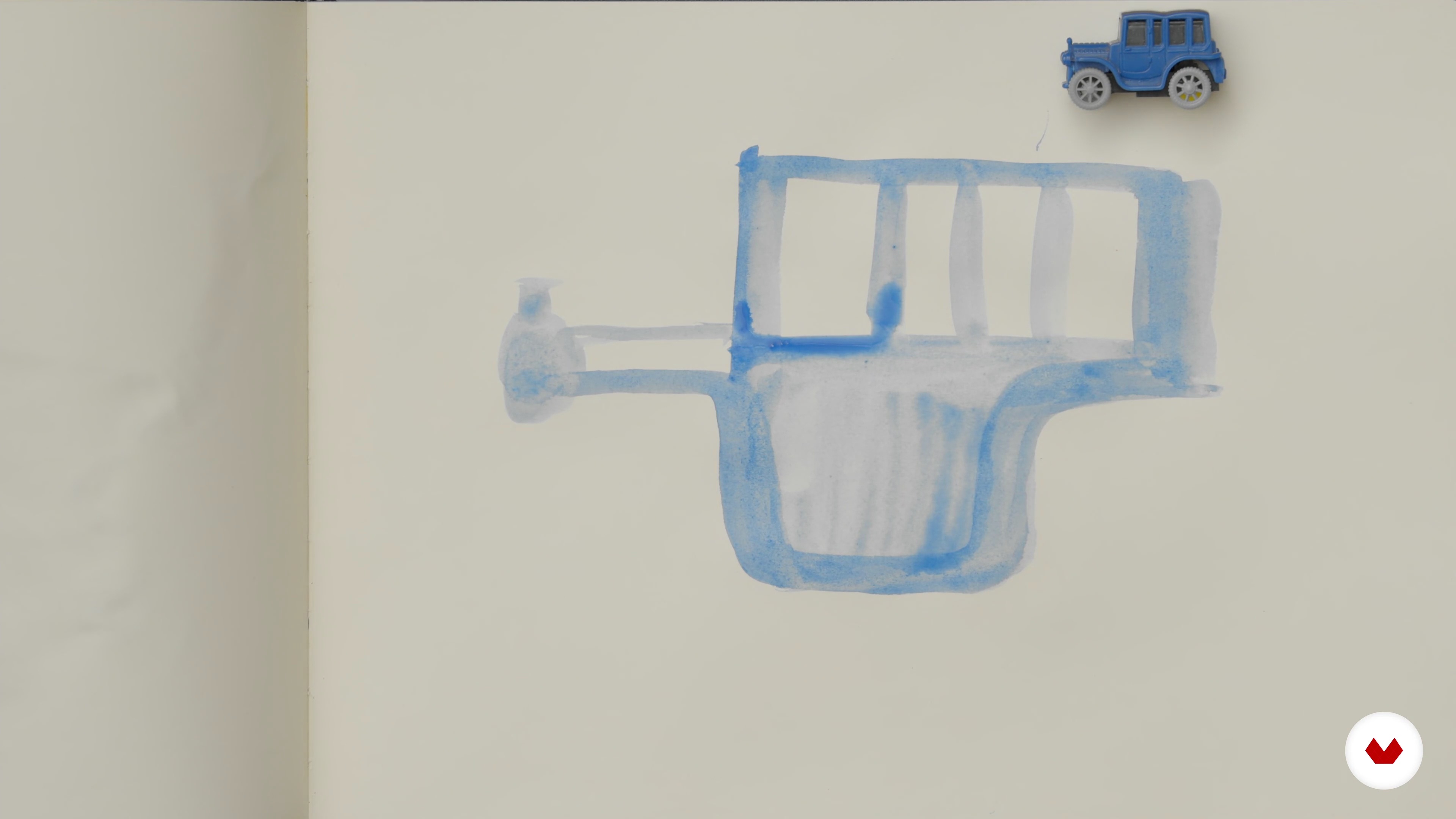
10Fantastic cars
You will see how to draw cars from a miniature or a toy. It is also about daring to use objects, with everything you have at hand. From there, I will teach you how to apply the watercolor technique.
13m
 11
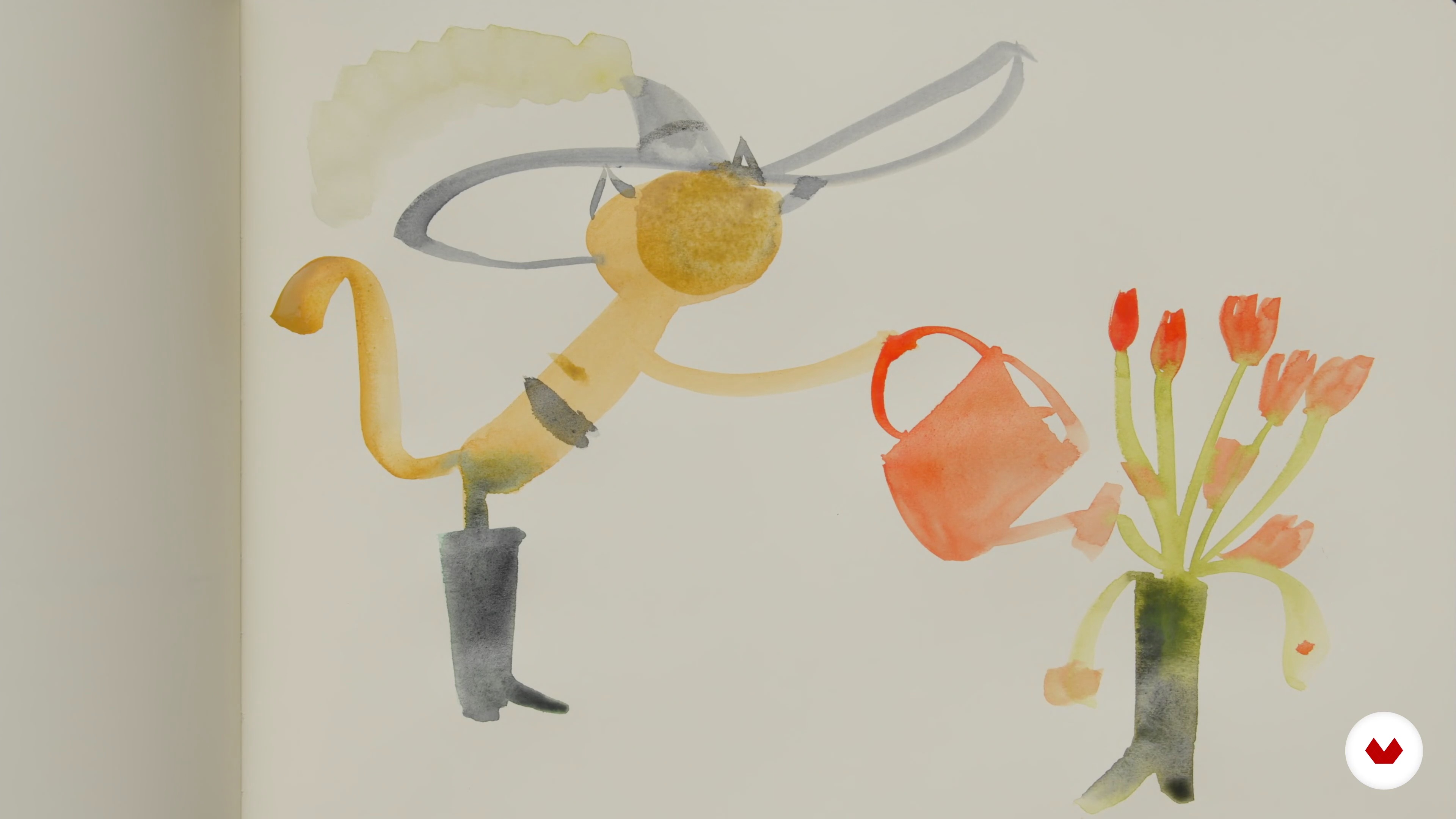
11Inclusive stories: disabling the classics
In this lesson I will tell you what inclusive stories are and why they are so important for the world. I will also explain how to create the main characters of these stories.
17m
 12
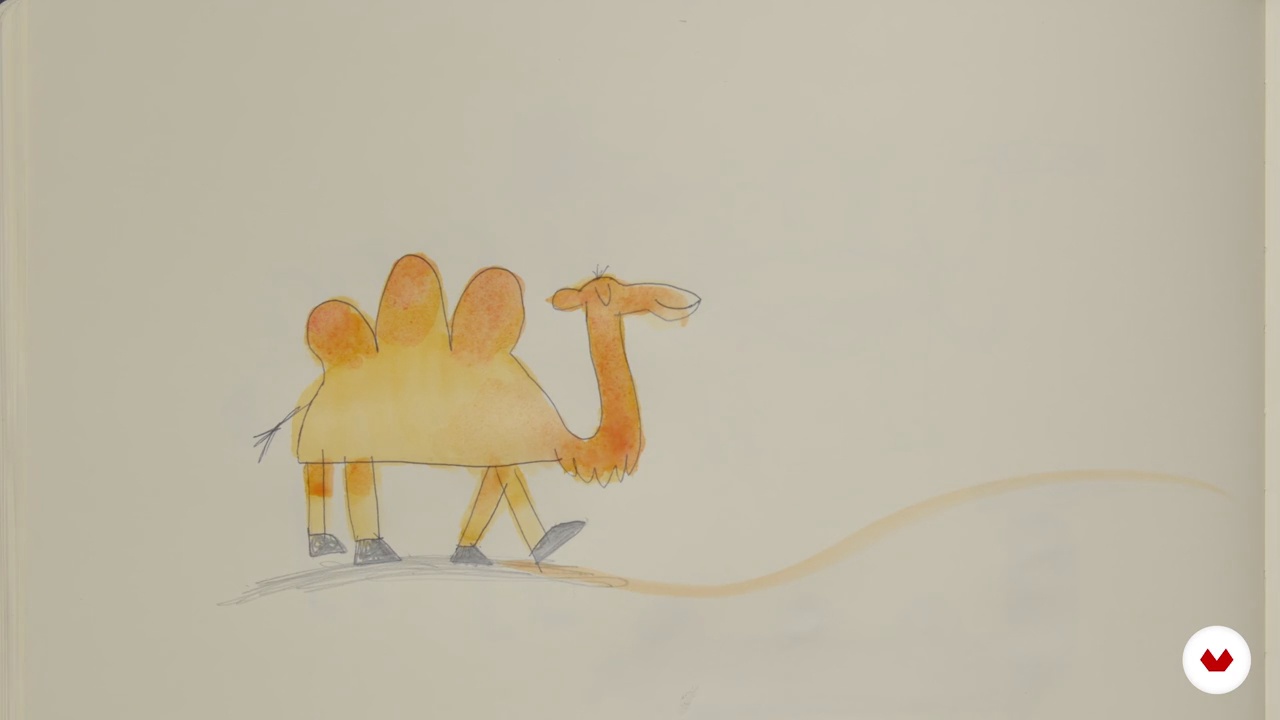
12Creating our story 1
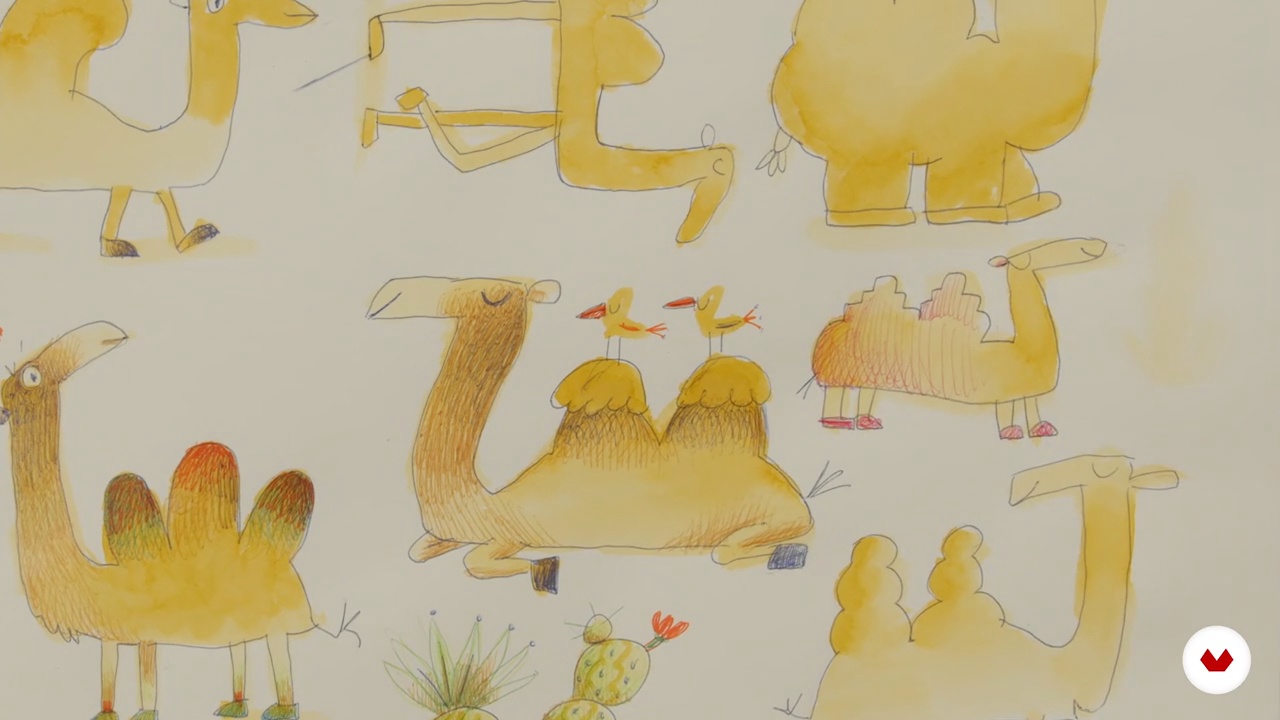
In this lesson, I'm going to teach you how to create an inclusive story by creating a character, Alberto the camel. Let me introduce him to you and tell you how he came about.
11m
 13
13Creating our story 2
I have the camels ready. What I am going to do now is go over them and then paint them with ochre paint. When the paint is ready, I will give them volume with the pen.
14m
 14
14Drawing and human relations
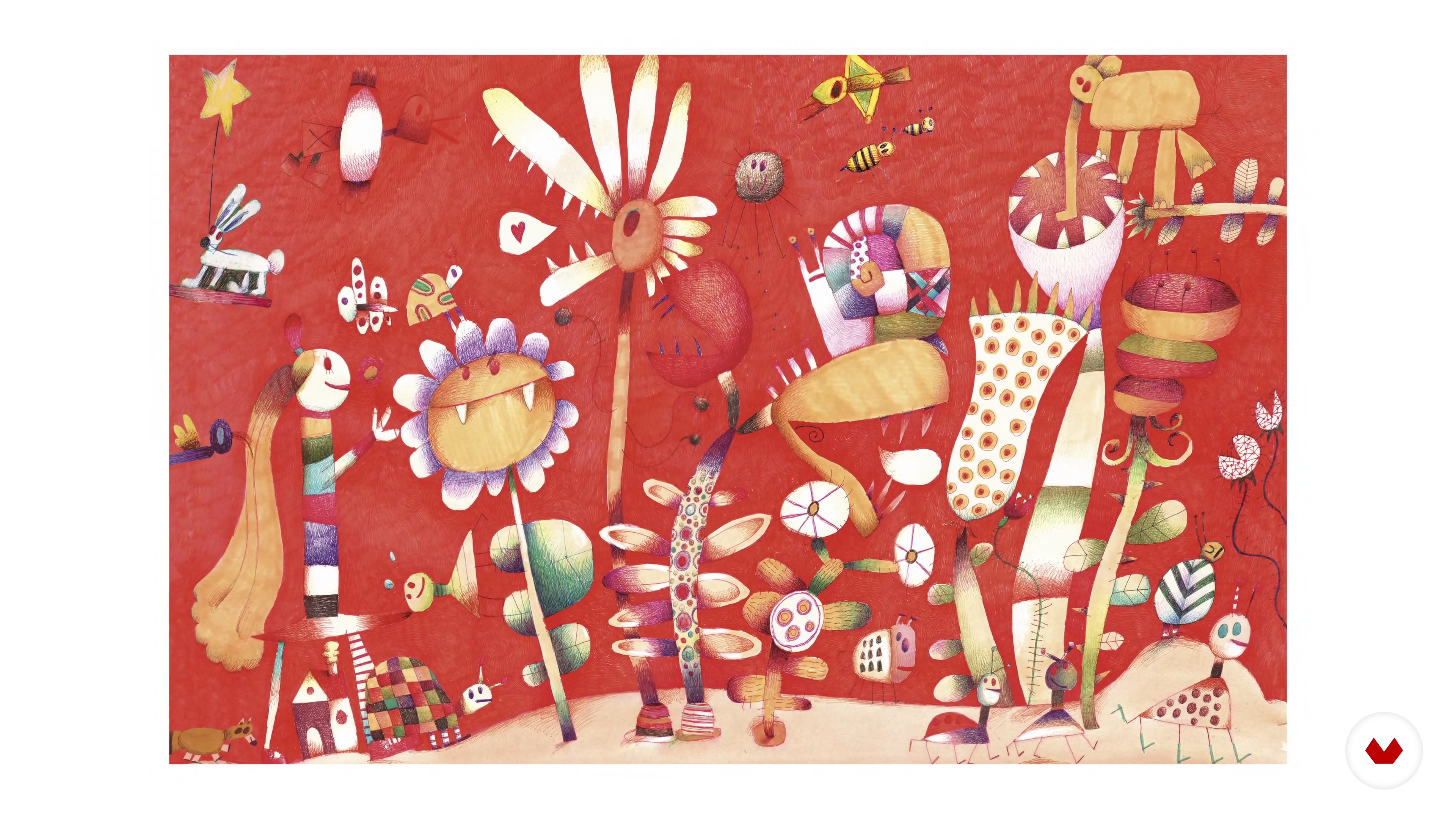
Finally, I will tell you how I relate to my readers, how drawing can help you, not only to express your creativity and your emotions, but also in your social relationships.
9m
 1
1What will we do in the module?
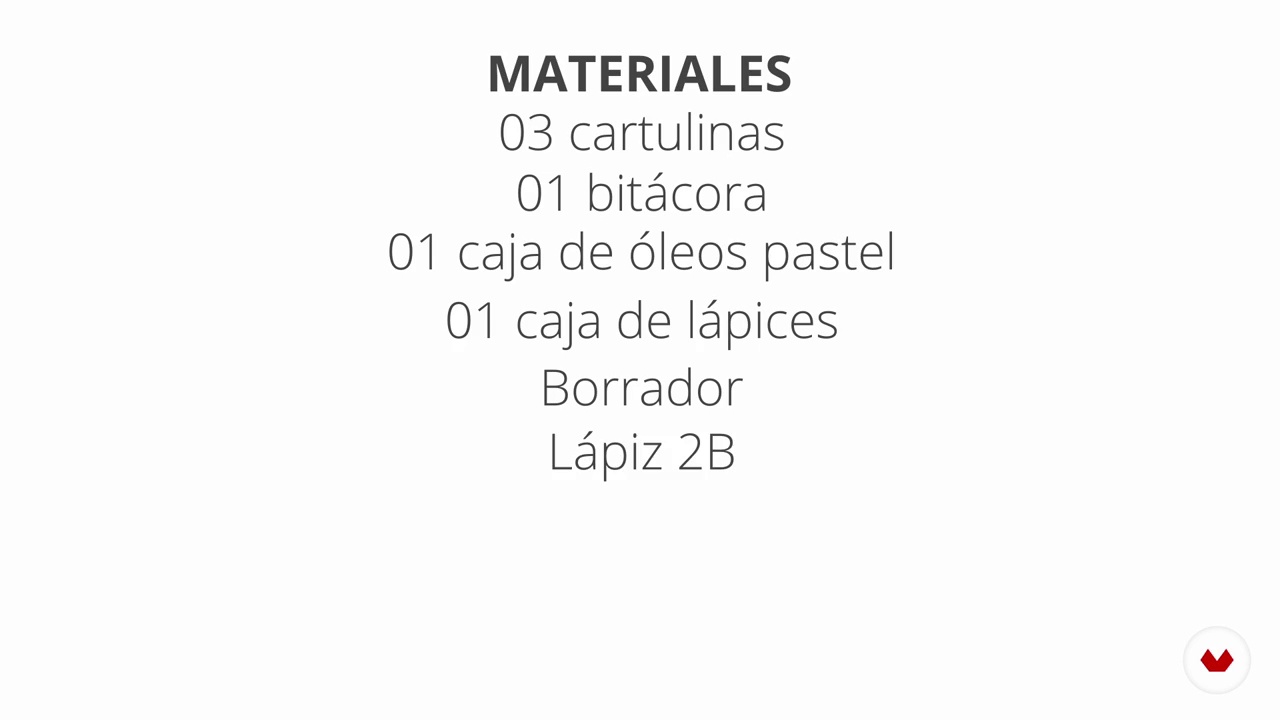
Do you want to know what we are going to work on throughout the module? During the lesson, we will tell you everything you need to know. In this module you will learn to give relevance to creative processes and you will begin to see errors as a possibility.
1m
 2
2The day to day that surrounds us
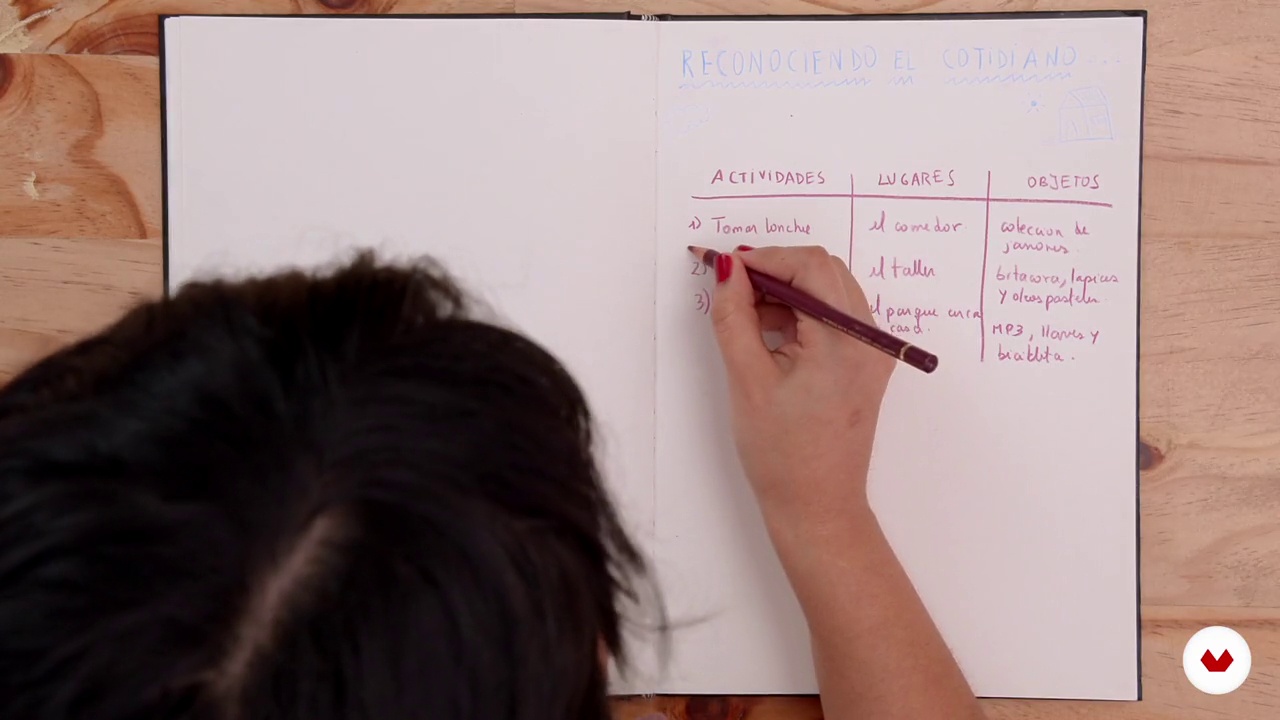
For us, everyday life is all those activities, spaces and objects that make up our daily lives, and whose presence is almost a habit in our lives. We will tell you how you can learn to recognize the places you go to frequently, what you eat, what you enjoy, etc. This will help you to visualize what is present in your life.
6m
 3
3What materials are we going to use?
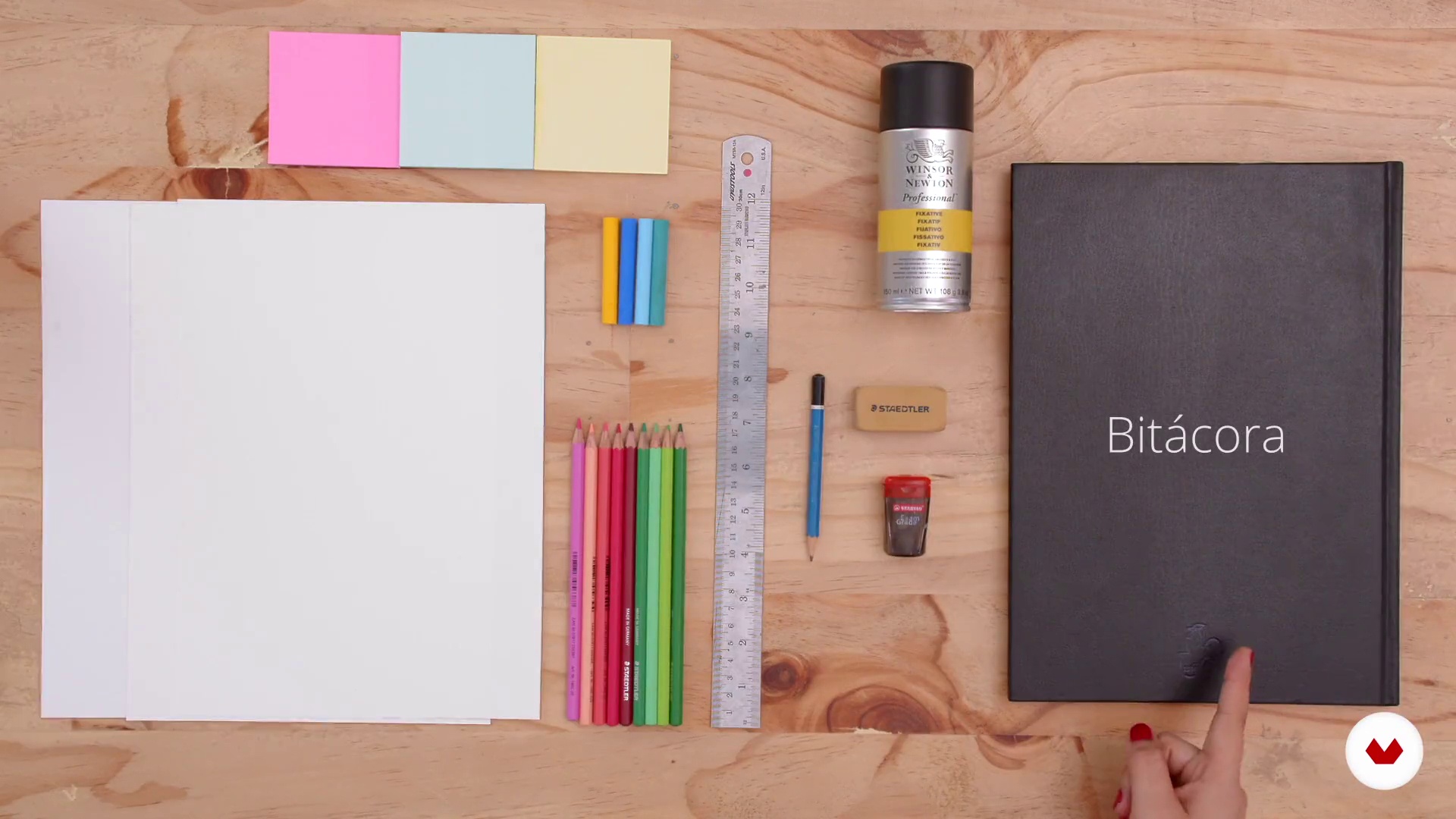
It is important to always know what we are going to work with, as well as to take into account what each of the materials will be used for. In this lesson, we will show you the materials that we will use throughout the course. We suggest you prepare them and have them close by, since you will start using them from the next lesson.
2m
 4
4Testing materials
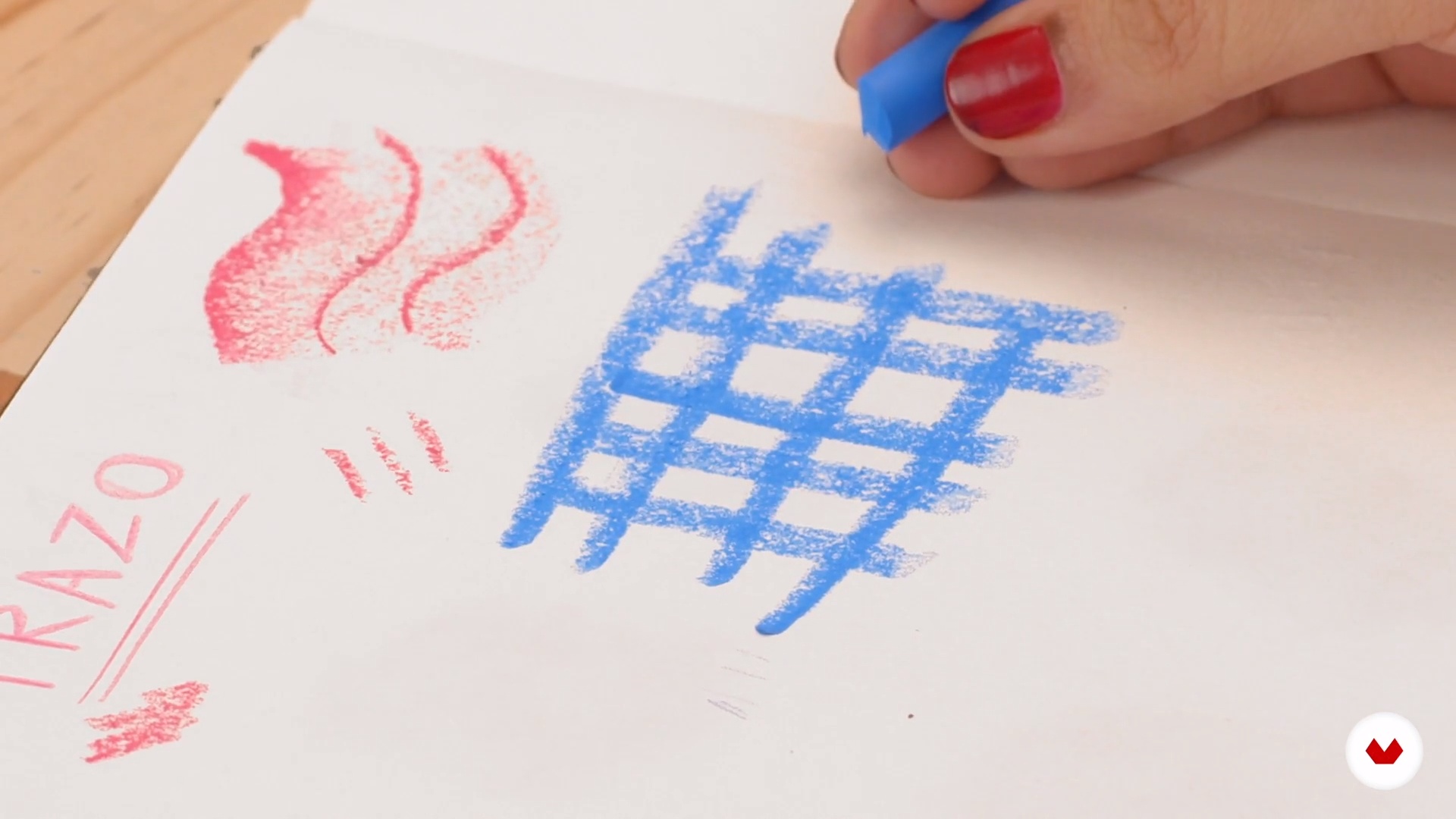
You will learn how to use the materials through some exercises that we will work on. These exercises will help you understand the pictorial possibilities that oil pastel has and that you can use to draw your project.
17m
 5
5Blind drawing
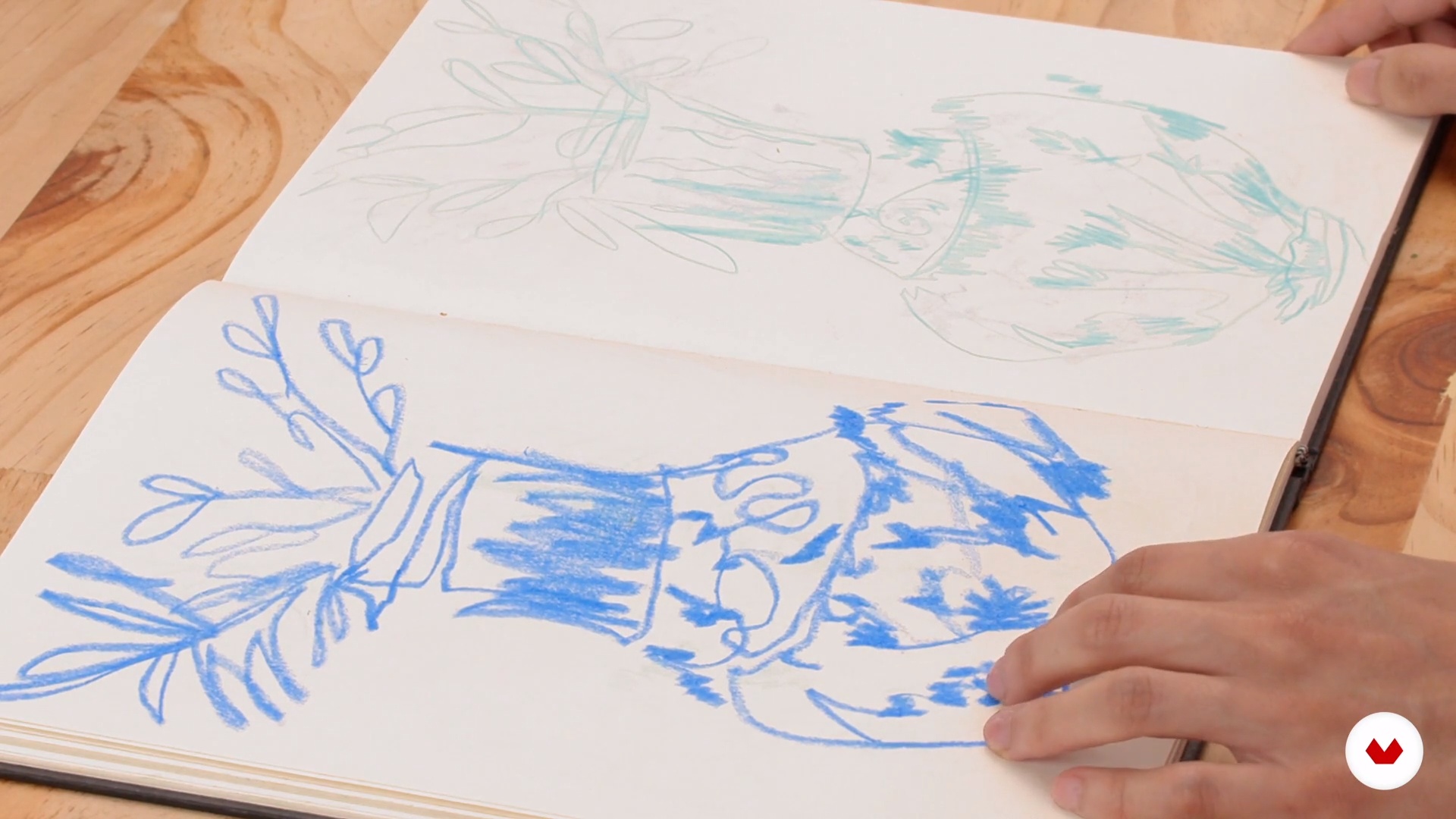
You already know all the material, you've already tried it, now it's time to see and start drawing. You'll learn the dynamics that we use to make our drawings and we'll make a few to loosen up our hand, this way we'll make sure we're ready for the moment of truth. Don't worry if some stroke or part gets complicated, if it happens you'll just have to take a breath and allow yourself to continue.
12m
 6
6The doodle as a starting point
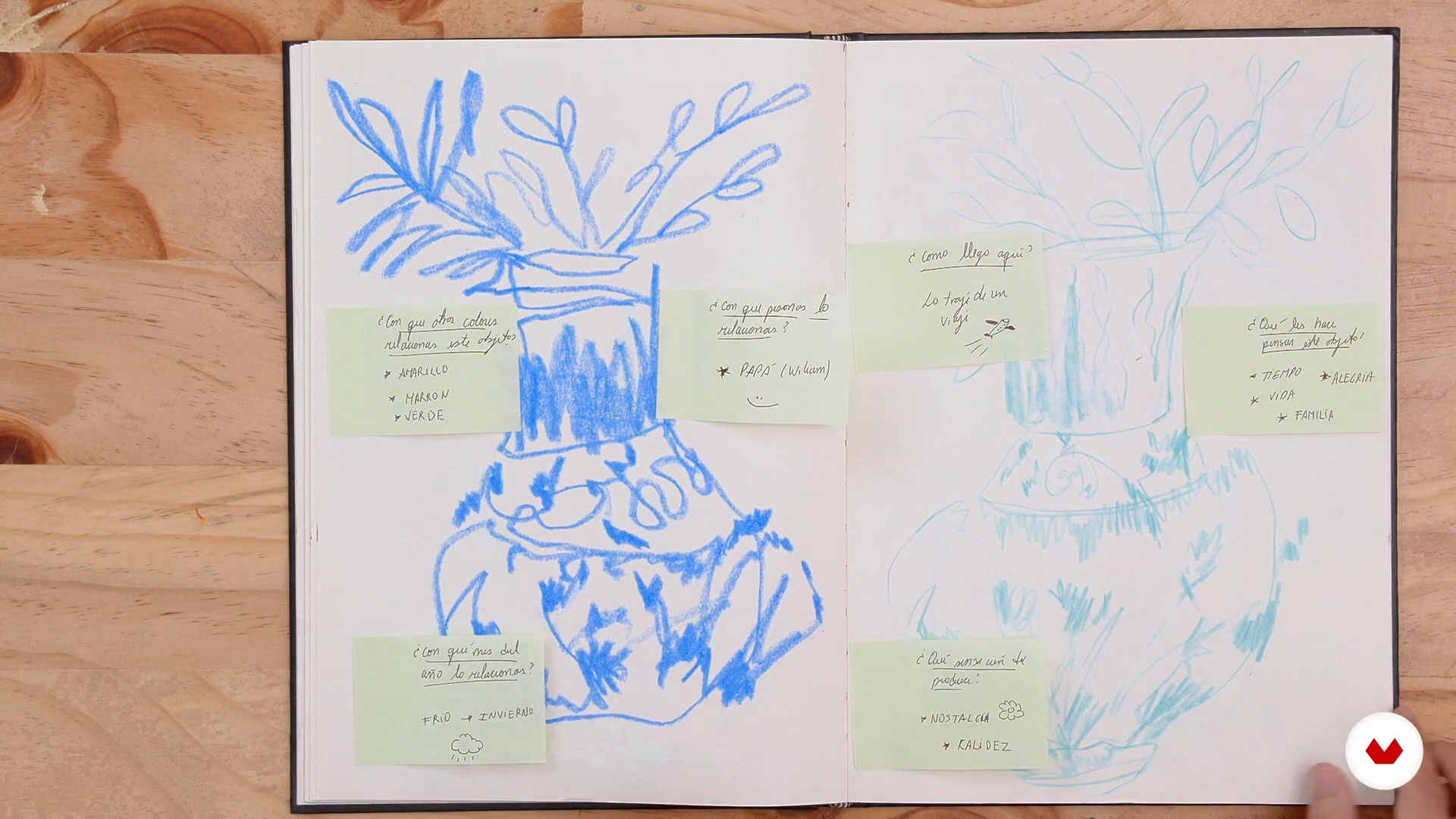
We will teach you some key questions so that you can carry out a deep observation exercise. In addition, they will allow you to graphically see your ideas and key words of the elements you want to create. They will also help you better understand the material and affective nature of the elements.
6m
 7
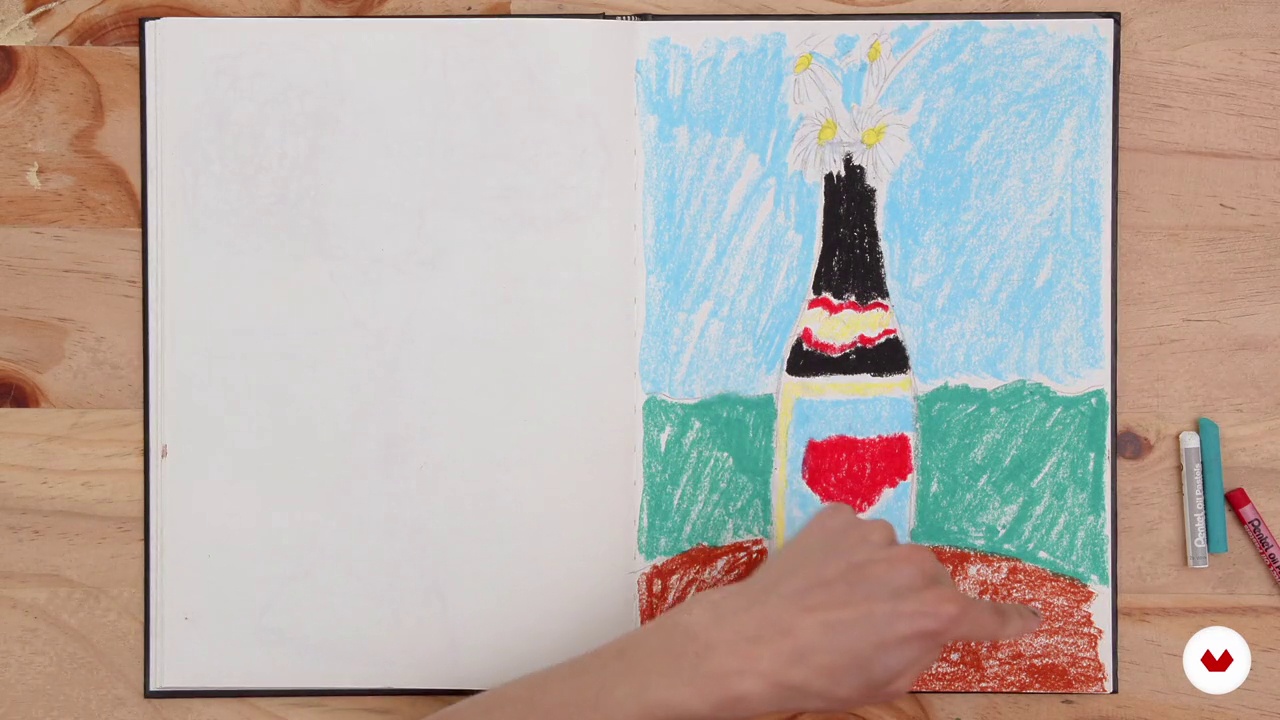
7Sketch and color proof
In this lesson, you will create your first sketches and do a color test that will help you find the right temperature to understand in a simplified way the colors that make up your objects.
13m
 8
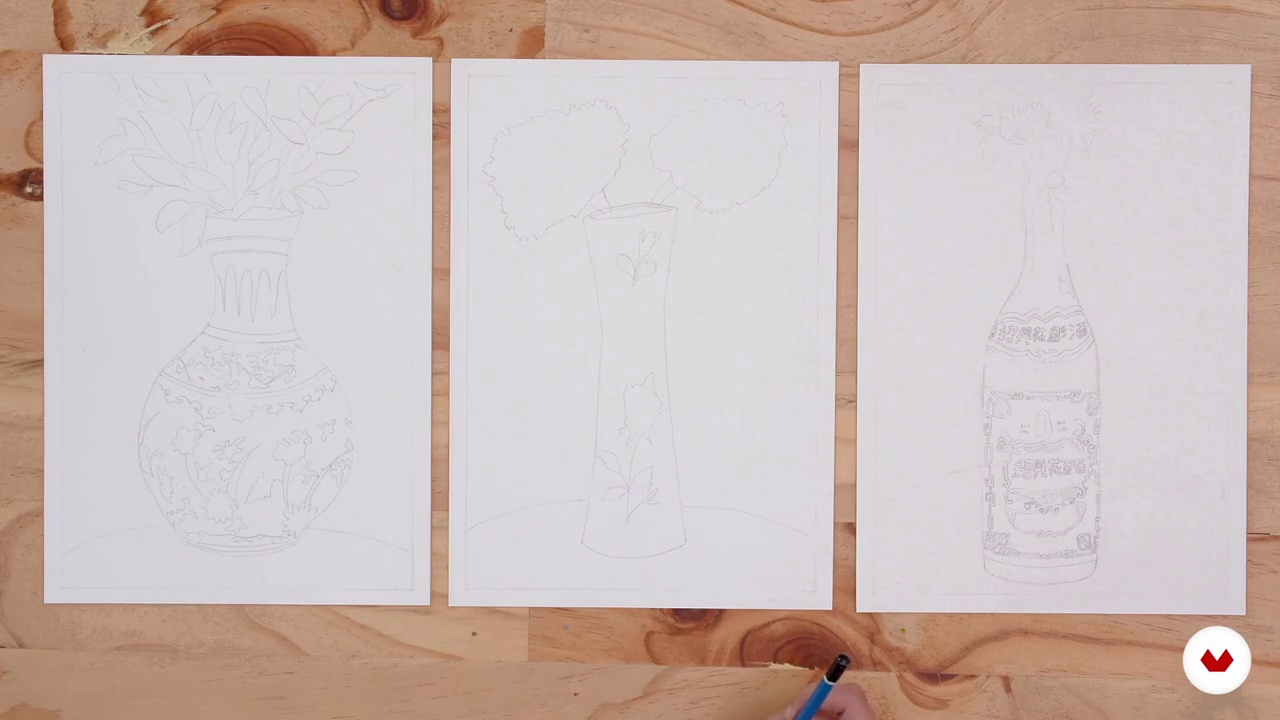
8Outlined
After all the preparation steps we are ready to start the last part of our final project. You will learn how to use the log as a visual support tool.
13m
 9
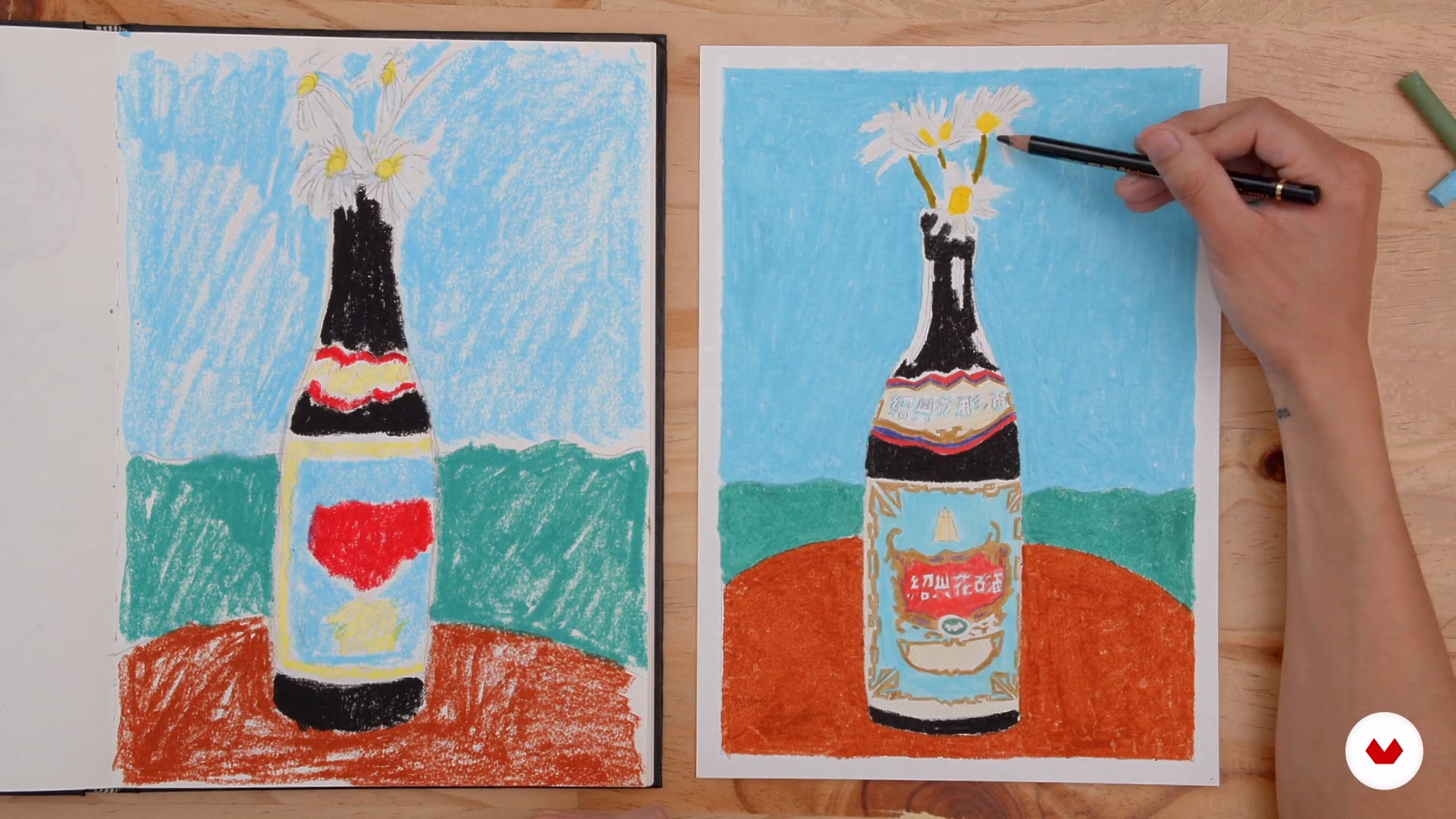
9From the inside out
In this lesson, you will learn how to paint your drawing in an orderly manner, so you don't mess up the format. We will show you how to do it, while giving you some tips that will be very useful.
14m
 10
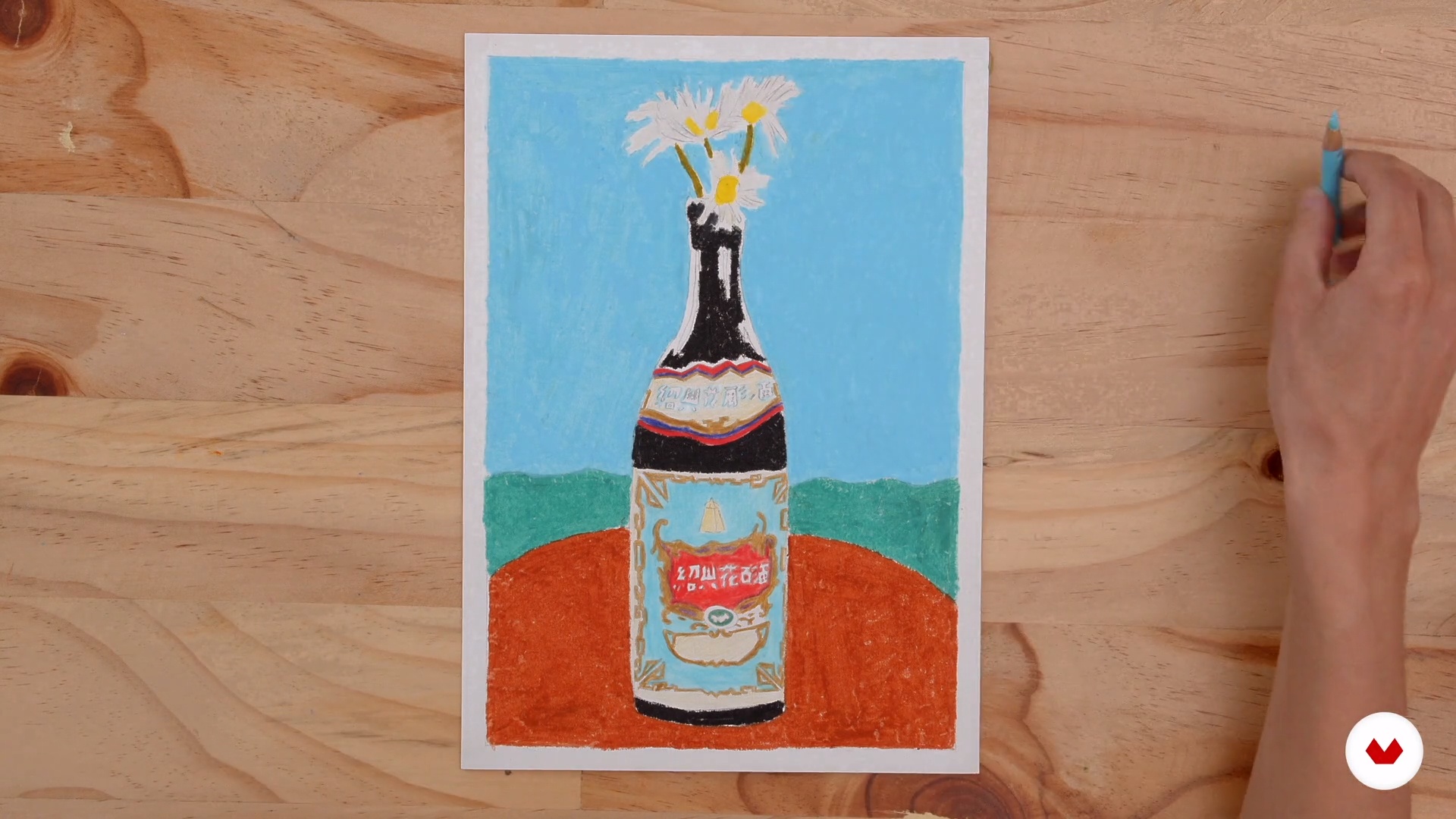
10Lines and final details
Finally, we will teach you how to bring back those details that were lost in the drawing. You will learn how to add more textures and defined shapes through the line.
10m
 1
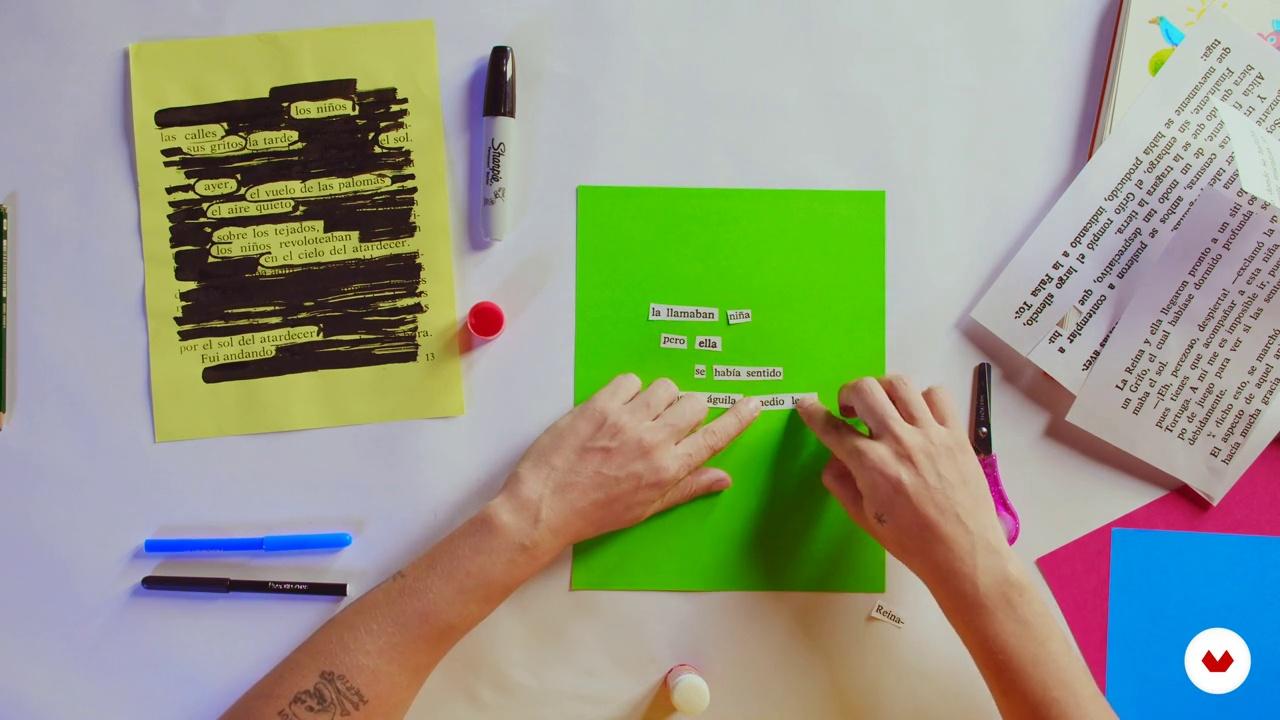
1Recharge your brain!
Throughout this lesson you will find five exercises that will spark creative thinking in our brain, which will be the only tool we will need to solve them... besides paper, pencil, scissors and glue!
7m
 2
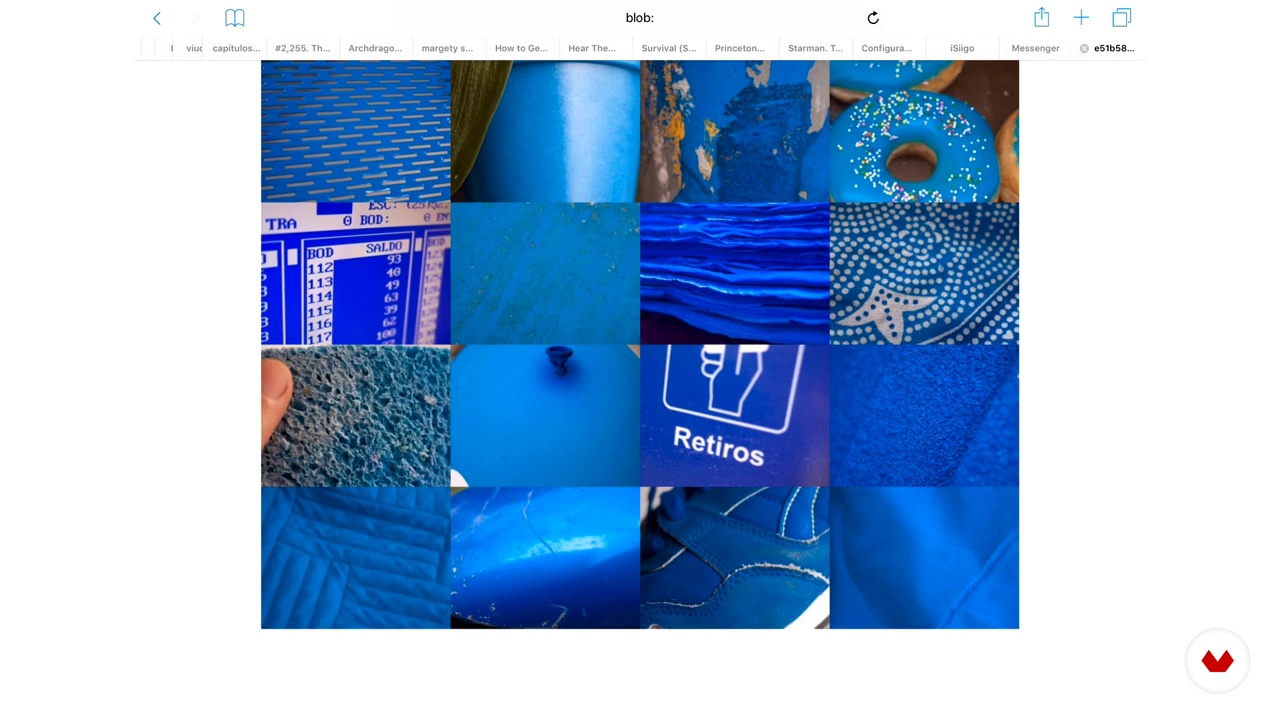
2Photo safari
With just a phone or a camera and a printer, we will learn not only to observe what surrounds us, but also to interpret it. We will also understand what makes an image an illustration and we will see that 1+1 can be = 3.
5m
 3
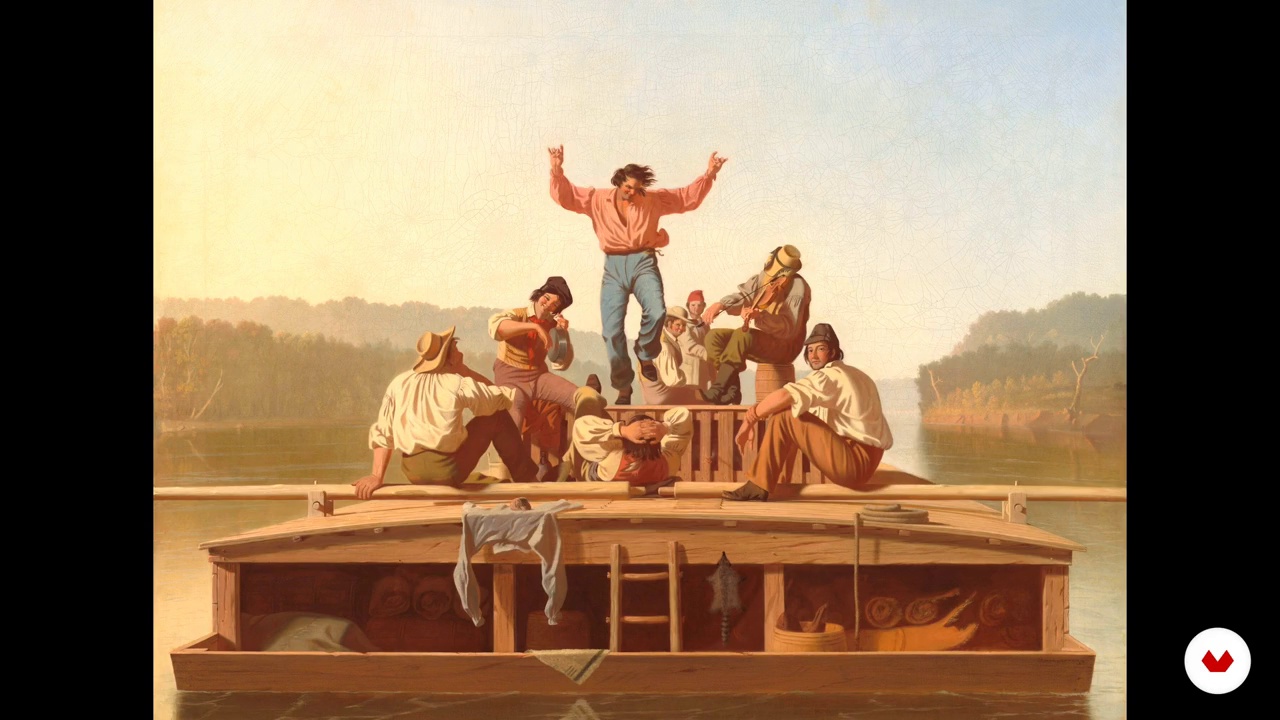
3What do we name it?
Giving a title to our work is one of the most fun and exciting moments of the creative process. Throughout this lesson we are going to play with titles to continue experimenting with what happens when we mix text and an image.
3m
 4
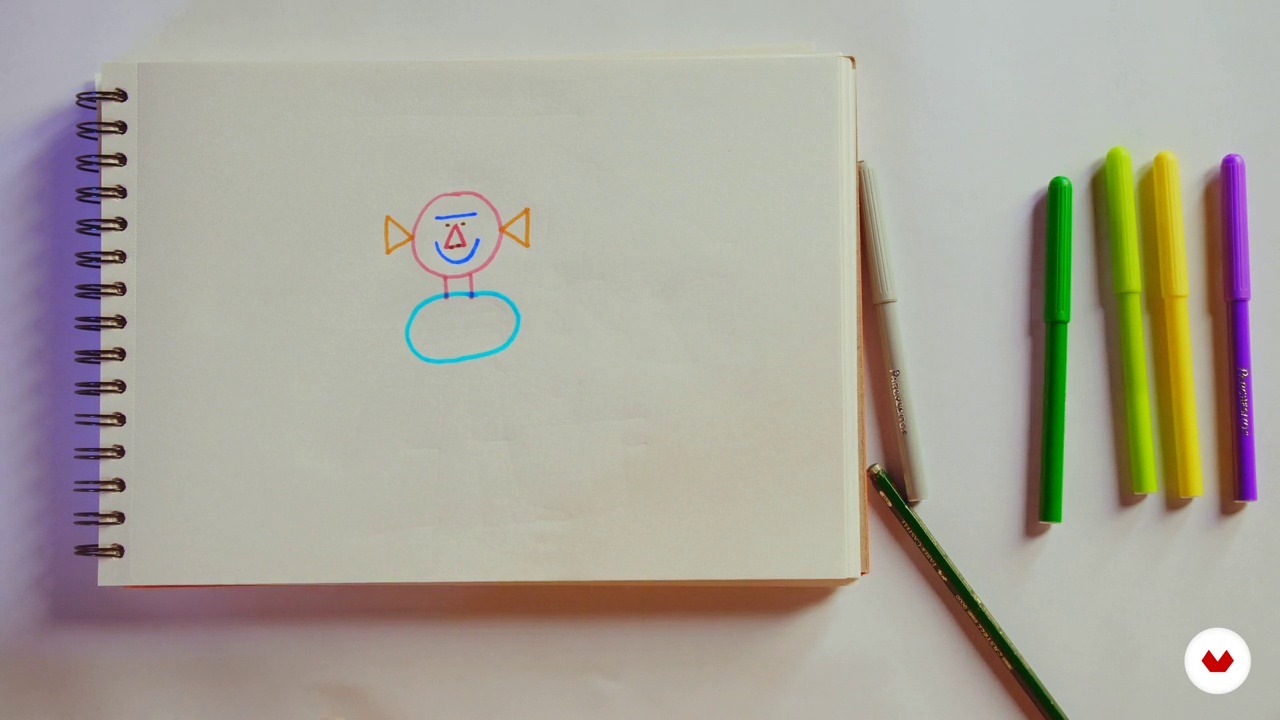
4Let's invent a character
Now we are going to invent our own character by answering the questions in a questionnaire: Where were you born? What do you like for breakfast? How many eyes do you have? Only you have the answers!
7m
 5
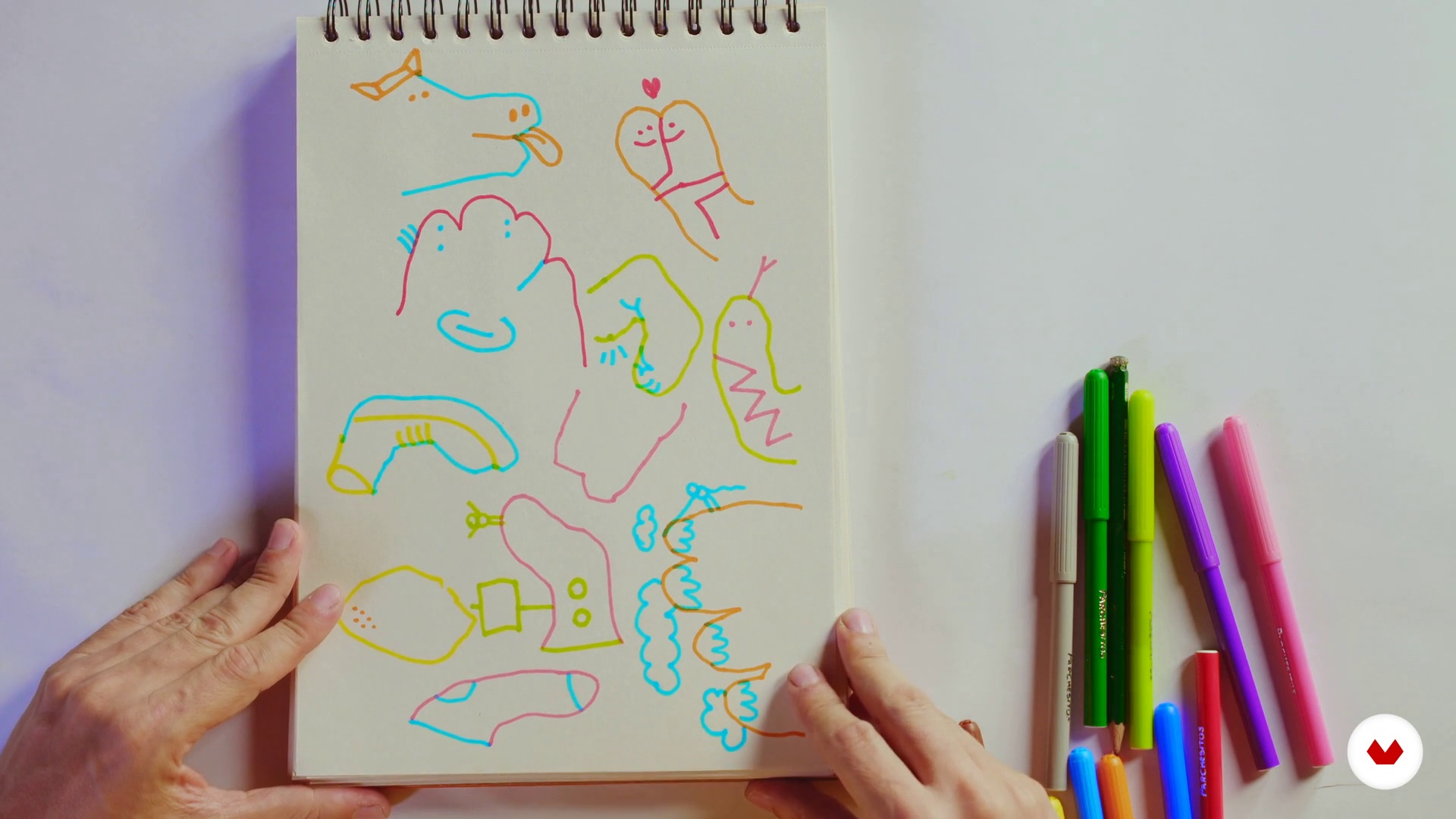
5Drawings to warm up your hand and brain
In this lesson we are not only going to use drawing to stimulate the hand and the brain, but we are going to use them as a model for these two warm-up dynamics: the shadow hands and the traced self-portrait, as well as other exercises such as the materials test and the drawn crowd.
11m
 6
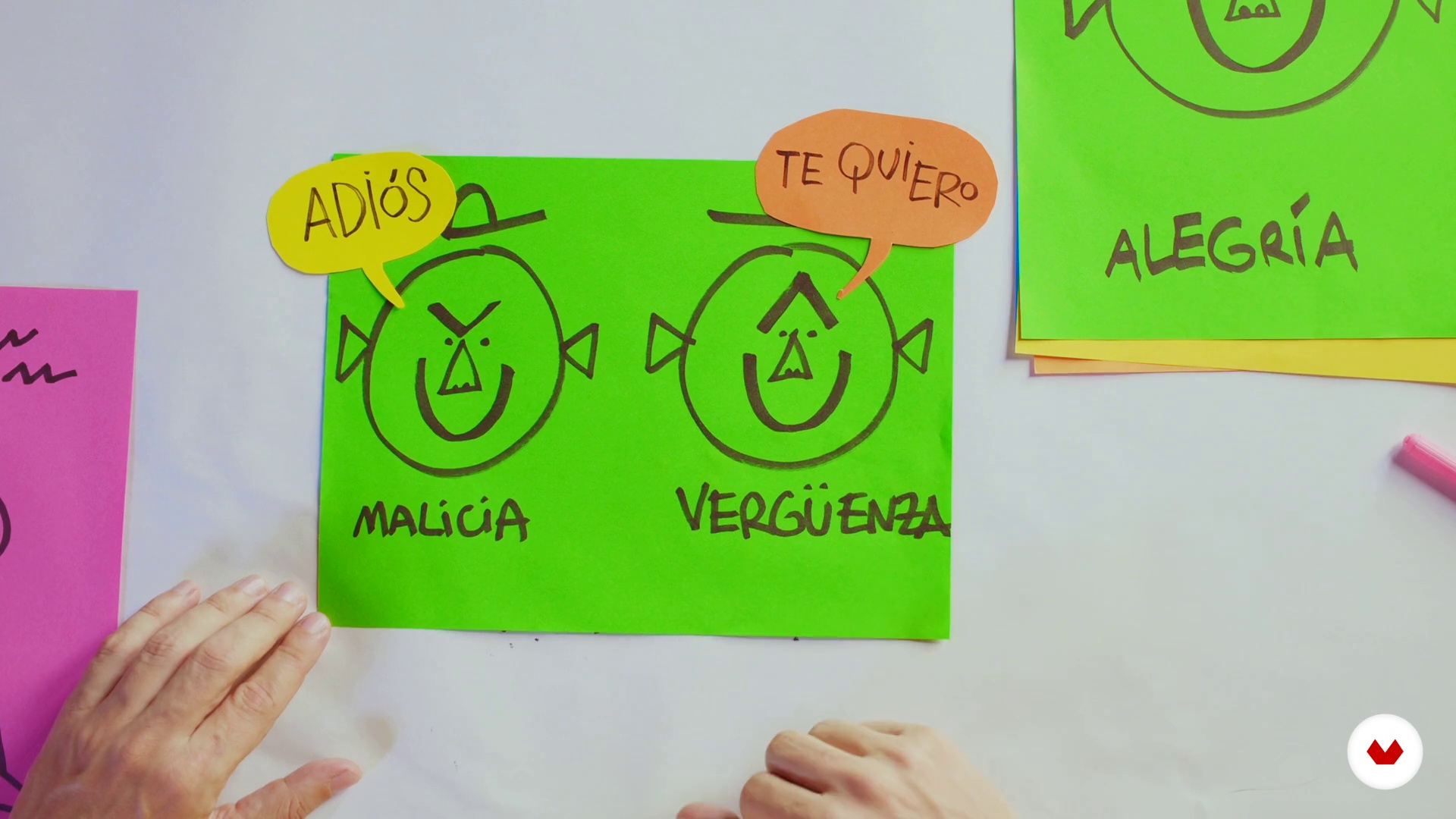
6Gestural and corporal expression
Now that we know what it looks like, we are going to use body language and gestures so that our character can tell us how he or she feels. We will also continue to explore the possibilities of mixing text and images.
10m
 7
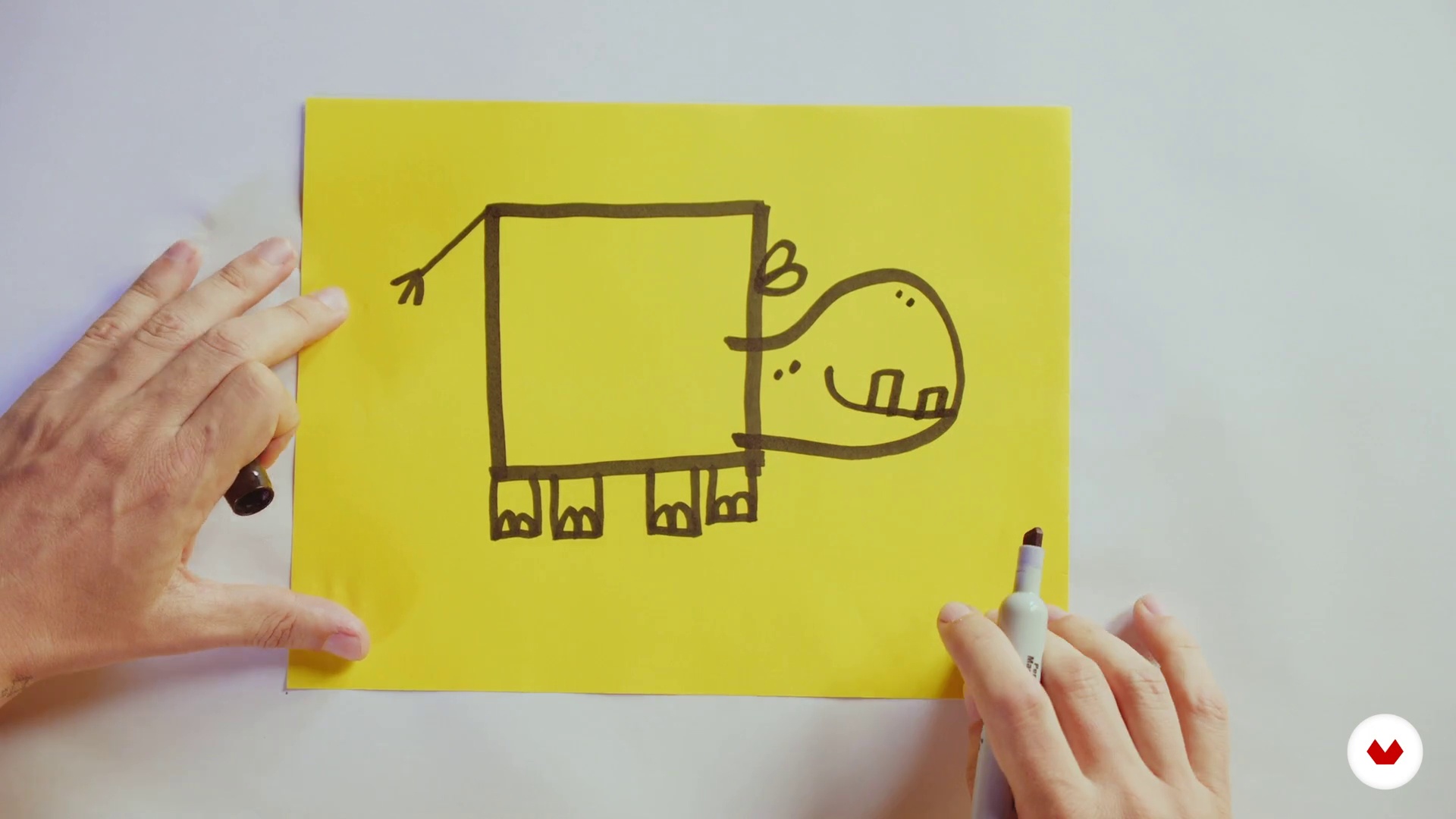
7Building animals with geometric shapes
Everything is made of shapes! If you can draw the most basic shapes, you can draw all the animals in this lesson.
19m
 8
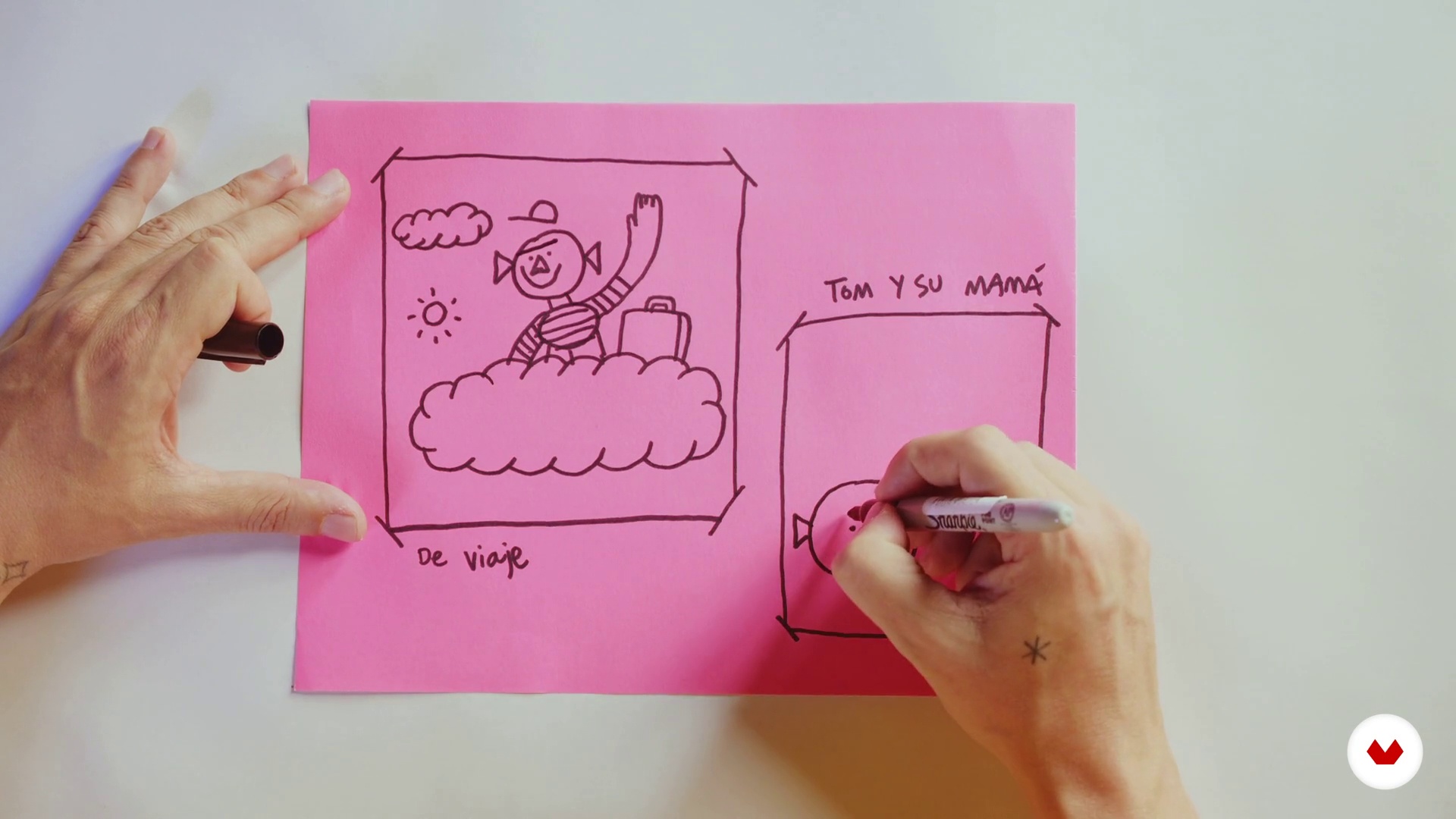
8Album of drawn photos
It's time to complete our character's photo album with our drawings. Do you remember when you answered the questionnaire about his life? Now we're going to do something similar, but instead of answering by writing, we'll do it by drawing.
4m
 9
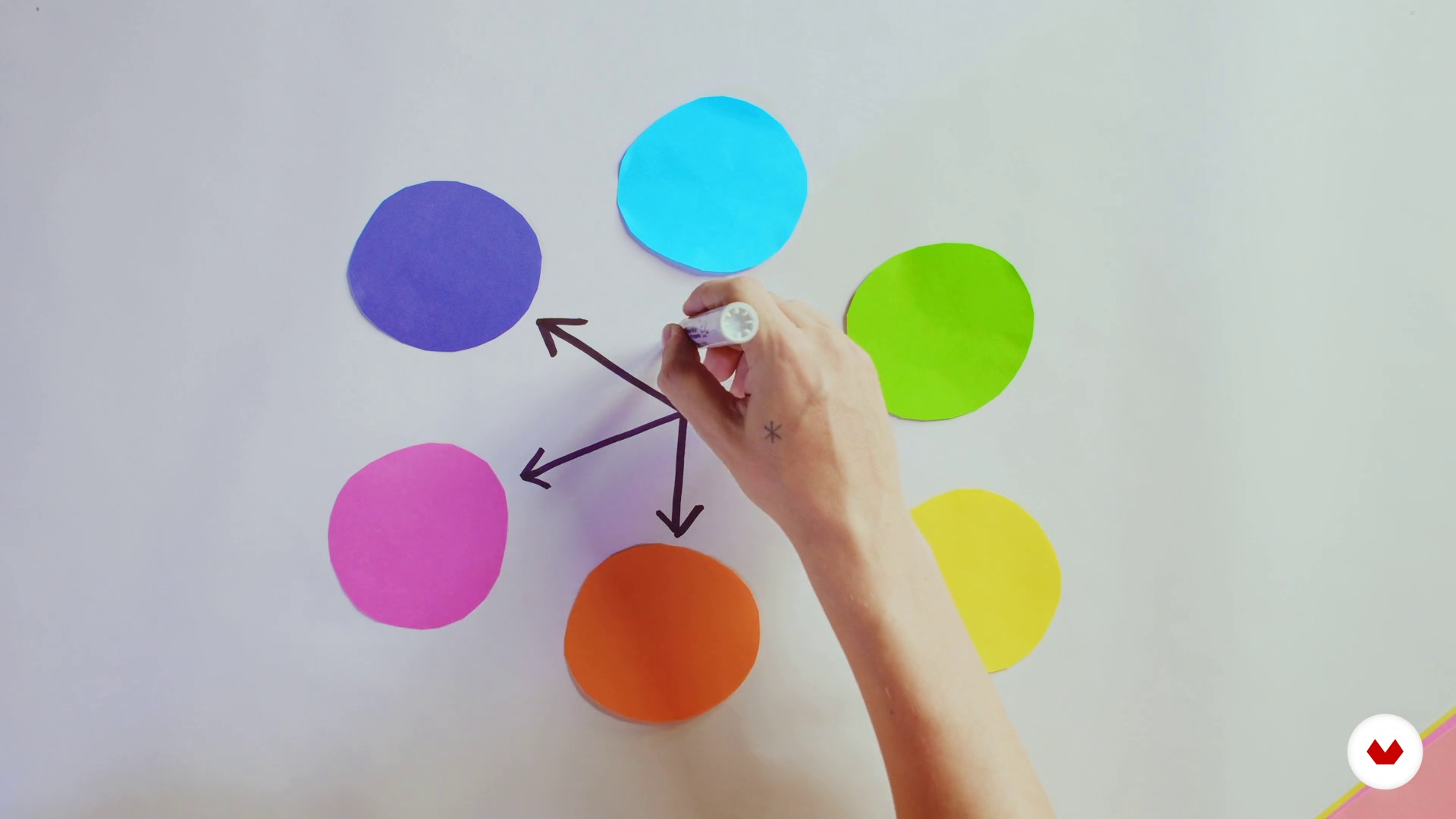
9Primary and complementary colors
We will use colored papers to experiment with how colors interact with each other without getting our hands dirty.
12m
 10
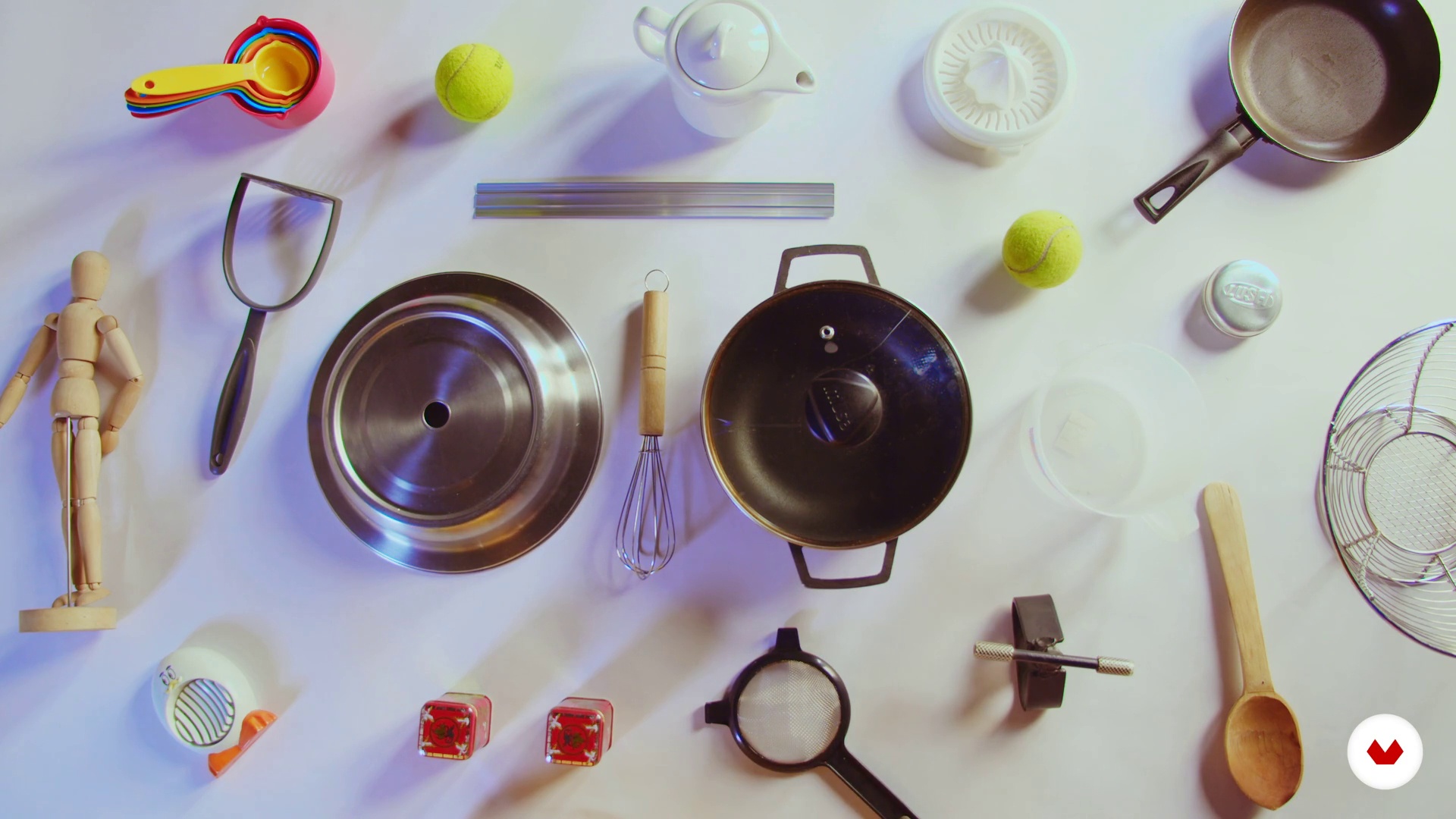
10Photographing abstract landscapes
In this lesson we will learn how to choose, build and compose, which means knowing where to place each thing. We will set out in search of real objects and turn them into abstract landscapes using only a camera and our artist's eye.
5m
 11
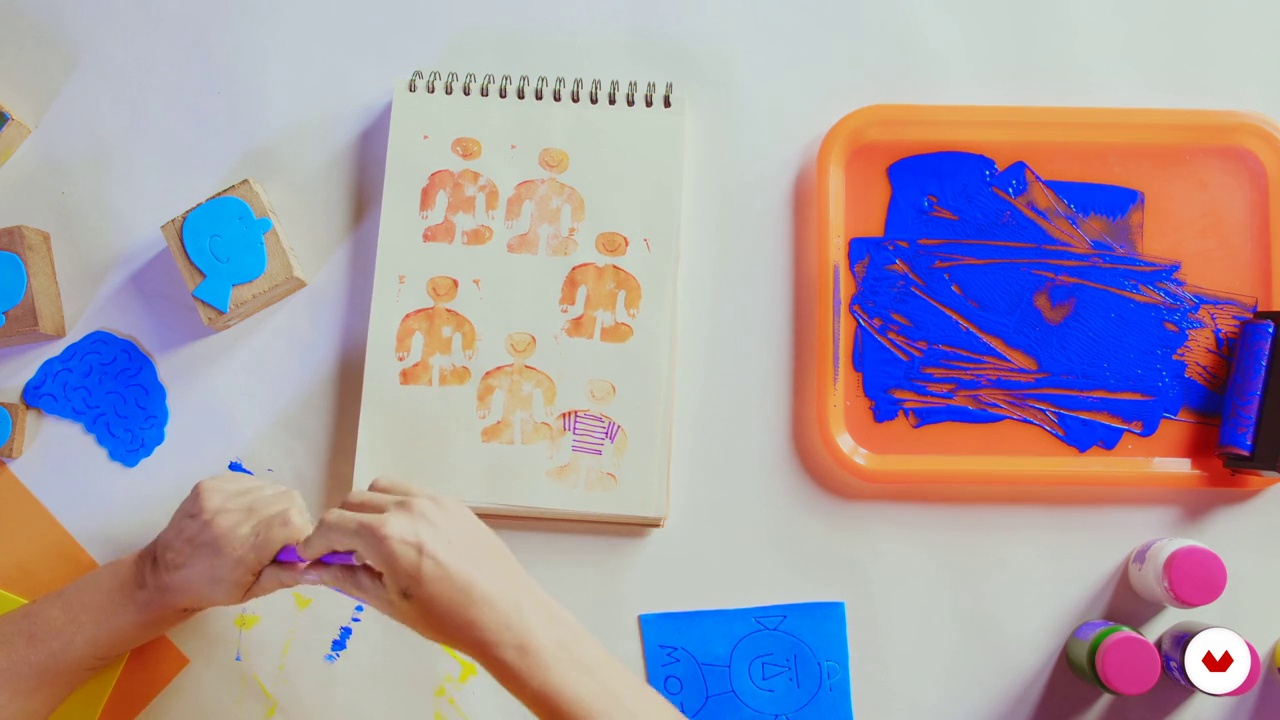
11Homemade multi-color printing
Throughout this lesson we will learn how to make printed drawings with several different inks using EVA foam, rollers and colored tempera paints.
17m
 12
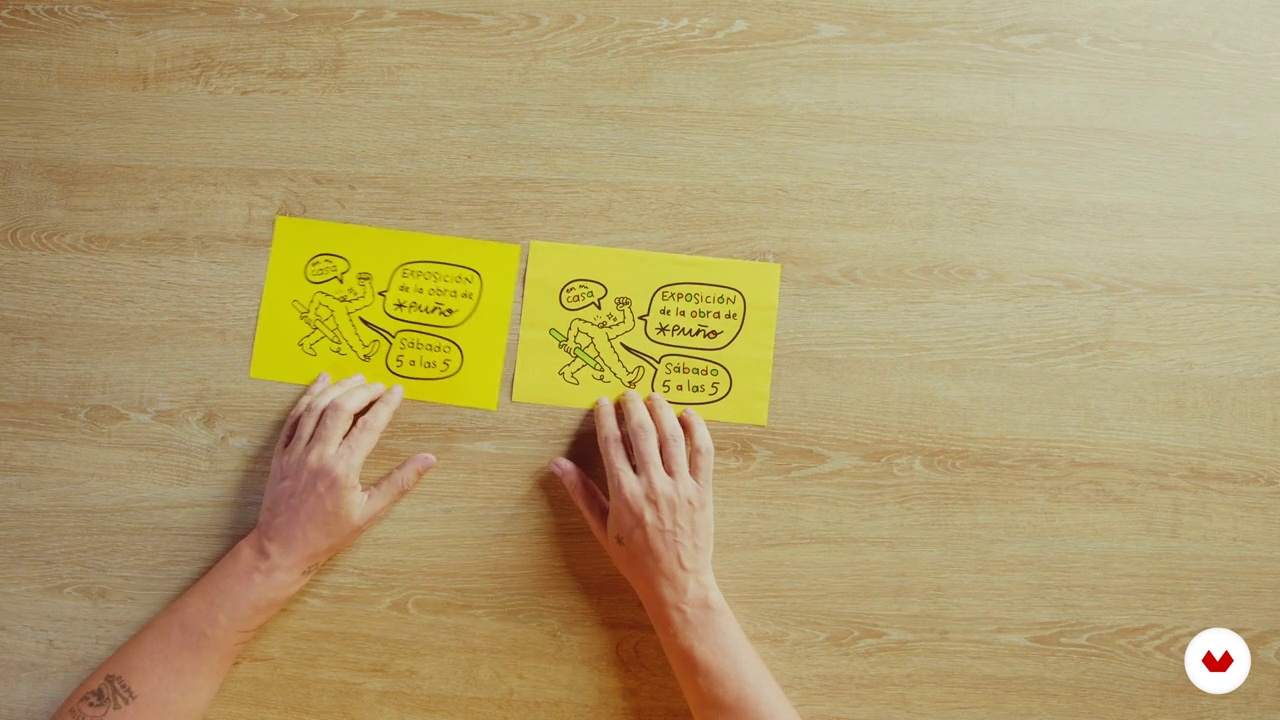
12How to set up an exhibition
We're going to learn how we can organize an exhibition at home or at school, from setting up the works, hanging them, and making sure they're well lit to designing our own invitations for our family and friends to come.
5m
What is this course's project?
You will create a sketchbook applying basic drawing techniques, developing confidence in your artistic abilities. You will complete exercises to experiment with creative approaches and overcome the fear of the blank page with a series of unique drawings.
Who is this specialization for?
Ideal for beginners looking to get started with drawing, creative people looking for innovative techniques, artists overcoming the fear of the blank page, and families interested in developing artistic skills through playful exercises and exploring materials such as oil pastels.
Requirements and materials
No extensive prior knowledge is required, just enthusiasm for exploring drawing. You will need paper, pencils and an eraser. Colored pencils, watercolors or other materials according to your preferences are recommended to enrich the creative experience and develop artistic skills.
Reviews
- cald0_1502PLUS3 days ago
Un curso que anima a la gente con miedo, a expresarse y aprender arte a través del dibujo, con mucha paciencia
- stefy21PLUS2 months ago
Très instructif et motivant! J'ai retrouvé l'envie de dessiner! Merci
- artyphartyPLUS2 months ago
am meisten hat mir "Zeichentechniken, um die Angst vor dem leeren Blatt zu überwinden" gefallen, sehr inspirierend!
- 2 months ago
Maravilloso curso y muy didáctico.
- 6 months ago
Es maravillosos y vale la pena
Select to get to know your teachers in this specialization course


What to expect from this specialization course
Learn at your own pace
Enjoy learning from home without a set schedule and with an easy-to-follow method. You set your own pace.
Learn from the best professionals
Learn valuable methods and techniques explained by top experts in the creative sector.
Meet expert teachers
Each expert teaches what they do best, with clear guidelines, true passion, and professional insight in every lesson.
Certificates
PLUSIf you're a Plus member, get a custom certificate for every specialization course. Share it on your portfolio, social media, or wherever you like.
Get front-row seats
Videos of the highest quality, so you don't miss a single detail. With unlimited access, you can watch them as many times as you need to perfect your technique.
Share knowledge and ideas
Ask questions, request feedback, or offer solutions. Share your learning experience with other students in the community who are as passionate about creativity as you are.
Connect with a global creative community
The community is home to millions of people from around the world who are curious and passionate about exploring and expressing their creativity.
Watch professionally produced courses
Domestika curates its teacher roster and produces every course in-house to ensure a high-quality online learning experience.
FAQs
You’ll learn to blend traditional and digital techniques, boost your creativity, visually distill ideas, and use drawing as a tool for communication and self-discovery. You’ll explore methods to break through creative blocks and dive into styles and key influences in art and illustration.
This is an intermediate-level course, ideal for those who already have basic drawing skills and want to expand their creativity or refine both traditional and digital techniques.
You’ll need paper, pencils, markers, watercolors, basic digital tools (like a tablet or illustration software), and alternative materials such as cutouts or newspaper for creative exercises.
Yes, the course combines traditional drawing techniques with digital tools, giving you the chance to experiment with and compare both approaches to broaden your creative toolkit.
The course includes hands-on exercises, graphic games, and playful methods designed to spark creativity, break through blocks, and encourage experimenting with different styles, materials, and approaches.
Absolutely, the concepts and techniques taught can be applied in areas like animation, fashion, infographics, and visual communication, helping you expand your creative and professional profile.
Topics covered include sketching, visual thinking, human and animal representation, abstraction techniques, composition, children’s illustration, contemporary portraiture, graphic journaling, and the use of artistic references.