
Master contemporary journalism, from feature writing and visual storytelling to video communication, to tell impactful stories
Explore the fascinating world of contemporary journalism with a specialization that will take you from written storytelling to audiovisual narrative. Discover how to transform reality into captivating stories, using literary tools and research methodologies that will allow you to delve into the causes and consequences of events. Javier Sinay will guide you through the art of journalistic chronicle, while Guillermo Osorno will teach you how to narrate reality with techniques that move and connect with the audience. Daniela Rea will show you how to tell non-fiction stories, balancing intuition with investigative rigor.
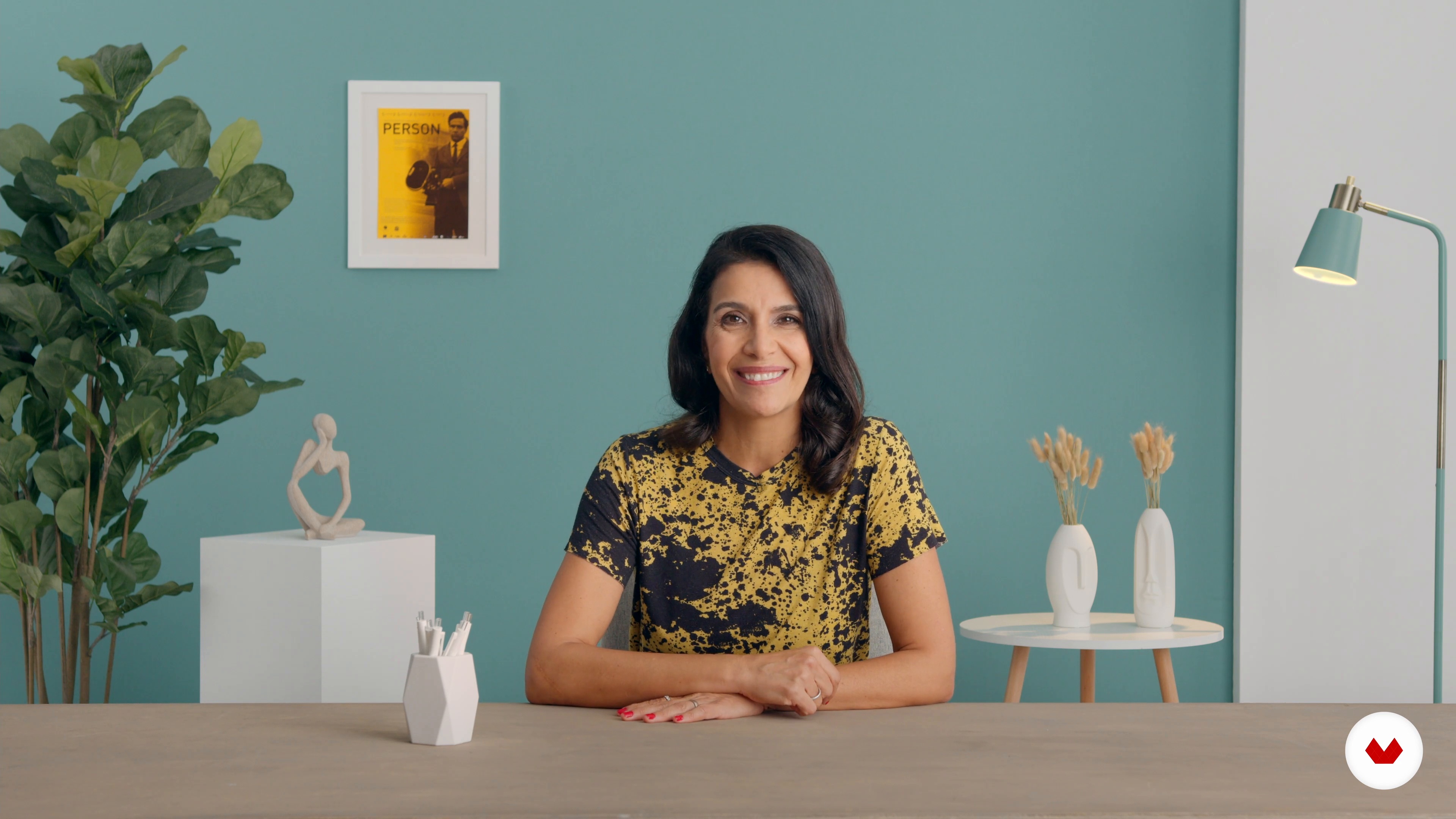
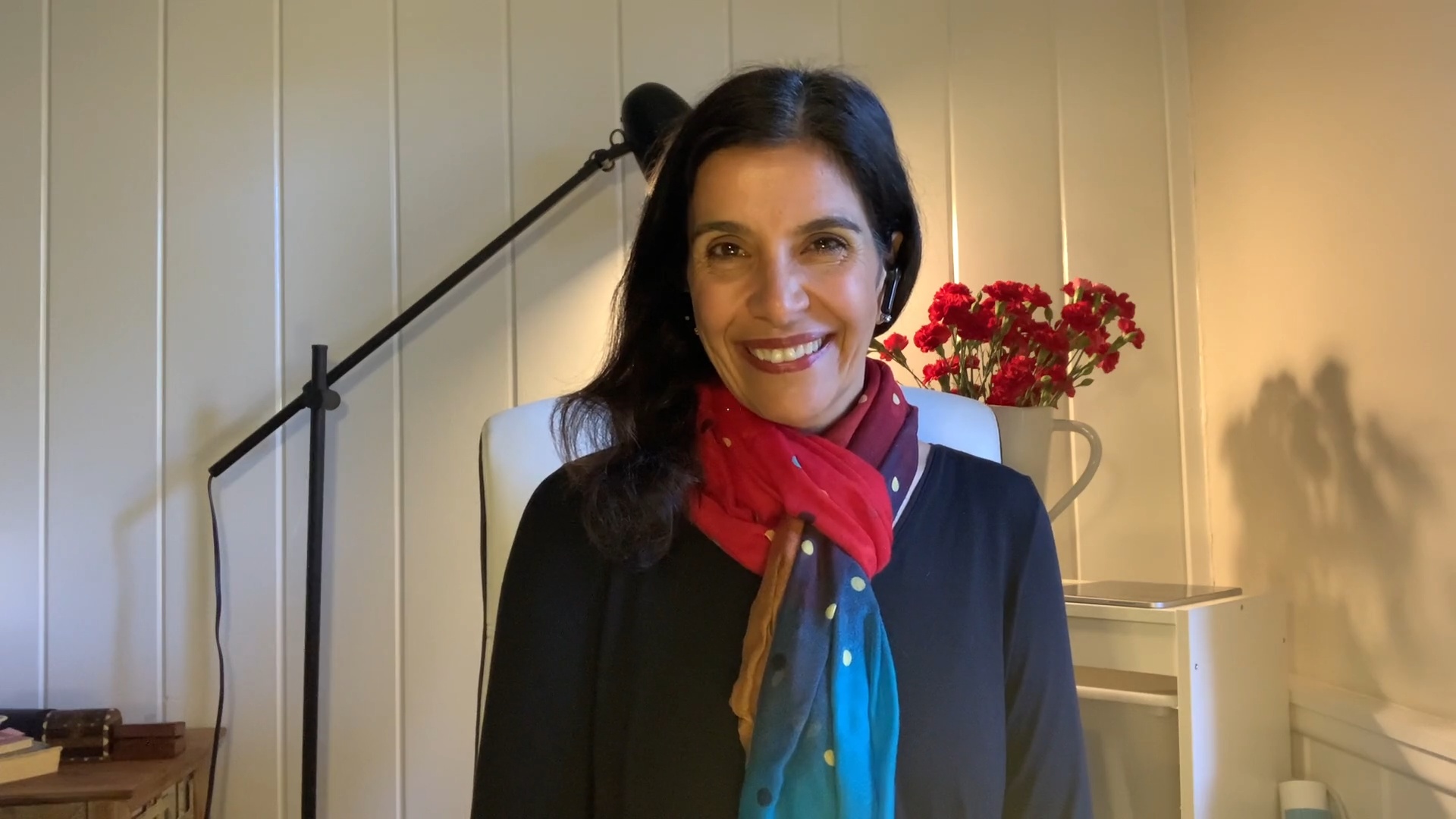
Enhance your storytelling skills with Finbarr O'Reilly, who will teach you how to capture the essence of moments through photojournalism. Finally, Domingas Person will help you master on-camera communication, developing your personal brand and video presentation skills. This comprehensive training program prepares you to communicate effectively in the multimedia age, combining rigorous research, written narrative, visual storytelling, and audiovisual communication.
What will you learn in this specialization?
 1
1Introduction
Journalism is much more than simply reporting the news: it's a way of understanding and transforming the world. Through honest and well-crafted stories, you can build bridges between diverse realities. In this course, you will learn to tell stories with depth, rigor, and empathy. In this lesson, you'll delve into the origins and evolution of journalism, from the first printed sheets to today's digital ecosystem. You'll reflect on the power of stories and begin to think of journalism as a tool for connection, listening, and transformation.
1m
 2
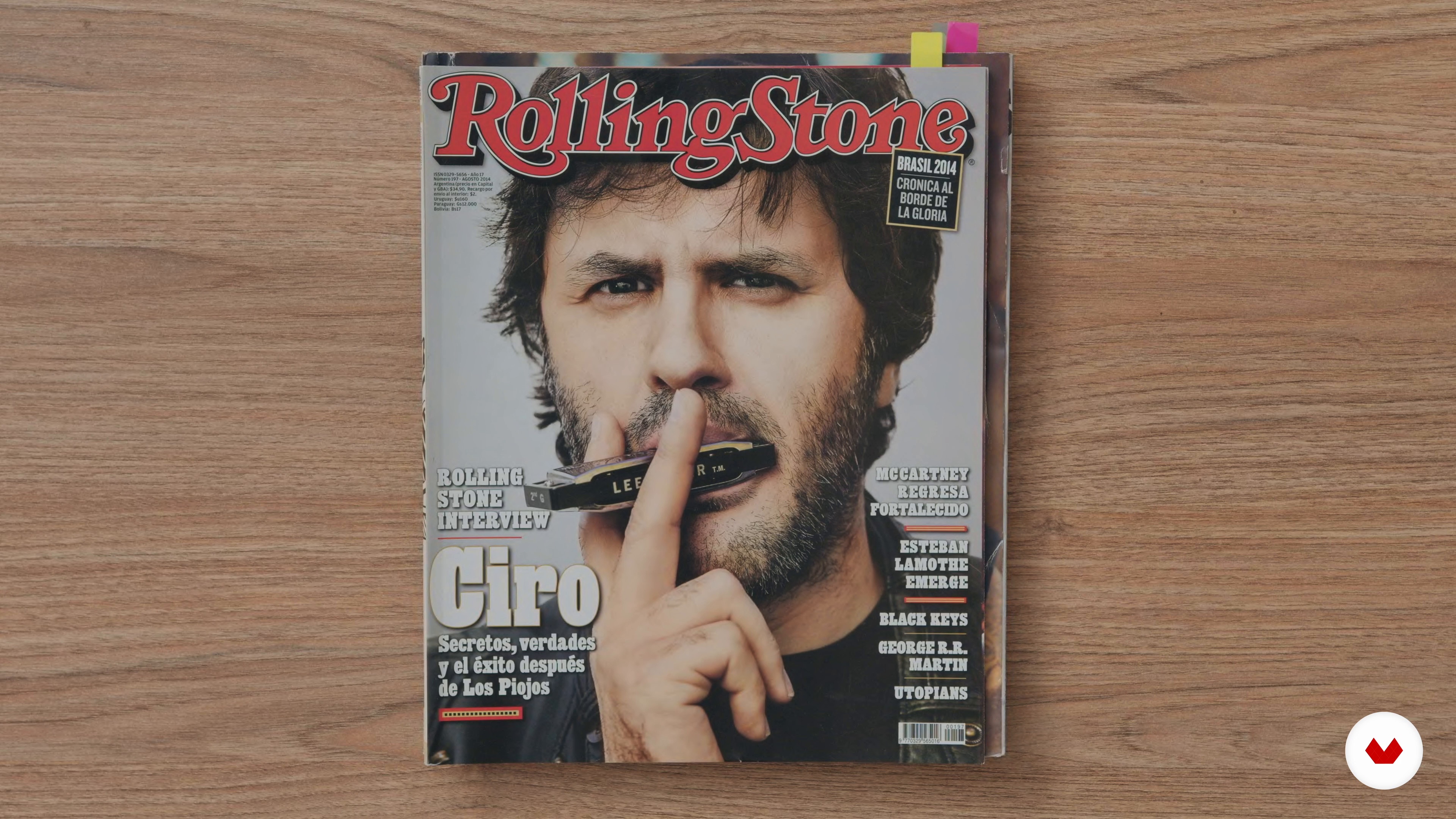
2Influences | Javier Sinay
Now I would like to talk to you about the authors and magazines that have most inspired me and influenced my way of writing chronicles.
8m
 2
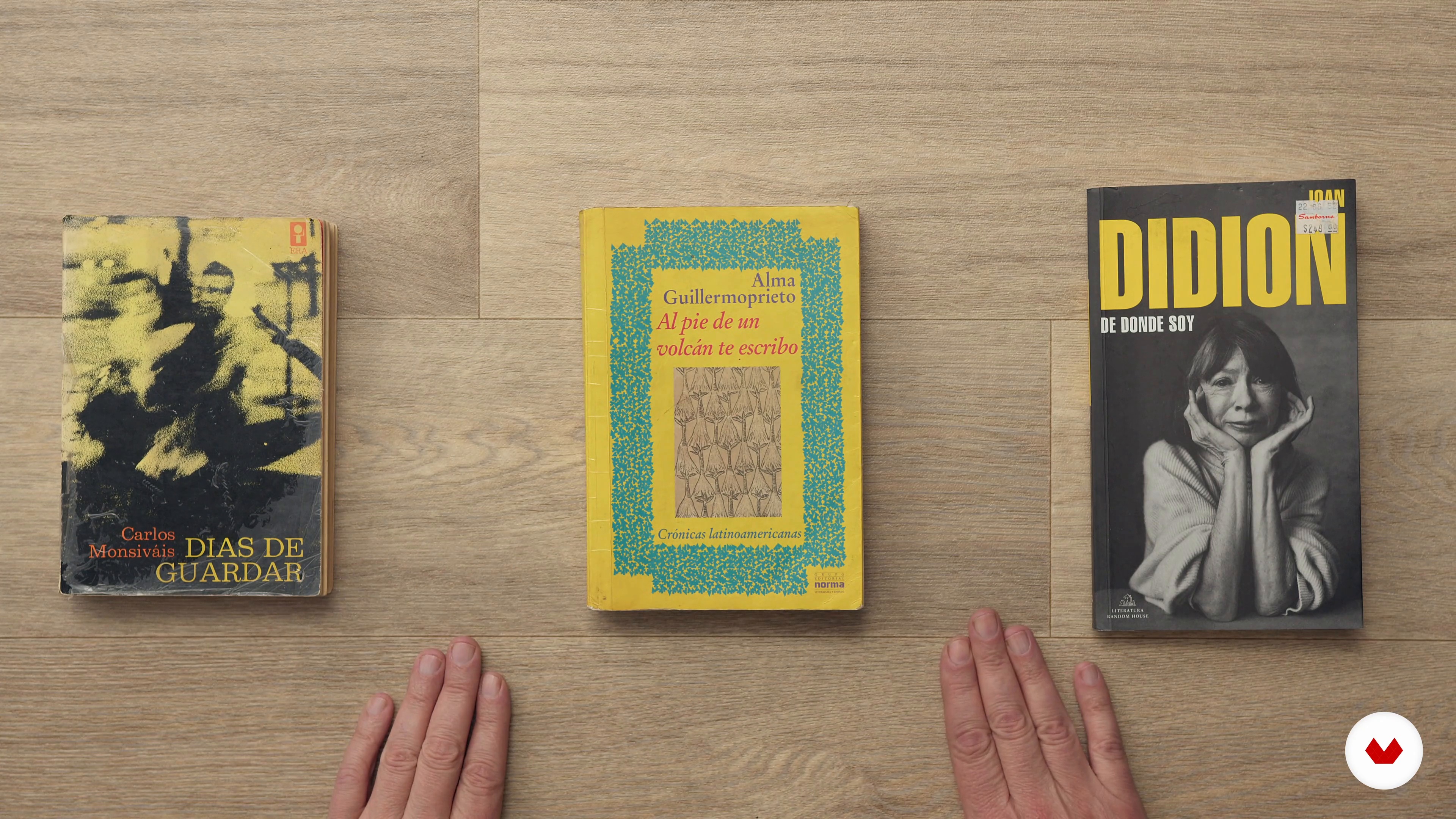
2Influences | Guillermo Osorno
In this lesson I will show you my past and present influences in different types of formats.
2m
 2
2Influences | Daniela Rea
There is a phrase that I really like and I want to share it with you now that I will talk about my influences. I learned it from an anthropologist friend, who in turn learned it from her grandmother: "we never think alone" and I think she is absolutely right, that the ideas, thoughts, projects we have are the result of a constant, daily conversation with other people , known and unknown.
7m
 2
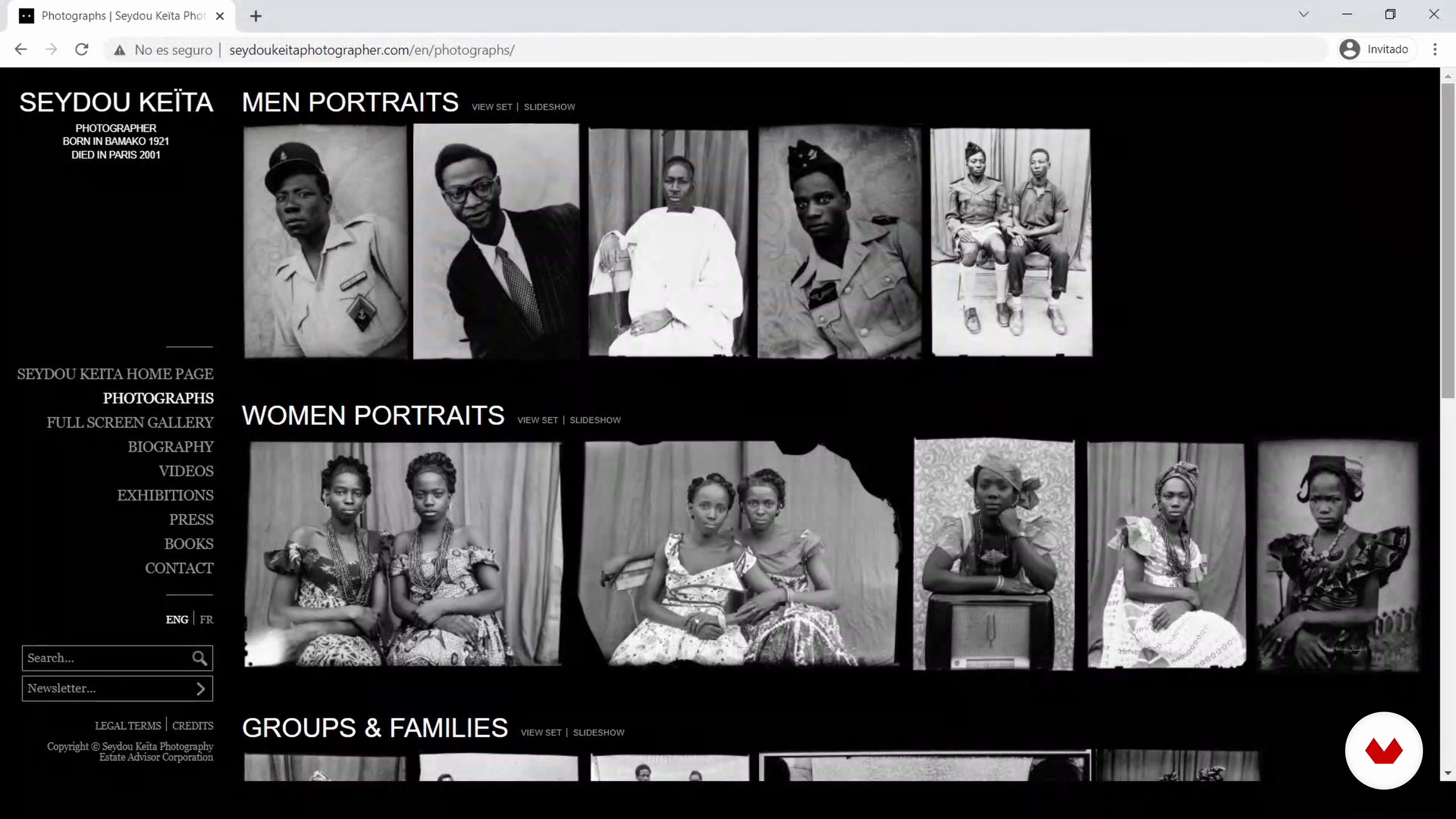
2Influences | Finbarr O'Reilly
In this lesson, I’m going to share some images and artists that influence my work and that have shaped my career.
14m
 2
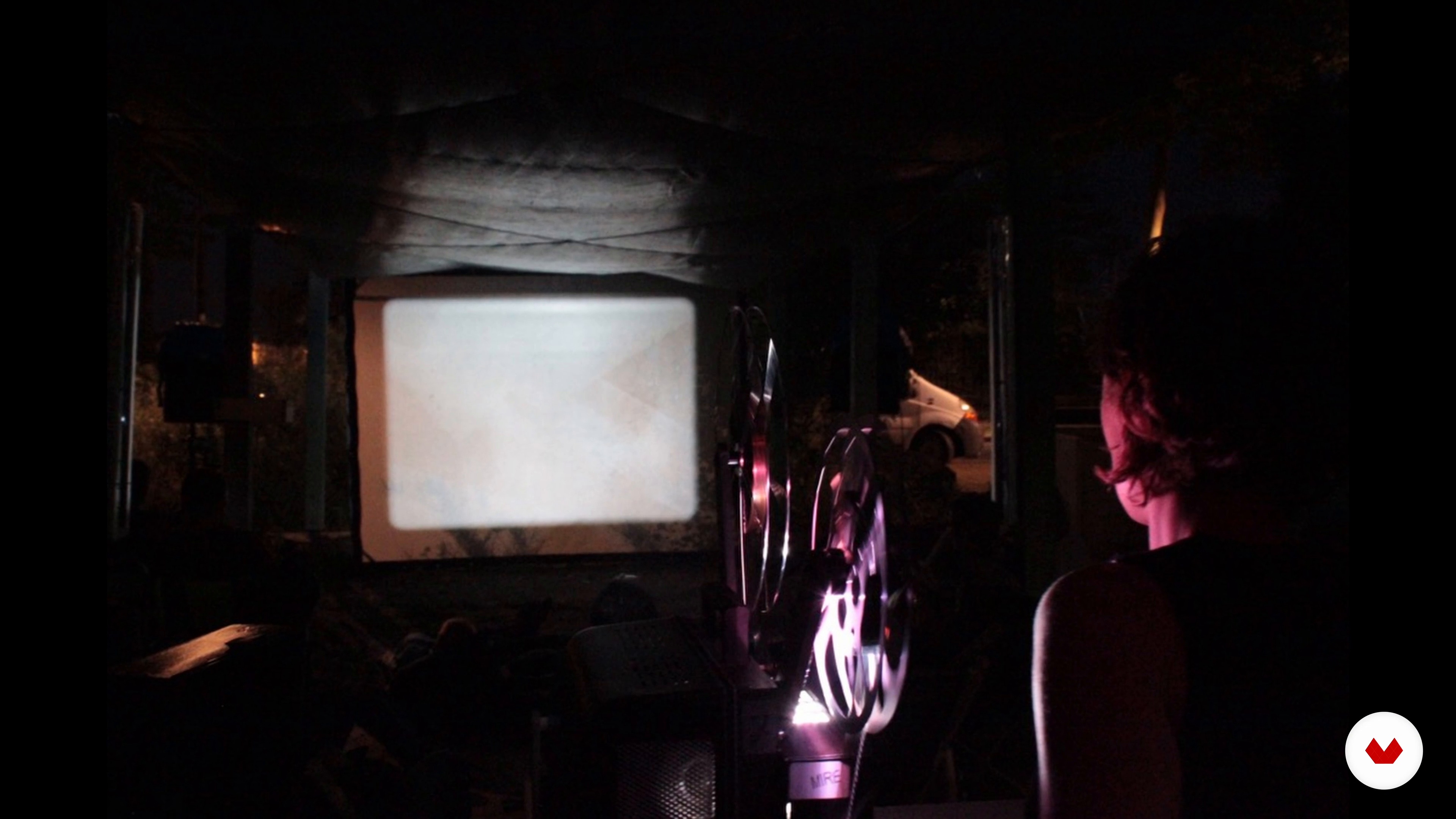
2Influences | Domingas Person
In this lesson, I will tell you how important movies have been in my life. More than a passion, they represented my proximity to my father, who was a filmmaker and died when I was little. Movies can transport you to other places and states of being and they made me want to express myself. Being on stage and screen was certainly an expression I pursued.
2m
 3
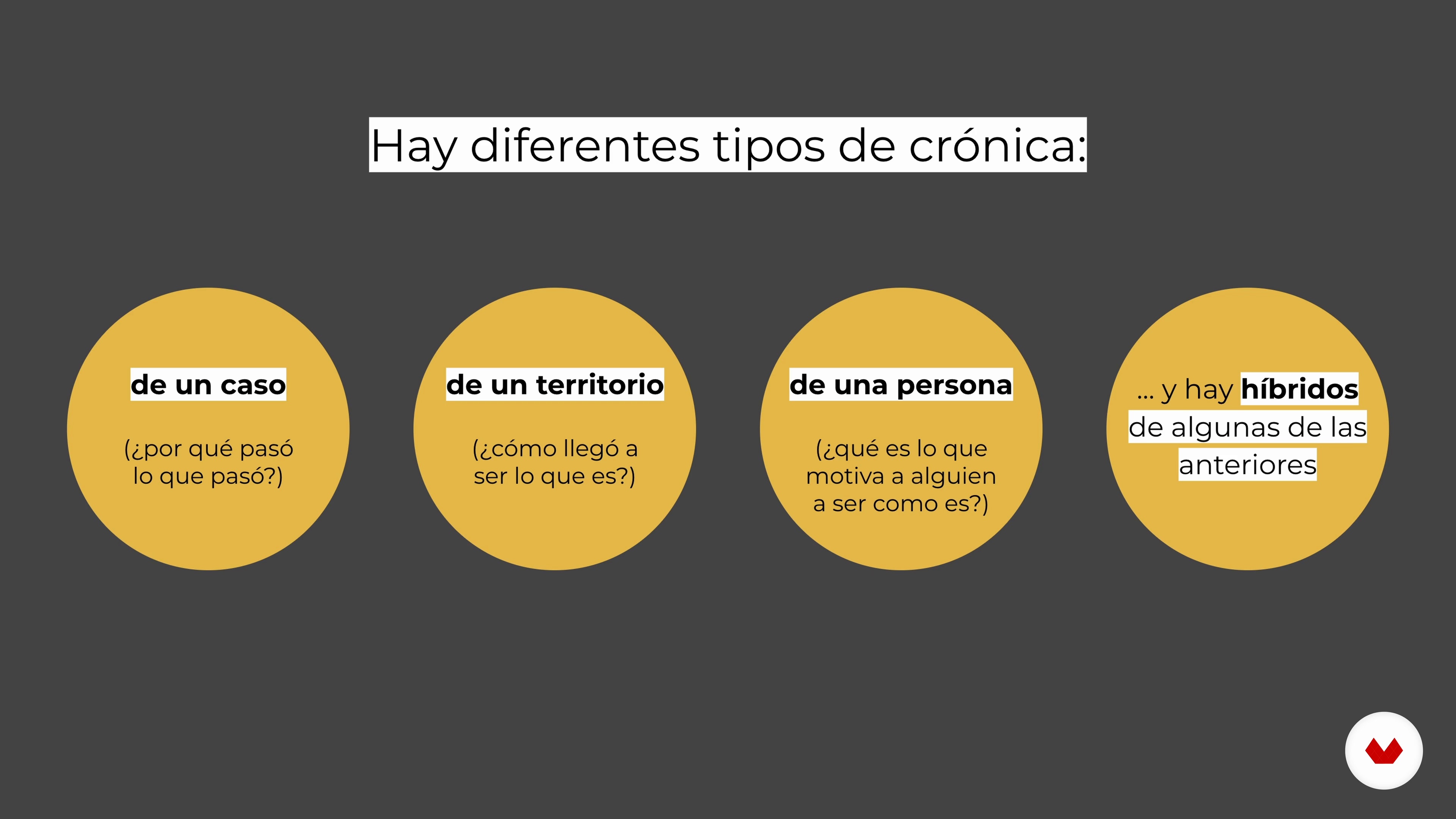
3Many types of chronicle
The chronicle has many varieties and writing about a person is not the same as writing about a territory or about something that happened.
5m
 4
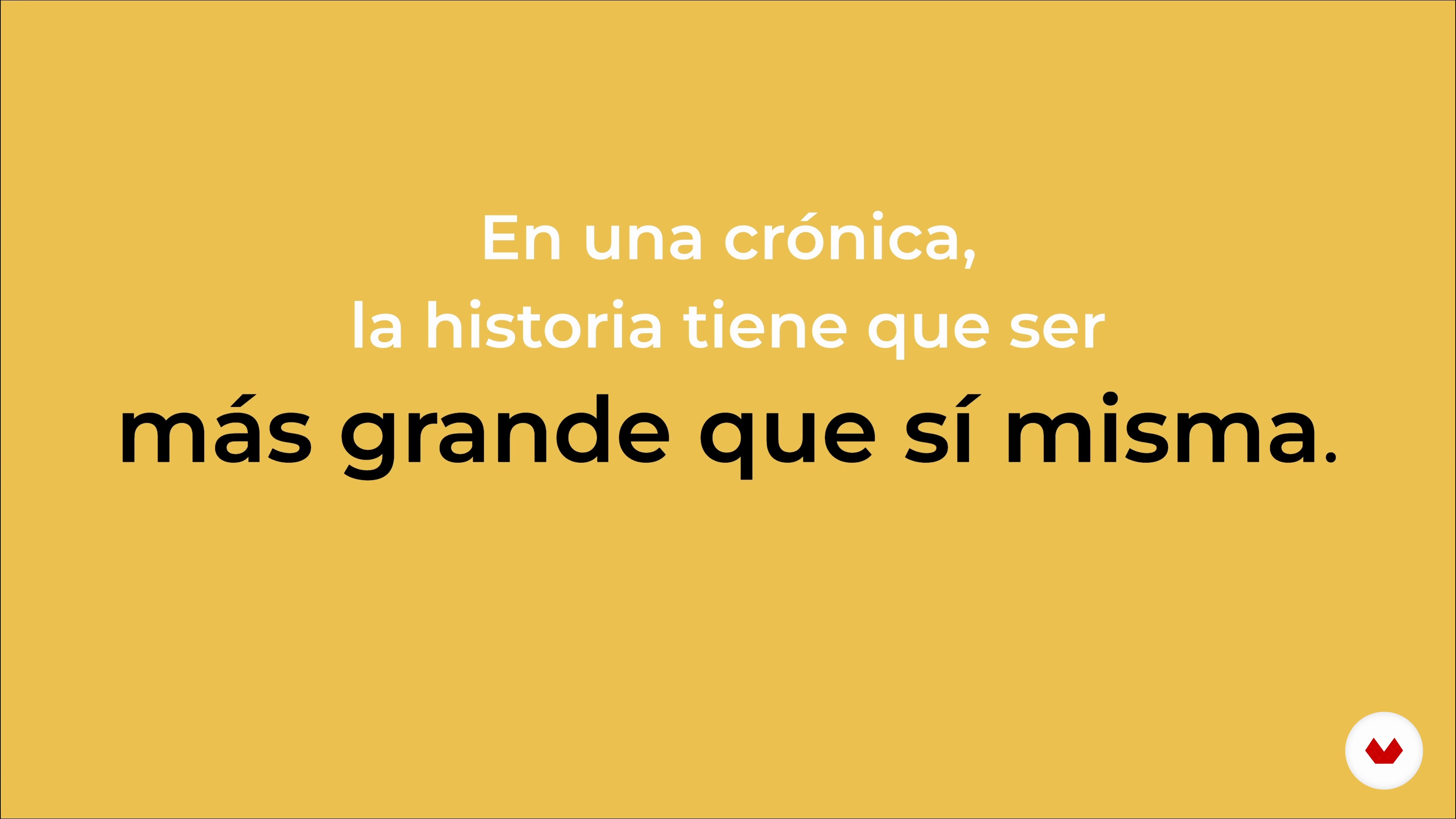
4How to recognize a journalistic story for a chronicle
You have to learn how to look at a person, a territory or a case to tell its story, and subjectivity plays an important role at this point.
6m
 5
5journalistic investigation
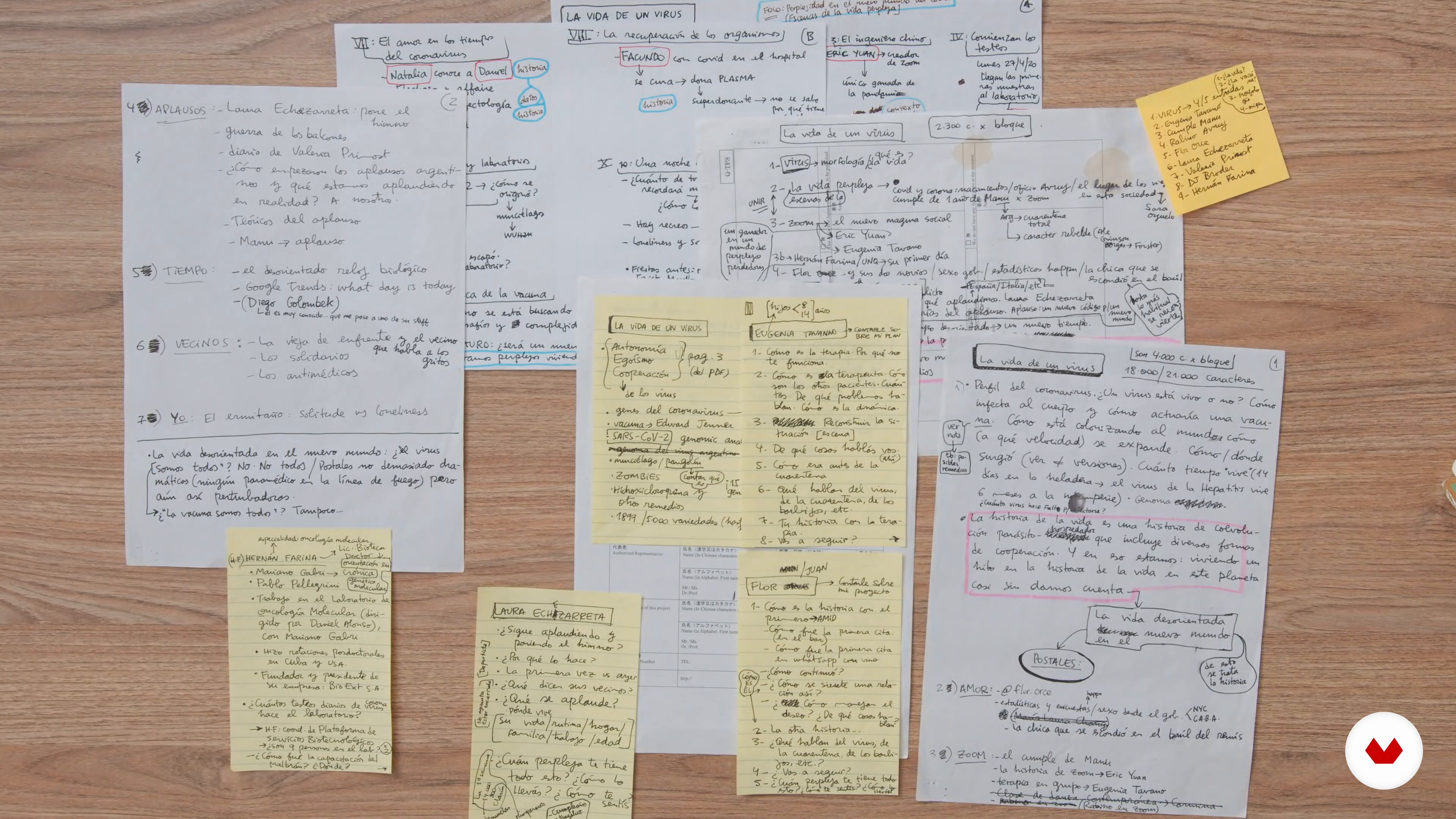
To begin the investigation you have to know what to look for, how to put the different discourses into dialogue, read between the lines and cross-reference information. I will talk about it in this lesson.
9m
 6
6How to plan and do an interview
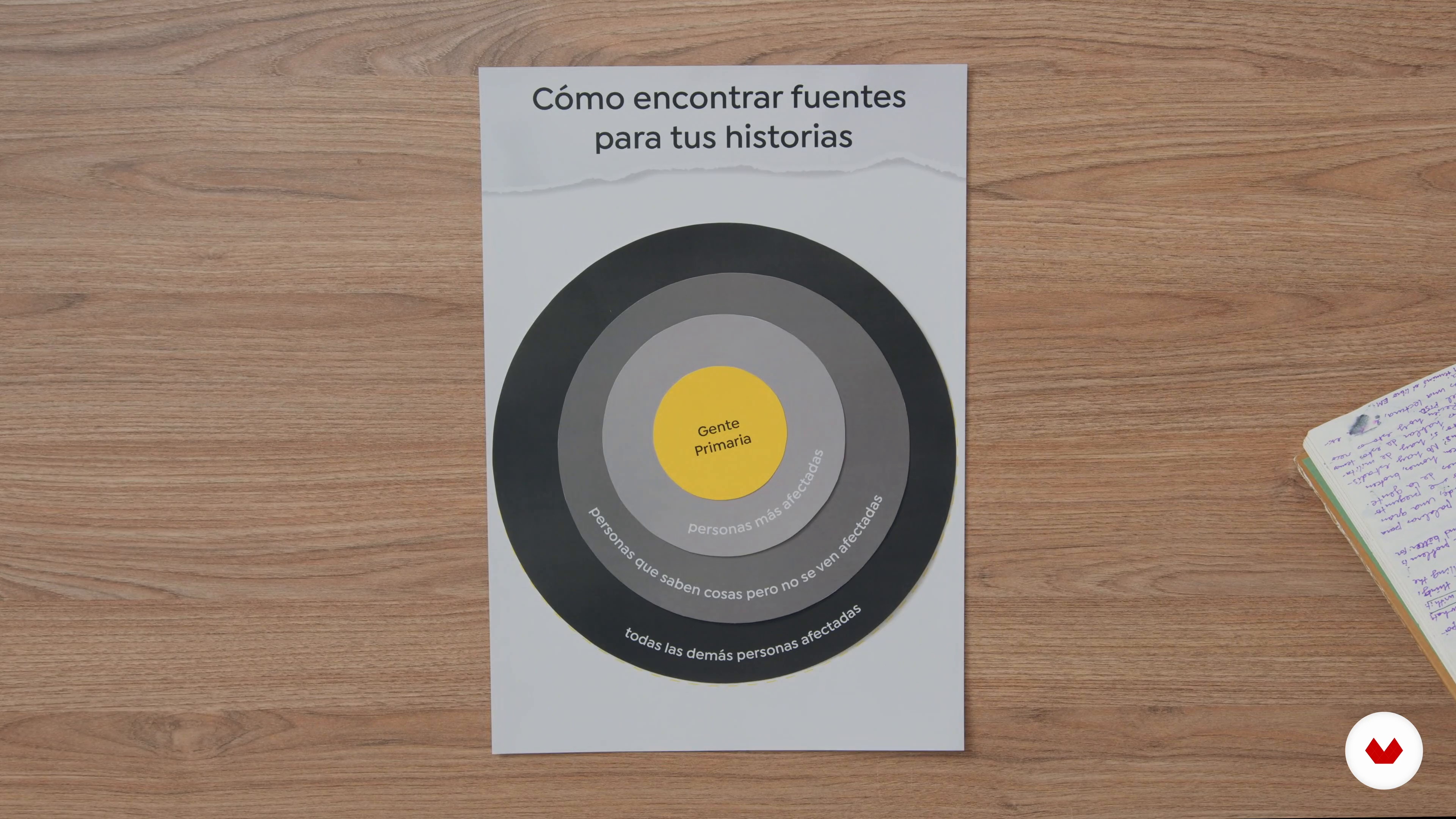
Next, I'll show you how to think of the best questions and make a ring diagram. It is important not to forget that our presence conditions the person we are going to interview.
8m
 7
7From interviews to concept
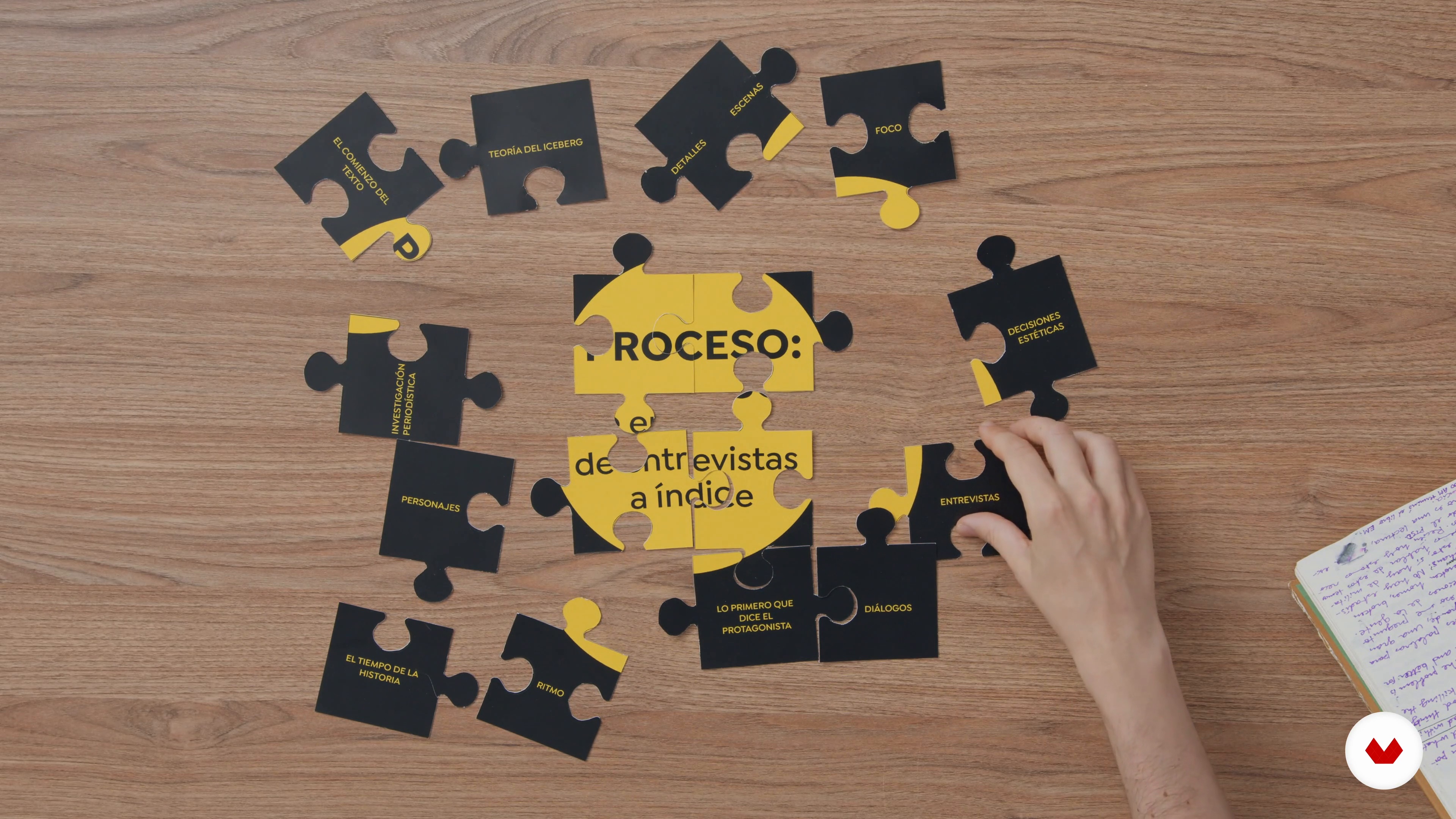
The form of a chronicle begins to appear when one organizes everything that was obtained in the interviews. In this lesson I show you how to do it.
5m
 8
8Before you start writing
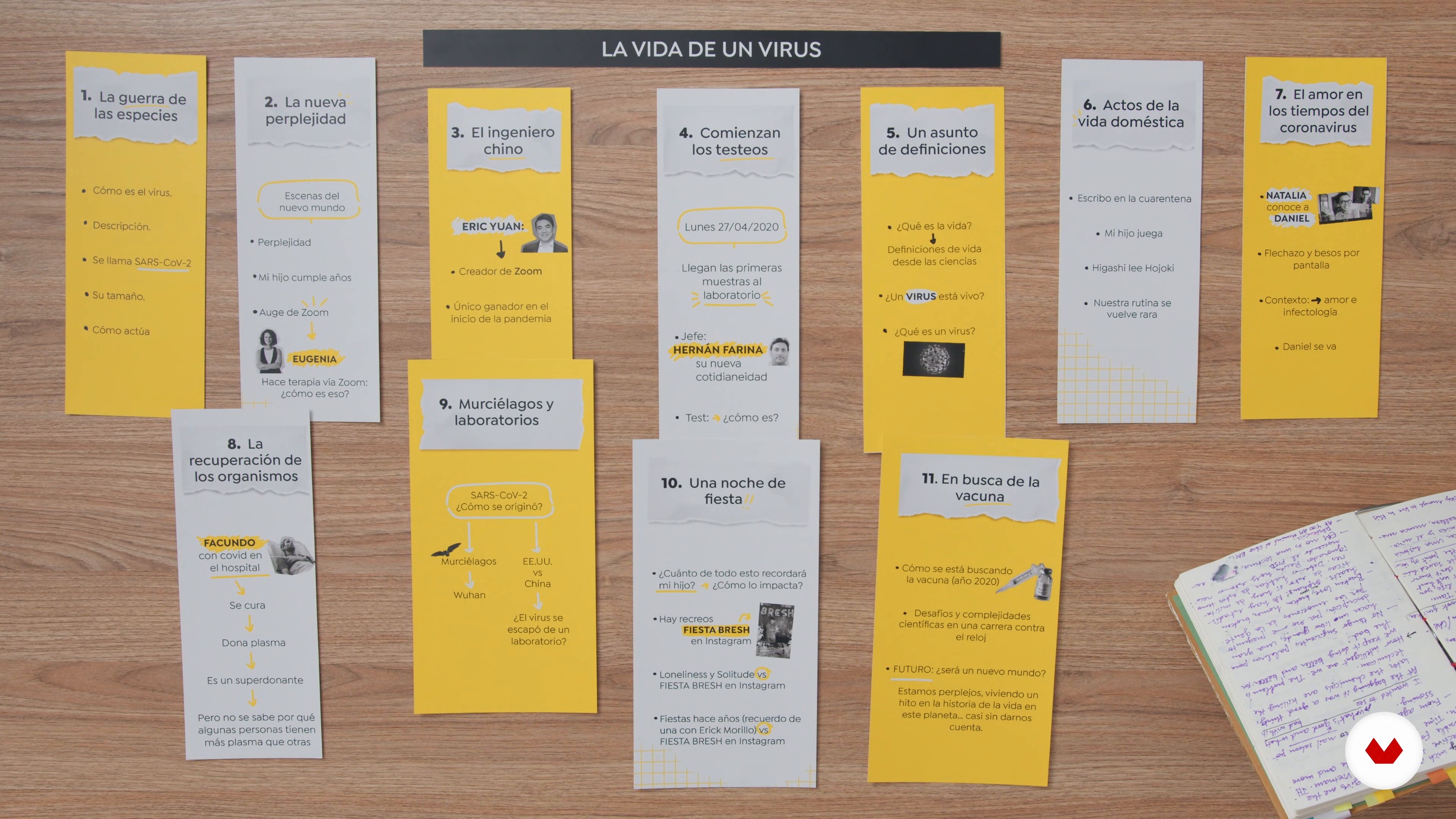
Once your research is concluded, you have to organize everything you obtained with a new and original look, far from the common places. I'll show you in this lesson.
11m
 9
9Aesthetic decisions
The chronicle is a story that is true and has an introduction, middle and end. In this lesson I will talk about aesthetic issues to take into account when writing.
7m
 10
10Characters and details
In this lesson I will explain what to look for in your characters and why pivotal moments, experiences and details are key.
5m
 11
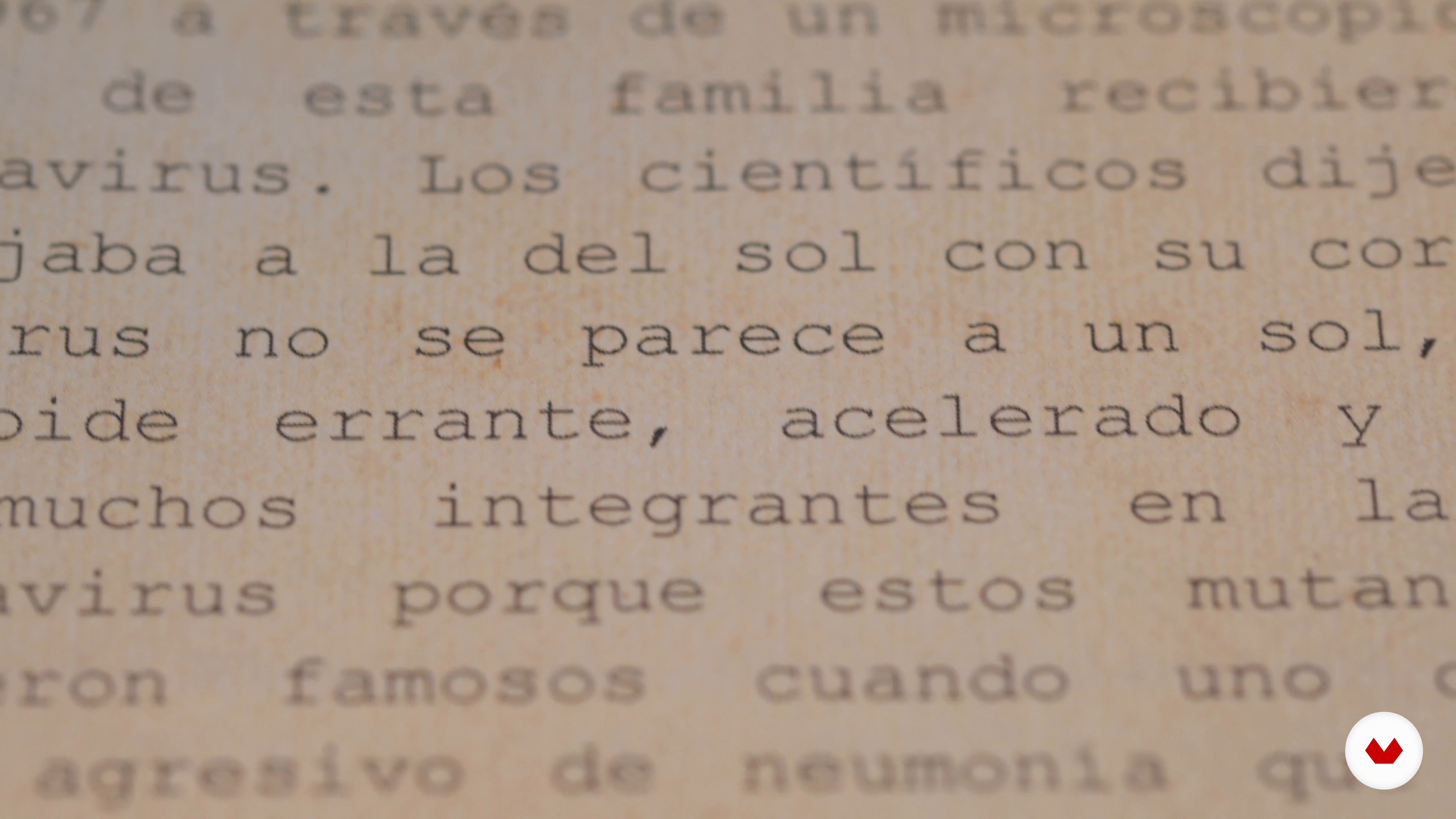
11The beginning of the text
The beginning sets the tone for the rest of the story and is usually a scene or something significant in the story. Let's see some example.
6m
 12
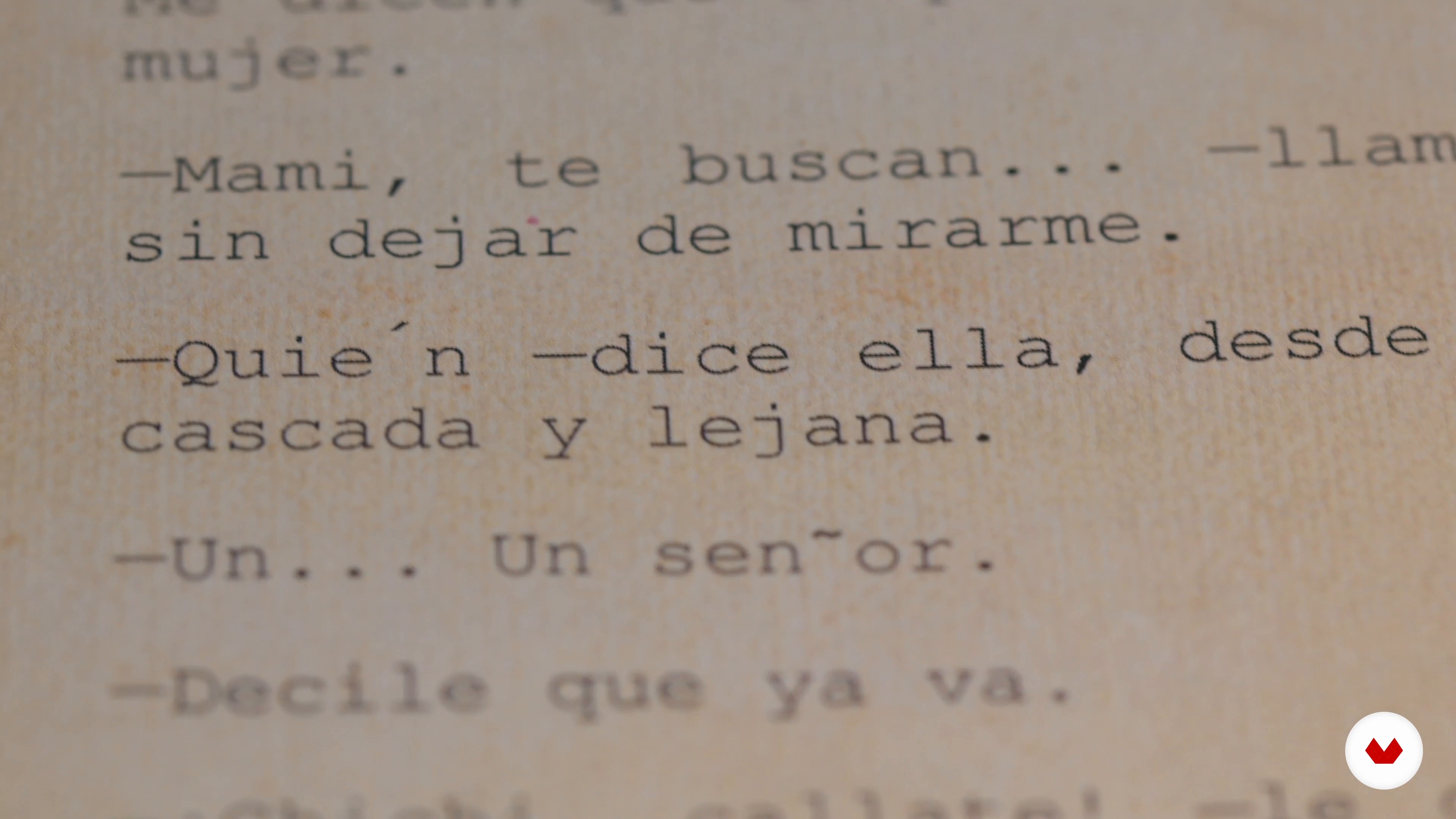
12Dialogues and scenes
Scenes are the foundation stone of your text and are built with details. The chronicle is a very descriptive genre. We will see it in this lesson.
8m
 13
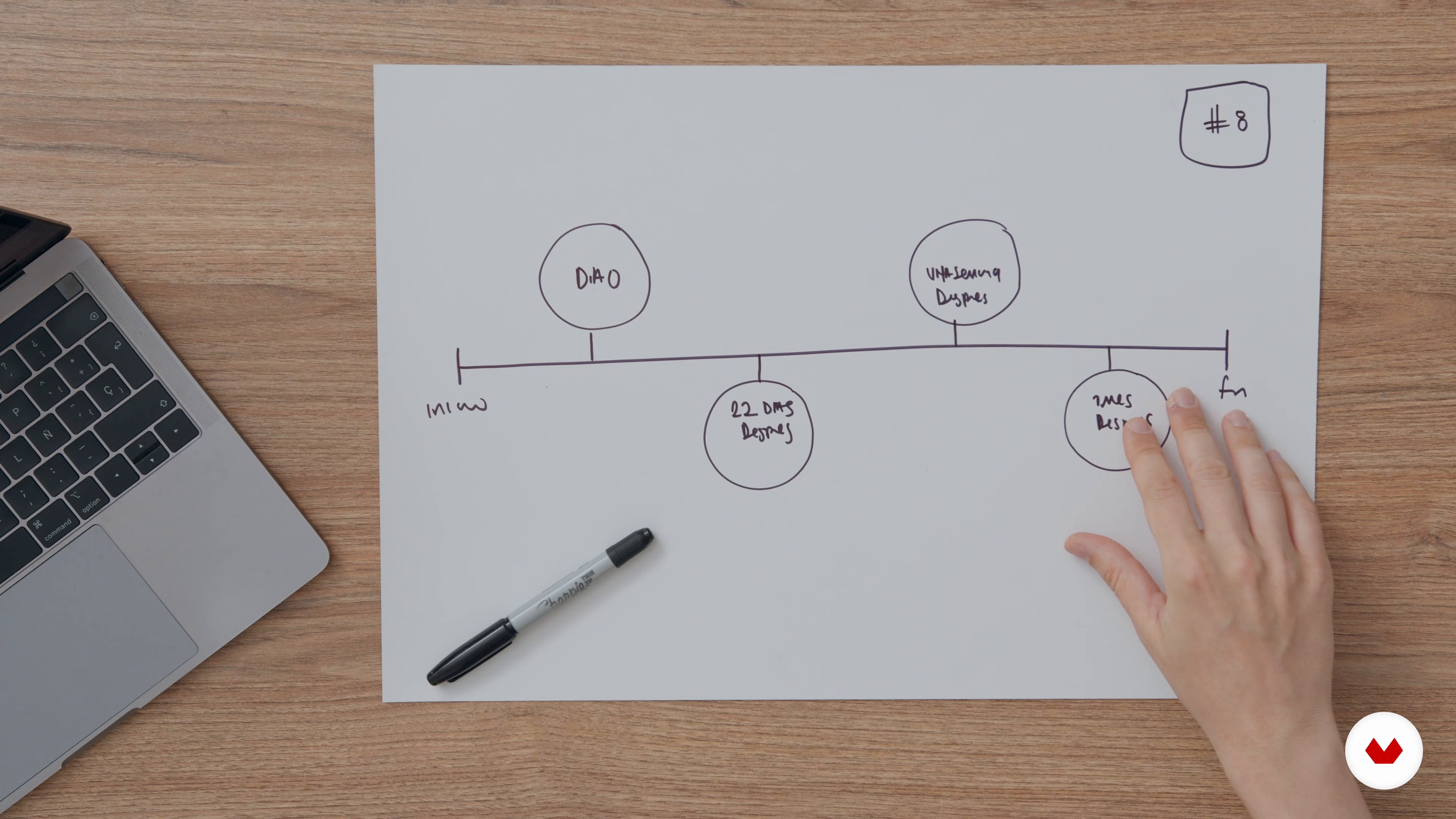
13The time of history
In a chronicle, time must pass for things to happen and the characters to evolve. I will teach you how to organize the timeline of your chronicle.
7m
 14
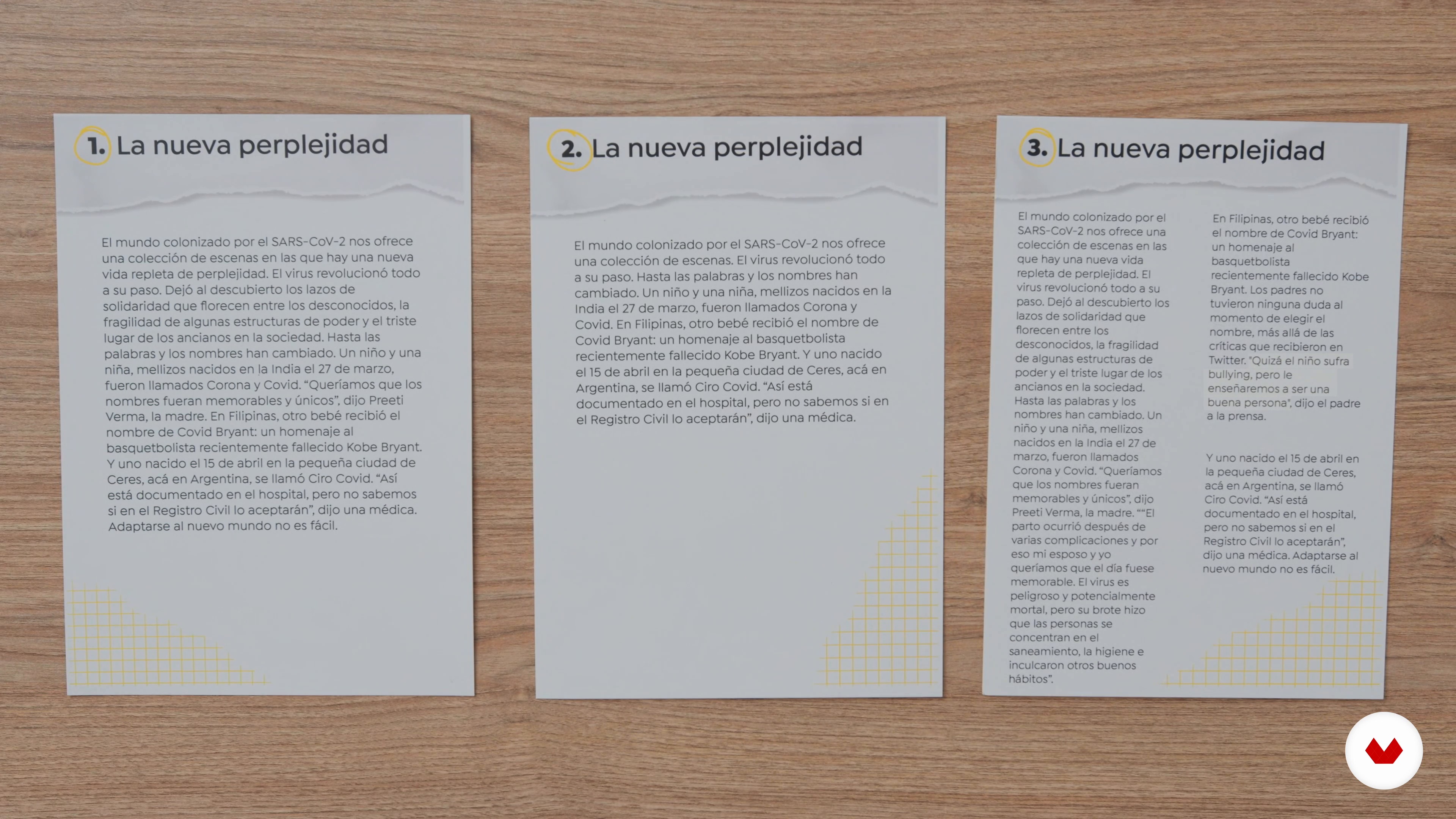
14Analysis
In the latest edition of a chronicle, the most important thing is to answer: do I have all the data and is the story well written? In this lesson I will explain what to keep in mind when reviewing a chronicle.
6m
 15
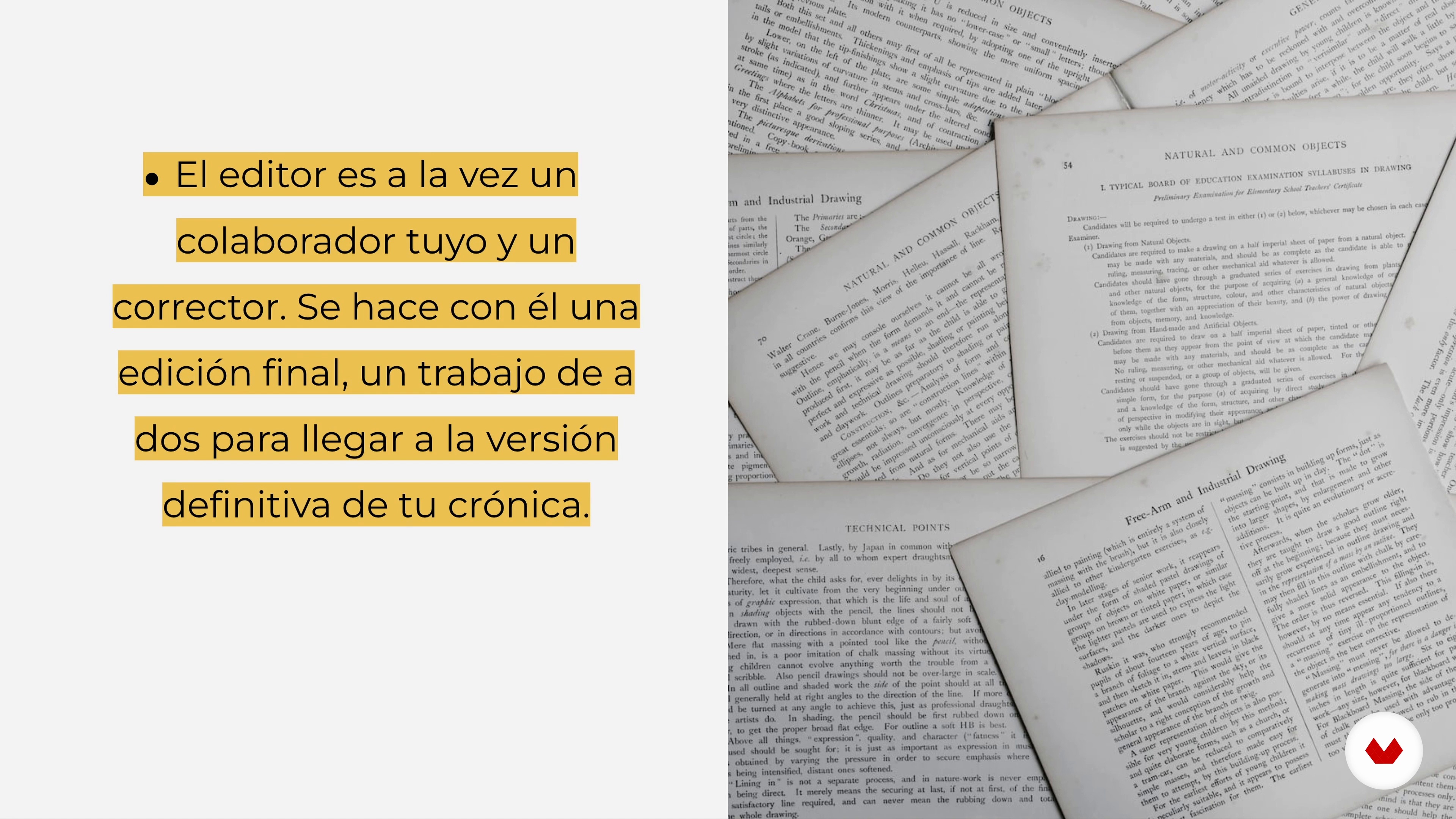
15Send the text to an editor
To know where it is possible to publish the finished chronicle, you have to consider different options and contact editors. In this lesson I will explain what to keep in mind when sending a chronicle to an editor and give you some tips.
3m
 3
3How to Find a Good Story: Characters and Conflict
To begin, I'll explain how a good story always rests on two pillars: character and conflict.
4m
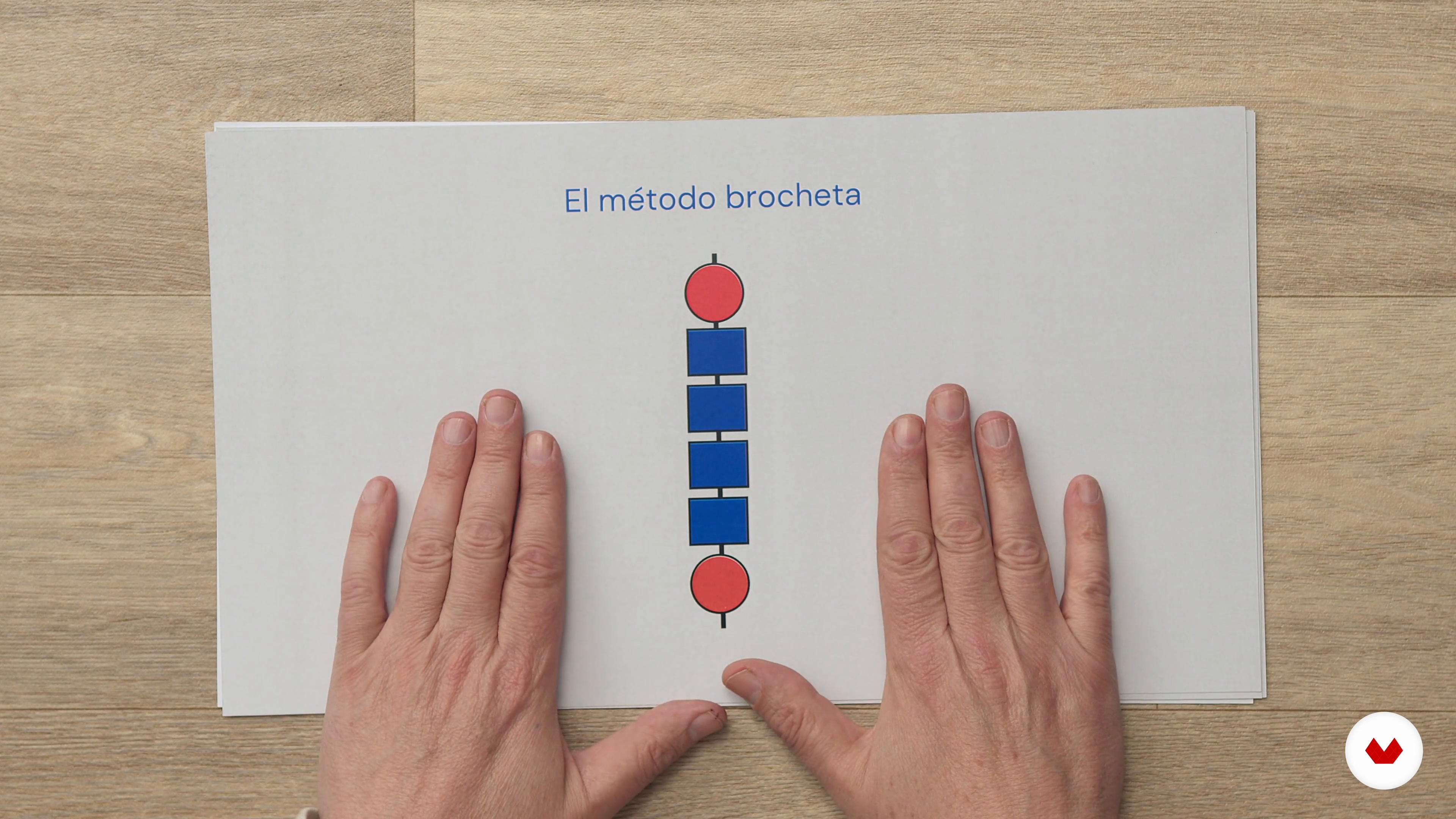 4
4A story always has three acts
It's time to delve a little deeper into literary theory. This will teach you valuable lessons for structuring your story and knowing what types of facts best suit narrative journalism.
5m
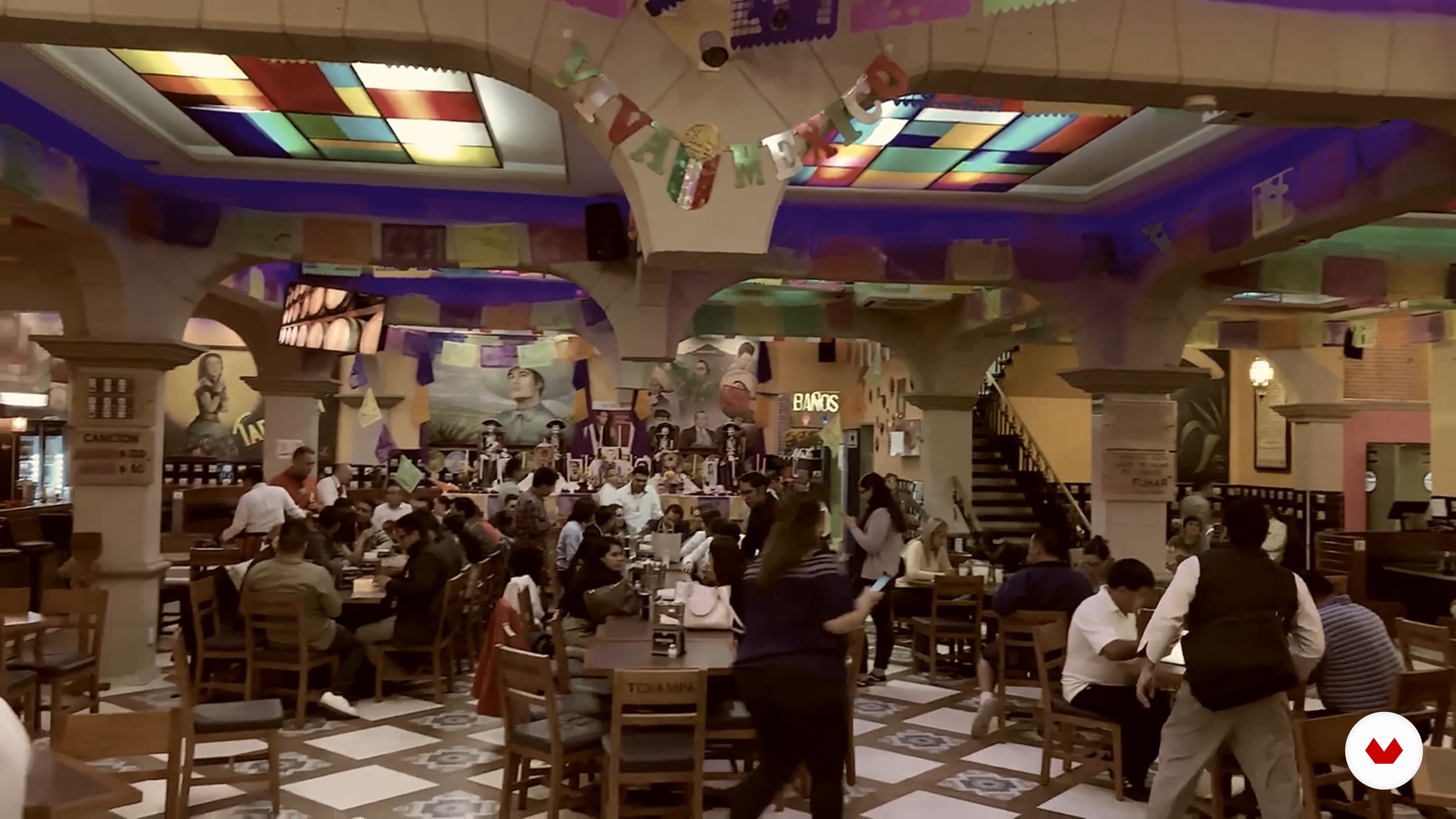 5
5Other literary tools for narrative journalism
During this lesson, I'll discuss what other literary tools you have at your disposal to make your story shine.
7m
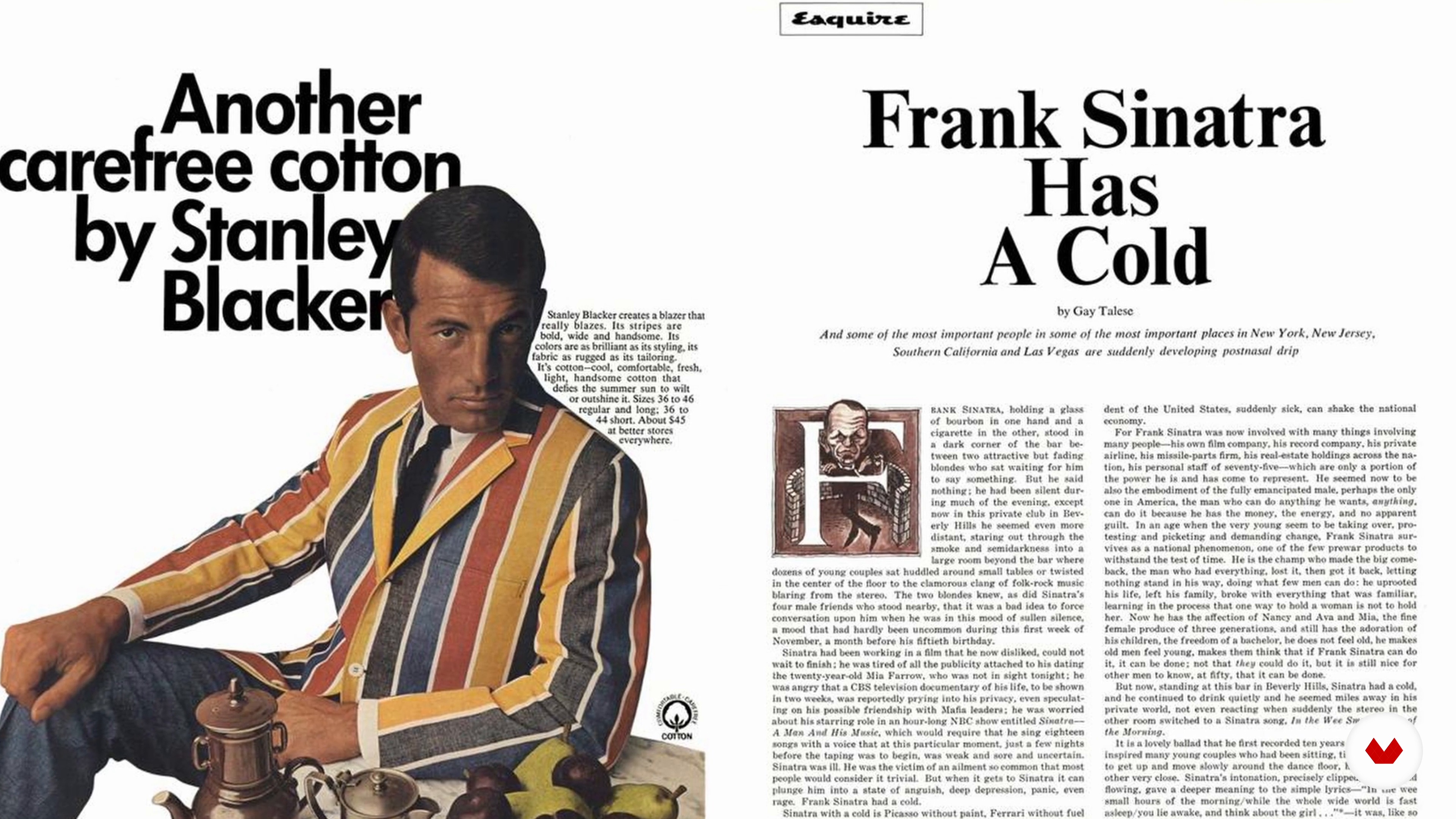 6
6Real-life characters with conflicts: How to develop a source list
Finally, I'll show you what a font is and how many types you can find.
4m
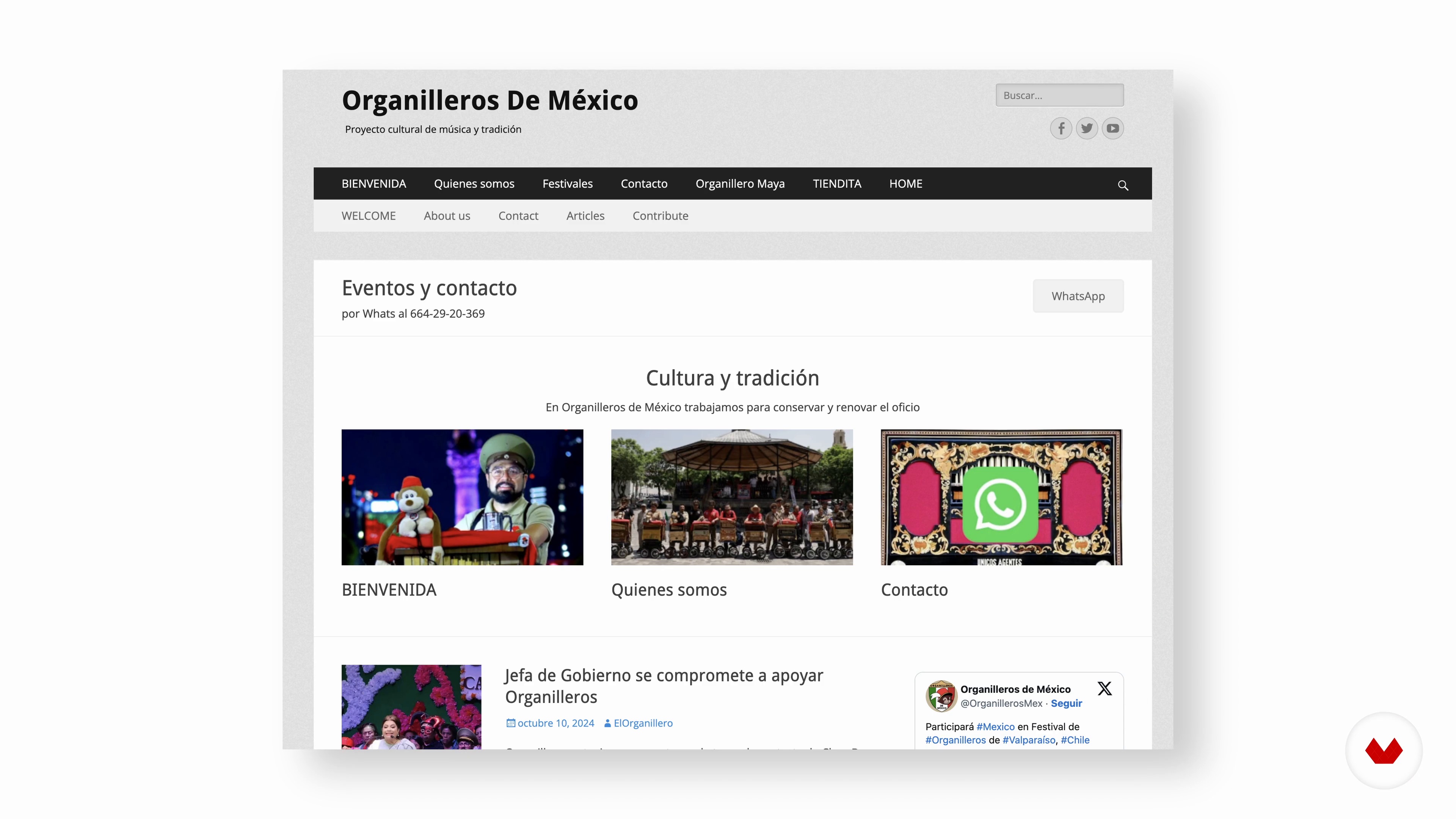 7
7Develop a list of sources
In this lesson, we'll look at how you can develop a source list for your story.
5m
 8
8The interview and participant observation
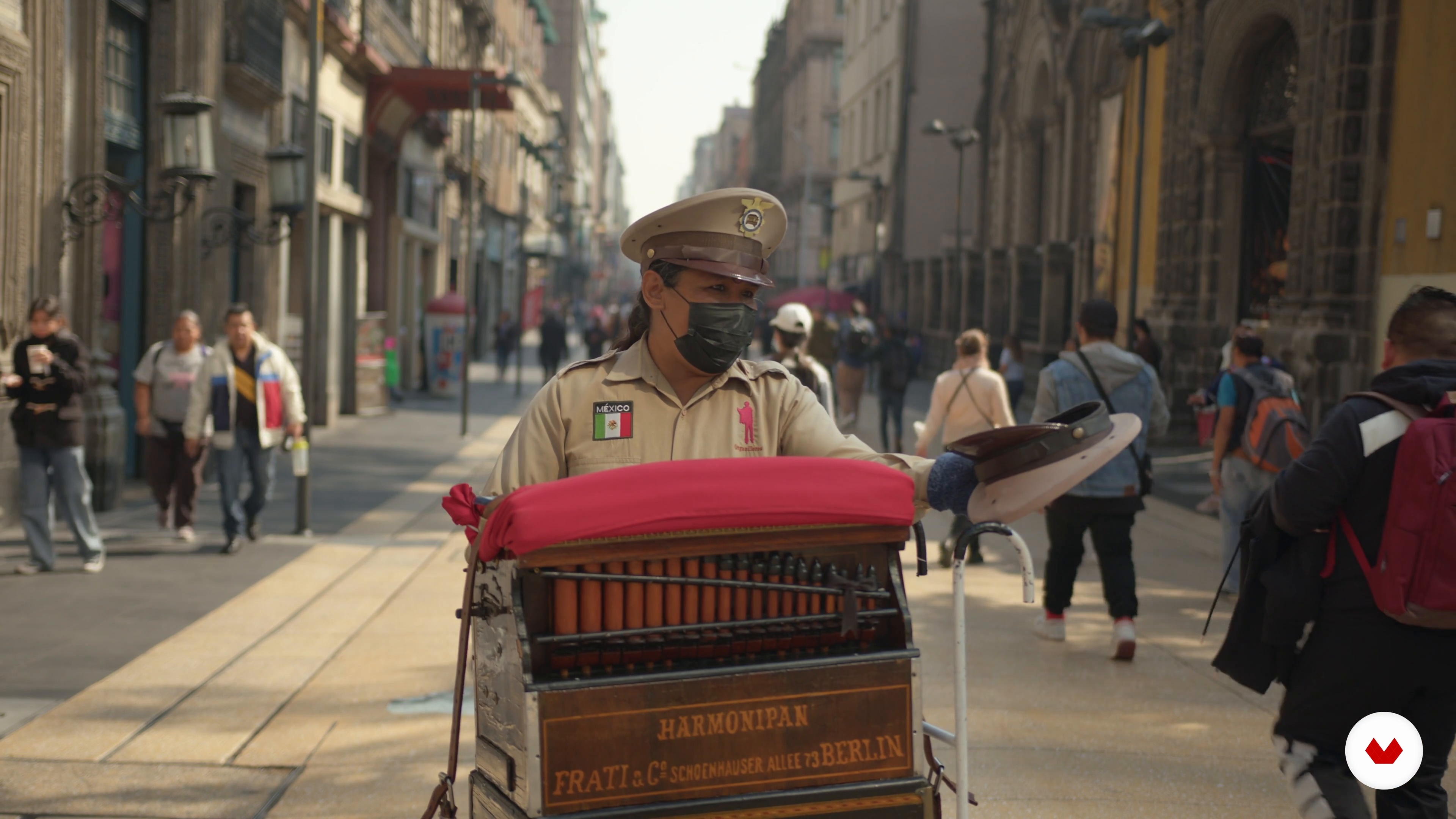
Nothing is more exciting than going out on the street to interview and observe, the two fundamental inputs of narrative journalism.
10m
 9
9Sort the material
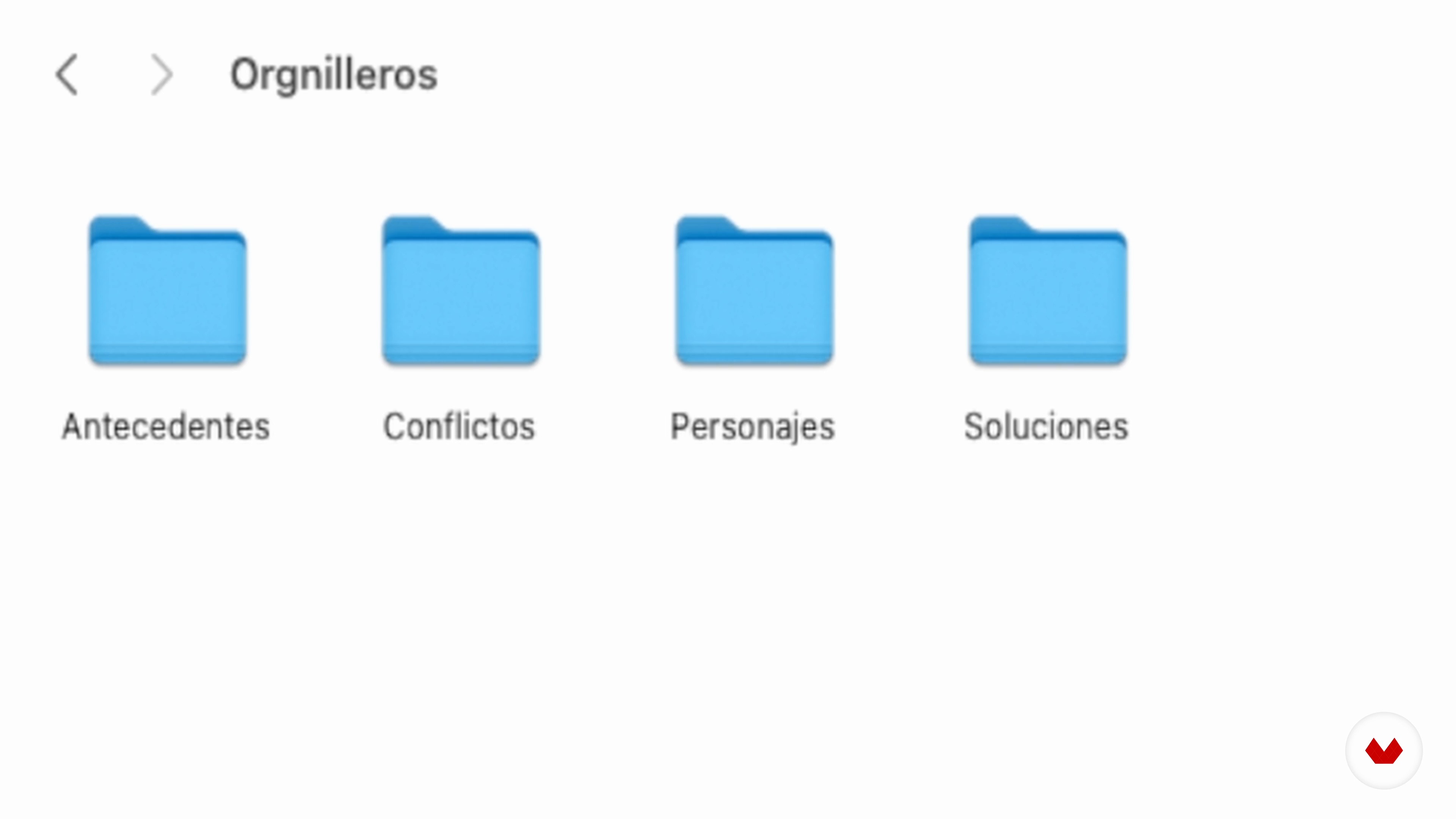
I think there's nothing more tedious, yet necessary, than transcribing interviews and organizing the material. Here are some ideas on how to make this work less arduous.
8m
 10
10Organize the story and start writing
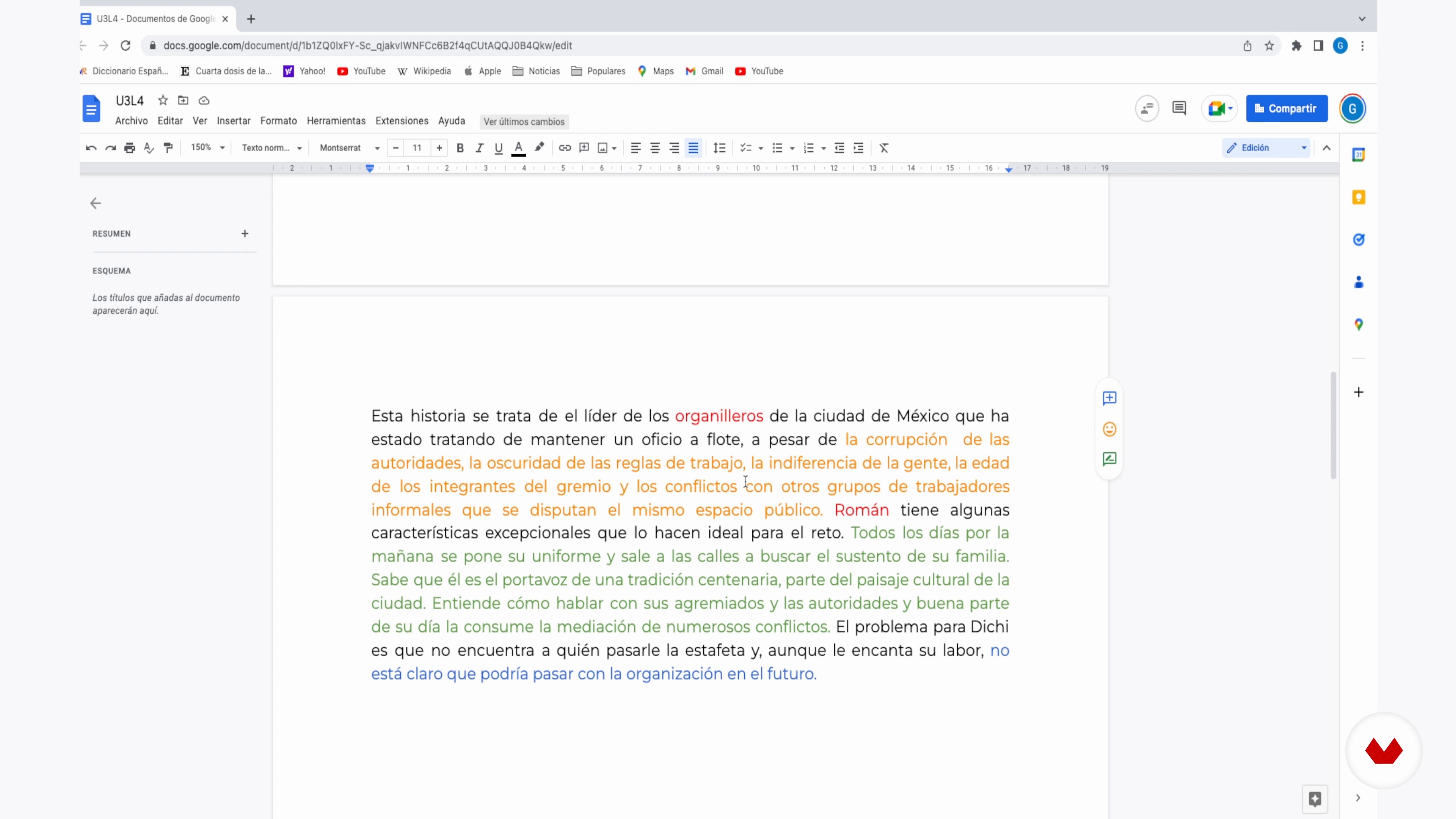
Finally, I'll give you some tips on how you can organize your story so you don't get lost in the writing.
8m
 11
11Reread and edit: refine language, data, and facts
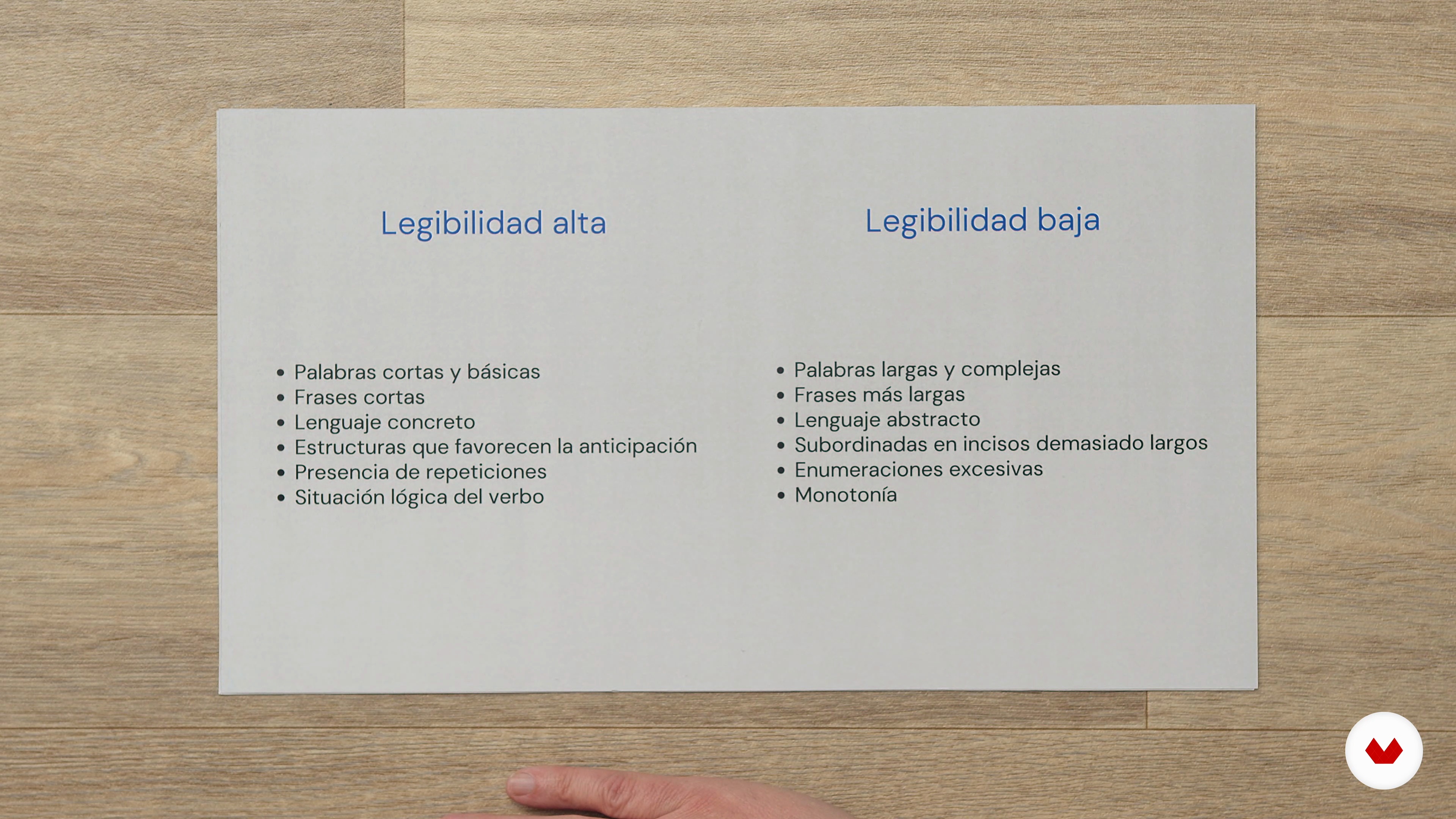
You will learn the value of rewriting as the true process in the construction of a text and I will tell you what are the things you have to pay attention to in order to polish it.
8m
 12
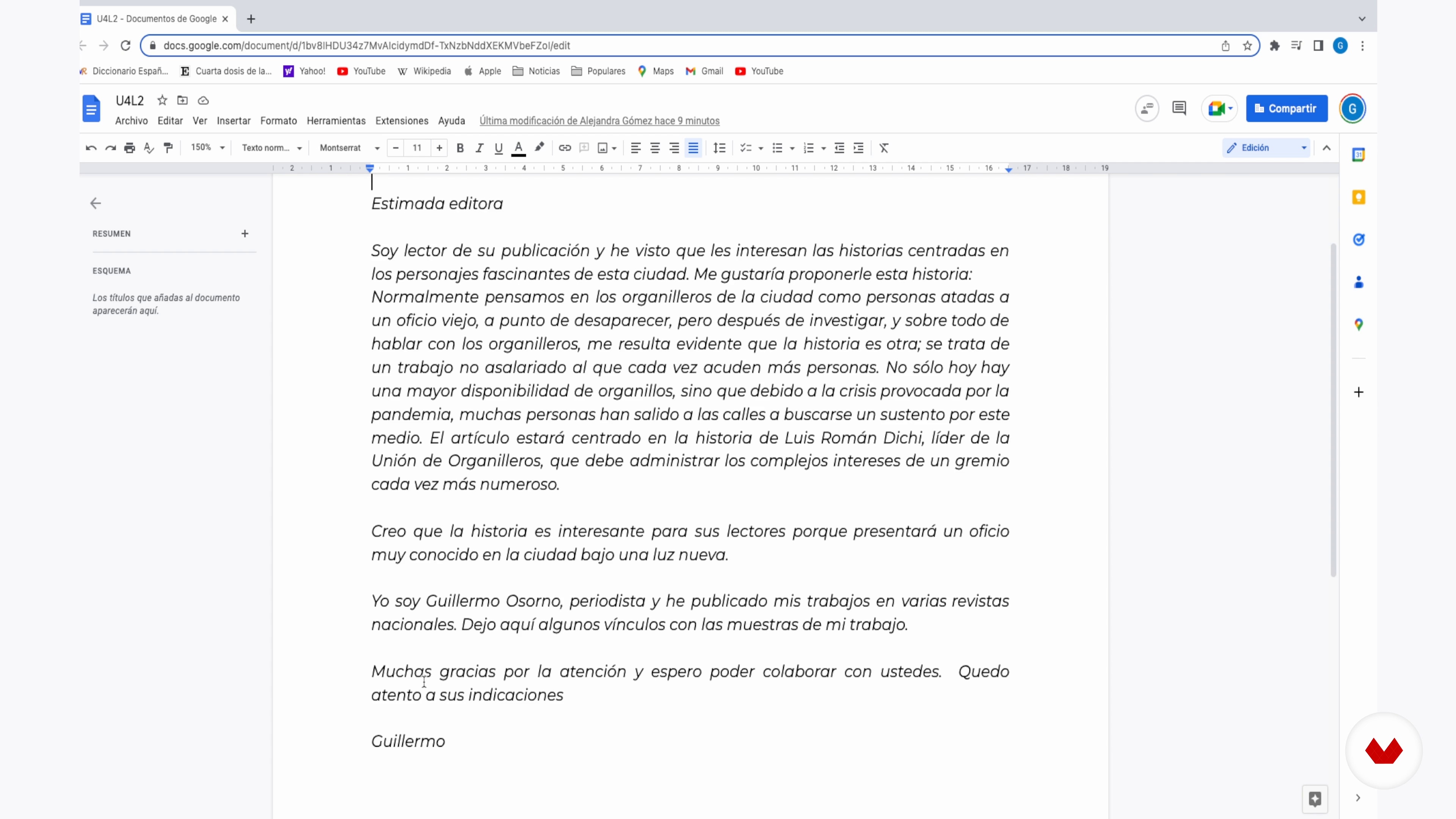
12When an editor intervenes: real-life cases
Writing feature stories doesn't have to be a solitary process. In real life, you'll likely need an editor to open the doors of publishing and guide you.
6m
 4
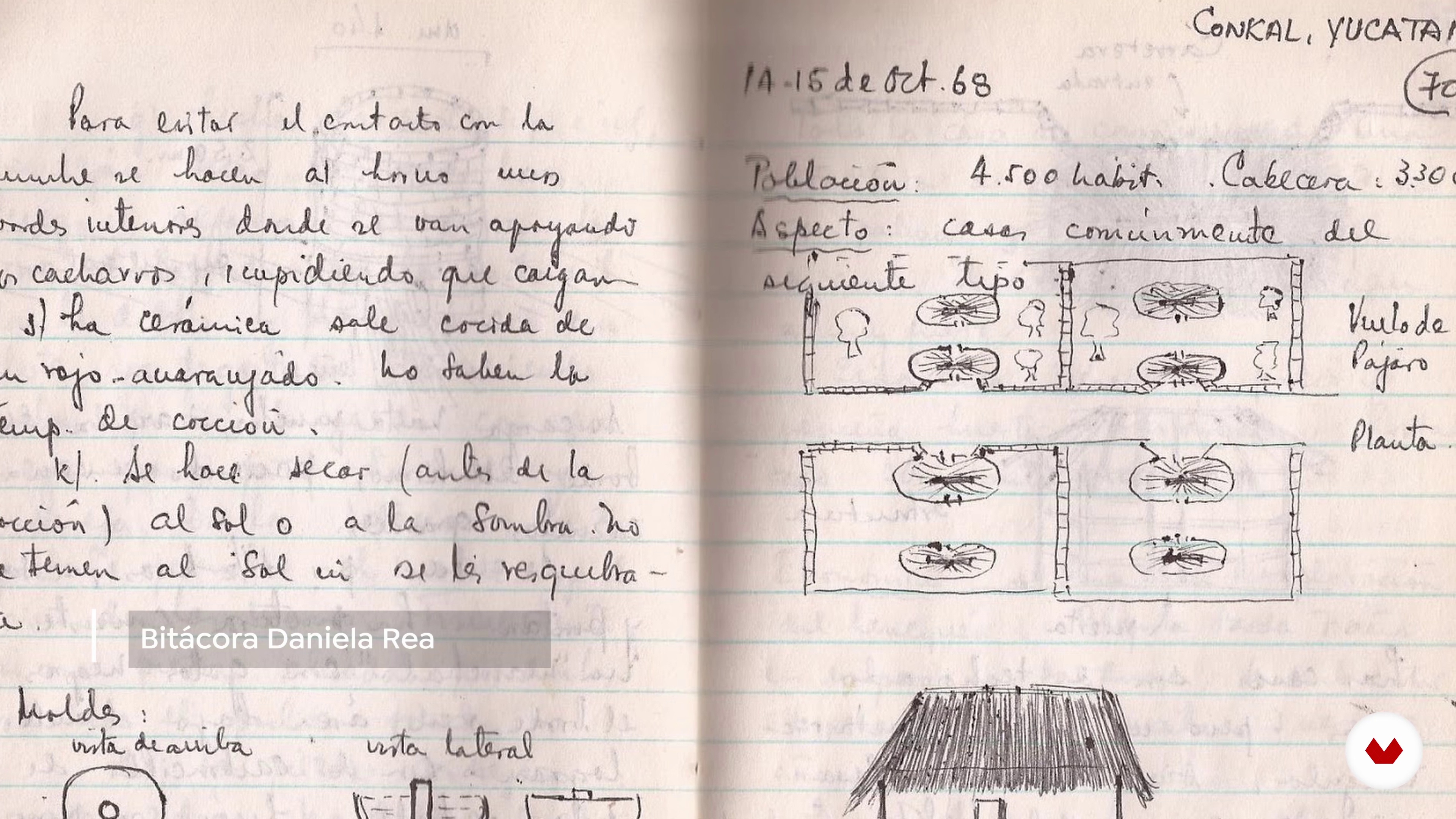
4What is non-fiction?
In this first lesson you will see a little theory to understand what non-fiction is and how it differs from other fictional literary genres such as novels or short stories.
5m
 5
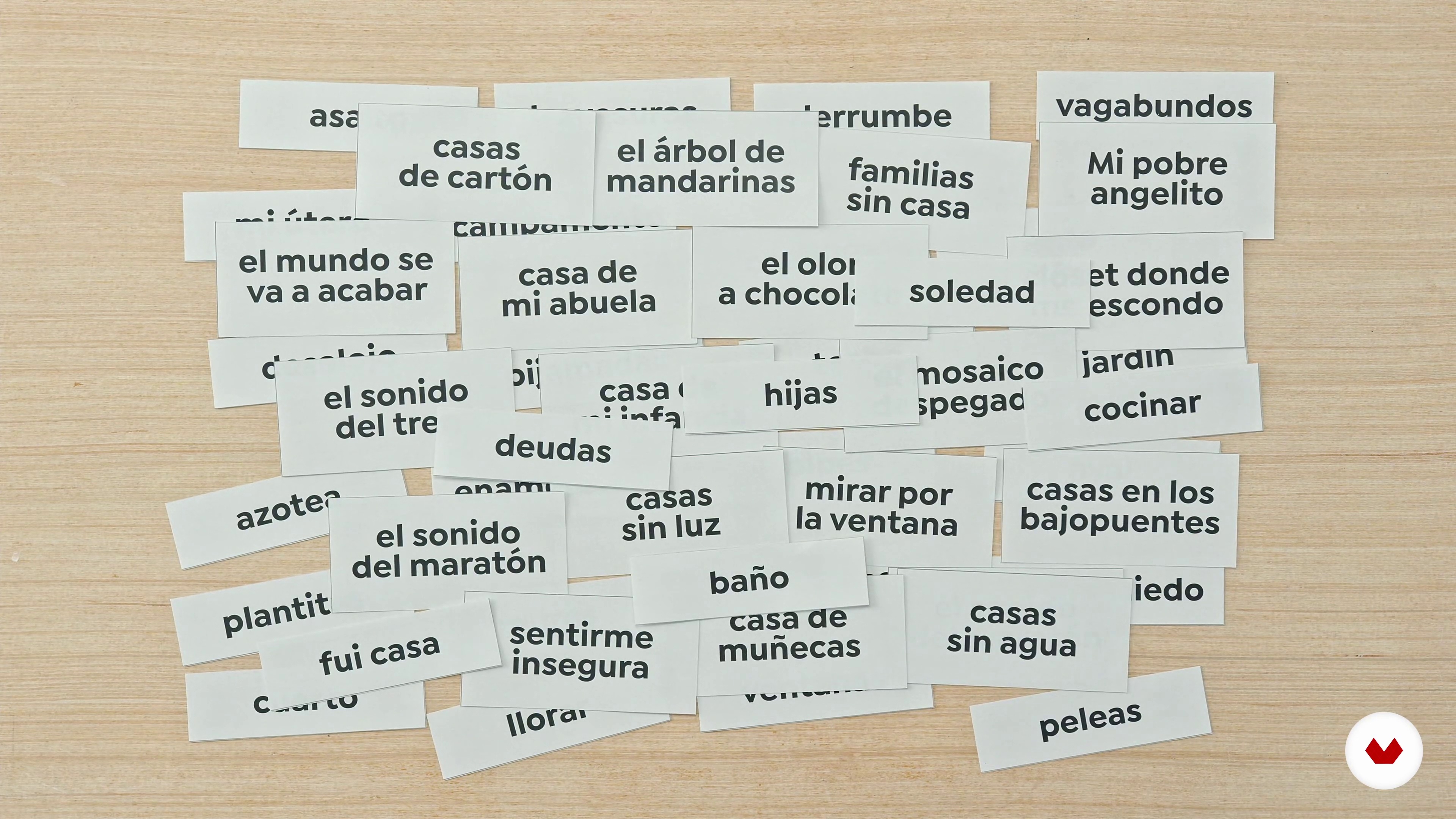
5What do we want to tell?
Working on the preparation of the project is as important as carrying it out. Thinking about what you want to tell and why you want to do it will allow you to have elements to decide which format is best to tell your story.
9m
 6
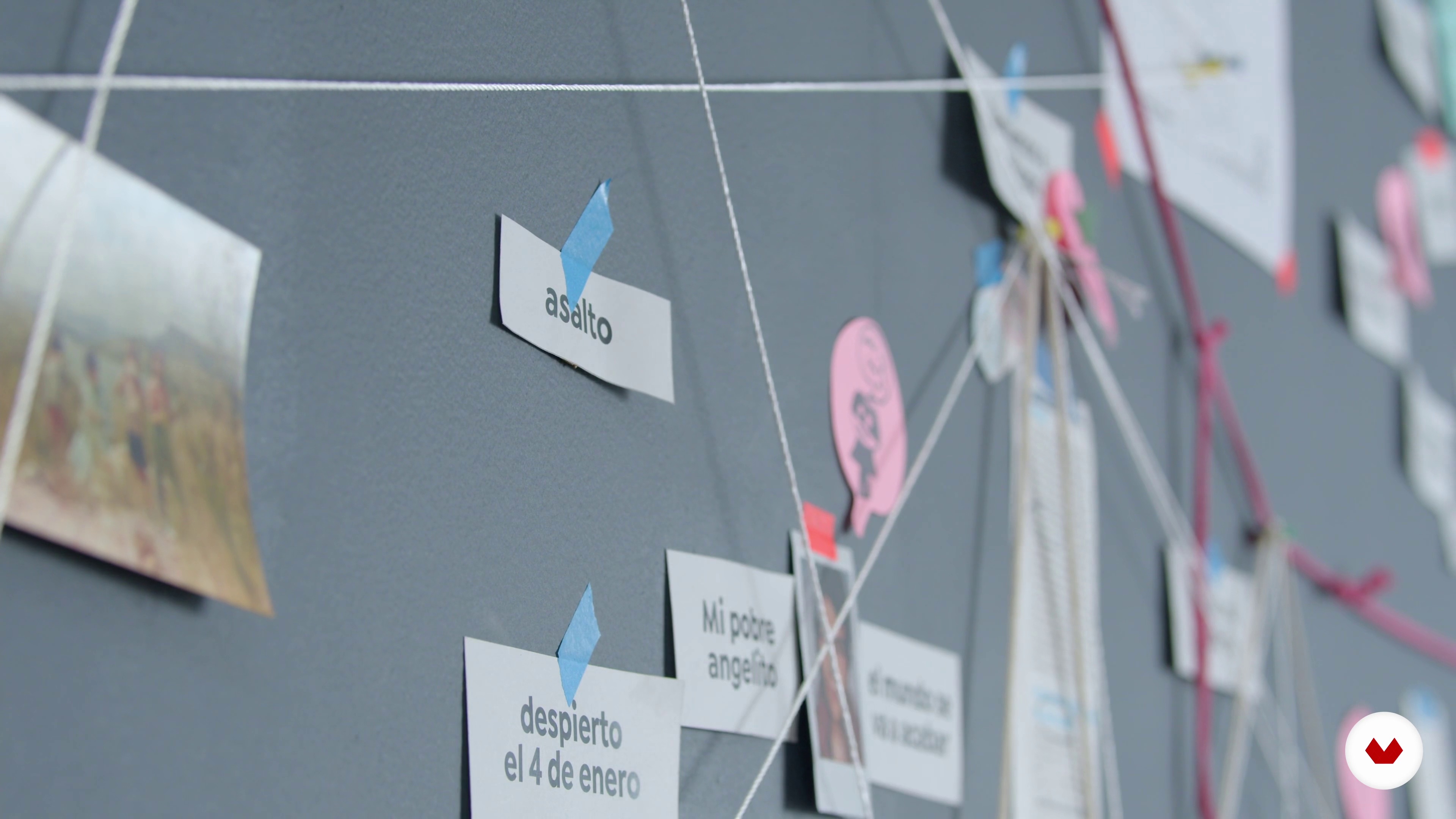
6Organize
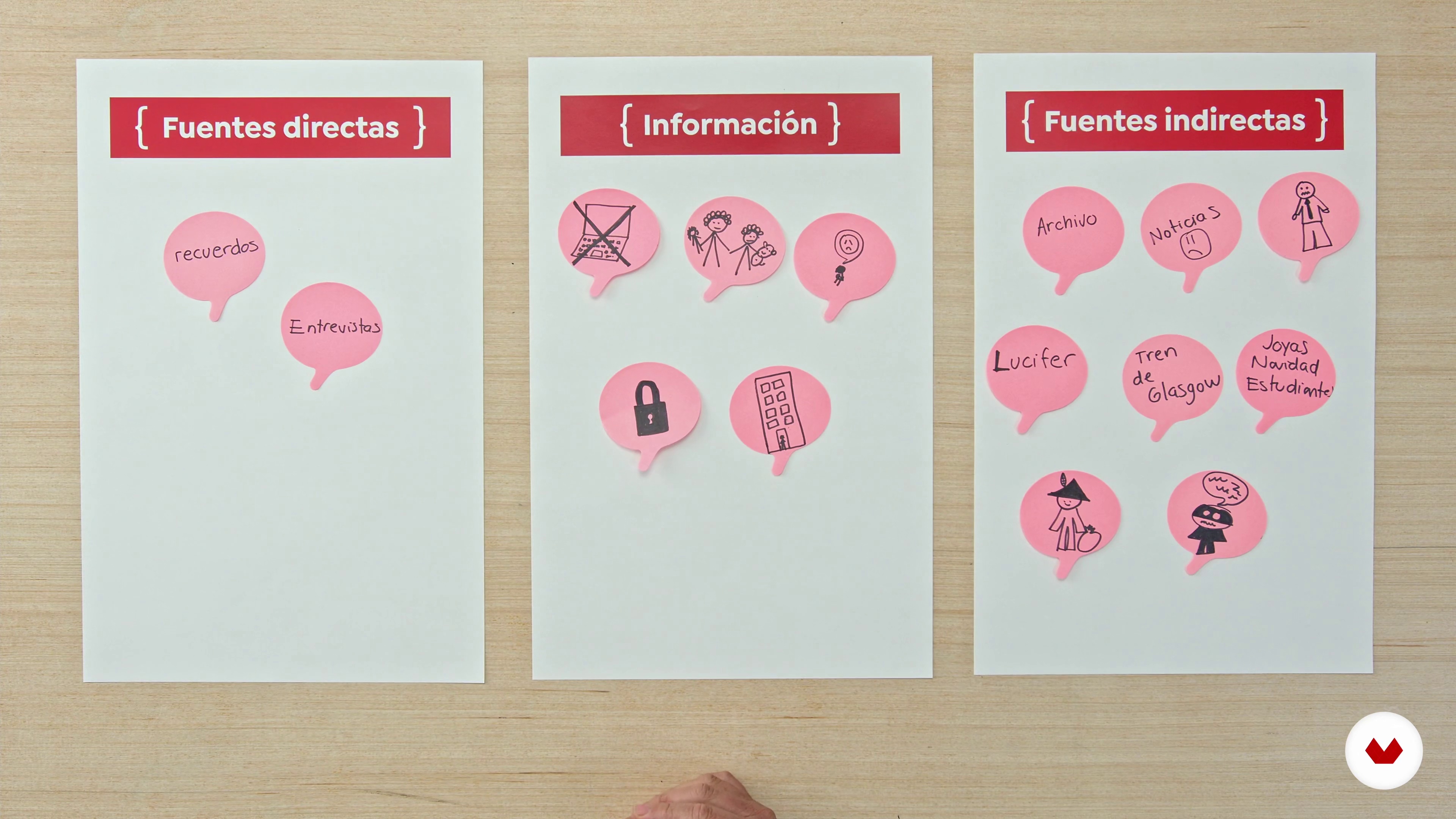
Now that you have your topic and the story to tell about it, it is necessary to put the material you have on the table to see what you are missing and trace the route to find it.
10m
 7
7Collect: on the desktop and in the world
You will start by doing a search for documentary information. For this I recommend asking the serious questions, the obvious ones and the ones that you think are ridiculous about what you want to write, looking for information about that.
17m
 8
8Write from intuition
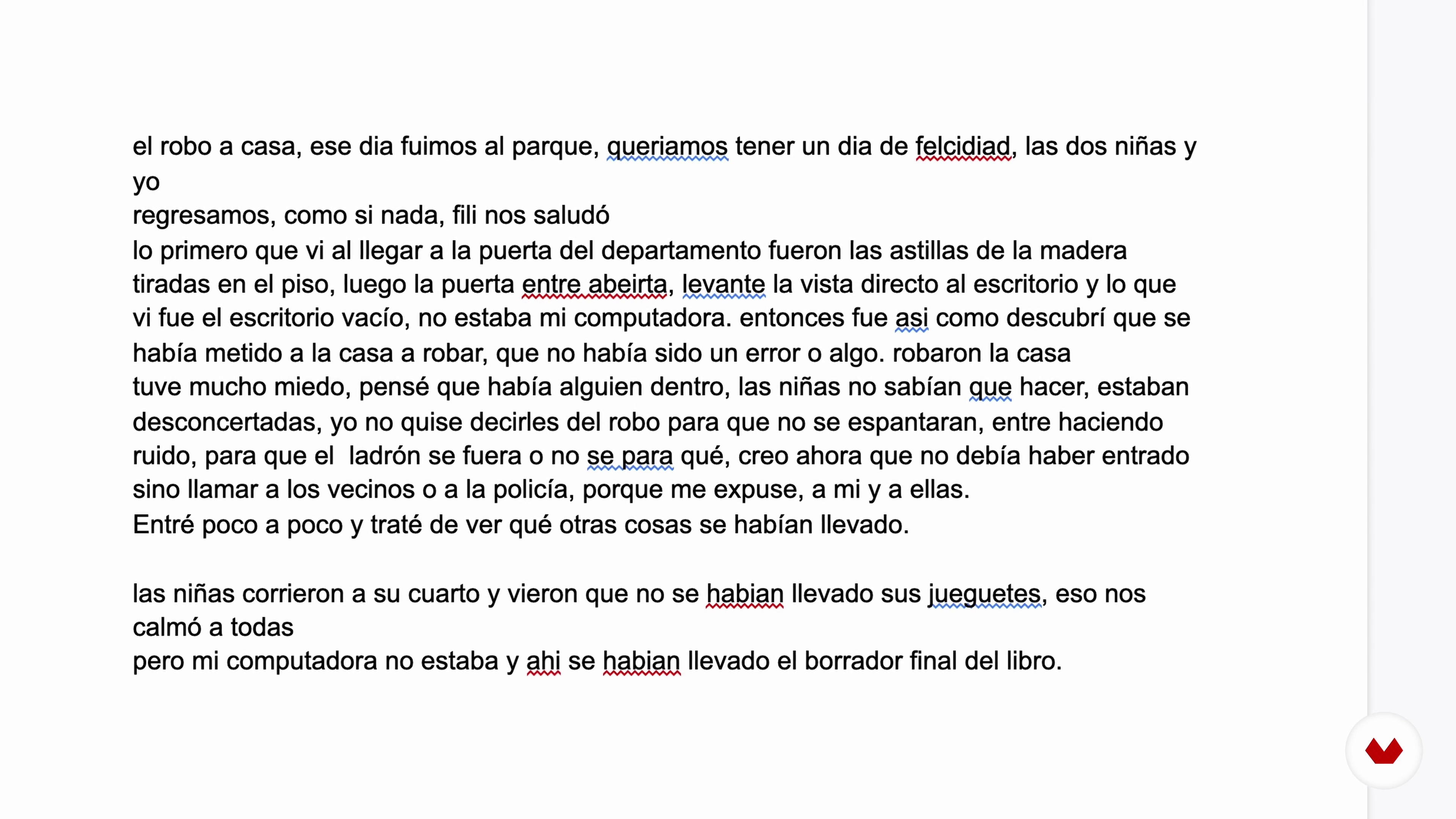
It is time to start writing. And as a methodology, it works for me to use intuition , which will gradually refine as you “drag” the pencil.
6m
 9
9Rewrite with intention
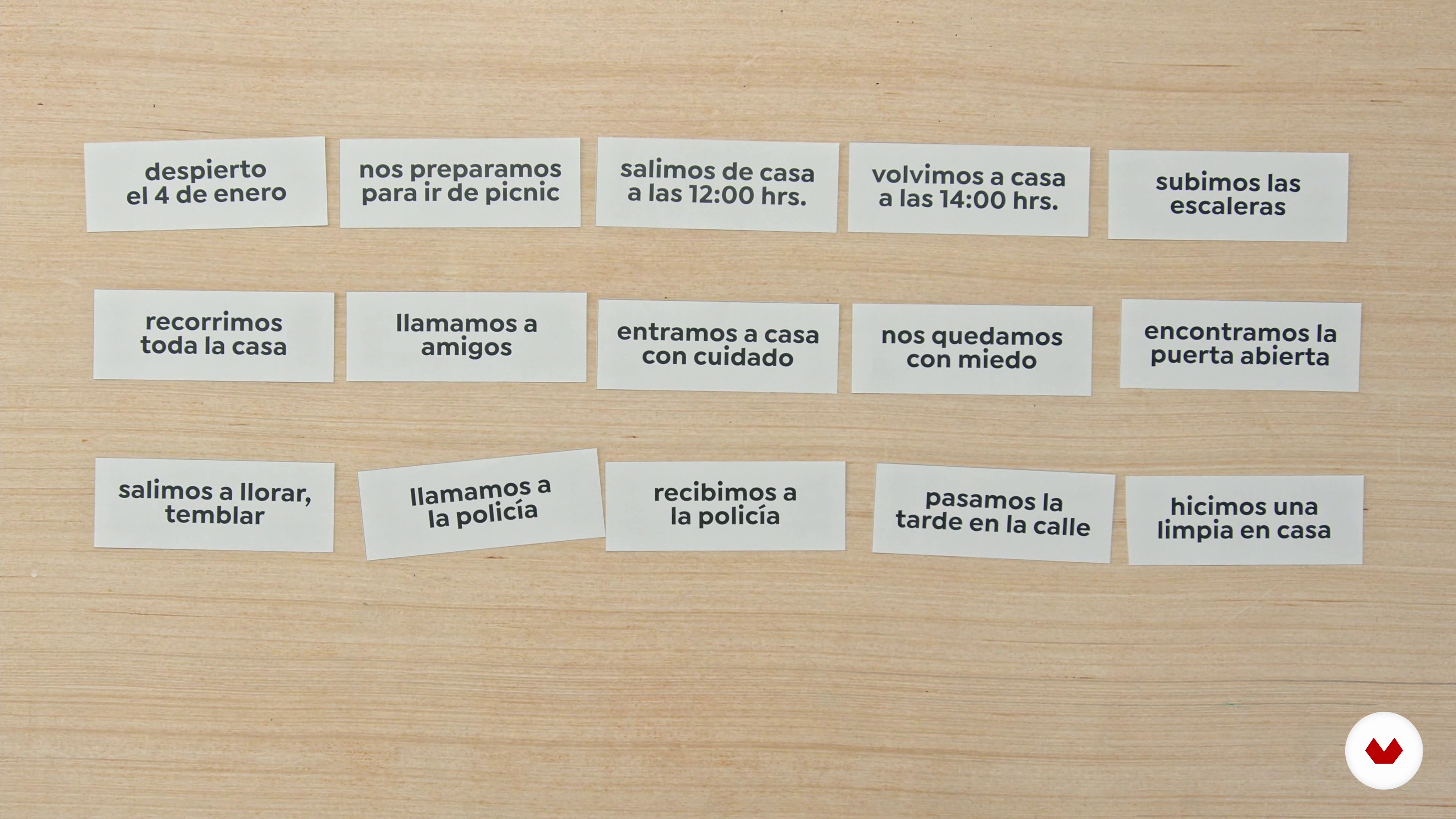
Unlike the first version of the text, now you have to think about your intention when choosing the topic and what you want to say about it, what you want your story to do in the world. Do you want it to report? What to report? What to accompany?
17m
 10
10Review and desktop publishing: balancing the text
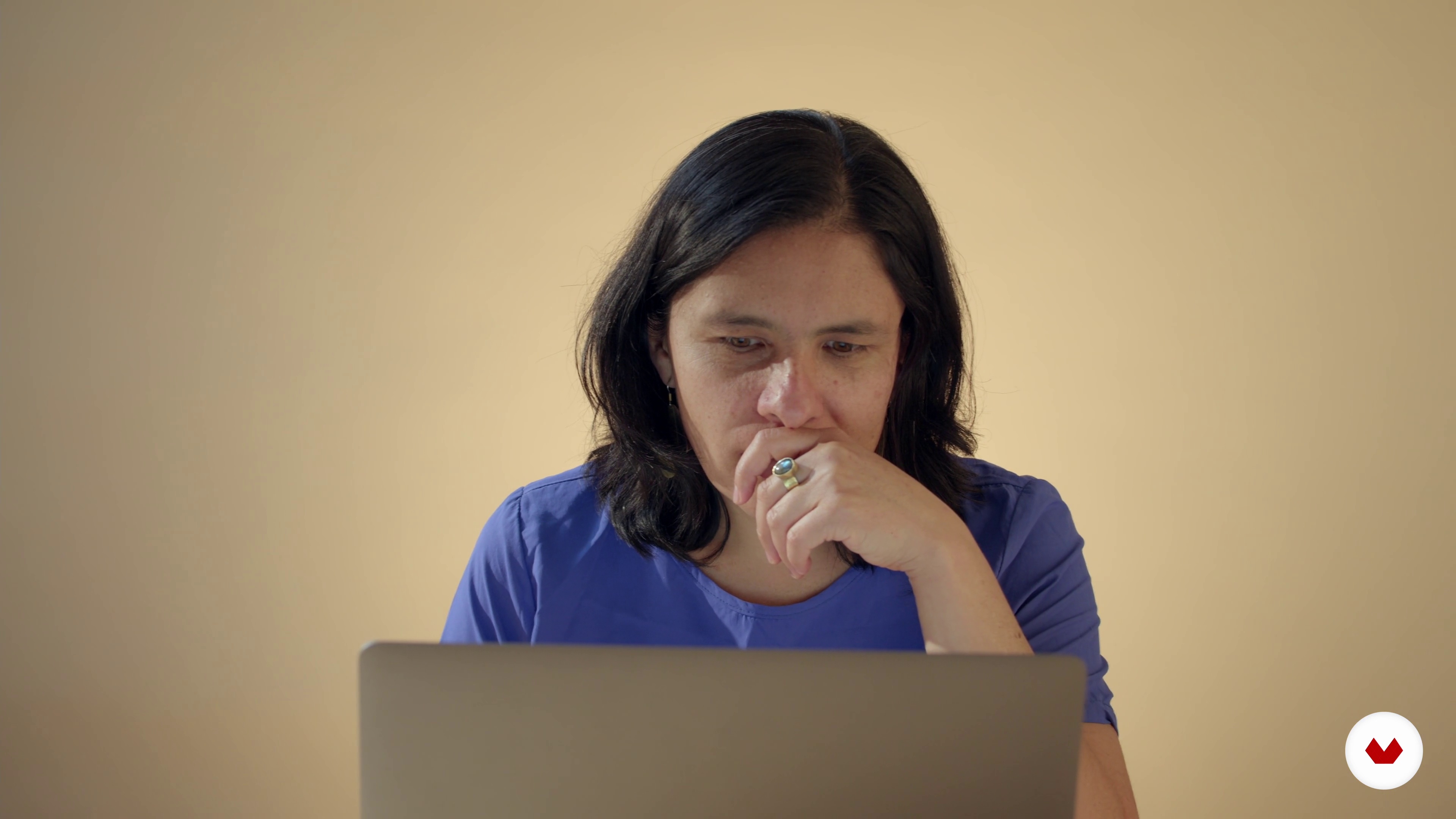
In this step it is about your story having several layers because life is never black and white, it always has many nuances and textures. Also that your writing progresses from one point to another, how much the protagonist of your story, as well as who reads it, feels a change, receives a reflection or an idea.
12m
 11
11Finishing touches
Since your text is ready in a more refined version, it is time for you to ask for help, to have someone read your text. Listen to their comments carefully, ask your own questions about your story.
6m
 12
12To post
Just as we look for stories to write, we must find a home for them. And if it doesn't exist, you have to build it.
9m
 3
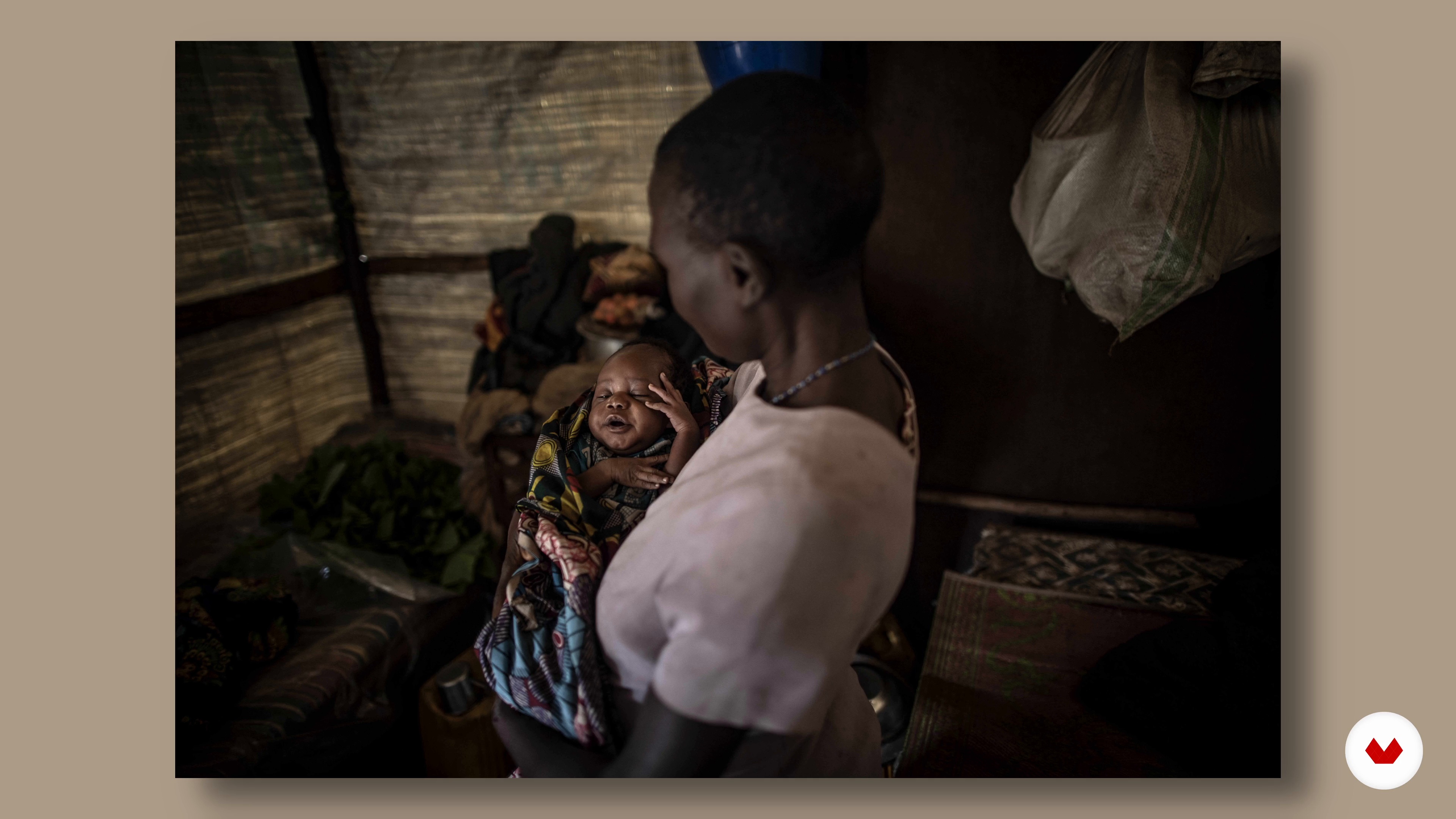
3Documentary Photographer: Social Responsibility
First things first, I will share with you the ethical considerations you should keep in mind while photographing.
18m
 4
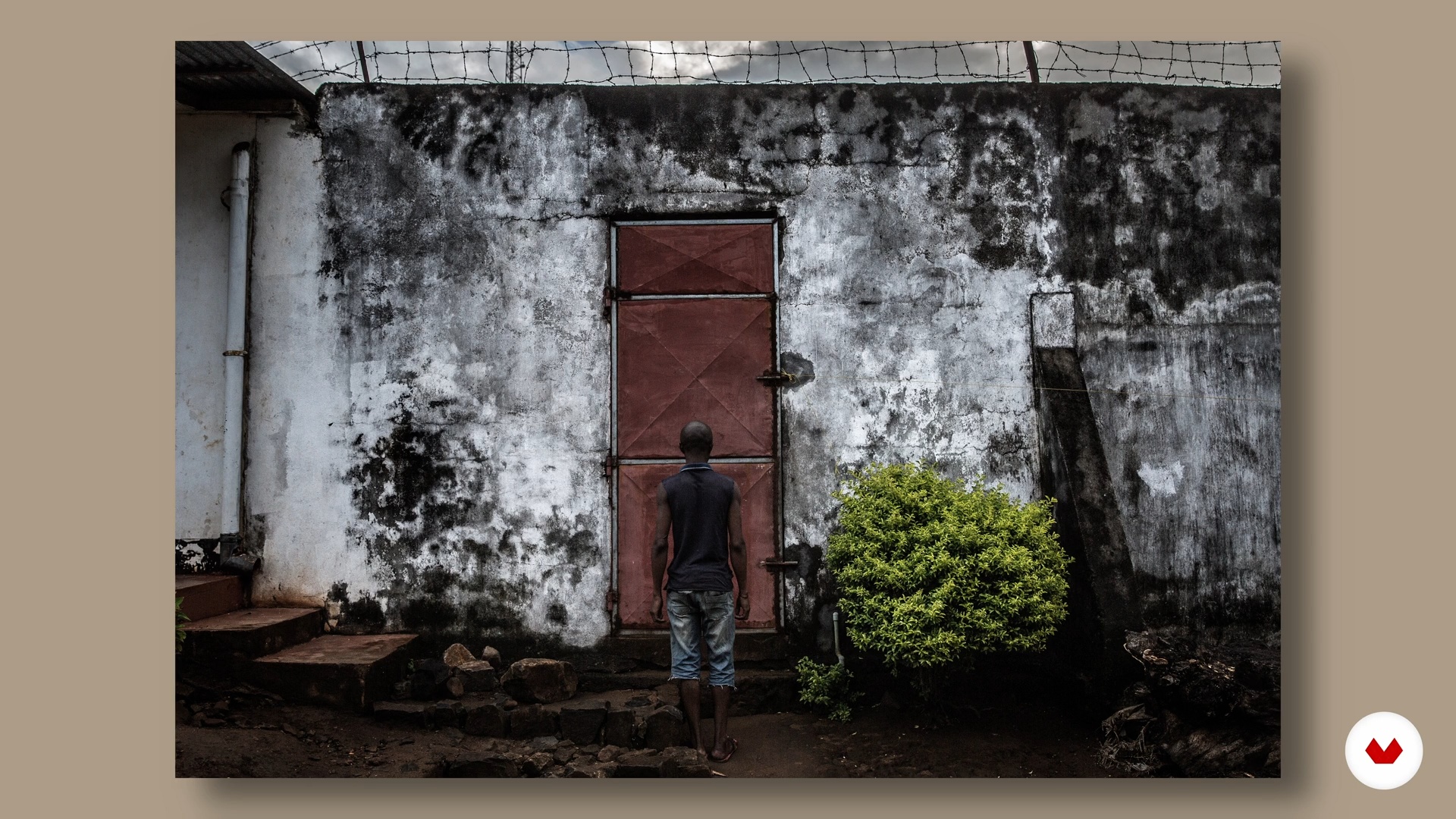
4Researching the Subject 1
Here, you'll learn how to identify the story you’re going to work on. Also, I will show you how to envision what the story might look like, and how to take the first steps researching what you will do.
10m
 5
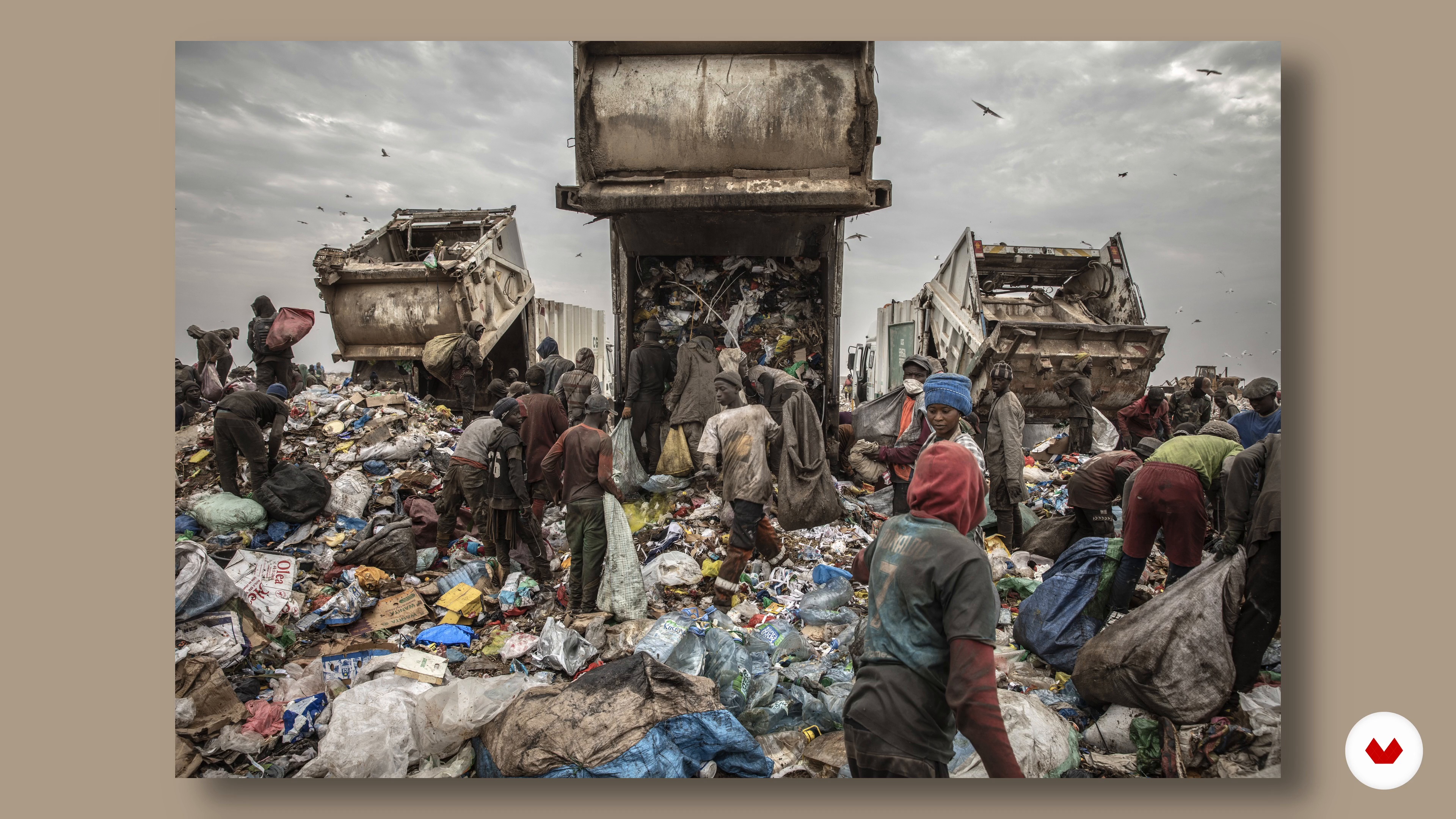
5Researching the Subject 2
Now, I'll continue showing you how to make research and create a story.
13m
 6
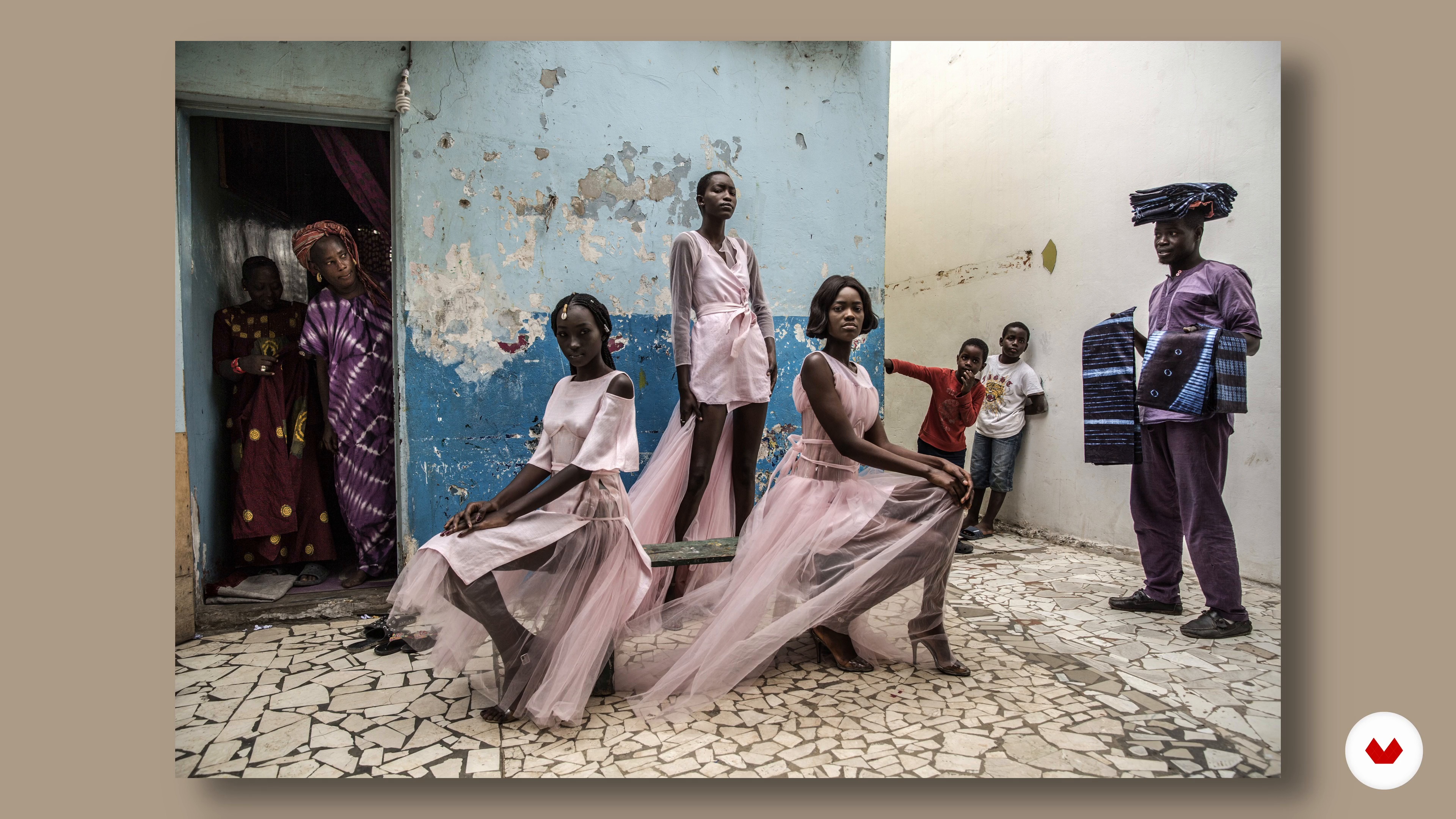
6How to Build a Story through Images
Finally, you'll learn the essential elements needed to build a story, and how to set about getting them.
12m
 7
7Materials
Before you start taking photos, I'll show you what equipment you’ll need to shoot and possibly light your project. The idea is to keep things simple and to focus less on the technical side of photography than on being ready to capture the important moments of your story.
7m
 8
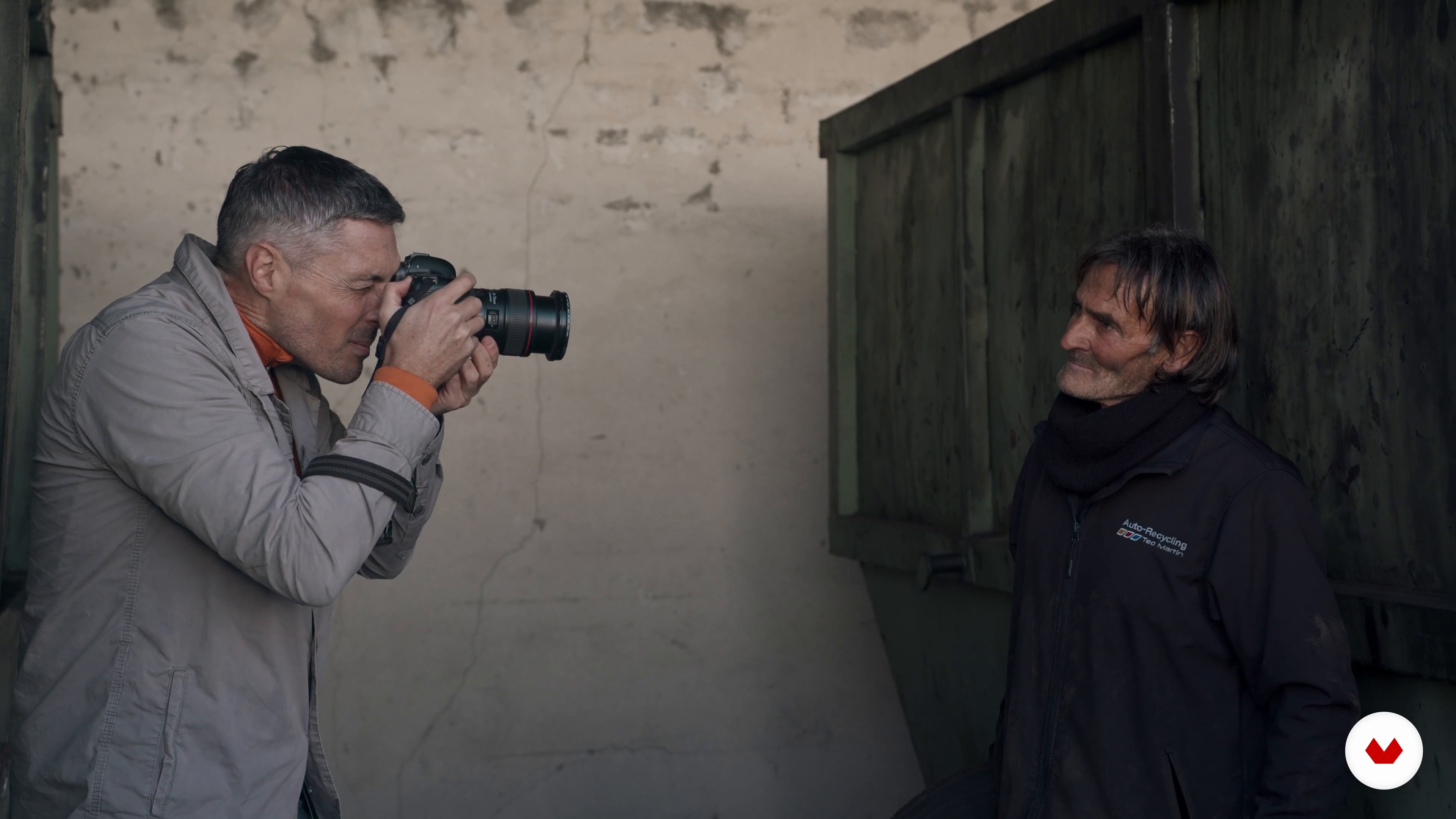
8Shooting the Story 1
Let the action begins! I will show you how to start shooting a story. Also, I'll talk about the kinds of obstacles you may encounter and how to overcome them.
19m
 9
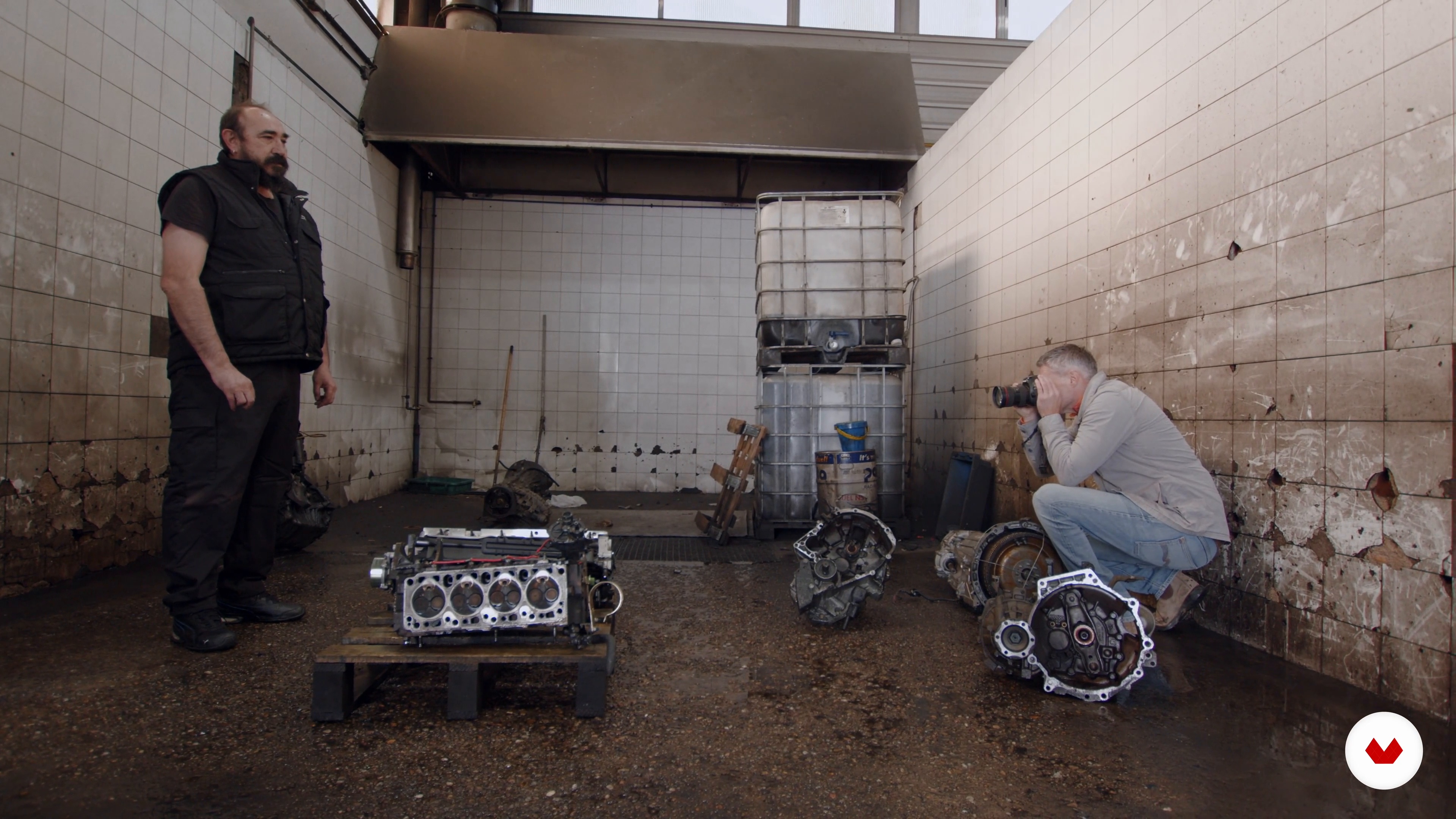
9Shooting the Story 2
Next, you'll learn the importance of keeping a written record for captioning. I'll also keep sharing with you some tips to take the best photos.
16m
 10
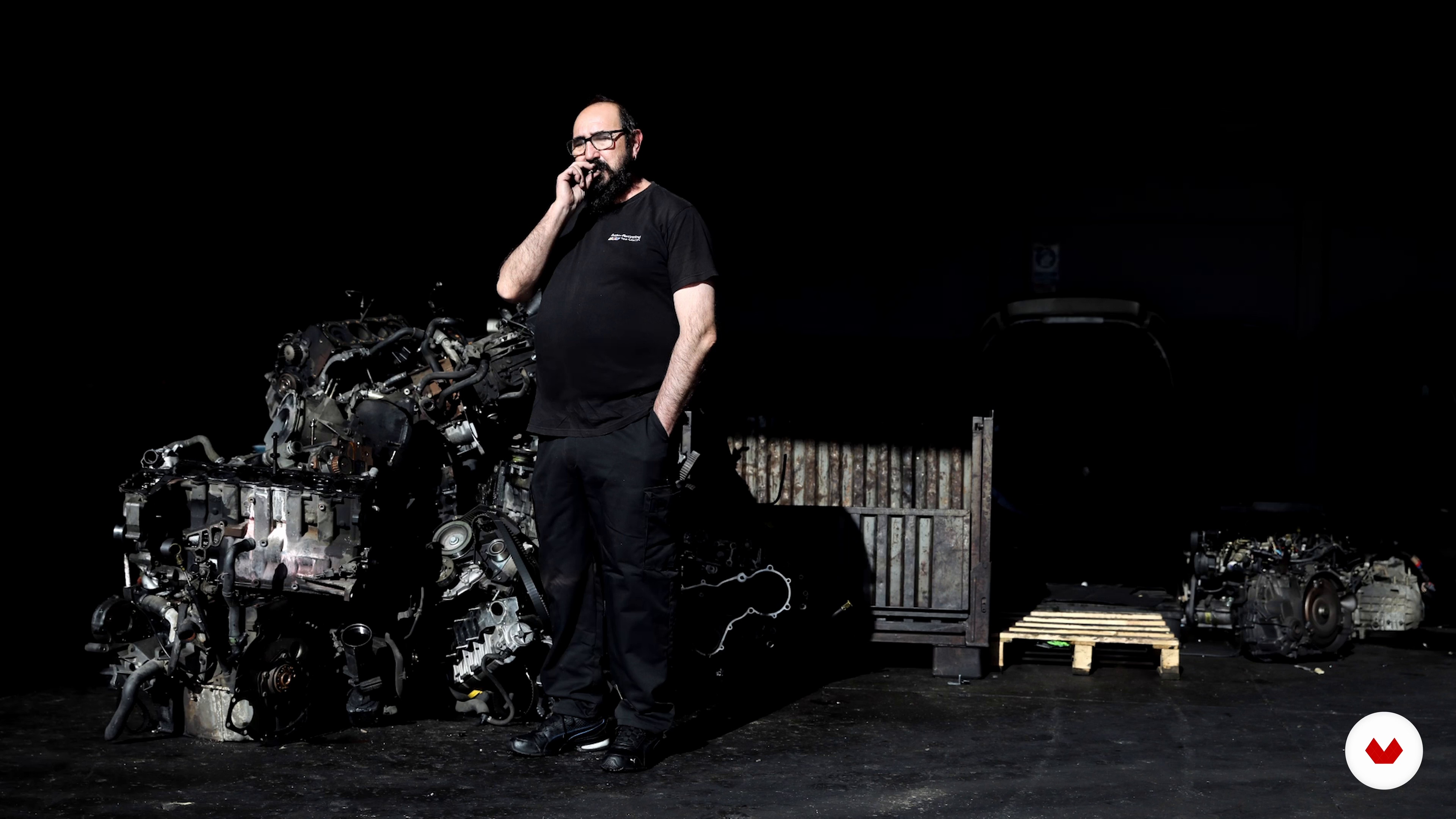
10Shooting the Story 3
In this lesson, I'll continue sharing with you my shooting process. I'll also share with you some tips and tricks to capture authenticity.
7m
 11
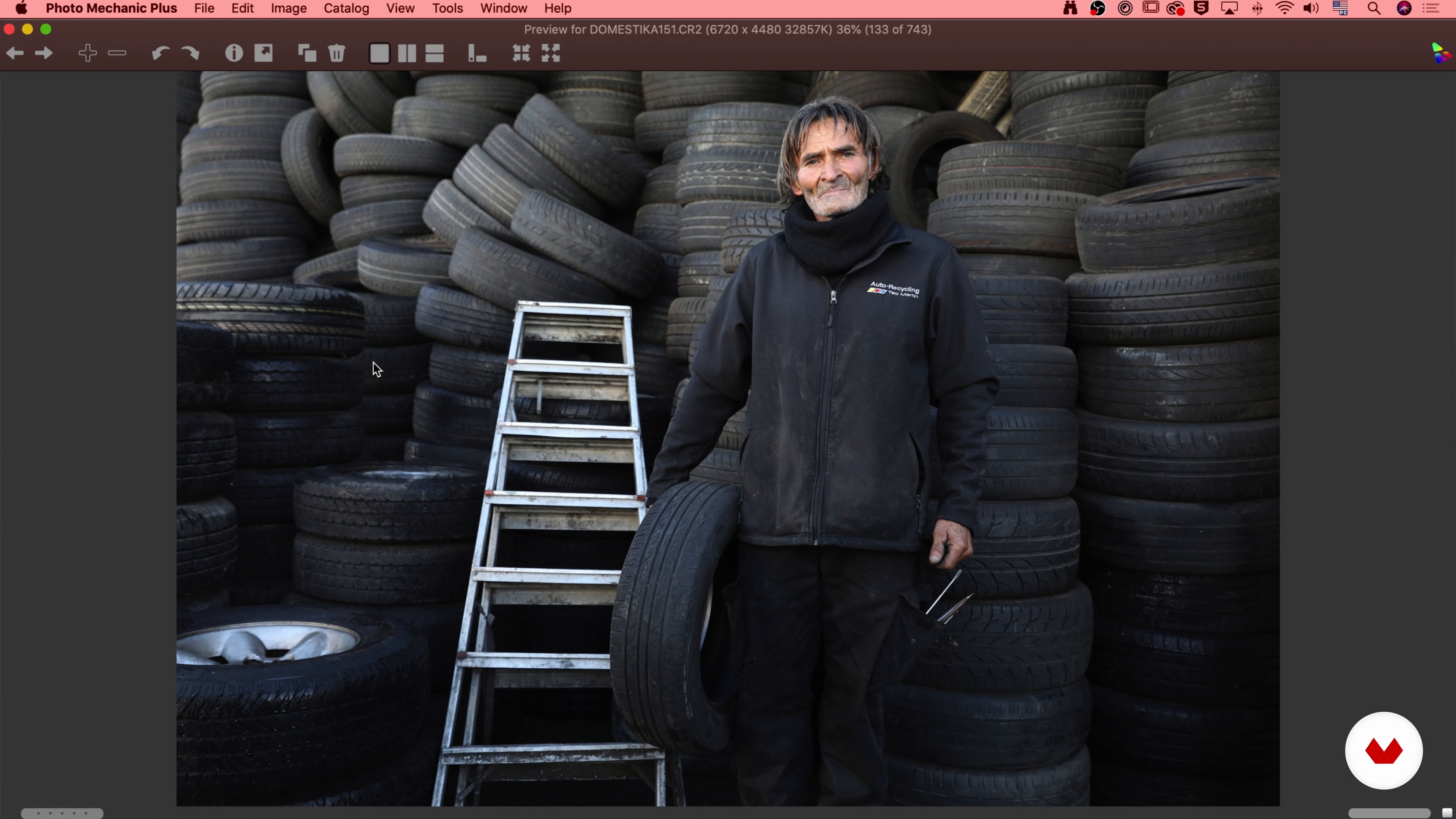
11Reviewing the Story
Finally, you'll learn how to organize your work to make the editing process easier. You’ll also learn how to review the images you have already taken to identify what your next steps should be.
20m
 12
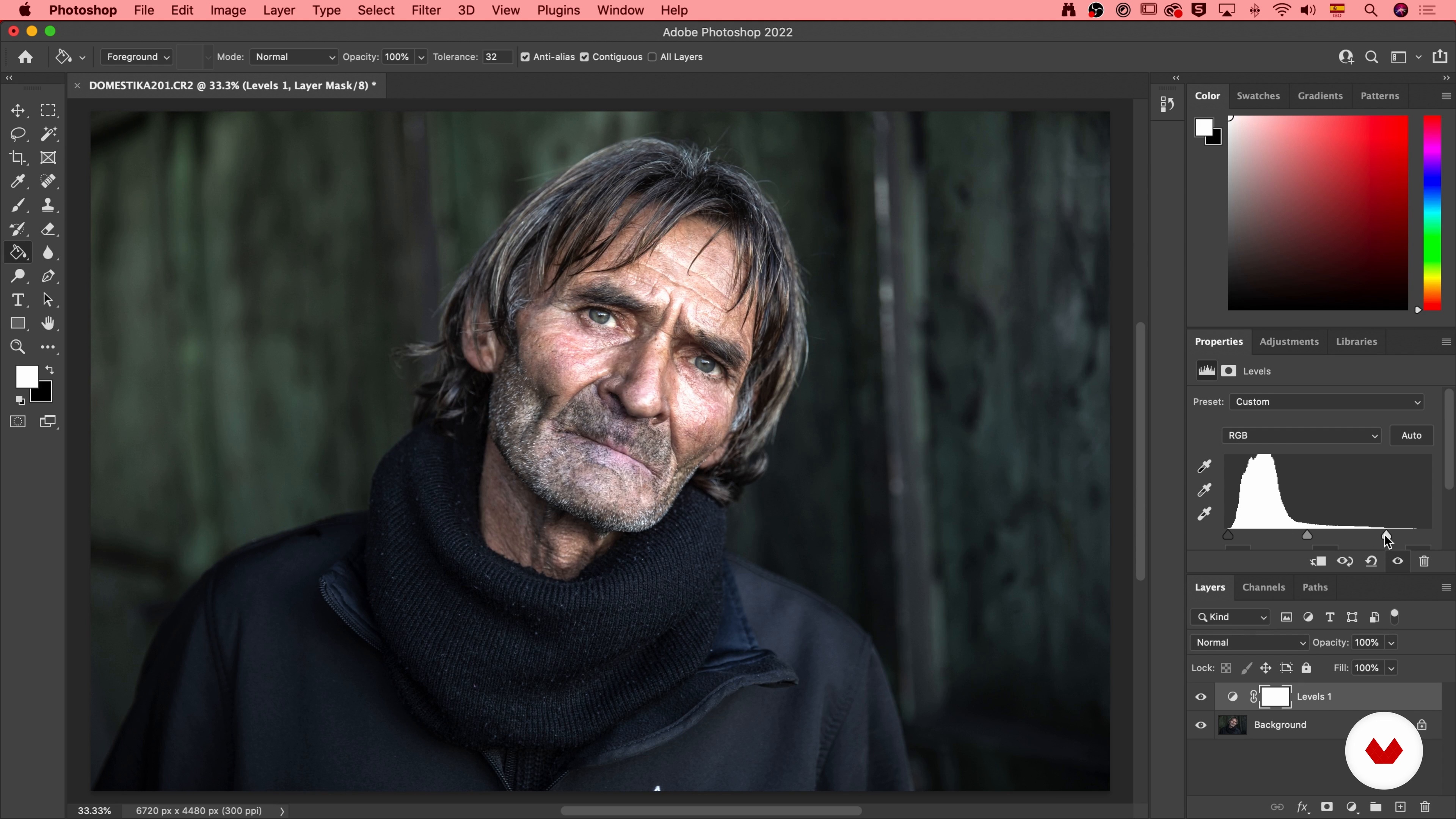
12Photoshop
To begin, you'll learn how to process your images using some simple, but effective Photoshop techniques. I’ll also teach you what to do and what not to do at this stage.
18m
 13
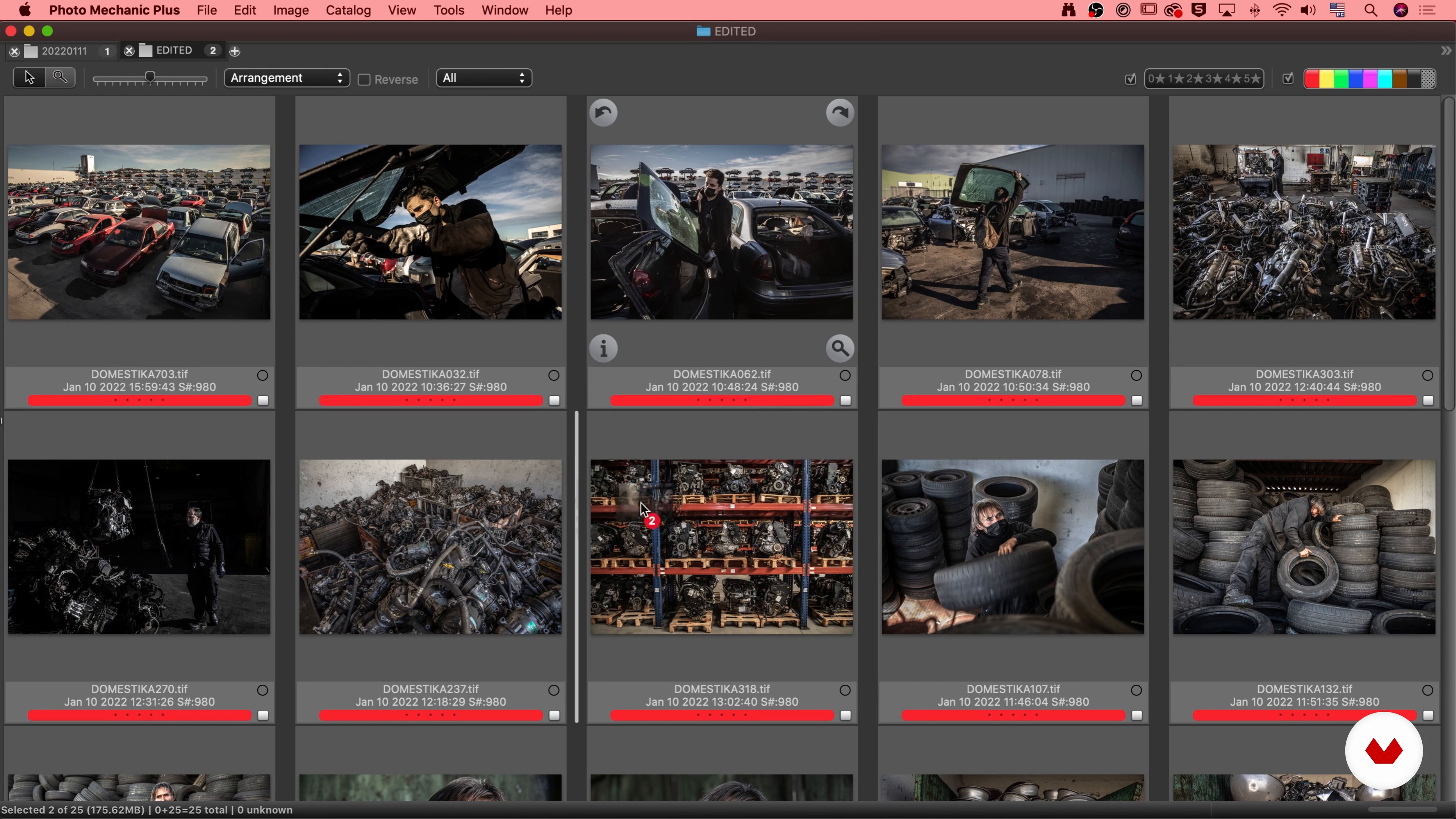
13Editing the Story 1
Take a deep breath, because this process is going to take time. First, you will learn to select and sequence your best images to create a story with maximum visual and emotional impact.
13m
 14
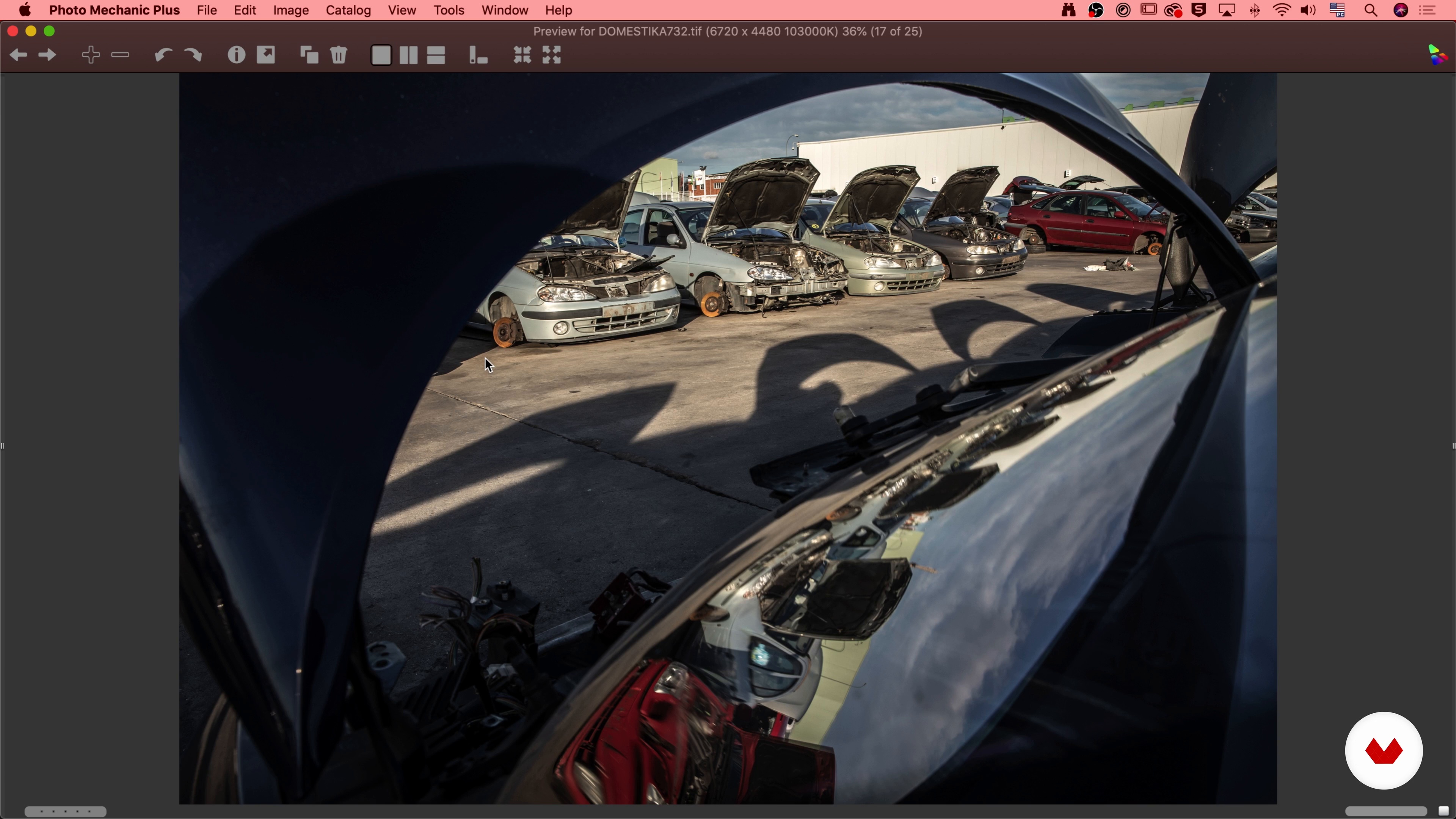
14Editing the Story 2
I will keep showing you how to shape a narrative flow through sequencing, pacing, and image selection.
11m
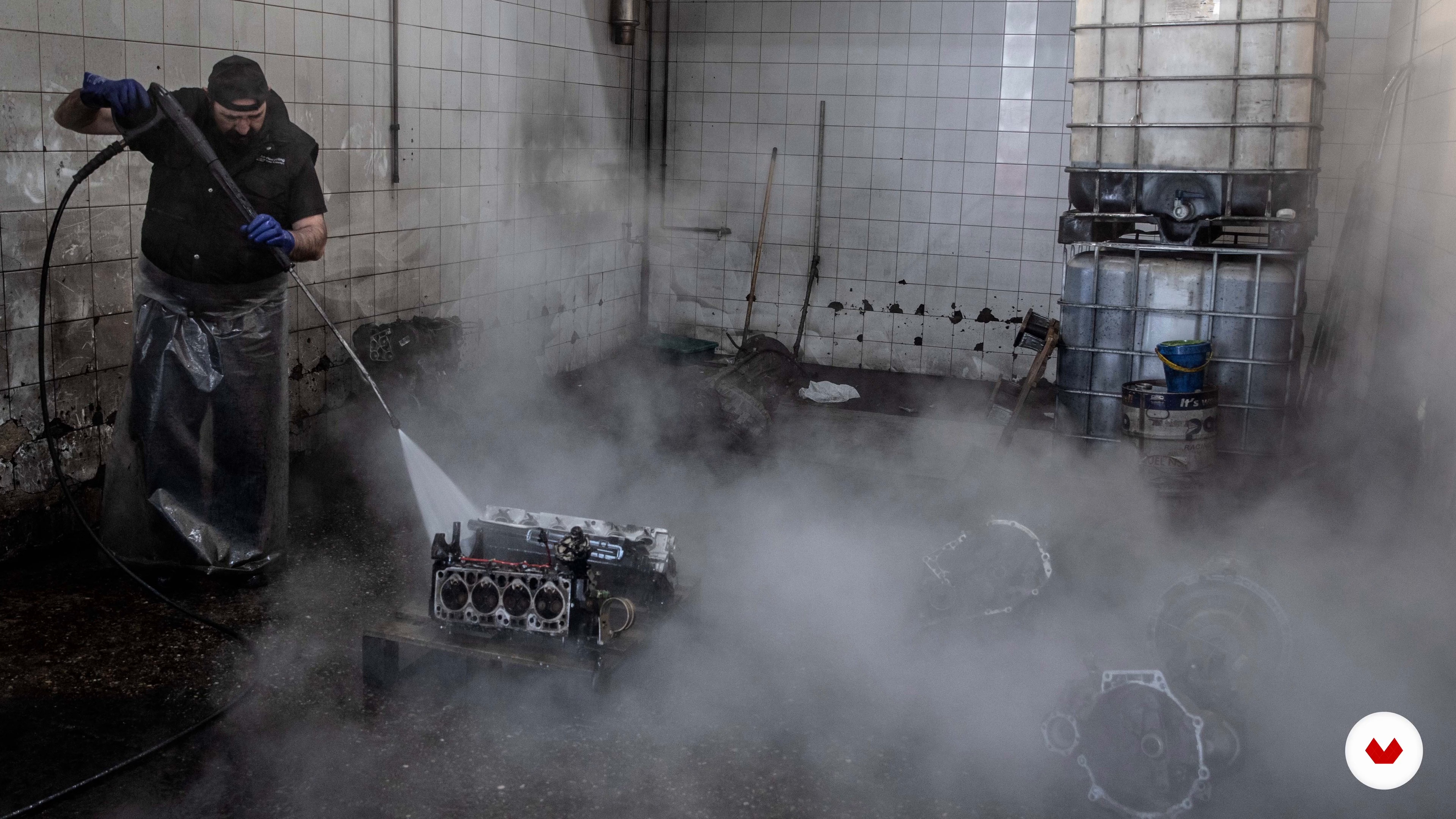 15
15Your Signature Style
Finally, you'll see how to distinguish your personal style from that of other photographers.
11m
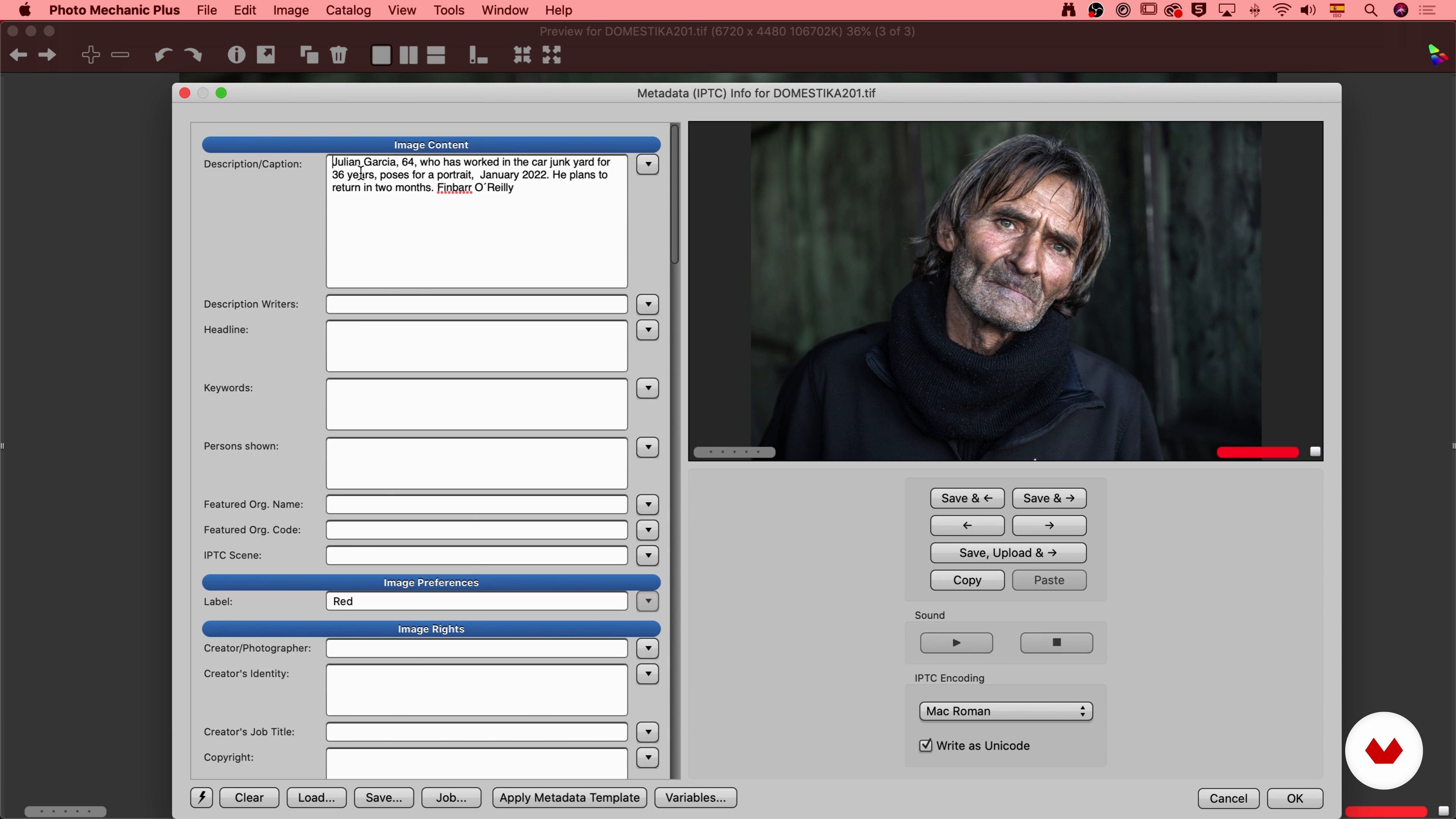 16
16Pitching Stories to Editors and Publications
Here, you’ll learn how to prepare your work to be published and the best ways to get it out into the world.
13m
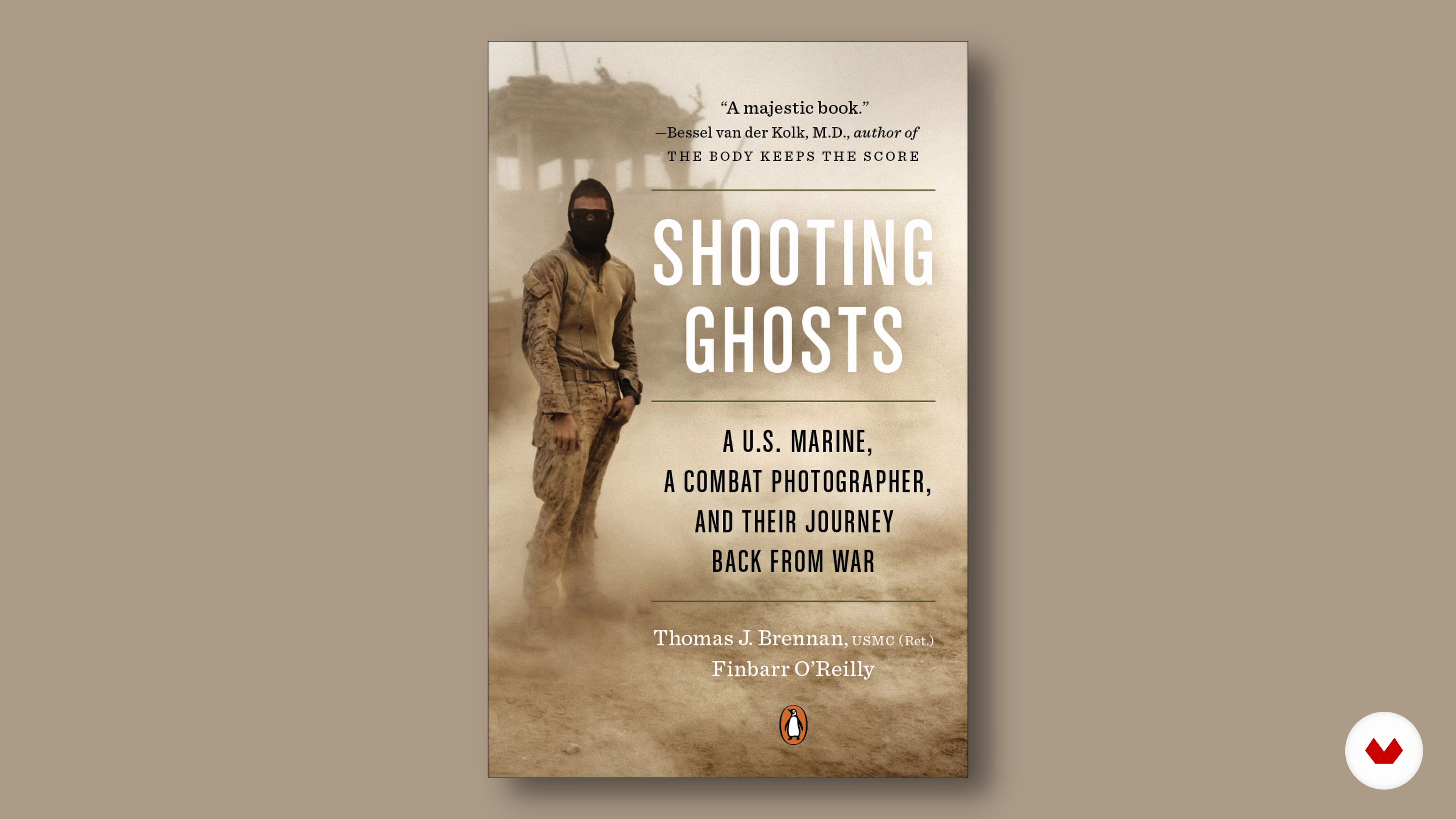 17
17Documentary Photographer: Responsibilities with a Community
Finally, I will talk about the importance of maintaining good relations with those you have photographed while also managing any expectations they may have.
8m
 3
3The Importance of Communication
How important is a good video? Why do videos communicate more effectively than written content? In this lesson, We will explore the power of visuals in communication.
4m
 4
4Talk Freely
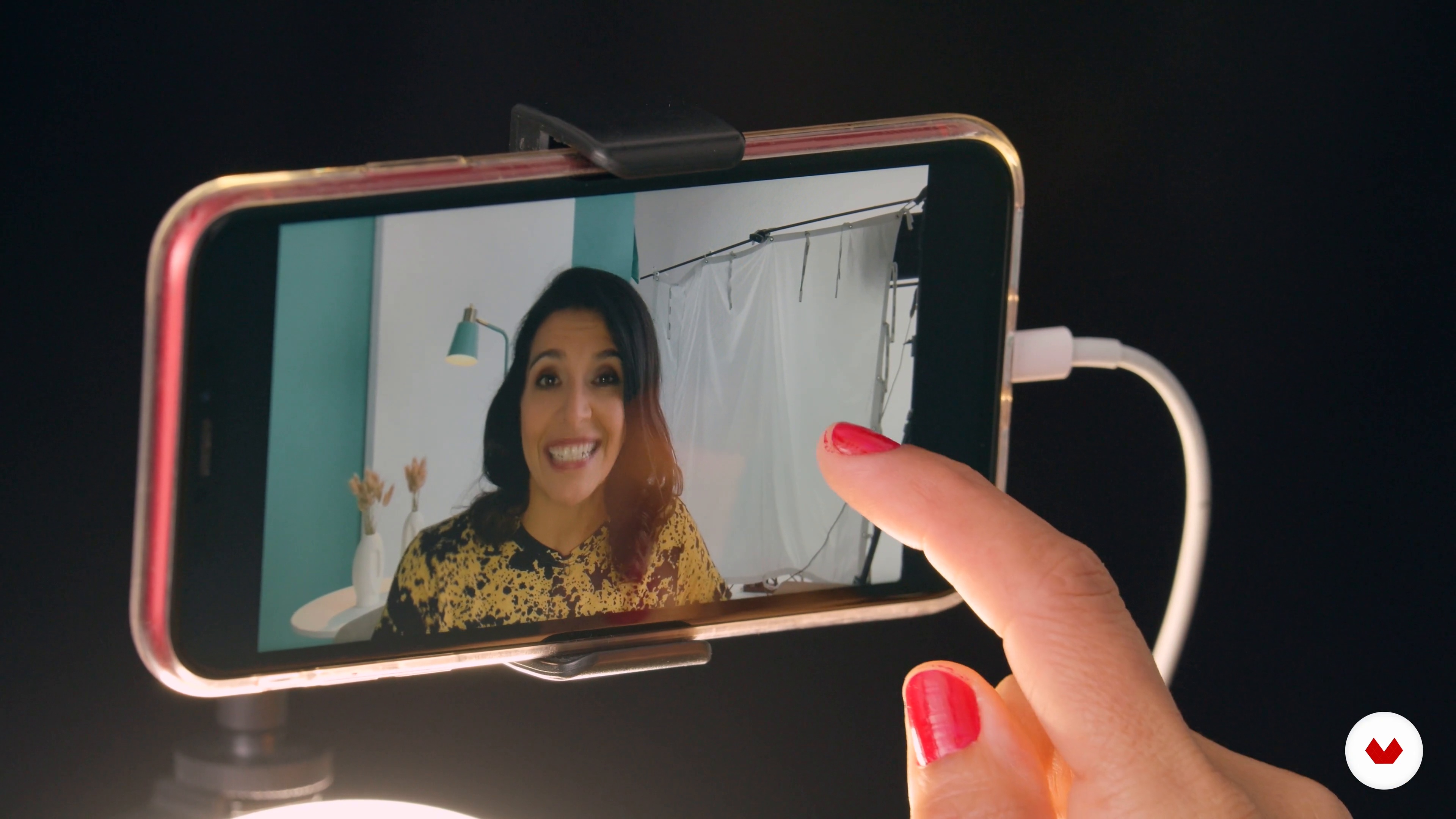
What do people talk about in videos? What do you want to talk about? Before tapping into tech issues, let's identify the topics you would like to address! We will start making a nice video on your favorite subject.
16m
 5
5Look Into the Camera
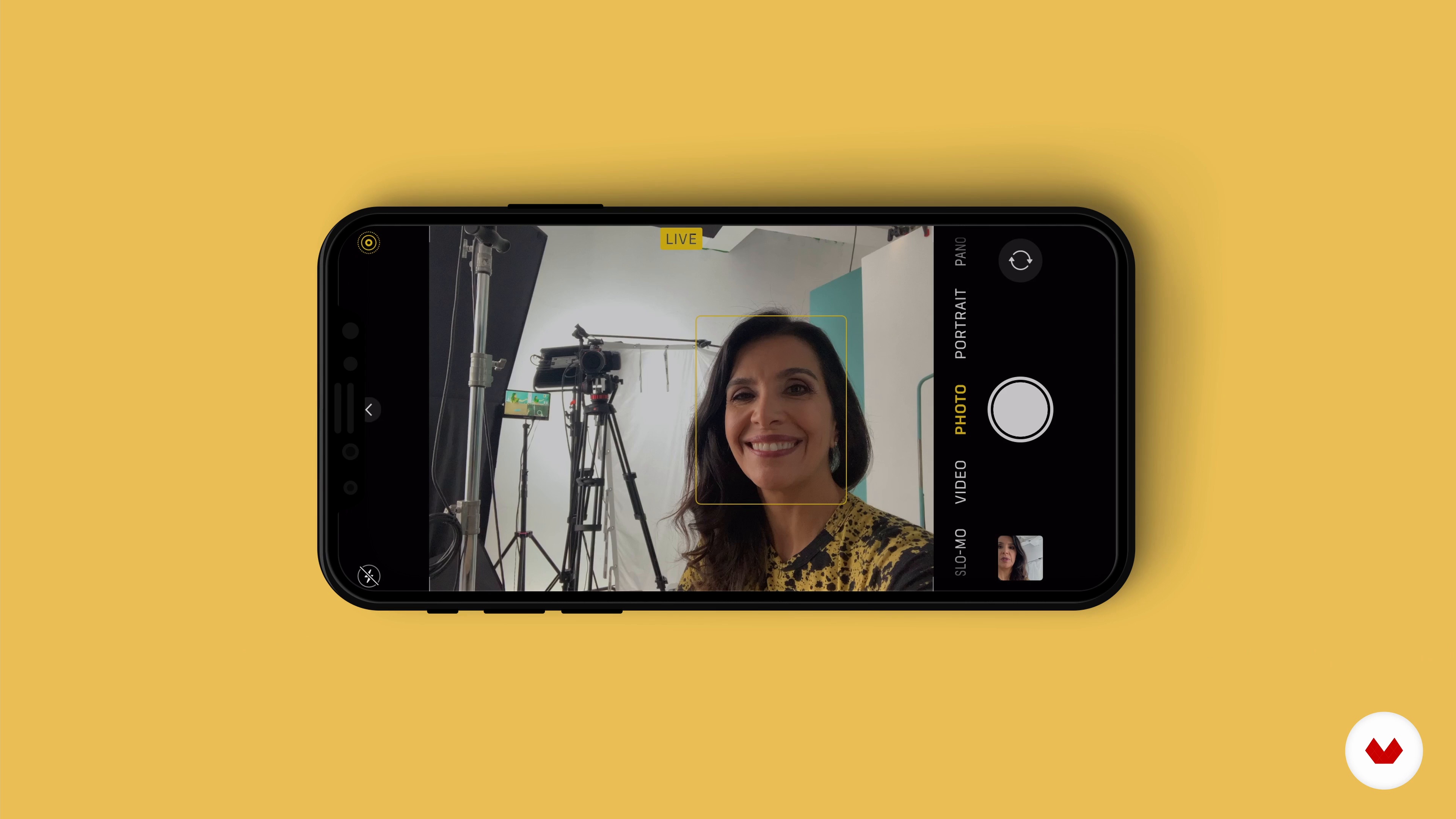
Where should I look when recording a video? In this lesson, I will talk about how important it is to direct your eyes to the camera and look at the lens. It's just like making eye contact when you're talking to someone. That is how you start to connect with the camera and the audience.
8m
 6
6What Do You Need to Get Started?
In this lesson, we will go through a checklist of things you need for your set, and I will walk you through how these elements will help make your video look professional.
3m
 7
7Framing
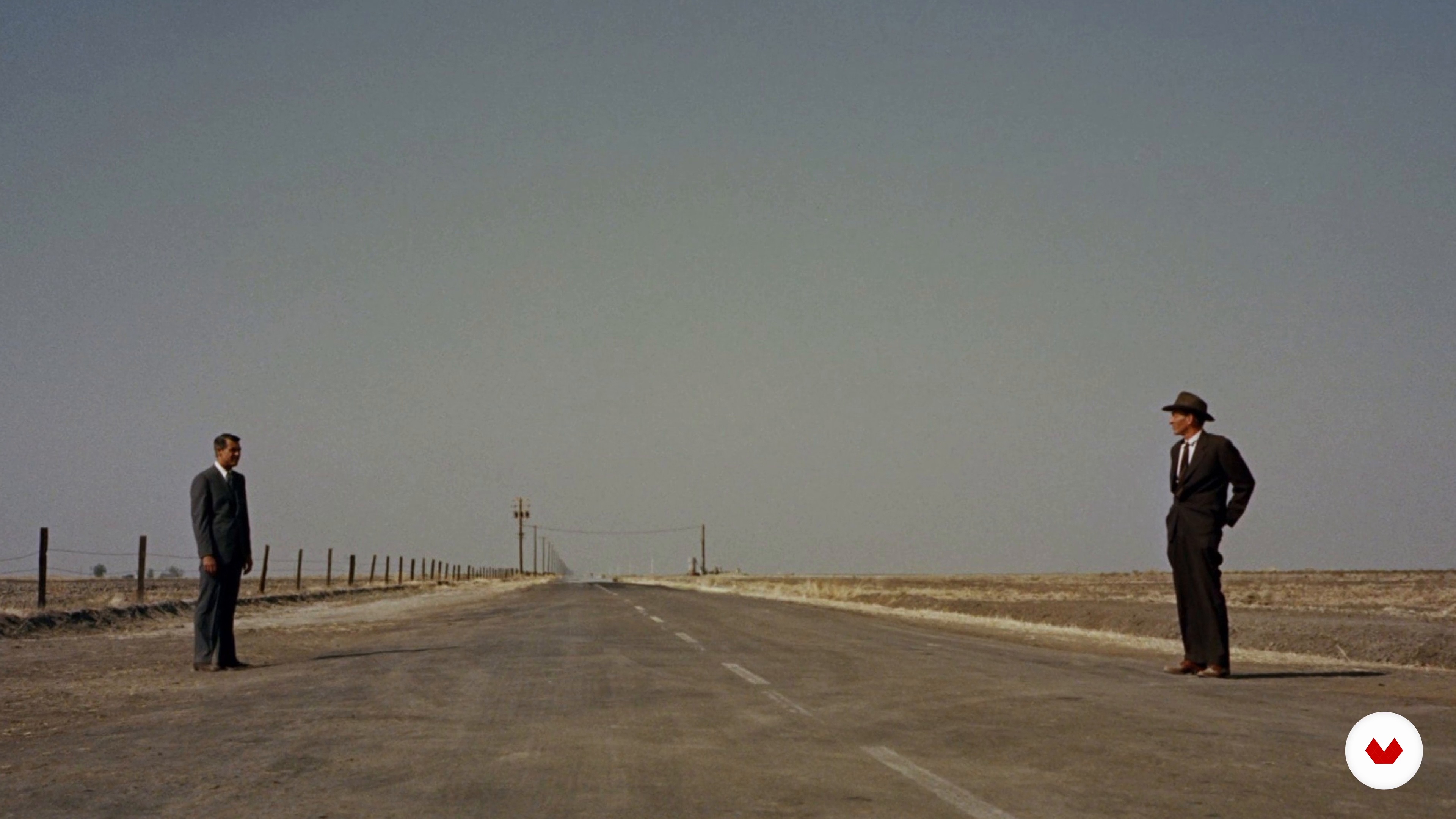
Framing is an essential tool in the shooting. It's the way you decide where the viewer will focus. Each framing has a purpose. Throughout this course, we will use the mid-shot and turn the camera horizontally to make the best use of your device. In this lesson, I will tell you why.
7m
 8
8Basic Lighting Tips
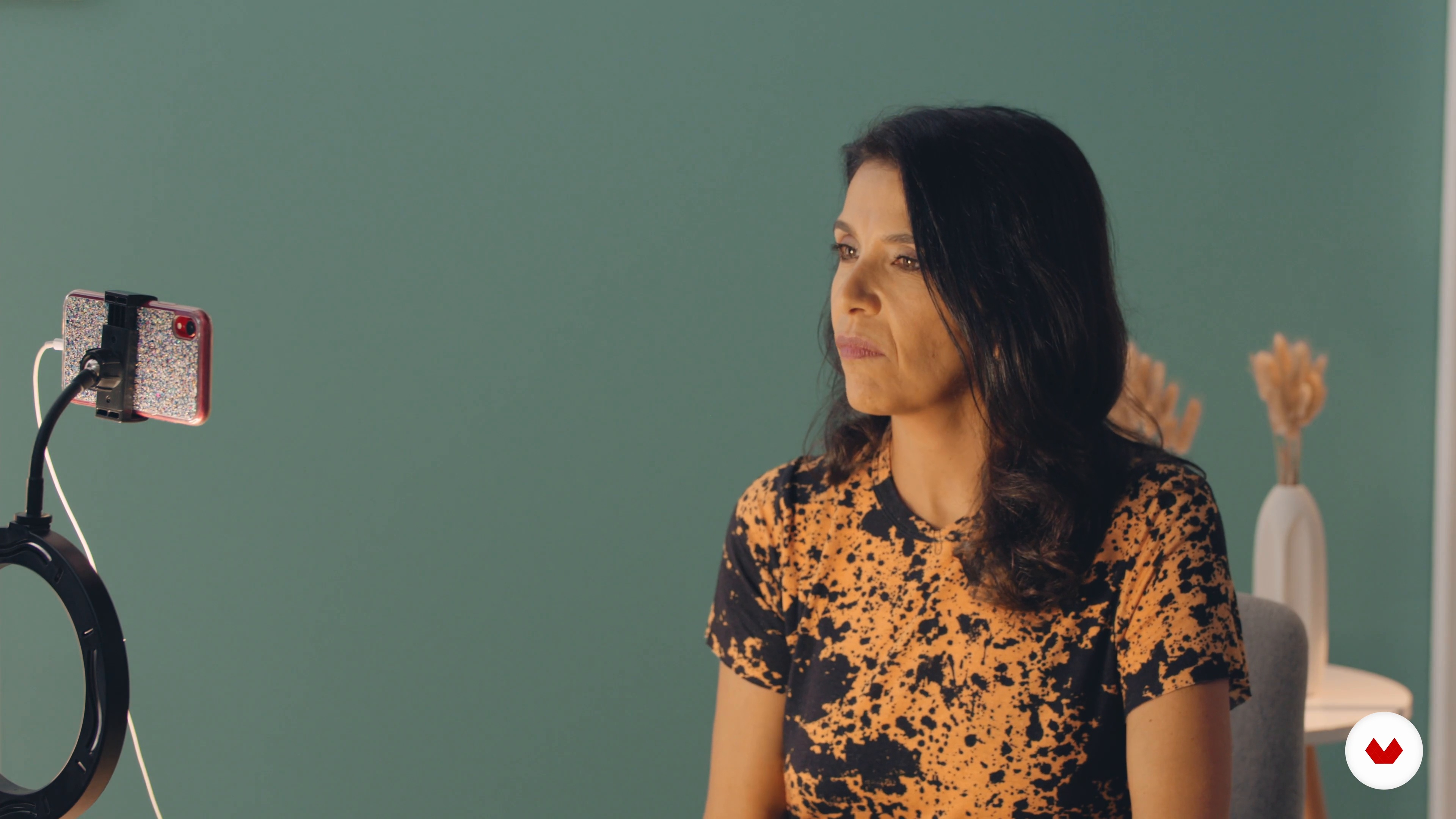
Good lighting is essential for your success. Your video will look more professional, and you will get more views. You can buy some gear or be creative and use diffused natural light. In this lesson, we will understand how to light your shoot.
9m
 9
9The Structure of a Video: The Script
In this lesson, we will go over the importance of telling stories. So how do you start to build a video story? After practicing in the previous unit, it's time to practice again, in a similar exercise where you will talk about yourself again, except now we will put everything on paper. When you write down, you organize your ideas.
15m
 10
10Personality and Self-Awareness
In this lesson, you will learn the value of being aware of the positive aspects of your image in the video. It's very important to focus on something that you like about your image. So, can you change what you don't like?
6m
 11
11Finding Your Niche or Branding
Now you will reflect on who you are. Focus on details. Branding is all about discovering what makes you different or about focusing on what you're good at. If that sounds too difficult, remember this is already there, as everyone is unique. Authenticity is what we are looking for.
7m
 12
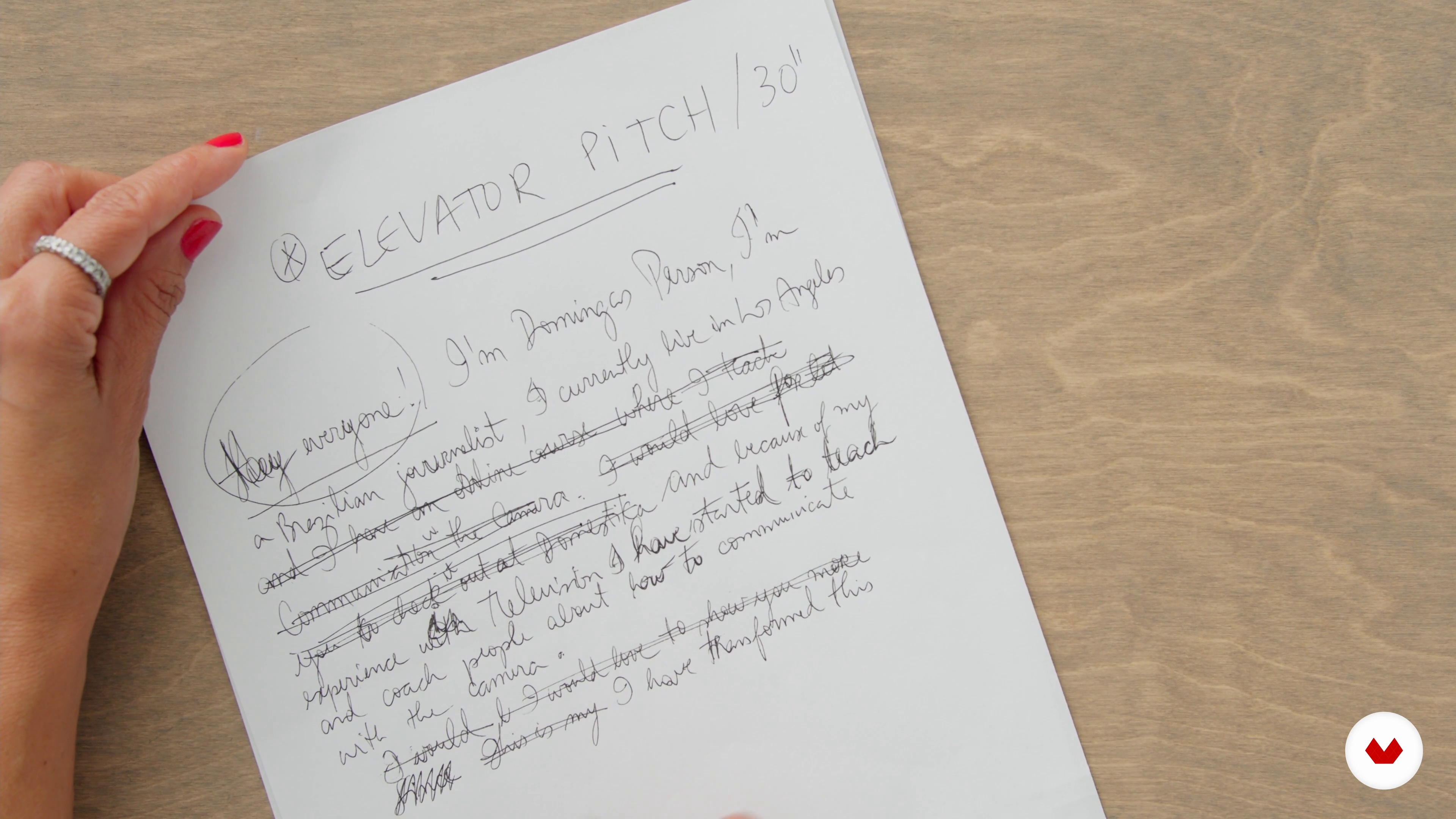
12Elevator Pitch 1
In this lesson, we will practice a quick way of introducing yourself, as if you were on an elevator ride, hence the short time you have and its name. It's a chance to share a quick but effective summary about yourself and an opportunity to open doors to your business or service. You can even use it to meet people and get them hooked on you.
13m
 13
13Elevator Pitch 2
In the second part of this lesson, you will see how difficult it is to be concise and direct about your pitch. I hope you can use this model I've created for inspiration to write your texts.
6m
 14
14Creating a Video Business Card
Now it’s time to create your video business card. This video is an excellent way to represent yourself and your brand. Your card will be shared with your social media audience as a way to brand yourself.
6m
 15
15To Learn More: Examples of Elevator Pitch
In this additional video, you will see more inspiring and engaging examples of different elevator pitches I've recorded for this unit following the steps we've seen in the lesson "Elevator Pitch."
1m
What is this course's project?
The final project consists of creating a professional multimedia report that integrates an extensive feature article, a photojournalistic series, a video report, an investigative dossier, and an editorial presentation. The goal is to master multiple formats of contemporary journalism.
Who is this specialization for?
This course is designed for communicators, journalists, and content creators who want to master contemporary journalism. It's ideal for those seeking to tell impactful, real-life stories by combining investigative journalism, written narrative, and visual and audiovisual elements.
Requirements and materials
No extensive prior knowledge is required. A genuine interest in journalism and a willingness to learn are essential. You will need internet access, a computer or mobile device, and basic writing and multimedia editing tools.
Reviews
- 8 days ago
Buenisismo
- 15 days ago
Excelente Curso de Periodismo
- 1 month ago
Este curso está superando mis expectativas, lo recomiendo ampliamente.
- 1 month ago
Ótima plataforma com muitos recursos. Recomendo.
Select to get to know your teachers in this specialization course


What to expect from this specialization course
Learn at your own pace
Enjoy learning from home without a set schedule and with an easy-to-follow method. You set your own pace.
Learn from the best professionals
Learn valuable methods and techniques explained by top experts in the creative sector.
Meet expert teachers
Each expert teaches what they do best, with clear guidelines, true passion, and professional insight in every lesson.
Certificates
PLUSIf you're a Plus member, get a custom certificate for every specialization course. Share it on your portfolio, social media, or wherever you like.
Get front-row seats
Videos of the highest quality, so you don't miss a single detail. With unlimited access, you can watch them as many times as you need to perfect your technique.
Share knowledge and ideas
Ask questions, request feedback, or offer solutions. Share your learning experience with other students in the community who are as passionate about creativity as you are.
Connect with a global creative community
The community is home to millions of people from around the world who are curious and passionate about exploring and expressing their creativity.
Watch professionally produced courses
Domestika curates its teacher roster and produces every course in-house to ensure a high-quality online learning experience.
FAQs
This course is designed for learners with some basic experience, making it ideal for those at an intermediate level who want to enhance their video communication and on-camera presence.
You’ll need a smartphone with a camera, a ring light or desk lamp, a microphone (optional), and a phone holder or tripod. These tools help improve lighting, audio, and stability for higher-quality videos.
You’ll learn how to organize video content, present confidently on camera, use proper lighting and framing, write scripts, connect with your audience, and create compelling short videos for personal branding and social media.
The course teaches techniques for authentic self-presentation, maintaining eye contact, and building a genuine connection with viewers to enhance trust and engagement on camera.
Use natural or ring light, position the camera at eye level, frame yourself with good background composition, avoid headroom, and maintain direct eye contact with the camera lens for best results.
Yes, you’ll learn to craft a concise, engaging elevator pitch and create a video business card that highlights your identity, skills, and objectives for professional use.
The course covers scriptwriting basics, organizing ideas, using ‘wh’ questions, and structuring videos with clear beginnings, middles, and ends to keep your message focused and compelling.