
Specialize in novel writing, develop complex characters, solid structure, and effective narrative techniques to captivate readers.
Embark on a writing journey that will take you from the initial spark of an idea to the creation of a complete and vibrant novel. You'll learn to construct moving scenes, design captivating plots, and bring characters to life with depth and authenticity. You'll explore narrative techniques that will allow you to keep the reader on the edge of their seat and develop a fluid narrative rhythm. With guidance from experts like Gustavo Rodríguez, Abril Posas, Cristina López Barrio, and Charlie Becerra, you'll discover how to transform your experiences and passions into a unique literary universe.
This program offers you the tools to unlock your creativity and overcome writer's block. You'll develop the ability to structure chapters coherently and create memorable characters that drive the narrative. From writing short stories and tales to a gripping detective novel, each phase of the program will provide you with new skills to enrich your work. By the end, you'll have a solid foundation and the confidence to continue refining your manuscript, paving the way for publication and literary recognition.
What will you learn in this specialization?
 1
1Introduction
The novel is an extensive narrative form that demands planning and coherence: each chapter contributes to the whole, and each character fulfills a function within the plot. The need to narrate is part of the human condition, and over time the novel established itself as the format capable of developing broad and complex stories, thanks to authors such as Flaubert, Dostoevsky, and Virginia Woolf. Today, writing a novel involves combining creativity with method. It's not improvised: it's built with patience, vision, and narrative judgment. That's the true craft of the novelist, and in this specialization, you'll begin to develop yours step by step.
2m
 2
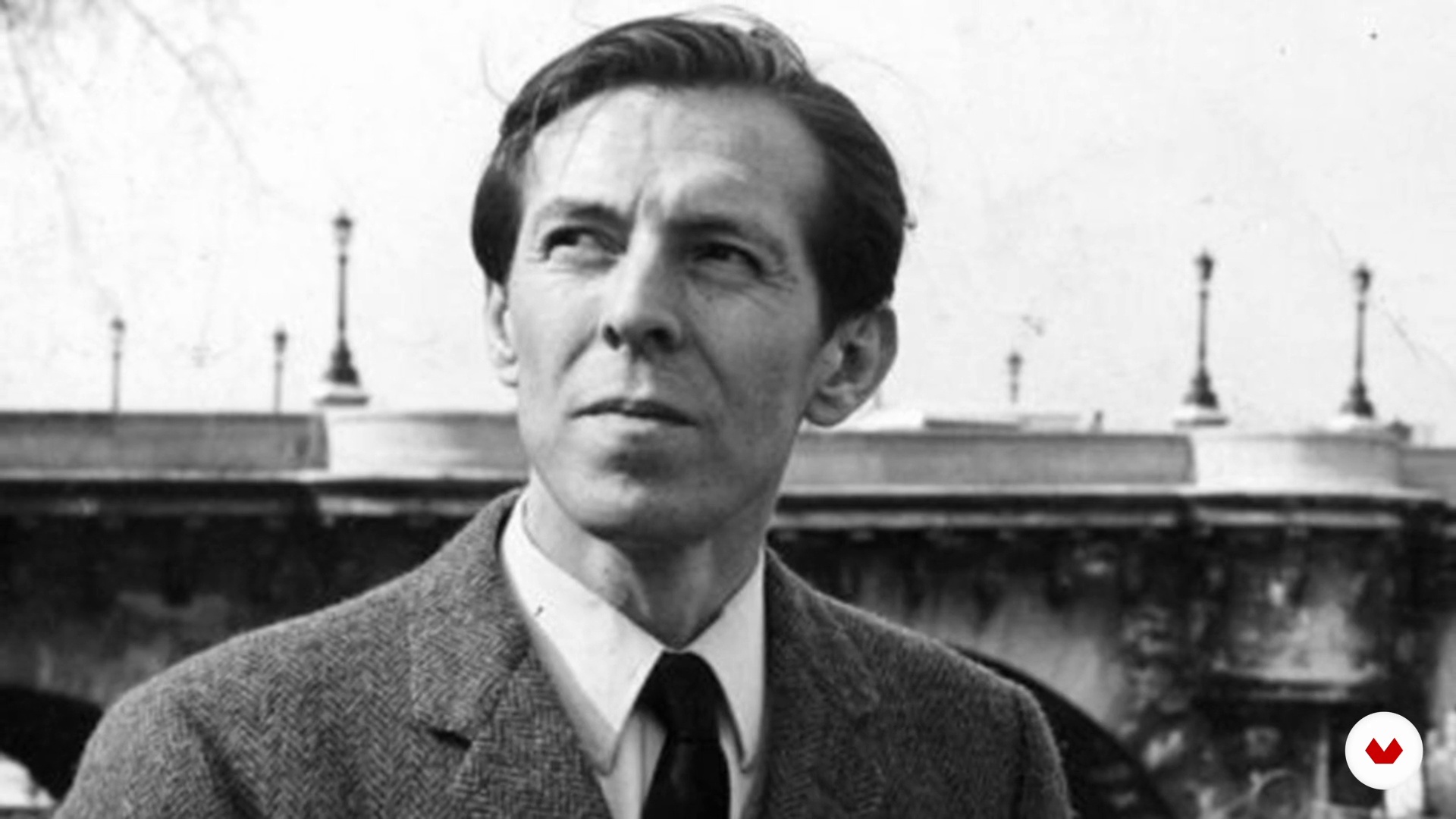
2Influences | Gustavo Rodríguez
I will introduce you to three legendary characters who, in their respective trades, knew how to use the mechanisms of narration and who have inspired me in my different facets.
4m
 2
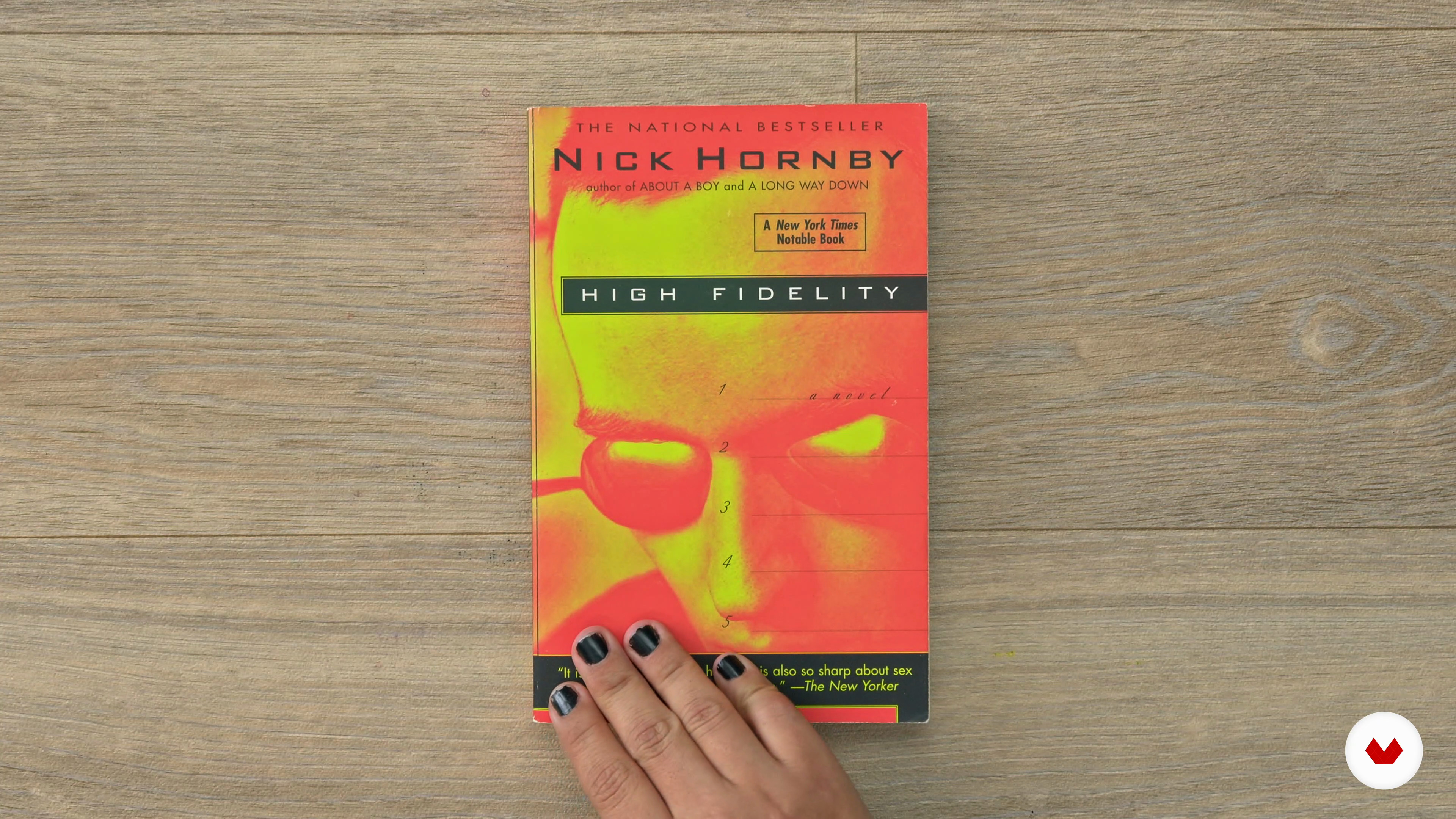
2Influences | Abril Posas
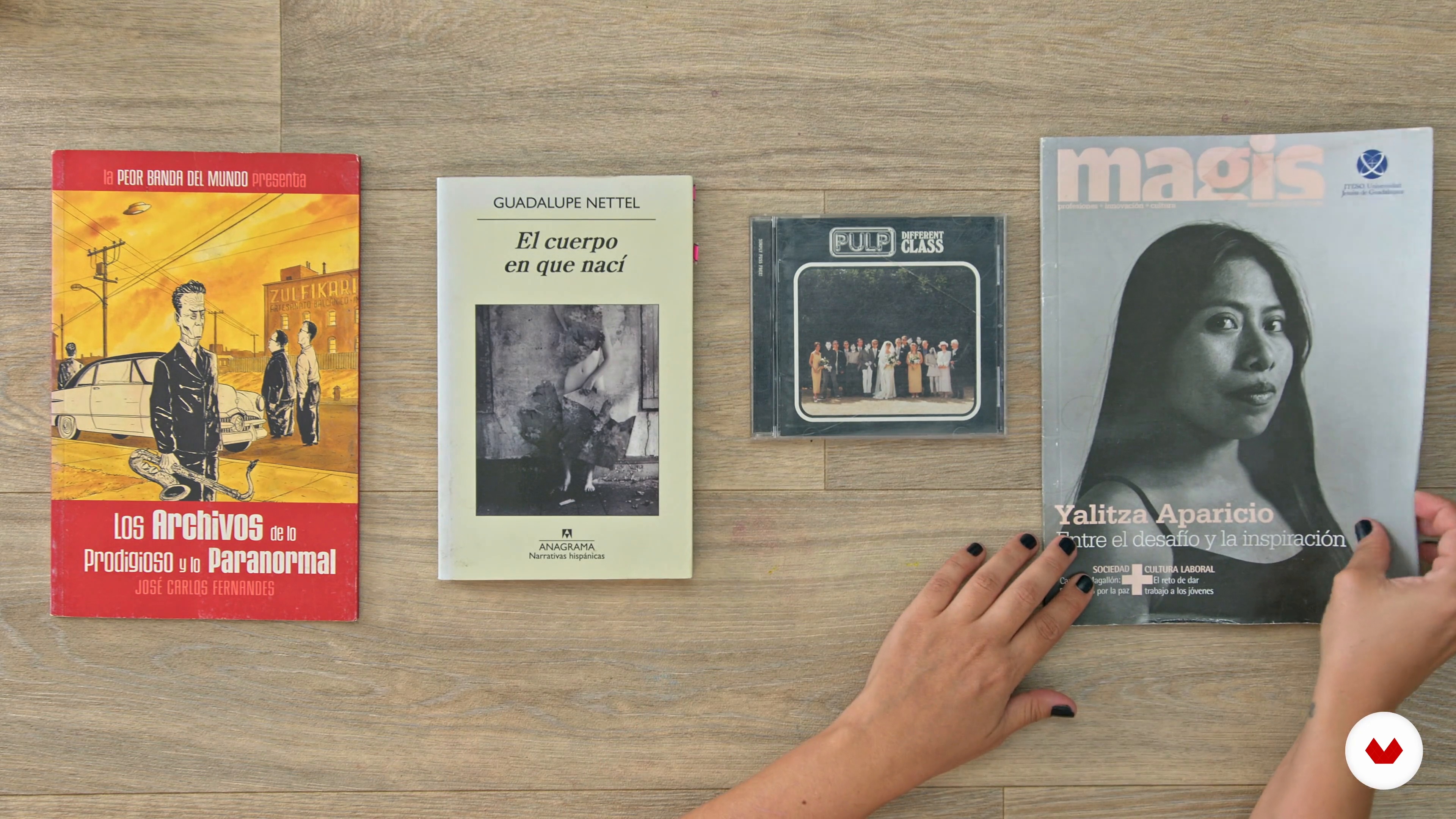
Of course reading influences are a pillar of my work as a writer, but I would be lying if I told you that they are the only ones. Any creative activity is nourished by other disciplines, and writing is no exception, so I also include movies, cartoons, and music.
3m
 2
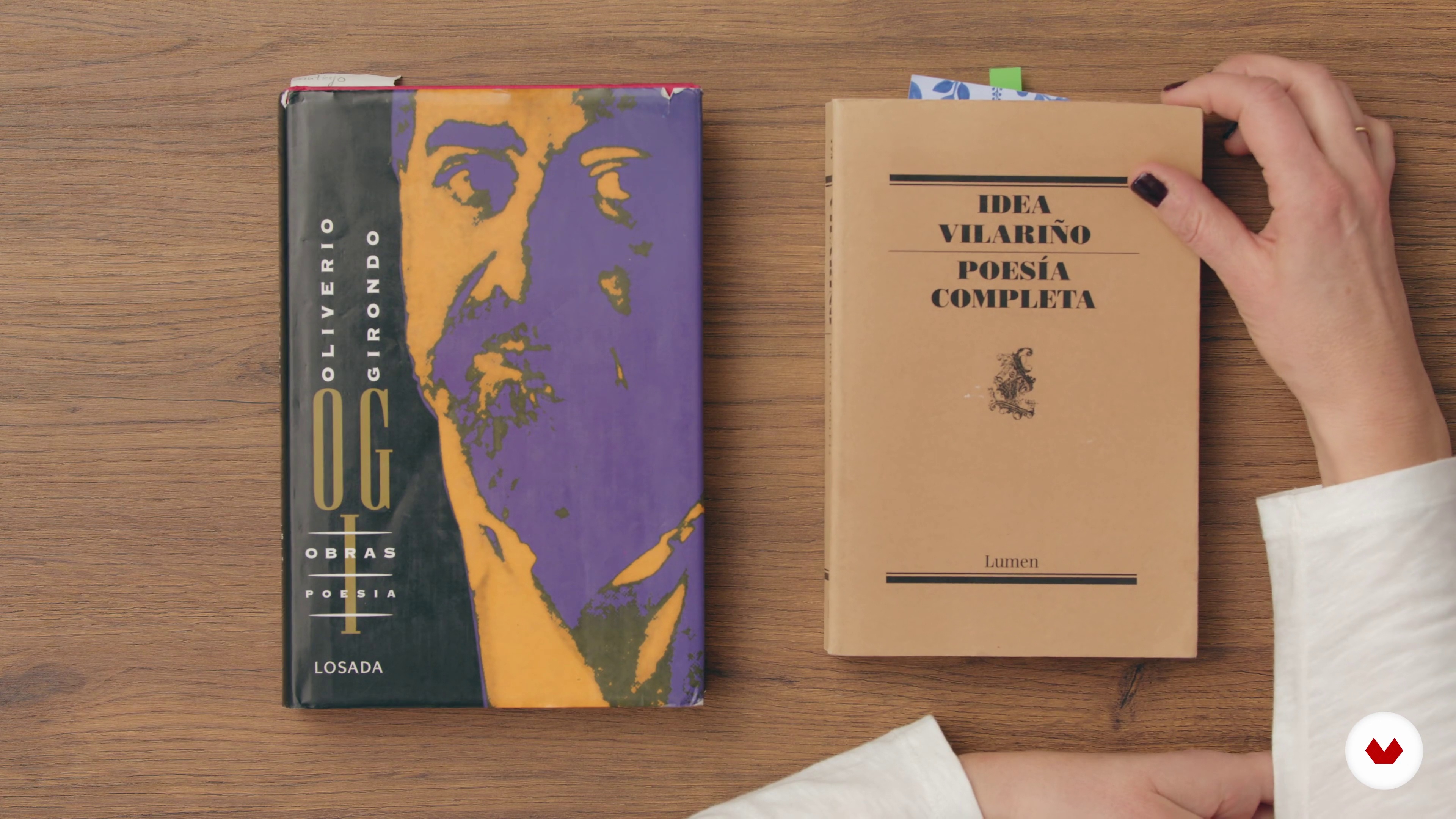
2Influences | Cristina López Barrio 1
I will tell you which writers have most influenced my personal and professional life. How I fell in love with the poet Luis Cernuda and discovered, thanks to my school literature teacher, the novel One Hundred Years of Solitude by Gabriel García Márquez. Our readings are usually present in our writing, especially at the beginning.
9m
 2
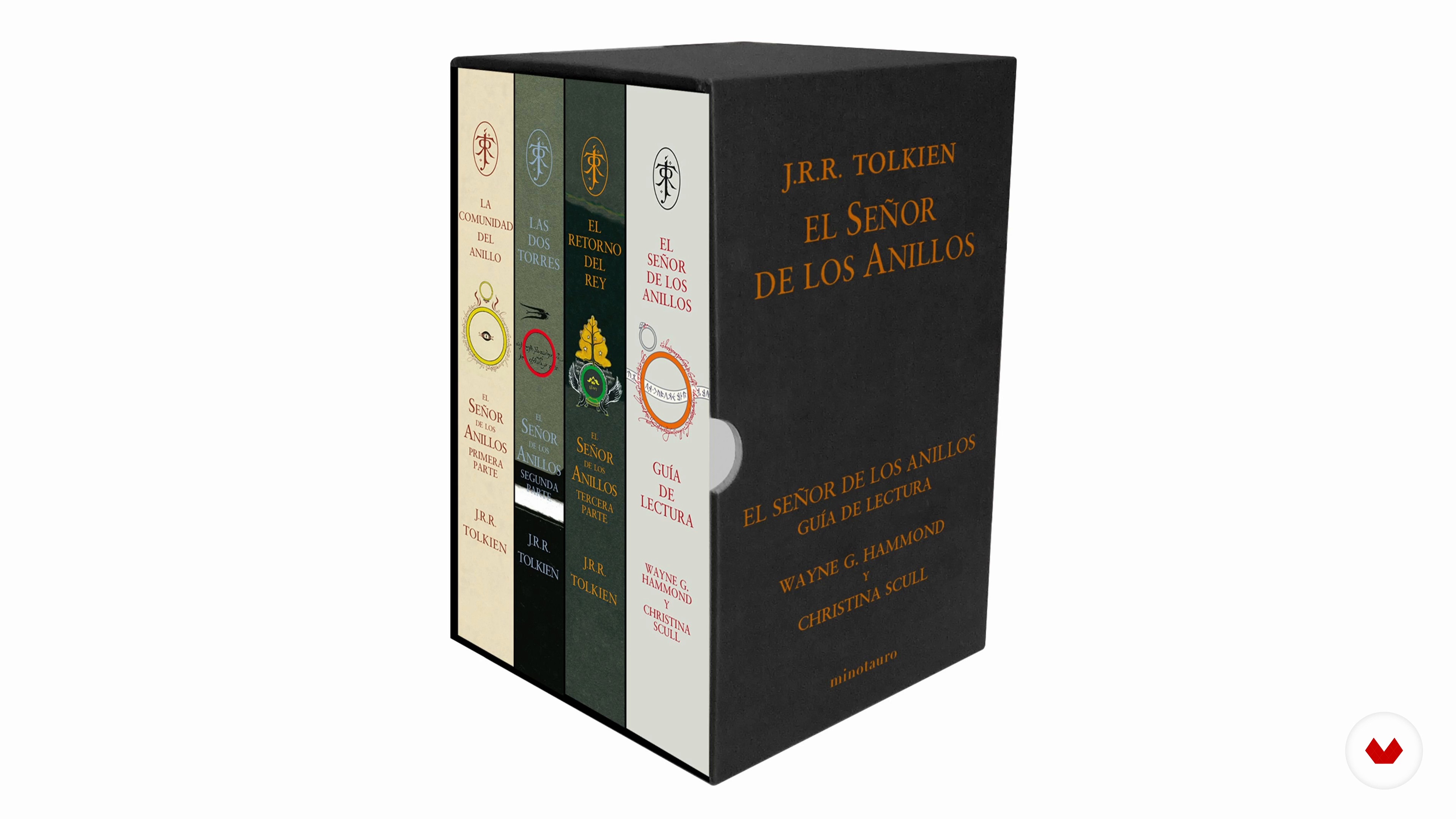
2Influences | Cristina López Barrio 2
I would like to share with you the literary characters that have most influenced me as a person and as a writer. Reading, in addition to being fundamental if we want to write, is a constant source of inspiration. We always drink from other authors and learn from them.
6m
 2
2Influences | Charlie Becerra
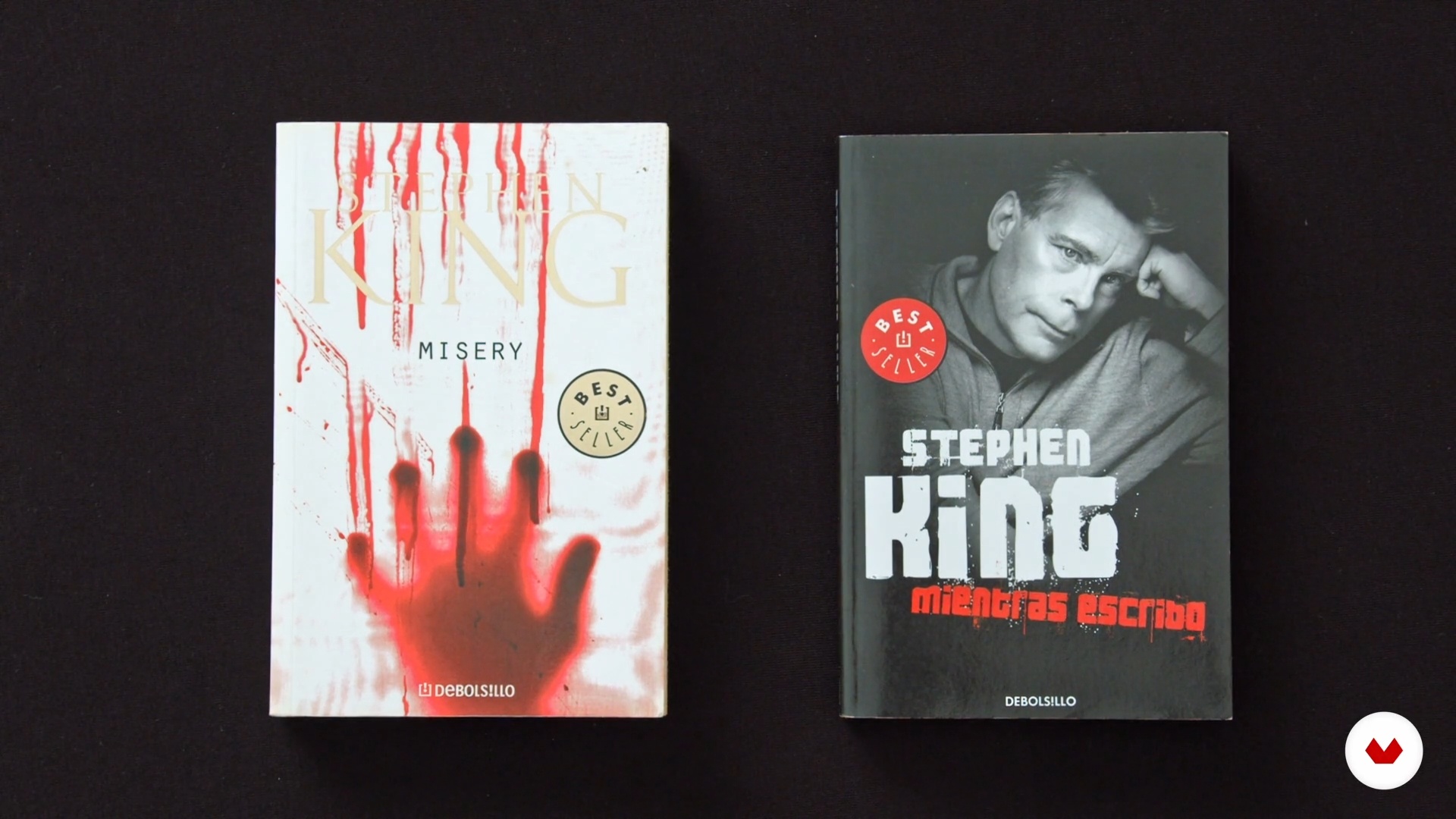
I will tell you about the writers and books that have inspired me the most when writing my own stories. You will surely find valuable aspects in each of them.
7m
 3
3Why is writing an art?
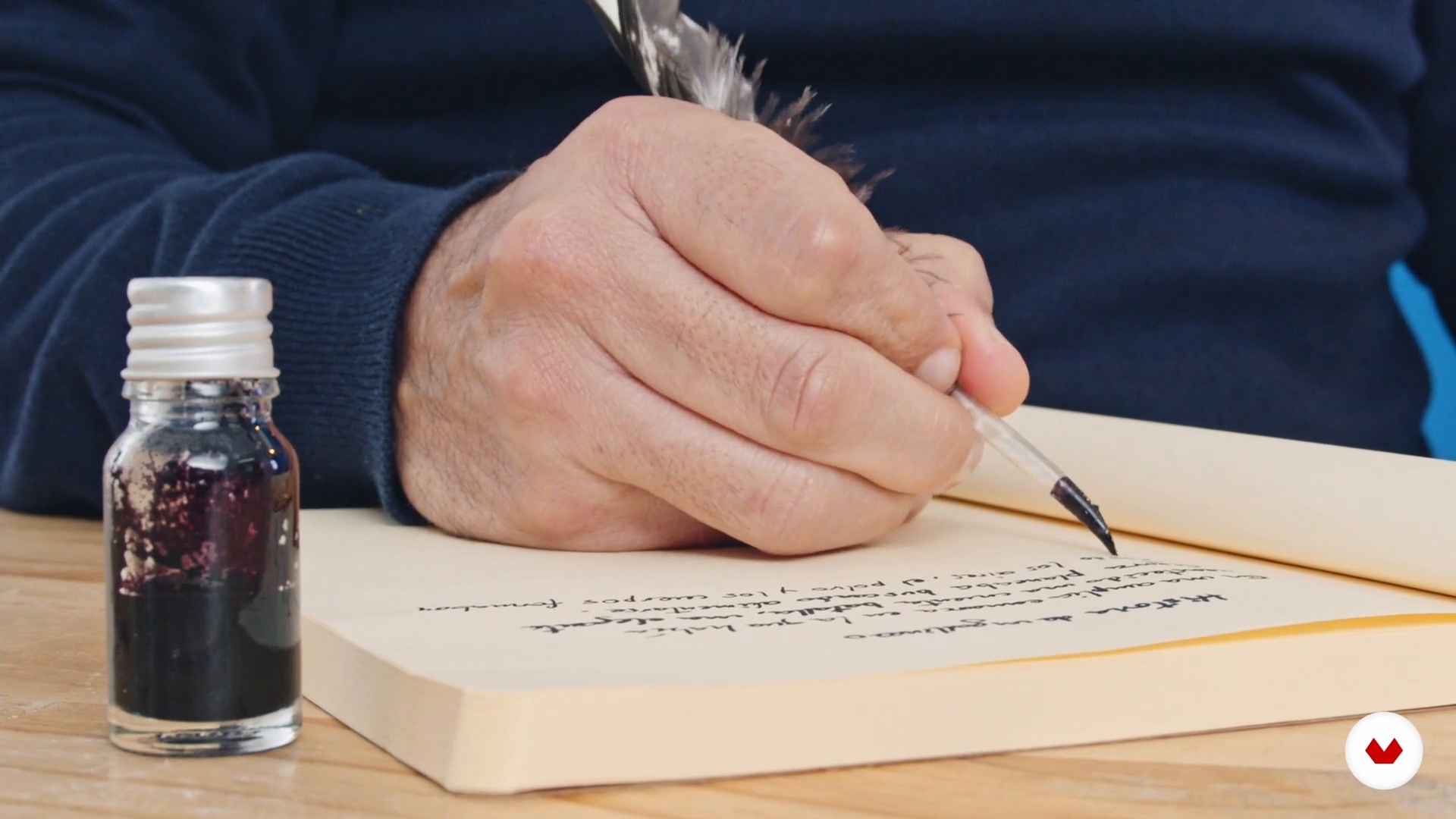
In this lesson you will learn the difference between writing to inform and writing creatively. I'll also tell you about how fiction writing is similar to the illusionism of magicians.
3m
 4
4Writing as a process
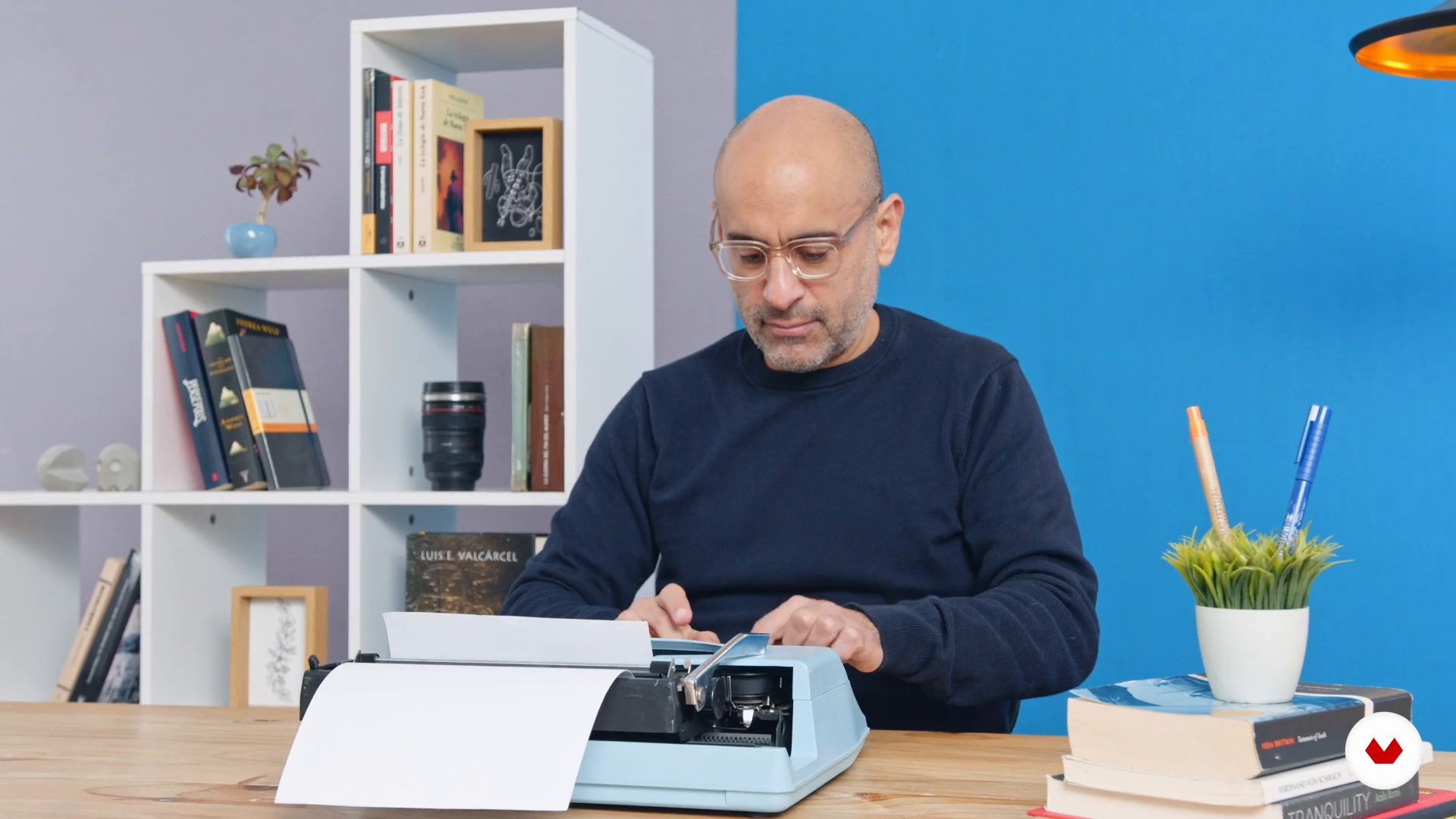
I want to share with you some essential advice and some tools to keep in mind before you start writing.
4m
 5
5Inspiration and choosing a story
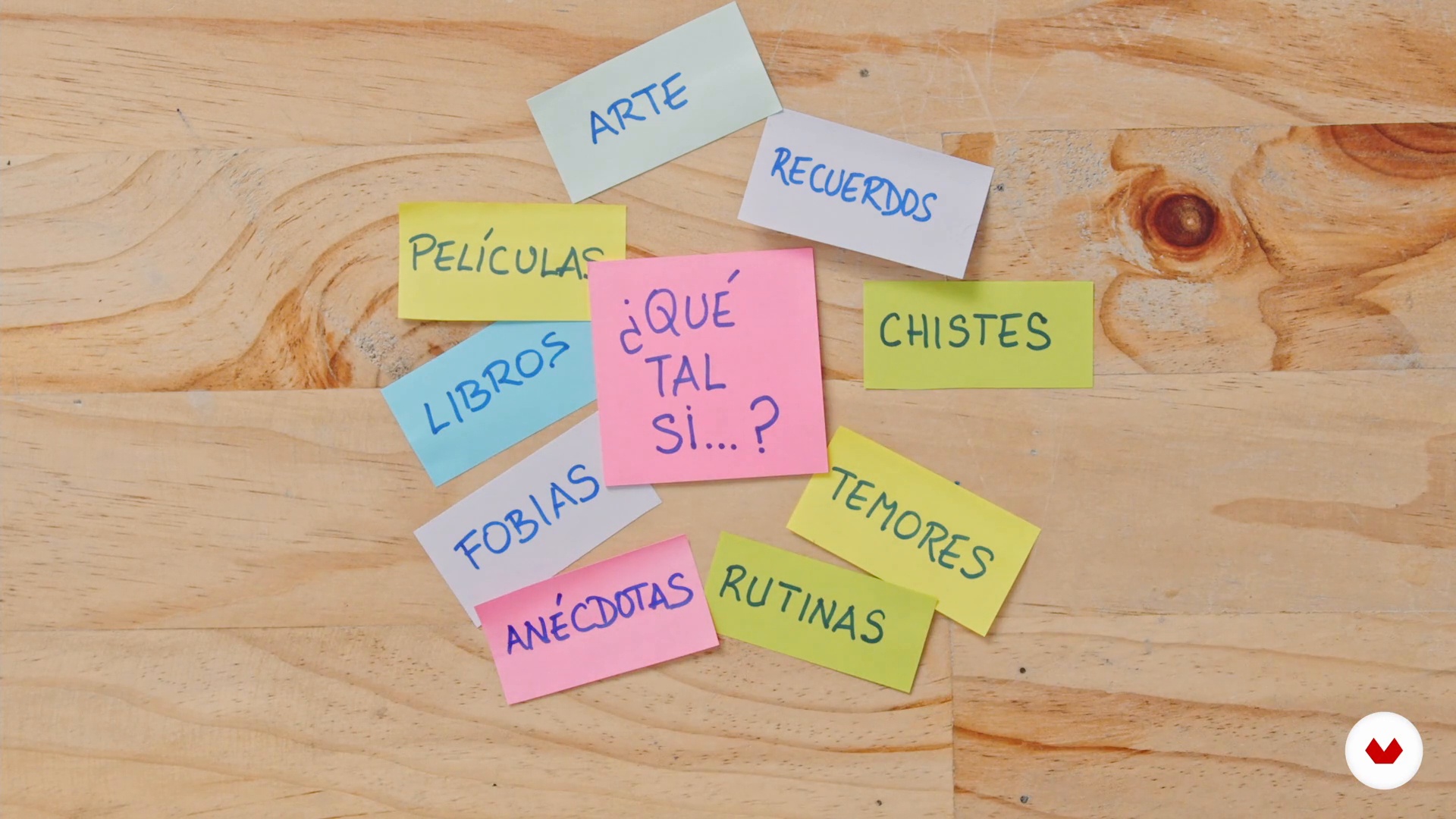
Here you will know what is the raw material that writers use to create their stories. Later, I will tell you how I came up with the idea that I will develop in this project.
2m
 6
6Story basics
In this lesson you will learn the two key notions that every story carries inside: the difference between author, narrator and character, and the importance of conflict.
3m
 7
7Story basics 1
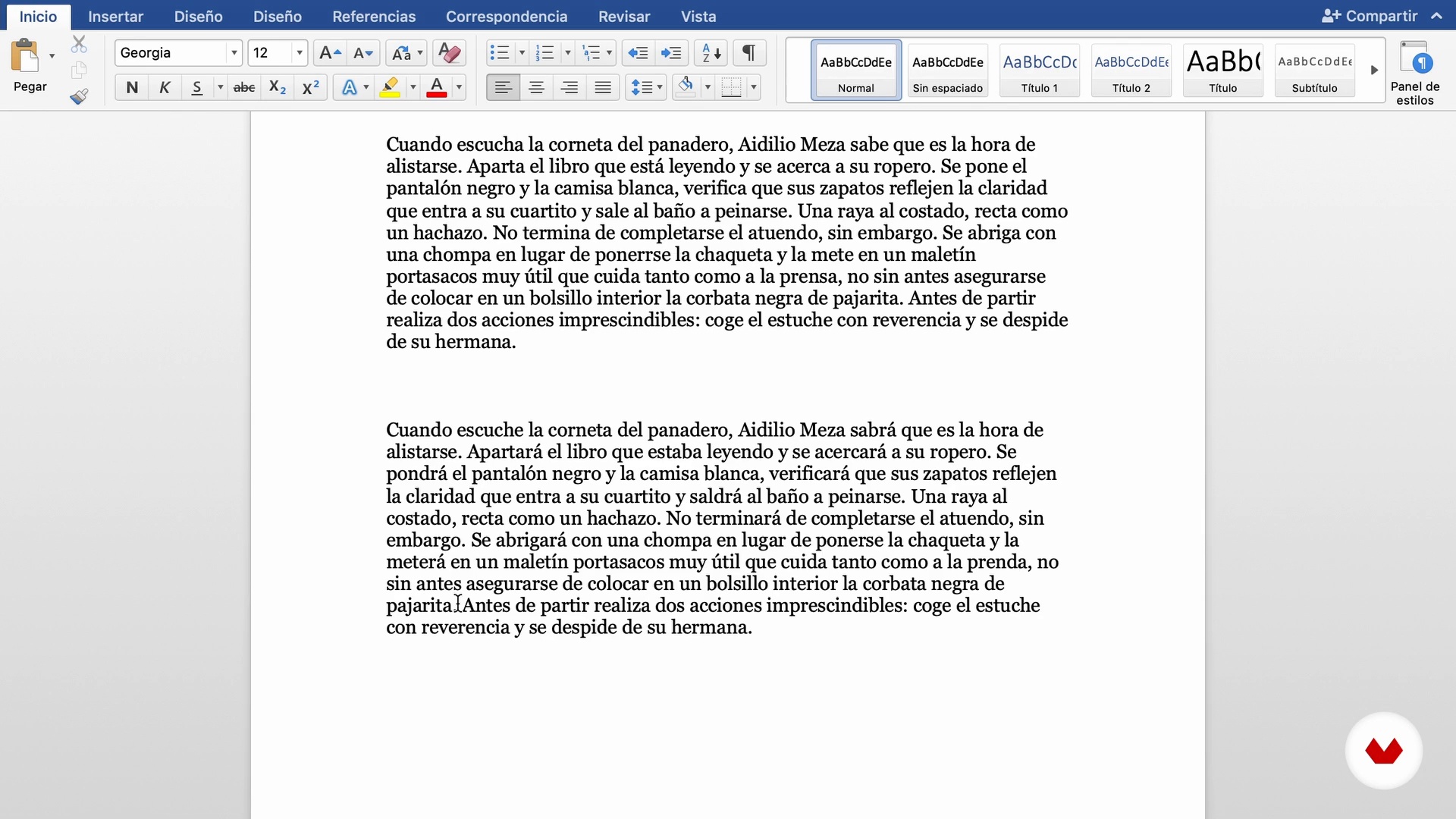
I will begin by teaching you the two elementary pillars that support a story: the type of narrator and the choice of time in the story.
15m
 8
8Story basics 2
Now, I will apply what I have just taught you in my own story. Join me to see how I decide my narrator and the ideal time for my story.
9m
 9
9Character building
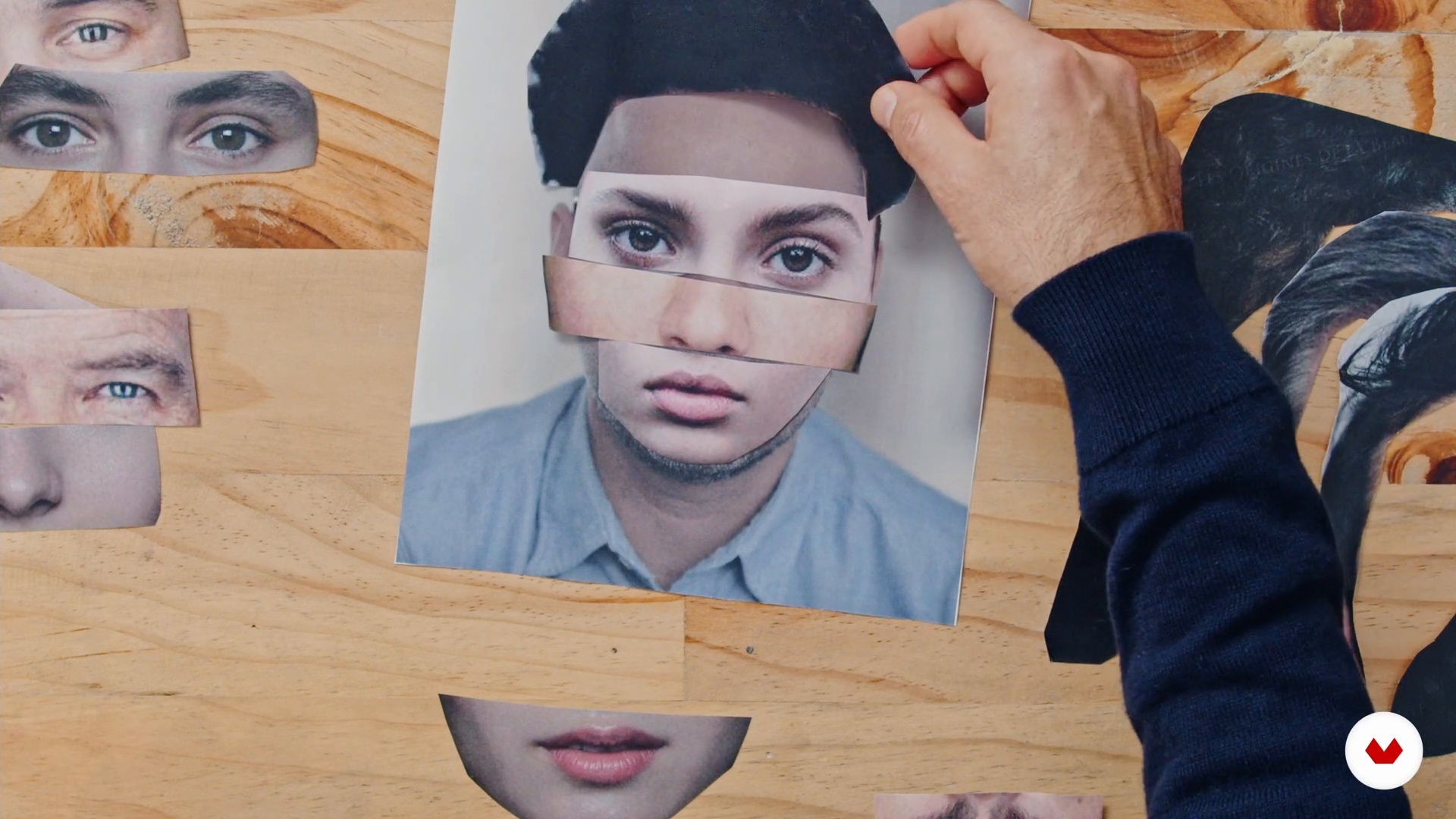
In this lesson you will understand the importance of characters in a story. I will share some questions that you can ask yourself to develop them in a plausible way.
5m
 10
10The creation of the written artifice
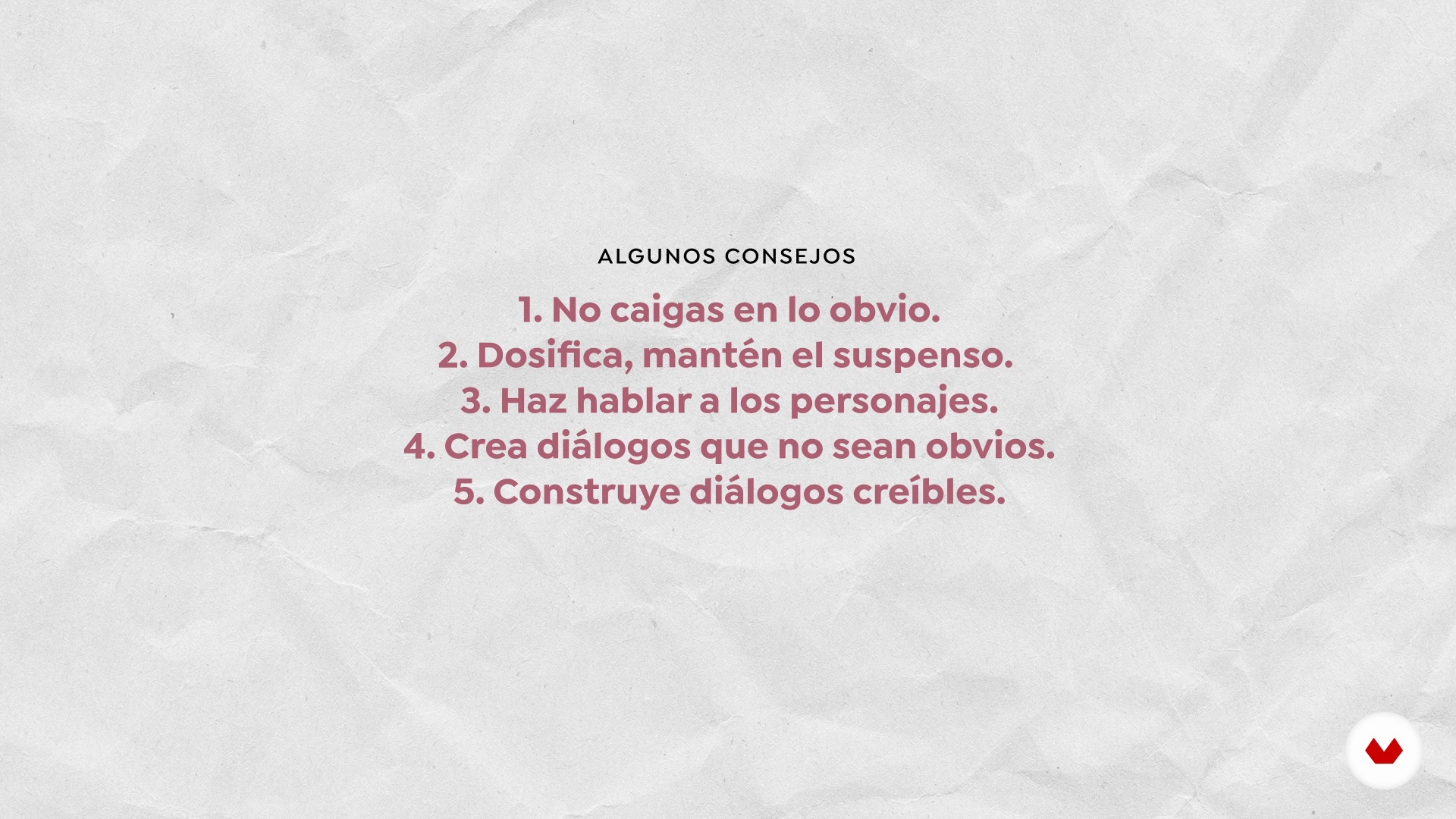
Here you will learn how descriptions and data hiding work, as well as how to use dialogue to make your story more vivid.
11m
 11
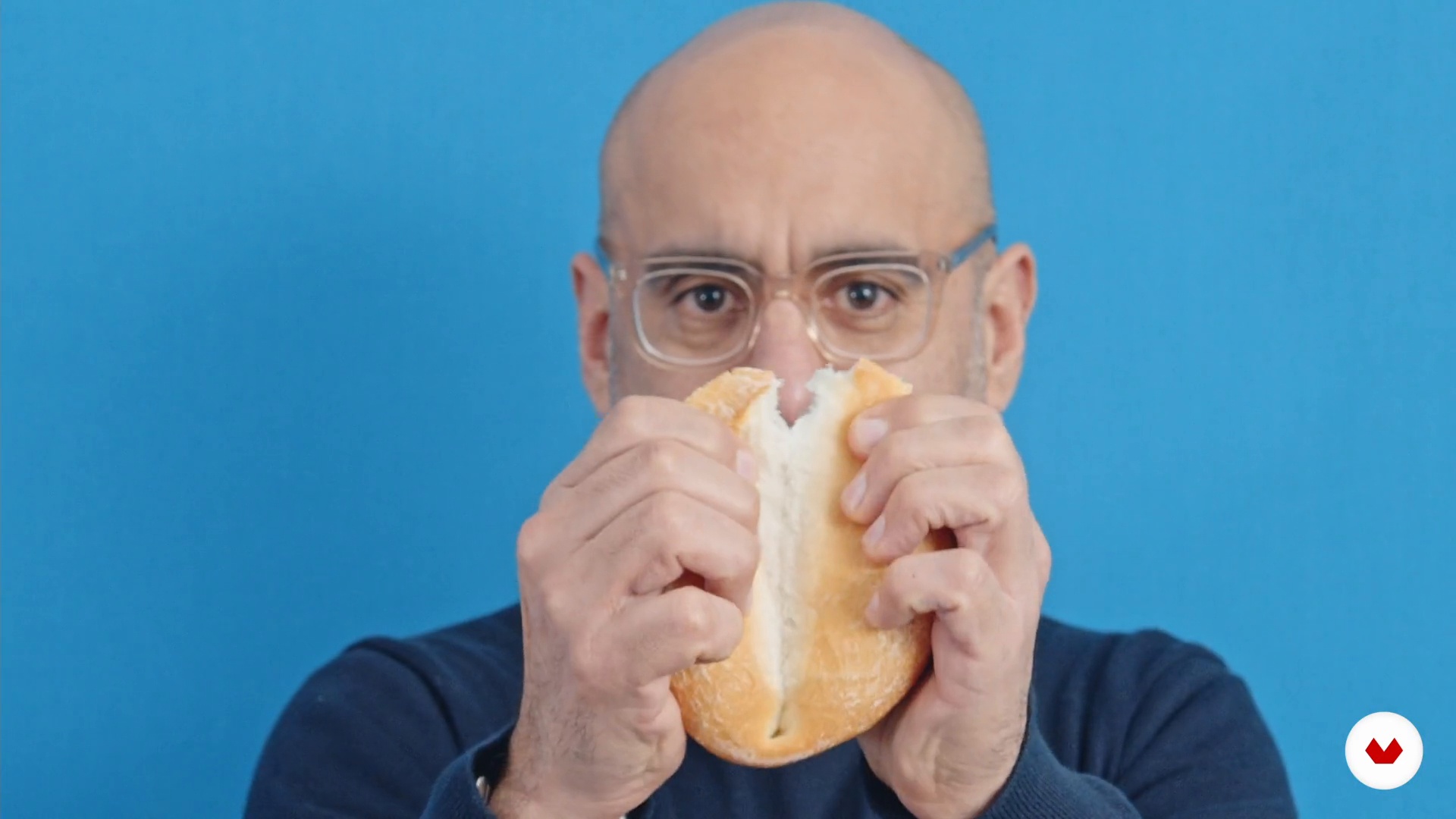
11Sensory elements that provide
Finally, I will teach you how to create effective atmospheres that involve your reader in the story.
7m
 12
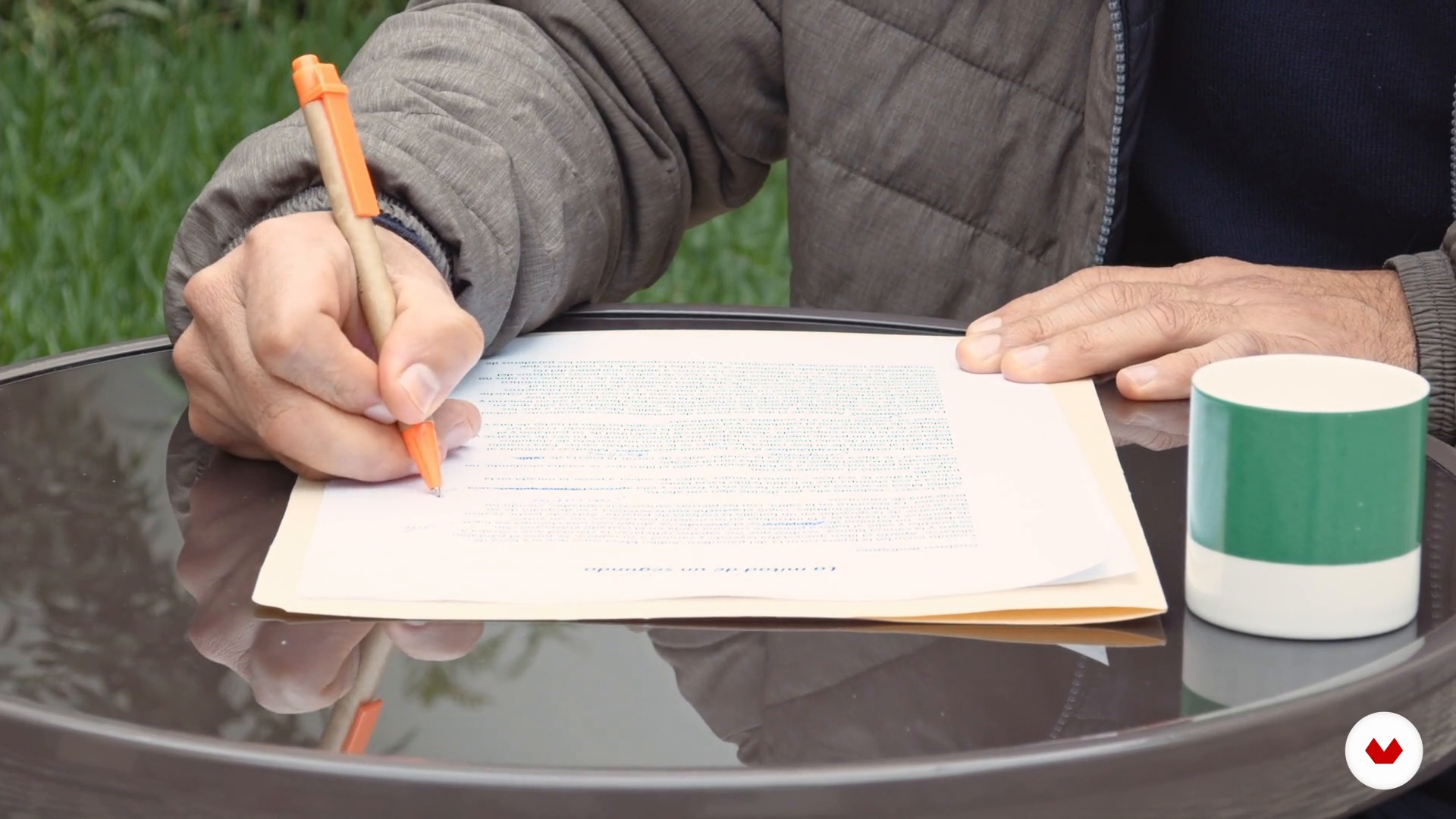
12The correction
In this lesson I will share some aspects to take into account when correcting your text.
8m
 13
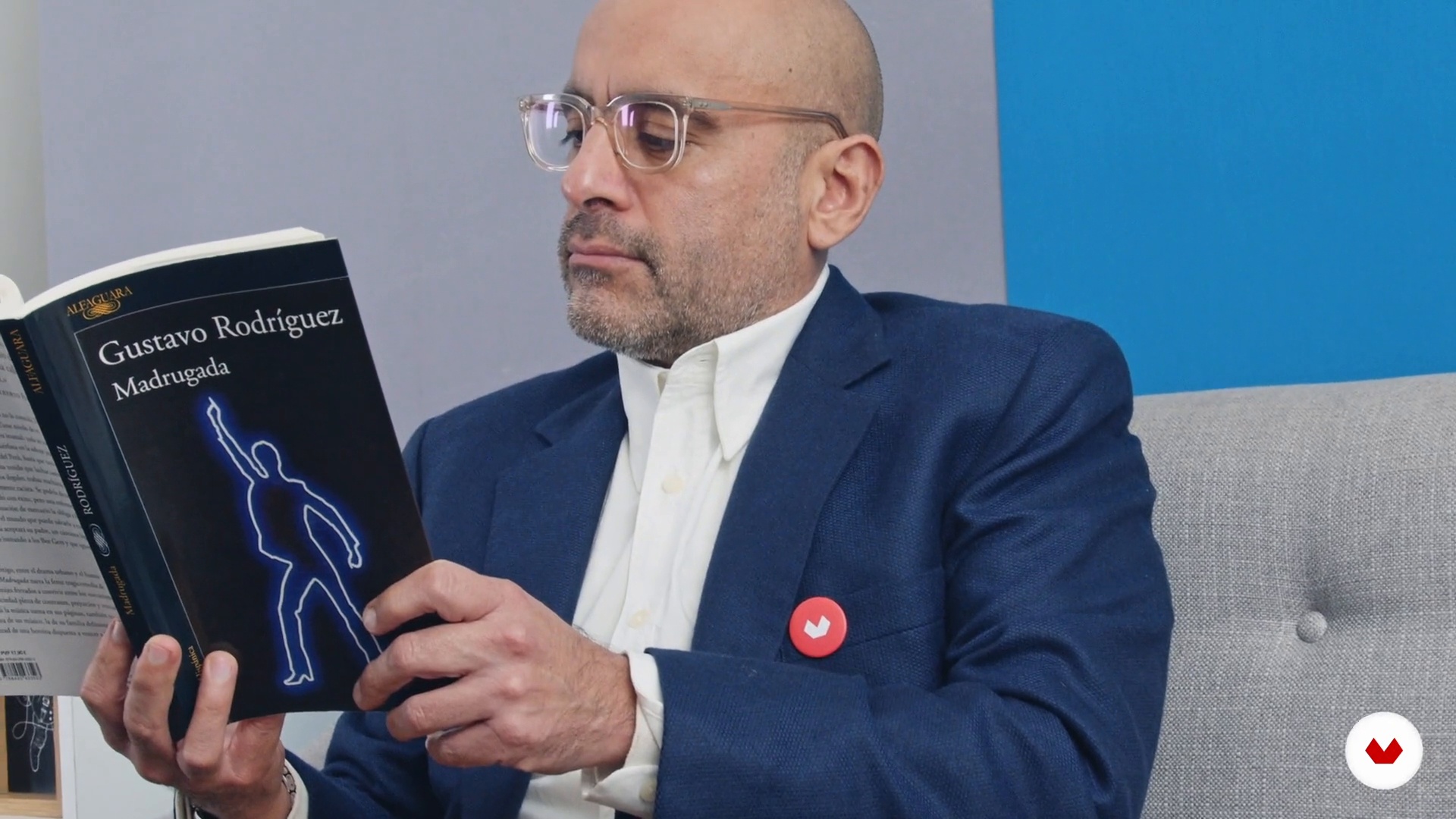
13Publication of your text
Congratulations, you finished your text! And now, what's next? Here I give you some clues.
3m
 3
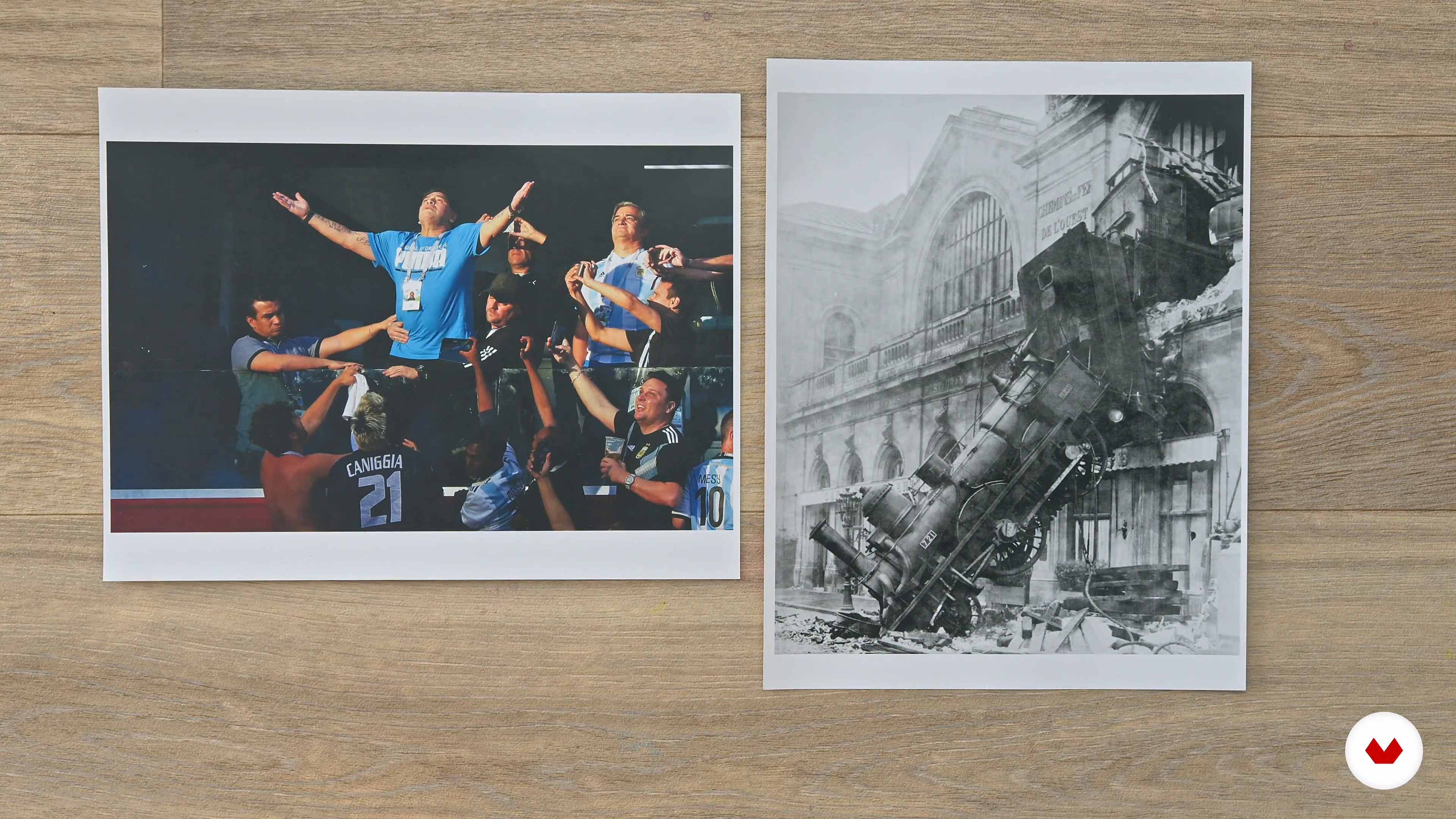
3Why Do We Tell Stories?
In this lesson I will tell you where stories are born, when a person decides they want to write one, and the inspiration that ignites it.
3m
 4
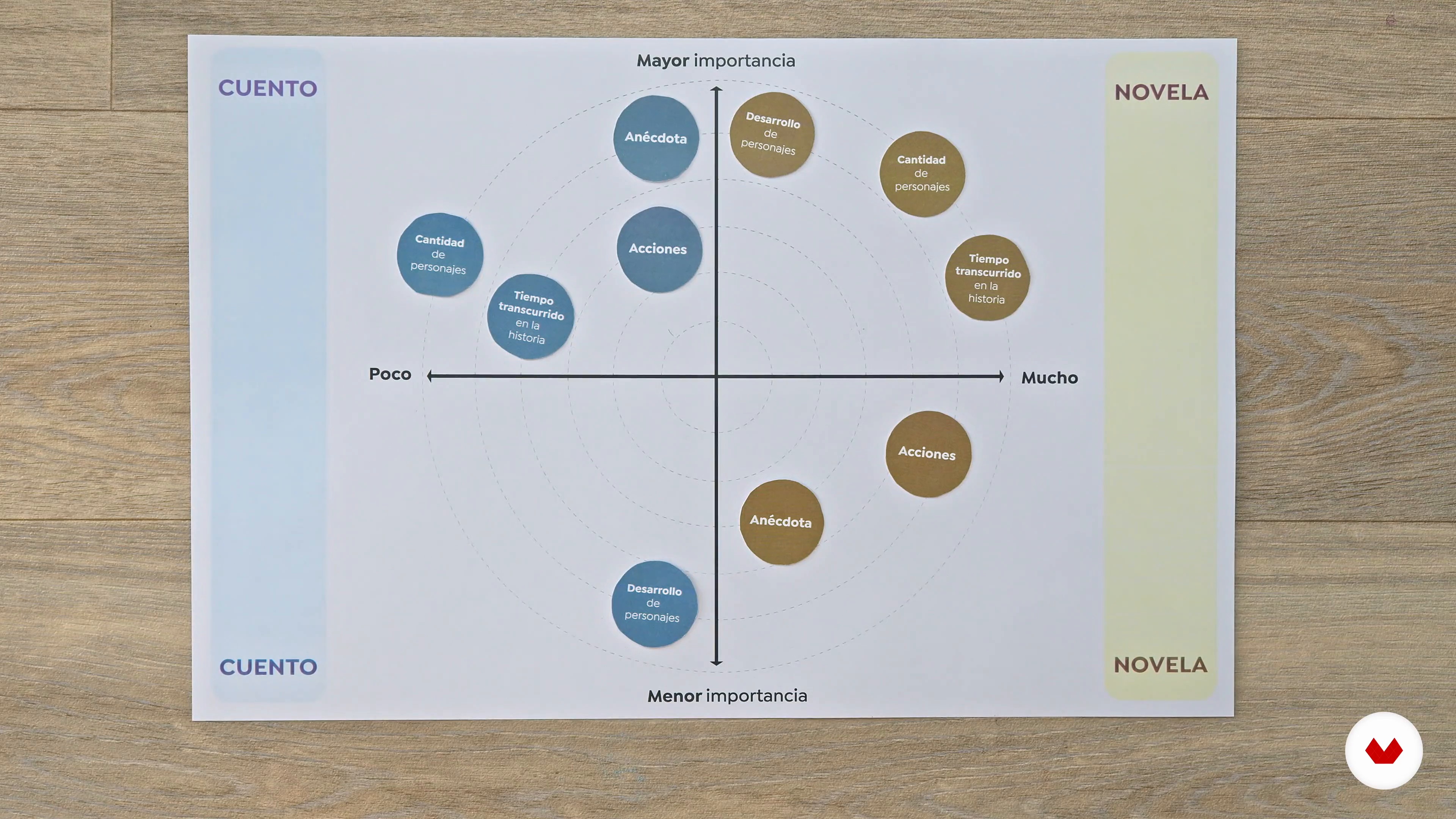
4The Shape of Stories
I will talk about the differences between a novel and a short story to begin to discern why a story works better in one and not in the other, and vice versa.
6m
 5
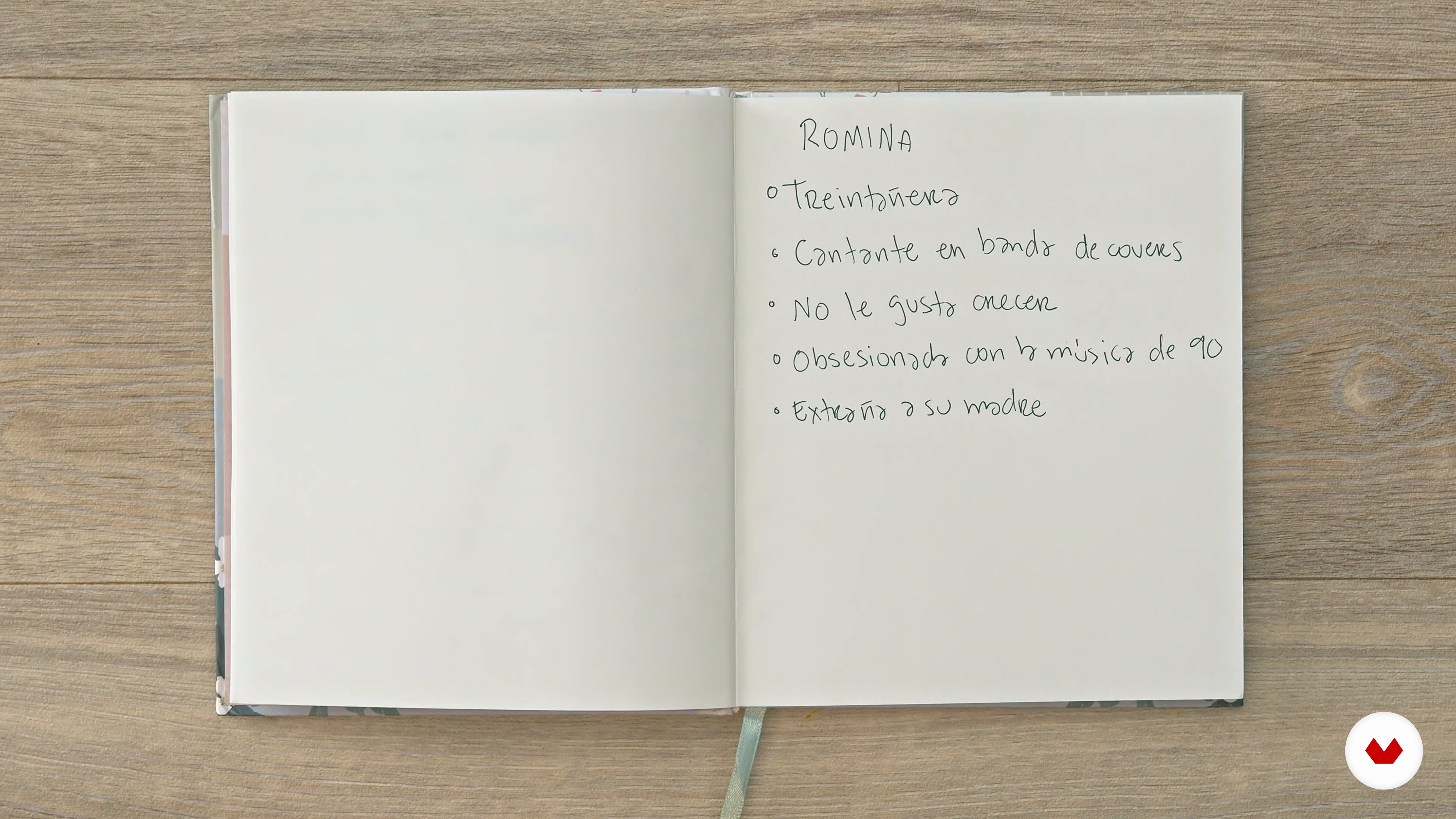
5The Seed of Storytelling and the Map of the Greenhouse
Now I will talk to you about how to start recording a story, from the moment it occurs to you until you take materials for its first shoots.
9m
 6
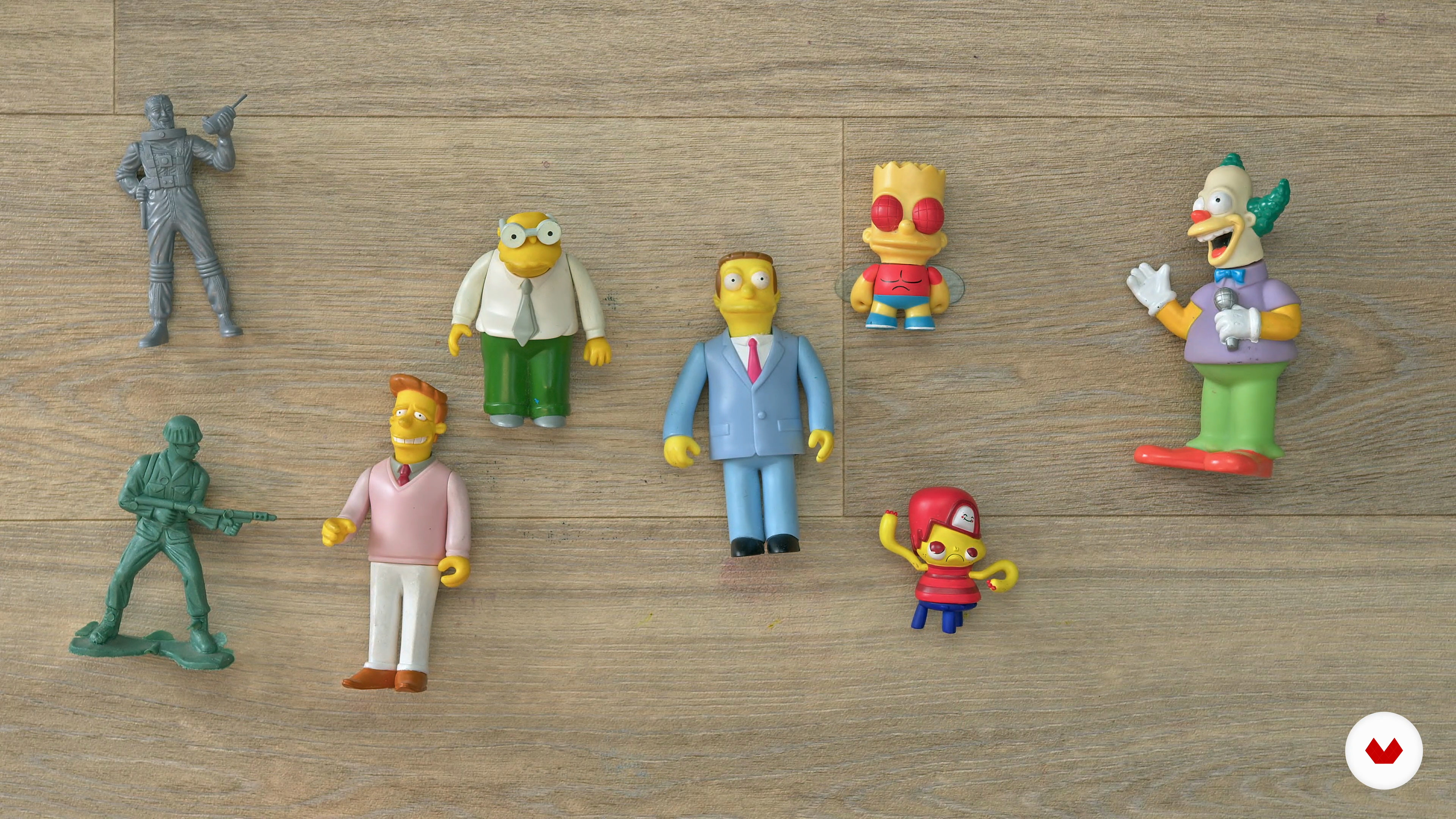
6History, History, Are You There?
Where do the stories come from and what can you do to give them a good birth? The world is full of stories, you don't necessarily have to make one up from scratch, but you can start with what's at hand.
8m
 7
7Narrator, Journey, and Creation of a World
In this lesson I am going to explain how and why it is important that you define what your protagonist is like, the characters that will accompany him and the space and time in which the story will unfold.
7m
 8
8Action and Structure
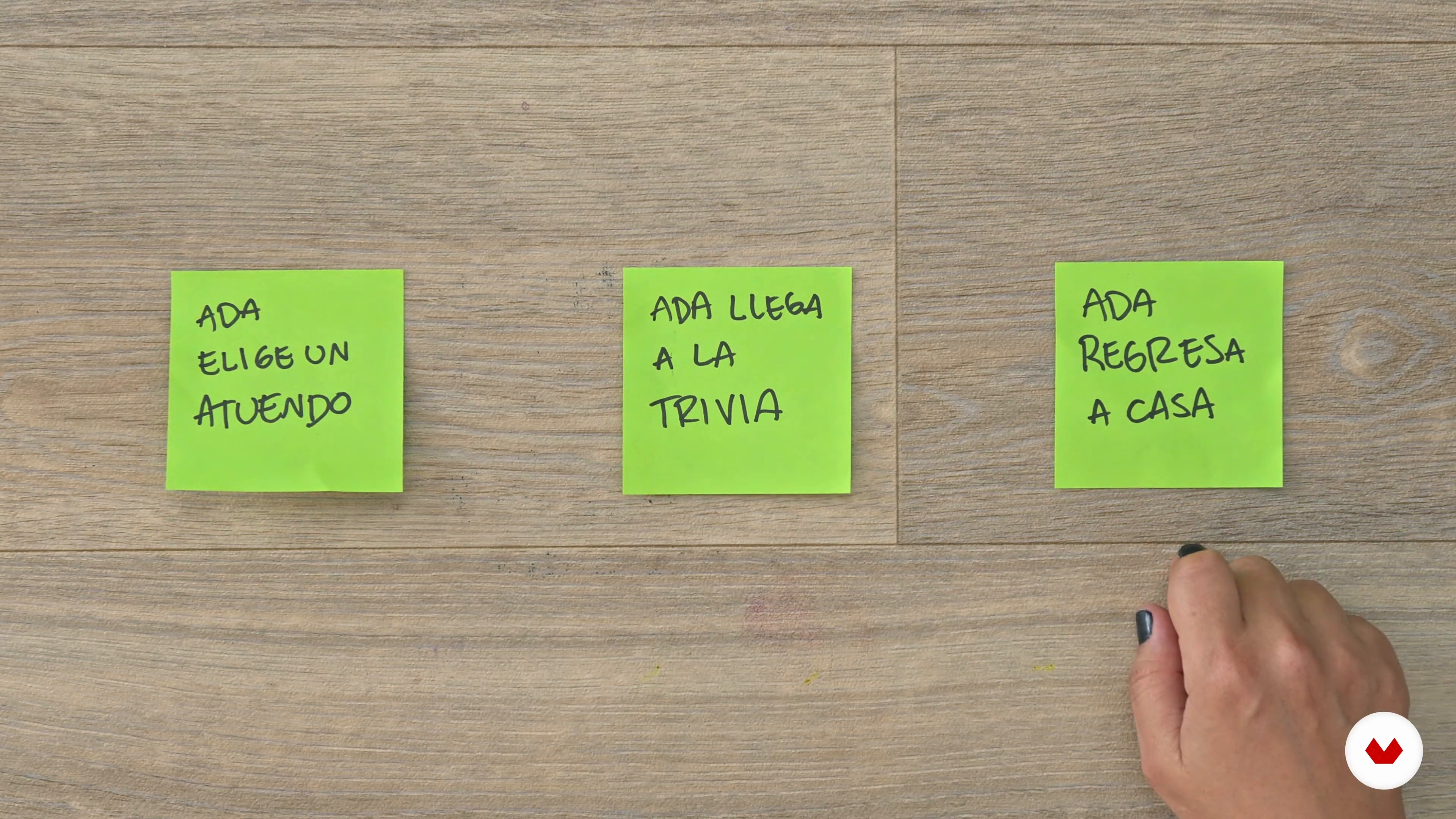
What will happen to your protagonist and other characters? Where will you start the narrative? In this lesson you will learn to break down your story into actions and the main parts of any narrative: beginning, middle and end.
6m
 9
9The Story Test
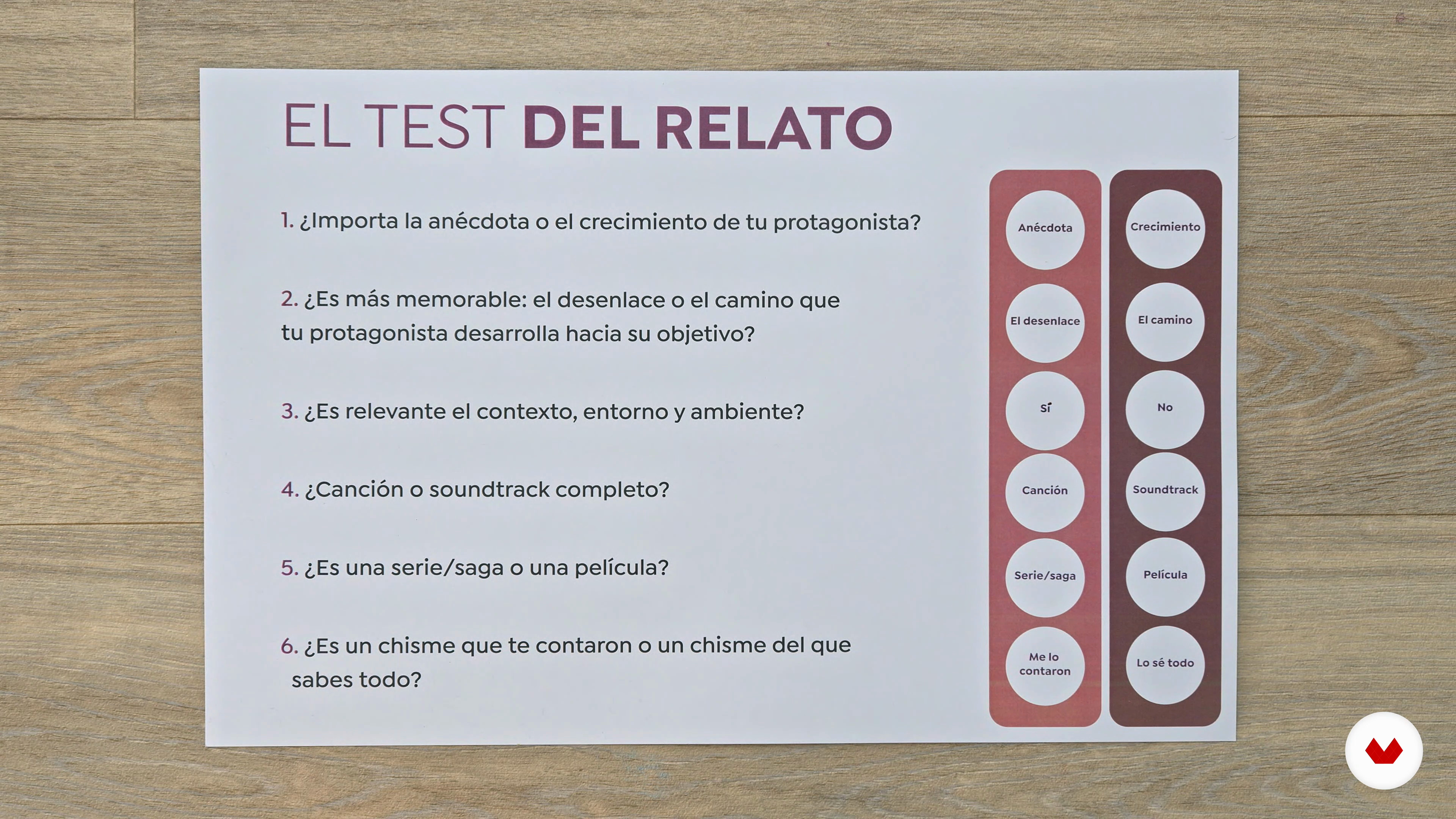
You already have the elements of your story, so enough of beating around the bush and let's answer the most important question: is your story a short story or a novel?
5m
 10
10If Your Result Is a Story, It's Time to Write It Down!
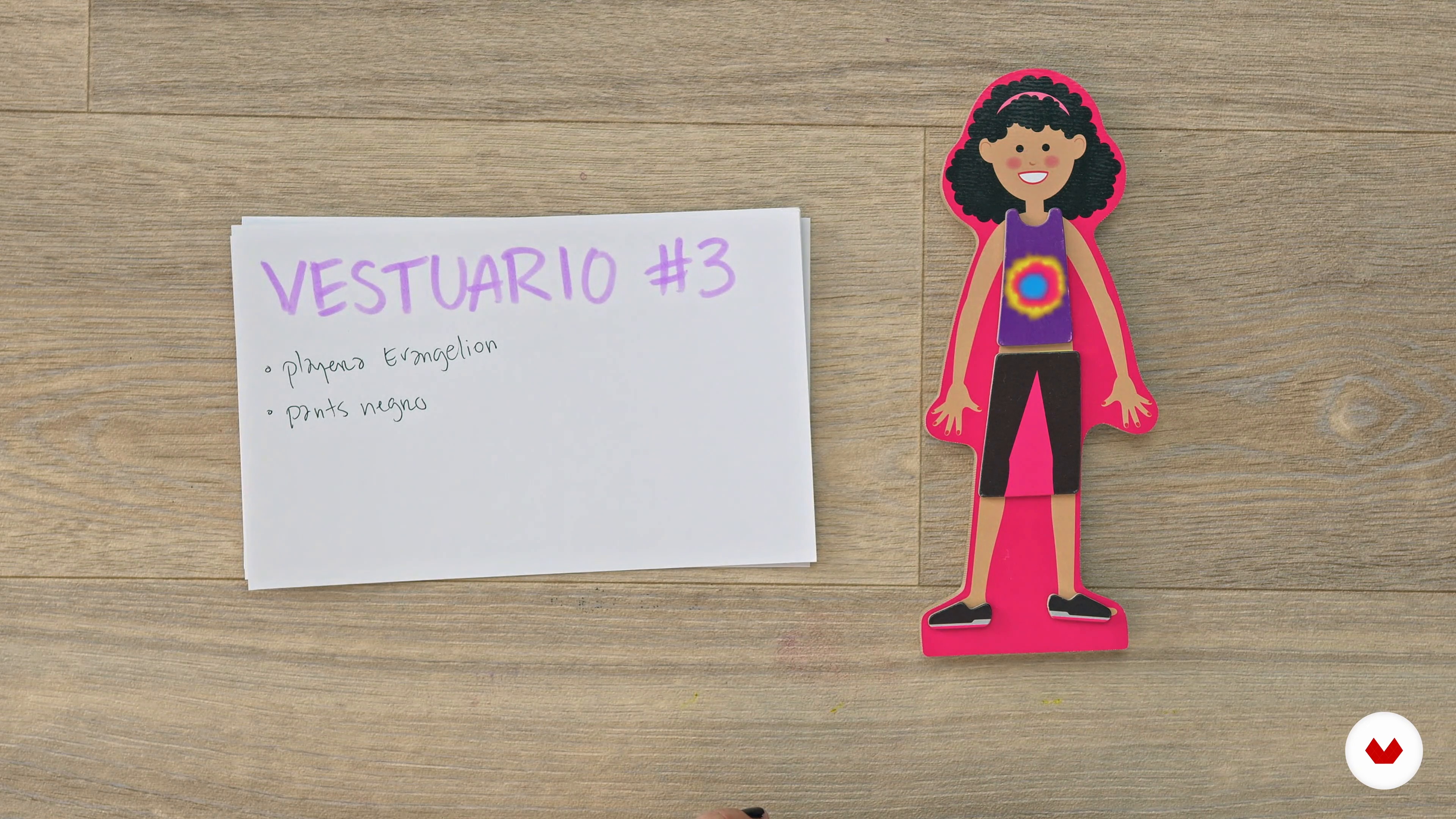
It's time to sit in front of the computer with your rundown or story guide and write that story that already has a skeleton.
10m
 11
11If Your Result Is Novel, What Do You Expect?
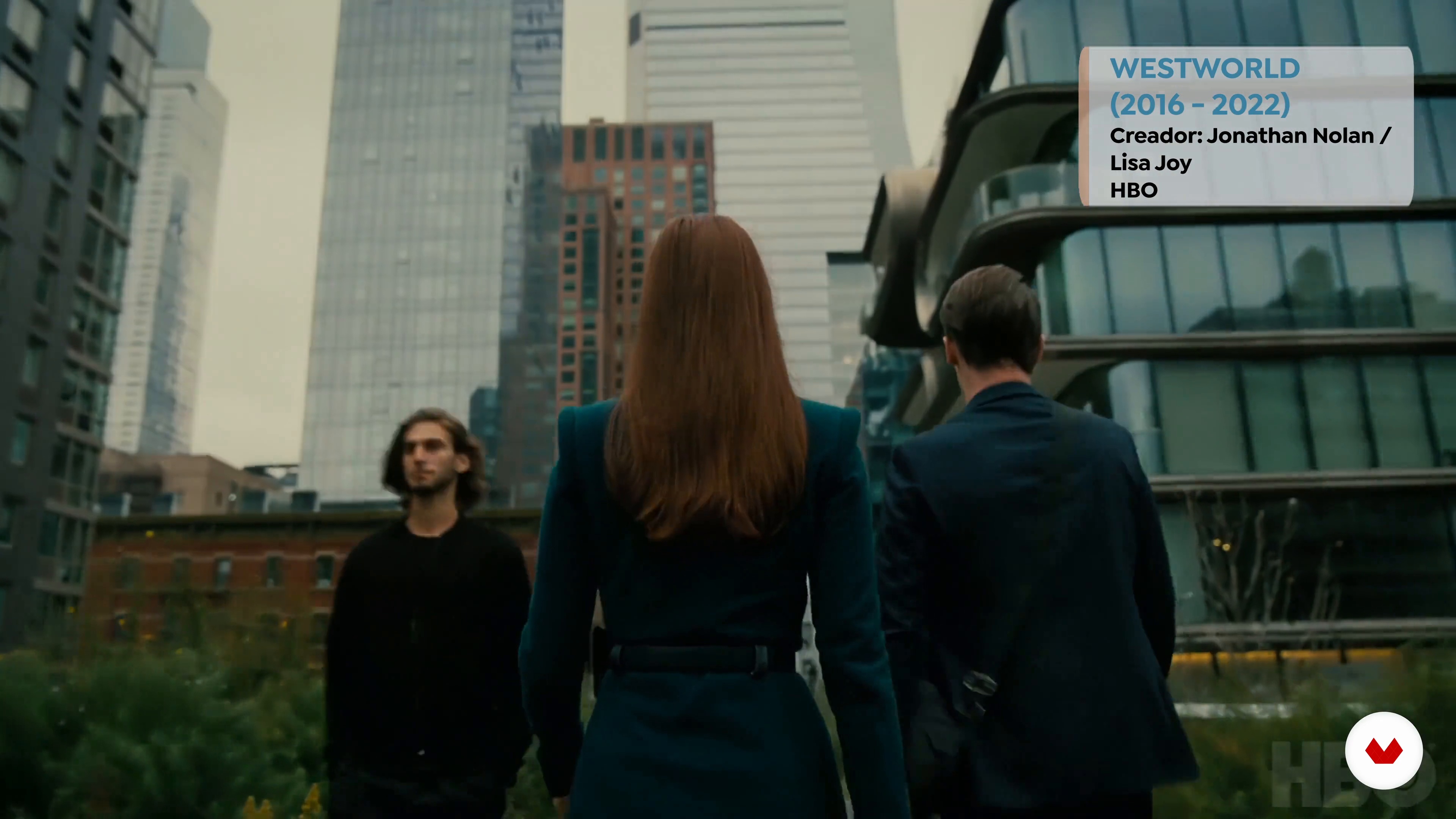
Wow, wow. The test tells you that the story can be a novel. So, to get down to work, here I will give you some tips to start it.
10m
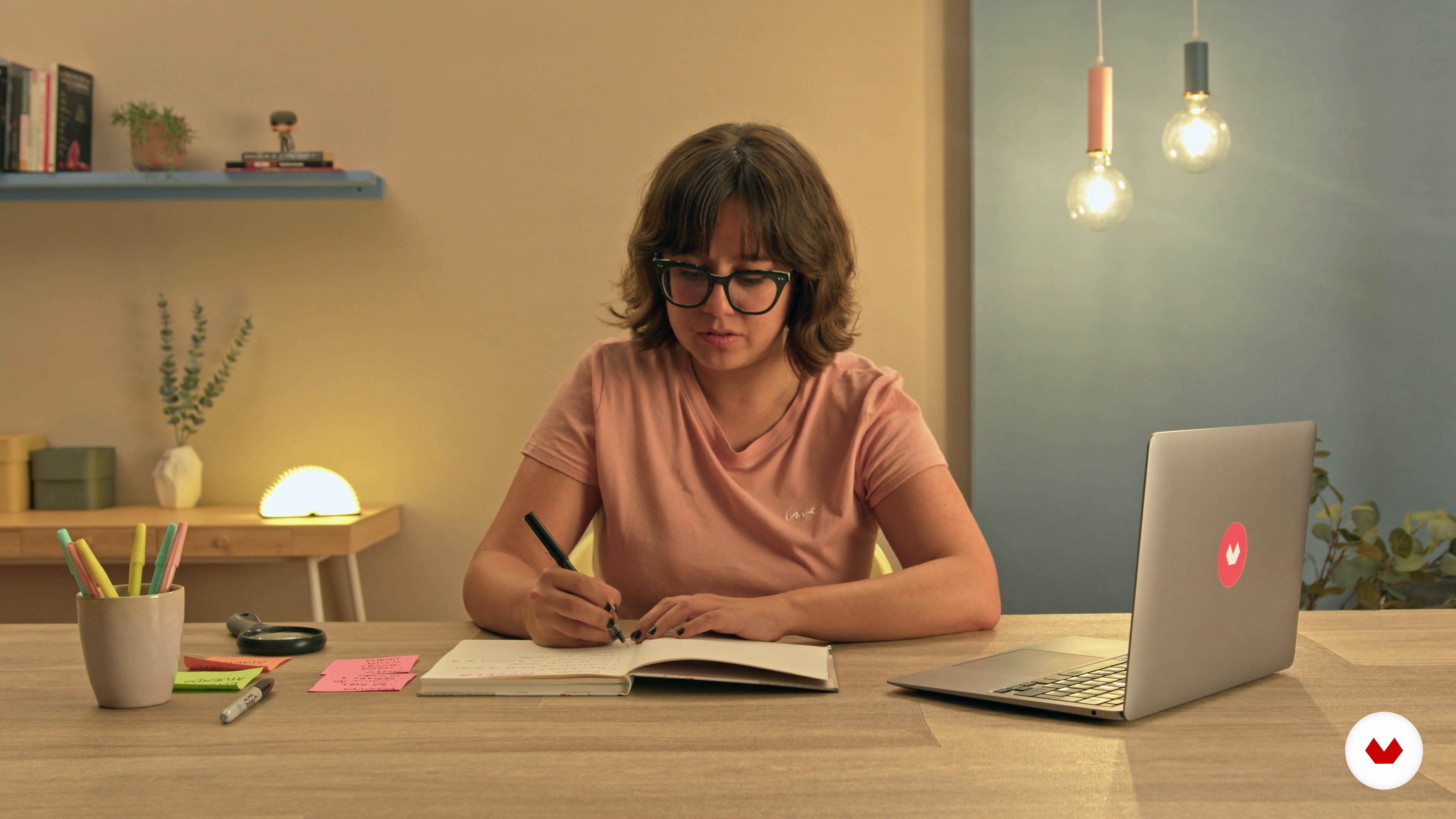 12
12The Writer's Routine: Write, Correct, Publish, and Write Again
What is it like to live from writing? Wait: is it possible to live from writing? Does a person write and the contracts to publish fall from the sky?
7m
 3
3Materials 1
In this lesson I will tell you about the materials that I propose to use in the course. There will be two notebooks, one to exercise your creativity and go hunting for new ideas, and the other where you will work on the structural elements of a novel.
14m
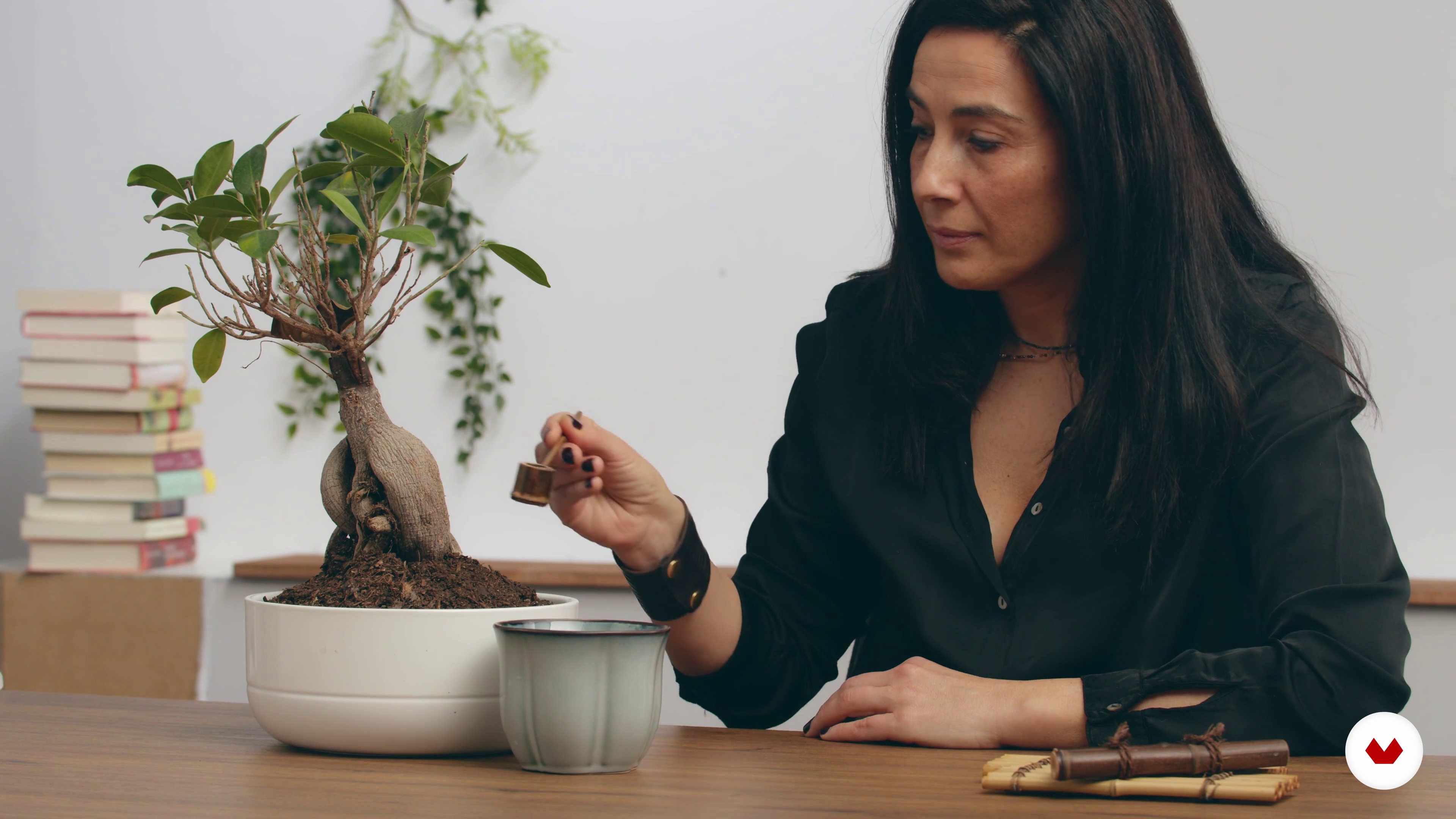 4
4Materials 2
In this second part of the lesson, I will explain the importance of the rituals that you can create to help you cross the threshold from the everyday world to the world of creation.
6m
 5
5Imagination 1
We are going to let go of the crazy woman in the house who is our imagination. To do this, we will try to get rid of the blocks that affect our creativity and hinder the development of all the potential that we carry within. It is time to shut up our critical and censorious side, to enjoy and have fun in this first phase of creation, where we can overcome our limits and censorship, it also allows us to create original ideas related to ourselves.
20m
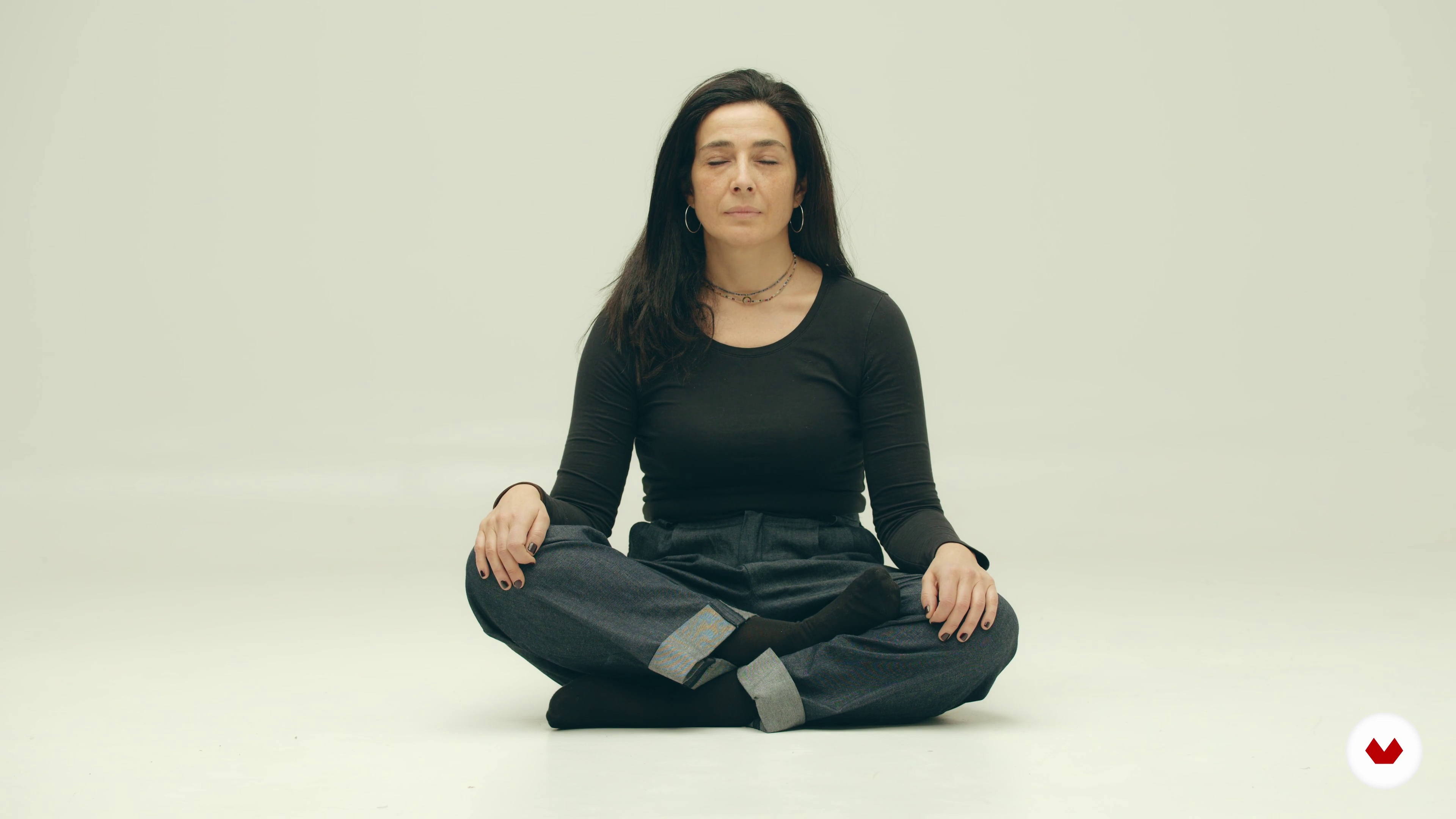 6
6Imagination 2
Now what I propose to do is an exercise to unlock creativity, to try to take away what we have seen: fear, need, usefulness and leave everything behind. I'm going to tell you what works for me, what works for me and what I like to do, is to make a transition between the everyday world and the creative. I suggest you join me and try these exercises.
12m
 7
7Looking for Us 1
It is time to access our unconscious, our child self, to use divergent thinking instead of convergent. It is time to have fun, to play, to meet up, to decide what we are going to write about, what interests us, what excites us or terrifies us. It is time to go in search of our inner world.
11m
 8
8Looking for Us 2
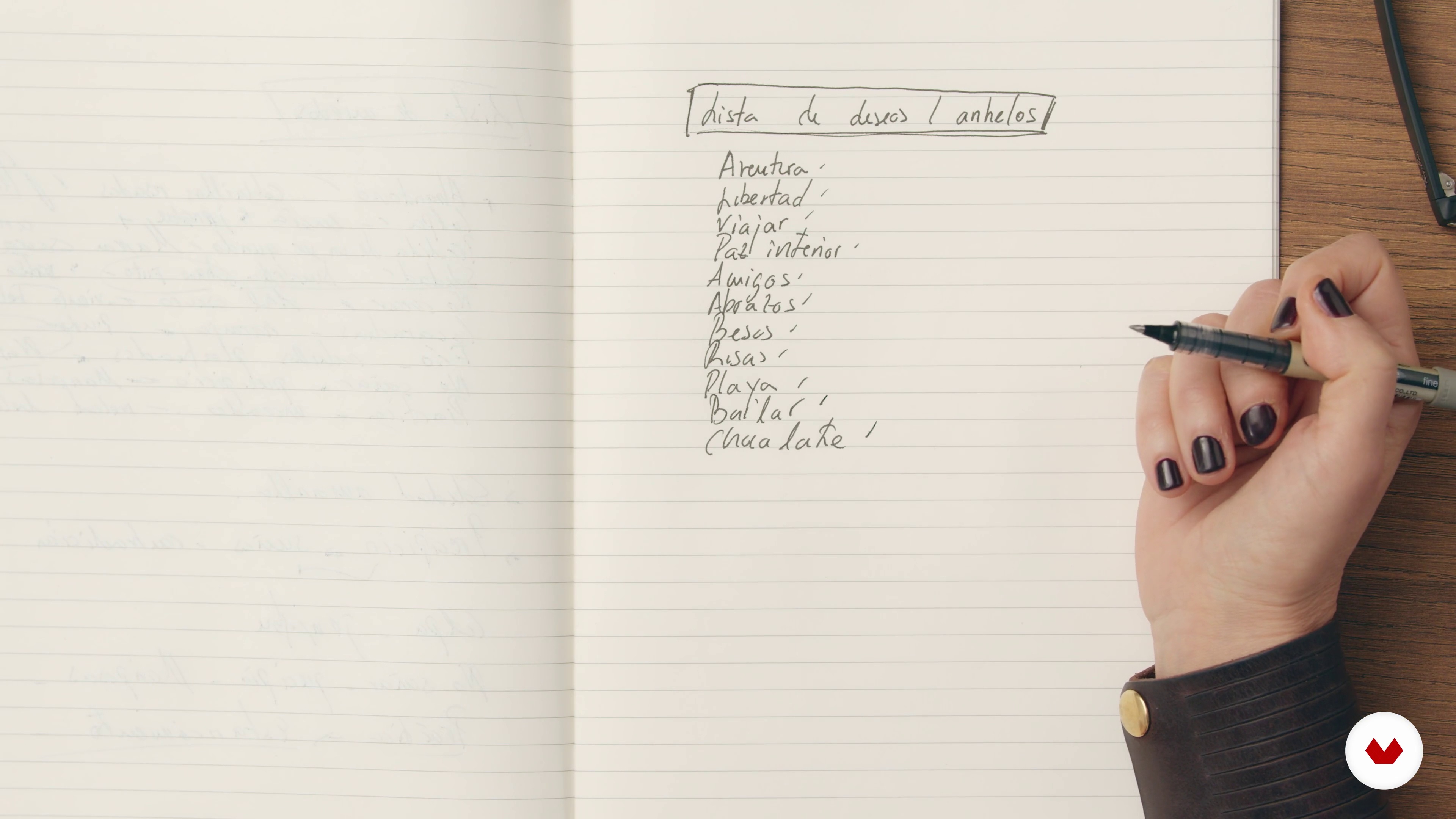
I will show you the process I go through to access my unconscious. Also, I will share with you some of the things that are on my wish and wish list that were the result of the method I used.
9m
 9
9Theme, Idea and Plot 1
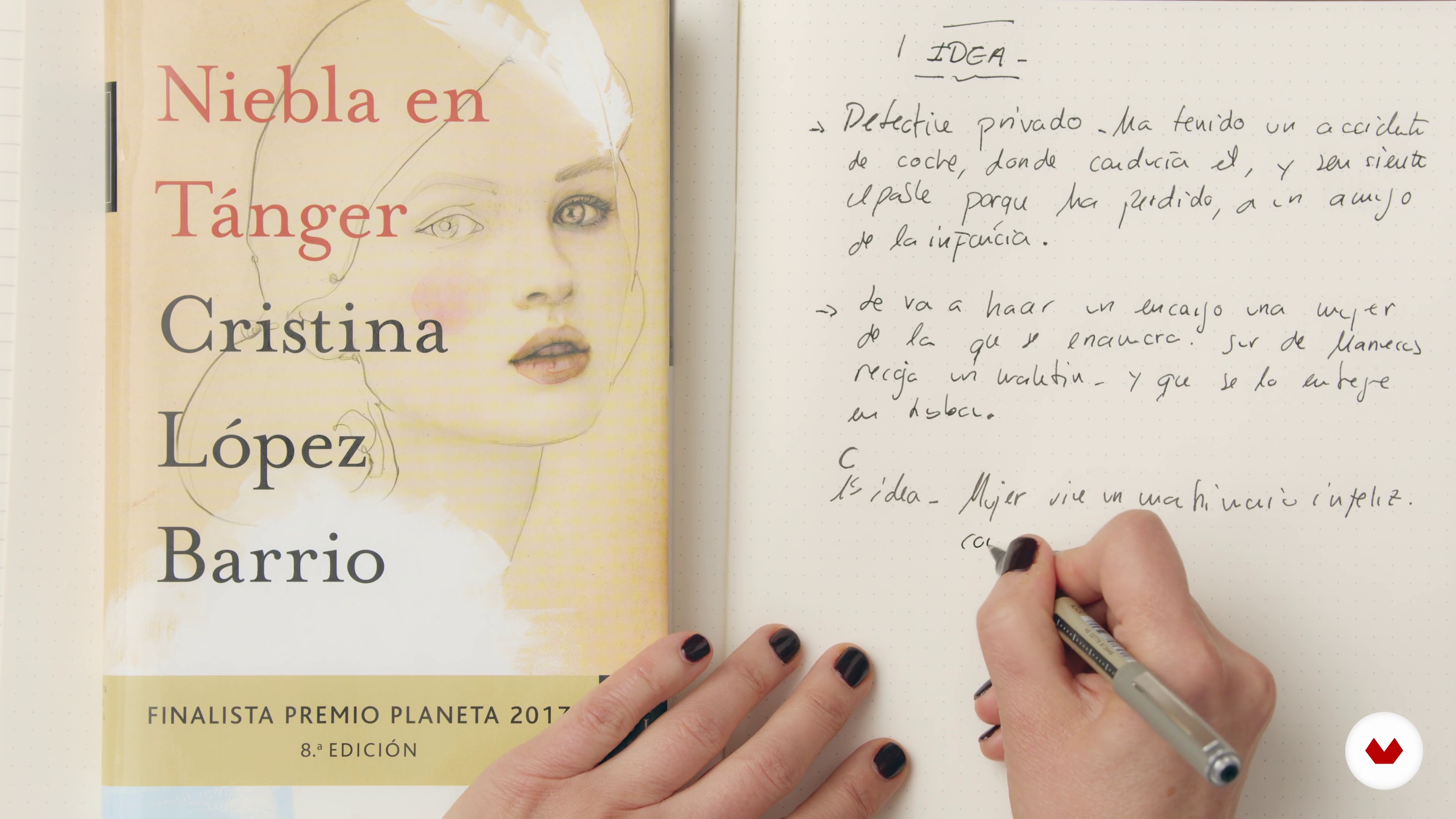
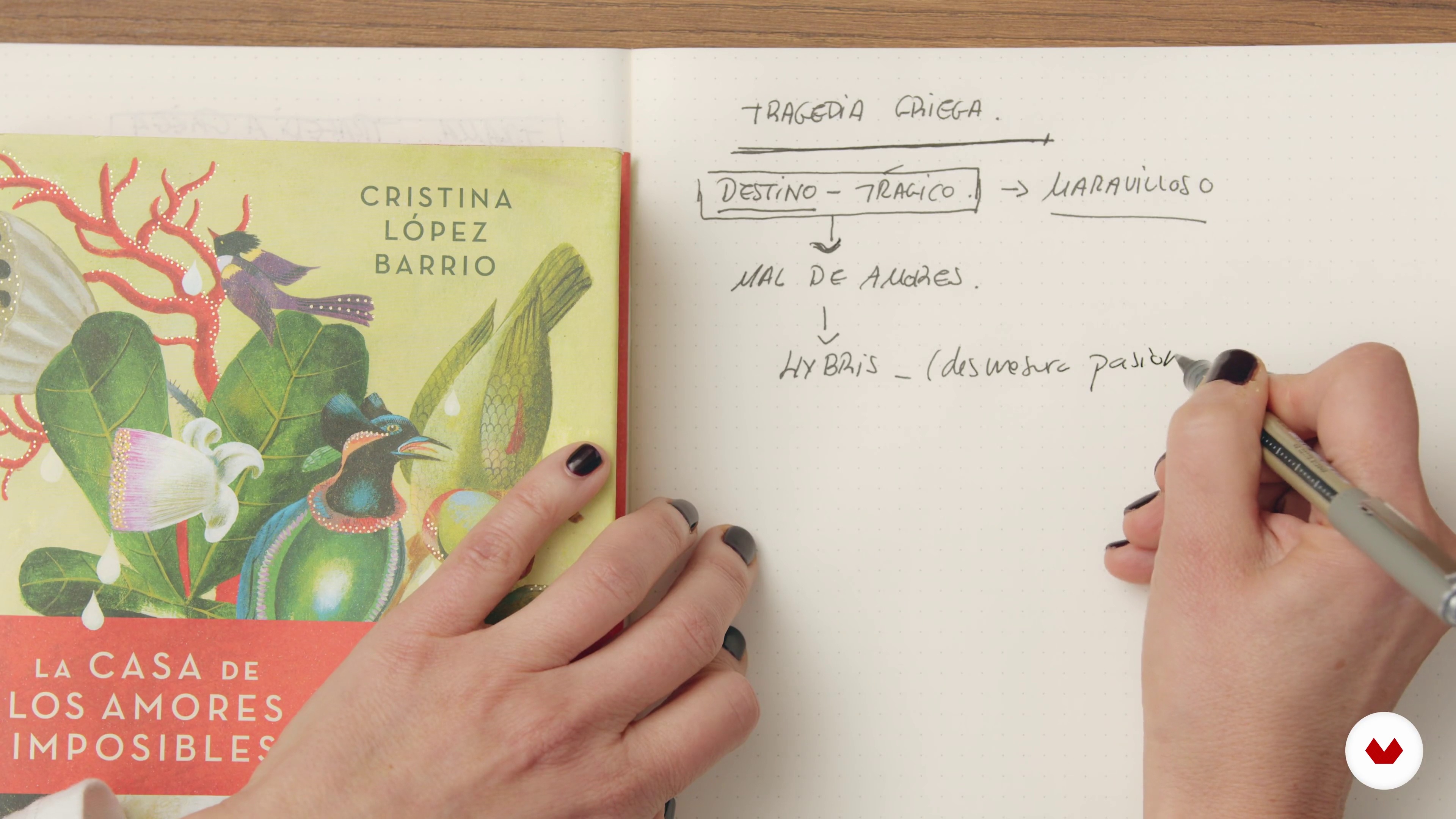
In this lesson we will travel from the theme to the idea and from the idea to the plot of the novel. We will see where ideas can come from and how the connection of two or more of them, the more disparate the better, is a good alternative to specify an original plot. You will see how to analyze some plot models that can serve as inspiration for the internal order of the story, such as the fascinating Greek tragedy.
13m
 10
10Theme, Idea and Plot 2
One of the things that I like to use is frame models, so now I will explain how these models work. That will help your idea to grow little by little. Also, I will give you certain ideas to turn into an argument.
17m
 11
11Theme, Idea and Plot 3
To conclude this lesson, I am now going to tell you about another plot model that is a model that I am passionate about and that I used to write my novel Tierra de brumas . I will explain everything you need to know about the stories of rise and fall.
8m
 12
12Characters: Construction or Possession 1
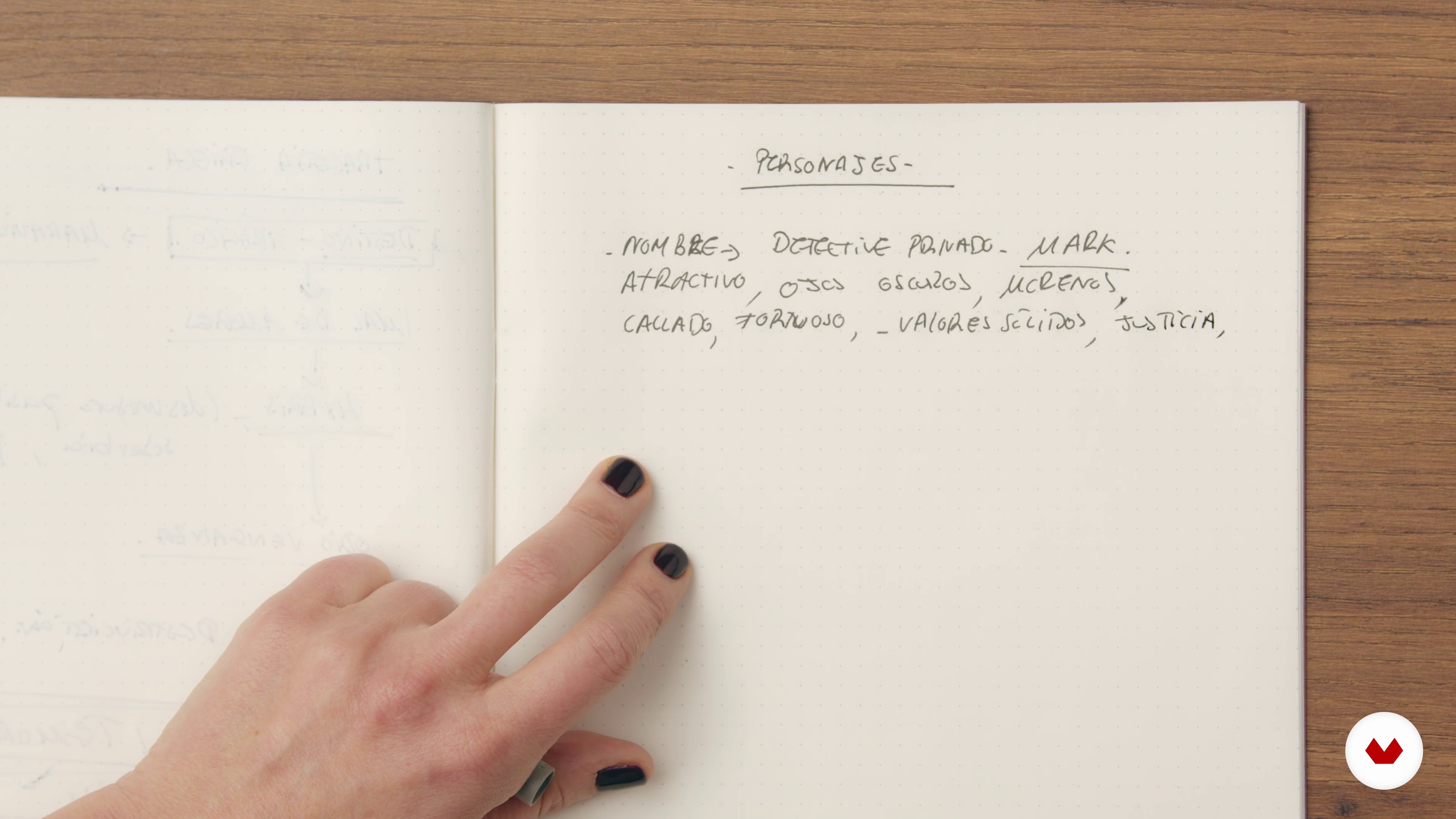
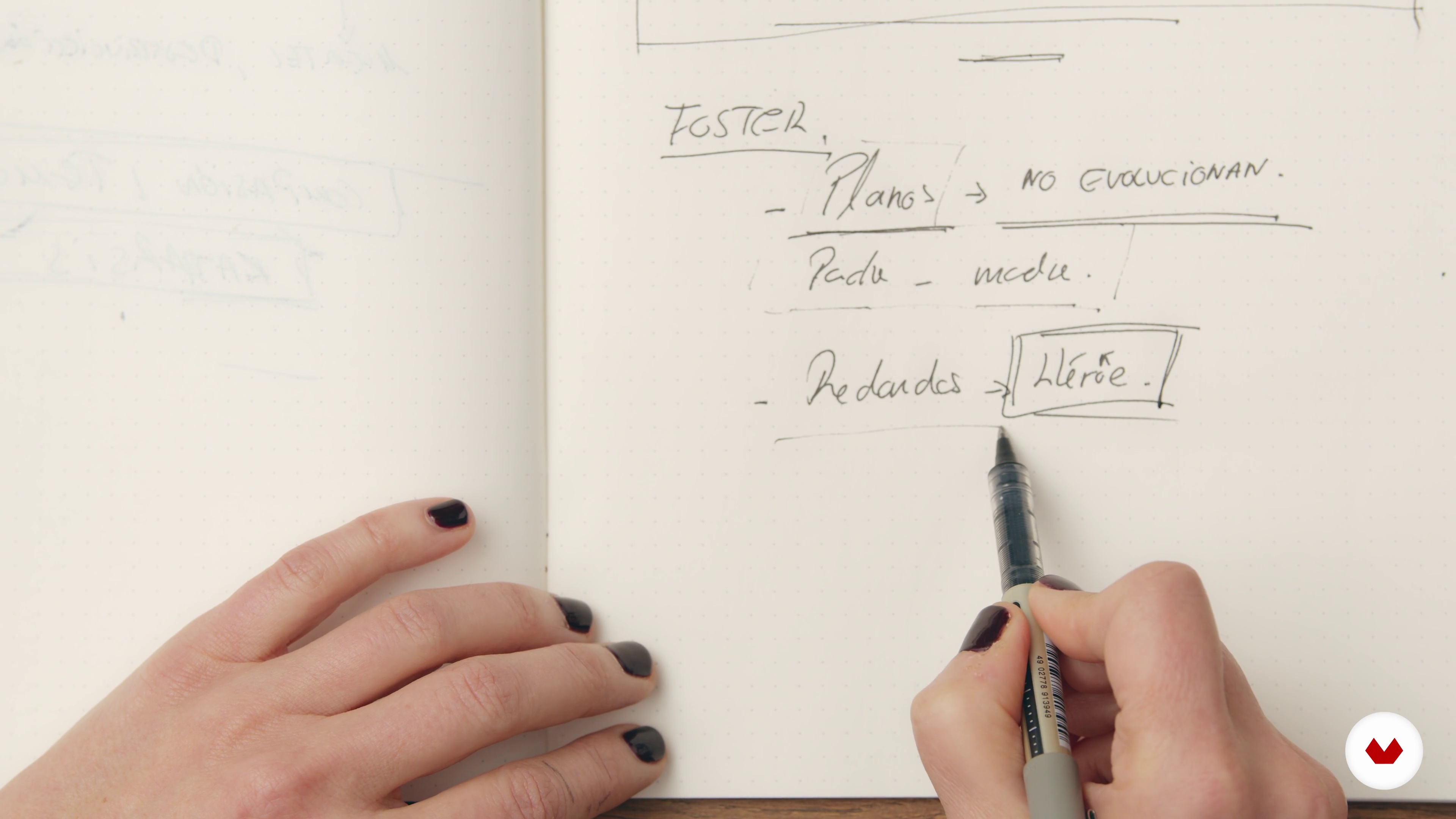
Now I will explain the keys to creating characters and discovering those that we carry inside. Our goal is for them to live by themselves and not be a simple replica of the author. We will also see the distinction between the flat and round characters of the writer EM Foster.
10m
 13
13Characters: Construction or Possession 2
What can add more to your characters? One of the fundamental elements that you can use to characterize your characters more is the time, in addition, I will tell you about "the momentum" that will keep your character on his journey.
11m
 14
14The Conflict
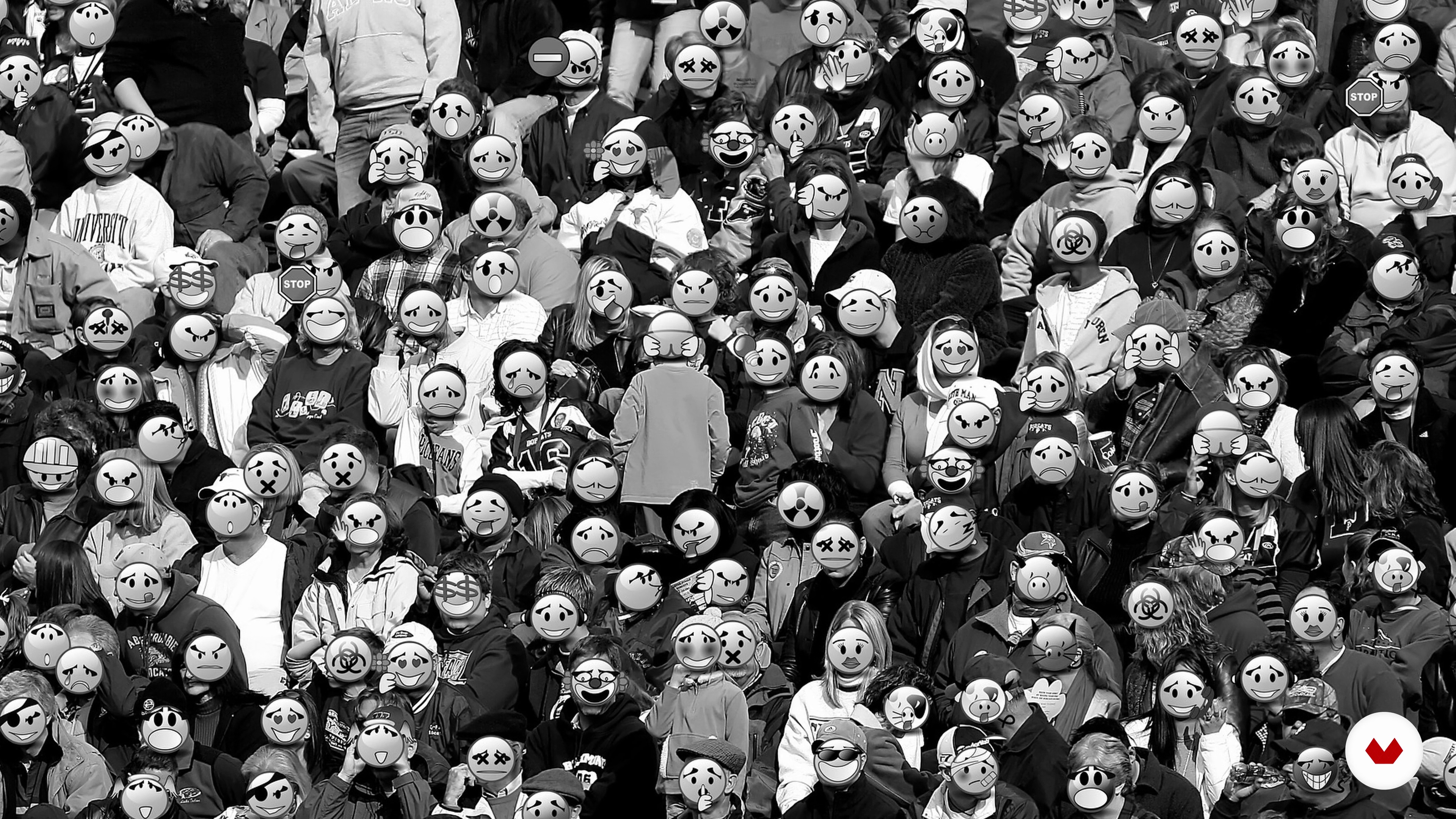
The conflict is a direct route to the heart and mind of the character. If we know his conflicts and the strategies he decides to follow in each of them, we will know him. Also, the conflict is essential to specify the plot of the novel, since all its dramatic force will reside in the conflict.
14m
 15
15Of Narrators and Gods 1
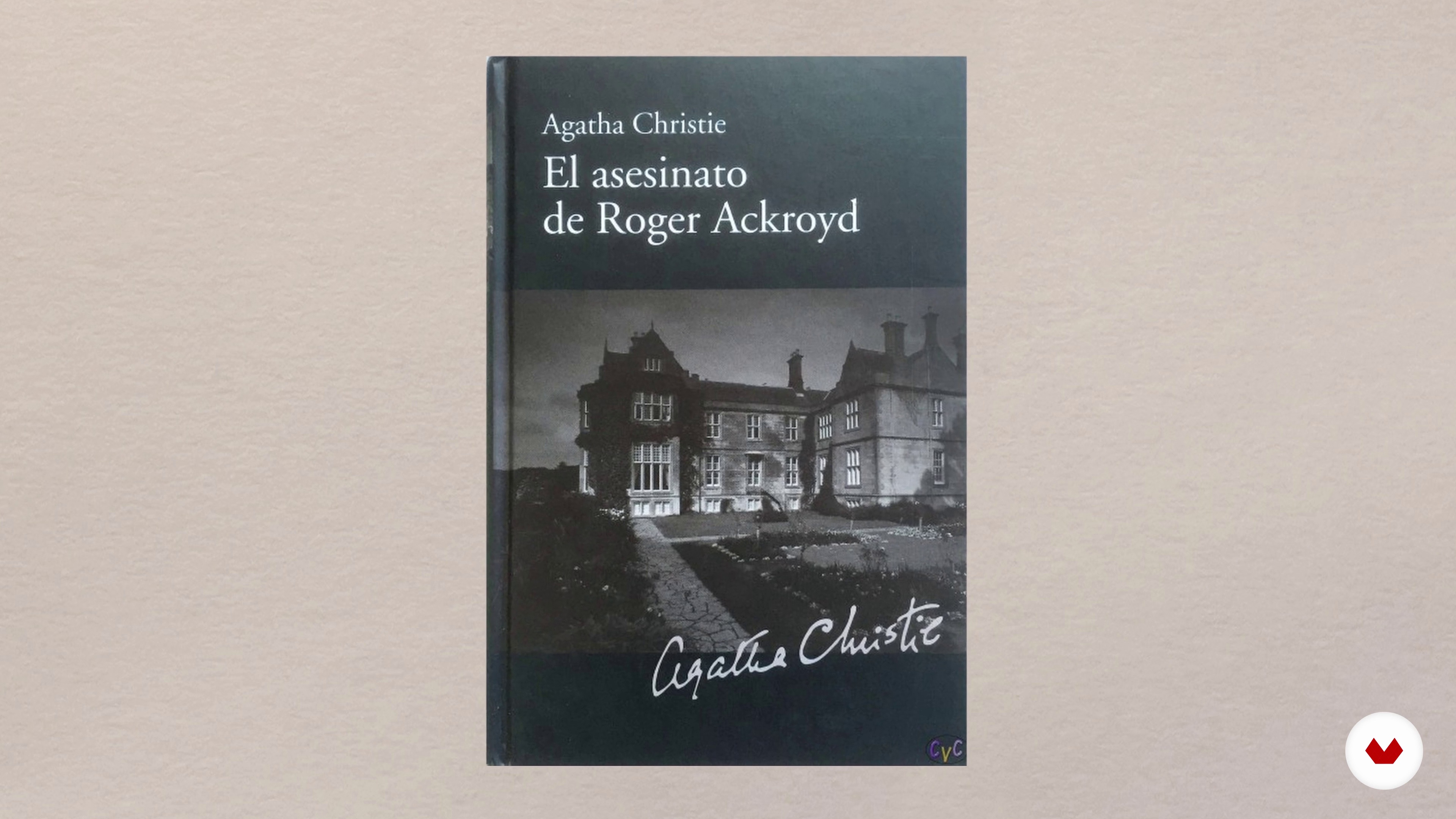
I will tell you about the importance of the narrator in a novel, since it is essential. The narrator is the voice that tells the story and never matches the author.
18m
 16
16Of Narrators and Gods 2
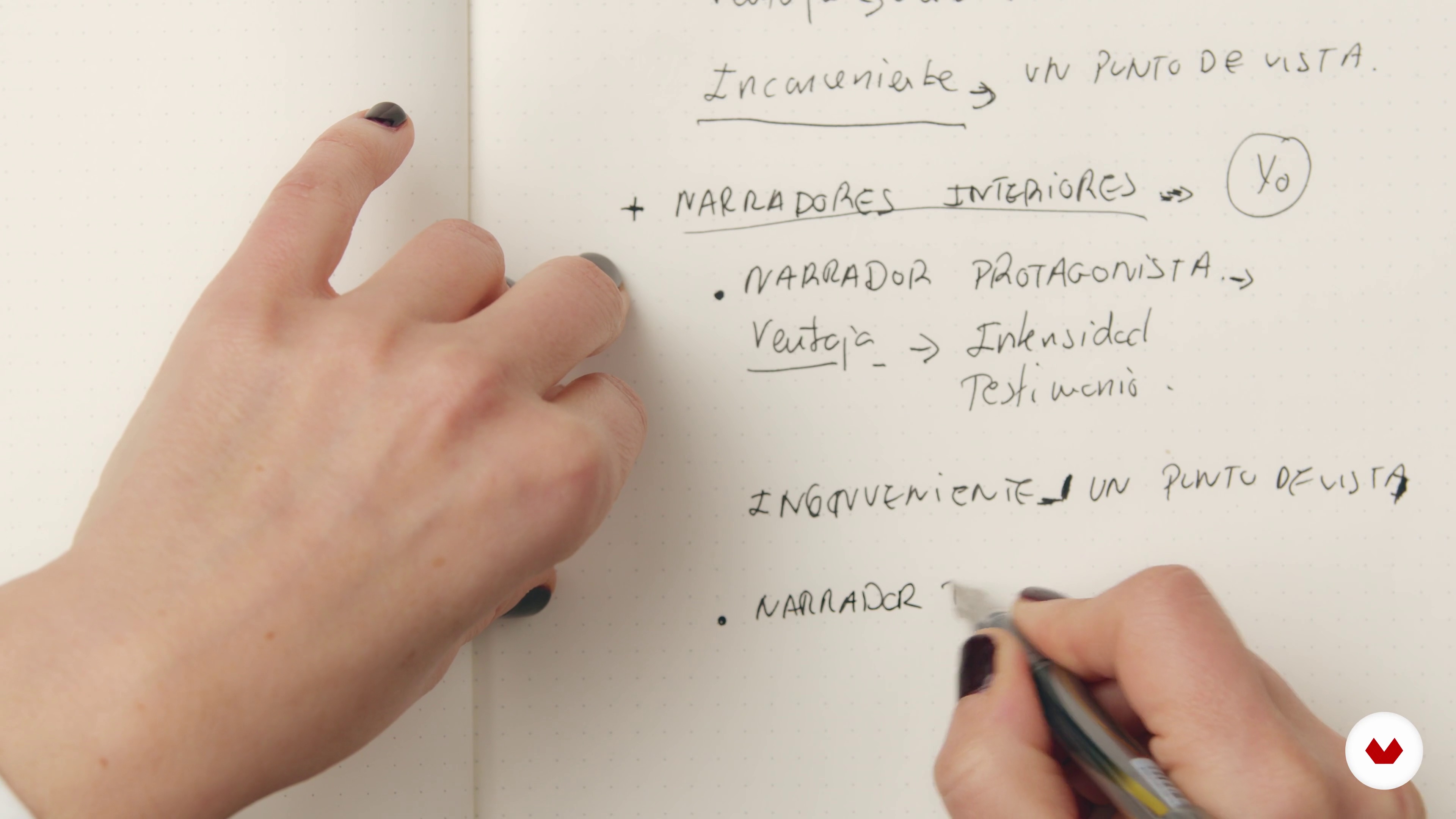
Now you will see the different types of narrators that you can find by their relationship with what is narrated.
11m
 17
17Objects
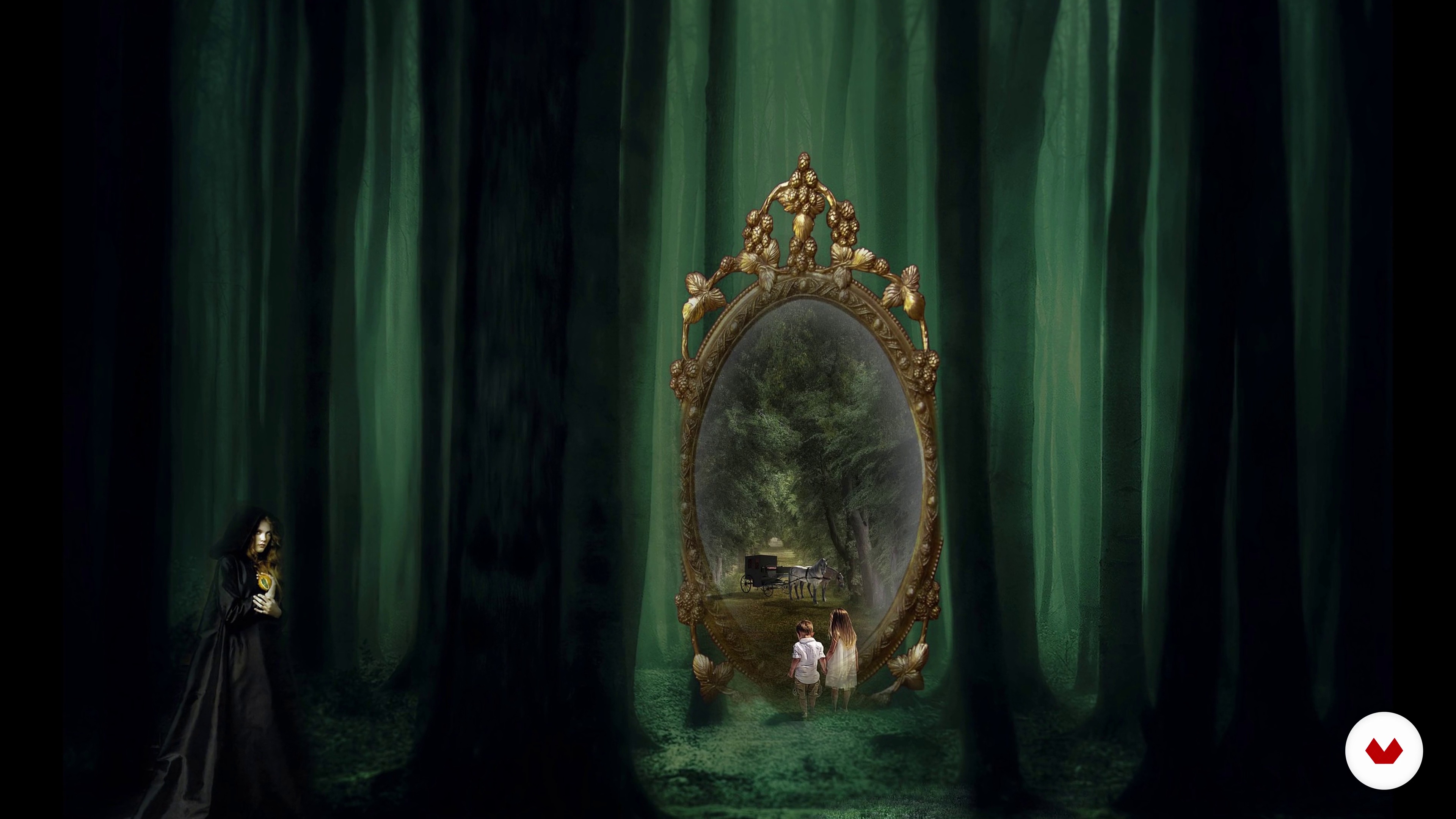
Objects are magical material in a text. They have an important symbolic value and serve a dramatic function. They are very useful narrative and aesthetic links for the construction of a novel. We can characterize characters and places through them
14m
 18
18Space
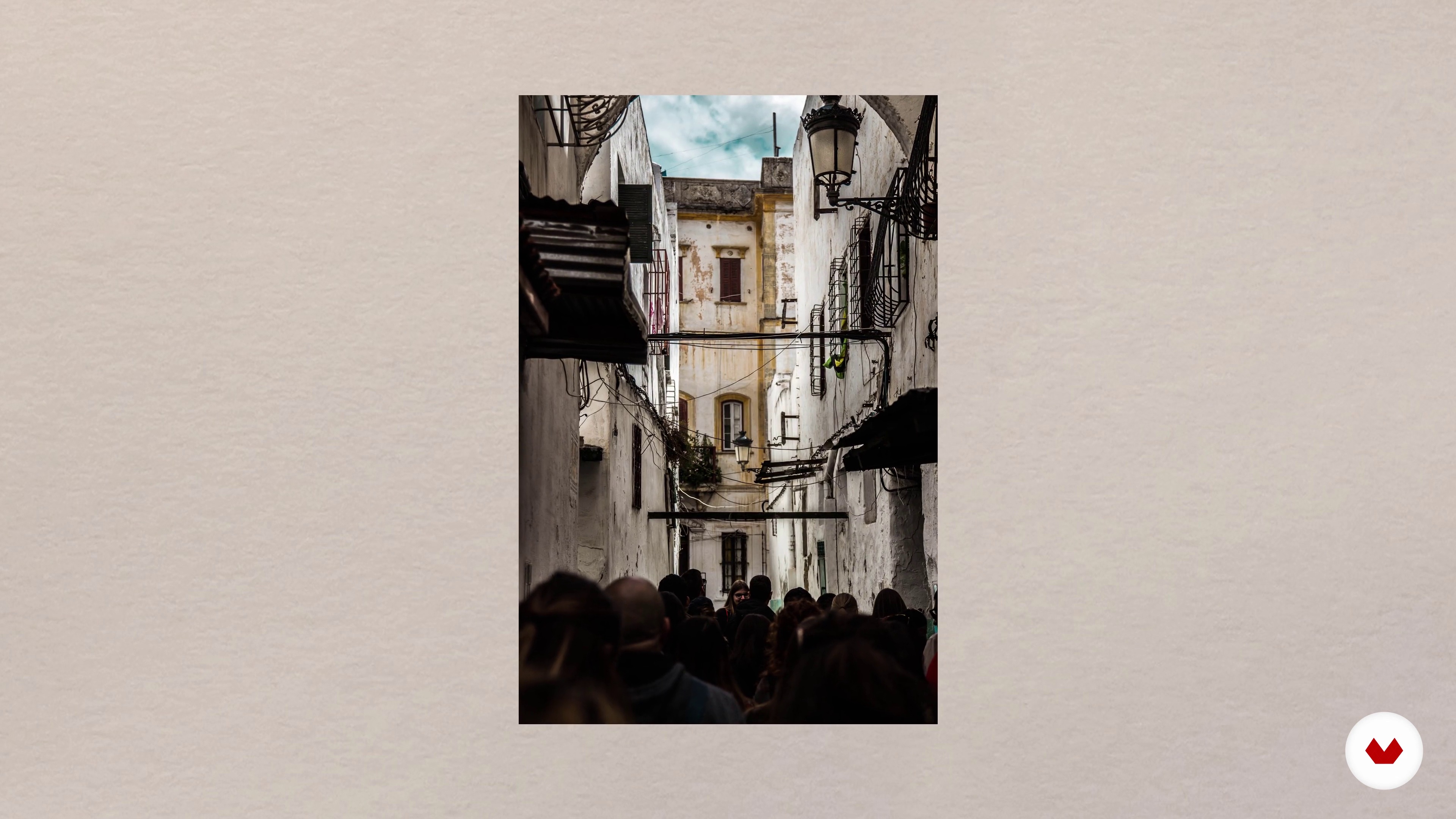
Space is a very useful tool to enrich a novel. We can characterize characters through him even make him one more character in the story. We will also explore exciting territories such as frontier spaces.
12m
 19
19Time
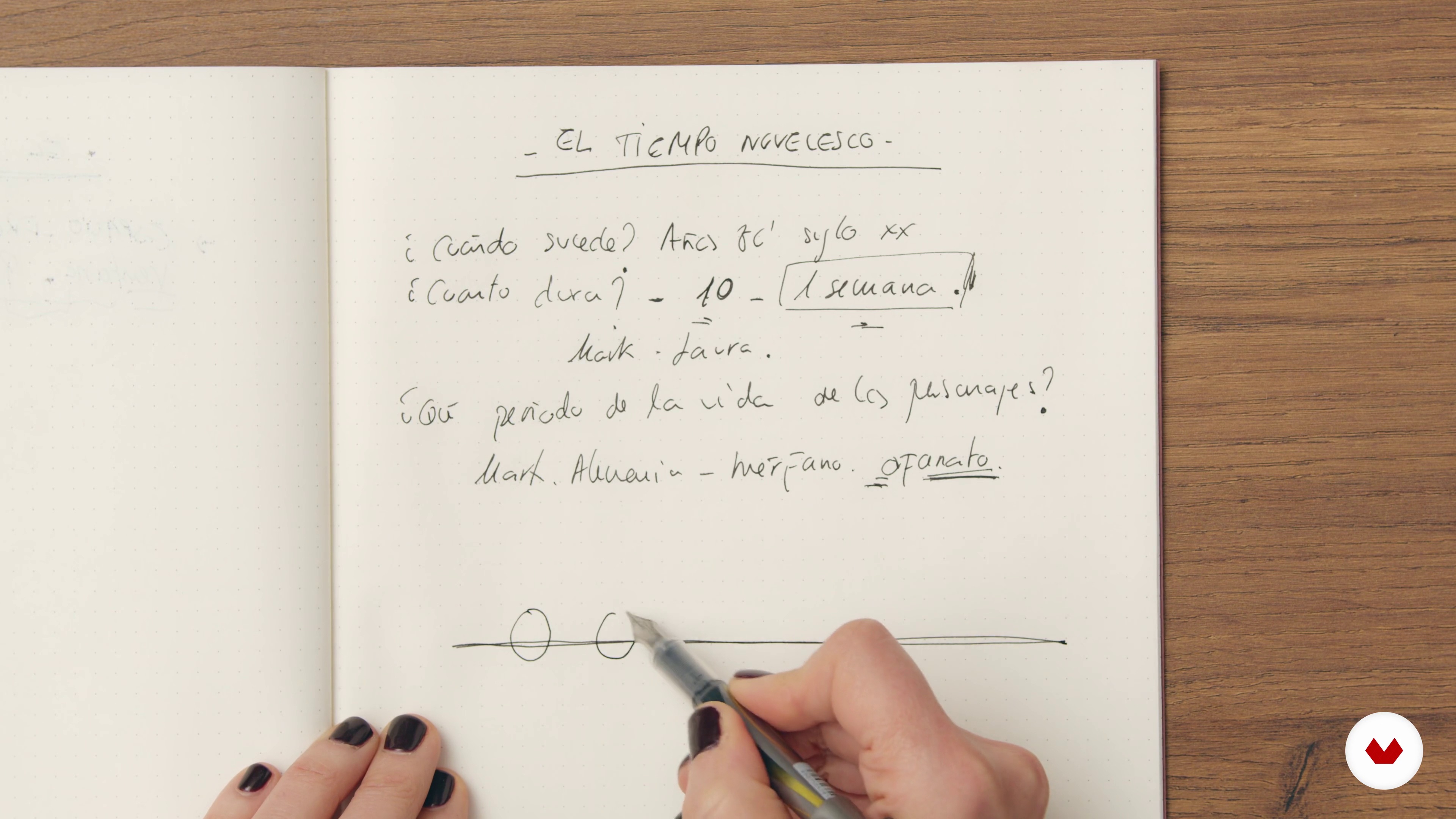
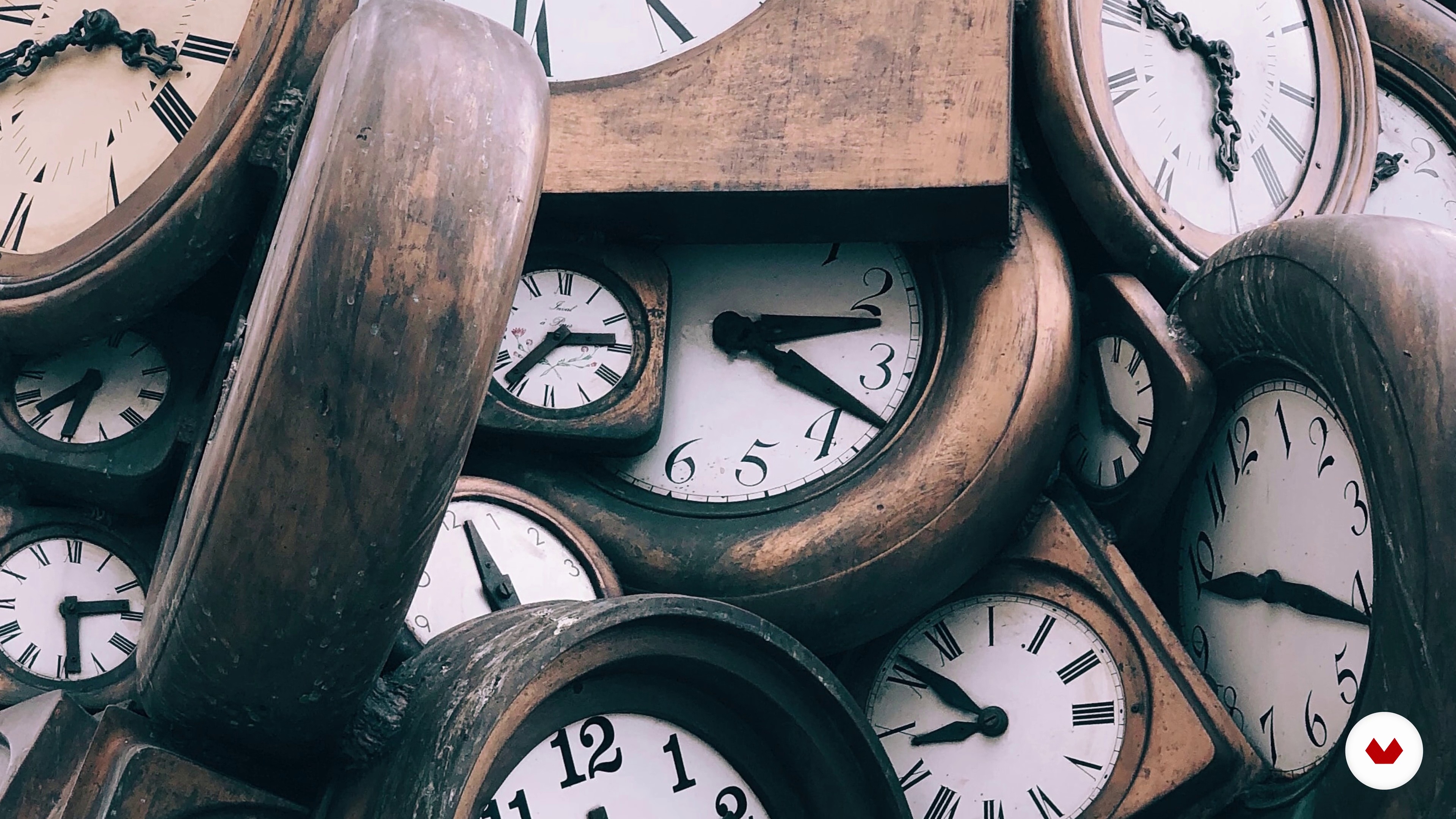
At the time of writing we become gods who manage time at will to tell a story, since a prose text involves the narration of events in a temporal sequence. The objective time that we live is very different from the subjective time that is that of fiction.
11m
 20
20Time Jumps: Narrative Form and Tension
In this lesson I am going to talk to you about time management, fundamental when building our novel. It is necessary to be very clear about the novel's focus of greatest interest - the main event - and to build the timeline from it, the order in which the events will unfold. I show you!
8m
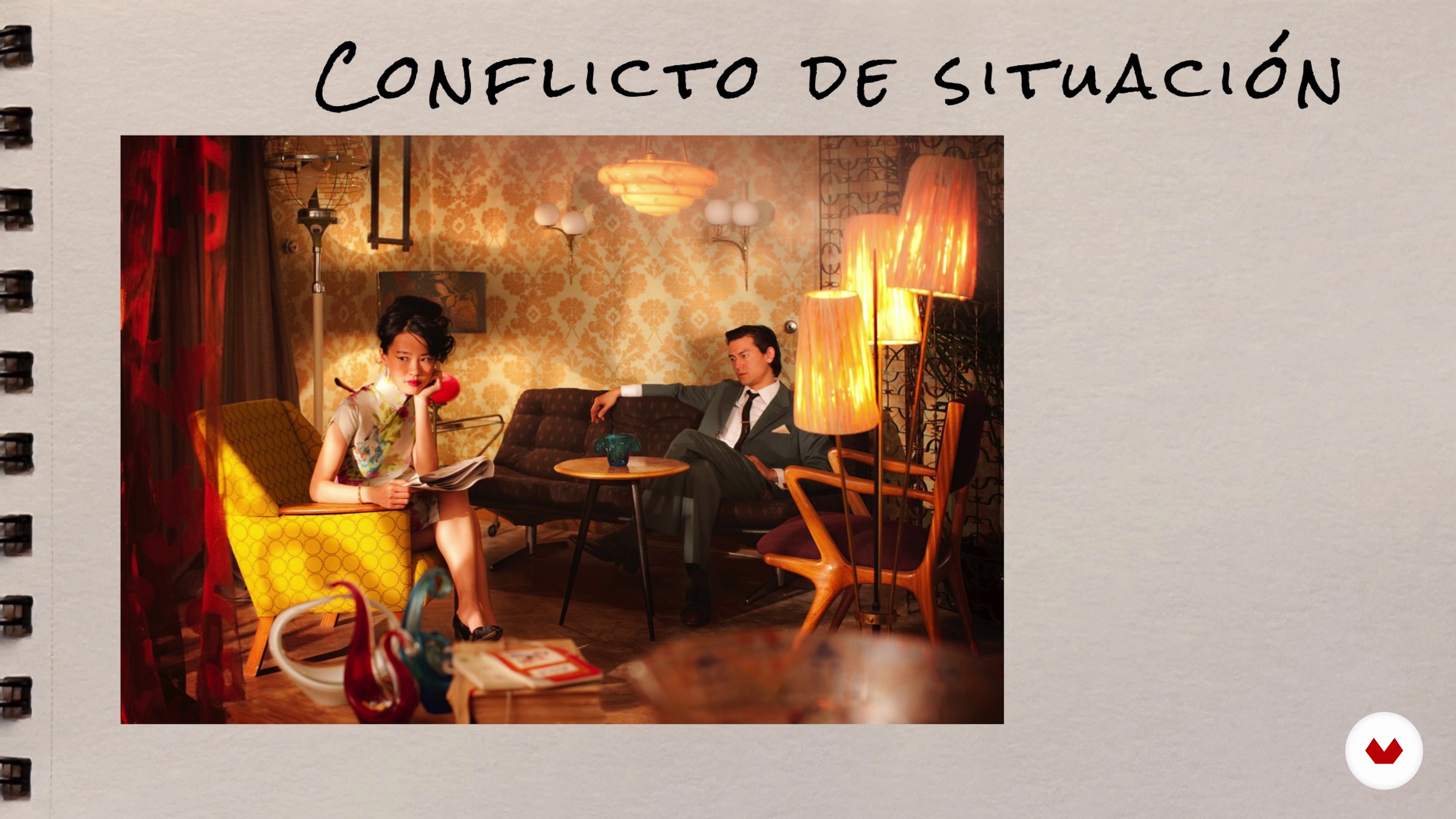 21
21Our Novel Scheme
We are going to review all the elements that you have learned and that will help us to embark on the adventure of writing a novel.
3m
 22
22A Good Start
Starting to write a text is fascinating. We had the world at our disposal and we have already made a first choice of what we want to tell, among the infinite possibilities that existed. The beginning is also the gateway to the world we have created. Do we want the reader to enter smoothly or with a claw?
17m
 23
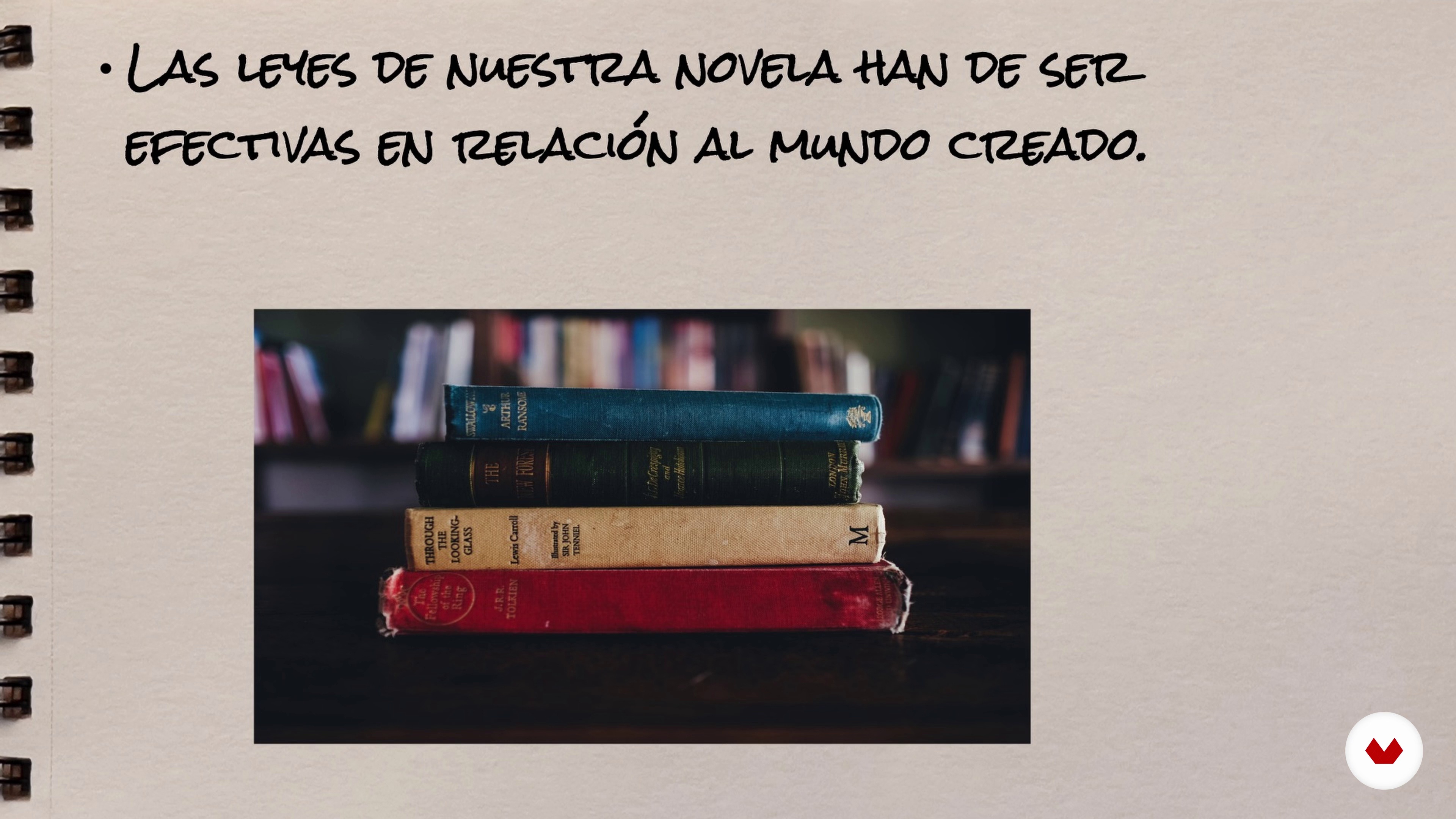
23Everything Is Possible If You Fit Into the Created World
The main rule for writing a novel is that there are no rules. It is only necessary that both the facts of fiction and the structural elements are coherent in the created world. The persuasive power of a novel is essential so that its truth is not broken, and the reader discovers the author pulling the strings of fiction. For this, the laws of the novel that we have created for our history must be respected.
3m
 3
3What is a character?
In this lesson I will talk about the character as a structural element of every story. Its construction starts from us, from our emotions, until it becomes a being with its own life. To do this, we have to trust him and us as writers, and surrender to the mystery.
11m
 4
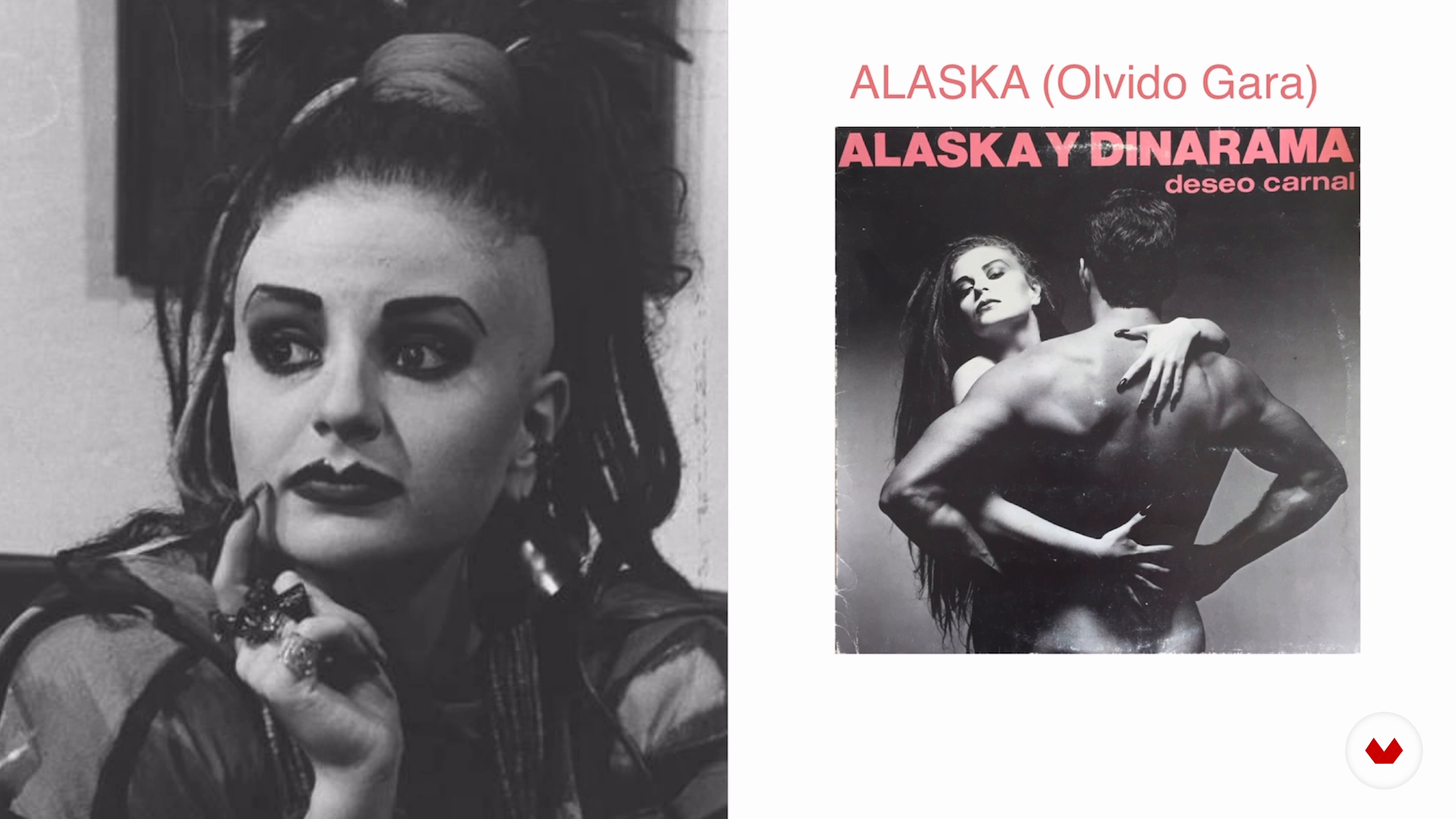
4Where can a character come from?
A character can be the spark from which our story starts. It can be inspired by someone we know, a historical figure, or even an invented character. In both cases, we will see what to do so as not to turn it into a simple puppet at our service.
10m
 5
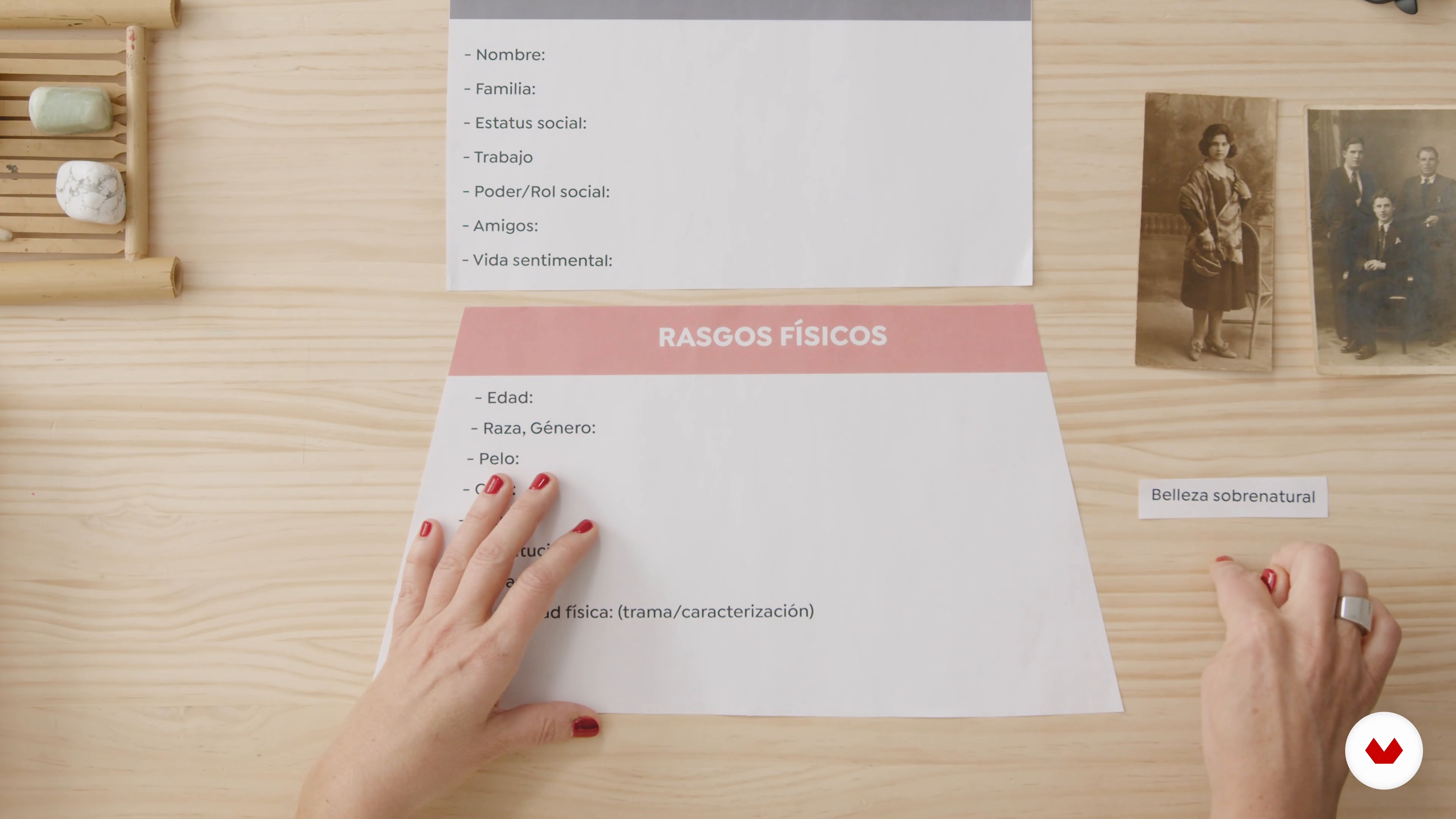
5Character Creation 1
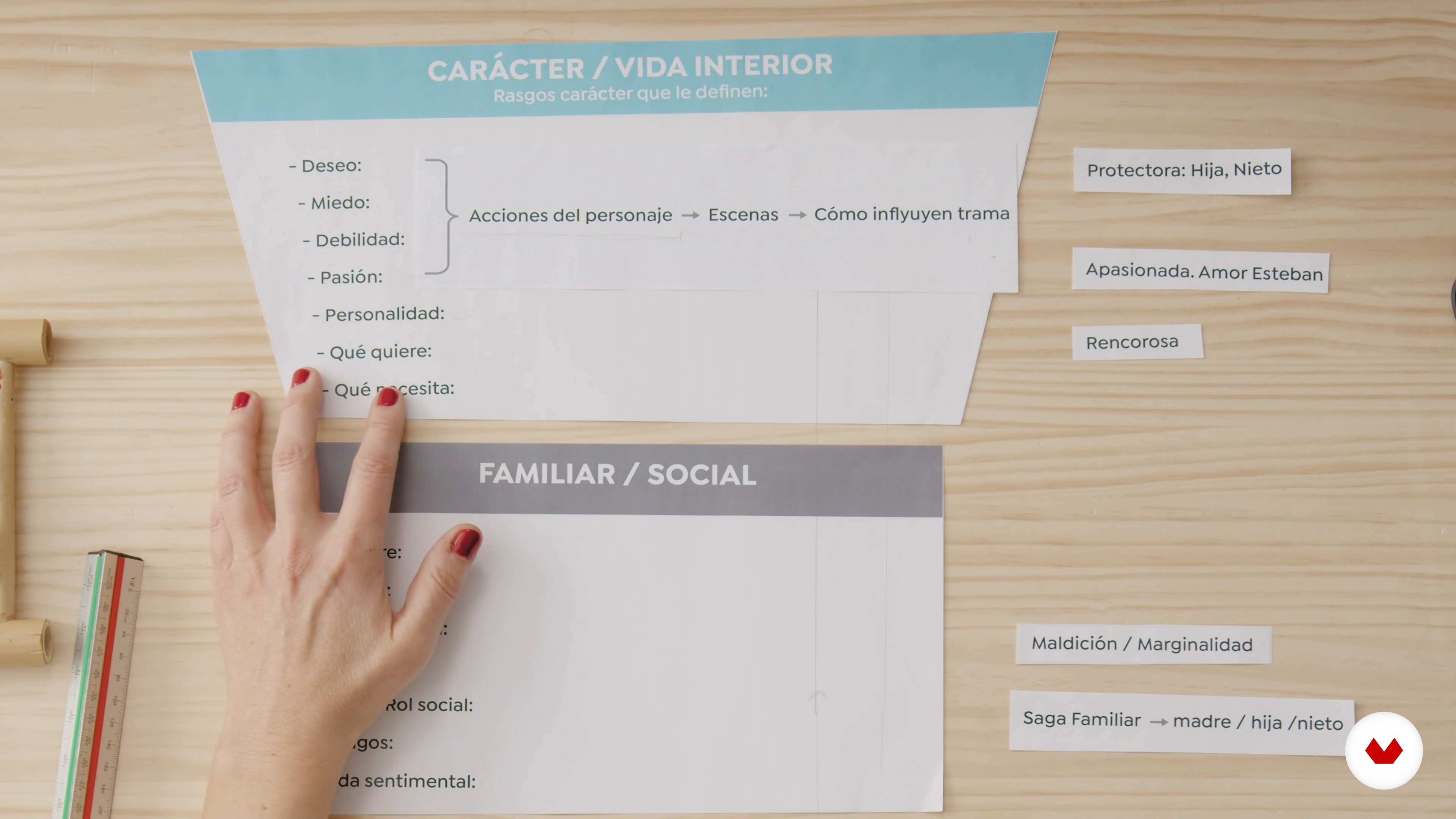
The characterization of a character is the sum of attributes, traits and qualities that make him unique and original. In this lesson I will explain how to define a character based on their physical, social and family characteristics, as well as the difference between character and personality. I will also teach you how to translate your weaknesses, fears or desires into actions that will become scenes within a story.
16m
 6
6Character Creation 2
I continue characterizing my character, in this case defining his family and social context, and his relationship with the rest of the attributes.
15m
 7
7Objective and conflict
In this lesson we are going to investigate what needs our character has, according to the pyramid of the psychologist Abraham Maslow, and how these become his objectives.
8m
 8
8Character introduction
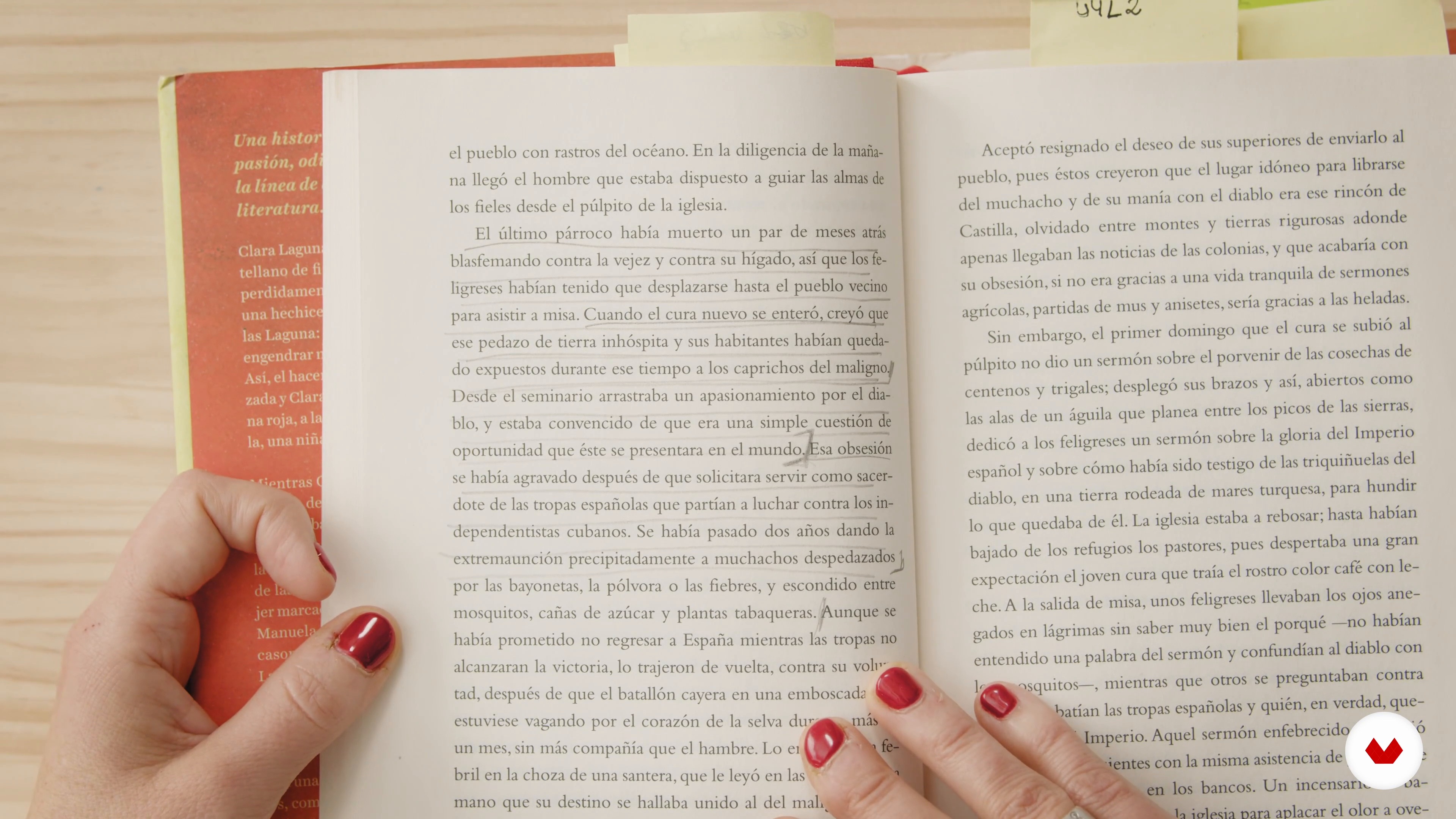
In this lesson I will explain the differences between direct and indirect characterization when introducing the character in the text.
15m
 9
9Dramatic Roles and Archetypes
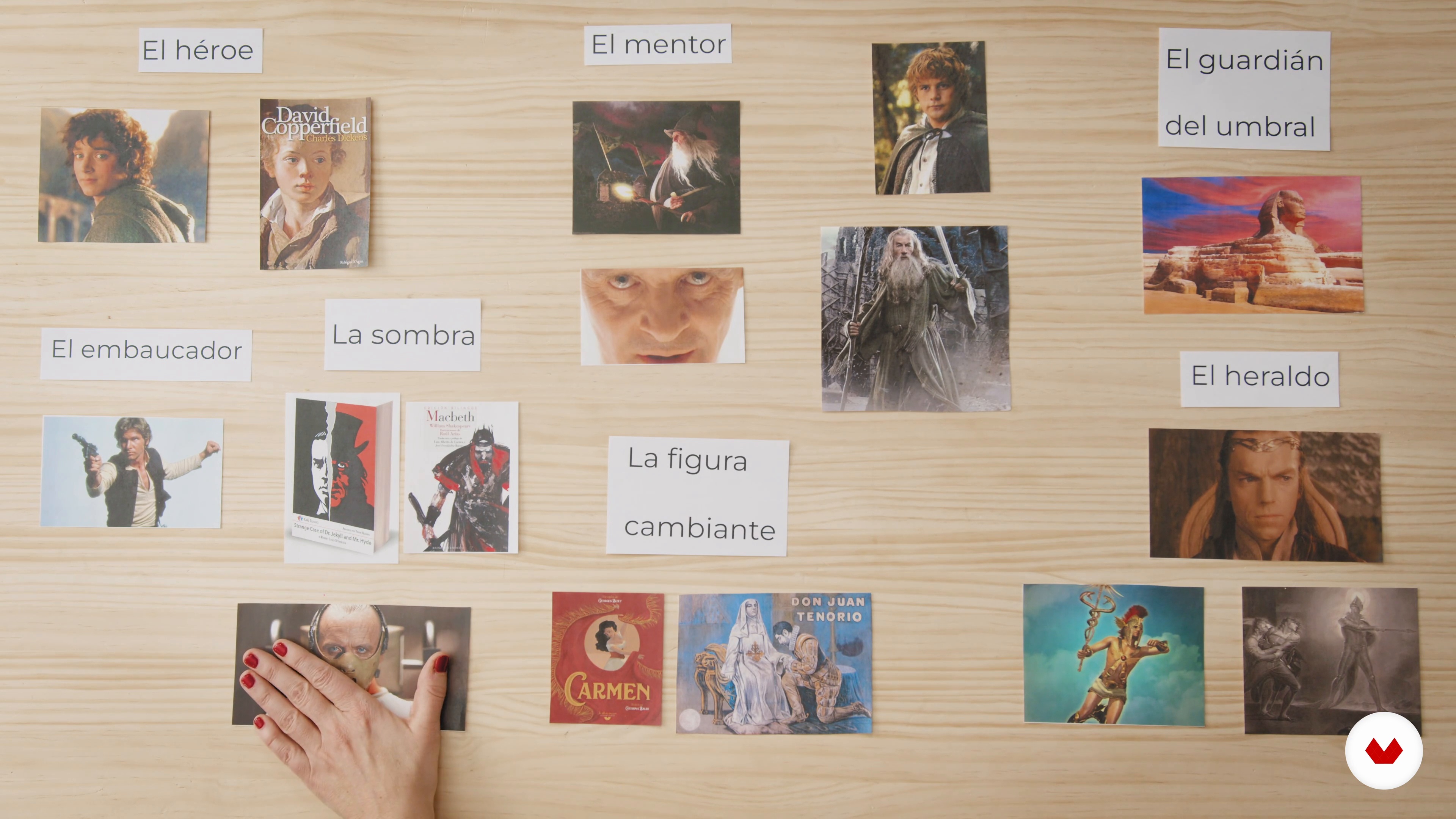
Next, I will tell you what dramatic functions are and why it is important to know which one the character plays in a text. In addition, we will see different archetypes with examples of famous people to inspire you in the creation of yours.
18m
 10
10Characters in action
Now we will see how the characters relate to each other and make sense depending on whether they are complementary or opposite. I will talk to you about the concept of protagonist, antagonist, secondary character and collective character.
14m
 11
11The place and the object 1
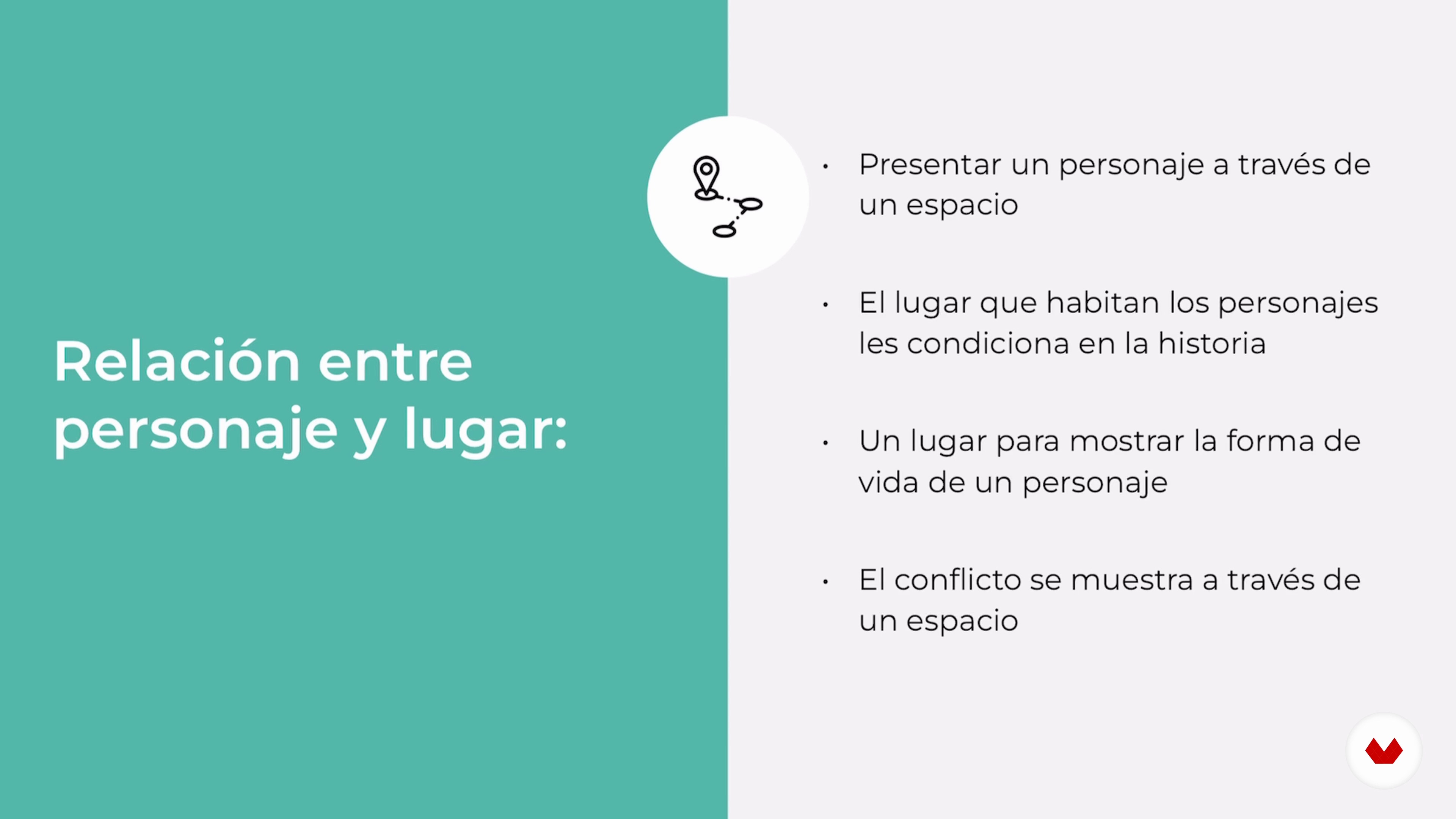
In this lesson we will see how to characterize characters through spaces and objects to enrich our story and give it more depth by connecting various elements of it.
13m
 12
12The place and the object 2
Now I am going to tell you several cases in which I have used an object to define or represent a characteristic of my character.
11m
 13
13The point of view
Now is the time to decide from which point of view you are going to tell your story. In this lesson we will talk about total, half and partial immersion.
5m
 14
14Seriality: second lives of the characters or sequels
Finally, I want to tell you what are the characteristics that a serial character must have, as well as the most common themes that series and sequels deal with, such as family or love.
6m
 3
3What is a detective novel?
You will learn to recognize a crime novel and what makes it different from other types of novels.
8m
 4
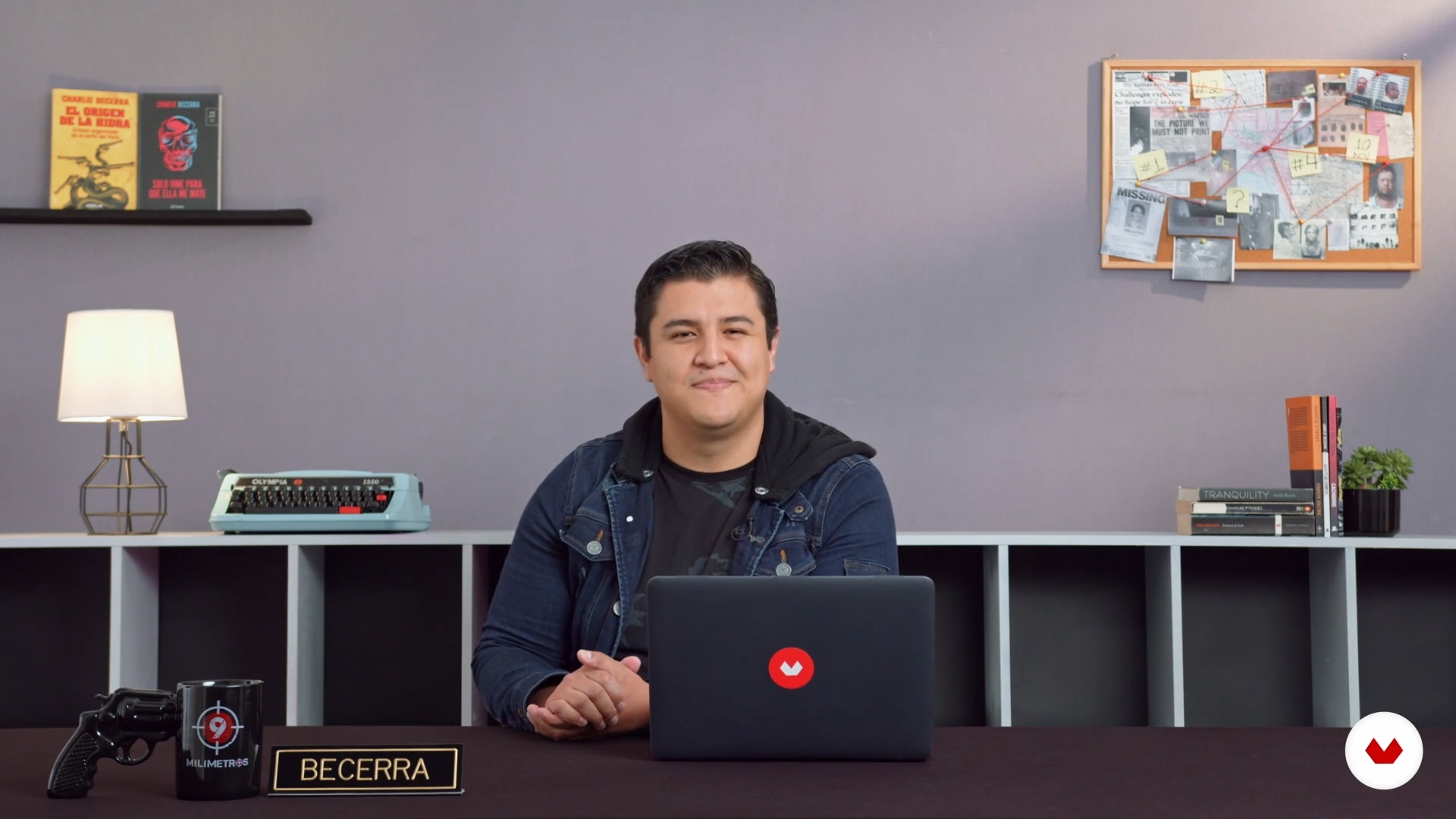
4The storyline
Here begins the work of everything you will do throughout the course. To do this, I will teach you everything you need to know about the importance of being clear about the subject of your crime novel.
5m
 5
5The "detective"
Now I will introduce you to the main character of your crime novel: the detective. This person will be in charge of leading your reader by the hand to the story you are writing. I will tell you about the best known detectives in literature and you will also discover the various types that exist. You will surely be inspired to create yours!
10m
 6
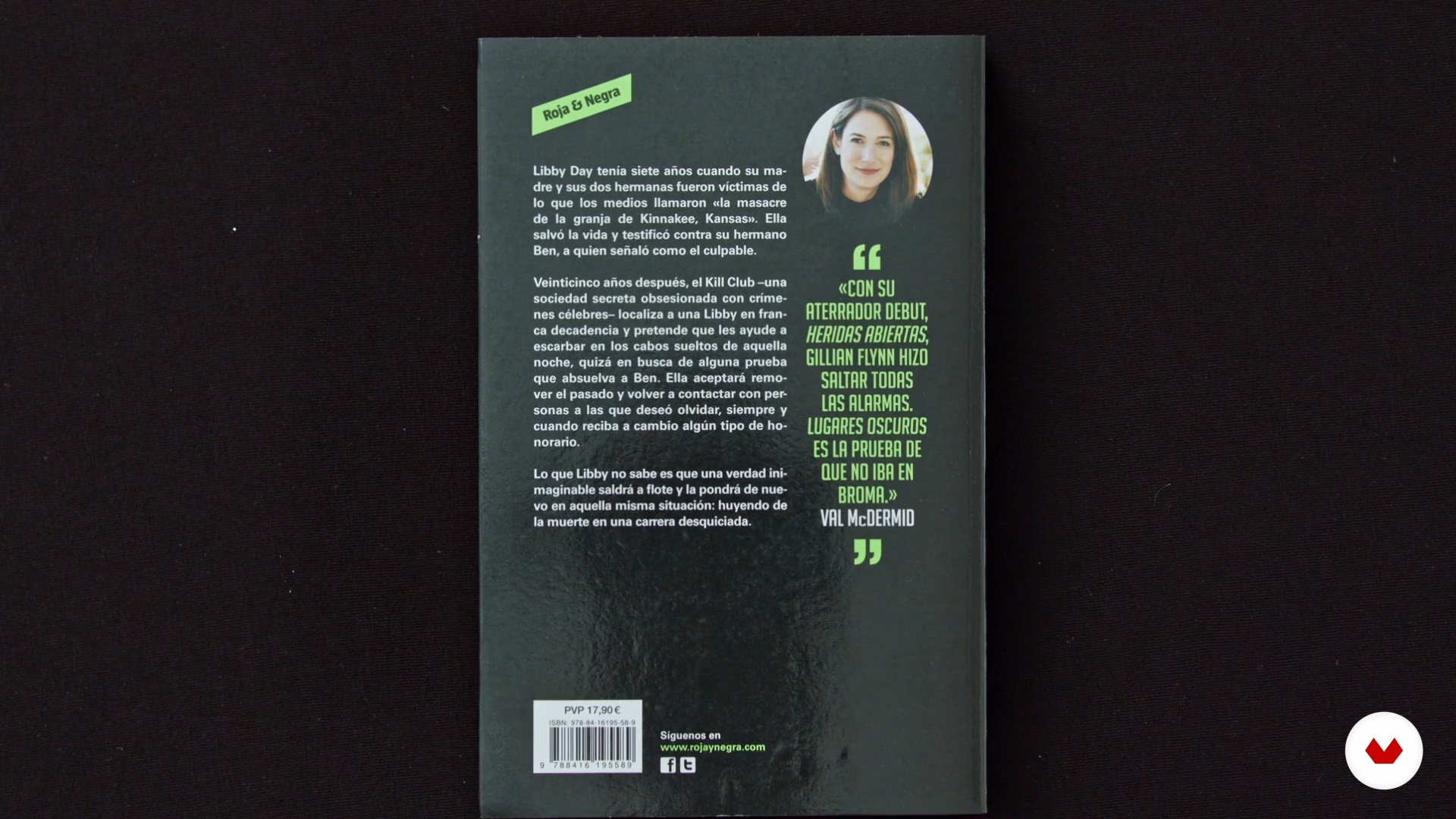
6The enigma
You will see how to recognize and define what is the central question of the novel and how it will define the plot of it.
8m
 7
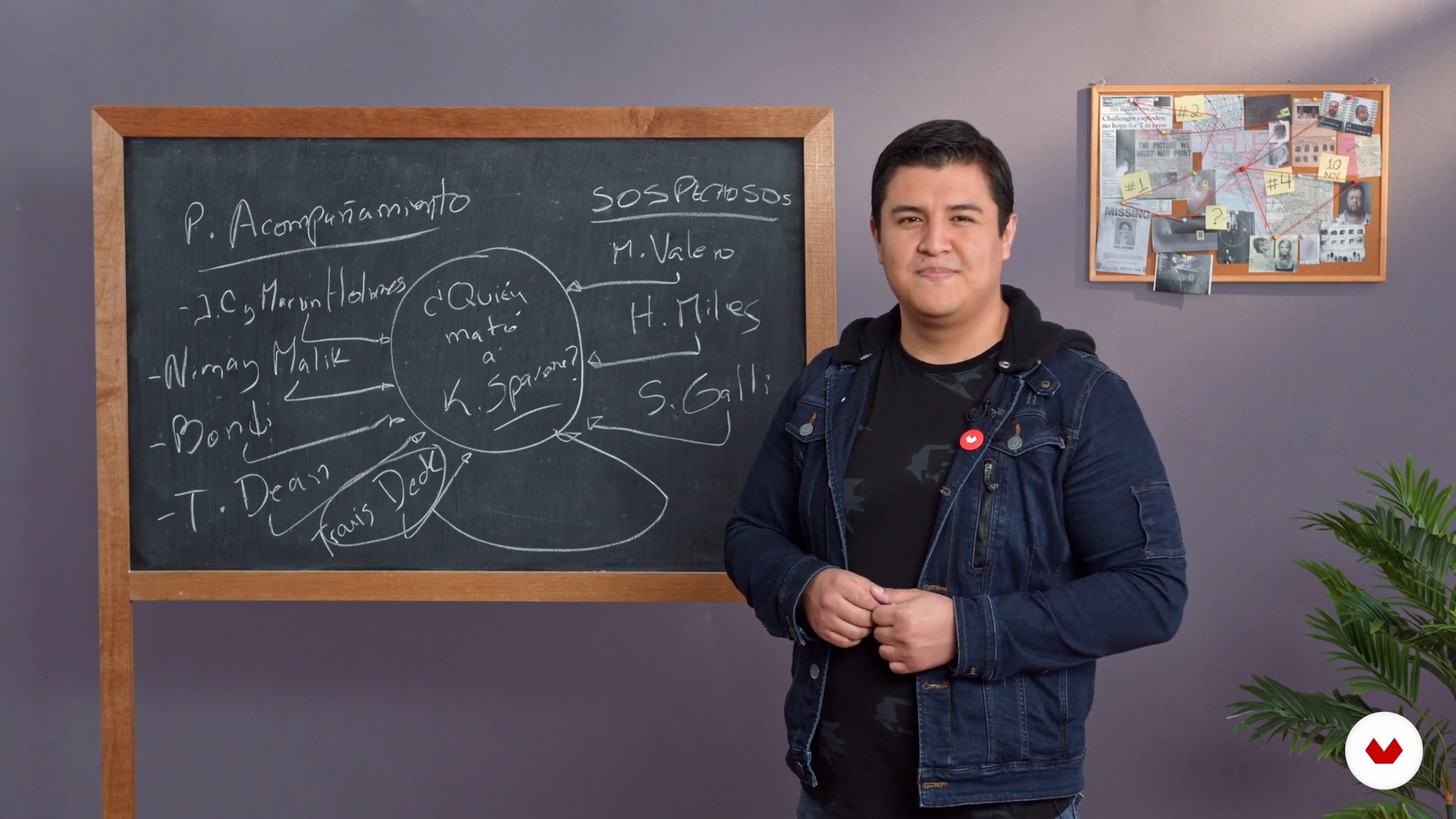
7The suspects and the clues
I'll tell you about the other characters that a crime novel needs. You will also learn to identify and use the clues that will help to solve - or perhaps not - the riddle.
7m
 8
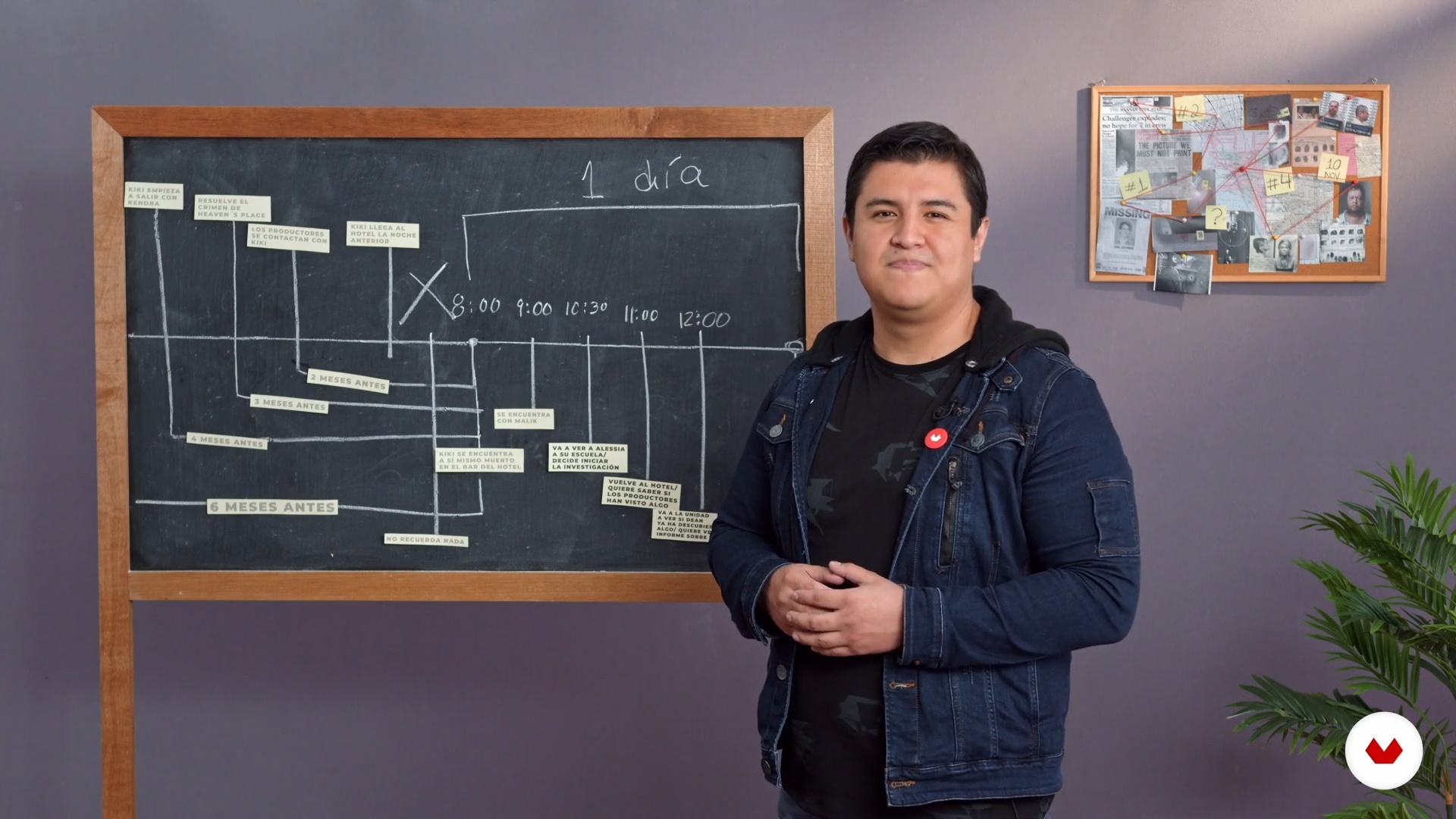
8The timeline
Here you will learn to point out the most important events in history, which will be the skeleton of your novel.
7m
 9
9Subplots
There are secondary stories that accompany the main one, the one that tells the resolution of the enigma. In this lesson you will learn their function and I will show you how to use them in favor of your novel.
3m
 10
10The title of your novel
You are already in the final and funniest points, it is time to give your novel a title. Here I will tell you about some keys that will help you do it.
4m
 11
11The first scene
It's time to start! Now, I will explain to you how to write the first scene or chapter of your crime novel. Are you ready?
5m
 12
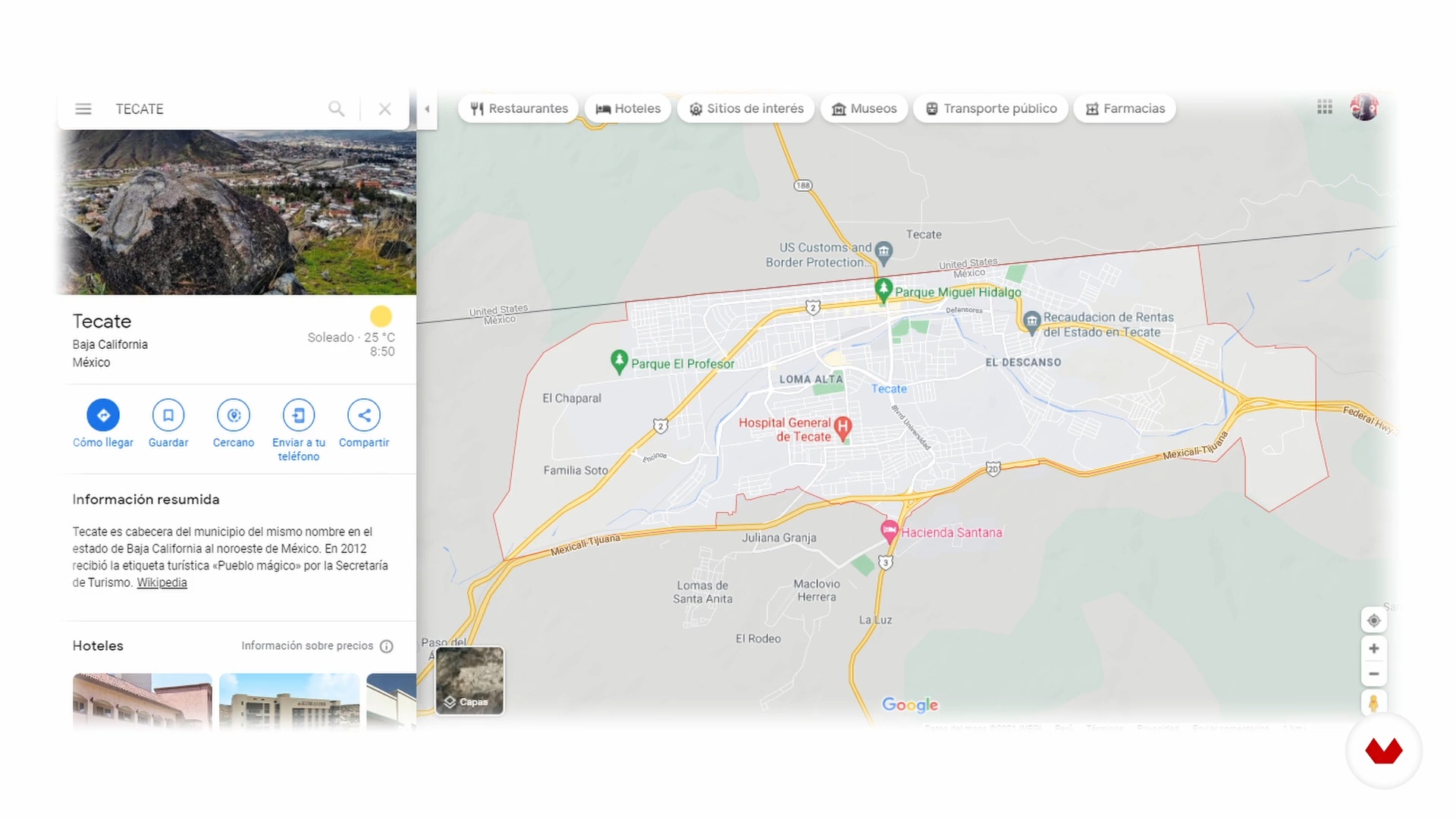
12The investigation
Documentation is important. Therefore, I will tell you about the research process that you must follow before embarking fully on writing.
6m
 13
13The last fifty pages
I will tell you everything you need to know about one of the most important sections of the novel: the end. The novel must climax as all the pieces finally come together.
7m
 14
14Keep focus
During this lesson, I will explain how important it is to keep an eye on solving the puzzle.
2m
 15
15The creative block
The great fear of writers is running out of ideas. I'll help you get rid of this myth.
4m
What is this course's project?
The course project is to write an original novel from scratch. Students will develop a solid structure, create complex characters, and establish a narrative that excites and maintains the reader's interest throughout the manuscript.
Who is this specialization for?
Ideal for those who want to write their first novel, writers looking to improve their technique and structure, creatives interested in stories with emotional impact, and those who wish to develop memorable characters. No prior experience is required, just a passion for writing.
Requirements and materials
No prior experience is required, just an interest in writing and reading. You will need a computer or tablet, an internet connection, and a word processor to practice. Having a notebook and pen handy can be helpful for taking notes.
Select to get to know your teachers in this specialization course


What to expect from this specialization course
Learn at your own pace
Enjoy learning from home without a set schedule and with an easy-to-follow method. You set your own pace.
Learn from the best professionals
Learn valuable methods and techniques explained by top experts in the creative sector.
Meet expert teachers
Each expert teaches what they do best, with clear guidelines, true passion, and professional insight in every lesson.
Certificates
PLUSIf you're a Plus member, get a custom certificate for every specialization course. Share it on your portfolio, social media, or wherever you like.
Get front-row seats
Videos of the highest quality, so you don't miss a single detail. With unlimited access, you can watch them as many times as you need to perfect your technique.
Share knowledge and ideas
Ask questions, request feedback, or offer solutions. Share your learning experience with other students in the community who are as passionate about creativity as you are.
Connect with a global creative community
The community is home to millions of people from around the world who are curious and passionate about exploring and expressing their creativity.
Watch professionally produced courses
Domestika curates its teacher roster and produces every course in-house to ensure a high-quality online learning experience.