Interior Photography
A course by Tuca ReinésPhotographer and Architect
A course by Tuca Reinés, Photographer and Architect

Learn to tell stories about spaces, from the first steps to the digital editing
Capturing the essence of a space through a picture, with the best angle, lighting, and shapes requires knowledge, technique, and insight to understand and express the story that lies behind walls. Renowned photographer Tuca Reinés, a professional architect and photographer, unites his knowledge in both areas, to give shape to his unique photography work.
His photography work has made the pages of iconic magazines such as Vogue, A&D, Elle, Wallpaper, among others, for almost three decades. His work has been individually exhibited and included in major advertising campaigns with clients such as Max Haus, Ermenegildo Zegna, Banco Santander, Mobil, and more. His awards include 2 Gold Lions from the Cannes Lions Festival.
In this course, Tuca teaches you how to photograph residential and commercial interiors, and how to capitalize on the space around you to find the ideal perspective, using natural light. Understand each step, from how to configure your camera, to the final edits of your photographs.
What will you learn in this online course?
13 lessons & 19 downloads
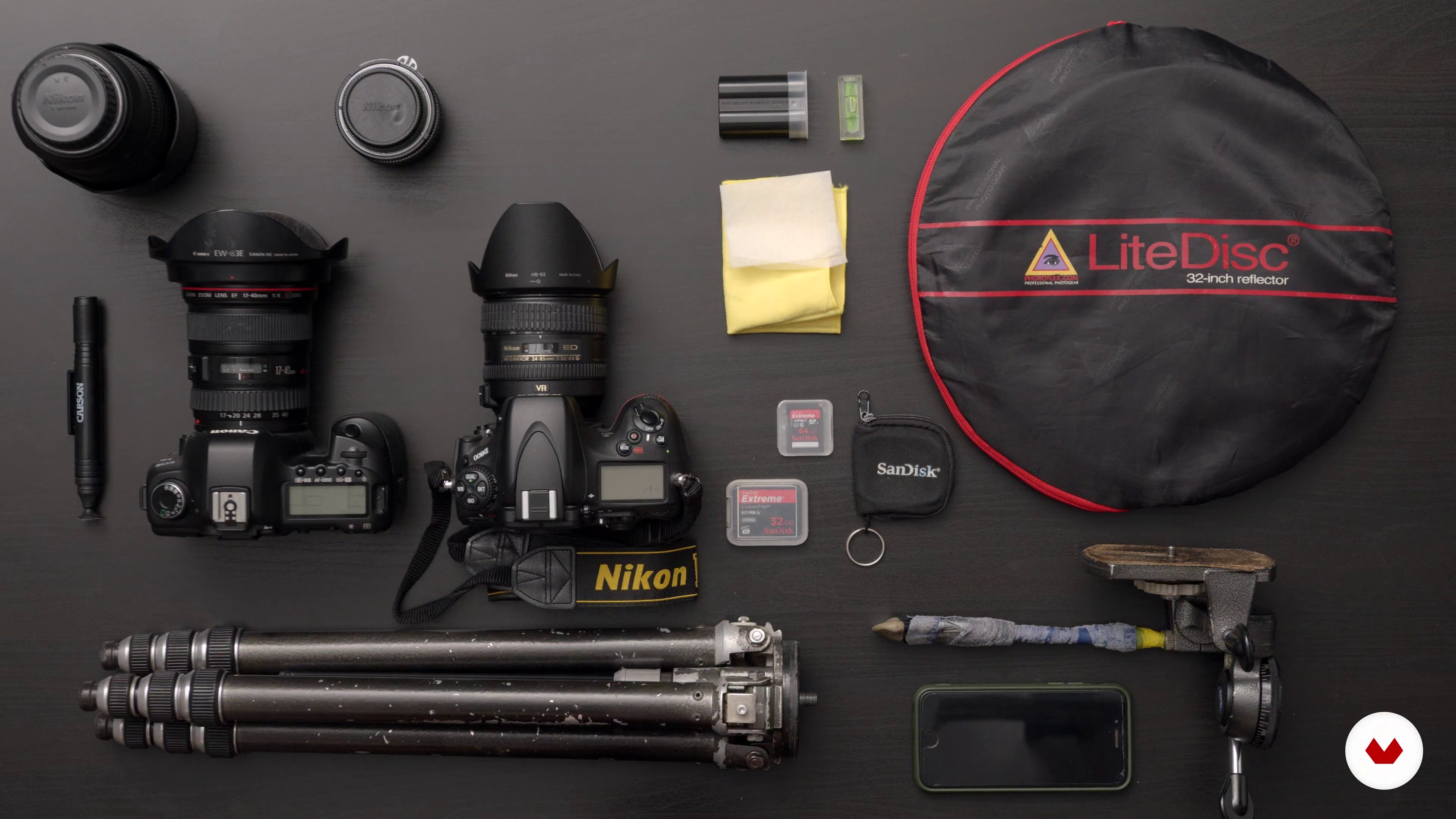
What equipment to use?
9 minutes, 7 seconds
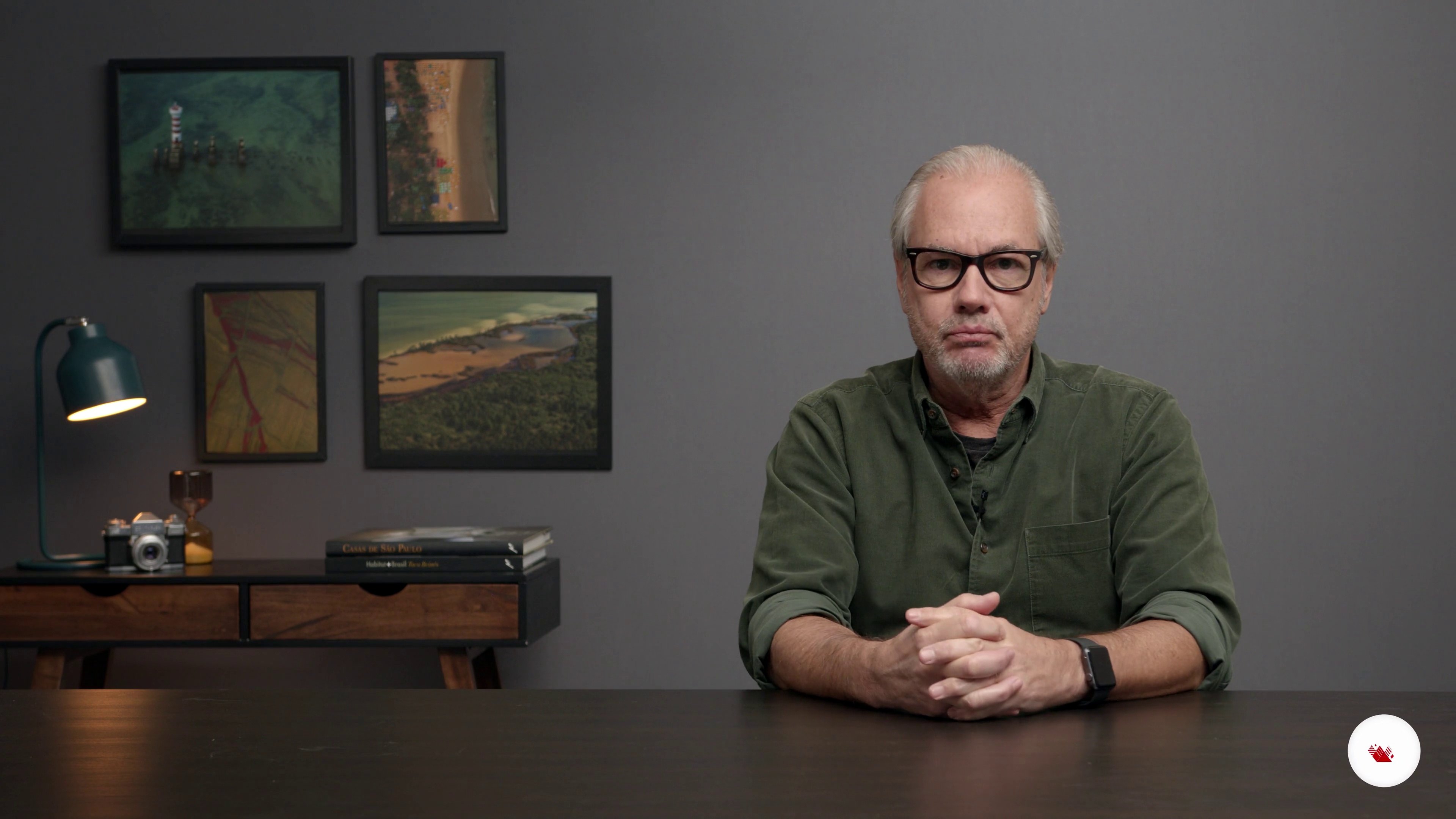
Eye alive. Understanding the work: presentation and contact with the location
5 minutes, 41 seconds
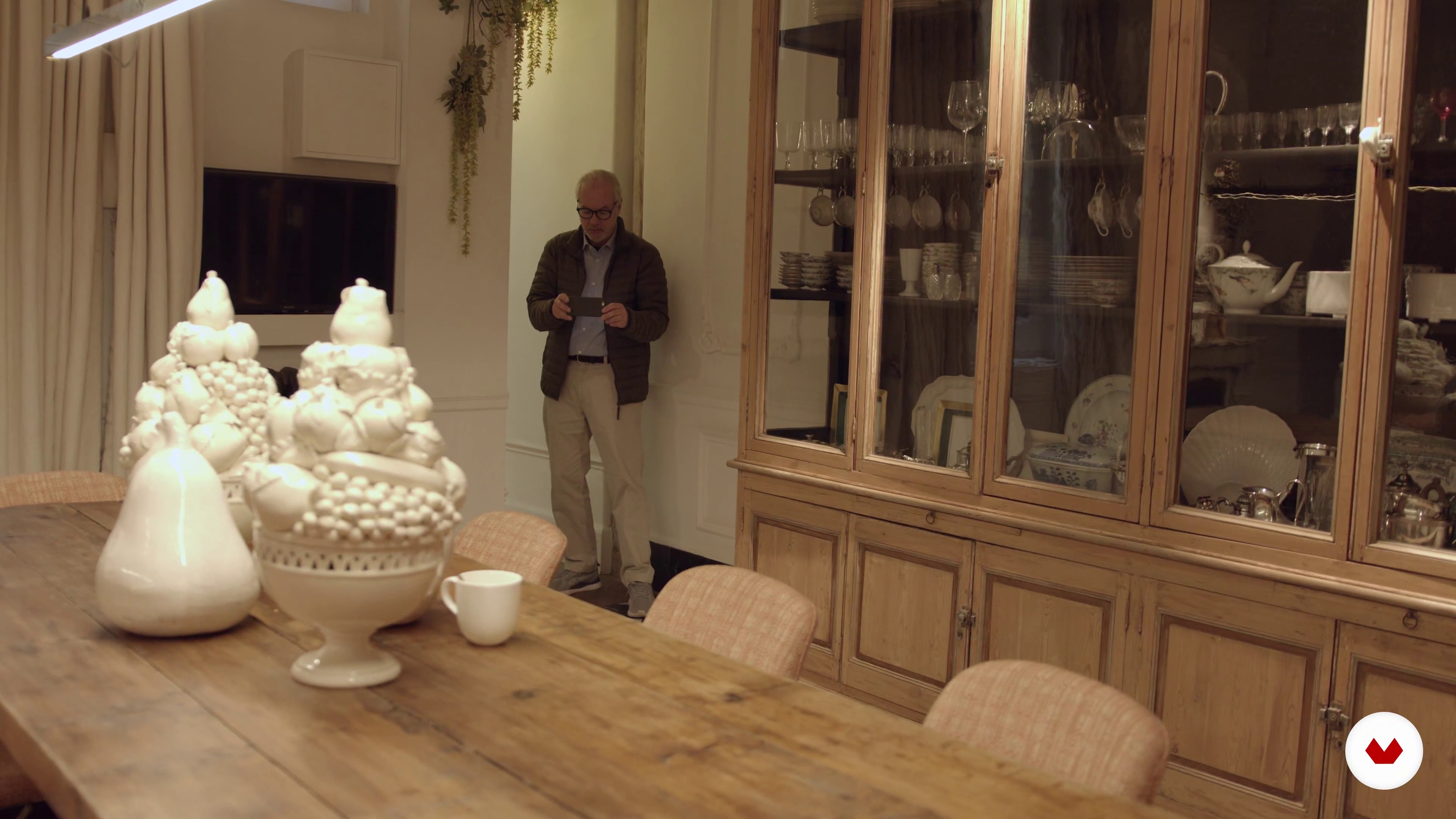
One eye in the light and the other in space
3 minutes, 47 seconds

Art direction to get the best out of the project
6 minutes, 18 seconds
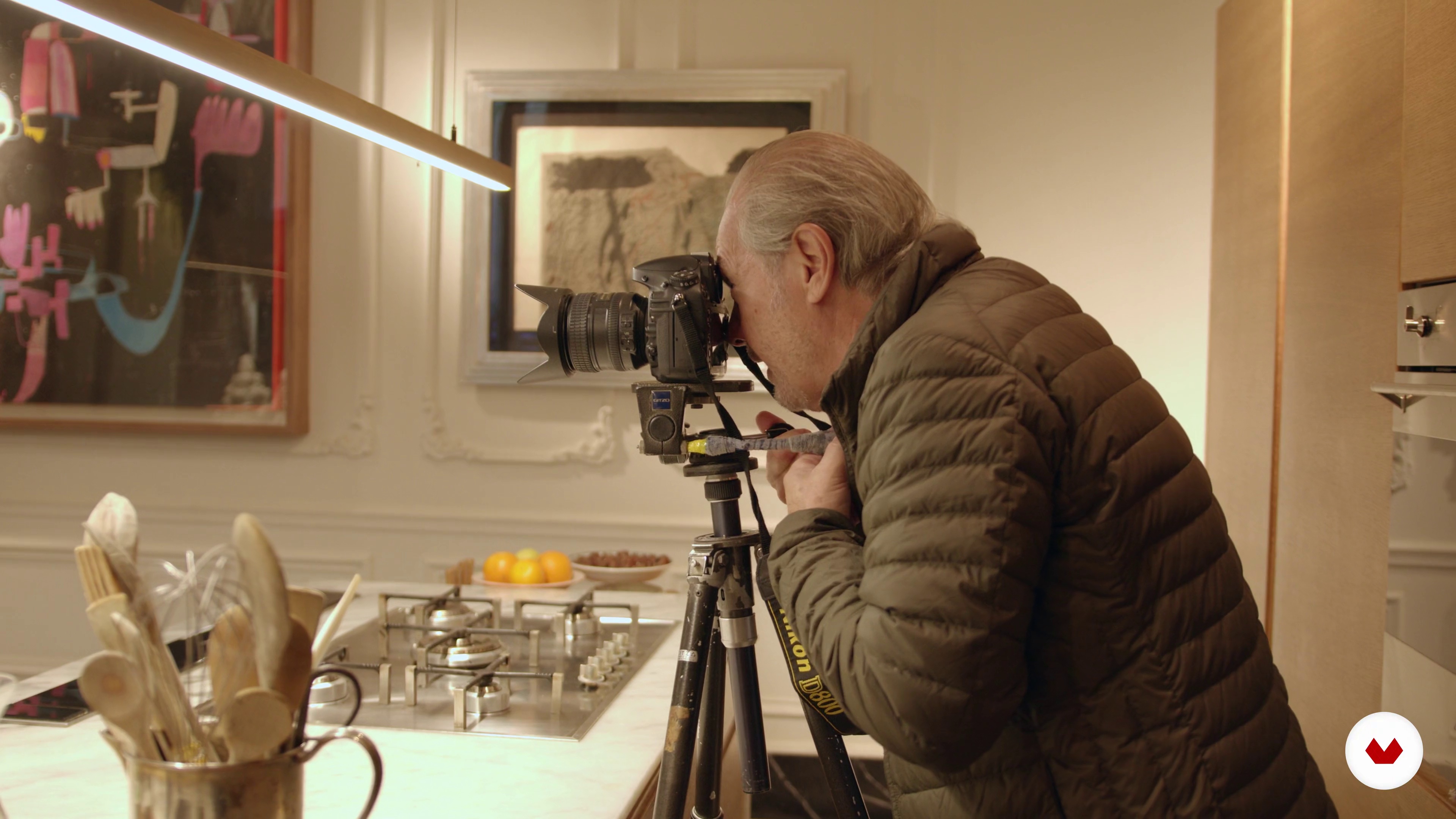
Final checklist and tighten shutter
10 minutes, 40 seconds
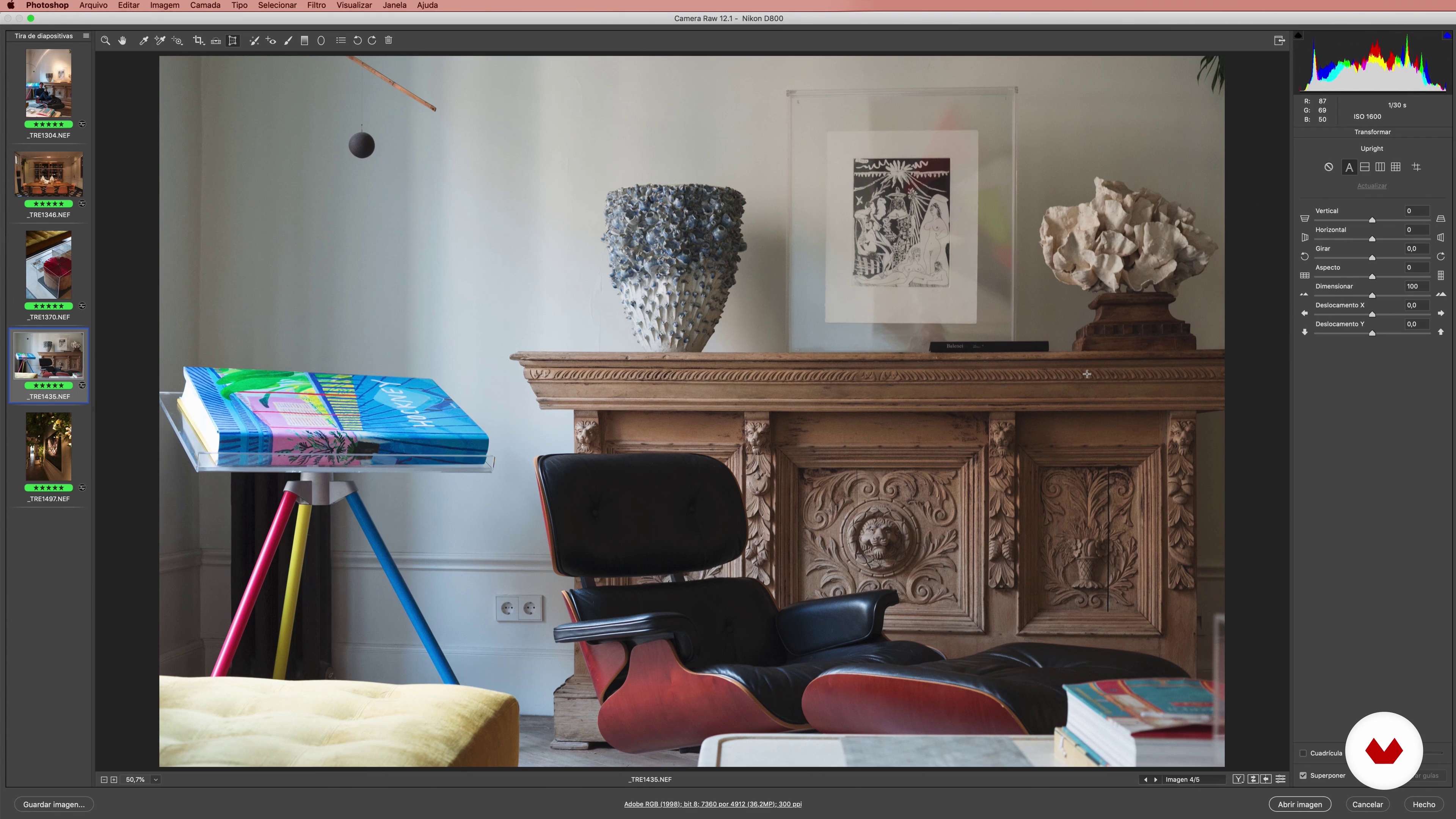
Reveal / Adjust and archive our work
21 minutes, 5 seconds
What's included in this course?
In the first unit, learn about Tuca’s professional career and his most important work. He shares some of his main influences in photography and architecture, and explains what you will learn in his course.
Discover the technical aspects, the preparation phase, and the equipment necessary to carry out your session. Starting with examples from his own work, Tuca explains concepts such as framing, the use of natural light, reflections, lenses, and more. Learn how to elaborate a briefing of your project and understand the importance of researching before starting out your work on a personal or commercial project.
Start the practical aspects of the course in the third unit. Get familiar with your location and see the importance of taking a personal approach, getting to know who lives or works there, and what stories lie behind the space. Tuca gives tips on how to find the ideal lighting, the best frames, and how to prepare for the final shoot.
The final stage will be focused on the post-production phase. You will transfer your photos to your computer and start editing with Adobe Bridge. Then, you’ll carry out the adjustments and final edits with Camera Raw, selecting between six and twelve images that tell the story of your location. Finally, Tuca will share some of his tricks to solve common problems related to interior photography.
By the end of this course, you’ll have learned all the steps to conduct a photoshoot in a residential or commercial space, with the guidance of an outstanding professional.
Recommended software & tools for this course
What is this course's project?
You will carry out a photoshoot in an interior space and create a series of six to twelve photographs that tell the story of the chosen spot.
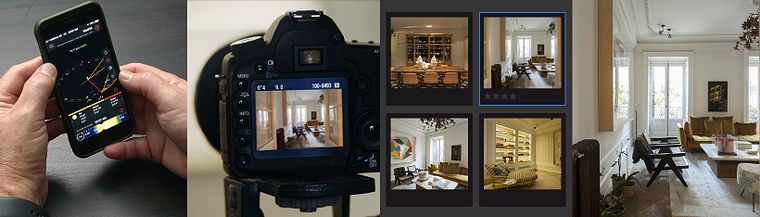
Projects by course students


Who is this online course for?
This course is for those interested in architecture and cities, as well as for avid travelers, journalists, engineers, architects, interior decorators, and those who want to photograph their homes or other interiors, to publish on digital platforms such as Instagram.
Requirements and materials
No previous knowledge is necessary.
As for equipment, you will need a camera with a lens between 28mm and 85mm, a tripod, and a computer with Adobe Photoshop.
Reviews
- 3 months ago
Un curso bastante completo para sacar fotos de interiores.
- 5 months ago
Très instructif et complet j'aurais aimé plus d'infos sur les paramétrages de l'appareil
- 5 months ago
It was a really practical and nice course. I found it easy to put on practice. Nonetheless, I would rather to emphatize the unit 4 "Editting your work", in the part three, it would be amazing if he can put on practice, how to combine the different ISOs 250, 125, 50, 30, and 15 exposure to become a photo using the HDR, he mentioned but he didn't explain it. And he missed to put that practical example when the light is too brigh, how we can adjust and handle it in real-time.
- 5 months ago
¡Me esta encantado hasta ahora el curso!
- 6 months ago
Excelente curso!

In the advertising field, he has worked for clients like Banco Santander, Philips, Stan, Max Haus, Buddemeyer, Land Rover, Audi, Citroen, Schaefer Yachts, Ermenegildo Zegna, Brastemp, Cosan, Mobil and others. His work has been exhibited both individually and collectively, for O Olhar Vertical in Santander Cultural Space, and for Diáfano Urbano de Tuca Reinés in the Nikon Gallery in Sao Paulo. He published books from editorials such as: TASCHEN, Imprensa Official, Metalivros, Decor, and Sena.
His awards include two Golden Lions from the Cannes Lions Festival, with the art book entitled 10 Years of Hotel Emiliano (2001) and with the series A Gente Vive Para Contar Histórias, he got first place in the Classic Graphic Arts Award; He was a finalist for the Eugene Atget Air France competition in Paris, and recognized for his work at the 1st International Photography Biennial in Sao Paulo, Brazil.
Content
- U1
Introduction
- Getting started today
- How to influence yourself: from the classics to the avalanche of images
- Eyes to the work. What will we do in the course?
- U2
Interior photography
- A little bit of practice
- Research and labor market
- What equipment to use?
- U3
Production
- Eye alive. Understanding the work: presentation and contact with the location
- One eye in the light and the other in space
- Art direction to get the best out of the project
- Final checklist and tighten shutter
- U4
Edit the job
- Edit… the moment of truth
- Reveal / Adjust and archive our work
- Some stones on the way always appear ... Some tips too
- FP
Final project
- Final project
What to expect from a Domestika course
Learn at your own pace
Enjoy learning from home without a set schedule and with an easy-to-follow method. You set your own pace.
Learn from the best professionals
Learn valuable methods and techniques explained by top experts in the creative sector.
Meet expert teachers
Each expert teaches what they do best, with clear guidelines, true passion, and professional insight in every lesson.
Certificates
PLUSIf you're a Plus member, get a custom certificate signed by your teacher for every course. Share it on your portfolio, social media, or wherever you like.
Get front-row seats
Videos of the highest quality, so you don't miss a single detail. With unlimited access, you can watch them as many times as you need to perfect your technique.
Share knowledge and ideas
Ask questions, request feedback, or offer solutions. Share your learning experience with other students in the community who are as passionate about creativity as you are.
Connect with a global creative community
The community is home to millions of people from around the world who are curious and passionate about exploring and expressing their creativity.
Watch professionally produced courses
Domestika curates its teacher roster and produces every course in-house to ensure a high-quality online learning experience.
FAQs
The course is intermediate level, perfect for those who already have basic photography skills and want to deepen their techniques specifically for interiors and architecture.
You’ll need a digital camera (DSLR or mirrorless), wide-angle lenses, a tripod, a reflector, memory cards, a computer with Photoshop, and preferably accessories like a remote control.
You’ll learn composition techniques, how to control natural and artificial light, art direction, preparing spaces, advanced Photoshop editing, and how to develop both personal and commercial projects.
It’s not mandatory, but basic Photoshop skills will help you get the most out of the editing and post-production modules.
The course includes hands-on activities in real settings, covering everything from session planning, equipment selection, and space preparation to final photo editing.
Yes, the course covers specific techniques for photographing apartments, houses, hotels, and commercial spaces, focusing on uses like rentals, Airbnb, and real estate.
Prior architecture knowledge isn’t required, but the course includes architectural concepts to help you highlight projects and better understand the spaces you photograph.