
Learn to launch and optimize your business in e-commerce with marketing, CRO and multichannel management strategies
The Online Business Specialization is designed for those looking to launch and optimize their e-commerce presence. Over eight courses, it offers tools for creating an online store from scratch, implementing effective marketing strategies, and improving sales conversions. You'll learn how to design an attractive storefront, manage platforms like Etsy, Amazon, and Society6, and use email marketing to build customer loyalty. Each course focuses on a key aspect, from creating a value proposition to optimizing store performance.
The course includes knowledge of branding, positioning, social media, and conversion rate optimization techniques. The goal is that upon completion, you'll be able to apply what you've learned to successfully manage a multi-channel store and scale your sales. The specialization is complemented by practical projects that allow you to develop a comprehensive marketing strategy, launch stores on different platforms, and create automated email marketing campaigns. With the guidance of Karl Covarrubias, Jorge García Gómez, Ignacio Arriaga, Jorge Hdz Losa, Depeapa, Héctor and Gerry, and Alisa Galitsyna, you'll gain a comprehensive understanding of the digital ecosystem.
What will you learn in this specialization?
 1
1Introduction
In this lesson, you'll discover how eCommerce revolutionized global commerce. You'll analyze its origins, key concepts like CRO and email marketing, and how platforms have empowered creators to connect directly with their audiences without intermediaries.
2m
 2
2Influences | Karla Covarrubias
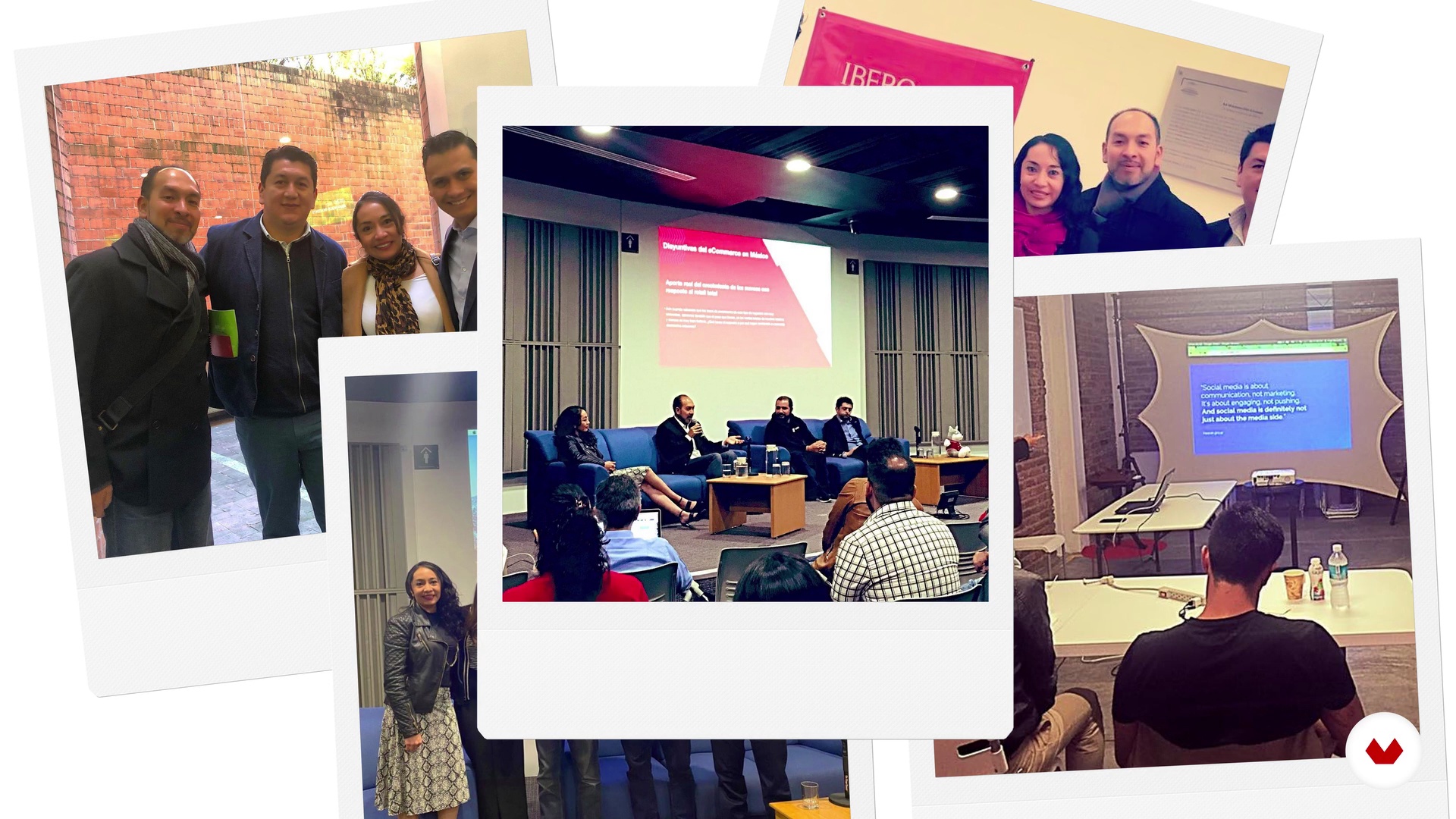
Throughout my career, there are several people, texts, and companies that have been a reference in my work. Below, I'll tell you about them.
3m
 3
3Influences | Jorge García Gómez
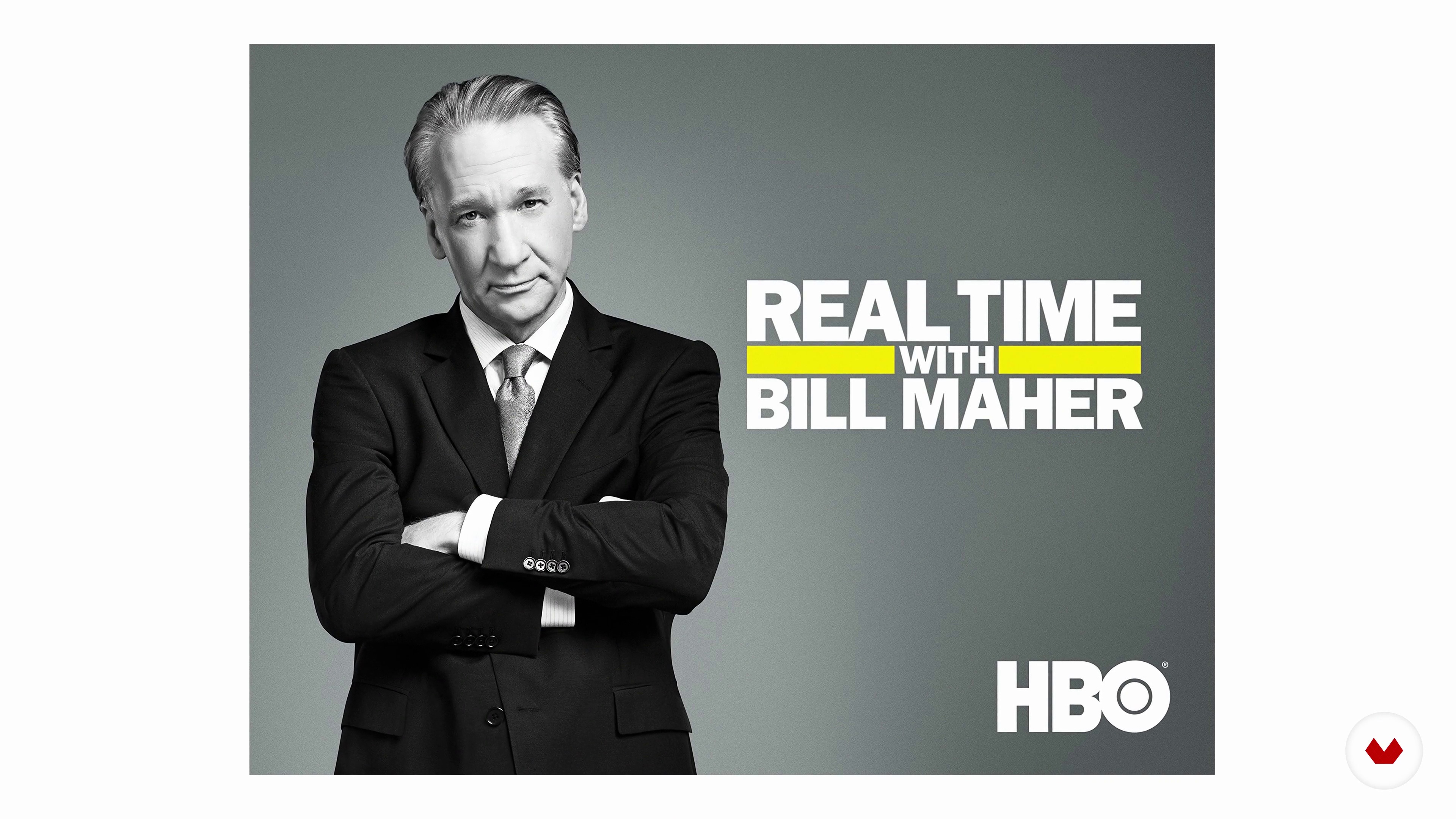
To get to know each other better, I'm sharing with you the influences and coincidences that have brought me to where I am today. From books that have shaped me to a comedian who has nothing to do with marketing (although he actually does).
2m
 4
4Influences | Ignacio Arriaga
I don't have too many influences directly related to the course content, but I'll try to tell you a little about what has helped me along the way and why I do things the way I do.
9m
 5
5Influences | Jorge Hernández Losa
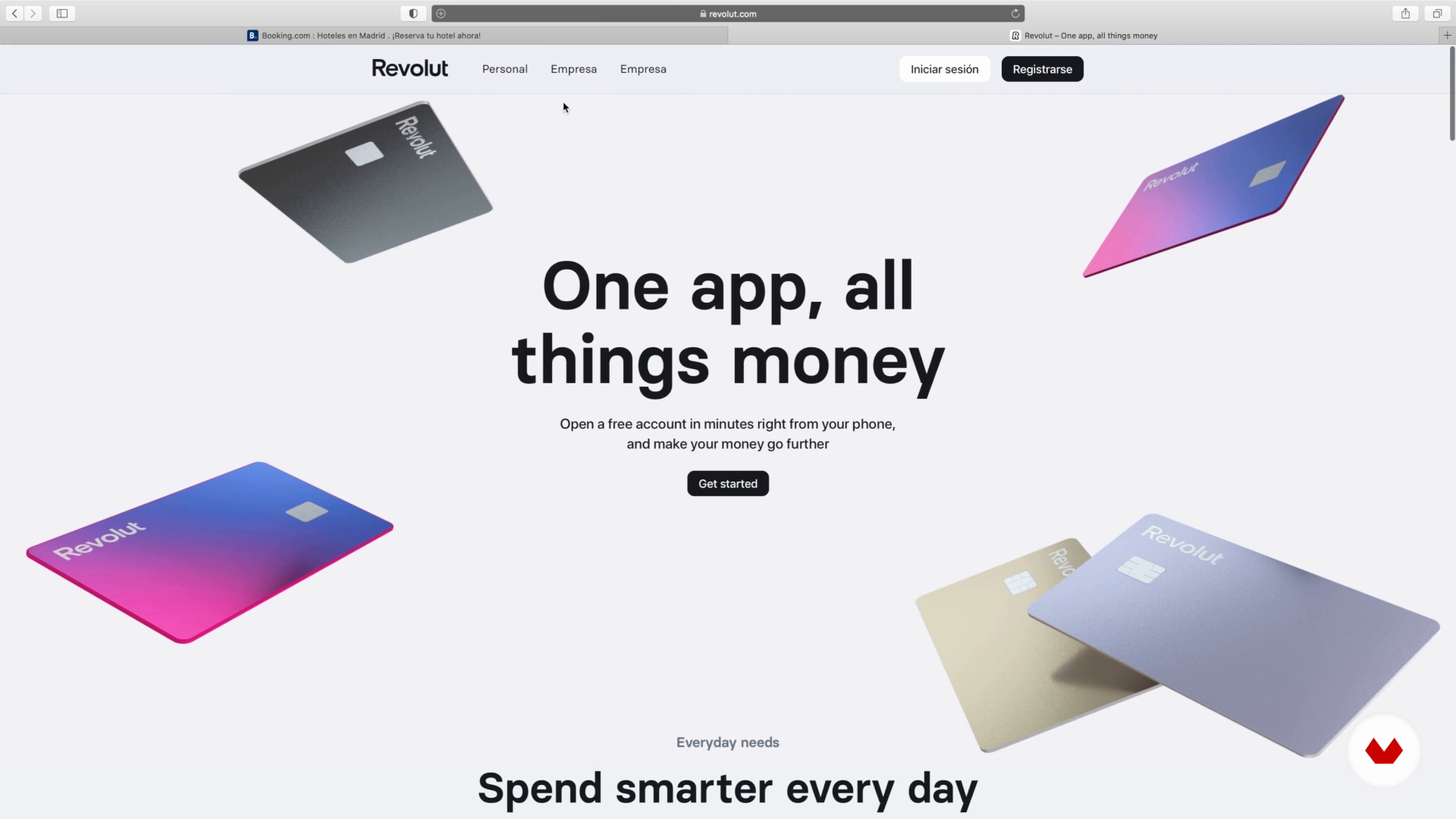
Now I'll tell you about the companies that have influenced my current vision of digital marketing.
4m
 6
6Influences | Depeapa
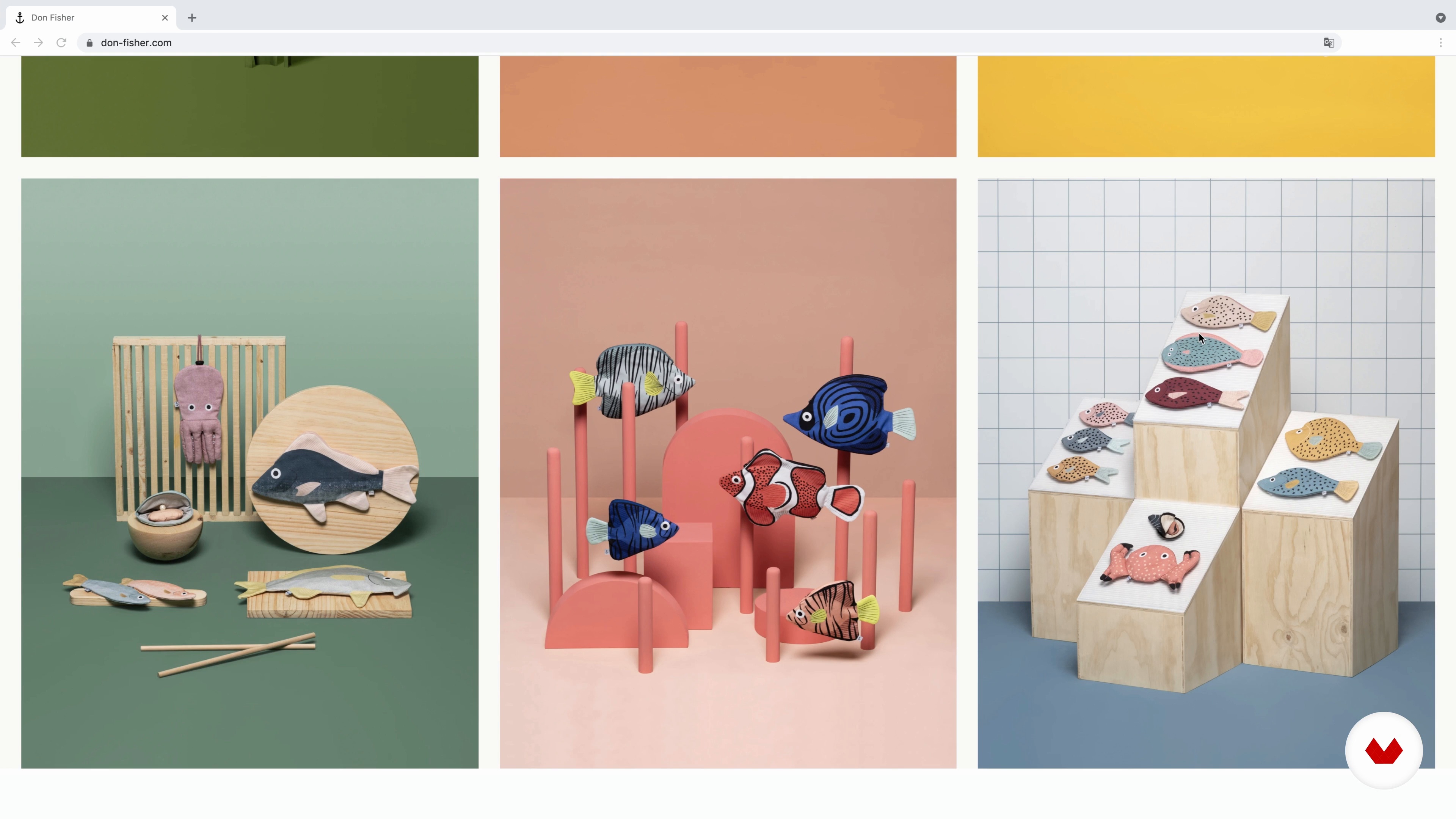
Next, I'll share with you brands and artists that inspire me and have influenced my work. I'll also show you some Etsy shops I really like.
4m
 7
7Influences | Héctor y Gerry
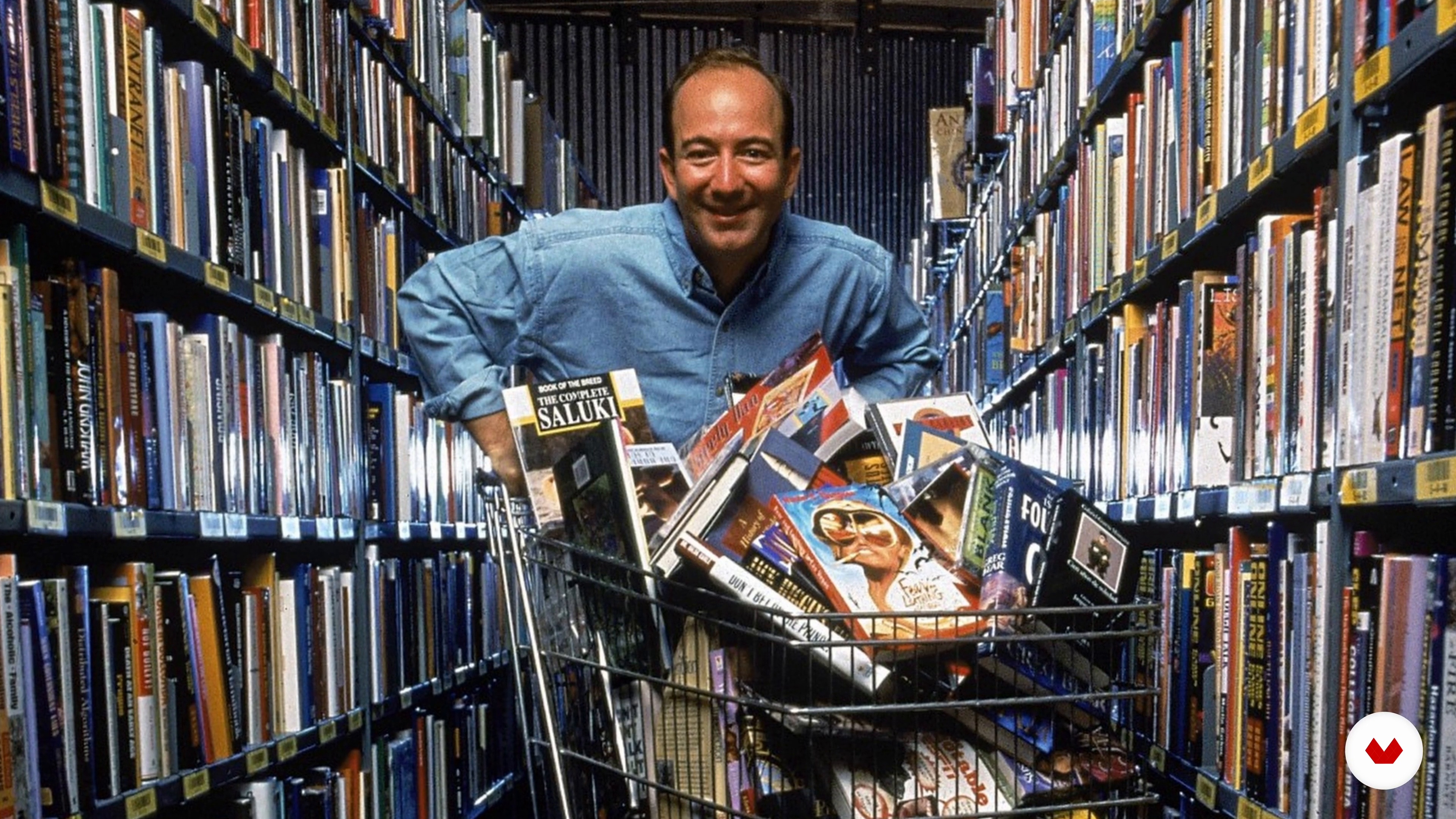
Many of our role models come from the business world, especially entrepreneurs and brands with innovative approaches. In this lesson, we'll tell you who our main sources of inspiration have been and how they've motivated us to get to where we are today.
3m
 8
8Influences | Alisa Galitsyna
In this lesson, I'll tell you about the things that motivate me to work. In addition to the artists I like, I'll show you the accounts I follow on social media to inspire me and keep me motivated.
8m
 4
4What is Electronic Commerce?
In this lesson, we'll explore what e-commerce is, the advantages of this sales channel, and the other challenges you face when running an online business.
7m
 5
5Defining what to sell and how to do it (canvas model)
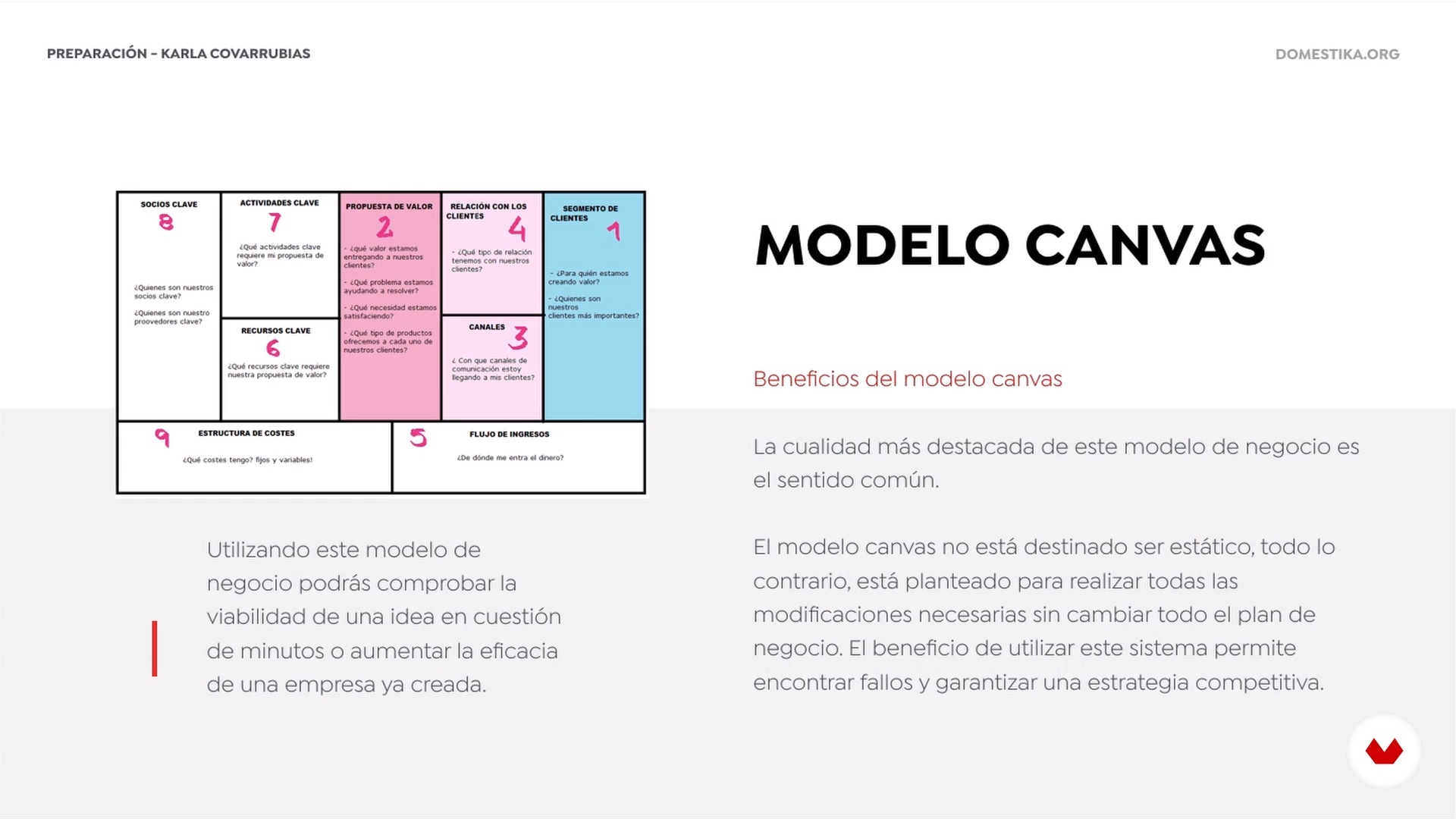
Now, we'll define the business terms of our online store using the business model canvas. This business model will help us with the basic elements we'll need to launch the project.
12m
 6
6How to carry out and what to contemplate for a Business Case?
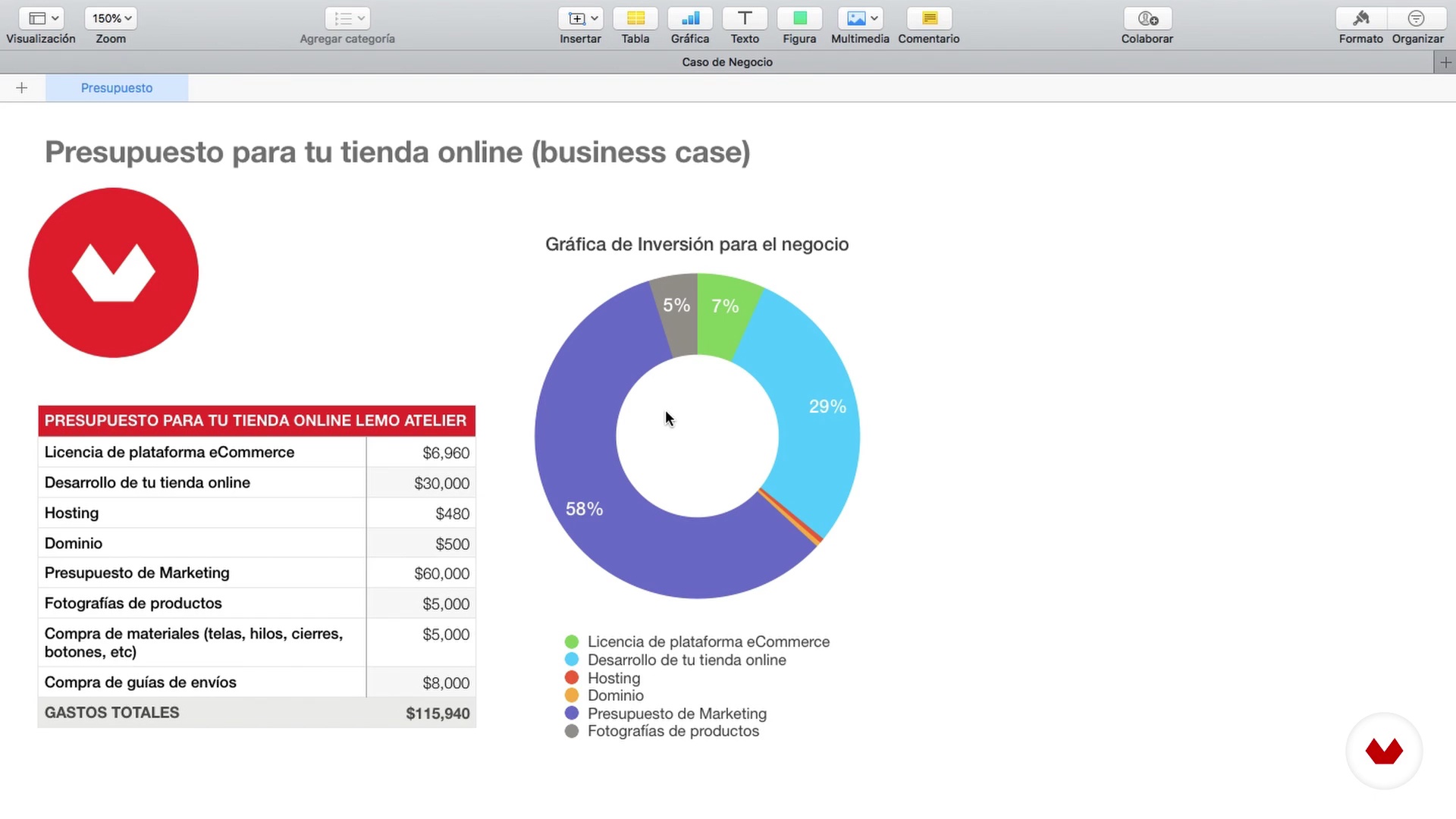
It's time to create your business case! You'll learn what to consider to capture all the expenses and costs of your online project. This will help you determine the investment required to carry out your project and how much you'll need to promote it and get your first customers once you have it. Remember that, as a general rule, a business case should articulate a clear path to an attractive return on investment.
8m
 7
7Defining the work plan for your online store
Here, we'll work together to create a work plan for your online business. I'll show you some of the most popular tools for this, and we'll define everything you need: key stakeholders, and how to stipulate the timeframes to achieve your goal.
7m
 8
8How to choose the best e-commerce platform for your business?
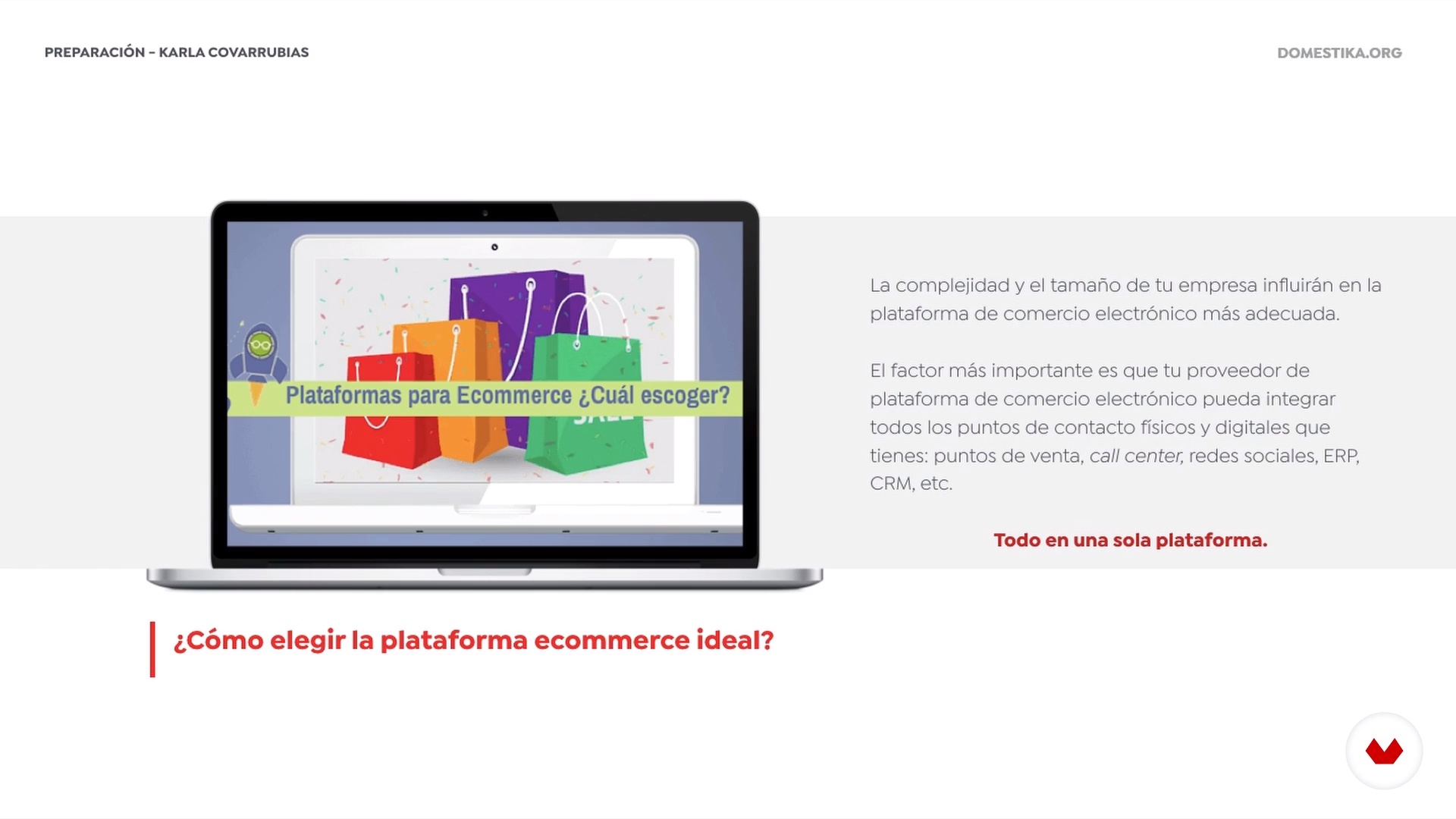
An e-commerce platform is the tool you'll use to create your e-commerce site, and there are different types. In this lesson, I'm going to talk about them.
10m
 9
9Providers and resources
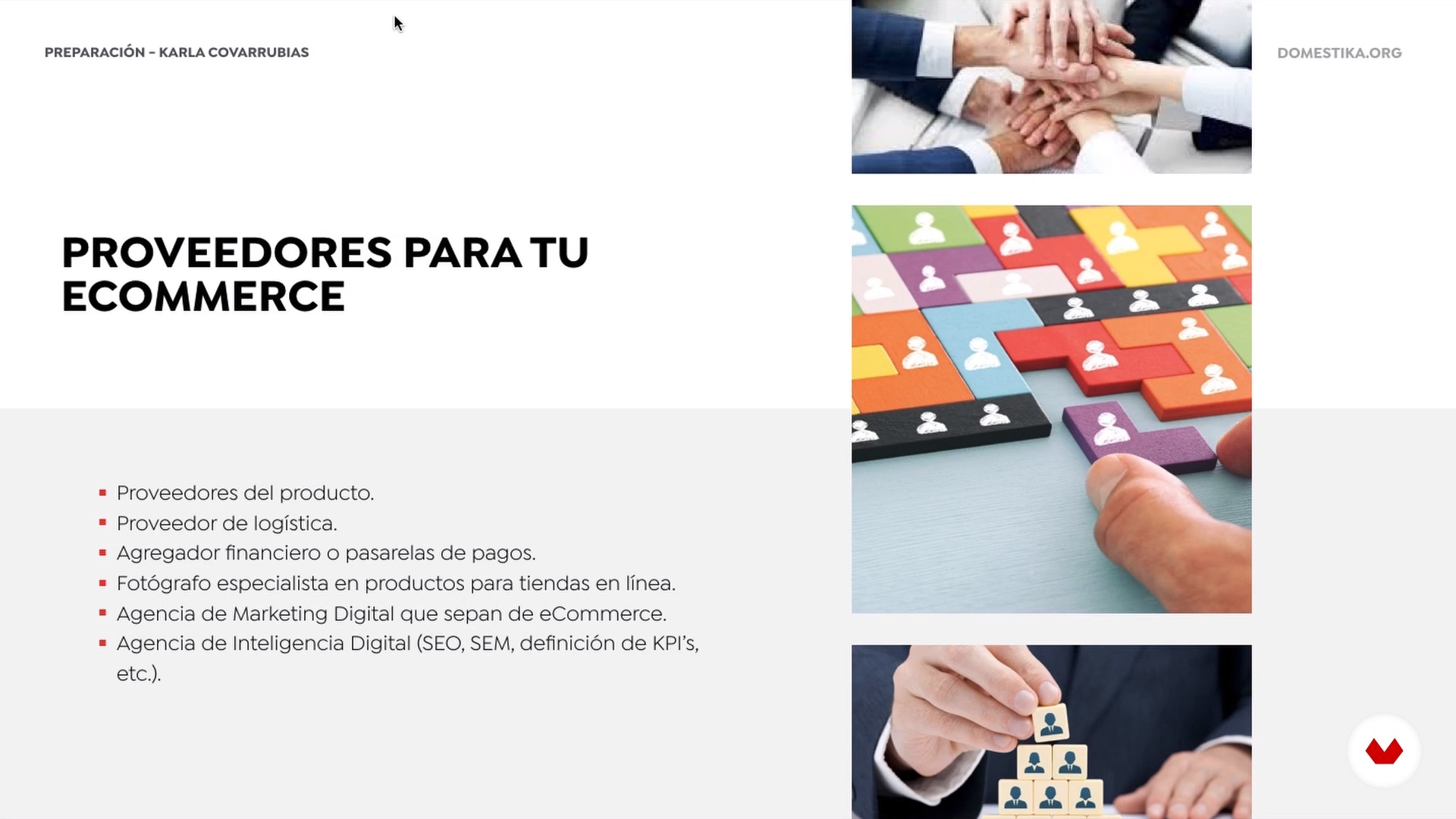
In this lesson, we'll learn about the types of logistics providers available and the key factors for choosing the best one for your business.
7m
 10
10Other commercial definitions for the online store
Here we'll look at the final points we need to define for our online business, such as the payment gateway and the legal aspects of operating an online store.
12m
 11
11Inventory management
Efficient inventory management is one of the most essential needs of any business, and also one of the most challenging activities. Just like in brick-and-mortar stores, inventory control is also a critical task for the success of e-commerce. In this lesson, I'll talk about this.
5m
 12
12Management of promotions and content and content management per month
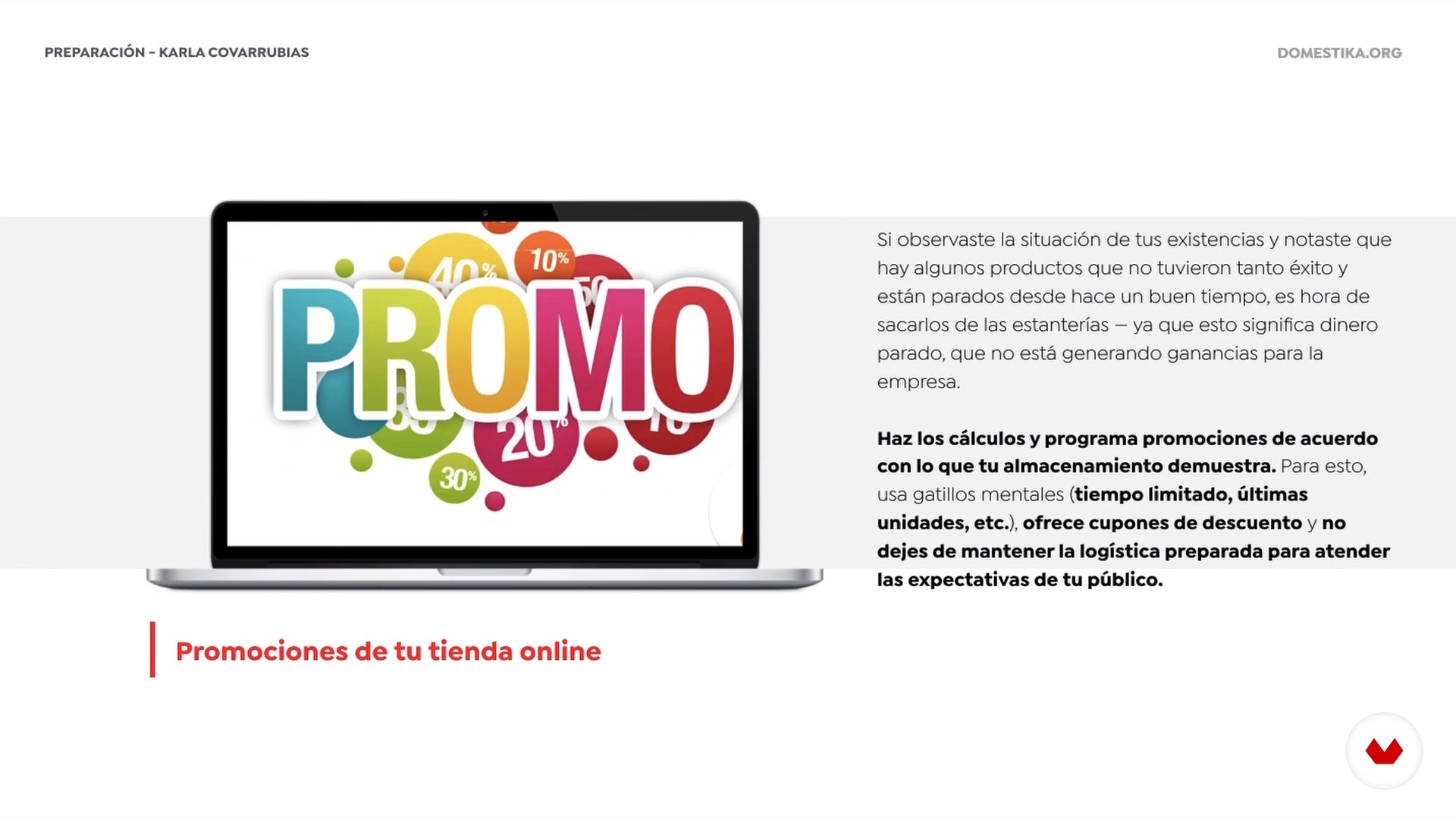
Promotion management plays a key role in business sales. Here, you'll learn how to schedule promotions throughout your online store's year-round operations, the importance of promotion rotation, and the most attractive discounts to attract customers, as well as your business objectives.
5m
 13
13Marketing plan for the launch of your online store
When you want to start a business, prior planning is essential. The launch includes many details, and the plan will help you stay organized, which is a great way to make sure you don't forget vital steps in the process.
7m
 14
14Definition of online store metrics
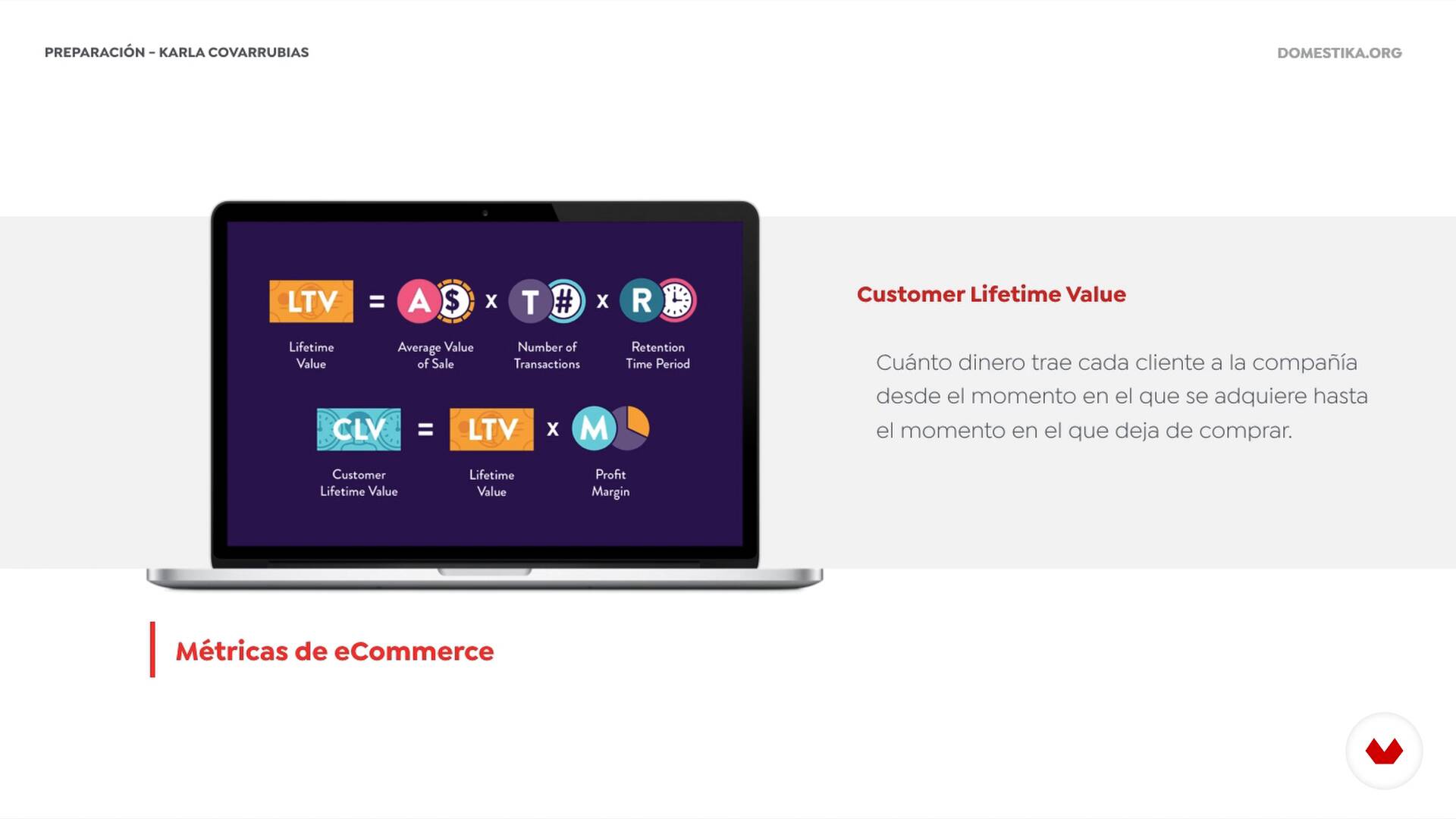
Designing and creating a profitable business model is one of the keys to the success of any eCommerce business, but to understand its profitability, it's essential to always measure results and know where to focus your efforts; in short, to understand the main KPIs or metrics in eCommerce. We'll discuss this in the next lesson.
6m
 15
15Application to the final project
It's very important that we understand everything we've covered above so you can apply it to your own project. I'll show you how to implement everything previously established, using the app we've chosen, and where we'll implement the commercial and operational functions.
5m
 16
16Conclusions, success story
Those who manage eCommerce cannot forget that, above all, they are working with people's needs. With the arrival of technology, it became clear that consumer habits were profoundly impacted, but beyond that, the way people interact in these opportunities also changed.
5m
 3
3How to Have an E-commerce Ready to Sell
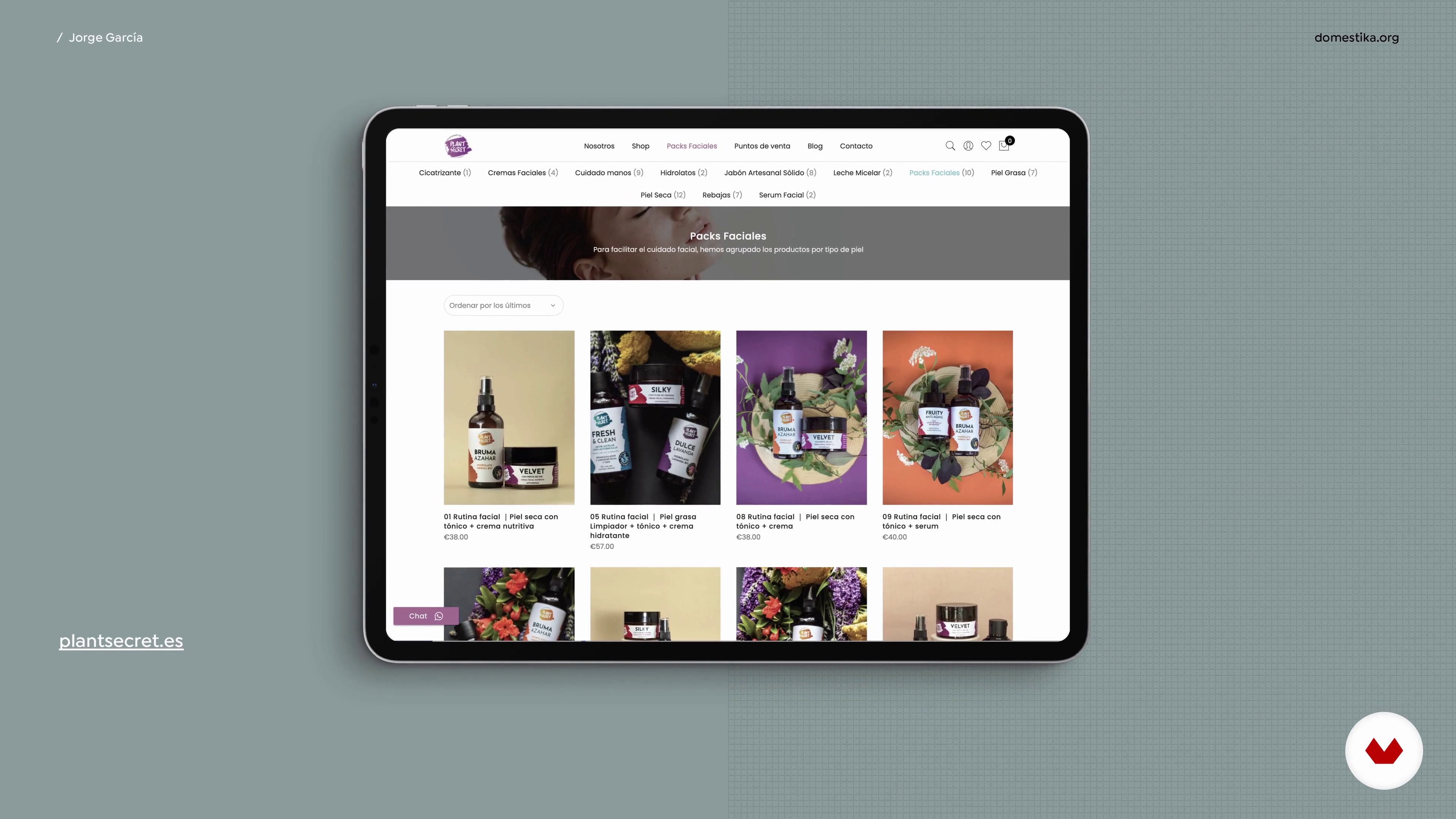
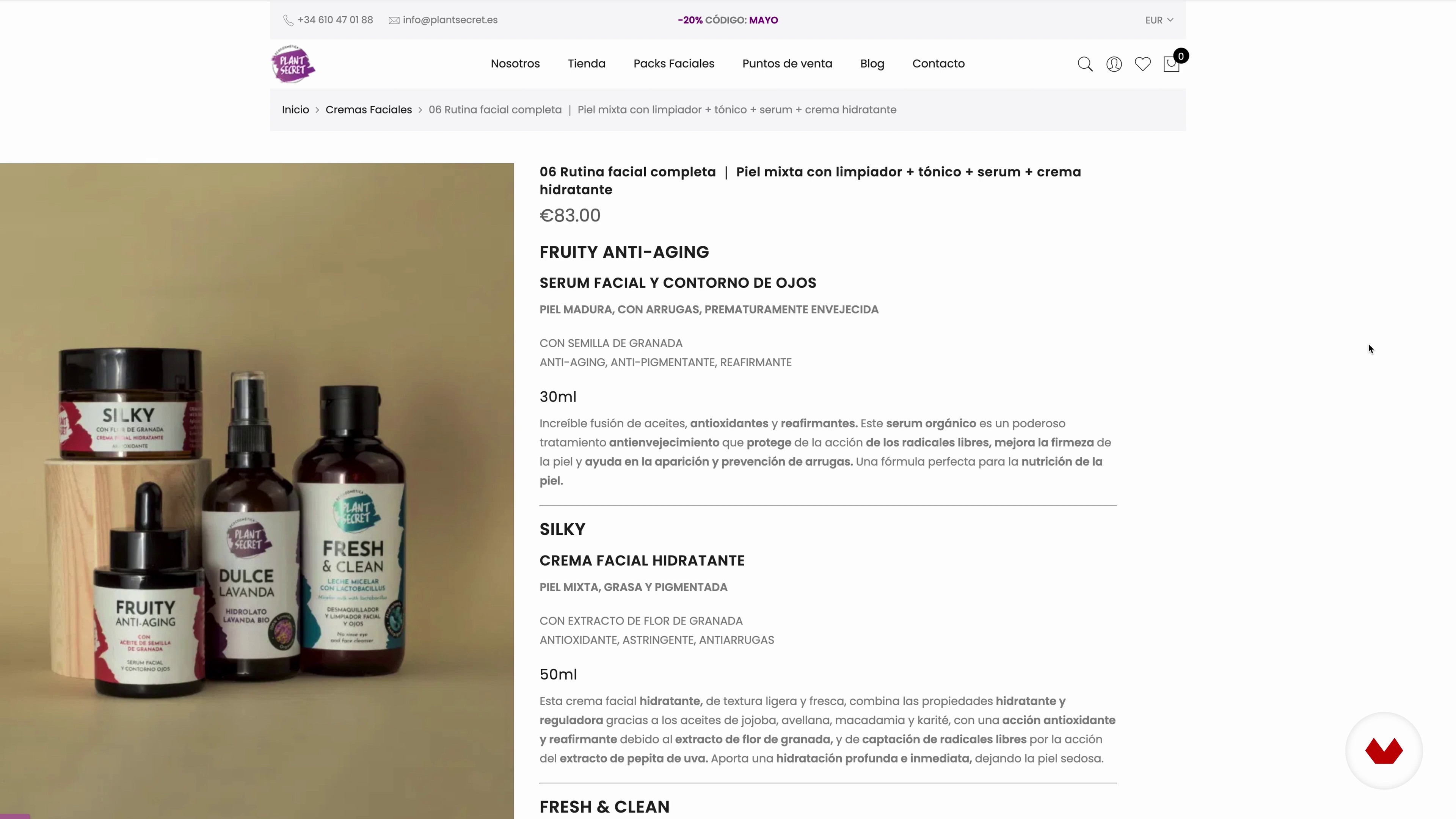
In this lesson, we'll review whether the most important elements of your online store are well optimized before starting marketing. This way, when you start attracting people to your e-commerce site, it'll be ready to sell. To show you how to do this, I'll use a real-life case study: the natural cosmetics brand Plan Secret.
10m
 4
4Knowing Our Audience
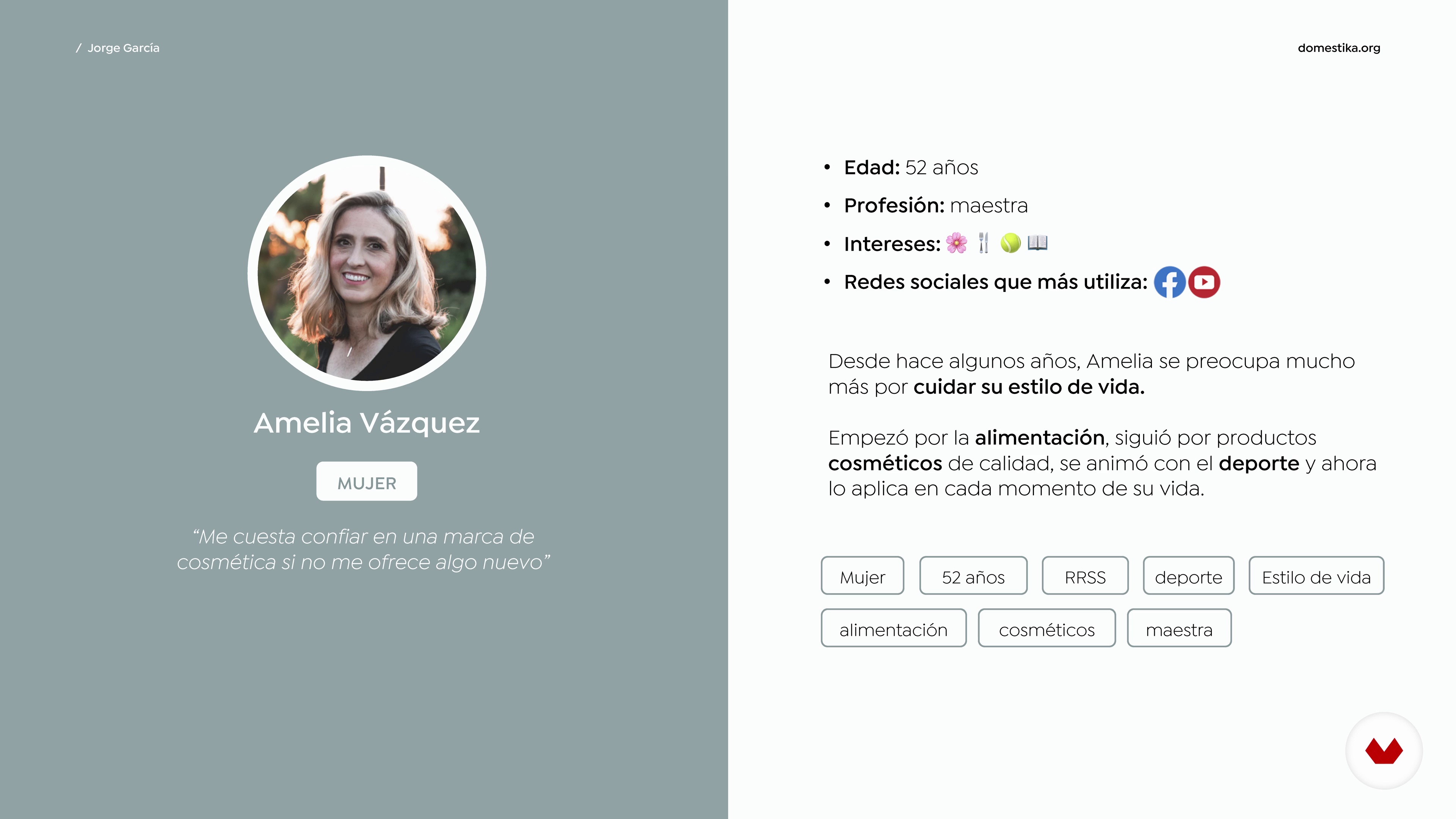
Next, I'll show you how to define a potential customer avatar for your e-commerce site, both at a basic and advanced level. We'll define personal characteristics such as age, gender, geographic location, education, etc. We'll also define usage characteristics: brands they follow, interests, needs, activity on other digital channels, etc.
5m
 5
5Marketing Channels for an E-commerce: Overview
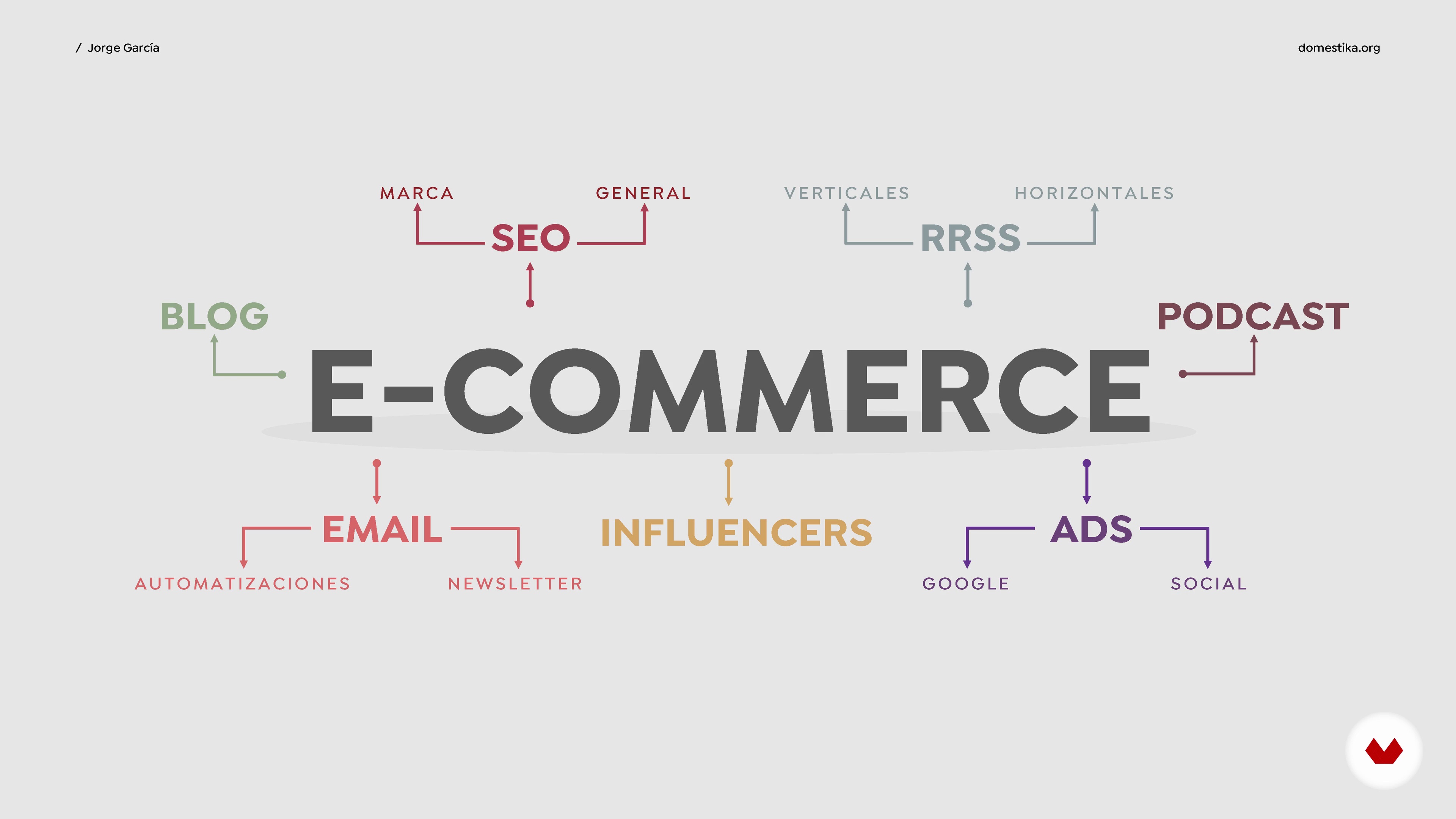
Now I'm going to show you all the marketing channels available to promote your online store. You'll learn the specifics of each one so you can select the ones that make the most sense for your project. You'll discover the advantages and disadvantages of SEO positioning, CPC campaigns, corporate blogs, influencers, social media, and email marketing.
14m
 6
6SEO Positioning: Basic Fundamentals
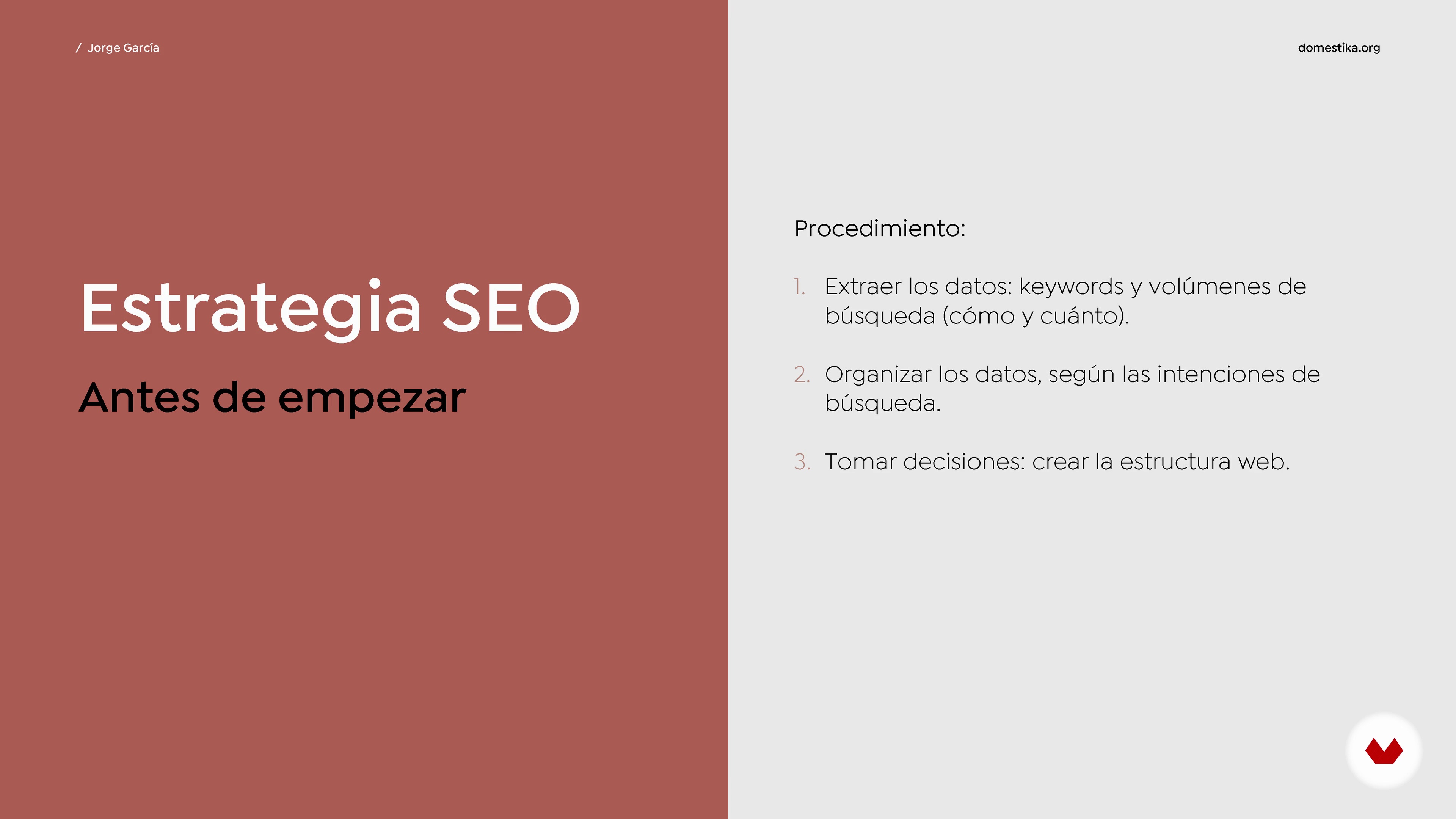
In this lesson, you'll learn how to conduct a small keyword study and optimize your e-commerce site's structure based on the data. This will help you improve your ranking on Google.
1m
 7
7SEO Positioning: Practical Workshop 1
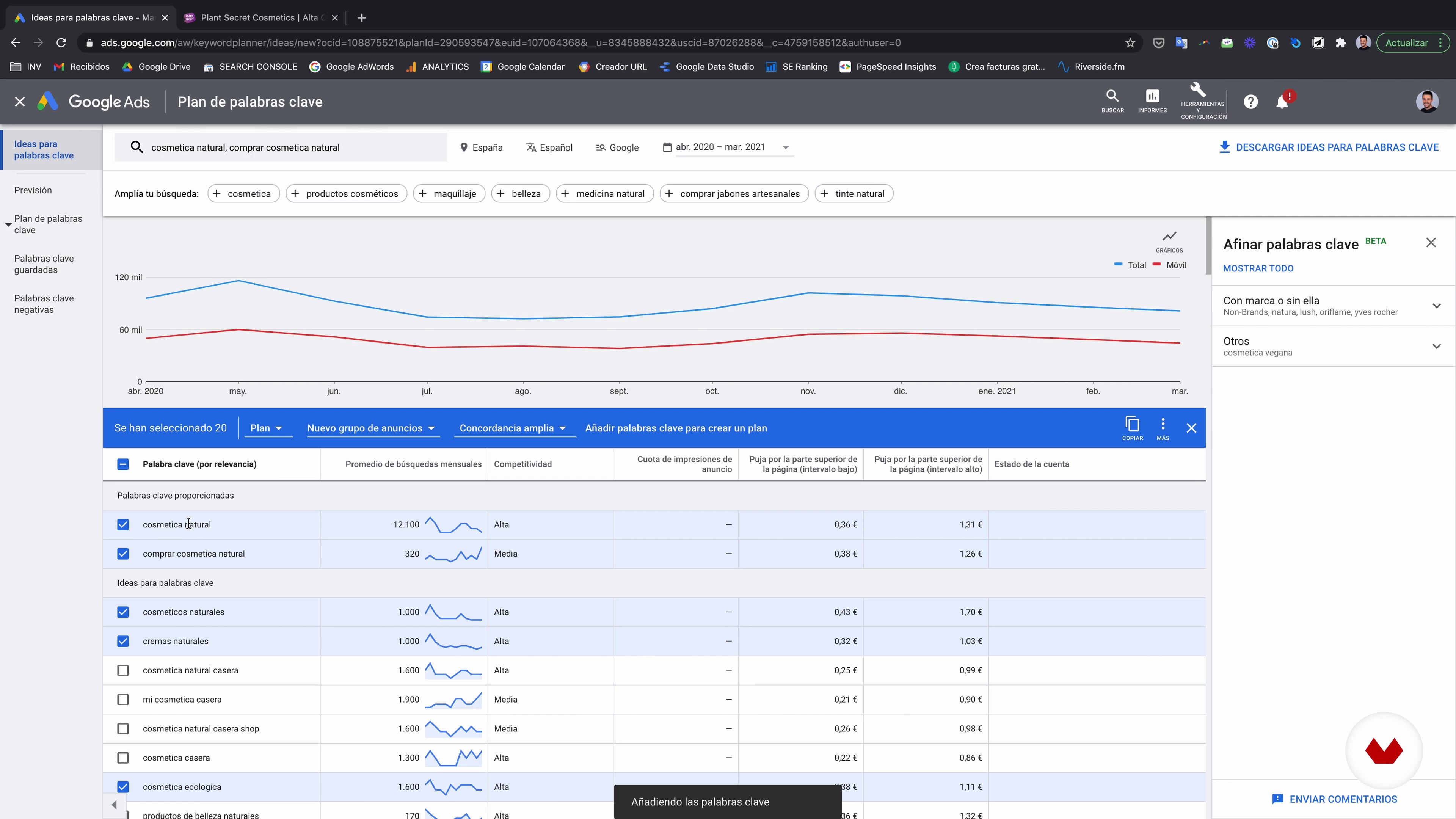
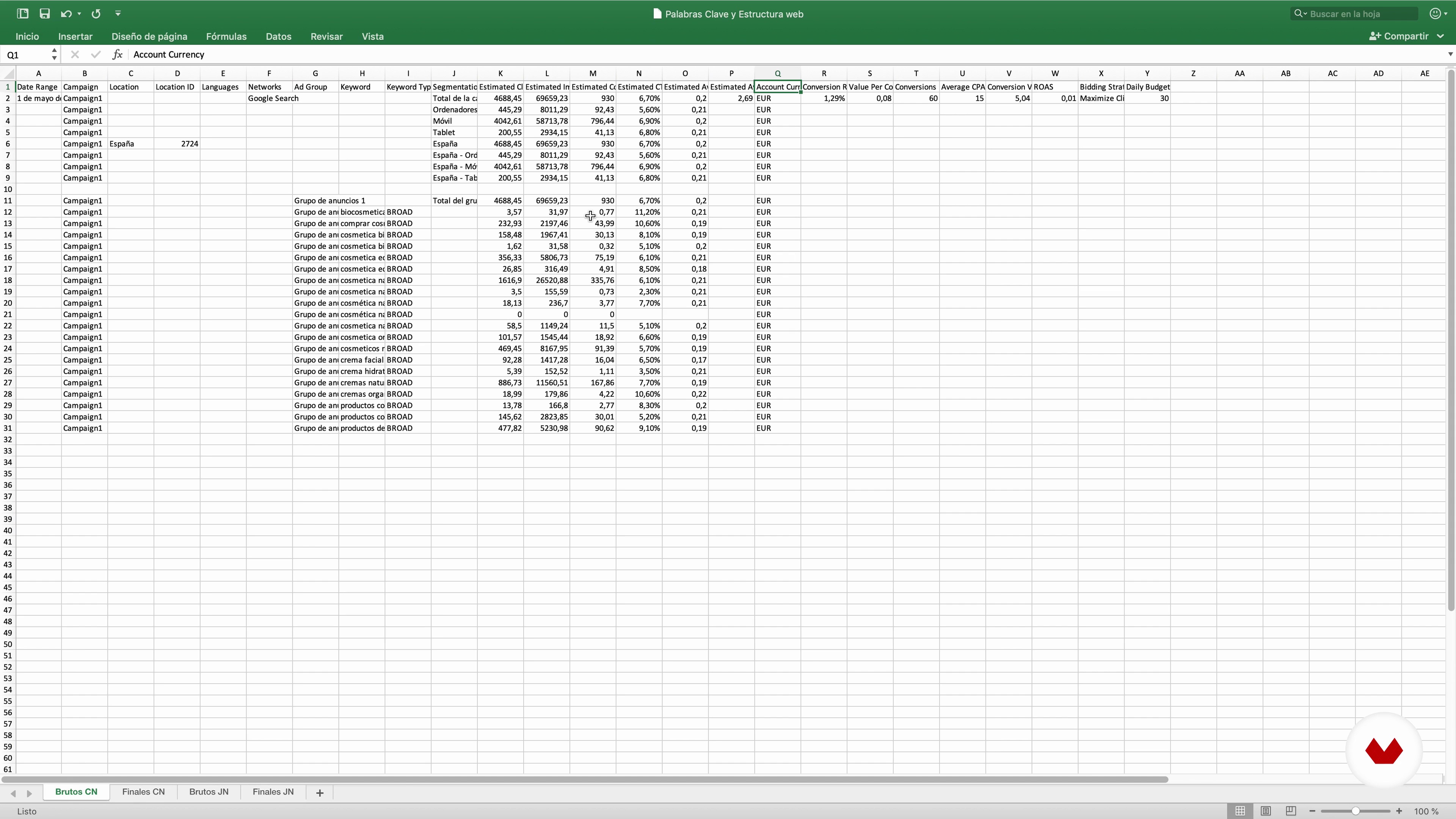
Now that you know the basics of Google positioning, let's put them into practice. To do this, you'll conduct a keyword study in which you'll choose the keywords you want to rank for.
15m
 8
8SEO Positioning: Practical Workshop 2
We continue organizing the keywords we've found to further develop our SEO strategy.
13m
 9
9Content Plan For Your Blog: Getting to Know the Channel
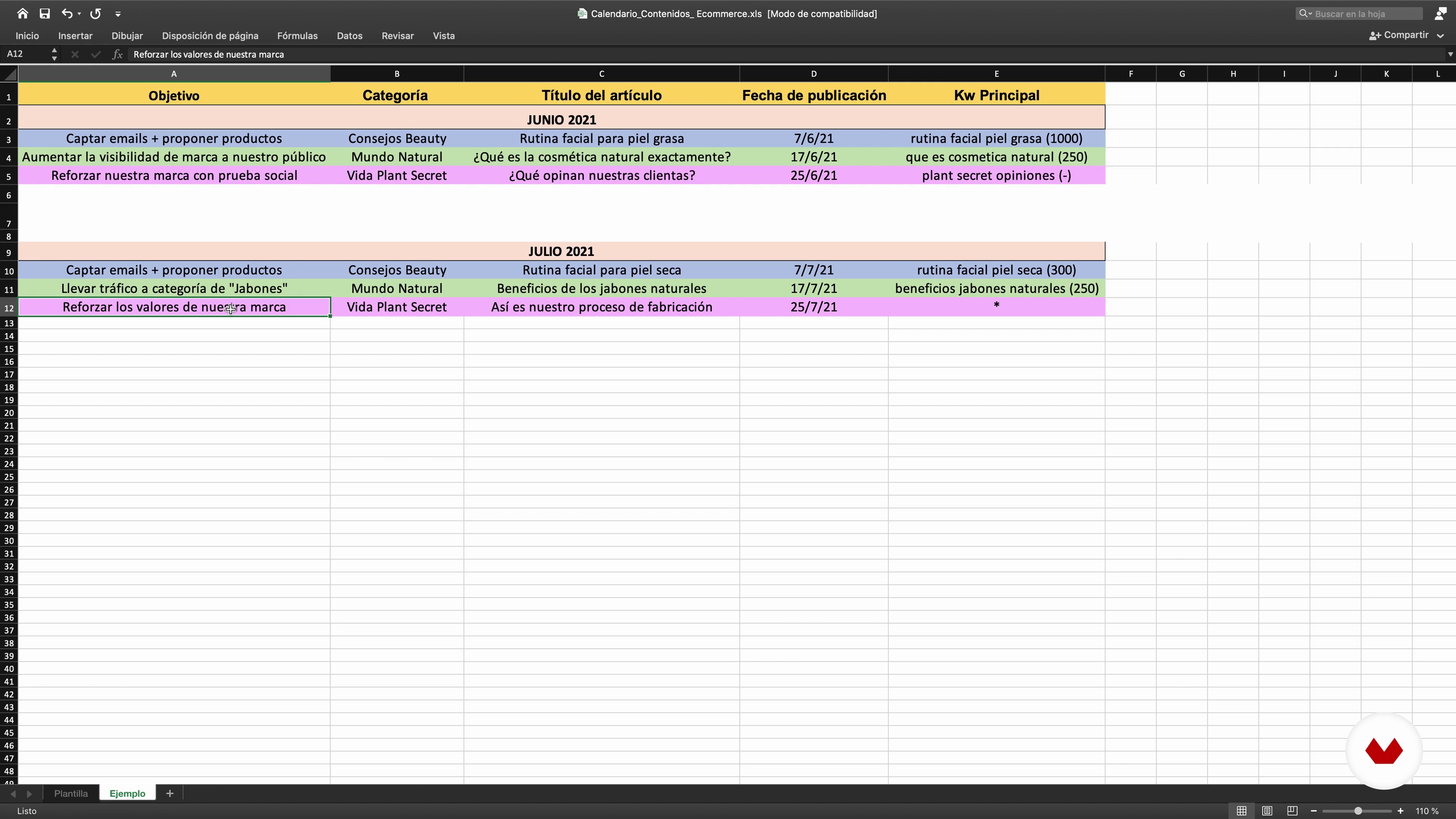
Now I'm going to teach you how to create your content calendar to increase your brand's visibility. This way, you can use this content to attract the same audience to your transactional side.
11m
 10
10Content Plan For Your Blog: Creating Your Calendar
Now that you know the basics of the channel, it's time to start leveraging it for your digital strategy. We'll do this by creating our editorial calendar.
12m
 11
11Social Media Plan: Designing the Strategy
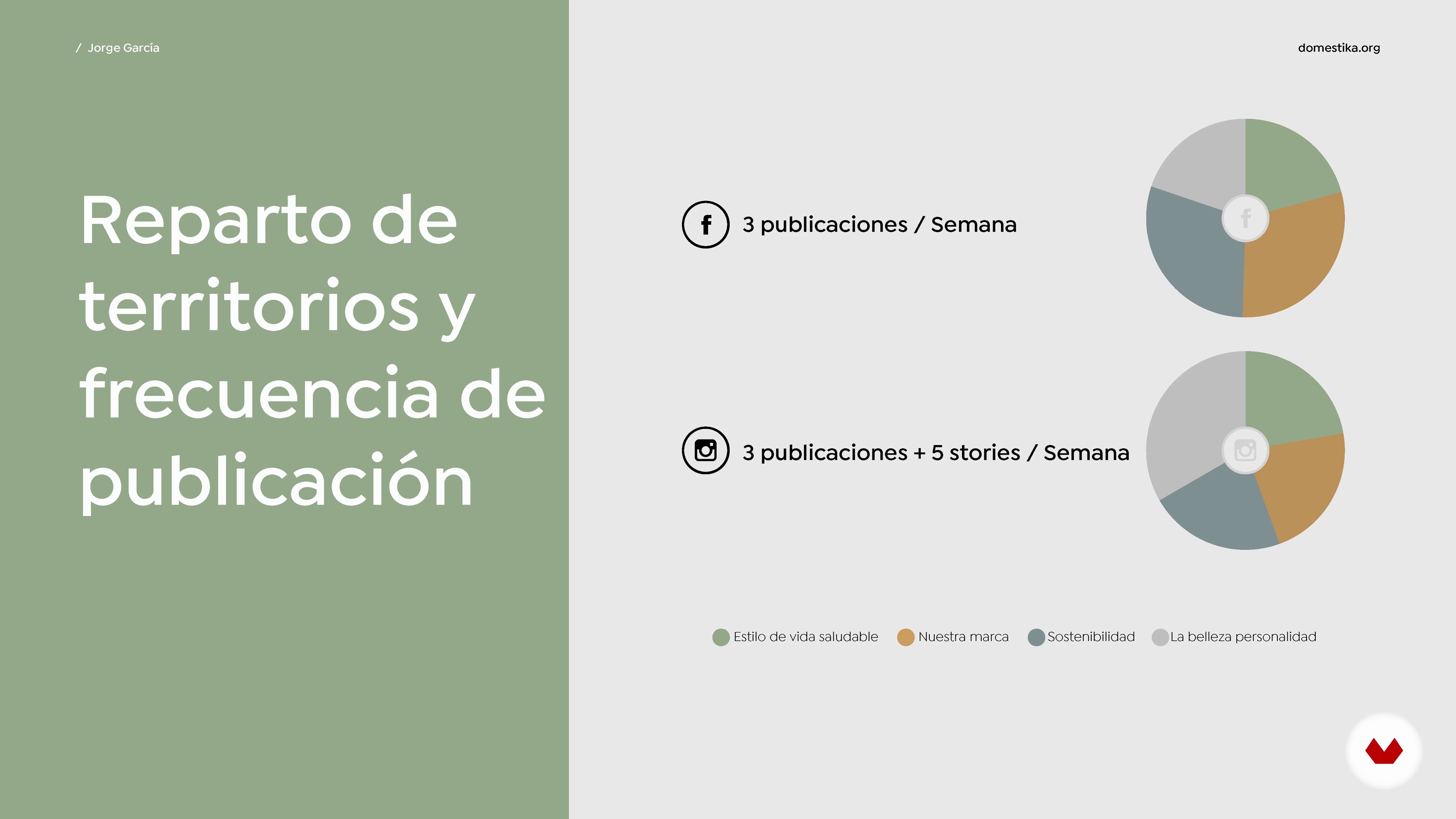
In this lesson, I'll teach you how to design your social media strategy, choose the right channels for your brand, define their roles, and organize conversation areas.
5m
 12
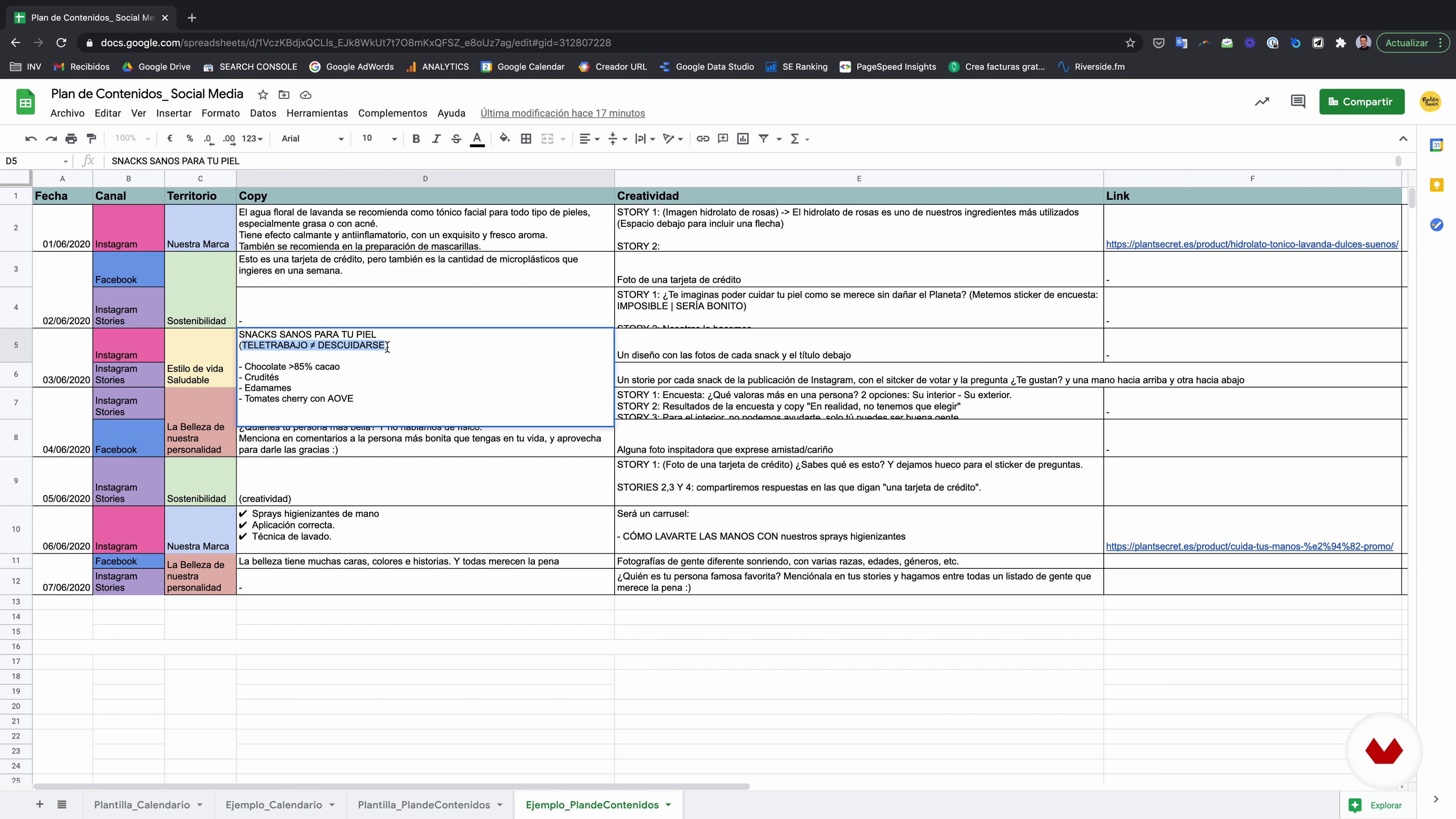
12Social Media Plan: Landing the Calendar
Now we're going to create our own social media posting calendar. I'll show you everything you need to make it happen.
15m
 13
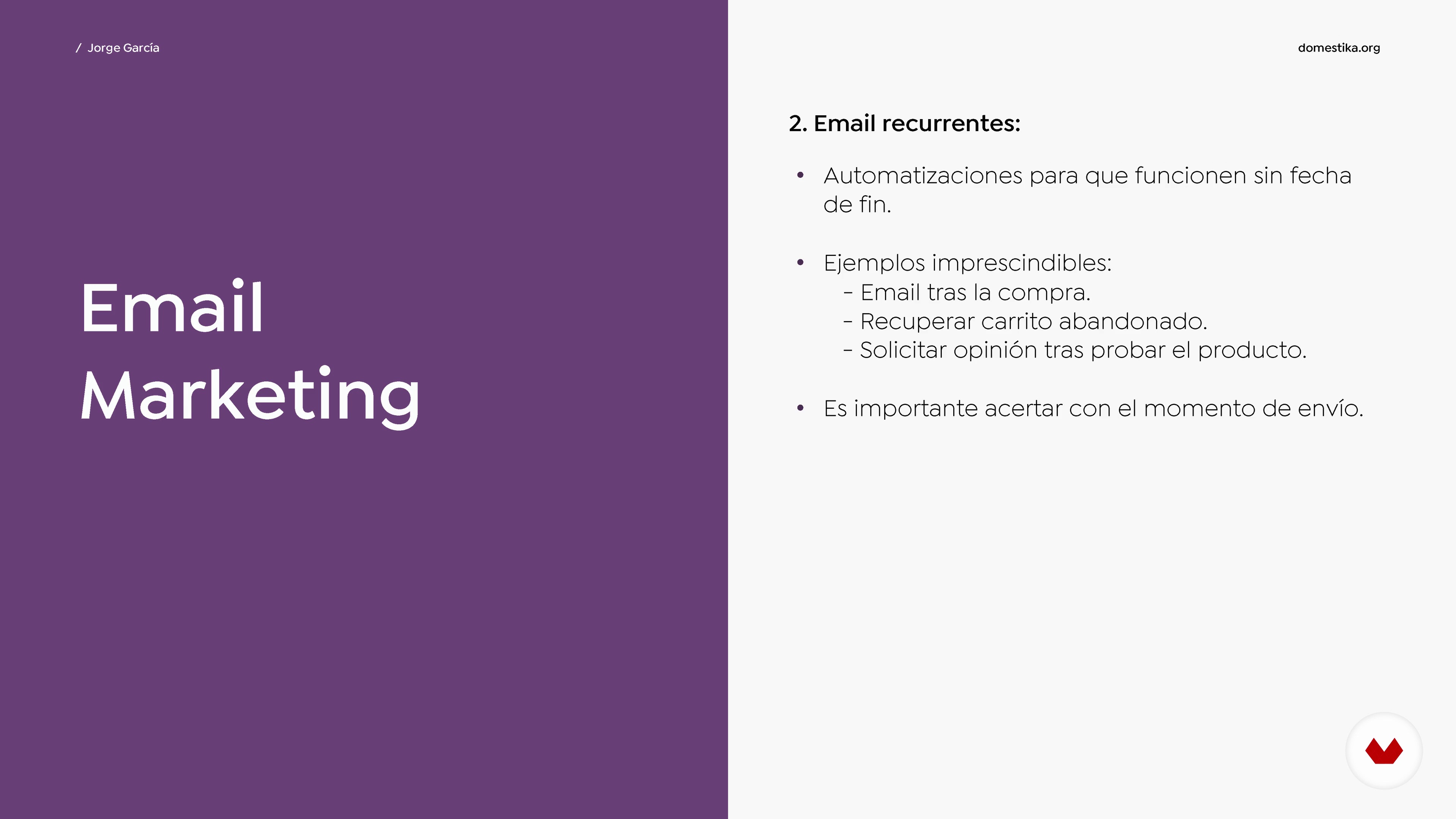
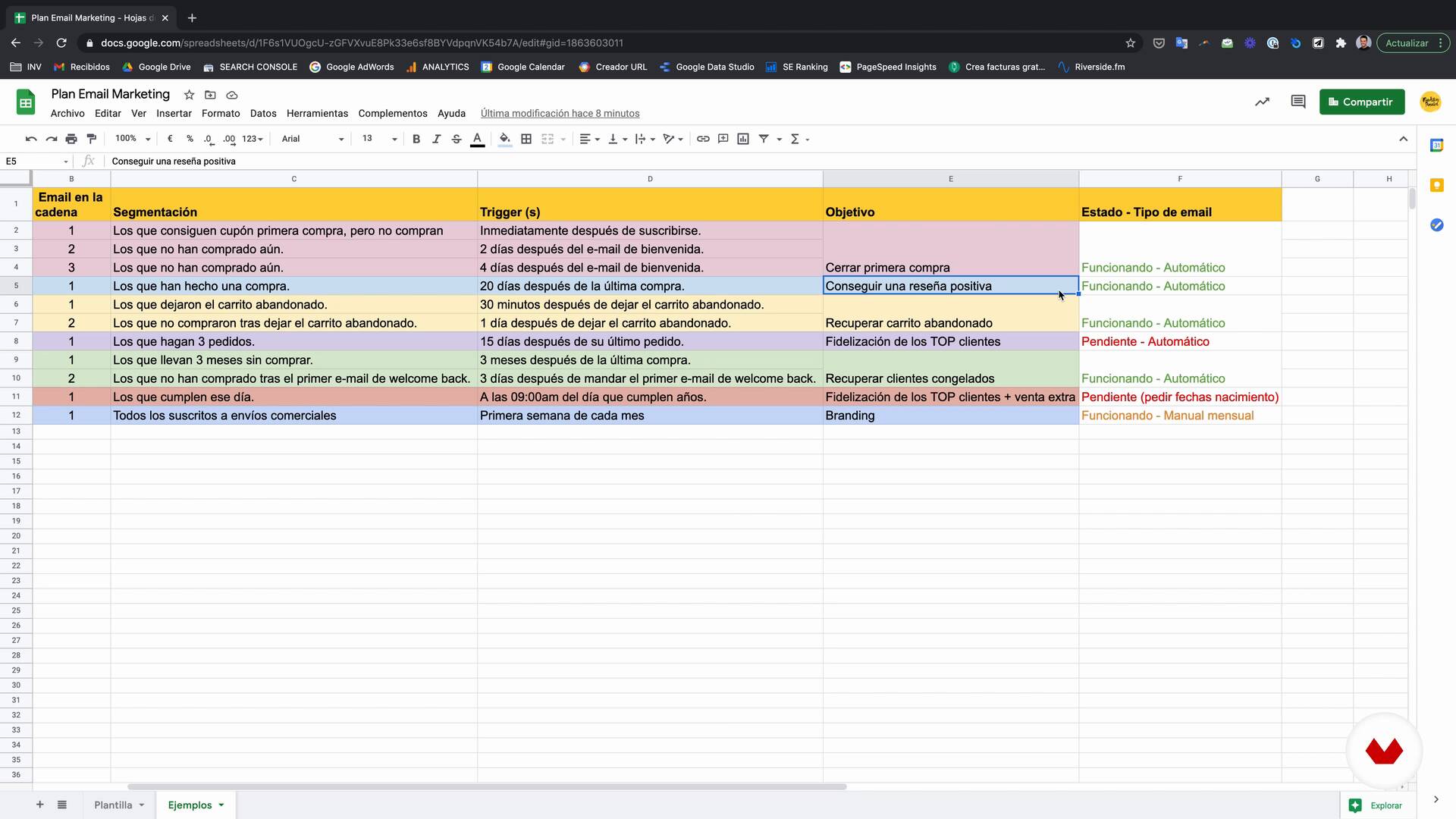
13Email Marketing Plan: Types of Strategies
In this lesson, I'll show you how to create an email marketing plan where you can select the different automated or manual emails you want to send for different objectives.
4m
 14
14Email Marketing Plan: Planning Your Shipments
Finally, we'll create an email schedule that you'll send on a recurring or ad hoc basis.
13m
 15
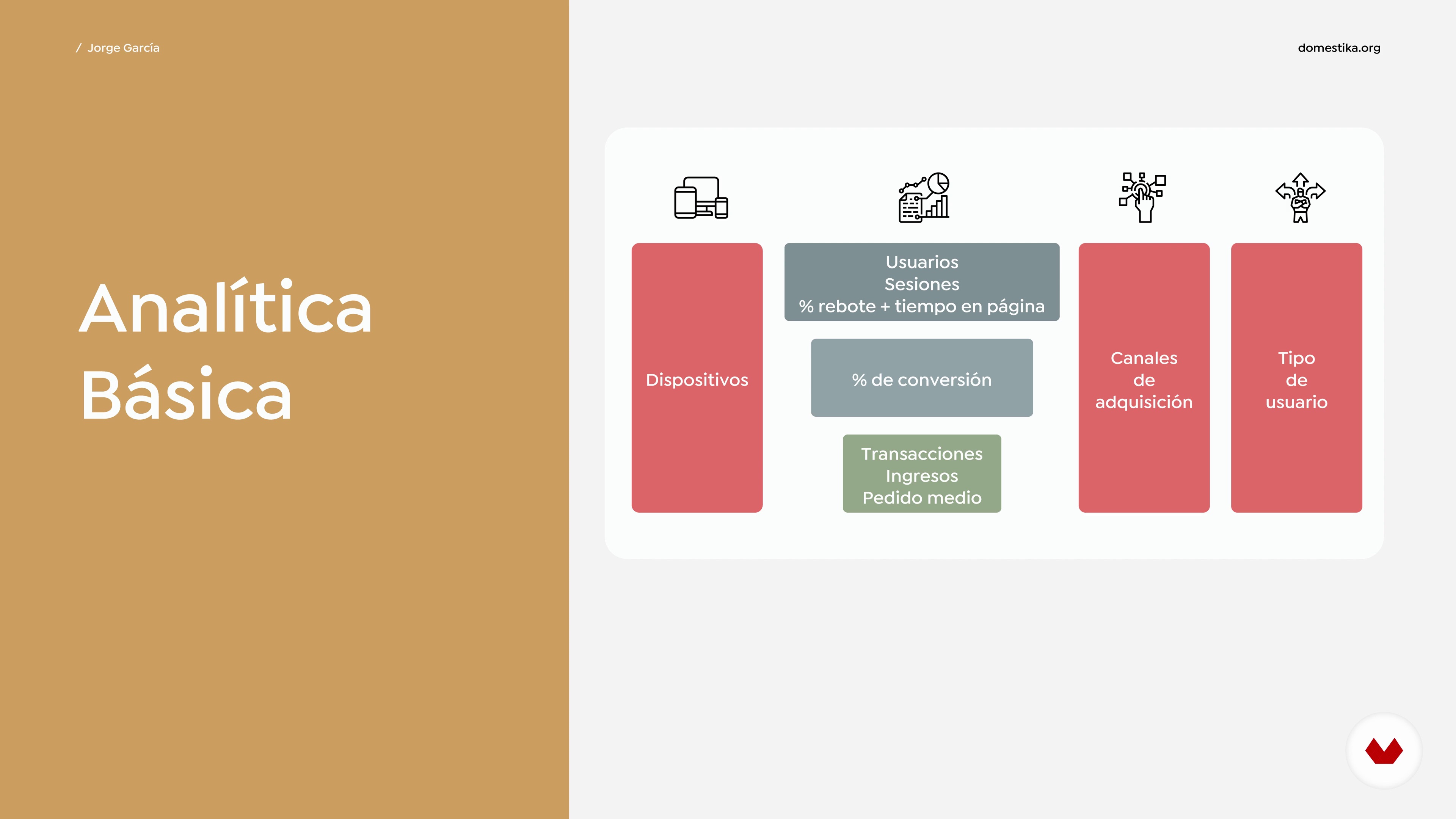
15Basic Analytics
In this lesson, you'll discover the key metrics for any e-commerce business: what they are, what they mean, and how to analyze them to find potential improvements for your online store.
5m
 16
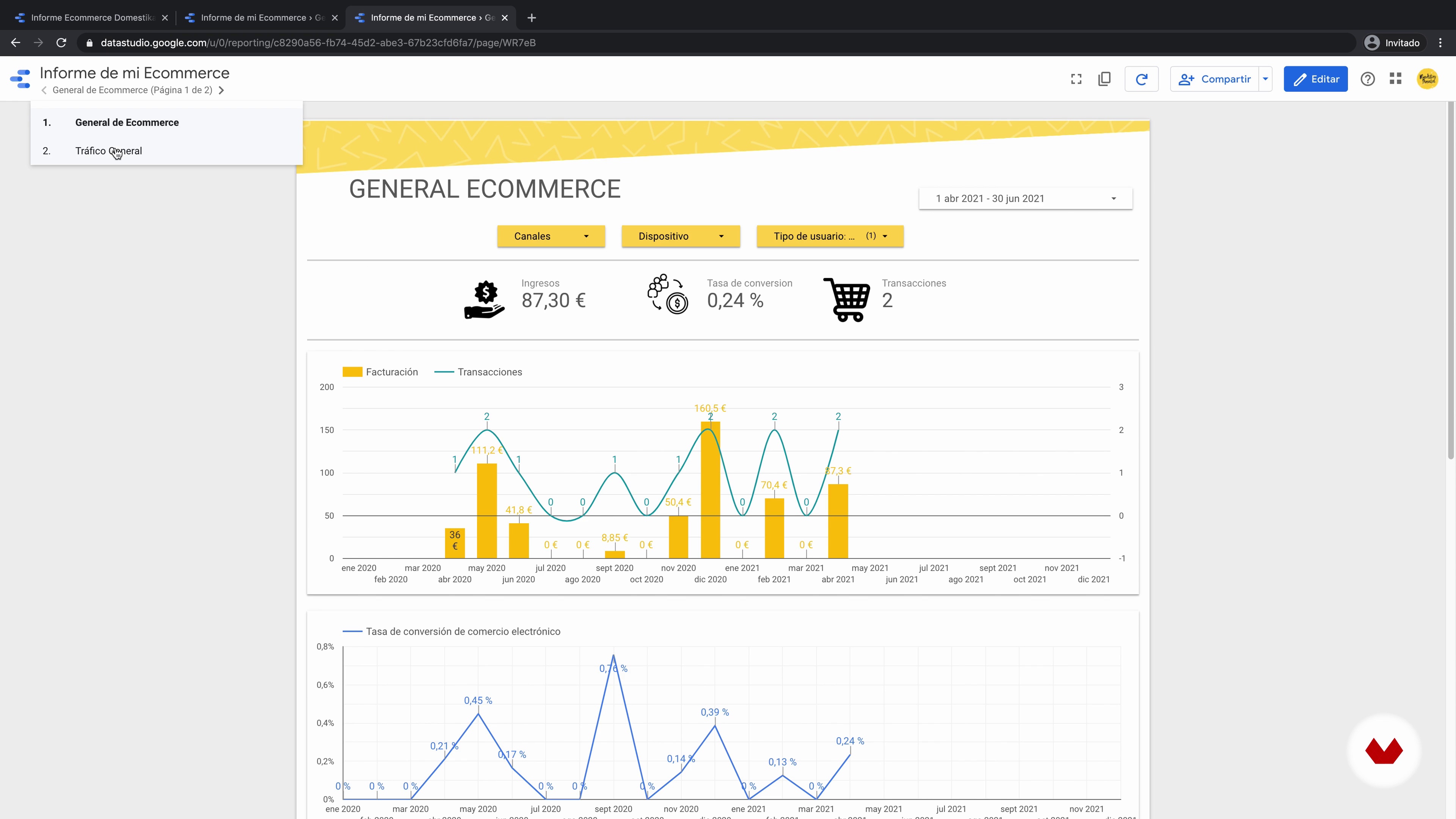
16Creation of Your Analytics Panel
Now I'm going to teach you how to create your own custom analytics dashboard, with key metrics to measure how your online store's marketing is performing.
9m
 3
3What Is Email Marketing?
You'll learn why having an email marketing strategy is beneficial for anyone and why newsletters are a hot trend. We'll analyze how email marketing and newsletters work as a loyalty and community-building tool.
5m
 4
4Email Marketing as a Loyalty Tool
The most important thing about email marketing is to be clear about what it is and what it isn't. We can't consider it a customer acquisition channel, but rather a loyalty channel. We won't gain a new customer by using it, but we can get a lot of financial returns from people who already know us.
7m
 5
5The Importance of Having Your Own Audience
It's very common for creative profiles to have a significant reach on social media. YouTube, Instagram, Twitter, and even Facebook are platforms where content is commonly generated. There's a false perception that followers on these platforms belong to the content creator, but in reality, they belong to the platform. Any problem can cause accounts to be shut down, and any change in an algorithm can cause a loss of reach on the network. Therefore, it's vital to have your own audience in the form of an email subscriber list.
9m
 6
6How to Create Your Own Subscriber List
In this lesson, you'll learn strategies for creating a subscriber list from scratch, as well as good practices and bad practices to avoid. You should try to create your list as organically as possible, avoiding subscribers who don't want to be on it. It's better to have a small but engaged audience than a huge one that ignores your emails.
12m
 7
7How to Create an Email Marketing Strategy from Scratch
For any content strategy to be successful, it's important that content recipients appreciate consistency and coherence. In the case of email marketing, this is even more important, as subscriber lists age poorly if they aren't sent. Therefore, it's vital that you define a strategy and are able to follow it more or less rigorously.
9m
 8
8Searching for Content: Giving First Strategy
In an email marketing strategy, it's important to understand that you need to establish a relationship with your subscribers, not just try to sell them or offer them your products or services. You need to offer interesting content so that subscribers are more likely to open your emails. This way, when the time comes to offer them products or services, they'll trust your content.
9m
 9
9How to Create an Email Template Efficiently
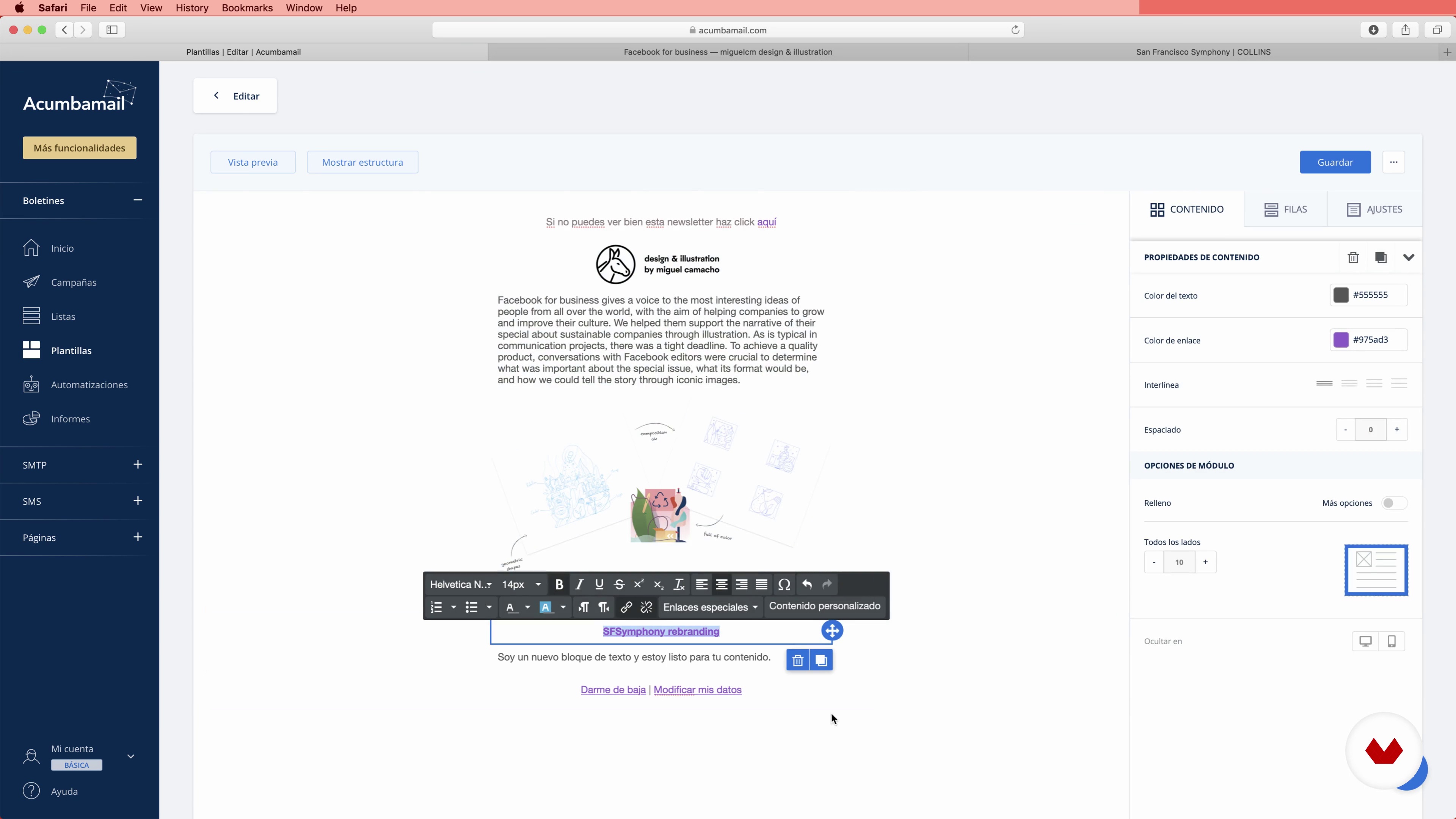
Creating an email marketing template from scratch is complicated, so it's important to use a template editor. In this lesson, we'll create a template using a visual editor, which is also compatible with most platforms on the market.
16m
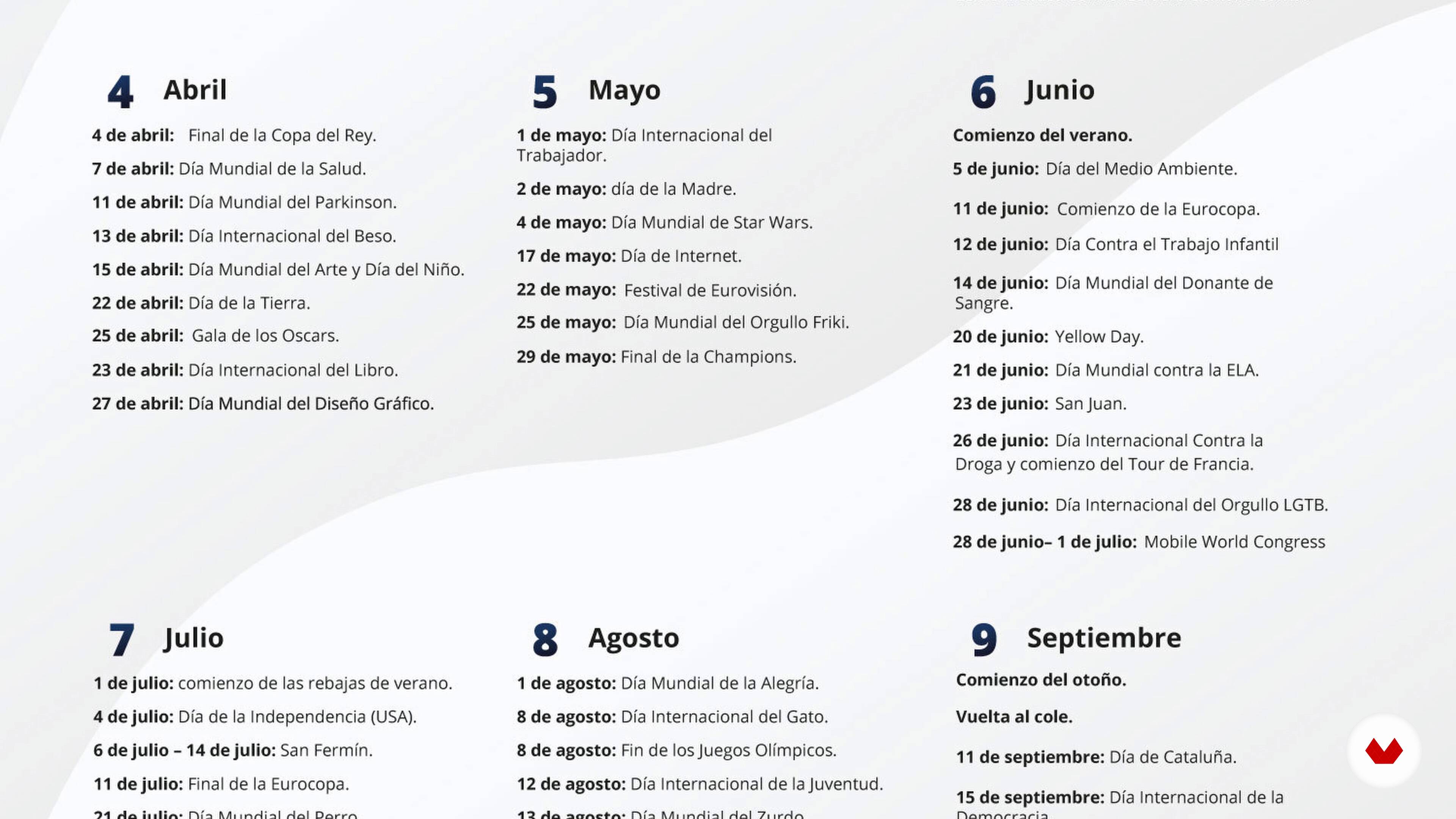 10
10Establishing a Publication Schedule
Consistent sending frequency is key to keeping subscribers engaged with your email marketing campaigns. You can define different campaign types based on the content you want to send and your subscribers' behavior.
8m
 11
11How to Prevent My Campaigns from Going to Spam?
One of the most common fears when running email marketing campaigns is ending up in the spam folder. There are many factors that can influence this, but it's not common. Furthermore, it's not always possible to properly analyze whether you're experiencing delivery issues.
9m
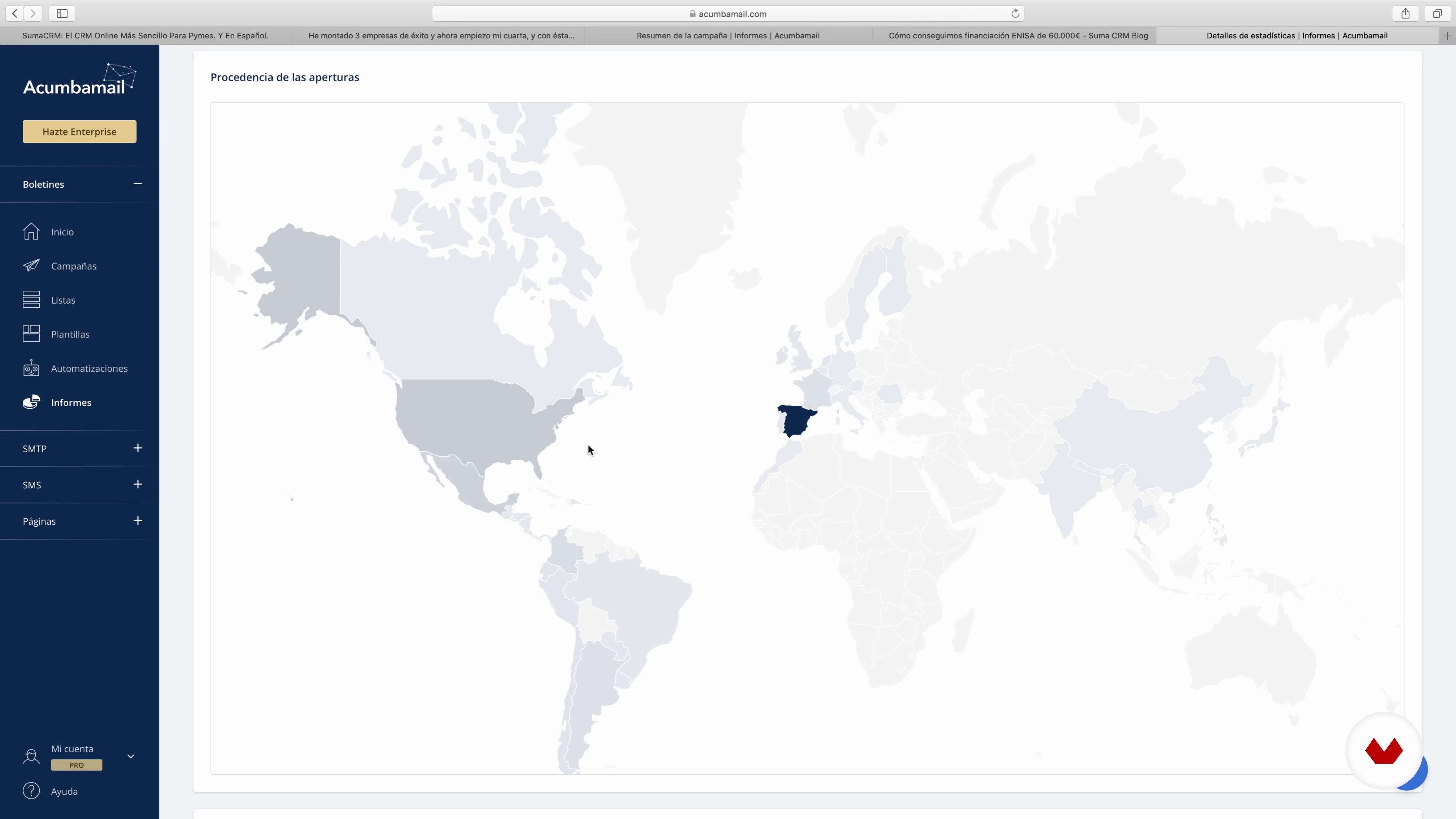 12
12Email Marketing KPI: Measuring the Performance of Our Strategy
Once your strategy is defined, your template is designed, and you know how to avoid ending up in the spam folder, it's time to learn how to analyze the results of your campaigns: which metrics are important, what their typical values are, and how to improve each one.
15m
 13
13Email Marketing Compared to Other Marketing Strategies
Email marketing is a tool that can be combined with other marketing channels to enhance them and compensate for their shortcomings.
8m
 14
14Legal Aspects of Email Marketing
In Europe, privacy laws are quite strict and are orchestrated by the General Data Protection Regulation (GDPR). Obviously, I'm not a lawyer, and if you're a large company, it's highly recommended to seek legal advice. However, I'll give you some guidelines on what you can and can't do when it comes to email marketing.
7m
 3
3Pillars that encompasses the CRO
First of all, I'll explain what CRO is and why it's so important in digital marketing. This will help you identify the most common myths and truths.
6m
 4
4From orientation to performance
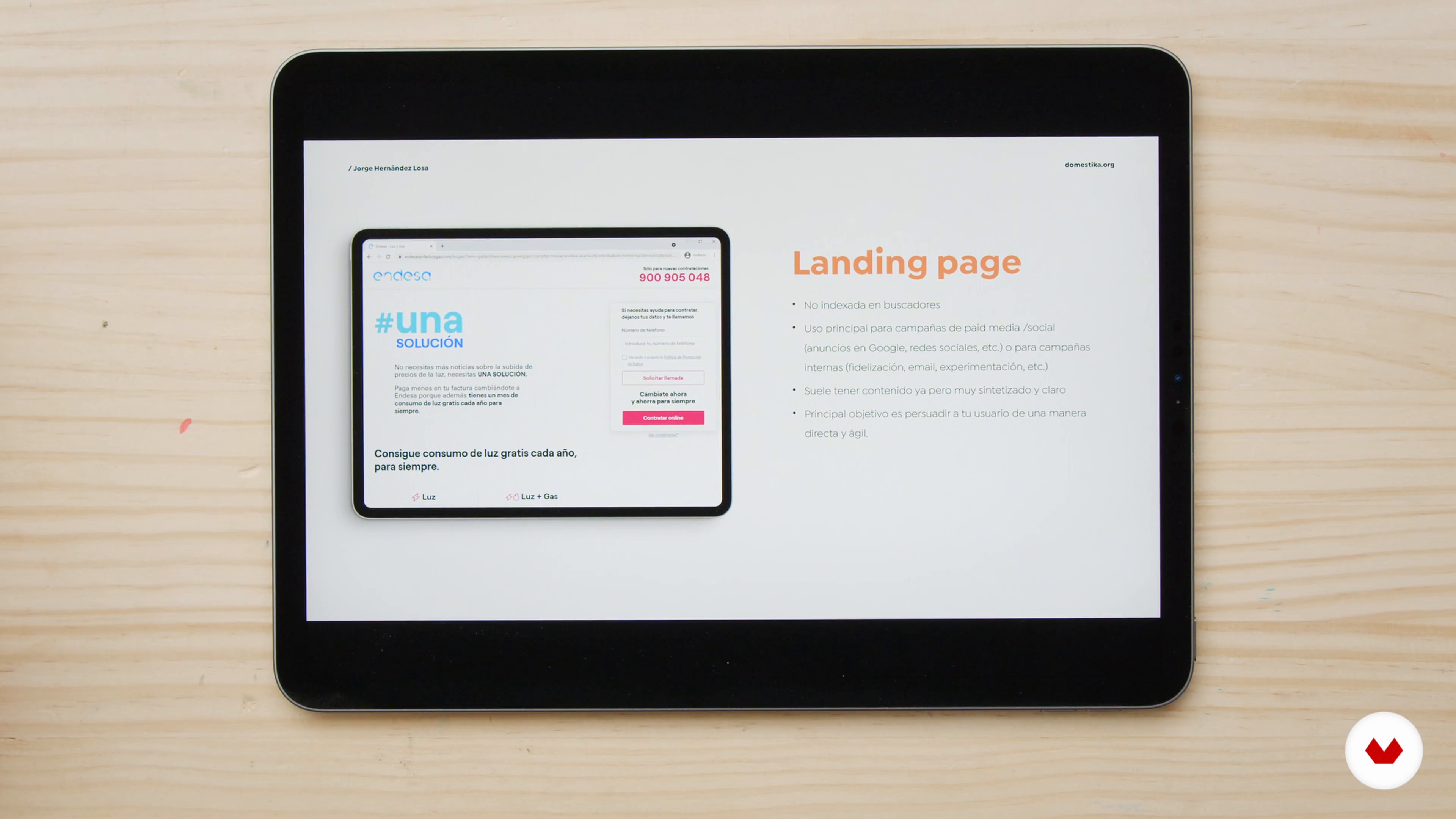
Here, I'll teach you how to differentiate between a performance-oriented approach (conversion, sales, goal achievement) and a more branding-oriented approach (awareness, discovery, increasing awareness). You'll also learn what a landing page is and how to structure one to improve your e-commerce goals.
7m
 5
5The user at the center of the design
By putting the user at the center, we're able to offer a unique and personalized experience and maximize conversions. This lesson will explain the mistakes to avoid and the practices to promote to reduce user uncertainty.
7m
 6
6Testing Basics
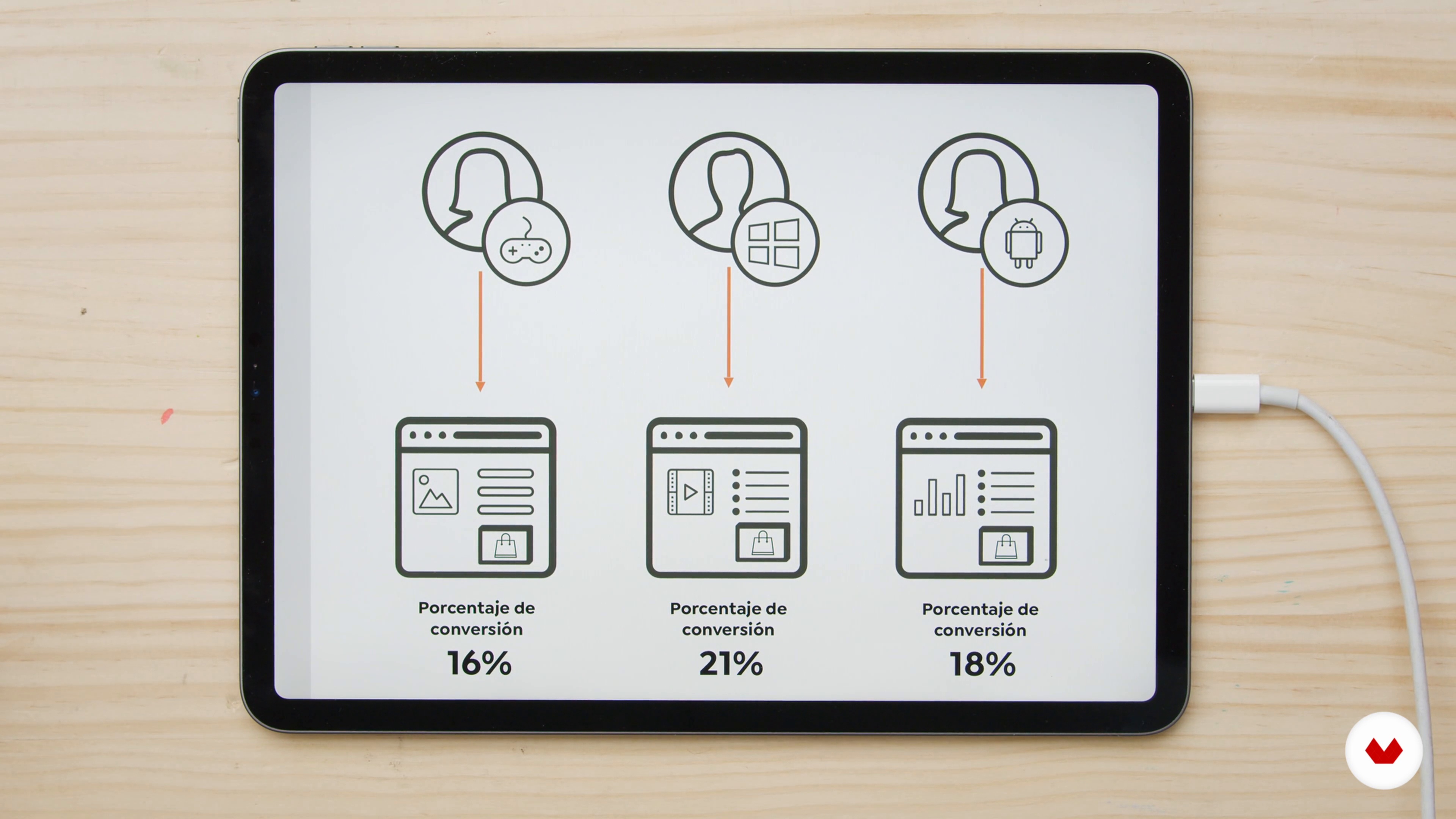
Next, you'll learn the basic testing concepts we'll use in your e-commerce optimization process. We'll cover terms specific to CRO, but we'll also review terms related to statistics.
14m
 7
7Conversion goals
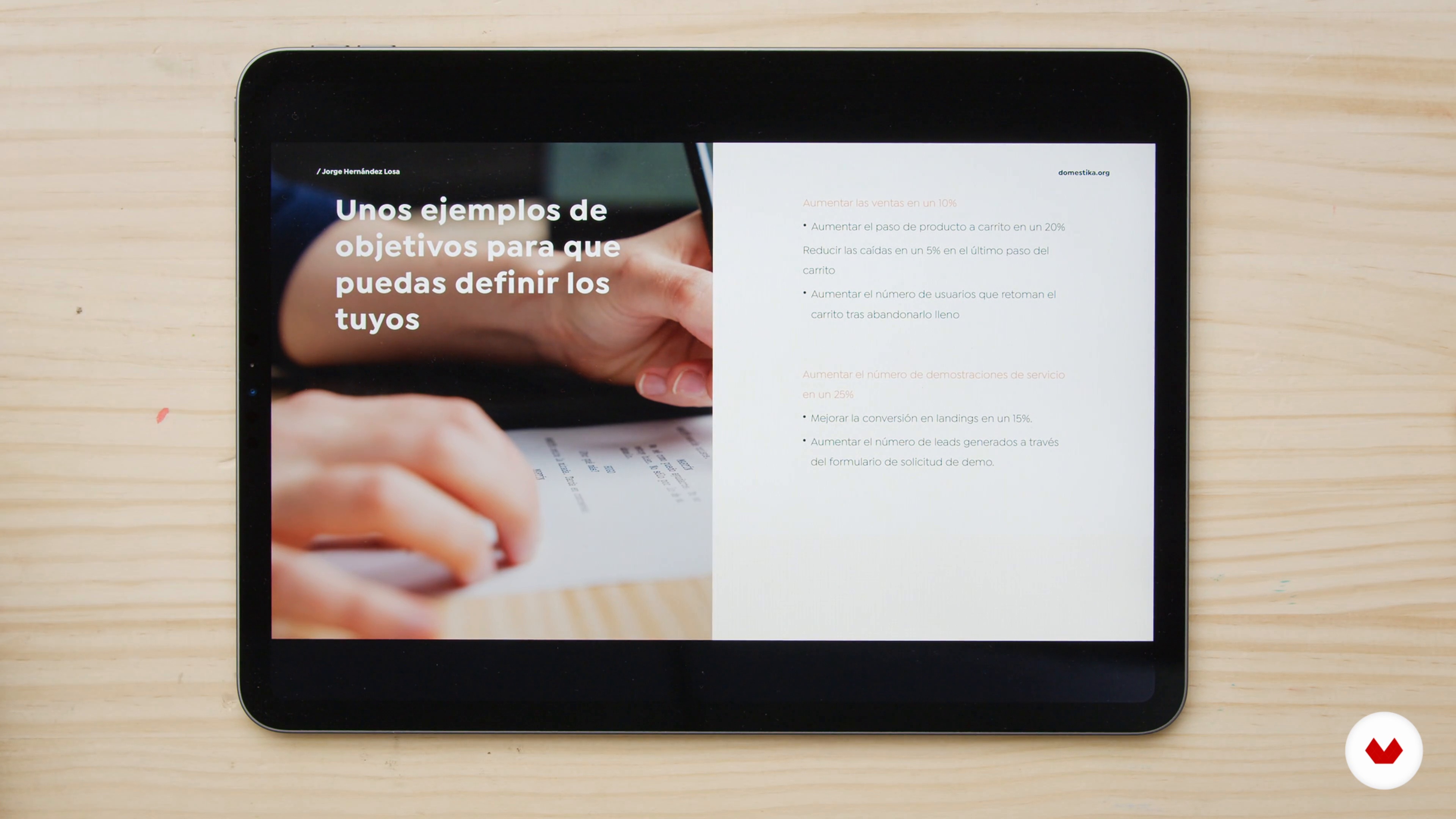
This lesson will help you understand how clearly identifying conversion goals can help you define your e-commerce optimization strategy.
3m
 8
8The tools
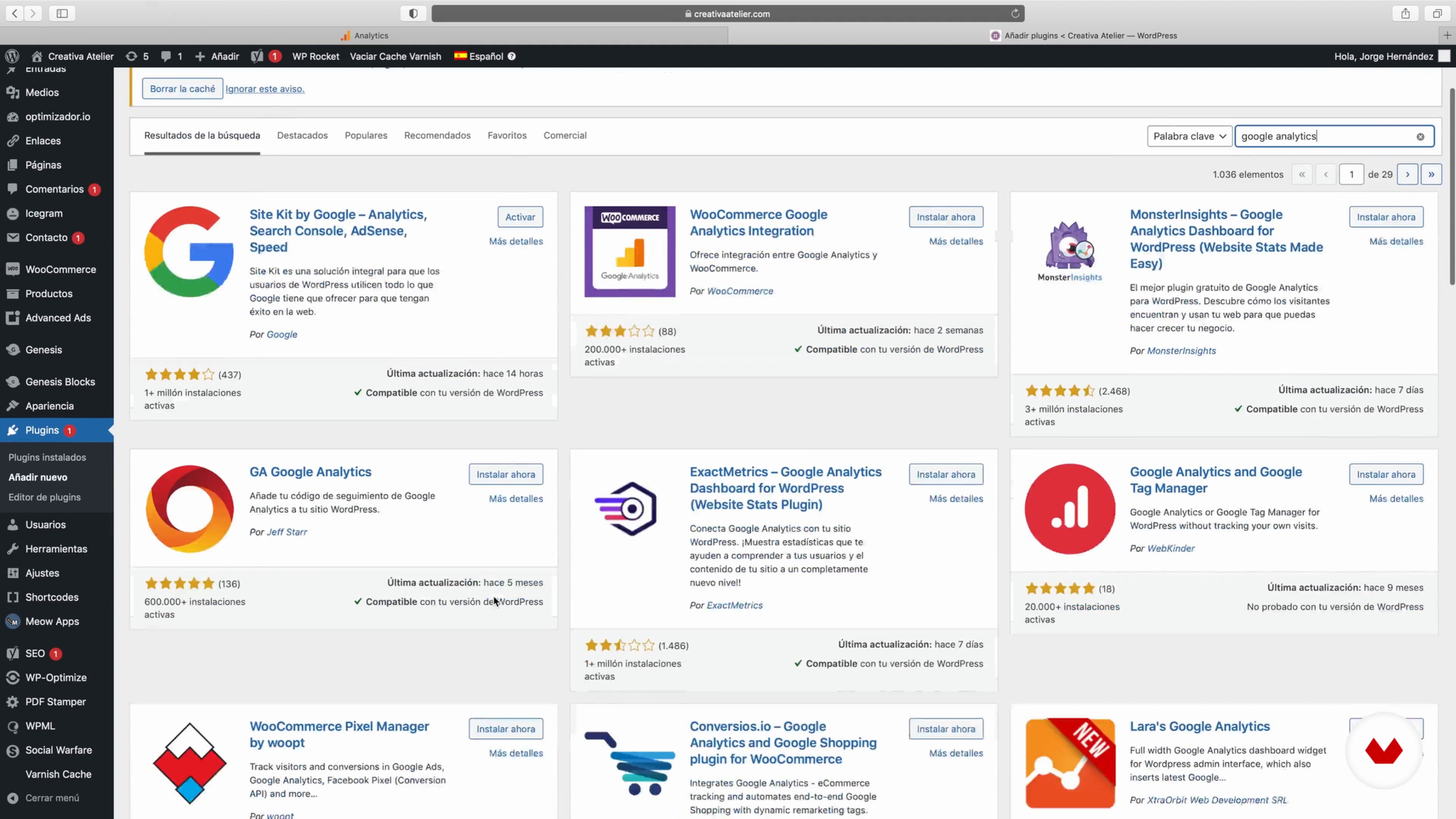
Before starting your project, you'll need to prepare the tools you need to develop your hypotheses and experiments. To do this, I'll show you how to set up analytics and CRO platforms, as well as design and documentation software.
3m
 9
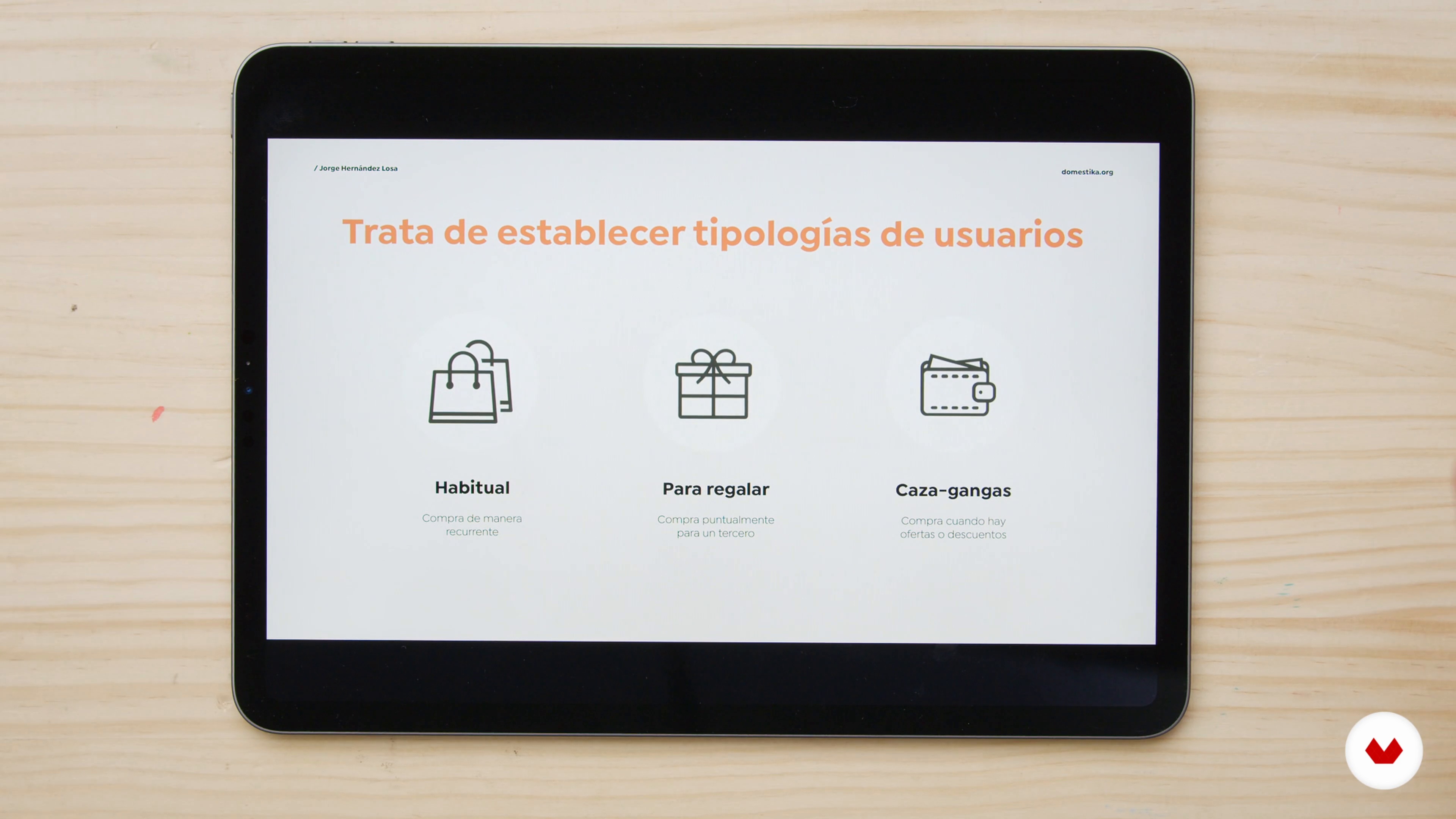
9Meet the users
You must know your users to focus your strategy. This way, you'll discover what they're asking for, what strengths your e-commerce already has, and what could be improved. Here, I'll present some tools to obtain the qualitative information necessary for this analysis.
3m
 10
10Technological implementation
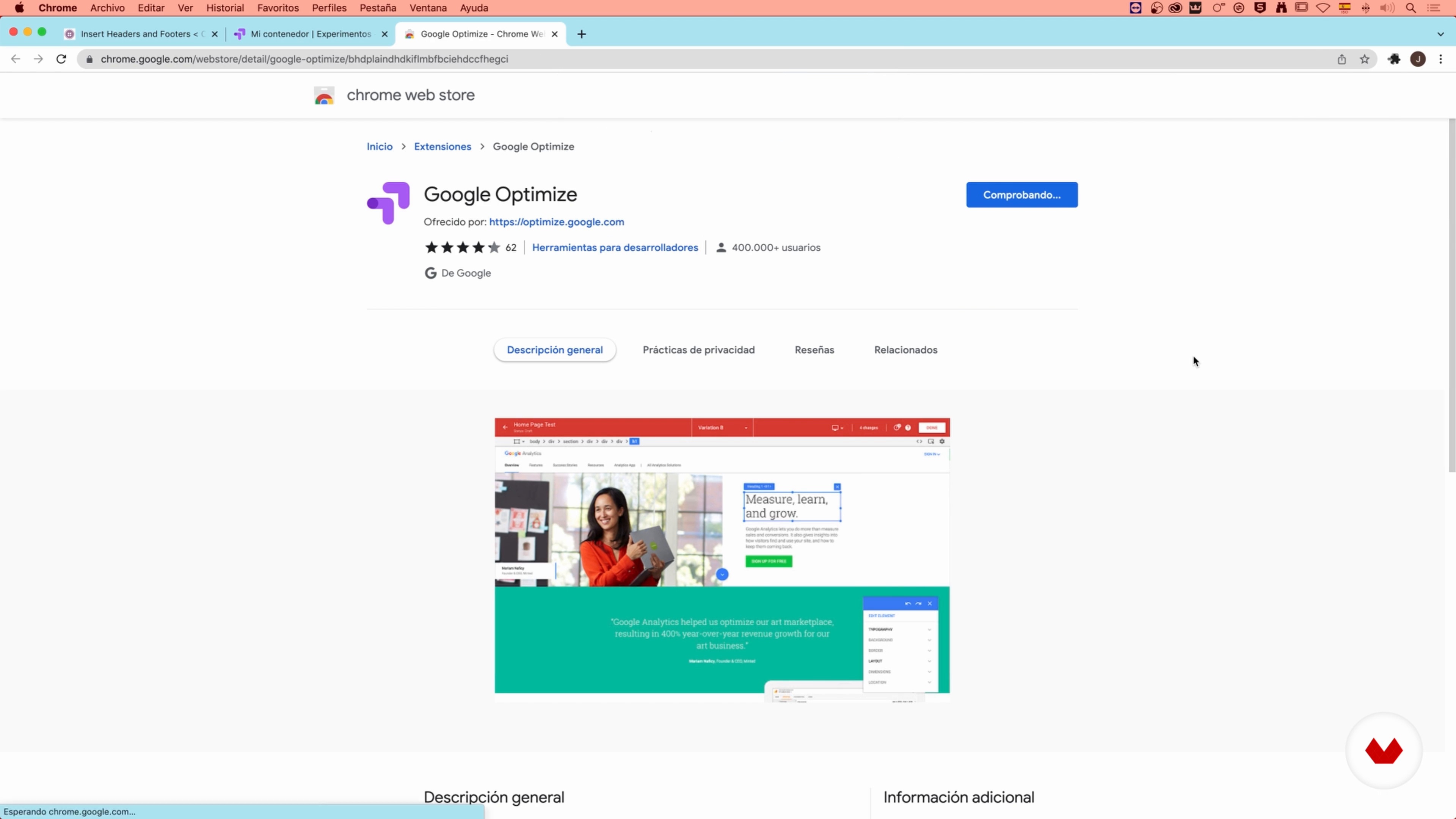
This is perhaps the most technical part of the process. Here, I'll teach you how to implement Google Optimize in your e-commerce. This tool will allow us to apply the new hypothesis designs and create the A/B test. We'll link it to your Google Analytics account to view the test results.
2m
 11
11Strategy
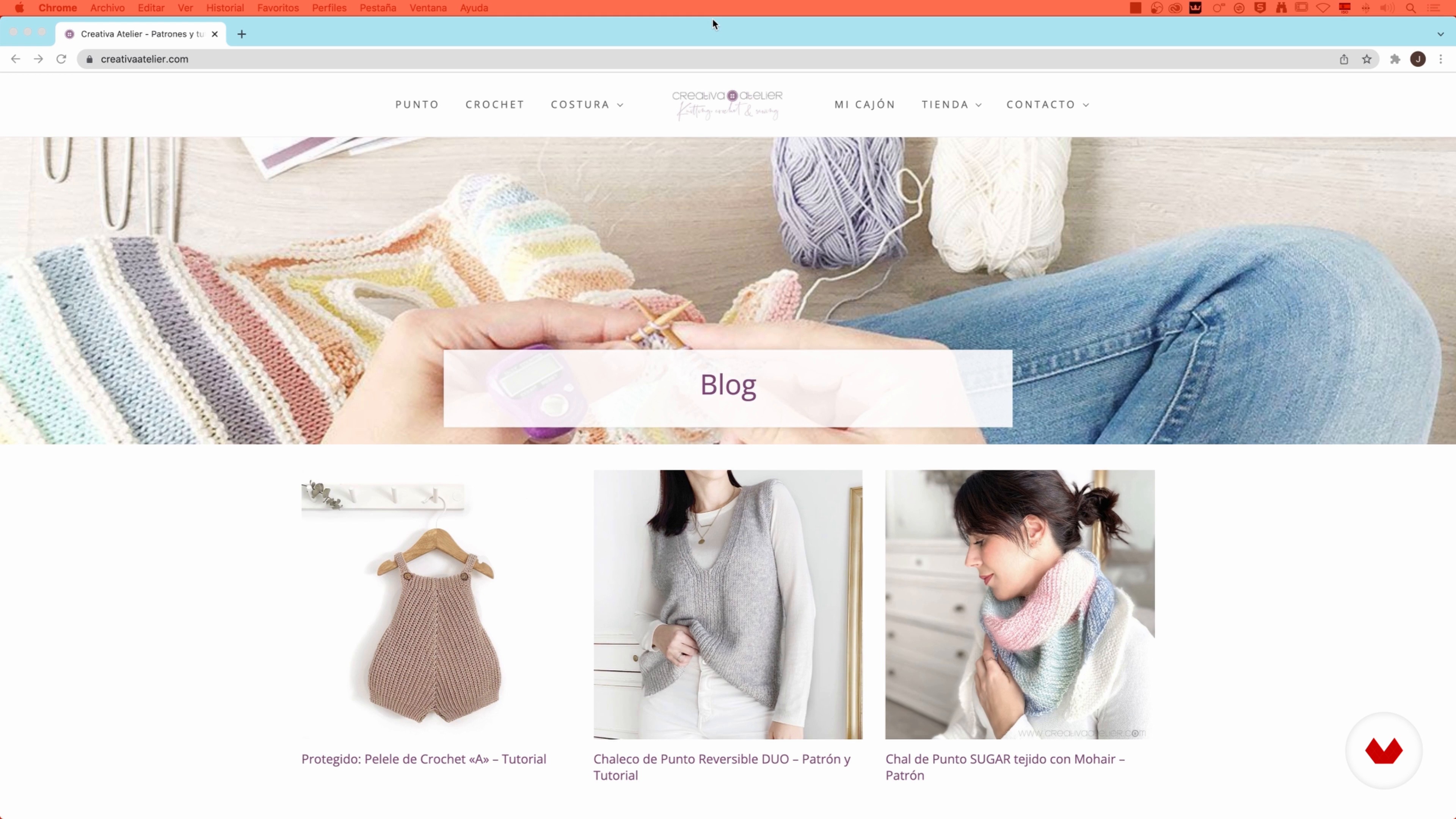
Next, we'll evaluate the goals and identify which ones we should try to achieve first to maximize conversion. In my case, I'll work with Creative Atelier's website. I'll take a first look at it and, based on the business objectives, establish conversion goals. This will allow me to prioritize which objectives to use to define the CRO strategy.
4m
 12
12Analytics Immersion
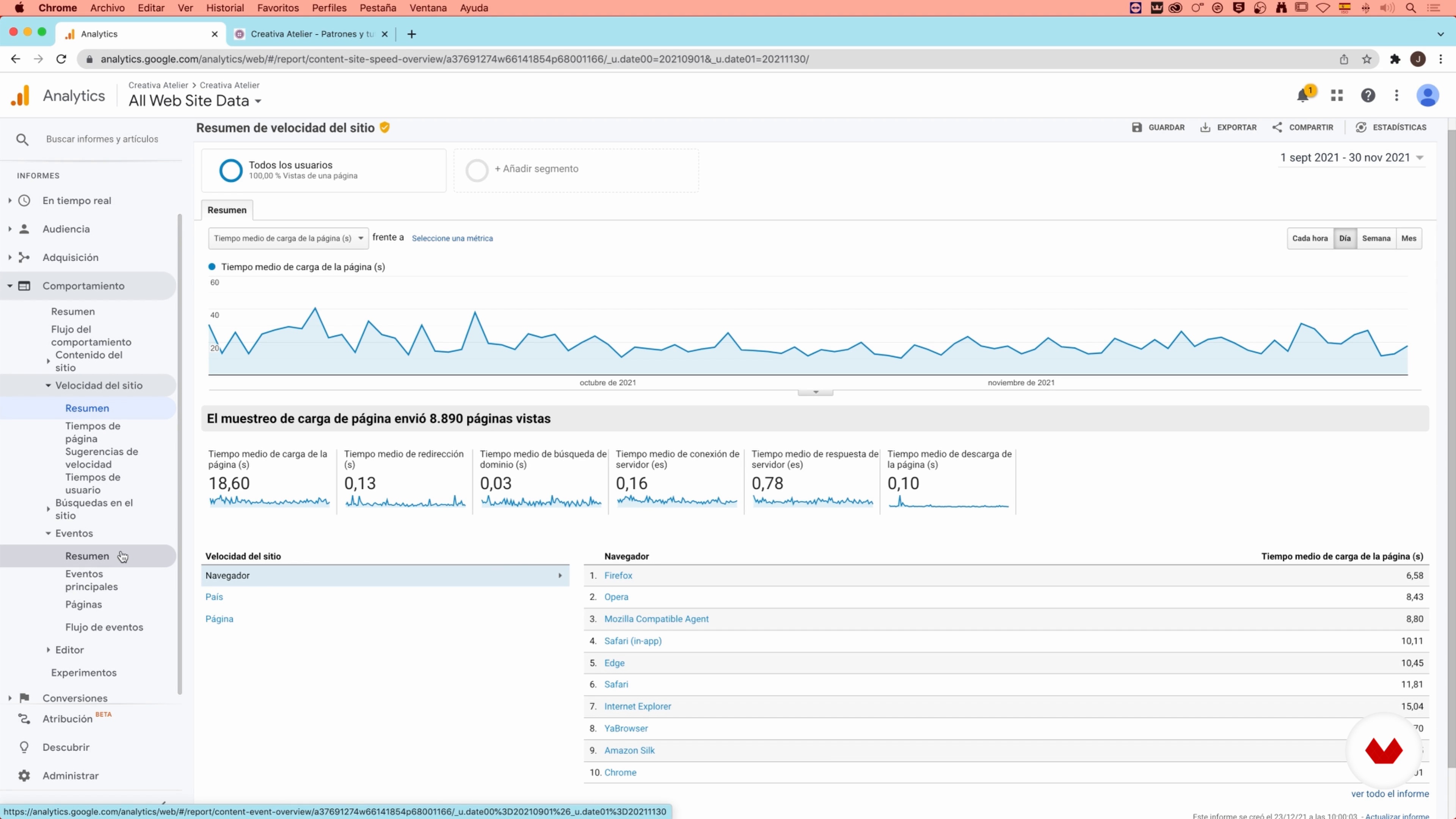
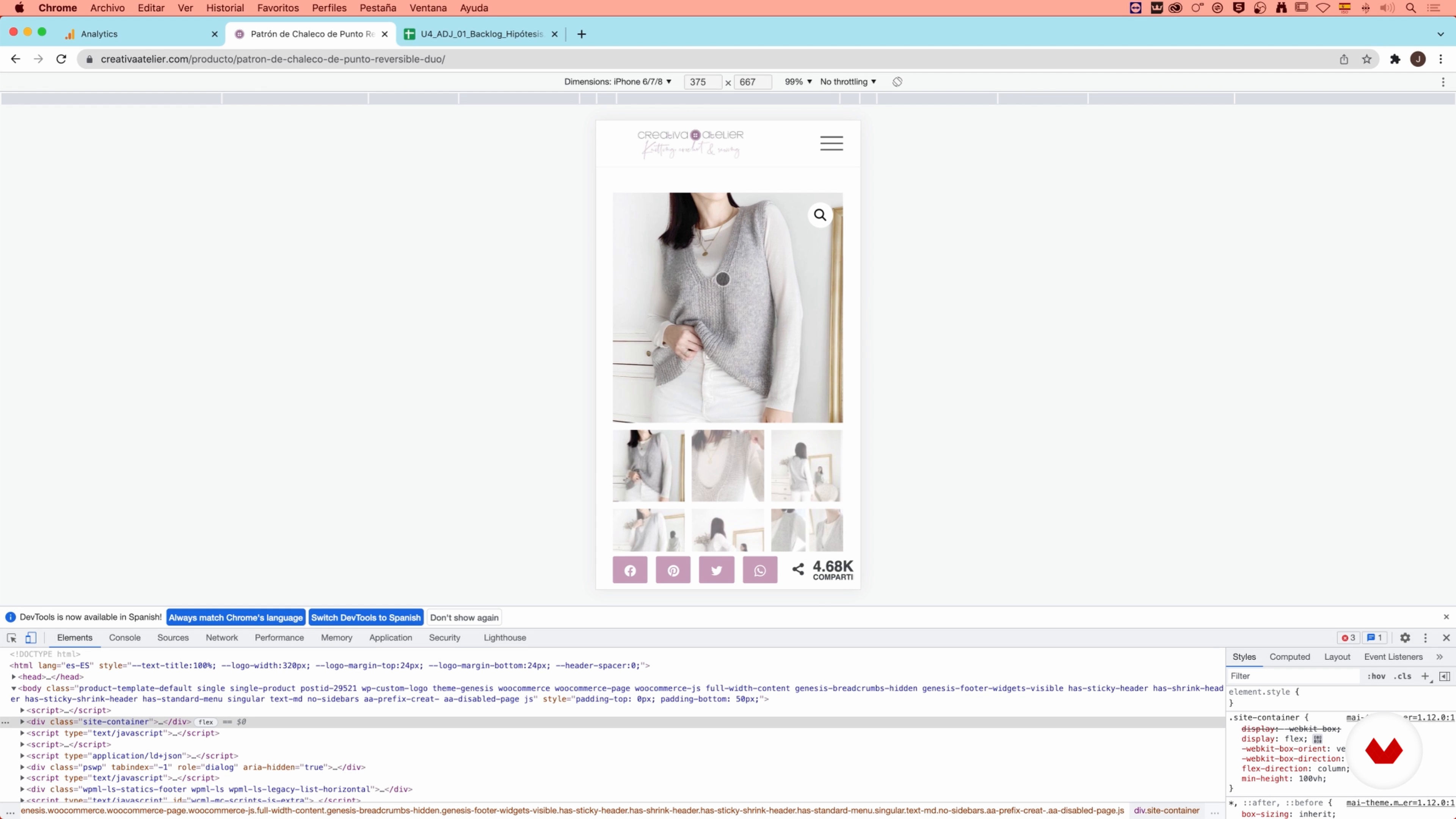
In this lesson, we'll explore Google Analytics to try to find potential opportunities for improvement. These will allow us to develop new hypotheses.
16m
 13
13Set of hypotheses
Now we'll list the hypotheses and opportunities identified in the "deep dive" phase of the analytics we just performed. We'll also include any hypotheses derived from qualitative user data.
11m
 14
14Activate hypotheses 1
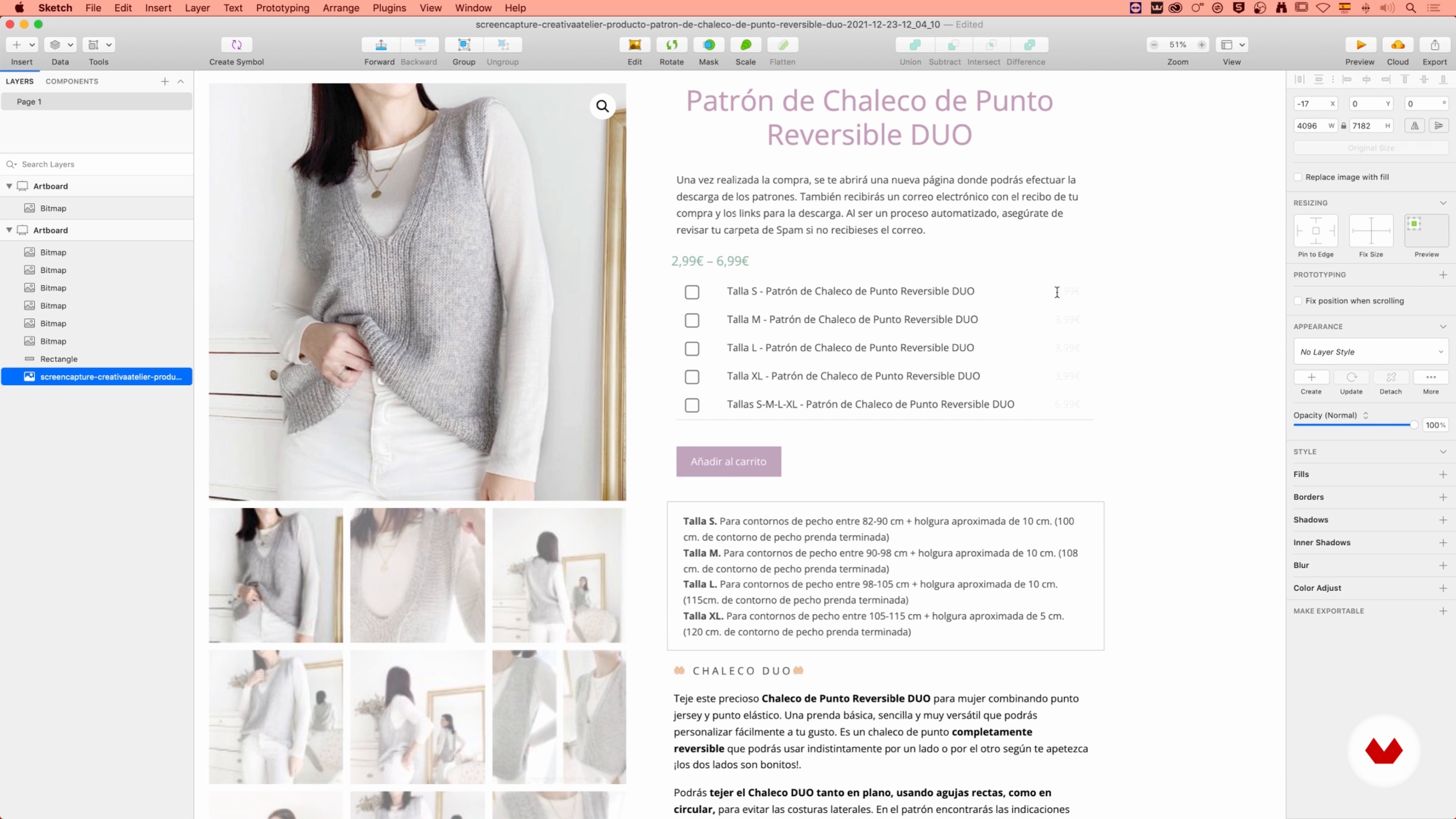
Here we enter the purely practical part: we will select one of the hypotheses we have listed to develop it and carry out the corresponding experiment (A/B testing, personalization, etc.). To do this, I'll start by showing you how to design the mockup of the chosen solution. In my case, I need to design the product page. Once that's done, I'll include it in the Test Plan and complete the rest of the details.
20m
 15
15Activate hypotheses 2
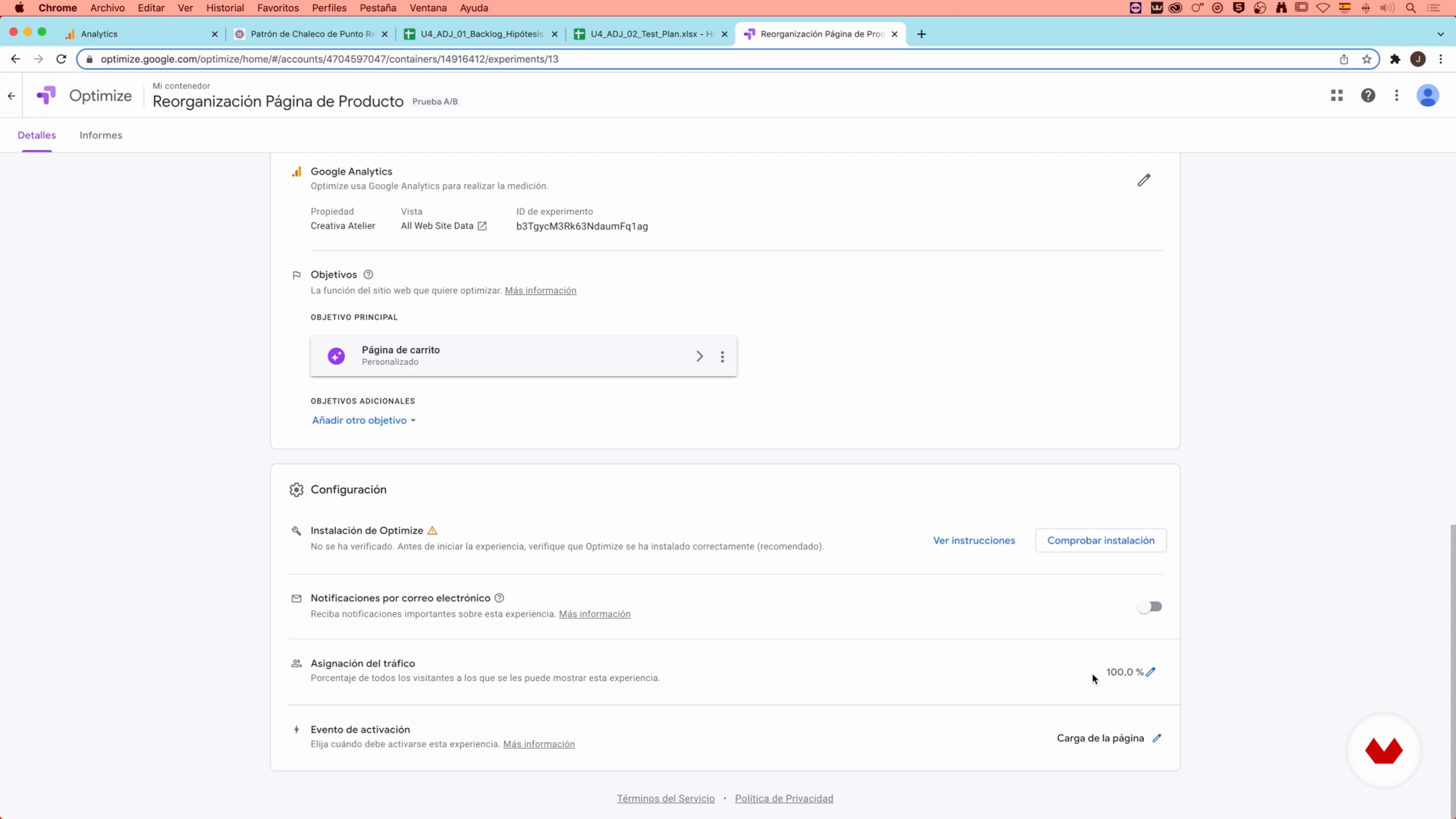
Everything is well documented in the Test Plan, and we can begin the experiment. Now I'll explain how to implement your design in Google Optimize. Once the experiment is set up, we can launch and monitor it.
14m
 16
16Post Test Calculator
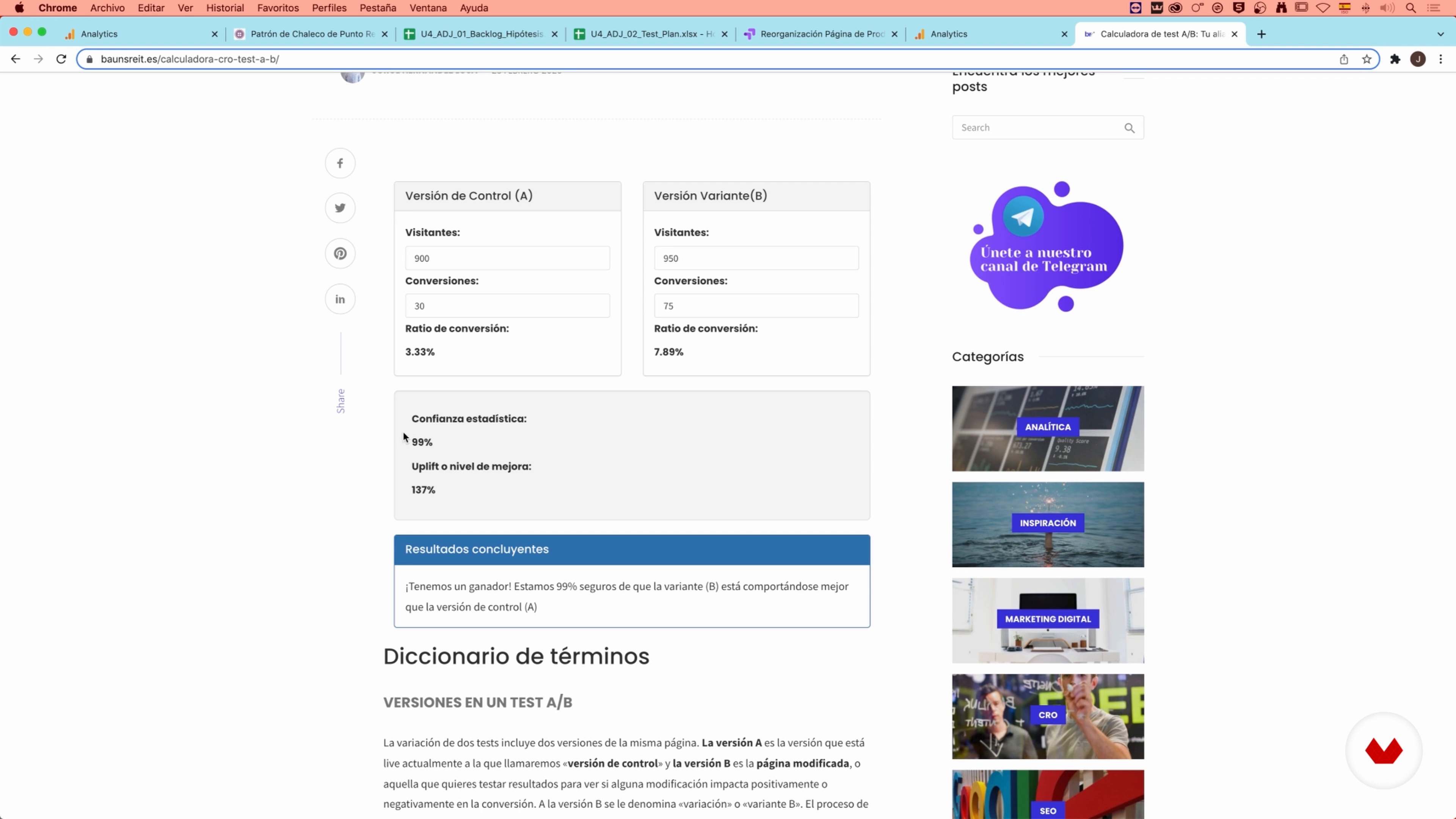
Once we have the results of the experiment in Google Optimize and the stipulated time has passed, we'll use the post-test calculator to confirm that it has reached a level of statistical confidence greater than 95%. This result will allow us to see if our hypothesis was correct.
6m
 17
17Interpret the results
In this lesson, we'll interpret the results to inform future experiments. What worked and why?
3m
 18
18Actionable items
Finally, we'll talk to the creator of Creative Atelier. We'll discuss some best practices that can help you with new projects, so you know what to focus on when identifying opportunities and developing new hypotheses.
12m
 3
3From idea to product
In this lesson, we'll explore what Etsy is and what sets it apart from other similar platforms. I'll tell you the first questions you need to ask yourself before listing a product. So, take a seat, grab a pen and paper; you'll be sketching from your initial idea to your final product.
5m
 4
4Creating your Etsy shop name
Next, we'll look at how to choose a name for your Etsy shop. Your Etsy shop name can help shoppers immediately recognize your business and communicate the style of your shop or what you sell.
7m
 5
5How to photograph your products
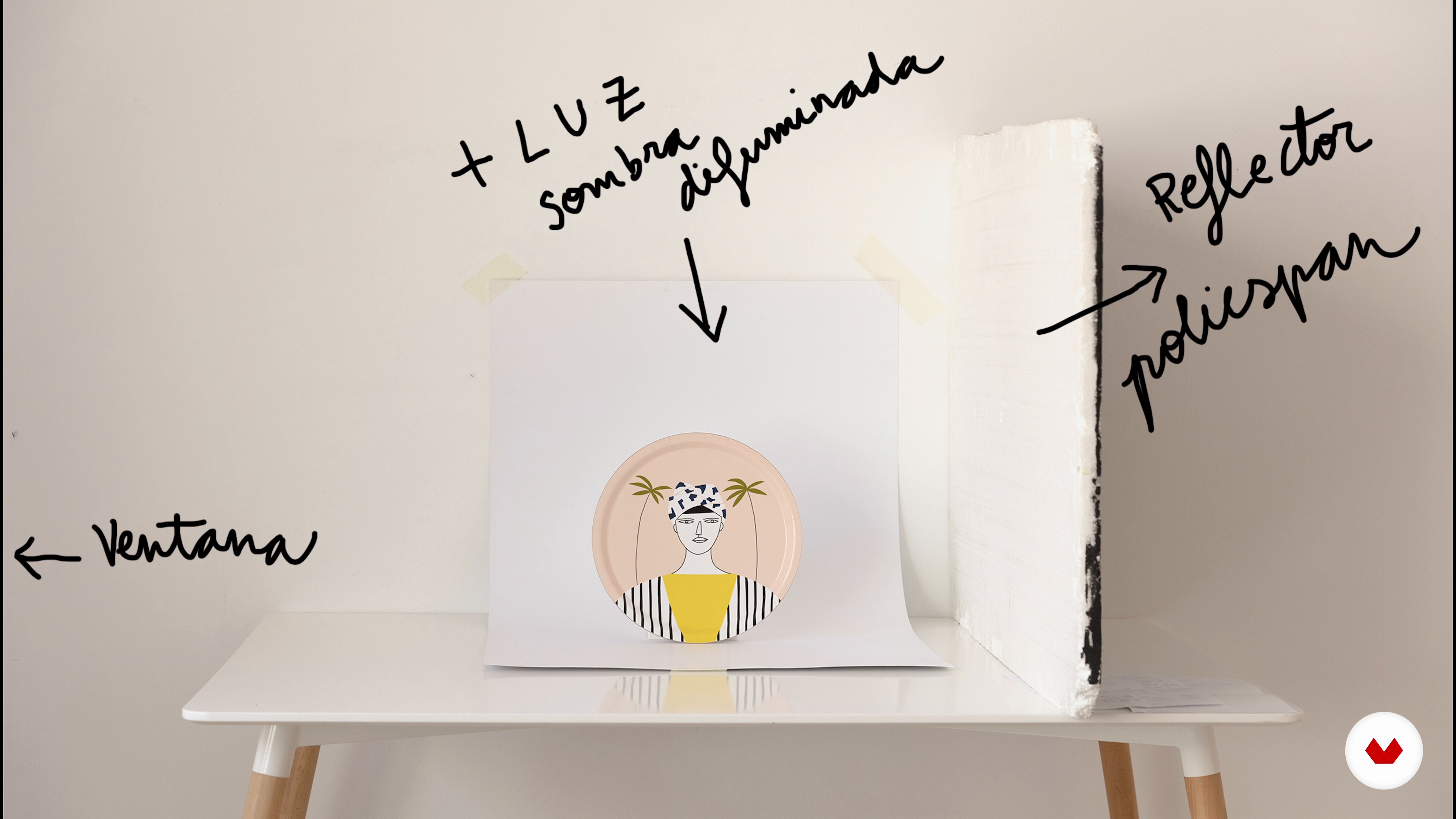
In this lesson, I'll teach you how to make your products stand out on Etsy using photography. I'll show you how to capture photos that highlight their strengths and give you tips you can apply throughout the entire photography process when it comes to lighting, taking photos, and editing. Taking attractive photos of your products is essential for selling online. In fact, poor photography can ruin a sale, no matter how wonderful your product is.
10m
 6
6Uploading the first product
We're continuing to complete your product listing. Let's see what you need to keep in mind to optimize it to the fullest and improve your store's positioning and visibility.
15m
 7
7How to price your products: Etsy subscription plans and fees
In this lesson, you'll learn how to correctly calculate the price of your products. We'll start by looking at the fees Etsy charges for each sale so we can take them into account when calculating our prices. I'll explain step by step everything you need to add up on the path to making your business profitable. [textbox type=alert]You must be registered with Etsy Payments to have a store on the platform. This option is not available in all countries. Here is the list of countries that do have it.[/textbox]
19m
 8
8Customizing the look of your store
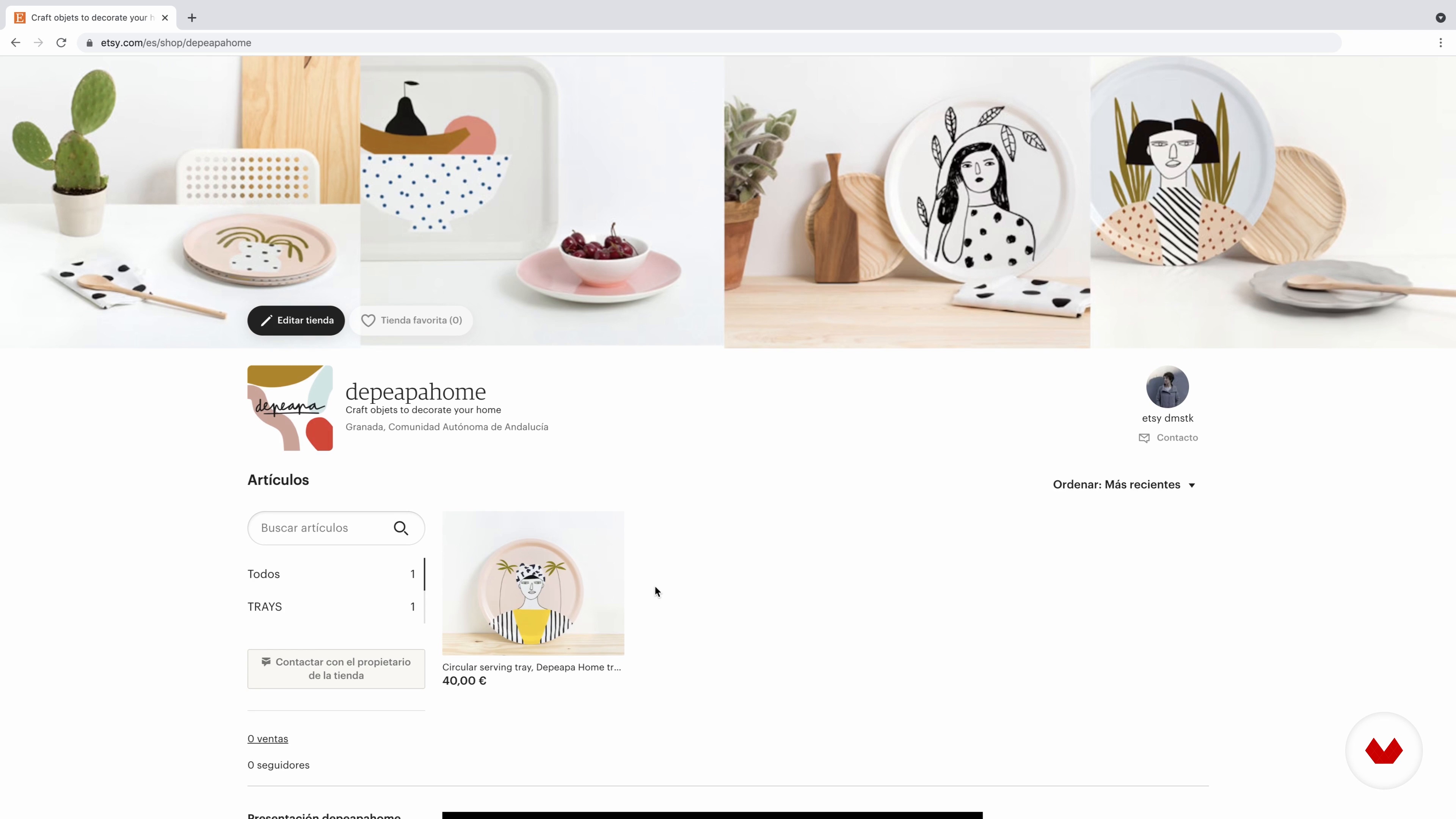
Once you've uploaded your first product to Etsy, you'll need to complete a few steps to set up your shop and get ready to sell. In this lesson, we'll customize the look of your home page.
16m
 9
9Administration panel
You've now signed up to sell on Etsy and customized the look of your shop. Now you'll learn how to manage your shop's admin panel, where you can view important information such as your orders, statistics, messages from your buyers, and manage your items.
12m
 10
10Advertising campaign with Etsy Ads
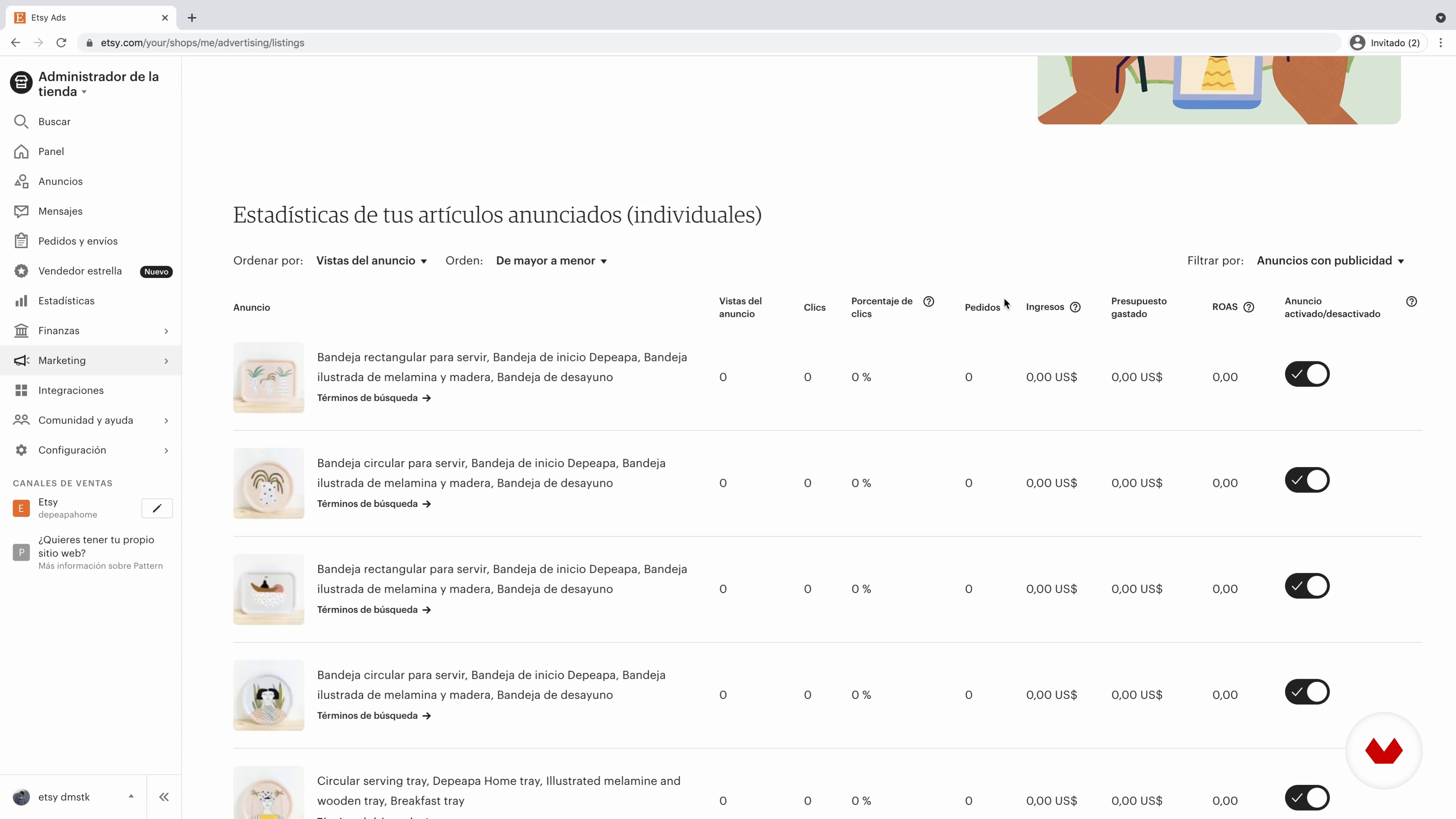
In this lesson, you'll learn how to create and manage a campaign with Etsy Ads to expand your target audience and advertise your products in search results and other pages on the platform. We'll cover everything from setting a budget to which ads to run and what variables work.
11m
 11
11How to create offers and discount coupons
Next, I'll teach you how to create discount coupons and review all the types of offers Etsy offers. A strategic promotional campaign can help you attract new buyers, retain existing customers, and increase your store's profits.
8m
 12
12Etsy statistics
In this lesson, you'll learn how to understand the data provided by Etsy's shop statistics. With these statistics, you'll see how your shop is performing, where your traffic is coming from, and how shoppers interact with your listings. This tool allows you to delve into a wide variety of information, such as the number of orders you've received, which ads are most successful, or what search terms shoppers use to find you. The patterns and insights you gather can help you make informed decisions about, for example, developing your products or allocating your advertising budget. In this lesson, you'll see what data is presented in the Store Insights dashboard and how to use that information to refine and grow your store.
5m
 3
3What Is a Marketplace?
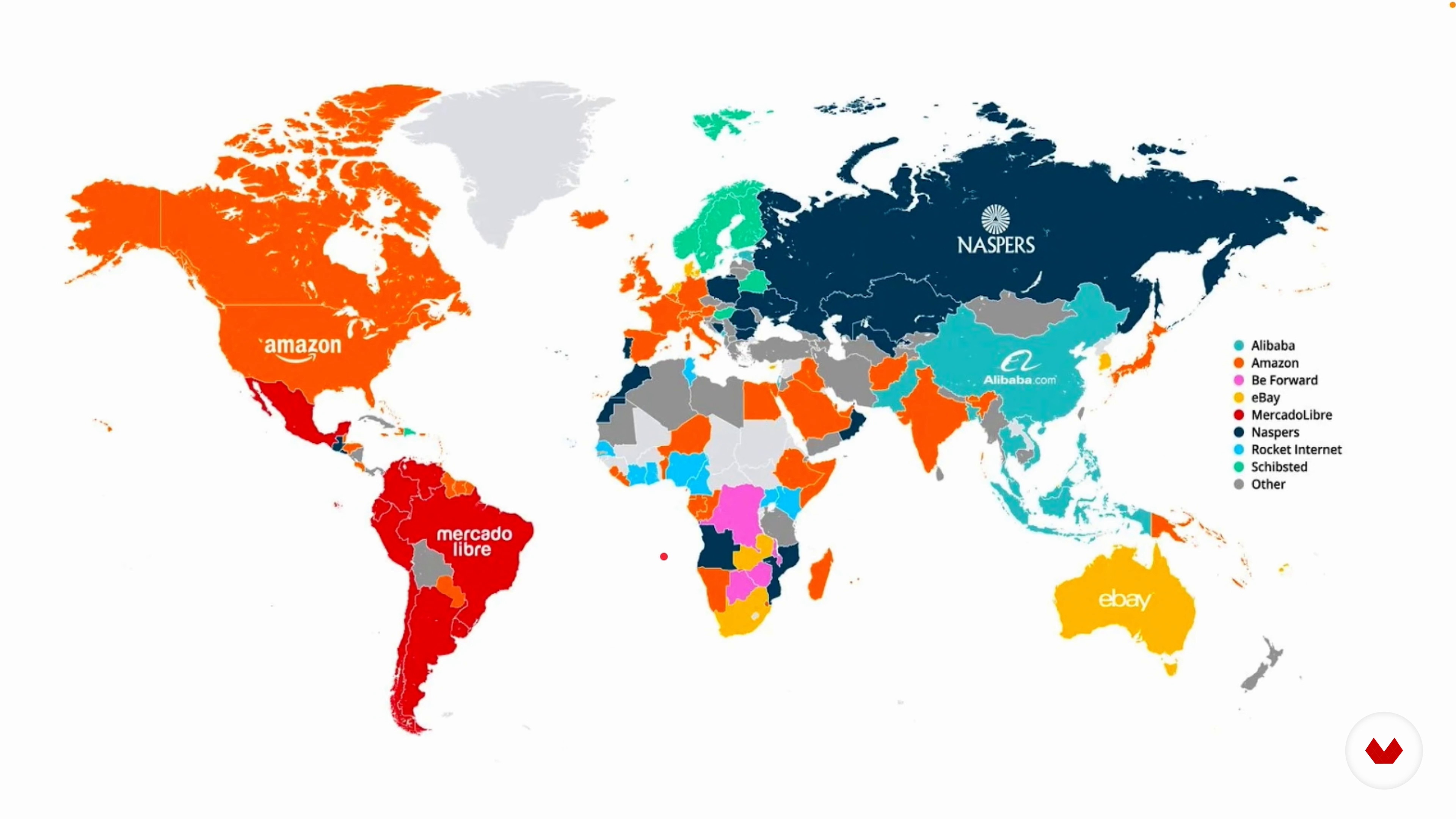
To begin, we'll explain exactly what a marketplace is, how it differs from e-commerce, and the advantages it offers.
7m
 4
4Amazon
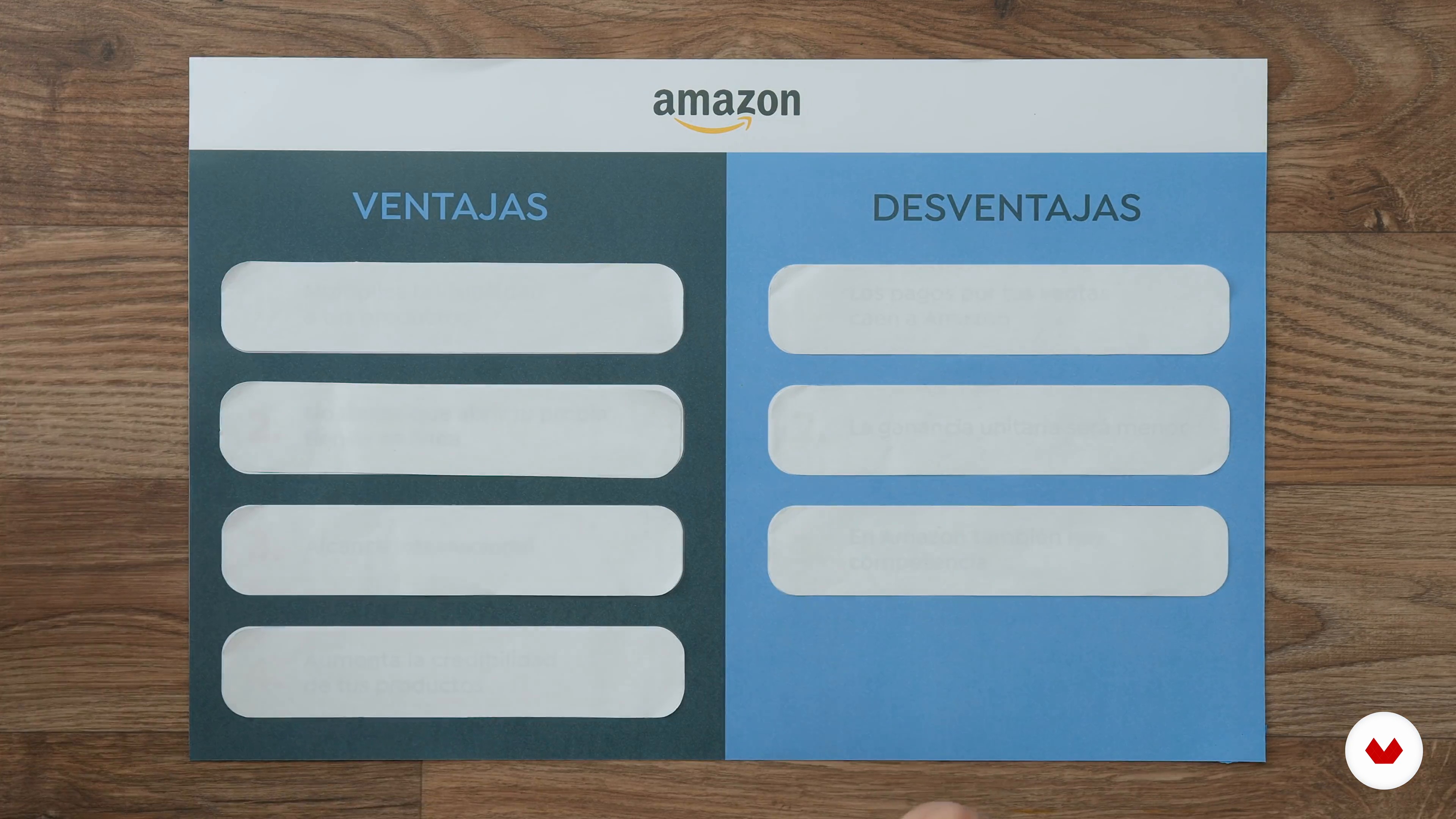
Amazon is the largest marketplace currently in existence. In this lesson, we'll explain how it works and the advantages and disadvantages of selling through this platform.
7m
 5
5Definition of Sale Prices
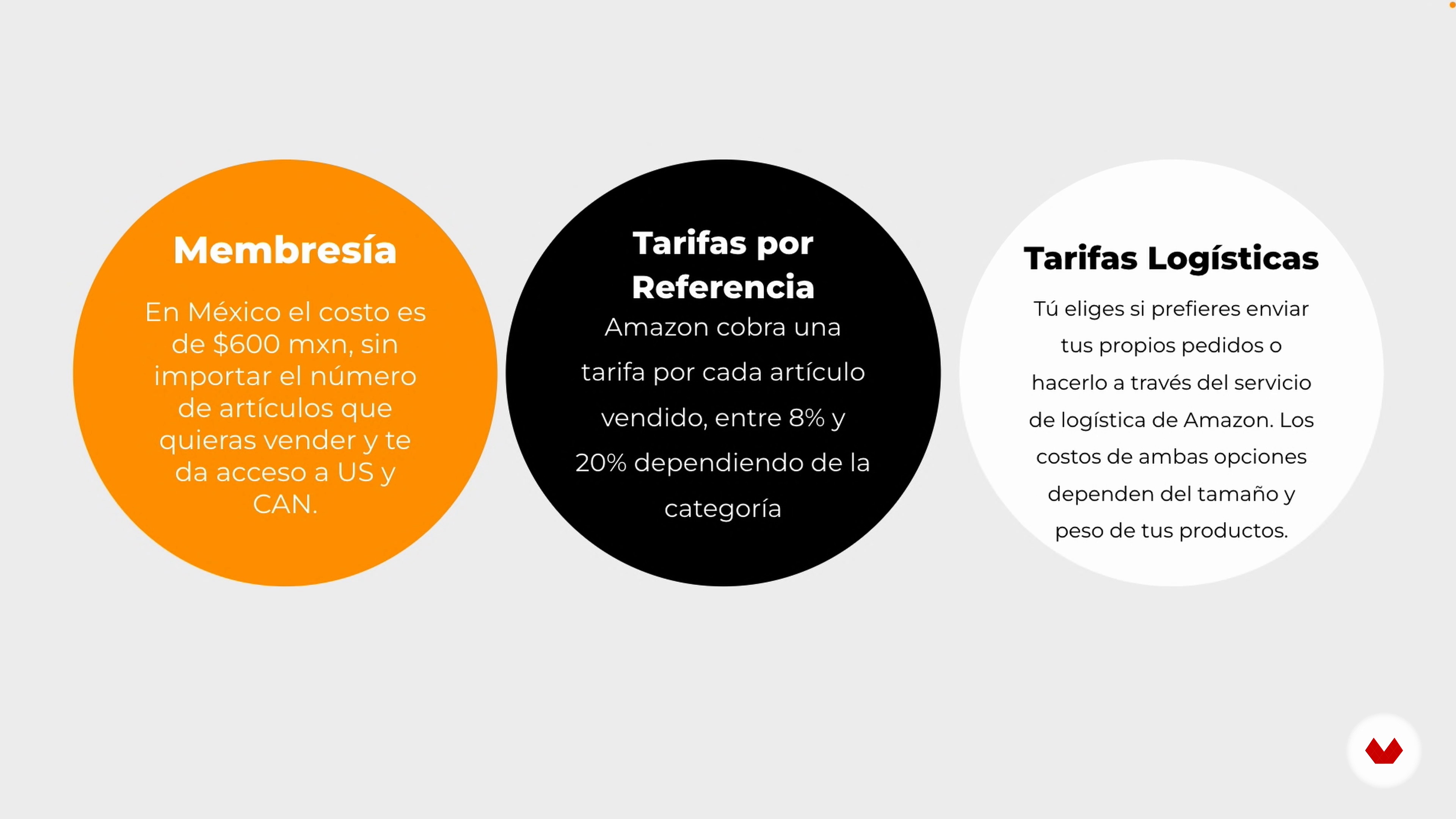
Next, we'll teach you how to design a useful pricing strategy for selling on a marketplace and what you should consider.
11m
 6
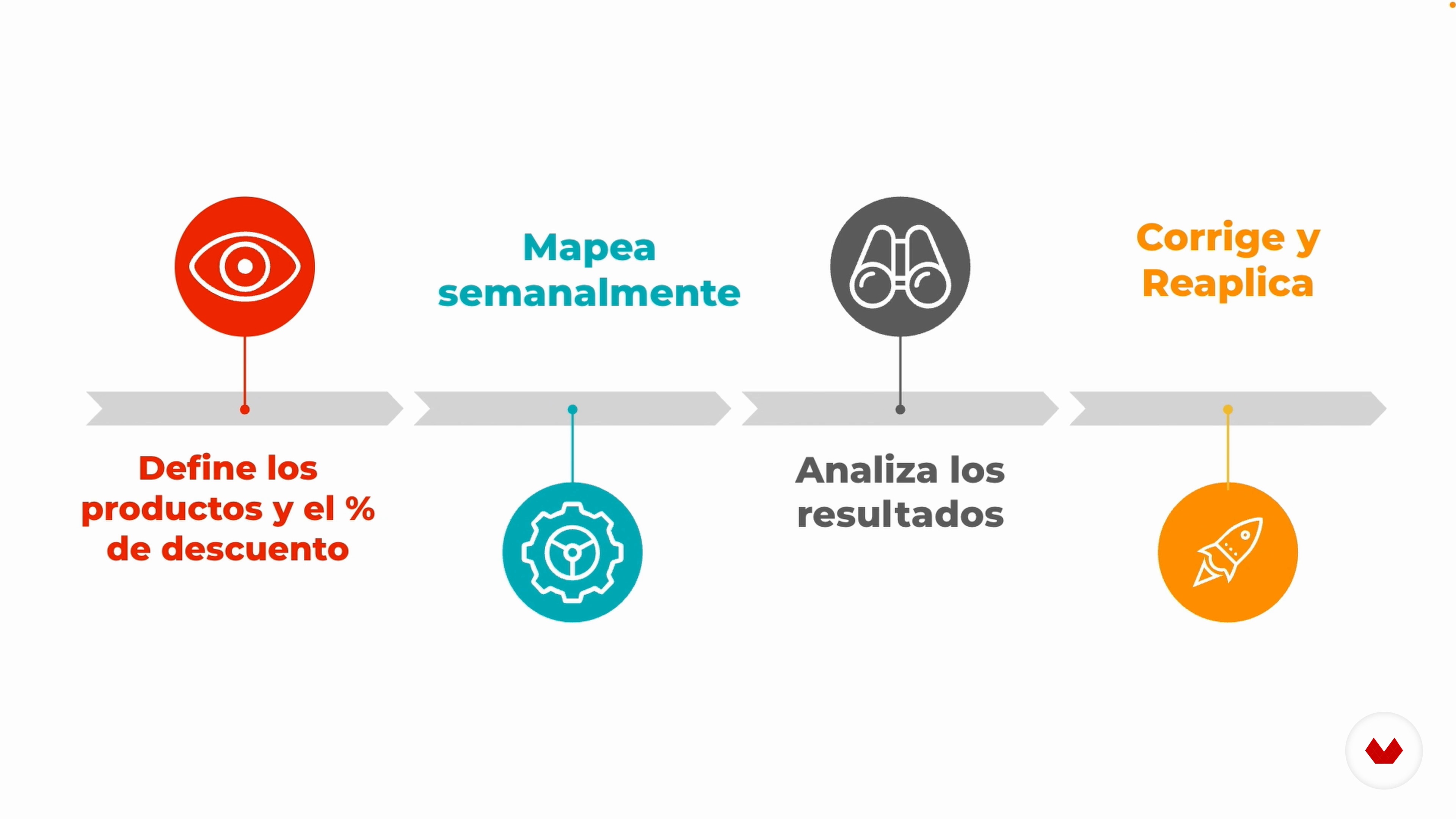
6Promotional Strategy
Especially if you're a new seller, it's important to develop strategies to promote your brand or product. In this lesson, we'll discuss the options available to promote your products and the best strategy.
10m
 7
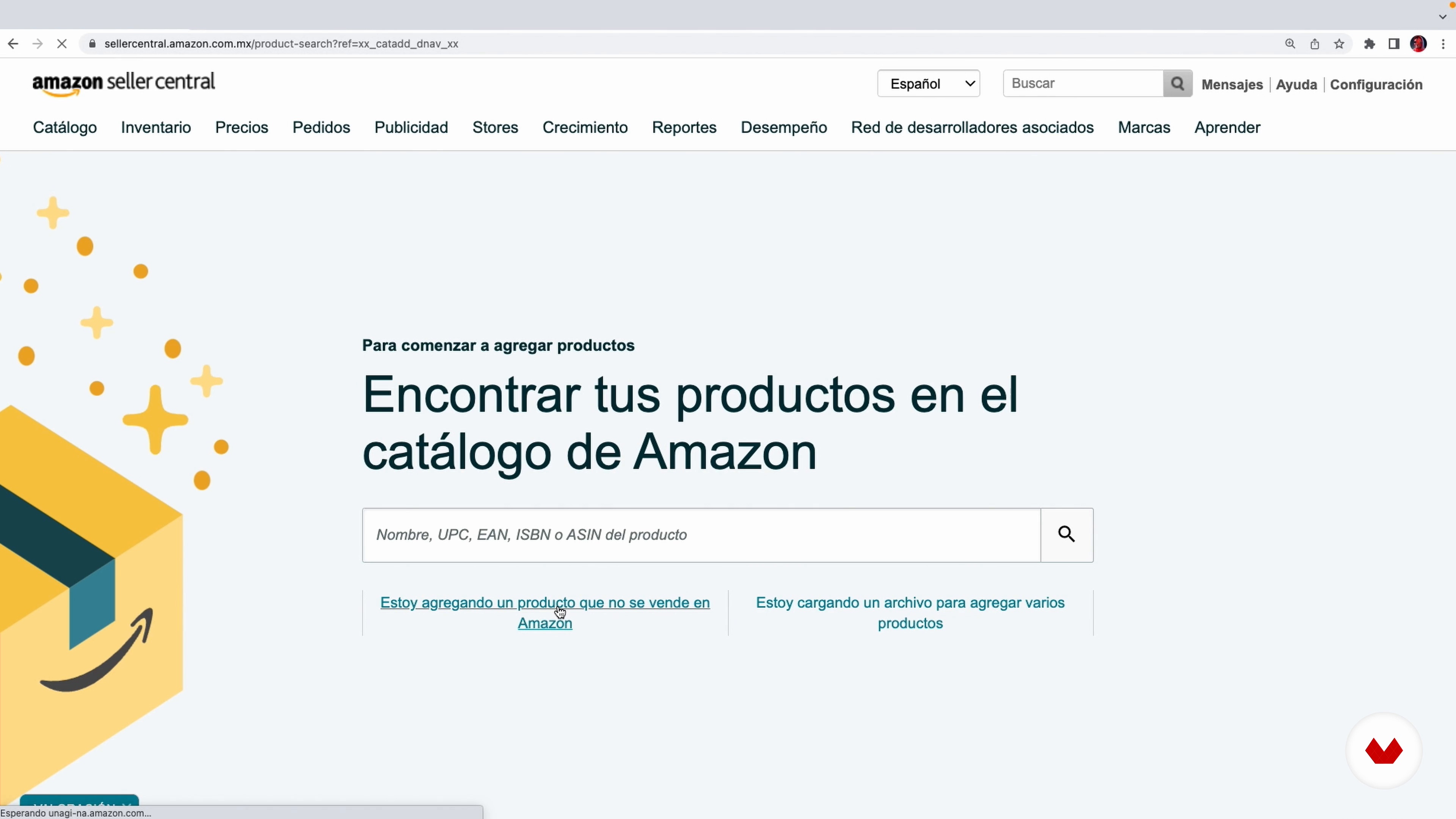
7How to Correctly Publish a Product and Generate Organic Positioning
The next thing you need to know is how to create a post from scratch. Here, we'll show you how and everything you need to consider.
14m
 8
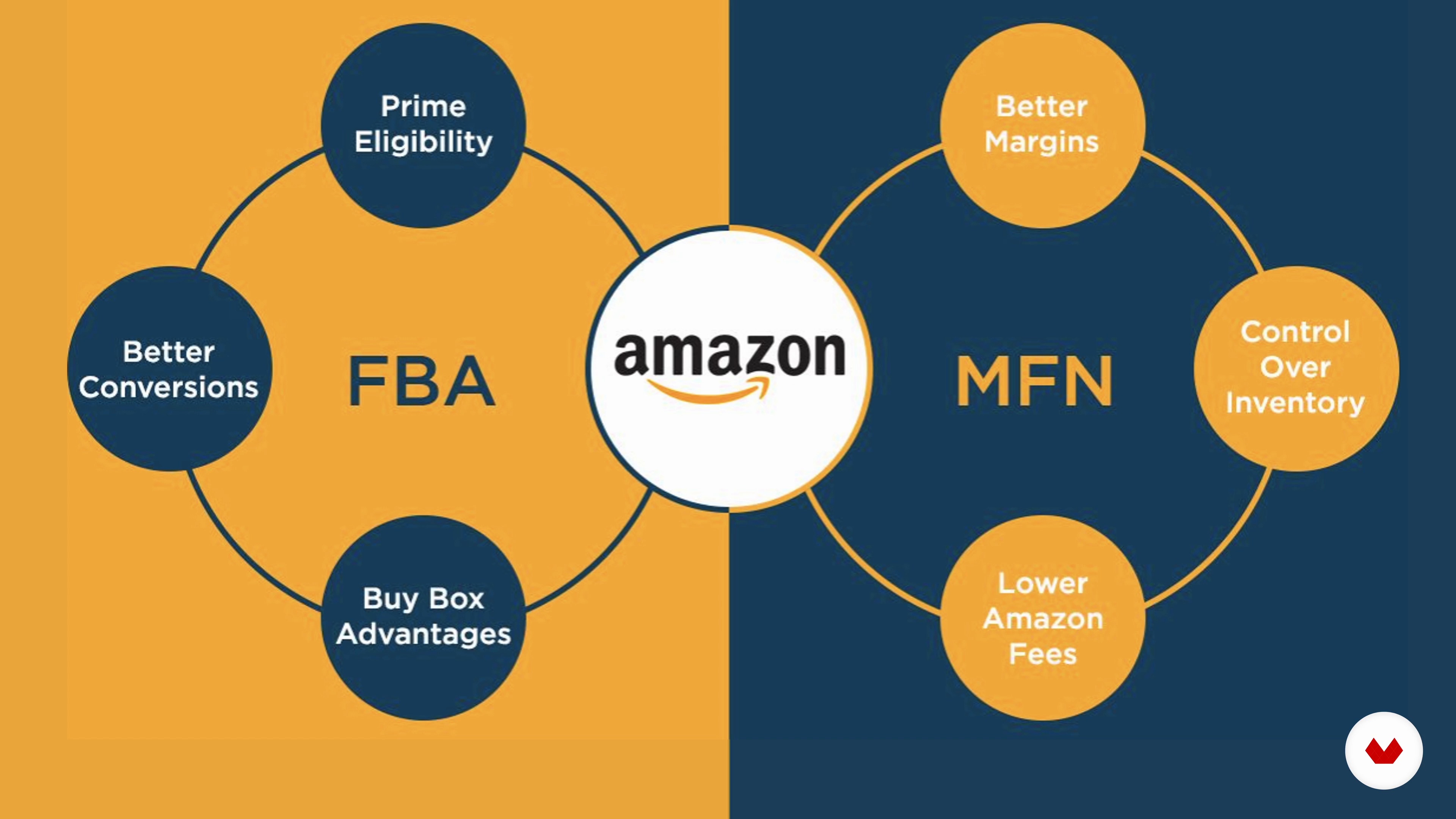
8Fulfillment
There are two ways to manage logistics with Amazon: either you manage the shipping yourself, or Amazon handles everything. The second option is called FBA, or Fulfillment by Amazon. Let's take a closer look at the latter. We'll show you the process of shipping your products to the warehouses and how to join the Prime service.
8m
 9
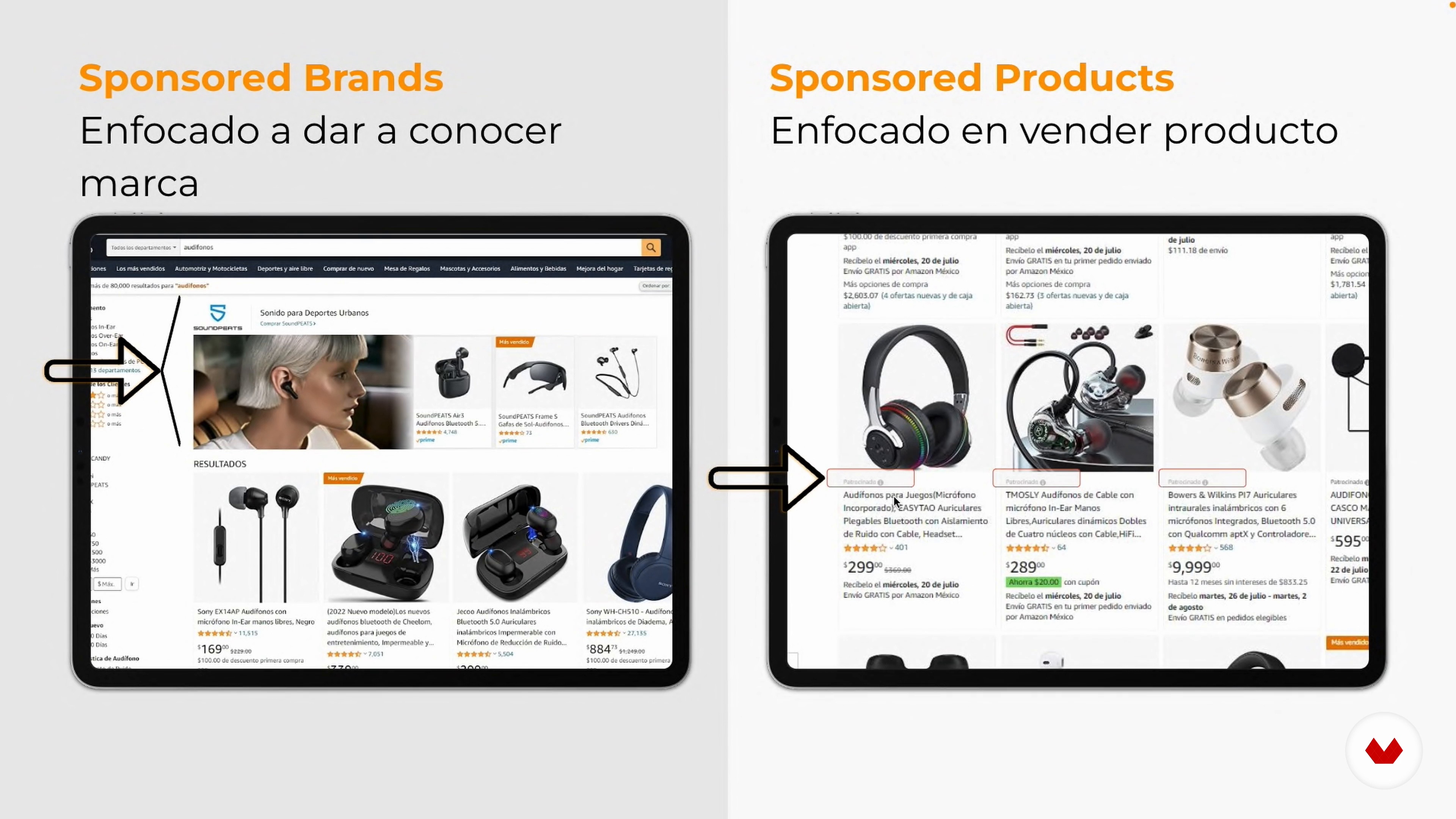
9What Is a Campaign and What Is It For?
In this lesson, you'll learn what an advertising campaign is, its relevance, and the types of campaigns that exist.
5m
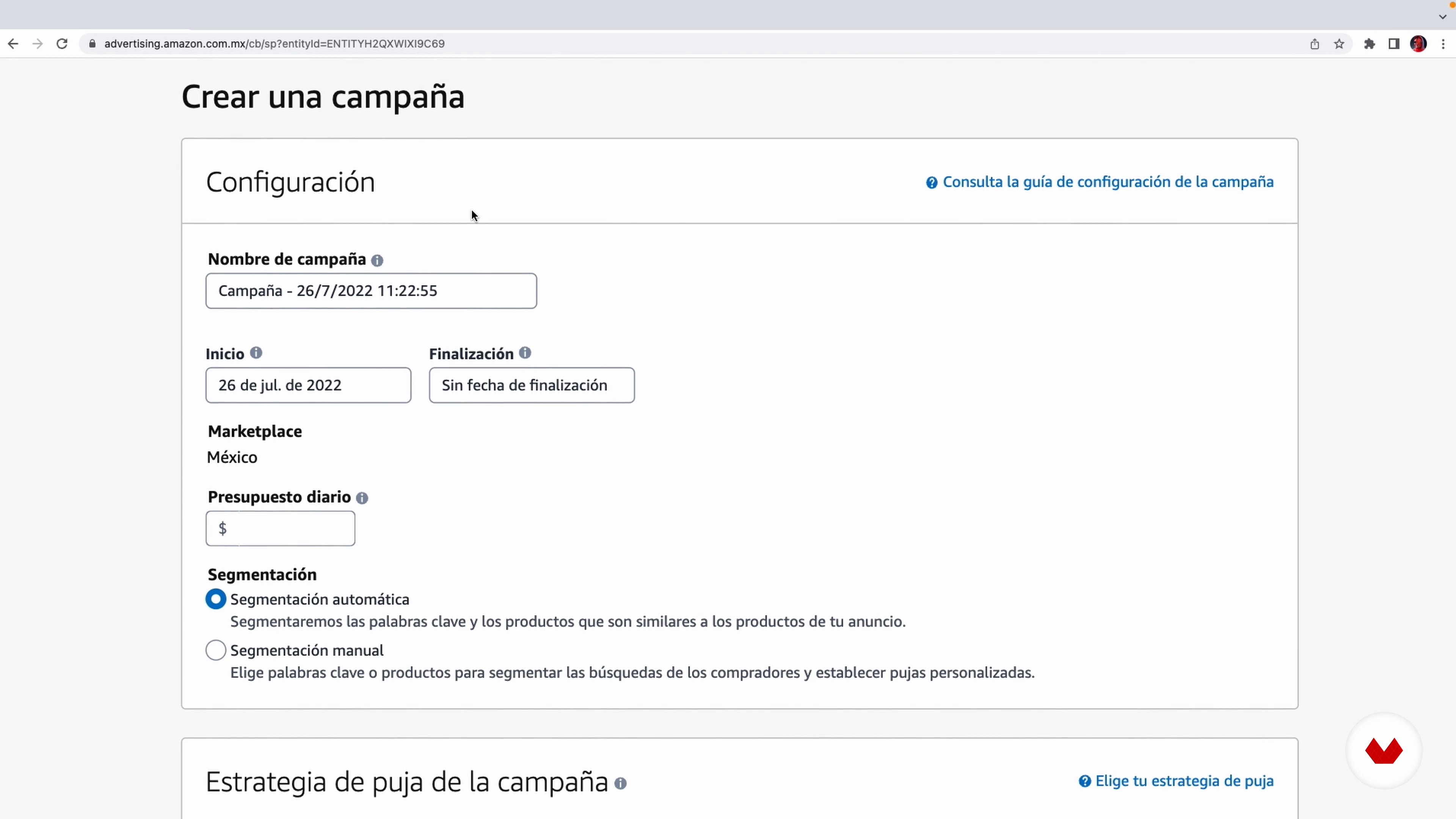 10
10Automatic Campaigns
The process of creating advertising campaigns on Amazon is very simple. Here, you'll learn how to create automated campaigns from scratch, letting the algorithm generate your campaign in just a few clicks!
6m
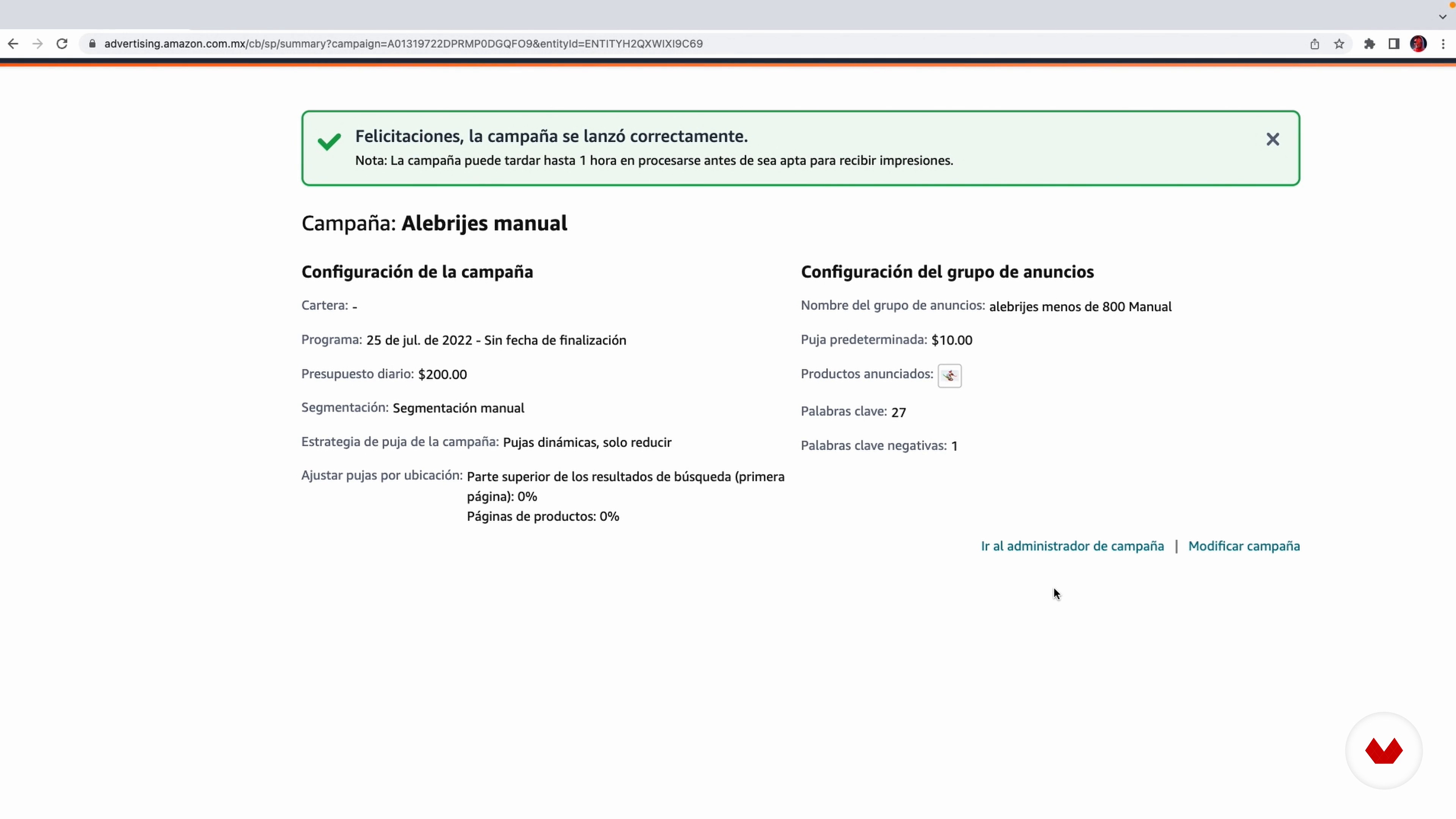 11
11How to Generate a Manual Campaign
Manual campaigns allow you to create targeted campaigns to target customers with well-defined segments. We'll show you how they work.
6m
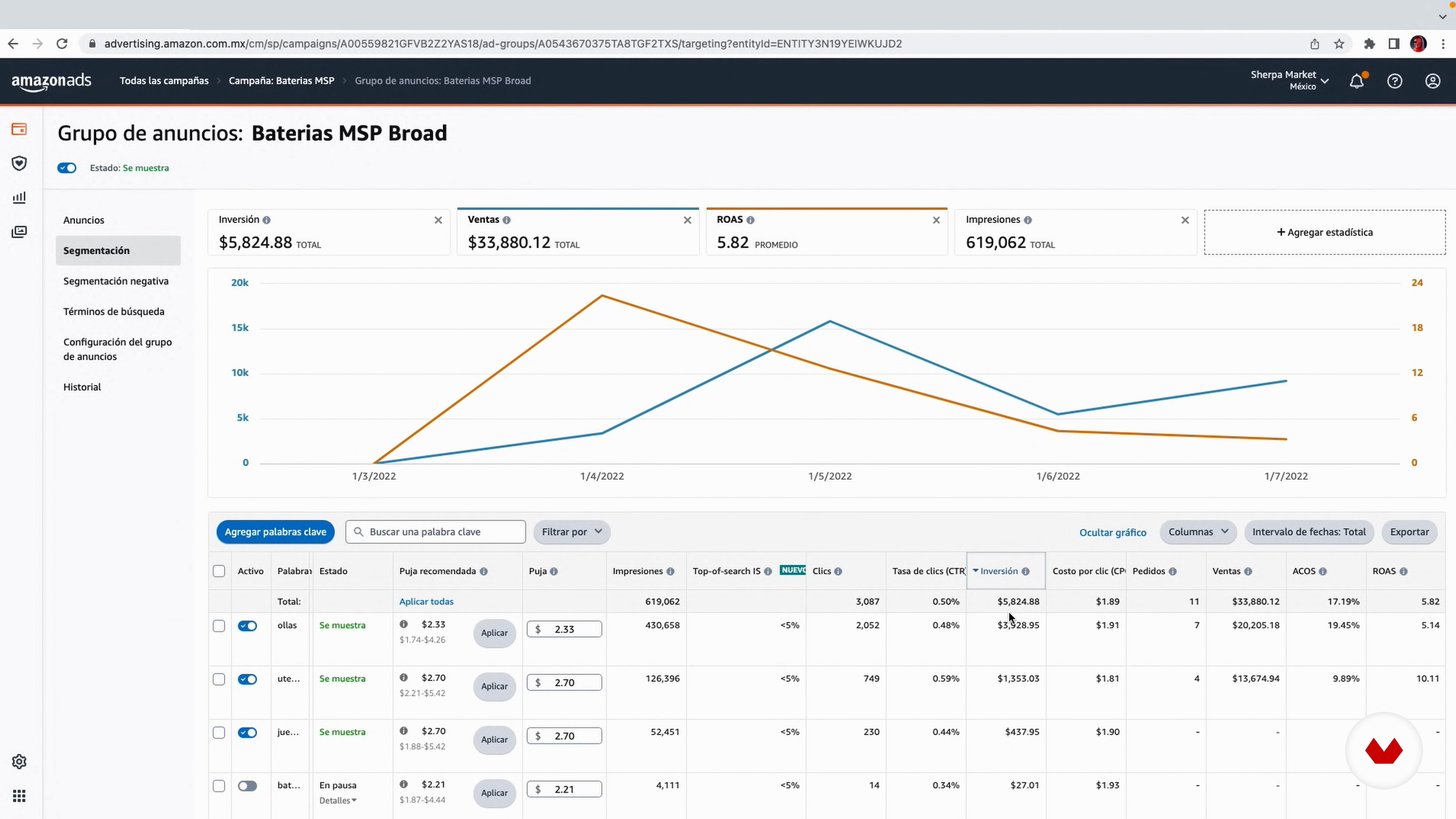 12
12Basic Steps to Optimize a Campaign
How can you leverage the insights generated by your automated and manual campaigns to create a more robust and profitable campaign? We'll explain in this lesson.
6m
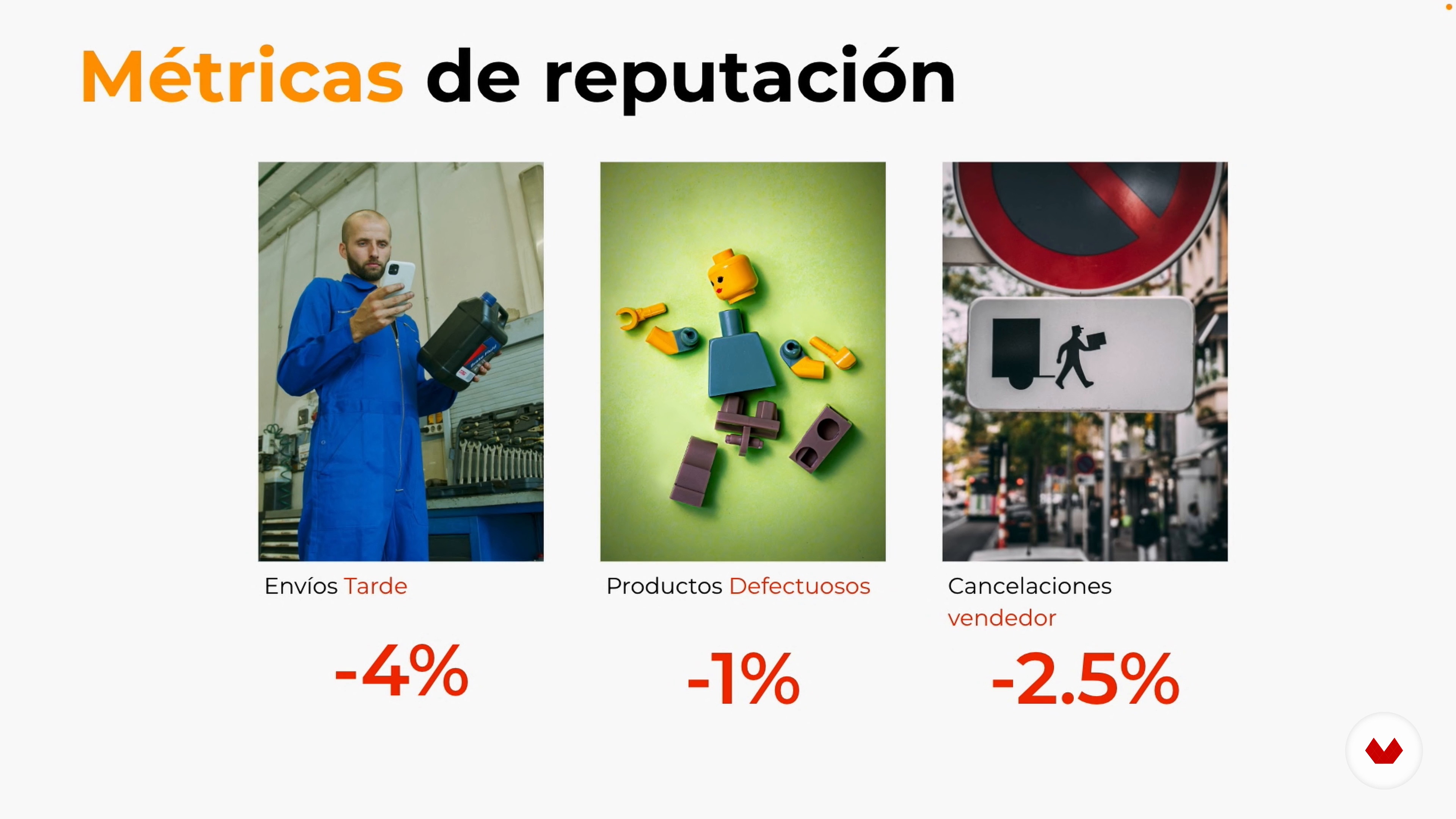 13
13Improving the Experience of My Customers
In this lesson, we'll explain how Amazon evaluates our performance as sellers and what the most important metrics are.
5m
 14
14Good Ratings
Being positively reviewed as a seller is important, but it's even more important to have good reviews for our products. We'll give you some tips to get more of them and get better reviews.
6m
 15
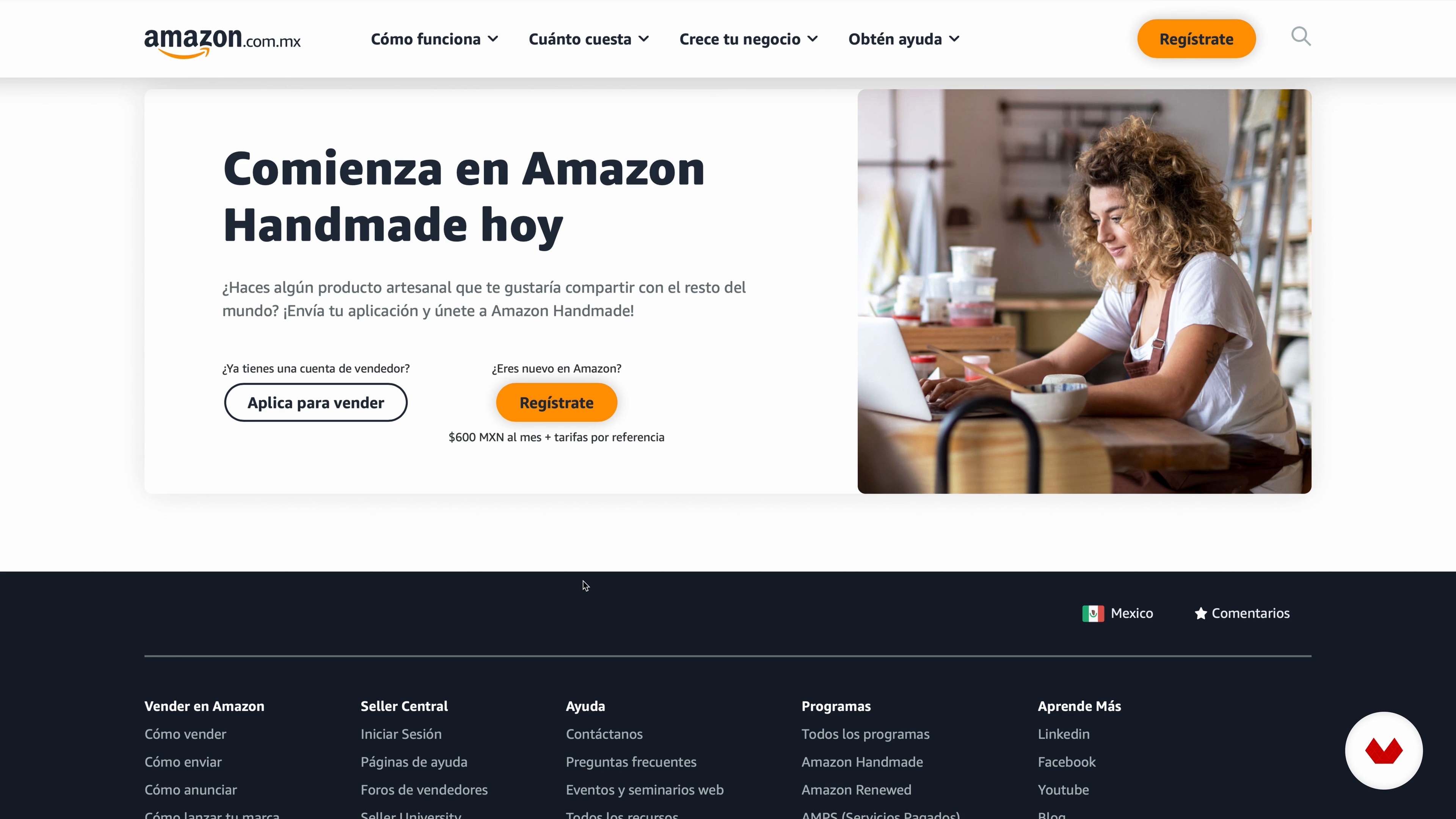
15Amazon Handmade
Are you familiar with Amazon Handmade? It's a section of the platform dedicated to the development and sale of handmade products. In this lesson, you'll learn more about this program and the many benefits you can access by participating.
4m
 3
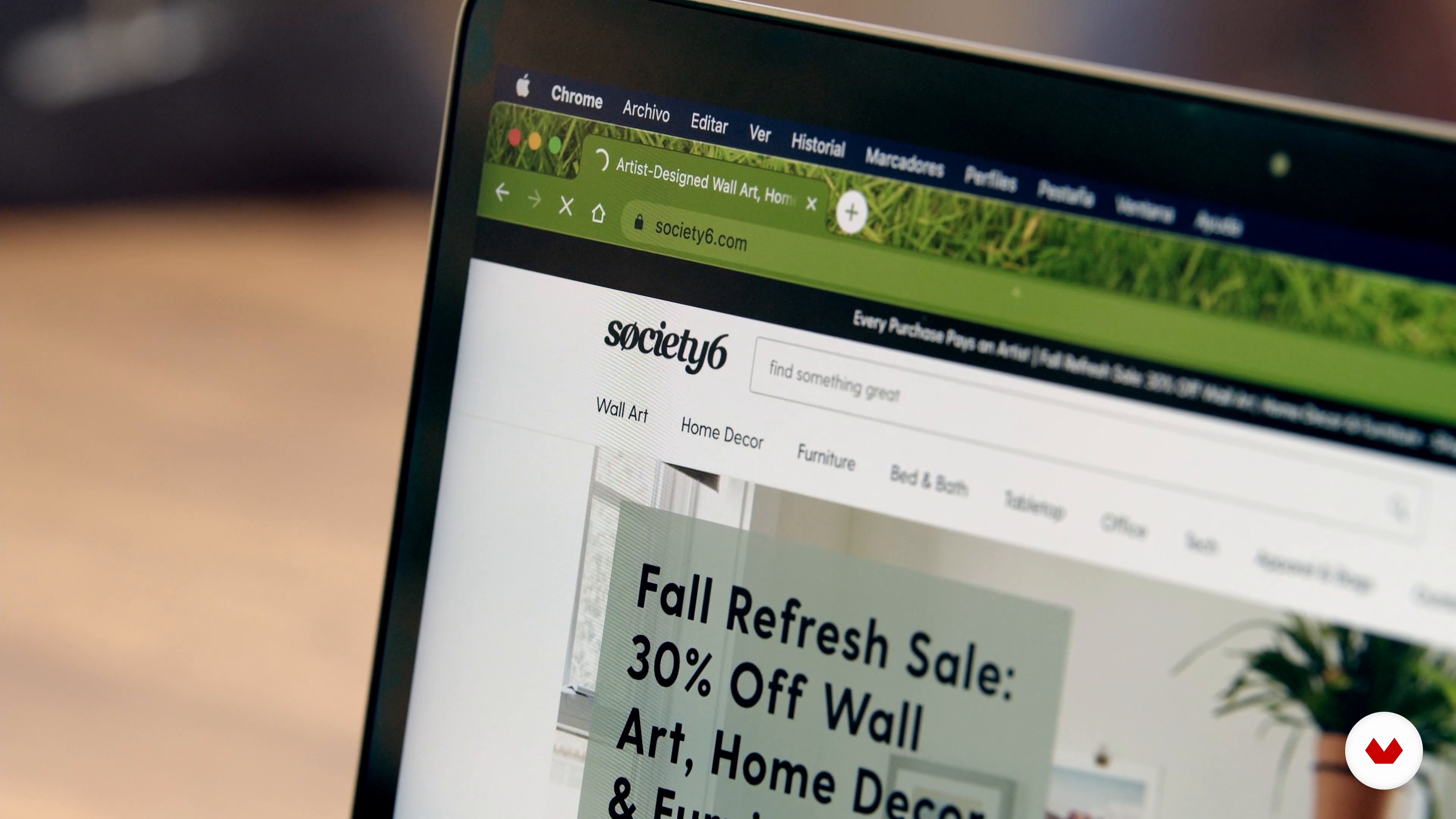
3What is Society6 and how to sell on the platform
Now, you'll understand what Society6 is and who its print-on-demand service is for. We'll look at its advantages and explain the differences compared to your own online store. We'll also discuss how to sell on the platform and what to keep in mind before starting.
18m
 4
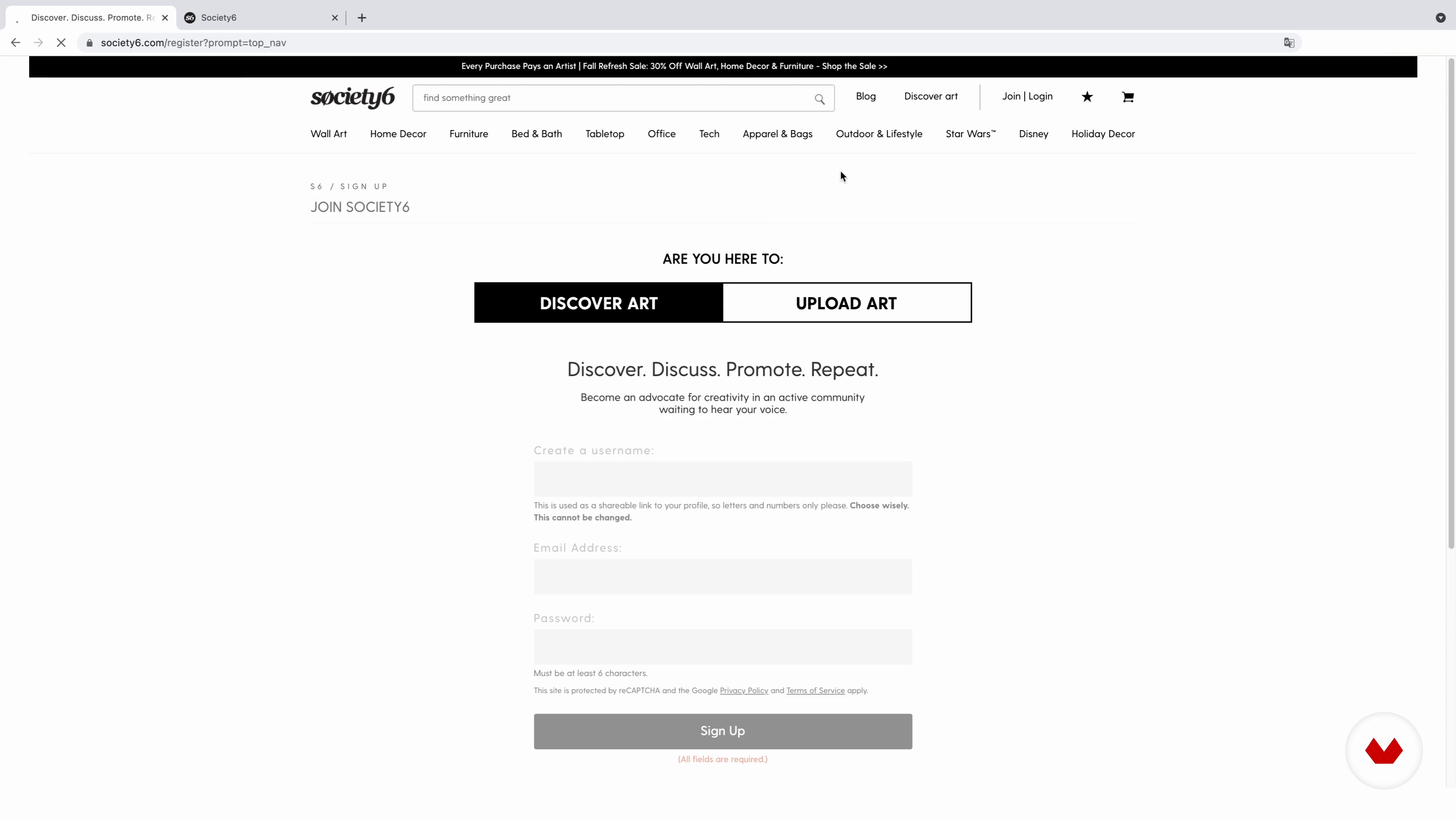
4Create and set up an account
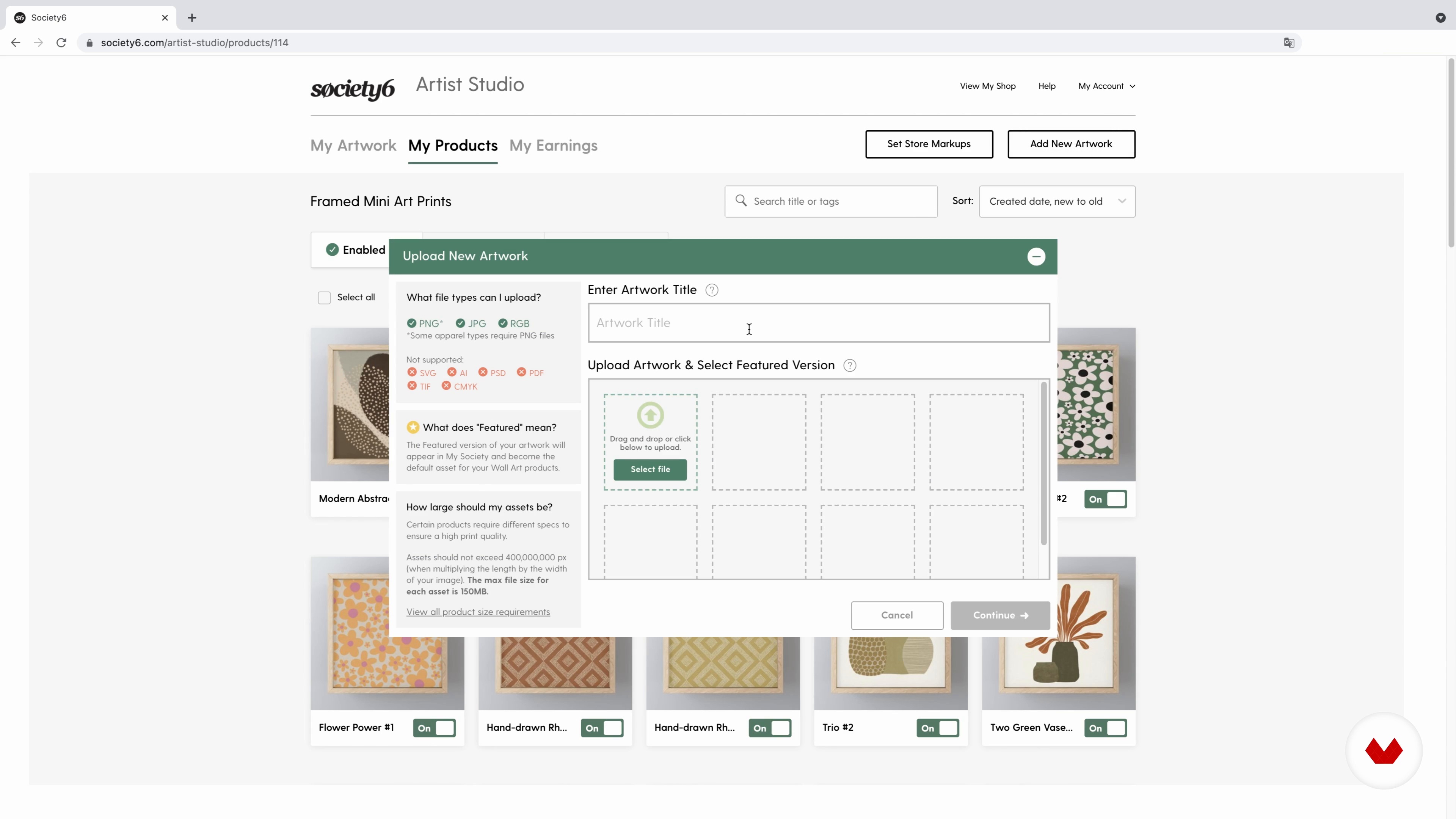
The first thing we're going to do is open a seller account on Society6, and then we're going to personalize it by adding your profile picture and writing a great bio.
9m
 5
5Getting to know Society6
Here we'll look at the products the website offers, where we can find inspiration and meet new artists. Next, we'll access "Artist Studio" to see its features. At the end of the class, I'll explain the income and payment statements.
9m
 6
6Creation of designs: designs that sell
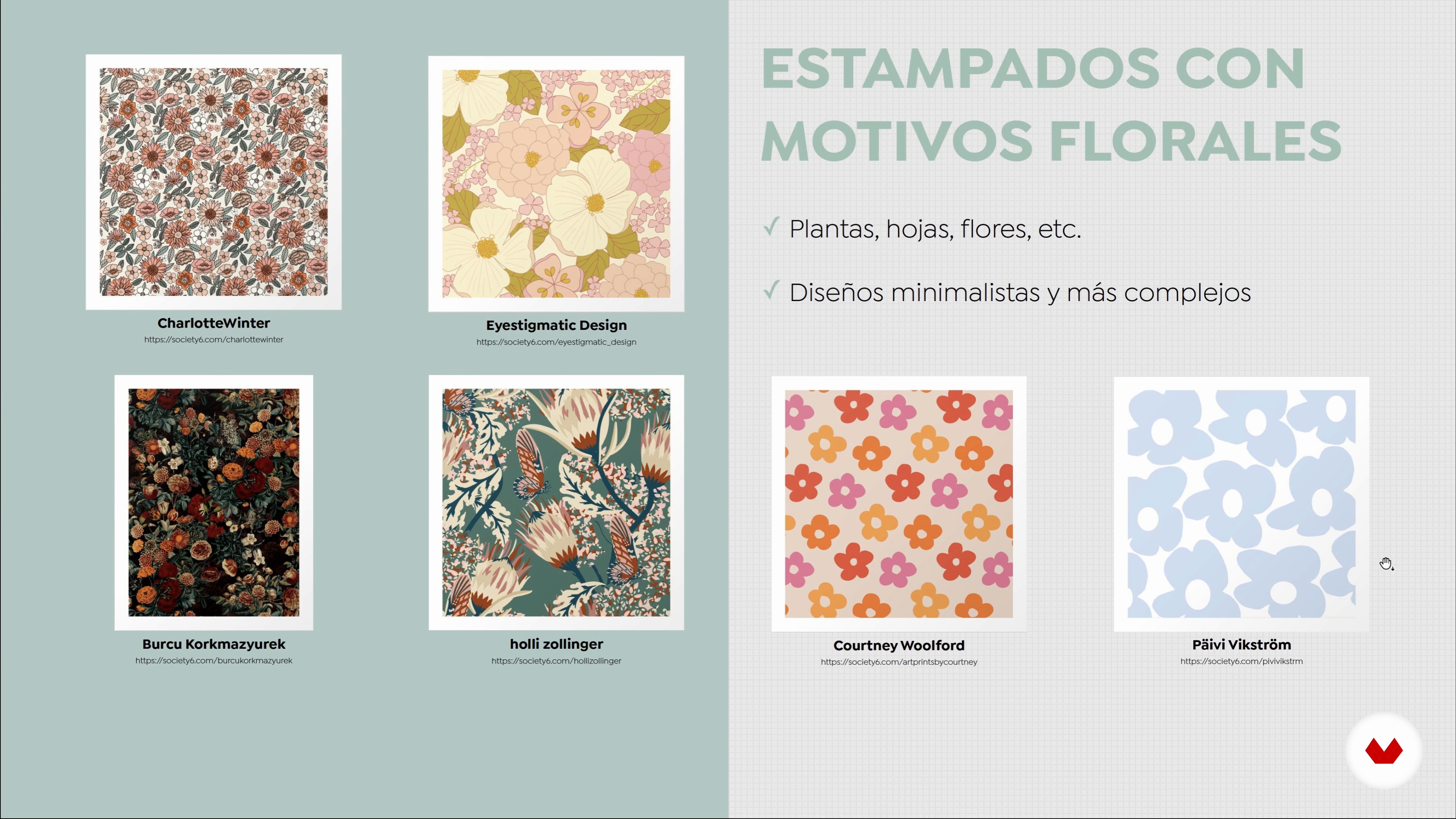
In this lesson, we'll choose the designs we want to upload to our store. We'll also look at the different product options the platform offers and which designs work best with those products.
15m
 7
7Creation of designs: designs and types of products
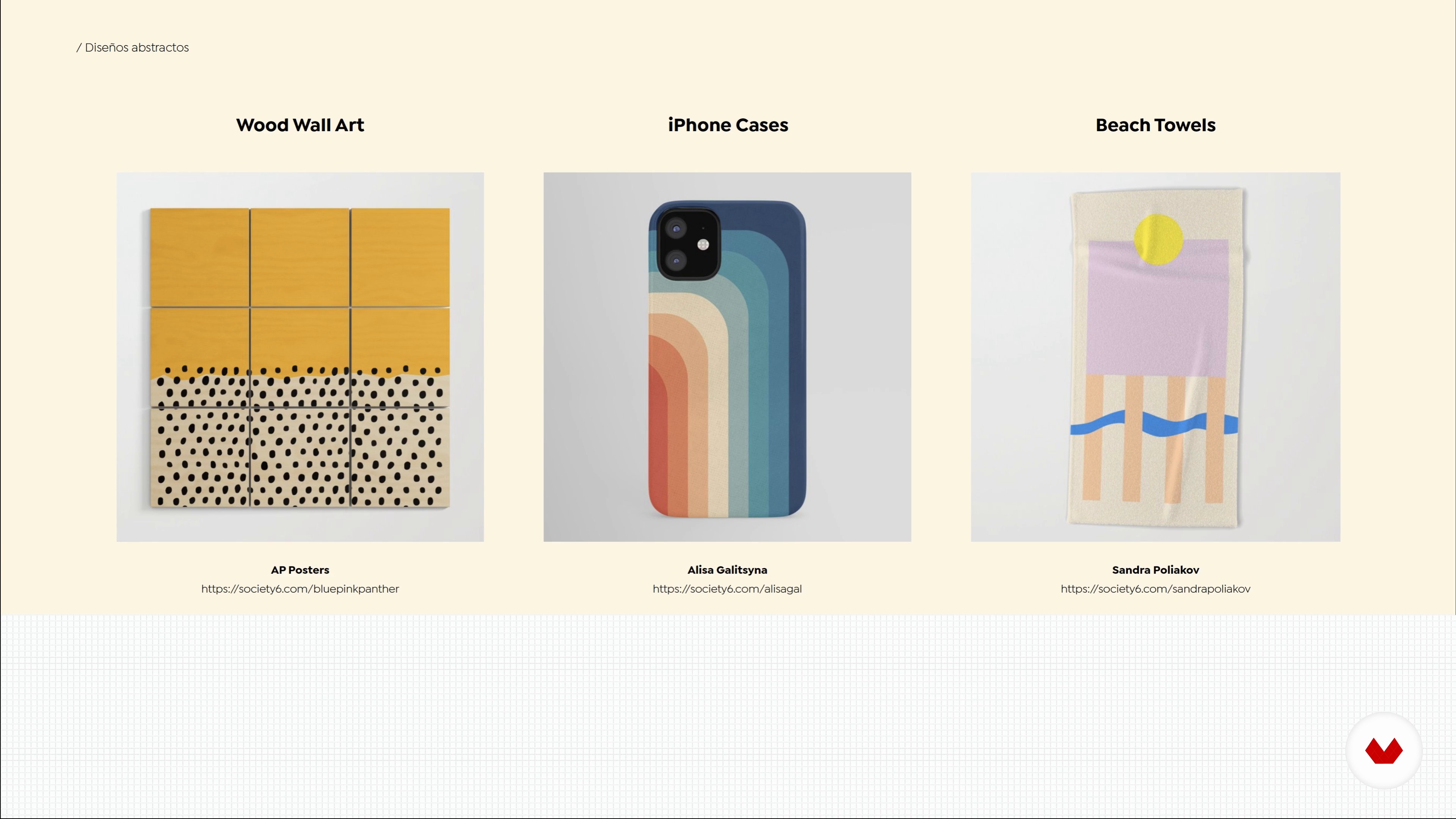
Now, let's talk about the points to keep in mind when creating your designs. We'll also look at which designs work best for which types of products and how to edit them to fit the widest range of products possible.
4m
 8
8File upload
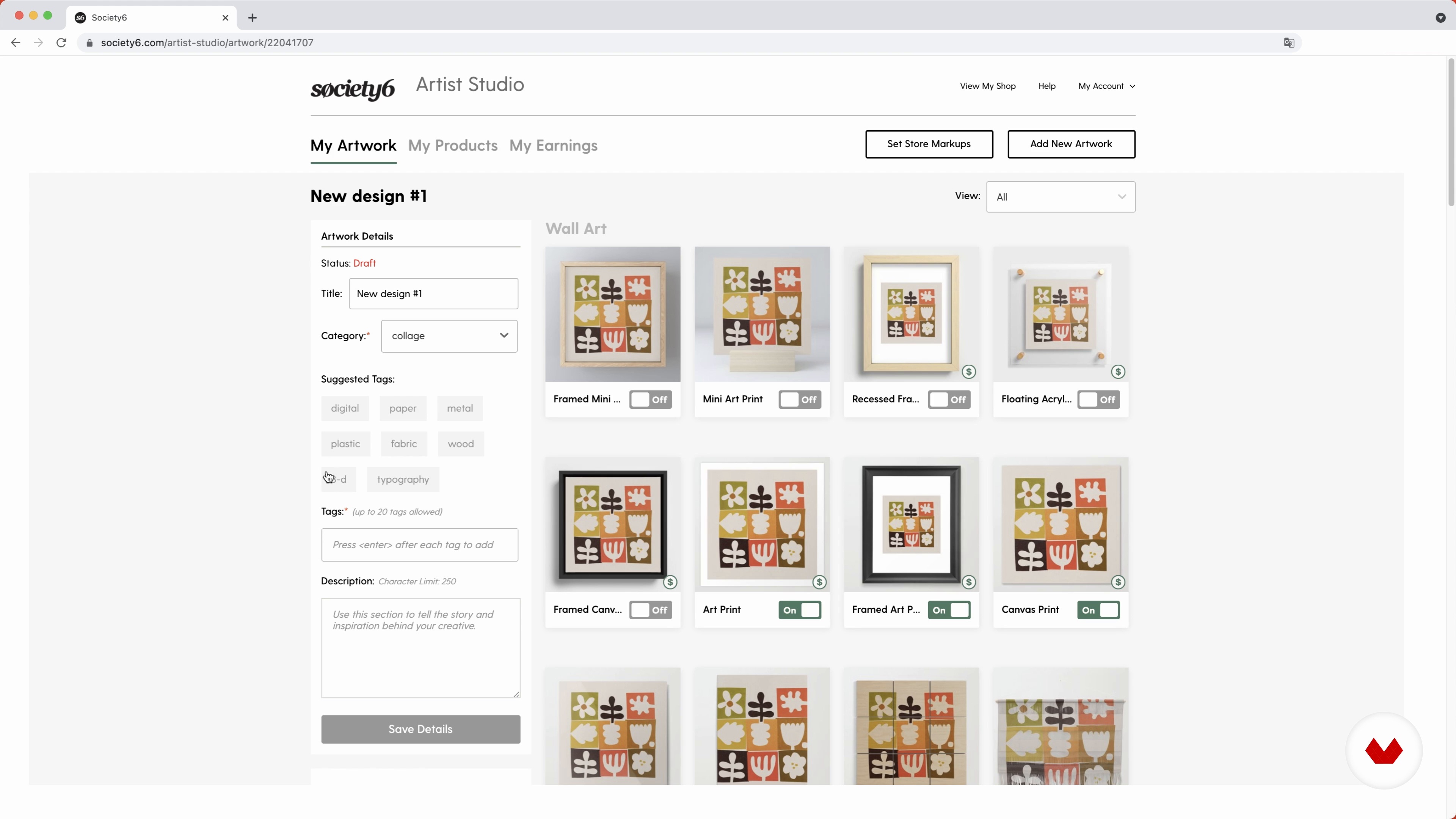
Here, I'll explain the technical requirements for your files to adapt them to the widest range of existing products possible. We'll discuss keywords and ways to improve your designs' search results. At the end of the lesson, we'll also set appropriate prices for your products.
19m
 9
9Product promotion
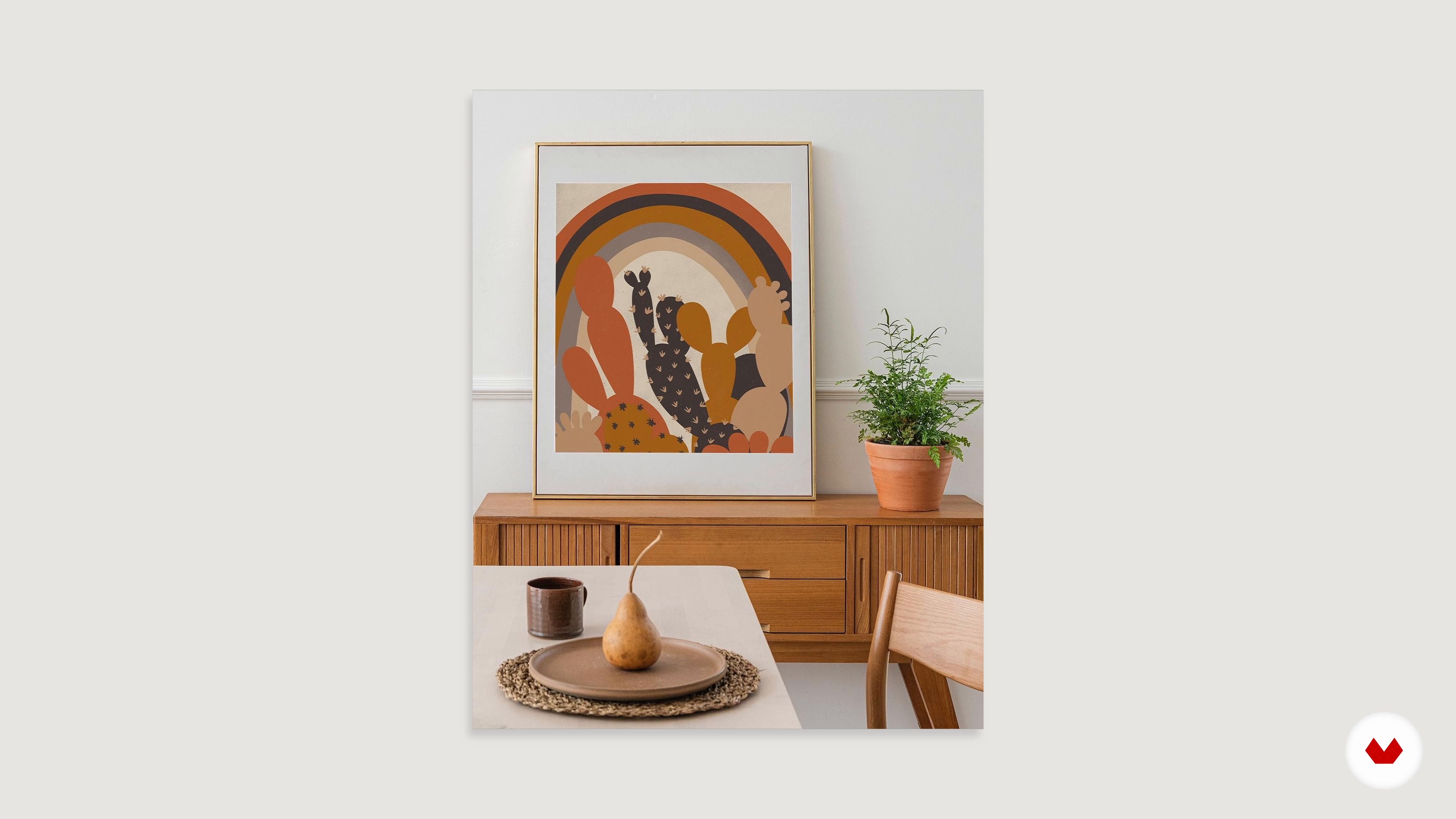
We're all set! Now, I'll give you some tips on how to promote your store's products, provide photos of them to attract buyers, and generate extra revenue by sharing your personal link.
4m
 10
10Purchasing process
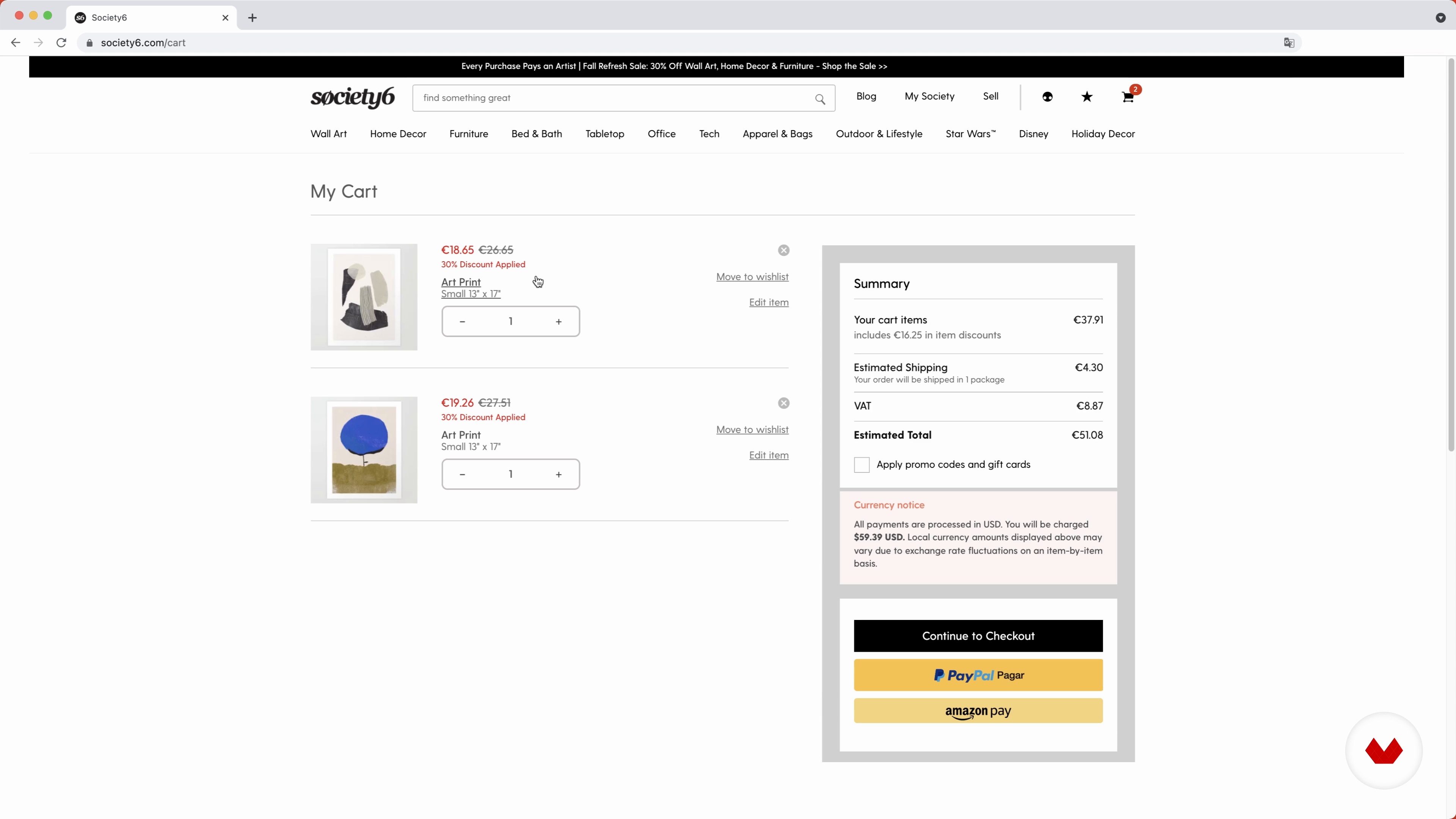
It's time to process an order to familiarize ourselves with the entire process, obtain product samples, and see how sales are displayed.
5m
 11
11Customer management and analytics
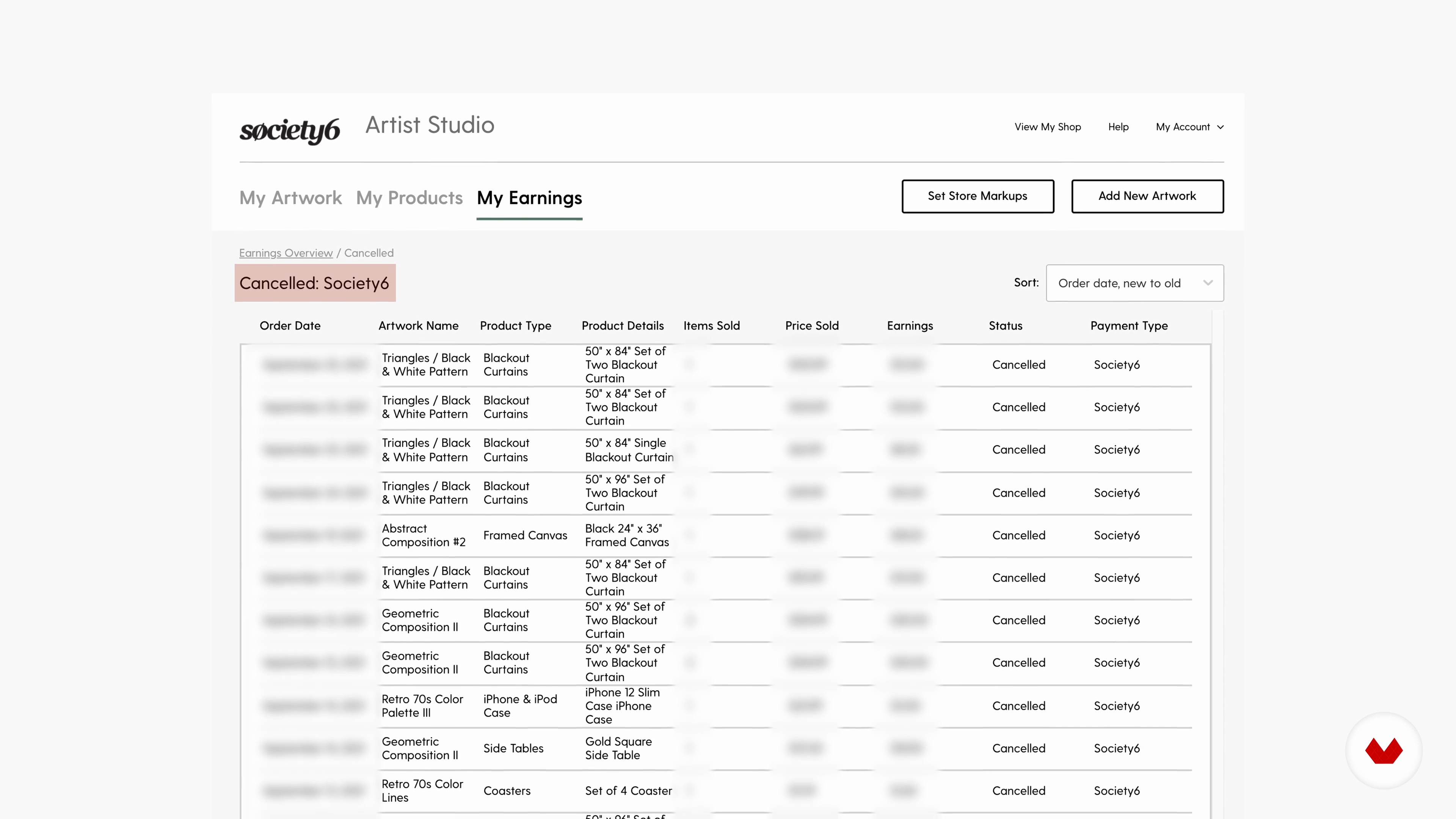
Here we'll look at what data the platform provides for customer management and how we can leverage it to analyze and improve sales.
8m
 12
12Artist Resources
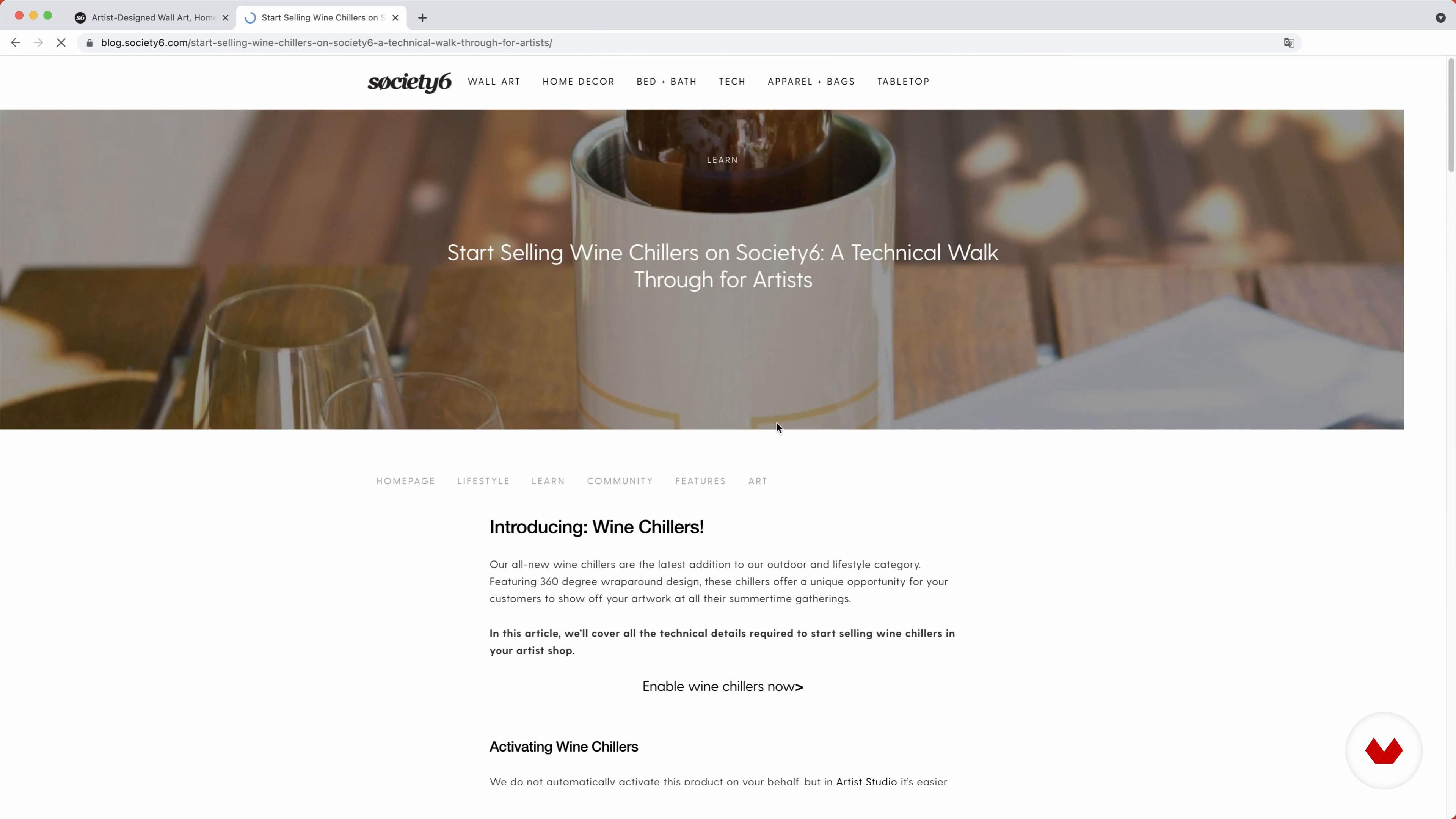
In this lesson, I'll show you some Society6 resources that can be useful and help you on your journey as an artist.
5m
What is this course's project?
The project consists of launching a complete online store with a product catalog, payment gateway, and basic navigation structure. Students will learn to define their value proposition, choose the appropriate platform, and manage key elements of their digital business.
Who is this specialization for?
Entrepreneurs, creators, and professionals looking to launch, consolidate, and scale their digital businesses will find in this specialization the tools they need to create an online store, implement marketing strategies, optimize conversions, and explore platforms like Etsy, Amazon, and Society6.
Requirements and materials
No extensive prior knowledge is required, just basic computer and internet skills. A computer with internet access, the ability to install software, and an email account are necessary. A desire to learn and explore the world of digital e-commerce is essential.
Reviews
- 3 months ago
Muy buen curso, explica muy bien desde 0 la creación de páginas con e- commerce y como hacerlas crecer
- chaguelasPLUS6 months ago
Interesantísimo.... Sobre todo si empiezas desde cero
- 8 months ago
Muy completo, falta renovar algunas cosas pero eso está muy bien
- 8 months ago
Muy bueno
- 1 year ago
Está muy interesante el curso
Select to get to know your teachers in this specialization course


What to expect from this specialization course
Learn at your own pace
Enjoy learning from home without a set schedule and with an easy-to-follow method. You set your own pace.
Learn from the best professionals
Learn valuable methods and techniques explained by top experts in the creative sector.
Meet expert teachers
Each expert teaches what they do best, with clear guidelines, true passion, and professional insight in every lesson.
Certificates
PLUSIf you're a Plus member, get a custom certificate for every specialization course. Share it on your portfolio, social media, or wherever you like.
Get front-row seats
Videos of the highest quality, so you don't miss a single detail. With unlimited access, you can watch them as many times as you need to perfect your technique.
Share knowledge and ideas
Ask questions, request feedback, or offer solutions. Share your learning experience with other students in the community who are as passionate about creativity as you are.
Connect with a global creative community
The community is home to millions of people from around the world who are curious and passionate about exploring and expressing their creativity.
Watch professionally produced courses
Domestika curates its teacher roster and produces every course in-house to ensure a high-quality online learning experience.
FAQs
You’ll learn how to create and manage an online store, sell products on Amazon, choose platforms, optimize logistics, calculate costs, segment customers, and apply digital marketing strategies to build a successful e-commerce business.
This is an intermediate-level course, perfect for those with basic digital commerce knowledge who want to dive deeper into strategies, tools, and practical cases involving e-commerce and marketplaces like Amazon.
You only need basic internet and computer skills. No prior e-commerce experience is required, though having an interest in digital business or some online sales experience is recommended.
You’ll master specific strategies for product selection, optimizing listings, managing inventory, comparing platforms, running promotions, and handling customer complaints, all focused on standing out and selling effectively on marketplaces like Amazon.
The course compares popular platforms like Shopify, WooCommerce, and Magento, analyzing their pros and cons, ERP integration, costs, and suitability based on your online store’s size and needs.
Yes, it includes practical resources, templates, and tools like the Canvas model, guides for choosing suppliers, platforms, and payment gateways, as well as strategies for personalization and digital marketing.
You’ll learn how to create email marketing campaigns, segment audiences, boost conversions, plan content, measure results, and use digital channels to attract and retain customers for your online store.