
Master textile dyeing by exploring techniques like tie-dye, shibori, batik, and more to create unique patterns
Embark on a fascinating journey through textile dyeing techniques with experts like Peter Wasp, Carolina Raggio, Carla Qua, Desdamas, and Ikaro Batik. Discover the versatility of tie-dye, which allows you to explore color dynamically and freely, creating unique results that transform every garment. Learn how shibori, with its precision and Japanese tradition, brings to life geometric and repetitive patterns that reinvent textile design. Immerse yourself in the world of marbling, where colors float on the surface of water to create marble-like effects on fabrics and papers.
Silk painting offers a unique experience, connecting the artist with their inner world while transforming the fabric into a canvas of emotions and sensations. Finally, batik, an ancient wax-based resist technique, integrates all these skills into a complex and narrative form of expression. Each lesson brings a distinctive approach, allowing participants to develop a personal and mature style in the field of textile dyeing. With the guidance of these experts, transform your creative vision into pieces that fuse tradition and innovation.
What will you learn in this specialization?
 1
1Introduction
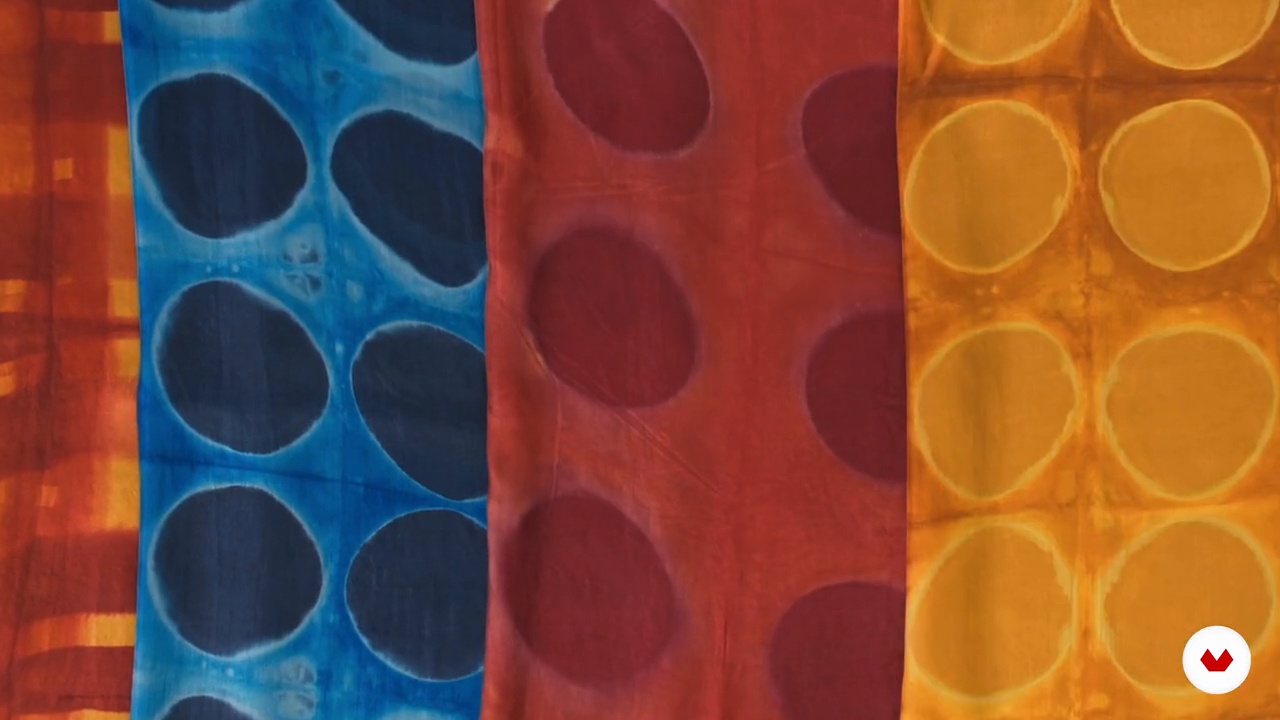
Entering the world of textile dyeing is like opening a door to a universe of color, history, and personal expression. Through ancestral techniques and contemporary approaches, you'll discover how every fold, knot, or imperfection can become a unique mark. Experiment with textures and pigments to create surfaces that tell your own story.
2m
 2
2Influences | Peter Wasp
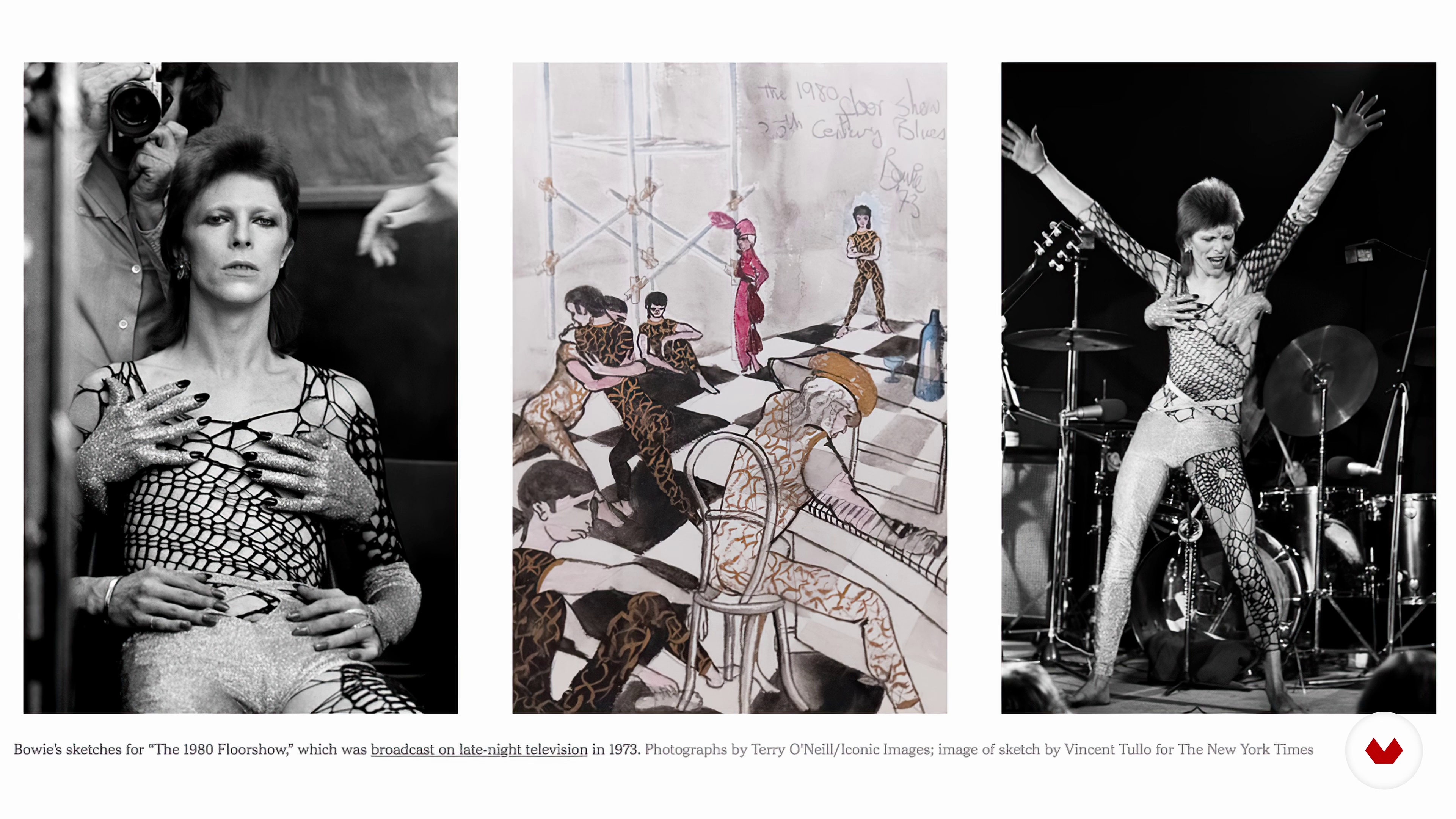
I will tell you about some artists who have influenced me, I will share a bit of their work, what are my favorite works and how they inspire me to create. I will show you some books that could inspire you or in which you can find very interesting information.
4m
 3
3Influences | Carla Qua
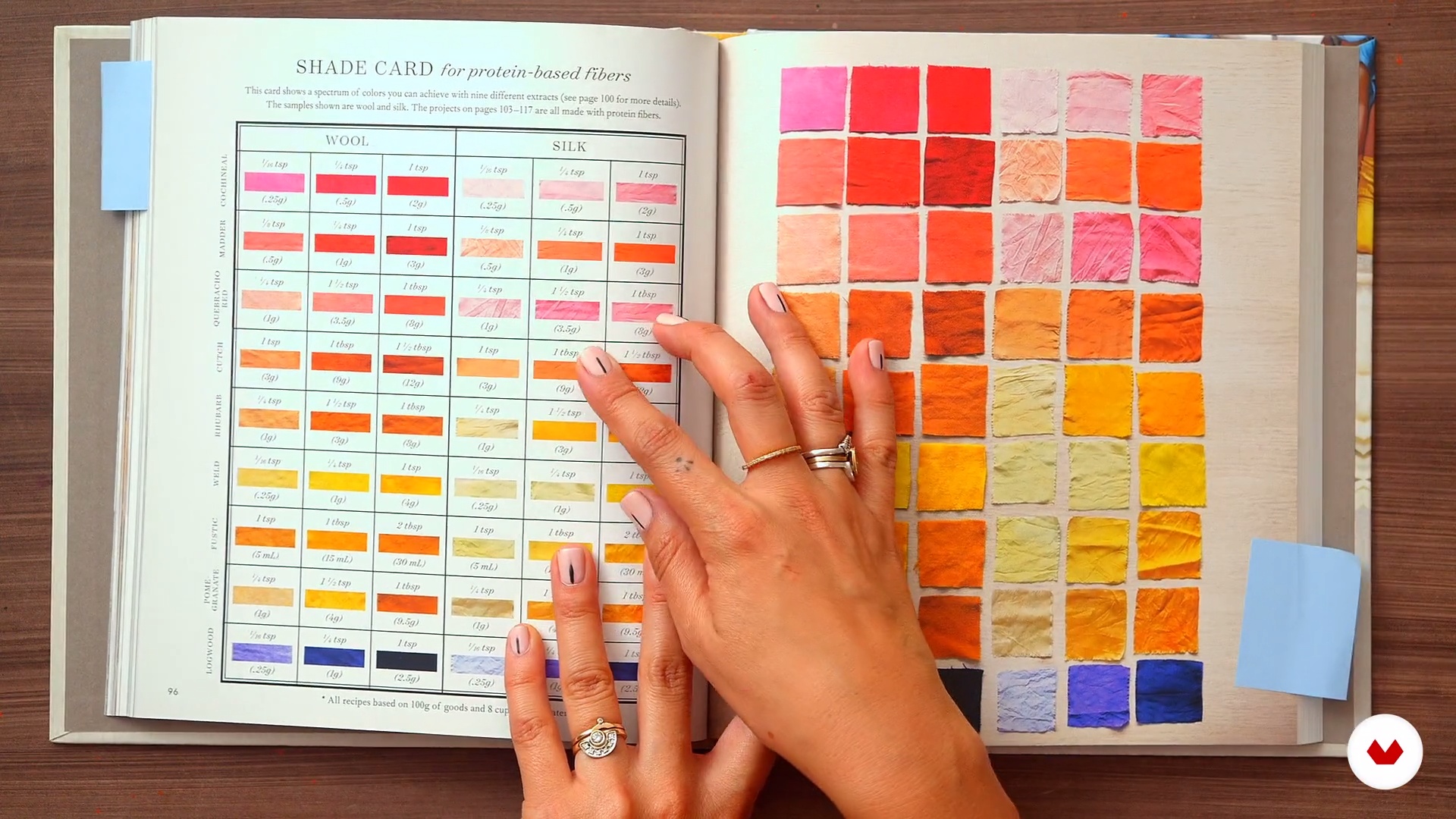
Now I will show you some books, from various authors, that collect information about textiles and pigments that have influenced my way of working.
4m
 4
4Influences | Carolina Raggio
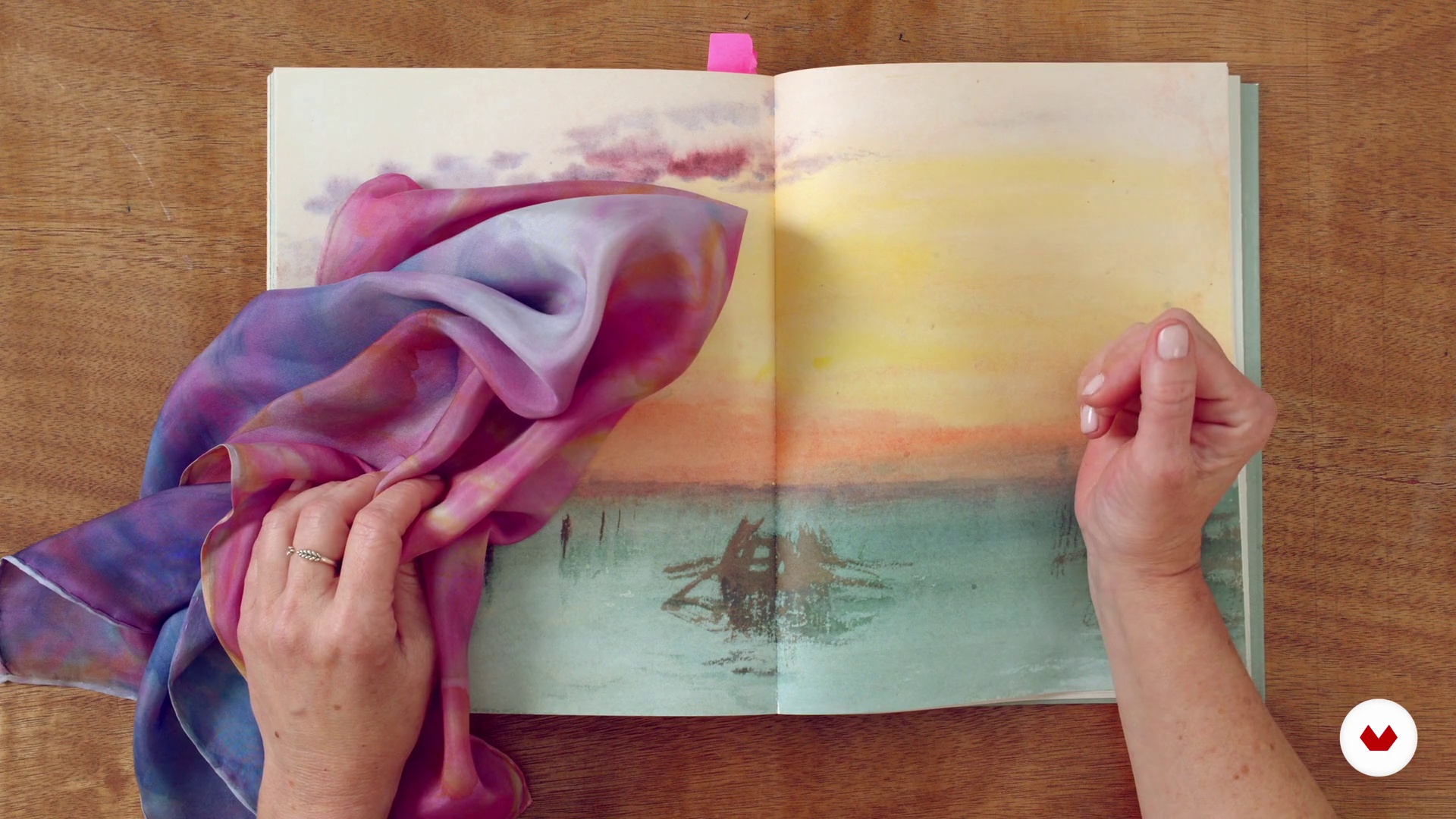
In this lesson I will show you a selection of inspiring artists, from fashion designers like Alexander McQueen, great textile artists like Anni Albers, Sheila Hicks and Inge Dusi, through crafts and other curiosities that enrich my work as sources of inspiration.
5m
 5
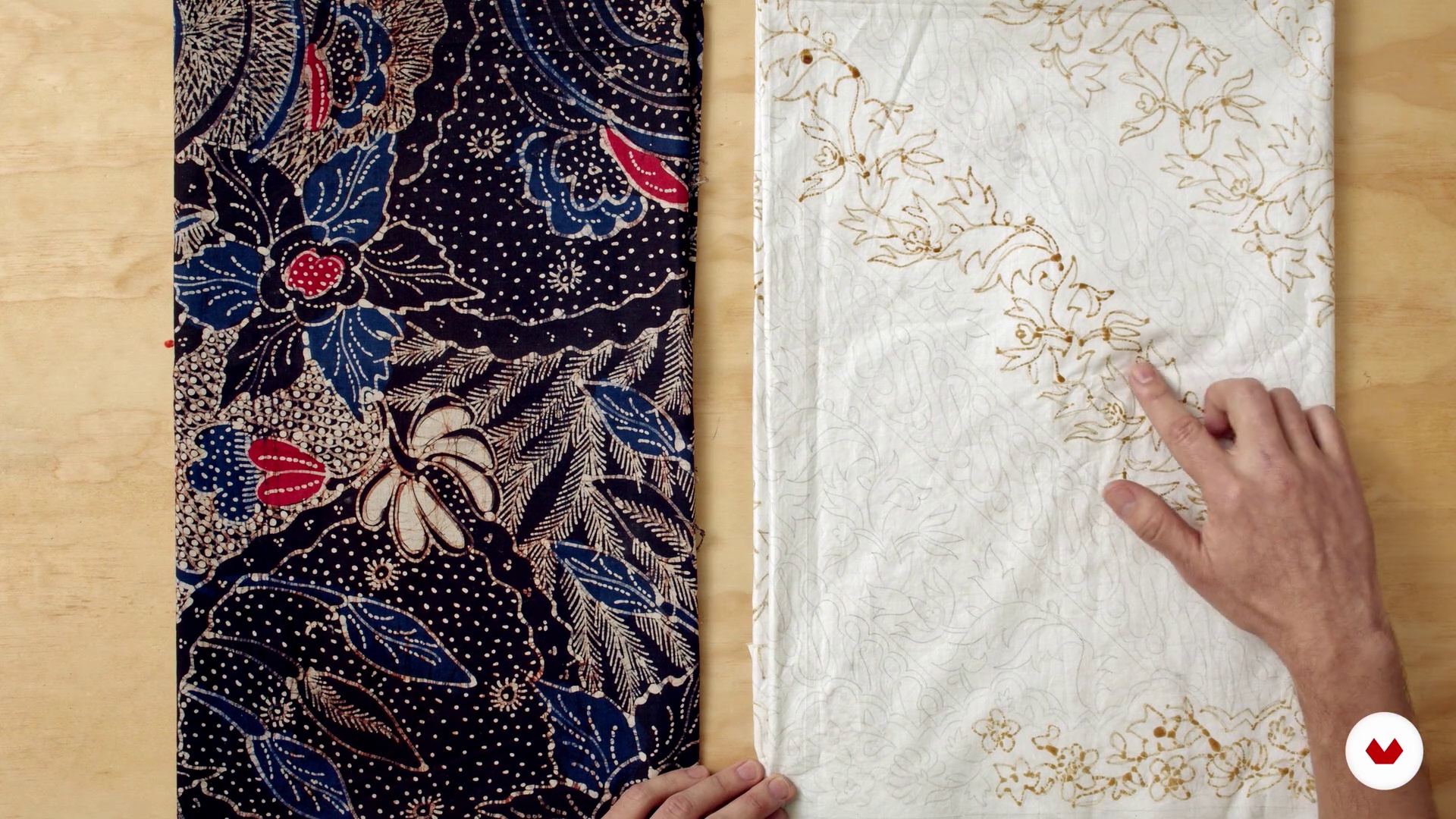
5Influences | Ikaro Batik
Now I want to invite you to know some of the influences that have inspired my work as an illustrator and batik artist.
10m
 6
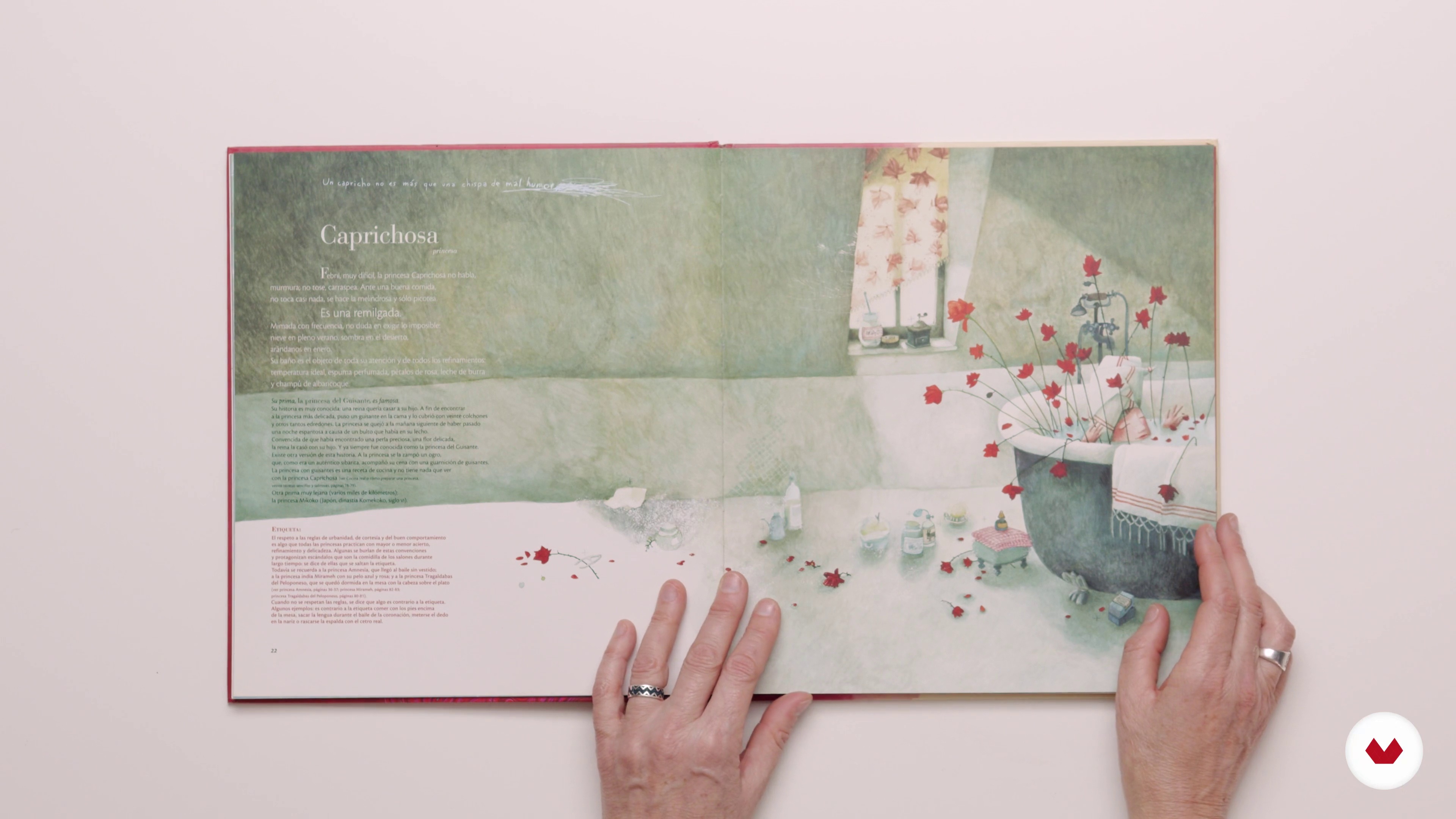
6Influences | Desdamas
Creativity feeds on many little things. Each one must travel their own creative path, but it is very important to see and recognize what inspires us and the influences of other artists. Here we will tell you about ours.
8m
 3
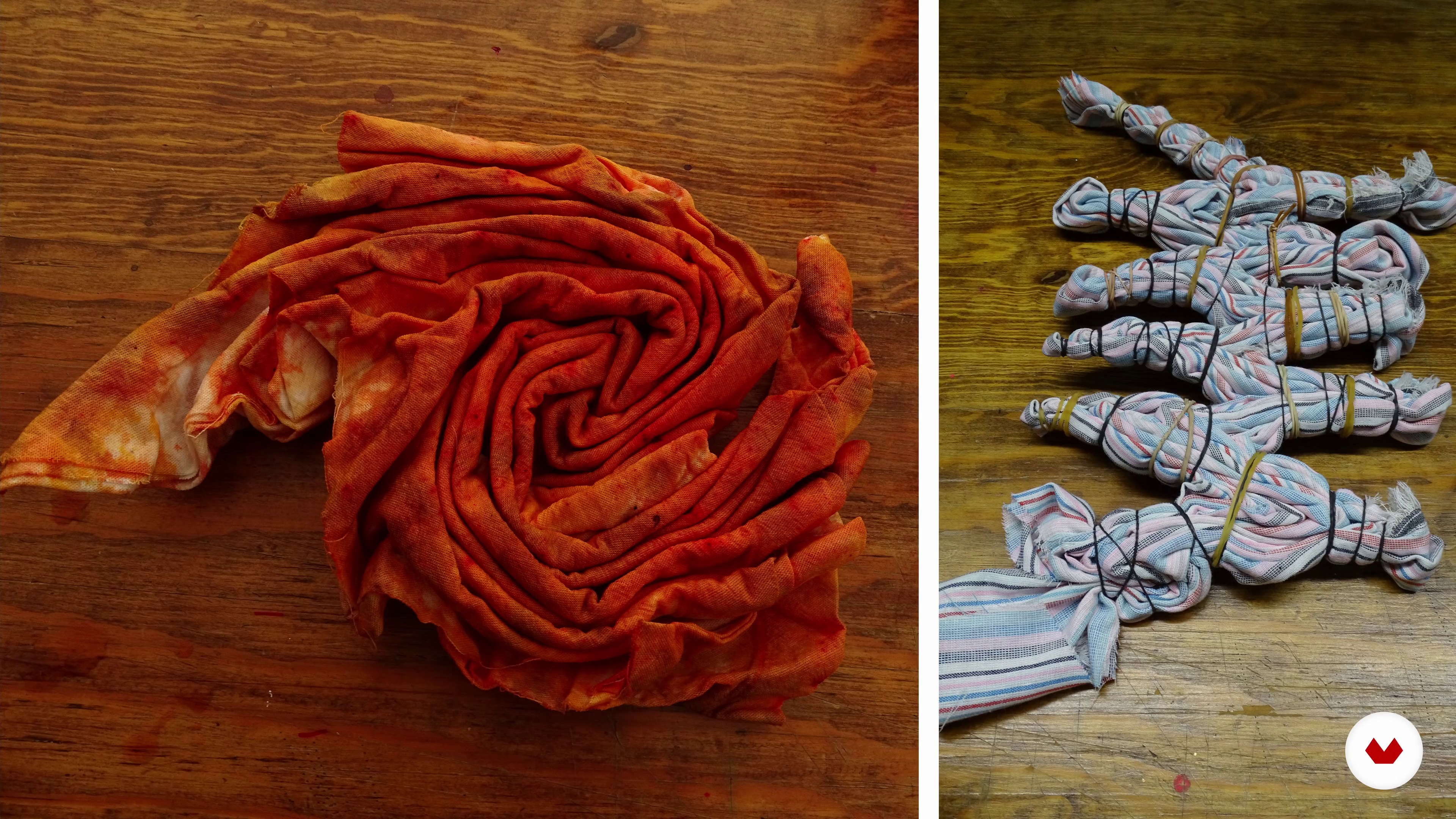
3What is tie dye? Origin, beginnings and current influence
In this lesson you will see the origin of the technique, its connection with other ancient techniques and when it became popular. Also, I would like to show you some examples of how tie dye is currently used.
6m
 4
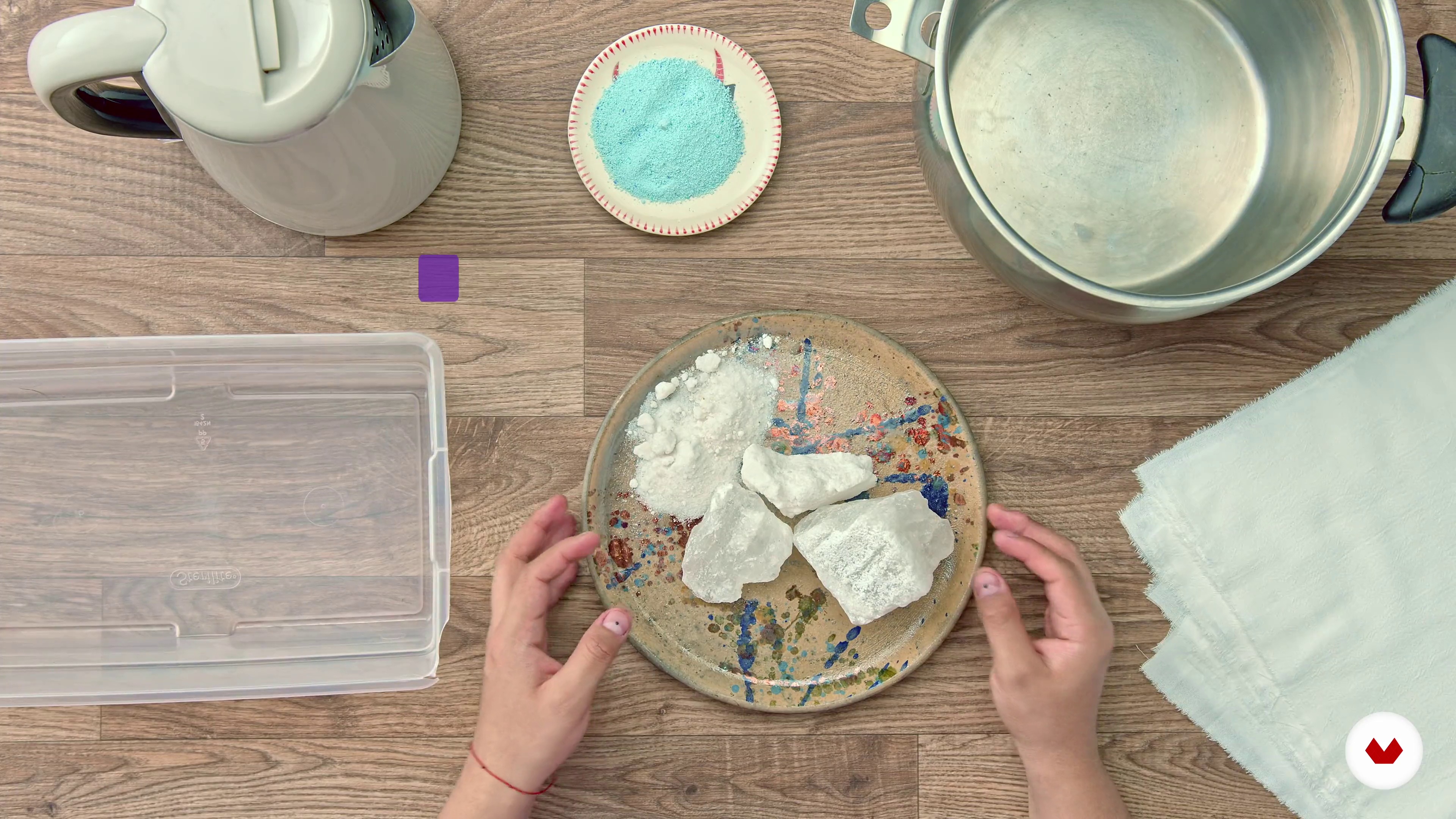
4Materials and tools
Before starting the practical part of the course, here is a list of materials you will need.
3m
 5
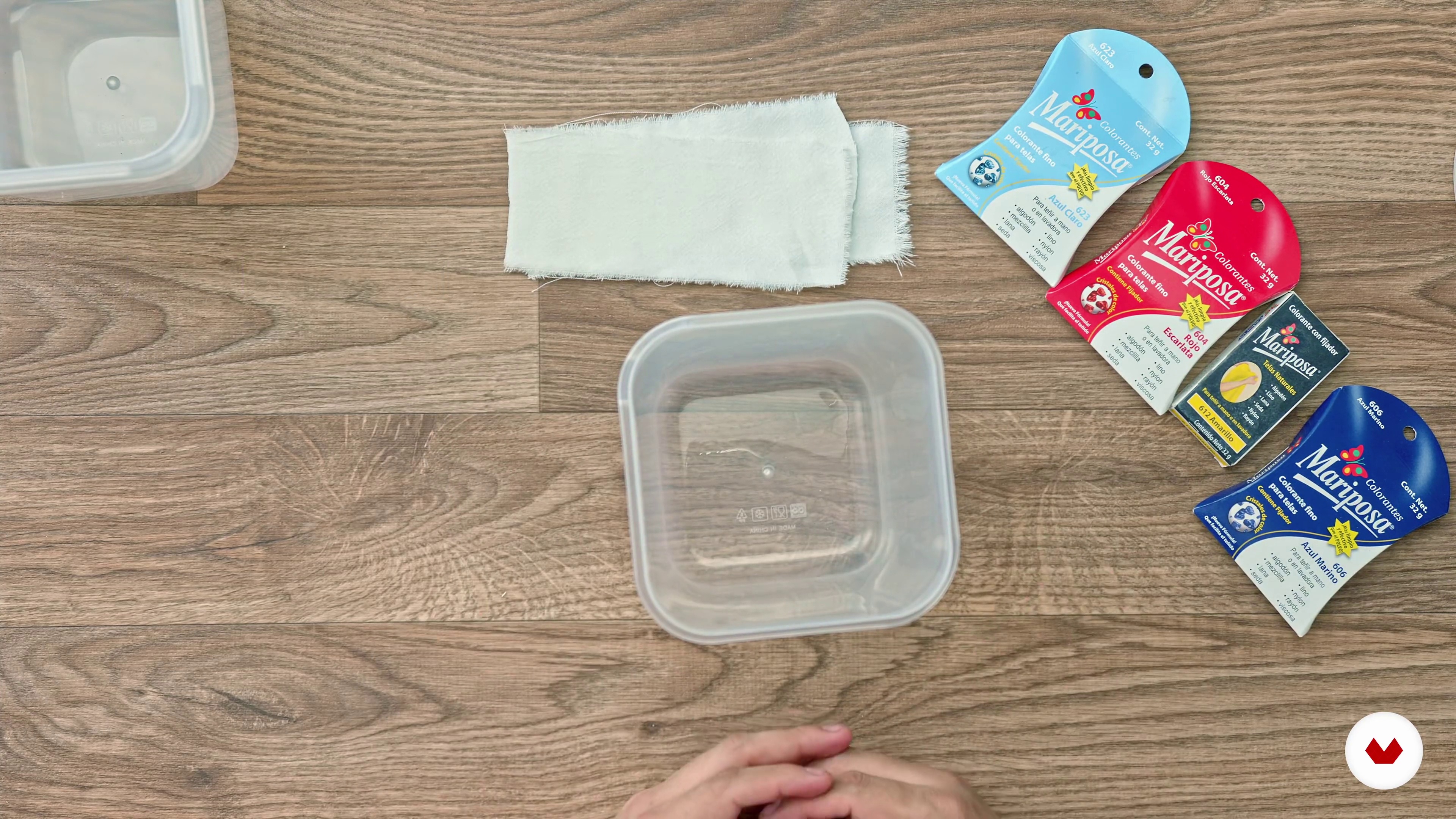
5What do you need before dyeing?
It is time to prepare the materials before starting to practice.
8m
 6
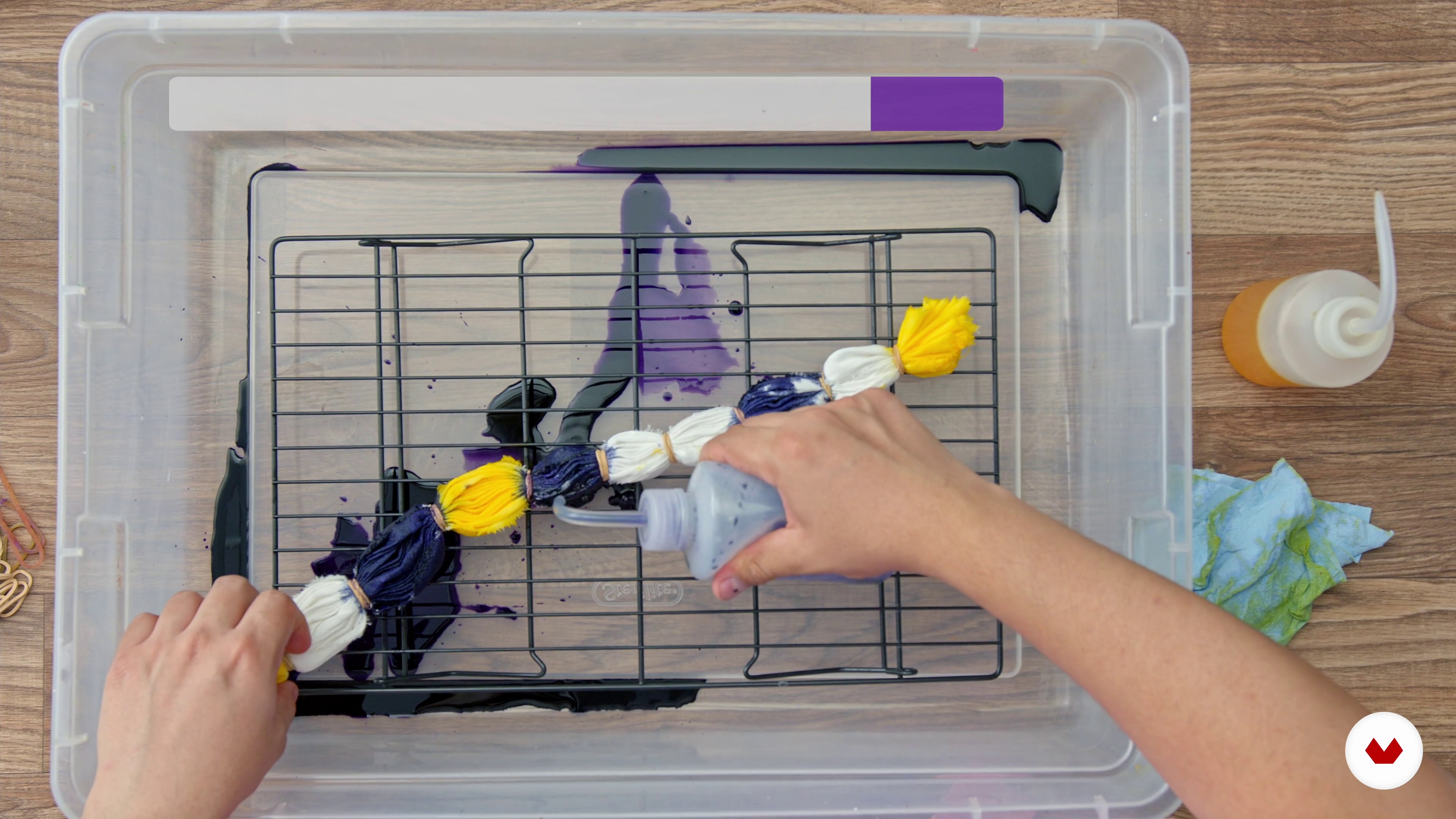
6Line Technique: Stripes
You will start with the first figure, it is the simplest and it is the line technique.
9m
 7
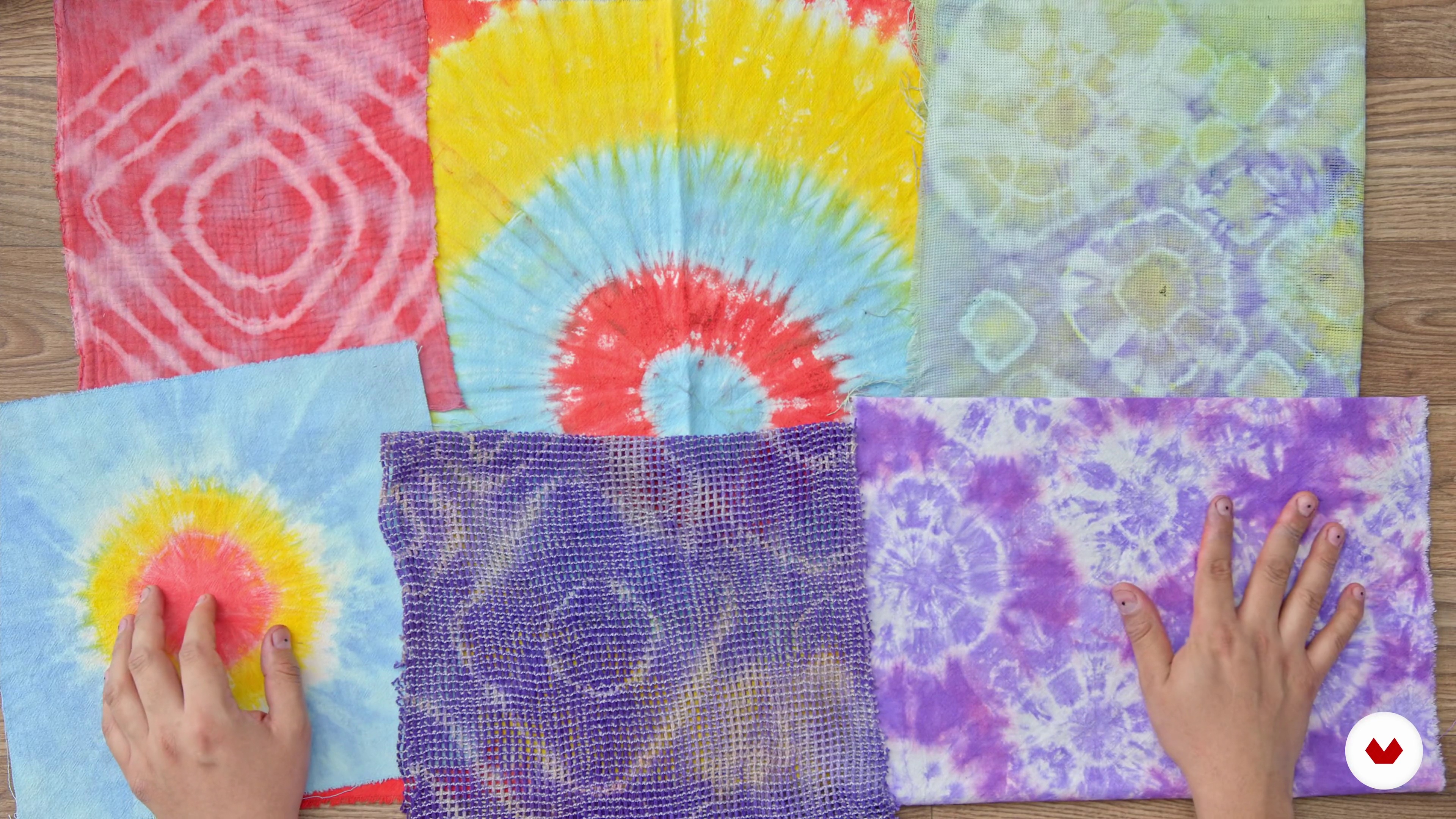
7Bullseye Technique: Bullseye
You will learn the most common figure and one of my favorites, the Bullseye.
9m
 8
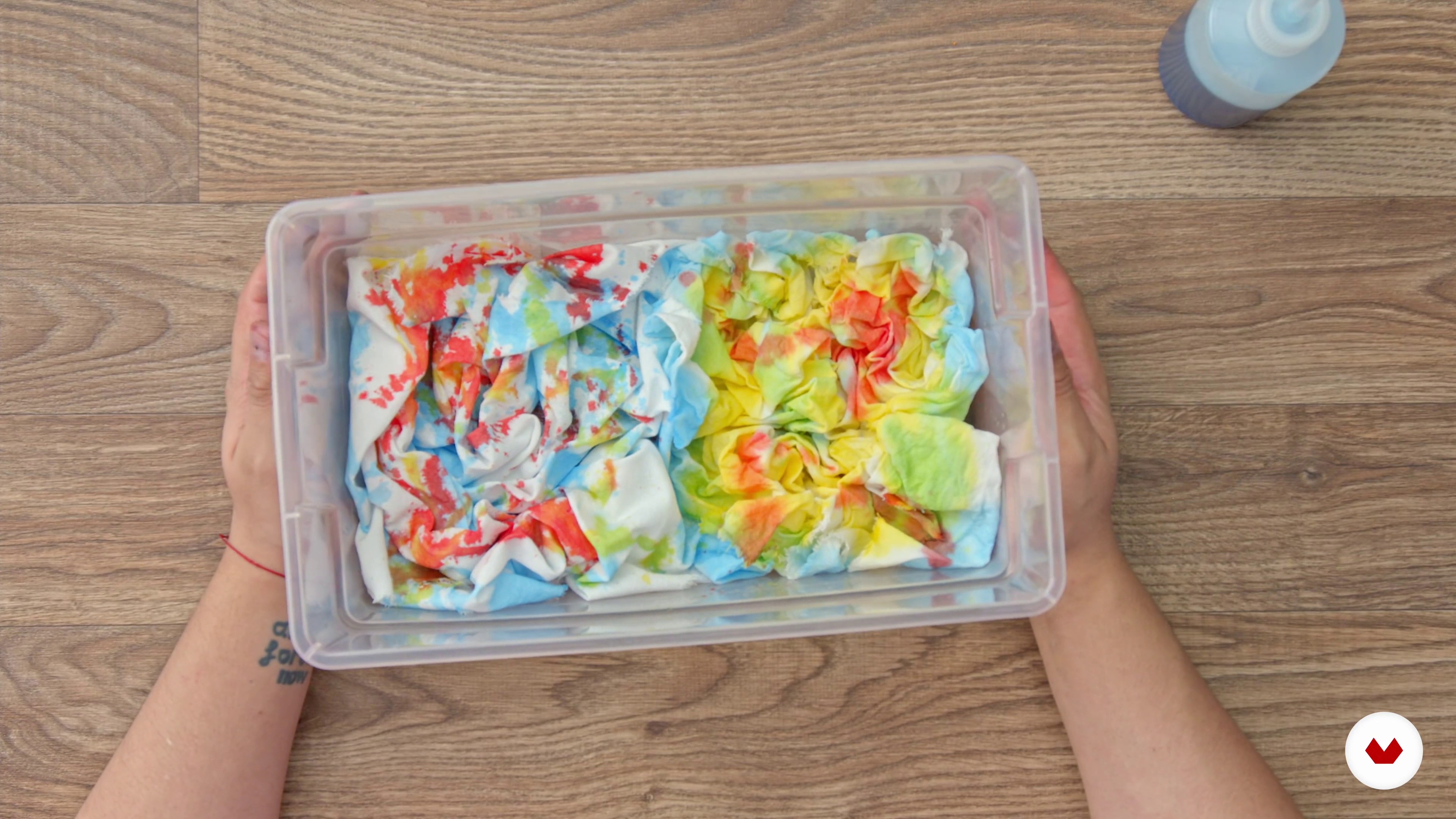
8Stain Technique: Crumple
I will teach you a very free and easy technique, the staining technique.
5m
 9
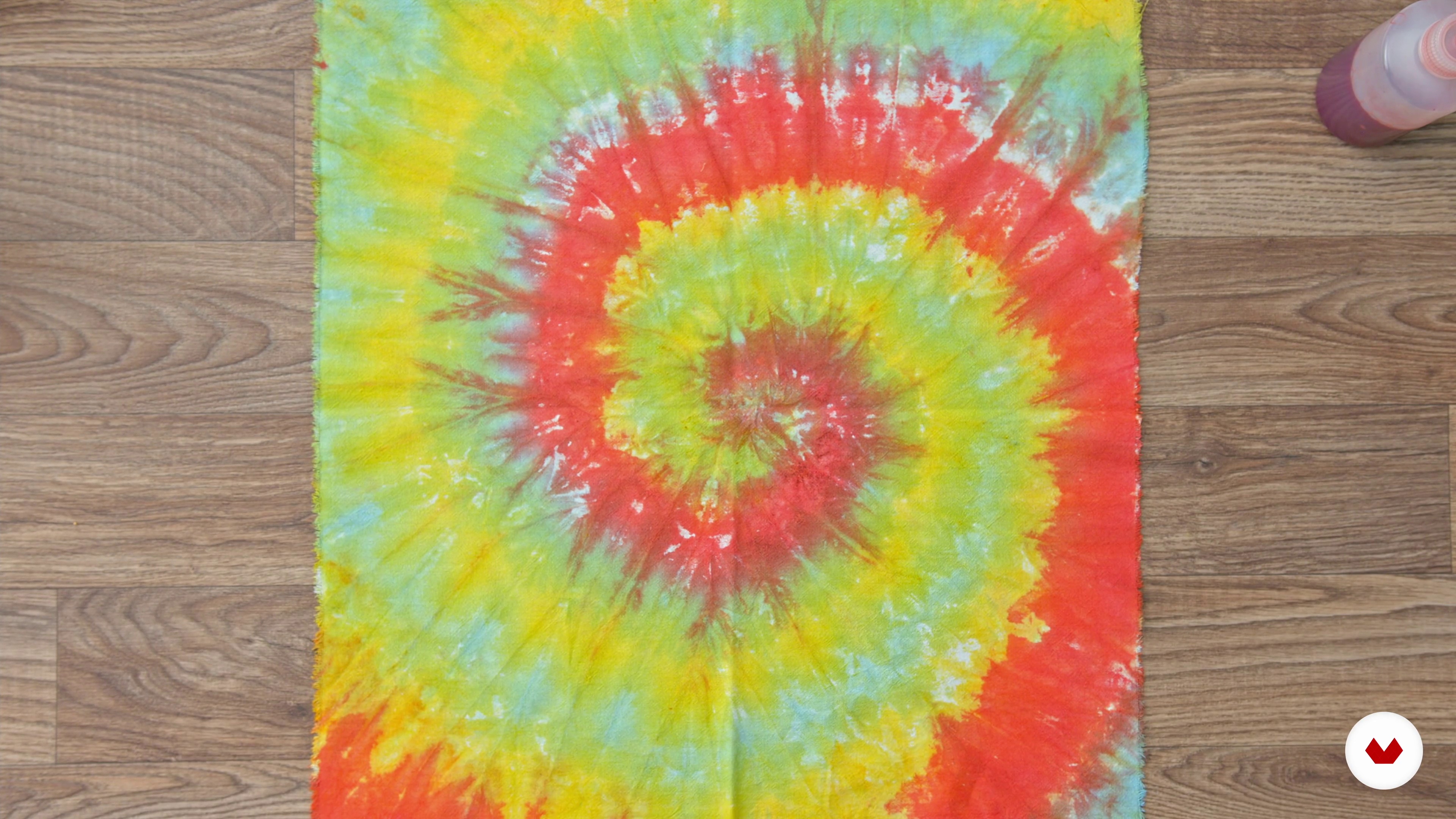
9Spiral Technique: Swirl
The figure most associated with the hippie era and full of psychedelic colors, the spiral technique.
9m
 10
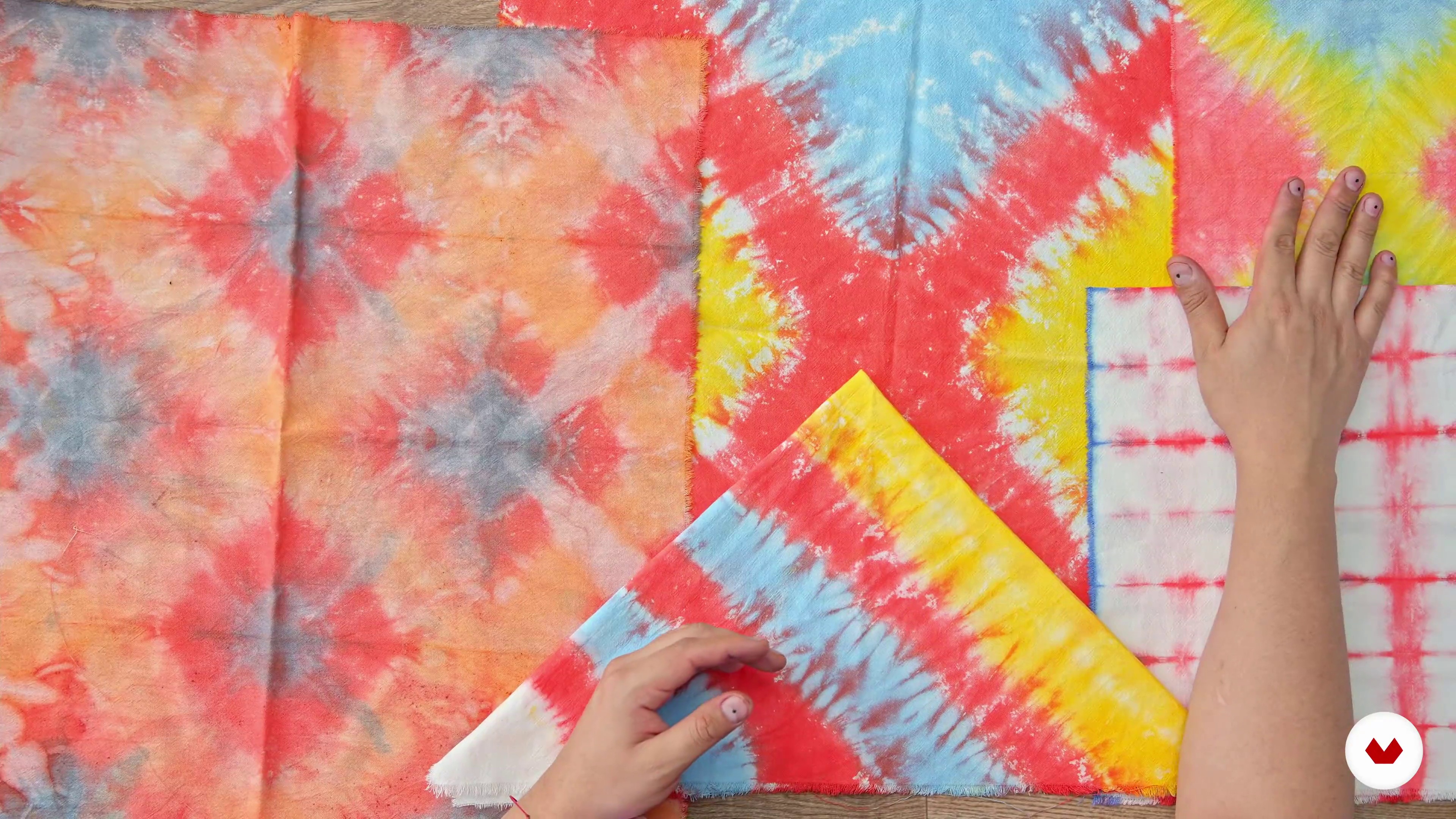
10Geometric Technique: Geometric
Finally, I will show you the last figure, it is the combination of the lines technique with folds or folds.
5m
 11
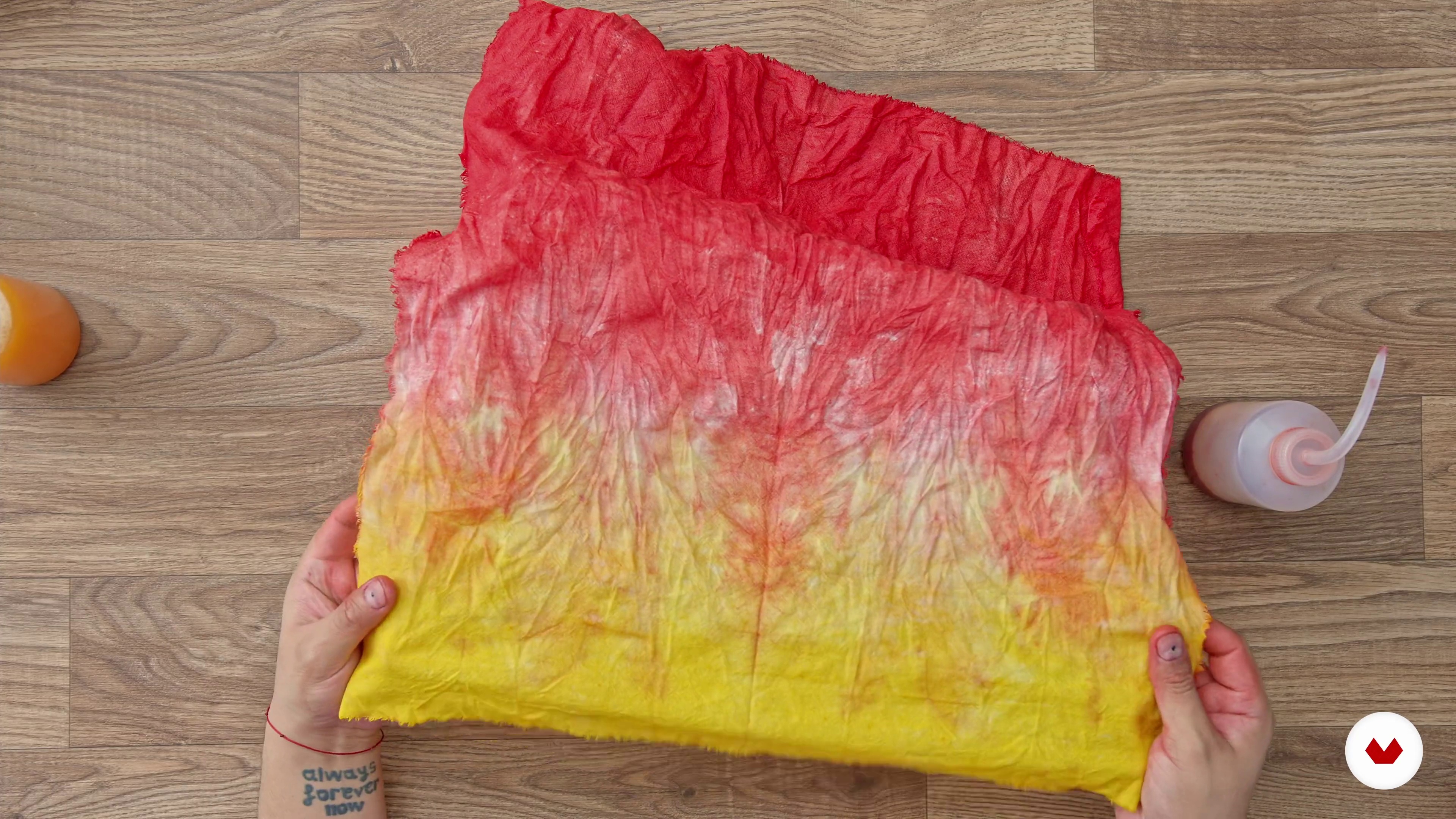
11Gradient Technique: Ombre
It is time to experiment with tie dye freely, but before that I would like to tell you about one last technique that you can include.
7m
 12
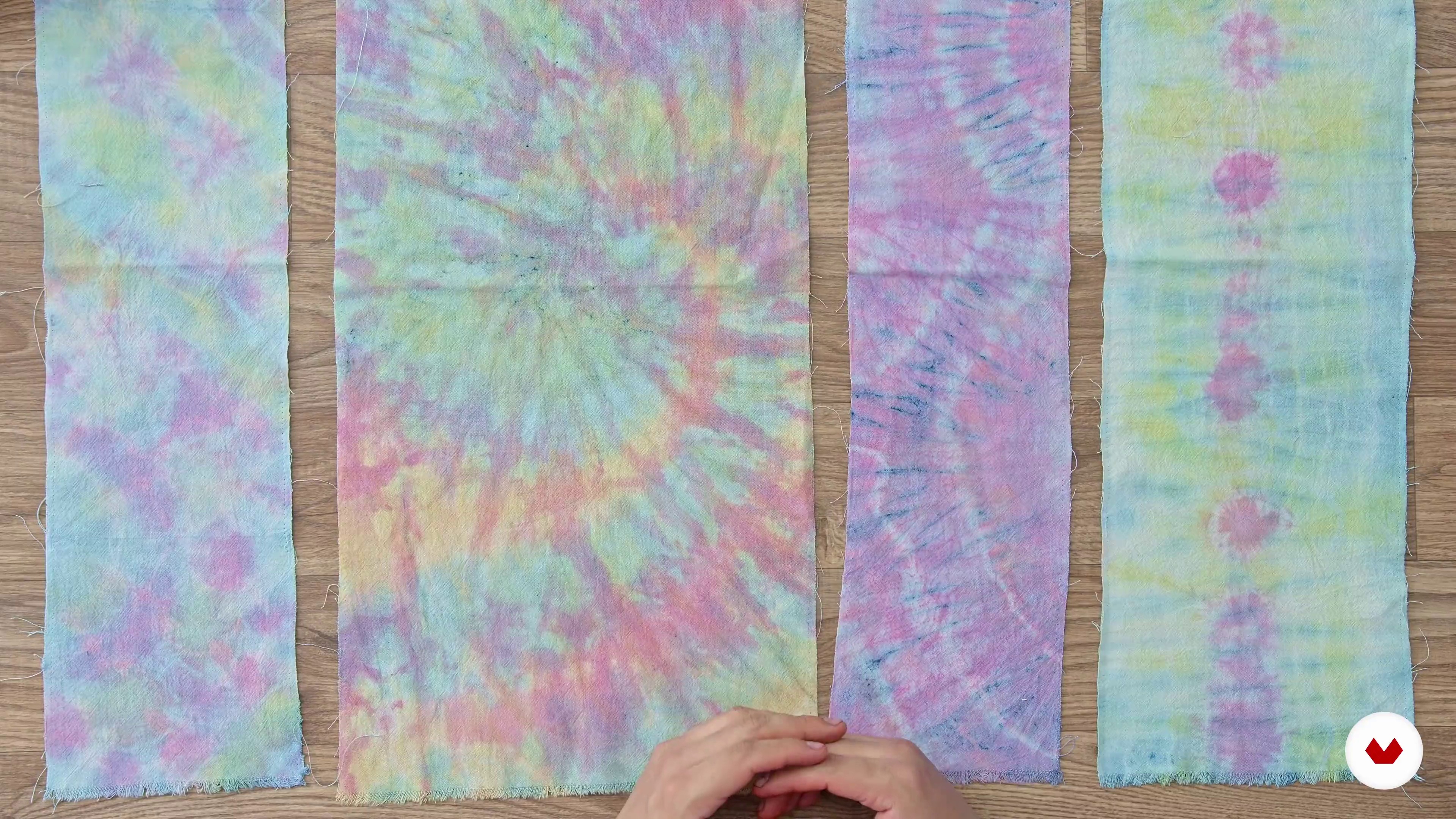
12Multiple Technique: Random
You reached the last technique, I hope that in this lesson you let your imagination fly.
4m
 13
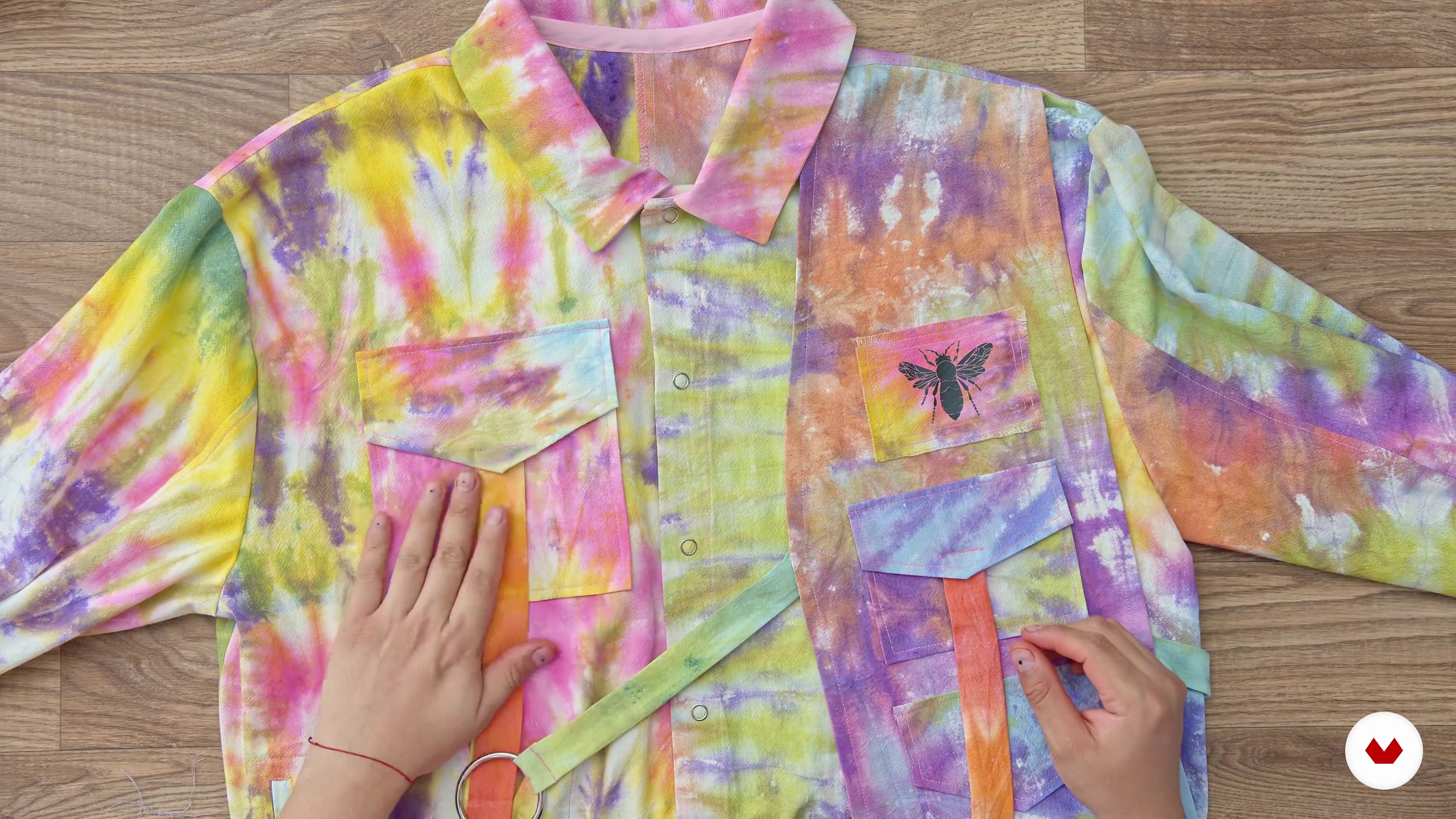
13Final sample
I will tell you a little about everything we did in the course before applying it to your final project.
7m
 14
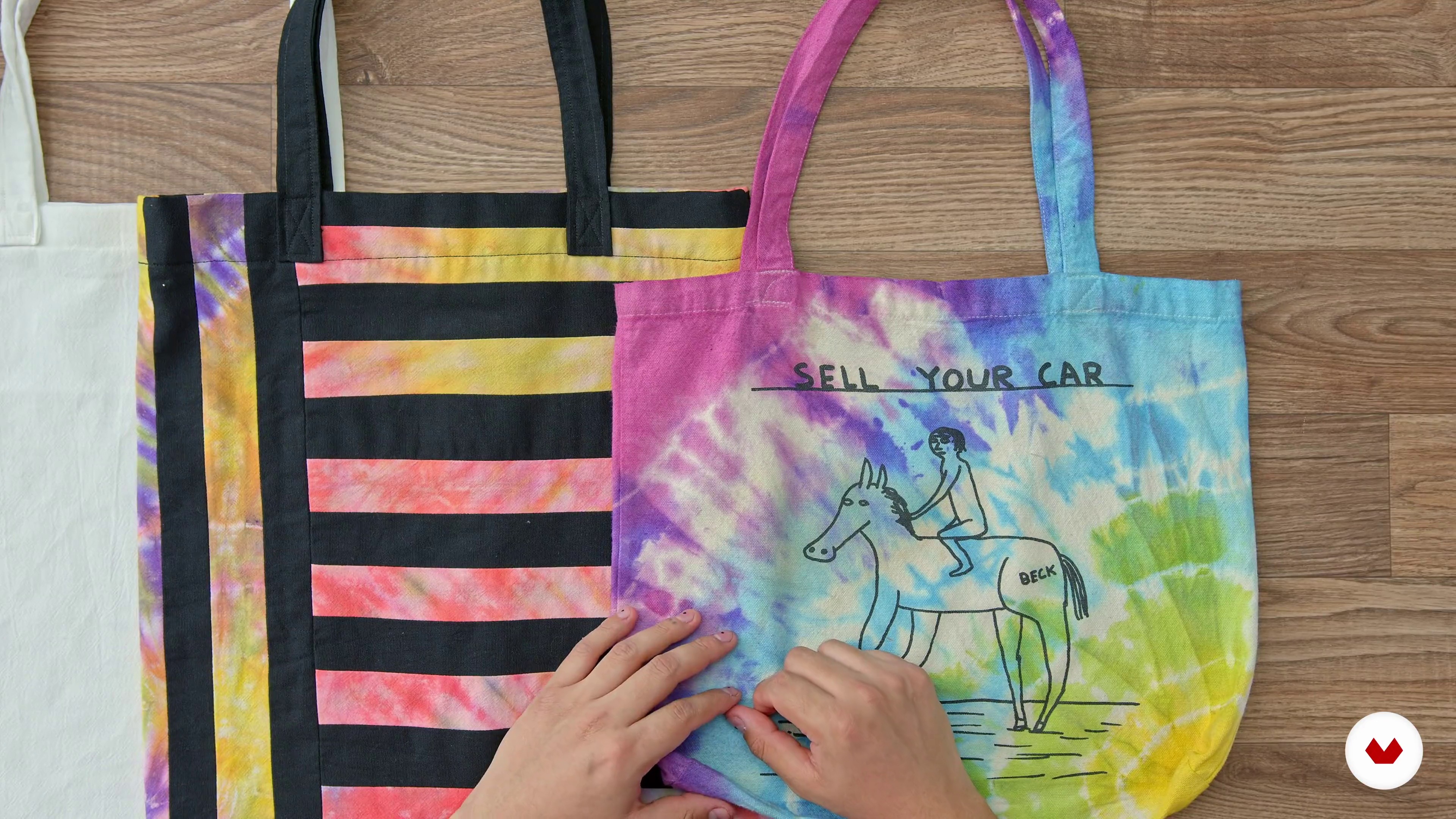
14Tote bag
This is the first final project option, the Tote Bag! A very easy accessory to make and with very simple instructions.
10m
 15
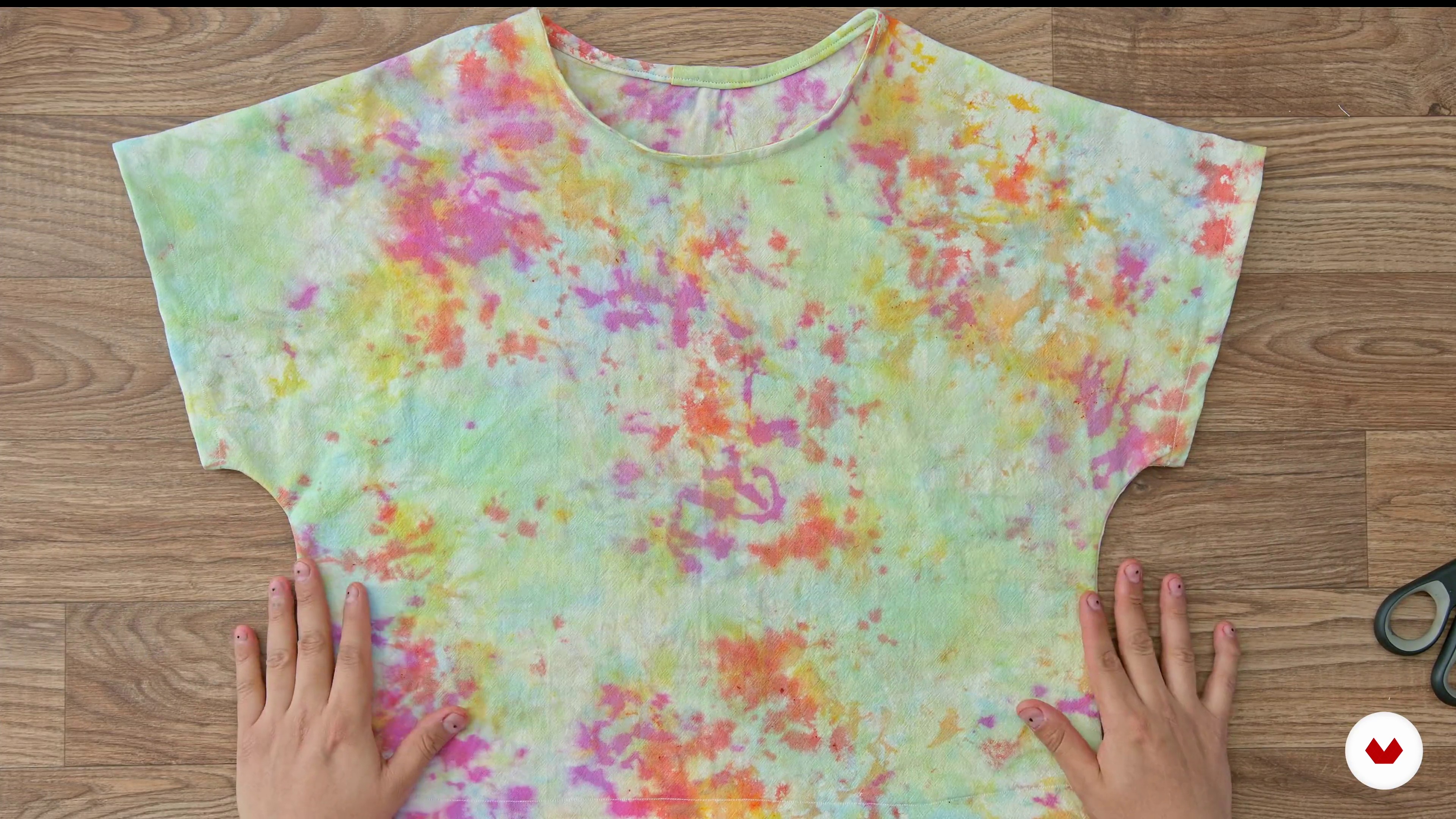
15Top
This option is for those who have a little more experience in sewing or those who want to venture a bit more. However, remember that it is only an option. You can do the project you want.
4m
 4
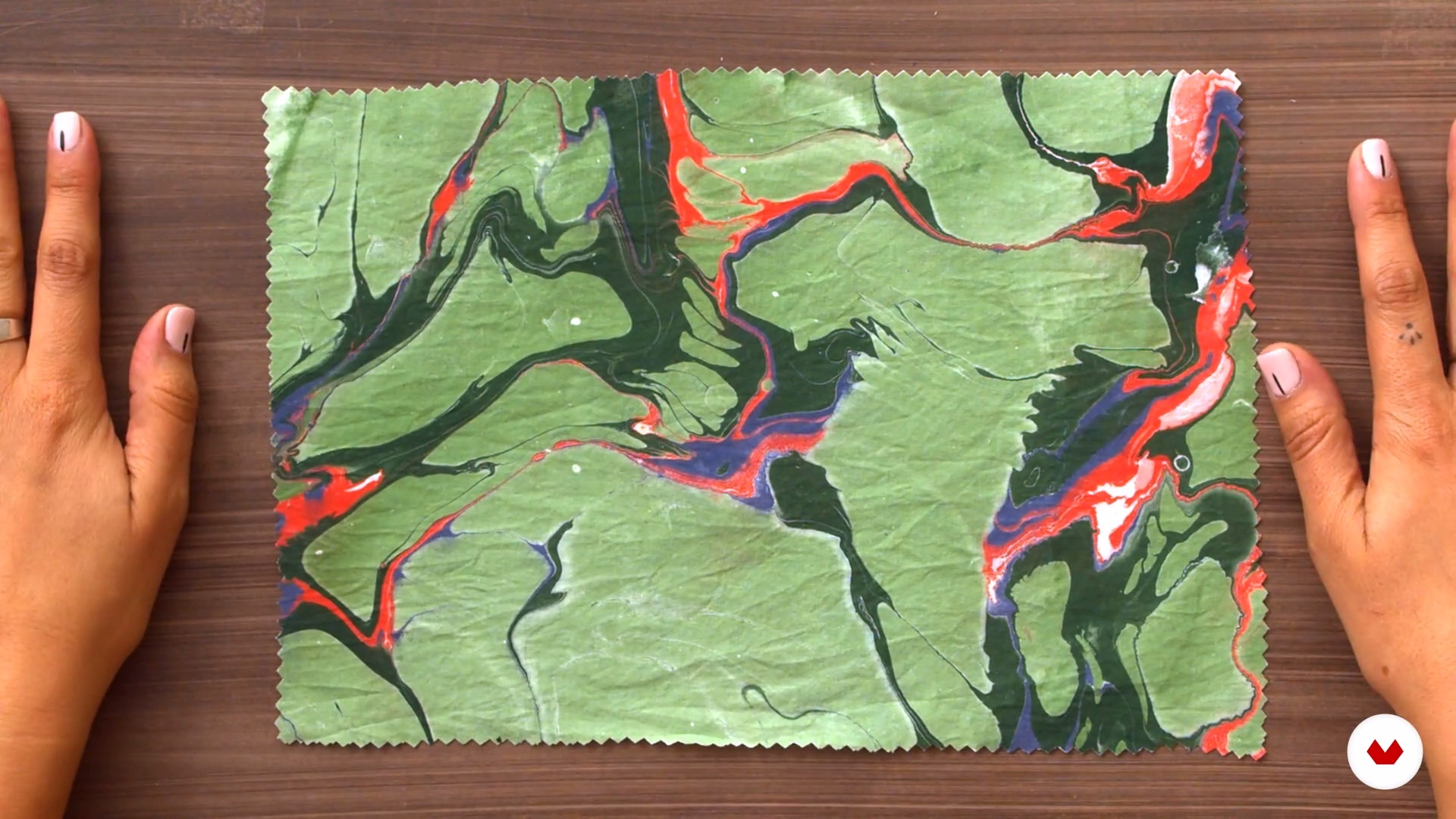
4What is marbling?
To begin, it is important that you know the origin of this technique, of some of the similarities it has with Japanese dyeing techniques - such as suminagashi-, about how it has evolved and of some of its uses over the years: from coins Until you keep books. I will also show you, briefly, each of the five traditional marbling patterns.
3m
 5
5Materials and tools
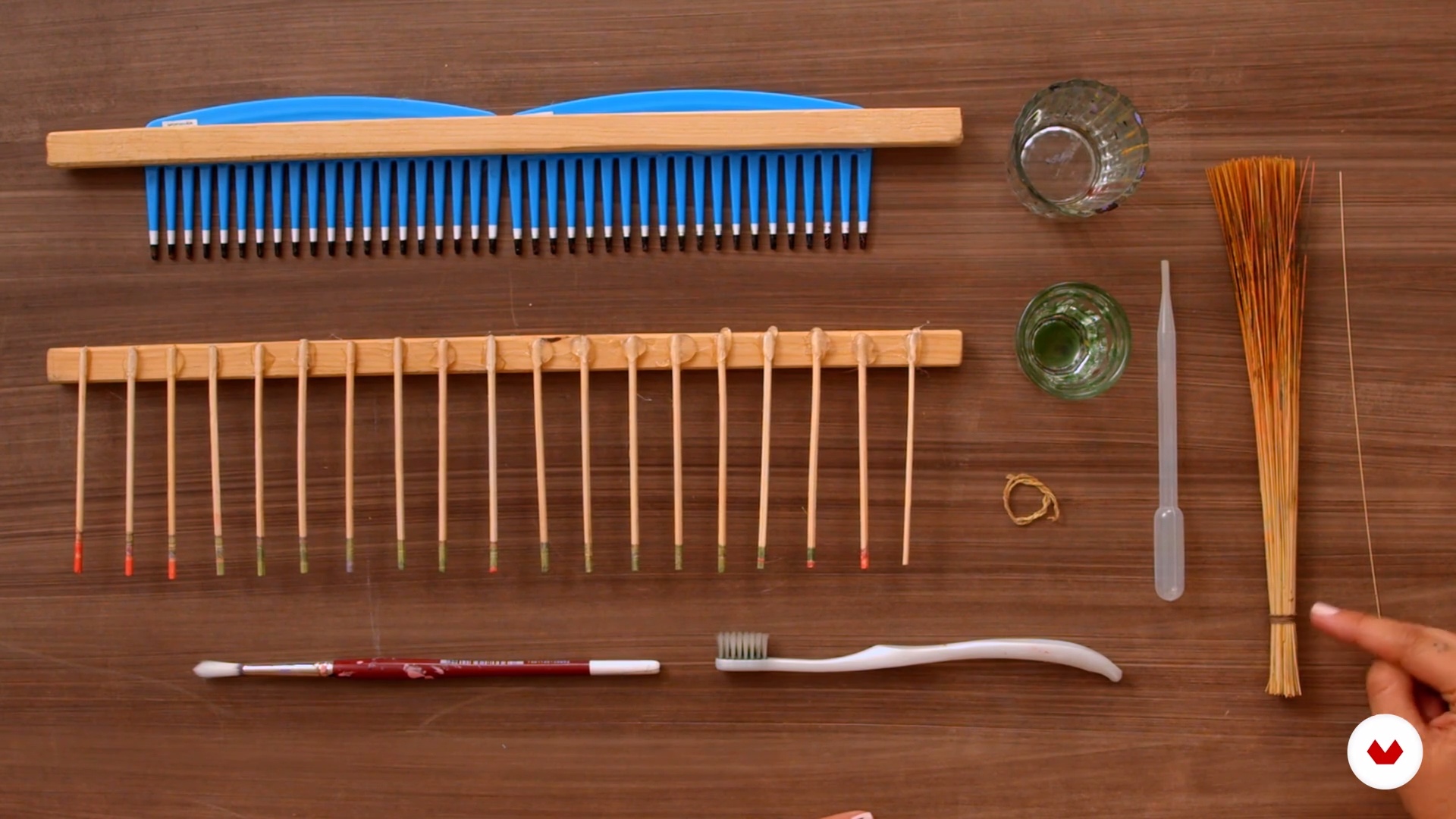
Here you will learn the function of each of the materials and tools that we will use in this course. I will divide the materials, according to the process, so that you are very clear and distinguish between them.
3m
 6
6Color selection
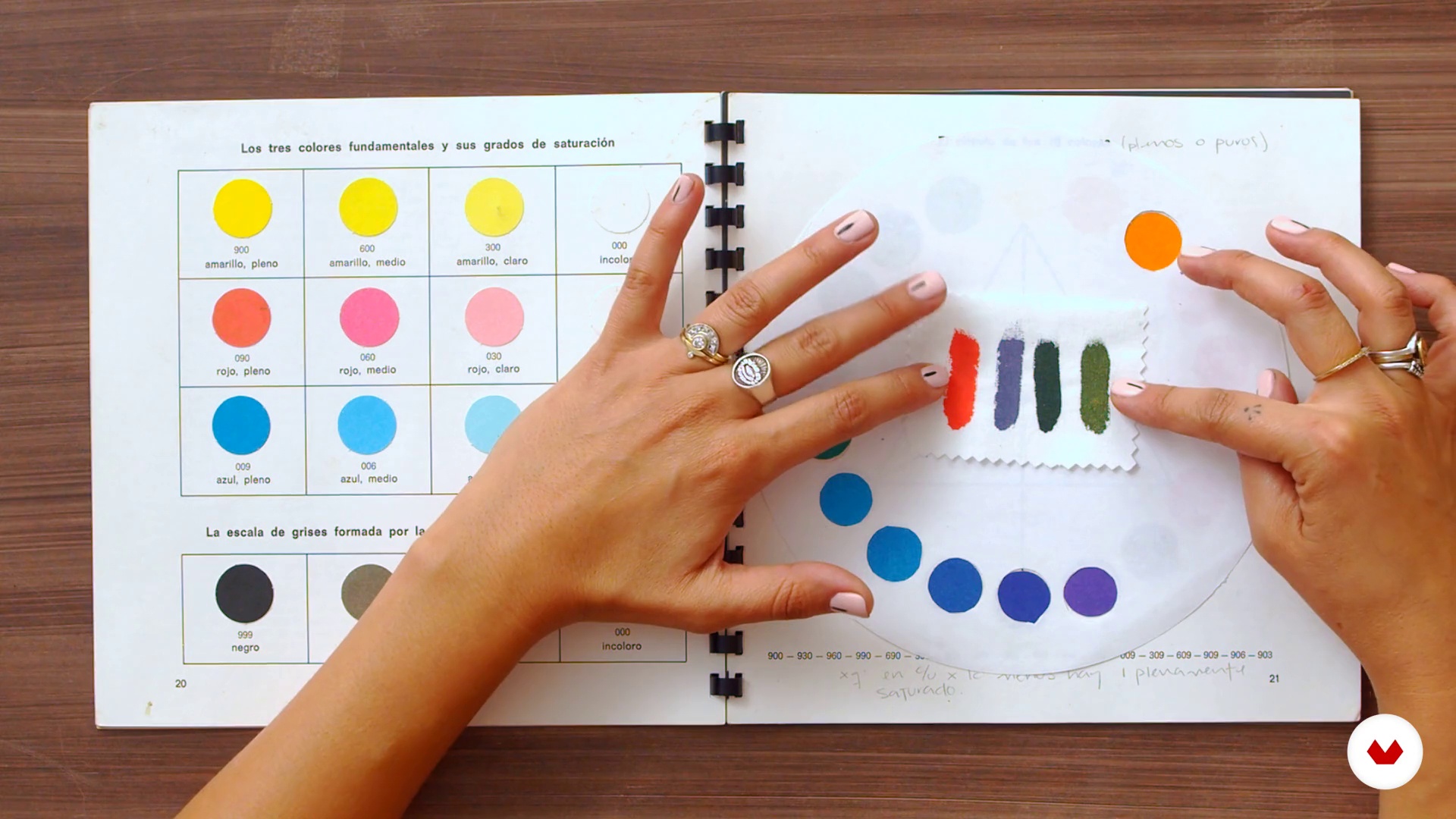
Something very important about marbling is to have a harmonic color palette. You will learn how to define a palette, from three to four colors, to have more harmonious and crisp results. If you do not do it correctly, many colors can be mixed with each other in the tub and not read as expected.
4m
 7
7Fiber preparation
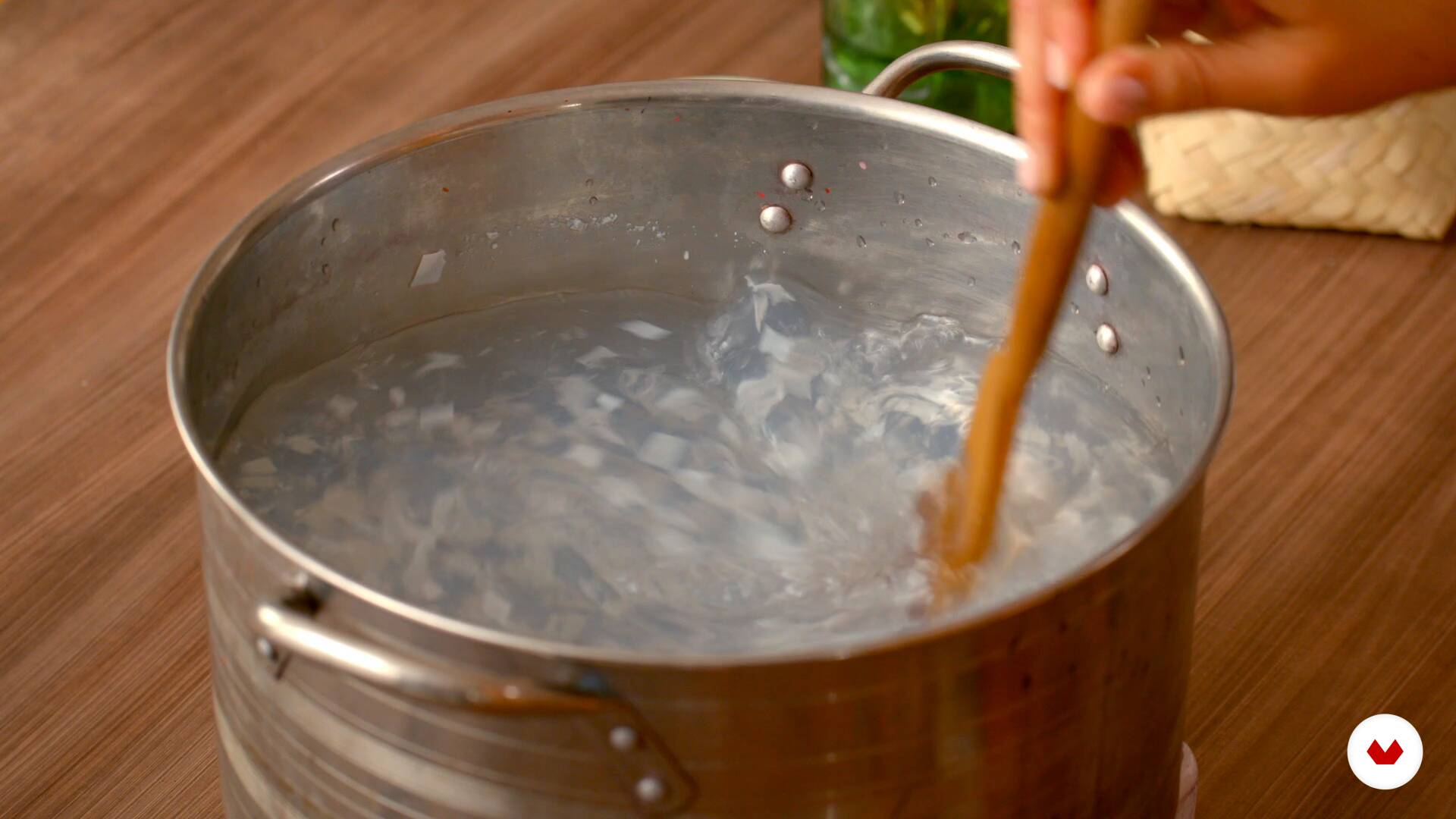
The preparation of the cloth is called biting and is based on boiling the cloth in neutral soap. This process aims to remove the waxes or starches that usually contain new fabrics. On the other hand, alum will serve to open the pores and allow the pigment to penetrate the fiber. Here I will show you the formula to calculate the quantities depending on the weight of the fiber and that you can apply it in your marbling.
5m
 8
8Dye Tub Preparation
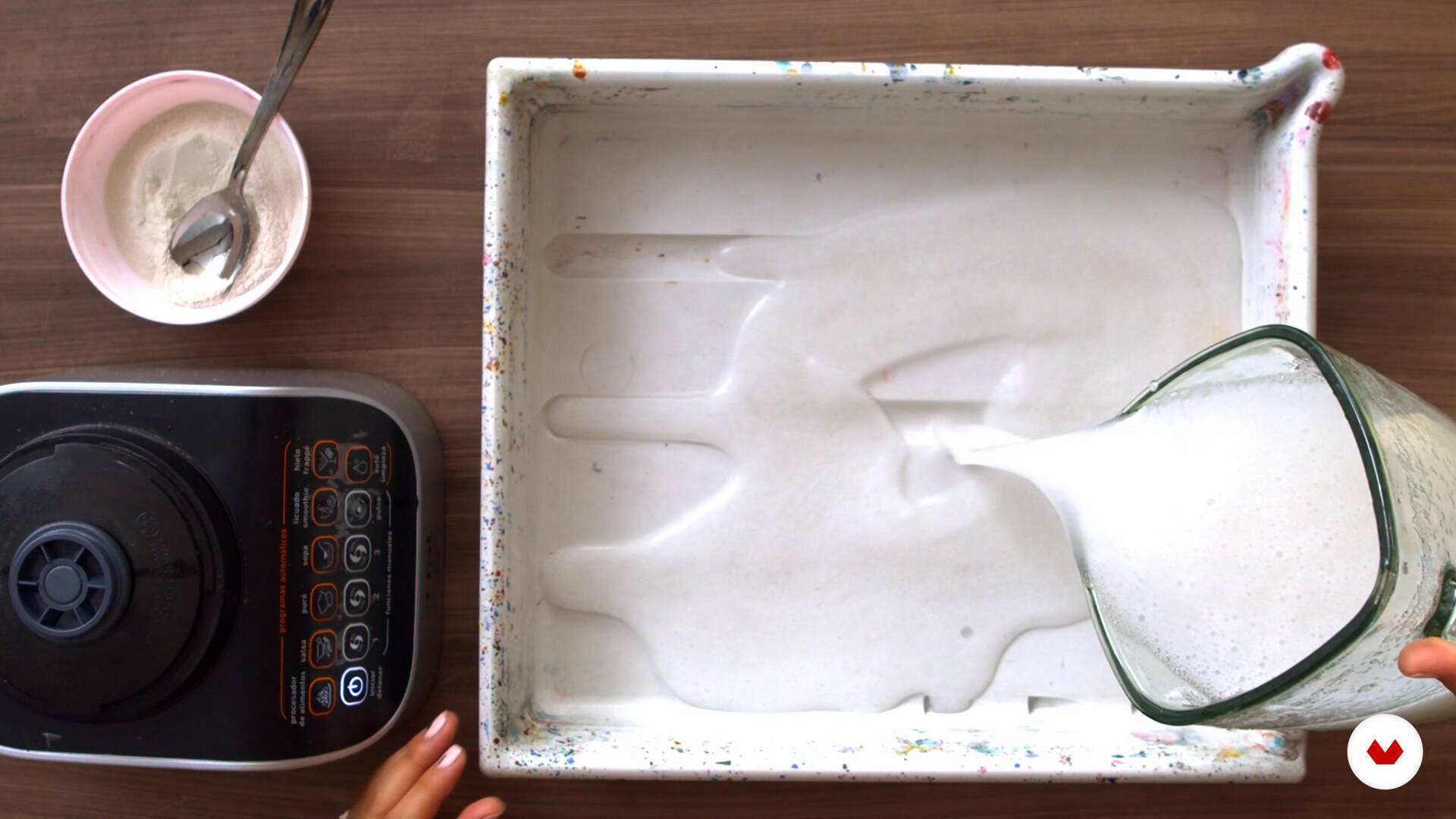
I will show you how to prepare the mixture of carrageenan, a component extracted from red algae, commonly used in food, and in this case it serves as a water thickener, in order to have control over our drawings.
2m
 9
9Acrylic Preparation
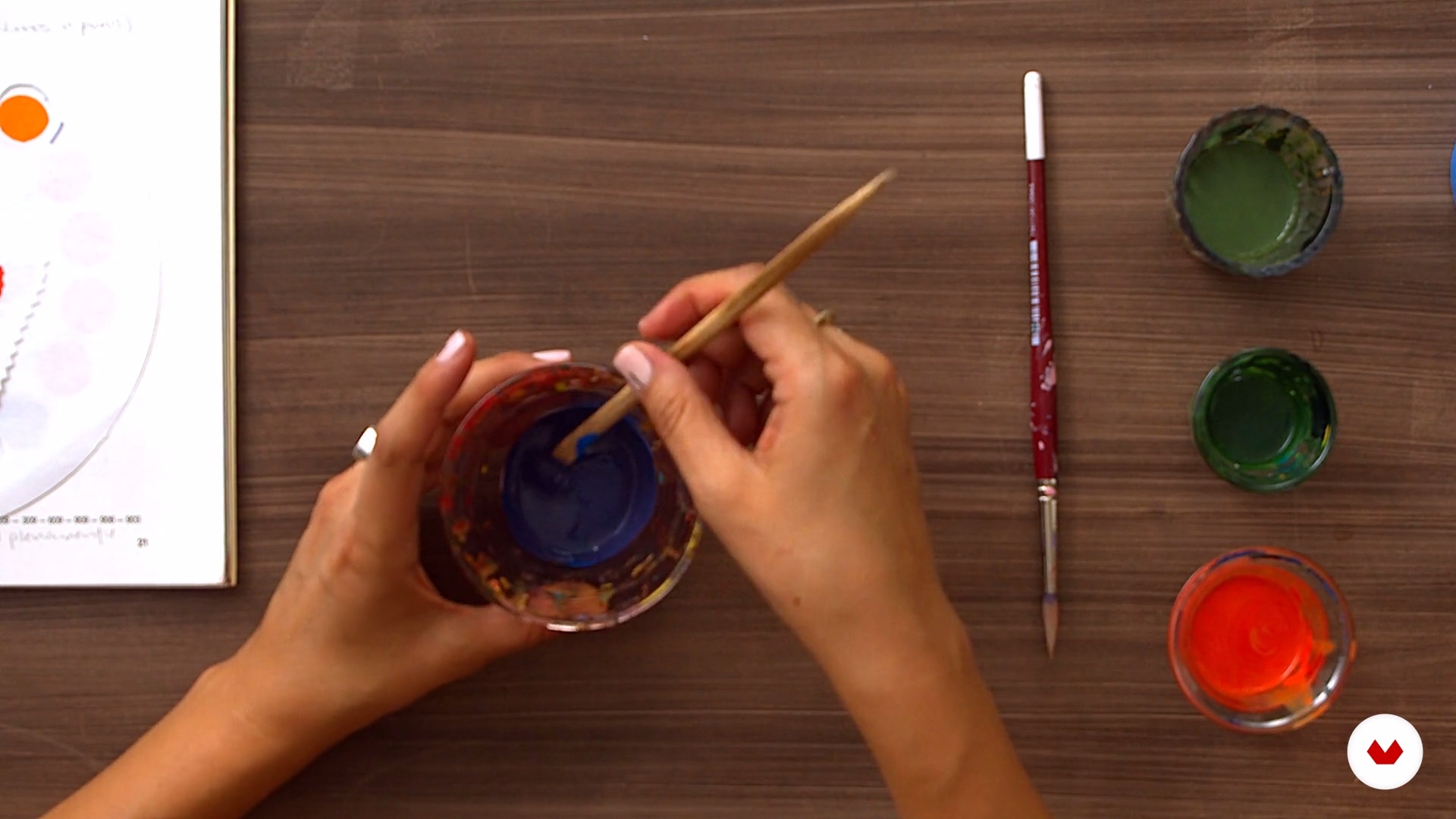
I will explain how to dilute and mix each of the two brands of acrylics proposed. These two brands are those that have developed acrylics with the correct dispersion to work on water and provide concentrated colors.
3m
 10
10Base Pattern (Turkish Pattern) and how to clean the tub
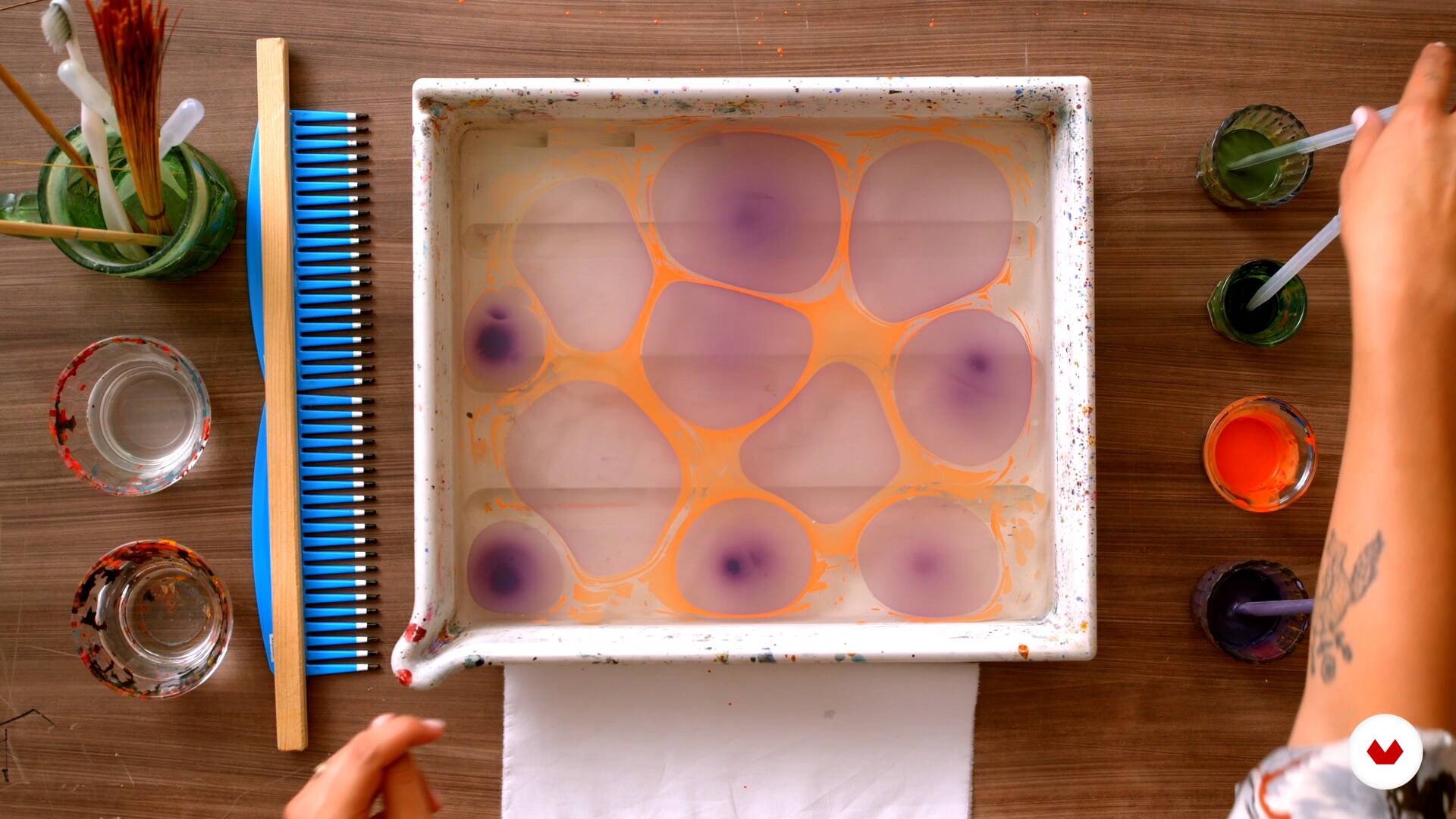
Now you will know the origin of the base pattern name, I will show you some examples and we will do it directly in the tub. This pattern is created when one or more colors are thrown to the bathroom surface with a marbled brush. Once the fabric has been dyed with the base pattern, I will show you how to clean the surface to continue with the next pattern.
3m
 11
11Patterns 2 and 3: Antique Straight and Nonpareil
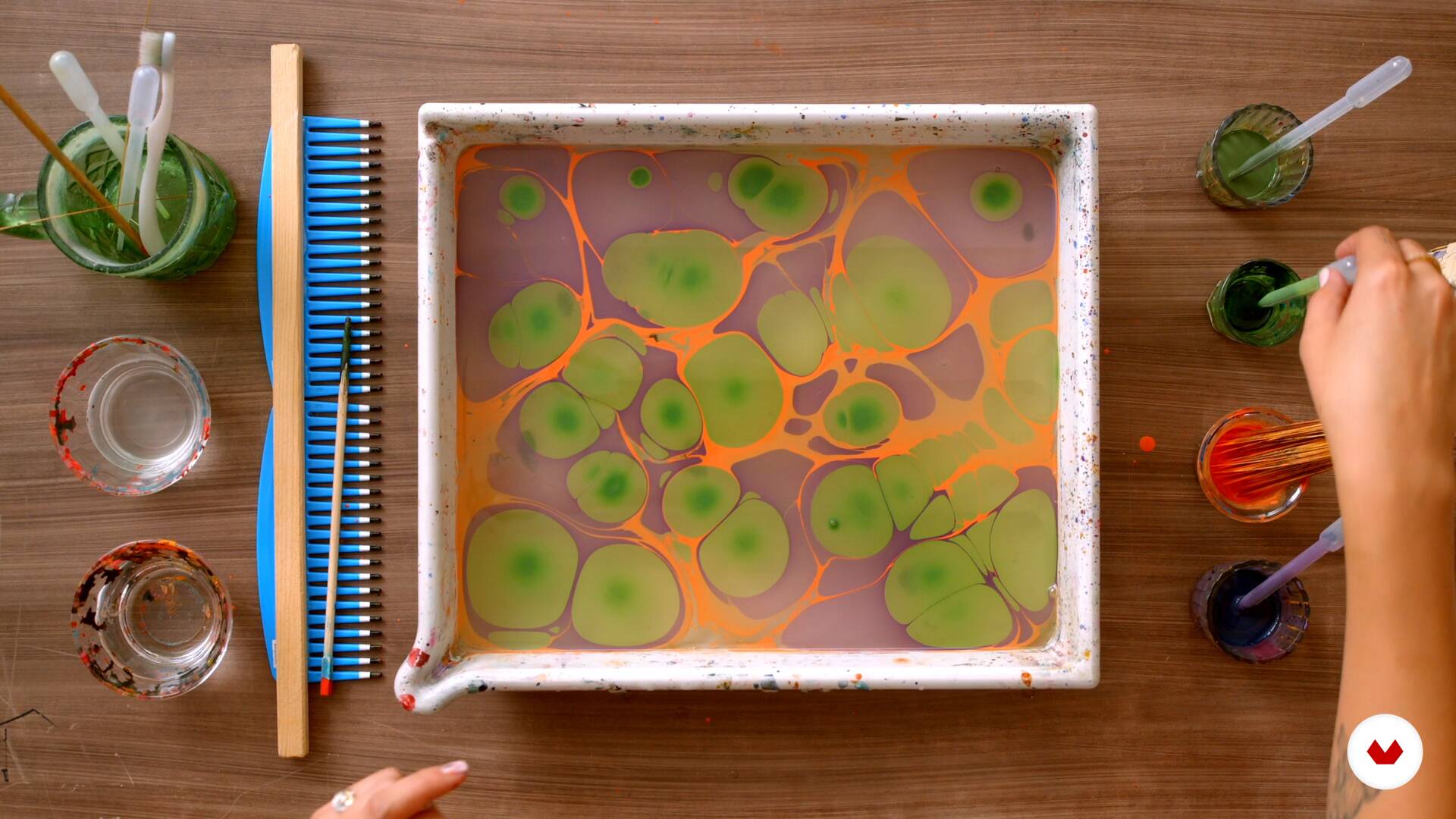
The Antique straight or the old straight line in Spanish, is a pattern seen at least as early as the 17th century. This pattern is created by first completing a pen pattern. Then, a shower of fine points (usually white) is sprayed over the entire bathroom. The Nonpareil is a French word that is translated as "incomparable" or "unmatched"; the name varies according to the spaces of the combs. We will review some examples and do it in the tub.
7m
 12
12Patterns 4 and 5: Placard and Italian
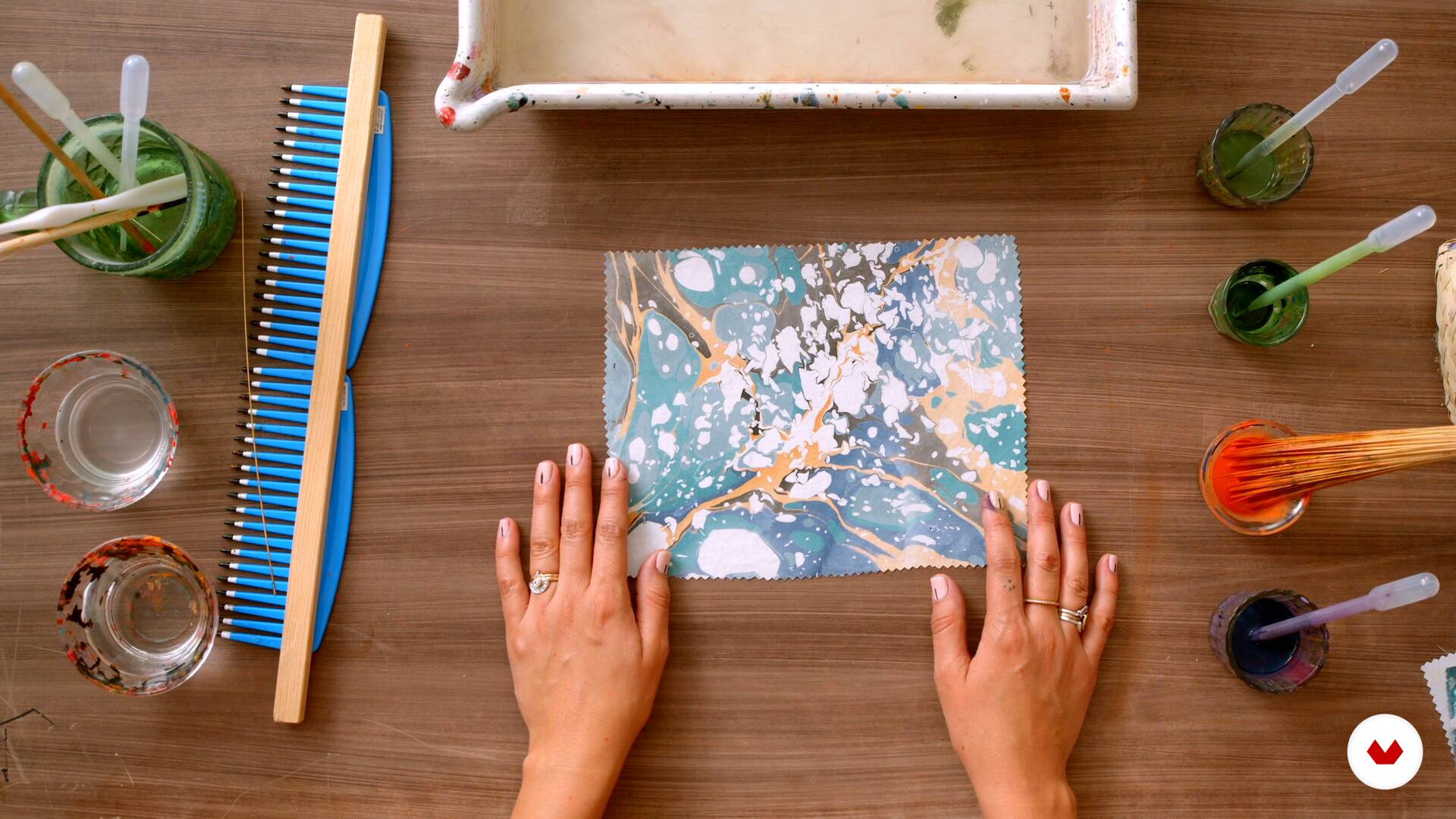
It is said that the Placard is a pattern that was first used for the decoration of books in France in the fifteenth and sixteenth centuries. It consists of a combination of the Turkish pattern and a light drawing with thread. The Italian pattern was created at the end of the s. XVIII and is created when, after creating a Turkish pattern, a dispersant is spread over the whole bath in fine points
5m
 13
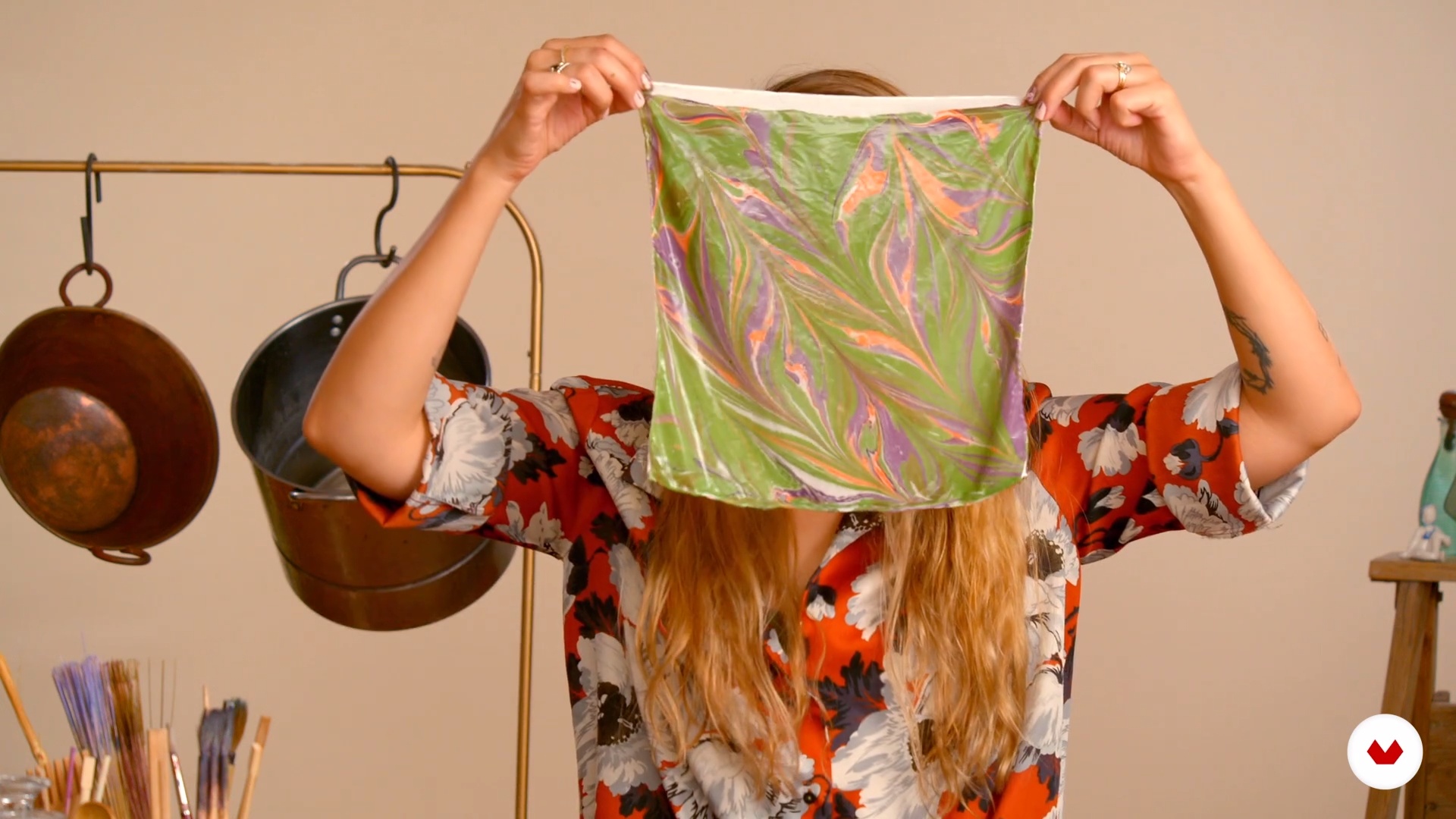
13Handkerchief dyeing
Now I will explain how to prepare the handkerchief for its dyeing, and then, I will dye it with some of the techniques learned in the previous lessons.
2m
 14
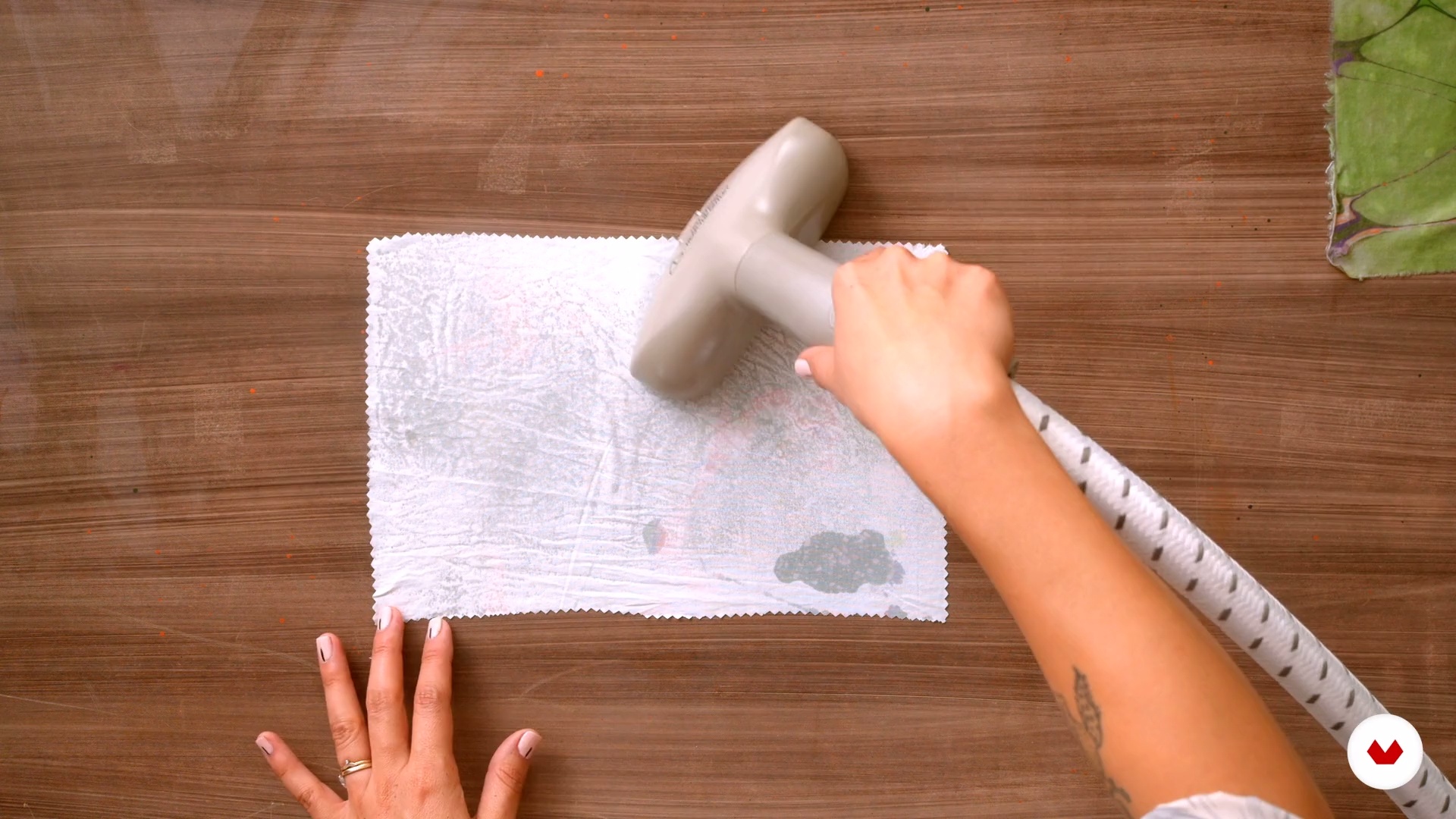
14Drying and subsequent washing
To let the canvas dry, freshly marbled, you can hang it or extend it, no matter if it is the sun in the shade. Then you must allow 24 hours to pass before rinsing with cold water and ironing on the back side of the dyeing side.
3m
 15
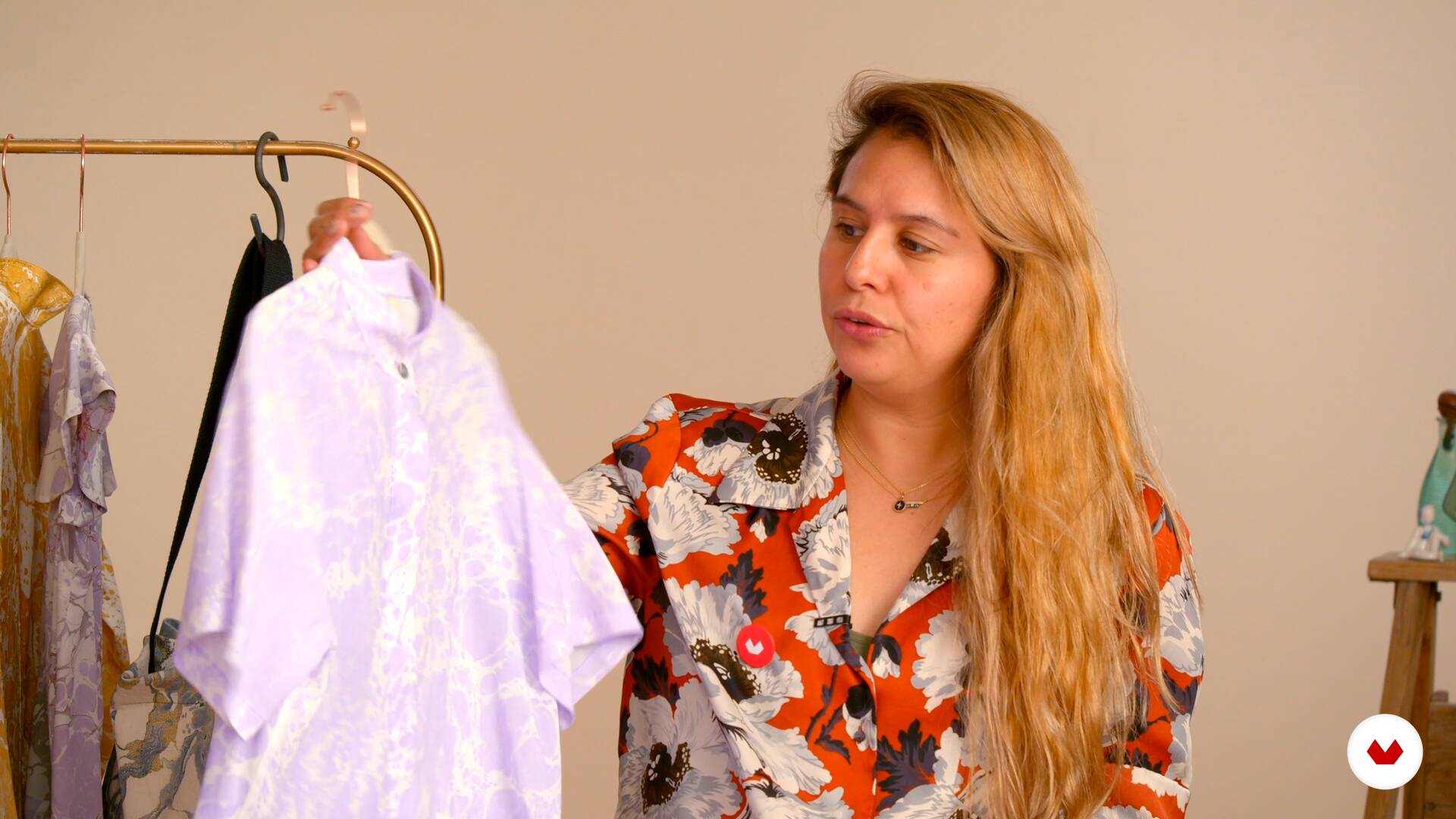
15Application in utility garments
Finally, I will teach you this technique applied in large-scale utilitarian pieces, such as clothing and accessories for the house.
2m
 4
4What is shibori?
The word shibori means to squeeze, twist, or press in Japanese. In this lesson I will tell you more about its origins, in addition to other ancient techniques that work through reserves.
2m
 5
5Fiber recognition
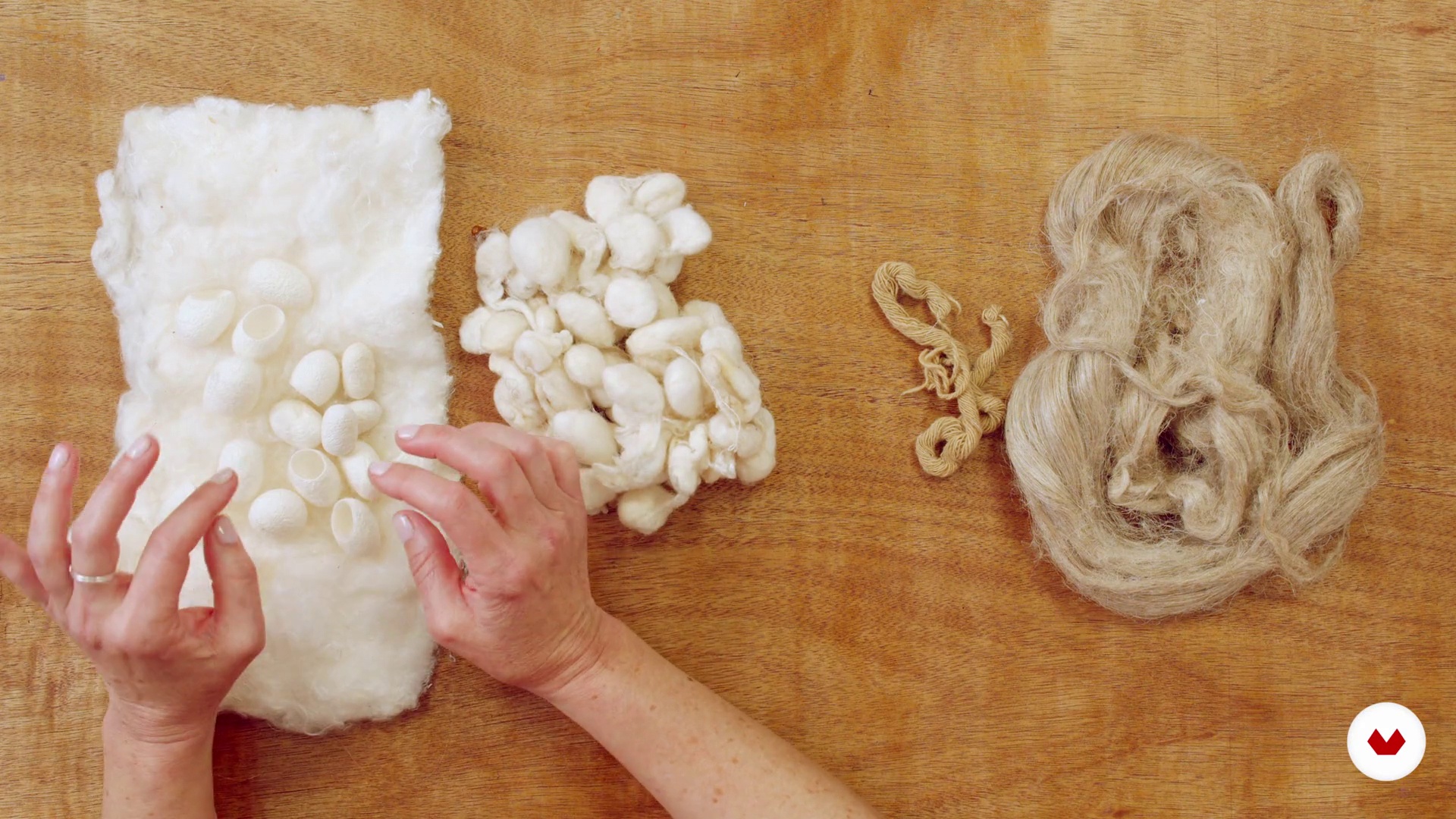
In this lesson I will explain how to identify animal, plant and synthetic fibers through combustion analysis, as well as other important characteristics about these materials.
6m
 6
6Color theory applied to dyeing
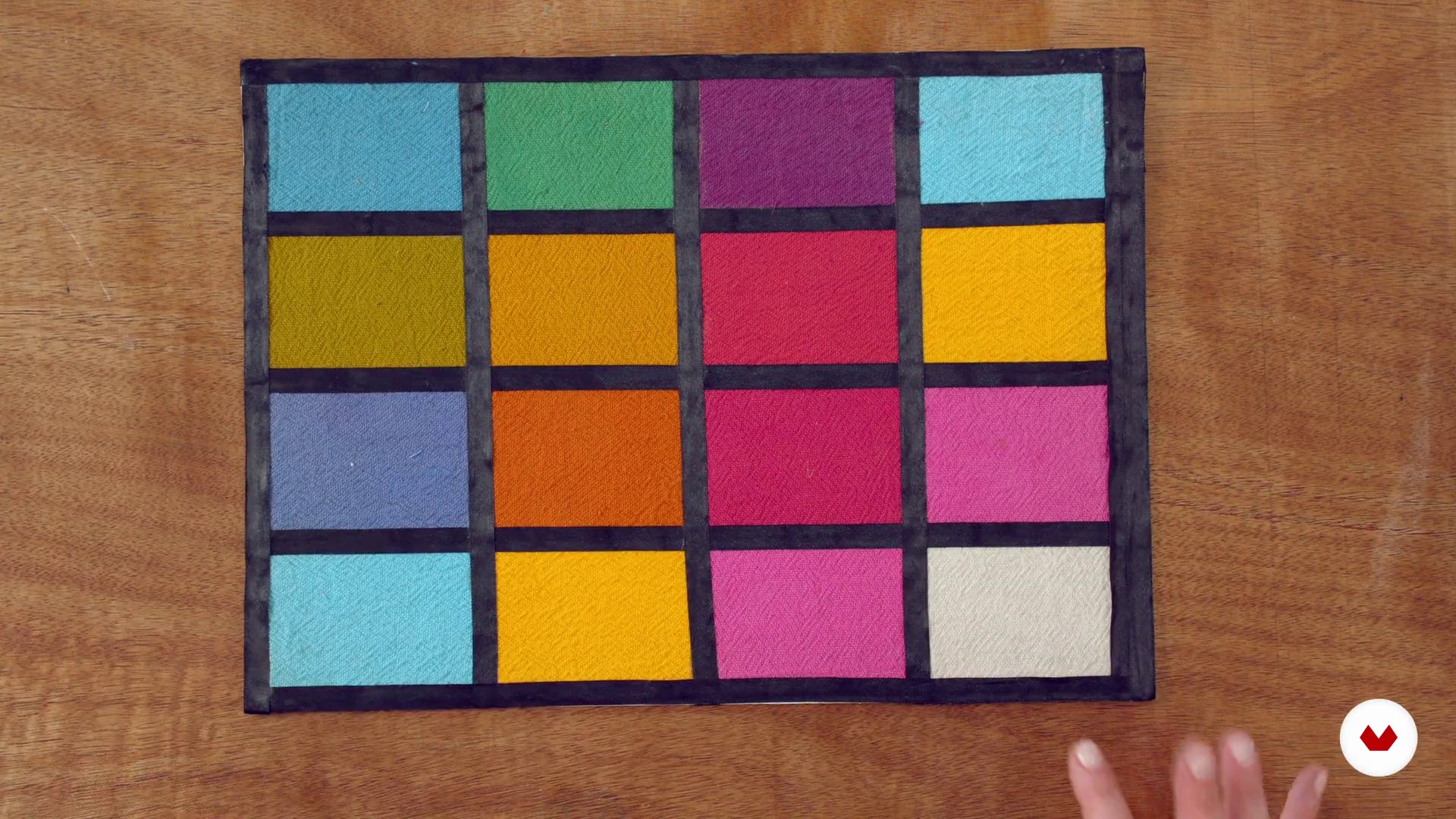
In this lesson I will easily teach how color theory is applied to dyeing, using the possibilities that anilines give you.
7m
 7
7materials
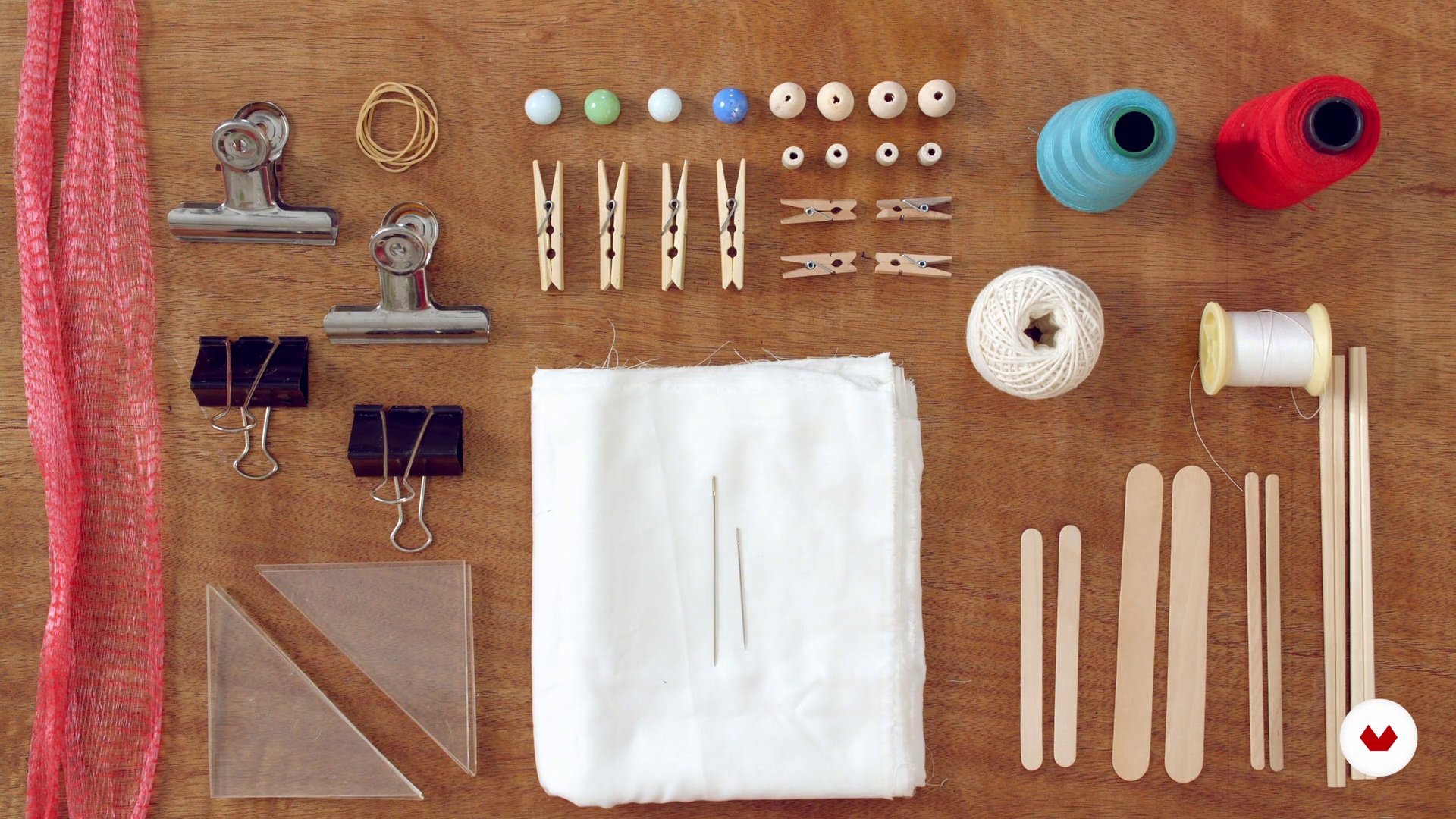
In this lesson we will review the necessary materials to get started; 100% natural fabrics of vegetable origin such as cotton or linen, aniline of your choice, a pot, gloves, elastics or ties, thread and needle, sticks and wooden balls (or other objects of these characteristics with which you want to try to book) .
4m
 8
8Moorings
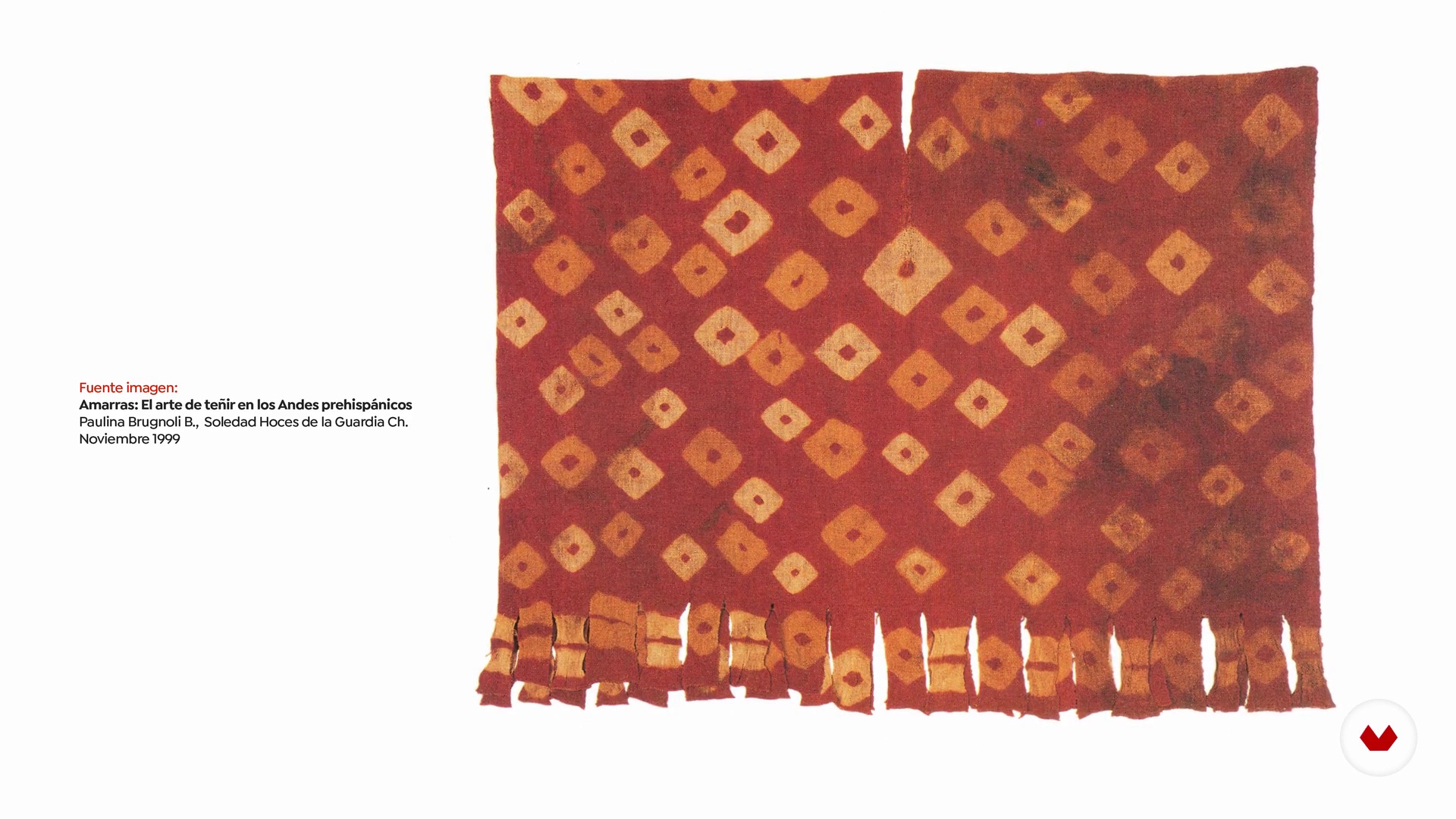
In this lesson you will learn how to tie the fabric to obtain the characteristic pre-Columbian designs and the characteristic ties of America.
8m
 9
9Needle and thread techniques
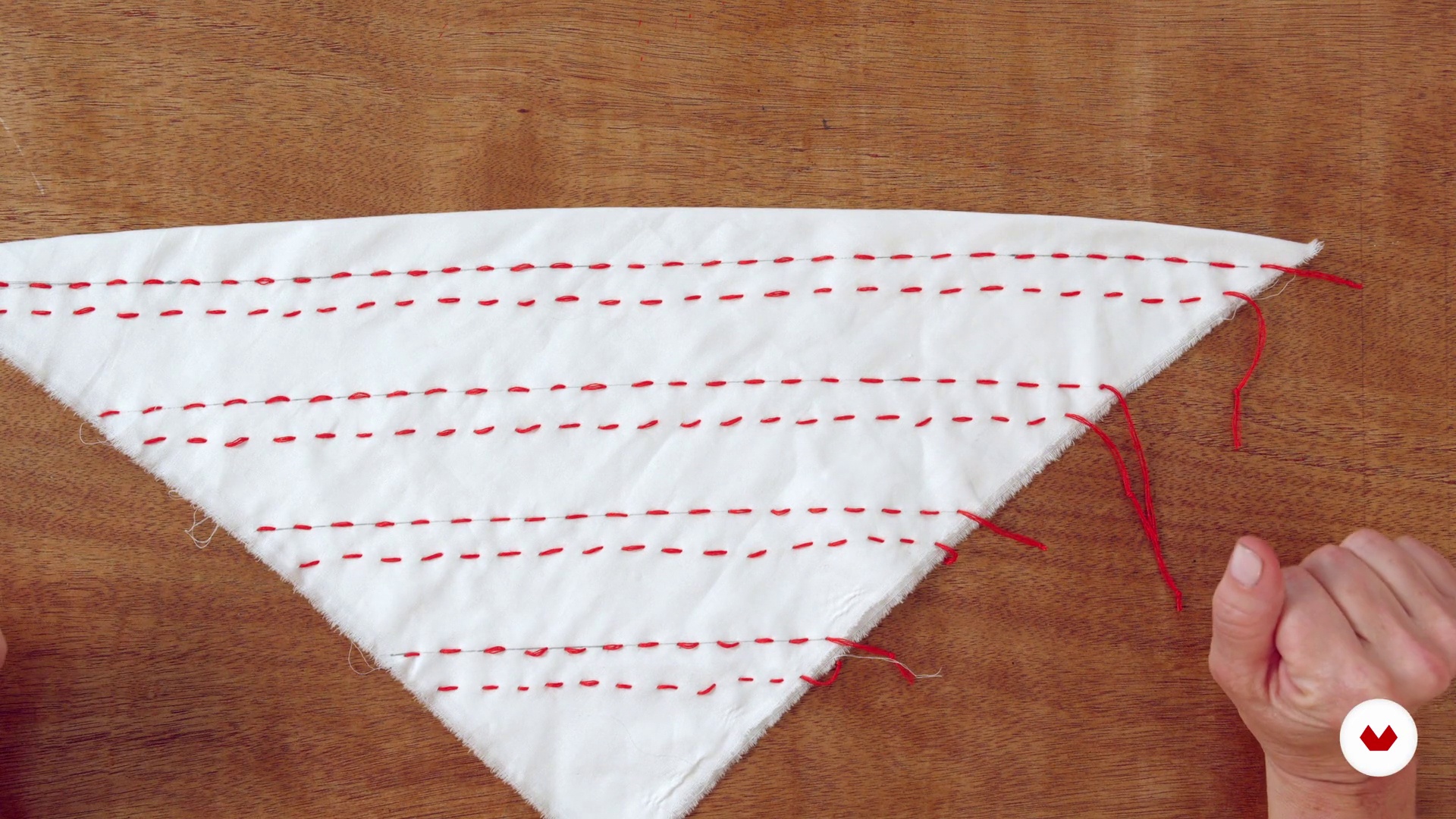
In this lesson I will show you the Mokume , dyed with reserve by stitches, whose seams define lines on the fabric. In addition, other reserve techniques based on thread stitches.
13m
 10
10Itajime folds
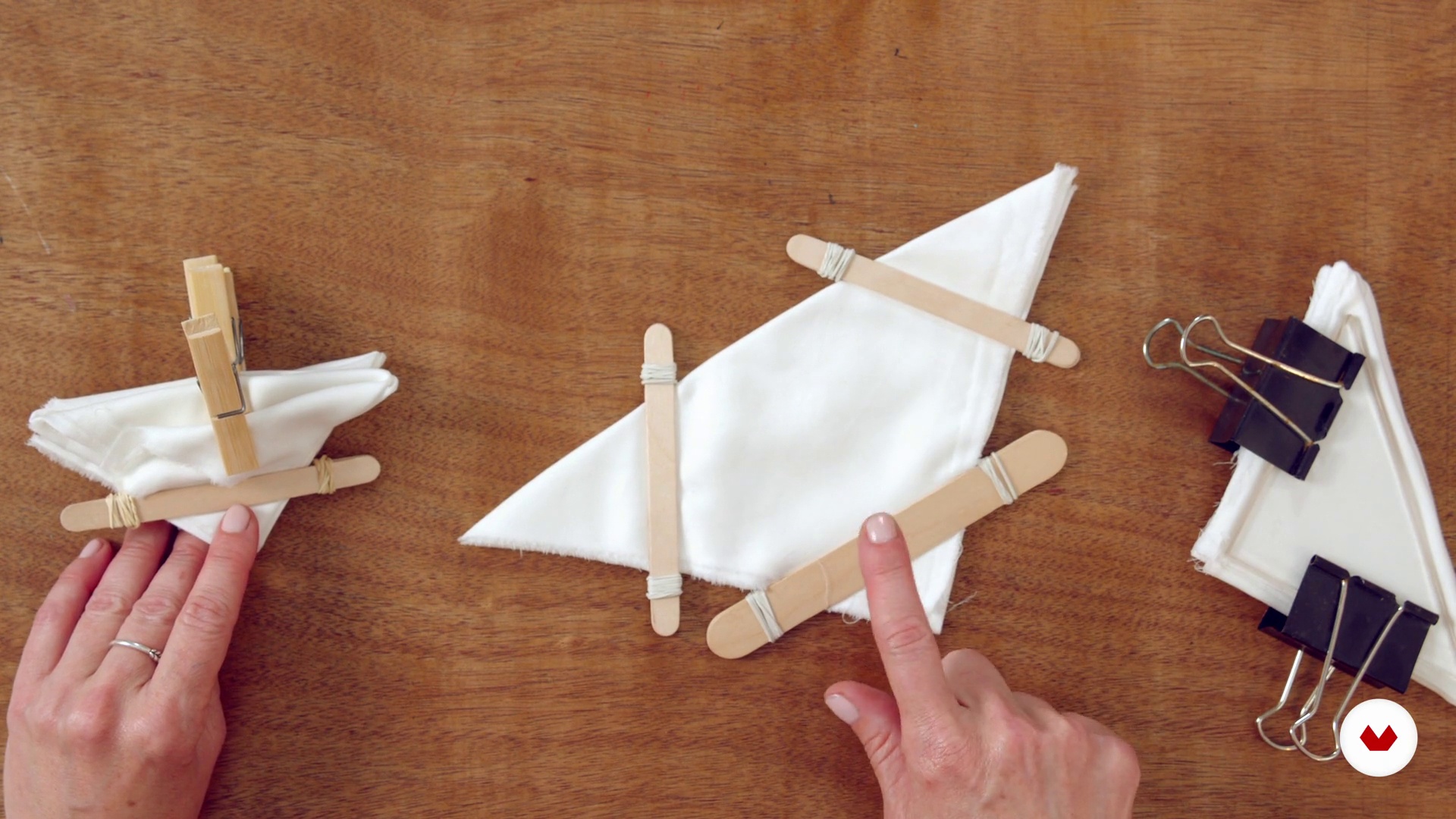
Following the various techniques in this lesson I will teach you Itajime shibori that is based on the use of folds and two equal surfaces that press a cloth. We will see the elements that you can use within the list of materials and how to transform chopsticks, popsicle sticks and elastic bands into objects that produce magic.
5m
 11
11Starting to dye
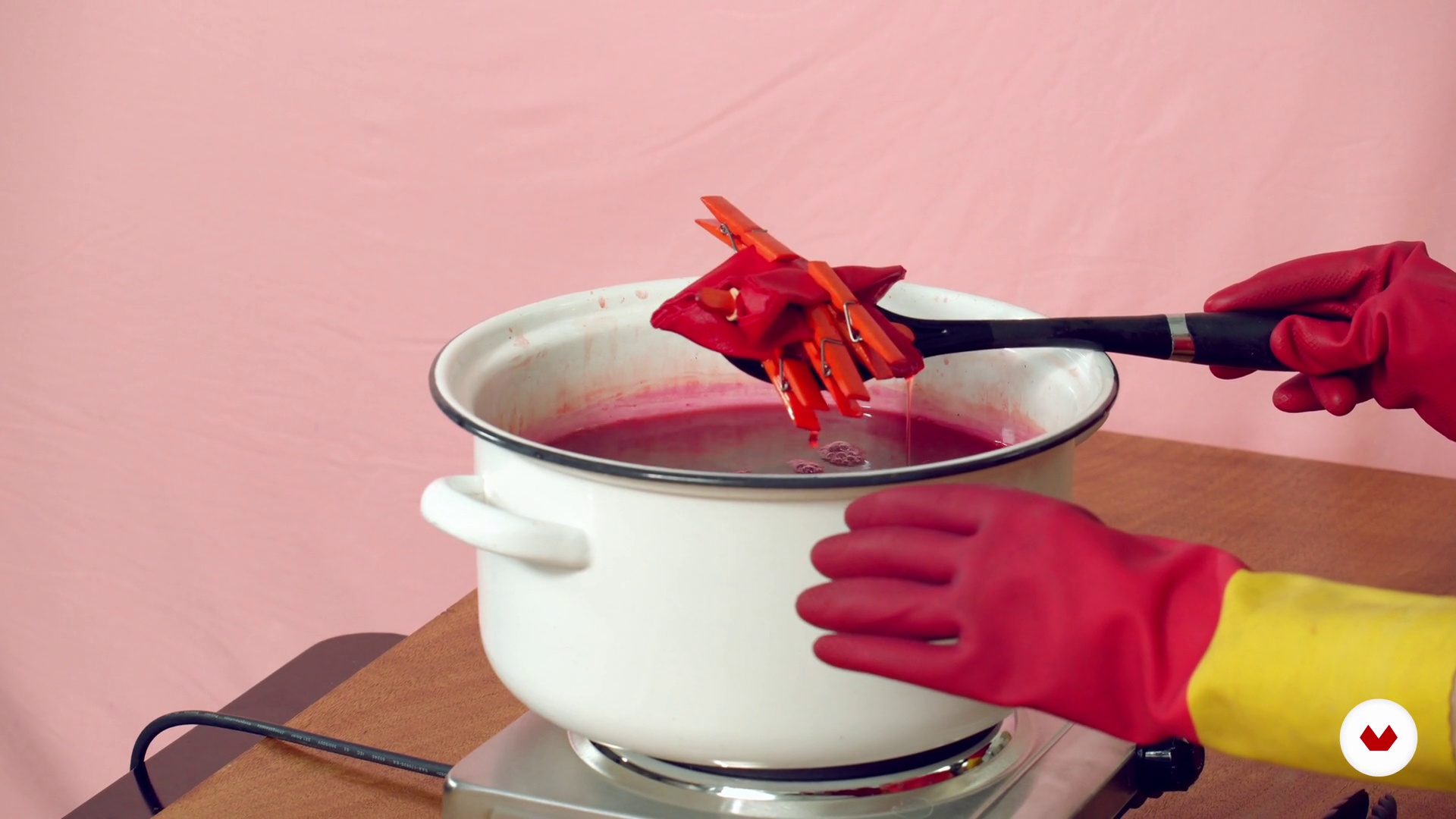
We start with the dyeing process, in this video I will give you my tips to obtain intense and durable colors over time, as well as tricks to know how to test color in water and other resources that experience has given me to dye every day.
11m
 12
12The magic is revealed
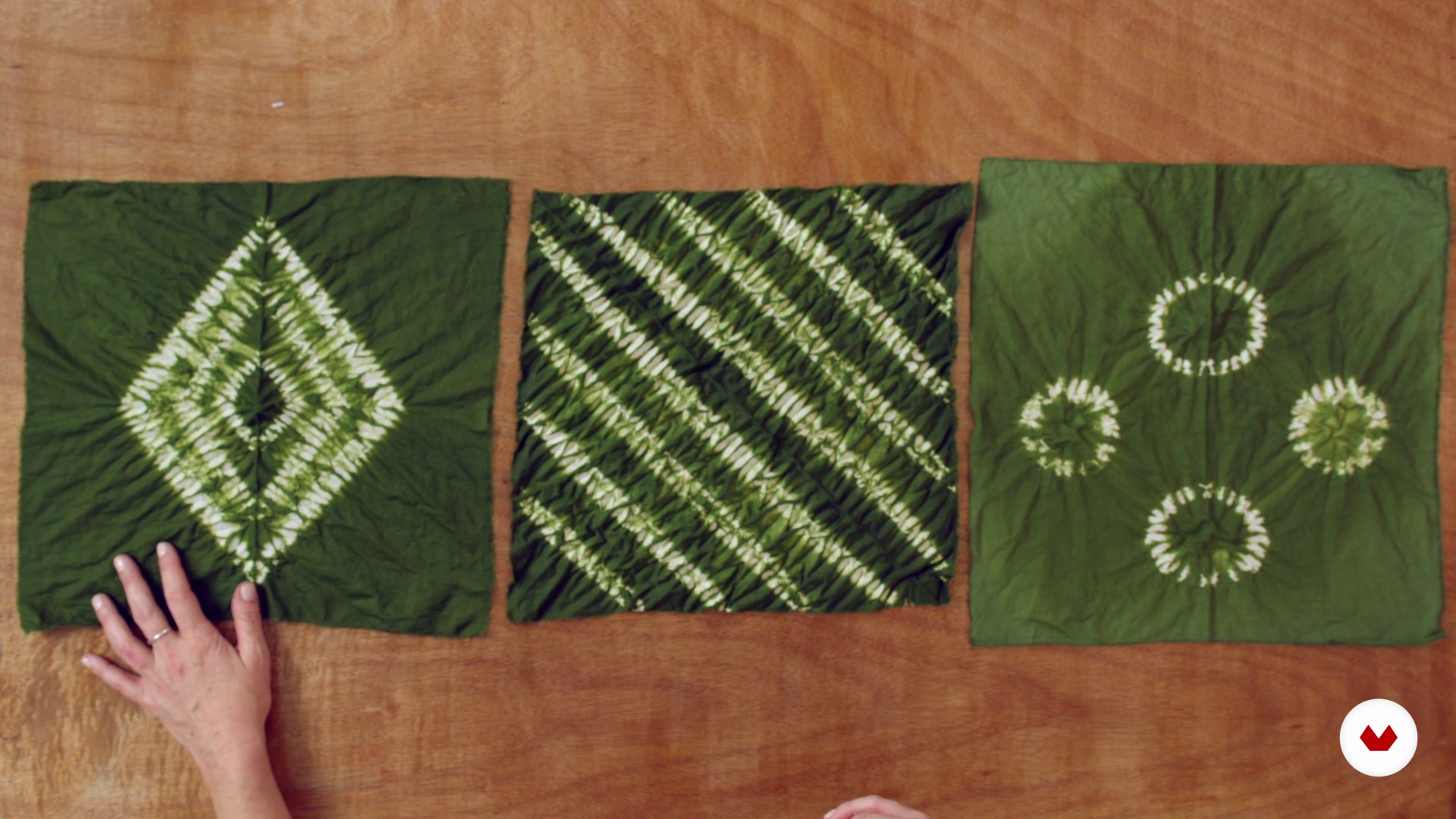
In this lesson I will teach you my tricks of rinsing, drying and opening the fabrics. For me it is the most exciting part of the process. This is the moment where we see how the magic of the reserves is shown, I hope you enjoy it as much as I do.
7m
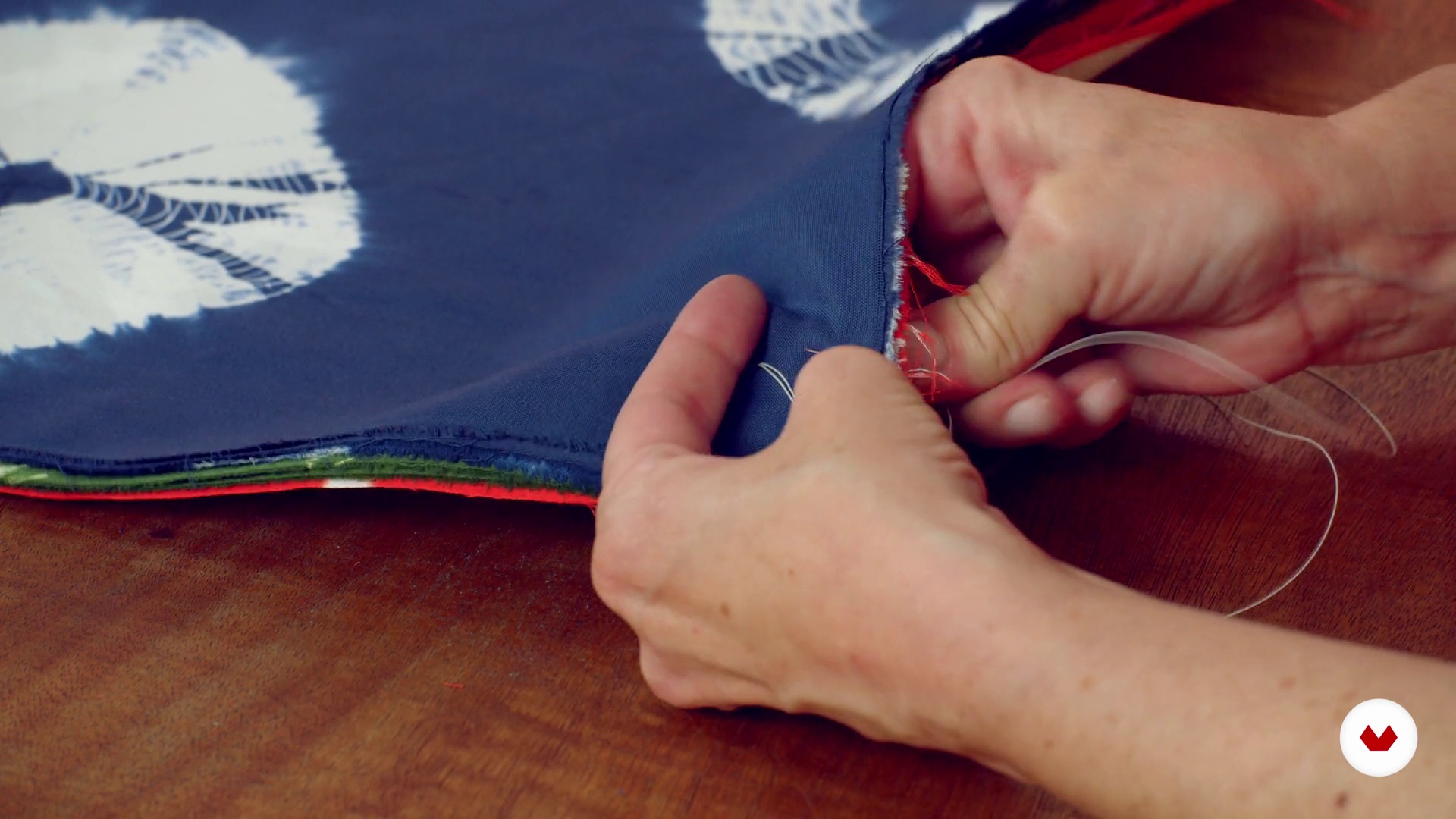 13
13Preparing the sample book
I will show you different possibilities of presentation of the sample and its applications in garments, accessories, decoration or textile art. I will teach you how to assemble and assemble it for a professional presentation.
4m
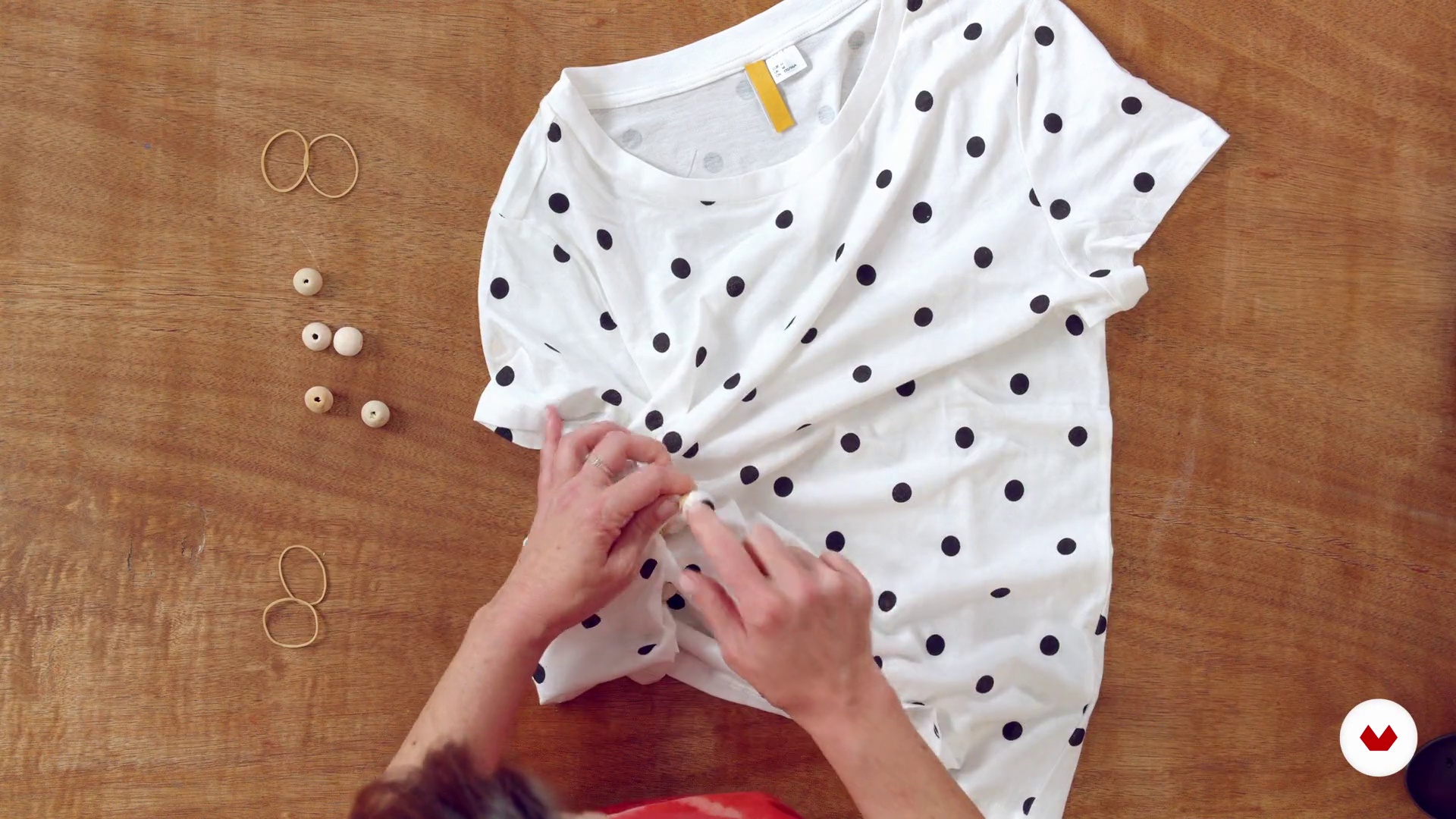 14
14Applying the technique
To finish the course we will apply what we have learned and we will obtain a useful piece with a personalized stamp. Find a cotton or vegetable fiber garment that you want to give a second life to. I will do it with a previously printed cotton shirt. Choose a garment that you have in disuse, wash it well, select the technique or techniques that we have learned and let's get to work!
6m
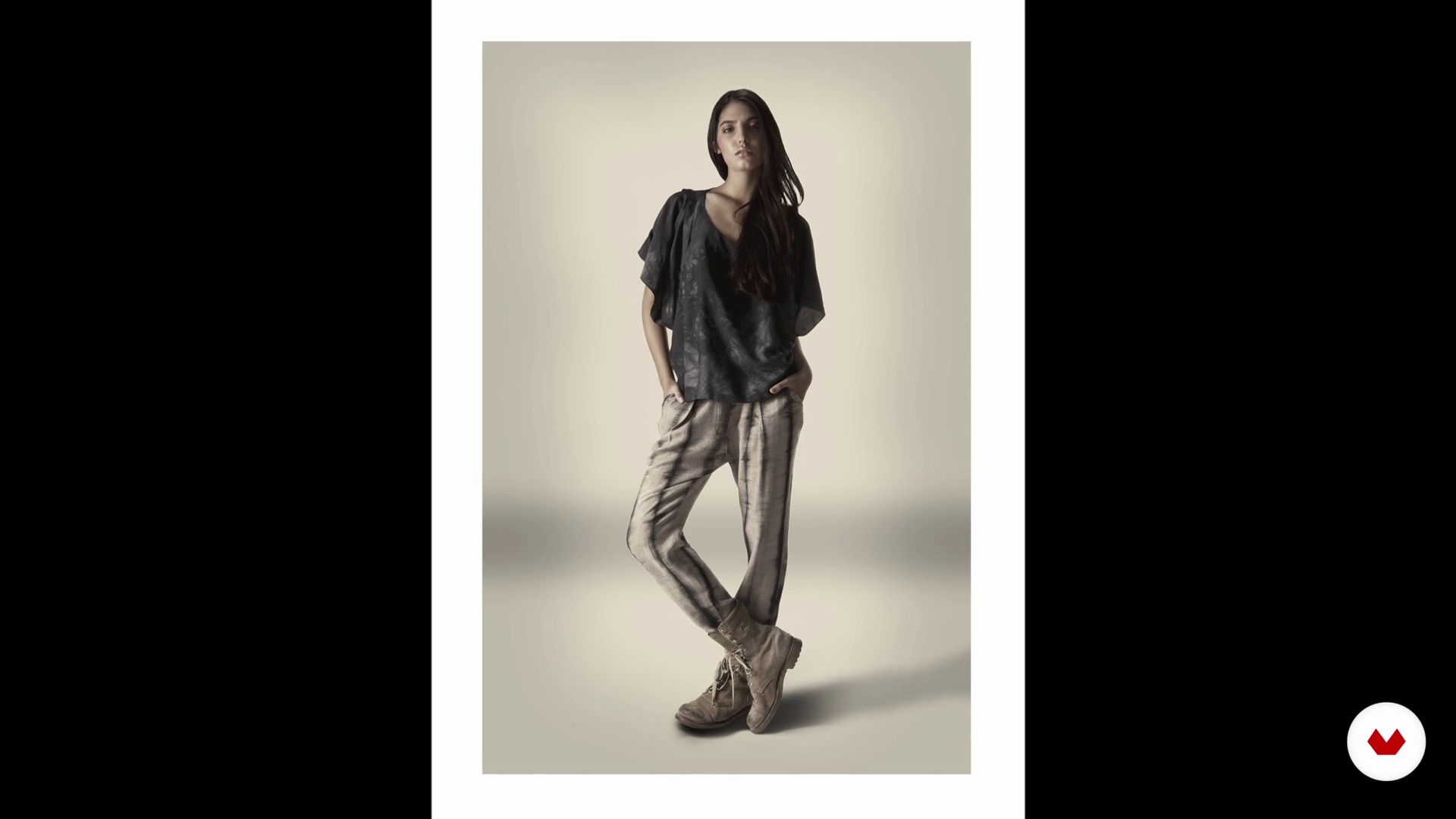 15
15Other apps
In this lesson you will learn about other application possibilities. Through examples you will see that the technique is very versatile, applicable to other fibers such as silk, clothing and decorative objects.
2m
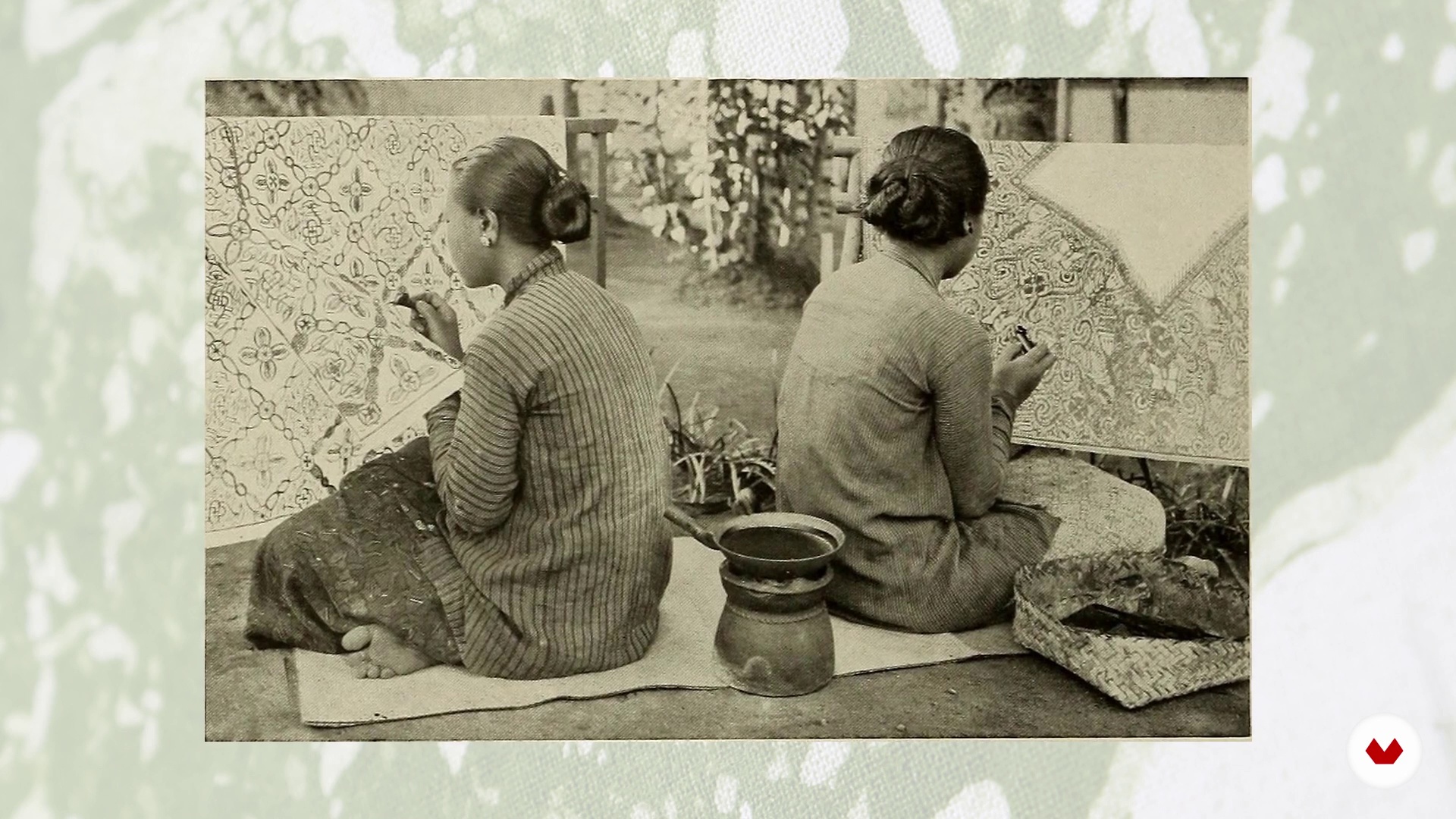 3
3What Is Batik?
I will start by telling you what Batik is and what it consists of, you will briefly know the history and origins of this ancient dyeing technique and the importance it currently has in some cultures.
6m
 4
4Materials and Tools
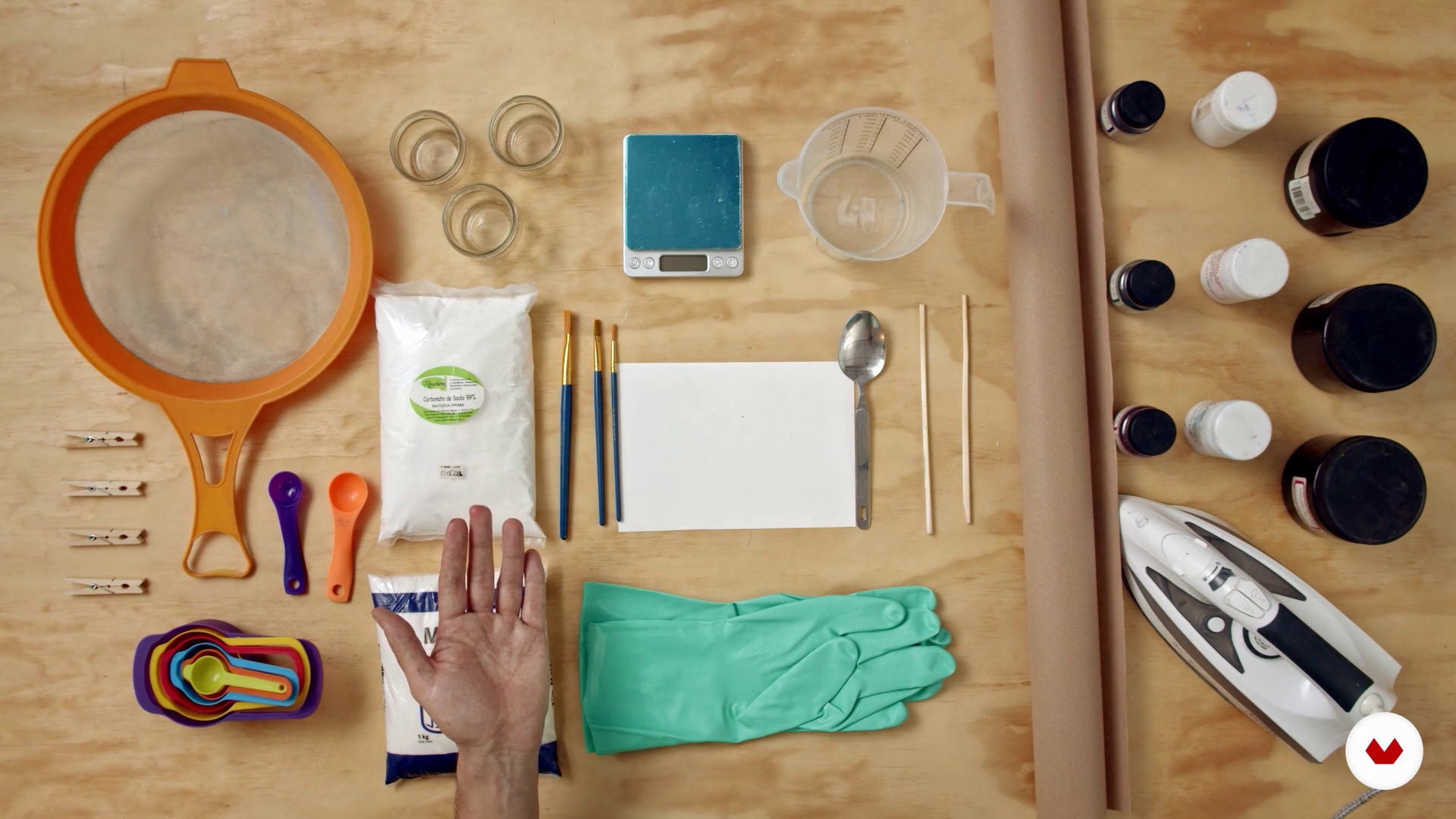
In this lesson you will learn about the materials and tools necessary to create Batik illustrations.
12m
 5
5The Seed of Batik
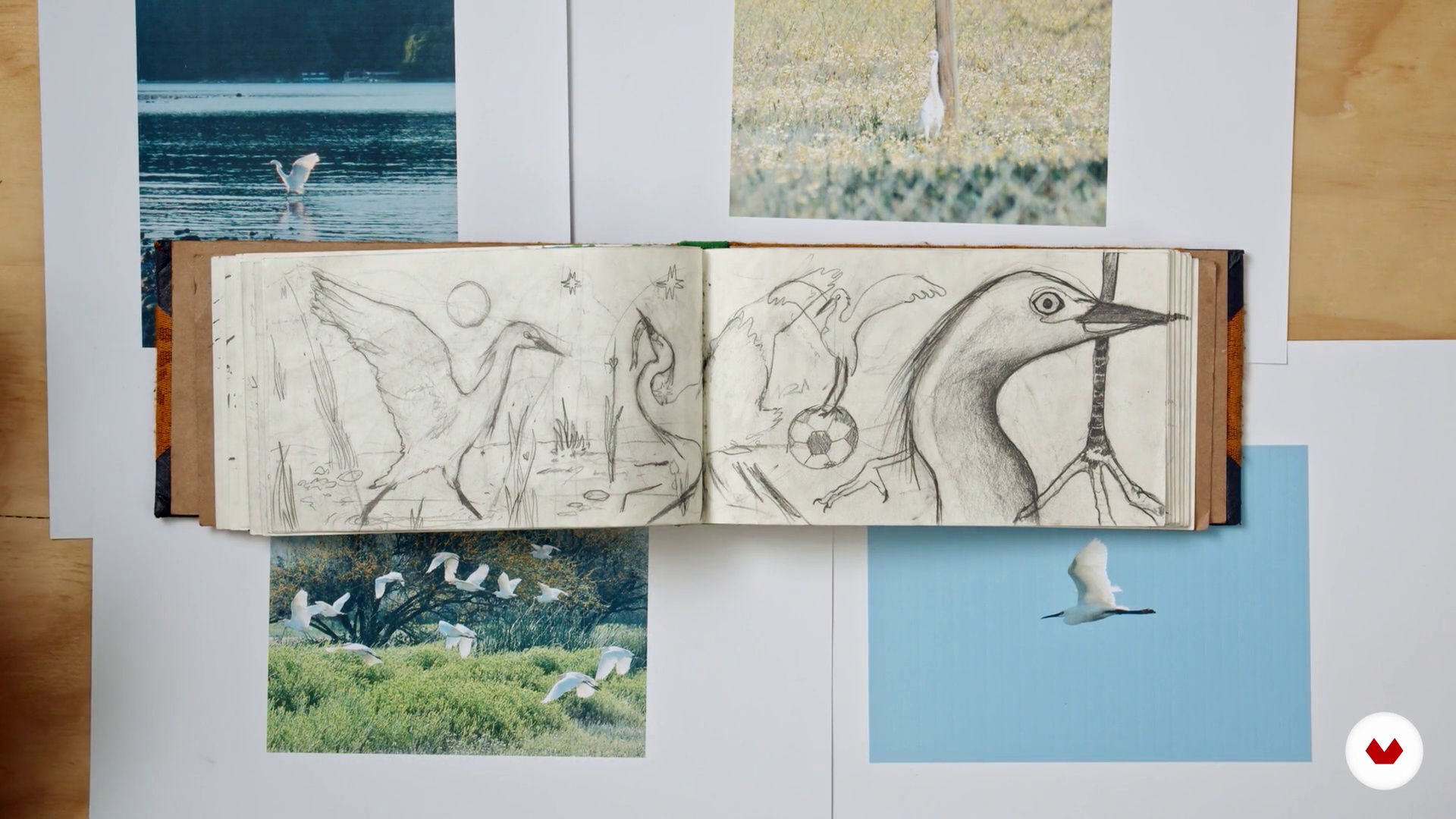
I will tell you about my creative process to create an illustration in Batik. You will know how I gesture an idea and where I look for references when creating.
6m
 6
6The Sketch as a Guide
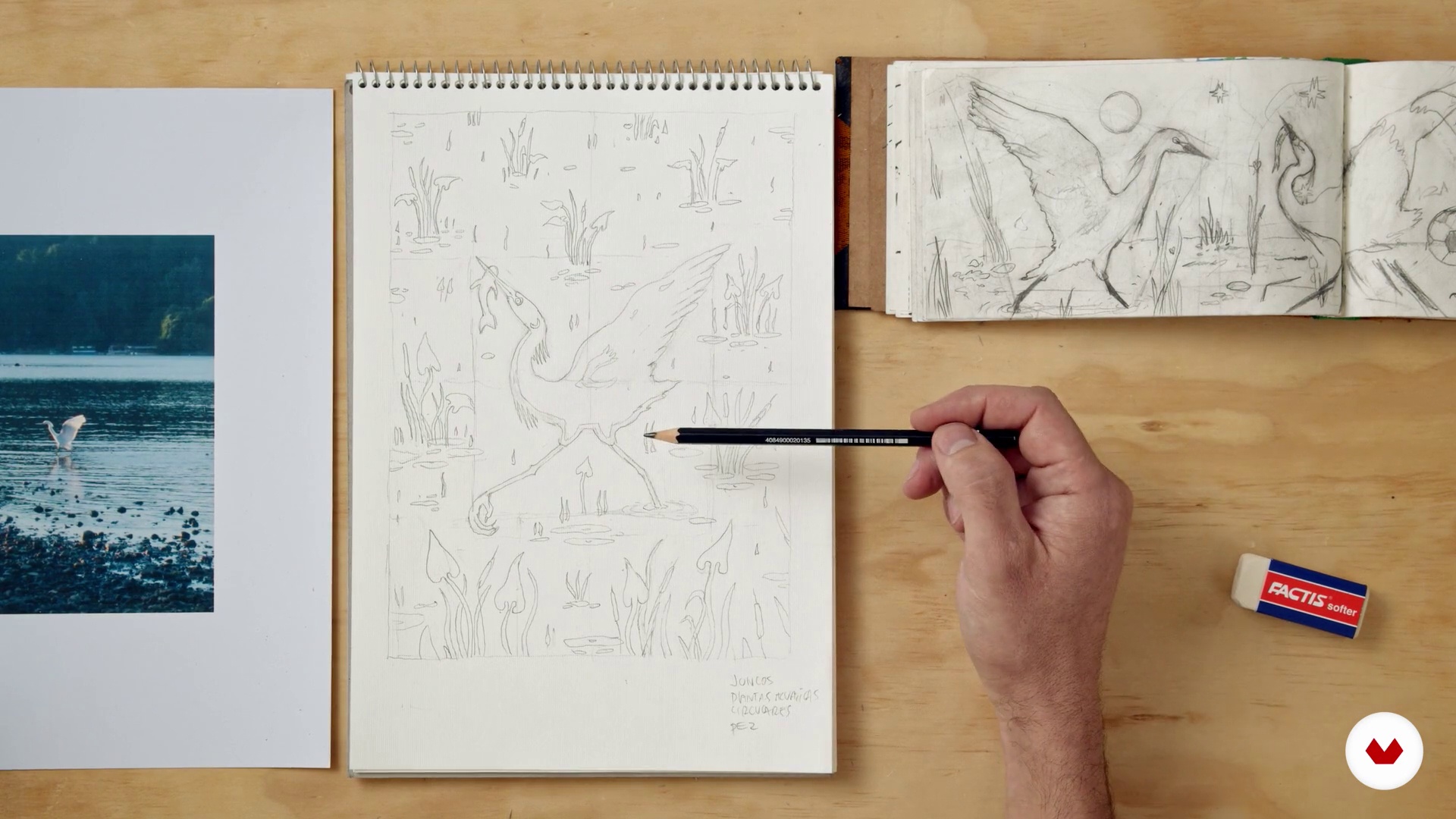
Now, I will show you how I work the first sketches of a project and then select one, refine details and begin to compose the illustration. In addition, I will share some considerations on how to approach the drawing in Batik to achieve the expected results.
6m
 7
7From the Sketch to the Canvas
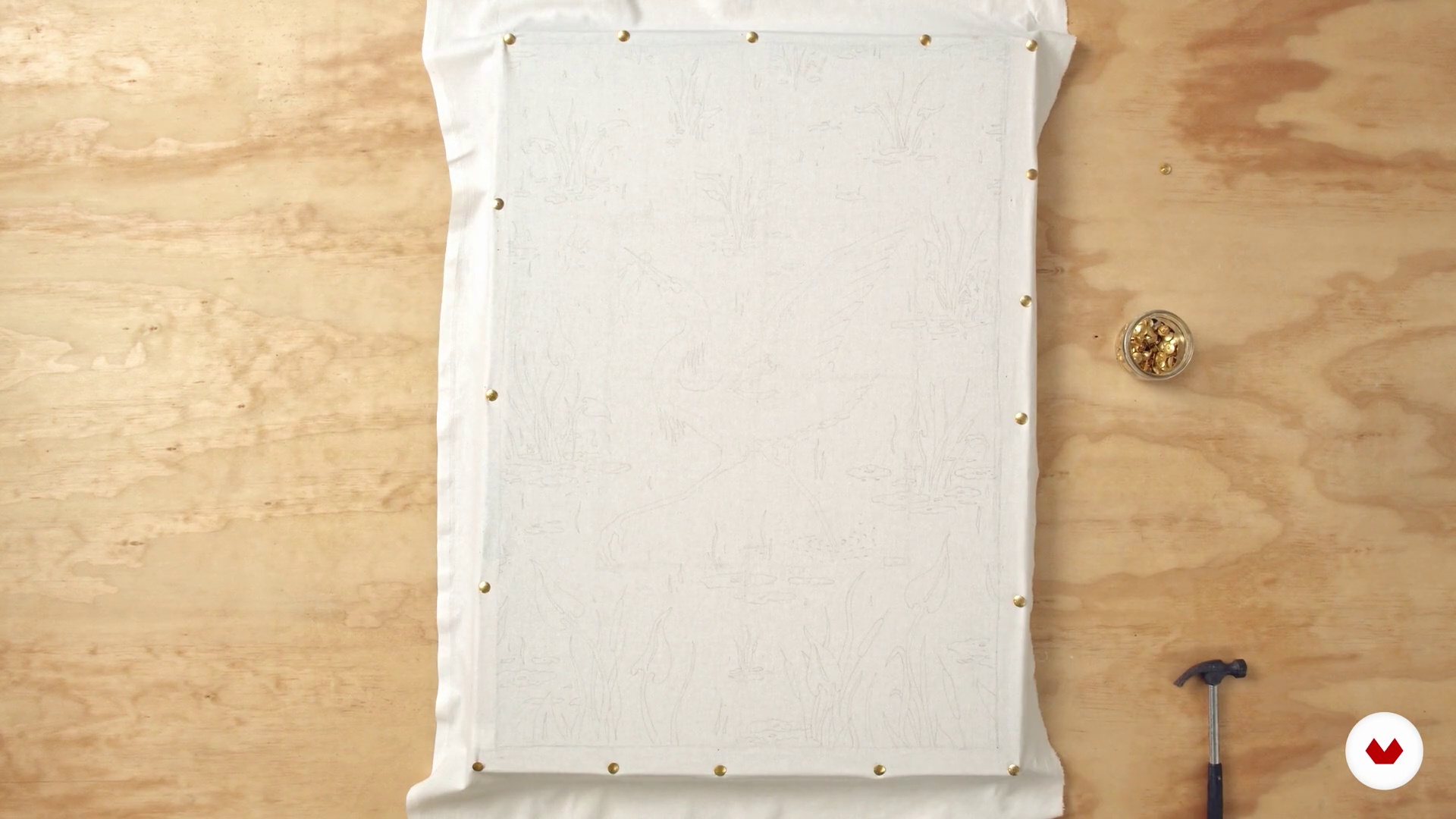
In this lesson I will show you how to transfer the drawing of your final project to fabric. Then, I will show you how to mount the fabric on the hoop.
7m
 8
8Wax and Its Preparation
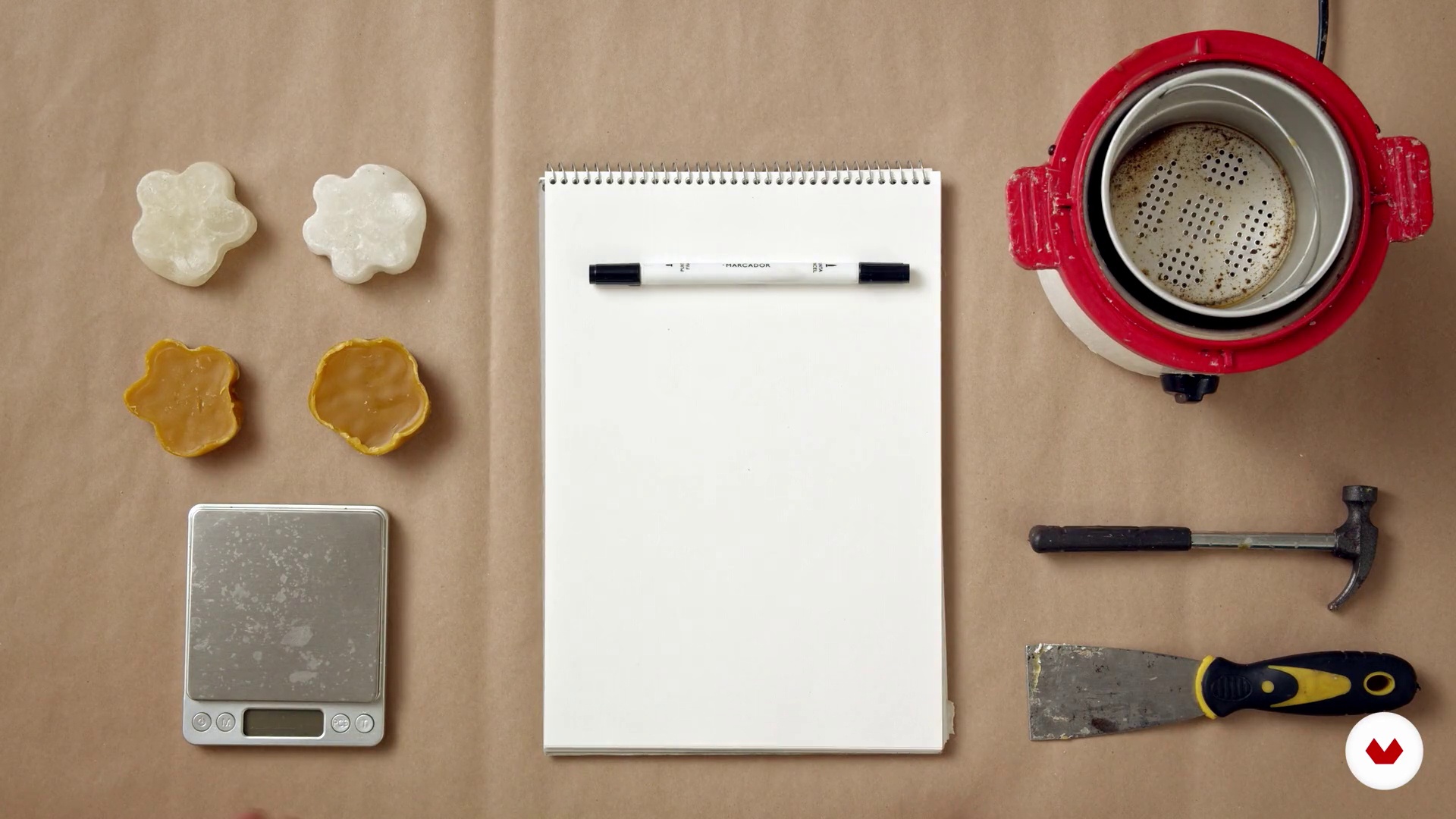
Here you will understand the function of wax as a resist. You will see the proper way to heat it and identify when it is ready to be used. In addition, I will show you how to prepare your own mixes to achieve or avoid cracking, the hallmark of Batik.
6m
 9
9Waxing and Applying the First Resist 1
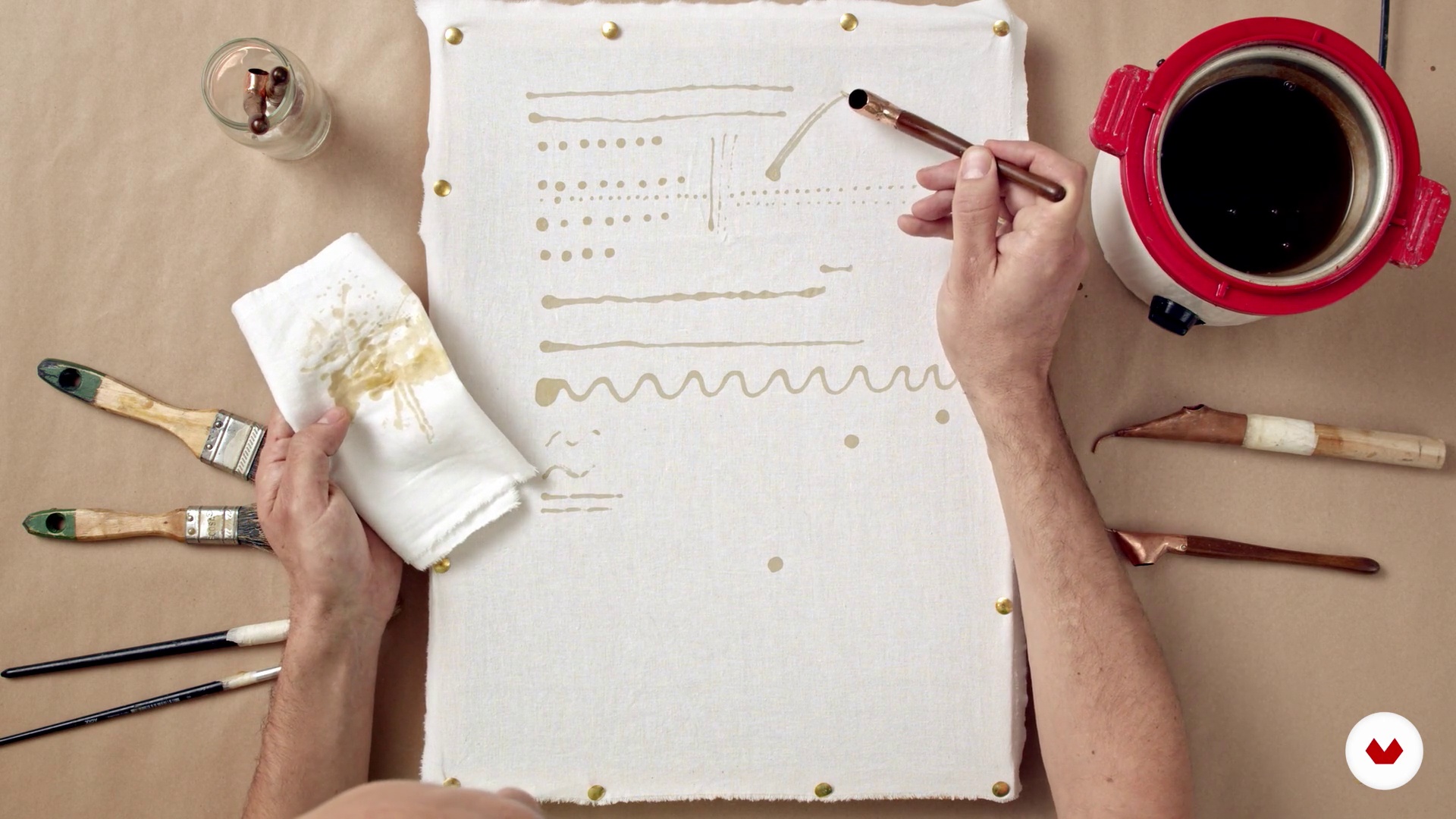
It is important that you know and become familiar with the waxing tools used on the Batik before starting your project. In this lesson I will teach you the correct use, both of tjanting and of brushes.
12m
 10
10Waxing and Application of the First Resist 2
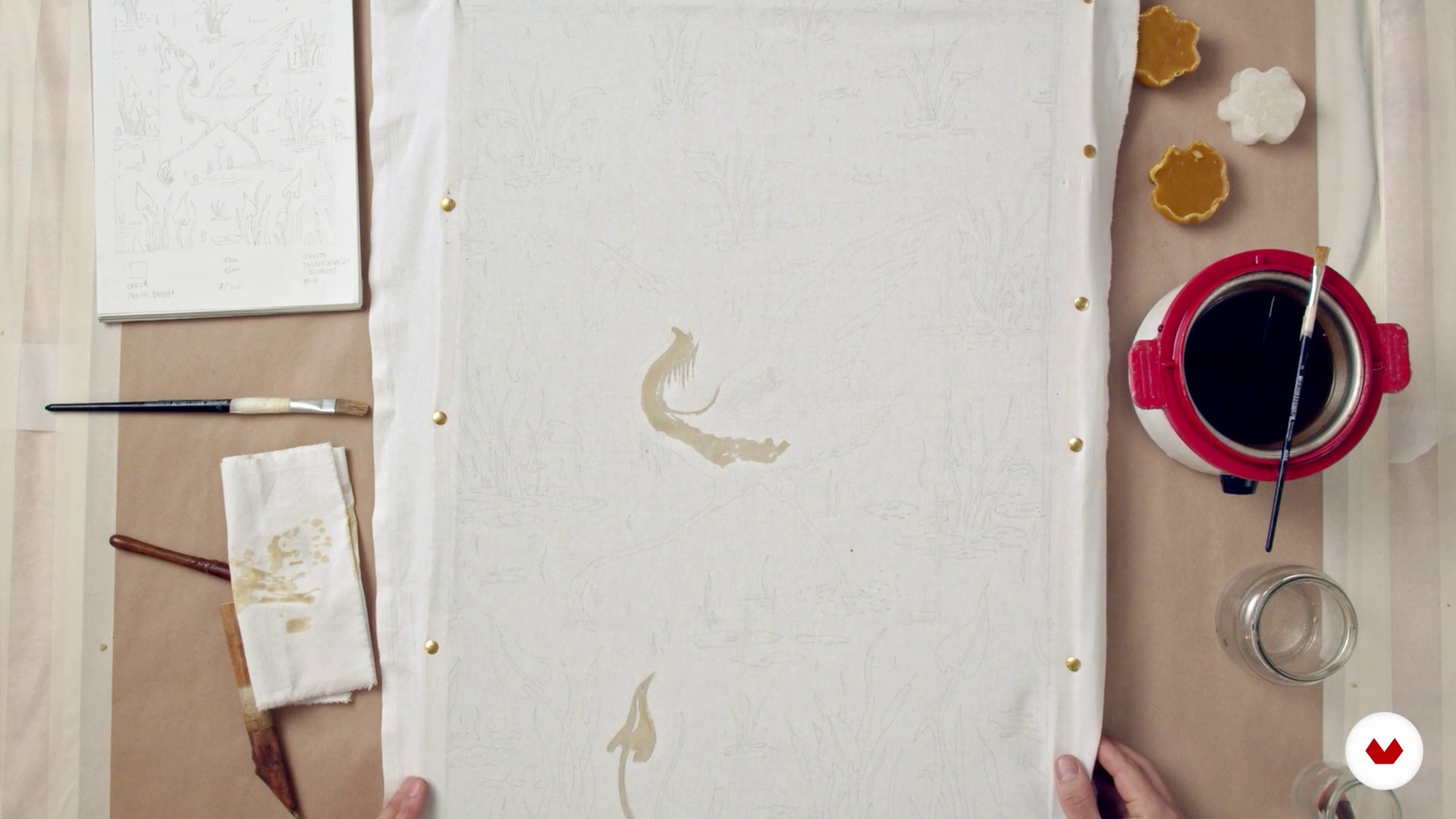
Now, we will apply the first resist to the final project of the course. The waxing process requires patience and concentration, as once the wax touches the fabric there is no going back.
9m
 11
11Dyeing and Color 1
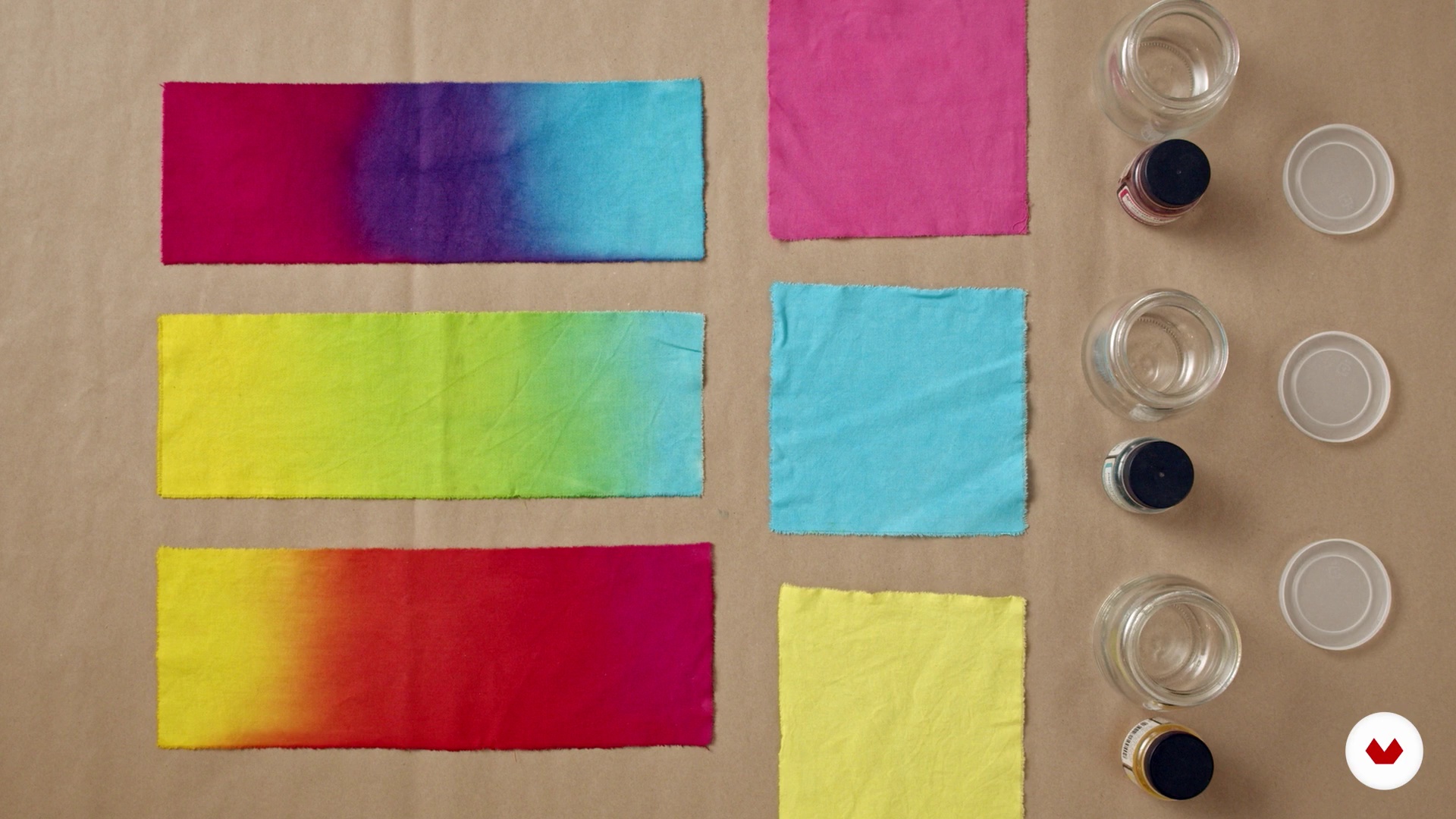
Now you will learn how color theory applies to dyeing. I will show you my color proposal and teach you how to make small color proofs before dyeing your illustration. For those proofs, I will leave you in the additional resources a document called "Color Proofs".
14m
 12
12Dyeing and Color 2
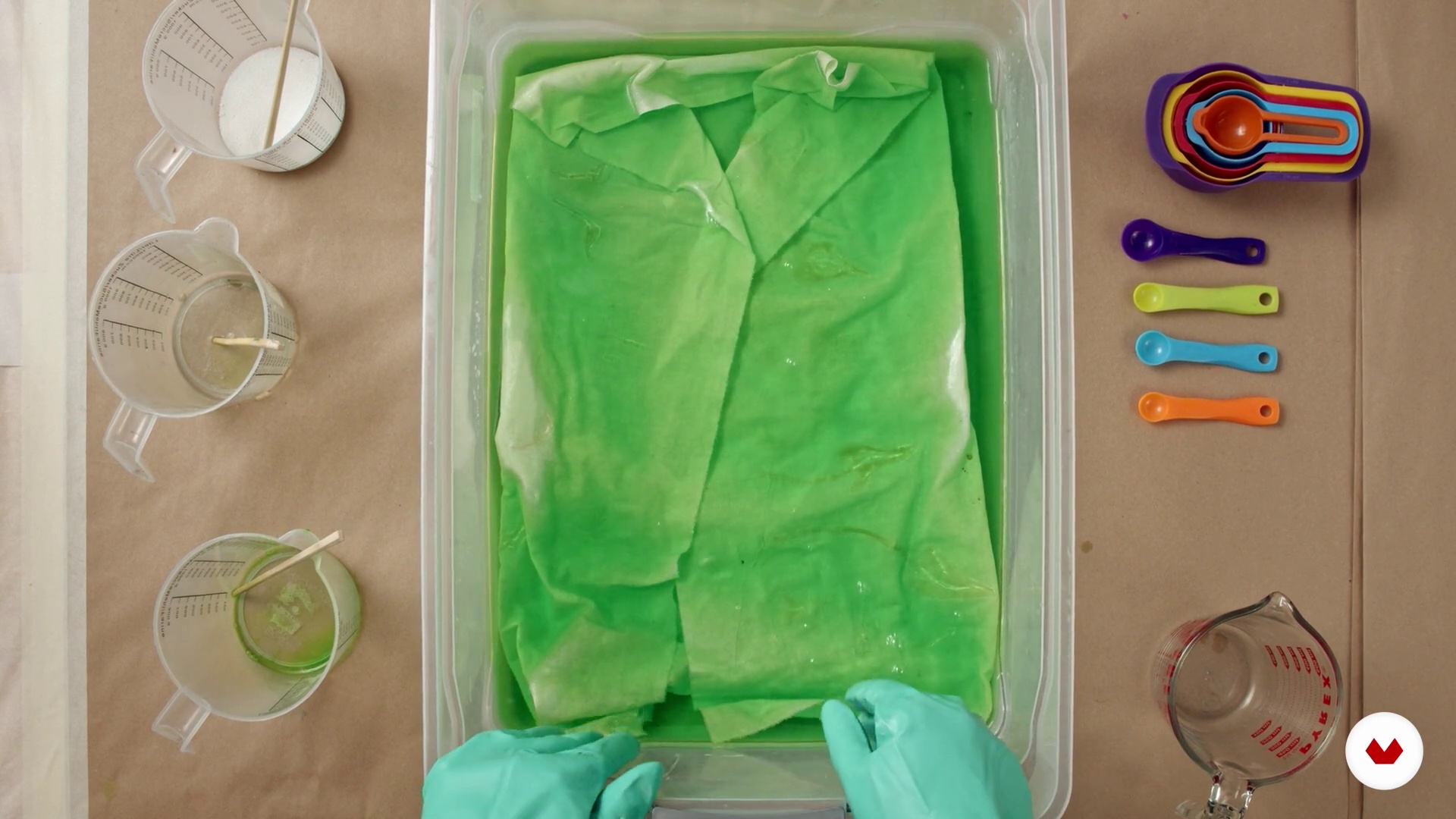
Finally you will learn the step by step to perform the traditional dyeing by immersion applying the first color to the final project of the course. I will tell you about the factors that affect the preparation of the color and that you should take into account. Also, I will share some considerations for optimal drying.
10m
 13
13More Resists and Dyeing
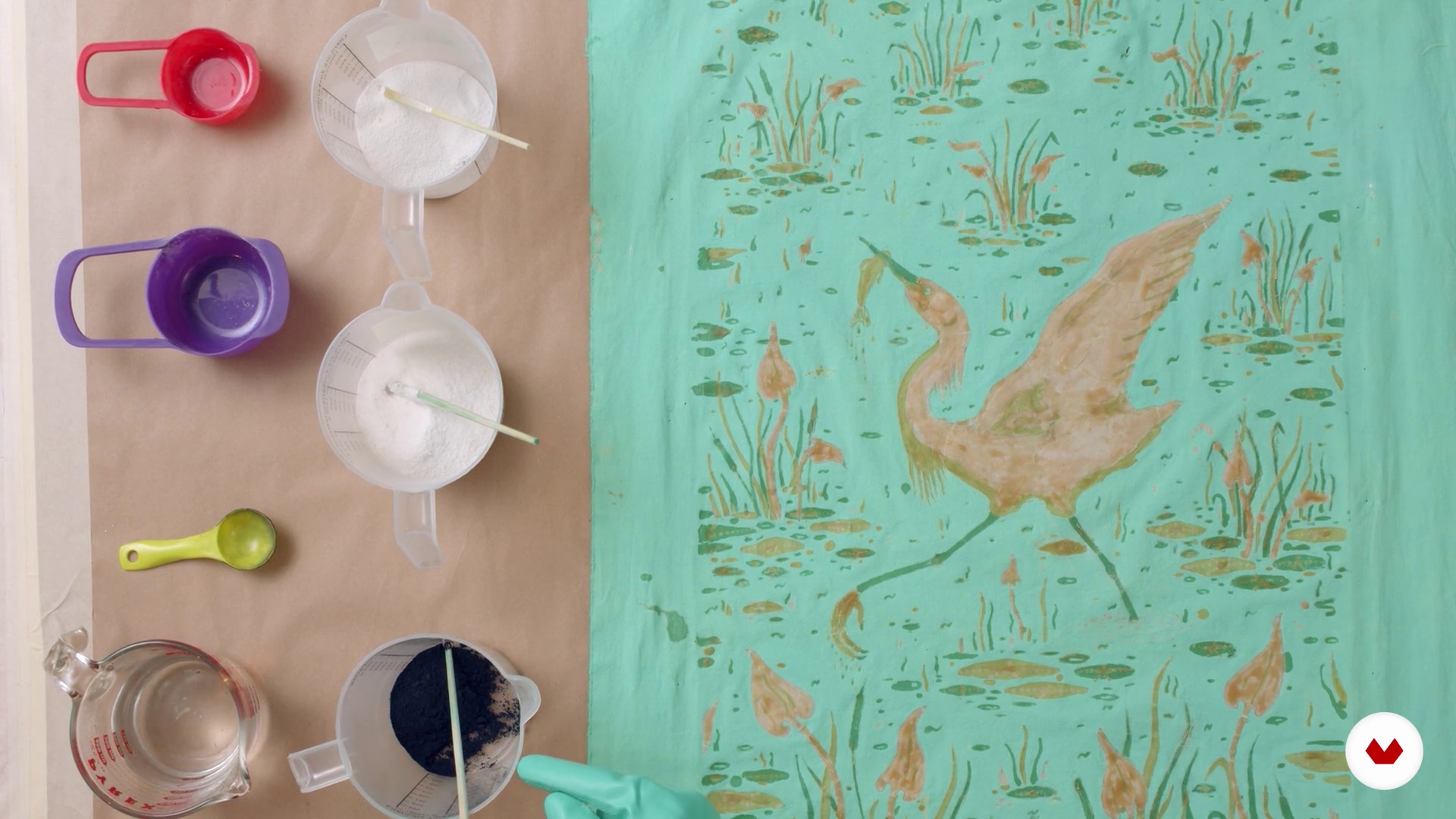
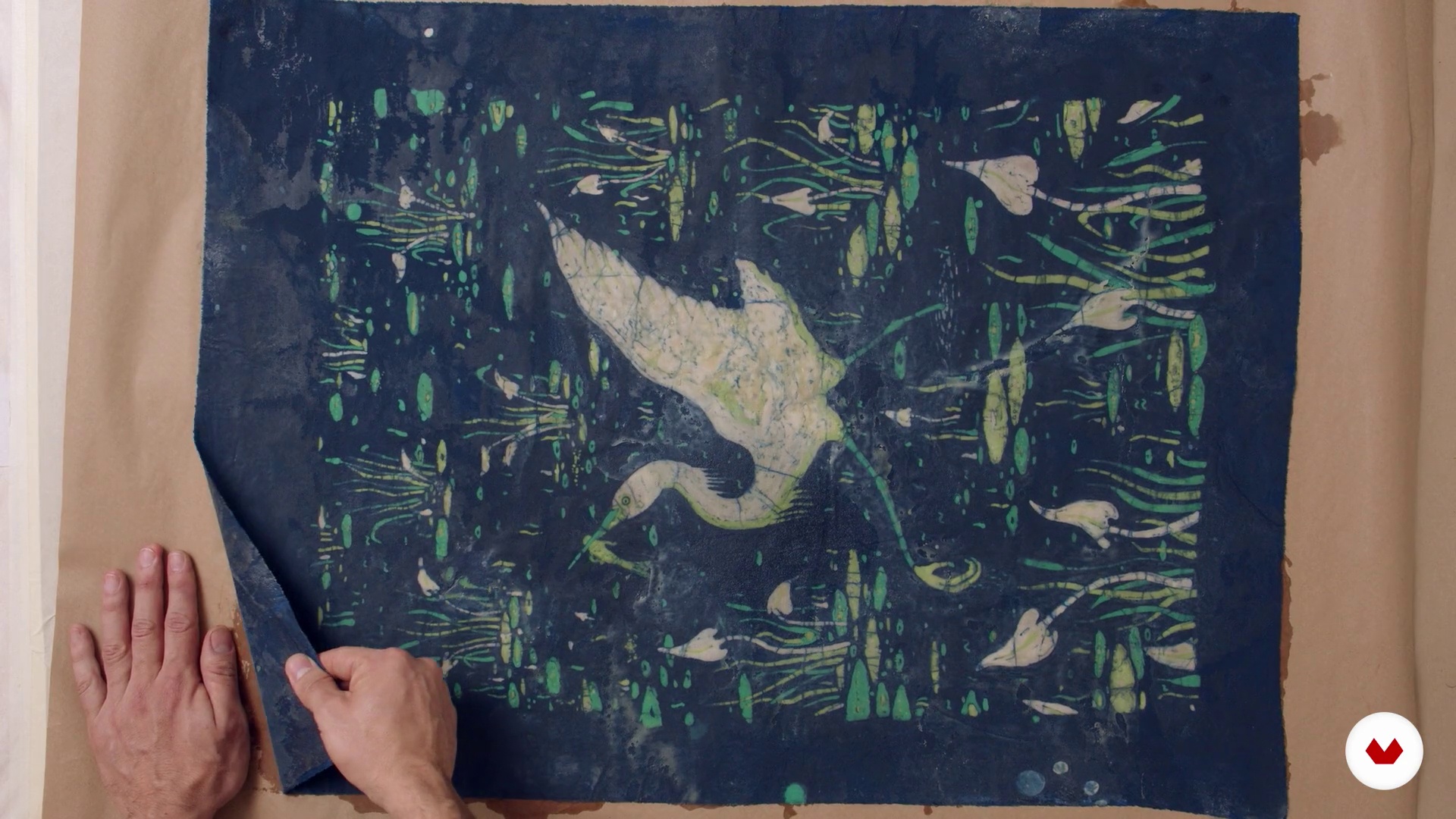
In this lesson, I will apply the second resist and the second dyeing. Then, we will review the technique with the third resist and the third dyeing.
18m
 14
14Dewaxing
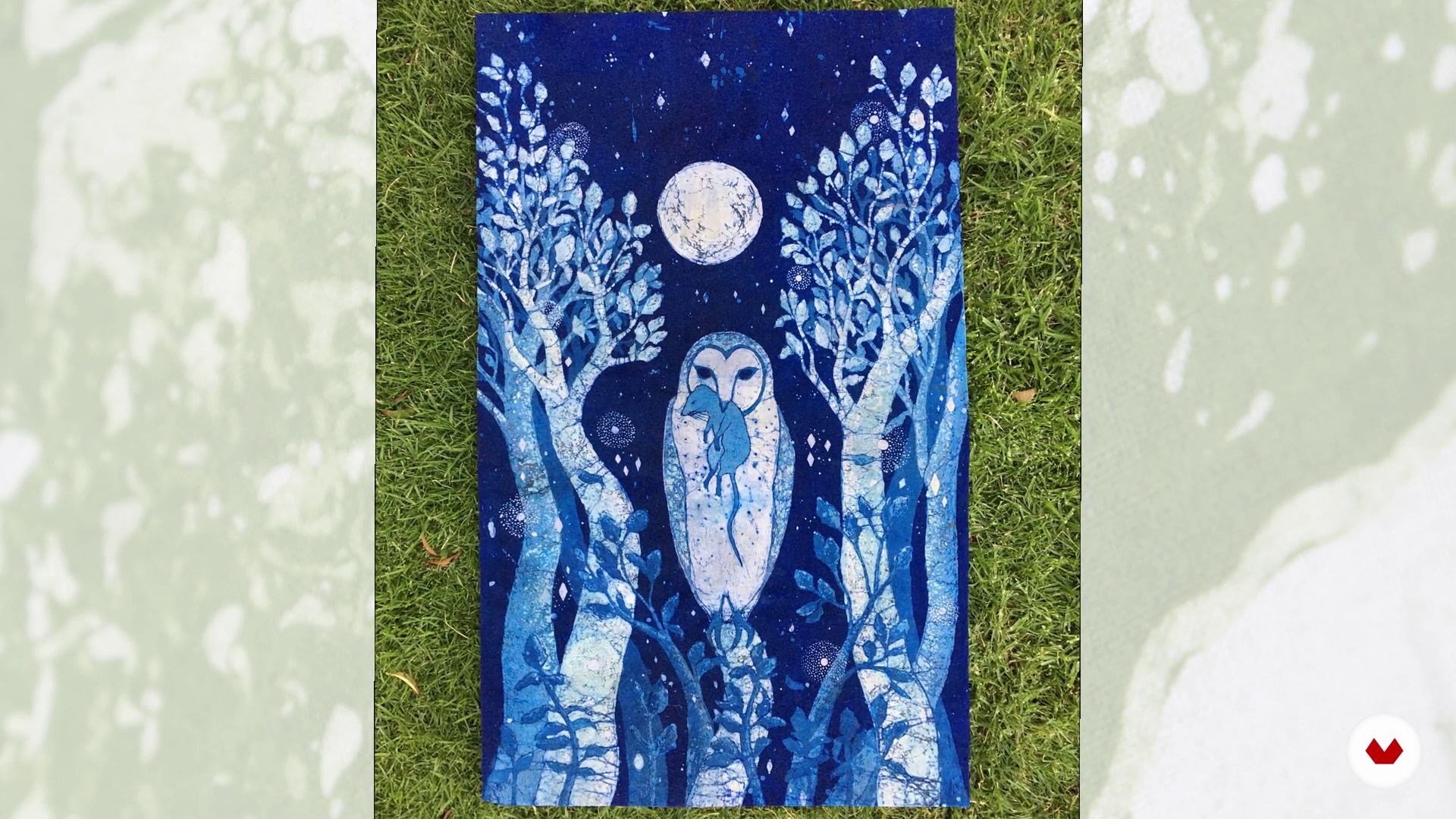
I will teach you the various methods to remove wax from a textile and you will learn to perform the basic dewaxing process of a work made with the Batik technique.
10m
 15
15Batik Care
In this lesson I will make some recommendations so that you can keep your Batik illustrations in good condition. Finally, I will show you some framing ideas that can be useful when presenting your works.
2m
 4
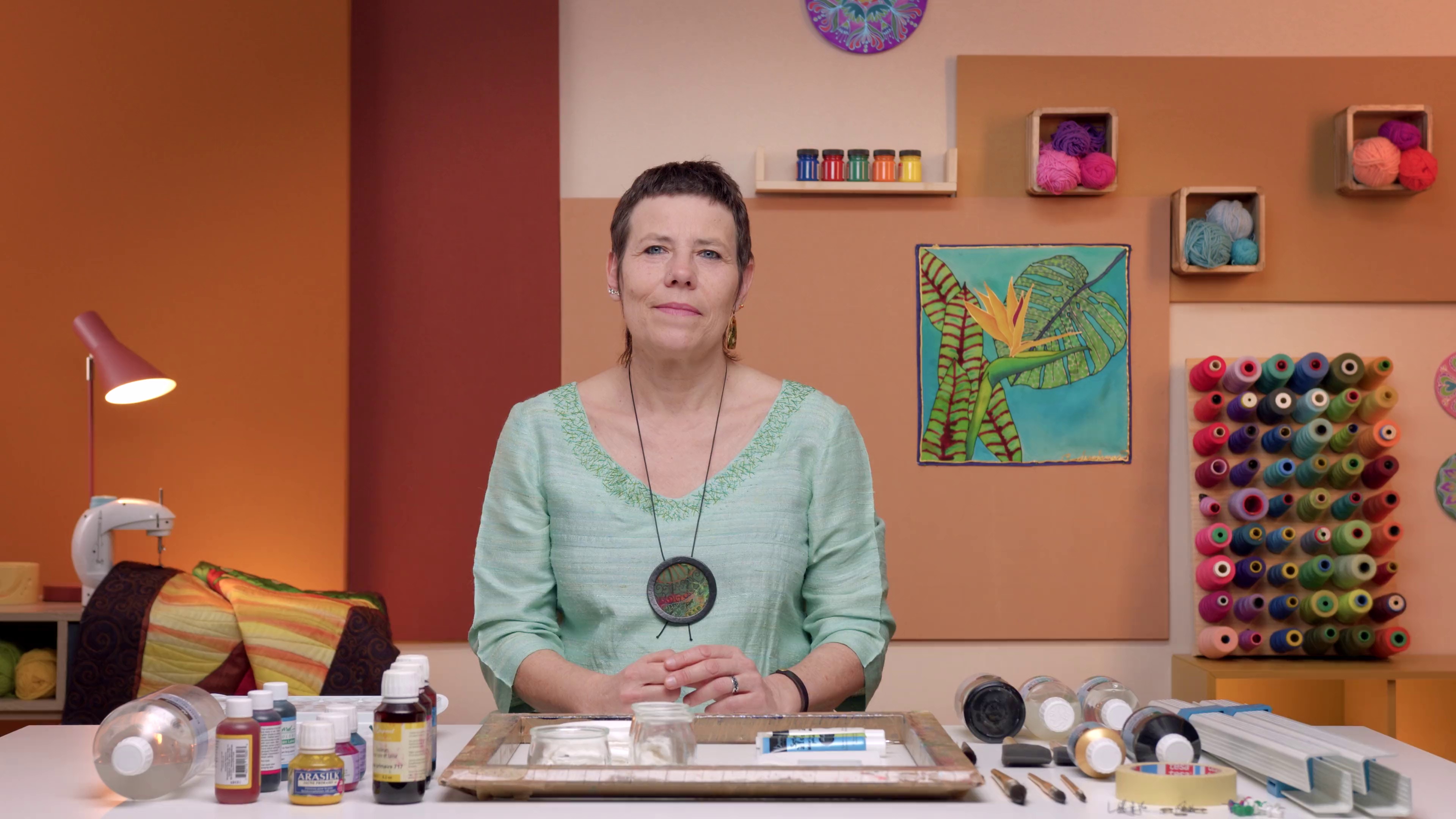
4All the materials
The time has come to show you the different materials, essential and not so much, that are needed to tackle silk painting. Can you come with us?
7m
 5
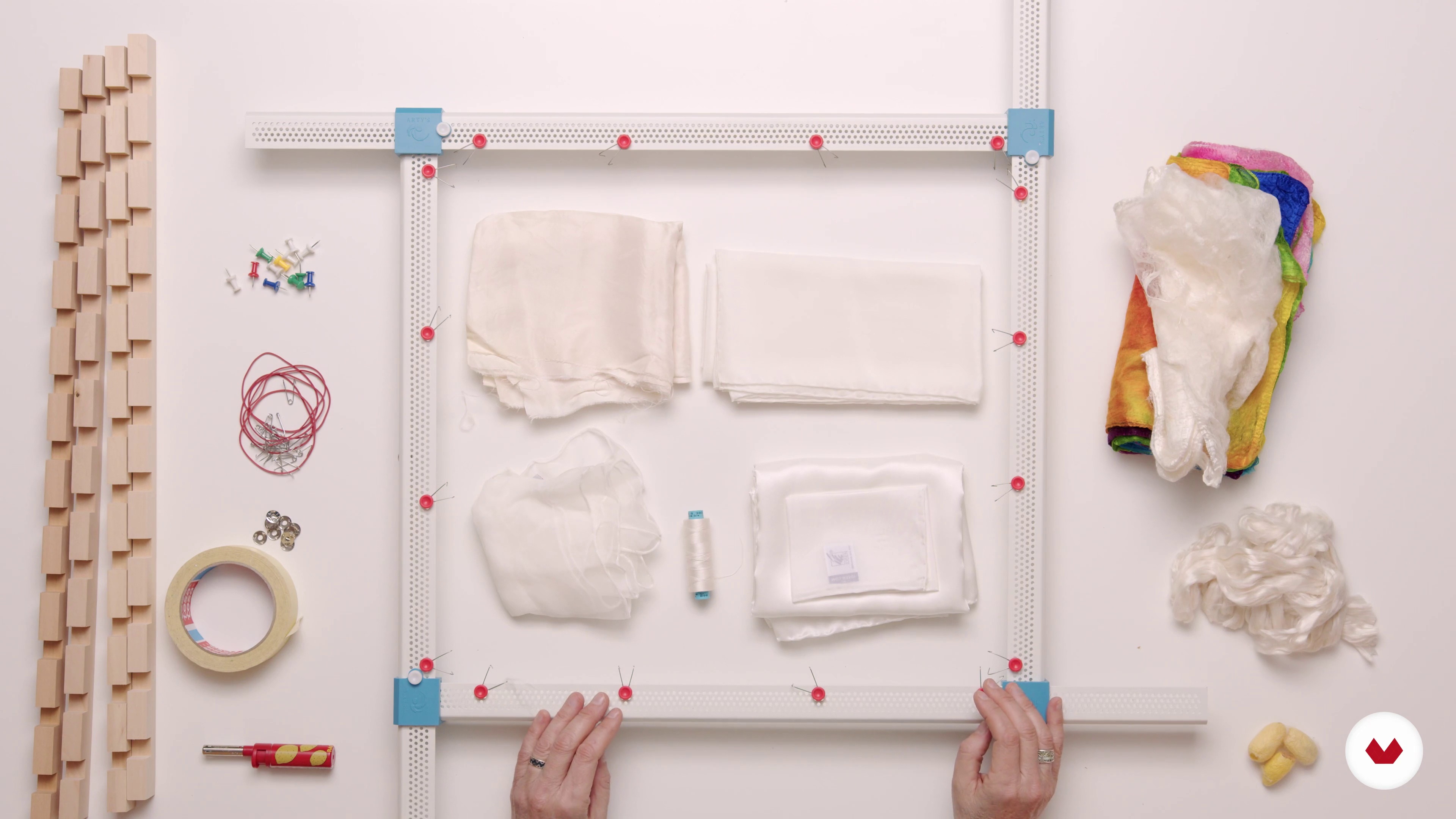
5Silk preparation
Now we will see how to prepare the silk to start painting. We will also make a short introduction to the different types of silk so that you can choose the one that best suits your tastes.
11m
 6
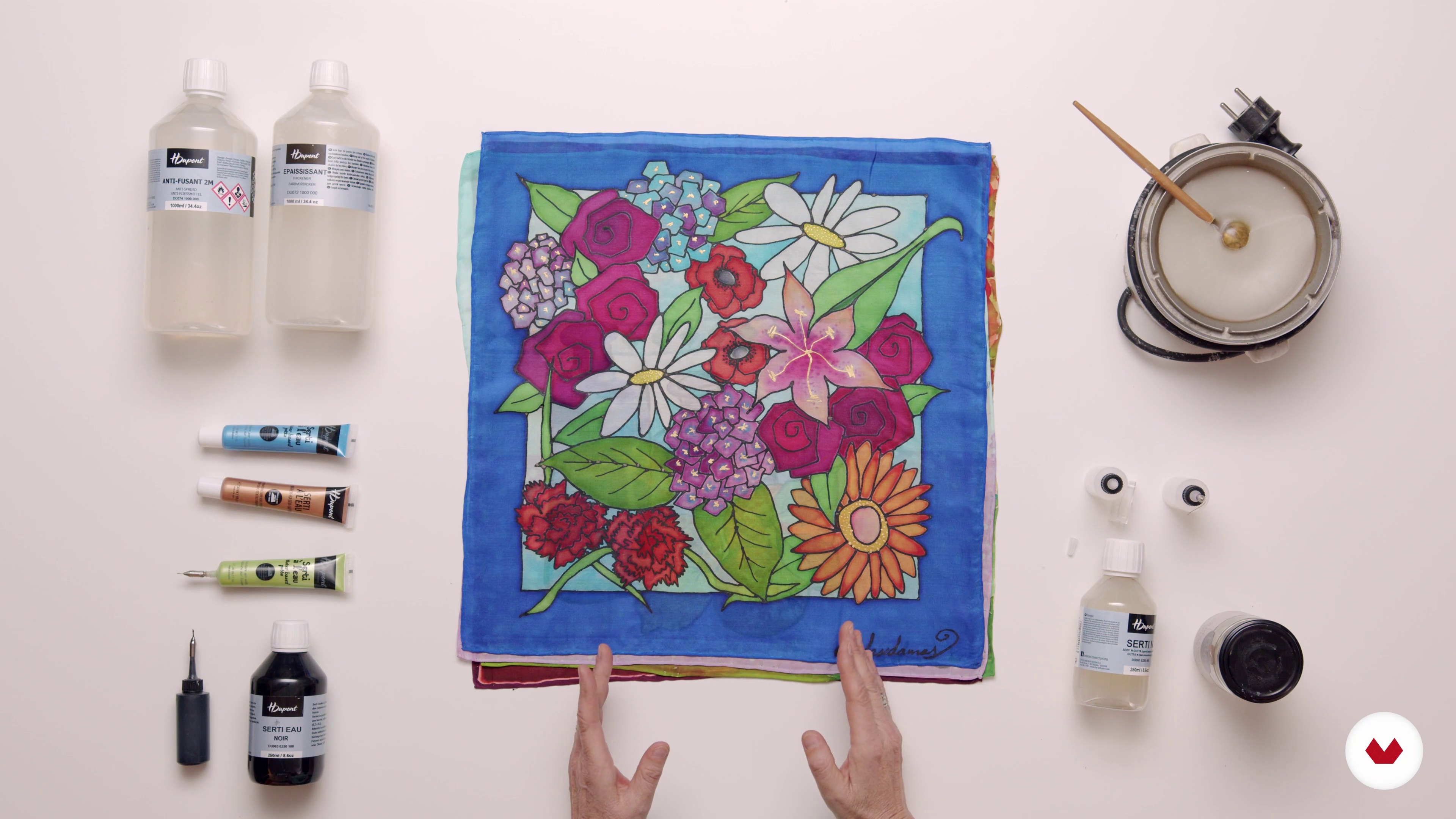
6Reserves and paint control
In this lesson we will show you the different forms of reservation and the differences between them. We are going to show you ways to control paint and waste as little as possible. Go for it!
6m
 7
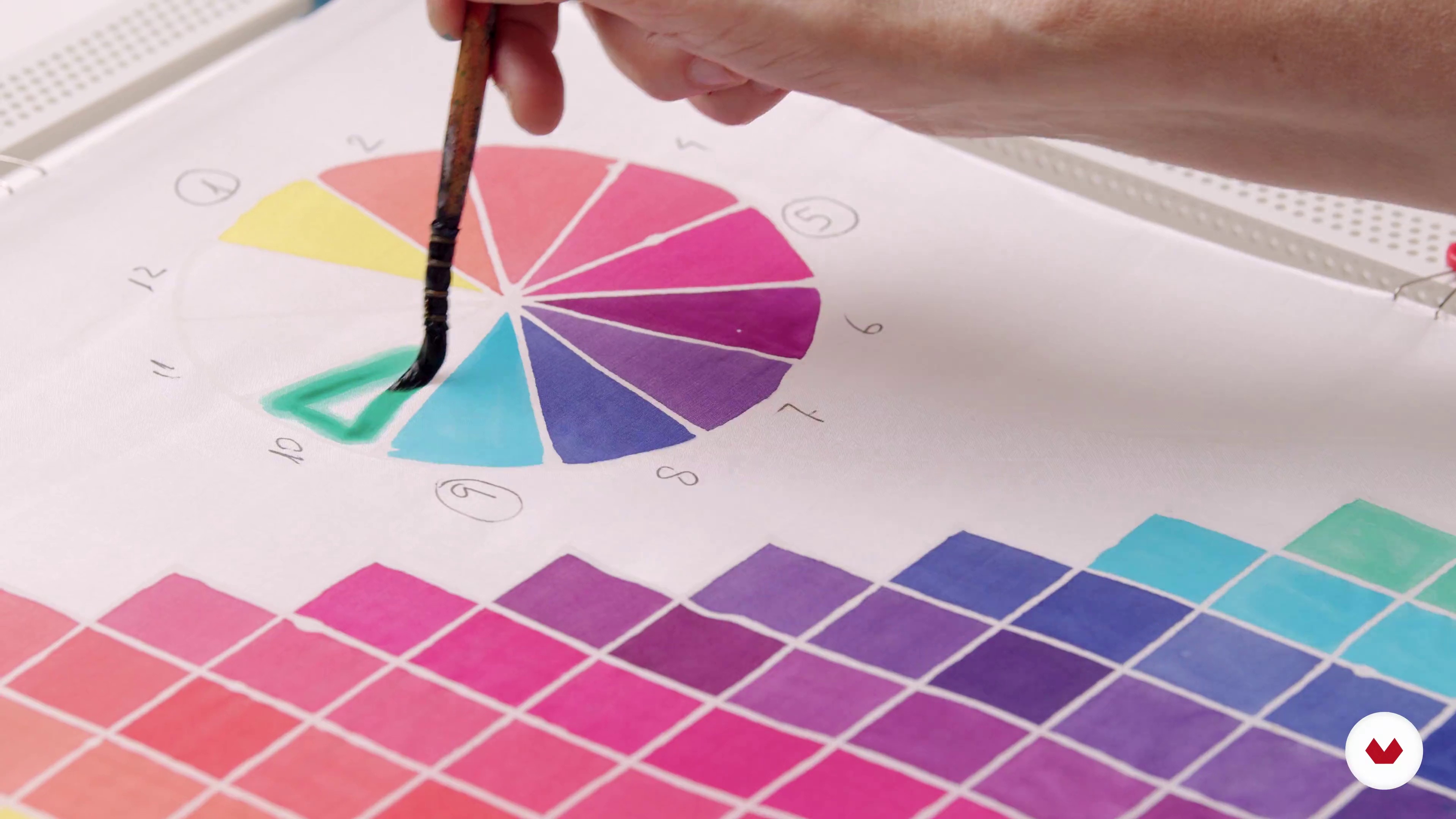
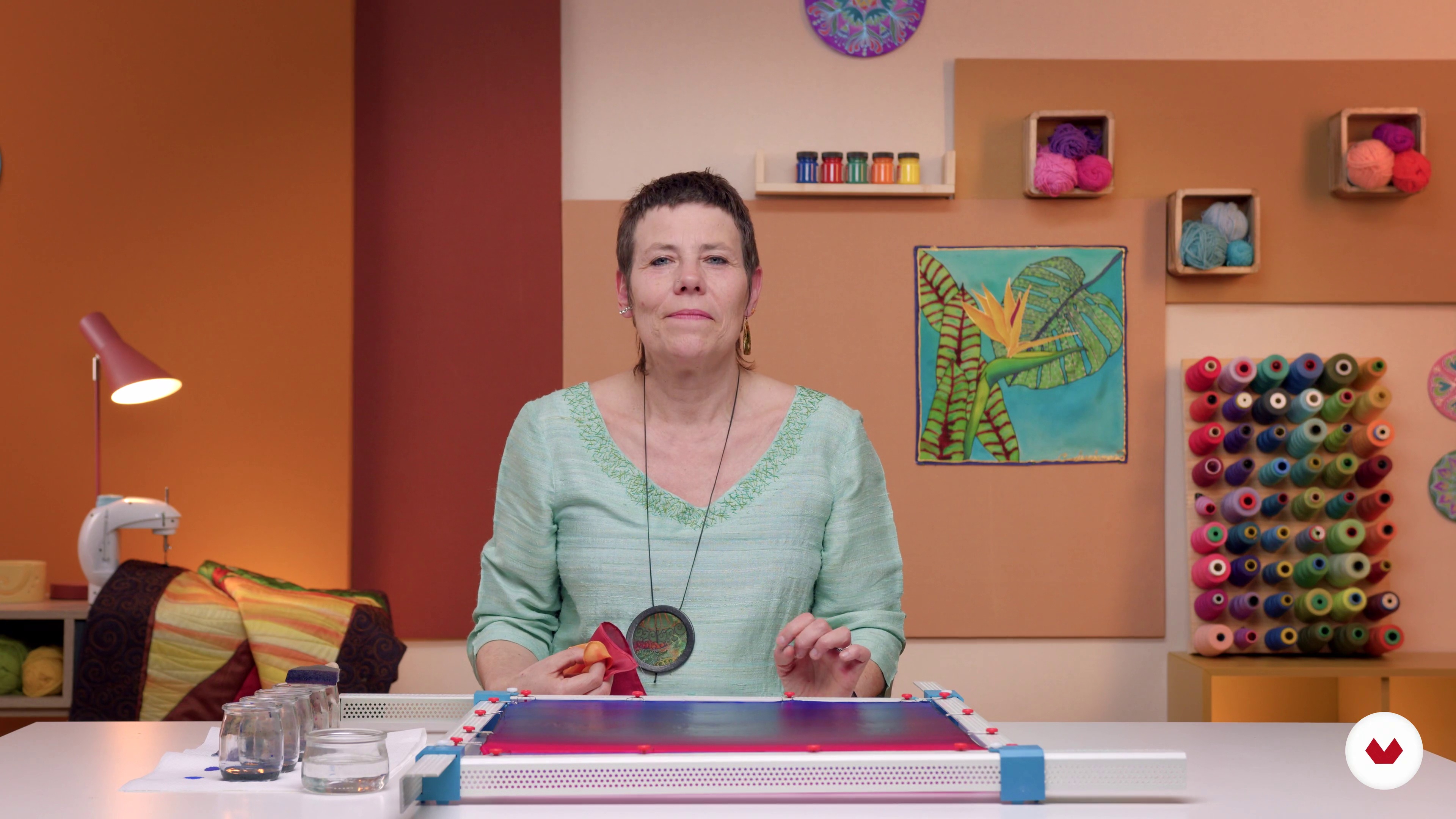
7Color chart
An important step is to make our own color chart based on the three primaries: yellow, magenta and cyan. This will help you understand how to mix to get the colors you want.
19m
 8
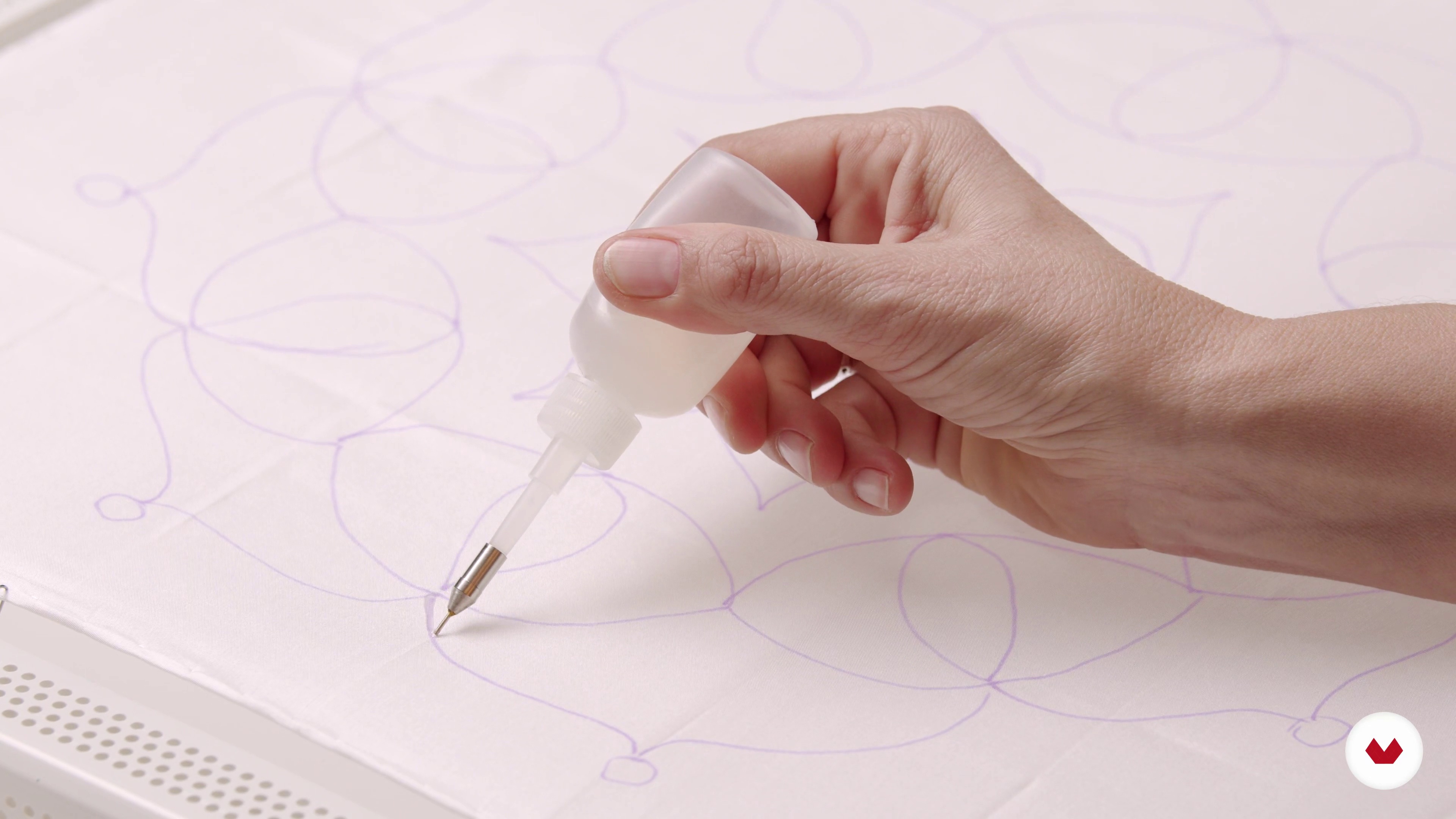
8Gradients
We start by making gradients. We will make one of value, from light to dark, and another of color, passing from one to another. You will see what a beautiful result!
14m
 9
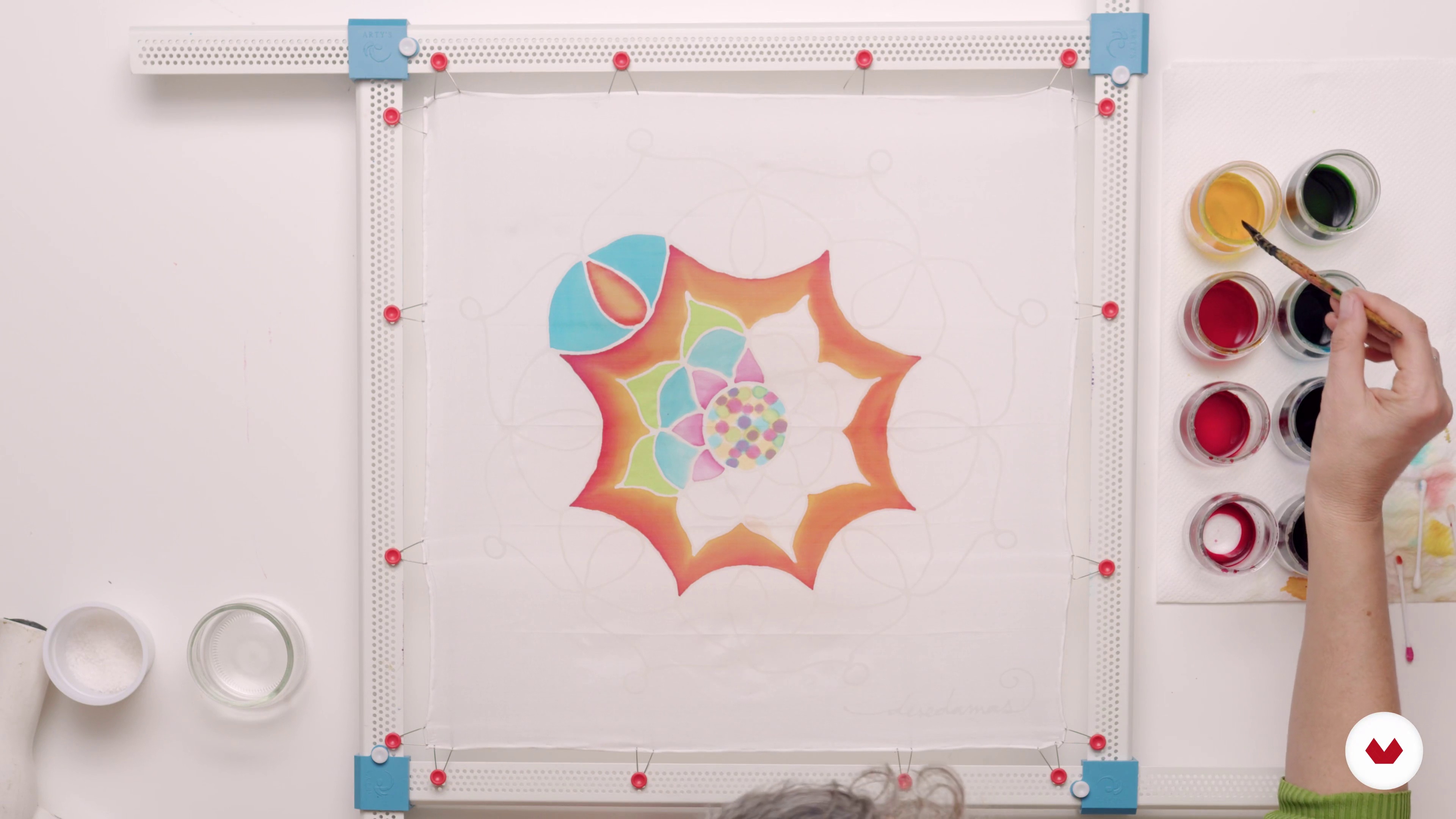
9Transparent gutta 1
The transparent gutta is the most traditional form of silk painting. We will show you how to work with this type of reservation and so that you can put it into practice yourself. You dare?
14m
 10
10Guta transparent 2
In this second part we are going to do a little color gradient.
16m
 11
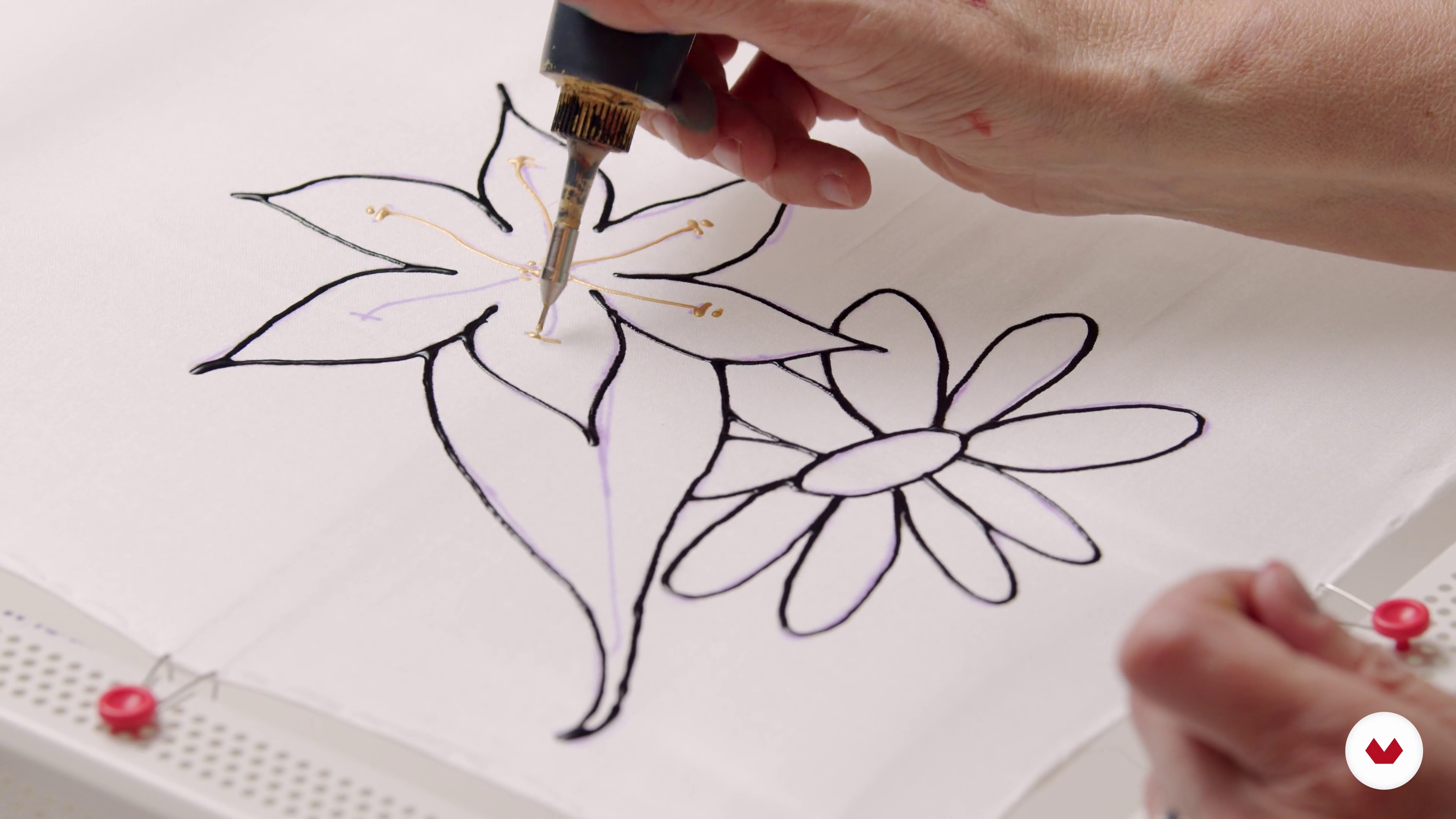
11Decorative gutta
Since you know the transparent gutta, let's go now with the decorative gutta. They have some similarities, but we will also show you how they differ.
12m
 12
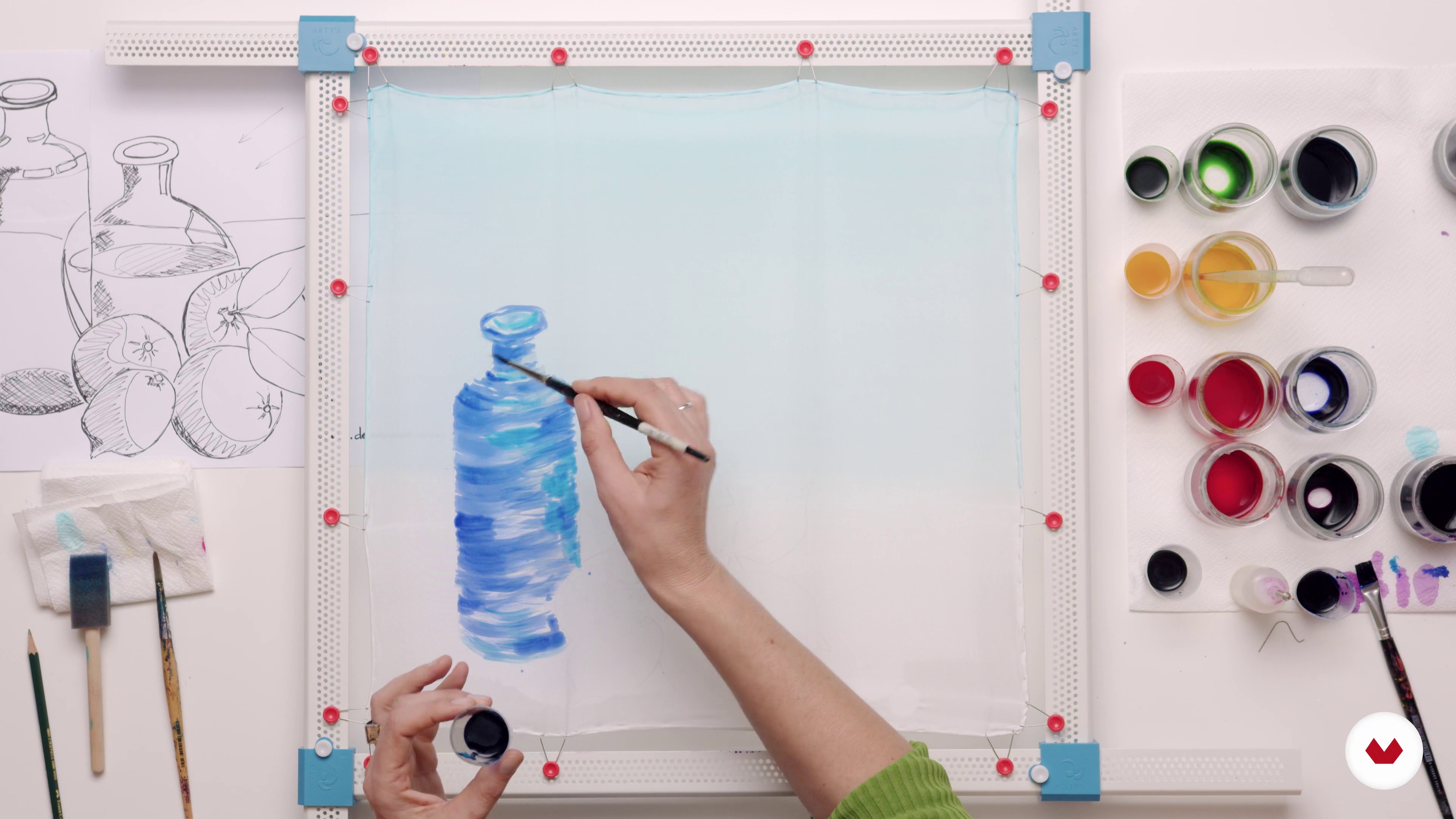
12Thickener 1
Now we are going to focus on the thickener. With it you can paint in a different way, managing to work much more freely and spontaneously. With the use of the thickener, an effect close to oil paint is achieved. All precious.
17m
 13
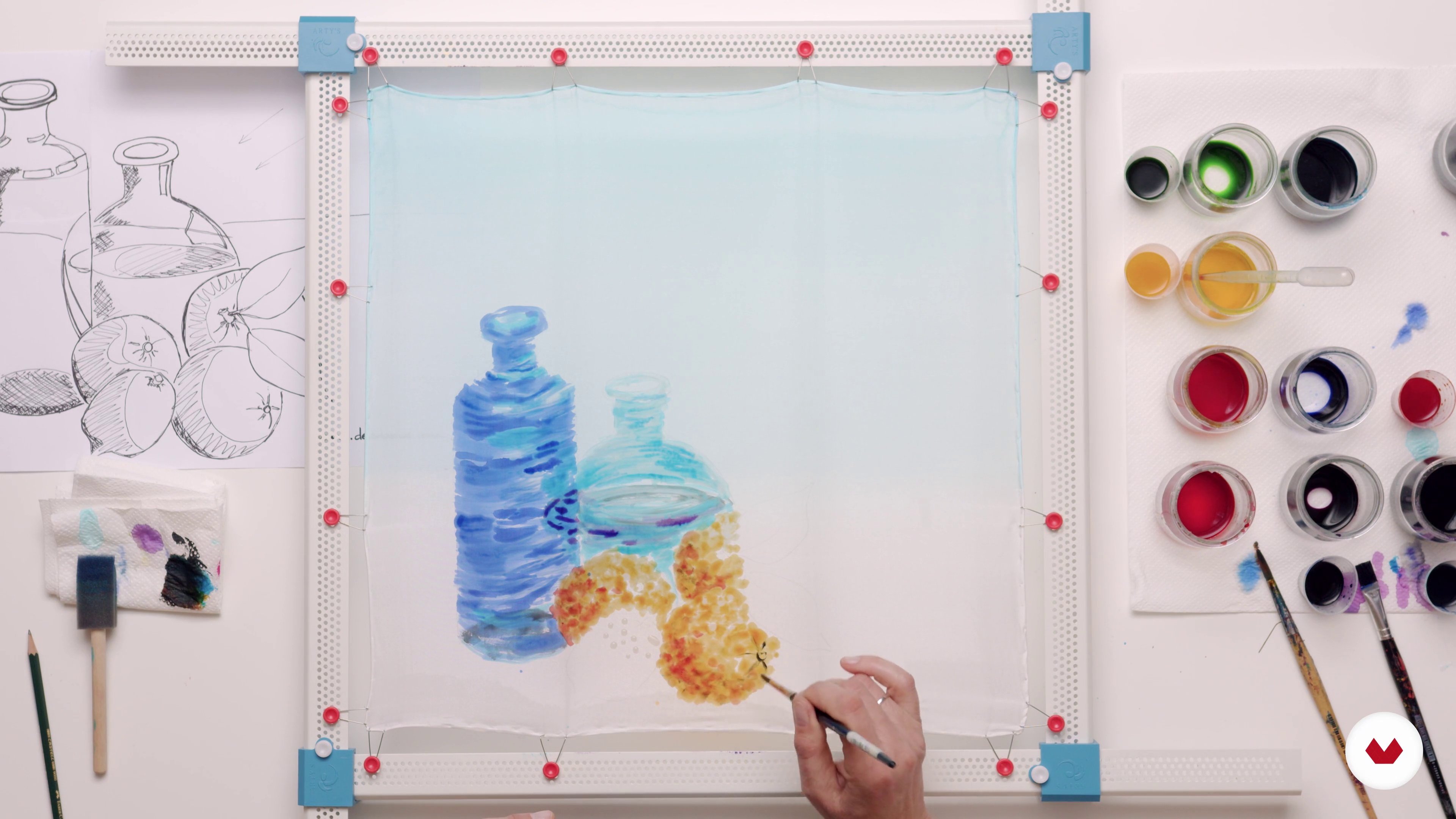
13Thickener 2
In this continuation we are going to make other elements of our composition.
17m
 14
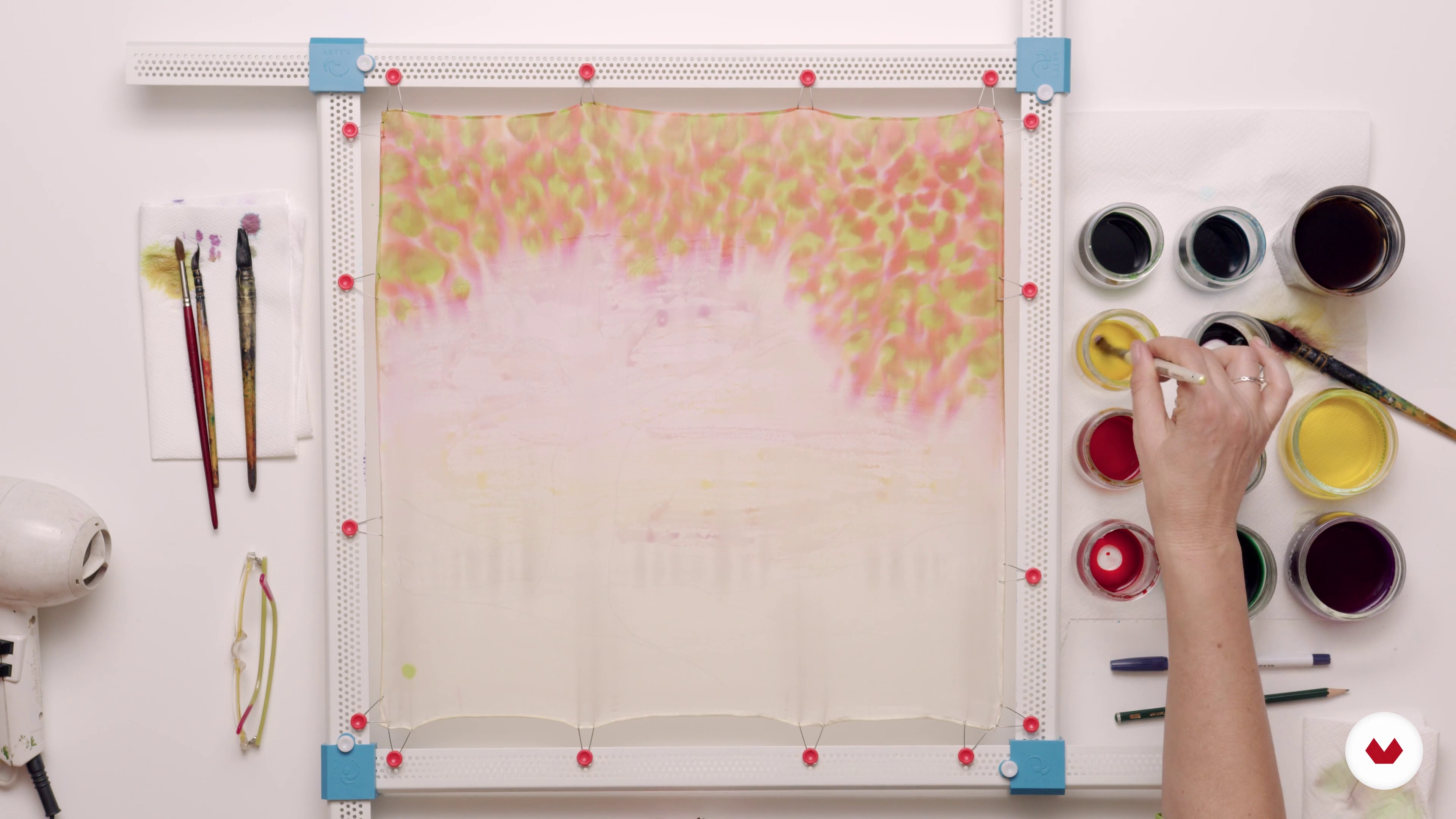
14Anti-slip 1
Applying this product to silk, create a layer where the paint does not run and the brushstroke remains at the point where it is applied. We explain everything we know about the anti-slip so that you too can become familiar with it.
15m
 15
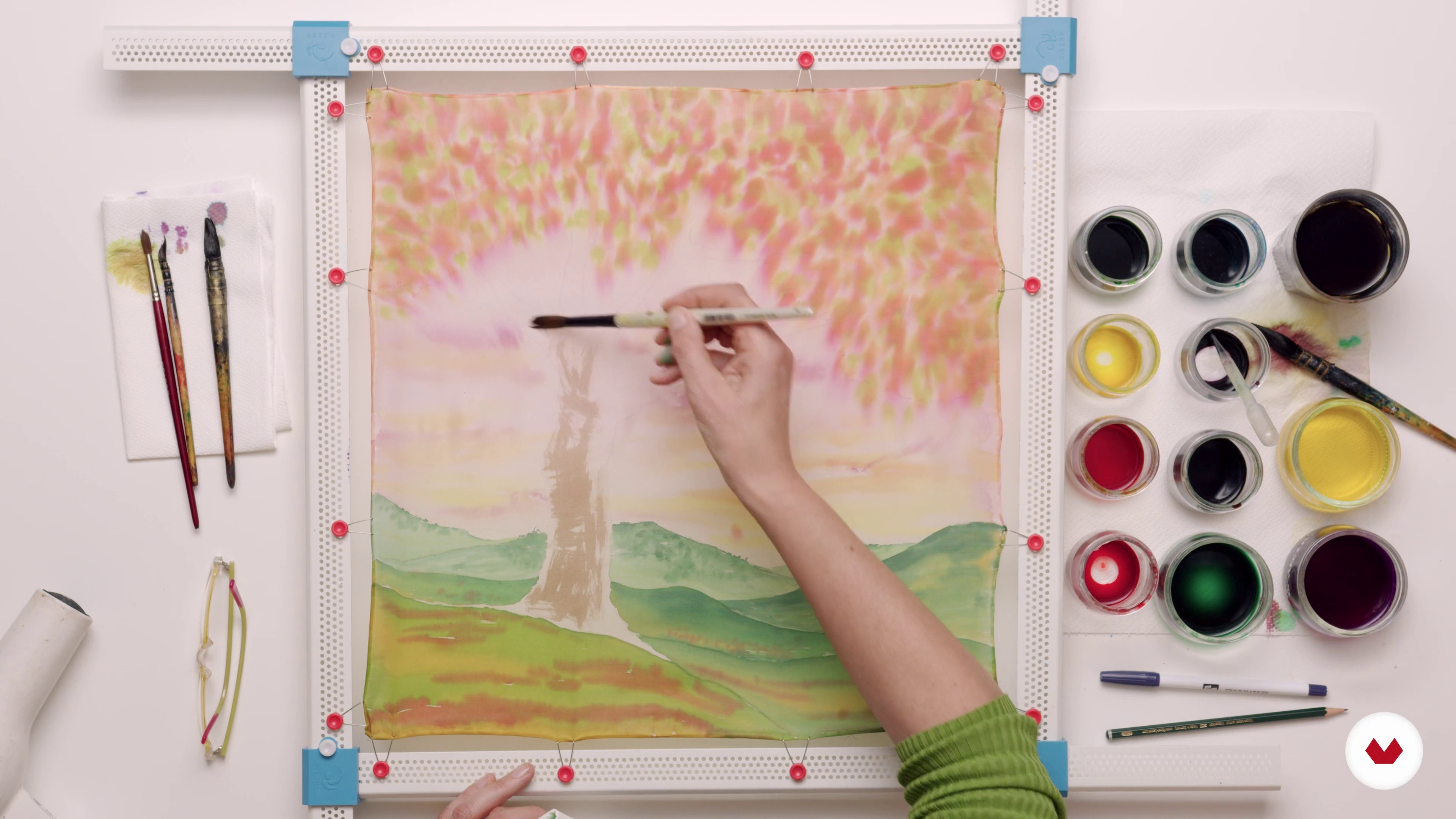
15Anti-slip 2
Now that we have the background done, we will continue with the painting of the other elements.
14m
 16
16Introduction to batik 1
Batik is one of the oldest and most surprising forms of reserve. With the introduction that we will make to this technique, you will have a basis to continue working and deepening it.
12m
 17
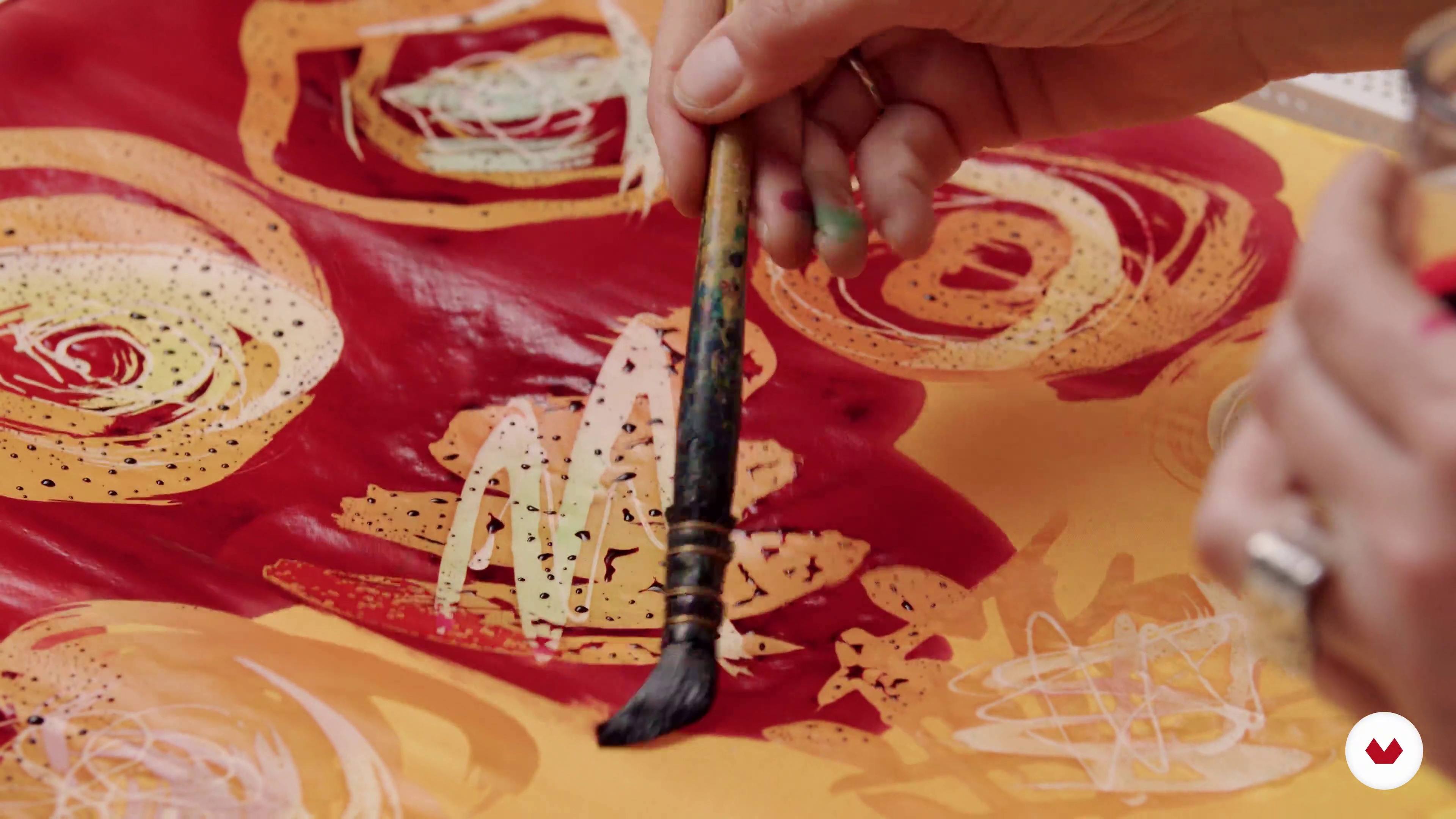
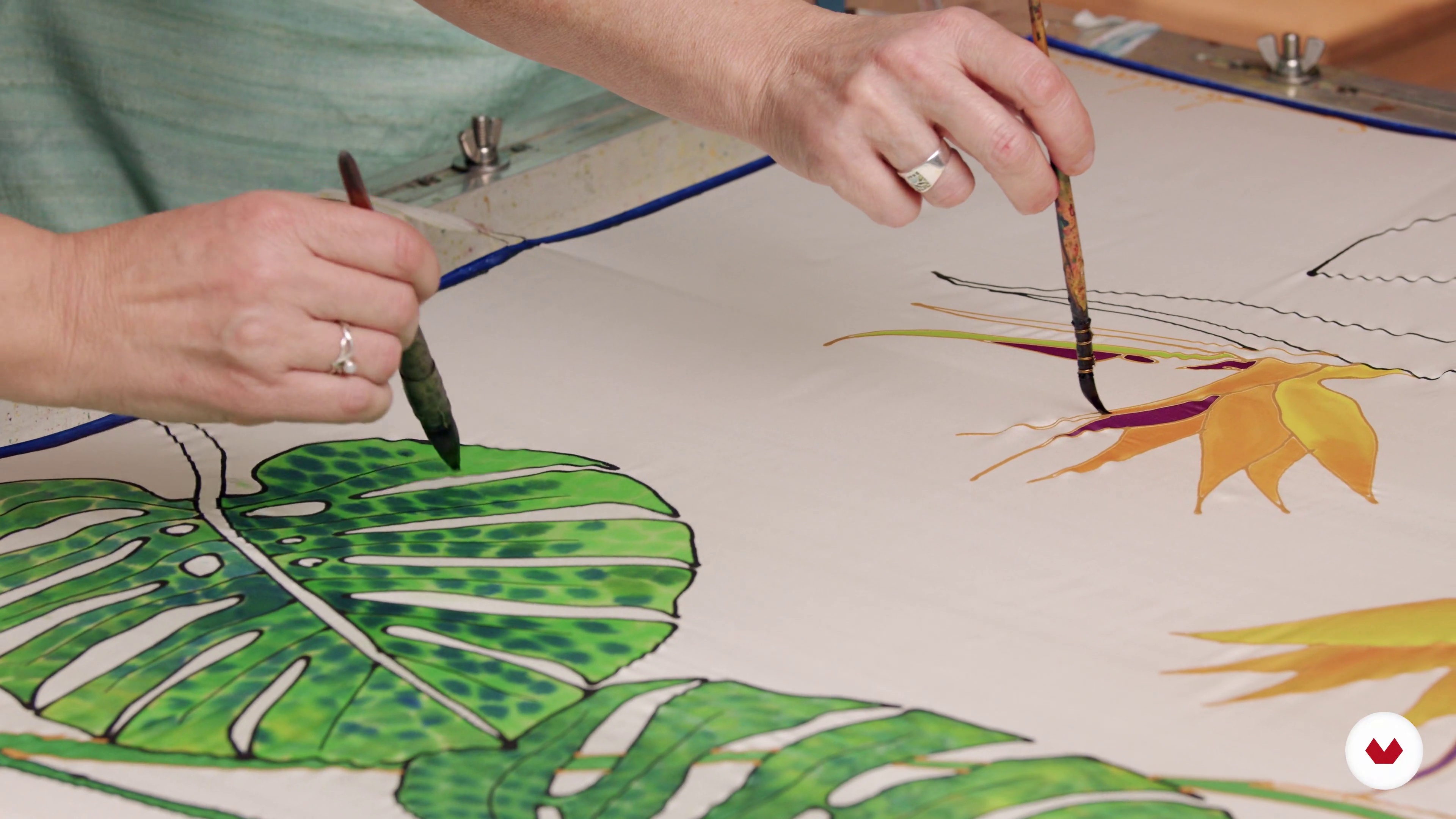
17Introduction to batik 2
In this second lesson we will paint several layers of different colors.
10m
 18
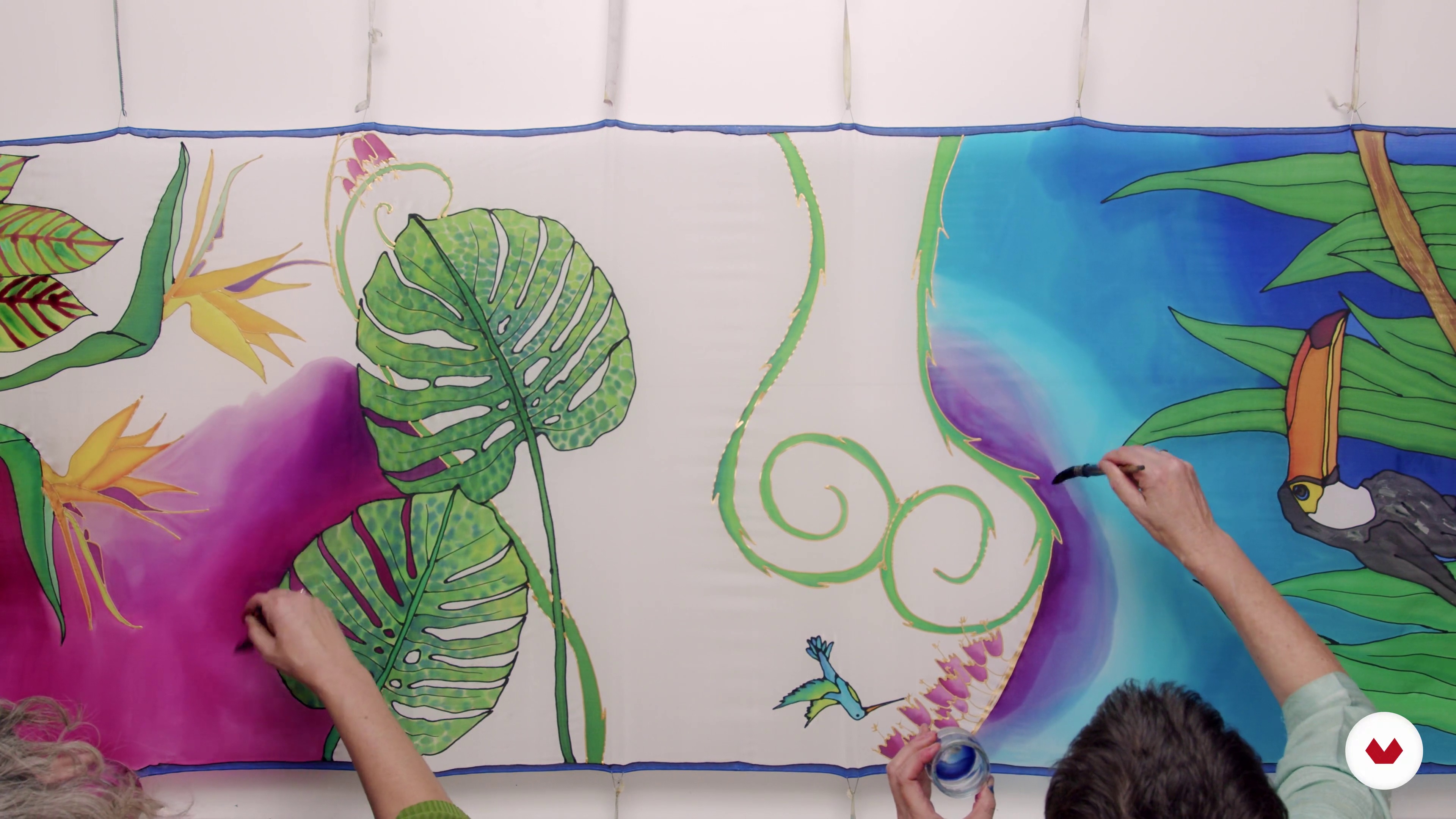
18Mixing techniques 1
Now you know the main ways to paint and work with silk. It is time to apply it to a specific project. You can paint the scarf with our proposal, although we encourage you to explore other possibilities or to look for other designs and find ways to apply them to your creation.
15m
 19
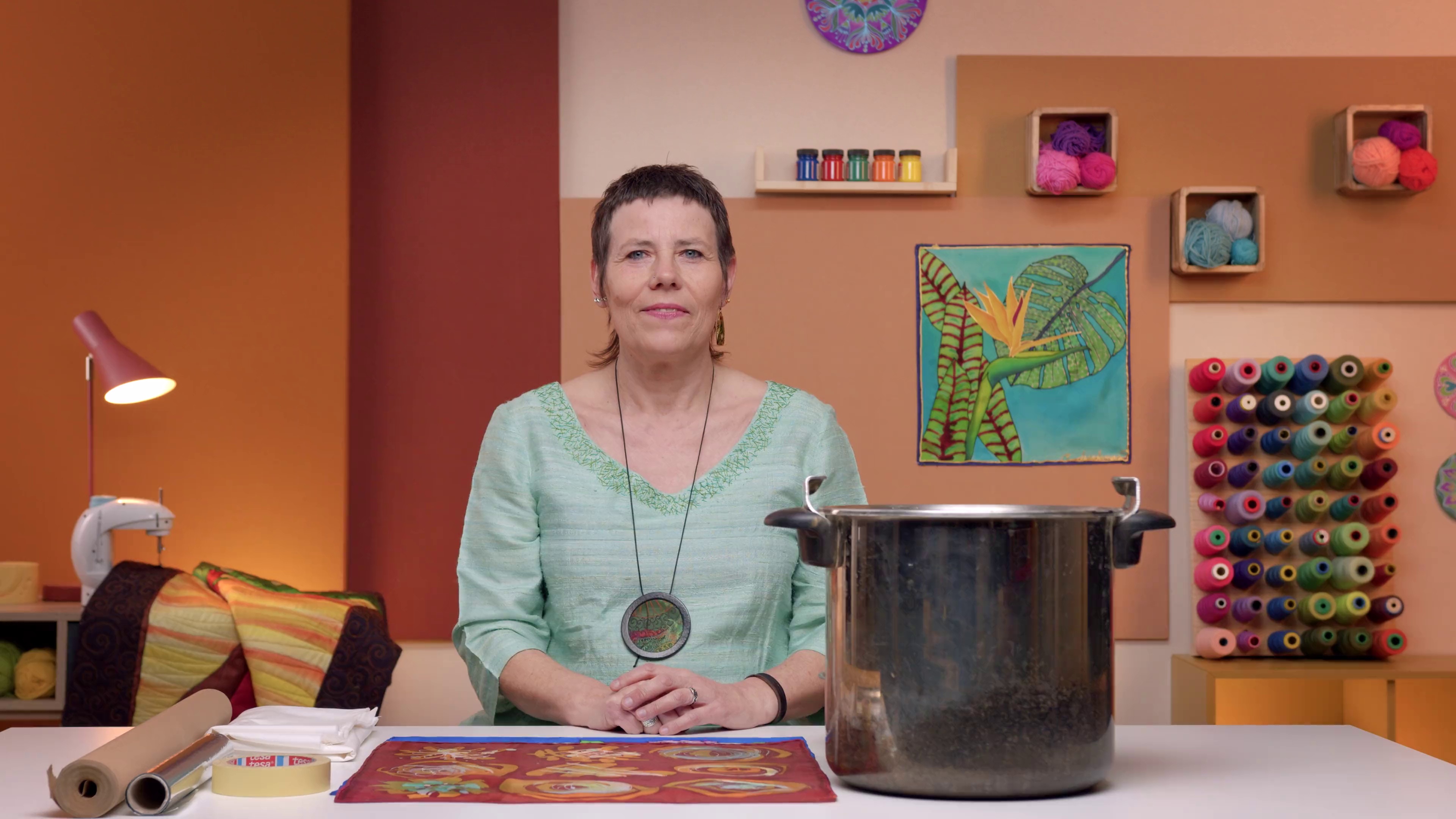
19Mixing techniques 2
In this last lesson we will finish the painting of our scarf and you will see the result of the different techniques that we have applied.
15m
 20
20Fixing
In this lesson we will show you this process to perform depending on the type of paint you have used. We will teach you how to fix your pieces at home.
8m
 21
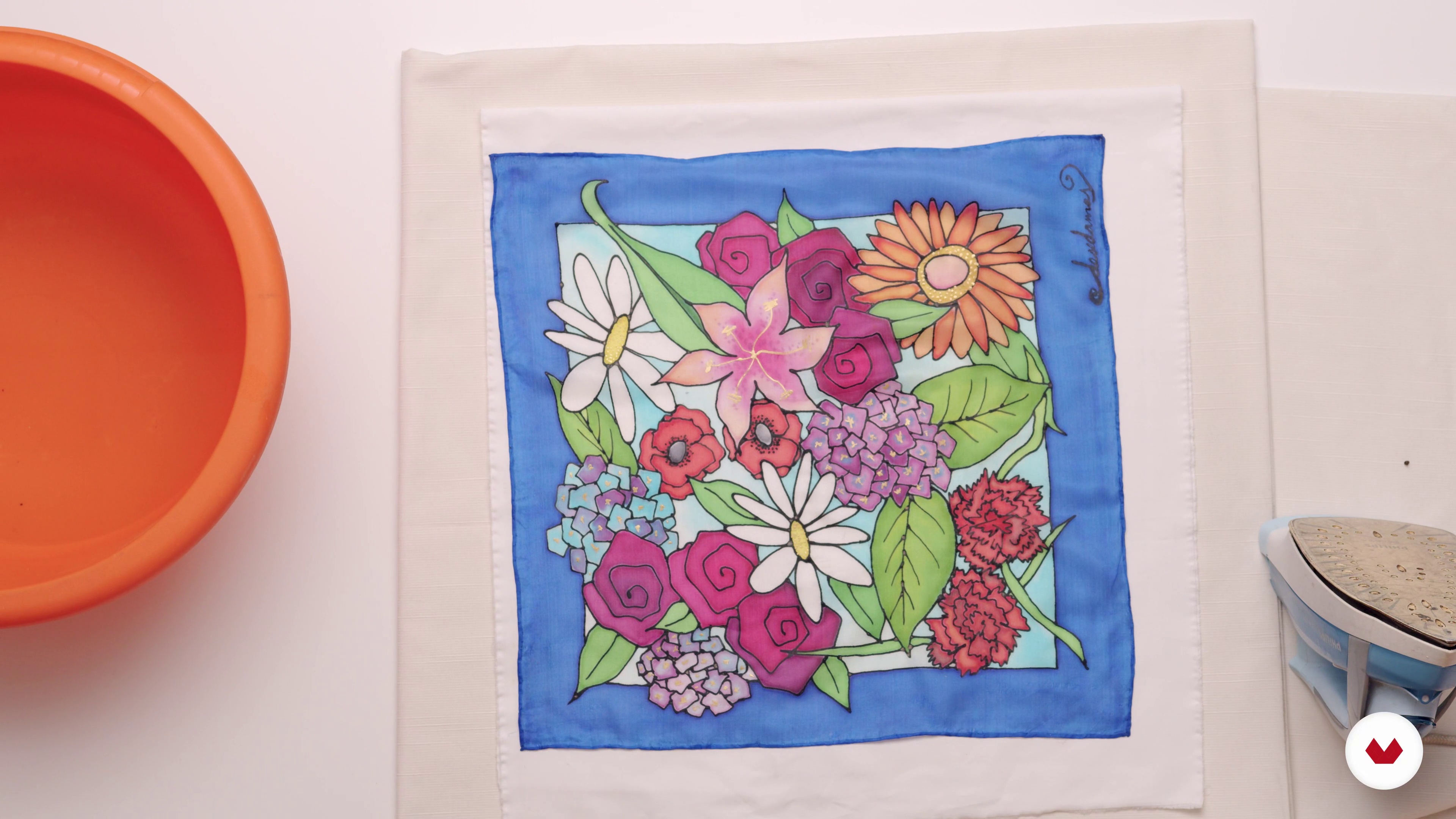
21Silk care
Once our work is done, we will give you all the instructions to care for all types of silk, as well as how you should wash, iron or store your creations. We are going to give you all the little tricks so that the silk always stays beautiful and shiny.
3m
 22
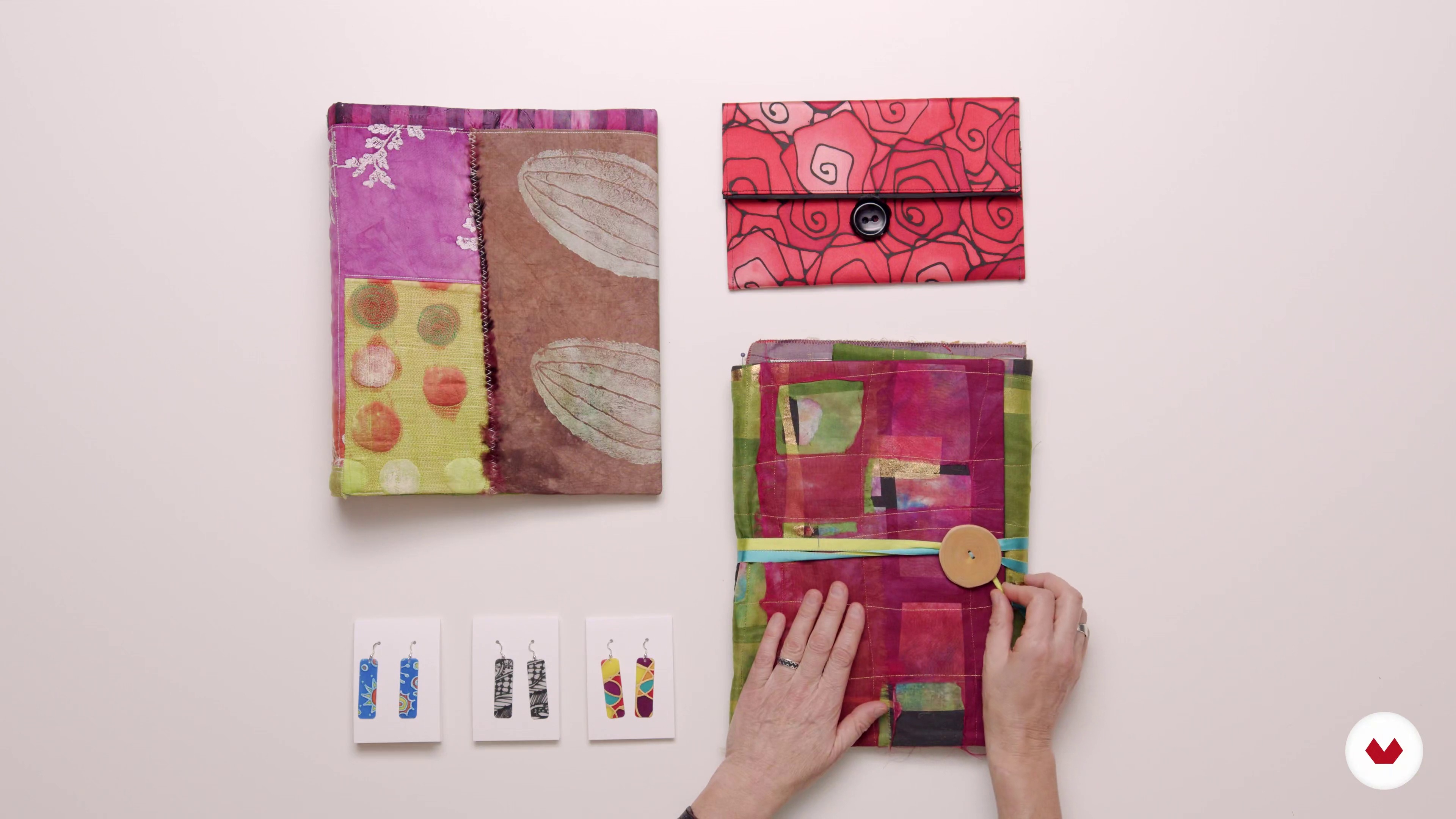
22Other apps
During the years we have been creating with silk we have carried out numerous projects and we have used and applied it in different ways. Here we show you some, hopefully they will serve as inspiration!
6m
What is this course's project?
The course project culminates in the creation of a collection of five textile pieces that reflect mastery of various dyeing techniques, integrating personal creativity with tradition, and demonstrating a coherent and mature visual narrative.
Who is this specialization for?
Textile artists, fashion designers, artisans, and visual educators seeking to expand their technical skills in textile dyeing will find in this specialization an opportunity to explore techniques such as tie-dye, shibori, marbling, silk painting, and batik.
Requirements and materials
No extensive prior knowledge is required. You will need natural fabrics, suitable dyes, dyeing containers, protective gloves, and folding and tying tools. A curious attitude and a willingness to experiment will be your best allies on this creative textile journey.
Reviews
- 3 months ago
Great course, I'm in love with it! I am deeply grateful to all the teachers for sharing their invaluable expertise on various textile dyeing techniques in a such clear, knowledgeable and passionate way. I can't wait to start practicing!
Select to get to know your teachers in this specialization course


What to expect from this specialization course
Learn at your own pace
Enjoy learning from home without a set schedule and with an easy-to-follow method. You set your own pace.
Learn from the best professionals
Learn valuable methods and techniques explained by top experts in the creative sector.
Meet expert teachers
Each expert teaches what they do best, with clear guidelines, true passion, and professional insight in every lesson.
Certificates
PLUSIf you're a Plus member, get a custom certificate for every specialization course. Share it on your portfolio, social media, or wherever you like.
Get front-row seats
Videos of the highest quality, so you don't miss a single detail. With unlimited access, you can watch them as many times as you need to perfect your technique.
Share knowledge and ideas
Ask questions, request feedback, or offer solutions. Share your learning experience with other students in the community who are as passionate about creativity as you are.
Connect with a global creative community
The community is home to millions of people from around the world who are curious and passionate about exploring and expressing their creativity.
Watch professionally produced courses
Domestika curates its teacher roster and produces every course in-house to ensure a high-quality online learning experience.
FAQs
The Turkish marbling technique involves creating marble-like patterns on the water’s surface and transferring them onto fabric using paints, carrageenan, and tools like combs or droppers. It produces unique visual effects on textiles.
The course is intermediate level, perfect for those with basic knowledge of textile or dyeing techniques. You don’t need to be an expert, but some prior experience with crafts or dyes is recommended.
You’ll need fluid acrylic paints, carrageenan, combs, droppers or pipettes, mild soap, water, a tray, cotton canvases, and gloves. Homemade alternatives for some tools are suggested.
You’ll learn how to prepare the tray, mix paints, create Turkish and nonpareil patterns, apply dyeing and marbling techniques on textiles, select color palettes, and care for dyed pieces.
Natural fibers like cotton, linen, and silk are best for marbling because they absorb pigments well and allow optimal pattern transfer.
Carrageenan is dissolved in water according to specified ratios, mixed until it reaches a thick but fluid consistency. Adjusting viscosity is key so pigments float properly.
If the tray is too thick, add water and stir well. If too thin, add a bit more carrageenan and let it rest. The ideal consistency lets paint spread without sinking.